Archive | Gardens RSS feed for this section

Willunga’s Blue Bees

13 Dec


Dear Reader:

A few weeks ago I spent a weekend in the charming little country town of Willunga just south of Adelaide, in the McLaren Vale wine region. I was updating some illustrations in one of my wildlife books and needed some photographs of honeyeaters feeding on different coloured flowers. We stayed in a heritage B&B on the edge of the town with a lovely garden featuring stands of agapanthus, native hibiscus and several large bottle brush trees. Throughout the day a variety of birds, including both new Holland and white plumed honeyeaters, used their elongated beaks to probe the blossoms and hawk for insects.
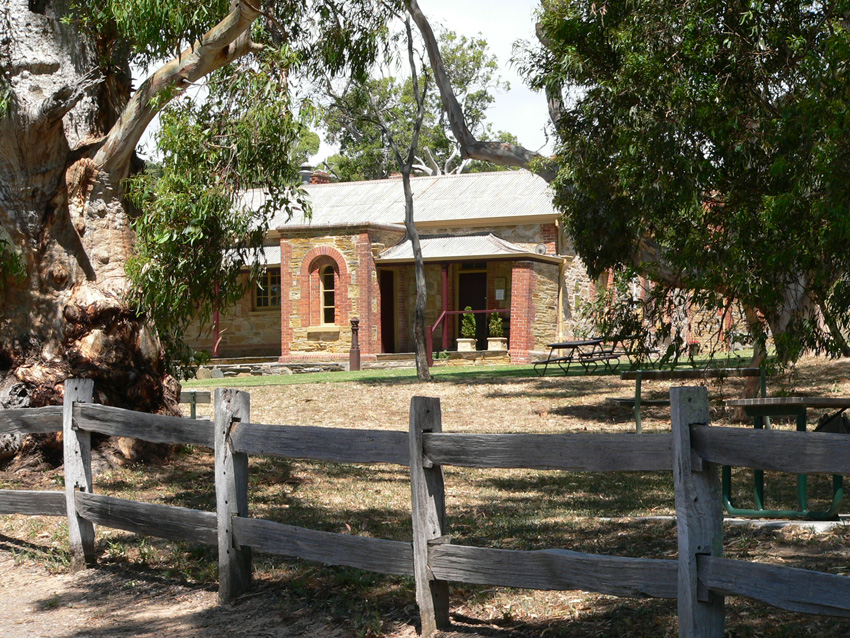
1 Willunga has many fine old colonial buildings

Willunga has many fine old colonial buildings


As well as honeyeaters the plants attracted more than their fair share of bees. Between sips of wine and a nibble of cheese (doing it tough that day) I watched them flit from one blossom to another gathering nectar and collecting a dusting of pollen on their legs. Then, out of the corner of my eye, I caught sight of one bee flying more erratically than the others, it seemed to hover for a second then repeatedly zoom off in different directions; like a miniscule attack helicopter. Every so often it would land but only for a short time before resuming its unpredictable flight pattern.
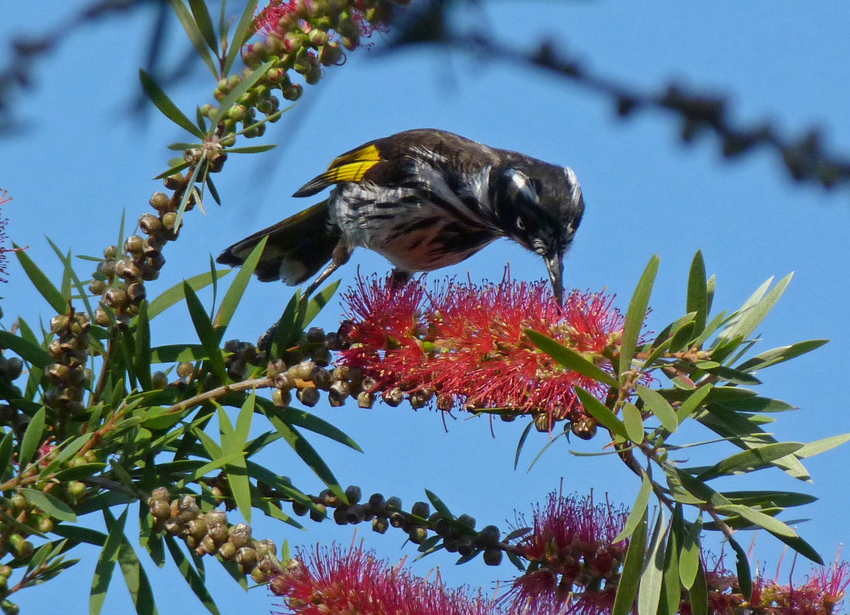
2 New Holland honeyeater probing bottle brush flowers for nectar

New Holland honeyeater probing bottle brush flowers for nectar


I moved my chair a little closer to the native hibiscus, where the little insect seemed to be spending most of its time, set the camera to macro zoom and started to track it through the lens. The bee was certainly smaller than the honeybees that were also doing the rounds of the blossoms and it appeared to have a bluish tinge. I fired off a couple of frames and took a closer look on the review screen. It was certainly not a honeybee. Over the next hour and a half several of the little blue bees appeared at different times and I managed to get a series of images that I could use to identify them. I suspected they were native bees which I had heard of but knew very little about.
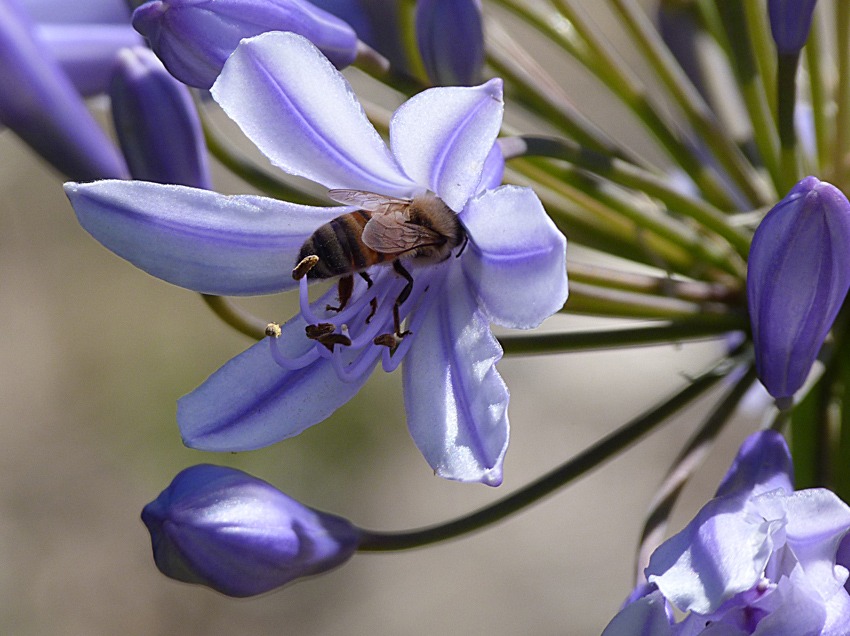
3 Honeybee feeding on a blue agapanthus

Honeybee feeding on a blue agapanthus


My guess was correct. The little insect was a blue banded bee (Amegilla cingulata). Blue banded bees are actually far more common than I realised and are found throughout SE Asia. They contribute to the pollination of many commercial crops with their unique ability to buzz pollinate; the result of intense wing vibrations when they cling to flowers.

4 Banded blue bee hovering in front of native hibiscus 2

Blue banded bee hovering in front of native hibiscus blossom


Unlike honey bees these native bees are not colonial with females building burrows in dried up river banks or even soft mortar in urban housing. Their sting is mild and they are not aggressive. Interestingly, these blue bees collect most of their nectar from blue flowers and since my initial sighting I have found them on the lavender and agapanthus in my own garden. They have obviously been there for years and I had never even noticed; yet another lesson in observation.

Cheers

Baz


Photo Reflections 1

21 Jul

Dear Reader;

As you may have gathered from my previous posts, South Australia has a diverse selection of landscapes and wildlife. When you add our temperate climate and clear skies to the mix, it becomes abundantly obvious that this is a place well suited to wildlife photography. In this post, and a few more in the future, I will share some of my favourite wildlife encounters and the images they produced. They will not always be my most technically correct pictures but they will be the ones that invoke my fondest memories.

Telowie Gorge 2_09-10-07_0008_1

Telowie Gorge; a classic dry creek habitat


Echidnas are the hedgehogs of Australia. They trundle along like little battle tanks searching for termite mounds which they rip apart with their powerful front claws. They are in fact monotremes, a peculiar group of mammals that lay eggs; their closest relative is the platypus one of the world’s most bizarre creatures. This particular echidna was wandering across a dirt track on Kangaroo Island and paid little attention to me as I followed it for several hundred metres into the thick bush.

A Echidna trundling across dirt track

Echidna trundling across dirt track


Zebra finches are found throughout South Australia. They tend to frequent dense bushland where there is a lot of cover. The males are more distinctly marked and brightly coloured than the females. I lay cramped in a thicket of acacia bushes for over an hour watching a group of these colourful birds waiting for the opportunity to capture an image that demonstrated the difference between the sexes. As you can see I was eventually rewarded for my efforts when a pair landed on a nearby branch.

B Male and female zebra finches

Male and female zebra finches


As a wildlife photographer I spend a considerable amount of time flat on the ground, half covered in dust and leaf litter. It is therefore inevitable that sometimes I will share these times and spaces with the critters that call them home. However, I was not quite so philosophical when a sizeable forest scorpion decided to co-habit the log I was balancing my camera lens on. We spent an awkward few minutes together before the little arachnid decided that it was more comfortable under the log where it had been peacefully residing before a large hominid disturbed its rest.

C Scorpion

An inquisitive scorpion


One of the most difficult tasks I face as a wildlife writer is to adequately describe with words and pictures the environments that I explore. The edge of the Aldinga reef is one of my favourite haunts. The shallow limestone reef breaks the surface at low tide and falls away sharply several hundred meters offshore to sandy bottom dominated by algae and seagrasses. The actual edge is well defined with a series of crevices and caves that provide a wonderful habitat for a variety of fish including drummer, leatherjackets and magpie perch. On my last dive I took a dozen pictures trying to describe this characteristic environment eventually capturing the one you see here which included all the essential elements; algal growth, three species of fish and the rocky edge of the reef.  

D The edge of the reef

The edge of the reef


I hope that you enjoyed these images and the little stories that accompanied them.


Cheers

Baz 

My South Aussie Garden

15 Jun

Dear Reader

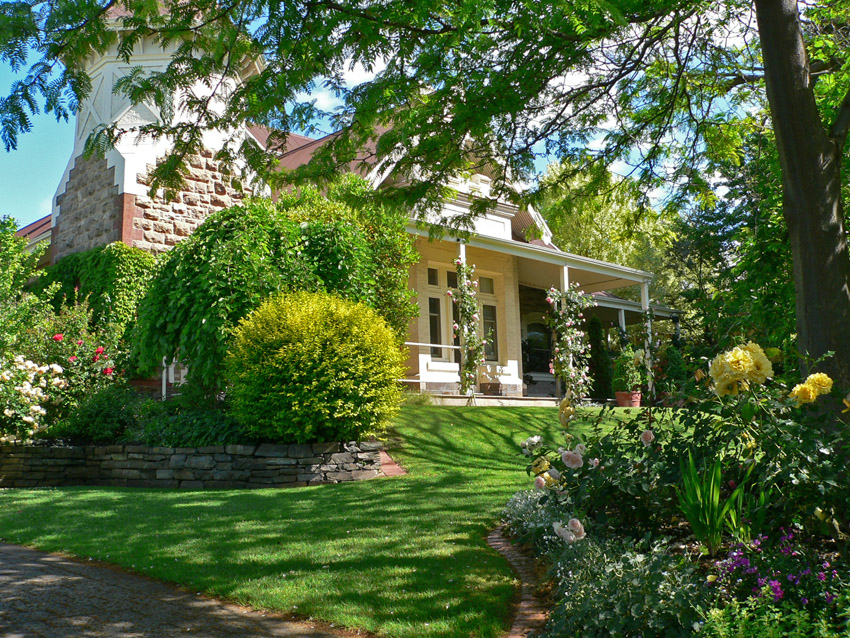
The people of Adelaide have the luxury of a glorious Mediterranean climate; cool and wet in the winter, mild to warm during autumn and spring and hot and dry in the summer. Such benign weather combined with the city’s ideal location between hills and coast provide excellent conditions for gardening throughout the year. Viewed from the hills, the city looks like a green patchwork of tiny gardens, expansive parks and tree lined boulevards. In general, South Australians take great pride in their gardens creating personal spaces that provide a sanctuary in a modern urban setting as well attracting local wildlife into the city.

AE Clssic home and garden in North Adelaide

Classic home and garden in North Adelaide

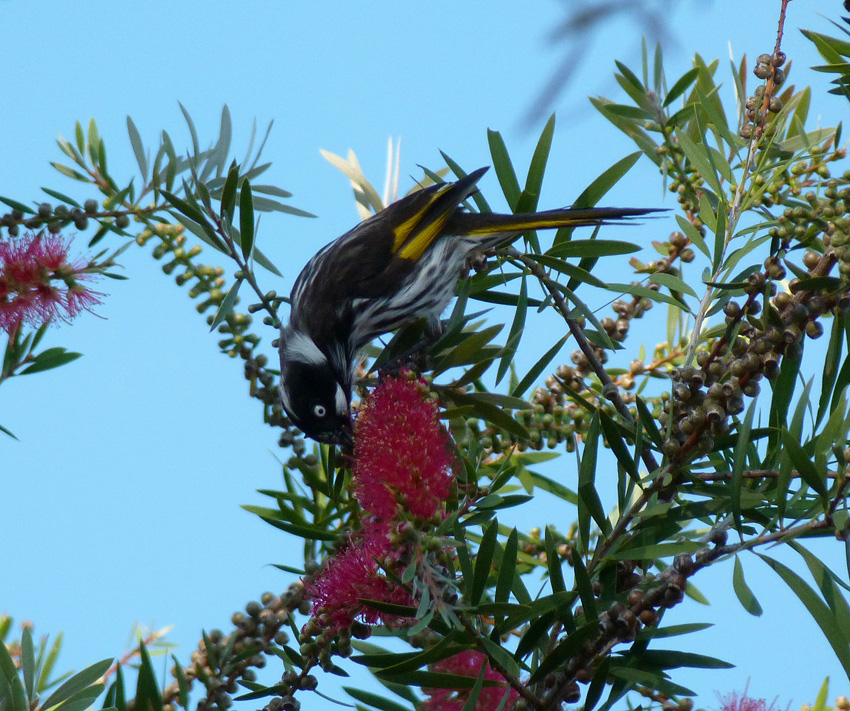
My own garden, like that of many Adelaideans, is a combination of native shrubs, trees, lawn and exotic flowering plants, all carefully chosen to give colour throughout the year and attract both birds, insects and the occasional reptile. Small areas of lawn and strategically placed rocks provide variations in terrain while outdoor seating and water features add aesthetics plus an all important source of moisture in the summer months.

AB New holland honeyeater feeding in bottlebrush

New holland honeyeater feeding in bottlebrush

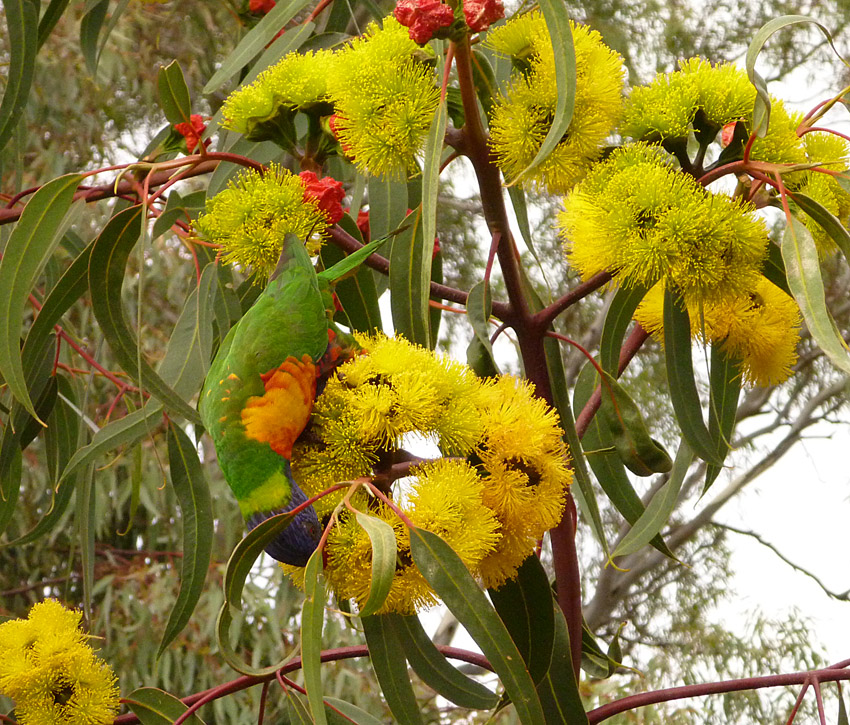
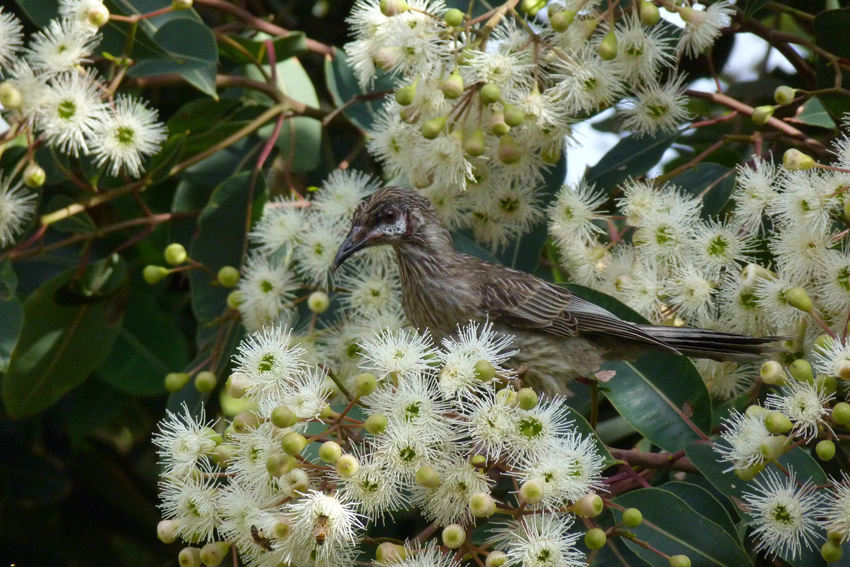
A couple of sizeable eucalypts dominate the back of the garden. The smaller of the two has large yellow flowers that blossom in the spring and tends to attract a wide variety of parrots, especially rainbow lorikeets. The larger tree has smaller, white flowers that seem to be at their best around Christmas. The  snowy blossoms are a favourite food for several different  species of honeyeaters including the largest of all; the wattle bird whose raucous cry sound remarkably like wakeup…wakeup.

AF Rainbow lorikeet feeding on red flowering gum blossoms

Rainbow lorikeet feeding on red flowering gum blossoms

AC Young wattle bird feeding in eucalyptus tree

Young wattle bird feeding in eucalyptus tree

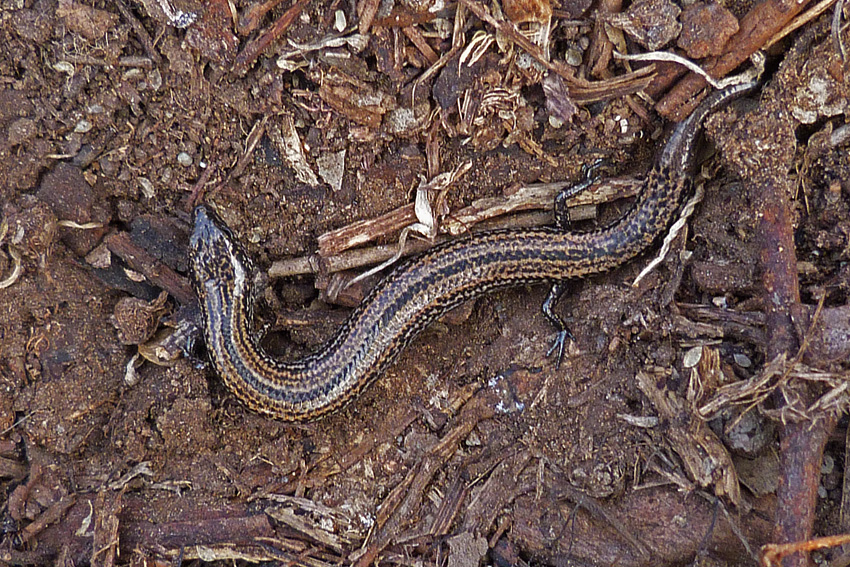
Several different species of lizards are quite common around the garden. Marbled geckos live amongst the brickwork and a variety of slender skinks including sliders and cenotus scurry under the leaf litter and rocks. Occasionally a blue tongue or shingleback makes an appearance during the summer months.

AAgarden skink amongst bark and leaf itter

Garden skink amongst bark and leaf litter


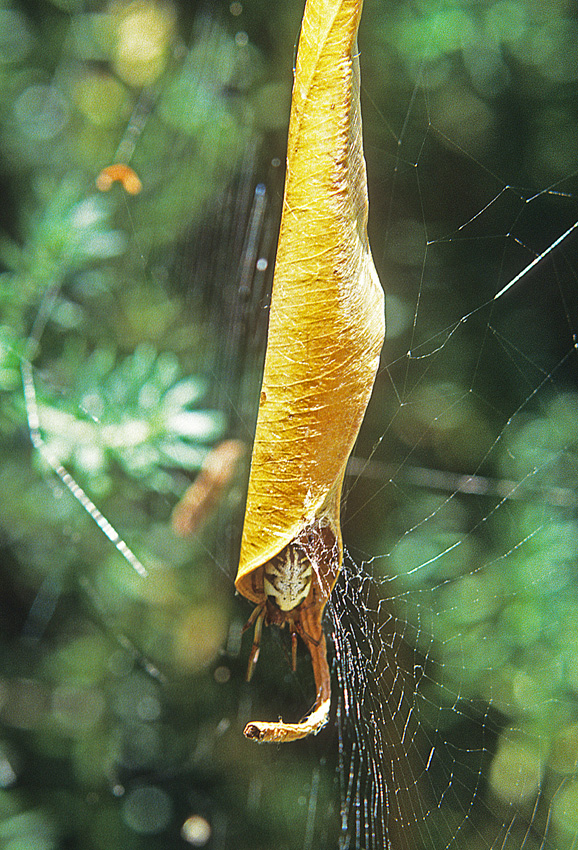
Spiders and insects are found in a myriad of micro-niches throughout the garden. Flower spiders hunt amongst the blossoms, red backs live in the dark recesses of garden sheds while various beetles, wasps and mantids (to mention just few groups) forage amongst the diverse shrubs and grasses.

AD Leaf curling spider

Leaf curling spider using a gum leaf to construct its home


This is a merely a brief introduction to my garden. In some of my future posts I hope to share much more detailed stories and observations about the animals and plants that   I encounter each day in my own garden and others that I might visit around the state.

Cheers

Baz

Any feedback on this post is most welcome

← Back

Thank you for your response. ✨