Archive | Adelaide Hills RSS feed for this section

An Autumn Walk and Drive Around Stirling

21 Mar

Dear Reader:

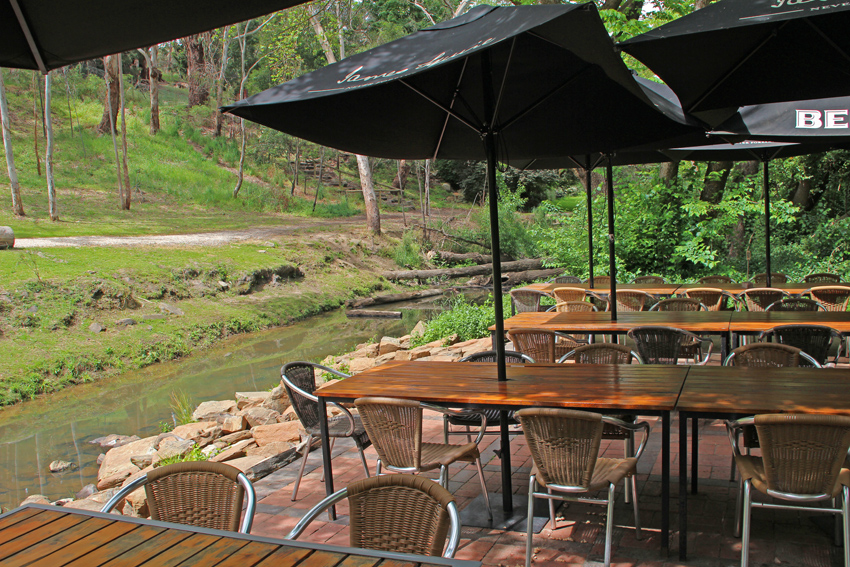
There are ravens in the tree near the restaurant. We call them crows in SA but the birds that live around Adelaide are usually little or Australian ravens. True crows are found much further north in outback regions. The birds are feeding on some autumn berries in a deciduous tree by the roadside. Every so often, one of the more adventurous gang members swoops down and reconnoitrers the outdoor tables for any tasty leftovers.

1 1 red

Raven disguised as crow


I am sitting in Rubys Organic cafe in the hills town of Stirling, a twenty minute drive from the city along the south-eastern freeway. This charming town of around 3000 people has a distinctly English feel about it. As well as native trees the town has numerous European species and the cooler climate makes it ideal for plants such as azaleas and camellias.

1 2 red

Healthy, interesting and tasty


After a healthy and delicious (gf) lunch of salmon croquettes and a pumpkin and bean salad, I drive out to the golf course on the outskirts of the town. At the end of the aptly named Golflinks road I park the car and walk into the Mt George Conservation Park. Tall stringybarks dominate this section of the walking trail which is part of Adelaide renowned Heysen Trail. Some of the trunks are blackened from earlier fires though most are still alive and bearing new growth. There is a proliferation of native groundcovers including heaths, grevillias and even some tiny orchids and lilies sheltered in the understory.

1 3 red

One of the many small plants growing in the understory, probably a heath


Walking through the forest is enjoyable but most of the bird life is high in the trees and hard to photograph so I return to the car, drive back and head along Old Carey Gully Road to the Mt George turn off. At the little picnic area, pleasantly situated by a small dam, I rejoin the track which is now part of the Pioneers Womens Trail. It runs over a small bridge where I pause to look into the creek bed in search of water skinks or perhaps a water rat (rakali). To my surprise I catch a fleeting glimpse of a small rat-like creature hopping across a pool on a fallen log. It is a southern brown bandicoot, a marsupial, not a rat at all. It pauses for a brief moment on its makeshift bridge and I take a shot. Photographically, the results are somewhat mediocre but in terms of satisfaction as a naturalist, it is a special moment.

1 4 red

Bridge on trail crossing Cox Creek


1 4 2 red

Unbelievable to get a photo of a bandicoot especially in daylight hours


But the bandicoot is not my last marsupial. To really ‘make my day’ I spot two koalas, probably a mother and joey, perched on a slender eucalypt overhanging the creek bed.

1 5 red

Mum and youngster


I started with lunch in Stirling and I decide to finish with a visit to Aptos Cruz; one of my favourite hills art galleries.

1 7 red

Aptos Cruise gallery from the top floor


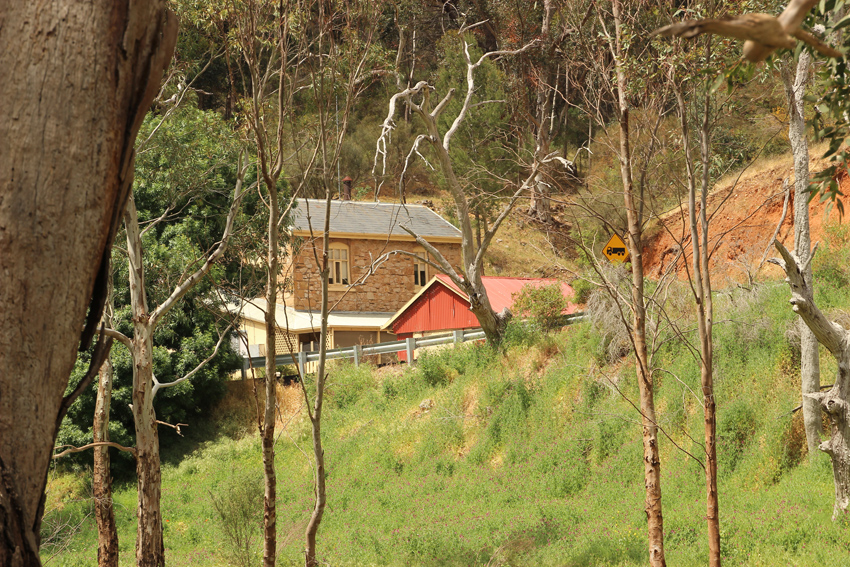
However, on the short drive back to the town nature provides one last surprise when a deer bounds out across the road then pauses amongst the singed trunks of the gums on the edge of the roadside

1 6 red

Oh dear, wrong continent!!!

Cheers

Baz
Montacute’s Cherry Trail

10 Feb

Montacute’s Cherry Trail 

Dear Reader:

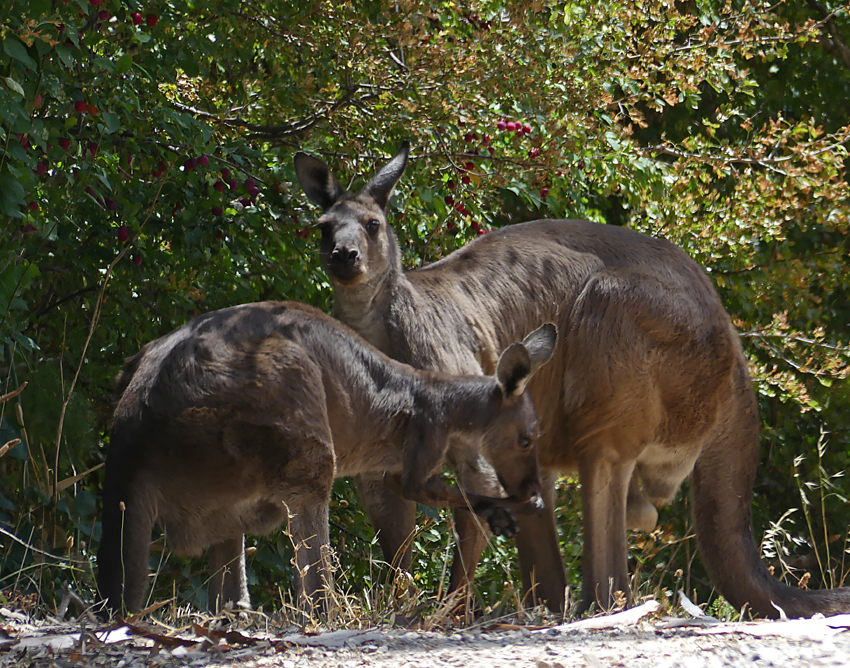
The two roos are huge. It is rare to see grey kangaroos this large quite so close to the suburbs. They are browsing by the side of a gravel track just off the main road. The male seems quite protective of the female looking intently at me while she continues to feed. But in truth both seem unfazed by my presence.

1

Grey kangaroos


I am parked just near St Andrews Uniting Church where the tortuous curves of Corkscrew Road heads back down to the Torrens Gorge. Earlier I had driven up Montacute Road past the hills face suburbs of Newton and Athelstone. The road traversed The Black Hill Conservation Park as it followed the winding path of Fifth Creek to the little community of Montacute famous for its cherry orchards.

2  red St Pauls ANglican

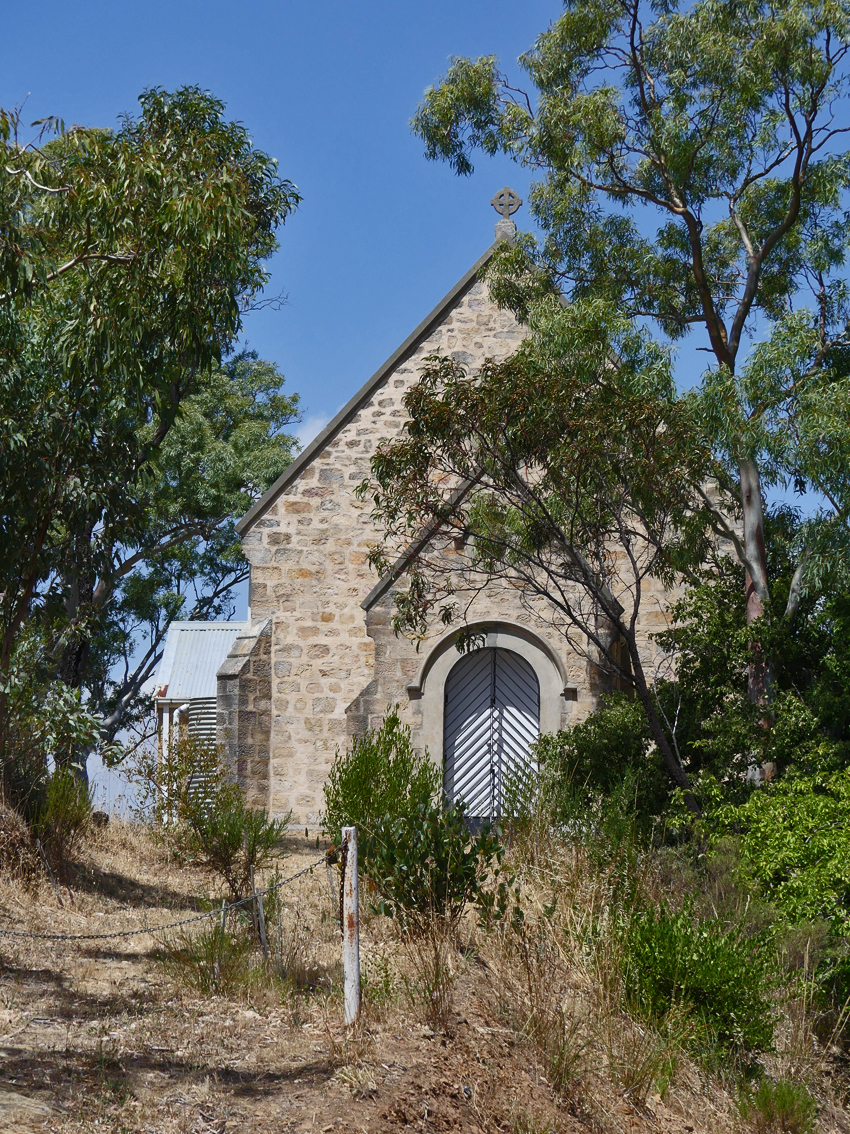
St Andrew’s Church


Along the way I had stopped at several parking bays to access the park. Much to my surprise nearly every stop yielded a koala sighting. They were hanging in trees, nibbling leaves and one was even scuttling clumsily across the ground to a new arboreal refuge.

3

Relaxed koala


After walking around the scrub near the church photographing butterflies and other insects I call in at Montacute Valley Orchards. I park near the farm shed and purchase a few kilos of cherries and some superb home-made ice cream. But my wildlife instincts are drawn to the birds that are frequenting the nearby fruit trees. There are lorikeets, miner birds and wattle birds feeding on cherries and apricots in the foliage as well as cockatoos and rosellas rummaging amongst the fallen fruit below the trees.

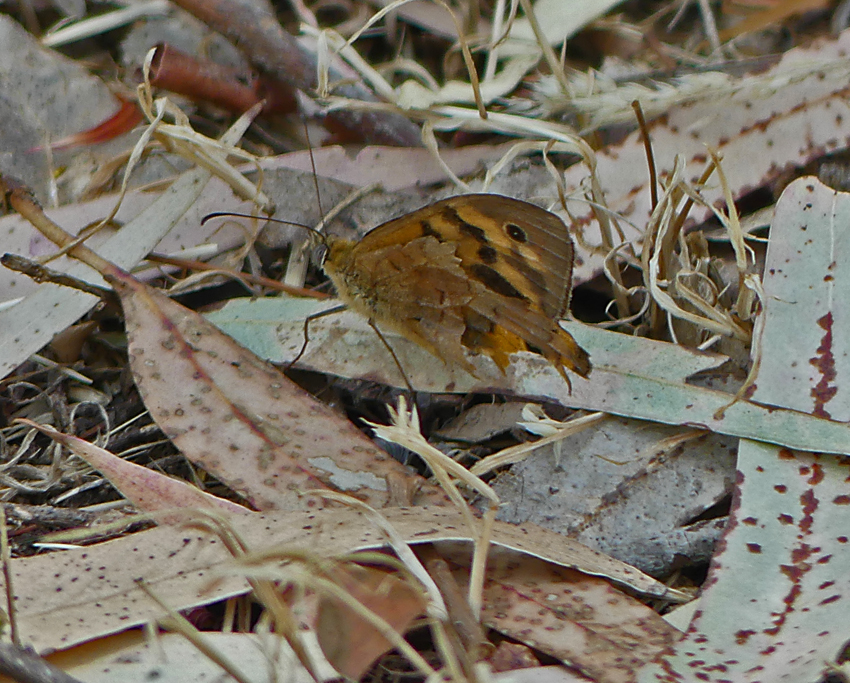
4 red meadow argus

Meadow argus butterfly


4 red musk lorikeet

Musk lorikeet in cherry tree


With a belly full of ice cream, a bag full of cherries and an SD card full of images I call it a day and drive back to the city via corkscrew Road and the Torrens Gorge.

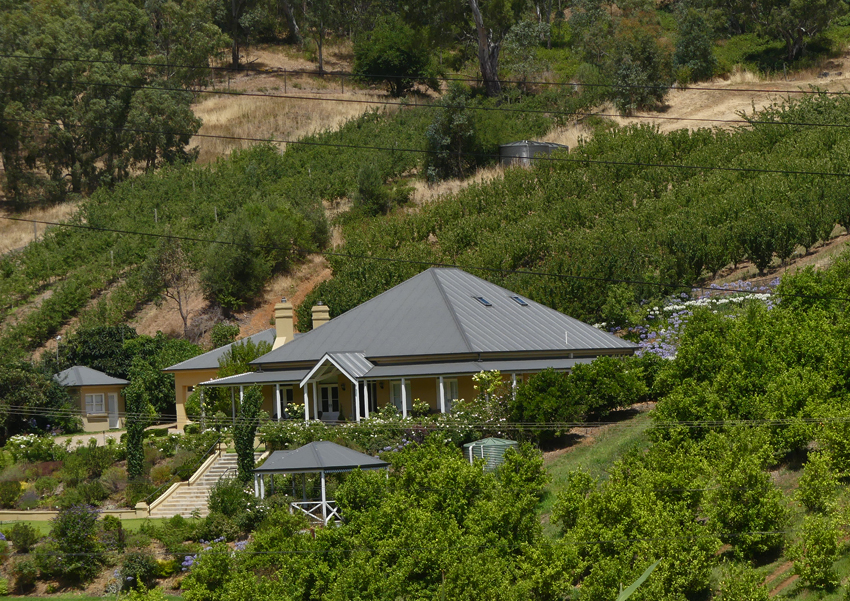
5 One of the lovely hills properies that nestle in the valley

One of the lovely hills properties that nestle in the valley


Cheers

Baz

Clarendon…A Bend in the River

15 Jan

Clarendon…A Bend in the River 

Dear Reader:

From where I am standing, half hidden amongst the reeds, I can see that the river is quite high after some recent rainfall and the water fowl are making the best of it. Both maned and Pacific black ducks are dabbling along the sheltered banks. Any ducklings seem to have reached maturity and left the area though some of the other water birds such as purple swamp hens and dusky moorhens are still tending their chicks.

1

Maned ducks


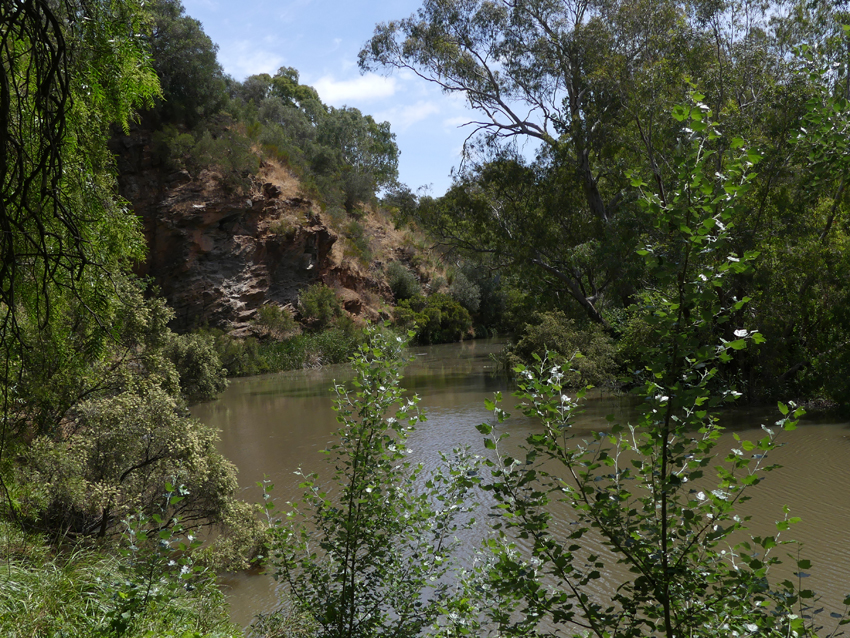
Riverbend Park is exactly what its name implies. Situated at Clarendon, just a two minute walk from the main street, it is a glorious little reserve with an abundance of habitats and wildlife. There are steep cliffs, reed beds, deep pools and shallow riffles. Wildlife aside, the township with its colonial feel, lovely old homes and good eateries, is a destination in itself and certainly worth the forty minute drive from the city.

4

Bend in the river

2

Classic old home


As I stroll along the well grassed banks of the park I notice several species of honeyeaters flitting across the water. The birds seem to be attracted to a huge river gum, gorging themselves on the insects sheltering beneath its peeling layers of bark. Positioning myself behind a nearby bench I rest the camera on a bean bag for stability and fire off a few shots, eventually capturing an image of a white plumed honeyeater hunting for bugs.

11111

Plumed honeyeater


 I follow a well worn dirt road downstream from the car park towards some crumbling cliffs that rise up from the river bank. Unable to go any further, I sit and wait for a while with the camera resting on my lap. There is movement in the undergrowth all around me and after a few minutes I catch sight of a small water skink making its way down to the water.

5

Water skink


After spending a couple of hours in the park, it’s time to indulge in lunch at the local bakery. I take the short walk over the ford then up a well worn path to the main street. Half way up the path I can hear the high pitched twittering of blue wrens. Back out with the camera for one last time! The decision is justified as both a male and female leave the shelter of the bushes to forage on the ground for their avian version of my long anticipated lunch.

6

Female blue wren

6 1

male blue wren


Cheers

And

Enjoy the New Year!

Baz

Athelstone … a river walk…field notes and images

15 Oct

Athelstone … a river walk…field notes and images


Dear Reader: I hope that you enjoy the field notes and images from my day exploring the lower reaches of the Torrens Gorge near Athelstone. I will be using this style from now on as it allows me to share more observations and thoughts with you.


Spring 12/10/2015

A cool morning with a little cloud cover and patches of blue sky

Drove from city to Gorge Road intersection then to Athelstone, approx 20 minutes

Stopped in at bakery to get steak pie, apple tart and fruit juice

Photographed historic community centre, lovely roses on display

Spoke to history officer

Quite a few colonial buildings in the area worth visiting

Started walk from the mining road 2.8 Kms from Athelstone Council chambers, just past stone and fibre house on RHS of main road, parked near the causeway (ford)

Followed old, narrow bitumen road along left bank of Torrens heading up the gorge (upstream) towards historic aquaduct

B18 jpeg

Council chambers

B17 image

Stone and fibre home by turn off


Trail to aquaduct only 800 meters

Not going to walk off impending lunch this way

Walked slowly, stop, look and wait

Can hear small birds twittering in scrub to the left

Several little wrens fossicking in leaf litter

They appear to be different species as one has a blue tail

All are females as fairy wren males of the most common species have patches of bright blue plumage

B8

Female superb fairy wren

B9

Male superb fairy wren


Koala in dense foliage of a non native tree, unusual

There are several gums nearby, perhaps this tree is shadier

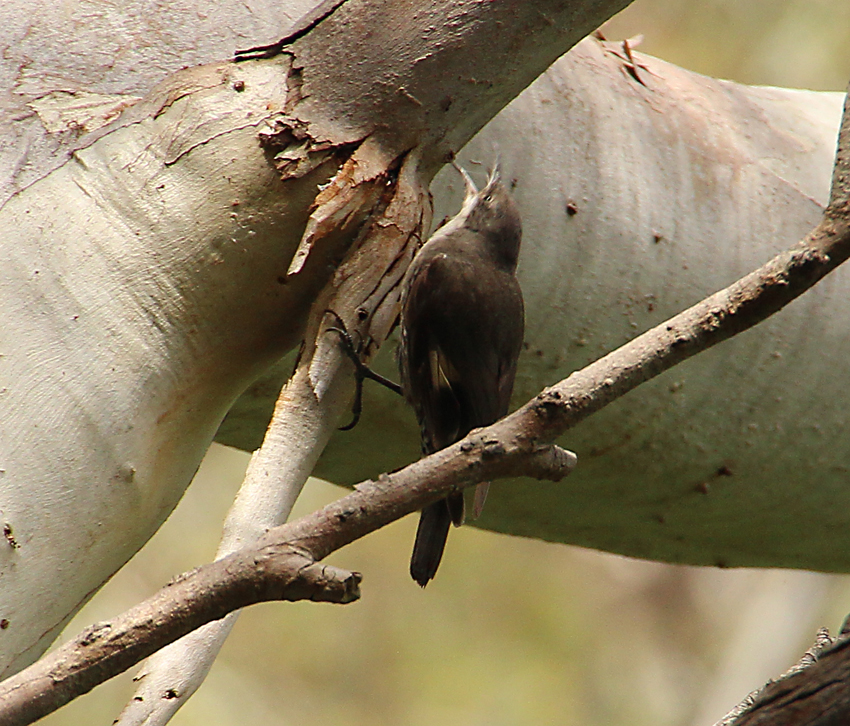
Tree creeper (possibly white throated) feeding probing for insects on a eucalyptus tree, seems to be favouring old and dead branches

Note the huge feet for gripping and providing stability

Hard to get a clear shot

Switch to shutter priority to stop action 1/1600 should do

B13

Koala

White throated treecreeper

White throated treecreeper


Reach the aquaduct

Note the signage about its history

State listed heritage item in 1980

Operated continuously for 138 years carrying water from Hope Valley Reservoir

There is a deep pool below

Scan the edge of the water and several logs for fresh water turtles…nothing

A water skink is basking on one of the flat rocks

As I approach and take a couple of shots it disappears into the undergrowth

I have often photographed these little reptiles and never seen one in the water swimming

B10

Aquaduct

IMG_8953

Eastern water skink


Start return walk to car

Expansive views of the gorge rising on the SE side

Several cyclist ride past on the main road above the river

They use the steep road for training

Concentrate on the other side of the path on return walk

Yellow tail black cockatoos fly above

See and hear a lot of Rosellas in taller trees

Manage to get a shot of a crimson feeding on berries in tree top

Stop to look at interesting gum trunk with red sap oozing from it

Like the colours and texture

B20 red

Bark patterns and gum resin

Back at car

Drive to park about 1 kilometre out of Athelstone to walking trails in parkland area, still has Torrens flowing through

Lunch on a bench watching some magpies haggling over territory

A Good morning’s work

Cheers

Baz

Nairne….an artistic afternoon

6 Oct

Nairne….an artistic afternoon

Despite a field that is full of lush green grass, a veritable cow paradise, the small herd of young bovines drifts down towards the fence where I am standing. Perhaps they are intent on providing me with the perfect ‘cow’ shot or they may be simply illustrating the old adage; ‘the grass is always greener….’

2

Taking a closer look

1

Classic South Aussie dirt track

 On this perfect spring day I am driving along Ironstone Range Road just off the Old Princes Highway, a few kilometres east of Nairne. Expansive, open woodland dominates one side of the unsealed track and rich pasture carpets the other. I am on my way to the Jonathan Art Centre to grab a bite to eat and make some inquiries about art classes.

3

Open woodland with massive eucalypts

 Five minutes later I am driving across an open paddock on a grass trail to a pitch roofed building set on the side of a gently sloping hillside. There are rosellas in the trees that line the driveway and a pair of crows raucously announces my arrival. The entrance hall is a combination studio and gallery displaying the owner’s work and opening on to a balcony which overlooks a cottage style garden.

4

Johnathan art centre

5

Work space and gallery

10

Another view from the property

A friend has recommended the fish pie, a classic British dish that I often enjoy in London’s Union Cafe. And this version does not disappoint; full of good South Aussie seafood and topped with a fluffy potato mash. Like the art on display, it is a credit to the proprietor, Liz’s, creative flair.

6

Fish pie and fresh garden salad

To my surprise and delight; while I am enjoying the meal a hare hops through the garden below the balcony, pauses, looks straight at me then heads off down the hillside. Now, though his blog has had more of an ‘afternoon drive in the country’ flavour about it than my usual wildlife emphasis; rest assured, the camera was well within reach and a short burst fired off at my visitor.

7

Waiter, there’s a hare in my garden

Art inquiries and meal complete, I ask permission to wander around the property. Behind a bushy hedge there are rows of colourful annuals and lavender that abut a small pond. I can hear the call of parrots and eventually spot a crimson rosella amongst the layers of blooms. Then, switching to macro, I zoom in on a honey bee feeding. Its legs are covered in pollen brushed from the abundant flowers as the little insect drinks in their various nectars.

8

Layers of colour and rosella

9

Bee at work

A great drive, wonderful meal and a few wild encounters…not a bad way to spend a day.

Cheers

Baz

Tea Tree Gully’s Camellia Nursery

5 Jul

Dear Reader:

It is a cool crisp morning, and to be perfectly honest, I am not in the mood for a long drive. Instead, I have decided to visit a local nursery just a few kilometres away, where the North East Road starts its climb into the Adelaide Hills.

1a Newman's nursery

Newman’s nursery front entrance


As I park the car next to the entrance I am immediately struck by the contrast in lighting conditions. The path following the little creek that leads from ‘Newman’s Camellia’ nursery to the ‘Tea Tree Gully Hotel’ is in deep shade whereas the hills on the opposite side of the road are bathed in sunlight. An afternoon walk might have offered better lighting for photography but the wildlife always seems more active in the morning.

1a Start of the walk

The path begins


Climbing out of the car I glance up at the hillside above the little creek and to my surprise and delight I notice the hunched outline of a koala wedged between the branches of a huge gum tree; not what I was expecting this close to a suburban area.

1a koala in tree

Koala in tree


The trail starts just a few metres from the nursery entrance and meanders alongside the small watercourse for a mere 500 metres before broadening to a neatly manicured lawn enclosed by trees and shrubs. A varied collection of plants flank the path; including arum lilies, several lovely camellias, indigenous wattles and melaleucas as well as the ever-present, towering eucalypts.

1a Rogue camelia

A rogue camellia alongside the path


Small birds are continually flitting through the bushes though I am only able to catch fleeting glimpses of them. Some are definitely female blue wrens and I suspect that the tiniest ones are thornbills. Eventually, a small brownish bird settles in a low, flowering shrub some 50 metres away. I fire off a series of shots which, on review, reveal a glorious eastern spinebill.

1a Eastern spinebill  foraging in shrubs

Eastern spinebill foraging in flame heath bush


At the end of the trail half a dozen magpies are foraging for grubs in the well tended lawns. Several enormous gums tower over the grass and a pied currawong is perched on one of the topmost branches with a seed pod hanging from its beak. Another bird joins it, they seem nervous, jumping between branches before flying off, possibly to a nesting site.

1a Currawong with food approaching nest

Currawong approaching nest with food

The walk back is equally eventful with both rosellas and lorikeets feeding on berries in the scrub along the edge of the trail but capturing a sharp image in the shadows and overcast conditions is somewhat challenging.

1a Tapas on the terrace

Tapas


Newman’s nursery has a charming little restaurant with both inside and alfresco dining areas which afford a fine view of the hillside on the other side of the road. While I enjoy the delights of a tapas snack I notice several tiny finches feeding on the liquid amber trees that decorate the front of the nursery. From my outside table the birds are just within camera range and using the long lens I am able to identify them as European goldfinches.


1a European goldfinch in liquid amber tree

European goldfinch in liquid amber tree


Until next time

Baz

Belair National Park…Plants and a Pond

25 May

Dear Reader:

It is a mild autumn day and a light wind from the south promises to blow the early clouds away. A cyclist, rugged up against the chilly morning air, pedals through the parking area on her way to the nursery. I have come here in search of plants too, some native grasses and a red flowering gum to fill a vacant spot by my back fence. But there is an ulterior motive as the nursery often attracts a variety of birds and insects from the surrounding bush.

The hills can be chilly in the morning

The hills can be chilly in the morning


Close to the car park there is a thick growth of native correas and bottle brush. I notice a slight movement in one of the correas that is heavy with pale pink flowers. I change position to get a better line of sight and wait quietly. After a few moments an eastern spinebill appears amongst the leaves busily searching for insects and nectar.

The eastern spinebill belongs to the honeyeater group

The eastern spinebill belongs to the honeyeater group


Belair National Park is just 13 kms from the city centre in the foothills of the Mount Lofty Ranges. As well as a wonderful native nursery, the park boasts over 20 kms of walking, horse riding and cycling trails covering a range of different environments. Tennis courts, grassed playing fields, barbecues areas and even an adventure playground are dotted throughout the 840 hectare park making it a popular destination for both outdoor enthusiasts and families.

The Belair Naional Park nursery markets wonderful array of native plants as well as an extensive collection of natural history books

The Belair National Park nursery markets a wonderful array of native plants as well as an extensive collection of natural history books


The park has quite a few non indigenous species of tree near Old Government House,  which provide lovely autumn colours

The park has quite a few non indigenous species of tree near Old Government House, which provide lovely autumn colours


From the nursery it is a short five minute drive to Playford Lake. By now the sun has burned off the last remaining clouds and it is sunny and clear; ideal for taking a short walk around the lake. On the edge of the lake several freshwater turtles are basking on a tree root taking in the morning sun. As I approach they slide off with a splash and head into deeper water.

Playford lake at the end of summer

Playford lake at the end of summer


Australian  freshwater turtles eat a variety of foods including insect, small fish and yabbies

Australian freshwater turtles eat a variety of foods including insects, small fish and yabbies


On the other side of the path a patch of tall gums shade a small gully where a flock of sulphur crested cockatoos are squawking in the tree tops and biting the leaves. On closer examination, through the long lens, I suspect they might be scraping insects off them, as eucalypt leaves are not usually a part of their diet.

Sulphur crested cockatoos tend to feed on the ground searching out fallen seeds, berries roots and nuts

Sulphur crested cockatoos usually feed on the ground searching out fallen seeds, berries roots and nuts


As I work my way back towards the car the terrain changes slightly with a gentle hillside rising up from the path. The snap of branches deeper in the bush suggests a bigger animal and suddenly a large grey kangaroo hops across the path and bounds through the trees. As I try to follow the roo through the viewfinder I catch sight of a fluffy bundle moving slowly up one of the eucalypts. It turns out to be a koala climbing up a slender branch to feed on the tender, outer leaves.

This young koala's mother was feeding a few metres higher in the tree

This young koala’s mother was feeding a few metres higher in the tree


My 20 minute walk has taken the best part of an hour with all the wildlife stops and I’m ready for a coffee in the hills suburb of Belair before driving home. But one last critter appears to round off my morning in the park. A large blue dragonfly is hovering over a reed patch. I wait for it to land, no luck. It zips from one grassy stalk to the next with manoeuvrability that puts any military helicopter to shame. Then, as if to do me a favour, the elegant little insect lands on the path just a few metres away…. nice one…click..done !!!

Large blue and red dragonflies are quite common around the lake

Large blue and red dragonflies are quite common around the lake


Cheers

Baz

Jenkins Scrub

21 Mar

Dear Reader:

There are tiny birds flitting through the canopy and squabbling in the bushes either side of the walking trail that snakes its way through the scrub. Occasionally they settle for just a second or two and feed on Autumn’s few remaining blossoms or probe for insects beneath the bark. The birds move quickly, giving me just a split second to focus and fire; which is my excuse for some of these images not being quite as sharp as I would like. However, they do give an accurate depiction of what searching for wildlife images in dense scrub, is really like.

IMG_6372

Grey fantail


treecreeper

Treecreeper species


After walking across a small footbridge, I find a clearing and sit on a fallen log and wait in the shadows for ten minutes. Birds are still twittering deep in the bushes, heard but not seen; but most have moved on.

IMG_0717

Crescent honeyeater


Jenkins scrub is a remnant area of the original bushland that once covered the Adelaide hills. The light sandy soil supports a wide range of shrubs, grasses and delicate flowers including native orchids. Tall eucalyptus trees complete the ecosystem which is traversed by a series of narrow trails.

IMG_0723

Classic hills scrub


The scrub lies just off the Springton road, a pleasant 50k hills drive from the city. A lunch stop at the Bakehouse Tavern in Williamstown, just 10 Kms from the park’s entrance, is a good way to break up the drive. Or, you can buy a pies and cake at the bakery to snack by the old cemetery on the edge of the adjoining pine forest; somewhere to explore the personal histories the people who settled this region. 

IMG_0694

Pub at Williamstown


IMG_0709

Graveyard from the old church


Hefting my long lens from the pack I continue my walk. The understory is littered with leaves and fallen branches which provide a home for a plethora of insect and retile species. There are quite a few butterflies in the area and every so often one settles in the leaf litter. They seem to spread their wings a couple of times then rest them upright exposing only the underneath which blend perfectly with the bleached leaves and twigs.

IMG_6376

Meadow argus butterfly…..brilliant camouflage


Another hour’s walking produces a few more images, shot at long range, and a memorable encounter with a pair of kangaroos which are feeding deep in the bush. I try for a better angle to get a clear shot but they quickly hop into deeper cover. By the time I reach the car it is a welcome refuge as some large bush flies have emerged in the late afternoon and the insect repellent is in the glove box.

adel rosella

Adelaide rosella


Just as I am about to turn on the engine I hear the shrill call of rosellas. Luck is with me and the birds settle in a gum tree just within camera range of the car. Three quick frames and my day ends on a high or so I think. It turns out that the 2 Km drive back along the dirt to the Springton road has a final surprise; three young emus feeding in a field of stubble just a ‘stone’s throw’ from the roadside.

IMG_6384 edit 1

Emus at dusk


Until our next adventure

P1110363

Author in the office


Cheers

BAZ

Bridgewater’s Cox Creek Walk

7 Mar

My usual decisions as a wildlife photographer revolve around quandaries such as; which lens to use and whether the light quality is acceptable. Today’s problem is far more civilised. What to order from the menu while I sit back and watch the wildlife from the comfort of a deck overlooking a beautiful hill’s creek.

IMG_4619

The Bridgewater Hotel, a nice place to eat and watch the wildlife


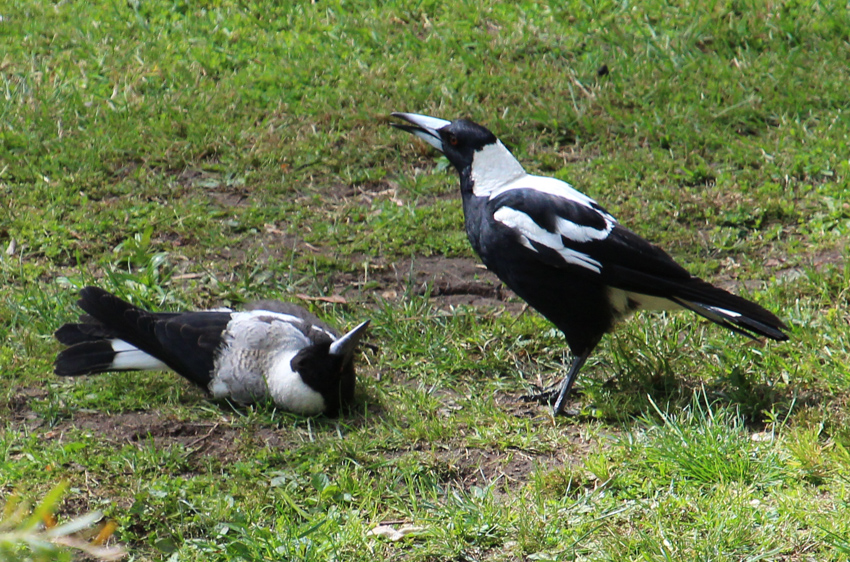
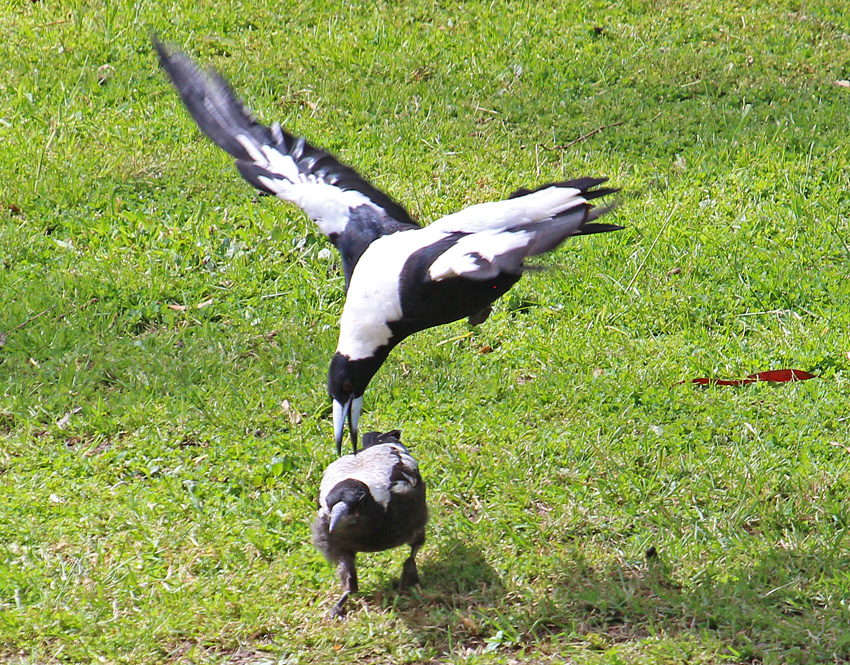
Before I can even enjoy a glass of wine the wildlife show starts on the other side of the creek alongside the walking trail to Stirling. A small nesting group of Australian magpies are feeding on grubs in the grassy banks. Magpie groups have complex social structures that rely on strict dominance and submission and one adult bird is certainly exhibiting its position in the pecking order by harassing a juvenile. I watch the birds for a few minutes until a rather nicely presented herb crusted barramundi fillet demands my full attention.  

IMG_4685

Submit you young upstart


IMG_4674

Now, just for good measure, cop that


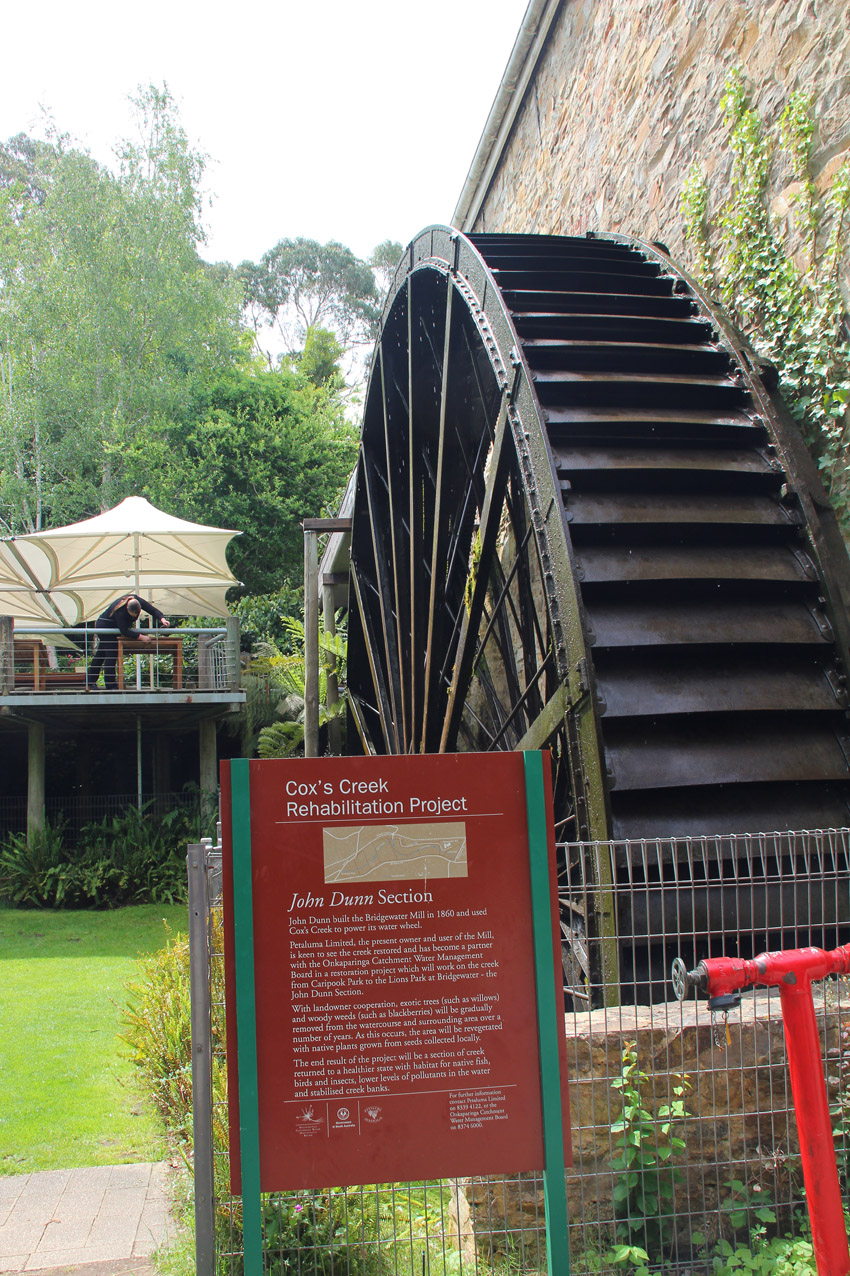
Cox’s creek meanders past the Bridgewater hotel and the Old Mill restaurant just a half hour drive along the freeway from Adelaide. The two restaurants are excellent and the historical trail to Stirling encompasses sections of the Pioneer Women’s Trail. An important chapter in Adelaide’s early history, the trail is part of a 35 km route walked by women and girls carrying heavy baskets of farm produce from Hahndorf to Adelaide between 1839 and 1854.

IMG_4631

An historic working mill wheel distinguishes the restaurant


IMG_4620

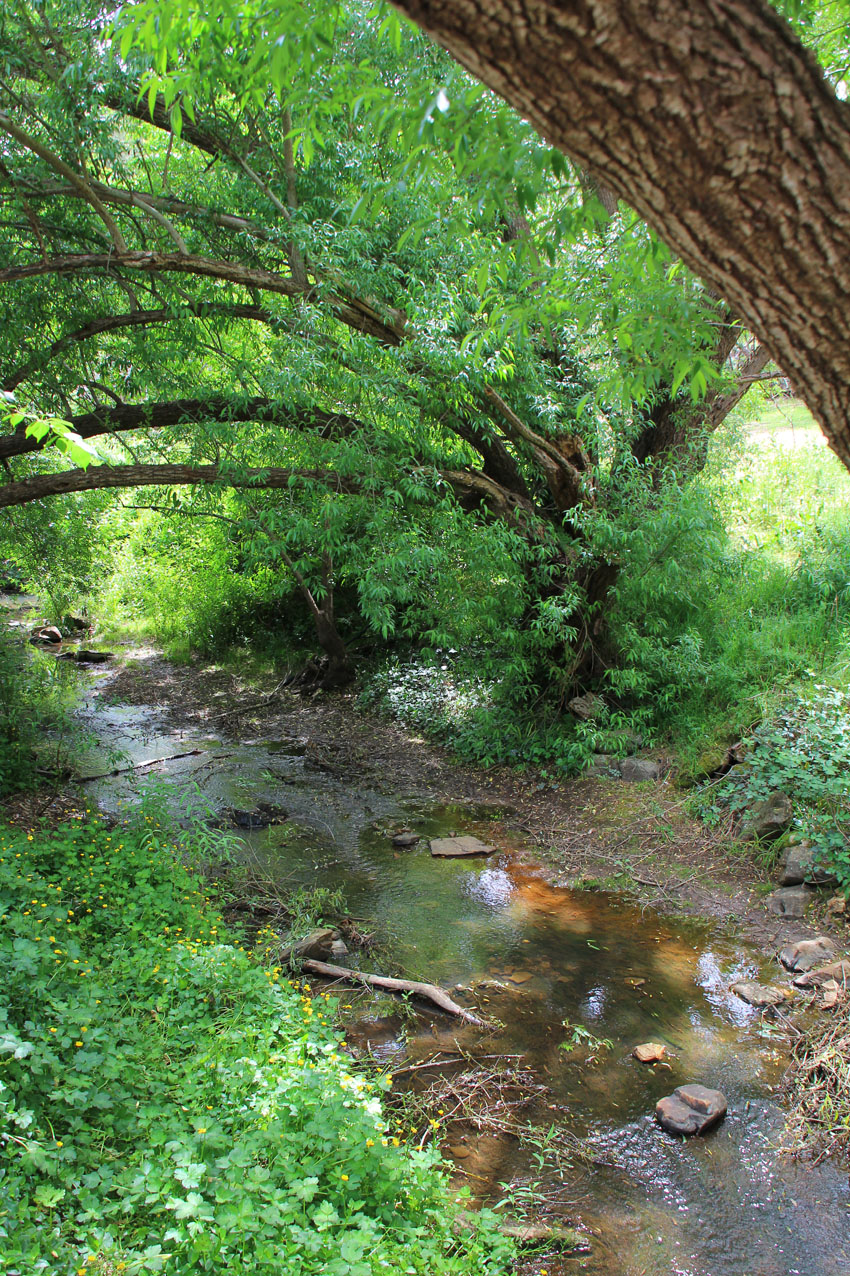
The banks along Cox Creek have thick cover which attracts a variety of wildlife


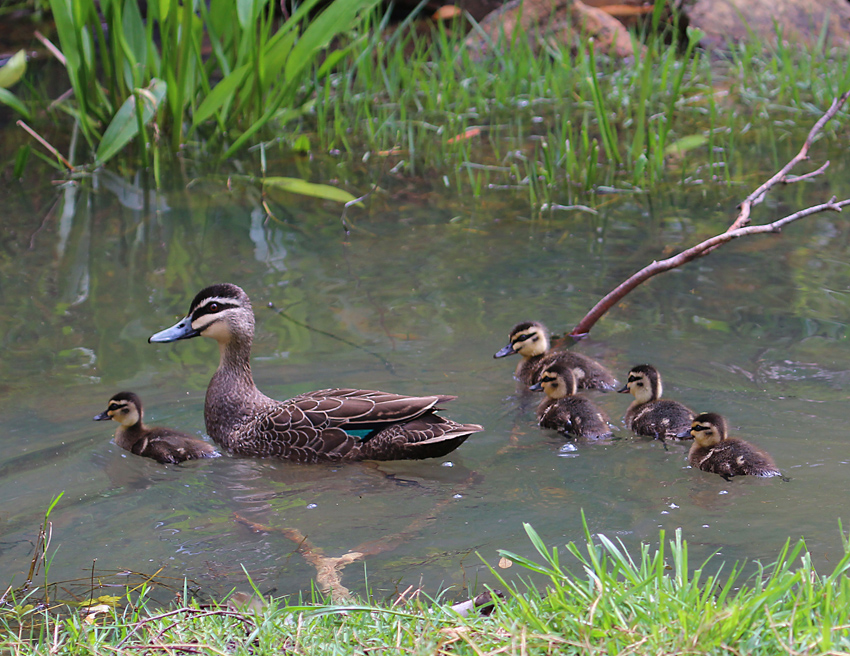
After finishing my meal I cross a small bridge and start walking slowly along the trail taking small detours down to the water’s edge where wildlife encounters are more likely. An interpretive sign indicates that water rats are found in the area and I spend quite a long time sitting quietly by some of the larger pools. But mid afternoon is not really ideal for these largely morning and early evening hunters. However, I do come across both maned and Pacific black ducks; both species with young in tow.

IMG_4651

An adult Pacific black duck with a brood of yung


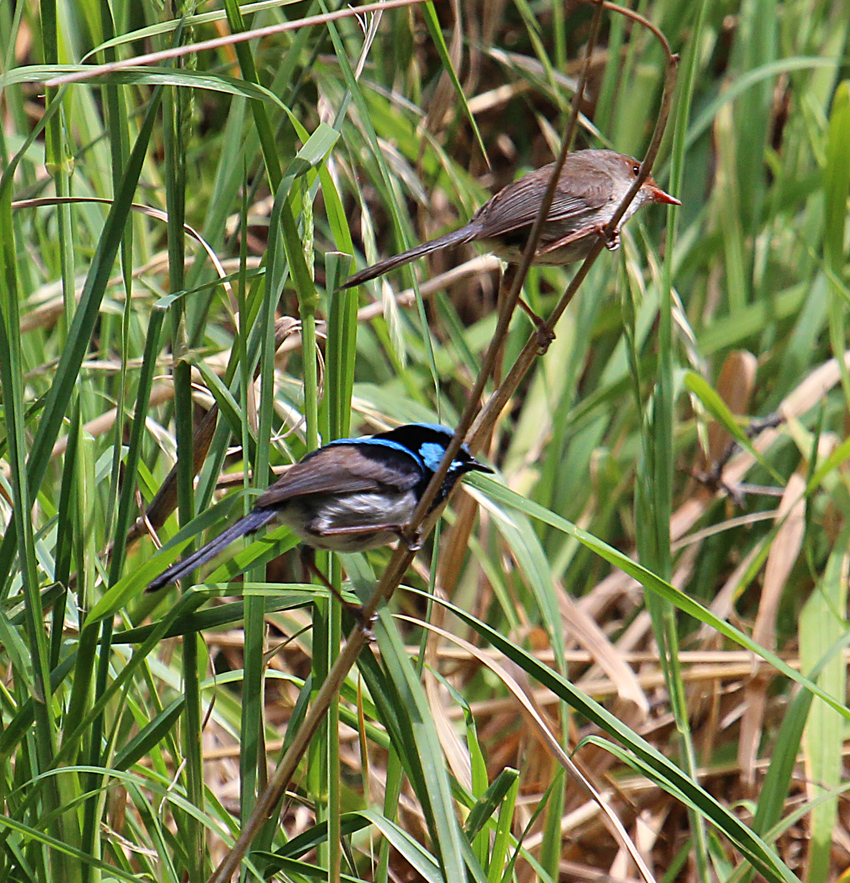
Time passes quickly and I decide that dessert and coffee beckon. The walk back is equally fruitful. Near one large pool, two superb blue wrens are courting in the reeds and I am lucky enough to catch them perching delicately on a slender stem. A perfect example of sexual dimorphism with the male’s glorious iridescent plumage contrasting sharply with the female’s conservatively camouflaged dull colours. Mating privileges versus a better chance of avoiding predators, take your choice!

IMG_4656

Male and female superb blue wrens


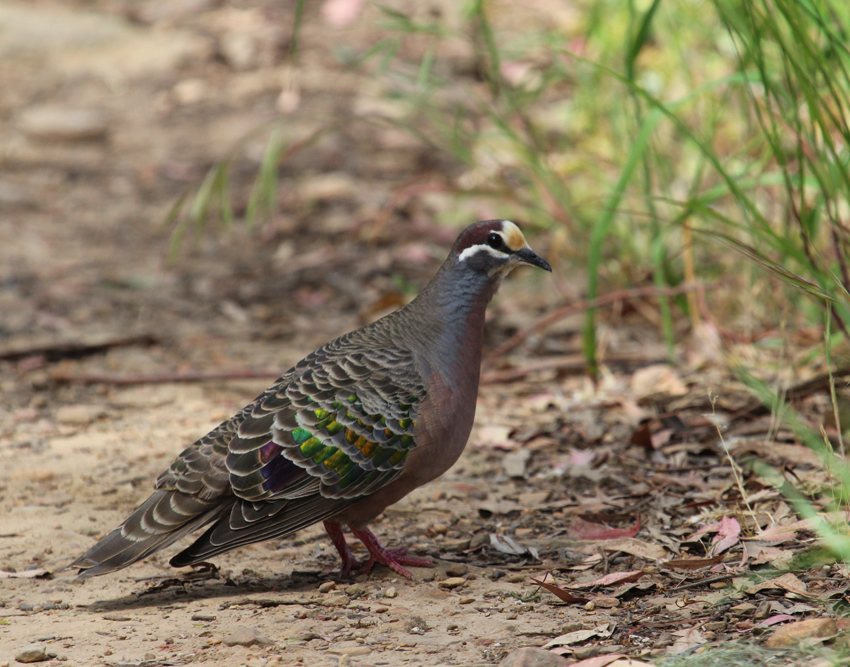
My final encounter features a pair of spectacular bronze wing pigeons that suddenly emerge from the scrub alongside the trail. Fortunately, one of the birds walks through a patch of bright sunlight which highlights its spectacular plumage.

IMG_4666

Bronze wing pigeon


Coffee is good

Desert is better

Tough day in the bush

Cheers

Baz  

Yellow Flowers on a Winter’s Day

8 Aug

Dear Reader:

Adelaide is generally blessed by an amicable climate but it does have its grey days. Usually the winter showers are interspersed with long fine periods when the sun shines through the clouds and brightens up a chilly morning. Today was not one of those days.

1 Euryops or Little Sunray

Euryops or Little Sunray (click to enlarge)

I had been staying at some lovely little units on the edge of the foothills and planning to take some shots in the gardens to promote the virtues of a South Australian winter’s day but the weather refused to cooperate. It was overcast with a little drizzle and no sign that the curtain of clouds would lift. Undaunted, I headed into the manicured grounds looking for something to lift my spirits and lend a little colour to the day. Fortunately, the perfect candidate was growing right in front of my unit in the form of a robust Euryops bush; a non native, daisy species that blooms right through the winter months.

Hoverfly landing and feeeding on blossom (click to enlarge)

Hoverfly landing and feeding on blossom (click to enlarge)

Despite the cold weather, the bush appeared to be supporting a small but diverse population of insects some of which I would normally associate with the spring and summer months. A couple of hoverflies were sitting in the centre of the flowers probing them with their stout little proboscises. These hornet coloured little insects usually flit between flowers pausing for a brief instant to feed. The cool weather seemed to have slowed the insects down a little and made them for more amenable to having their portraits snapped.

Flower spider hunting amongst petals (click to enlarge)

Flower spider hunting amongst petals (click to enlarge)

 Euryops blossoms provide are the whole world for a common flower spider. I watched through my lens as one wait immobile on a petal for several minutes then moved to another one to maintain its frozen stance, primed for a sudden jump should either prey or predator come too close. During the day I caught glimpses of several different species of flower spiders and they are certainly an interesting group of common garden animals worth exploring further.

Fly feeding on blossom (click to enlarge)

Fly feeding on blossom (click to enlarge)

 The winter months see a decrease in virtually all arthropods especially spiders and insects. The common bush flies that can be a nuisance in summer and early autumn are a welcome absence in the winter. However, several of the more solitary species of flies seem to persist through this chilly season. Their iridescent green bodies and bright red eyes provide a striking contrast to the bright yellow flowers as they probe their dense centres searching for nectar in the delicate folds.

 Breakfast for two (click to enlarge)

Breakfast for two (click to enlarge)

 Perhaps the most prolific insects that I saw on this grey, chilly morning were the common woolly bear caterpillars that appeared to be munching both the leaves and flowers of my Euryops bush. These furry little creatures grow into black and white tiger moths and seem to be immune to the cold weather that decimates other insect populations. Indeed, I seem to remember that they can survive temperatures below freezing because of the glycerol, a form of anti-freeze, they produce.


Then the rain came down and sent me scampering inside for a glass of mulled wine and time to review the images I had captured while thinking about the next sunny day.


Until next time

Baz