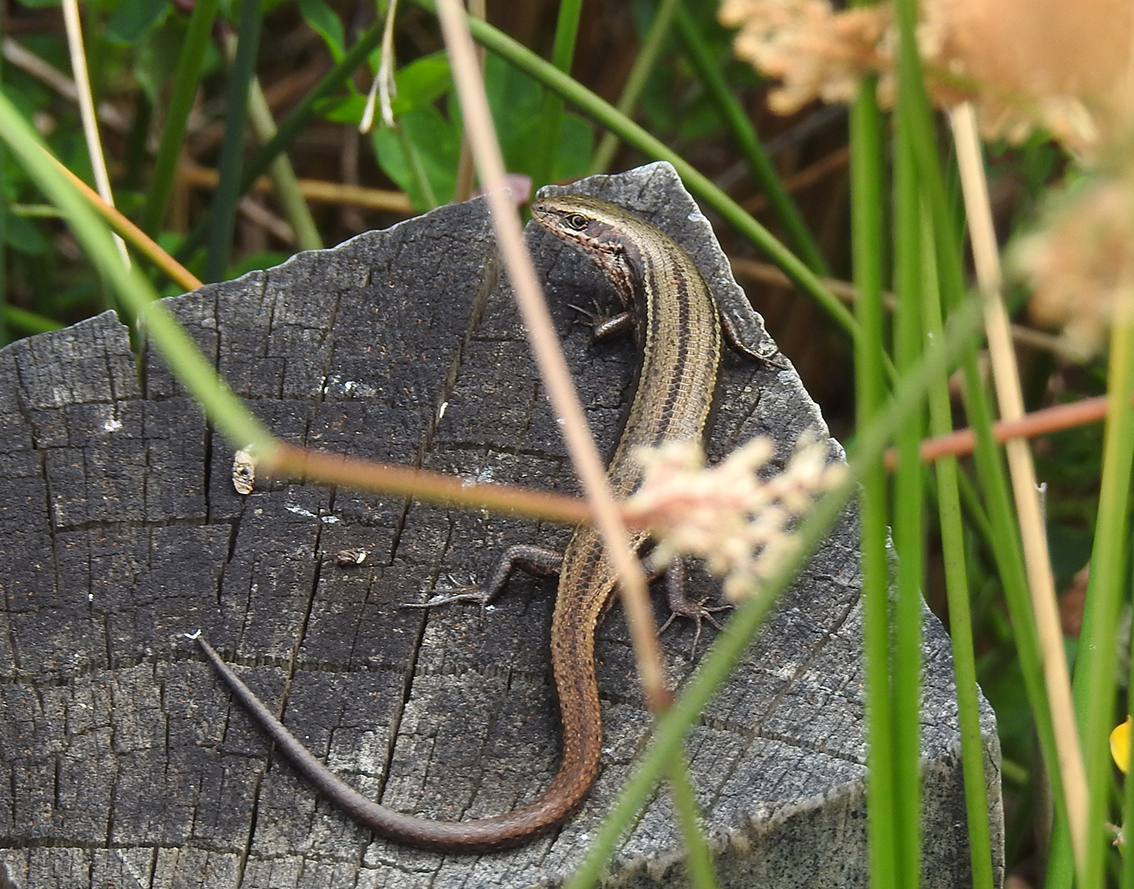
Bearded Dragon taking a look around, probably sussing out his territory (Credit Sandra Gray)Springton Hotel one of the state’s earliest pubs
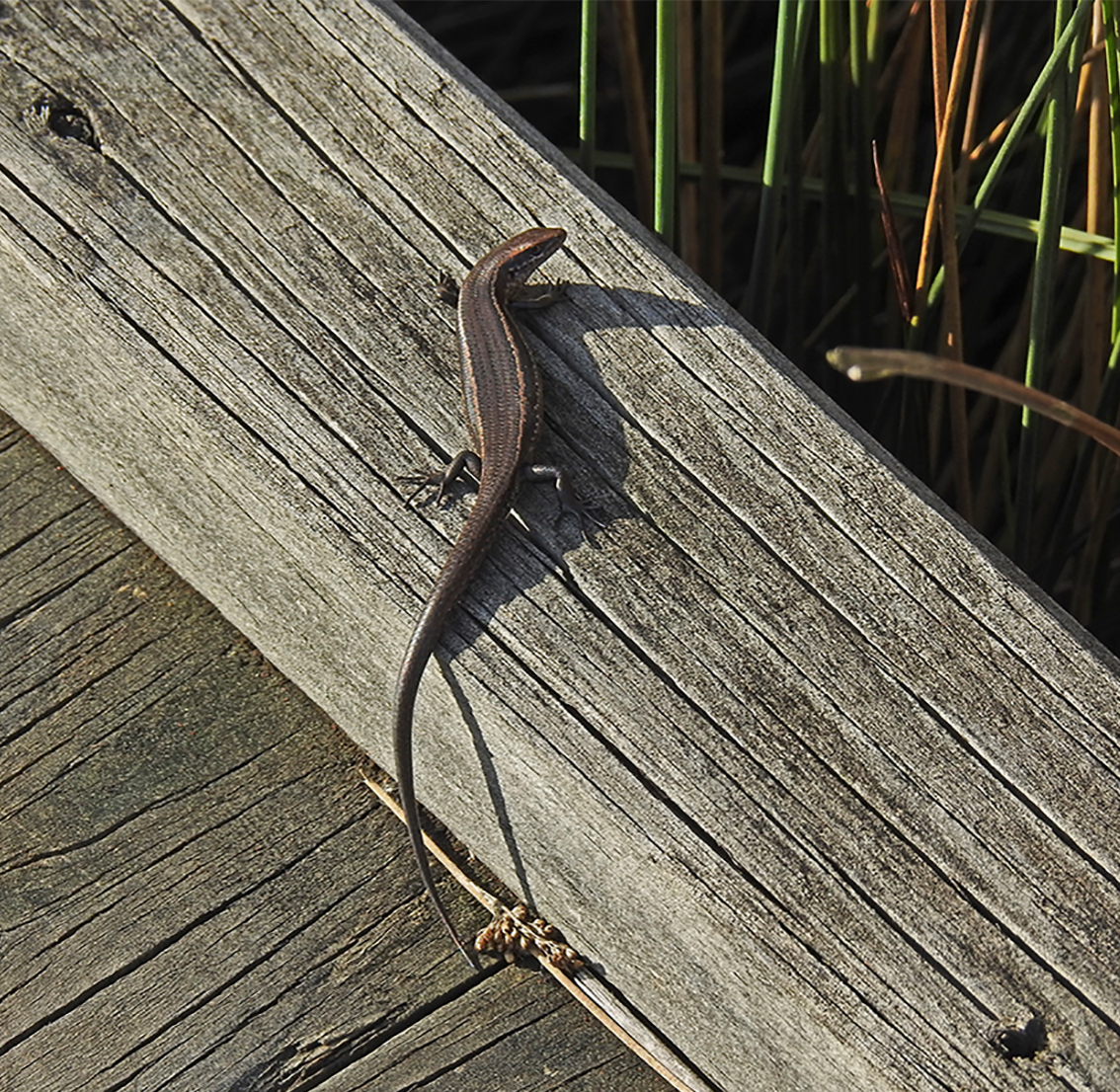
As I drive into Springton my passenger shouts, “Stop and back up.” To my surprise, she points out a lovely Bearded Dragon perched on an old fence post. We pull into the old pub for a refreshing drink before motoring on.
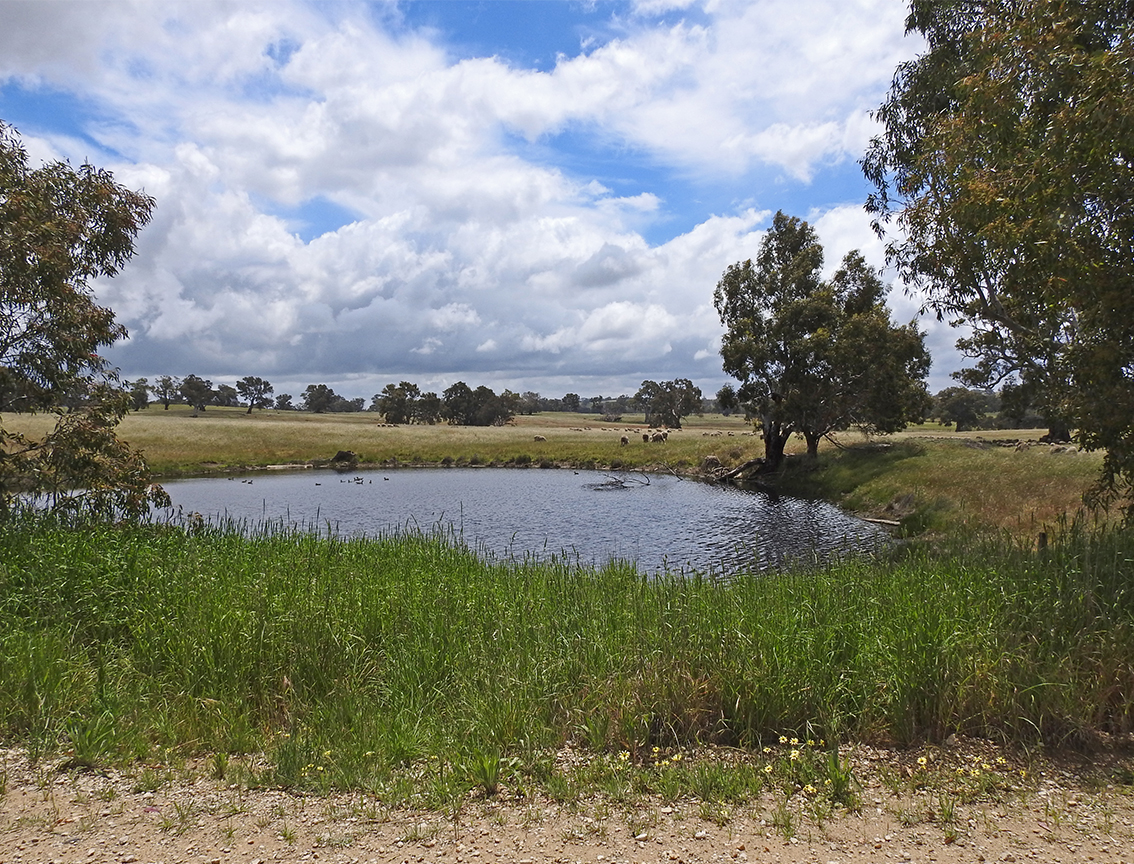
Classic hills backroadLocal dam with Eurasian Coots and Maned Ducks around the edges
In the northern region of the Mount Lofty Ranges, the area around Springton is a spider’s web of unsealed roads. They pass by small properties and cut through open pasture, forest and scrub. A wonderful place to explore by car with frequent stops to take in the rural scenery and search for wildlife.
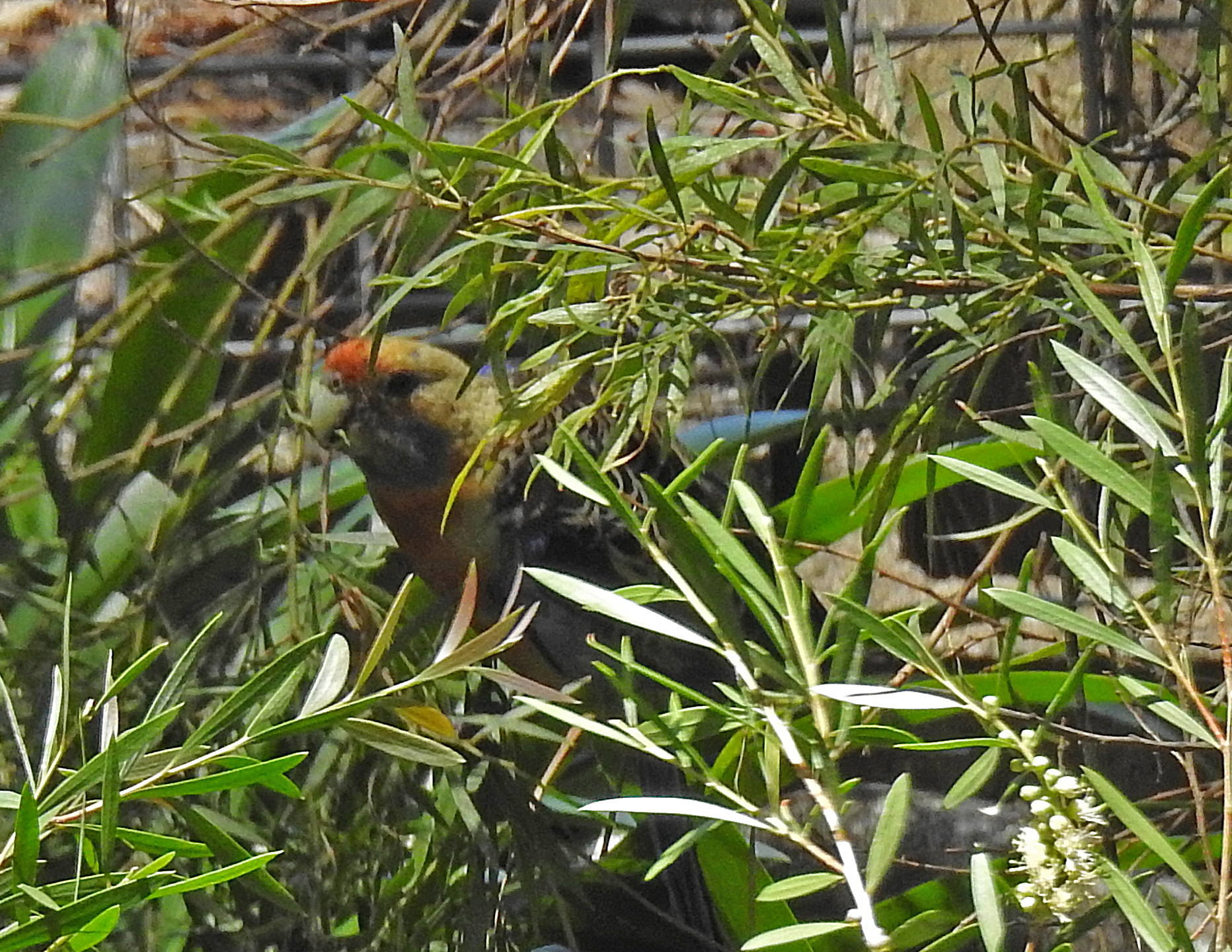
One curious sheepRose-breasted Cockatoo or Galah near vinesMoving stock
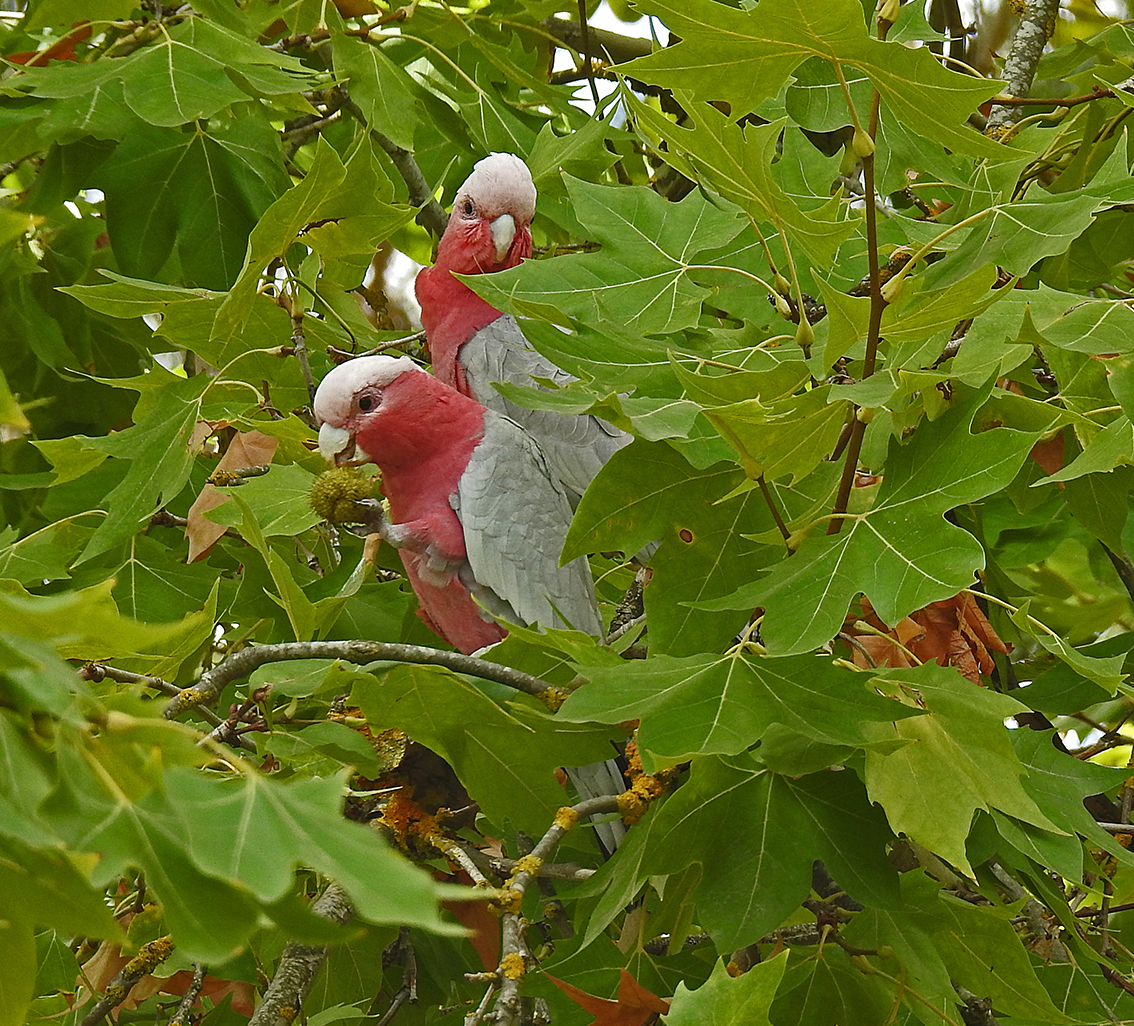
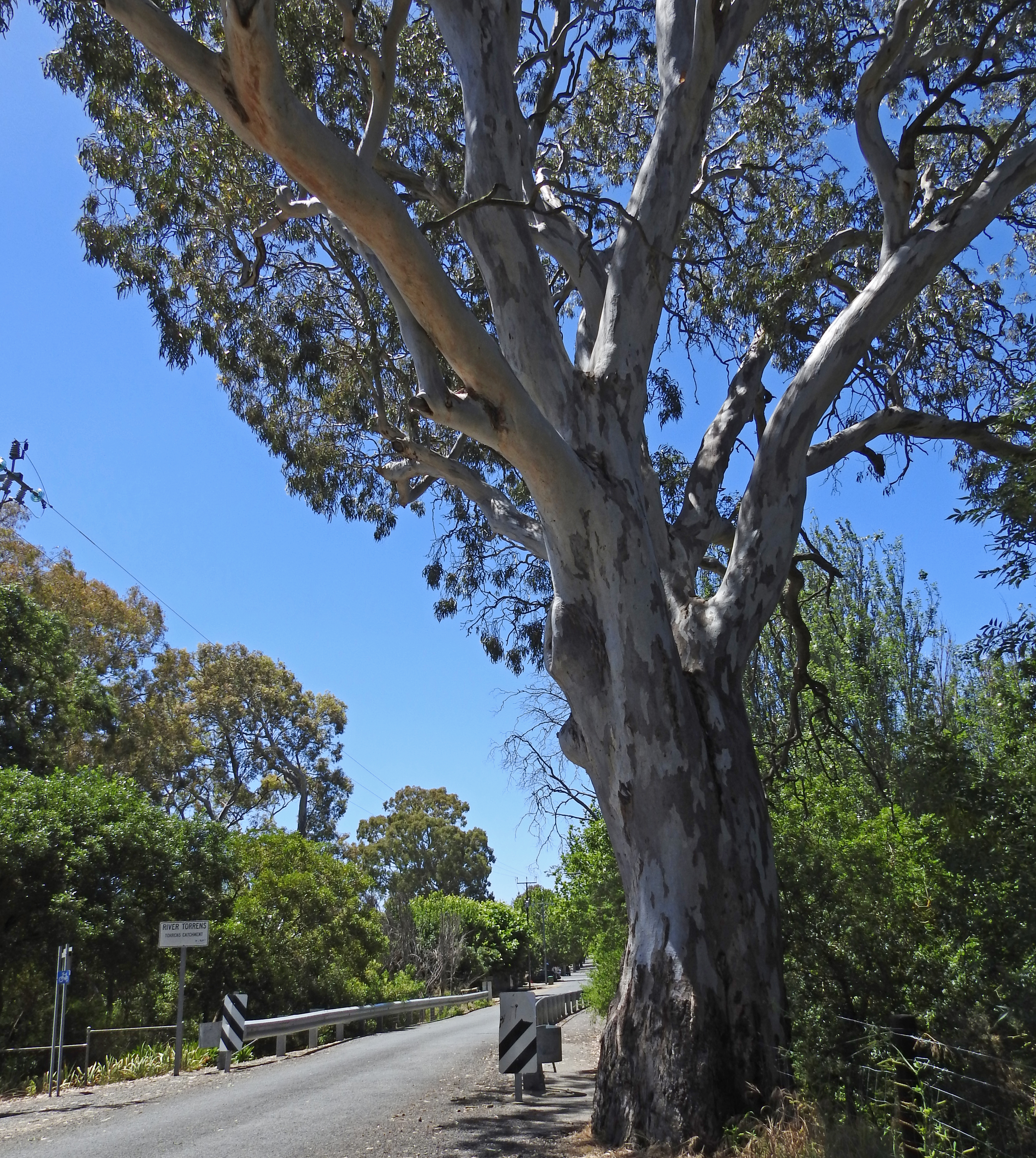
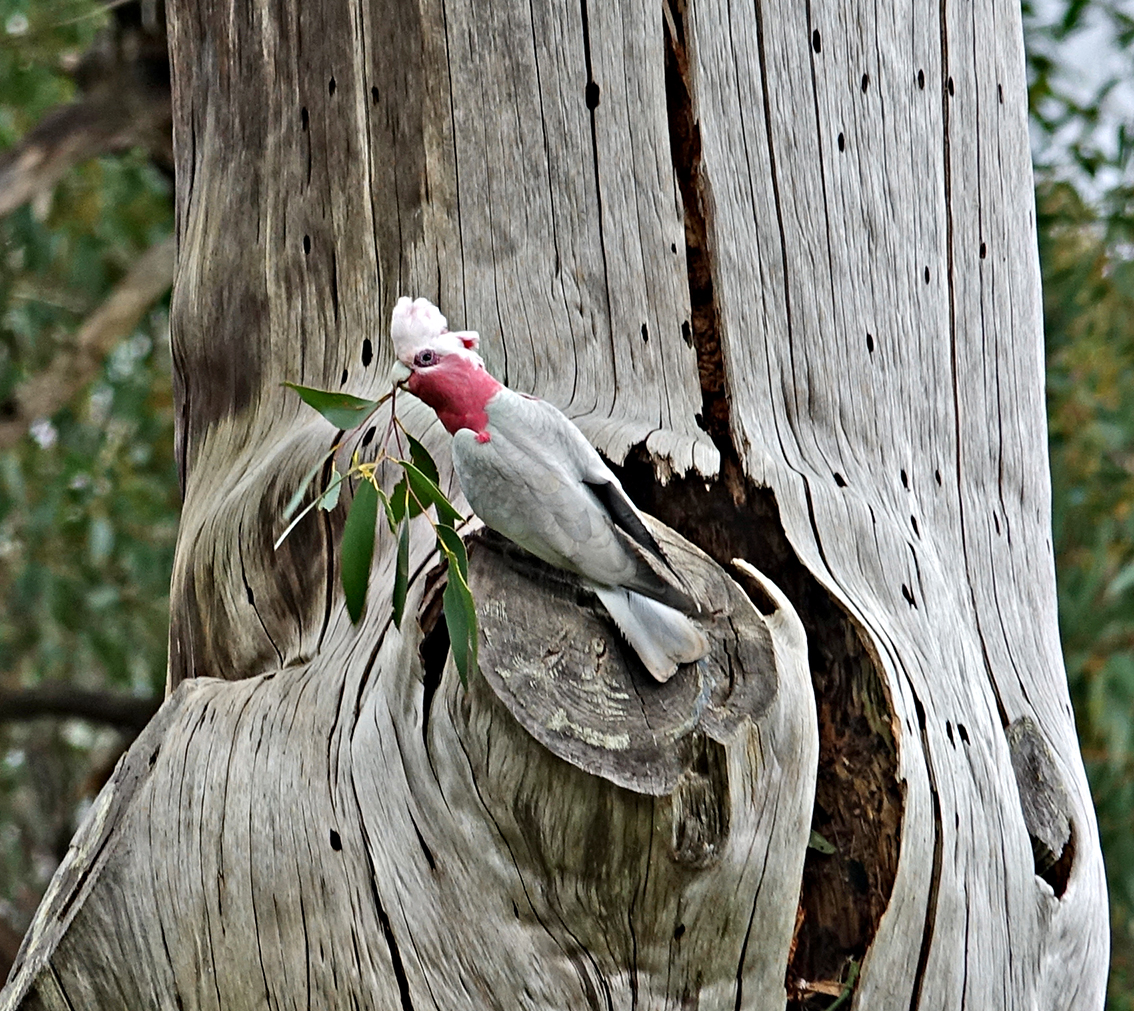
Driving along the well graded unsealed road I stop to photograph a flock of sheep sheltering in the shade of massive Red Gum while a flatbed truck passes with sheep in the back and a dog in the passengers seat. To my left a pair of Galahs are feeding nextto a vineyard. The scene is quintessential rural SA ……to be continued.
Cheers
Baz
Additional notes
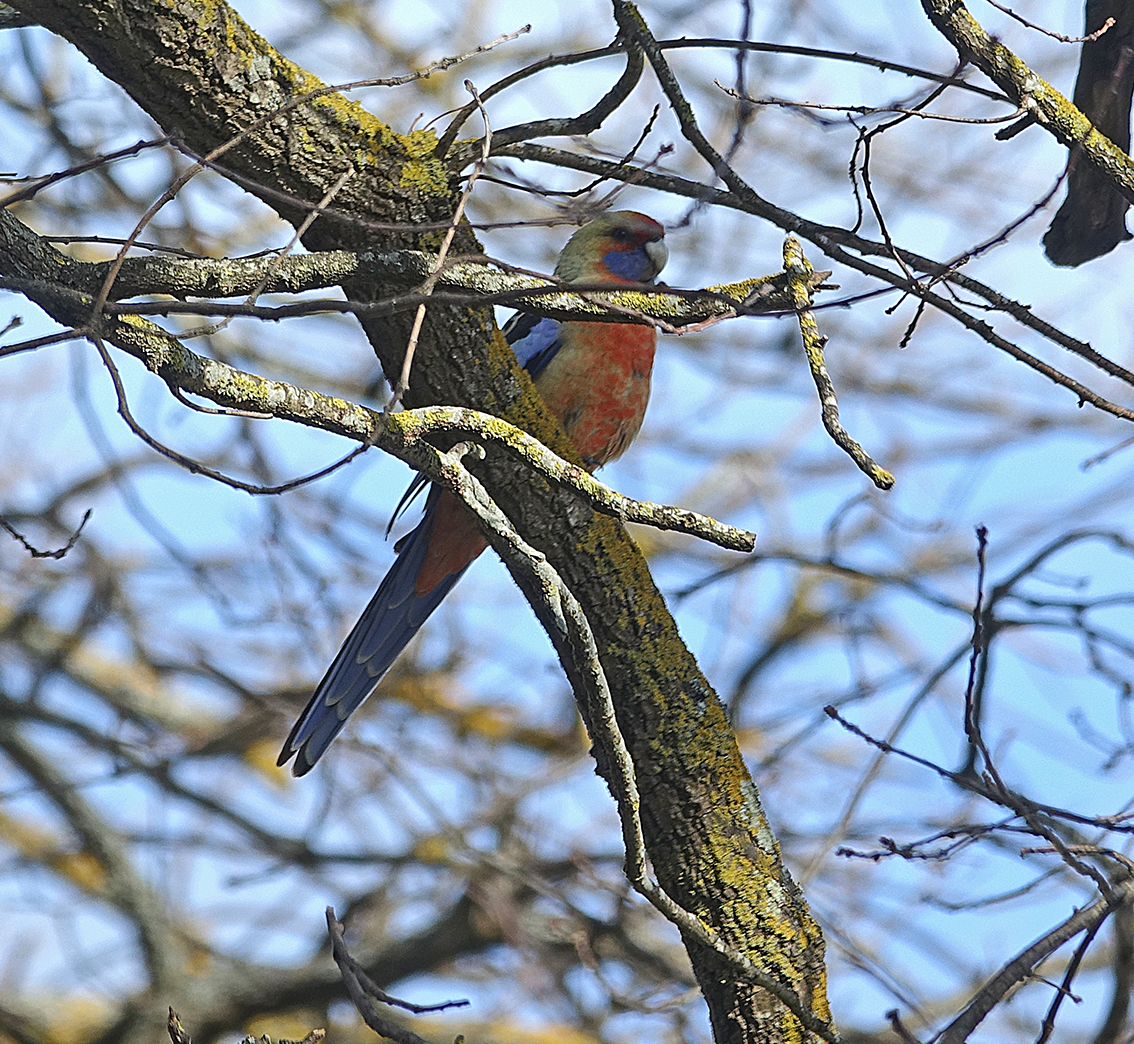
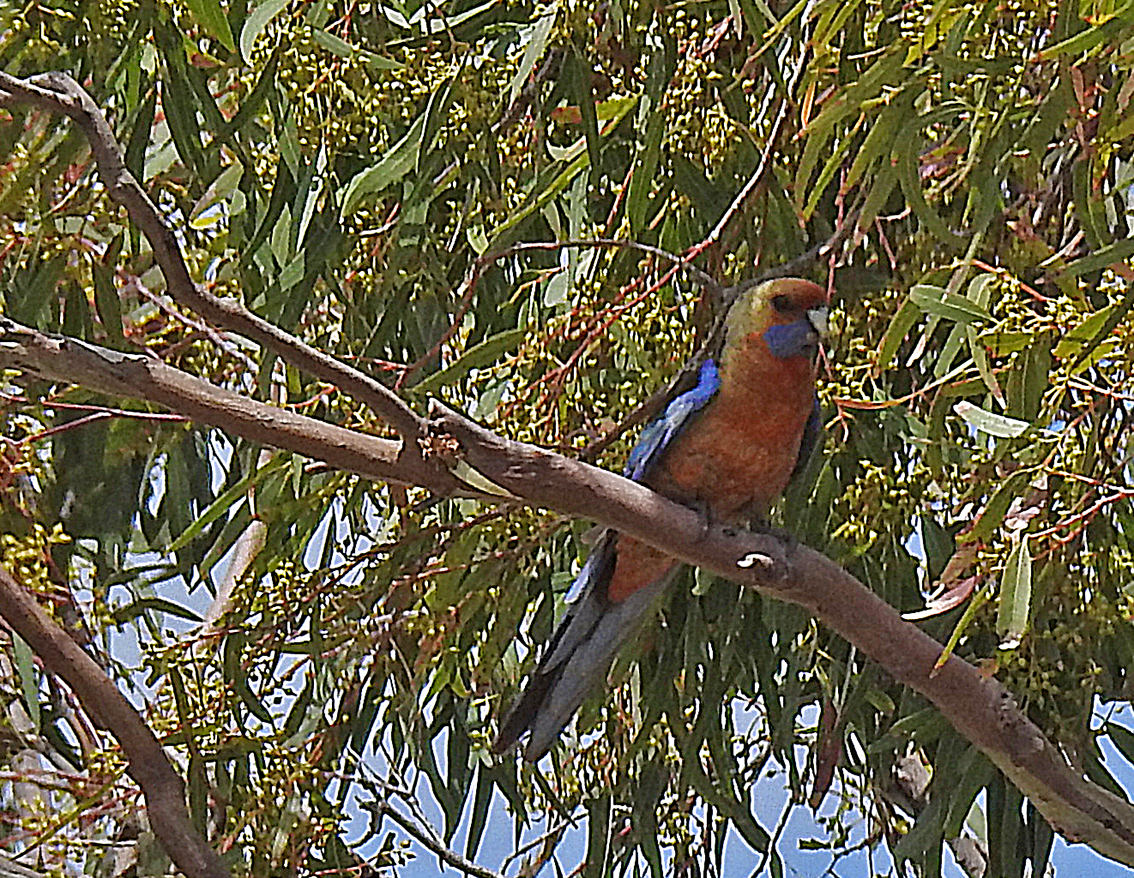
Other significant animals seen, heard but not photographed Kestrel, Brown Snake, Adelaide Rosellas
The camera used for this post is a Nikon Coolpix P900
This is an easy drive which is quite suitable for families and seniors with public toilets, barbecues, parking and other facilities in Springton. It is dog friendly unless a national or conservation park is signposted.
Please pass on this blog title and or contact information (URL) to any person or organisation with an interest in taking walks and enjoying wildlife in SA.
Click on these links and see more South Australian stories and pictures in my Weekend Notes articles as well as locating similar blogs on Feedspot’s top 20 Australian wildlife blogs
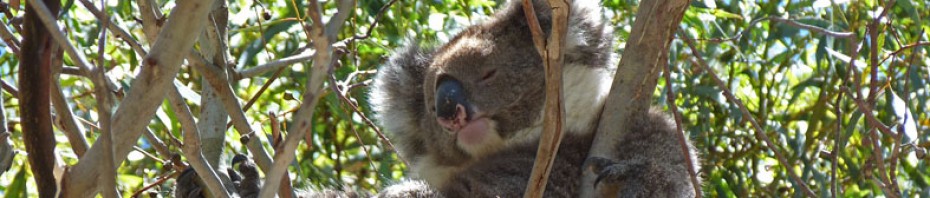
Coming off a bend at around 100 KPH, in a predominantly rural area, the last thing I expect to see is a Koala casually strolling down the road. Brakes on. I leave the vehicle and usher it off the road.
Vine, pine and bush
I am driving between Williamstown and Springton in the northern part of the Mount Lofty Ranges. This lovely stretch of road passes through open pasture for grazing, vineyards, native scrub as well as olive and pine plantations.
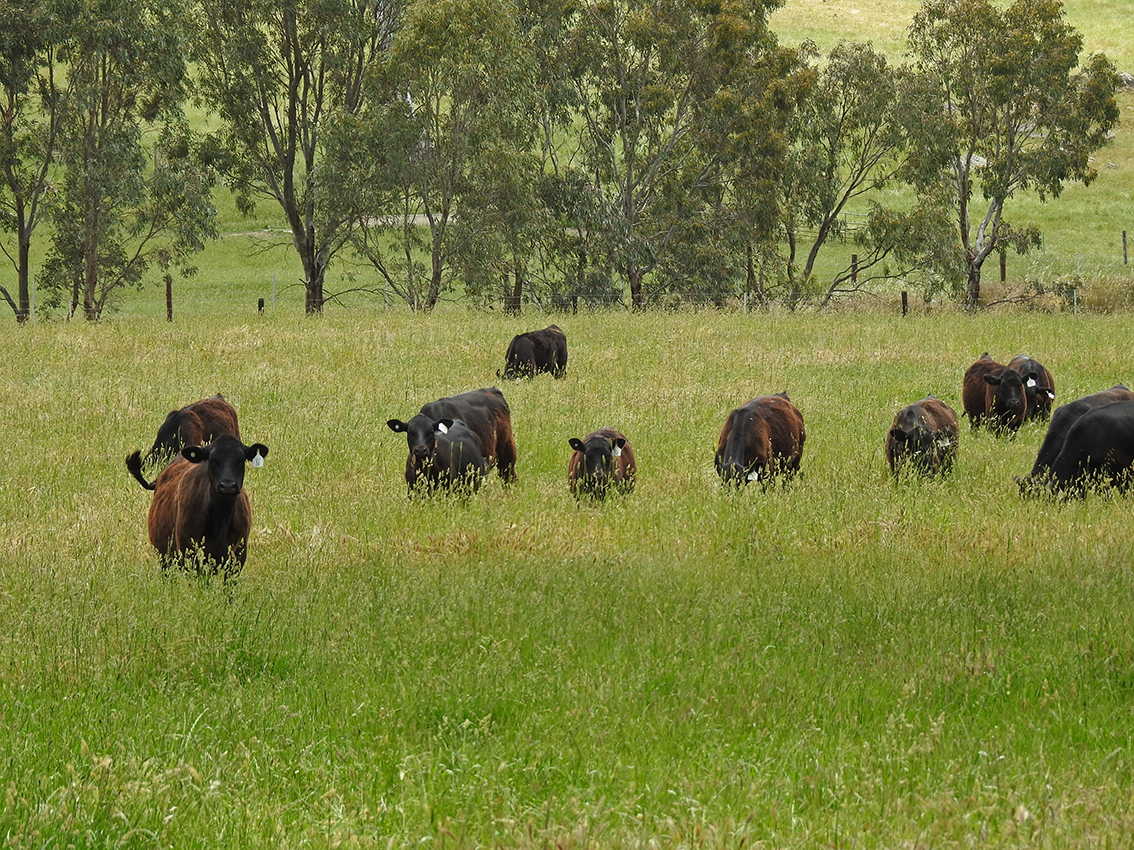
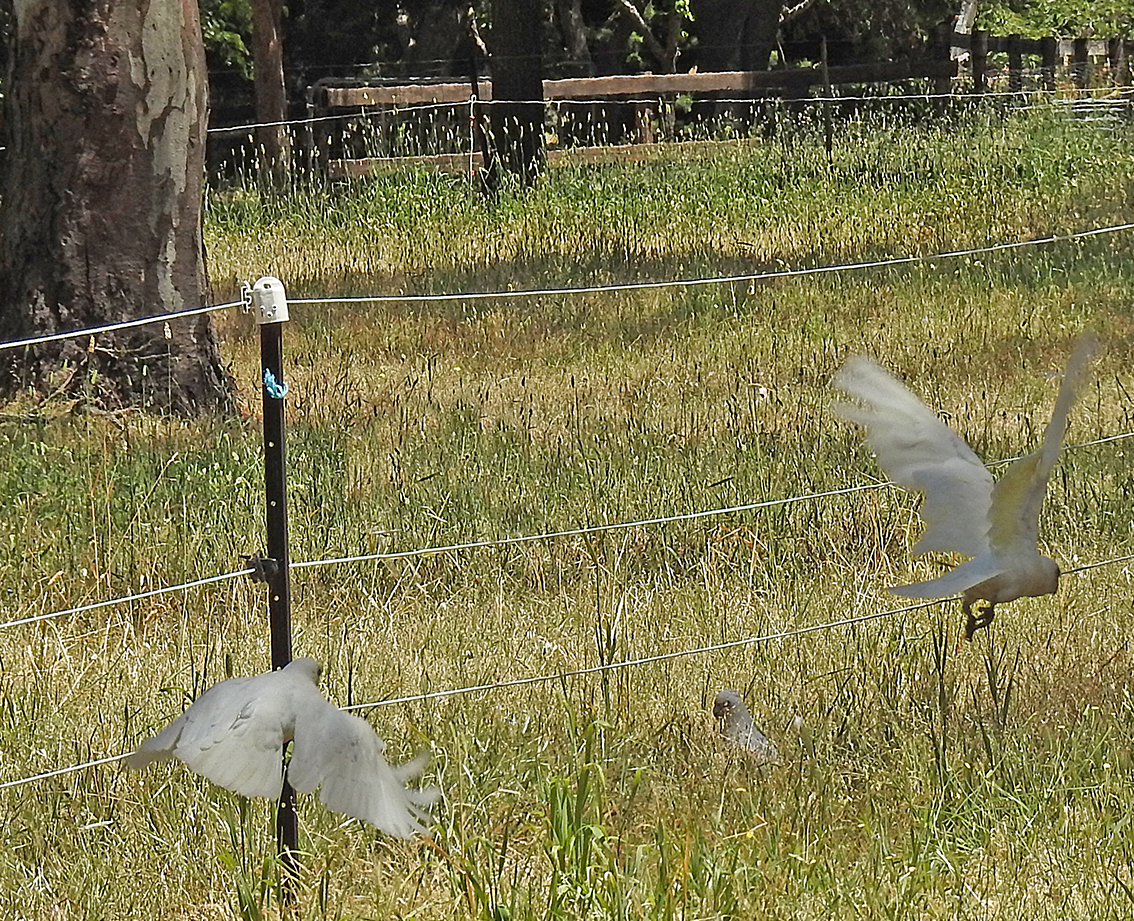
Curious cowsGalahs taking off
A little further along the road I sop to watch a herd of beef cattle in a paddock where Rose Breasted Cockatoos are pulling up roots and tubers from the well irrigated pasture.
Portuguese BridgeView from the bridge of River GumsEarly cottage near Williamstown turnoff
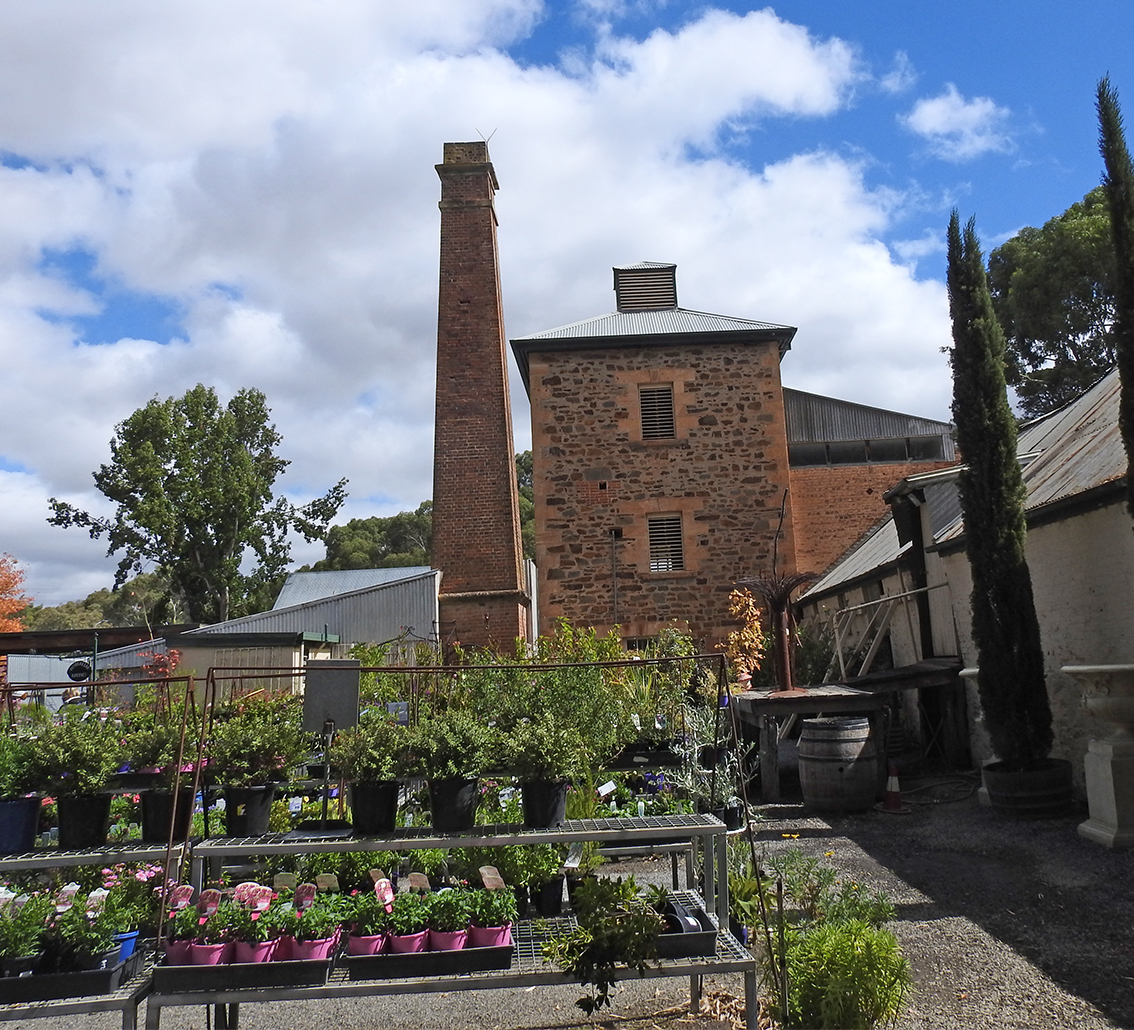
Early farmers and rural pioneers have left their mark in many ways. The Portuguese Bridge spans the South Para River and an old, abandoned cottage marks the passing of families and dreams long gone.
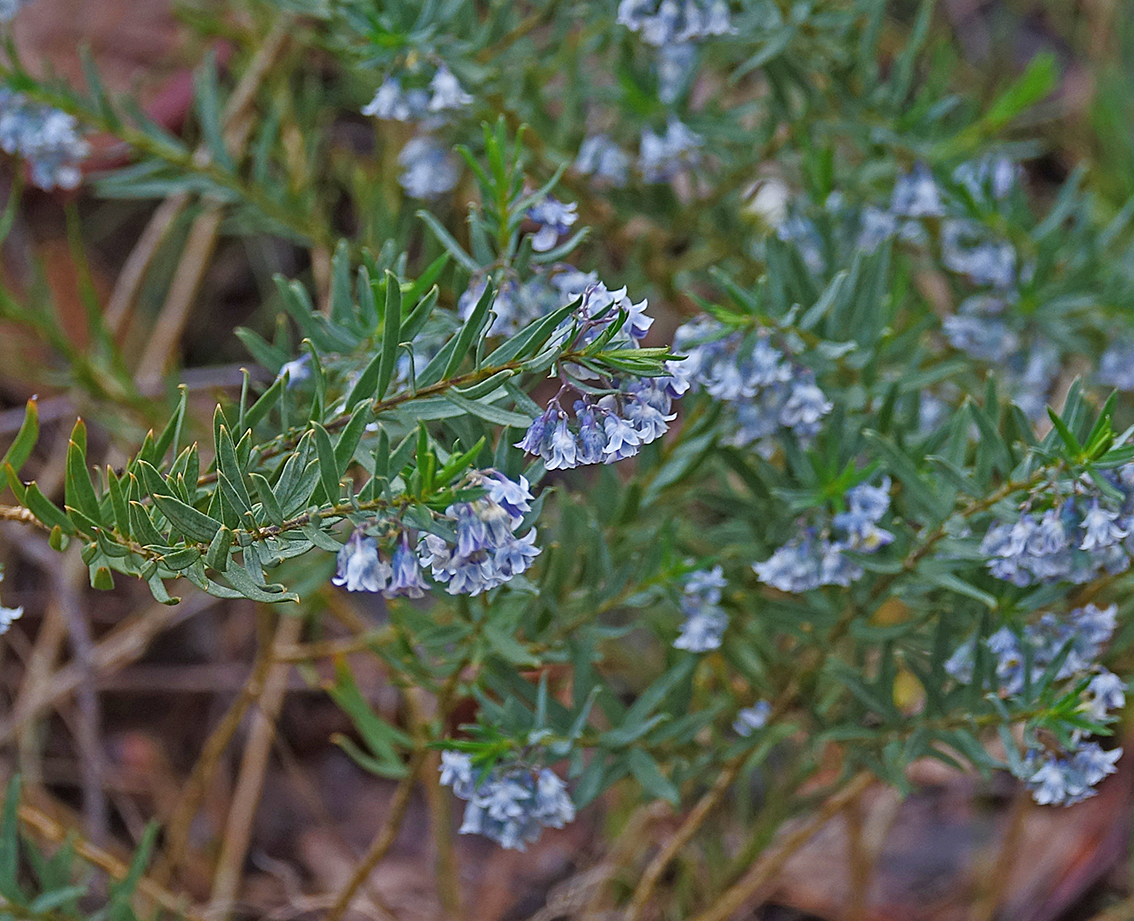
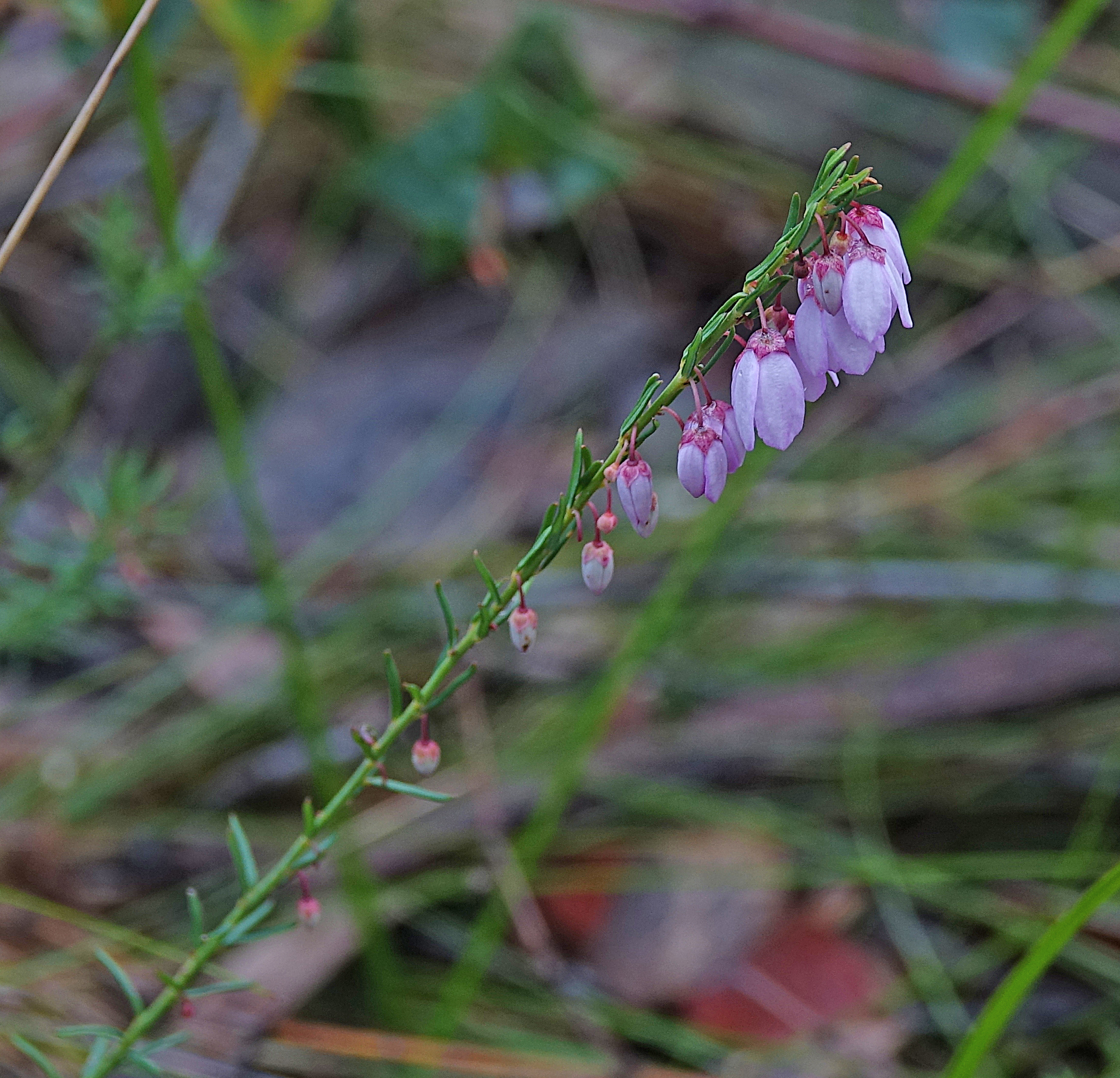
Heath TeatreeMatted Bush Pea
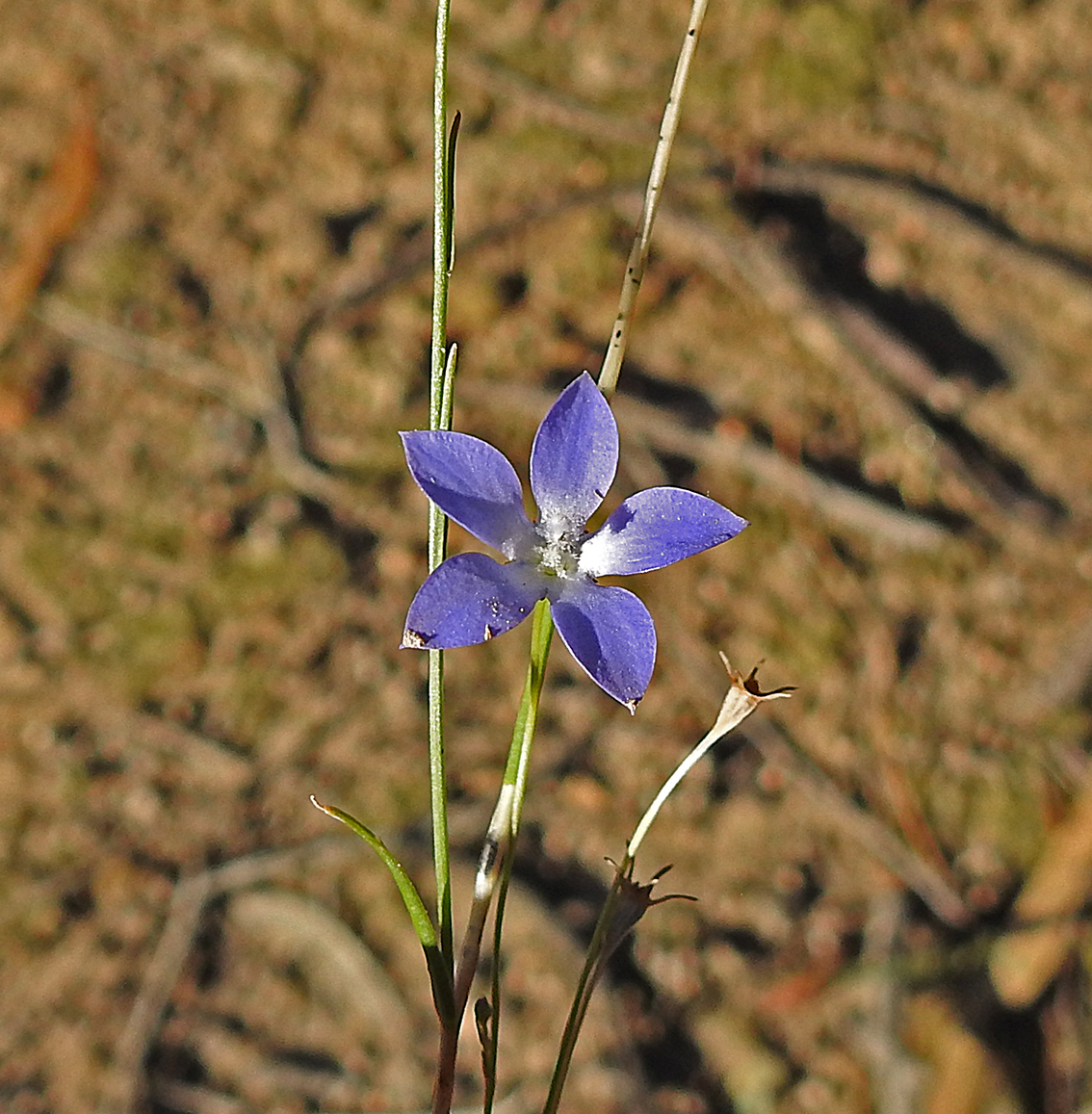
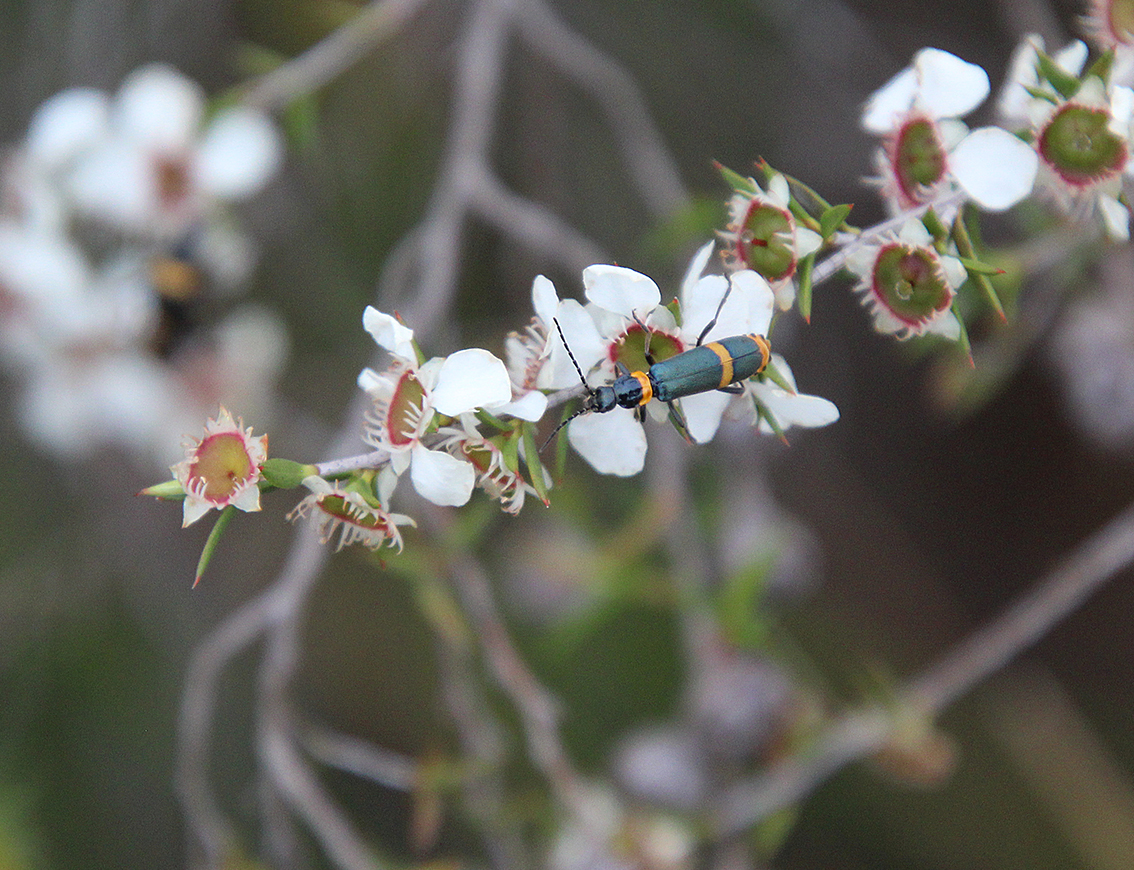
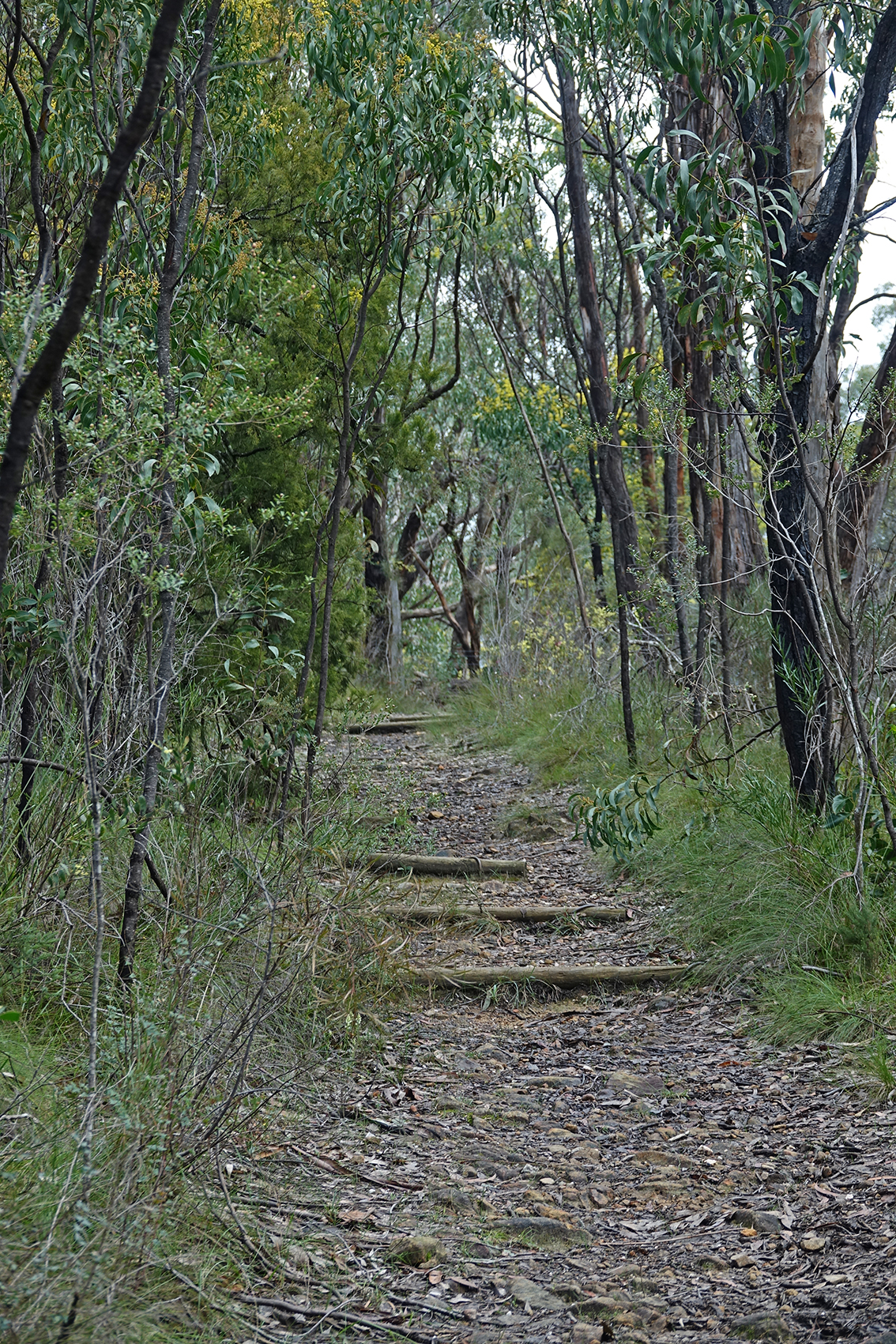
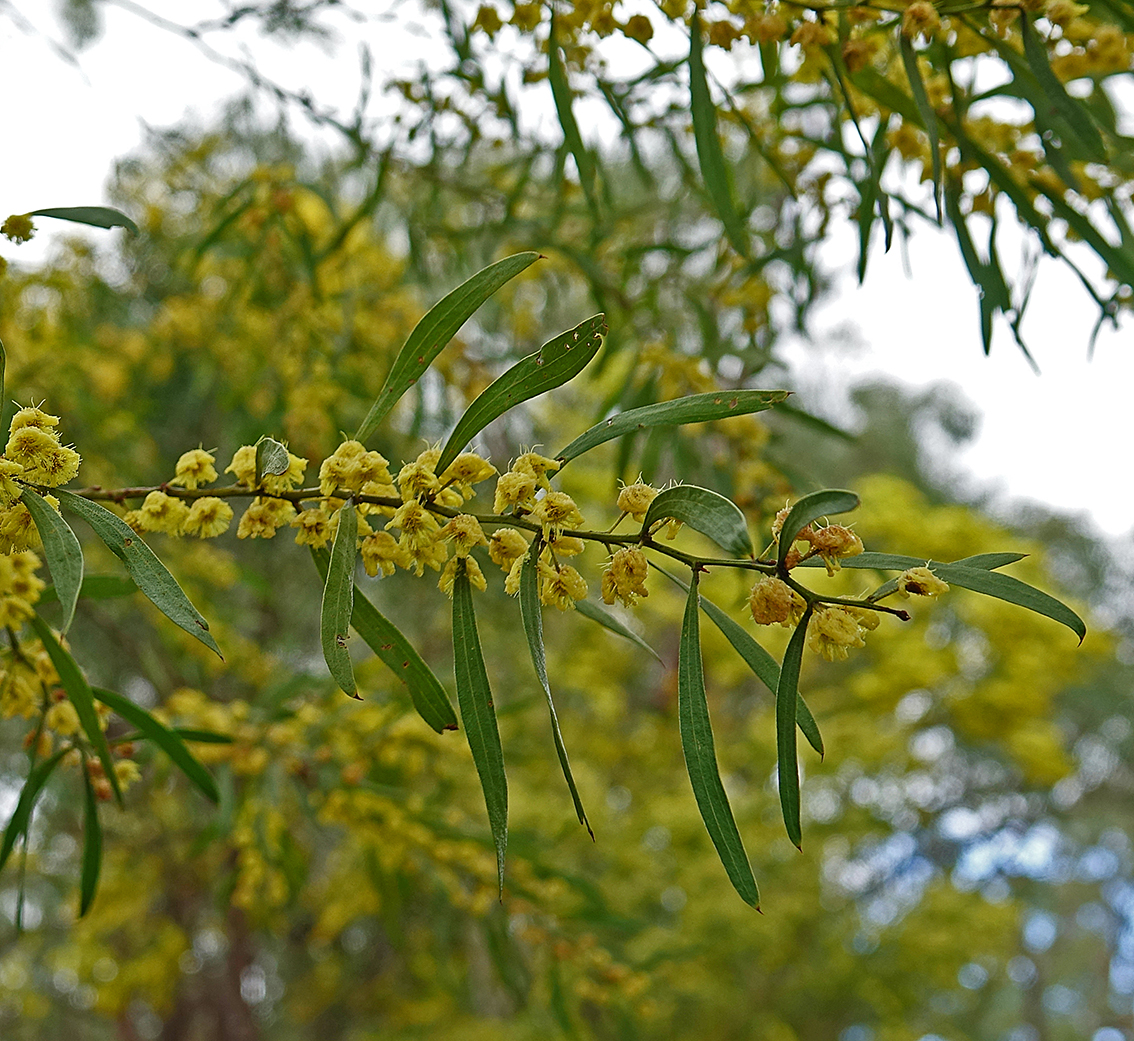
There are significant patches of native scrub alongside the road and I briefly stop to explore them. Grasstrees, Teatree bushes, stunted eucalypts (possibly Mallee) and a variety of flowering groundcovers make for a diverse short walk.
Australian Monarch
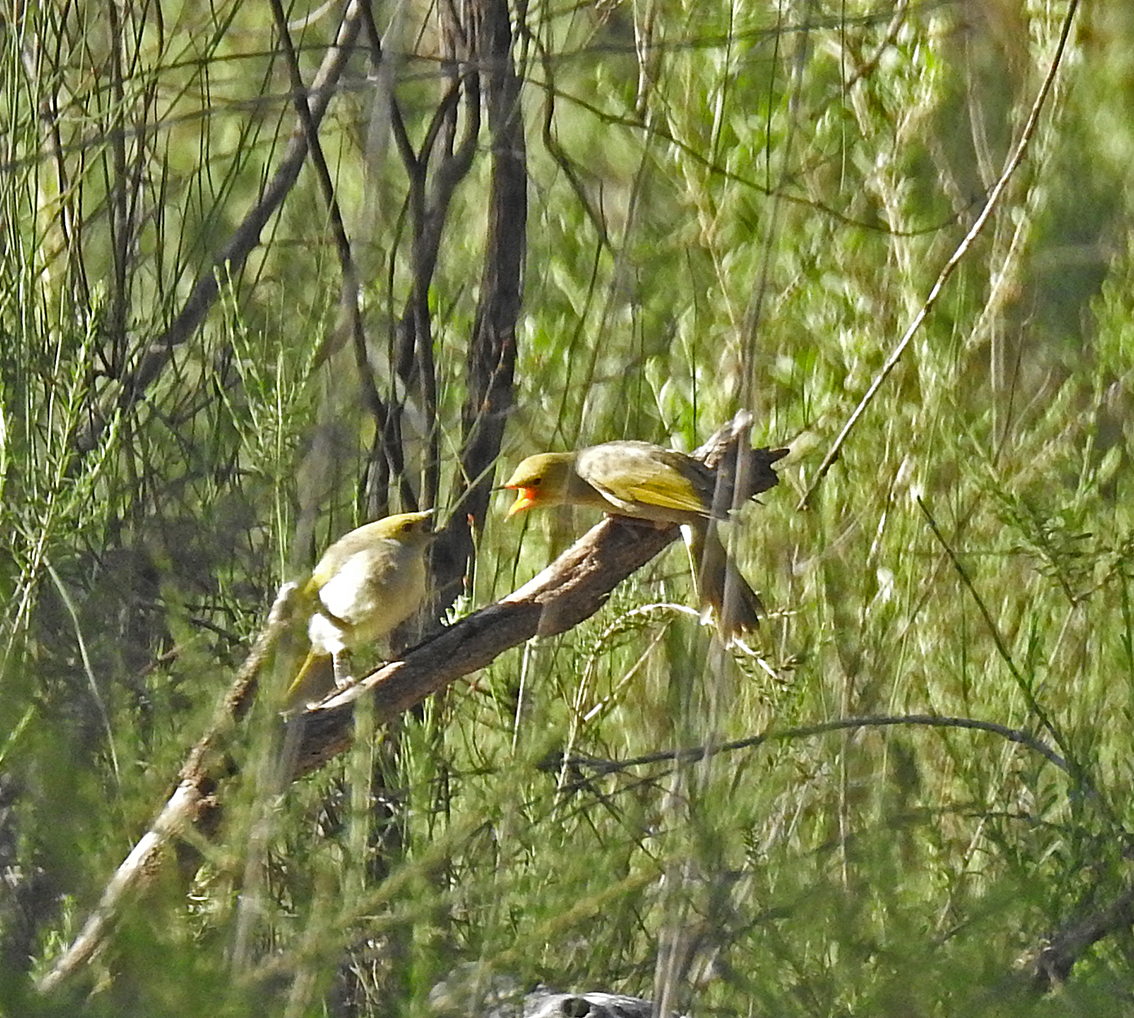
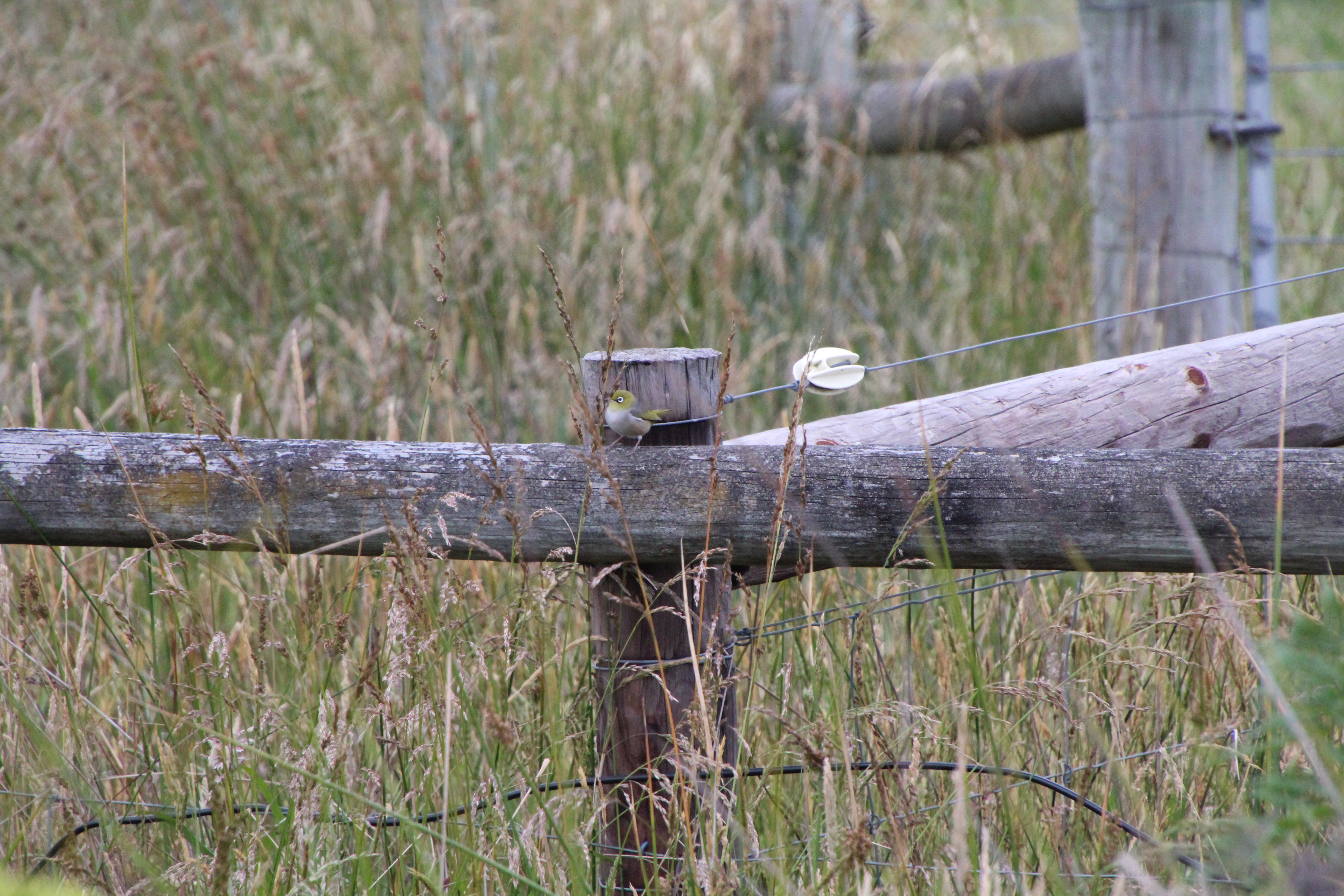
There are numerous birds and insects in the scrub alongside the road. The birds are small and hard to photograph as they flit around in the dense bushes and trees. At a glance, there are Silvereyes, Grey Fantails and an unknown honeyeater species.
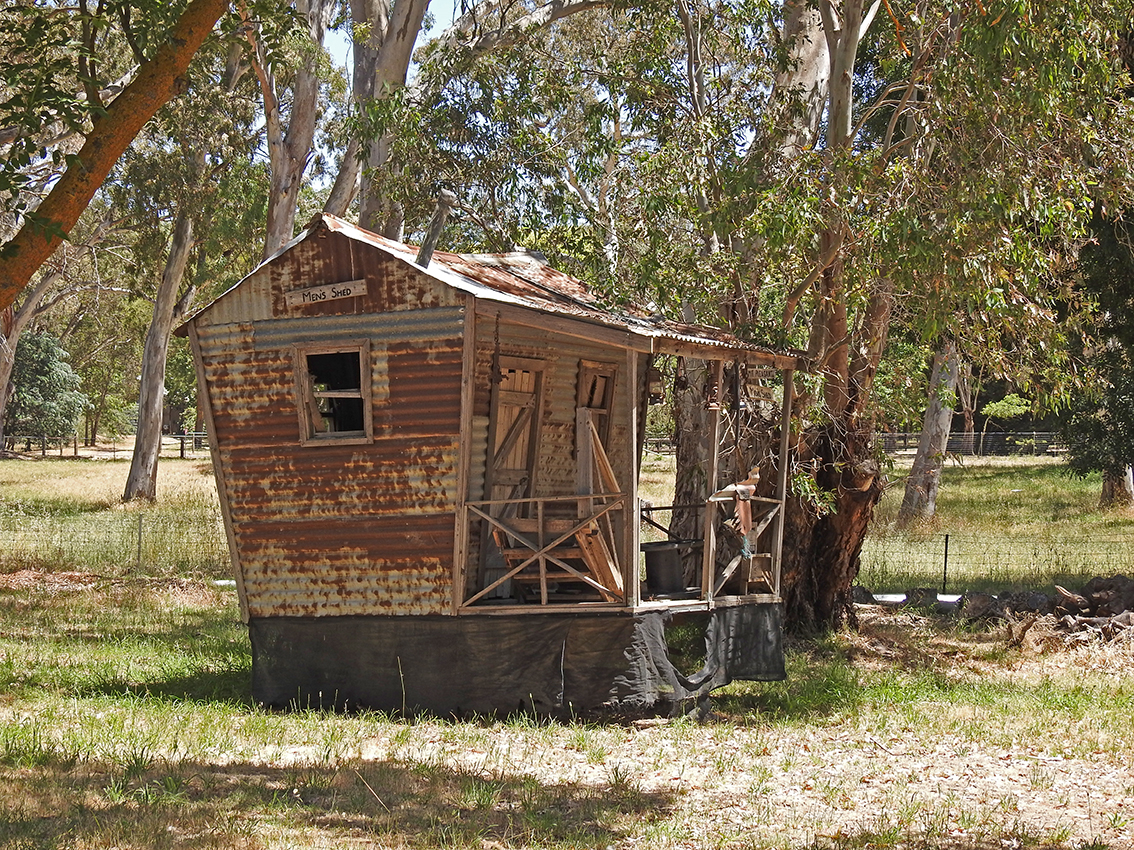
A reminder of days gone by
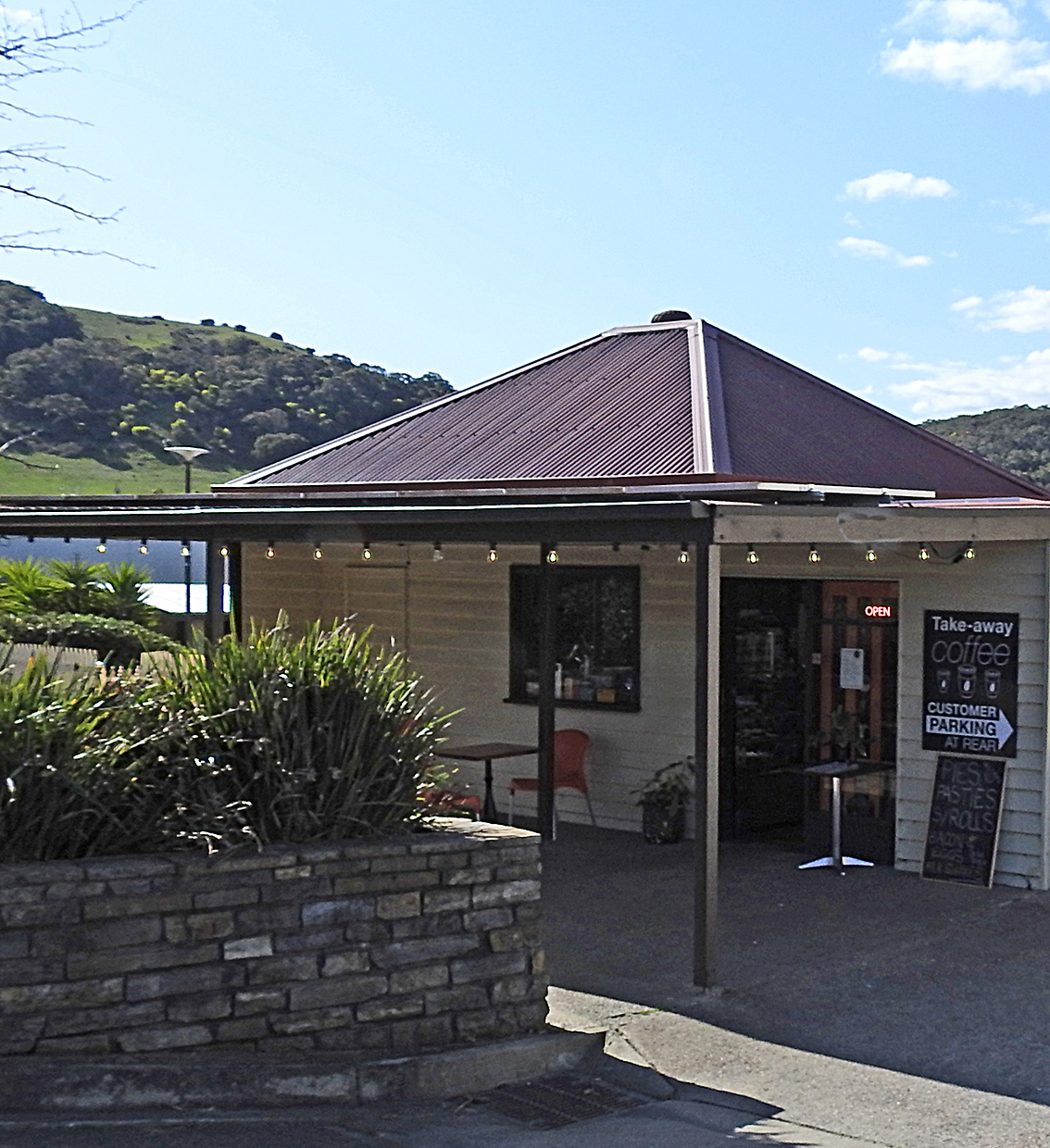
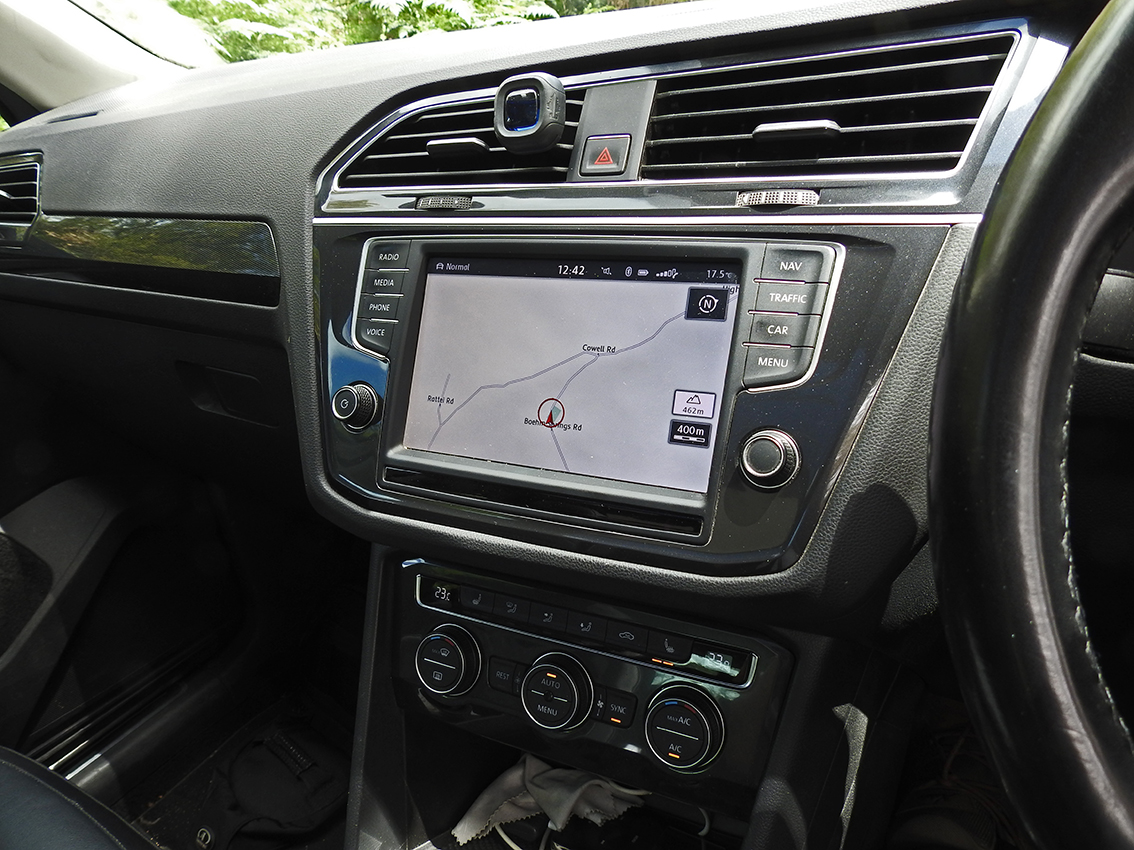
After numerous stops, I reach Springton and stop at the old-fashioned General store where I grab a bite to eat, a drink and fill up the car with petrol. Suitably refreshed and with the rest of the day ahead I decide to head back to the city by way of the many unsealed roads indicated on my navigation system……..to be continued.
Cheers
BAZ
Additional notes
Other animals seen, heard but not photographed: Ravens, Grey Kangaroos, Yellow-tailed Black Cockatoos
The camera used for this post is a Nikon Coolpix P900
This is an easy drive which is quite suitable for families and seniors .
Please pass on this blog title and or contact information (URL) to any person or organisation with an interest in taking walks and enjoying wildlife in SA.
Click on these links and see more South Australian stories and pictures in my Weekend Notes articles as well as locating similar blogs on Feedspot’s top 20 Australian wildlife blogs
A lone Hooded Plover chick ventures close to the water
Dear Reader:
The small shore bird leads its chicks across the sand towards the water. They peck at the sand mimicking the parent as she forages for food. Rare and lovely birds, Hooded Plovers nest in a protected zone on the beach.
Adult Hooded Plover with quite mature chicks
I am walking from the Bert Puxley Reserve near the boat ramp back along the foreshore towards Muwerang-Kent Reserve at the mouth of the Inman River. The tide is out and a variety of waterbirds are feeding in the shallow rock pools that characterise this stretch of water.
Whalers Inn and the boat ramp with the Bluff in the backgroundCormorant, Silver Gull and Australian Pelican resting on granite boulders near the boating channelSooty Oystercatcher (foreground) Australian White Ibis (background) foraging in rock pools for different prey which suits their beak types
Tall Norfolk Island Pines line the pathway and a group of Rose-breasted Cockatoos (Galahs) are squawking and squabbling in the topmost branches while others feed on the grassy verge.
Galahs getting ready to roostGalahs feeding
Much to my surprise, I catch sight of an unusual bird pushing its way through the shallows, beak forward and seaweed strewn across its ornately crowned head. A Great-crested Grebe. A bird I have rarely encountered. Using the full extension of the Nikon P900 telephoto, I take a series of shots to capture this feeding behaviour.
Great-crested GrebeGreat-crested Grebe hunting
Leaving the path, I walk along the sandy beach scanning the water for other seabirds, dolphins, or fish caught in the shallow rock pools. I don’t have to walk very far before I spot a small group of waterfowl, Grey Teal and Pacific Black Ducks, in the shallows. They are birds I usually associate with fresh water.
Grey Teal and Pacific Black Ducks
I have been walking and observing for over an hour and decide to break for lunch. Approximately halfway between the two parks there is a small group of shops catering for Victor’s summer influx of visitors. Fresh sandwiches, pies, pizzas, yiros and many other Aussie lunch staples are available.
Plenty to choose from
Although my walk has primarily focussed on the birdlife, the variety of coastal vegetation is notable. As well as the wiry grasses that hold sandy areas together there are numerous flowering bushes such as Cushion Fan-flower and Coastal Wattles and Myoporum.
Cushion Fan-flower blossoms
My final destination is Muwerang-Kent Reserve where a range of information plaques provide First Nations and more recent historical and cultural information about the area.
Multi purpose reserve with: shelter, play and exercise equipment and informationFirst Nations information
Cheers
Baz
Additional notes
Other animals seen, heard but not photographed: Caspian Tern, Silver Gulls,
The camera used for this post is a Nikon Coolpix P900
This is an easy walk and drive which is quite suitable for families and seniors with public toilets, barbecues, parking and other facilities nearby. It is dog friendly but areas of the beach are cordoned off for the plovers meaning dogs should be on leads around these zones.
Please pass on this blog title and or contact information (URL) to any person or organisation with an interest in taking walks and enjoying wildlife in SA.
Click on these links and see more South Australian stories and pictures in my Weekend Notes articles as well as locating similar blogs on Feedspot’s top 20 Australian wildlife blogs
Having explored the backroads around the Williamstown in my previous post ; I am now driving along the main street where I am enchanted by the many colonial buildings that have been repurposed to suit a modern township.
Williamstown Hotel was established just 18 years after the settlement of South AustraliaView from the bridgeManed Ducks
A bridge crosses the Victoria Creek at the T junction where the road from Adelaide intersects the B31/B34. From the bridge, I can see a small lake created by a weir. There are Eurasian Coots and a pair of Maned Duckspaddling near the bank.
New Holland Honeyeater
New Holland Honeyeaters and Silvereyes are feeding in the foliage of several large gums adjacent to the river.
Part of the muralThe weir looking back towards the bridge
The wall alongside the path by the lake is decorated with a mural depicting Williamstown’s unique features such as: buildings, landscape and historical events.
Australian Reed Warbler
As I walk along the path, the characteristic call of an Australian Reed Warbler rings out from the plants bordering the lake. Unusually, the call is coming from the wall of the weir not the reeds. And, as luck would have it, I spot the little bird foraging on the dam wall.
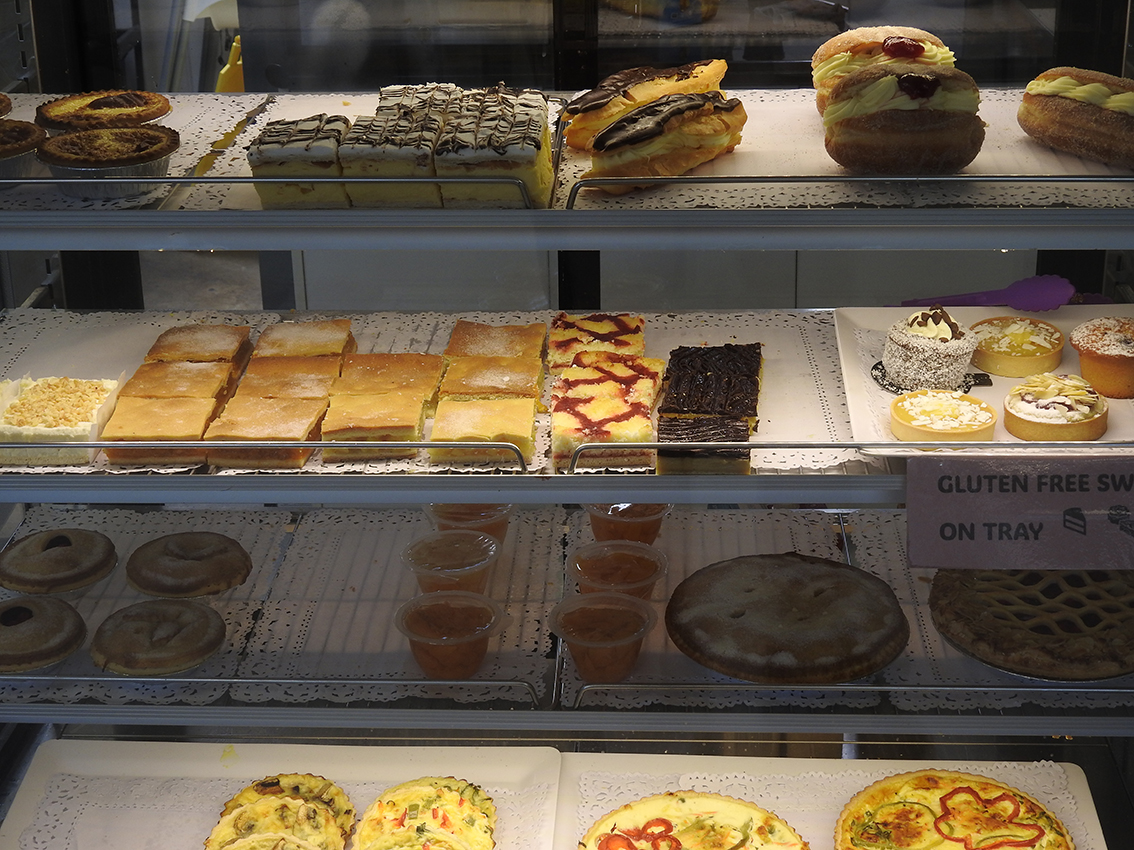
Too much choice at the local bakery
Williamstown has proved to be an interesting place from both an historical and natural perspective. All that remains is to enjoy a croissant and vanilla slice for lunch.
Cheers
Baz
Additional notes
Other animals seen, heard but not photographed: Adelaide Rosellas, Pottybonk Frogs, Masked Lapwings, corellas and Galahs
The camera used for this post is a Nikon Coolpix P900
This is an easy walk and drive which is quite suitable for families and seniors with public toilets, playgroun, barbecues, parking and other facilities nearby. It is dog friendly.
Please pass on this blog title and or contact information (URL) to any person or organisation with an interest in taking walks and enjoying wildlife in SA.
Click on these links and see more South Australian stories and pictures in my Weekend Notes articles as well as locating similar blogs on Feedspot’s top 20 Australian wildlife blogs
The old, rusted plough sits in a field of waving wild oats. In one of the massive eucalypts on the edge of the field a Galah watches me as I frame my image. A lovely start to my drive around Williamstown in the Adelaide Hills.
Historic town buildings
I am exploring the backroads around Williamstown then finishing up in the main street for coffee and cake at one of two equally fine bakeries. Although my focus is on the natural features of the area there is a printed heritage trail available from some of the shops.
Australian Raven and Crested Pigeon on an old building’s roof
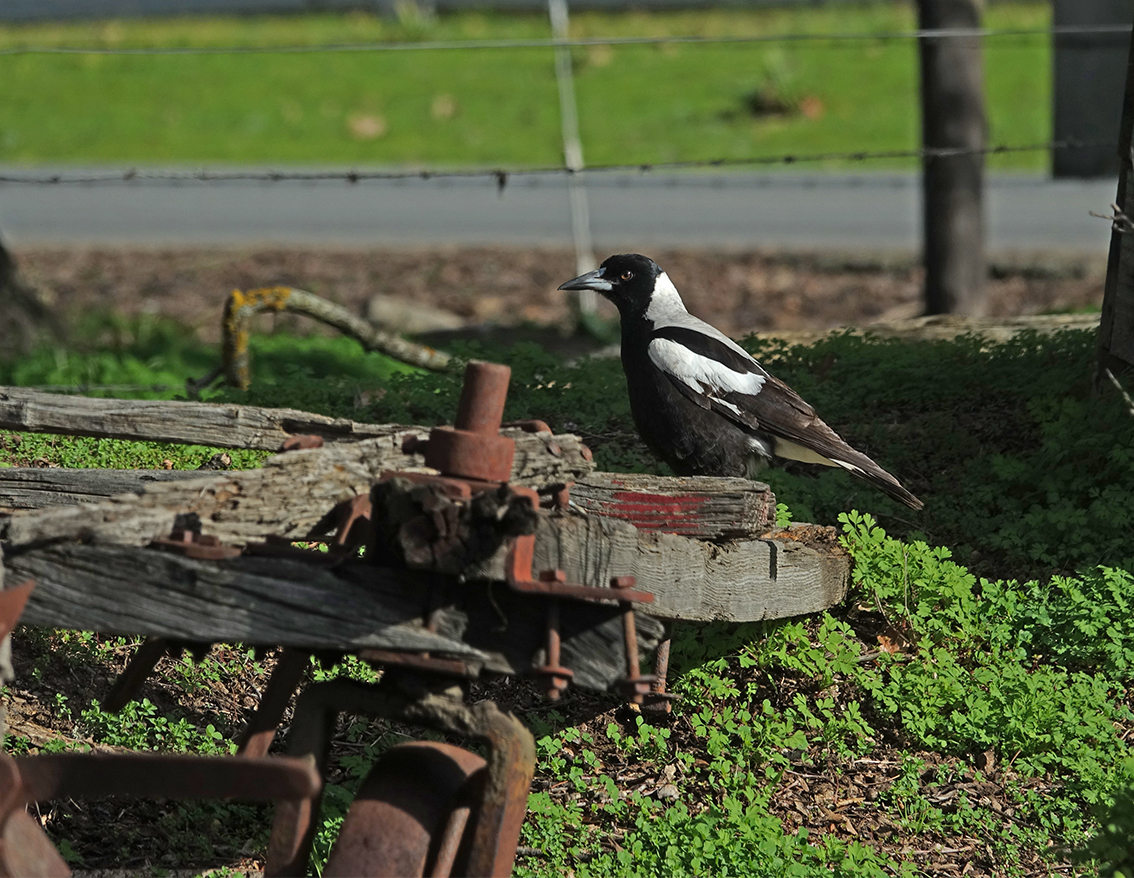
Driving into the main road, Queen Street, I turn right into Margaret Street which skirts the town on its northern aspect. I pass a farmer ploughing a hayfield and an old, dilapidated dwelling. Australian Ravens and Magpies are foraging alongside the road and Welcome swallows hawk for insects disturbed by the tractor.
Masked LapwingVines and local dam
There are vines and a sizeable dam to my left and a pair of Masked Lapwings are strutting along the fence loudly proclaiming their territory with their Kek Kek call.
Dairy farm
The road takes a sharp bend and its name changes to Fromm Street. A dairy farm sits on the corner and curious cows move up to the fence as I stop the car to take in this charming rural image. Fromm leads back onto the Lyndoch Road and into Queens Street where there are many old, colonial era buildings………to be continued.
Cheers
Baz
Additional notes
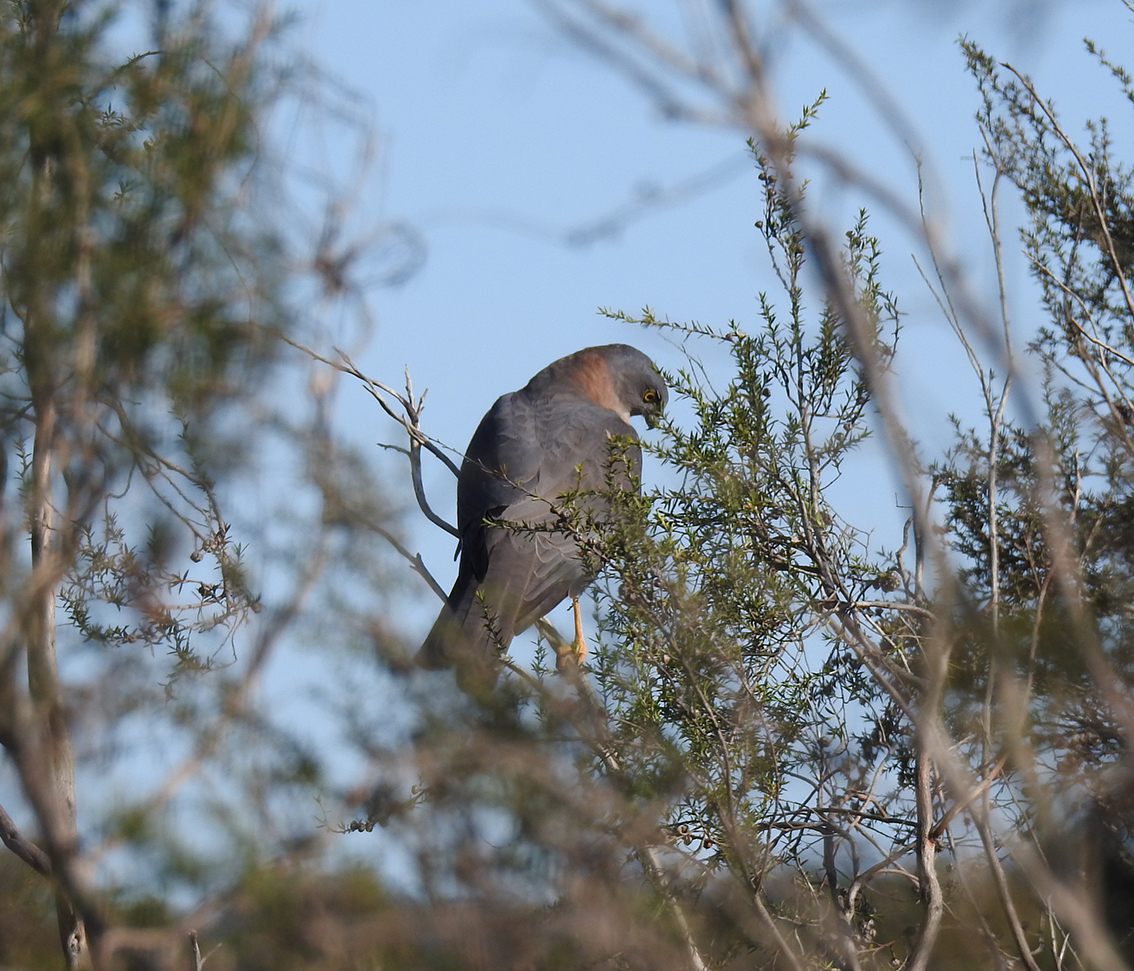
Other animals seen, heard but not photographed, Sulphur Created Cockatoos, Brown Snake, Raptor species probably a kite.
The camera used for this post is a Nikon Coolpix P900
This is an easy drive which is quite suitable for families and seniors with public toilets, caffes, parking and other facilities nearby.
Please pass on this blog title and or contact information (URL) to any person or organisation with an interest in taking walks and enjoying wildlife in SA.
Click on these links and see more South Australian stories and pictures in my Weekend Notes articles as well as locating similar blogs on Feedspot’s top 20 Australian wildlife blogs
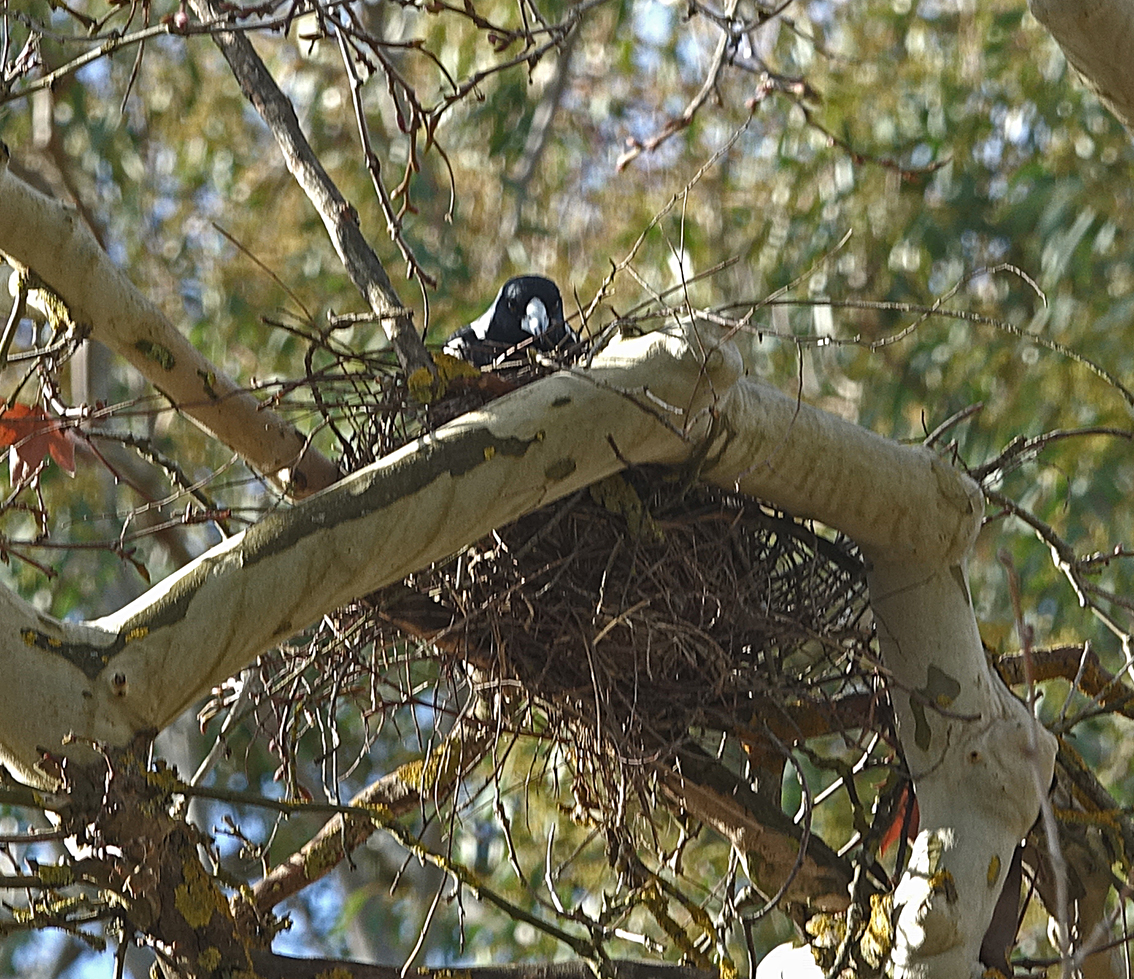
A Koala suddenly appears on the edge of the road then runs across both lanes. I check my mirrors and pull off into a small recess. Walking back along the edge of the road, I scan the trees until I spot the Koala high in the branches looking down on me.
Classic grazing area with remnant eucalyptsGoat herd feeding near the reservoir
Further along the road, I stop again to photograph classic open pasture dotted with sizeable eucalypts. A nearby fenced off paddock is home to a small herd of Angora Goats. As I stop to photograph them a lone Emu pops its head up from a ditch by the side of the road.
Surprise
I am driving to Williamstown to explore this historic little town and document the wildlife around the area. However, I am more than a little surprised to have encountered so many interesting photo-subjects before I even reach my destination.
Bridge over the reservoir
Crossing the bridge over the South Para Reservoir, I notice the water level is quite high, a good sign for the approaching summer. Nearby, the extensive vines, which are a more recent feature of this landscape, contrast starkly with the adjacent scrub-draped hillsides. Clearing bushland for vines is always a contentious issue in South Australia.
Vines, pasture and bushland
I am on the outskirts of Williamstown and decide it is time for a break at the local bakery before traversing some of the backroads and exploring other features of this historic township………..to be continued.
Too much choice
Cheers
Baz
Additional notes
Other animals seen/heard but not photographed: Western grey Kangarooos, Sulphur-crested Cockatoo, Australian Magpie, Blackbirds, House Sparrows, Rabbits
The camera used for this post is a Nikon P900
This is an easy drive which is quite suitable for families and seniors with public toilets, barbecues, parking and other facilities in Williamstown. It is dog friendly.
Please pass on this blog title and or contact information (URL) to any person or organisation with an interest in taking walks and enjoying wildlife in SA.
Click on these links and see more South Australian stories and pictures in my Weekend Notes articles as well as locating similar blogs on Feedspot’s top 20 Australian wildlife blogs
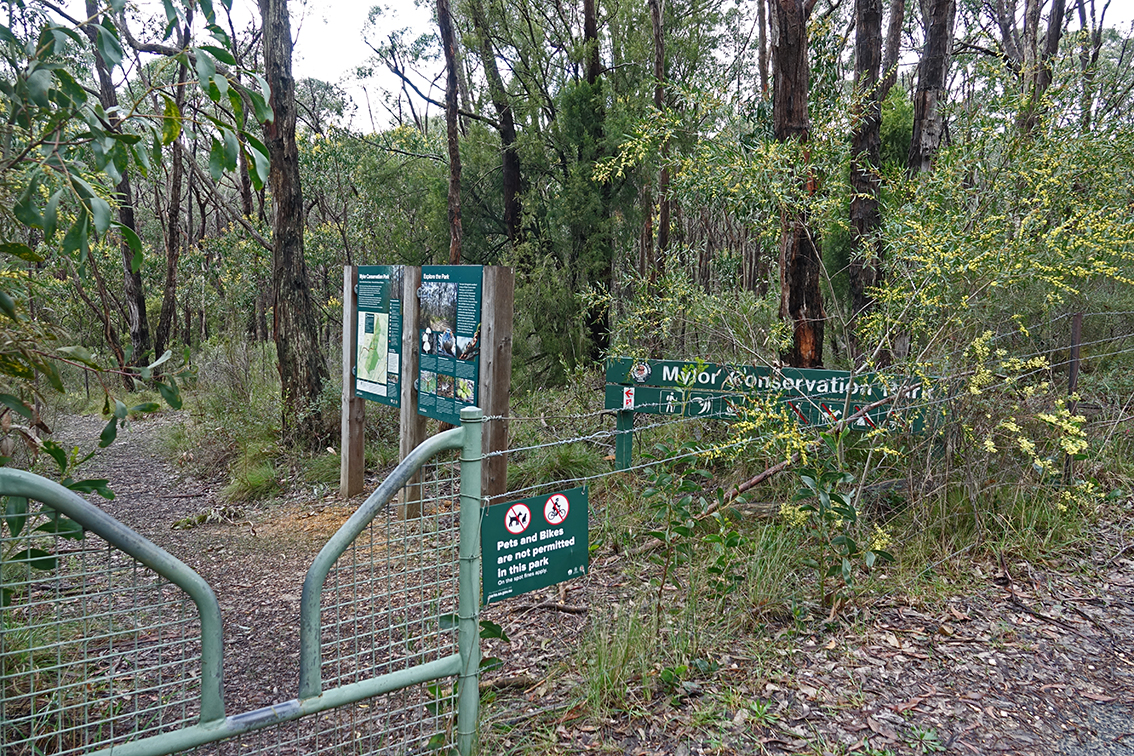
A small group of medium sized, black, birds are foraging near the track which leads deeper into the Monarto Conservation Park. I zoom in on them using the full range of the Sony lens. Bright red eyes and white flashes on the wings identify them as White-winged Choughs.
White-winged ChoughsPark entrance
As I walk further into the park, it is hard not to notice the variety of flowering shrubs and wildflowers blooming in the understory. The blossoms are supporting a wide variety of wildlife including: native bees, honeyeaters, lizards and possums.
The birds in this area seem to be quite wary. I find myself shooting at long range and having to use a ‘sit quietly and wait’ approach. My first reasonable result is an image of a White-browed Babbler perched on a branch; a species not often seen around the Adelaide area.
Red WattlebirdThornbill species
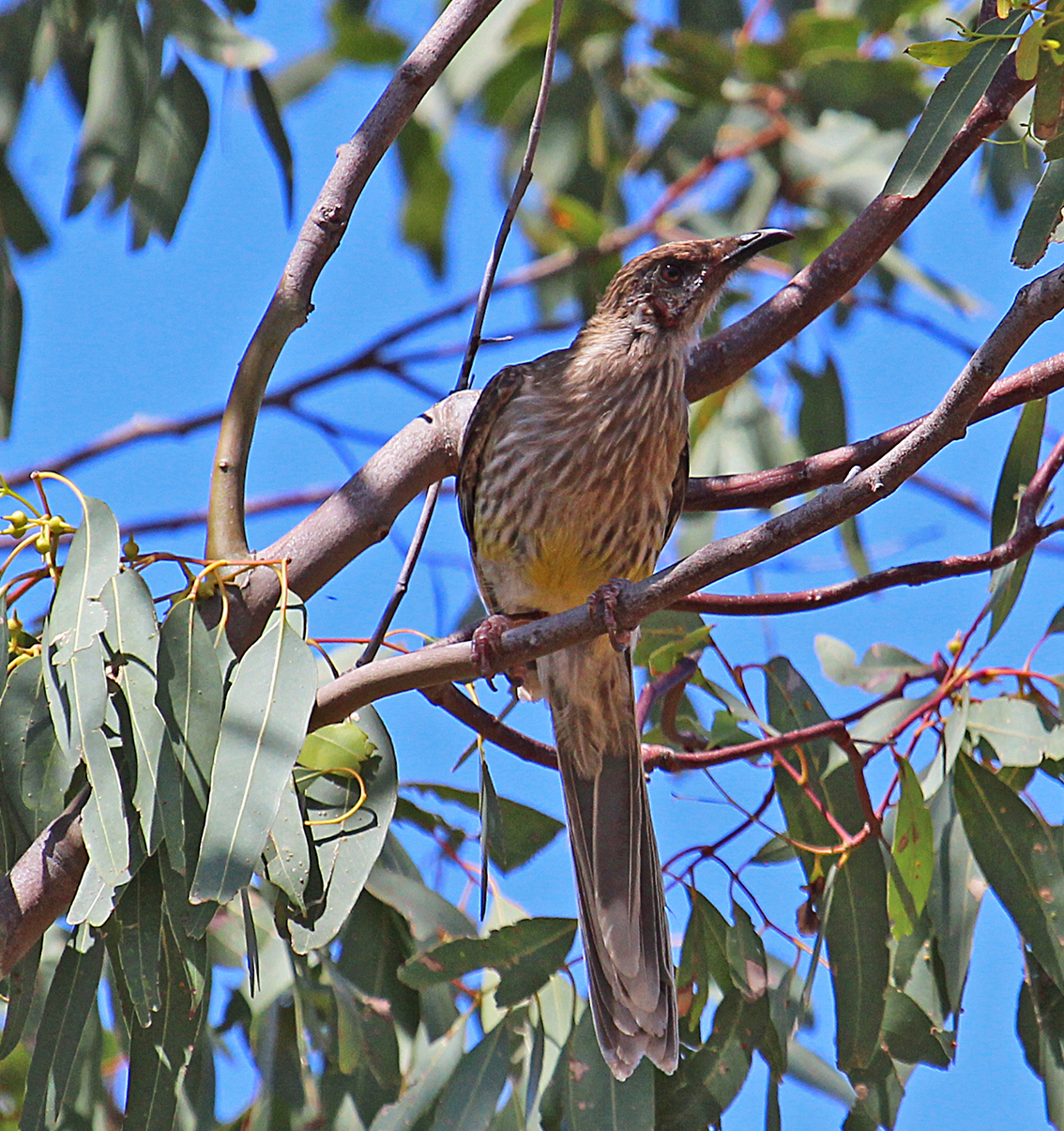
There are eucalyptus blossoms high in the canopy and with a little careful stalking and patience I photograph a Red Wattlebird as well as the outline and faint detail of a Thornbill; both perched amongst the leaves.
White-tipped Brown Bee Fly
I am unable to spot any reptiles so I try to diversify my day’s captures by searching for some unusual insects. Flies, mosquitoes, hoverflies and some wasps are abundant. However, it is a rather unusual White-tipped Brown Bee Fly that catches my eye as it lands on a sandy clearing amongst the matt of twigs and leaves.
Native Pine and Eucalypt treesEmerging Everlasting Daisy flower
My walk is almost over. I stroll down a wide track of Mallee and Native Pine searching for one last image. I’m hoping for a roo or some interesting stock in the adjacent paddocks. However, it is a strange domed flower head set amongst a collar of sharp white petals that intrigues me. Later, at home, I identify it as an Everlasting Daisy, with its central yellow mass of disc flowers about to be unravelled.
Cheers
Baz
Additional notes
Other animals seen, heard but not photographed: Sulphur-crested Cockatoo, Striated Pardalote
The camera used for this post is a Sony RX10 Mark 3
This is an easy walk and drive which is quite suitable for families and seniors.
Please pass on this blog title and or contact information (URL) to any person or organisation with an interest in taking walks and enjoying wildlife in SA.
Click on these links and see more South Australian stories and pictures in my Weekend Notes articles as well as locating similar blogs on Feedspot’s top 20 Australian wildlife blogs
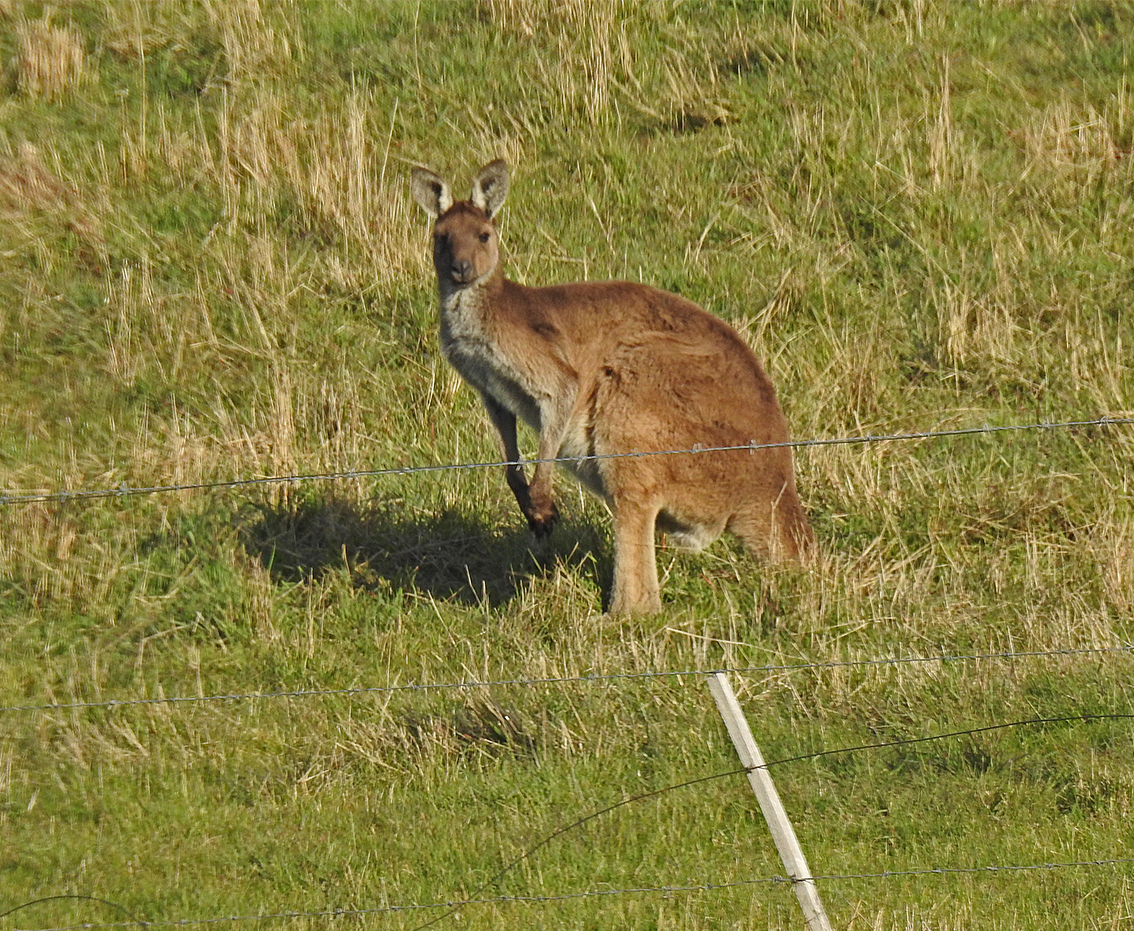
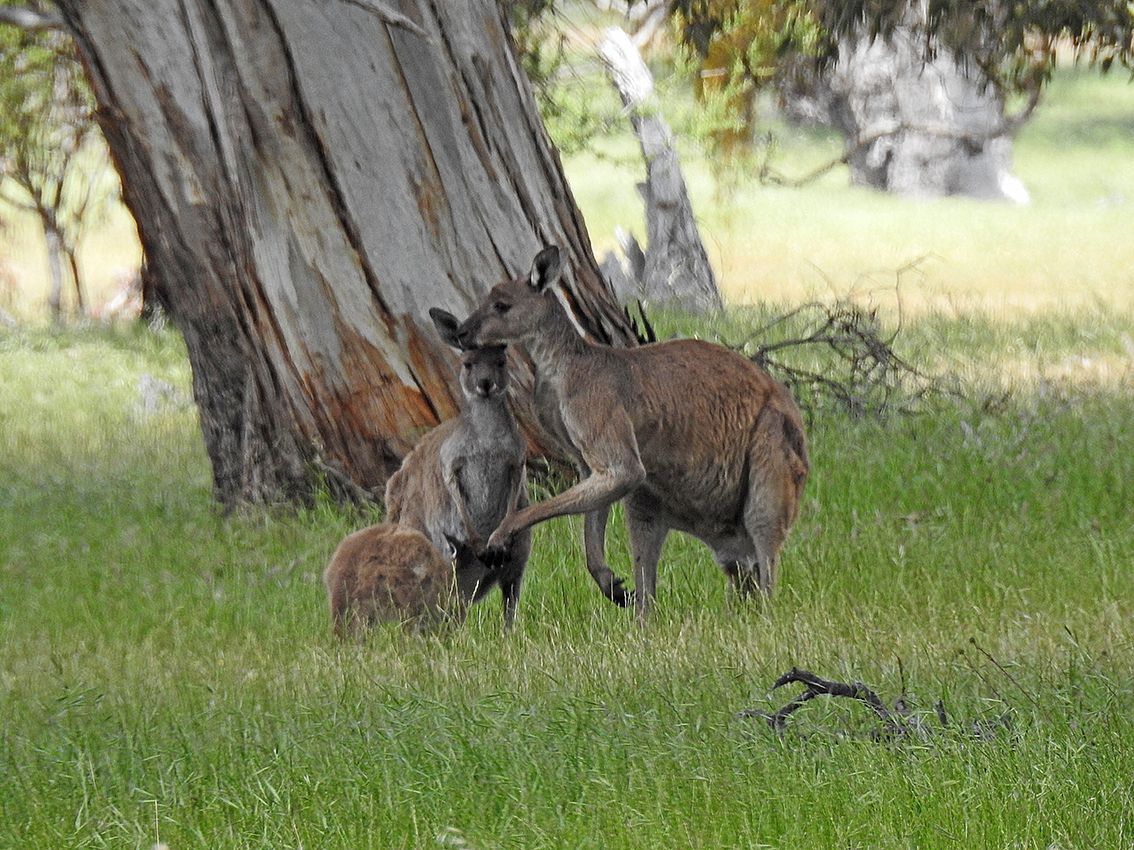
After leaving the One Tree Hill Road roundabout for Kersbrook Road, I expect to drive a few kilometres before making my first roadside stop. Two Western Grey Kangaroos and a small herd of cattle put pay to that plan as they appear a mere hundred metres from my starting point.
Western Grey kangaroo and joey amongst the tall grassesMurray Grey Cattle
Leaving the roos and cattle behind I start to climb the winding road towards Kersbrook stopping at a convenient roadside layby after 2.3Kms.
Roadside scrub
After clambering over an old fence, I catch a brief glimpse of a Grey Fantail and some small parrots in the thick scrub which makes them impossible to photograph. Luckily, a decorative, Common Brown Butterfly settles on a fallen branch providing a nice image.
Common Brown Butterfly
I fossick around in the undergrowth moving fallen branches and bark and unearth a Piedish Beetle and a large Garden Centipede. It seems that invertebrates might be the flavour of the day.
Piedish BeetleGarden Centipede species
At the 3.7 Km mark Karwin Road leads off to the left with a sign for Minya Sanctuary. I park on the corner where there’s a small patch of scrub and a panoramic view of open farmland as well as an earthen dam for sheep and cattle.
Local dam for stock
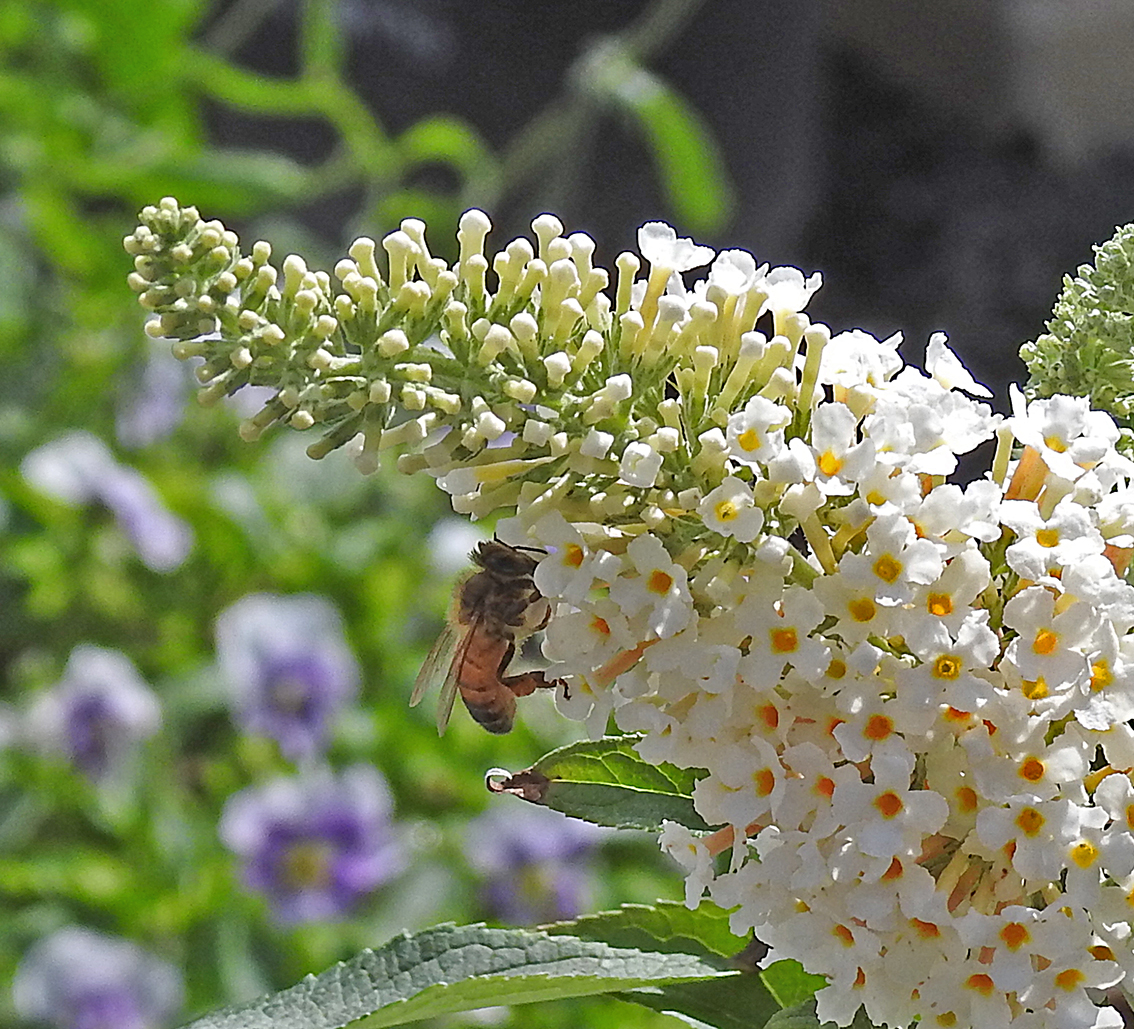
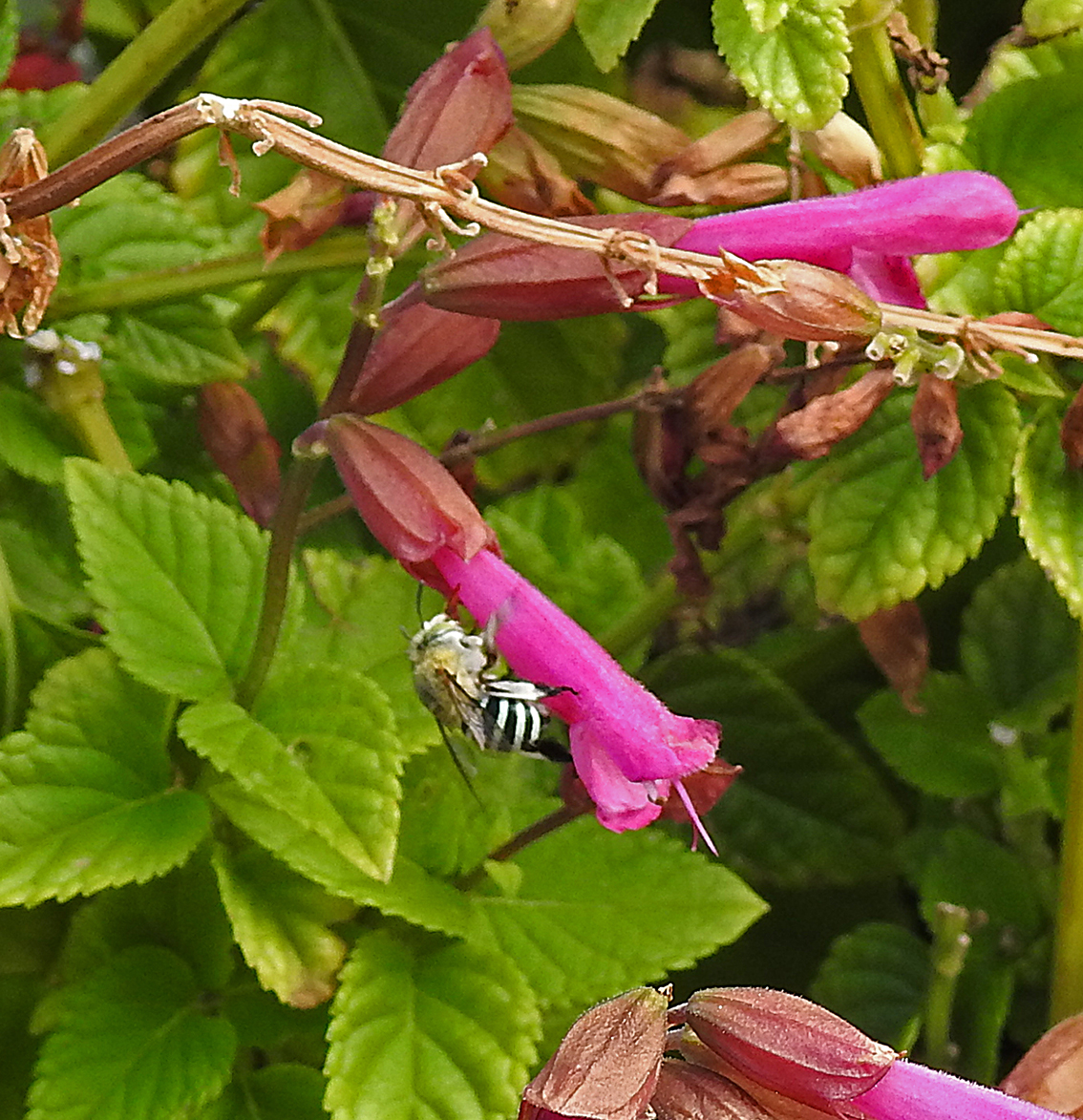
Following a small path through Sheoak sapplings, I am lucky enough to encounter Honeybees feeding on Scabia flowers as well as a native Blue-banded Bee and a Mud-dauber Wasp.
Blue-banded BeeCommon Honey Bee
Although I have only covered around 4kms of the 11Km drive to Kersbrook it has been a revealing and fascinating look at this part of the foothills and I am sure that the next 7kms will be equally enthralling.
Mud-dauber Wasp
Cheers
Baz
Additional notes
Other animals seen, heard but not photographed: Mistletoe Bird
The camera used for this post is a Nikon Coolpix P900
This is an easy drive which is quite suitable for families and seniors.
Please pass on this blog title and or contact information (URL) to any person or organisation with an interest in taking walks and enjoying wildlife in SA.
Click on these links and see more South Australian stories and pictures in my Weekend Notes articles as well as locating similar blogs on Feedspot’s top 20 Australian wildlife blogs
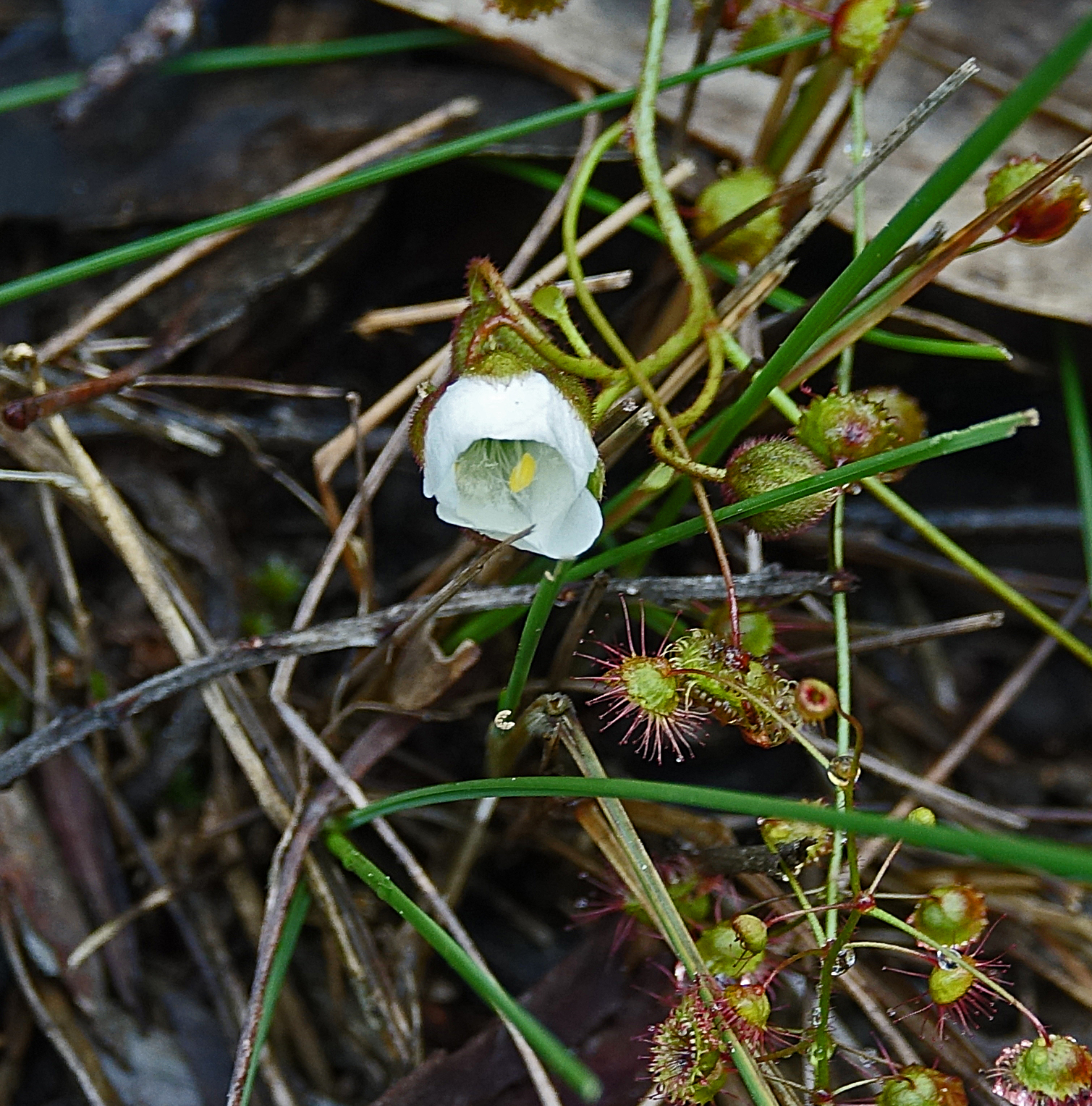
For once, my first interesting sighting is not an animal but a delicate orchid known as a Parson’s Bands because the two delicate petals resemble a clergyman’s white collar.
Parson’s Bands Orchid
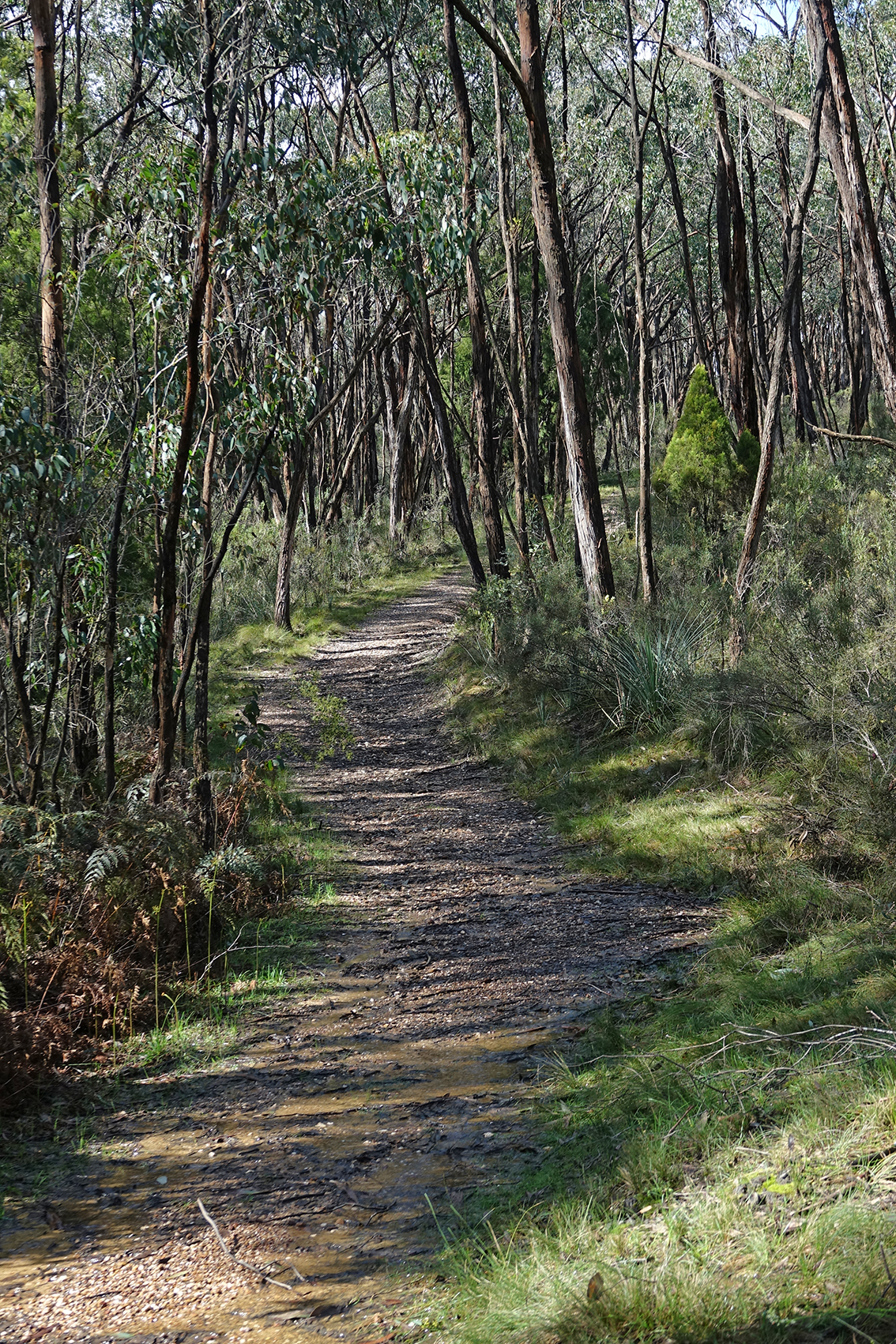
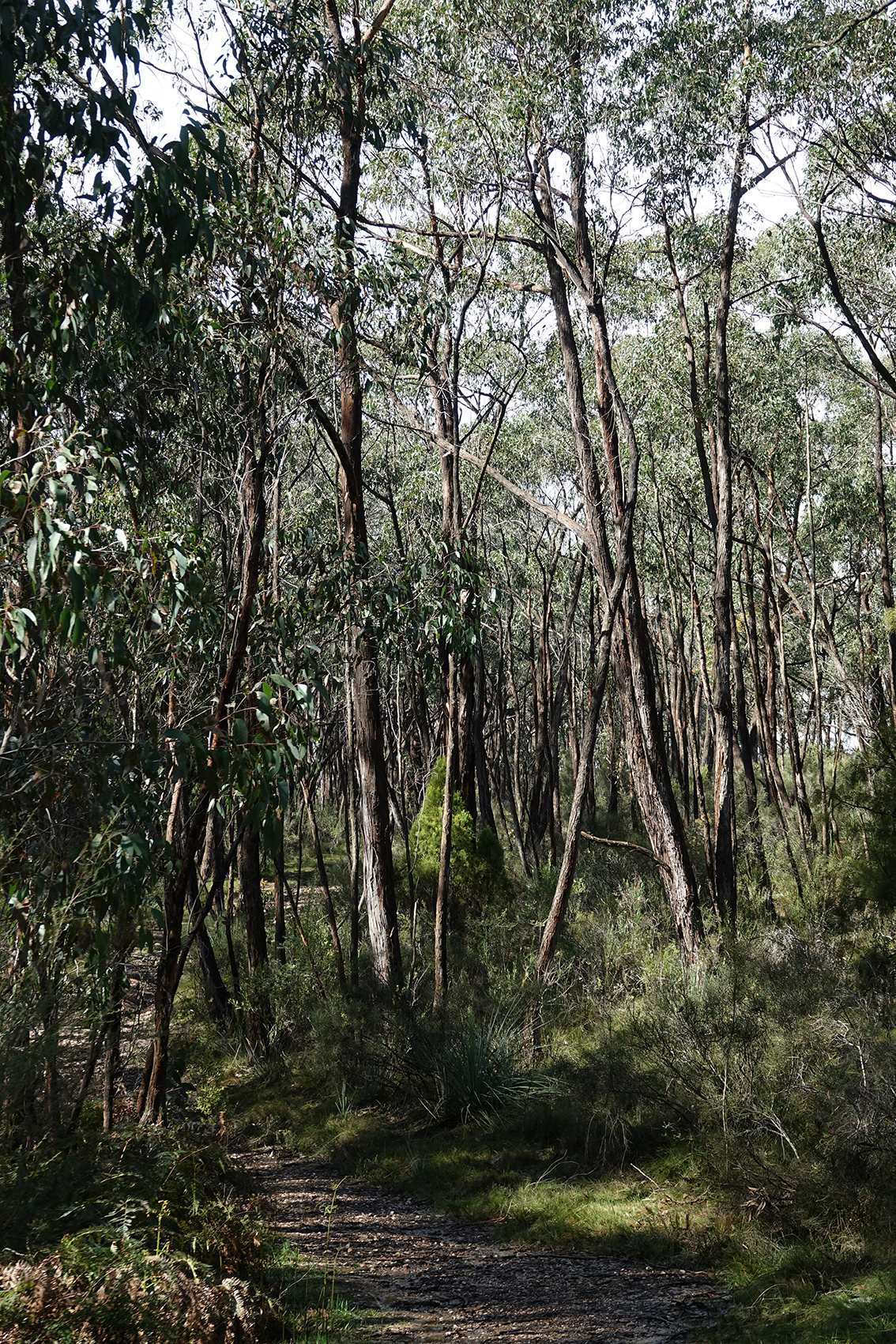
I am walking along Wottons Track from the gate 3 entrance to the Kenneth Stirling series of Conservation Parks near Carey Gully and Uraidla. The drive up Greenhill Road towards the park has taken me through some beautiful hill country adorned by vines, native forest and orchards.
Autumn vines near Uraidla
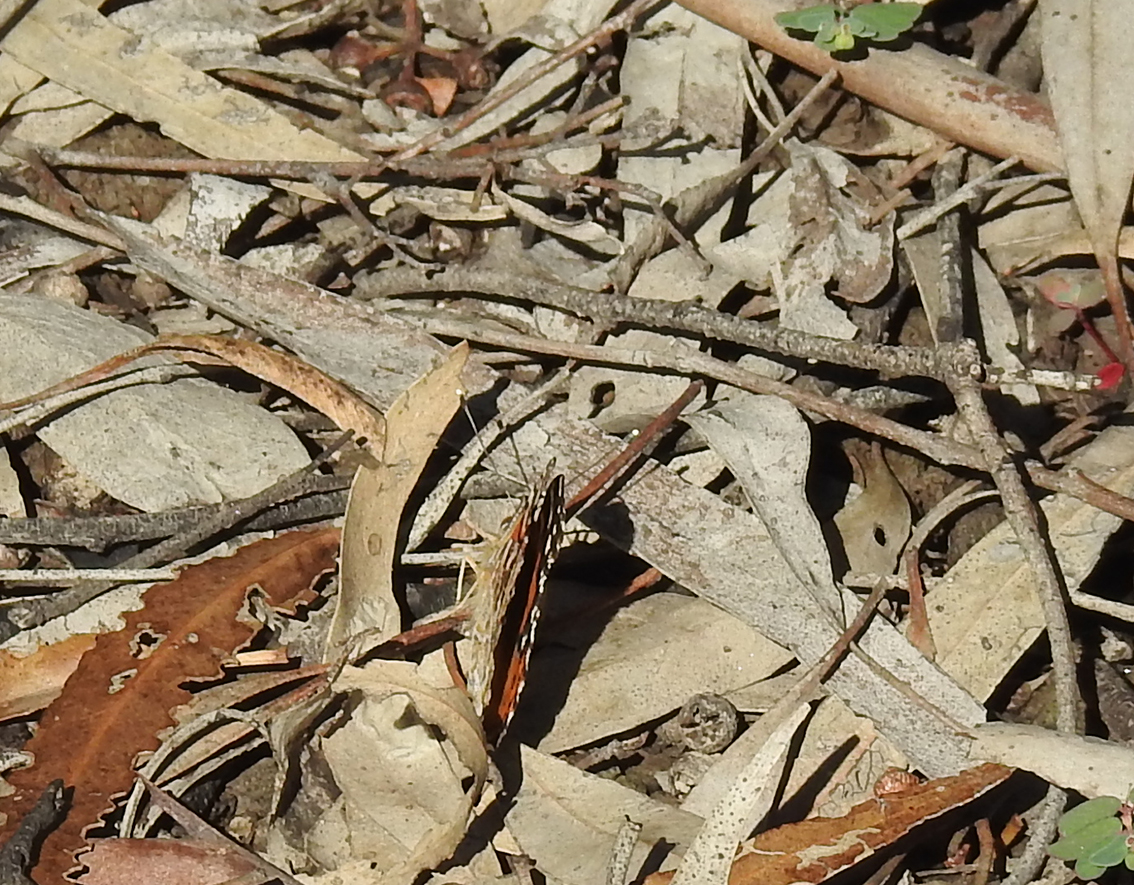
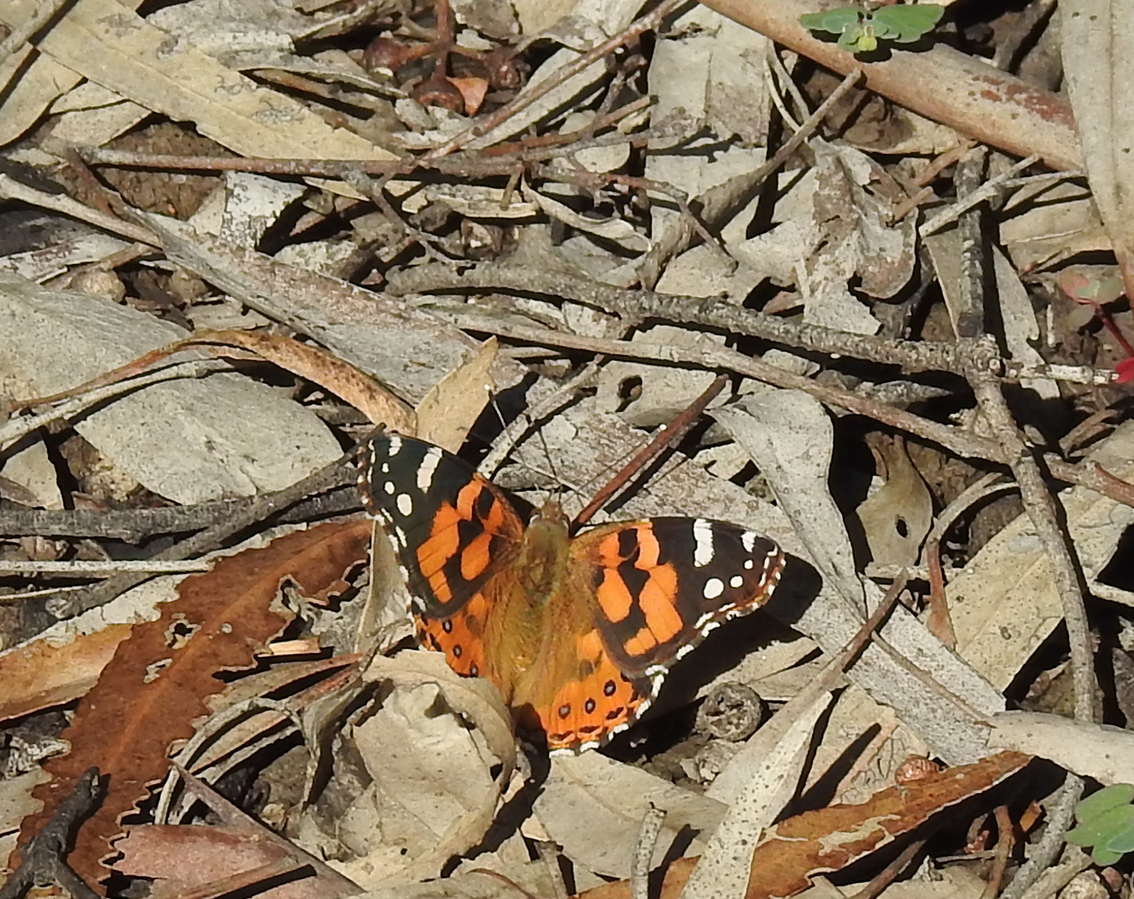
It is early winter and I am not expecting much wildlife and it is quite a surprise to see an ornate Common Brown Butterfly amongst the leaf litter. With wings folded it is remarkably well camouflaged.
Effective camouflageFemale Common Brown (same animals as above image)
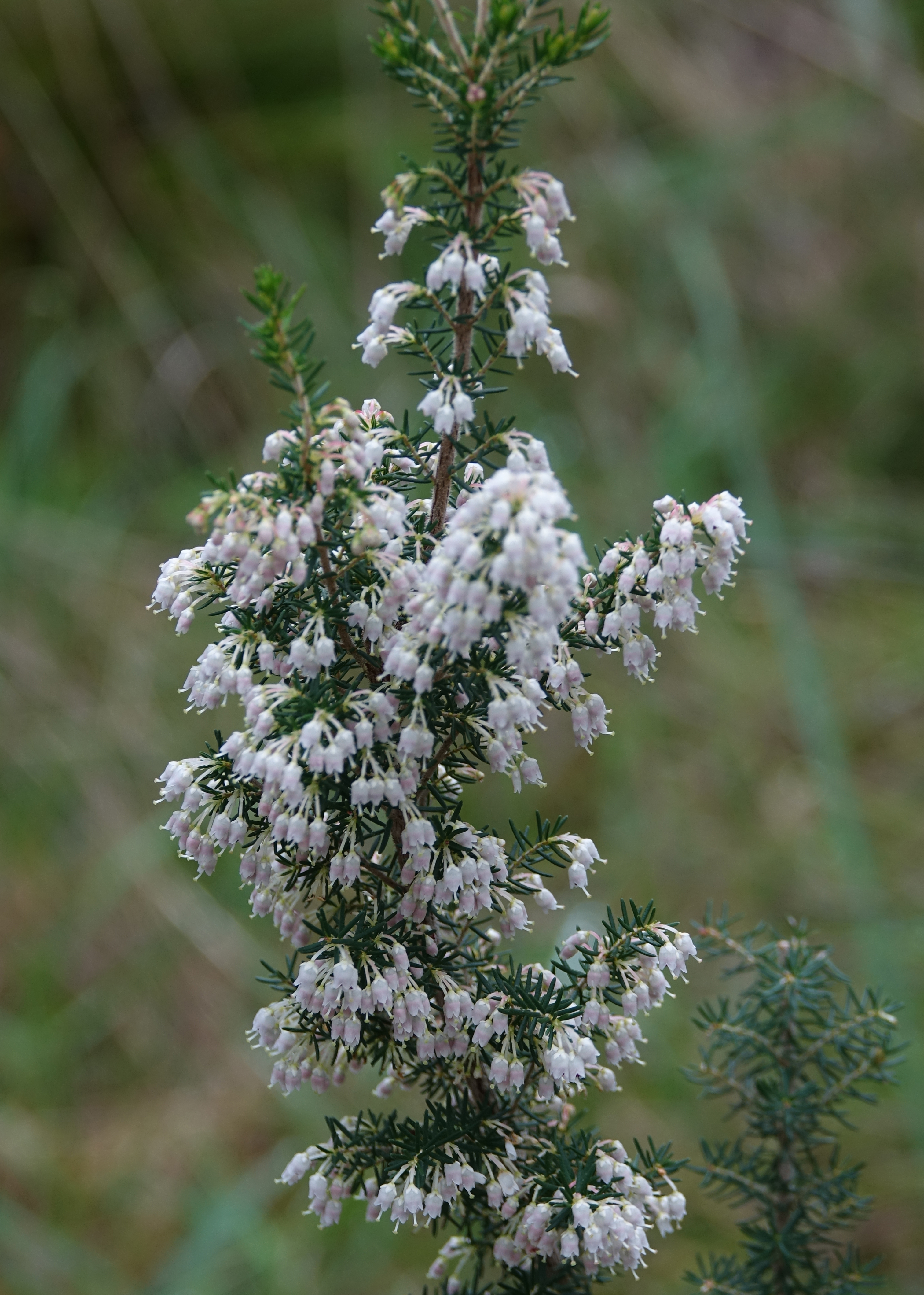
Late blooming flowers seem to be the order of the day and far easier to photograph. Hills Daisies and Common or Pink Heaths dot the lush green undergrowth.
Hills DaisyCommon Heath
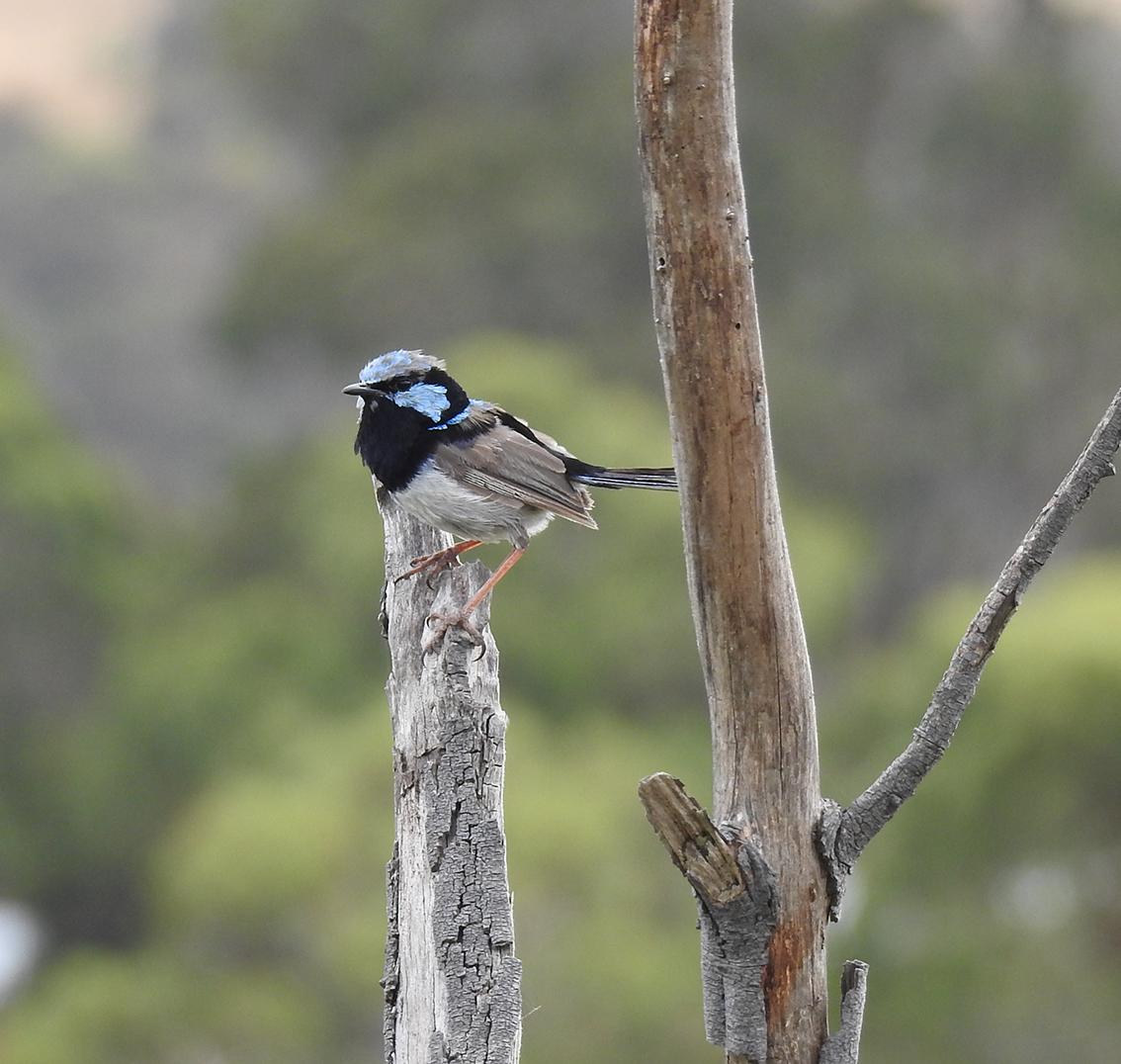
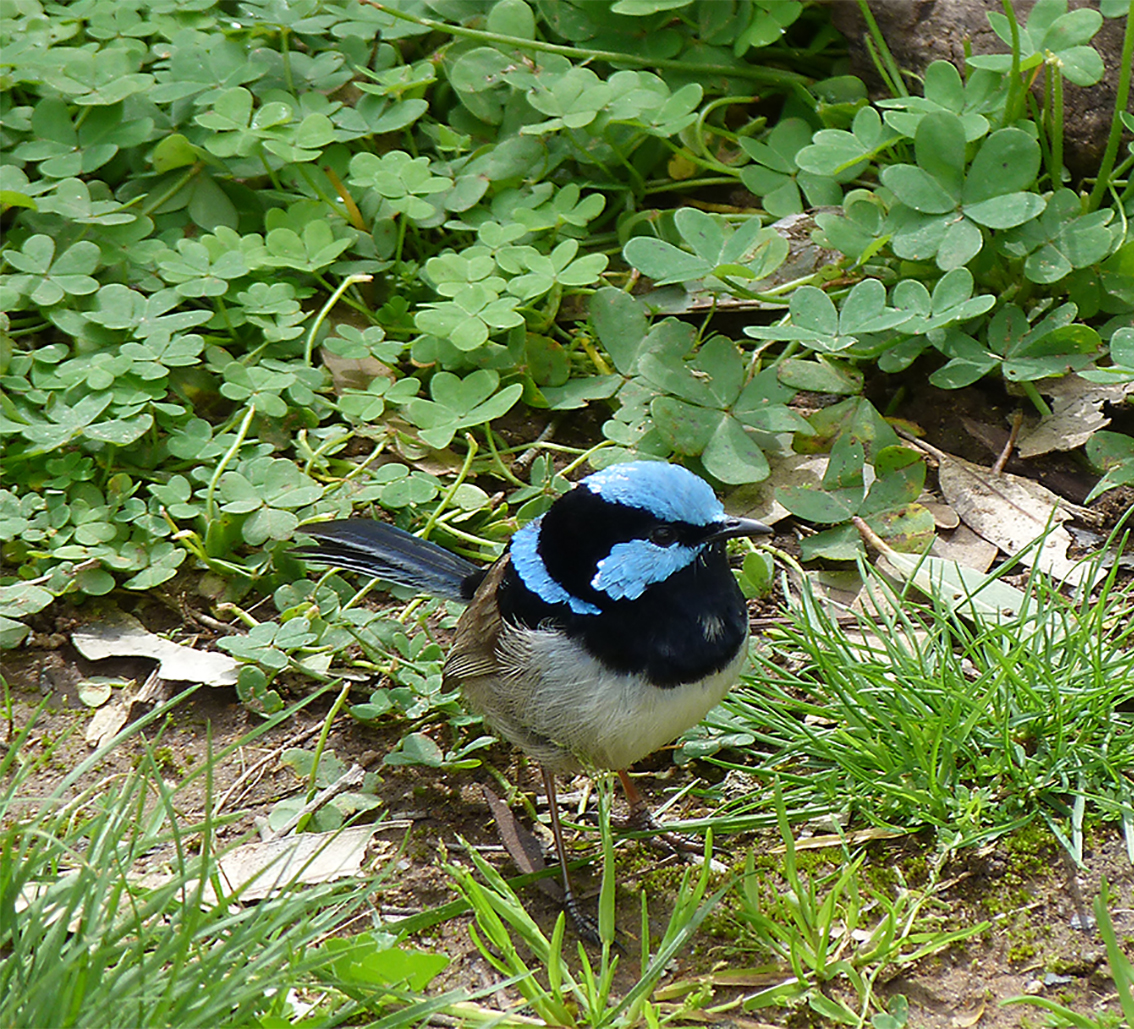
There are the twittering calls of wrens in the bushes alongside the path but they are wary and hard to spot. Eventually a pair appear on the trail some fifty metres ahead of me. I steady myself and fire off a couple of frames trying to catch both male and female together. They are a perfect example of sexual dimorphism in birds.
Male and female Superb Fairy WrenSuperb Fairy Wren, Image shot at similar location by author
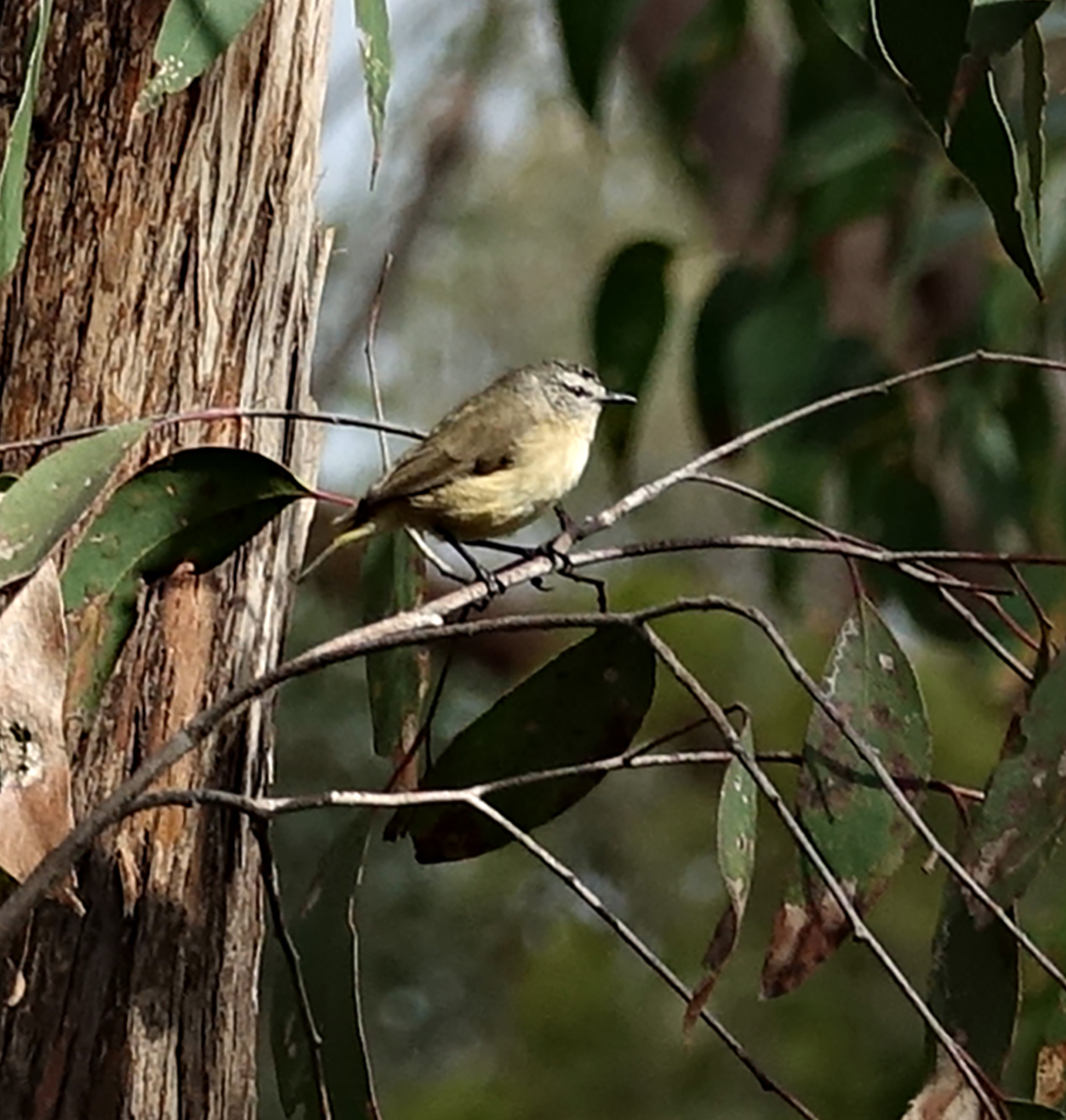
I have walked around three kilometres and spotted a few Grey Fantails, Adelaide Rosellas and Rainbow Lorikeets, all too far away to photograph.
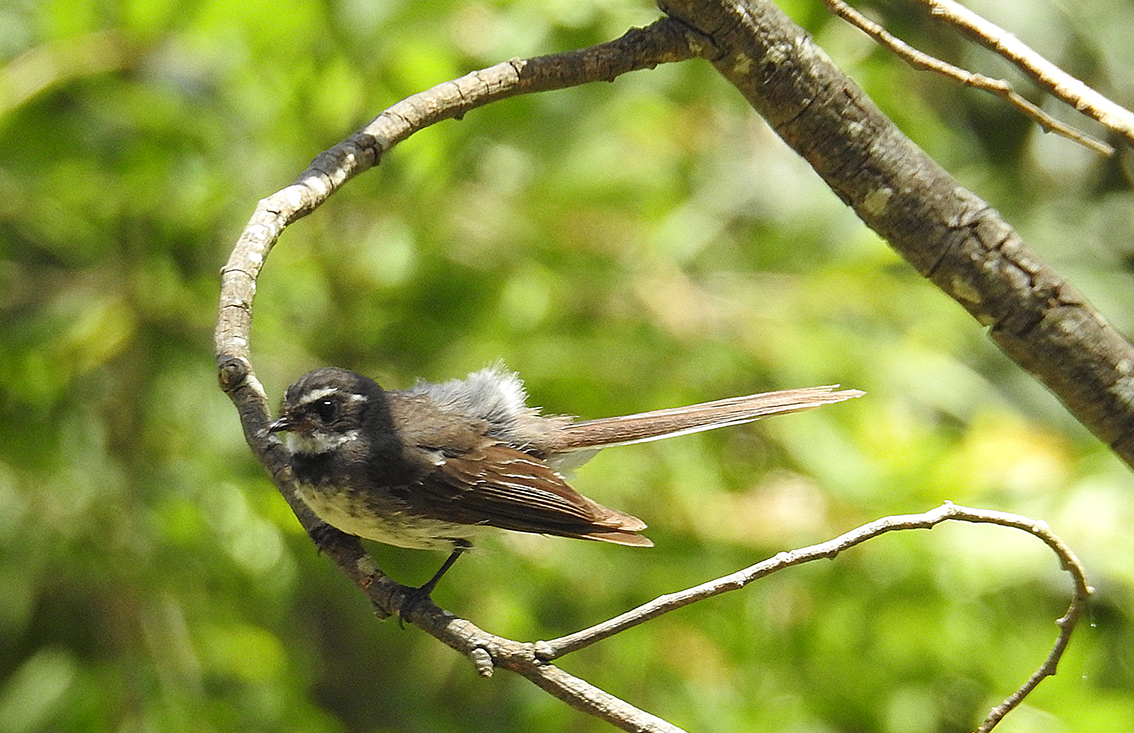
BGrey Fantail. Image shot at similar location by author
Near a fork in the trail leading to Fern Gully I can hear the rasping calls of Spotted Grass Frogs and assume there must be a creek or wetland area there. However, as this trail appears to have more steep sections my ‘not so young knees’ suggest it is time to turn back and head for home.
Spotted Marsh (or Grass) frog, Image from my collection
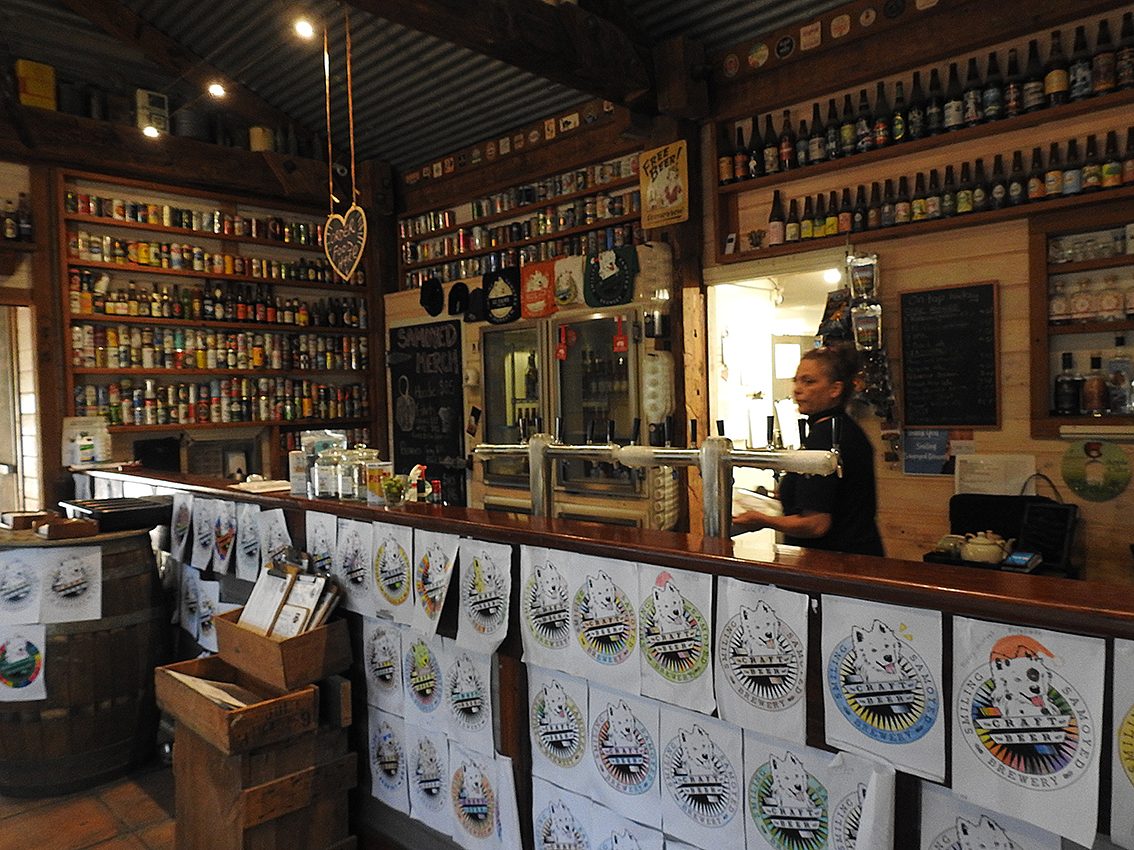
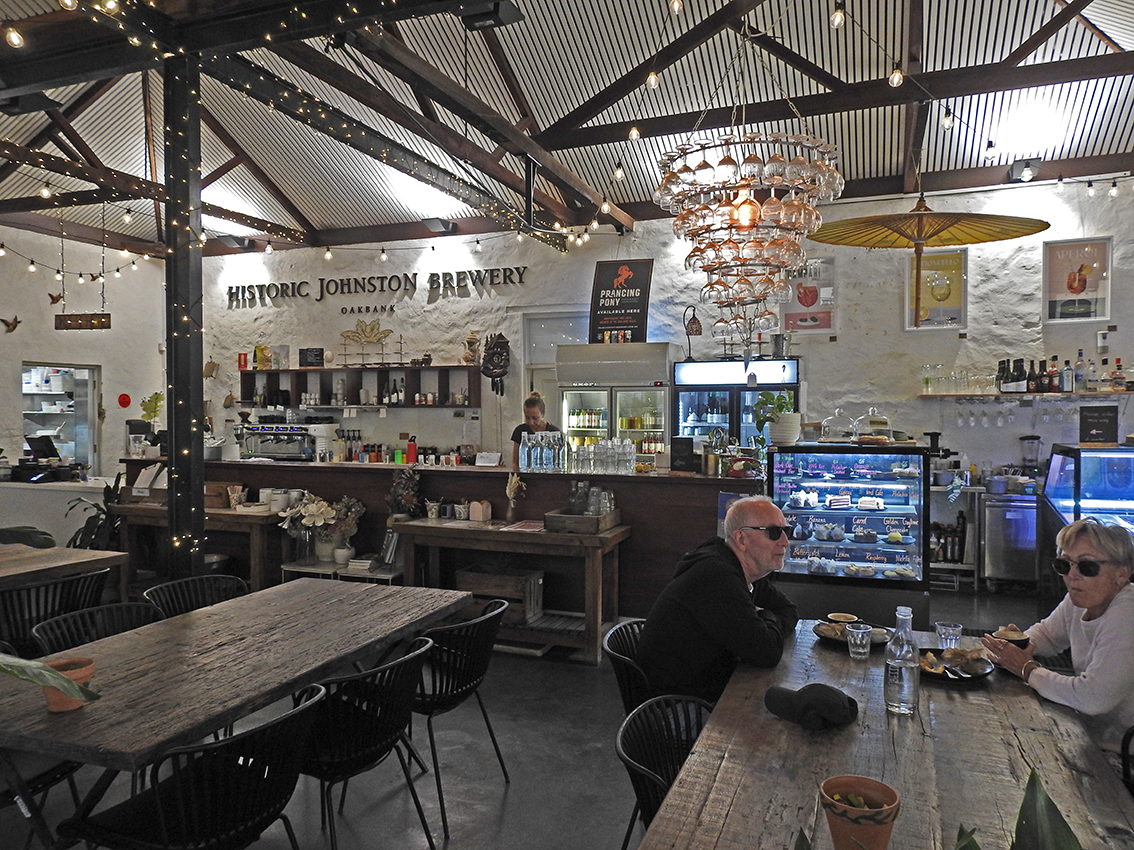
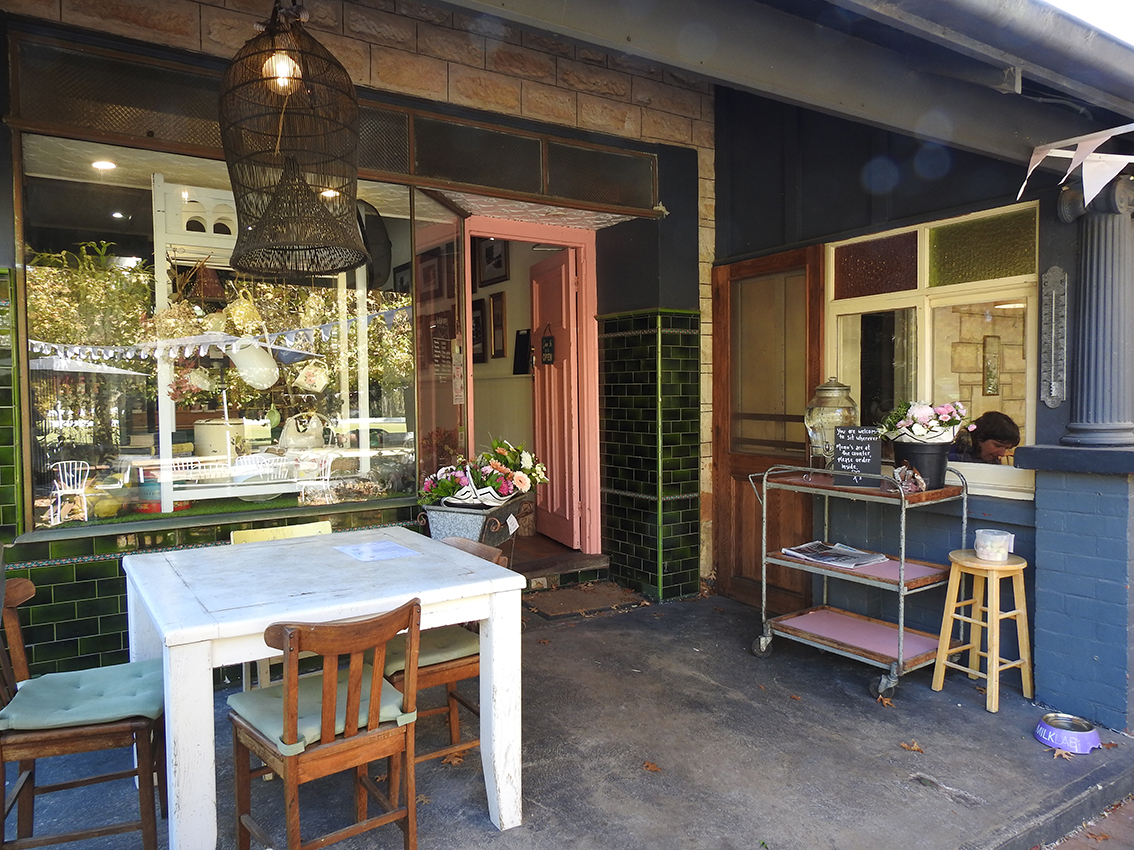
My drive home takes me back through Uraidla where I stop off the local caffe which incorporates a fine bakery and micro-brewery. Always a good way to round off any trip to this part of the Adelaide Hills
A bite to eat and a refreshing brew
Cheers
Baz
Additional notes
The camera used for this post is a Sony RX10 M3
This is a moderate walk with some steep sections
Please pass on this blog title and or contact information (URL) to any person or organisation with an interest in taking walks and enjoying wildlife in SA.
Click on these links and see more South Australian stories and pictures in my Weekend Notes articles as well as locating similar blogs on Feedspot’s top 20 Australian wildlife blogs
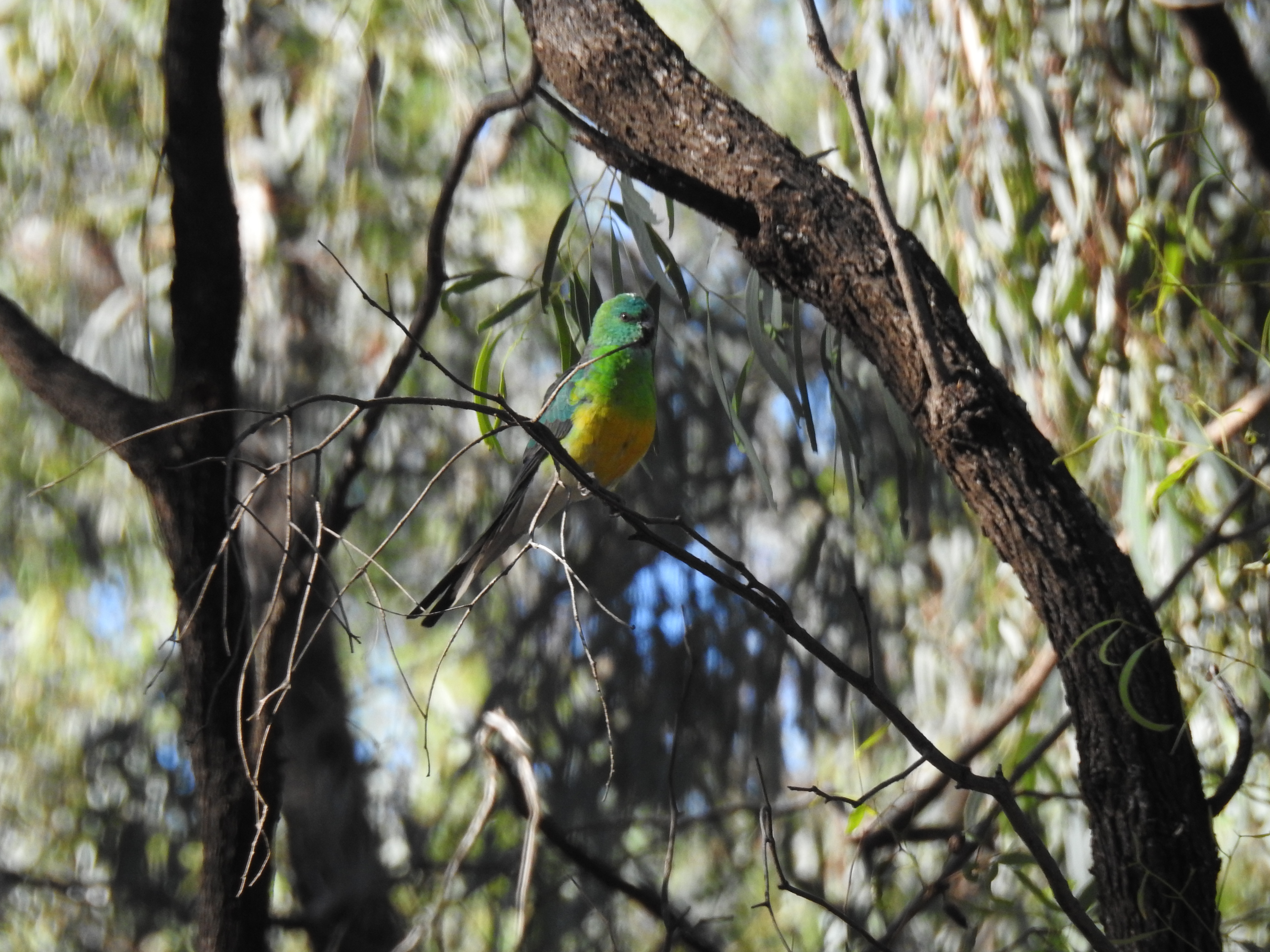
A pair of Red-rumped Parrots perch on a dead branch at the edge of King’s Billabong near Mildura.
Male and Female Red-rumped Parrots
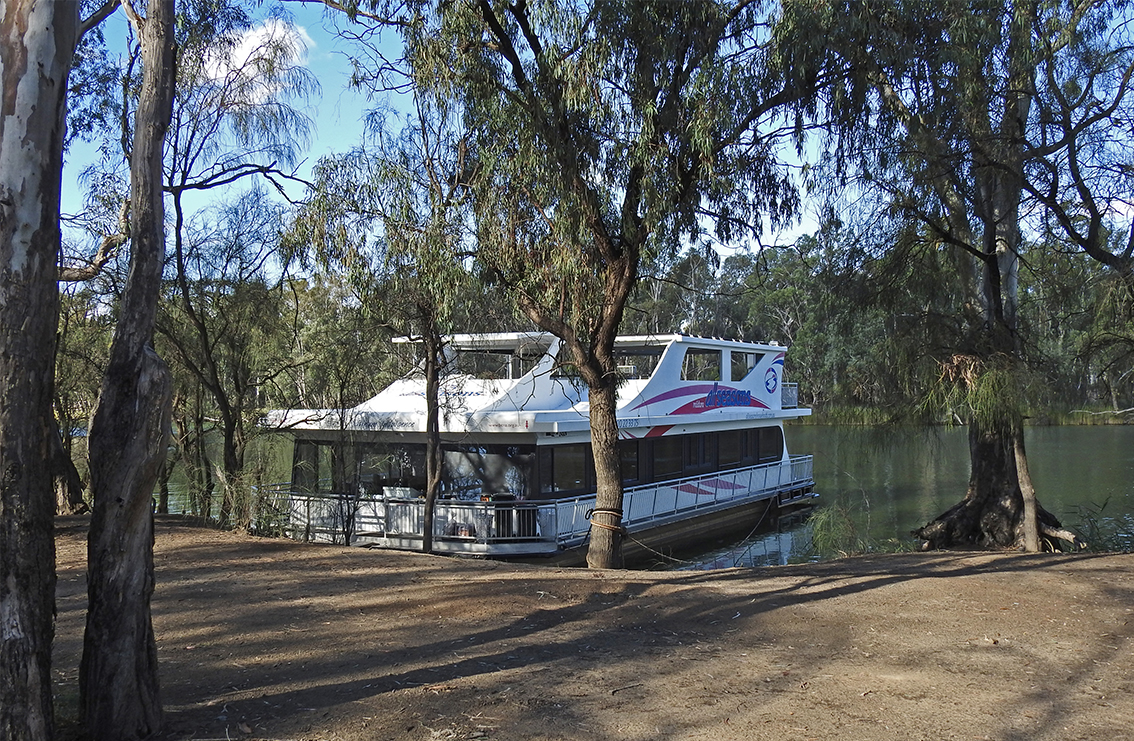
For several years I have travelled to Mildura, on the River Murray, for our annual houseboat trip. Mildura is and a sizeable country centre of around 60,000 people and is an hour’s drive from the SA border and four and half from Adelaide.
Parked on the river banks
As the afternoon light begins to fade, I catch sight of a black and white bird perched on a branch. I assume it is a Magpie or Mudlark but closer examination through the telephoto lens reveals a Pied Butcherbird.
Pied Butcherbird… note the hooked beak
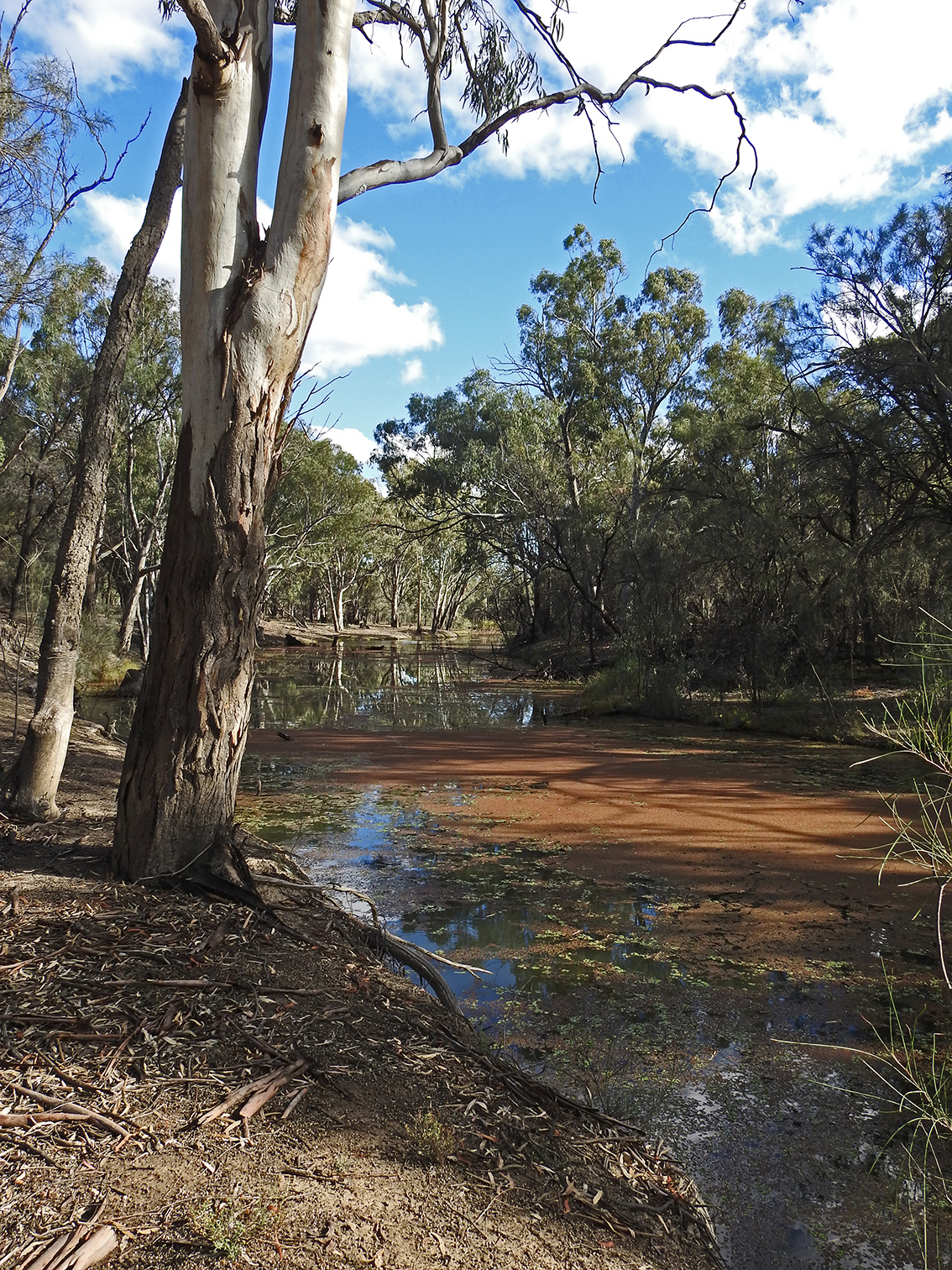
Although there is water in the centre of the billabong, channels around the edge are dry due to a long hot summer with little rain.
The edge of the billabong channel
In a patch of scrub by one of these channels I notice a small group of Crimson Rosellas feeding on some grasses and a Whistling Kite high above in the branches.
Crimson Rosella feeding on grass seeds in the dry channel
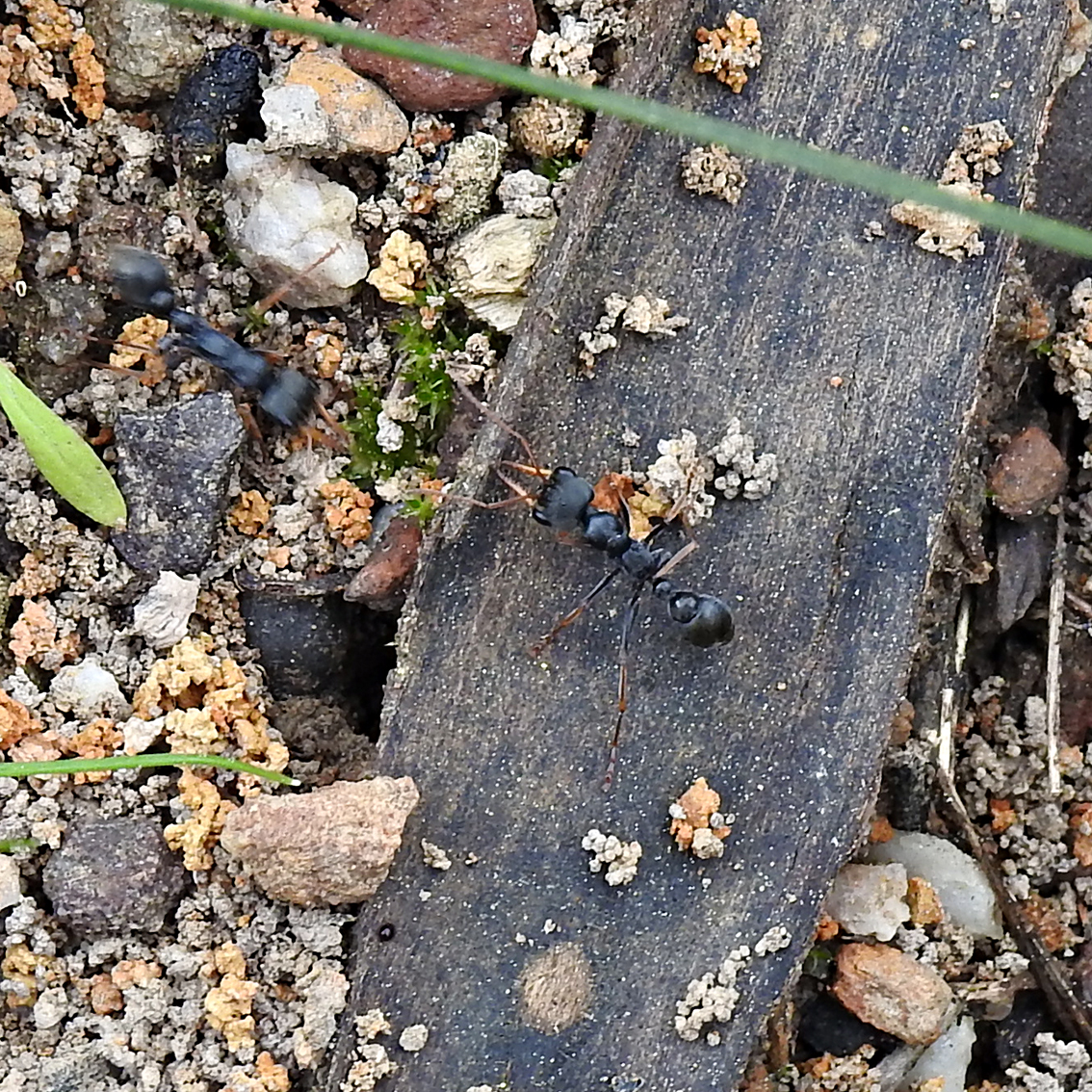
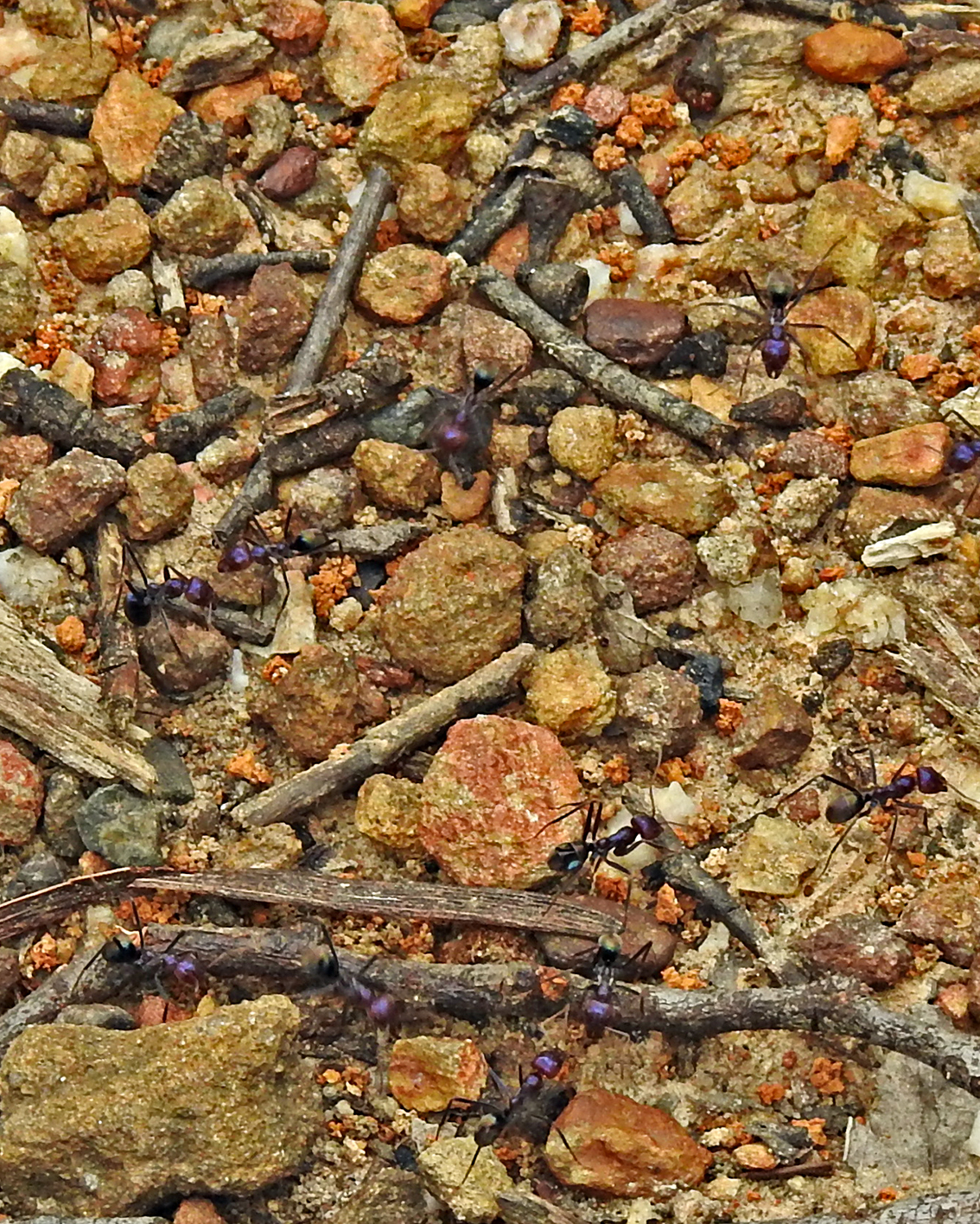
A walking trail follows one dried out arm of the billabong and the trees along the trail are a haven for spiders and ants. Large Golden Orb spiders are strung between branches and quite large holes lead into Bulldog Ant colonies.
Female Golden Orb spider
Sunset is not far off and it is time to make my way back to the boat which is moored on the Murray. I take a final walk along the banks of the billabong and spot a beautiful Great Egret perched on a branch while it scans for prey.
Great Egret
My final encounter is quite unexpected. Stepping aboard, I can just make out the V shaped ripples indicative of an Australian Water Rat as it swims past the boat with the faint pink glow of a Murray River sunset reflected on the water.
Rakali or Australian Water Rat
Cheers
Baz
Additional notes
Other animals seen, heard but not included: Rainbow Lorikeet, Mudlark, Great Cormorant Skimmer, Little Raven, Black Ducks, Grey Kangaroo, Australian Pelican, Rosella species, Australian Magpie
The camera used for this post is a Nikon P900
This is an easy flat walk which is quite suitable for families and seniors. However, in wet weather the roads in to the billabong can be difficult for 2WD vehicles.
Please pass on this blog title and or contact information (URL) to any person or organisation with an interest in taking walks and enjoying wildlife in SA.
Click on these links and see more South Australian stories and pictures in my Weekend Notes articles as well as locating similar blogs on Feedspot’s top 20 Australian wildlife blogs