Archive | Birds RSS feed for this section

A Walk in the Botanic Gardens

17 Jun

Dear Reader:

Australian magpies are fascinating birds, gregarious and intelligent with rather an aggressive streak during the nesting season. This one seems a little out of tune to the seasons, it’s not really the time to be constructing a nest at the beginning of winter but here it is collecting material for just that purpose.


1 1

Magpie nesting behaviour


1 3

Hoverfly

Botanical gardens are wonderful places to observe wildlife especially in the winter months when some animals’ natural habitats can be bereft of food while others will have moved on to the proverbial ‘ greener pastures’. The incredible variety of plants in the gardens ensures that something is always flowering or fruiting which in turn leads to a food web that supports a range of wildlife from birds and mammals to insects and spiders.


1 2

Photographer at work


Our Botanical Gardens also draws in another species; the nature photographer (Homo sapiens cameralis) and they often migrate great distances to enjoy our wildlife. The gentleman in the picture was a visitor from Asia who was keen to photograph Australian native plants and we had an interesting conversation about the unique ecosystems that he might visit in South Australia.


1 4 1

The lake near the kiosk and restaurant


My excursions often include a place to eat and have a break and there are several in the Botanic Gardens. On this occasion I simply sat by the quaint little lake and enjoyed a light snack from the kiosk but more elaborate and substantial meals are available from Cafe Fibonacci and the Botanic Gardens Restaurant. The gardens also house a museum of economic botany, Victorian era palm house, the bicentennial conservatory and many other specialised areas.
 

1 4 2

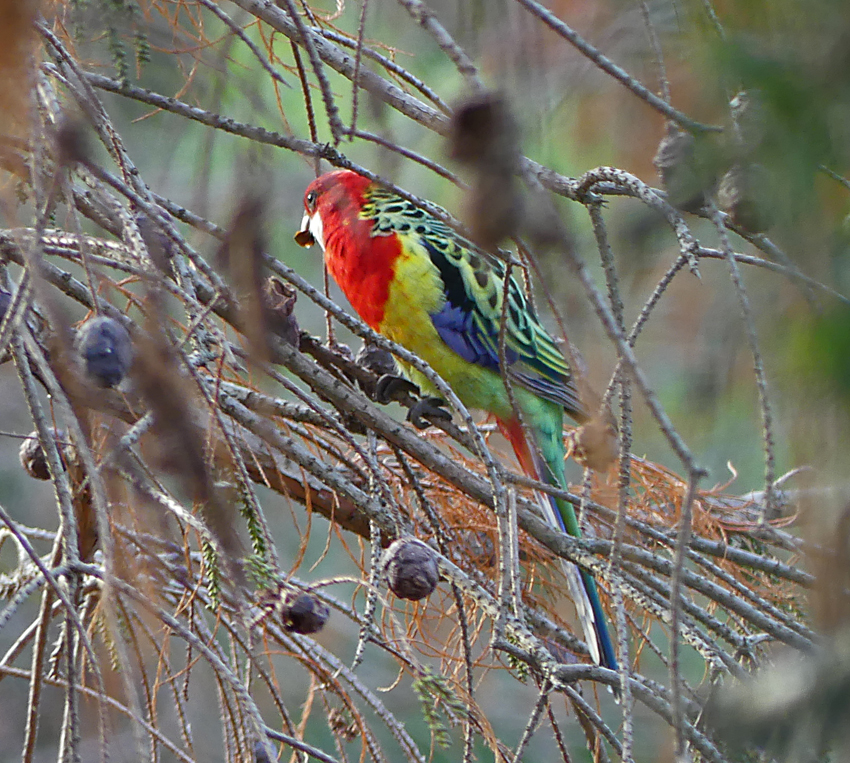
Eastern rosella


Walking around the lake is always a pleasure and in the warmer months giant carp feed near the banks and freshwater turtles are commonly seen basking on the surface. Today, there are several cormorants drying their wings and a lone rosella foraging for seeds amongst the bare limbs of a tree that sits on a small island in the lake.


1 6

Crested pigeon


1 5

Maned ducks feeding near the creek


From the lake I head east towards the Bicentennial Conservatory crossing over a small creek where a pair of maned ducks and a crested pigeon are foraging in the lush grass that borders the waterway.


1 7

Self portrait in glass


My last encounter is with another one of those hominid species that frequent the gardens. Indeed, it is my own reflection as I pause to photograph the fascinating glass sculpture entitled ‘Cascade’ by Australian artist Sergio Redegalli,  which dominates the southern end of the conservatory.


Cheers

Baz
Hindmarsh Falls….An easy walk with lots to see

20 May

Hindmarsh Falls….An easy walk with lots to see

 Dear Reader:

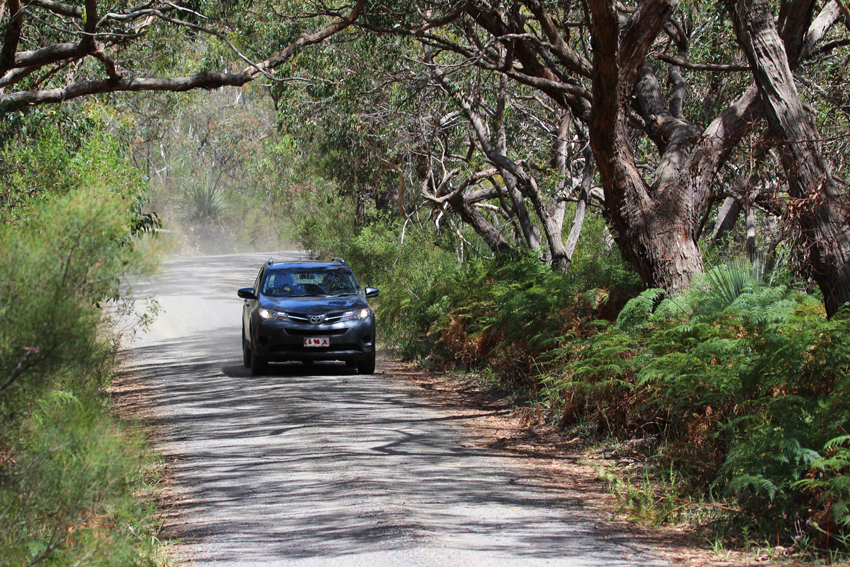
Eucalyptus trees overhang the dirt road that leads to the falls. Tiny wrens and even tinier thornbills twitter and flit amongst the branches and leaves. Occasionally pairs of rosellas fly out from the foliage. From the parking area I can see bush clad hills and open farmland rising all around and the sound of running water provides a pleasant background melody.


1

Driving into the falls


1a thornbill species probably yellow rumped

Thornbill species probably yellow rumped


Hindmarsh Falls are about 12 kms north of Victor Harbor towards Mt Compass on the Adelaide Road and are clearly signposted. The walk to the falls is easy and the path down to the viewing platform has rails and steps.

2

Path to the falls through scrub


I make my way along the trail that descends to a lookout point where I can see the water tumbling down dark boulders to a small pool below. There are kangaroo droppings on the forest floor and some of the trees show signs of a recent fire.

2a

Falls and pool


The birds are very wary here and difficult to photograph. I concentrate on other aspects of the area’s natural history. Bright orange fungal growths adorn some of the fallen logs and striking yellow Banksia flowers lend splashes of colour to the browns, greys and greens so typical of our bushland. I spend some time just watching the water. In the driest state on the driest continent watching a waterfall is always good for the soul. Near the edge of the pool I catch a glimpse of a grey kangaroo slowly edging through the scrub. Not clear enough to take a picture but interesting to watch how the ‘roo’ leans forward onto its front legs then pushes with its tail when travelling at slow speeds.

4a

Common orange fungus on fallen log


4

Banksia flowers


As I climb back up the incline towards the recreation area I notice a wattle bird perched on a branch scouring the leaves and limbs for insects to pick off. And in the sharp native grasses that border the creek near the picnic area I come across a fascinating little diamond weevil crawling along one of the blades. Hopefully, not to become a victim of the ever- vigilant wattle bird.

5 diamond weevil

Diamond weevil


7

Wattle bird

My trip to the falls has been interesting and though there has not been an over abundance of wildlife it is, after all, the middle of the day. And on that note I occupy one of the benches and tuck into pasty, lamington and a bottle of OJ bought en route at one the many excellent, local bakeries.


Nice to be back

Cheers

Baz

Aldgate Valley Reserve

14 Apr

Aldgate Valley Reserve

The road from Aldgate to the reserve winds through rural and bush country with charming homes and patches of scrub on either side. I pull off the road near an old bridge that crosses Aldgate Creek and walk along the well marked trail listening to the sounds of birds high in the gum trees. Eventually I catch sight of a pair of eastern rosellas as they fly between the topmost branches.

1 1

Eastern rosella


Aldgate is one of the principal towns in the Adelaide Hills. It has a village atmosphere with fine eateries and small, locally owned shops. A fascinating 6 km nature walk runs between Aldgate and its neighbour Mylor. The route passes through the Aldgate Valley where southern brown bandicoots have been reintroduced to their native habitat (little marsupials that superficially resemble rats).

1 2

Aldgate Creek


From the road bridge I take the path alongside the creek where I find a small footbridge. Several eastern water skinks have taken up residence amongst the wooden slats and one little fellow, who seems to have regrown the end of his tail, poses nicely for a portrait. Most of these smaller skinks drop their tail if grabbed by a predator. This serves a dual purpose as the tail continues to wiggle after being detached, acting as a decoy.

1 3

Eastern water skink


Today I have decided to simply explore the area around the reserve and search out some of the animals that inhabit it. A bandicoot would be nice but as they are timid and mainly nocturnal and I am not holding out much hope. On the right hand side of the bridge there is a small orchard and some benches. Several large magpies are strutting around the area and one sits on the bench and glares at me as I walk through the trees.

1 4

Magpie with attitude


I spend a little more time sitting by the creek watching finches and wrens darting between bushes but the day is getting chilly and the clouds are rolling in. As I step into the car for the drive back home a solitary kookaburra chortles in the trees nearby. Something seems to have disturbed the bird and I take a closer look and find a koala feeding in an adjacent tree.

1 5

Laughing kookaburra


1 6

Does my bum look big up this?

I make one last stop back in Aldgate to drop in at ‘FRED’ for a late lunch. So much to choose from; but the Sicilian ciabatta with wilted greens, haloumi, home-made chutney and caramelised onion cannot be resisted.

1 7 wilted greens aloumi chutney ciabaco sicilian armelised onion

One of many choices


Cheers

Baz

PS

I will be travelling for the next month and will not post any articles until mid-late May

Take a look over some of the earlier work and find somewhere to take a walk and enjoy our wonderful wildlife.

Gawler’s Dead Man’s Pass

7 Apr

 Dear Reader:

There are dragonflies and damselflies hovering above the water. Every so often one of the slender damselflies hovers near the bank then attaches itself at right angles to a reed.

1

Damselfly


The pool of water is left over from the winter rains and sits alongside a causeway that crosses the river just a few hundred metres from Gawler’s main street. The town has a country, colonial feel about it with classic stone buildings and a good smattering of pubs, restaurants and bakeries to fuel up on before exploring the ominously named Dead Man’s Pass.

2

Causeway over the Gawler River

3

Historic stone buildings in Gawler


Well placed signs along the walking and cycling track indicate interesting historical information as well as describing the wealth of fauna that can be encountered along this trail which follows the course of the Gawler River. As I approach a dense clump of reeds I am lucky enough to catch a fleeting glimpse of a red bellied black snake before it disappears into the undergrowth near the river bank.

4

Red bellied black snake


The edge of the river is bordered by massive red gums that in themselves create a multitude of ecological niches. I sit near the base of one huge tree watching a variety of insects from ants to beetles as they forage along the trunk while a tree skink weaves its way amongst the deeply furrowed bark in search of prey.

5

Tree living skink


Several metres higher up the tree, a pair of crested pigeons has made a nest on one of the larger limbs. Both birds will share the incubation of the eggs (usually two) which will hatch after about 21 days.

6

Crested pigeon


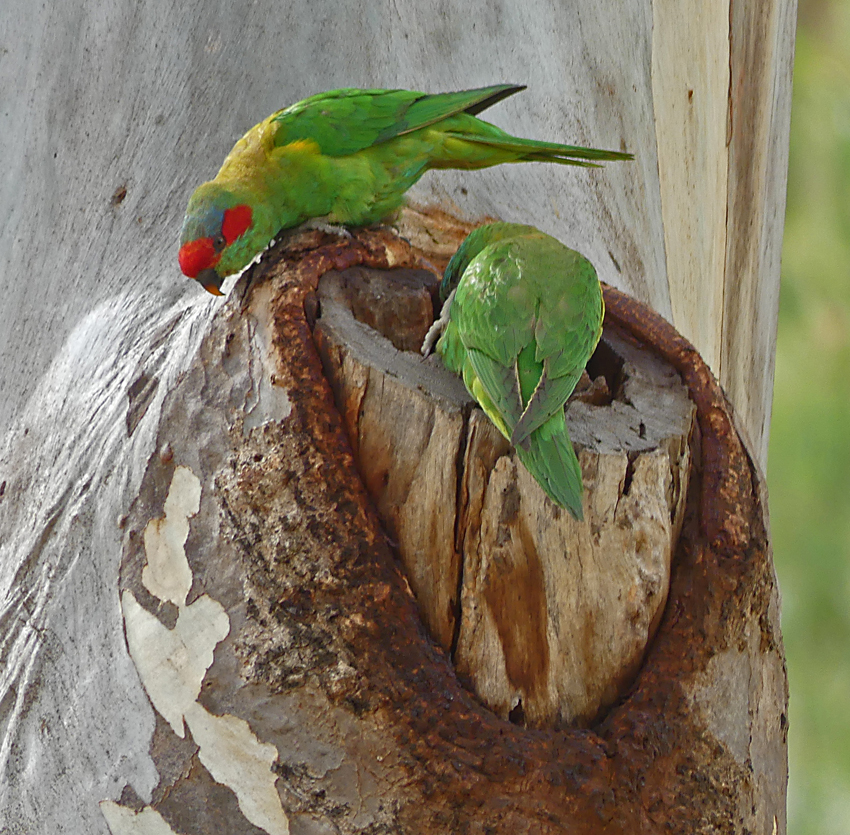
The river red gums along the creek also play host to a wide variety of parrot species including cockatoos, rosellas, rainbow lorikeets and the brightly coloured little musk lorikeets. Two of these delightful little birds are checking out a nesting hole where a branch has been removed and I am fortunate enough to capture an image of them contemplating their future real estate.

7

Nesting musk lorikeets


My morning exploring the park on the outskirts of this charming country town has been most rewarding and I am sure that Gawler’s historical and ecological diversity will be the topic of more posts in the future.


Cheers Baz

An Autumn Walk and Drive Around Stirling

21 Mar

Dear Reader:

There are ravens in the tree near the restaurant. We call them crows in SA but the birds that live around Adelaide are usually little or Australian ravens. True crows are found much further north in outback regions. The birds are feeding on some autumn berries in a deciduous tree by the roadside. Every so often, one of the more adventurous gang members swoops down and reconnoitrers the outdoor tables for any tasty leftovers.

1 1 red

Raven disguised as crow


I am sitting in Rubys Organic cafe in the hills town of Stirling, a twenty minute drive from the city along the south-eastern freeway. This charming town of around 3000 people has a distinctly English feel about it. As well as native trees the town has numerous European species and the cooler climate makes it ideal for plants such as azaleas and camellias.

1 2 red

Healthy, interesting and tasty


After a healthy and delicious (gf) lunch of salmon croquettes and a pumpkin and bean salad, I drive out to the golf course on the outskirts of the town. At the end of the aptly named Golflinks road I park the car and walk into the Mt George Conservation Park. Tall stringybarks dominate this section of the walking trail which is part of Adelaide renowned Heysen Trail. Some of the trunks are blackened from earlier fires though most are still alive and bearing new growth. There is a proliferation of native groundcovers including heaths, grevillias and even some tiny orchids and lilies sheltered in the understory.

1 3 red

One of the many small plants growing in the understory, probably a heath


Walking through the forest is enjoyable but most of the bird life is high in the trees and hard to photograph so I return to the car, drive back and head along Old Carey Gully Road to the Mt George turn off. At the little picnic area, pleasantly situated by a small dam, I rejoin the track which is now part of the Pioneers Womens Trail. It runs over a small bridge where I pause to look into the creek bed in search of water skinks or perhaps a water rat (rakali). To my surprise I catch a fleeting glimpse of a small rat-like creature hopping across a pool on a fallen log. It is a southern brown bandicoot, a marsupial, not a rat at all. It pauses for a brief moment on its makeshift bridge and I take a shot. Photographically, the results are somewhat mediocre but in terms of satisfaction as a naturalist, it is a special moment.

1 4 red

Bridge on trail crossing Cox Creek


1 4 2 red

Unbelievable to get a photo of a bandicoot especially in daylight hours


But the bandicoot is not my last marsupial. To really ‘make my day’ I spot two koalas, probably a mother and joey, perched on a slender eucalypt overhanging the creek bed.

1 5 red

Mum and youngster


I started with lunch in Stirling and I decide to finish with a visit to Aptos Cruz; one of my favourite hills art galleries.

1 7 red

Aptos Cruise gallery from the top floor


However, on the short drive back to the town nature provides one last surprise when a deer bounds out across the road then pauses amongst the singed trunks of the gums on the edge of the roadside

1 6 red

Oh dear, wrong continent!!!

Cheers

Baz

Wildlife and Wineries

15 Mar

Wildlife and Wineries

Dear Reader:

I can hear the first few notes of a kookaburra calling near some picnic tables across the other side of the green. The birds are usually quite shy and I don’t hold out much hope of sighting them with all the families enjoying their lunch on the grass. However, to my surprise there are two birds sitting on a low branch quite close to a group enjoying a BBQ and glass of wine. I have seen kookaburras steal a sausage in the past and these birds must be residents accustomed to life in the grounds of one of South Australia’s most notable wineries.

1 1

Laughing kookaburras


Seppeltsfield winery in the Barossa Valley is a pleasant 50 minute drive from the city. Easily recognised by the avenue of huge palms at its entrance, the rambling complex encompasses: green spaces, bushland, old buildings, a family mausoleum, fine restaurant, cellar door facilities and even an art gallery; and that’s without even mentioning the sprawling vineyards. Established in 1851 the land was initially used for growing tobacco then wheat and finally grapes in the mid 1860s. Today, it is one of the nation’s most famous and revered wine wineries.

1 2

Jam Factory gallery


I decide that a bushland trek in the area is not by best wildlife option. Today, I will simply wander around the grounds enjoying the animals that take advantage of the plantings, food and shelter that this popular rural setting can provide. My strategy pays off when a wattle bird hops down onto one of the slate tables just a few yards away. Like the kookaburras, wattle birds are fairly common but shy and often difficult to photograph. Having one so close is a rare opportunity.

1 3

Wattle bird


1 4

Picturesque grounds

From the picnic area I take a walk around the courtyards near the restaurant enjoying the tasteful landscaping and searching for insects amongst the plantings. There is a good selection of butterflies this time of year and several different kinds of tiny spiders are hunting amongst the flowers.

1 5

Flower spider n blossoms


After a late afternoon meal ‘Local Garfish, Skordalia, Snowpeas and Vegetable Escabeche’ at ‘FINO’ and a sample sip of the wonderful vintage port that Seppeltsfield is renowned for, I call it a day. As I walk back out to the car park a young magpie fixes its gaze on me cocking its head to one side as if to bid me farewell

1 6

Fond farewell from magpie gatekeeper


Cheers

Baz    

A Hot Semaphore Sunday

4 Mar

A Hot Semaphore Sunday

Dear Reader:

As I walk along the Semaphore jetty I can see several anglers working the shallows for silver whiting. Further along, another fisherman is jigging for squid. His bucket is half full of small baitfish and an opportunistic silver gull is sitting on the railing eying the contents as breakfast. The angler is unaware of his feathery adversary and a few minutes later the gull grabs a fish and heads off down the jetty.

1a

Silver gull


Semaphore is one of Adelaide’s original coastal suburbs and the jetty has been part of Adelaide’s beach scene for well over 100 years. It was originally used to moor pilot and customs craft. A coastal pathway follows the beachfront behind the dunes allowing visitors partial access to this protected area of sensitive coastal vegetation. The Esplanade, near the start of the jetty, is dominated by the iconic Palais Restaurant and Function Centre which was built in 1922. This Semaphore landmark has served as a bathing pavilion, dance hall, surf life saving club and kiosk before renovations in the 1990s.

1b

Lovely morning light

1g

View of the jetty and dunes over the function centre pavilion


Closer to the shore a young Pacific gull sits on a lighting fixture watching the antics of its smaller cousins and keeping a watchful eye on the ocean ready to patrol the shoreline in search of its next meal.

1c

Juvenile Pacific gull


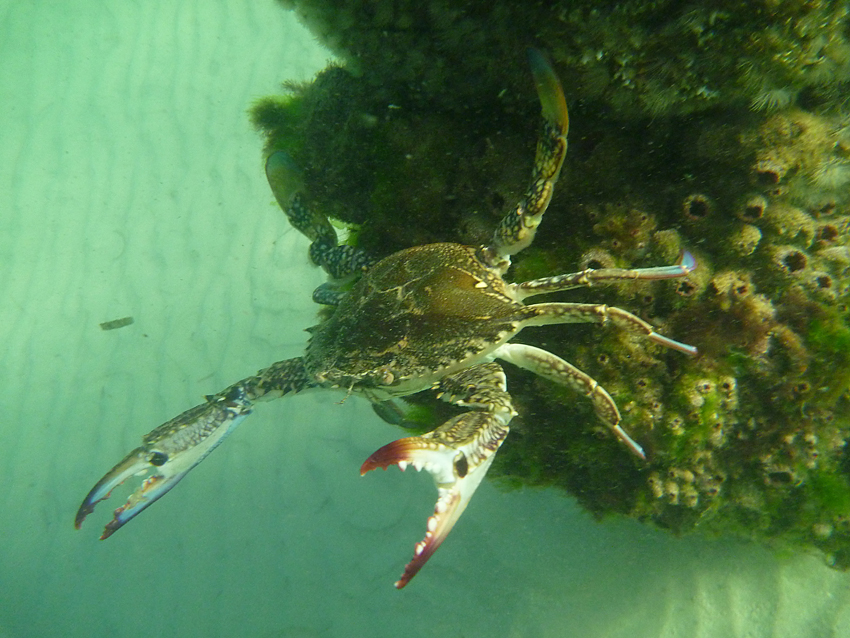
It is getting warm by the time I walk off jetty on to the beach where I have left some snorkelling gear with a family who are enjoying the solitude of an early morning dip. The water is clear and there is little tidal movement as I enter from the beach. I follow the jetty poles out to sea as they provide shelter and food for a diverse collection of marine animals. It is not long before I notice a large blue swimming crab foraging near the bottom. We play a game of tag around the pole as the aggressive crustacean uses its powerful pincers to keep me at a distance.

1d

Agro blue swimmer crab


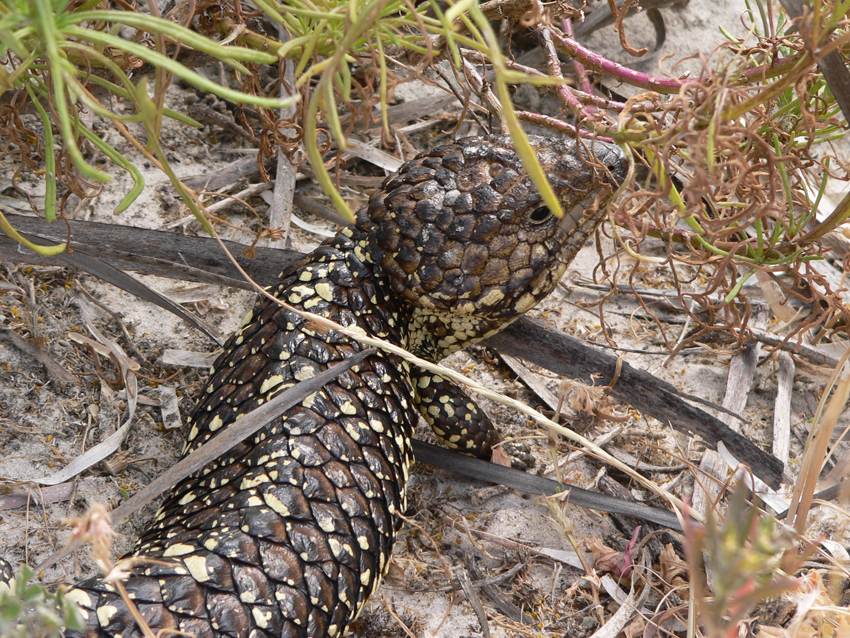
Half an hour in the water is enough to cool me off and I still want to walk along the pathway to search for birds and reptiles in the dunes before it gets too hot. Most of the bird life has sought shelter from the sun but I do encounter one singing honeyeater amongst the grasses that bind the loose sand of the dunes. Along one of the trails to the beach, a sleepy lizard emerges from under a coastal acacia bush to eye me suspiciously before disappearing amongst the ground cover.

1e

Singing honeyeater

1f

Shingleback or sleepy lizard, a kind of large skink


Over the next half hour I stroll down couple more paths and sit quietly amongst some of the coastal scrub watching for tell tale signs of animal life. Numerous doves peck amongst the ground covers and a group of wattle birds squabble noisily in one of the larger shrubs. However, as midday approaches the sun and heat has obviously taken its toll on both me and the wildlife and it is time for a cold drink and lunch. Needless to say, the Palais adequately provides both and as I look across the dunes from my table by the window, enjoying a delicate dessert, I reflect on how much I always enjoy my visits to Semaphore.

1h

What more do I need to say


Cheers

Baz

Barker Inlet and Greenfields Wetlands …a road trip

23 Feb

Barker Inlet and Greenfields Wetlands ….a road trip

Dear Reader:

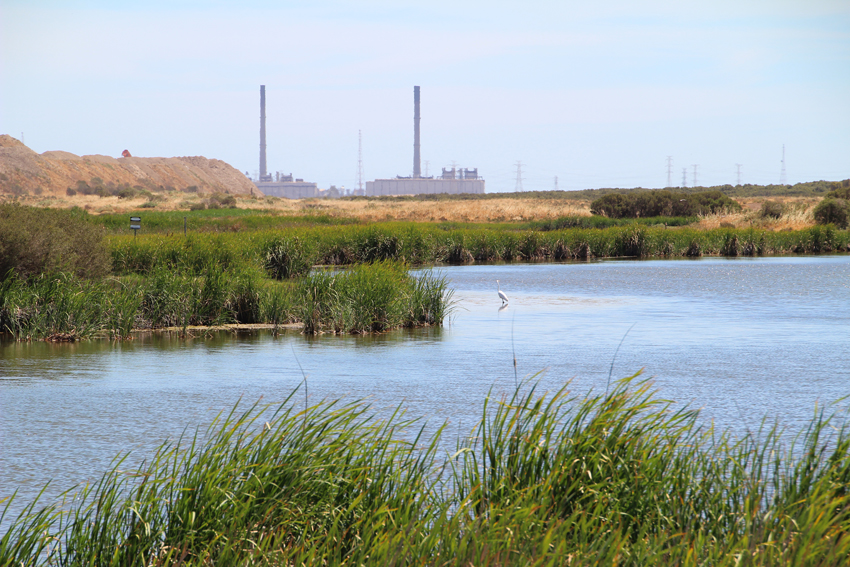
As I cruise along the highway between Port Adelaide and Salisbury a succession of lagoons, ponds and wetlands flash past my windscreen. Over the last couple of decades this once industrial wasteland has become a haven for wildlife and an integral part of the system converting run off into clean water that flows back into the ocean.

1Torrens Island power station

Torrens island power station looms behind the wetlands


There are several parking bays along the way that provide vantage points and access to walking paths into the wetlands. In rather an anomalous environmental scene the first one that I explore has the Torrens Island Power Station as a backdrop. And, a family of maned ducks are sheltering amongst the reeds in the foreground.

2

Maned ducks


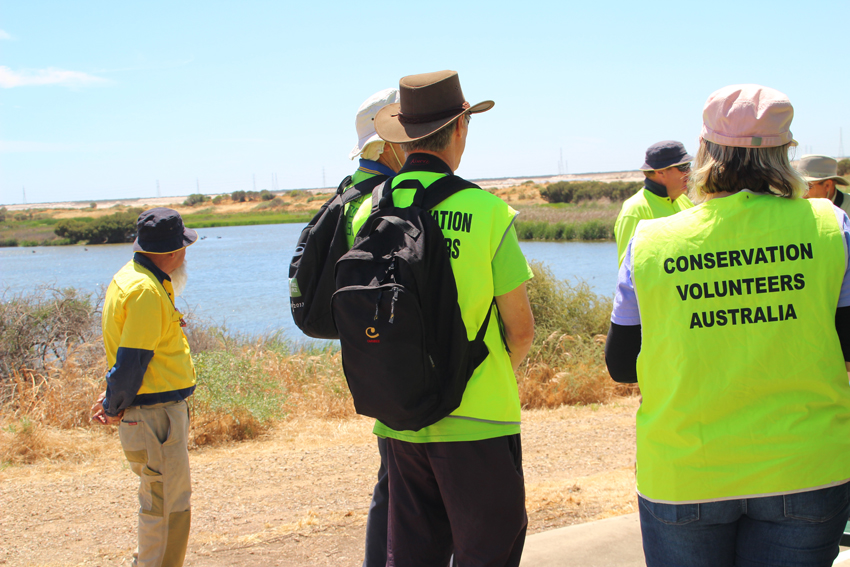
I drive another couple of kilometres to a large siding where two 4WD vehicles with council logos on them are parked by a path into the wetlands. A small group of volunteers are working on clearing weeds, counting bird species and making other environmental observations about the health of the ecosystem.

3

Those who care


Leaving the voluntary workers to their work I find the next promising entrance and park my car. A sign indicates that we have moved into the Greenfields Wetlands. The track leads to an old bridge then follows an embankment along the edge of a small lake. The twittering of wrens provides a constant sound track as I scan for water fowl and reptiles along the edge of the reeds. There are coots, swamp hens and Pacific black ducks as well as turtles and water skinks along this section of wetland but it is a glorious little blue wren draws the attention of my long lens.

4 2

Male superb blue wren


The watercourse ends in a sluice gate that regulates water flow between the ponds and on one side I can see the swirl and splash of large fish feeding in the shallows. They are carp, an unwelcome guest in any ecosystem and their eradication is probably another task for the council and other environmental protection agencies that watch over these important resources.

5

Carp feeding in the shallows


My final stop, just before the salt pans is particularly fruitful as there is a mixed population of black swans, herons and spoonbills feeding in a shallow lagoon. It is always interesting to observe these quite diverse species with their individual feeding styles and uniquely evolved body parts. Their beaks, legs and feet have developed unique characteristics over time for feeding in the same area but utilising different food sources and therefore not competing.

6

A mixed group of waterbirds


And, as is so often the case, my thoughts also turn to food. The Watershed Cafe, just over the bridge, is opportunely positioned on another part of the Greenfields system near Mawson Lakes. Sitting on the edge of a reed fringed lake it is the perfect place for coffee and cake at the end of my wetlands drive.


Cheer

Baz

Montacute’s Cherry Trail

10 Feb

Montacute’s Cherry Trail 

Dear Reader:

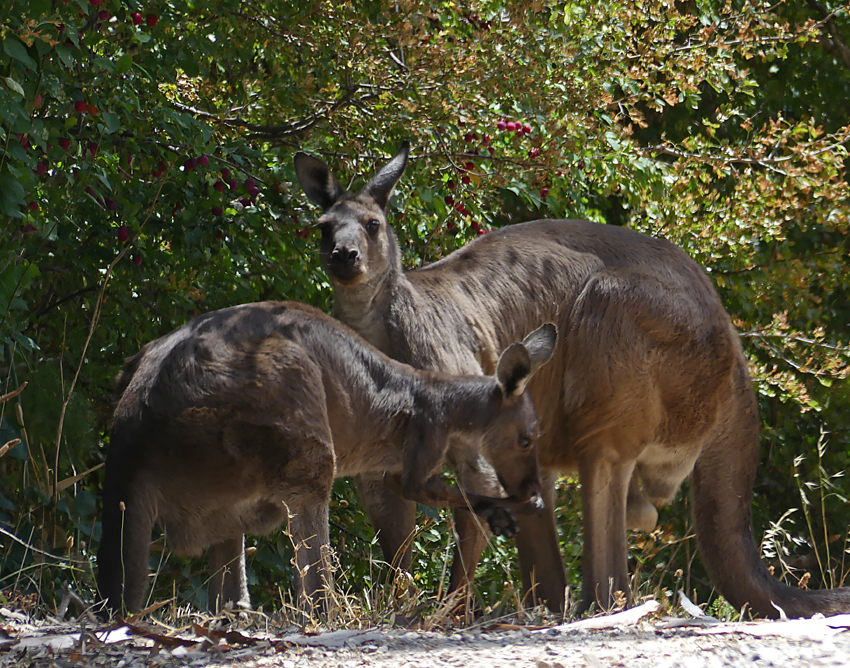
The two roos are huge. It is rare to see grey kangaroos this large quite so close to the suburbs. They are browsing by the side of a gravel track just off the main road. The male seems quite protective of the female looking intently at me while she continues to feed. But in truth both seem unfazed by my presence.

1

Grey kangaroos


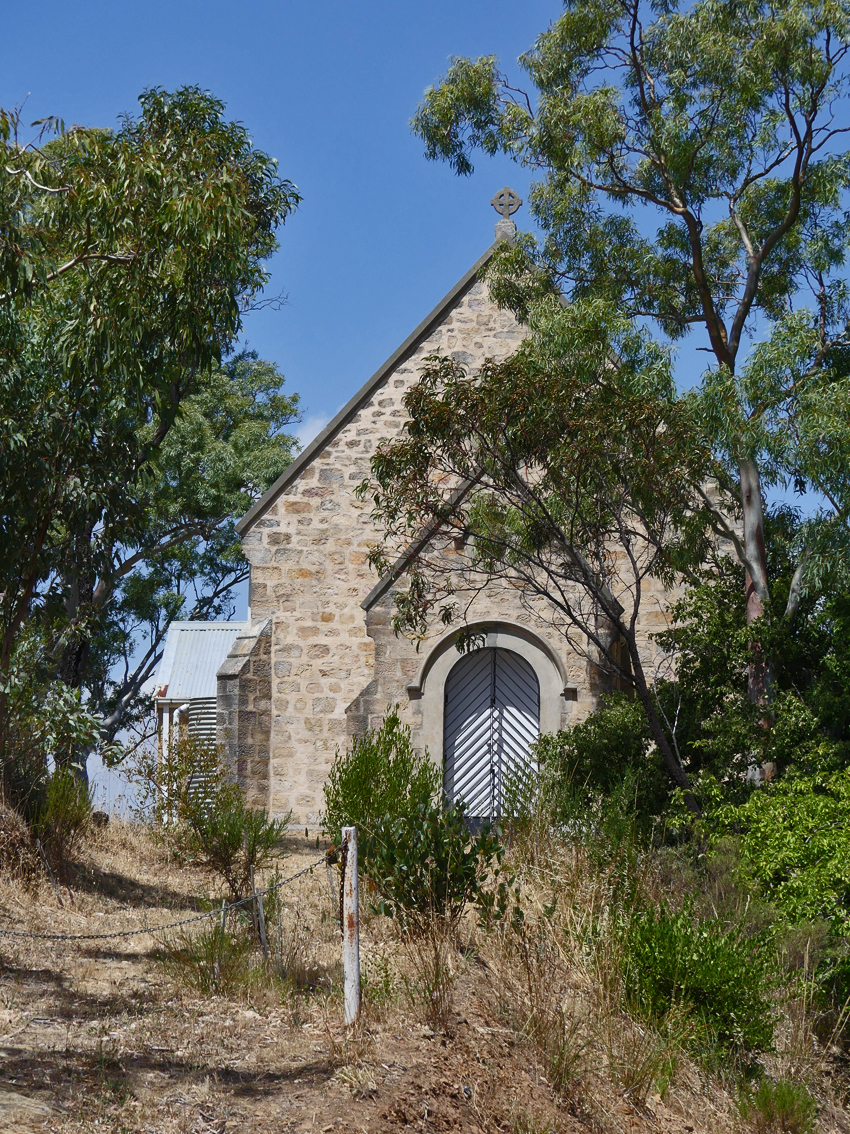
I am parked just near St Andrews Uniting Church where the tortuous curves of Corkscrew Road heads back down to the Torrens Gorge. Earlier I had driven up Montacute Road past the hills face suburbs of Newton and Athelstone. The road traversed The Black Hill Conservation Park as it followed the winding path of Fifth Creek to the little community of Montacute famous for its cherry orchards.

2  red St Pauls ANglican

St Andrew’s Church


Along the way I had stopped at several parking bays to access the park. Much to my surprise nearly every stop yielded a koala sighting. They were hanging in trees, nibbling leaves and one was even scuttling clumsily across the ground to a new arboreal refuge.

3

Relaxed koala


After walking around the scrub near the church photographing butterflies and other insects I call in at Montacute Valley Orchards. I park near the farm shed and purchase a few kilos of cherries and some superb home-made ice cream. But my wildlife instincts are drawn to the birds that are frequenting the nearby fruit trees. There are lorikeets, miner birds and wattle birds feeding on cherries and apricots in the foliage as well as cockatoos and rosellas rummaging amongst the fallen fruit below the trees.

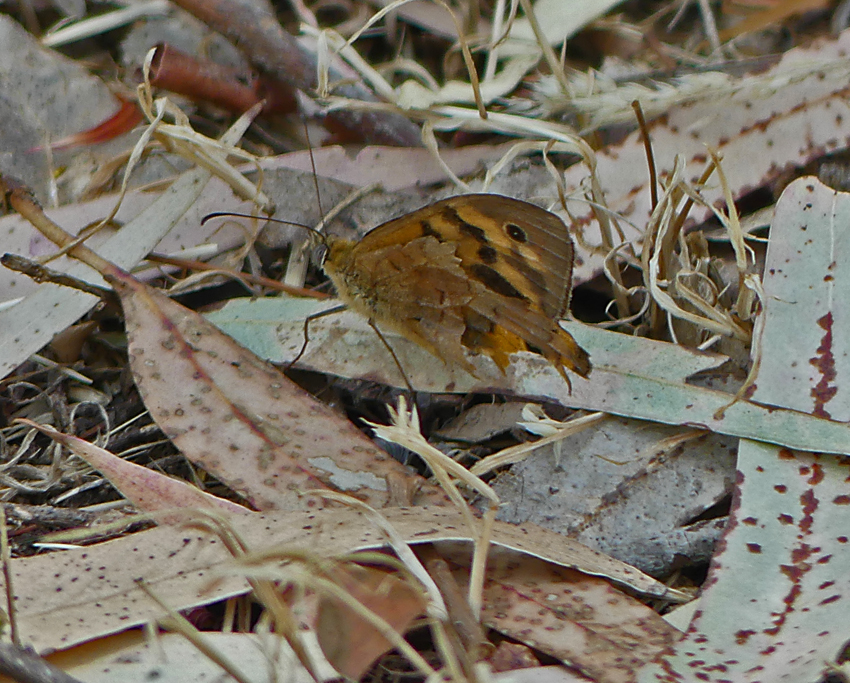
4 red meadow argus

Meadow argus butterfly


4 red musk lorikeet

Musk lorikeet in cherry tree


With a belly full of ice cream, a bag full of cherries and an SD card full of images I call it a day and drive back to the city via corkscrew Road and the Torrens Gorge.

5 One of the lovely hills properies that nestle in the valley

One of the lovely hills properties that nestle in the valley


Cheers

Baz

Cobbler Creek…Love is in the Air

29 Jan

Cobbler Creek…Love is in the Air

Dear Reader:

The two noisy miner birds have been flying backwards and forwards through the box gums for the last ten minutes. Eventually the male sees his chance and lands on the branch next to the female. She chirps a half hearted protest or perhaps encouragement and he seizes the moment. Mating takes just a few seconds and they go back to their previous pattern of fly and follow.

1 1

Miner 1


1 2

Miner birds 2


I am watching the birds and their courtship antics in the Cobbler Creek Recreation Park; an area of open-woodland, near the end of Bridge Road in Salisbury East. Cobbler Creek stretches up into Tea Tree Gully where it can be easily accessed from Atlantis Avenue which joins the two branches of the Golden Way. Dropping in at the Tea Tree Gully shopping mall to collect some food then exploring the creek after picnicking on the grassed area, where Atlantis joins ‘The Way’ near Spring Hill, is a nice option.

2 mallee box gums

Salisbury East entrance


After spending a little more time watching the bird life at the western end of the creek I take a short drive up to Spring Hill in TTG. This part of the creek lies in a more urban setting where the waterway is dominated by huge red gums. There are numerous parrots in the trees and they too seem to be in a rather affectionate mood. For a while I focus on a pair of Rose Breasted Cockatoos (Galahs) which are quite intrigued by a tree hollow that has the makings of a future family home. Between real estate outings they preen themselves and each other as well as squawking and hopping between branches. Occasionally they hang upside down with wings flapping madly and crests erect.

4 off golden way past shopping centre

In Tea Tree Gully

5

Galahs


But the Galah couple do not have the neighbourhood to themselves. An equally amorous pair of corellas is occupying an adjacent tree and they too seem to have spied the potential nest site. Not to be outdone by their Galah cousins they engage in some serious necking and cooing.

3

Corellas


Yes, it seems that along Cobbler Creek; love is definitely in the air.

Cheers

Baz