Hallet Cove….a scrub and coastal walk

3 Apr

The walk from the park’s entrance is striking with the ocean forming a sapphire backdrop to the greens and greys of the scrub. Along the edge of the track stands of eucalypts dominate an understory of acacias, banksias and native grasses. Near the top of the trail, several wattle birds are feeding on a late autumn splash of flowers in the crown of a flowering gum. The largest of all the honeyeaters, these birds have a grating call reminiscent of an out of tune bagpipe.

IMG_0547

View from the park entrance


wat 1

Wattle bird


I scramble further down the track listening to the twittering of scrub birds in the bushes. It is difficult to identify any particular species and almost impossible to photograph them. After walking for a couple of hundred metres, I catch a glimpse of some wrens and miner birds deep in the labyrinth of foliage. Where the trail runs alongside a small creek at the foot of the hill, a singing honeyeater is perched on an exposed branch, finally providing one easy target.

IMG_2486

Singing honeyeater


Hallet Cove Conservation Park runs parallel to the coast about half an hour’s drive south of the city centre. It encompasses a range of habitats from sclerophyll forest to coastal heath and a classic wave cut platform below the cliff face. In addition to a healthy population of native animals the park has extraordinary geological and marine features that I will explore more fully in a later post. 

IMG_0553 - Copy

The track winds through the scrub near a creek bed


I meet a group of elderly walkers on a small bridge that crosses the creek where the path starts to climb towards the top of the cliffs. As they tramp across the wooden planks a large water skink runs across, pausing momentarily before disappearing over the edge into the reeds.

IMG_6338

Skink on the bridge


Climbing southward up the track I take note of the dramatic changes in terrain. The hillside that rises from the cliff tops is dominated by low wind-swept shrubs and grasses and the coastline is defined by the wave cut platform. Near the edge of the cliffs, two magpies are probing the undergrowth with their long, powerful beaks. Suddenly the birds become agitated and take to the air. I look around for the source of their distress and catch sight of a kestrel hovering high above them. But this kestrel has made an error of judgement that soon becomes apparent as the maggies take it on in an aerial dogfight.

IMG_6329

Minding my own business


IMG_0672

Kestrel hunting


IMG_0683

Not on my turf


The final section of my trail follows the boardwalk along the top of the cliffs. I can see pacific gulls foraging in the rock-pools on the exposed shore and a colony of cormorants roosting on a rocky outcrop out to sea.

IMG_6347

Cormorants on offshore outcrop


After following the contours of the hillside for a kilometre the boardwalk slopes down to a stretch of beach, finally terminating at a car park and local eatery…The Boatshed Cafe. Simply grabbing a croissant and soft drink to eat on the beach or choosing a light meal from the excellent menu is an ideal way to wind up a morning stroll.

IMG_0570

Descent to the beach and cafe


I hope you enjoyed this little adventure

Cheers

Baz

Jenkins Scrub

21 Mar

Dear Reader:

There are tiny birds flitting through the canopy and squabbling in the bushes either side of the walking trail that snakes its way through the scrub. Occasionally they settle for just a second or two and feed on Autumn’s few remaining blossoms or probe for insects beneath the bark. The birds move quickly, giving me just a split second to focus and fire; which is my excuse for some of these images not being quite as sharp as I would like. However, they do give an accurate depiction of what searching for wildlife images in dense scrub, is really like.

IMG_6372

Grey fantail


treecreeper

Treecreeper species


After walking across a small footbridge, I find a clearing and sit on a fallen log and wait in the shadows for ten minutes. Birds are still twittering deep in the bushes, heard but not seen; but most have moved on.

IMG_0717

Crescent honeyeater


Jenkins scrub is a remnant area of the original bushland that once covered the Adelaide hills. The light sandy soil supports a wide range of shrubs, grasses and delicate flowers including native orchids. Tall eucalyptus trees complete the ecosystem which is traversed by a series of narrow trails.

IMG_0723

Classic hills scrub


The scrub lies just off the Springton road, a pleasant 50k hills drive from the city. A lunch stop at the Bakehouse Tavern in Williamstown, just 10 Kms from the park’s entrance, is a good way to break up the drive. Or, you can buy a pies and cake at the bakery to snack by the old cemetery on the edge of the adjoining pine forest; somewhere to explore the personal histories the people who settled this region. 

IMG_0694

Pub at Williamstown


IMG_0709

Graveyard from the old church


Hefting my long lens from the pack I continue my walk. The understory is littered with leaves and fallen branches which provide a home for a plethora of insect and retile species. There are quite a few butterflies in the area and every so often one settles in the leaf litter. They seem to spread their wings a couple of times then rest them upright exposing only the underneath which blend perfectly with the bleached leaves and twigs.

IMG_6376

Meadow argus butterfly…..brilliant camouflage


Another hour’s walking produces a few more images, shot at long range, and a memorable encounter with a pair of kangaroos which are feeding deep in the bush. I try for a better angle to get a clear shot but they quickly hop into deeper cover. By the time I reach the car it is a welcome refuge as some large bush flies have emerged in the late afternoon and the insect repellent is in the glove box.

adel rosella

Adelaide rosella


Just as I am about to turn on the engine I hear the shrill call of rosellas. Luck is with me and the birds settle in a gum tree just within camera range of the car. Three quick frames and my day ends on a high or so I think. It turns out that the 2 Km drive back along the dirt to the Springton road has a final surprise; three young emus feeding in a field of stubble just a ‘stone’s throw’ from the roadside.

IMG_6384 edit 1

Emus at dusk


Until our next adventure

P1110363

Author in the office


Cheers

BAZ

A Walk Around West Lakes

14 Mar

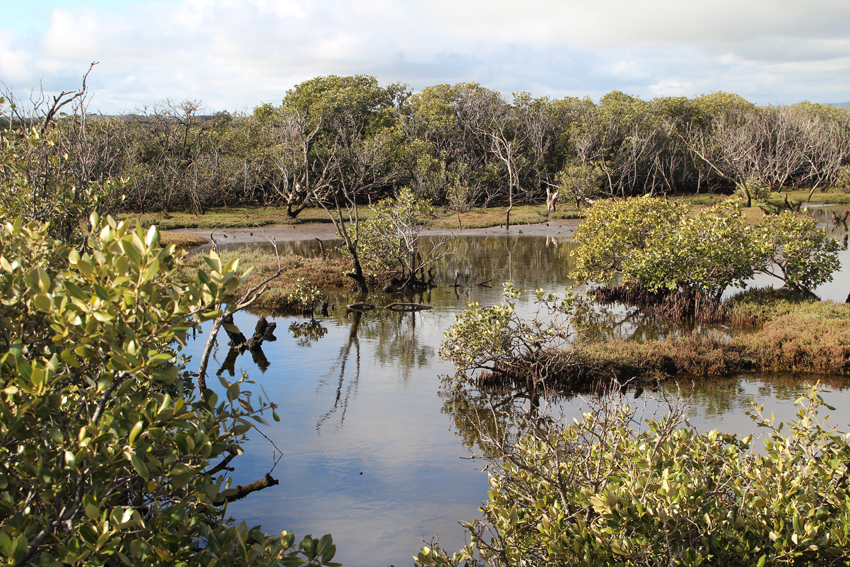
Dear Reader: Once upon a time when I was several decades younger and people thought less about the environment, there was a mangrove swamp behind the dunes near Tennyson Beach. The government of the day and even the general public cared little for mangroves and even less for anything described as a swamp. Consequently, they allowed developers to ‘liberate’ this area from its unproductive state and create a new suburb in its place. The result was West Lakes. For some, the loss of this unique wetland was an environmental tragedy as such areas are important nurseries for many marine species and significant wild places to be cherished.

IMG_2585

Nearby mangrove swamp demonstrates what the area looked like before development

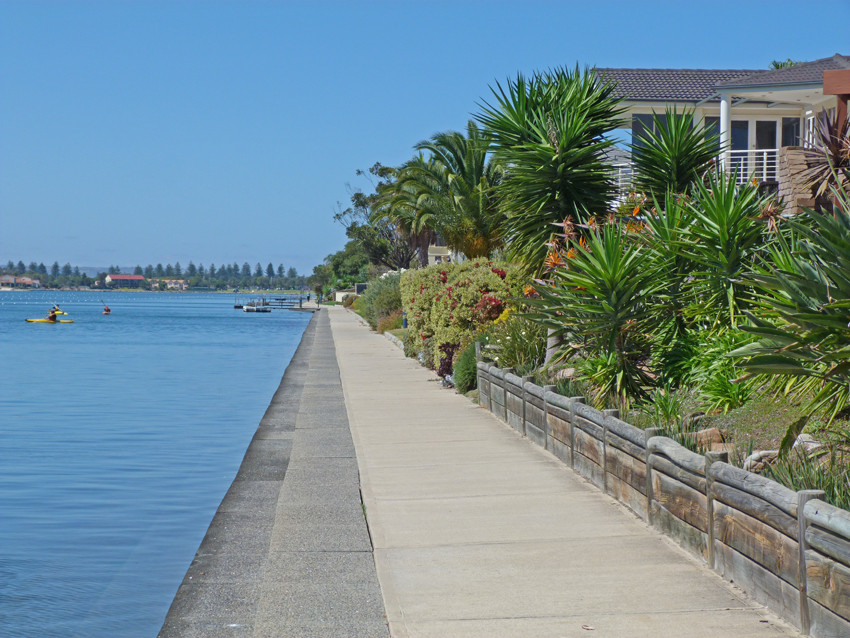
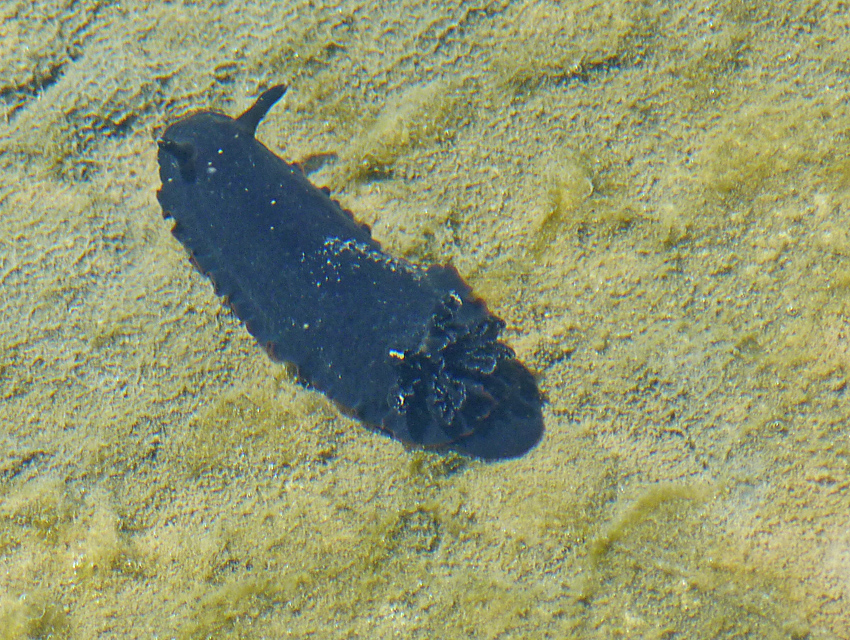
  History aside, West Lakes remains a worthwhile place to visit and walking around the man-made lake on a fine autumn afternoon still provides many interesting wildlife encounters. Instead of samphire swamp and mangrove forest, the edge of the lake is defined by fine sand and a ruler straight concrete edge which steps down into the water. Despite its artificial nature, marine invertebrates and small fish still feed on the algal growth that clings to this constructed shoreline. And on occasions I have even seen nudibranchs, a kind of sea slug with a prominent flower like gills on their backs, grazing on the concrete surfaces.

P1100002

West Lakes today

P1100014

A grazing nudibranch species

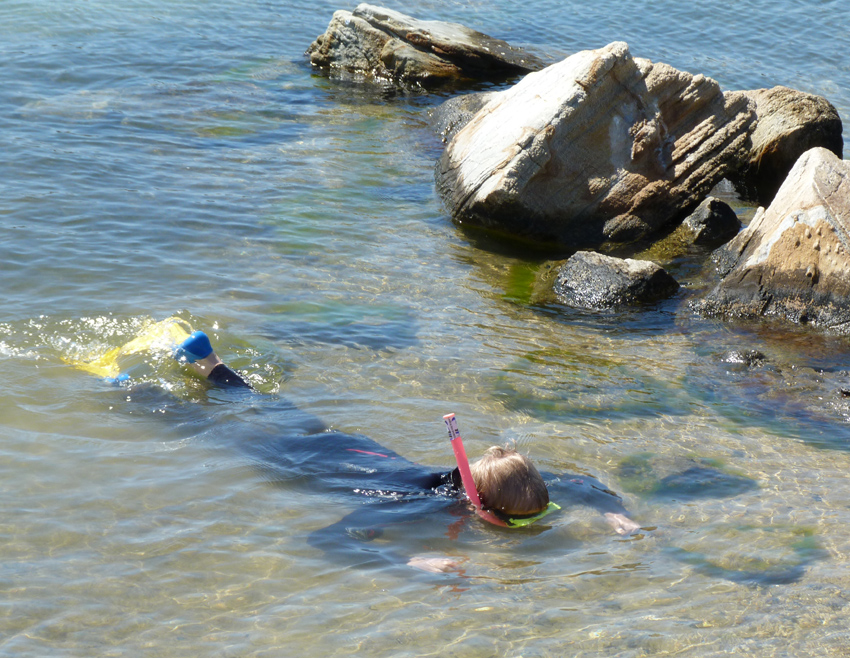
  Because the lake has a less diverse ecology than the original swampland, there are fewer fish species; although sizeable bream, mullet and even the occasional mulloway make it a popular venue for anglers. In fact, the people who live on its shore often feed the resident bream and have quite large schools living near their private jetties and landings. These fish are generally off limits to the fishers but school children who snorkel off the West Lakes Aquatic Centre get quite a thrill when an instructor lures a school from a nearby pontoon.

P1100030 edited

Large bream close to the shoreline

P1090979

School student snorkelling near the aquatics centre

  The fish, crabs and sundry other creatures inevitably attracts predators. Because of the intakes that feed water in from the sea, sharks are virtually unheard of in the lake system and the main hunters are seabirds. Pelicans and cormorants are common and the ubiquitous silver gulls carry out their indispensible clean up duties along the shoreline.

P1100019

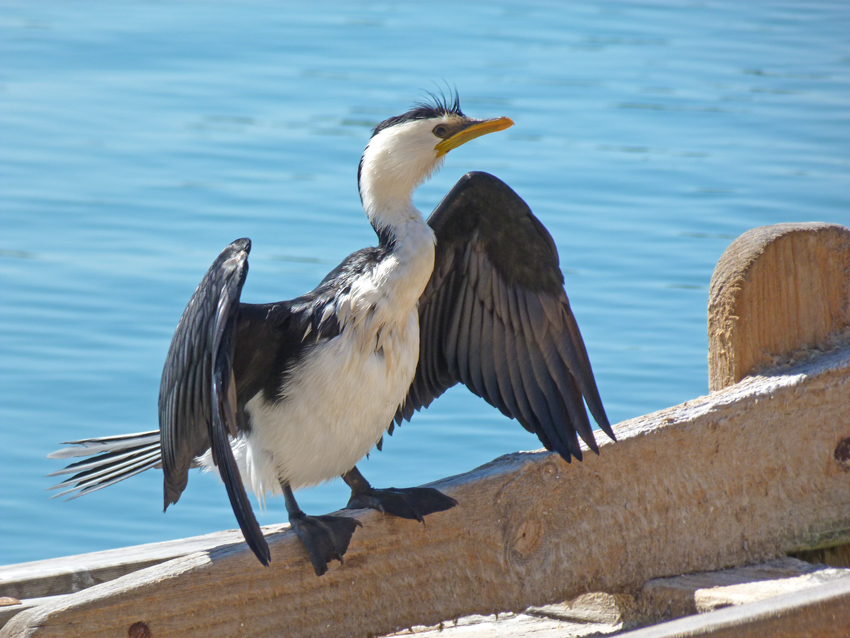
Little pied cormorant drying its wings on a pontoon

  Various paths and roads follow the course of the lake system. Walking or cycling along them in the evening and early morning is best for wildlife encounters. However, even at midday when the sun is up and all is relatively quiet on the wildlife front, the well-tended gardens along the fringe of the lake still attract a wide variety of common urban birds as well as insects and the occasional lizard.

P1100023

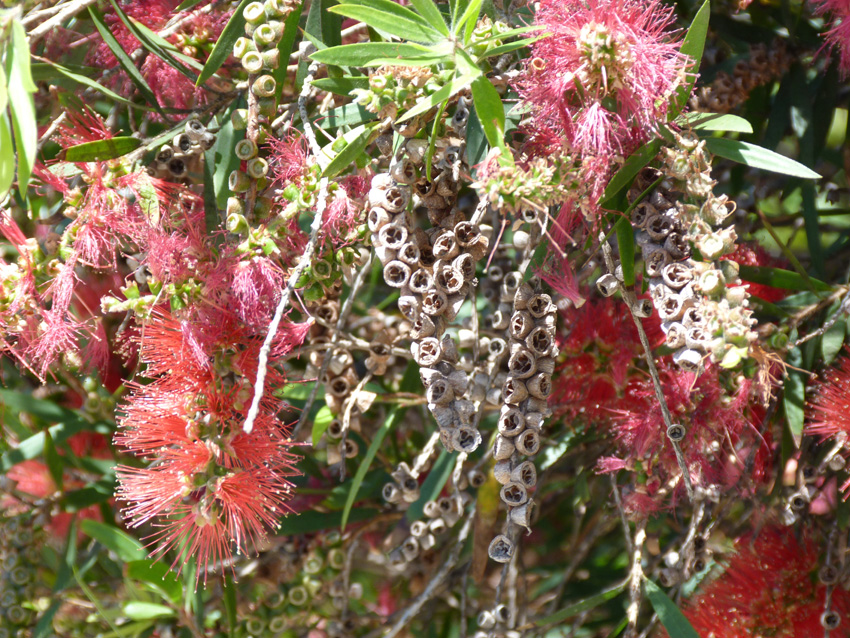
Bottle brush in lakeside gardens

P1100024

Gaura in lakeside gardens

P1100010

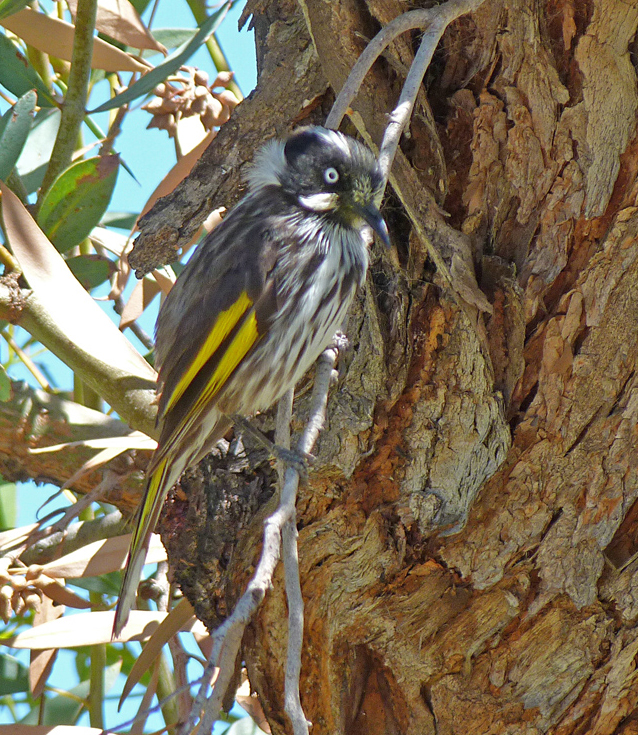
New Holland honeyeater feeding in garden

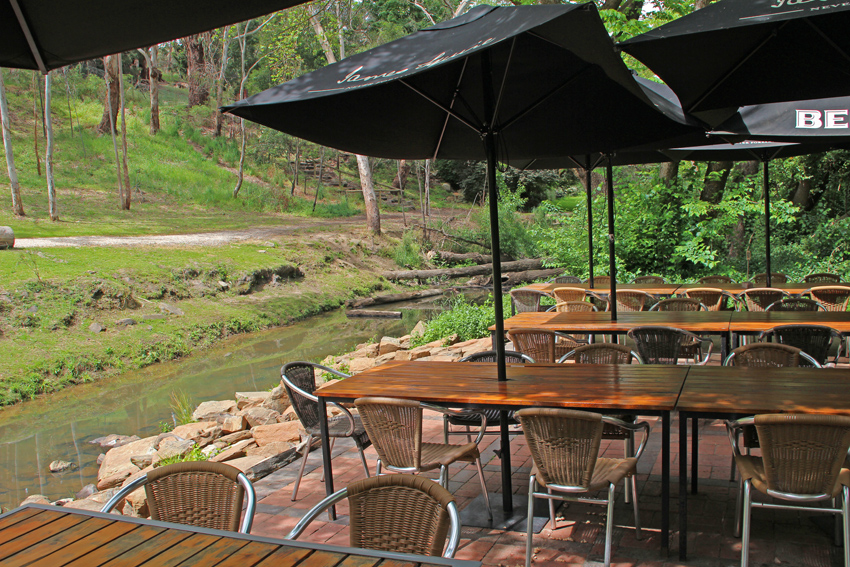
  Finally, a couple of considerations for those contemplating a walk around the lake. Start at the aquatics centre off Military road as there is a nice little cafe overlooking the water. And take a look at the Tennyson Dunes just across the road from the lake. They separate the urban zone from the seashore and are yet another wonderful South Aussie environment to explore… (see ‘Seaside Dragons’…30th Dec 2012)   Until next time Cheers Baz
Bridgewater’s Cox Creek Walk

7 Mar

My usual decisions as a wildlife photographer revolve around quandaries such as; which lens to use and whether the light quality is acceptable. Today’s problem is far more civilised. What to order from the menu while I sit back and watch the wildlife from the comfort of a deck overlooking a beautiful hill’s creek.

IMG_4619

The Bridgewater Hotel, a nice place to eat and watch the wildlife


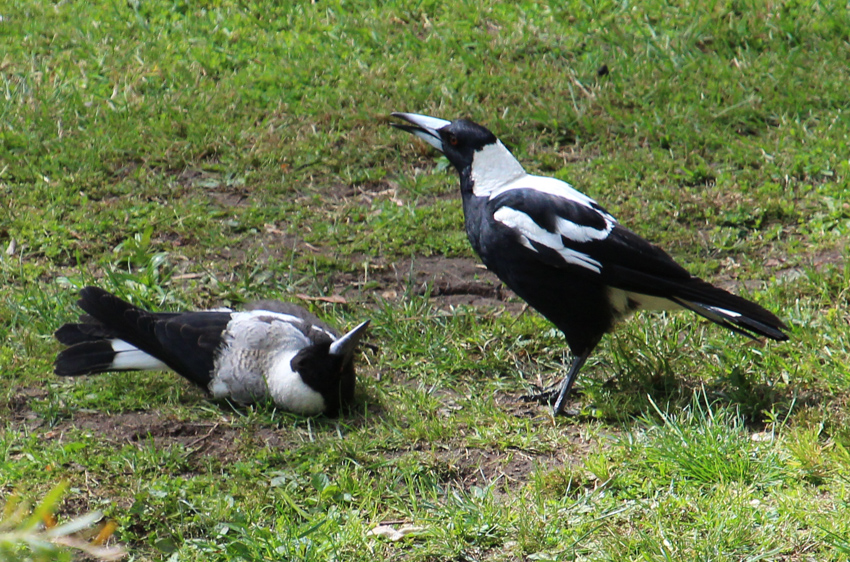
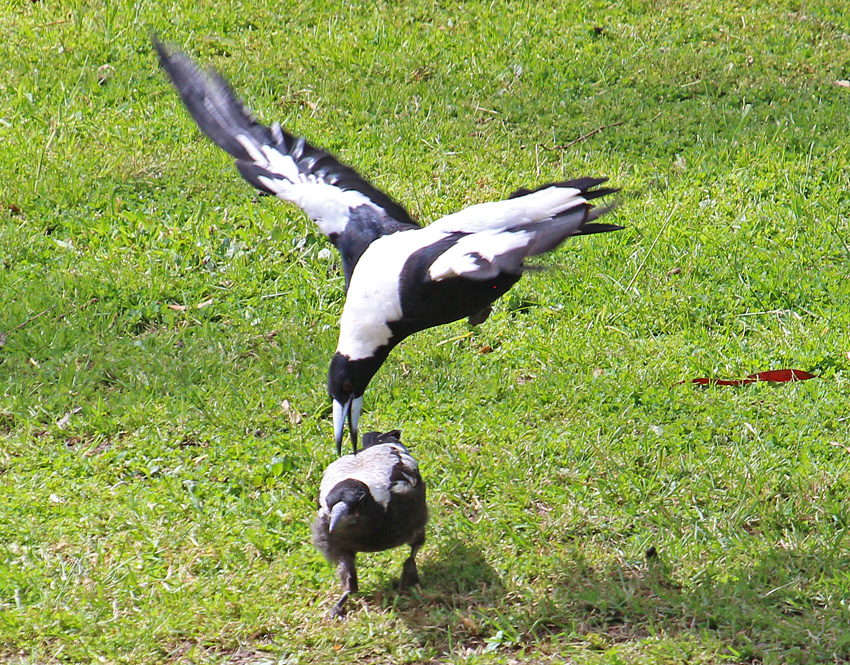
Before I can even enjoy a glass of wine the wildlife show starts on the other side of the creek alongside the walking trail to Stirling. A small nesting group of Australian magpies are feeding on grubs in the grassy banks. Magpie groups have complex social structures that rely on strict dominance and submission and one adult bird is certainly exhibiting its position in the pecking order by harassing a juvenile. I watch the birds for a few minutes until a rather nicely presented herb crusted barramundi fillet demands my full attention.  

IMG_4685

Submit you young upstart


IMG_4674

Now, just for good measure, cop that


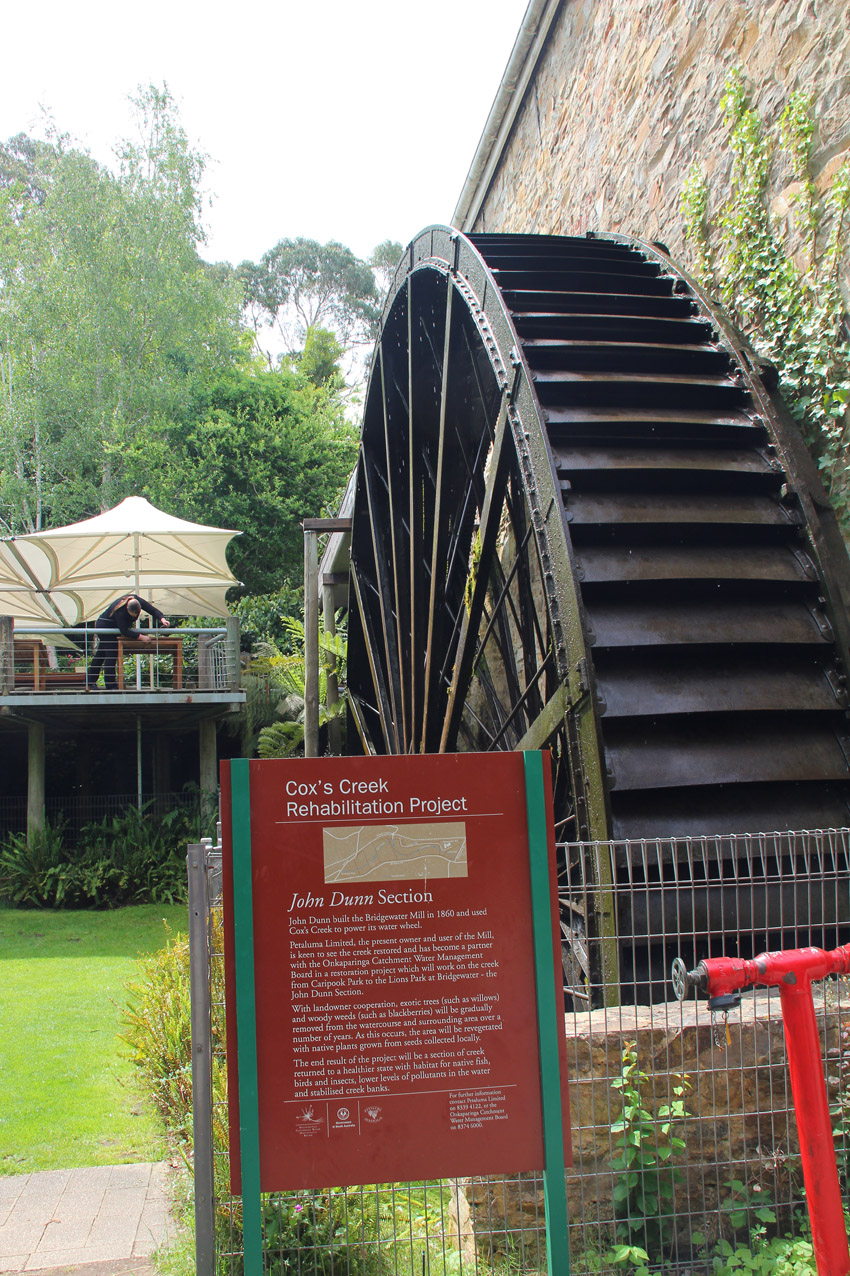
Cox’s creek meanders past the Bridgewater hotel and the Old Mill restaurant just a half hour drive along the freeway from Adelaide. The two restaurants are excellent and the historical trail to Stirling encompasses sections of the Pioneer Women’s Trail. An important chapter in Adelaide’s early history, the trail is part of a 35 km route walked by women and girls carrying heavy baskets of farm produce from Hahndorf to Adelaide between 1839 and 1854.

IMG_4631

An historic working mill wheel distinguishes the restaurant


IMG_4620

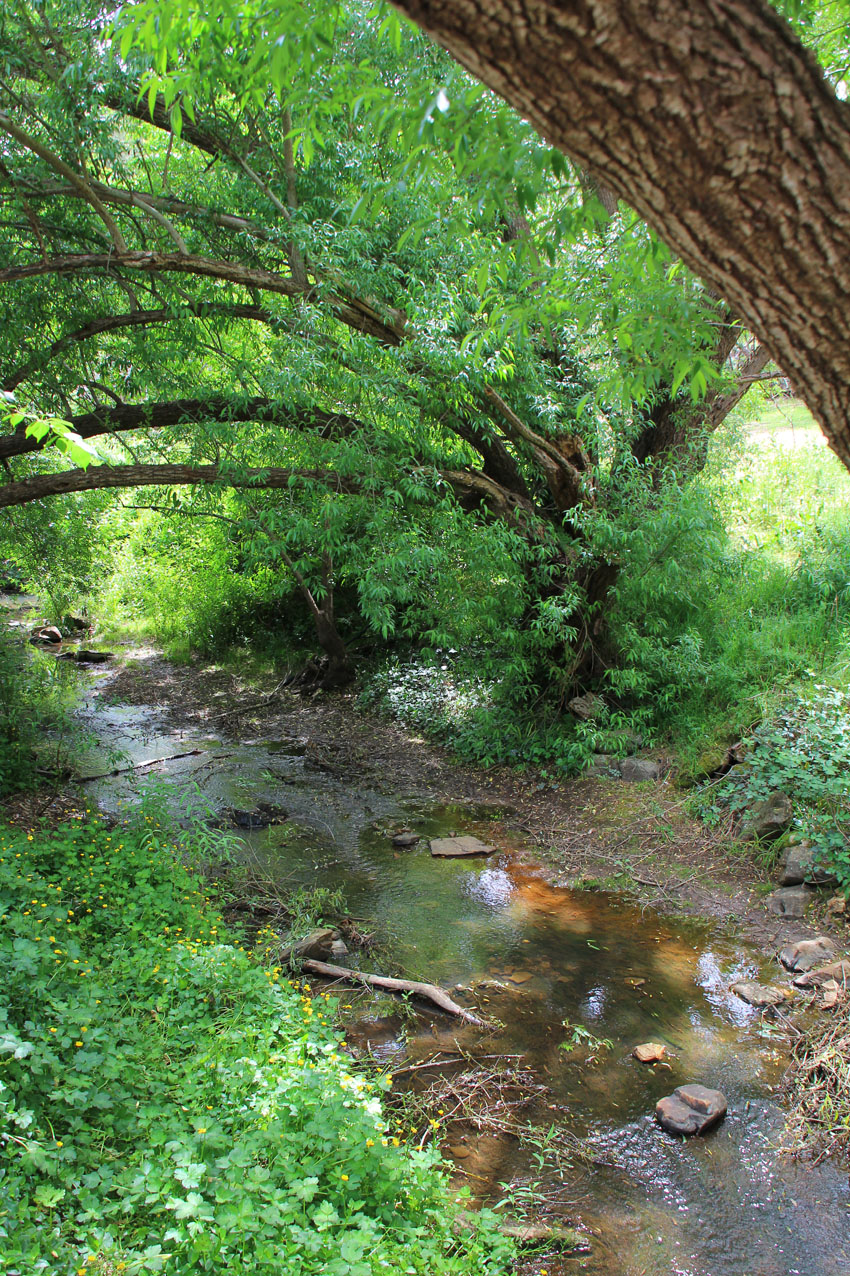
The banks along Cox Creek have thick cover which attracts a variety of wildlife


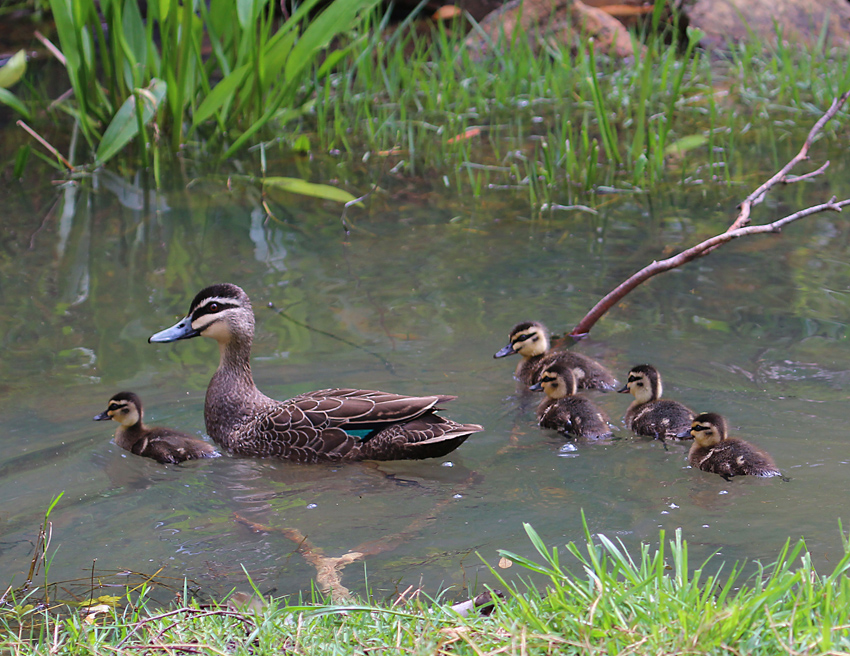
After finishing my meal I cross a small bridge and start walking slowly along the trail taking small detours down to the water’s edge where wildlife encounters are more likely. An interpretive sign indicates that water rats are found in the area and I spend quite a long time sitting quietly by some of the larger pools. But mid afternoon is not really ideal for these largely morning and early evening hunters. However, I do come across both maned and Pacific black ducks; both species with young in tow.

IMG_4651

An adult Pacific black duck with a brood of yung


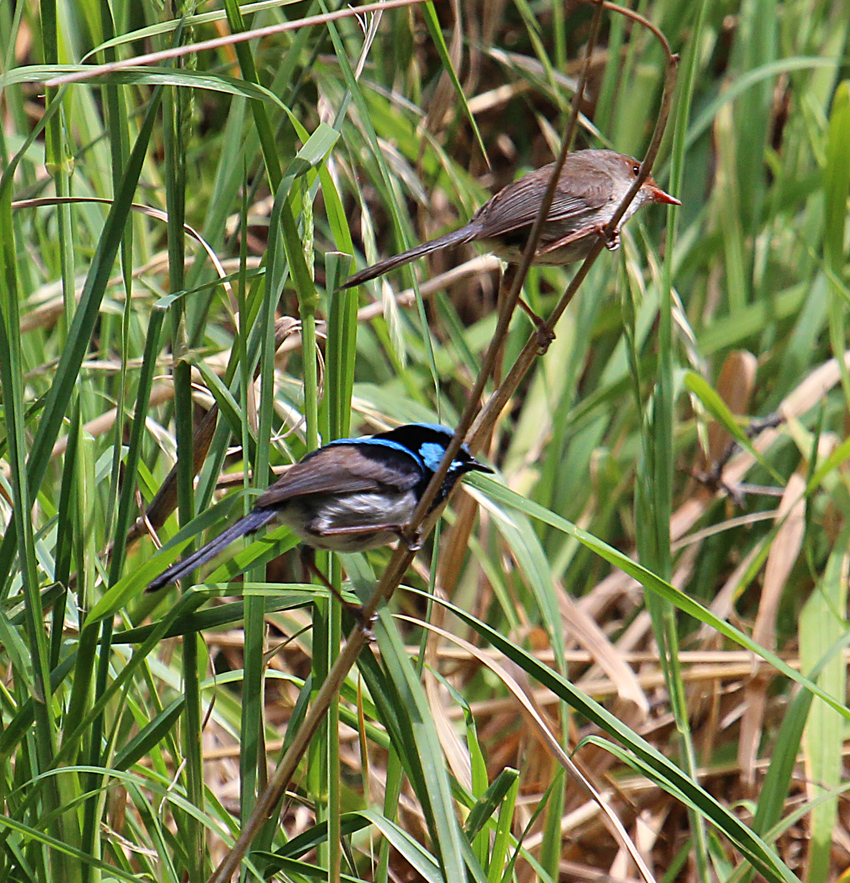
Time passes quickly and I decide that dessert and coffee beckon. The walk back is equally fruitful. Near one large pool, two superb blue wrens are courting in the reeds and I am lucky enough to catch them perching delicately on a slender stem. A perfect example of sexual dimorphism with the male’s glorious iridescent plumage contrasting sharply with the female’s conservatively camouflaged dull colours. Mating privileges versus a better chance of avoiding predators, take your choice!

IMG_4656

Male and female superb blue wrens


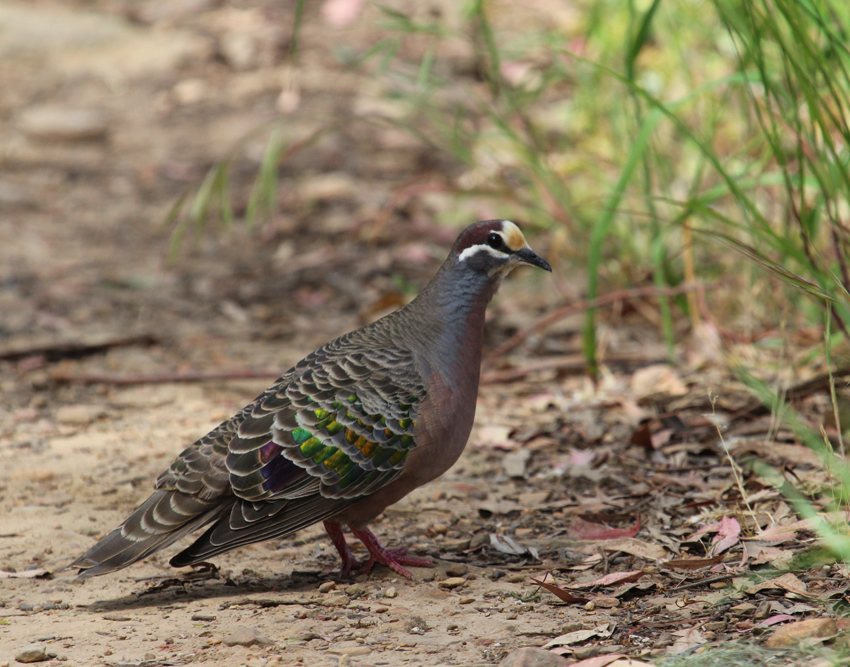
My final encounter features a pair of spectacular bronze wing pigeons that suddenly emerge from the scrub alongside the trail. Fortunately, one of the birds walks through a patch of bright sunlight which highlights its spectacular plumage.

IMG_4666

Bronze wing pigeon


Coffee is good

Desert is better

Tough day in the bush

Cheers

Baz  

A Morning at the Zoo with Quinn

27 Feb

Dear reader: 

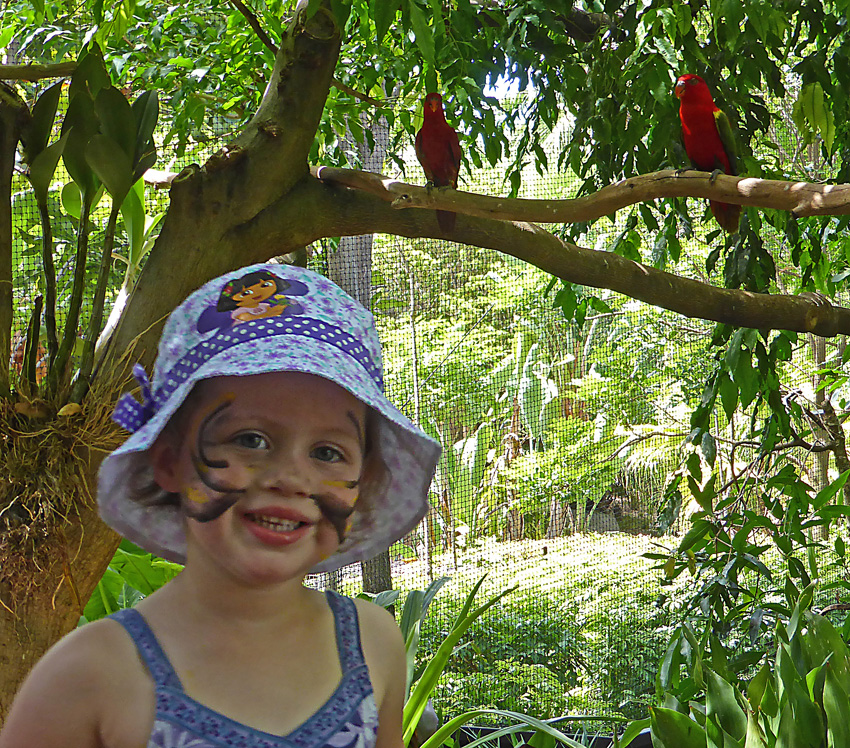
It is a warm Adelaide morning and the shady paths of the zoo are a labyrinth of intrigue for a nearly three year old. Around every turn there is a new enclosure full of sights, sounds and animals that she had only previously experienced in picture books.

7

A pair of king parrots provide a suitable backdrop for a tiger striped Quinn


3

The zoo is situated by the river just over the Frome Road Bridge


A misty spray of water shrouds the koala and Tasmanian devil enclosures in anticipation of the midday heat. It proves irresistible to our little granddaughter and sends her squealing down the path shouting, “bear, bear, bear!” I stand and watch the ‘really not bears’ as they stoically munch on eucalyptus leaves and fire off a couple of frames. Sometimes the images that can be taken in a zoo are invaluable additions for later projects.

1

A koala chews on eucalyptus leaves that would be inedible even toxic to any other species of marsupial


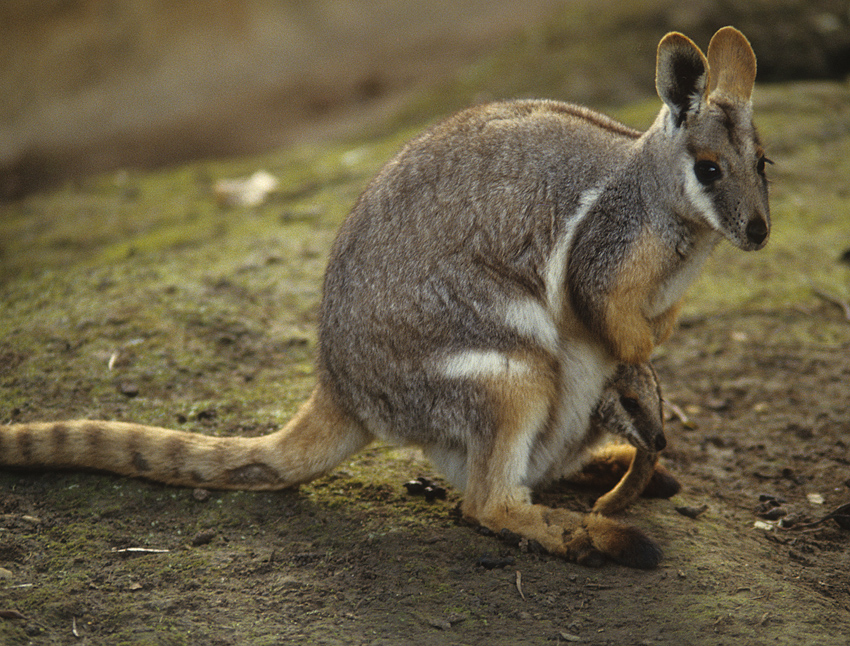
Half a vegemite sandwich and an ice cream later a little hand tugs mine and a voice whispers, “ Pop, kangaroo”. She is almost right, as a pair of yellow footed rock wallabies emerge from behind a tree in an open enclosure a few metres away. One of the little marsupials has a joey in its pouch; a difficult image for any photographer to catch in the wild.

6

A young yellow footed rock wallaby peering out from the safety of its mother’s pouch


The nocturnal house proves to be a real challenge. Try telling a toddler to be quiet as she goes through a dark tunnel lined with glass exhibits featuring bats and other night time wildlife. Near the entrance there are some aquariums which she finds quite fascinating (translate as…actually stops moving for a few seconds) giving me the opportunity to photograph some purple spotted gudgeons, one of our threatened native fish species. Yet another example of the pictorial opportunities that only captive animals can provide the amateur photographer.

2 purple spotted gudgeon

Purple spotted gudgeon are found in South Australia’s freshwater streams and lakes


Ironically, our final wildlife moment is not one that the Royal Zoological Society can claim credit for. Just as we are leaving and wandering past the hippos, Nan’s favourite exotic animal, we hear a family excitedly chattering about a spider. And there, strung in front of the hippo pool is last night’s tattered web of a sizeable orb weaver with the resident arachnid devouring a hapless dragonfly. Quinn says “yuck”, Nan scoops her up and I click away merrily wishing that I had brought the DSLR instead of popping the point and shoot in my pocket to ensure hands free, child minding capabilities.

4

A large orb weaver makes short work of an unfortunate dragonfly


By now the temperature is getting into the mid thirties and it is time to leave. She does not want to go. “More animals Pop.” A good sign for the future.


Cheers

Baz (and Quinn)

Wynne Vale Dam Walk

17 Feb

The sulphur crested cockatoos are perched up high in the river gums that surround the dam. Their loud and raucous calls fill the air and drown out the sounds of the other birds that live and feed around the water’s edge. Every few minutes some of the large, white parrots fly down into the acacia bushes that grow along the pathway in search of food. They tear off some of the brown, elongated pods and fly back into the higher branches where they manipulate them with their feet and beaks to extract the seeds.

Acacia pods with seeds exposed

Acacia pods with seeds exposed


Sulphur crested cockatoo eating acacia seeds

Sulphur crested cockatoo eating acacia seeds


Wynne Vale Dam is just a fifteen minute bike ride north of Tea Tree Plaza along the Dry Creek trail which can be easily accessed from the bridge over Ladywood Road near the Modbury Hotel. It is a great way to break up the shopping chores or get some exercise after lunching at one of the nearby hotels and restaurants. The small lake is part of a stormwater reclamation and creek improvement project and is surrounded by a track with viewing platforms, interpretive signs and a sizeable earthen dam on the southern edge.

Wynne Vale Dam from the viewing platform

Wynne Vale Dam from the viewing platform


After watching the birds feeding for a few minutes I climb back on my bike and cycle round to the other side of the dam. Leaving the pathway I shift the mountain bike into low gear and pedal along an exposed stretch of the embankment bumping over a tangle of roots that radiate from a stand of partly submerged trees. Their skeletal trunks and branches are the perfect vantage points for a white faced heron to scope out its prey and a freshwater turtle to bask in a patch of early morning sunshine. White faced herons are quite common along the banks but the turtle is a more unusual sighting.

White faced heron survey its kill zone

White faced heron surveys its kill zone


Short necked turtle on a tree branch

Short necked turtle on a partially submerged tree branch


Just as I start to move off to my next location I catch site of a medium sized bird roosting high in one of the old willows that overhang the water. It is a nankeen night heron. Easily recognised by their cinnamon plumage and shorter powerful, beaks these herons tend to stay hidden during the day feeding in the morning, evening and sometimes at night; a behaviour that is referred to as crepuscular.

In the winter months the water level rises considerably covering the embankment

In the winter months the water level rises considerably covering the embankment


Nanakeen night herons feed on aquatic invertebrates and small fish

Nankeen night herons feed on aquatic invertebrates and small fish


After photographing the heron I cycle around the lake once more to make sure that I haven’t missed anything too obvious then head back down the western side of the creek. Where the dam ends and the creek re-emerges there is a line of exceptionally tall river gums. And there, right in my line of vision, are two koalas climbing up into the branches. Koalas, nankeen night herons and a turtle on one short ride. Not a bad morning’s work.

A pair of koalas climbing. Probably an adult fmale and mature joey.

A pair of koalas climbing. Probably an adult female and mature joey.


Thanks for reading this post.

I hope you enjoyed it.

Tell a friend who might be interested.

Cheers

Baz
Robe…..raptors, reptiles and rough roads

7 Feb

Dear Reader:

To be entirely honest, the track hadn’t looked too difficult. My tyres were suitably deflated and the little Suzuki had a punchy V6 motor. What the hell! I backed up onto the hard packed dirt road, gunned the motor and headed up the sand dune towards the beach, scaring the daylights out of a pair of emus that had been feeding in the coastal scrub.

A pair of emus feeding in the coastal scrub

A pair of emus feeding in the coastal scrub


Marker posts driven into the sand had indicated the route was suitable for 4WD but I lost a little traction on the climb and one wheel slipped off the trail. The car slid, the sand pushed up hard underneath and there I was, stuck. Over the next half an hour I tried every way I could think of to get free from the sand trap; brush under the wheels, digging out some of the sand wedged under the chassis and swearing in several languages; all to no avail. I wasn’t going anywhere.

The edge of a coastal dune

The edge of a coastal dune


Feeling rather stupid and just a tad worried, it was 40C and though I had a water bottle and my mobile phone, it was a good hour’s walk back to the main road. Furthermore, I couldn’t remember seeing any signs of habitation when I had driven from Robe into the Little Dip Conservation Park earlier in the day. But my choices were somewhat limited and so, with my camera slung over my shoulder, I started off to get some help.

Numerous frehwater lakes in the the conservaion park provide a haven for wildlife

Numerous frehwater lakes in the the conservaion park provide a haven for wildlife


Within half an hour of trudging along the sandy trail I realised this was going to be a hard walk. Every 30 minutes I found a little shade took a sip out of the bottle and rested for 5. Eventually I reached the junction of the trail and the main road back to town. Sitting quietly in the shade of a park information sign, I sipped on my water bottle and waited for a few minutes in the hope that another vehicle might be heading my way. No such luck, but a rather feisty bearded dragon did saunter across the road and give me a long hard stare before disappearing into the scrub.

Bearded dragons tend to freeze when threatened relying on their camouflage to avoid predators

Bearded dragons tend to freeze when threatened relying on their camouflage to avoid predators


Suitably unrefreshed and distinctly grumpy, I started along the road back to Robe. Earlier in the day and in stark contrast to my present predicament, I had been enjoying a civilised meal of local crayfish and salad in a boutique restaurant. After a couple of kilometres I noticed a swamp harrier that had settled on a fence line after scanning the fields for prey. The fence ended  in a cattle grid  near a long driveway that led to a farmhouse that I had not seen earlier. It was one of those typically Australian country homes, old sandstone with return verandahs that spoke of generations of farmers that worked this rugged landscape.

A swamp harrier rests on a fence post

A swamp harrier rests on a fence post


It turned out that I was in luck. The farmer, who was tired of rescuing inexperienced off roaders, kindly offered me a drink and some sandwiches. When I told him I was in the park photographing wildlife for a children’s book on reptiles he shared some of the interesting encounters with native animals he had experienced recently. Ten minutes turned into a couple of hours and because of our mutual interest in natural history, he offered to use the farm truck to haul me off the dune.

The kindness of strangers

The kindness of strangers


As we approached my SUV I noticed the curved imprint of a large snake that had taken shelter under the front of the vehicle. Now that would have made a good shot!!

A brown snake flicks out its forked tongue to pick up chemical signals given off by prey.

A brown snake flicks out its forked tongue to pick up chemical signals given off by prey.


With the car back on track we sat in the scrub and had a cold drink before I headed back for a shower and a good night’s rest. Offering to pay for my rescue did not seem appropriate. Instead, I promised to send him some copies of the wildlife books I had recently written for his grandchildren and to stop in for coffee the next time I headed down to Robe and the limestone coast.

Many of Robe's restaurants, galleries and B&Bs are based in classic old buildings

Many of Robe’s restaurants, galleries and B&Bs are housed in classic old buildings


Until our next excursion

BAZ

PS

I think the raptor is a swamp harrier; any help on this identification would be appreciated

B

Marion’s Warraparinga wetlands

24 Jan

Dear Reader:

There is a Kookaburra high in the red river gum near the entrance to the Warraparinga wetlands. It chortles out its laughing call alerting just about every wild creature in the area. However, the main purpose of its famous laugh is proclaiming to other kookaburras whose turf it is and how eligible one is for mating. As I sit and listen I cannot help but wonder what the original people who inhabited this land thought about these iconic Australian birds and the other animals that lived here.

A kookaburra sits in the old gum tree

A kookaburra sits in the old gum tree (click to enlarge all images in this post)


For tens of thousands of years before European settlement the Kaurna people roamed the Adelaide plains and south coast. They used both forest and grasslands to hunt for kangaroos, possums and birds. The creeks and wetlands provided turtles, yabbies and fish. Reeds and other plants were a source of food, medicinal remedies and the raw materials for weaving and building.

A timeline describing aspects of Kaurna culture

A timeline describing aspects of Kaurna culture


 Although Aboriginal peoples used symbols, they never developed writing. Their laws, ideas, family histories and seasonal maps were passed from one generation to the next by a series of stories some of which are referred to as Dreaming Stories and often relate to spirit ancestors. One such story is that of Kulutuwi a young boy who is killed by his stepbrothers and carried to his resting place by his uncle Tjilbruke. It describes how the tears that Tjilbruke shed formed the little creeks along the Fleurieu Peninsula. Warraparinga, which comes from the Kaurna warri parri and means windy place by the river is on Sturt Creek near the start of the Tjilbruke trail in the suburb of Marion. It is a wetland complex and home to the Living Kuarna Cultural Centre which has interpretive displays, an art gallery, performing space and cafe.

The creek flowing freely after summer rain

The creek flowing freely after summer rain


An acrobatic white plumed honeyeater feeding on small insects

An acrobatic white plumed honeyeater feeding on small insects


 Leaving the kookaburra to its vocal gymnastics, I walk through a sculpture garden and down to the creek which is flowing quite swiftly as it has rained heavily in the last week. The rain has also stimulated some plants to flower and there is a healthy population of insects in the bushes and trees. The typical ‘wick wicky’ call alerts me to several white plumed honeyeaters that are energetically picking off lerps and ants high in the tall eucalyptus trees by the water. I spend a good ten minutes trying to get a definitive shot that shows their hunting strategies.

Galah feeding on the ground

Galah feeding on the ground


Rose breasted cockatoo or galah performing beak maintenance duties

Rose breasted cockatoo or galah performing beak maintenance duties


In the same stand of trees both rosellas and cockatoos are sheltering amongst the foliage. The cockies are particularly interesting as they have been feeding on the ground pulling up tubers and searching for seeds then returning to the trees to wipe their beaks on the branches; whether to clean, sharpen or what?…I am not sure.

Reeds by the banks of a small lake help filter out pollutants

Reeds by the banks of a small lake help filter out pollutants


Purple swamp hens are often seen using their huge feet to climb over reeds

Purple swamp hens are often seen using their huge feet to climb over reeds


Eurasian coots are found in Asia, Australia, Africa and Europe

Eurasian coots are found in Asia, Australia, Africa and Europe


 The trail is well defined and leads me past several different ecosystems. One of these is a chain of ponds that are surrounded by reeds. South Australia’s urban wetlands have been developed to help filter storm water run-off and improve the health of our creeks but they also serve as a wonderful habitat for water birds. Eurasian coots, purple swamp hens and dusky moorhens are all feeding close to the reeds and these birds would have been part of the diet of the Kaurna people who hunted along the nearby Sturt Creek.

The lobby of the Living Kaurna Cultural Centre

The lobby of the Living Kaurna Cultural Centre


Having spent a couple of hours exploring the trails and stopping to capture a representative batch of images, I wind up back at the cultural centre for a well earned cup of coffee and a pastry. In the next room there is a wonderful display of indigenous art and a timeline displaying the history of the Kuarna people. It seems a fitting and reflective way to end my first visit to this rather special park in the heart of Adelaide’ southern suburbs.


Until our next adventure

BAZ

Henley Square……Crabs, Coffee and Coastline

13 Jan

Dear Reader:

The morning is warm and still with hardly a breath of wind. Although the water is not as clear as I would have liked it is worth putting on a mask and flippers to explore the shallows alongside the jetty.

Henley jetty on a summer's day

Henley jetty on a summer’s day (click to enlarge all images)


As I swim into the shadows beneath one of the jetty piles I can just make out a school of sizeable bream with a few silver whiting scattered amongst them. They are massing near the wooden posts directly below several fishermen who have empty buckets and a look of ‘no luck today’ on their faces.


School of bream under the  jetty

School of bream under the jetty


The wind is strengthening a little which often stirs up the sand and makes underwater photography challenging to say the least. It is time to switch to macro settings and look for small organisms on the sandy bottom. Numerous furrows snake across the undulating sand like roads through desert dunes. I follow one trail and probe the end point gently with my dive knife to see if I can reveal the perpetrator…no luck. But my digging does annoy a swimmer crab half buried in the sand only an arm’s length away. The little creature immediately strikes an aggressive pose angling up towards me with nippers spread and ready to attack.

Sand crab, note the swimming paddles on the rear legs and the faint furrow in the sand made by a sea snail

Sand crab, note the swimming paddles on the rear legs and the faint furrow in the sand made by a sea snail


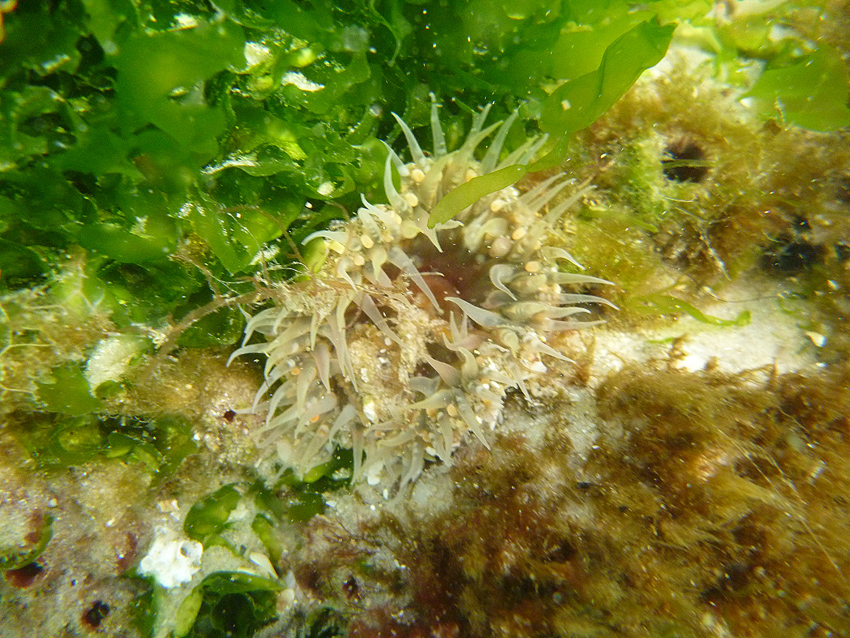
Anemone, sea squirt and green algae attached to a jetty pile

Anemone, sea squirt and green algae attached to a jetty pile


I spend a few more minutes exploring the various organisms that cling to the jetty piles. Satisfied with a few close up shots of anemones and sea squirts, I head for the change rooms and outdoor shower to wash off my gear. And then, the all important decision…. which of the beachside al fresco restaurants for coffee and breakfast? Henley Square at the foot of the jetty is one of Adelaide’s favourite beachside haunts where you will invariably find an eclectic collection of walkers, cyclists, fishers and even the odd naturalist; all enjoying the coastal ambience and quality restaurants.

Cafe culture on a sunny morning

Cafe culture on a sunny morning


Coastal strip of dune vegetation including the pine used as vantage point by a nankeen kestrel

Coastal strip of dune vegetation including the pine used as vantage point by a nankeen kestrel


Refuelled and refreshed by my morning dip I walk south along the bikeway that skirts this section of coastline. Between the beach and the path there is a long stretch of low coastal dunes that have been revegetated over the last decade providing an interesting ecosystem that is home to a variety of plant and animal species.

Nankeen kestrel in flight. one of the more common raptors that feeds mainly on ground dwellers but will attack other birds

Nankeen kestrel in flight. one of the more common raptors that feeds mainly on ground dwellers but will attack other birds


Several small groups of sparrows and some honeyeaters are flitting through the foliage but they seem extremely nervous. The reason for their apprehension soon becomes obvious as a nankeen kestrel perches on a tall pine tree to survey its hunting zone. The bird of prey, however, does not go unnoticed by a pair of noisy miners that dive bomb the predator and force it to take to the air again.

Blue bees are a small native species that have a more errtic, zippy flight pattern than common honey bees

Blue bees are a small native species that have a more erratic, zippy flight pattern than common honey bees


A spcies of White butterfly feeding on coastal blooming plants

A species of white butterfly feeding on coastal blooming plants


The temperature is rising and the chance of spotting larger animals diminishing as the day progresses and they seek shelter from the sun. I turn back towards the jetty and focus my attention on the unique coastal plant life and the bees, wasps and butterflies that feed on the various flowering shrubs. Near one of the sandy tracks that lead down to the water a thick stand of acacias, with delicate blue flowering grasses growing amongst them, is attracting native blue bees and several varieties of butterflies. Tricky images to capture as the bees are speedy, erratic little creatures and the butterflies are only landing on the blossoms for a few seconds.

Despite their bulk pelicans are graceful in flight.

Despite their bulk pelicans are graceful in flight.


Australian pelicans have a wingspan of around 2 metres

Australian pelicans have a wingspan of around 2 metres


By the time get back to the square I am ready to sit under one of the square’s cafe umbrellas and sip a long cool drink while watching the locals enjoying another warm South Aussie day at the beach. It’s hot now and time to drive home and sort my pictures. I slip the camera strap over my shoulder ready to leave as one final image presents itself. An Australian pelican glides in low over the water and gracefully deposits itself on one of the jetty light poles and glances in my direction…..thanks!!


Until we chat again

Baz  
Wild Dog Walk

2 Jan

Wild Dog Walk

Dear Reader:

The drive from Port Augusta to Whyalla is almost gun barrel straight for much of the seventy kilometre journey. Low scrub and salt bush plains dominate the landscape. Small birds occasionally flit across the road and for the keen observer; kangaroos and emus can be spotted foraging in the bush. But first impressions can be misleading and more careful look at this unique environment reveals a plant ecosystem quite different from the eucalyptus dominated vegetation closer to Adelaide.

IMG_5449 crop red

Entrance to the park (click to enlarge all images on this post)


The ground is hard pack red earth and salt bush, acacia and eremophilas form the lower layers beneath canopy of western mayall trees with an occasional eucalypt thrown in for good measure. The affect is a subtle interplay of greens and greys that typifies this harsh but beautiful countryside.

Wild Dog Walk

Myall and eucalypt canopy with shrubs and saltbush understory


Around 50 kms from Port Augusta and just 10 kms from the outskirts of the steel town of Whyalla, the park is announced by a signpost and bush track that leads off to the right. The trail is part of the Whyalla conservation park and the road leads to a rocky outcrop known as Wild Dog Rocks. A local Aboriginal story relates how a medicine man flung dingos, who had killed a child, off the north eastern edge of the rocks.

IMG_5465 red

Wild Dog Rocks rising from the bush


This story and information about the plants in the area is presented as a series of signs along a short trail that circumnavigates the outcrop. The mayall trees, lichens, various shrubs and grasses are all represented and provide the walker with a better understanding of this rugged ecosystem.

Mayall tree

Mayall tree surrounded by salt bush with acacia to the left


Depending on the season a wide variety of wildlife frequents this arid zone. Parrots, honeyeaters, magpies and delicate little finches are just a few of the birds that live in the dense shrubs and grasses. And if one walks carefully, stops frequently to look and listens for a tell tale rustle there are reptiles to be found, ranging from tiny skinks, large monitors and even the occasional brown snake.

IMG_5517

Australian magpie proclaiming territory


Despite the complexity and diversity of this ecosystem it remains a harsh and unforgiving environment. There is little food and plants bloom infrequently due to the low rainfall. A visitor needs to be patient to locate the wildlife and as always the early morning and late afternoon are when the animals are more active and far more easily encountered.

IMG_5454 crop sharpen red

Grey kangaroo in saltbush


I set aside three hours to explore this park and stopped several times on the way to the rocky outcrop where I walked a couple of hundred metres into the bush and sat quietly for a few minutes. One the first occasion I flushed out a grey kangaroo that paused for a split second to look at me before bounding through the salt bush into the scrub. The second time I watched some butcher birds and a magpie squabbling loudly over territory.

IMG_5494 crop red spiny cheeked honey

Spiny cheeked honeyeater feeding in an eremophila


At Wild Dog Rocks I spent quite a long time watching small birds flitting between some flowering shrubs. Photographing them was challenging to say the least. I noticed that several birds seemed to return frequently to one particular bush allowing me to set up and capture a few long range images. The birds turned out to be spiny cheeked honeyeaters a species I had not seen before.

IMG_5771 goanna red

Sand goanna or Gould’s monitor foraging through understory


With evening approaching I made one last foray into the scrub at the foot of the rocks and sat amongst a stand of mayall trees where there was a clear view of a small clearing. After a few minutes I heard the unmistakable rustle of a larger animal moving across the leaf litter. Suddenly a sand goanna appeared, the metre long monitor lizard was moving slowly with its long forked tongue frequently flicking out as it searched for prey. As the goanna approached dozens of locusts, that had been hidden amongst the undergrowth, took flight before they were added to the lizards eclectic menu.

IMG_5512 red

Almost locust for lunch


From the park to the city of Whyalla is a short drive. Here you can wash off the red dust and enjoy the pleasantries of hotels, regional shopping, restaurants, coastal activities and a fine golf course.

IMG_5478 red

The shapes, colours and textures of the arid zone are summed up in this imge


Have a great start to the New Year and I hope you have the chance to explore this interesting region sometime soon.


Cheers

Baz