Tag Archives: Australian wildlife

Belair National Park…Plants and a Pond

25 May

Dear Reader:

It is a mild autumn day and a light wind from the south promises to blow the early clouds away. A cyclist, rugged up against the chilly morning air, pedals through the parking area on her way to the nursery. I have come here in search of plants too, some native grasses and a red flowering gum to fill a vacant spot by my back fence. But there is an ulterior motive as the nursery often attracts a variety of birds and insects from the surrounding bush.

The hills can be chilly in the morning

The hills can be chilly in the morning


Close to the car park there is a thick growth of native correas and bottle brush. I notice a slight movement in one of the correas that is heavy with pale pink flowers. I change position to get a better line of sight and wait quietly. After a few moments an eastern spinebill appears amongst the leaves busily searching for insects and nectar.

The eastern spinebill belongs to the honeyeater group

The eastern spinebill belongs to the honeyeater group


Belair National Park is just 13 kms from the city centre in the foothills of the Mount Lofty Ranges. As well as a wonderful native nursery, the park boasts over 20 kms of walking, horse riding and cycling trails covering a range of different environments. Tennis courts, grassed playing fields, barbecues areas and even an adventure playground are dotted throughout the 840 hectare park making it a popular destination for both outdoor enthusiasts and families.

The Belair Naional Park nursery markets wonderful array of native plants as well as an extensive collection of natural history books

The Belair National Park nursery markets a wonderful array of native plants as well as an extensive collection of natural history books


The park has quite a few non indigenous species of tree near Old Government House,  which provide lovely autumn colours

The park has quite a few non indigenous species of tree near Old Government House, which provide lovely autumn colours


From the nursery it is a short five minute drive to Playford Lake. By now the sun has burned off the last remaining clouds and it is sunny and clear; ideal for taking a short walk around the lake. On the edge of the lake several freshwater turtles are basking on a tree root taking in the morning sun. As I approach they slide off with a splash and head into deeper water.

Playford lake at the end of summer

Playford lake at the end of summer


Australian  freshwater turtles eat a variety of foods including insect, small fish and yabbies

Australian freshwater turtles eat a variety of foods including insects, small fish and yabbies


On the other side of the path a patch of tall gums shade a small gully where a flock of sulphur crested cockatoos are squawking in the tree tops and biting the leaves. On closer examination, through the long lens, I suspect they might be scraping insects off them, as eucalypt leaves are not usually a part of their diet.

Sulphur crested cockatoos tend to feed on the ground searching out fallen seeds, berries roots and nuts

Sulphur crested cockatoos usually feed on the ground searching out fallen seeds, berries roots and nuts


As I work my way back towards the car the terrain changes slightly with a gentle hillside rising up from the path. The snap of branches deeper in the bush suggests a bigger animal and suddenly a large grey kangaroo hops across the path and bounds through the trees. As I try to follow the roo through the viewfinder I catch sight of a fluffy bundle moving slowly up one of the eucalypts. It turns out to be a koala climbing up a slender branch to feed on the tender, outer leaves.

This young koala's mother was feeding a few metres higher in the tree

This young koala’s mother was feeding a few metres higher in the tree


My 20 minute walk has taken the best part of an hour with all the wildlife stops and I’m ready for a coffee in the hills suburb of Belair before driving home. But one last critter appears to round off my morning in the park. A large blue dragonfly is hovering over a reed patch. I wait for it to land, no luck. It zips from one grassy stalk to the next with manoeuvrability that puts any military helicopter to shame. Then, as if to do me a favour, the elegant little insect lands on the path just a few metres away…. nice one…click..done !!!

Large blue and red dragonflies are quite common around the lake

Large blue and red dragonflies are quite common around the lake


Cheers

Baz

Whyalla to Point Lowly…a top coastal drive

16 May

Dear Reader:

The road from Whyalla to the Point Lowly intersection has dense mallee scrub on both sides. Kangaroos are not uncommon but hard to spot amongst the grey, green foliage. Sometimes a kite or eagle can be seen gliding on a thermal, scouring the scrub for prey.

Low Scrub Whyalla

Classic scrub with acacia in bloom


As I turn right and head towards the coast the landscape changes. The trees and bushes give way to stretches of saltbush and dried out shallow salt pans. Not much can survive in this country but I have seen emus foraging along these coastal badlands. I am not disappointed; catching sight of a fully grown male with his adolescent chicks just a few hundred metres from the fence-line.

1

Adult emu with a half grown chick in saltbush


The road turns quite sharply heading back down the peninsula. The salt bush landscape reverts back to low coastal scrub. This ecosystem is characterised by acacias and smaller eucalypts where various parrots, wrens and honeyeaters are feeding along the edge of the road. A sandy track leads down to the beach where a small group of shacks nestle into the scrub, all with a wonderful view back across the shallow gulf to Whyalla.

2

Red track, green scrub and blue coast


3

Whyalla across the bay


After my beach side detour I drive back onto the main road and continue on to my destination. Point Lowly and the associated LPG gas complex of Point Bonython are part of the 12 kilometre Freycinet trail that winds around Fitzgerald Bay. The trail which is ideal for cycling, walking or driving, features interpretive signs that explain Aboriginal and European history as well geological and biological features.

6

Point Lowly lighthouse


9

Gulls and cormorants


However, my trip today is simply exploratory and I will leave the trail for another time. Just a wander around the lighthouse, shoreline and nearby scrub will suffice. And the local sights more than live up to expectations. A mixed group of gulls and cormorants is roosting on a rocky outcrop while a pacific gulls glides above the inshore rockpools. Near the lighthouse a glorious little wood swallow perches on the guttering of a local shack expectantly watching a family BBQ.

8

Pacific gull hunting


12

Wood swallow on guttering


My appetite whetted for the next visit I turn the car and head back.


Until our next adventure

Cheers

Baz

North Adelaide……the lion circuit

8 May

Dear Reader:

It is a mild sunny morning and I am enjoying one of my favourite bike rides. Starting at The Lion Hotel I ride away from the city along Melbourne Street to the Park Terrace intersection. The street is an eclectic mixture of cafes and niche retailers selling anything from clothes to antiques and Persian rugs.

2

Classic old building converted into shops and galleries


Crossing Park terrace I wind my way through narrow streets and past some lovely old homes to intersect the path that runs alongside the Torrens River before it hits the city proper. The river has cut a narrow gorge through the ochre coloured rocks and tall eucalypts dominate the trail. A pair of rainbow lorikeets is fussing around a nesting hole and one bird takes flight as I dismount to take a closer look.

P1030399

Rainbow lorikeets nesting


A wooden boardwalk descends towards the river and the weir that controls the water flow. Common pigeons can often be seen foraging along the steep hillside early in the mornings. I think that the clay might supplement their diet and aid digestion.

5

Boardwalk trail along the river


6

Common pigeon feeding on cliff-side


Where the walkway levels out a small bridge splits the trail with one path leading back into the city and the other north east to the foothills. I head for the city. The track is flatter here and I pass numerous joggers and other cyclists all enjoying the fine weather.

7

Foot and cycle crossing near St Peters


4

Large dragonfly resting in a bottle brush near the river bank


Just past the little foot bridge the path sweeps under the much larger Hackney Road Bridge that carries the majority of traffic into the eastern side of the city. Here, the river widens, slows and becomes the Torrens Lake. As if to herald the change, a graceful snowy egret stands sentinel-like amongst the reeds watching for prey. Further along the waterway, a great cormorant perches close by with similar intent. These larger predatory water birds seem to indicate a greater abundance of prey in the lake.

8

Signage explains Aboriginal connections and other historical facts


9

Great Cormorant perching on the lake behind the zoo


egret edit

Egret hunting in reeds


Although the path follows the lake right along the northern edge of the city, I only ride a couple of hundred metres further to the Frome Road Bridge. Pausing briefly to take in the view of the lake, city and zoo from the top of the bridge, I turn right and head past the playing fields riding parallel to Mackinnon Parade through an avenue of massive, stately eucalypts. Cyclists, joggers and football players of all codes share this green space with cockatoos and other parrots that squawk in the trees and feed in the grass.

10

Cockatoo foraging on the oval near McKinnon Parade


Left near the end of the tree line and I’m back where I started and ready for coffee or breakfast at The Lion.

1

Back at The Lion


A brilliant way to spend the morning!!

Try it some time!!!

Cheers

Baz

Old Noarlunga….A River Walk

17 Apr

Dear Reader;

As I pull the SUV into the parking area I can hear the sound of cockatoos and corellas foraging in the recreation area just a cross the road. At the beginning of the walking trail several monarch butterflies are hovering around a stand of late flowering eucalypts. They are all part of a sudden surge of activity following recent morning showers; a welcome distraction after a long hot summer and a dry start to autumn.

P1080891

Corellas feeding


IMG_6156

Monarch butterflies


There are several marked trails that I can take from the park but today I am simply following the bitumen path along the river front to get some idea of the terrain and wildlife. This side of the river is bordered by the little township of Old Noarlunga and the area is quite significant in terms of South Australian history. For thousands of years it was a meeting place for the Kaurna people who lived along the river banks in natural caves or dome shaped dwellings. Later, during the early years of European settlement the area was a rest stop for bullock trains and some of the timbers and bricks in the park are remnants from the old Horseshoe Inn that burnt down in 1987.

IMG_0350

One of the larger pools


On the far side of the river, the summer brown hills rise steeply and there is mixture of native scrub and cleared grazing land. A wood and cable bridge links the two banks and a small group of students appear to be carrying out some kind of environmental survey on the opposite bank.

IMG_0360

Footbridge across the river


The river is at its lowest during this time of the year; a series of large pools linked by pebble strewn shallows where the water flows slowly. At the far end of one pool a white faced heron is hunting stealthily amongst the rocks. Every so often the bird jabs its long beak into the water to grab, what appears to be, some kind of large insect larvae.

IMG_0356

Grey faced heron hunting


After a while I decide to rest on a large tree stump above one of the larger pools and simply watch the water. Near the reed beds I can make out the shapes of some sizeable bream cruising between the bank and several submerged logs in the middle of the river. At the end of the pool there are large black cormorants perched on branches that overhang the water. Surprise!!! They are also watching the fish.

IMG_6147

School of bream in shallow water


A few hundred meters further up the track there is a side road that leads to The Old Noarlunga Hotel. In the warm weather a drink and lunch are a welcome break before I head back on the other side of the river. As I start to pack away the camera, a flash of grey catches my eye. A large bird flies along the river bank and lands in the trees quite close to where I am standing. Pulling the camera back out, I walk slowly towards the target keeping a large tree in line for cover. It turns out that the bird is an Australian bittern, a heron-like species that is not often seen in the daylight hours.

IMG_0374

Old Noarlunga Hotel


bittern

Australian bittern


Half an hour later, refuelled and rehydrated I shoulder arms and head back down to the river to explore the other bank. But that area will be the subject of a future post, perhaps in the springtime, when the character of the river will have changed again.


Cheers

Baz

Jenkins Scrub

21 Mar

Dear Reader:

There are tiny birds flitting through the canopy and squabbling in the bushes either side of the walking trail that snakes its way through the scrub. Occasionally they settle for just a second or two and feed on Autumn’s few remaining blossoms or probe for insects beneath the bark. The birds move quickly, giving me just a split second to focus and fire; which is my excuse for some of these images not being quite as sharp as I would like. However, they do give an accurate depiction of what searching for wildlife images in dense scrub, is really like.

IMG_6372

Grey fantail


treecreeper

Treecreeper species


After walking across a small footbridge, I find a clearing and sit on a fallen log and wait in the shadows for ten minutes. Birds are still twittering deep in the bushes, heard but not seen; but most have moved on.

IMG_0717

Crescent honeyeater


Jenkins scrub is a remnant area of the original bushland that once covered the Adelaide hills. The light sandy soil supports a wide range of shrubs, grasses and delicate flowers including native orchids. Tall eucalyptus trees complete the ecosystem which is traversed by a series of narrow trails.

IMG_0723

Classic hills scrub


The scrub lies just off the Springton road, a pleasant 50k hills drive from the city. A lunch stop at the Bakehouse Tavern in Williamstown, just 10 Kms from the park’s entrance, is a good way to break up the drive. Or, you can buy a pies and cake at the bakery to snack by the old cemetery on the edge of the adjoining pine forest; somewhere to explore the personal histories the people who settled this region. 

IMG_0694

Pub at Williamstown


IMG_0709

Graveyard from the old church


Hefting my long lens from the pack I continue my walk. The understory is littered with leaves and fallen branches which provide a home for a plethora of insect and retile species. There are quite a few butterflies in the area and every so often one settles in the leaf litter. They seem to spread their wings a couple of times then rest them upright exposing only the underneath which blend perfectly with the bleached leaves and twigs.

IMG_6376

Meadow argus butterfly…..brilliant camouflage


Another hour’s walking produces a few more images, shot at long range, and a memorable encounter with a pair of kangaroos which are feeding deep in the bush. I try for a better angle to get a clear shot but they quickly hop into deeper cover. By the time I reach the car it is a welcome refuge as some large bush flies have emerged in the late afternoon and the insect repellent is in the glove box.

adel rosella

Adelaide rosella


Just as I am about to turn on the engine I hear the shrill call of rosellas. Luck is with me and the birds settle in a gum tree just within camera range of the car. Three quick frames and my day ends on a high or so I think. It turns out that the 2 Km drive back along the dirt to the Springton road has a final surprise; three young emus feeding in a field of stubble just a ‘stone’s throw’ from the roadside.

IMG_6384 edit 1

Emus at dusk


Until our next adventure

P1110363

Author in the office


Cheers

BAZ

Bridgewater’s Cox Creek Walk

7 Mar

My usual decisions as a wildlife photographer revolve around quandaries such as; which lens to use and whether the light quality is acceptable. Today’s problem is far more civilised. What to order from the menu while I sit back and watch the wildlife from the comfort of a deck overlooking a beautiful hill’s creek.

IMG_4619

The Bridgewater Hotel, a nice place to eat and watch the wildlife


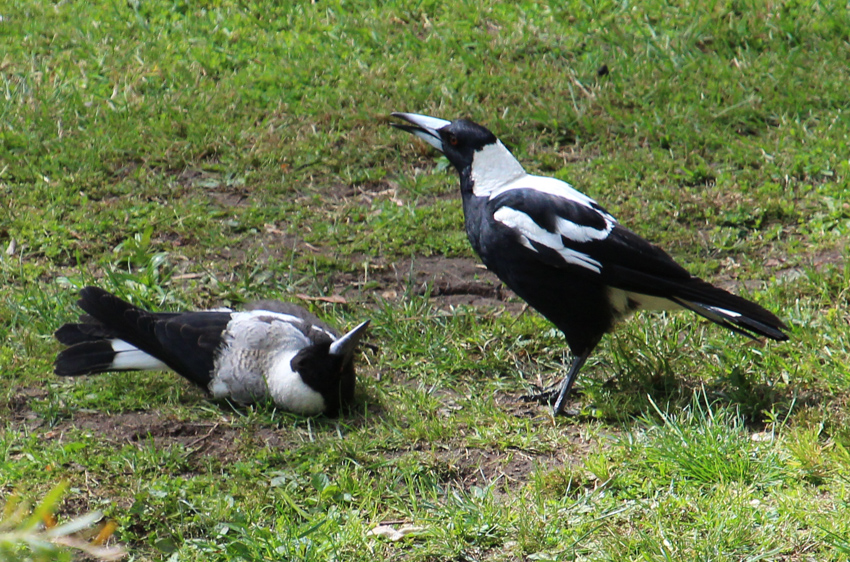
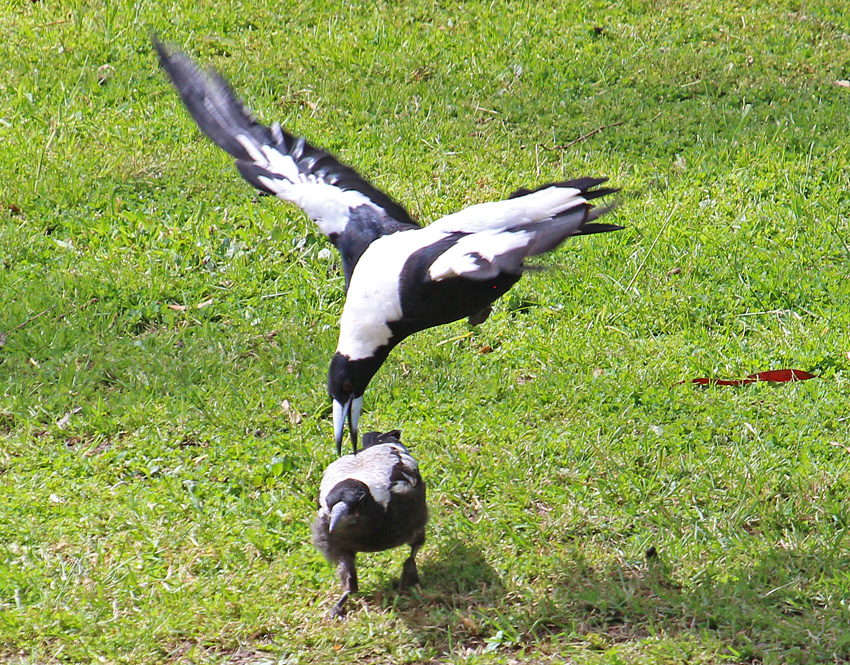
Before I can even enjoy a glass of wine the wildlife show starts on the other side of the creek alongside the walking trail to Stirling. A small nesting group of Australian magpies are feeding on grubs in the grassy banks. Magpie groups have complex social structures that rely on strict dominance and submission and one adult bird is certainly exhibiting its position in the pecking order by harassing a juvenile. I watch the birds for a few minutes until a rather nicely presented herb crusted barramundi fillet demands my full attention.  

IMG_4685

Submit you young upstart


IMG_4674

Now, just for good measure, cop that


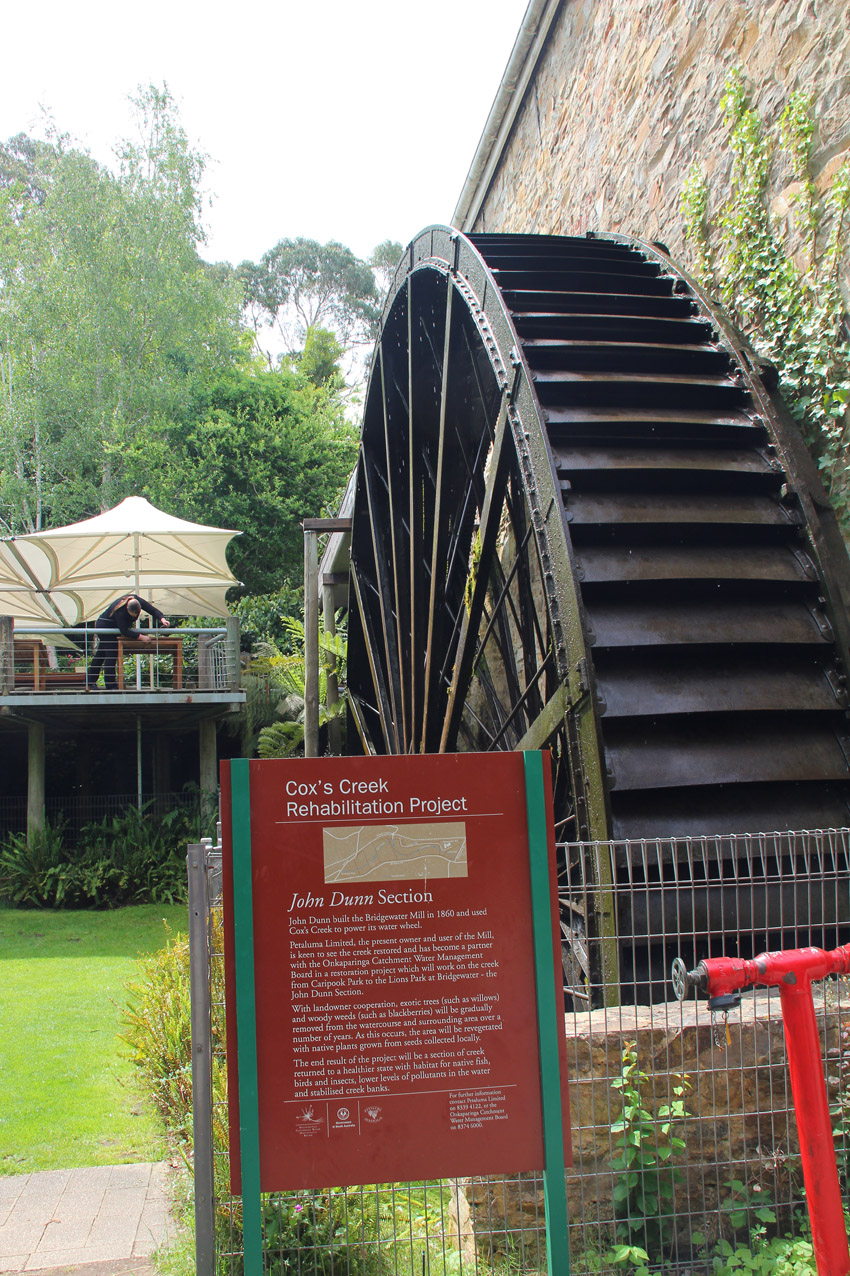
Cox’s creek meanders past the Bridgewater hotel and the Old Mill restaurant just a half hour drive along the freeway from Adelaide. The two restaurants are excellent and the historical trail to Stirling encompasses sections of the Pioneer Women’s Trail. An important chapter in Adelaide’s early history, the trail is part of a 35 km route walked by women and girls carrying heavy baskets of farm produce from Hahndorf to Adelaide between 1839 and 1854.

IMG_4631

An historic working mill wheel distinguishes the restaurant


IMG_4620

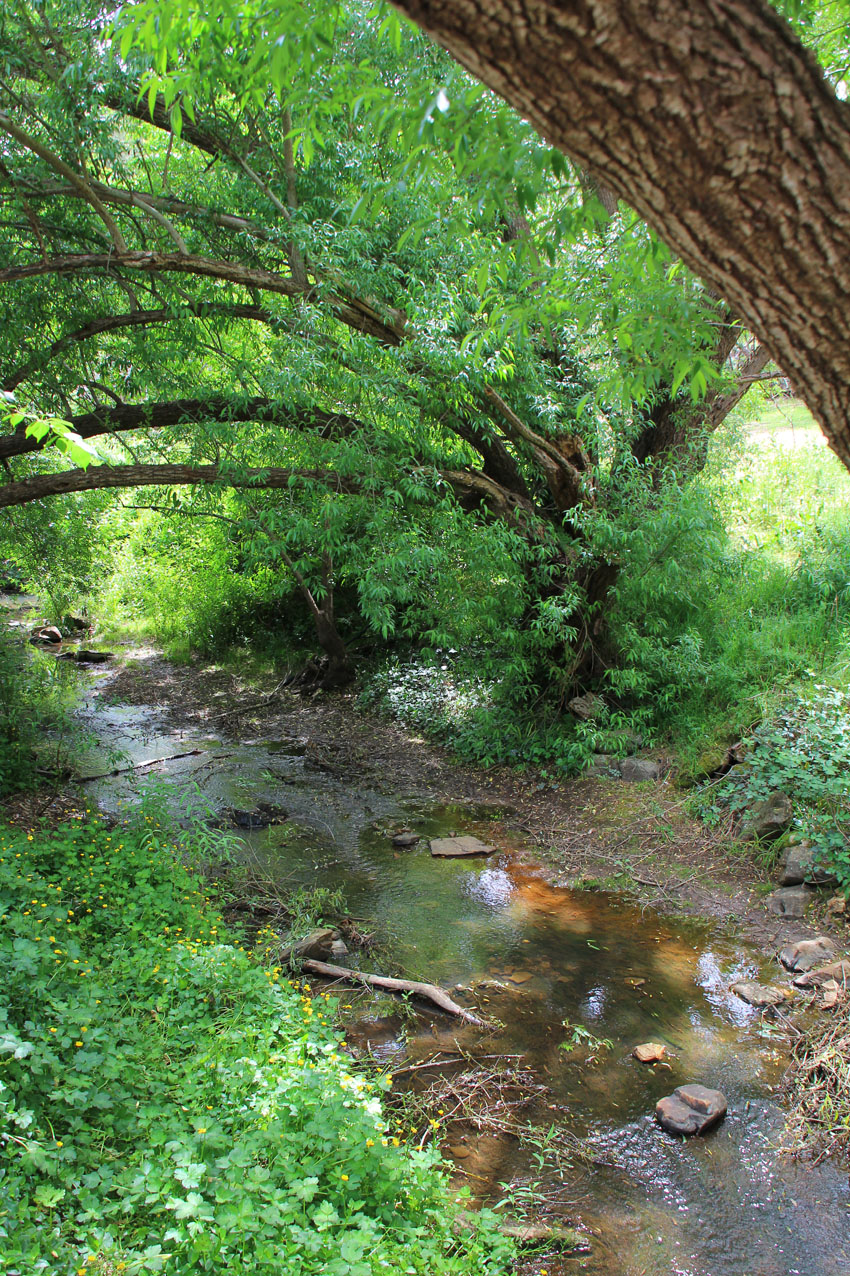
The banks along Cox Creek have thick cover which attracts a variety of wildlife


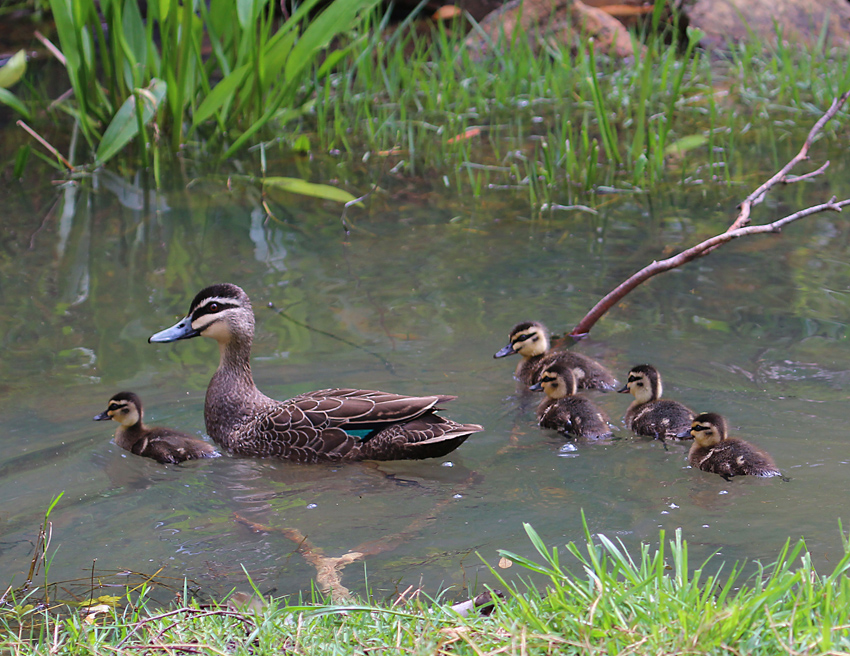
After finishing my meal I cross a small bridge and start walking slowly along the trail taking small detours down to the water’s edge where wildlife encounters are more likely. An interpretive sign indicates that water rats are found in the area and I spend quite a long time sitting quietly by some of the larger pools. But mid afternoon is not really ideal for these largely morning and early evening hunters. However, I do come across both maned and Pacific black ducks; both species with young in tow.

IMG_4651

An adult Pacific black duck with a brood of yung


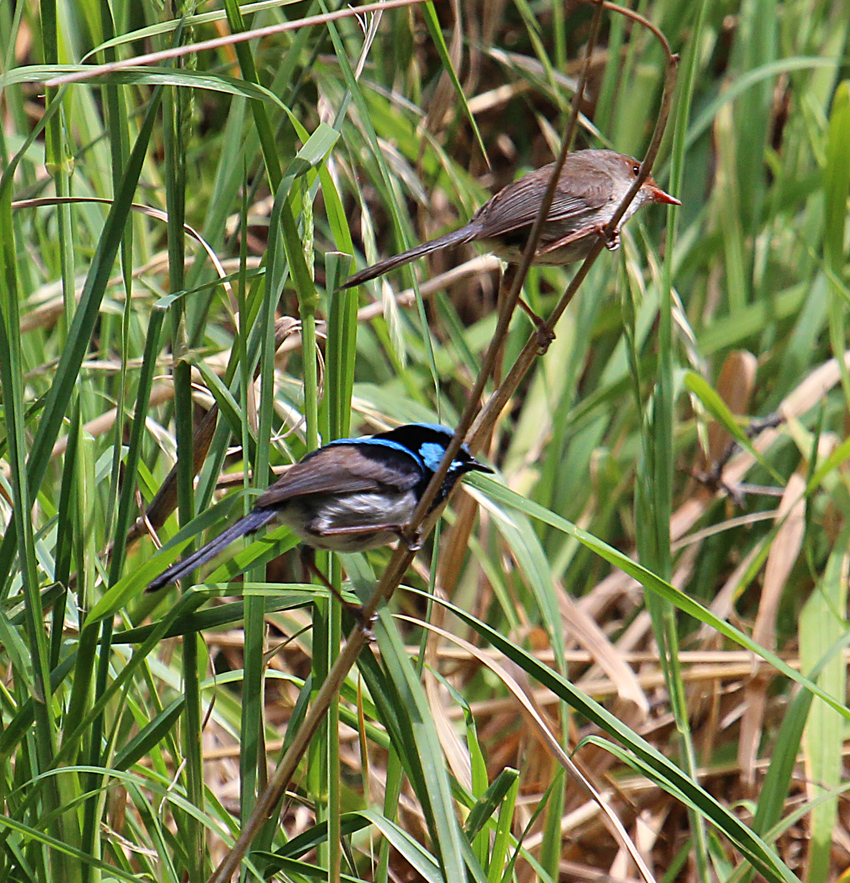
Time passes quickly and I decide that dessert and coffee beckon. The walk back is equally fruitful. Near one large pool, two superb blue wrens are courting in the reeds and I am lucky enough to catch them perching delicately on a slender stem. A perfect example of sexual dimorphism with the male’s glorious iridescent plumage contrasting sharply with the female’s conservatively camouflaged dull colours. Mating privileges versus a better chance of avoiding predators, take your choice!

IMG_4656

Male and female superb blue wrens


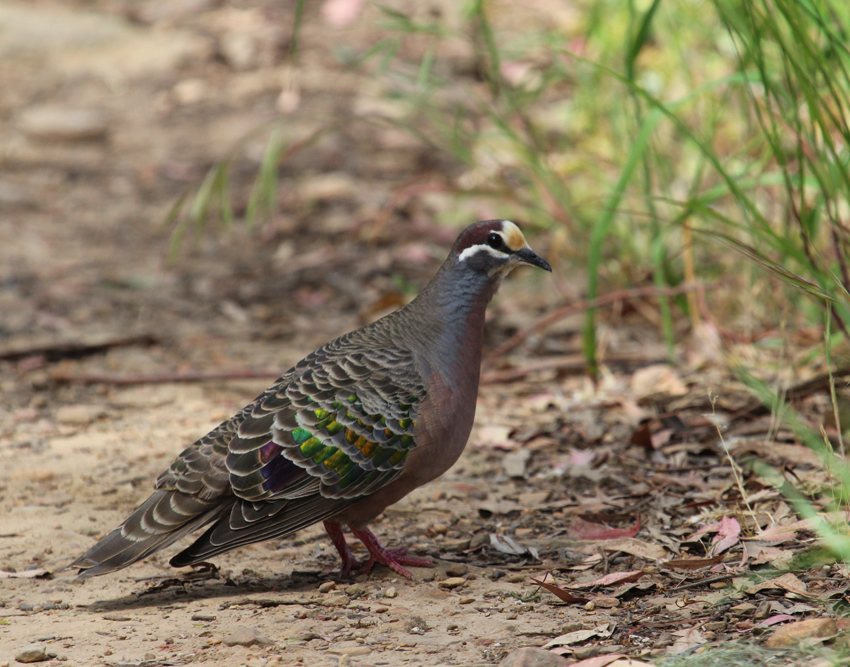
My final encounter features a pair of spectacular bronze wing pigeons that suddenly emerge from the scrub alongside the trail. Fortunately, one of the birds walks through a patch of bright sunlight which highlights its spectacular plumage.

IMG_4666

Bronze wing pigeon


Coffee is good

Desert is better

Tough day in the bush

Cheers

Baz  

Wynne Vale Dam Walk

17 Feb

The sulphur crested cockatoos are perched up high in the river gums that surround the dam. Their loud and raucous calls fill the air and drown out the sounds of the other birds that live and feed around the water’s edge. Every few minutes some of the large, white parrots fly down into the acacia bushes that grow along the pathway in search of food. They tear off some of the brown, elongated pods and fly back into the higher branches where they manipulate them with their feet and beaks to extract the seeds.

Acacia pods with seeds exposed

Acacia pods with seeds exposed


Sulphur crested cockatoo eating acacia seeds

Sulphur crested cockatoo eating acacia seeds


Wynne Vale Dam is just a fifteen minute bike ride north of Tea Tree Plaza along the Dry Creek trail which can be easily accessed from the bridge over Ladywood Road near the Modbury Hotel. It is a great way to break up the shopping chores or get some exercise after lunching at one of the nearby hotels and restaurants. The small lake is part of a stormwater reclamation and creek improvement project and is surrounded by a track with viewing platforms, interpretive signs and a sizeable earthen dam on the southern edge.

Wynne Vale Dam from the viewing platform

Wynne Vale Dam from the viewing platform


After watching the birds feeding for a few minutes I climb back on my bike and cycle round to the other side of the dam. Leaving the pathway I shift the mountain bike into low gear and pedal along an exposed stretch of the embankment bumping over a tangle of roots that radiate from a stand of partly submerged trees. Their skeletal trunks and branches are the perfect vantage points for a white faced heron to scope out its prey and a freshwater turtle to bask in a patch of early morning sunshine. White faced herons are quite common along the banks but the turtle is a more unusual sighting.

White faced heron survey its kill zone

White faced heron surveys its kill zone


Short necked turtle on a tree branch

Short necked turtle on a partially submerged tree branch


Just as I start to move off to my next location I catch site of a medium sized bird roosting high in one of the old willows that overhang the water. It is a nankeen night heron. Easily recognised by their cinnamon plumage and shorter powerful, beaks these herons tend to stay hidden during the day feeding in the morning, evening and sometimes at night; a behaviour that is referred to as crepuscular.

In the winter months the water level rises considerably covering the embankment

In the winter months the water level rises considerably covering the embankment


Nanakeen night herons feed on aquatic invertebrates and small fish

Nankeen night herons feed on aquatic invertebrates and small fish


After photographing the heron I cycle around the lake once more to make sure that I haven’t missed anything too obvious then head back down the western side of the creek. Where the dam ends and the creek re-emerges there is a line of exceptionally tall river gums. And there, right in my line of vision, are two koalas climbing up into the branches. Koalas, nankeen night herons and a turtle on one short ride. Not a bad morning’s work.

A pair of koalas climbing. Probably an adult fmale and mature joey.

A pair of koalas climbing. Probably an adult female and mature joey.


Thanks for reading this post.

I hope you enjoyed it.

Tell a friend who might be interested.

Cheers

Baz

Robe…..raptors, reptiles and rough roads

7 Feb

Dear Reader:

To be entirely honest, the track hadn’t looked too difficult. My tyres were suitably deflated and the little Suzuki had a punchy V6 motor. What the hell! I backed up onto the hard packed dirt road, gunned the motor and headed up the sand dune towards the beach, scaring the daylights out of a pair of emus that had been feeding in the coastal scrub.

A pair of emus feeding in the coastal scrub

A pair of emus feeding in the coastal scrub


Marker posts driven into the sand had indicated the route was suitable for 4WD but I lost a little traction on the climb and one wheel slipped off the trail. The car slid, the sand pushed up hard underneath and there I was, stuck. Over the next half an hour I tried every way I could think of to get free from the sand trap; brush under the wheels, digging out some of the sand wedged under the chassis and swearing in several languages; all to no avail. I wasn’t going anywhere.

The edge of a coastal dune

The edge of a coastal dune


Feeling rather stupid and just a tad worried, it was 40C and though I had a water bottle and my mobile phone, it was a good hour’s walk back to the main road. Furthermore, I couldn’t remember seeing any signs of habitation when I had driven from Robe into the Little Dip Conservation Park earlier in the day. But my choices were somewhat limited and so, with my camera slung over my shoulder, I started off to get some help.

Numerous frehwater lakes in the the conservaion park provide a haven for wildlife

Numerous frehwater lakes in the the conservaion park provide a haven for wildlife


Within half an hour of trudging along the sandy trail I realised this was going to be a hard walk. Every 30 minutes I found a little shade took a sip out of the bottle and rested for 5. Eventually I reached the junction of the trail and the main road back to town. Sitting quietly in the shade of a park information sign, I sipped on my water bottle and waited for a few minutes in the hope that another vehicle might be heading my way. No such luck, but a rather feisty bearded dragon did saunter across the road and give me a long hard stare before disappearing into the scrub.

Bearded dragons tend to freeze when threatened relying on their camouflage to avoid predators

Bearded dragons tend to freeze when threatened relying on their camouflage to avoid predators


Suitably unrefreshed and distinctly grumpy, I started along the road back to Robe. Earlier in the day and in stark contrast to my present predicament, I had been enjoying a civilised meal of local crayfish and salad in a boutique restaurant. After a couple of kilometres I noticed a swamp harrier that had settled on a fence line after scanning the fields for prey. The fence ended  in a cattle grid  near a long driveway that led to a farmhouse that I had not seen earlier. It was one of those typically Australian country homes, old sandstone with return verandahs that spoke of generations of farmers that worked this rugged landscape.

A swamp harrier rests on a fence post

A swamp harrier rests on a fence post


It turned out that I was in luck. The farmer, who was tired of rescuing inexperienced off roaders, kindly offered me a drink and some sandwiches. When I told him I was in the park photographing wildlife for a children’s book on reptiles he shared some of the interesting encounters with native animals he had experienced recently. Ten minutes turned into a couple of hours and because of our mutual interest in natural history, he offered to use the farm truck to haul me off the dune.

The kindness of strangers

The kindness of strangers


As we approached my SUV I noticed the curved imprint of a large snake that had taken shelter under the front of the vehicle. Now that would have made a good shot!!

A brown snake flicks out its forked tongue to pick up chemical signals given off by prey.

A brown snake flicks out its forked tongue to pick up chemical signals given off by prey.


With the car back on track we sat in the scrub and had a cold drink before I headed back for a shower and a good night’s rest. Offering to pay for my rescue did not seem appropriate. Instead, I promised to send him some copies of the wildlife books I had recently written for his grandchildren and to stop in for coffee the next time I headed down to Robe and the limestone coast.

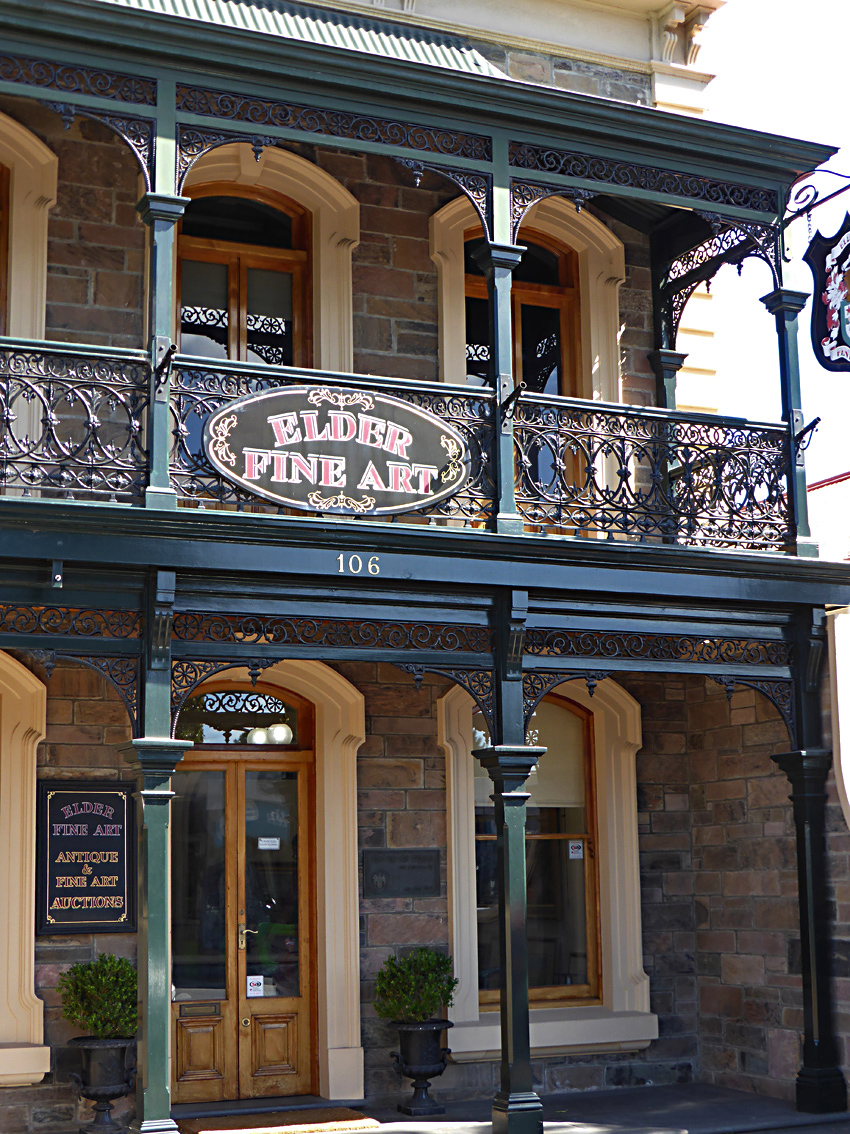
Many of Robe's restaurants, galleries and B&Bs are based in classic old buildings

Many of Robe’s restaurants, galleries and B&Bs are housed in classic old buildings


Until our next excursion

BAZ

PS

I think the raptor is a swamp harrier; any help on this identification would be appreciated

B

Ingalalla Falls

13 Dec

Dear Reader;

Ingalalla falls does not actually cascade down the dark boulders to the pools below. This is South Australia where water is scarce and in the summer months rain is a rare blessing. But it is a waterfall and as such attracts a varied collection of wildlife as well as providing a few interesting walks and the perfect setting to enjoy a picnic in the bush.

Yankalilla's main street with bakery and surrounding hills visible

Yankalilla’s main street with bakery and surrounding hills visible (click on all images to enlarge)


The falls are about 10 kilometres off the main south road near the coastal hamlets of Normanville and Yankalilla. Both towns have superb little bakeries where one can quickly stock up on a range of ‘goodies’. My choice for this expedition included a gourmet chicken, potato and cheese pie with a generous serve of bee-sting cake (a legacy of our early German settlers) to follow.

Ingalalla falls desceding into the creek

Ingalalla falls descending into the creek


The dirt road from Normanville passes through a mixture of open bushland and wheat fields with a superb links golf course near the main highway. And just few kilometres down the track I noticed a boulder with a metal plaque that celebrated the life of a local settler, mariner and pastoralist William Field, adding an unexpected historical perspective to the day.

A little bit of history

A little bit of history


Where the native scrub started to merge with pine plantations, a small signposted track leads to a sheltered camping area complete with a simple shelter and scattering of wooden benches and tables. From there, a walking trail follows the little creek to the falls. On the right side of the path a steep hillside covered with bracken, native shrubs and tall stringy barked eucalypts rises abruptly from the creek.

Bushland trail characterised by  eucalypts, bracken and low bushes (2)

Walk to the falls showing eucalypts, bracken and low bushes


The rustle of leaves and chirping calls indicated that the thick cover was home to many small bird species but the dense foliage made identifying them somewhat difficult. Eventually, I adopted the sit still and wait strategy which yielded results as a yellow faced honeyeater and grey fantail soon came within camera range.

Grey fantail perching near the creek after eating an insect

Grey fantail perching near the creek after eating an insect


Yellow faced honeyeater in thicket

Yellow faced honeyeater in thicket


Although it was a mild day for summer, a few insects were active around the creek. Both dragon and damsel flies hovered amongst the reeds and several species of butterflies alternately fed on small flowering shrubs and rested amongst the leaf litter.

Wattle trunk scarred by boring beetles

Wattle trunk scarred by boring beetles


Meadow argus butterfly camouflaged in leaf litter

Meadow argus butterfly camouflaged in leaf litter


The rest of my walk was equally rewarding with a pair of yellow tailed black cockatoos making a sudden appearance in one of the nearby pine trees and a couple of wester grey kangaroos bounding across the track as we drove back to the road with the late afternoon light enhancing the golden wheat fields.

Wheat fields on the edge of the track to Ingalalla

Wheat fields on the edge of the track to Ingalalla


I hope you enjoyed this recollection

Drop me a line with any suggestions, criticisms or compliments

All are welcome


Baz

Crossing the Creek

30 Nov

Dear Reader:

In my other life I am a teacher and my school has the unique advantage of having a creek running through the centre of the campus neatly dividing us into two quite distinct entities. I say advantage but to those less enamoured by the lure of nature it is seen, more as a barrier; to each their own. Every day I cross the creek on at least a half dozen occasions and every day I see something interesting that I point out to my students in the hope that it might promote a little engagement with the non-digital world. Duelling magpies, mating dragonflies and the occasional brown snake have all been prime time features.

Baz teaching creek studies on the bridge

Baz teaching creek studies on the bridge (click all images on page to enlarge)
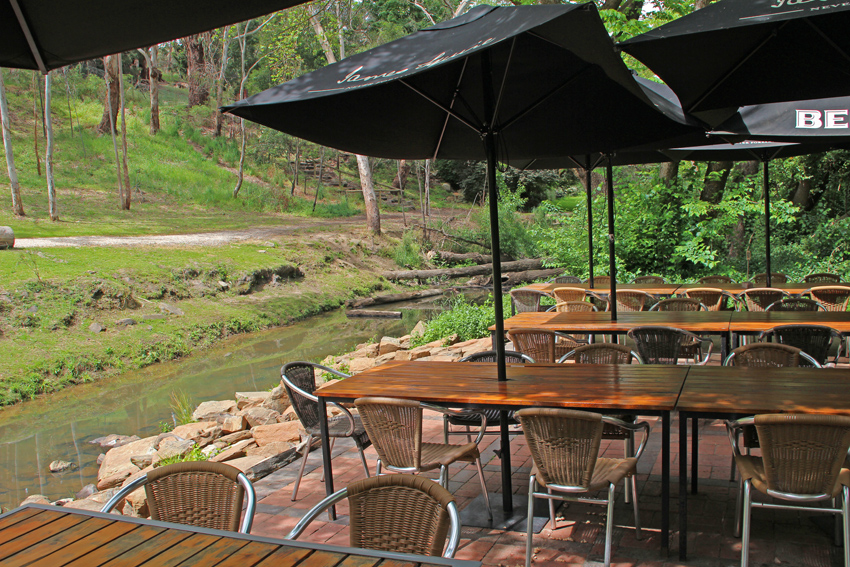


Education aside, the creek is a wonderful resource for the people who live in the area and walkers, joggers and cyclists alike use the pathways that run along the banks. Currently, the creek is starting to dry out as spring fades and summer breathes its hot northerly winds across the city. But there is still a diverse mixture of wildlife taking advantage of the receding water. Both black and maned ducks have raised their ducklings in the small pools near the school bridge and chestnut teal with their striking markings are not uncommon.

Black ducks and chestnut teal

Black ducks and chestnut teal


My creek runs through the suburb of Mawson Lakes which has been fashioned around a series of artificial lakes that in themselves are home to various water birds, turtles and huge carp. The central shopping area is a good place to start a walk as it has a nice little cafe overlooking the main stretch of water and the coffee is good. Mawson Lakes is a twenty minute train or bus ride from the city and the train station sits on the northern edge of quite a sizeable expanse of swampy wetland.

Mating dragonflies

Mating dragonflies


The local council have planted bushes and trees along the length of the creek which attract a variety of birds. Rainbow lorikeets seem to be around the area throughout the year with the greatest numbers occurring when the eucalyptus trees are flowering. They provide these raucous little parrots with the nectar, seeds and blossoms that are the bulk of their diet.

Rainbow lorikeet feeding on eucalyptus blossoms

Rainbow lorikeet feeding on eucalyptus blossoms


During my most recent foray across the creek it was large water birds that dominated the reedy watercourse. Ibis and herons are quite common but one of the children rekindled my faith in the observation abilities of twelve year olds when she noticed that one of the ibises had a different shaped beak which it was swinging through the water rather than probing. It turned out to be our first spoonbill for the year.

Spoonbill feeding

Spoonbill feeding


Until our next chat

Baz