Tag Archives: Australian wildlife

The Old Talisker Mine

15 Nov

The view from the top of the hill is spectacular. Soft winter pasture still covers the ground in sharp contrast to the spiky Xantheria or grass plants that characterize the harsh coastal scrub and the blue of Baxter’s Passage and hazy profile of Kangaroo Island beckon on the horizon.
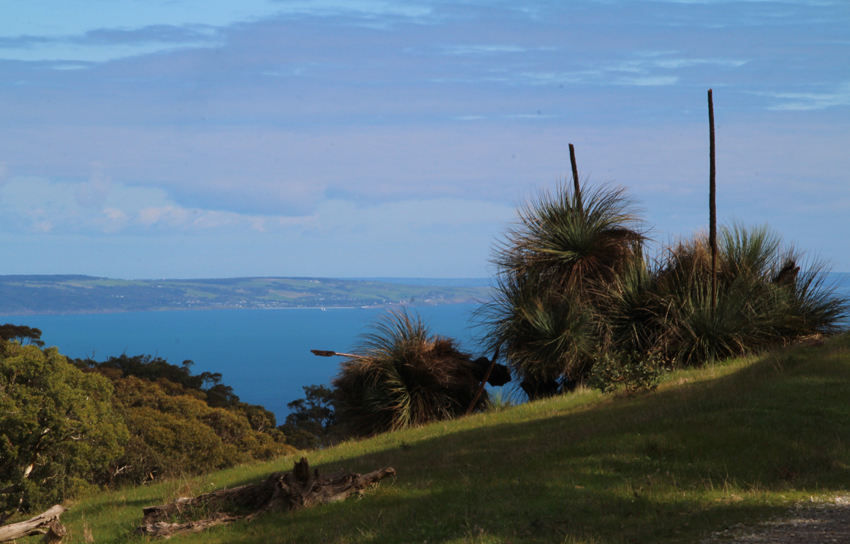
 

Backstair's passage and Kangaroo Island

Backstair’s passage and Kangaroo Island (double click to enlarge all images on this page)


As I get out of the 4WD to capture this image I notice a pair of western grey kangaroos on the edge of the scrub no more than 20 meters from the vehicle. They are wary, ears twitching and sniffing the air. One is considerably larger than the other. They are probably a mother with a joey at heel and her pouch looks a little enlarged suggesting that she may have another little one tucked away. There could even be two in the pouch; one permanently attached to the nipple while the other simply enjoys the ride. In good times kangaroos can multiply quickly.
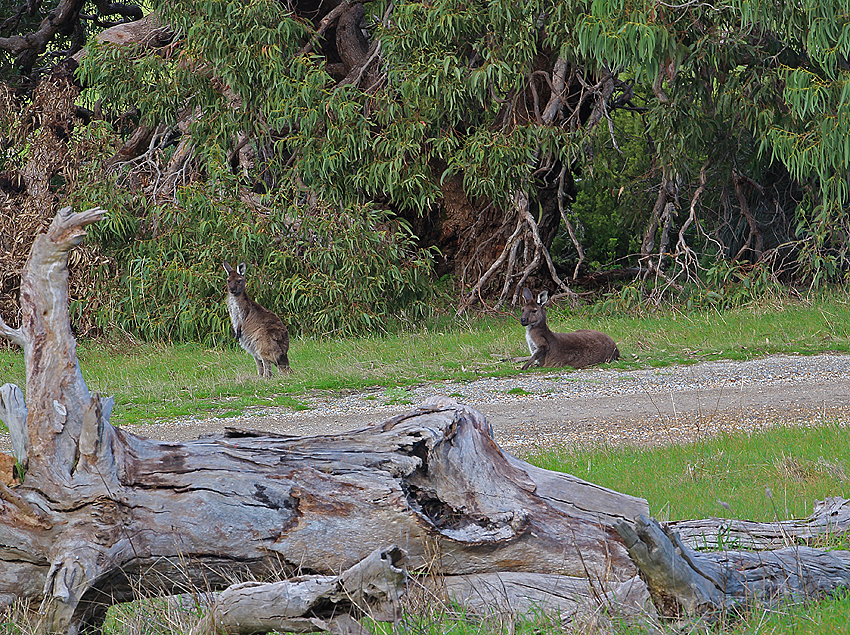
Western greys by the track

Western greys by the track


I am in the Talisker National Park about an hour and a half journey from the city and 10 kms from Cape Jervis at the toe of the Fleurieu Peninsula. The park centres around a series of bush trails that surround an abandoned silver and lead mine dating from the 1860s. Old machinery, buildings and shafts add an historic dimension to an area rich in scenery and wildlife.

Crushing house and old boiler

Crushing house and old boiler


From my cliff top lookout I backtrack along the dirt roads to the entrance of the old Talisker mine site. The walking trail to the mine is not too steep but the scrub on both sides is dense and full of life. In both the treetops and bushes I can hear the calls of wrens and honeyeaters. Eventually one of the delicate little birds pauses on a branch to announce its territory.

Crescent honeyeater

Crescent honeyeater


The track ends in a small clearing where the rusted remains of crushers, boilers and old buildings mark the main site. They are all that is left of a mine that once was the workplace of dozens of miners and supported a community of 300 souls at nearby Silverton; now also long gone.

Pied currawong

Grey currawong


The buildings are surrounded by a forest of eucalypts and I can hear the more distinctive movements of a larger animal in the branches on the far side of the crushing plant. I focus my long lens on the area and start to search for the perpetrator, expecting another roo or even a possum disturbed from its daytime sno0ze. But it is a large crow-like bird that I spot amongst the leaves and branches, a pied currawong, a relative of the white backed magpies that are so common on the plains where I live. Currawongs are a group that I have rarely photographed successfully as they tend to be a little more wary than their magpie cousins.
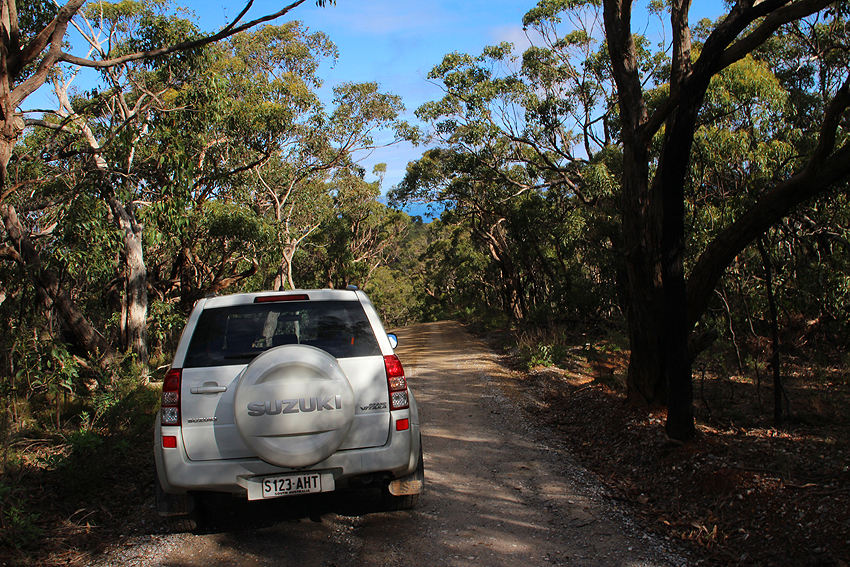
Bush track surrounded by eucalypt forest near the park entrance

Leaving the park along a bush track


It has been quite a long day walking, driving and stalking wildlife and the ruins are a great place to sit and unpack a well anticipated lunch picked up at the local Yankalilla bakery; nothing flash, just a steak and mushroom pie and an indulgent apricot tart to round off the meal. Good South Aussie ‘tucker’ to fuel up for the walk up the hill and drive home.


Cheers

Baz                  

Yellow Flowers on a Winter’s Day

8 Aug

Dear Reader:

Adelaide is generally blessed by an amicable climate but it does have its grey days. Usually the winter showers are interspersed with long fine periods when the sun shines through the clouds and brightens up a chilly morning. Today was not one of those days.

1 Euryops or Little Sunray

Euryops or Little Sunray (click to enlarge)

I had been staying at some lovely little units on the edge of the foothills and planning to take some shots in the gardens to promote the virtues of a South Australian winter’s day but the weather refused to cooperate. It was overcast with a little drizzle and no sign that the curtain of clouds would lift. Undaunted, I headed into the manicured grounds looking for something to lift my spirits and lend a little colour to the day. Fortunately, the perfect candidate was growing right in front of my unit in the form of a robust Euryops bush; a non native, daisy species that blooms right through the winter months.

Hoverfly landing and feeeding on blossom (click to enlarge)

Hoverfly landing and feeding on blossom (click to enlarge)

Despite the cold weather, the bush appeared to be supporting a small but diverse population of insects some of which I would normally associate with the spring and summer months. A couple of hoverflies were sitting in the centre of the flowers probing them with their stout little proboscises. These hornet coloured little insects usually flit between flowers pausing for a brief instant to feed. The cool weather seemed to have slowed the insects down a little and made them for more amenable to having their portraits snapped.

Flower spider hunting amongst petals (click to enlarge)

Flower spider hunting amongst petals (click to enlarge)

 Euryops blossoms provide are the whole world for a common flower spider. I watched through my lens as one wait immobile on a petal for several minutes then moved to another one to maintain its frozen stance, primed for a sudden jump should either prey or predator come too close. During the day I caught glimpses of several different species of flower spiders and they are certainly an interesting group of common garden animals worth exploring further.

Fly feeding on blossom (click to enlarge)

Fly feeding on blossom (click to enlarge)

 The winter months see a decrease in virtually all arthropods especially spiders and insects. The common bush flies that can be a nuisance in summer and early autumn are a welcome absence in the winter. However, several of the more solitary species of flies seem to persist through this chilly season. Their iridescent green bodies and bright red eyes provide a striking contrast to the bright yellow flowers as they probe their dense centres searching for nectar in the delicate folds.

 Breakfast for two (click to enlarge)

Breakfast for two (click to enlarge)

 Perhaps the most prolific insects that I saw on this grey, chilly morning were the common woolly bear caterpillars that appeared to be munching both the leaves and flowers of my Euryops bush. These furry little creatures grow into black and white tiger moths and seem to be immune to the cold weather that decimates other insect populations. Indeed, I seem to remember that they can survive temperatures below freezing because of the glycerol, a form of anti-freeze, they produce.


Then the rain came down and sent me scampering inside for a glass of mulled wine and time to review the images I had captured while thinking about the next sunny day.


Until next time

Baz                      

Fur, Feathers and Football

2 Aug

Dear Reader:

Winter in Adelaide brings its own special pleasures. The hills lose their brownish tinge, the sea is wilder, different flowers are in bloom and the wildlife changes as some species head to warmer climes and others replace them. But to many Adelaideans, winter also heralds the footy (AFL) season and a rather spectacular upgrade to the already picturesque Adelaide oval has added a new dimension to the watching this uniquely Australian sport. The venue has also brought up to 50 000 spectators to the banks of the Torrens Lake on a weekly pilgrimage to support their teams.

IMG_4018

Footy fans on the new bridge to the stadium

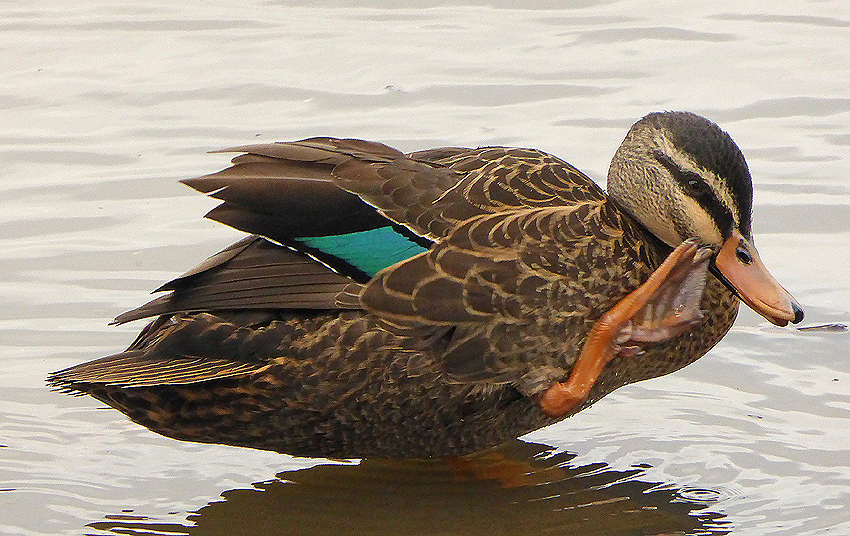
Today the crowd is flowing over the lake on the glass and steel bridge with their silver, black and teal scarves whipping in the breeze while I am under it with the teal wing flashes of a black duck locked into my viewfinder. Just a few moments earlier I had also been on the receiving end of a severe telling off from a pied cormorant that took exception to my presence near its favourite fishing spot on the river bank.

P1010199

Black duck

P1010228

Get away from my patch

I had cycled into town just prior to the match to take some pictures of the new stadium to promote it as one of the many attractions the city boasts. As I walked along the river bank I was distracted by the abundance of winter wildlife and the various animals’ indifference to the huge influx of people above them. And the thought occurred to me; if a few fans arrived early or stayed later they could take in some of the natural wonders that the city has to offer as well as enjoying the sport.

wrat3

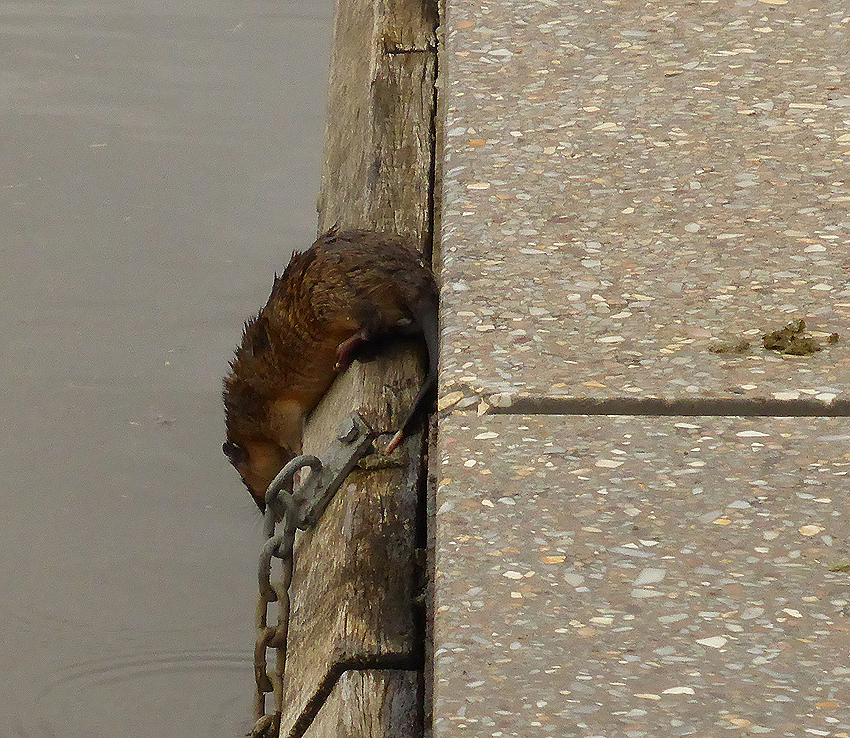
Australian water rat heading back into the lake.

Leaving the cormorant to its protestations, the duck to its scratching and the crowd to their game, I decide to work my way along the eastern bank of the lake towards the weir. No more than two meters in front of me I can see the tell tale V shape ripples of an Australian native water rat hunting close to the dock that fronts the rowing club. The little mammal hops up on the wooden edge every few minutes to eat a freshwater mussel, yabbie or frog that it has caught. An extraordinary encounter with a very shy Australian native mammal.

IMG_4073

Australian pelican foraging along the bank

IMG_4067

Black swan in nest made from twigs, reeds and debris

Closer to the weir the reeds are quite dense providing a perfect habitat for Australian pelicans and black swans. The pelicans forage along the banks for fish and invertebrates while the swans have constructed a nest alongside some protective netting that is being used to re establish native aquatic plants.

My winter walk along the Torrens has been more than a little rewarding and I am looking forward to a cup of coffee at the little café by the weir where I will check on the footy scores while I can still hear the  intermittent roars of the crowd in the background.

Until next time

Cheers

Baz

The Paralana Trail

29 Jun

Dear Reader 

It’s winter but you’d hardly know it. The afternoon sky is a clear endless blue and though there’s a hint of the approaching night’s cold desert chill, the temperature is still a comfortable 25 degrees. I am in the Arkaroola Wilderness reserve in the Gammon Ranges some 1000 kms north of Adelaide heading towards the Paralana hot springs. After a hearty breakfast in the resort’s dining room we have loaded our gear into Suzuki GV and locked in 4WD for the 30 km trip along one of the most interesting off road adventures in this world heritage region.

Ochre wall

Ochre wall (click to enlarge)

 We have been crawling over the rugged terrain for about 20 minutes and the stony track has opened into a dry creek bed. One section of the embankment is quite extraordinary; a wave shaped deposit of ochre that contrasts sharply with the surrounding bush. This significant deposit was of great importance to the Adnyamathanha people who used it in ceremonies and to trade with other Aboriginal groups.

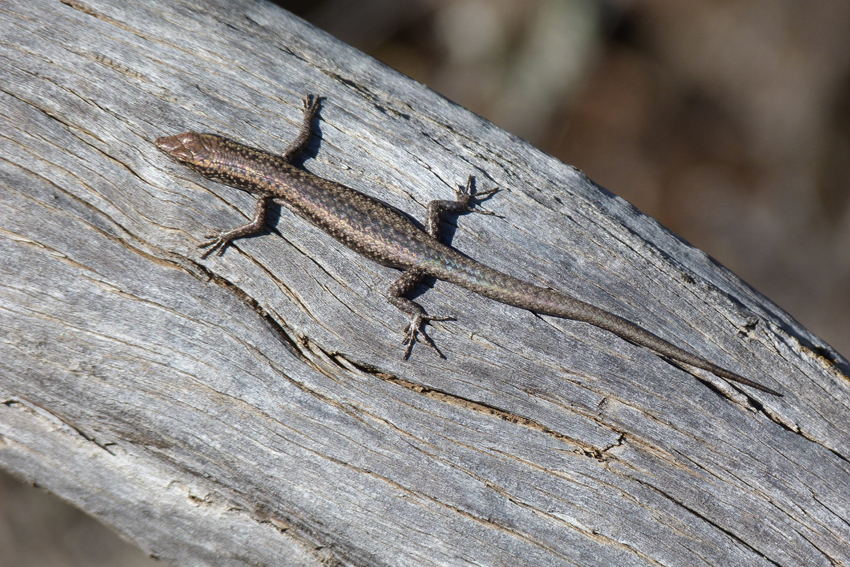
Rock skink

Unknown skink species (click to enlarge)

 While the others break out a little gas stove to brew a ‘cuppa’ I walk along the creek bed camera in hand. The unseasonably warm weather has brought out a few reptiles that would normally be hibernating at this time of the year. They are wary and the only clue to their presence is an occasional rustle in the undergrowth. Finally, one little skink that is basking on a weathered tree trunk decides that remaining motionless is a better option than retreating, offering me a nice clear shot.

(click to enlarge)

Male mulga parrot (click to enlarge)

Femal mulga parrot feeding on blue bush berries

Female mulga parrot (click to enlarge)

 Just as I am about to make my way back to the vehicle a flash of colour amongst the skeletal branches of a long dead acacia tree catches my eye. I peer through the telephoto and focus on the turquoise plumage of a male mulga parrot. If it is the mating season then the female should be nearby and with a little persistence I find her on the ground feeding on some small yellow berries that are the fruit of a low growing saltbush-like plant.

P1010422

Yellow footed rock wallabies on steep cliff (click to enlarge)

 Refreshed, we resume our drive along the trail, slowly climbing into the hills which provide spectacular views across the Gammons. Following a twisting descent down a narrow track we enter the spectacular Baranarra Gorge with its sheer rock walls and boulder strewn pools of clear fresh water.   Our progress has been slower than planned and it is late afternoon when we start to pick our way along the edge of the water hole. Almost immediately I hear the rattle of small rocks skittering down a steep rock face. Almost immediately I hear the rattle of small rocks skittering down a steep rock face. Looking up I catch sight of a pair of yellow footed rock wallabies precariously perched on the sheer cliff face. Once again, I am reminded of the extraordinary adaptations of these beautiful little animals. With their furry back feet perfectly designed for gripping rock surfaces, long counterbalancing tail and subtle camouflage, they are the Aussie equivalent of mountain goats.

P1010408

Chopper based at Arkaroola Village (click to enlarge)

 Unfortunately our stay must be a short one as the light is starting to fade and we must head back to our home base at the village. Tomorrow we have decided to take a helicopter flight over the area to get an overall picture of the terrain before our next off road foray.

Cheers

Baz

Breakout Creek’s Herons

22 Jun


Dear Reader

It is a typically South Australian winter’s afternoon; cool, clear and sunny with a light breeze coming off the ocean.

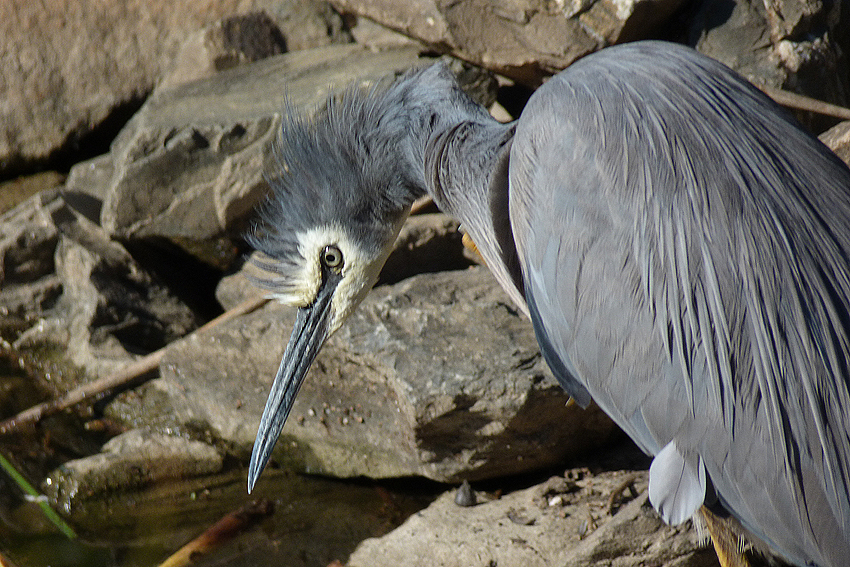
5 heron poised to strike

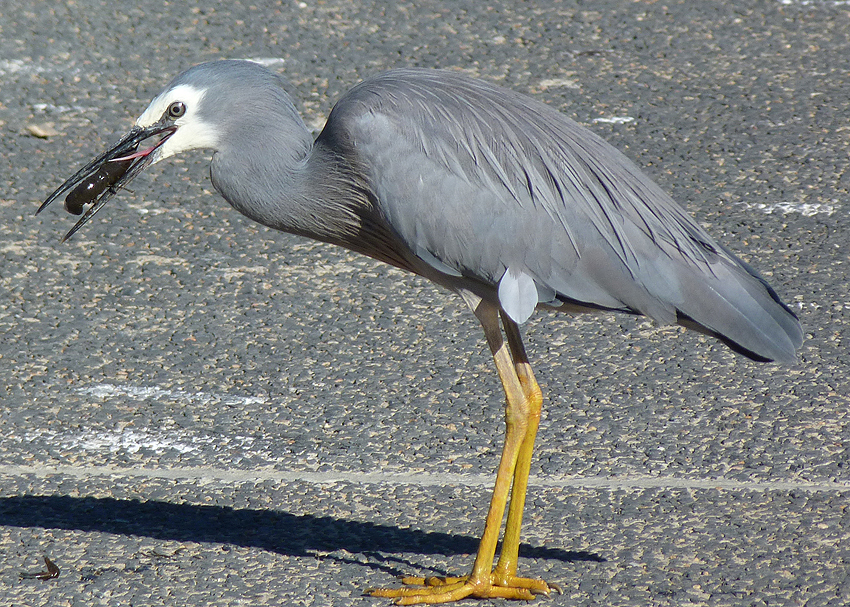
Grey faced heron poised to strike….click to enlarge image

4 heron and yabbie

Heron and yabbie (freshwater crayfish)….click to enlarge image


The white faced heron is hunting amongst the shallow reed beds and rocks along the edge of the river bank. It moves slowly, carefully placing each of its long, spindly legs before freezing to stare into the water in search of prey. The long neck coils back slowly and then with disarming speed the dagger beak flashes into the water to snatch an unsuspecting yabbie. The bird rearranges the unlucky crawfish in its beak then strides onto the causeway to enjoy its catch.

3 white faced heron in flight

White faced heron in flight….click to enlarge image


Over the next few minutes I watch the heron as it continues to hunt in the same area. I am trying to capture some images that depict its hunting style but the wader is becoming more nervous and eventually takes to the air.

Breakout Creek looking south

Breakout Creek looking south….click to enlarge image


I am at Breakout Creek, a section of the Torrens where the river broadens and significant environmental work has been done to improve aquatic habitats. Over the years I have seen water rats, lizards, frogs, possums as well as a wide variety of birds in this area. It is a favourite destination when I go for a bike ride along Linear Park and one that I would recommend to any visitor who enjoys the outdoors and a little mild exercise. Free bikes are available at the weir near the golf course and the ride to Breakout Creek and back is an easy one hour pedal.

7 greater egret

Greater egret….click to enlarge image


From the causeway I cycle back towards the city for a couple of hundred metres then dismount where the reeds are thickest. Between a small island and the bank a lone greater egret is hunting, half concealed by the brush. Like the grey face the egret uses its long bill to snatch small prey from the water and while I am watching it snaps up several small fish.

2 Nankeen night heron

Nankeen night heron….click to enlarge image


Close by the reed bed some tall eucalypts overhang the creek and, as luck would have it, there is a far more unusual heron roosting in the topmost branches. The nankeen night heron is a nocturnal hunter and it spends the days resting before hunting for its prey when the sun goes down. This one is becoming a little more active as it is now late afternoon. Night herons are one of my favourite birds and though they are not exactly rare along the river seeing one is a bit of a treat.

6 red ochre grill

Red ochre grill….click to enlarge image


Three herons in one day (egrets are a kind of heron )……nice; but the day is not done and I have planned to meet a friend for dinner at the Red Ochre Grill, a fabulous restaurant adjacent to the weir, golf course and bike hire station where I started my ride. Their menu, which sources local ingredients and is a kind of upmarket take on the bush tucker concept, is certainly something to look forward to.


Until next time

Baz    

Mount Barker’s Wetland Wonders

8 Jun

Dear Reader;

It is a glorious autumn day, perfect for a little bird-watching and a stroll around the water.


The tiny plover has been edging around the reed beds for the last ten minutes, finally coming out of the dense cover around the lake to probe the mud for worms and other avian niceties. The colourful little wader seems more confident and continues to feed just forty metres from where I am concealed in the undergrowth; a little too close to bull ant nest for comfort. Eventually it comes close enough for me to fire off a couple of shots before taking off abruptly, spooked by a pair of maned ducks cruising low over the water.


P1070914

Black-fronted plover (click to enlarge)


I am at the Laratinga wetland on the edge of Mount Barker, the largest town in the Adelaide Hills. The word Laratinga comes from the indigenous name for the Mt Barker Creek and near the entrance of the wetlands there is magical series of portraits that relate episodes within the timeline of the original inhabitants of the area, the Peramangk people. Mount Barker is a busy regional centre with plenty of places to buy fresh local ingredients for making up a picnic lunch to enjoy while you wander around the wetlands observing the diverse collection of plants and animals that live there.

P1070892

Portraits at the wetlands (click to enlarge)


Leaving my hiding place on the edge of the lake, I follow one of the many trails that zigzag through the reserve. Near the edge of another patch of reeds a small flock of ibis are feeding in the shallows. Their distinctive curved beaks and greater size means they might be feeding in the same habitat as the little plover but their prey will be distinctly different. Such a variety of beaks, feet and size is one of the reasons that so many different species of birds can feed together in the same area without destroying the food supply. But the wetland is not reserved for wildlife enthusiasts and a jogger runs a little too close to the flock causing the them take to the air. Despite this being a fairly recent wetland, constructed by the council to filter water naturally, wildlife and people live quite harmoniously and the birds soon return to their chosen spot and resume dining.

P1070923

Ibis in flight (click to enlarge)


Although I have caught a fleeting glimpse of a couple of turtles in the shallow pools and the undergrowth has more than healthy population of insects; it is the bird life that is dominating my walk around the wetlands. The reeds that encircle the water are a veritable cathedral of birdsong. I can hear the twitter of finches and reed warblers in the tangle of greenery and occasionally catch sight of one of the tiny birds flitting amongst them. Finally a superb blue wren makes a more prolonged appearance as it perches on a reed stem giving me just enough time for one last shot before I leave.

P1070928

Superb blue wren (click to enlarge)


Cheers

Baz

Port Willunga’s Natural Charms

24 May

There is a pair of pigeons nesting along the limestone cliffs. They are billing and cooing and puffing up their feathers if rival birds come anywhere near their territory. Unbeknown to the loving pair a far greater menace, in the form of kestrel, is circling high above, scanning the cliff face for a tasty pigeon treat. Luckily for the nesting pair, the hunter overlooks them or perhaps the angle of attack is too steep and the cliffs too perilous.

Lucky pigeons

Lucky pigeons……click to enlarge


I am walking along Port Willunga beach just 40 minutes from Adelaide; a glorious little stretch of white sand that lies below ochre limestone cliffs and bounded by the Aldinga reef to the south and Gull Rock to the north. The reef is a marine sanctuary that showcases a wide variety of the state’s diverse aquatic life. And the beach is a rich repository of the South Australia’s pastoral history where the sea scoured remnants of an old wheat jetty, built in 1853, protrudes from the shallow water. Despite its idyllic setting, Port Willunga also harbours a darker history with no less than five ships being wrecked in the vicinity. The most famous of these was the Star of Greece whose skeleton can still be explored just 500m offshore.

The view from the beach

The view from the beach…..click to enlarge


Leaving the fortuitous pigeons to their parental duties I kick off my shoes and walk through the water amongst the old jetty piles. The wood is bleached white and worn by wind, sand and rain. Tenacious little limpets cling to the timber and a shore crab scuttles past my feet. Looking back across the beach I can see the rough hewn caves that were dug into the cliffs to house fishing dingies and give shelter to the hardy men who made a living from these waters.

Drummer, leatherjackets, sweep and a moonlighter on the edge of the reef....click to enlarge

Drummer, leatherjackets, sweep and a moonlighter on the edge of the reef….click to enlarge


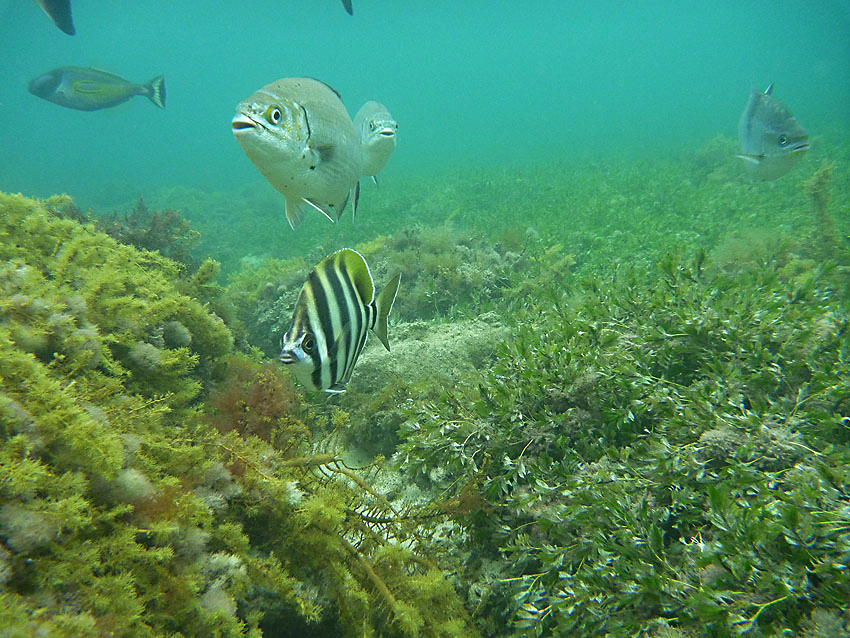
Warm clear water, a fine day and good light….thinks….twenty minutes later I am snorkeling along the edge of the reef. The water is fairly shallow and the marine life prolific. A school of zebra fish swims close to me and large dusky morwong and magpie perch feed along the undercut shelves that define the reef’s edge. At the end of one rocky outcrop a number of different species are congregating where the reef and the adjacent seagrass meadow intersect. I dive to the bottom and hold onto the rocks to steady myself and fire off a couple of shots. Later when I review the images they seem to reflect both the environment and the moment. An hour in the water and I’m getting a little chilly and its time to go back, this time I walk across the shallow rocky platform exploring the many tidal pools.

A casual lunch outside or fine dining inside....click to enlarge

A casual lunch outside or fine dining inside….click to enlarge


The change rooms at the end of the car park make getting out of the wet suit easy and the short walk up the slope to the restaurant, named after the hapless Star of Greece, gives me a good view north and south along the coast. Often I have caught sight of a pod of dolphins cruising the calm gulf waters but not today; just a few fishers and an optimistic body surfer are enjoying the water. However, after a strenuous swim and a walk along the beach my priorities have changed from natural history to lunch and the boutique restaurant, once a fish and chip shop that I frequented as a lad, beckons. Fresh seafood, quality local produce and wines; a typically South Aussie way to finish my day.


Cheers

Baz

Burnside’s Hidden Creek

6 May

Dear Reader: 

The wattle bird seems to be totally absorbed and indifferent to my presence as it feeds on the tiny white lerps that dot the leaves of a creek-side eucalyptus tree. Usually these large members of the honeyeater group are quite nervous and hard to approach. This one, however, is determined to provide me with a ringside display of its acrobatic ability as it hangs upside down and hops from branch to flimsy branch in pursuit of its lunch. The tiny white lerps look like an arborial version of measles. In fact they are the early stage of a parasitic bug called a psyllid, an introduced insect pest that sucks the ‘juice’ from the trees.

A wattle bird pecks tiny insects from the leaves of a blue gum near the river bank

A wattle bird pecks tiny insects from the leaves of a blue gum near the river bank.


I am walking along the banks of second creek in the Michael Perry Botanical Reserve. This charming little park is easily accessed from a small lane called Andrew’s Walk at the southern end of Hallet Road, in the hills face suburb of Burnside. The shady banks, trickling stream and little ponds have a European flavour to them affording a cool retreat in the drier summer months. Before setting off on my short walk to investigate the creek’s wildlife I made a couple of crucial stops to provision my pack for a bite to eat on the river bank. At the nearby Stoneyfell Winery I found a fine bottle of white while ‘Taylor Blend’, a fashionable little eastern suburbs coffee shop on Hallett Road, provided a wide selection of gourmet paninis and local beesting cake. When one has to sit by a river bank for an hour or so to wait for the wildlife it might as well be done in style.

The brook cascades over a small ford made from slate and sandstone rocks

The brook cascades over a small ford made from slate and sandstone rocks


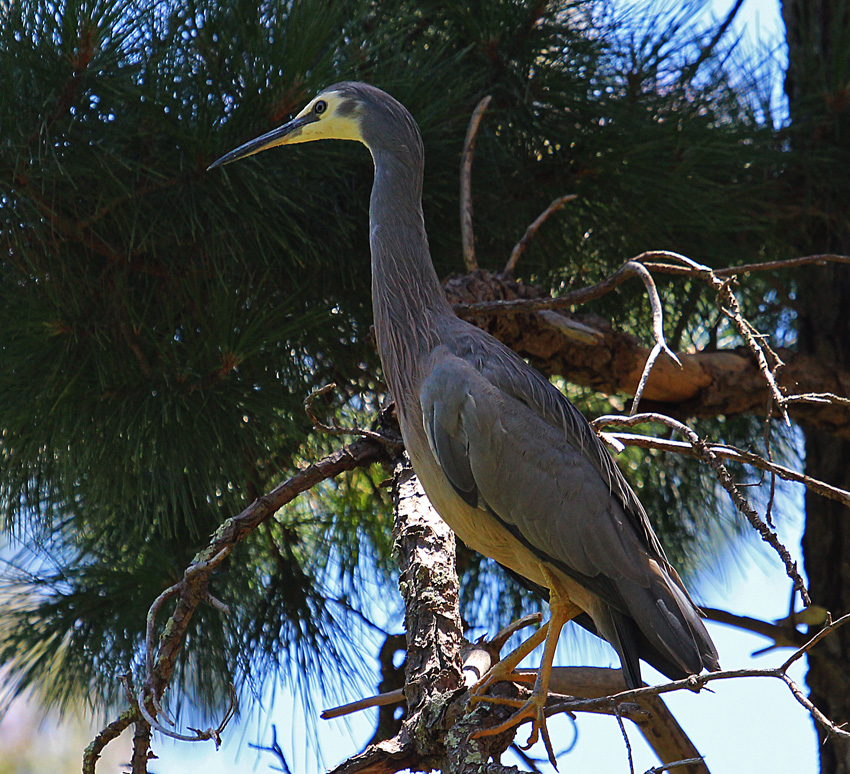
Leaving the wattle birds to finish their meal I work my way along the creek, pausing frequently to try and catch sight of the small birds that I can hear chirping and rustling deep in the cover of the reed beds. Without warning a grey faced heron explodes from the tangle of branches a couple of metres in front of me. The birds wheels in flight and settles on a branch high in a nearby pine tree where it can keep a sharp eye on its human intruder. As I point the camera at the perching water bird I catch site of a pair of Kookaburras in a huge eucalypt further up the opposite embankment. Two predatory birds; now it’s time to take a look for the prey animals that sustain them.

A white faced heron watches the creek from its vantage point in a pine tree

A white faced heron watches the creek from its vantage point in a pine tree


The first interesting small animal that I notice is a water skink which is sunning itself on a log. Being mid autumn I am surprised to see a reptile as most would now be ‘dug in’ for the winter months ahead. As I sit quietly and prepare to watch the lizard, a green eyed dragonfly lands on a boulder in the middle of the creek. And, where the water has formed a small clear pool I can see tiny fish or tadpoles swimming close the reeds and water striders skating across the surface: like my lunch, a gourmet larder for a range of feathered predators.

A water skink basking on a log amongst the reeds

A water skink basking on a log amongst the reeds

A dragonfly pauses for a moment on a warm rock in the creek

A dragonfly pauses for a moment on a warm rock in the creek


A fence marks the end of the reserve and I cross the creek to return on the northern bank. The tiny reed birds still elude me but in a shady stretch of water a single black duck is swimming against the current as it dabbles for food. A common enough species in southern Australia but the light is particularly good and on reviewing the shot it seems to encapsulate the mood of this lovely little waterway.

Black duck are common along the waterway

Black duck are common along the waterway


Until the next time

Baz

Two out of Three ‘aint Bad

15 Apr

  The red bellied black is sunning itself on the track about forty metres in front of us. It hasn’t caught the scent of the dog yet or reacted to the vibrations created by our footsteps. We stop and watch it for a few seconds and that change in rhythm seems to alert the snake. Suddenly, a grey faced heron that is feeding amongst the samphire plants that line the foreshore of the lake, takes to the air. That is warning enough for the reptile and in the blink of an eye it has disappeared into the wetland. My companions are relieved, the dog is unaware and I must admit to being a little disappointed. They walk on ahead while I sit on a pine railing near the last point of sighting and watch. Sometimes a little patience pays off and after a few minutes I see just enough of the snake to fire off a single frame before it weaves its way deeper into the swamp.

Red bellied black snake hunting

Red bellied black snake hunting

  These rather striking snakes are quite common in the cooler wetland areas of southern Australia. They grow to around 2 metres in length and their diet includes a variety of small mammals, amphibians, fish and reptiles including their own species. They are related to the deadlier and more aggressive brown and tiger snakes that also occur in this area. Red bellied blacks produce between 5 and 18 young which are delivered in a membranous sac; they are considered to bear live young rather than produce eggs.

5 lake alexandrina

Lake Alexandrina on the shores of Milang

  My encounter with the black snake occurs along a dirt track on the edge of the small town of Milang, on the shore of Lake Alexandrina. With a population of just 500 Milang is a charming reminder of the bygone era of paddle steamers and rural living. The little township is a pleasant twenty minute drive from the rural centre of Strathalbyn. It is accessed by both sealed and unsealed roads which pass through rolling farmland and vineyards. With a caravan park, wharf, general store, designated walking trail and several historic sites; Milang is a great place to spend a couple of laid back days in the South Australian countryside.

2 brown snake

Common brown snake in strike position

  Leaving the black snake to its swampy refuge, I walk further down the trail and to my astonishment I catch sight of a long slender tail protruding from the edge of the grass verge. I freeze and ‘ever so carefully’ step forward until ‘snake two’ is immediately below me. It is almost completely obscured by a tangle of grasses and reeds. I watch it for a few minutes trying to angle my camera for a worthwhile shot. No luck; the common brown snake; the second most venomous land snake in the world; remains motionless, using its colouration and shape to stay hidden. I step back to change the angle fractionally and when I glance back through the viewfinder the snake is gone…without the slightest sound it simply disappeared into the grass.    

Dirt track between swamp and township

Dirt track between swamp and township

I have been photographing wildlife in South Australia for many years and I rarely see venomous snakes. To see two of the resident three species in the space of 15 minutes is extraordinary to say the least. Needless to say I did not run into a tiger snake on my return walk along the track.  

Cheers Baz
A Hill’s Face Hike

16 Feb

Dear Reader:

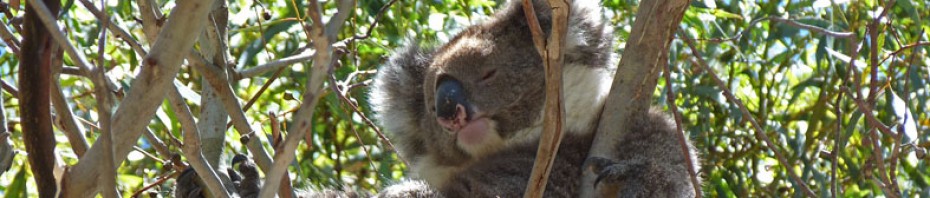
The koala is well camouflaged and firmly wedged between two branches in a stunted eucalyptus tree which is growing on the edge of a steep slope. Getting a decent shot involves scrabbling through some spiky acacia bushes and perching myself precariously on the edge of a rocky outcrop. But a quick glance at the playback screen suggests that the effort has been worthwhile and a few more scratches on my legs are ‘par for the course’ in this terrain.

3 Koala near the trail head

Koala near the trail head


I am half way up Anstey Hill on the north eastern edge of the Adelaide Hills. This ‘hills face’ recreation park is part of the in the Greater Mount lofty Parklands and one of several reserves that permit hiking, walking dogs on leads while banning camping, mountain bikes and the lighting of any fires. Anstey Hill is only 8 Kms from the CBD, easily accessed from several major roads and close to quite a few reputable hotels and restaurants. In short, an ideal destination for a morning or afternoon walk followed by a meal and a glass of wine.

1 Local pub and restaurant

Local pub and restaurant


Satisfied with koala image I start take a winding trail towards the top of the hill emerging on its northern flank where the view across the cliff face towards the city and coast is quite spectacular. A winding trail skirts the ridge and there are still some late blooming wattles and melaleucas clinging to the rocky outcrops and a small group of new holland honeyeaters are feeding on the blossoms and hawking for insects.

2 View from the ridge

View from the ridge


Further along the trail a small stand of eucalypts pushes up through the lower layer of scrub and many of them are losing their outer layers of bark….an ideal opportunity to look for huntsman spiders which often search for prey in this micro environment. And luck is on my side after a little foraging a piece of bark with a sizeable huntsman comes away from the tree. These large spiders often come into suburban homes where they stay high on the walls and eat a whole collection of unwanted pests from mosquitoes and flies to earwigs and roaches.

4 Huntsman spider

Huntsman spider


I turn south at the top of the hill and head through a little section of bush that has recently been burnt. To my surprise a large, dark robber fly is perched on one of the blackened branches magnificently camouflaged as it waits for smaller insects to ambush.

5 Blackbugs on burnt trees

Robber fly on burnt trees


My final wildlife encounter is with a pied currawong. Related to crows and magpies these large omnivorous birds are not common on the Adelaide plains and prefer the higher elevations of the Mt Lofty Ranges. I have never seen them around this area before and have few photographs consequently; this capturing this image was quite a treat.

6 Pied Currawong

Pied Currawong


Now it’s lunch at the pub


Cheers

Baz


JET