Tag Archives: Australian wildlife

Port Gawler

2 Jan

Port Gawler

Dear Reader:

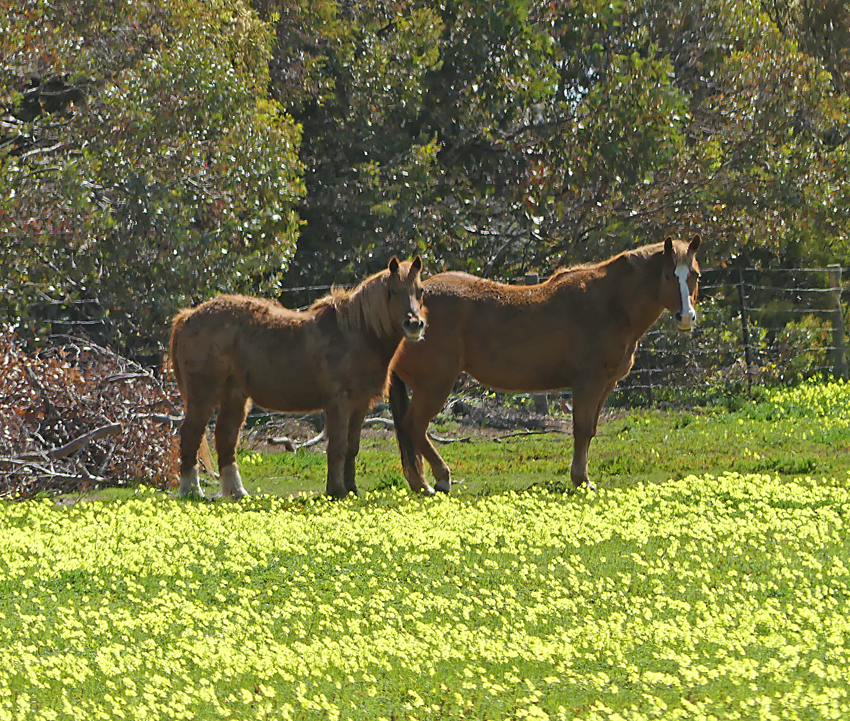
The road from highway one to Port Gawler has a rural feel about it. There are crops and glasshouses, sheep and horses. At the same time the flowering gums punctuate the grassy verge attracting a range of parrots.
a

Curious horses


Several kilometres pass and I notice the terrain start to change. Pasture gives way to low coastal scrub and tidal channels appear alongside the road. The bird life changes too. Herons, ibises, sandpipers and plovers replace the woodland and urban species I have been observing.
b

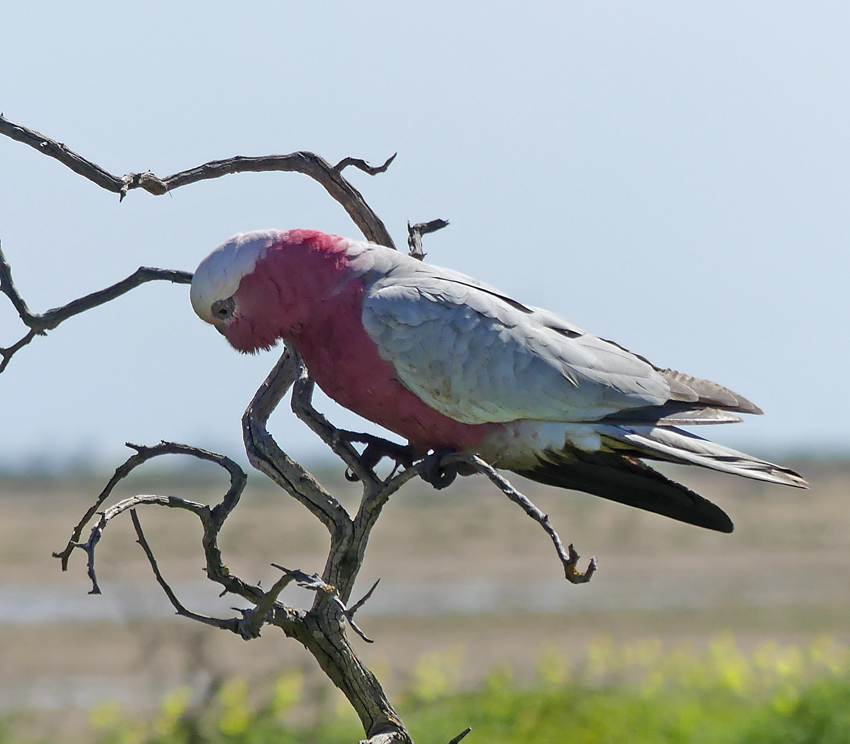
Galah


Finally the scrub gives way to mangroves and the dense ticket of maritime trees stretch all the way to the nearby ocean. I can hear singing honeyeaters foraging in the foliage and a plethora of insects buzz between the tangled trunks and muddy substrate.

c

Great egret


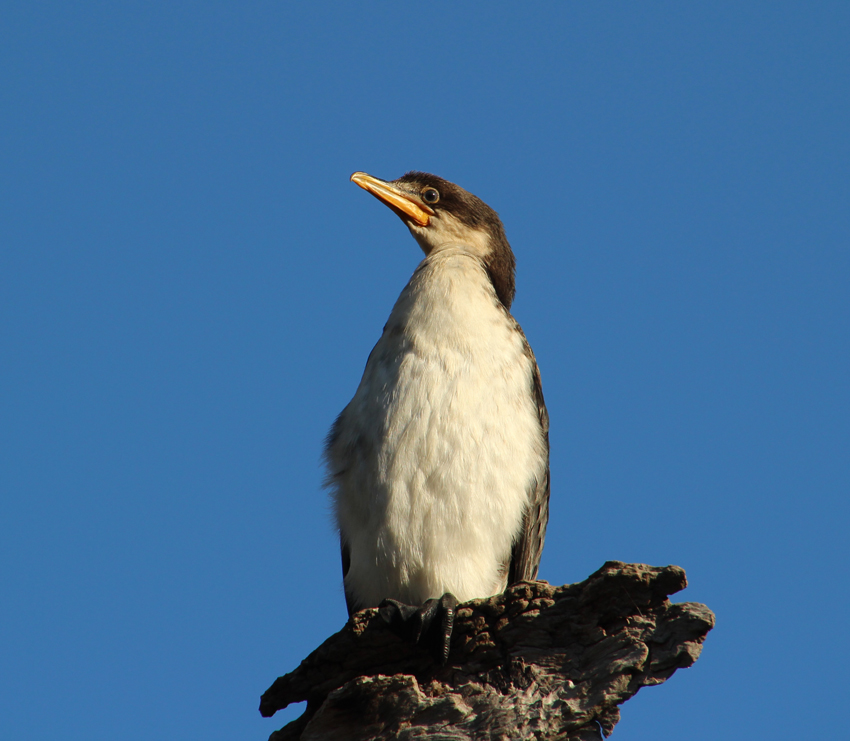
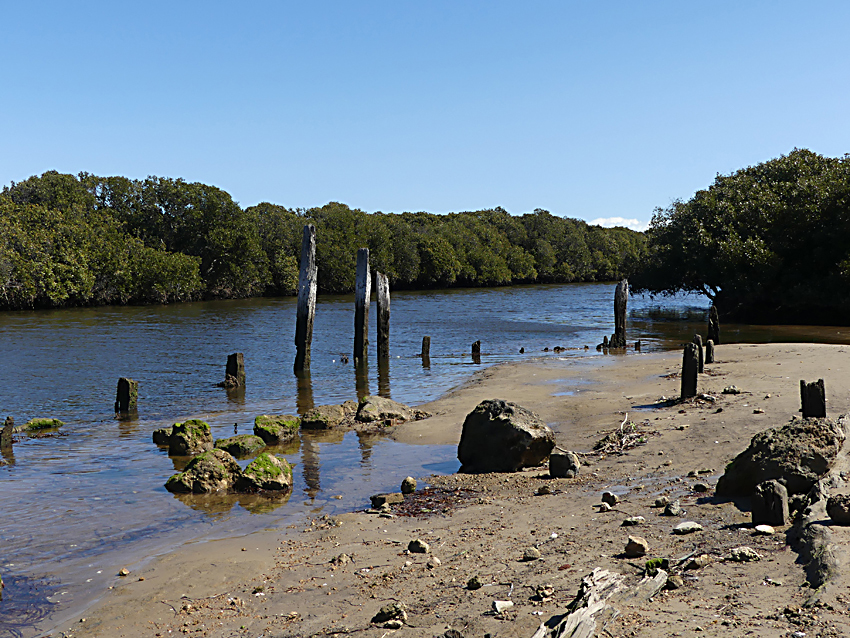
The road is now unsealed and it ends at an old ruined wharf where weathered jetty poles protrude from the water. A little pied cormorant perches on one of them surveying its hunting zone while drying its wings in the sun.

c2

Mangrove forest and tidal creek

f

Mud life


I spend the next few minutes exploring the edge of the mangrove swamp watching for mangrove crabs and small molluscs that live around the strange root like protrusions that emerge from mud throughout the forest. They are called pneumatophores and help the trees breathe in the sticky anaerobic mud.
d

Old wharf remains

d2

Little pied cormoranr


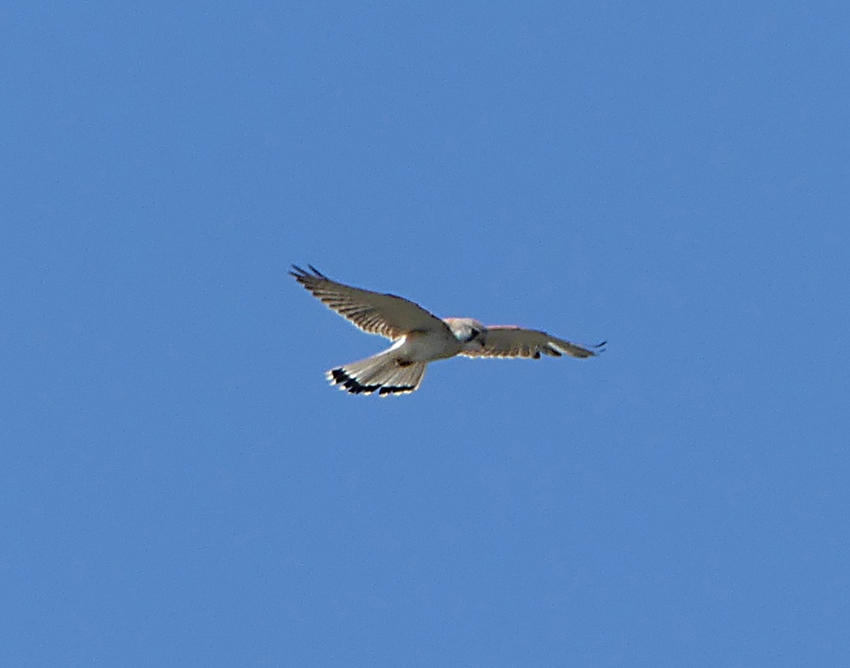
The temperature starts to climb and I decide it’s time to head back home while a solitary nankeen kestrel hovers over this fascinating tidal wetland watching me drive back to the highway.
g

Nankeen kestrel


Cheers

Baz


 Additional notes

This is an easy drive and walk which is suitable for families and seniors. However there are no nearby public facilities.

It is also a conservation park with restrictions regarding pets, fires and other activities…check online.

Patowolonga’s Cormorants

1 Dec

Dear Reader:

It is a glorious spring day, not a breath of wind to ruffle the placid expanse of water that stretches out in front of me. By the breakwater there is a gathering of little black cormorants paddling alongside the rocky barrier. Every few minutes, one of the birds dives and swims out into the deeper water to hunt. Cormorants use both wings and feet to navigate underwater. Their aquatic speed and agility combined with specially adapted eyes and serrated beaks make them formidable fishers.

1-red

Black cormorant

2-red

Black cormorant diving


I am walking around the Patawolonga from Glenelg towards the first road and foot-bridge. This man-made lake extends between Glenelg and West beach for around 1.5 kilometres and serves as a flood mitigation system. The area also incorporates a berths for larger boats and lock that lead on to Holdfast Shores Marina an upmarket, shopping, restaurant and residential complex.

3-red

View from the bridge


When I reach the bridge there is a spectacular view back down the lake towards Glenelg that takes in the old replica ship The Buffalo which brought some of South Australia’s first colonists and governor ashore. The extensive grassed areas that run alongside ‘The Pat’ are shaded by eucalypts and Norfolk pines which attract a wide range of common urban birds. Today there are numerous crested pigeons foraging in the grass as well as wagtails and swallows demonstrating their sophisticated aerial acrobatics as they hunt for insects nearer the water.

4-red

Crested pigeon


From the western end of the bridge I walk back towards Glenelg along the edge of the marina. There are several fishermen casting for bream and I stop and chat with them. Apparently a small pod of dolphins has been in the area over the last few days. Not great for fishing but wonderful for those who simply enjoy the wildlife. The rocks along this part of the Patawolonga have a healthy cover of small molluscs and occasionally I catch sight of small schools of baitfish in the shallows.

5-red

periwinkles at low water


The path stops near a dive shop and I have to walk around the lake past neatly kept houses. When I reach the lock I can see dozens of swallows hawking insects. A few have settled on the glass and steel partitions that enclose some of the nearby units to rest for few minutes before resuming their hunting sorties.

6-red

resting swallow


The lock is not being used by any of the local boaties and I am able to walk across to finish my circuit of the lake, watched intently by yet another cormorant. This time it is a pied cormorant, perched high on a railing. The bird is drying its wings before it too dives back into the water for lunch while I head for nearby Jetty Road with similar intent.

7-red

Pied cormorant drying wings on lock


Cheers

Baz


Additional notes

This is an easy walk which is quite suitable for families and seniors with public toilets, barbecues, parking and other facilities nearby.

Blackwood’s Wittunga Botanic Park

12 Nov


Blackwood’s Wittunga Botanic Park 

Dear Reader:

There is a rainbow lorikeet around fifty metres away from me. The excitable little bird has inverted its body to dip its feathery tongue into a tube shaped eremophila blossom.  Several other species of birds including new Holland honeyeaters and wattle birds are feeding in the same garden beds where there is a smorgasbord of flowers to choose from. Clever planting also attract a variety of butterflies which feed on the nectar and help to pollinate plants by transferring pollen.


1a2

Rainbow lorikeet feeding


I am walking around the Wittunga Botanical Gardens near Blackwood in Adelaide’s foothills, just a twenty minute drive from the CBD. The busy little township is nestled into bushland where koalas and myriad bird species are common visitors. There are several hotels, bakeries and restaurants in the area and the Belair National Park and Golf course make this an ideal day trip for city residents.


1c

Old church and soldiers’ memorial in Blackwood


Leaving the flower beds behind I venture down to the lake that is the central feature of the park. It is surrounded by massive gum trees and there are crows, honeyeaters and a kookaburra perched in some of the branches that overhang the water. But it is a tiny head that emerges from the lake that draws my attention as I watch a Macquarie short-necked turtle swim towards the shore. The side-plate sized reptile clambers up on to a fallen branch and positions itself to catch some warming sunlight.


3a

Central lake and gardens


1d-red-2-macqurie-short-necked-turtle

Macquarie freshwater turtle


2a

Pacific black ducks

At the end of a long cool, wet summer the lake is full of new life. I spot purple swamp hens tending their fluffy black chicks near the reed beds. Several species of frogs are calling; probably spotted marsh frogs and common froglets or perhaps a potty bonk. Two Pacific black ducks are preening their feathers near the water’s edge and Eurasian coots appear to be amorously pursuing each other further from the bank.


4a

Ra venfeeding, they are often mistakenly called crows


Various pathways meander around the lake and I choose one that cuts through a stand of massive red gums. A lone raven is strutting around the perimeter of one tree pecking at the bark which is cracked and sloughing off the trunk. The bark of most eucalypts is an important environment for many smaller animals. Insects and spiders find shelter and breed there while larger predators such as birds and lizards find it a fertile hunting ground.


5a

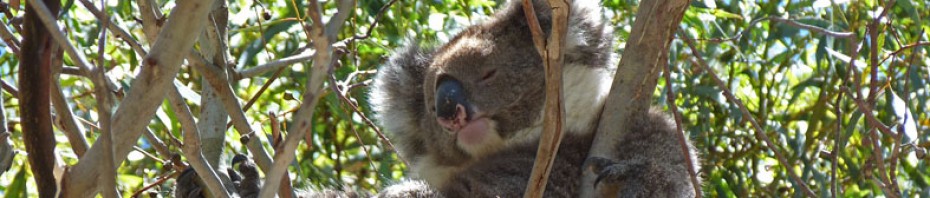
Koala portrait shot


Having enjoyed a pleasant walk around the lake while indulging my passion for both wildlife and plants in general I walk back to the car park by way of a small stand of gums that run along the northern edge of the gardens. They are the kind of trees that might be attractive to koalas and I know that these endearing marsupials are common in the Blackwood area. Sure enough, there is one wedged between two branches in what I can only describe as the perfect koala portrait pose; a nice way to finish my walk.


1b-red-lesser-wanderer

Lesser-wanderer butterfly


Enjoy our city and suburban parks in spring as they really are some of the best in the world.

Cheers

Baz

Naturally Bonython Park

1 Nov

Naturally Bonython Park

Dear Reader

There are two rainbow lorikeets perched halfway up a red gum. They are exploring a potential nesting hole. First one bird pokes its head in then the other. Their house hunting is accompanied by much squawking, head bobbing and an occasional nip at each other. Just when they seem to have decided that this is the right site, a magpie lands on the branch just above them and both parrots take flight.

1-bonyth-red

Rainbow lorikeets at nesting hole


I am in Bonython Park by the Torrens River; downstream from the weir and opposite the Coca Cola factory on Port Road. Below me cycle and walking trails surround the waterway and a small causeway and larger train bridge cut across the river. The park abuts the holding paddocks for the police greys by the old jail and includes wide expanses of green space, a shallow paddling lake, kiosk and children’s playgrounds.

2-bonyth-red

Bonython Park Kiosk


From the recreational area I walk down to the pathway then head back upstream towards the train-bridge and city. The river bank is cloaked in tall reed beds and I can hear numerous small birds moving and calling in the jungle of stalks and leaves. There are several grassy areas that are free from the reeds and they provide opportune places to sit and observe the river’s wildlife.

3-bonyth-red

Purple swamp hen


Coots, moorhens and purple swamp hens are common along this stretch of water. The coots and moorhens tend to be in the water paddling close to the cover of the reeds. The swamp hens are more often seen in amongst the tangle of plants by the bank where they use their elongated feet to walk gingerly on the fallen reeds that form a mat on the water’s surface.

4-bonyth-red

Downstream view from railway bridge


The view from the bridge to the ford provides a good oversight of the river and eucalyptus trees that line the banks. However, the bridge is also a perfect shelter for a number of different animals. Over the years I have watched water rats foraging here and even a fox that was taking shelter during a rain storm. Today it is an eastern water skink that makes an appearance as it forages amongst the old wooden foundations of a pathway that runs under the bridge.

5-bonyth-red

Eastern water skink


Downstream from the bridge there are several islets made from debris that has floated down the river during recent floods. Several pelicans have claimed this territory as a resting place and are squabbling over squatters’ rights. They duel with their beaks, neither giving way, while disturbing a group of black cormorants that are using the same area.

6-bonyth-red

Pelican agro


I am almost back to where I started when I find one last target for my camera. Two swallows are perching on a papyrus stem where they are making forays over the water to hawk insects. Swallows are not the easiest birds to photograph as they are incessantly on the move but this pair has cooperated even though they are still at the extreme range of my equipment.

7-bonyth-red

Resting swallows


Cheers and enjoy the spring

BAZ

A North Adelaide Garden Safari

30 Sep

A north Adelaide garden safari 

Dear Reader

There is a tiny spider on the daisy petal. It waits patiently for prey to approach. In an instant the little arachnid pounces and ensnares an unfortunate fly that has wandered too close. The spider drags its victim onto a nearby leaf, binds it in silk and proceeds to enjoy its lunch.

1-1

Flower spider on daisy blossom

1-2

Gotcha


I am wandering around the streets of North Adelaide exploring the local gardens and their early spring blooms. However, my real focus is the multitude of little invertebrates such as beetles, spiders, caterpillars that revel in the warmer weather and emerging flowers. To that end I have set my camera on macro and ramped up my observation skills to detect these well camouflaged and often minuscule creatures.

2-1

Bee feeding on cat mint


A little further down the road a feline loving resident has planted some cat mint. Today it is not the local ‘mogs’ that are enjoying the plant but honey bees. Half a dozen are hovering around the purple flowers periodically settling to extract the nectar and unwittingly collect pollen to distribute.

3

Woolly bear caterpillar


In one particular cottage garden the front fence is dominated by a huge yellow euryops bush, a kind of yellow daisy. It seems to be a favourite food for a myriad of mini beasts. A woolly bear caterpillar has munched its way through both leaves and flowers as it prepares to enter the next phase of its life as a chrysalis before eventually morphing into a tiger moth.

4-1

There are many different species of ladybirds


Before heading into O’Connell Street and a well earned cup of coffee at one of a dozen restaurants I want to find one last iconic insect species. My chance comes when I notice a tiny spec of red and black on a deep purple native hibiscus flower. It is a ladybug, a familiar insect to both adults and children alike. Despite its benign appearance ladybugs are fierce predators demolishing a plethora of insects that are considered to be garden pests. 

Enjoy our spring gardens and their wildlife

Cheers

Baz  

A Walk from Tennyson to Grange

11 Aug

A Walk from Tennyson to Grange

 Dear Reader;

As I follow the narrow footpath south from the cul-de-sac overlooking Tennyson beach towards the Grange jetty in the distance, I can see a bird of prey hovering just above the houses that spill down to the dunes. The sky is patchy, blue then grey as clouds blow in from the sea and it is difficult to locate the kestrel in the viewfinder. I take a few quick shots and hope for the best.

1

Nankeen kestrel hovering

I am intrigued by the raptor and wait quietly close to a coastal wattle bush watching it patrol along the line of the dunes pausing periodically to hover and scan the terrain below for small animals. The birds in the surrounding scrub are not quite so keen. They head for cover deep in the bushes or under the eaves of the houses twittering their various warning calls.

2

Singing honeyeater in shelter

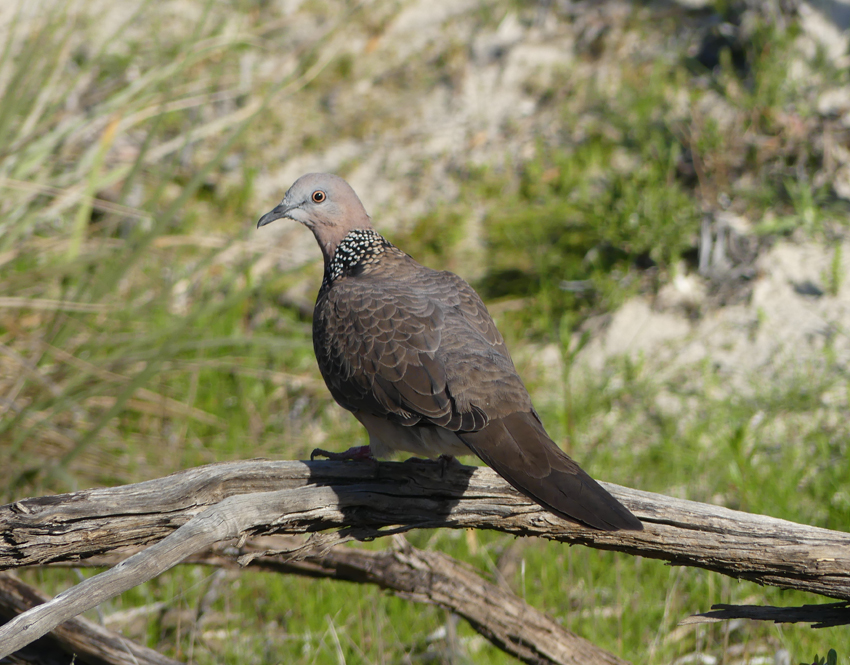
A lovely little singing honeyeater hides in a dense tangle of branches while spotted doves remain motionless closer to the ground near some dried scrub that matches their subdued colouring. Both species are usually very wary in this dune habitat and hard to approach but I am obviously the lesser of two evils and able to get closer than usual to capture some images.

3

Spooted dove

Continuing along the pathway, I am fascinated by the different architectural elements incorporated in many of the houses. There are domed chapel-like structures, facades of tinted glass and walls with pastel shades of ochre, pink and grey. Just before I reach the jetty the beautiful ‘Marines’ sit alongside the beach. This group of Victorian 3 story terraces was built in 1840 and they dominate the foreshore.

4

At the trail head near Tennyson Beach

 After a wonderful lunch at the Grange Hotel and a walk along the jetty to check out the fishers and look for dolphins, I turn back for home. The wind is getting up so I opt to walk back down the path rather than along the beach front. There are numerous trails down to the sea allowing me deeper penetration into the scrub as well as a quick search for seabirds. On this visit they are few and far between bar a couple seagulls under the jetty.

5

Grange Hotel

6

From track to beach through the dunes


Near one of the beach access paths I stop to watch a mudlark foraging in the sand and notice a discarded Besser brick lying in a sunny patch near a patch of early flowering succulents. Much to my surprise there is a bearded dragon lizard perched on it, flattened out to extract every bit of heat from the masonry. These reptiles are not uncommon in the summer but in the winter I would have expected them to be tucked away hibernating until spring.

7

Mudlark foraging along pathway

8 1

Bearded dragon picking up some rays


9

Still a few bugs around to eat for the dragon

Predators prey and unseasonal reptiles it has been a rewarding winter’s walk along the dunes enjoying the ocean, good food and quite an assortment of wildlife.


Enjoy your winter walks in SA

Cheers

Baz

Modbury’s Three Bridge Walk

1 Aug

Modbury’s Three Bridge Walk

 Dear Reader:

There are ibises along the banks of the pond and high in a river gum. One pair seems to be concentrating on a particularly dense area in the crown of the tree. I look more closely through the telephoto lens. It is a nest, barely discernible amongst branches. Closer inspection reveals a pair of chicks nestled against one of the parents while the other has left in search.

1

Ibis nest camouflaged in gum tree


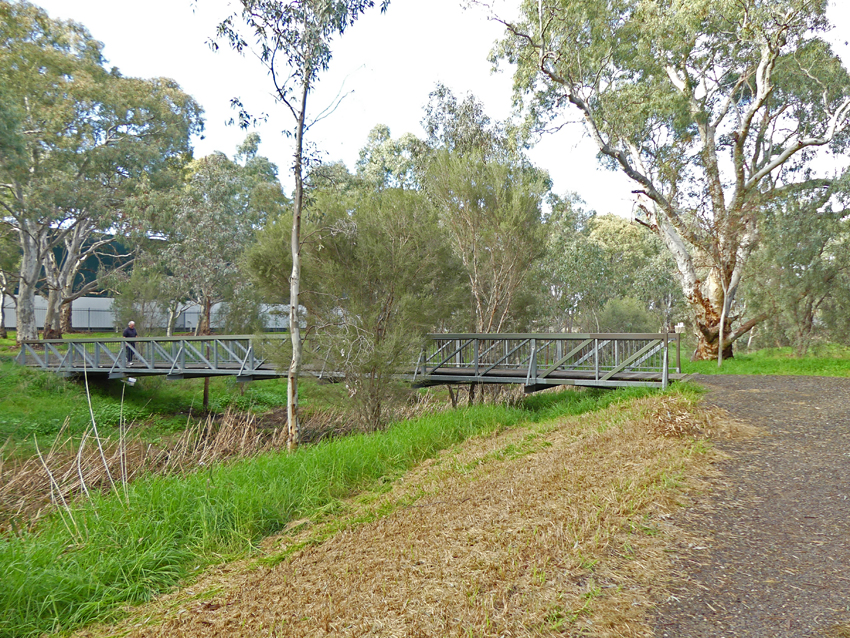
I am walking along the pathway that runs from Montague Road to McIntyre Road behind the little complex of shops that includes Katmandu, Bunnings and Subway; just a few hundred metres before TTP. It is best to park next to the creek appropriately behind the outdoor shop then walked over a small traffic bridge to Victoria road. After a hundred metres, head left over the footbridge that crosses Dry Creek past a large pond where the ibises gather.

2

The pond near Montague Road


3a

Walking and cycling track along Dry Creek


Leaving the ibises to their domestic duties I follow the creek using a small track along the bank. Alternatively a new concrete path traverses the same route. There are waterfowl along the creek which is flowing quite fast after heavy winter rains. In a slightly calmer stretch where a curve in the creek creates a sheltered pool a pair of black ducks, recognisable only by their upturned tails, are feeding on the bottom.

3a2

Black ducks feeding

4a

Along the secluded detour


After a couple of hundred meters I come to the third bridge which crosses the creek and bends back to the car park and lunch. However, alongside the bridge there is another rough dirt track that leads into the scrub emerging at a lovely secluded section of the creek. As I follow this trail I come across a variety of smaller birds including some New Holland honeyeaters that are perched in the reeds and a flock of musk lorikeets squawking high in a huge red gum near the trail junction.

3a3

Third bridge over the creek

3b

New Holland honeyeater in reeds


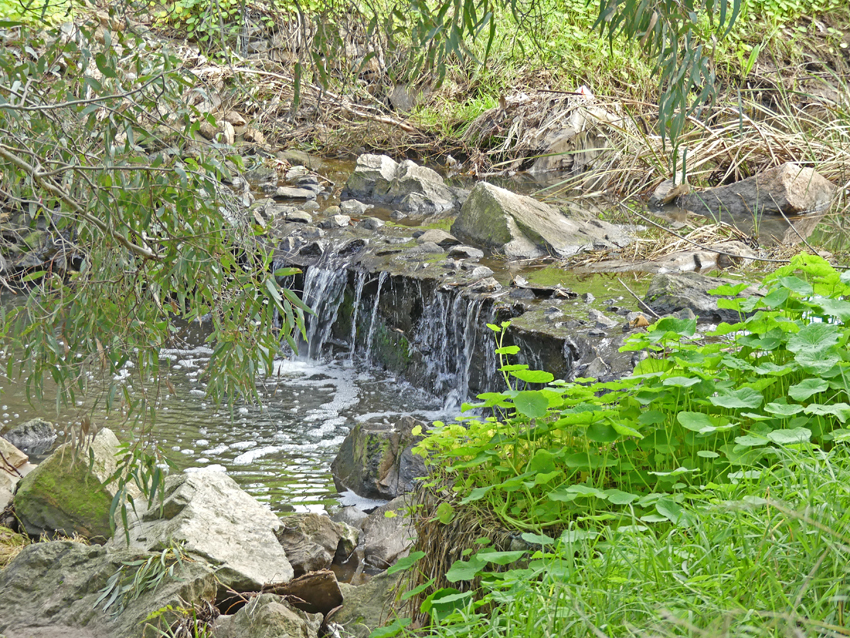
I back track to the bridge, cross it, turn left following the main watercourse and stop to photograph a small waterfall that has developed in the creek. From here the track branches left running alongside a steep banked gully with very little water in it. Back at the car park I can get some lunch, shop for outdoor gear or find some hardware to occupy the remainder of the day.

5

Little rapid or waterfall


Not a bad way to spend a winter’s morning

Cheers

Baz

Once Around the Lake

2 Jul

Dear Reader;

The ‘little pied cormorant’ is perched precariously on a branch overlooking the lake. It has been fishing for the last ten minutes and I have watched the bird continually diving under the water to pursue small fish before swallowing them when it surfaces. When the cormorant has finished the afternoon hunt it will spread out its wings to help dry them before finding a suitable place to roost.

1 1 b

Little pied cormorant


It is a mild winter afternoon and I am strolling around the Torrens Lake between the Frome Road Bridge and the new footbridge that links the city to the Adelaide oval. I have walked this circuit many times stopping at the zoo cafe for coffee, or dining at Jolley’s Boathouse Restaurant in the evening. Each time I manage to encounter a different assortment of wildlife depending on the season, time and weather.

1 4 red

Jolley’s and Popeye pleasure craft


In front of Jolley’s a fisherman is casting for carp and earning the close attention of several Australian pelicans. One bird in particular is waiting to see if it can capitalise on his skills. Pelicans are common throughout the year. Sometimes they hunt individually catching small carp in their flexible, pouched beaks and at other times they work together to round up a school of fish.

1 2  red

Fishing buddies


A little further along the embankment a pair of dusky moorhens and a Eurasian coot are feeding on the edge of the water. Coots are adept at diving and they are able to squeeze the water out of their feathers to decrease their buoyancy which makes foraging underwater easier. Both species tend to stay close to the reeds which provide both shelter and a safe place for nesting.

1 3 red

Eurasian coot and dusky moorhens


While I am watching this little group I notice the characteristic V shaped ripples of an Australian water rat heading towards the far bank. Water rats are shy and hard to photograph in the wild and I am pleased to fire off one or two quick frames before it disappears into a tangle of undergrowth and reeds.

1 5 red

Australian water rat


I cross over the Adelaide Oval footbridge to the northern side of the Torrens enjoying an uninterrupted view of the water, parklands and riverside buildings including the Convention Centre and Festival Theatre. A young family are manoeuvring their paddle boat near the fountains and black cormorants are drying their wings on the ‘paper-boat’ sculptures in the centre of the lake.

1 6 1 red

View from Adelaide Oval footbridge


Near the Frome Road Bridge several swans are swimming majestically along the edge of the manicured lawns to the delight of some children cycling along the path with their parents. The birds are very large with a wingspan approaching two metres and they can be quite formidable when there are cygnets around. On the bank, another bird is using its long flexible neck to preen the feathers on its back and side.

1 6 red

Black swan


My walk concludes by the Frome Road Bridge where I indulge in a well earned cup of coffee at the Wisteria Cafe. Providing a wide range of snacks and casual meals, the cafe can be accessed from both inside and outside the zoo at the southern end of the bridge. It provides a lovely parkland setting alongside a small creek that runs through the Botanic Gardens and into the lake.

1 7 red

Frome Road Bridge by the zoo


Cheers and enjoy a winter walk

Baz

A Walk in the Botanic Gardens

17 Jun

Dear Reader:

Australian magpies are fascinating birds, gregarious and intelligent with rather an aggressive streak during the nesting season. This one seems a little out of tune to the seasons, it’s not really the time to be constructing a nest at the beginning of winter but here it is collecting material for just that purpose.


1 1

Magpie nesting behaviour


1 3

Hoverfly

Botanical gardens are wonderful places to observe wildlife especially in the winter months when some animals’ natural habitats can be bereft of food while others will have moved on to the proverbial ‘ greener pastures’. The incredible variety of plants in the gardens ensures that something is always flowering or fruiting which in turn leads to a food web that supports a range of wildlife from birds and mammals to insects and spiders.


1 2

Photographer at work


Our Botanical Gardens also draws in another species; the nature photographer (Homo sapiens cameralis) and they often migrate great distances to enjoy our wildlife. The gentleman in the picture was a visitor from Asia who was keen to photograph Australian native plants and we had an interesting conversation about the unique ecosystems that he might visit in South Australia.


1 4 1

The lake near the kiosk and restaurant


My excursions often include a place to eat and have a break and there are several in the Botanic Gardens. On this occasion I simply sat by the quaint little lake and enjoyed a light snack from the kiosk but more elaborate and substantial meals are available from Cafe Fibonacci and the Botanic Gardens Restaurant. The gardens also house a museum of economic botany, Victorian era palm house, the bicentennial conservatory and many other specialised areas.


1 4 2

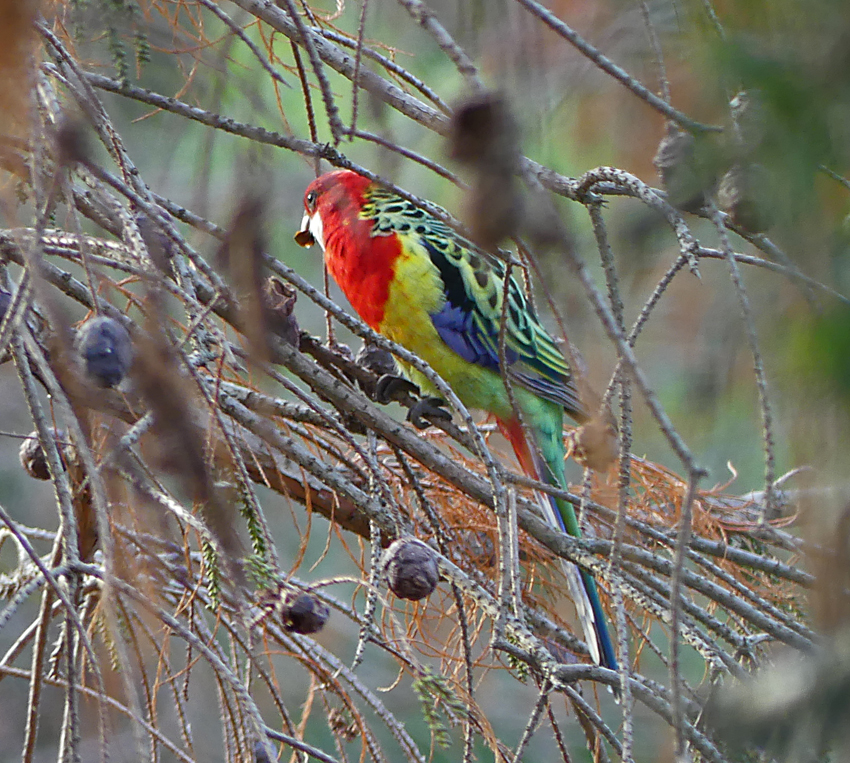
Eastern rosella


Walking around the lake is always a pleasure and in the warmer months giant carp feed near the banks and freshwater turtles are commonly seen basking on the surface. Today, there are several cormorants drying their wings and a lone rosella foraging for seeds amongst the bare limbs of a tree that sits on a small island in the lake.


1 6

Crested pigeon


1 5

Maned ducks feeding near the creek


From the lake I head east towards the Bicentennial Conservatory crossing over a small creek where a pair of maned ducks and a crested pigeon are foraging in the lush grass that borders the waterway.


1 7

Self portrait in glass


My last encounter is with another one of those hominid species that frequent the gardens. Indeed, it is my own reflection as I pause to photograph the fascinating glass sculpture entitled ‘Cascade’ by Australian artist Sergio Redegalli,  which dominates the southern end of the conservatory.


Cheers

Baz

Hindmarsh Falls….An easy walk with lots to see

20 May

Hindmarsh Falls….An easy walk with lots to see

 Dear Reader:

Eucalyptus trees overhang the dirt road that leads to the falls. Tiny wrens and even tinier thornbills twitter and flit amongst the branches and leaves. Occasionally pairs of rosellas fly out from the foliage. From the parking area I can see bush clad hills and open farmland rising all around and the sound of running water provides a pleasant background melody.


1

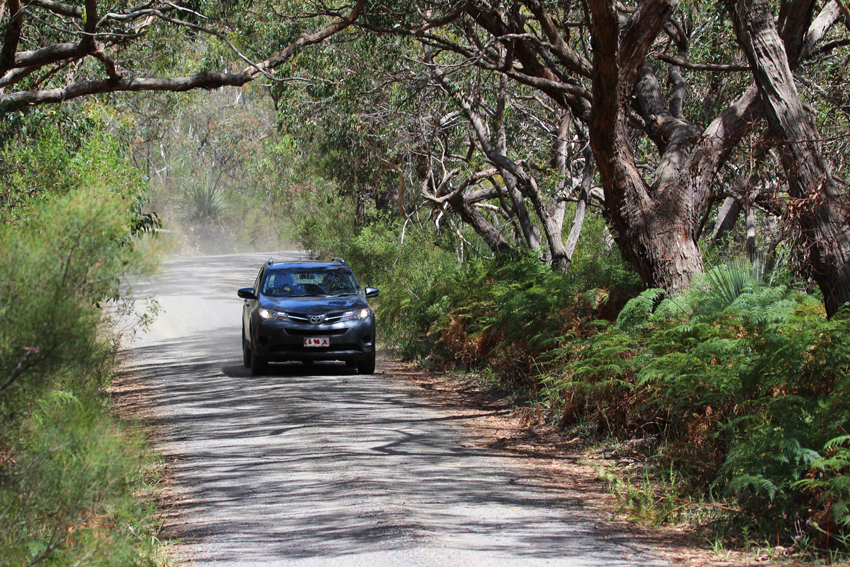
Driving into the falls


1a thornbill species probably yellow rumped

Thornbill species probably yellow rumped


Hindmarsh Falls are about 12 kms north of Victor Harbor towards Mt Compass on the Adelaide Road and are clearly signposted. The walk to the falls is easy and the path down to the viewing platform has rails and steps.

2

Path to the falls through scrub


I make my way along the trail that descends to a lookout point where I can see the water tumbling down dark boulders to a small pool below. There are kangaroo droppings on the forest floor and some of the trees show signs of a recent fire.

2a

Falls and pool


The birds are very wary here and difficult to photograph. I concentrate on other aspects of the area’s natural history. Bright orange fungal growths adorn some of the fallen logs and striking yellow Banksia flowers lend splashes of colour to the browns, greys and greens so typical of our bushland. I spend some time just watching the water. In the driest state on the driest continent watching a waterfall is always good for the soul. Near the edge of the pool I catch a glimpse of a grey kangaroo slowly edging through the scrub. Not clear enough to take a picture but interesting to watch how the ‘roo’ leans forward onto its front legs then pushes with its tail when travelling at slow speeds.

4a

Common orange fungus on fallen log


4

Banksia flowers


As I climb back up the incline towards the recreation area I notice a wattle bird perched on a branch scouring the leaves and limbs for insects to pick off. And in the sharp native grasses that border the creek near the picnic area I come across a fascinating little diamond weevil crawling along one of the blades. Hopefully, not to become a victim of the ever- vigilant wattle bird.

5 diamond weevil

Diamond weevil


7

Wattle bird

My trip to the falls has been interesting and though there has not been an over abundance of wildlife it is, after all, the middle of the day. And on that note I occupy one of the benches and tuck into pasty, lamington and a bottle of OJ bought en route at one the many excellent, local bakeries.


Nice to be back

Cheers

Baz