Tag Archives: parrots

Brownhill Creek’s Koalas and Bird Life

22 Jan

Dear Reader:

The scrub is quite thick along the river bank and I can hear the movements of small animals against the background sigh of the wind through the towering eucalypts. Lizards, perhaps small mammals but more likely wrens, finches and other little birds are foraging in the undergrowth. Finally, a diminutive female blue wren emerges from the cover to search for seeds in a clearing. The opportunity to take a quick shot is momentary.


Female blue wren
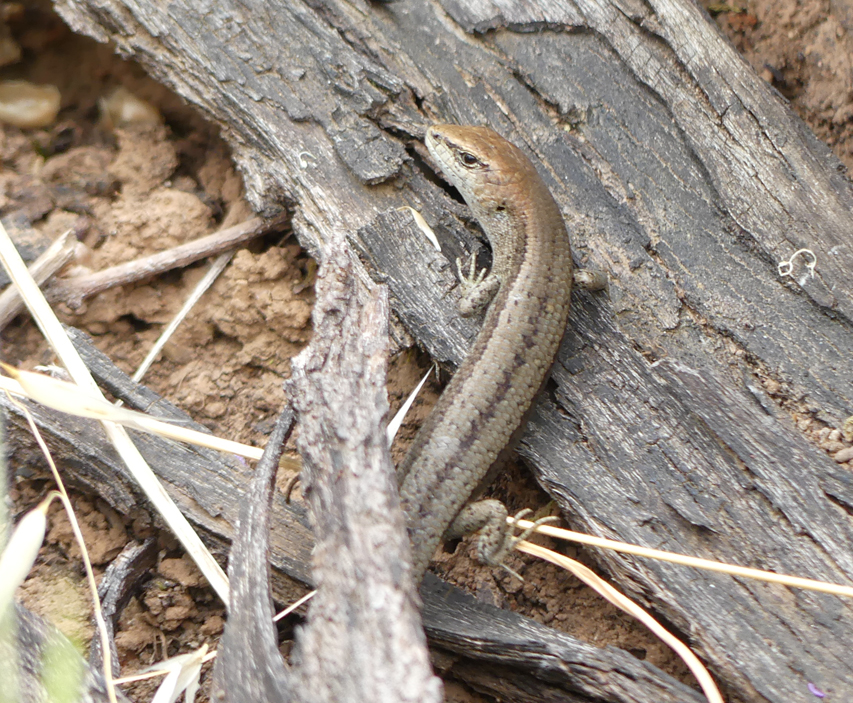
Common garden skink


Brownhill Creek is one of several waterways that drain the south eastern aspect of the Mount Lofty Ranges. It has shallow pools that retain water in the hotter months and flows freely in the cooler ones. There is thick undergrowth along the creek bed that ranges into open scrubland on the surrounding hillsides. A paved road follows the creek eastward with numerous sidings that enable access to the water along narrow dirt tracks.


koala


I stop in one of the lay-bys where there is a significant clearing surrounded by several eucalypts. Using the long lens I scan the forks in the canopy for koalas. The bear-like marsupials eat a range of gum leaves and these trees look to be one of the preferred species. Luck is with me as I spot a large male using its double-thumbed prehensile grip to move along a branch.

Silvereye


Adelaide rosella

Ravens


Further along the road a small bridge crosses the creek and there is a large stand of eucalyptus and evergreen trees spreading both limbs and branches across the creek. A wide variety of birds are feeding on blossoms, fruit and insects. I manage to photograph silver-eyes, Adelaide rosellas and a pair of raucous ravens.
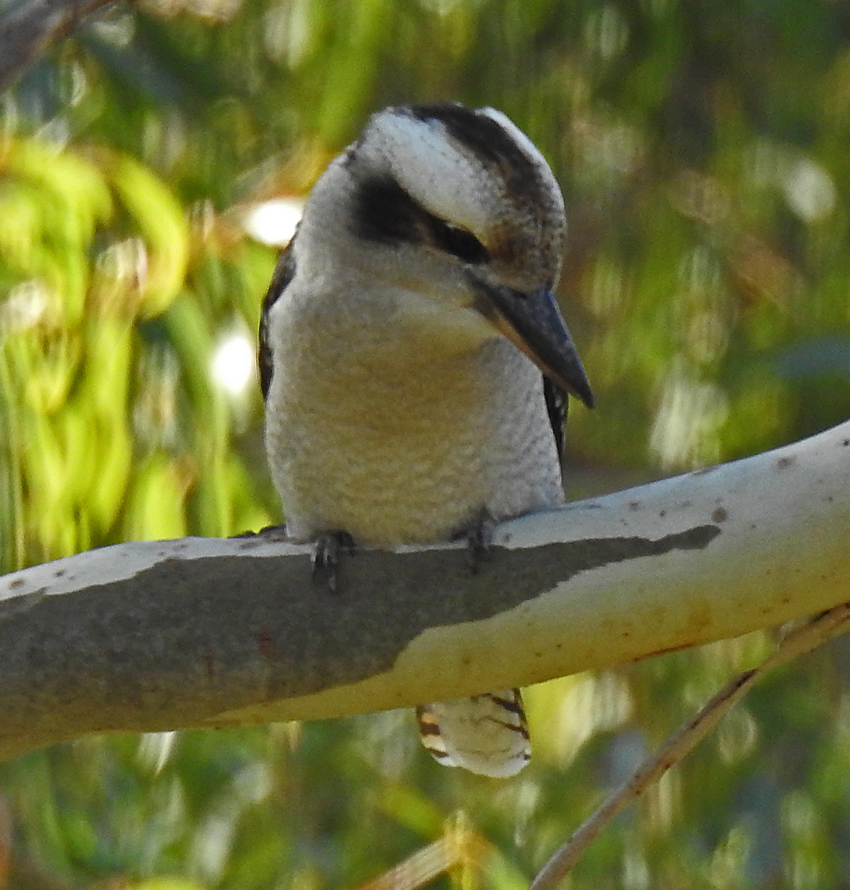
Laughing kookaburra
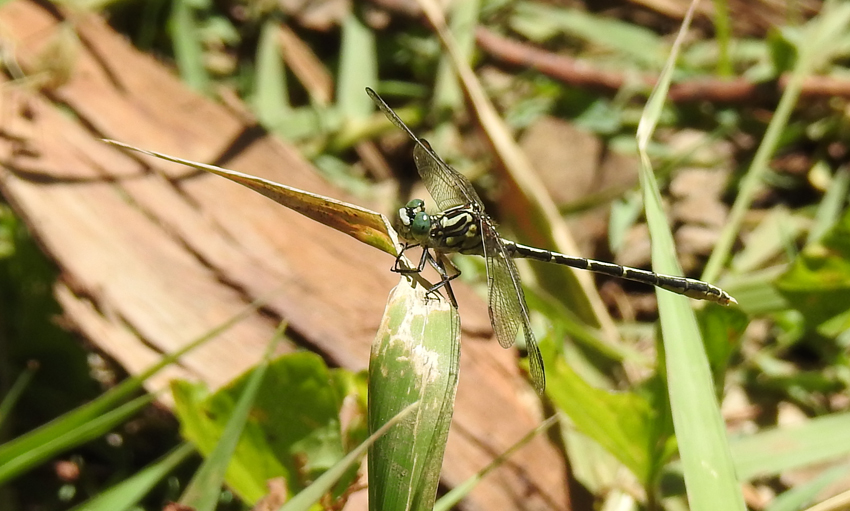
 

Dragonfly species


My drive along Brownhill creek has been quite exceptional and I decide to make one last foray down to the creek near the caravan park.  I can hear a kookaburra calling and some flowering plants along the creek seem to be attracting both butterflies and dragonflies. With a little luck I might just capture a few more images to complete my creek-side safari.


Cheers

Baz


Additional notes

This is an easy drive but the tracks along the creek are more difficult.

 I have recently spent time in Africa and the link below will allow you to enjoy images and text describing some of my encounters with the wonderful wildlife of Botswana and Zambia. I will attach a new image and notes to accompany each post. The link does not work well on mobile phones and is best followed through a computer or tablet.

https://silkstone627.wixsite.com/mysite

Aldgate Valley Reserve

14 Apr

Aldgate Valley Reserve

The road from Aldgate to the reserve winds through rural and bush country with charming homes and patches of scrub on either side. I pull off the road near an old bridge that crosses Aldgate Creek and walk along the well marked trail listening to the sounds of birds high in the gum trees. Eventually I catch sight of a pair of eastern rosellas as they fly between the topmost branches.

1 1

Eastern rosella


Aldgate is one of the principal towns in the Adelaide Hills. It has a village atmosphere with fine eateries and small, locally owned shops. A fascinating 6 km nature walk runs between Aldgate and its neighbour Mylor. The route passes through the Aldgate Valley where southern brown bandicoots have been reintroduced to their native habitat (little marsupials that superficially resemble rats).

1 2

Aldgate Creek


From the road bridge I take the path alongside the creek where I find a small footbridge. Several eastern water skinks have taken up residence amongst the wooden slats and one little fellow, who seems to have regrown the end of his tail, poses nicely for a portrait. Most of these smaller skinks drop their tail if grabbed by a predator. This serves a dual purpose as the tail continues to wiggle after being detached, acting as a decoy.

1 3

Eastern water skink


Today I have decided to simply explore the area around the reserve and search out some of the animals that inhabit it. A bandicoot would be nice but as they are timid and mainly nocturnal and I am not holding out much hope. On the right hand side of the bridge there is a small orchard and some benches. Several large magpies are strutting around the area and one sits on the bench and glares at me as I walk through the trees.

1 4

Magpie with attitude


I spend a little more time sitting by the creek watching finches and wrens darting between bushes but the day is getting chilly and the clouds are rolling in. As I step into the car for the drive back home a solitary kookaburra chortles in the trees nearby. Something seems to have disturbed the bird and I take a closer look and find a koala feeding in an adjacent tree.

1 5

Laughing kookaburra


1 6

Does my bum look big up this?

I make one last stop back in Aldgate to drop in at ‘FRED’ for a late lunch. So much to choose from; but the Sicilian ciabatta with wilted greens, haloumi, home-made chutney and caramelised onion cannot be resisted.

1 7 wilted greens aloumi chutney ciabaco sicilian armelised onion

One of many choices


Cheers

Baz

PS

I will be travelling for the next month and will not post any articles until mid-late May

Take a look over some of the earlier work and find somewhere to take a walk and enjoy our wonderful wildlife.

Gawler’s Dead Man’s Pass

7 Apr

 Dear Reader:

There are dragonflies and damselflies hovering above the water. Every so often one of the slender damselflies hovers near the bank then attaches itself at right angles to a reed.

1

Damselfly


The pool of water is left over from the winter rains and sits alongside a causeway that crosses the river just a few hundred metres from Gawler’s main street. The town has a country, colonial feel about it with classic stone buildings and a good smattering of pubs, restaurants and bakeries to fuel up on before exploring the ominously named Dead Man’s Pass.

2

Causeway over the Gawler River

3

Historic stone buildings in Gawler


Well placed signs along the walking and cycling track indicate interesting historical information as well as describing the wealth of fauna that can be encountered along this trail which follows the course of the Gawler River. As I approach a dense clump of reeds I am lucky enough to catch a fleeting glimpse of a red bellied black snake before it disappears into the undergrowth near the river bank.

4

Red bellied black snake


The edge of the river is bordered by massive red gums that in themselves create a multitude of ecological niches. I sit near the base of one huge tree watching a variety of insects from ants to beetles as they forage along the trunk while a tree skink weaves its way amongst the deeply furrowed bark in search of prey.

5

Tree living skink


Several metres higher up the tree, a pair of crested pigeons has made a nest on one of the larger limbs. Both birds will share the incubation of the eggs (usually two) which will hatch after about 21 days.

6

Crested pigeon


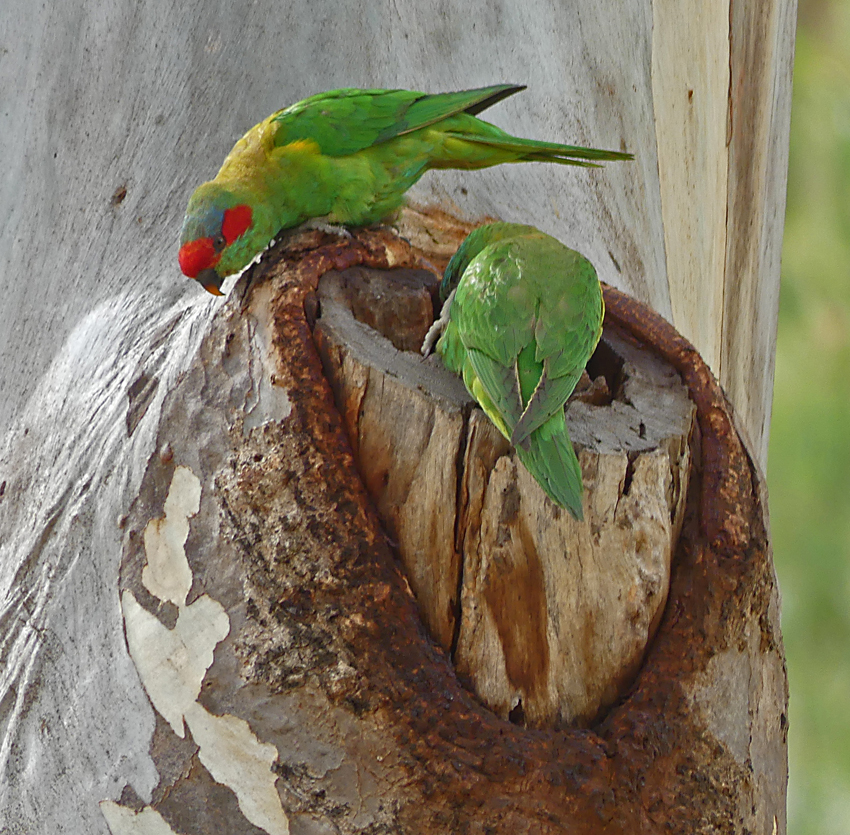
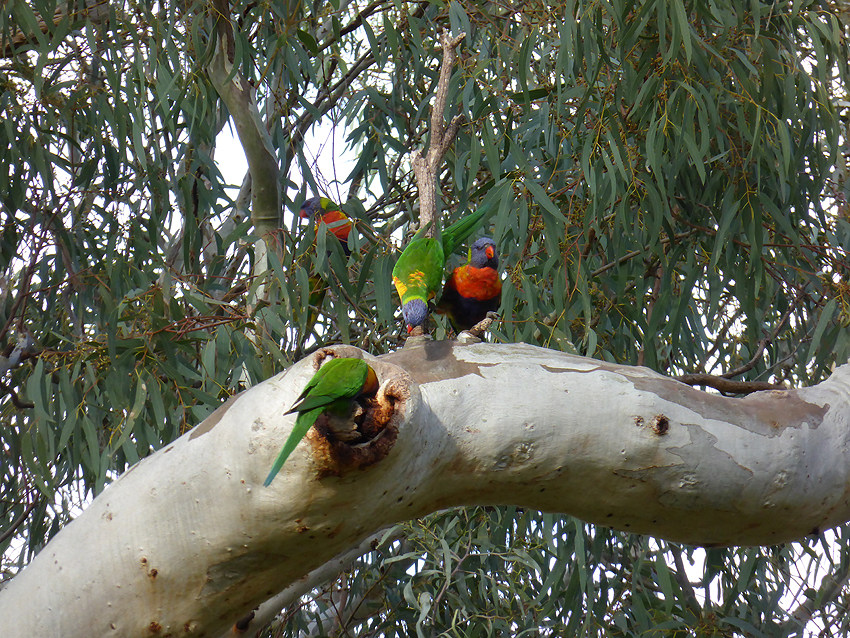
The river red gums along the creek also play host to a wide variety of parrot species including cockatoos, rosellas, rainbow lorikeets and the brightly coloured little musk lorikeets. Two of these delightful little birds are checking out a nesting hole where a branch has been removed and I am fortunate enough to capture an image of them contemplating their future real estate.

7

Nesting musk lorikeets


My morning exploring the park on the outskirts of this charming country town has been most rewarding and I am sure that Gawler’s historical and ecological diversity will be the topic of more posts in the future.


Cheers Baz

Cobbler Creek…Love is in the Air

29 Jan

Cobbler Creek…Love is in the Air

Dear Reader:

The two noisy miner birds have been flying backwards and forwards through the box gums for the last ten minutes. Eventually the male sees his chance and lands on the branch next to the female. She chirps a half hearted protest or perhaps encouragement and he seizes the moment. Mating takes just a few seconds and they go back to their previous pattern of fly and follow.

1 1

Miner 1


1 2

Miner birds 2


I am watching the birds and their courtship antics in the Cobbler Creek Recreation Park; an area of open-woodland, near the end of Bridge Road in Salisbury East. Cobbler Creek stretches up into Tea Tree Gully where it can be easily accessed from Atlantis Avenue which joins the two branches of the Golden Way. Dropping in at the Tea Tree Gully shopping mall to collect some food then exploring the creek after picnicking on the grassed area, where Atlantis joins ‘The Way’ near Spring Hill, is a nice option.

2 mallee box gums

Salisbury East entrance


After spending a little more time watching the bird life at the western end of the creek I take a short drive up to Spring Hill in TTG. This part of the creek lies in a more urban setting where the waterway is dominated by huge red gums. There are numerous parrots in the trees and they too seem to be in a rather affectionate mood. For a while I focus on a pair of Rose Breasted Cockatoos (Galahs) which are quite intrigued by a tree hollow that has the makings of a future family home. Between real estate outings they preen themselves and each other as well as squawking and hopping between branches. Occasionally they hang upside down with wings flapping madly and crests erect.

4 off golden way past shopping centre

In Tea Tree Gully

5

Galahs


But the Galah couple do not have the neighbourhood to themselves. An equally amorous pair of corellas is occupying an adjacent tree and they too seem to have spied the potential nest site. Not to be outdone by their Galah cousins they engage in some serious necking and cooing.

3

Corellas


Yes, it seems that along Cobbler Creek; love is definitely in the air.

Cheers

Baz

Xmas Gums

26 Dec

Xmas Gums

Dear Reader;

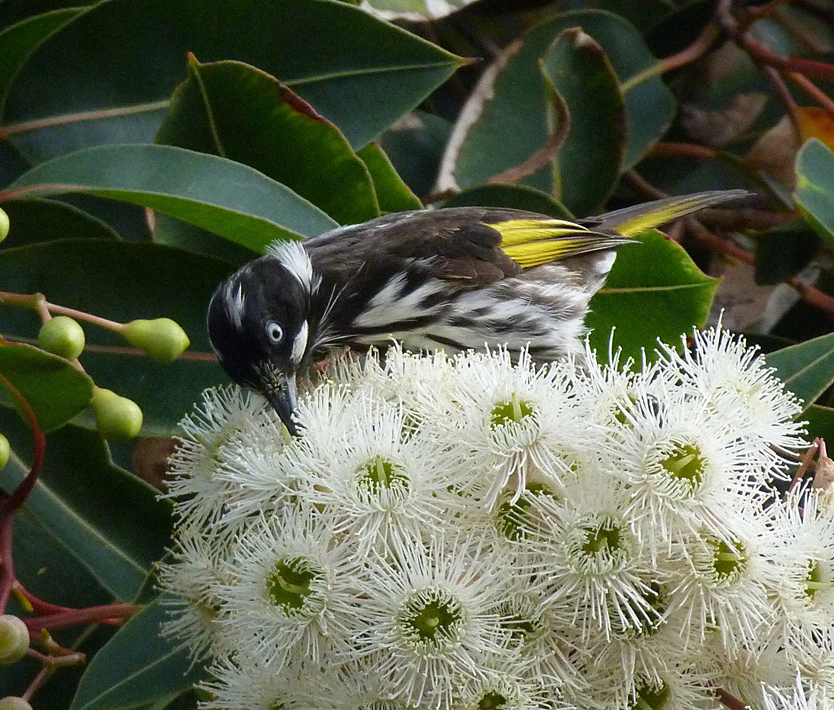
The New Holland honeyeater is perched on the topmost branch of the white flowering gum in my backyard. Every few minutes it takes to the air and chases an insect that has inadvertently flown too close to its ‘operating zone’. But hawking for prey like this takes an energy toll on the little bird, requiring frequent refuelling at the nectar rich flowers that also serve to attract its insect prey.

1

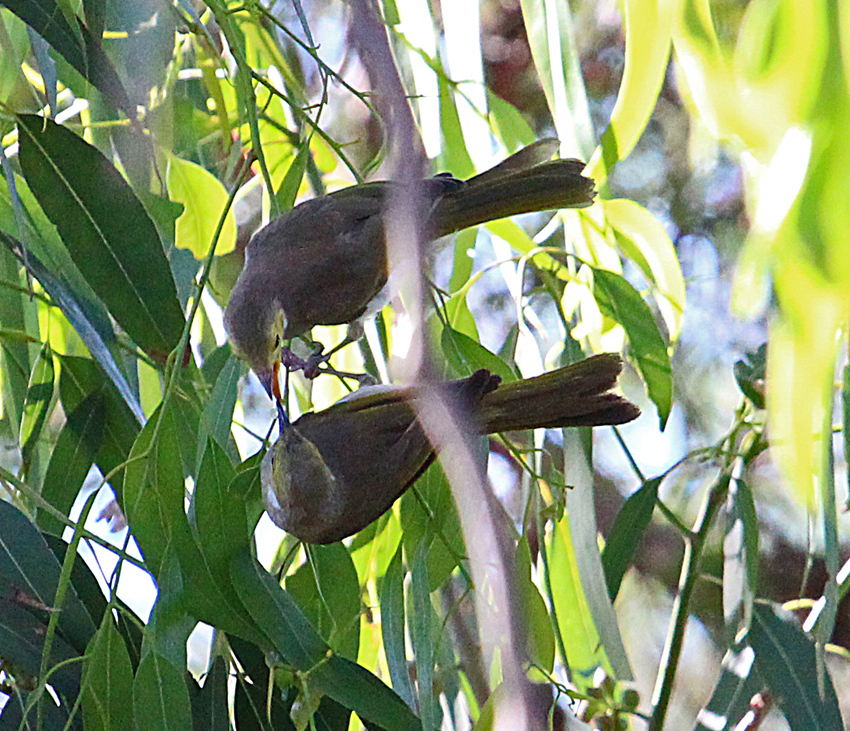
New Holland honeyeater


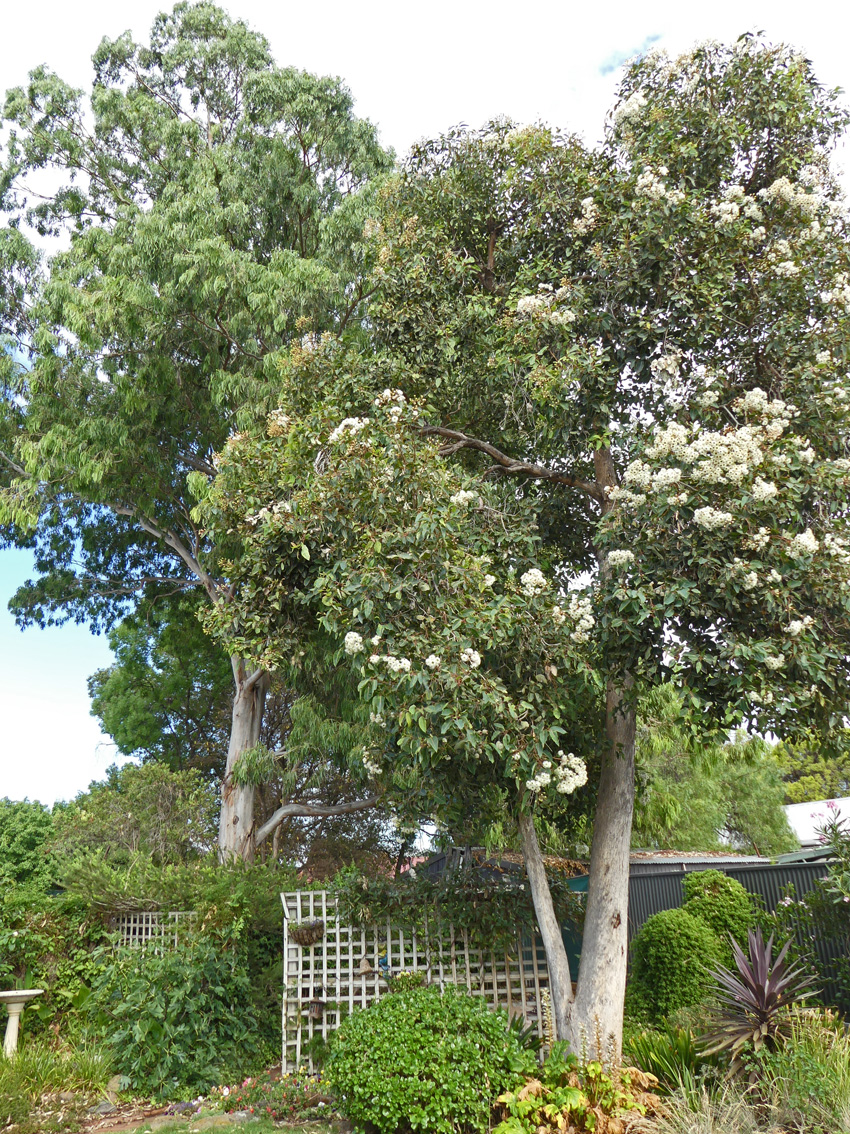
This is just one of the little wildlife scenarios that play themselves out during the Christmas season in the gum trees that grace my backyard. The smaller tree comes into flower in early December reaching its peak around Xmas day. The larger tree has flowered earlier but seems to harbour a wealth of tiny leaf and bark insects throughout the early summer months. Together, they attract a wide range of birds providing an interesting holiday spectacle; especially if one has scored a new camera from Santa.

2

A tale of two gums


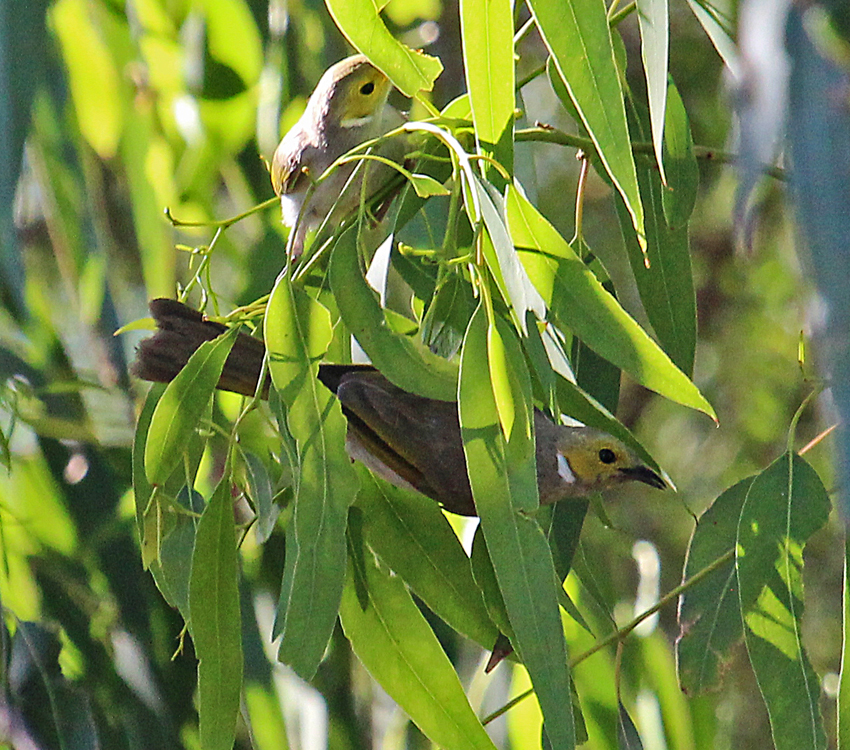
New Holland honeyeaters aren’t the only species of honeyeater that feeds in my garden. The more timid white plumed variety also samples the blossoms and hawk for insects. However, at this time of year they are almost finished raising their final brood for the season and the young ones are being schooled in the art of bug catching by the adults. Peering through my long lens into the shadows of the taller tree I am lucky enough to capture two images of a chick waiting for food then being fed a bug by its parent.

3 1

White plumed honeyeaters


3 2

Have a bug or two junior


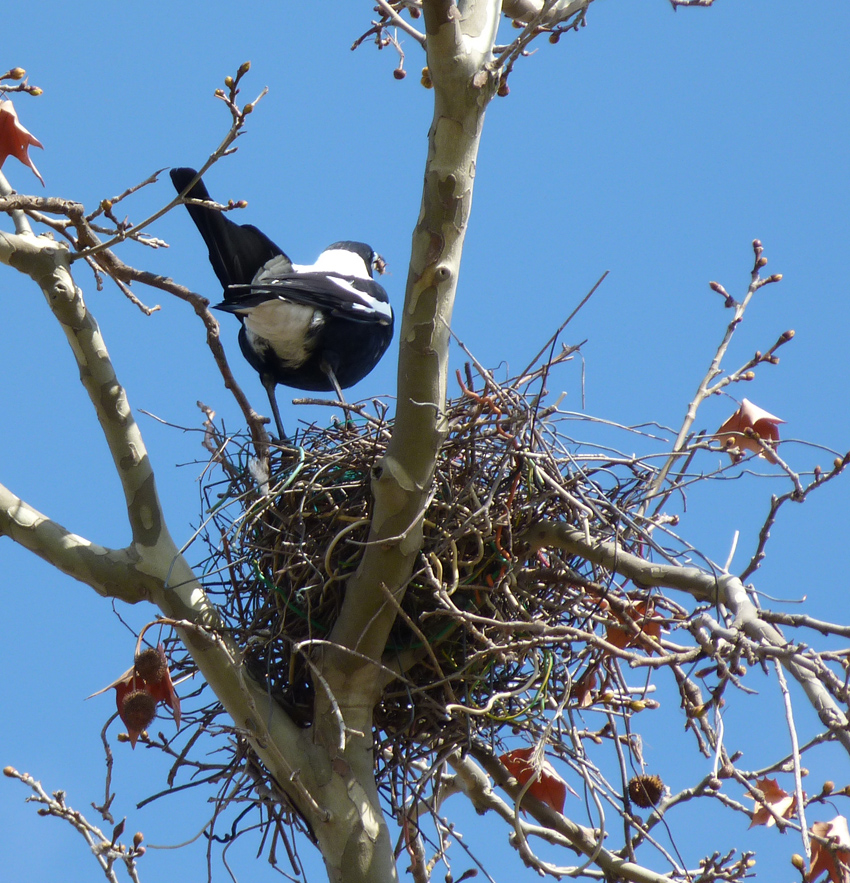
In a wonderful coincidence, there is also a family of wattle birds in the same tree and a fully fledged chick is sitting on a branch demanding to be fed. I watch carefully, trying to time my shots to coincide with the exact moment the adult shoves some insect offering down its waiting gullet. Of course, some leaves get in the way and the light intensity drops at the crucial moment but that’s wildlife photography.
4 1

Wattle bird and chick


4 2

A gullet full of whatever


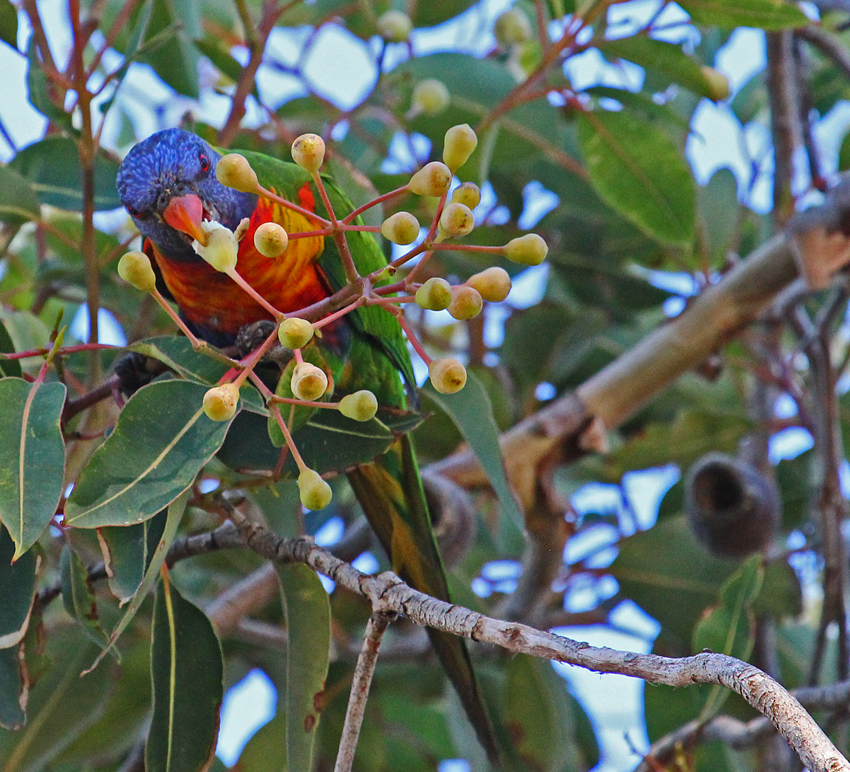
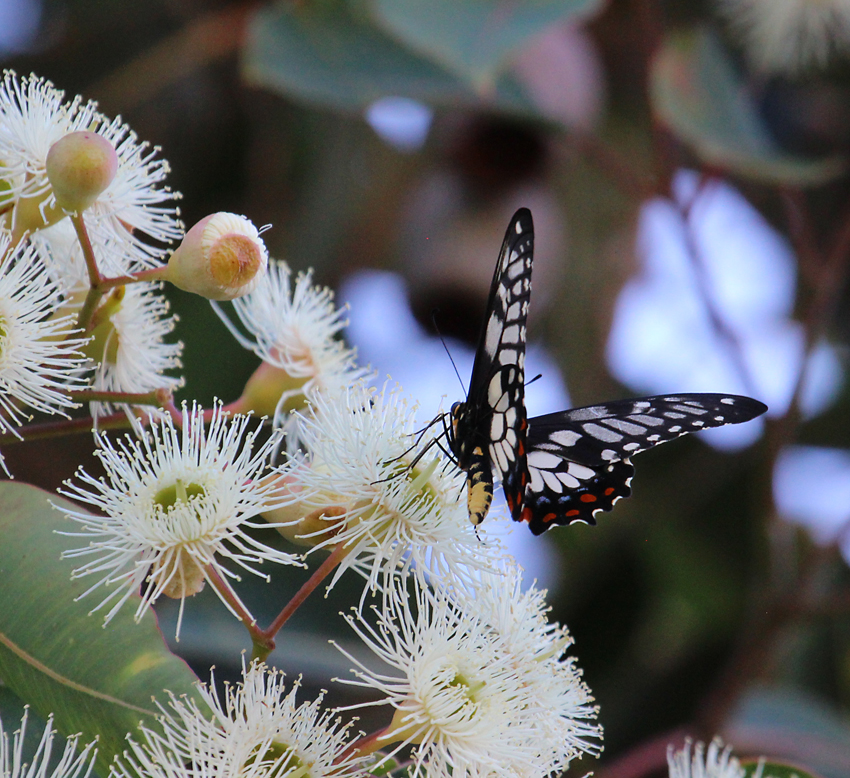
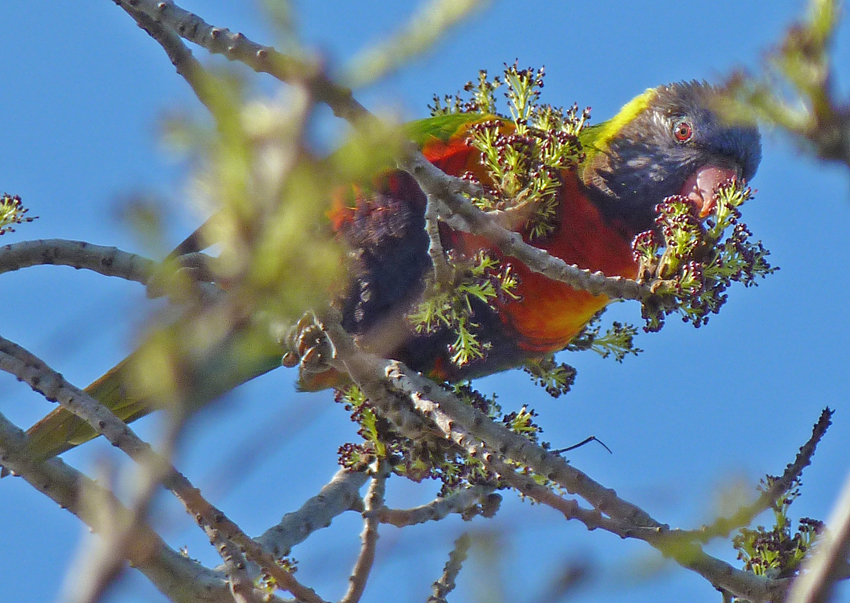
With a Xmas drink and a mince pie resting on the outdoor table next to my cameras I scan the foliage of the smaller tree for a final shot or two. Two colourful creatures oblige; a rainbow lorikeet is tearing apart a blossom emerging from a gum nut and a swallowtail butterfly is probing the mature flowers for nectar.

5

Rainbow lorikeet


6 Dingy swallowtail

Dingy swallowtail


Cheers and Seasons greetings

Until next year

Baz

Norwood’s Parade of Animals

29 Aug

Norwood’s Parade of Animals

 Dear Reader:

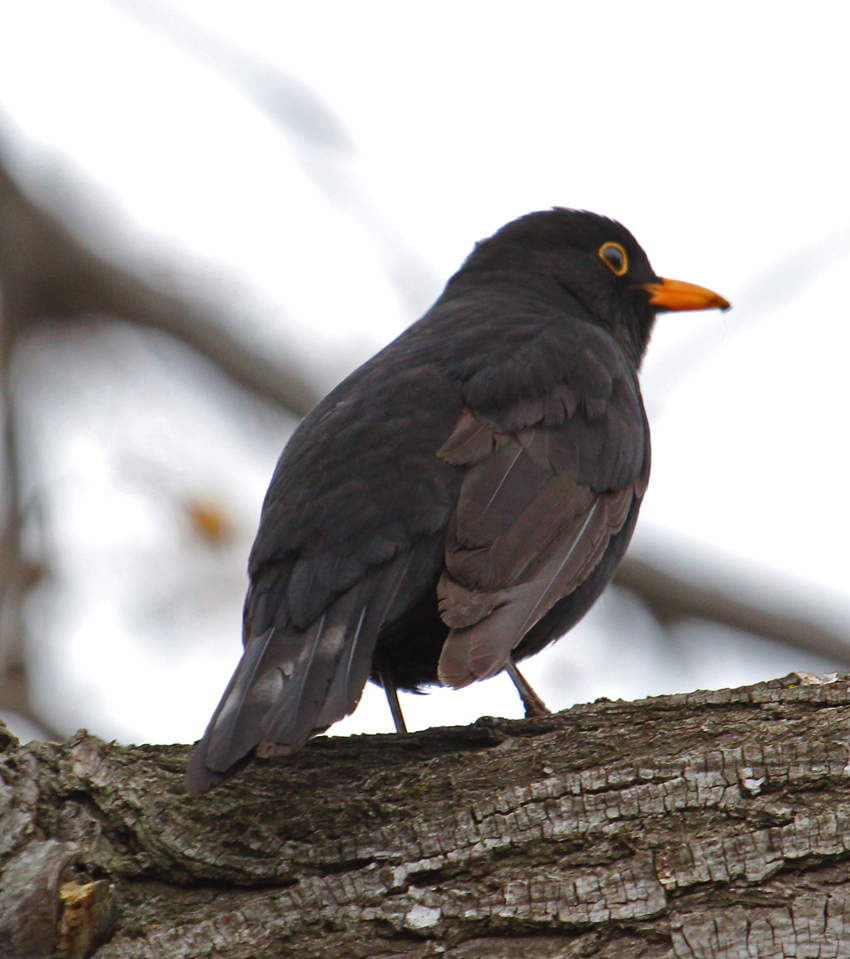
It has been rather a grey week but today the sun is showing its face at regular intervals and there is a blackbird singing in a tree above me. A good day for a walk around Norwood admiring the architecture before grabbing a bite to eat at one of the many restaurants and hotels that make the area a premier dining destination. But this old, established suburb with its towering trees and well-tended gardens also provides meals and homes for a wide variety of urban wildlife.

Juvenile male blackbird

1 One of the classic hotels in the Norwood area

One of the classic hotels in the Norwood area


Blackbird aside; the first indigenous species that grabs my attention is living between the petals of a bright yellow daisy bush. The diminutive flower spider hunts amongst the blooms for small insects. This one has ambushed a fly and is proceeding to wrap it in a web for a late afternoon snack.

2 Flower spider with lunch

Flower spider with lunch


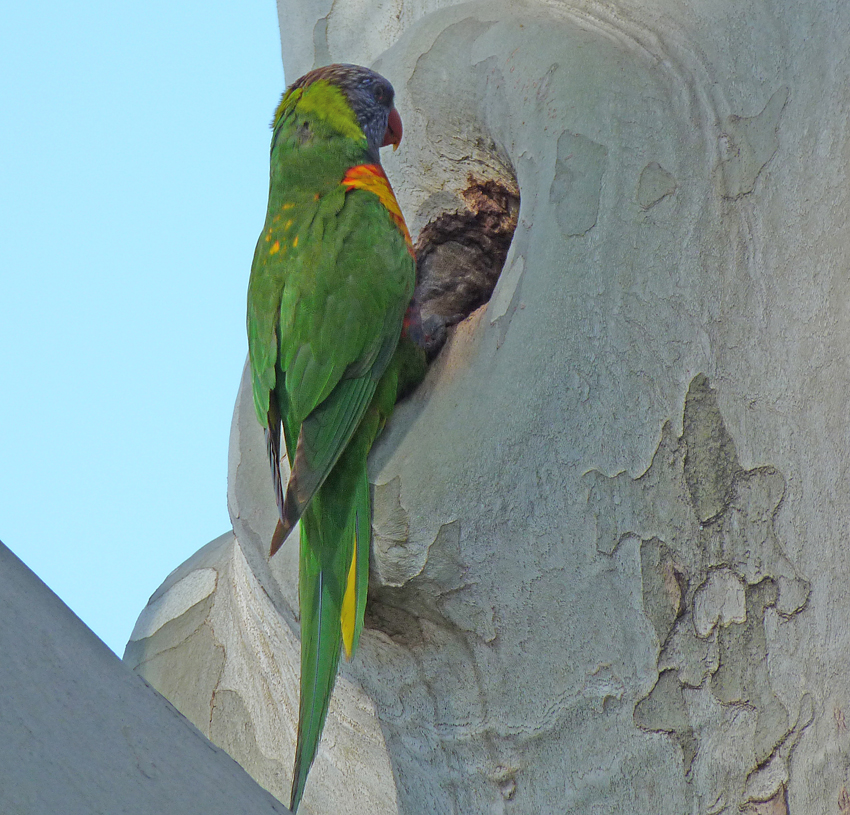
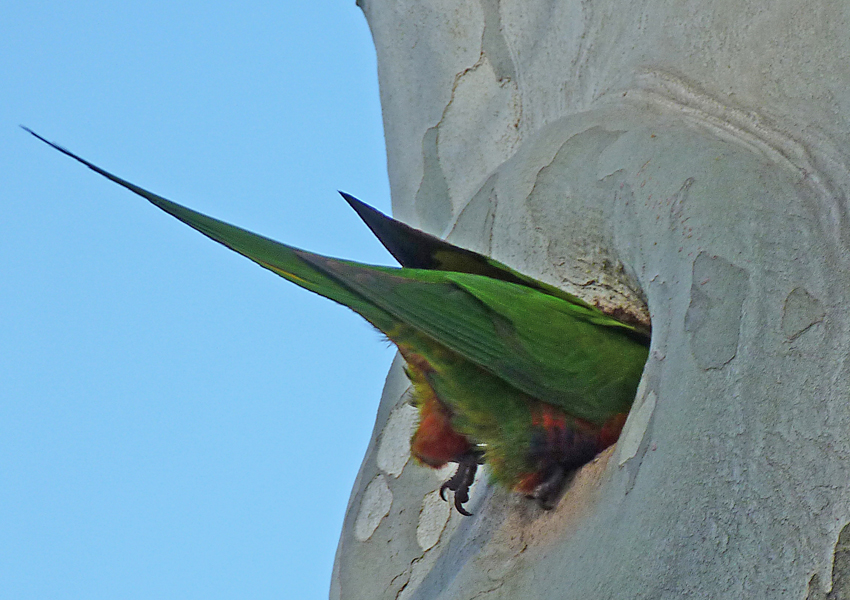
A little further down the street I can hear the call of lorikeets as a pair of the colourful little parrots forage in the trees for seed and blossom. I follow them closely as they fly from the tree tops to a smooth barked gum tree right on the edge of Osmond Terrace, a busy boulevard that cuts through Norwood. Here, with traffic whizzing past, they are investigating a hole in the trunk as a potential nesting site.

2 Lorikeet feeding

Rainbow lorikeet feeding

2 Rainbow lorikeet scouting for real estate

Rainbow lorikeet scouting for real estate

2 Taking a closer look

Taking a closer look

2 Hey honey come take a look

Hey honey come take a look


Osmond Terrace is also home to a group of Australian magpies. I can see a raggedy nest high in one of the liquid amber trees that line the thoroughfare and when I focus the long lens on it, the head of a large chick is just visible. After ten minutes an adult bird arrives with a grub in its beak. A few minutes later I catch site of another bird digging for invertebrates in the lawn of a local school while a third sits, watching from the concrete facade of Vine House, one of the suburb’s historic buildings.

Adult magpie arriving at nest

Magpie feeding

Magpie feeding

keeping an eye on proceedings

Keeping an eye on proceedings


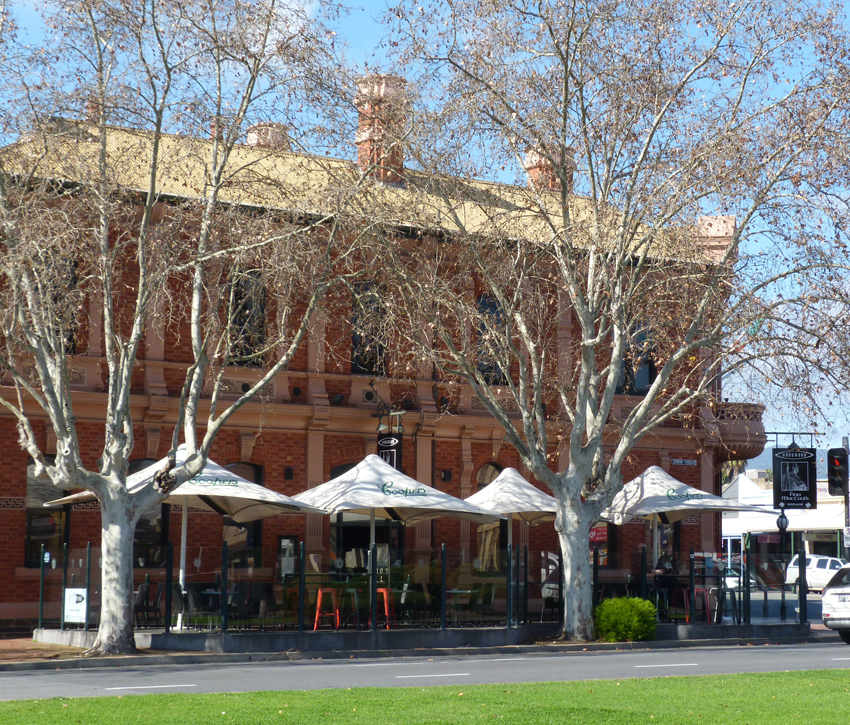
My final stop is Finn MacCool’s Irish Pub for lunch where a group of pigeons is also enjoying an alfresco bite to eat in slightly less salubrious circumstances. I started with an introduced species…might as well end on the same note.

P1130169

Common pigeons feeding on crumbs in the street


Until our next adventure

Cheers

Baz  

Check out Geotravelling a new site that I have attached that celebrates the natural, cultural and urban diversity of our planet through my travel photographs.

Belair National Park…Plants and a Pond

25 May

Dear Reader:

It is a mild autumn day and a light wind from the south promises to blow the early clouds away. A cyclist, rugged up against the chilly morning air, pedals through the parking area on her way to the nursery. I have come here in search of plants too, some native grasses and a red flowering gum to fill a vacant spot by my back fence. But there is an ulterior motive as the nursery often attracts a variety of birds and insects from the surrounding bush.

The hills can be chilly in the morning

The hills can be chilly in the morning


Close to the car park there is a thick growth of native correas and bottle brush. I notice a slight movement in one of the correas that is heavy with pale pink flowers. I change position to get a better line of sight and wait quietly. After a few moments an eastern spinebill appears amongst the leaves busily searching for insects and nectar.

The eastern spinebill belongs to the honeyeater group

The eastern spinebill belongs to the honeyeater group


Belair National Park is just 13 kms from the city centre in the foothills of the Mount Lofty Ranges. As well as a wonderful native nursery, the park boasts over 20 kms of walking, horse riding and cycling trails covering a range of different environments. Tennis courts, grassed playing fields, barbecues areas and even an adventure playground are dotted throughout the 840 hectare park making it a popular destination for both outdoor enthusiasts and families.

The Belair Naional Park nursery markets wonderful array of native plants as well as an extensive collection of natural history books

The Belair National Park nursery markets a wonderful array of native plants as well as an extensive collection of natural history books


The park has quite a few non indigenous species of tree near Old Government House,  which provide lovely autumn colours

The park has quite a few non indigenous species of tree near Old Government House, which provide lovely autumn colours


From the nursery it is a short five minute drive to Playford Lake. By now the sun has burned off the last remaining clouds and it is sunny and clear; ideal for taking a short walk around the lake. On the edge of the lake several freshwater turtles are basking on a tree root taking in the morning sun. As I approach they slide off with a splash and head into deeper water.

Playford lake at the end of summer

Playford lake at the end of summer


Australian  freshwater turtles eat a variety of foods including insect, small fish and yabbies

Australian freshwater turtles eat a variety of foods including insects, small fish and yabbies


On the other side of the path a patch of tall gums shade a small gully where a flock of sulphur crested cockatoos are squawking in the tree tops and biting the leaves. On closer examination, through the long lens, I suspect they might be scraping insects off them, as eucalypt leaves are not usually a part of their diet.
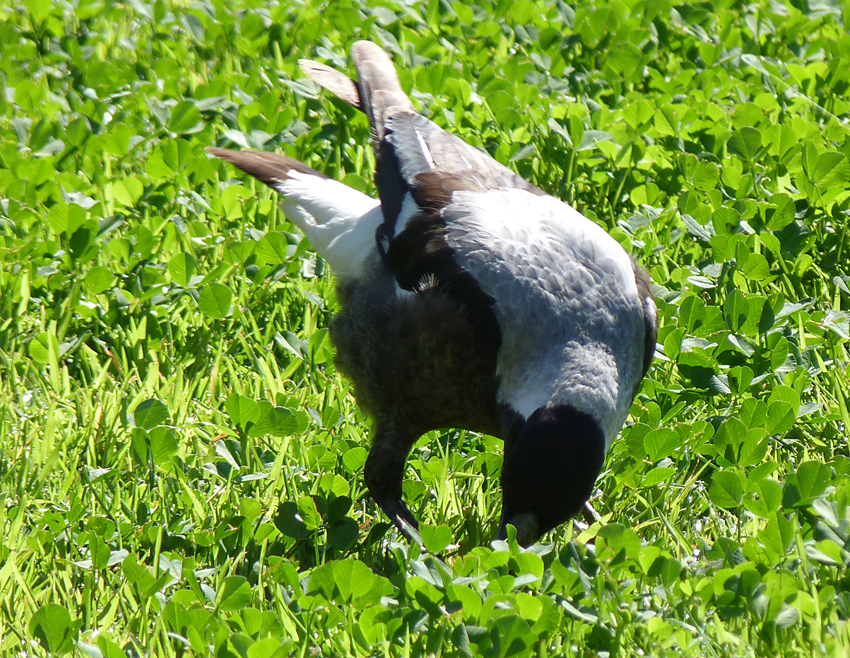
Sulphur crested cockatoos tend to feed on the ground searching out fallen seeds, berries roots and nuts

Sulphur crested cockatoos usually feed on the ground searching out fallen seeds, berries roots and nuts


As I work my way back towards the car the terrain changes slightly with a gentle hillside rising up from the path. The snap of branches deeper in the bush suggests a bigger animal and suddenly a large grey kangaroo hops across the path and bounds through the trees. As I try to follow the roo through the viewfinder I catch sight of a fluffy bundle moving slowly up one of the eucalypts. It turns out to be a koala climbing up a slender branch to feed on the tender, outer leaves.

This young koala's mother was feeding a few metres higher in the tree

This young koala’s mother was feeding a few metres higher in the tree


My 20 minute walk has taken the best part of an hour with all the wildlife stops and I’m ready for a coffee in the hills suburb of Belair before driving home. But one last critter appears to round off my morning in the park. A large blue dragonfly is hovering over a reed patch. I wait for it to land, no luck. It zips from one grassy stalk to the next with manoeuvrability that puts any military helicopter to shame. Then, as if to do me a favour, the elegant little insect lands on the path just a few metres away…. nice one…click..done !!!

Large blue and red dragonflies are quite common around the lake

Large blue and red dragonflies are quite common around the lake


Cheers

Baz

North Adelaide……the lion circuit

8 May

Dear Reader:

It is a mild sunny morning and I am enjoying one of my favourite bike rides. Starting at The Lion Hotel I ride away from the city along Melbourne Street to the Park Terrace intersection. The street is an eclectic mixture of cafes and niche retailers selling anything from clothes to antiques and Persian rugs.

2

Classic old building converted into shops and galleries


Crossing Park terrace I wind my way through narrow streets and past some lovely old homes to intersect the path that runs alongside the Torrens River before it hits the city proper. The river has cut a narrow gorge through the ochre coloured rocks and tall eucalypts dominate the trail. A pair of rainbow lorikeets is fussing around a nesting hole and one bird takes flight as I dismount to take a closer look.

P1030399

Rainbow lorikeets nesting


A wooden boardwalk descends towards the river and the weir that controls the water flow. Common pigeons can often be seen foraging along the steep hillside early in the mornings. I think that the clay might supplement their diet and aid digestion.

5

Boardwalk trail along the river


6

Common pigeon feeding on cliff-side


Where the walkway levels out a small bridge splits the trail with one path leading back into the city and the other north east to the foothills. I head for the city. The track is flatter here and I pass numerous joggers and other cyclists all enjoying the fine weather.

7

Foot and cycle crossing near St Peters


4

Large dragonfly resting in a bottle brush near the river bank


Just past the little foot bridge the path sweeps under the much larger Hackney Road Bridge that carries the majority of traffic into the eastern side of the city. Here, the river widens, slows and becomes the Torrens Lake. As if to herald the change, a graceful snowy egret stands sentinel-like amongst the reeds watching for prey. Further along the waterway, a great cormorant perches close by with similar intent. These larger predatory water birds seem to indicate a greater abundance of prey in the lake.

8

Signage explains Aboriginal connections and other historical facts


9

Great Cormorant perching on the lake behind the zoo


egret edit

Egret hunting in reeds


Although the path follows the lake right along the northern edge of the city, I only ride a couple of hundred metres further to the Frome Road Bridge. Pausing briefly to take in the view of the lake, city and zoo from the top of the bridge, I turn right and head past the playing fields riding parallel to Mackinnon Parade through an avenue of massive, stately eucalypts. Cyclists, joggers and football players of all codes share this green space with cockatoos and other parrots that squawk in the trees and feed in the grass.

10

Cockatoo foraging on the oval near McKinnon Parade


Left near the end of the tree line and I’m back where I started and ready for coffee or breakfast at The Lion.

1

Back at The Lion


A brilliant way to spend the morning!!

Try it some time!!!

Cheers

Baz

A Morning at the Zoo with Quinn

27 Feb

Dear reader: 

It is a warm Adelaide morning and the shady paths of the zoo are a labyrinth of intrigue for a nearly three year old. Around every turn there is a new enclosure full of sights, sounds and animals that she had only previously experienced in picture books.

7

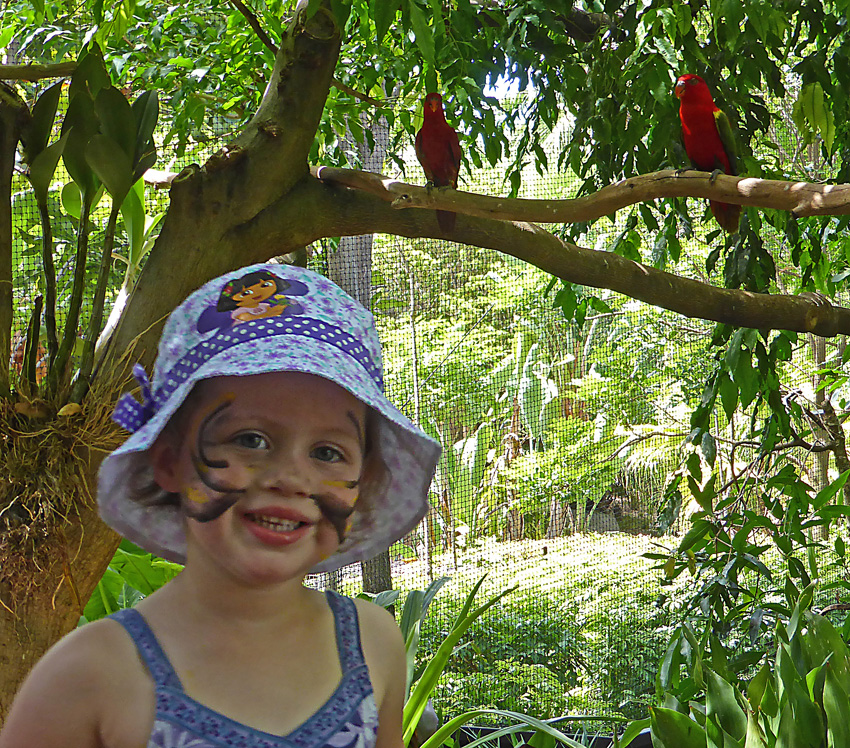
A pair of king parrots provide a suitable backdrop for a tiger striped Quinn


3

The zoo is situated by the river just over the Frome Road Bridge


A misty spray of water shrouds the koala and Tasmanian devil enclosures in anticipation of the midday heat. It proves irresistible to our little granddaughter and sends her squealing down the path shouting, “bear, bear, bear!” I stand and watch the ‘really not bears’ as they stoically munch on eucalyptus leaves and fire off a couple of frames. Sometimes the images that can be taken in a zoo are invaluable additions for later projects.

1

A koala chews on eucalyptus leaves that would be inedible even toxic to any other species of marsupial


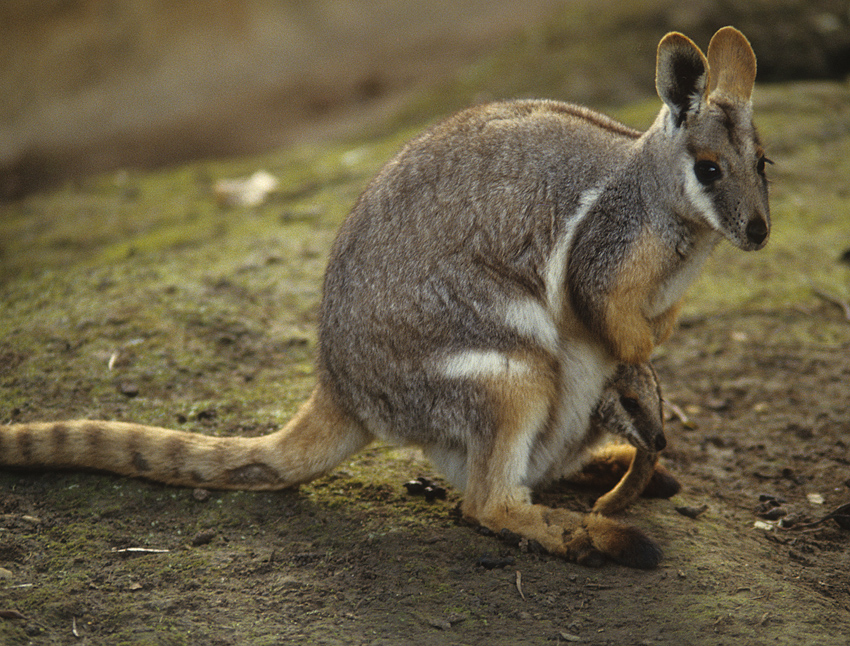
Half a vegemite sandwich and an ice cream later a little hand tugs mine and a voice whispers, “ Pop, kangaroo”. She is almost right, as a pair of yellow footed rock wallabies emerge from behind a tree in an open enclosure a few metres away. One of the little marsupials has a joey in its pouch; a difficult image for any photographer to catch in the wild.

6

A young yellow footed rock wallaby peering out from the safety of its mother’s pouch


The nocturnal house proves to be a real challenge. Try telling a toddler to be quiet as she goes through a dark tunnel lined with glass exhibits featuring bats and other night time wildlife. Near the entrance there are some aquariums which she finds quite fascinating (translate as…actually stops moving for a few seconds) giving me the opportunity to photograph some purple spotted gudgeons, one of our threatened native fish species. Yet another example of the pictorial opportunities that only captive animals can provide the amateur photographer.

2 purple spotted gudgeon

Purple spotted gudgeon are found in South Australia’s freshwater streams and lakes


Ironically, our final wildlife moment is not one that the Royal Zoological Society can claim credit for. Just as we are leaving and wandering past the hippos, Nan’s favourite exotic animal, we hear a family excitedly chattering about a spider. And there, strung in front of the hippo pool is last night’s tattered web of a sizeable orb weaver with the resident arachnid devouring a hapless dragonfly. Quinn says “yuck”, Nan scoops her up and I click away merrily wishing that I had brought the DSLR instead of popping the point and shoot in my pocket to ensure hands free, child minding capabilities.

4

A large orb weaver makes short work of an unfortunate dragonfly


By now the temperature is getting into the mid thirties and it is time to leave. She does not want to go. “More animals Pop.” A good sign for the future.


Cheers

Baz (and Quinn)

A Stroll with a New Camera

1 Nov

Dear Reader:

Like all photographers I enjoy equipment. Every so often I can even justify buying a new camera. With an overseas trip to Italy looming I needed a light compact zoom that would fit easily into my pocket. In truth I had been thinking of getting the same kind of equipment to carry when cycling along the parkland trails that I enjoy each weekend. Too often, I had decided not to take my DSLR or super-zoom because thy were that bit too cumbersome or the weather looked threatening. And on nearly every occasion some exquisite little wildlife moment went un-recorded.

Small lake near McIntyre Rd f3.3 @1  320 sec ISO100, click to enlarge

Small lake near McIntyre Rd; f3.3 @1 320 sec ISO100, click to enlarge all images on this page.

Australan grebe f6.4 @ 1 200th sec ISO  400; click to enlarge

Australian grebe; f6.4 @ 1 200th sec ISO 400


A little compact would serve both purposes and popping a plastic bag in my bike pants (not the lycra variety I assure you) would take care of any wet weather problems. My camera of choice was a Panasonic TZ40, a pocket sized camera with a respectable 20x zoom. They were on special with a new model coming out and my old Pana’ FZ40 had always proved a reliable unit capable of producing some extremely sharp images.

Sacred Ibis reflections f5.9 @ 1 320th sec ISO 100

Sacred Ibis reflections; f5.9 @ 1 320th sec ISO 100

Red flowering gum, f5.9 @1 200 th sec ISO  100

Red flowering gum, f5.9 @1 200 th sec ISO 100


Armed with my new acquisition, I chose some familiar turf to see what the little camera could do. Tea tree Plaza is a large shopping mall on the north eastern fringe of Adelaide’s suburbs. There are some nice cafes to get an early morning ‘cuppa’ before you set off across the adjacent park to intersect Dry creek by the bridge over Montague Road. From there, a network of paths, trails and tracks wind south along the creek towards the coast or north into the foothills.

Rainbow lorikeets examining tree hollow f6.4 @1 125  th sec ISO 250

Rainbow lorikeets examining tree hollow; f6.4 @1 125 th sec ISO 250

Mudlark collecting nesting material;  f2.9 @ 1 125th sec ISO 400

Mudlark collecting nesting material; f2.9 @ 1 125th sec ISO 400


I decided to take the southern bike trail that follows the creek down to McIntyre road then work my way back to the bridge along the bush tracks that hug the other side of the waterway; a nice journey of around 3kms that includes several small lakes, patches of quite dense scrub and some towering old river gums.

Maned duck with chicks;   f5.6 @ 1 80sec ISO 160

Maned duck with chicks; f5.6 @ 1 80sec ISO 160

Black duck taking off;  f6.4  @1 250 th sec ISO 100

Black duck taking off; f6.4 @1 250th sec ISO 100


In this post, I will not describe each particular wildlife encounter, instead the pictures and brief captions can tell the story. There was a little post image tidying up through Photoshop but in my humble opinion the little camera did a good job as a backup and will certainly sit in my pocket on many a bike ride or travel adventure in the future.


Until our next chat

Cheers

Baz