Tag Archives: Wildflowers

Monarto Conservation Park….Wildlife and Wildflowers

24 Oct

Dear Reader:

A small group of medium sized, black, birds are foraging near the track which leads deeper into the Monarto Conservation Park. I zoom in on them using the full range of the Sony lens. Bright red eyes and white flashes on the wings identify them as White-winged Choughs.
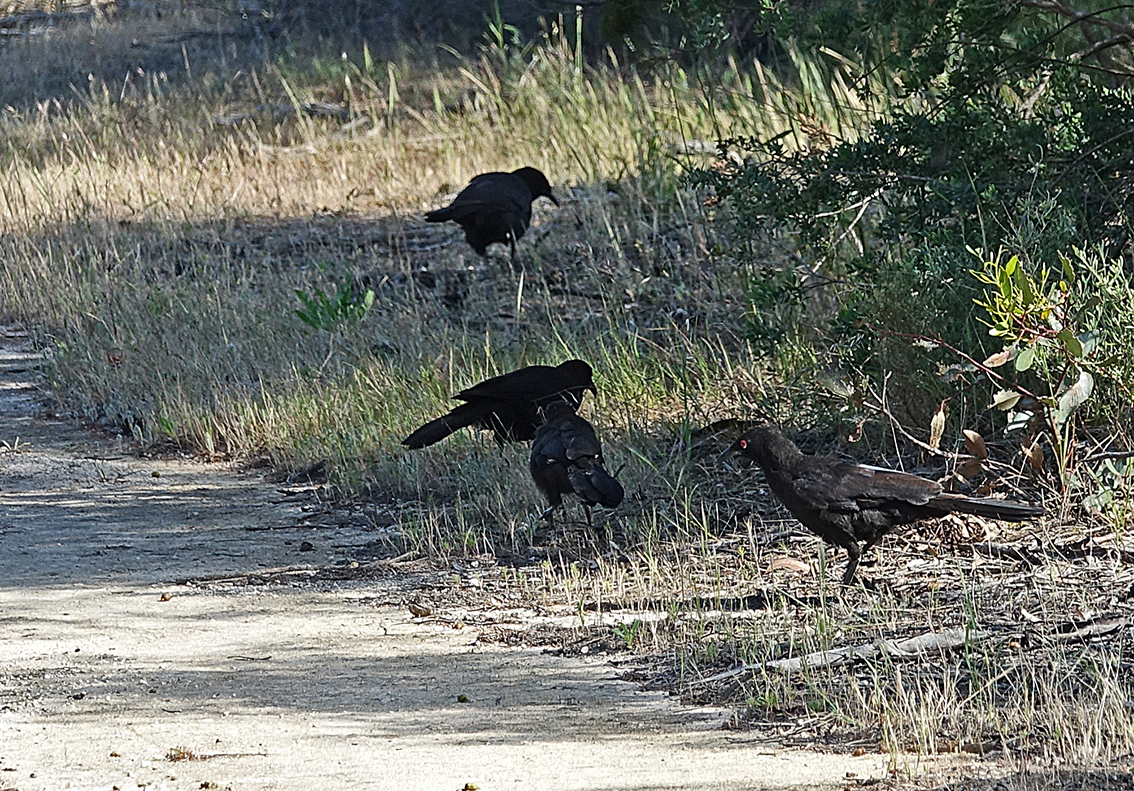
White-winged Choughs
Park entrance

As I walk further into the park, it is hard not to notice the variety of flowering shrubs and wildflowers blooming in the understory. The blossoms are supporting a wide variety of wildlife including: native bees, honeyeaters, lizards and possums.

Erect Guinea-flower
Fringe Myrtle
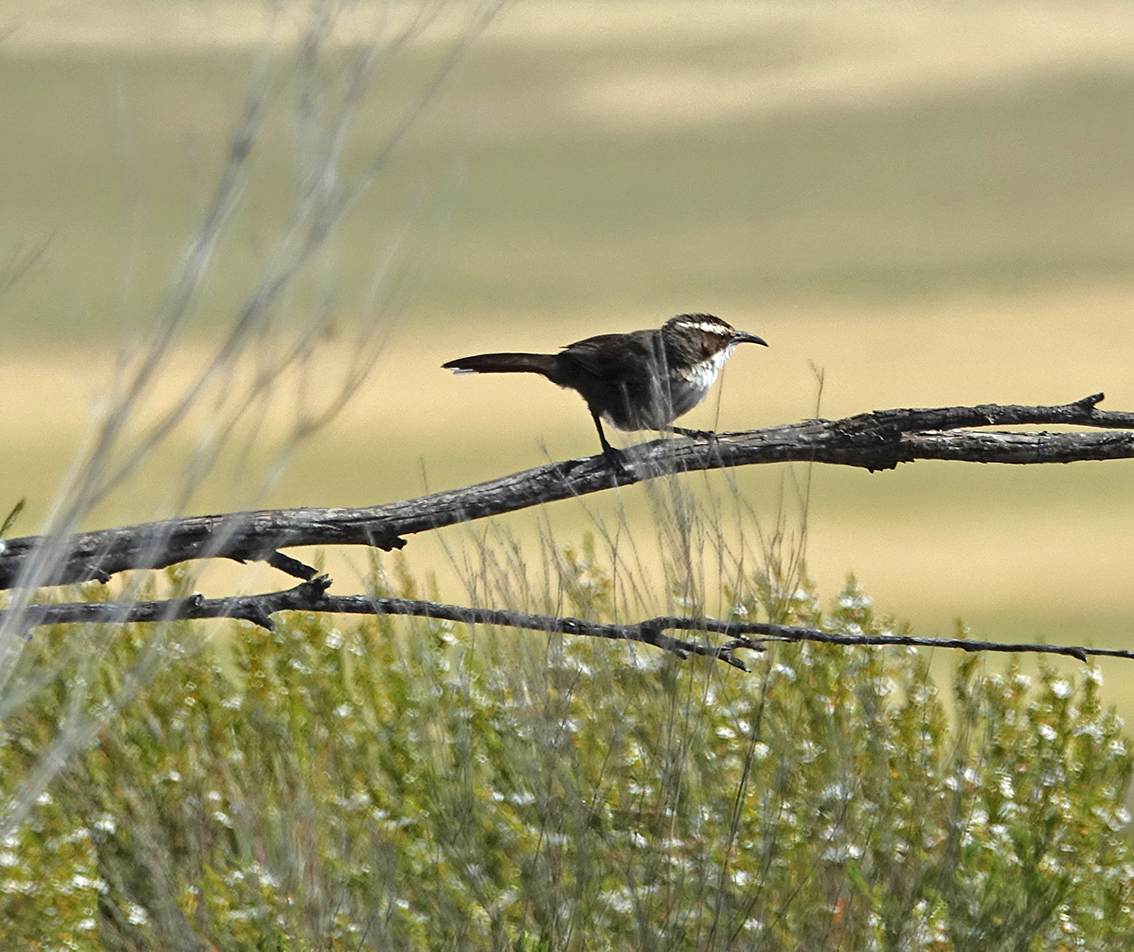
White-browed Babbler

The birds in this area seem to be quite wary. I find myself shooting at long range and having to use a ‘sit quietly and wait’ approach. My first reasonable result is an image of a White-browed Babbler perched on a branch; a species not often seen around the Adelaide area.

Red Wattlebird
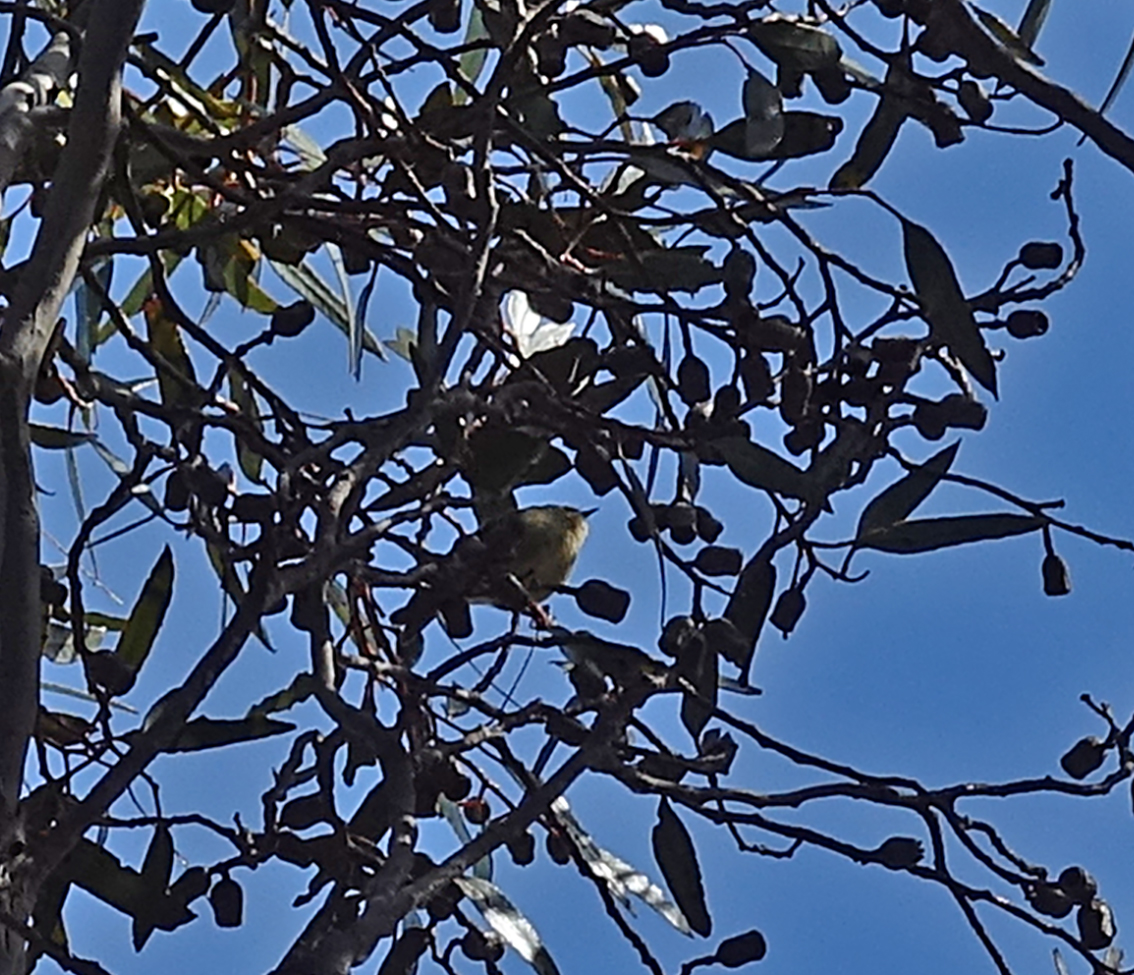
Thornbill species

There are eucalyptus blossoms high in the canopy and with a little careful stalking and patience I photograph a Red Wattlebird as well as the outline and faint detail of a Thornbill; both perched amongst the leaves.

White-tipped Brown Bee Fly

I am unable to spot any reptiles so I try to diversify my day’s captures by searching for some unusual insects. Flies, mosquitoes, hoverflies and some wasps are abundant. However, it is a rather unusual White-tipped Brown Bee Fly that catches my eye as it lands on a sandy clearing amongst the matt of twigs and leaves.

Native Pine and Eucalypt trees
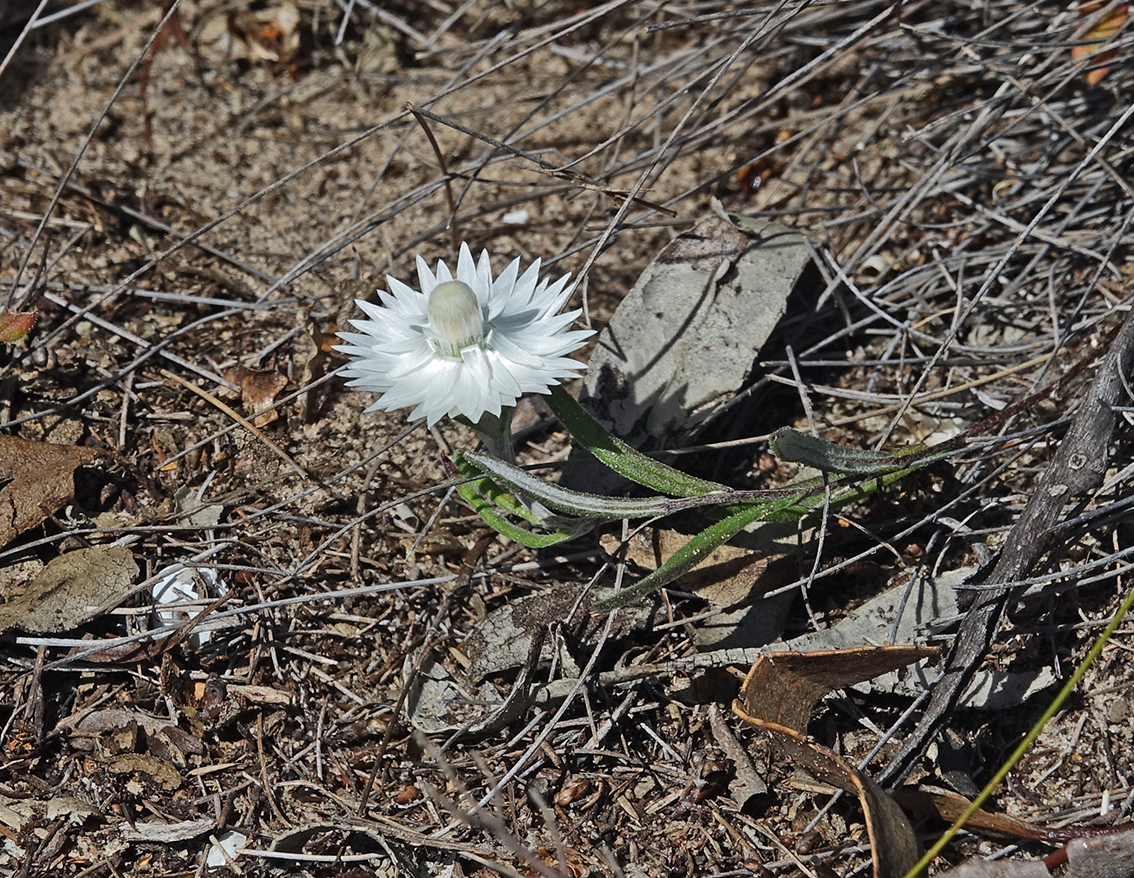
Emerging Everlasting Daisy flower

My walk is almost over. I stroll down a wide track of Mallee and Native Pine searching for one last image. I’m hoping for a roo or some interesting stock in the adjacent paddocks. However, it is a strange domed flower head set amongst a collar of sharp white petals that intrigues me. Later, at home, I identify it as an Everlasting Daisy, with its central yellow mass of disc flowers about to be unravelled.     

Cheers

Baz

Additional notes

Other animals seen, heard but not photographed: Sulphur-crested Cockatoo, Striated Pardalote

The camera used for this post is a Sony RX10 Mark 3

This is an easy walk and drive which is quite suitable for families and seniors.

Please pass on this blog title and or contact information (URL) to any person or organisation with an interest in taking walks and enjoying wildlife in SA.

Click on these links and see more South Australian stories and pictures in my Weekend Notes articles as well as locating similar blogs on Feedspot’s top 20 Australian wildlife blogs
https://www.weekendnotes.com/adelaide/writer/452/

https://blog.feedspot.com/australian_wildlife_blogs/

Giles Conservation Park near Norton Summit

15 Feb

Dear Reader:

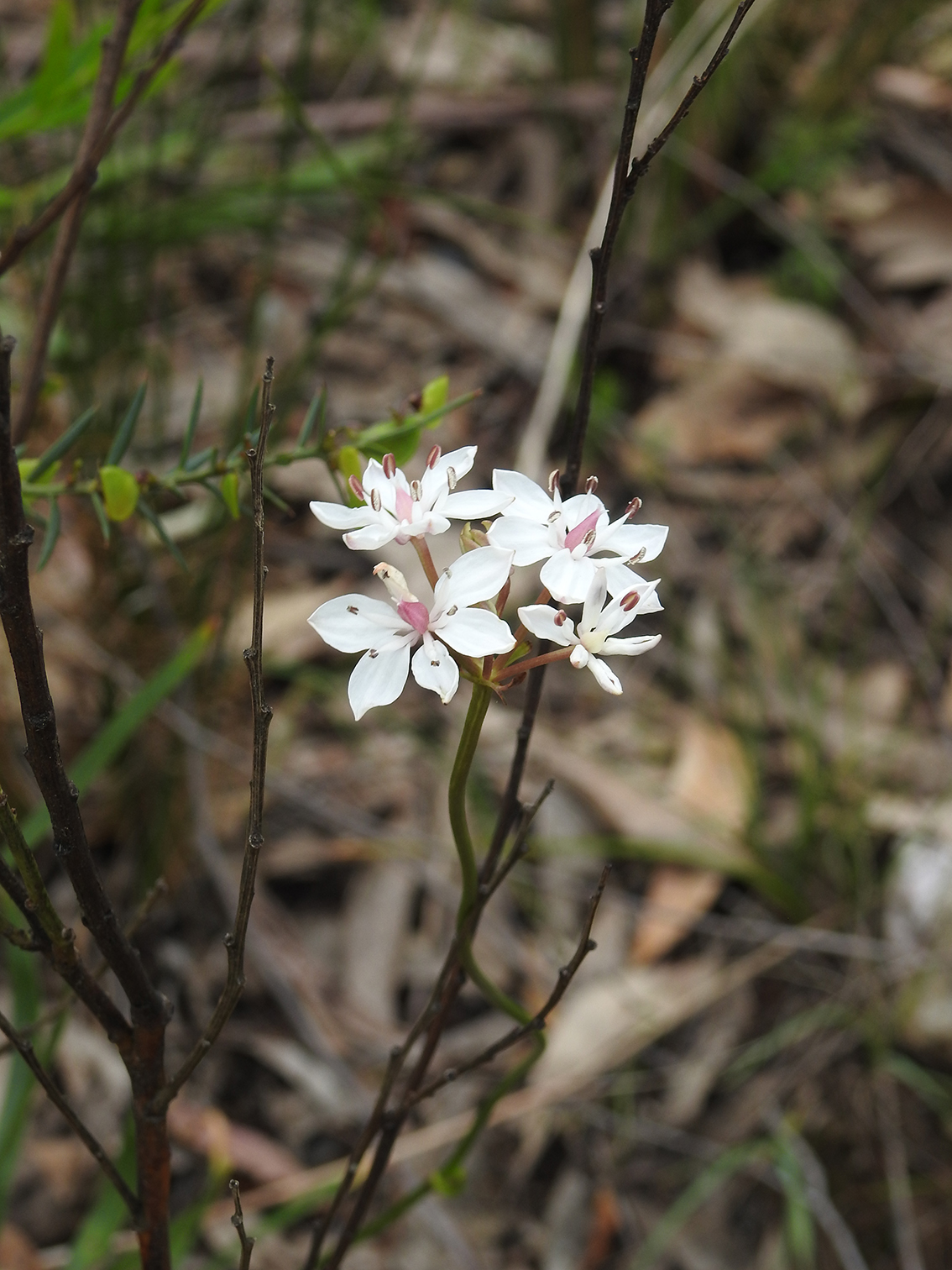
I can hear small birds in the undergrowth and scan the leaf litter and low bushes with my telephoto. Nothing at first then just a glimpse of a wren but it is a beautiful Milkmaid Lily that Catches my eye.

Milkmaid Lily

The Giles Conservation Park is a twenty-five minute drive up Magill Road from Adelaide’s CBD to Norton Summit; then a further five minutes along Lobethal and Woods Hill Road. I park opposite the park entrance and enjoy the view of green undulating farmland. There are Australian Magpies and a few Ravens in the fields.

Farmland opposite Giles CP

After leaving the wrens and Lilies my next surprise is a rather unusually marked Koala in a tree just a few metres along the clearly marked Ridge Trail.

Koala

Being late Spring, there is a proliferation of blooms along the trail including: eucalypts, wattles, lilies, peaflowers and native primroses. And, there are also an introduced weeds, one of which is quite intriguing the aptly named Rattlesnake Grass.

Red Parrot Peaflower

Forester Moth on Native Primrose

Rattlesnake Grass

Some animals give away their location with a subtle shuffle in the grass, not so the Kookaburra. Midway up a tall Stringybark a Laughing Kookaburra perches and calls to its mate deeper in the scrub.

Laughing Kookaburra

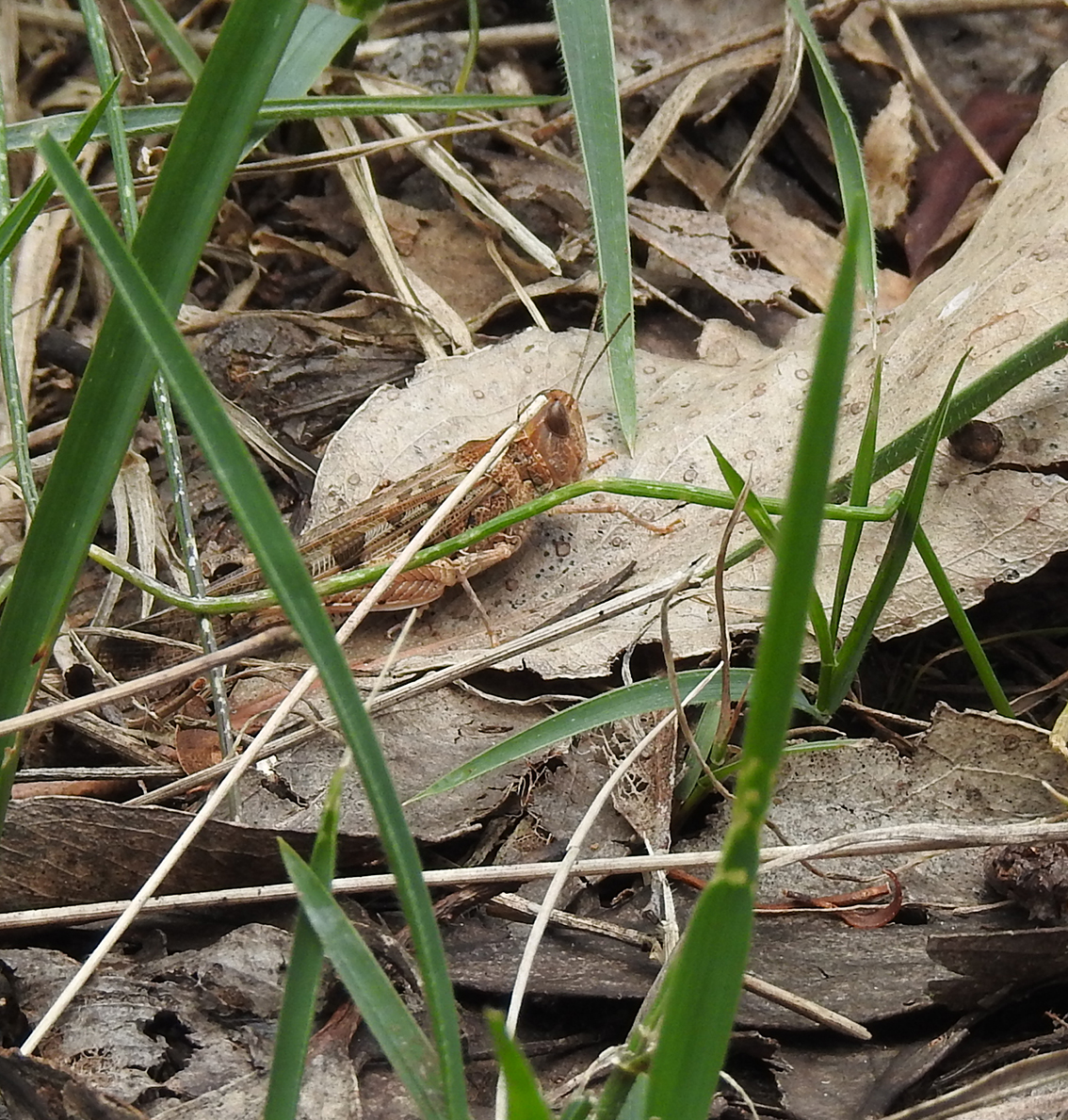
Koalas and kookaburras are relatively easy to spot but there is a myriad of smaller animals that live amongst the foliage, flowers and leaf litter which are much harder to detect. Insects, spiders, skinks and beetles are just a few examples of this lower but critical part of the food chain. Unfortunately the number of these creatures is becoming dangerously low because of pesticides, habitat loss and other human induced threats.

Common Garden Skink

Plague Locust

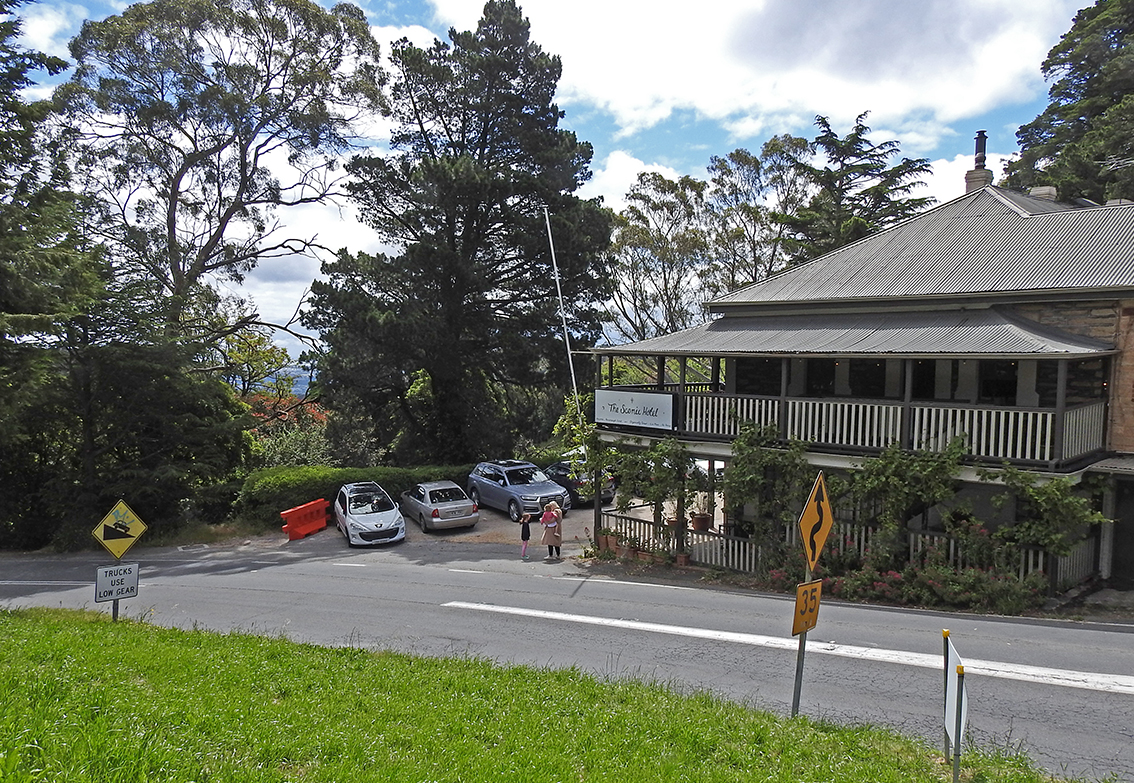
Having walked several kilometres and taken many photographs, it is time to head back to the city. However, I would never consider leaving the Norton Summit area without enjoying lunch with a view at the Scenic Hotel.   

Scenic Hotel Norton Summit

Cheers

Baz

Additional notes

The camera used for this post is a Nikon Coolpix P900

This is an easy walk and drive which is quite suitable for families and seniors with limited parking.

Please pass on this blog title and or contact information (URL) to any person or organisation with an interest in taking walks and enjoying wildlife in SA.

Click on these links and see more South Australian stories and pictures in my Weekend Notes articles as well as locating similar blogs on Feedspot’s top 20 Australian wildlife blogs

https://www.weekendnotes.com/adelaide/writer/452/https://blog.feedspot.com/australian_wildlife_blogs/

Murray River: Murtho Forest Reserve

21 Jan

Dear Reader:

As I walk across the top of the cliffs from the reserve’s entrance, I notice a Rainbow Bee Eater perched on a dead tree branch. The first one I have seen in Australia.

Rainbow Bee Eater

My next stop is an observation tower which provides splendid up and downstream views of the Murray River.

The observation tower is flanked by cliffs, river and scrub

Murtho forest reserve is part of the greater Riverland Biosphere Reserve. It lies 20 kms northeast of Renmark. There are several walks through the park as well as a camping area, boat launching facilities and the observation tower.

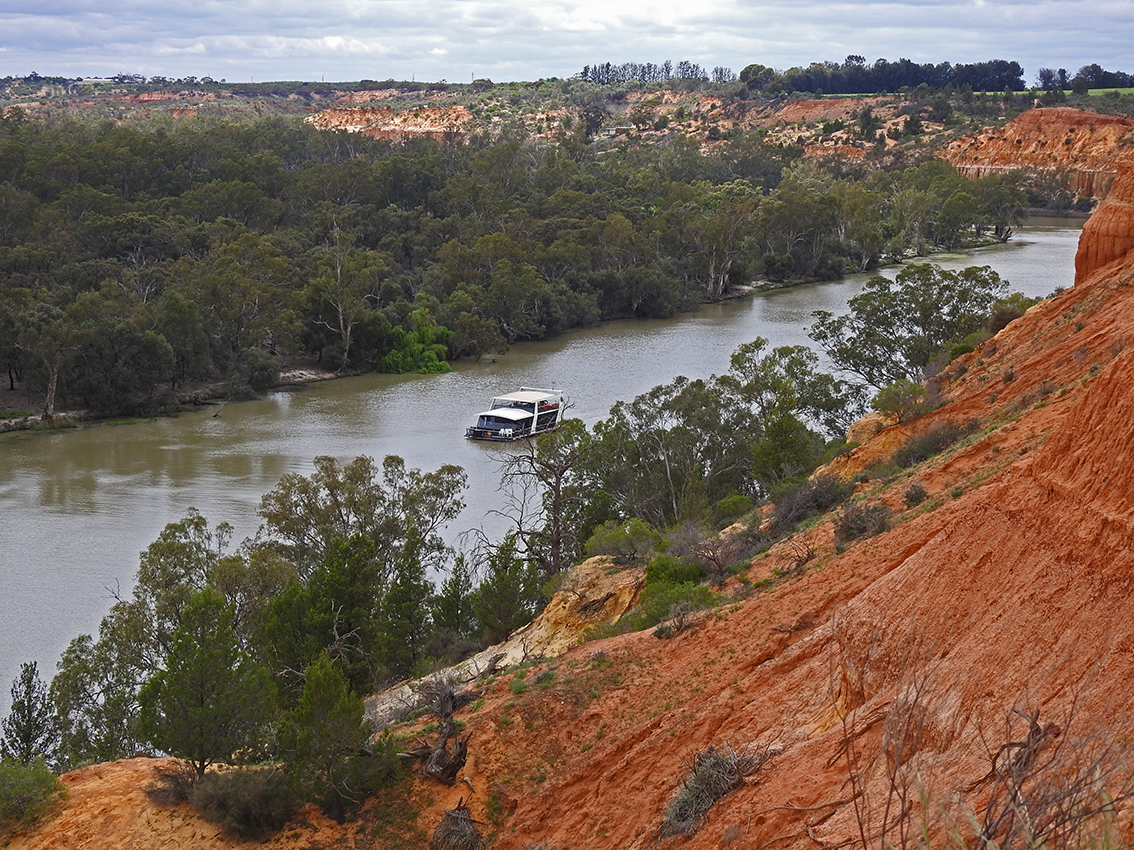
A houseboat makes its way down the river

Honeyeaters are common throughout the forest and I am lucky enough to photograph three different species in the area around the tower; White-plumed Honeyeaters, Singing Honeyeaters and the less common Spiny-cheeked Honeyeater. The latter species is perching on a protruding, dead branch above the river and it takes several shots to identify it.

White-plumed Honeyeater

It is hard to shift your gaze from the wonderful scenery; red cliffs, a slow meandering giant of a river as well as billabongs and wetlands on the far bank.

Wetlands opposite the forest

Leaving the viewing platform, I drive to the camping and boat launch area. There are quite a few flowering shrubs and ground covers in this location including an Eremophila species and Pigface, a common coastal succulent. I notice several different types of butterflies and a Hoverfly feeding on the blossoms.

Eremophila species

As the cloud cover thickens I decide it is time to drive back to Renmark with a short stop on the way at the Paringa Hotel for a drink and lunch.

Local watering hole

Cheers

Baz

Additional notes

The camera used for this post is a Nikon Coolpix P900

This is an easy drive and walk which is quite suitable for families and seniors. It is dog friendly.

Please pass on this blog title and or contact information (URL) to any person or organisation with an interest in taking walks and enjoying wildlife in SA.

Click on these links and see more South Australian stories and pictures in my Weekend Notes articles as well as locating similar blogs on Feedspot’s top 20 Australian wildlife blogs