Archive | Bird watching RSS feed for this section

Springton’s Wildlife Wonders part 2

12 Apr

Continued from Blog 254

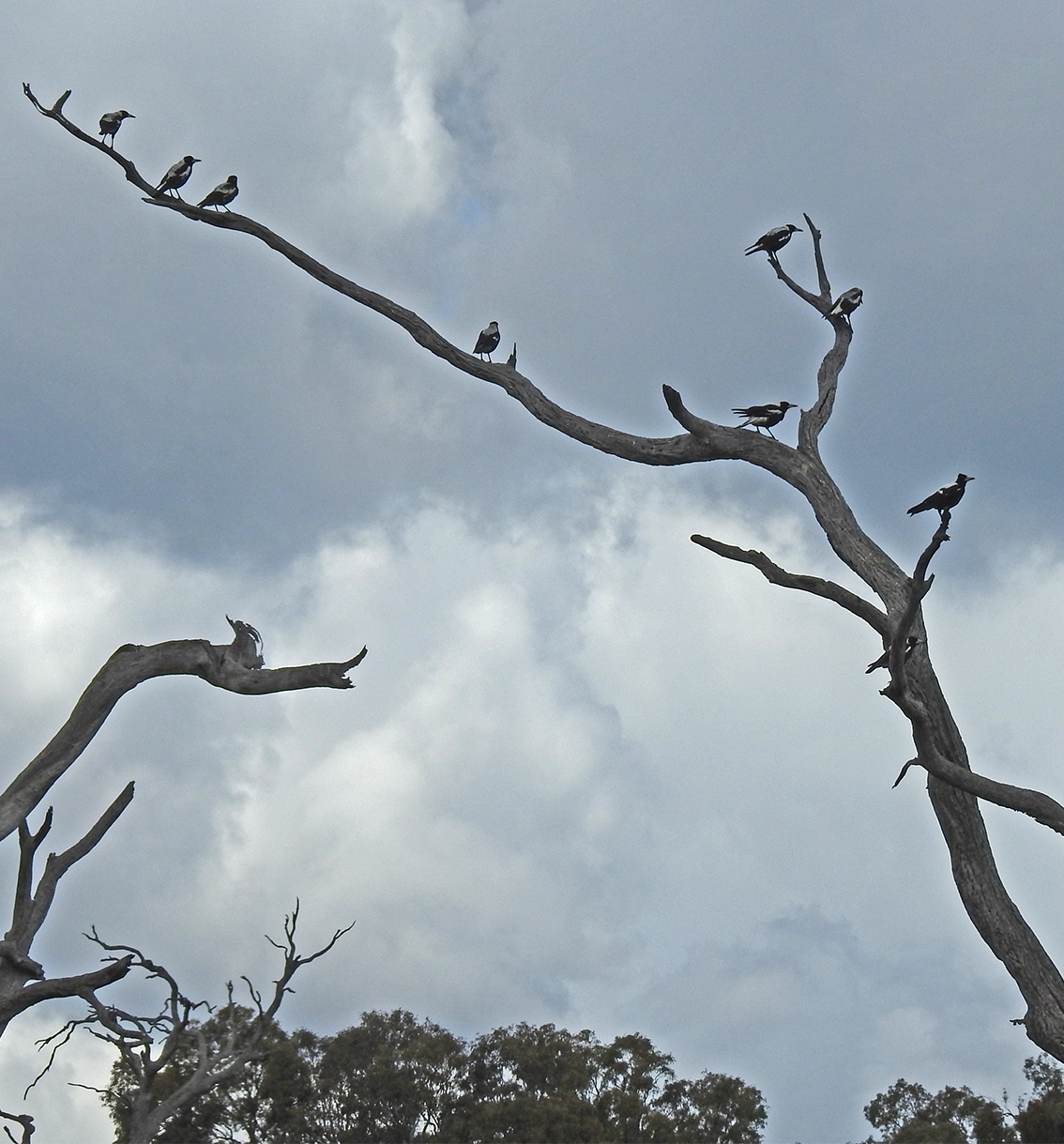
Magpies grouped in a tree

Dear Reader….

……Looking further across the field I notice a long dead tree with a small flock of Australian Magpies perched along a skeletal branch. A rather picturesque and haunting image.

I use the GPS for location confirmation when writing notes and taking photographs

Climbing back into my car I scan the GPS for the next intersecting road which happens to be French’s Road. This in turn leads on to Potts Hill Road where there is a green section indicating a park, wetland or other natural feature.

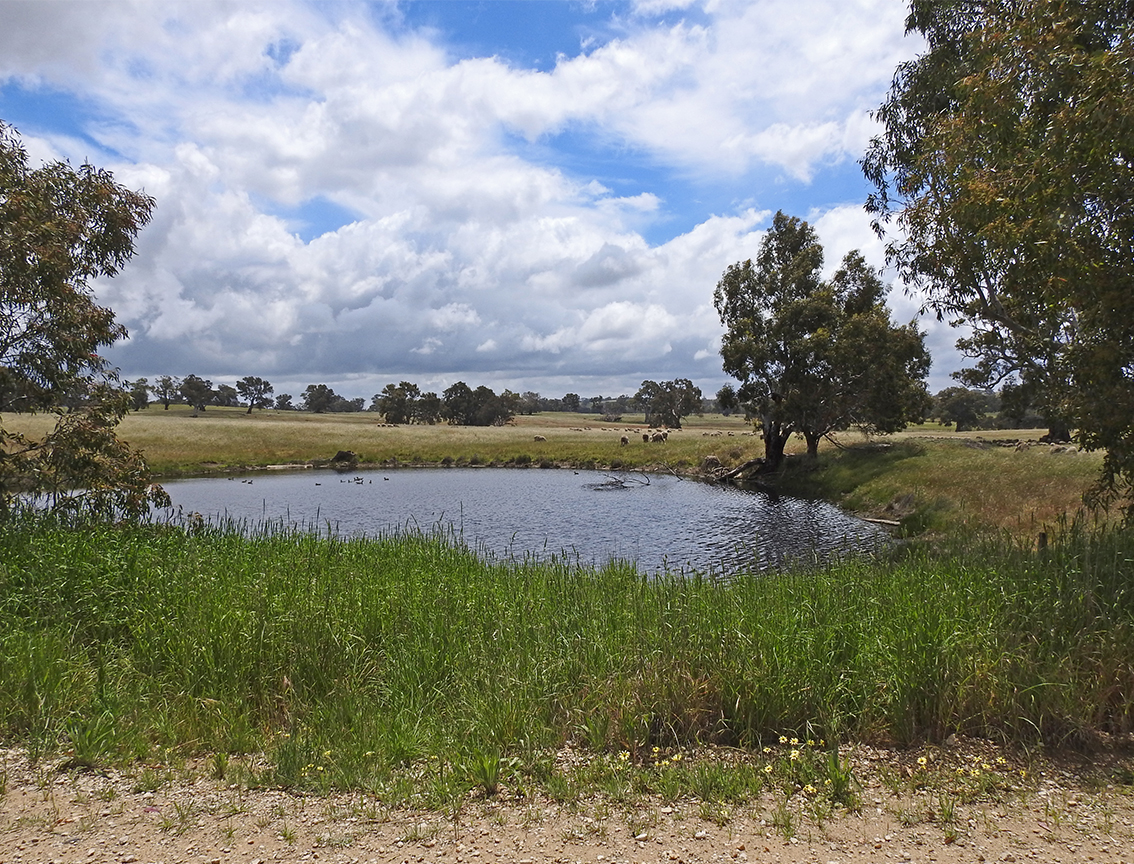
Typical farm dam in the Adelaide Hills

On the way to the junction, I pass a small dam typical of those found on hills’ properties. Using the extreme range of my P900 I recognise Maned Ducks, Eurasian Coots and a single Hoary-headed Grebe on the water.

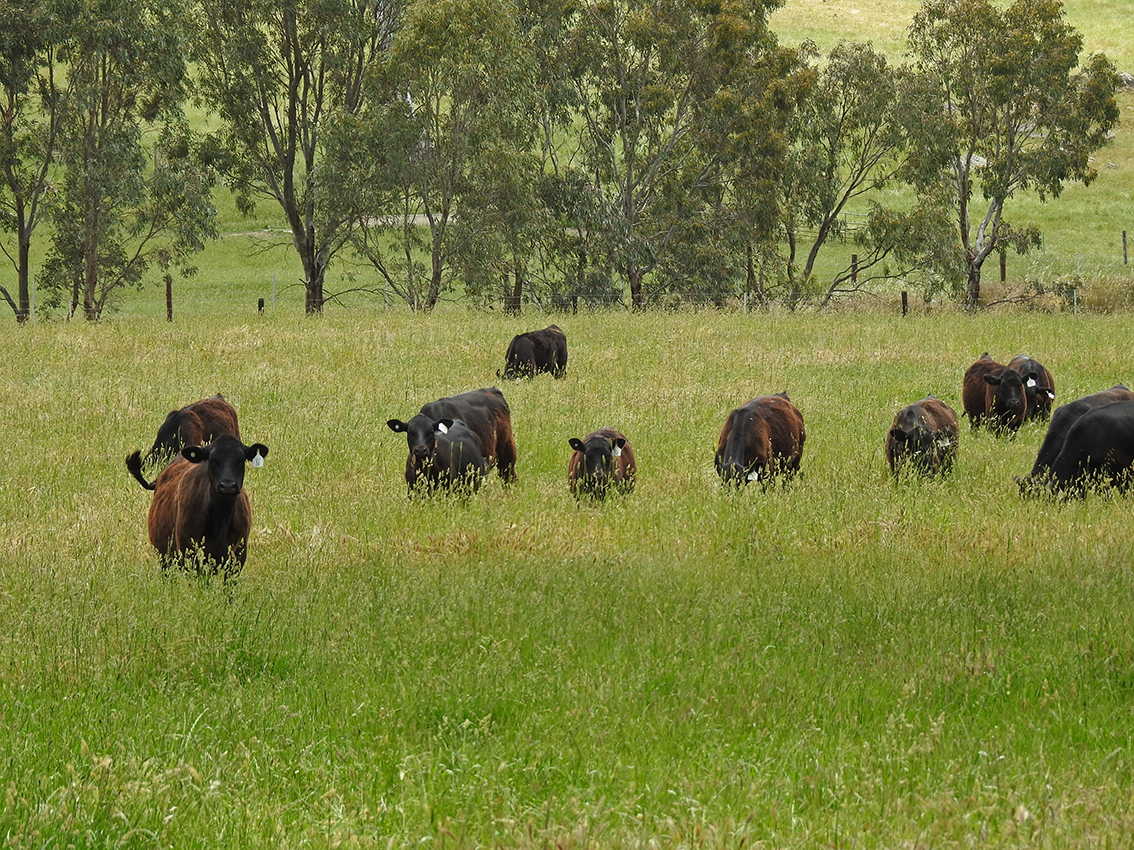
Angus variety of cattle
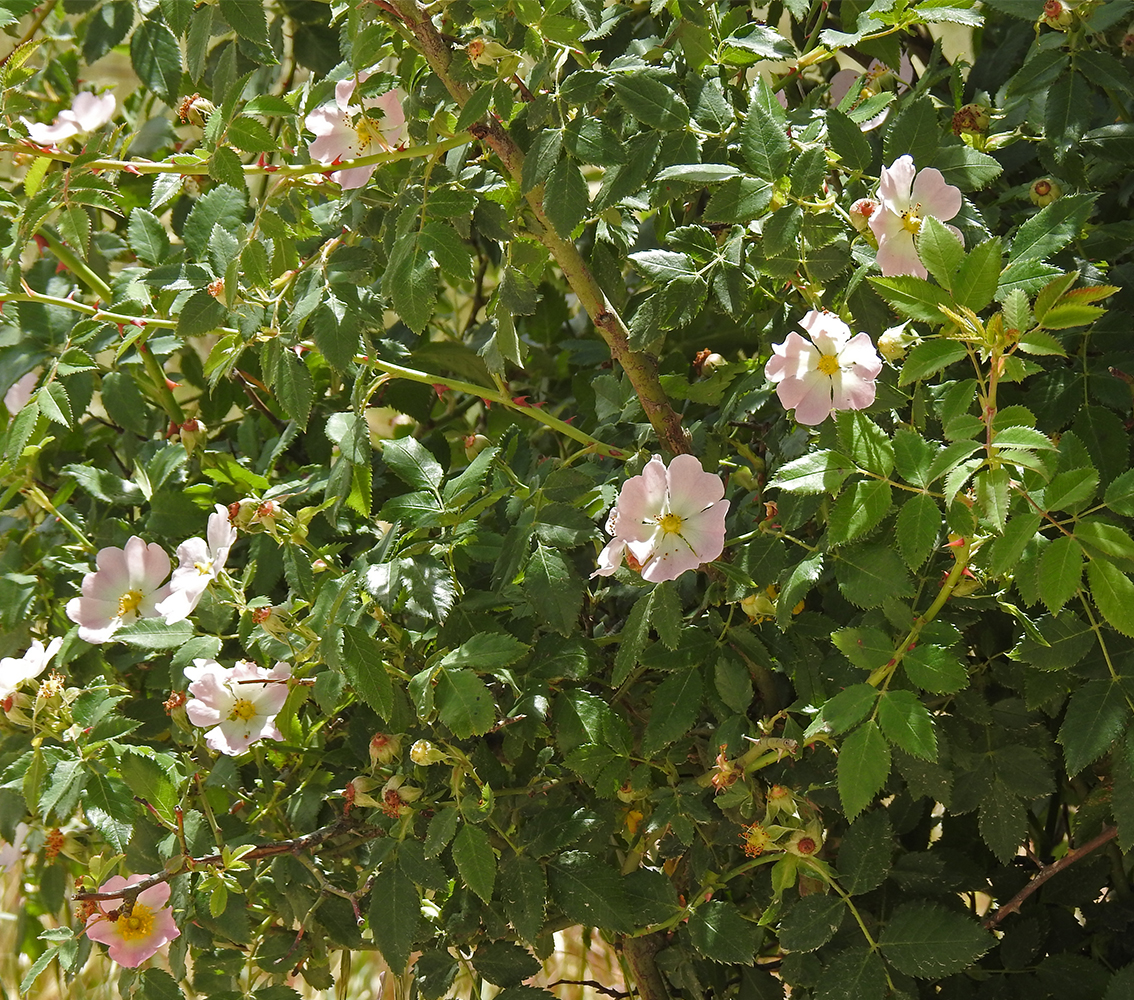
A roadside bouquet

For the next kilometre the road has wild roses growing on the verge while curious Angus Cattle meander towards the fence-line. I slow to a stop and enjoy their inquisitive company.

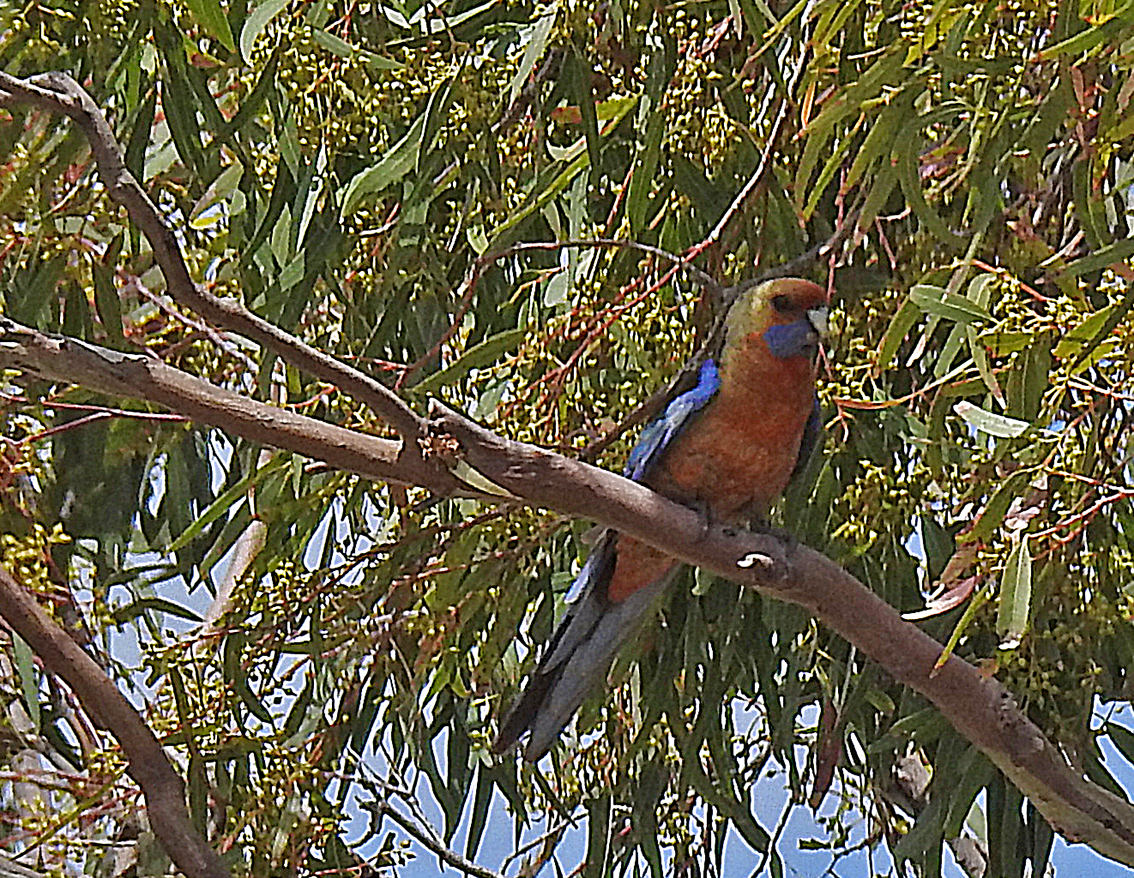
Adelaide Rosella a variety of Crimson Rosella
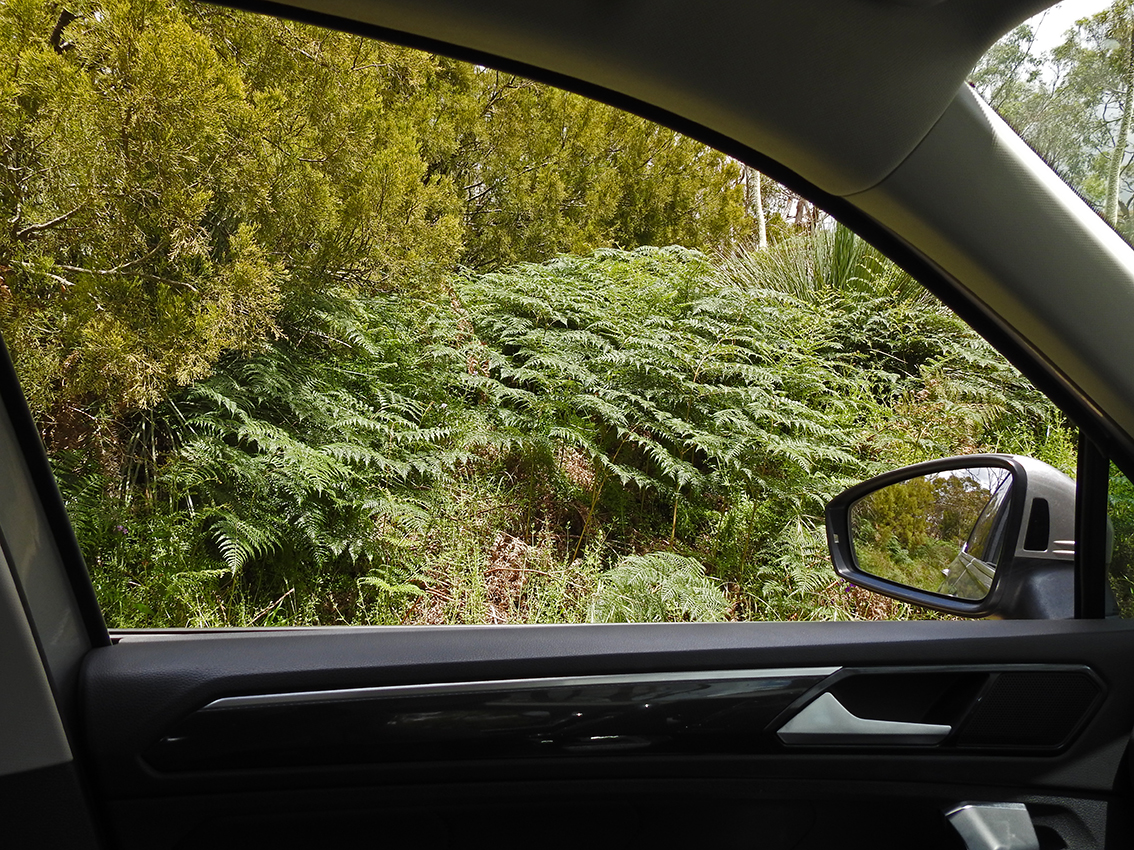
Unexpected change of environment

The green outline on the map marks a dip in the road where a creek cuts through the pasture creating a quite different environment characterised by dense scrub and bracken. The sound of wrens and other small birds fills the air and several Adelaide Rosellas land in one of the larger eucalypts.

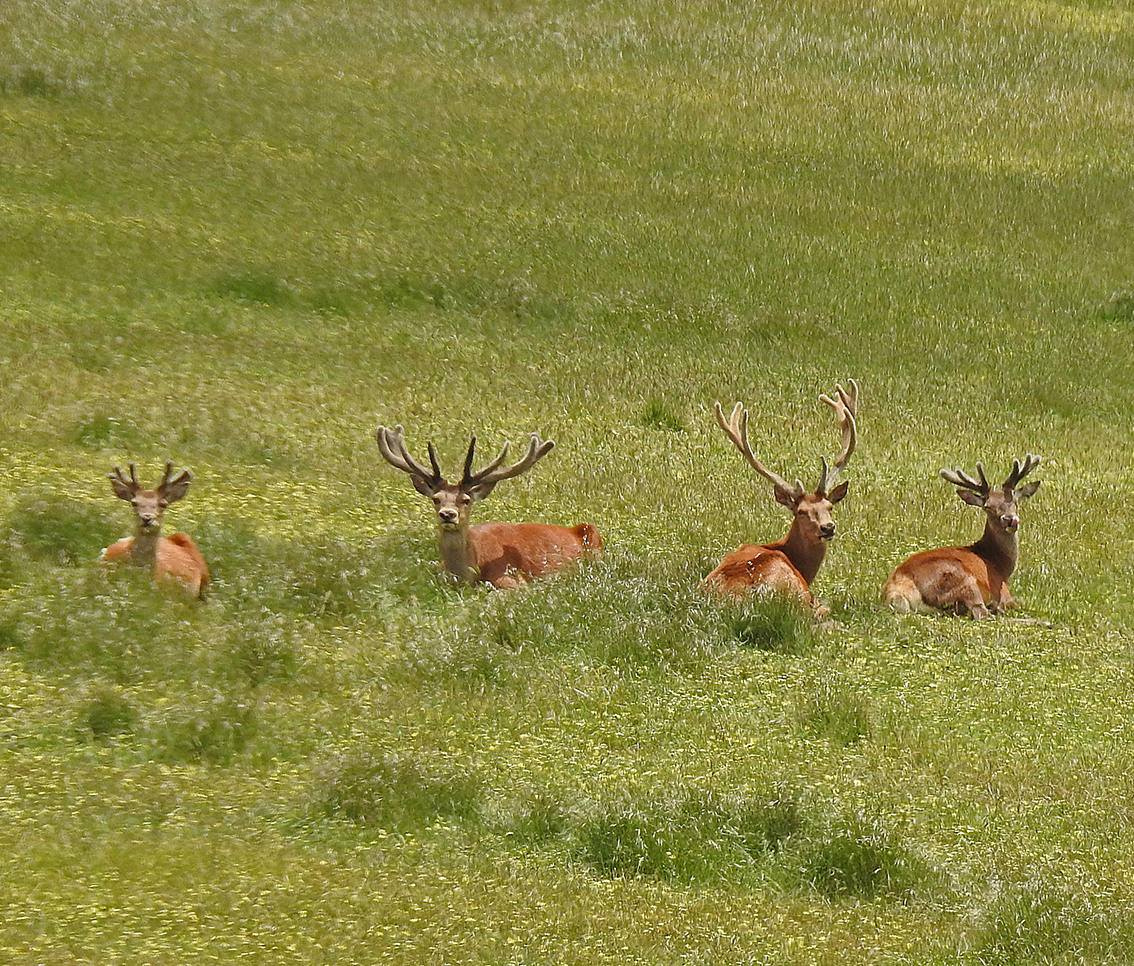
Farmed Red Deer, they are also an introduced pest species

My final stop on this exploratory drive around the Springton area yields the most interesting images of the day. In a high-fenced paddock, a herd of Red Deer sit quietly in the long grass. Introduced wildlife, they are bred for venison and the velvet on the stags’ antlers.

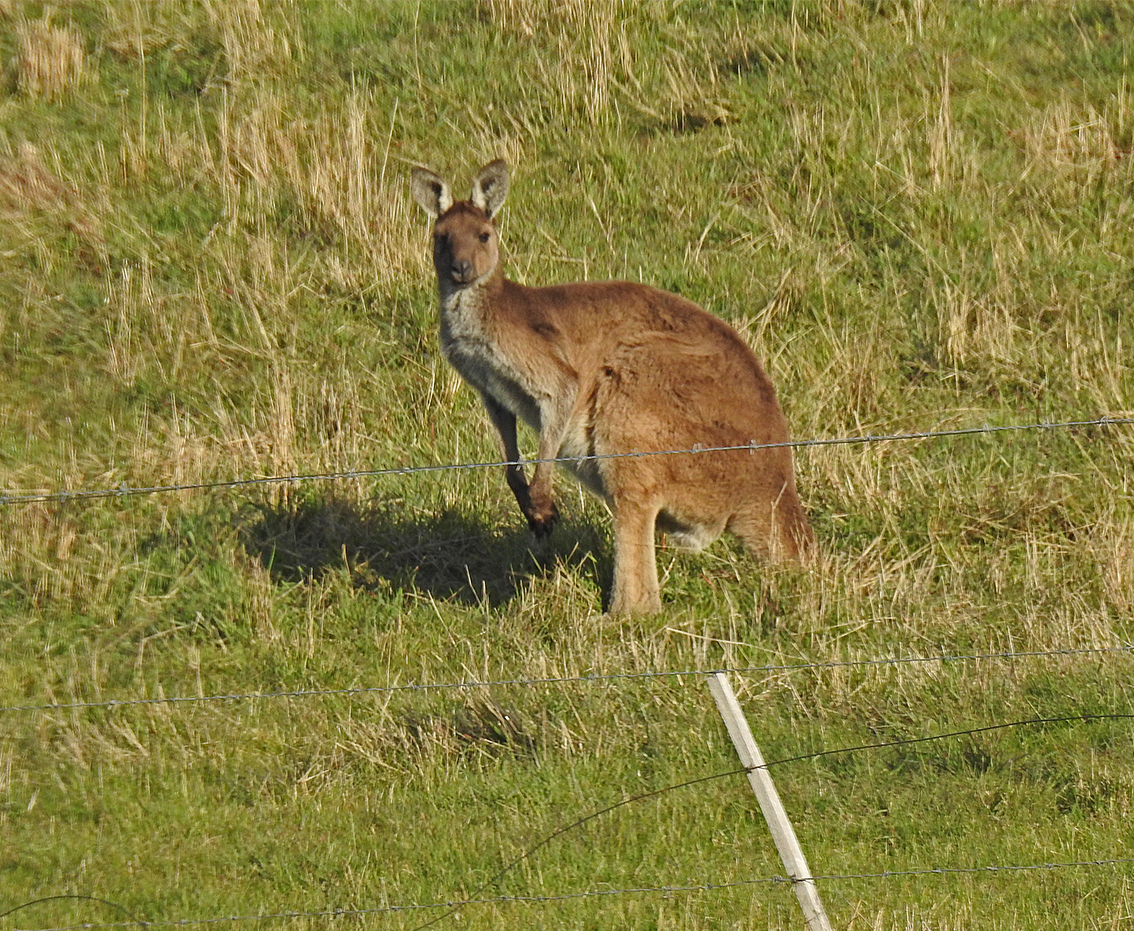
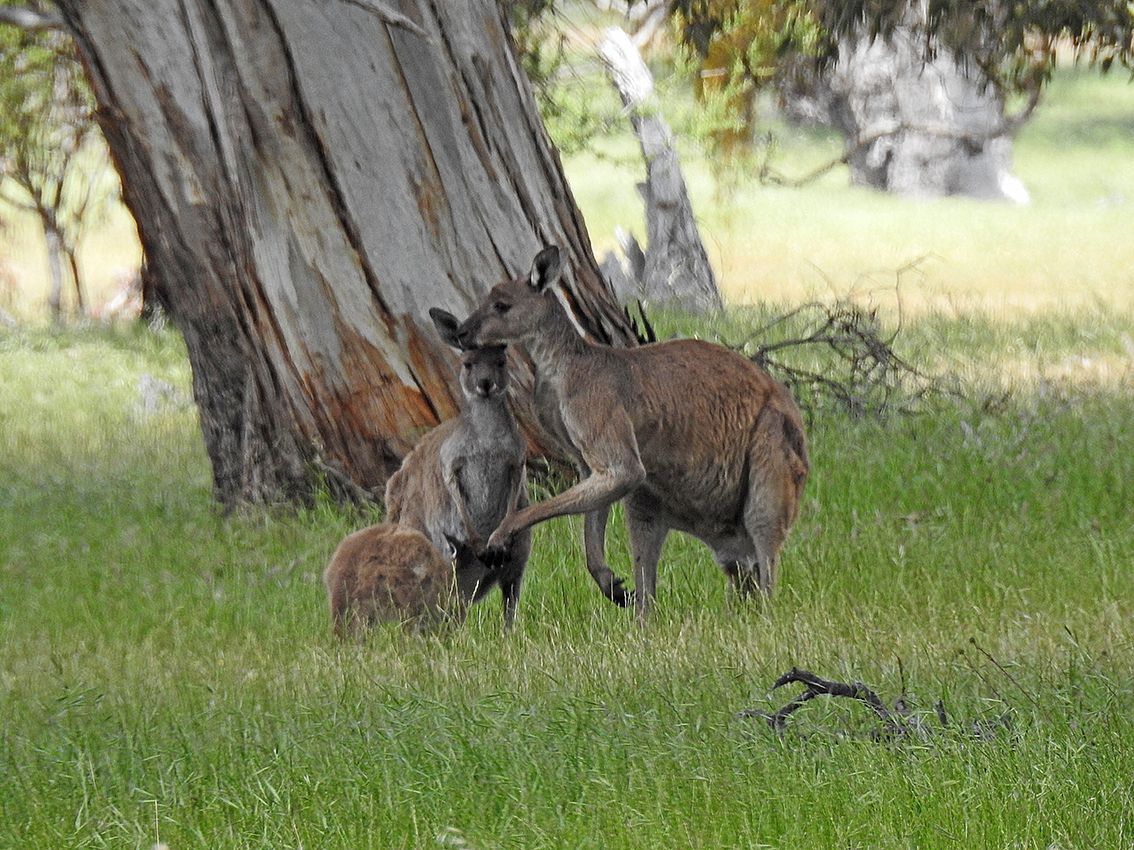
Family grouping of Western Grey Kangaroos, the male is not necessarily the parent animal

In stark contrast, a trio of Western Grey Kangaroos; male, female and half-grown joey, huddle together as I move within camera range. Large herbivorous grazers they occupy the same Australian ecological niche that deer inhabit in Europe, Asia and North America. A nice biological footnote to end my day around Springton.

Cheers

Baz

Additional notes

Other significant animals seen, heard but not photographed: Kestrel, Brown Snake

The camera used for this post is a Nikon Coolpix P900

This is an easy drive which is quite suitable for families and seniors with public toilets, barbecues, parking and other facilities in Springton. It is dog friendly unless a national or conservation park is signposted.

Please pass on this blog title and or contact information (URL) to any person or organisation with an interest in taking walks and enjoying wildlife in SA.

Click on these links and see more South Australian stories and pictures in my Weekend Notes articles as well as locating similar blogs on Feedspot’s top 20 Australian wildlife blogs

https://www.weekendnotes.com/adelaide/writer/452/

https://blog.feedspot.com/australian_wildlife_blogs/

Mount Pleasant ….. A Natural Experience ….. Part 1

12 Apr
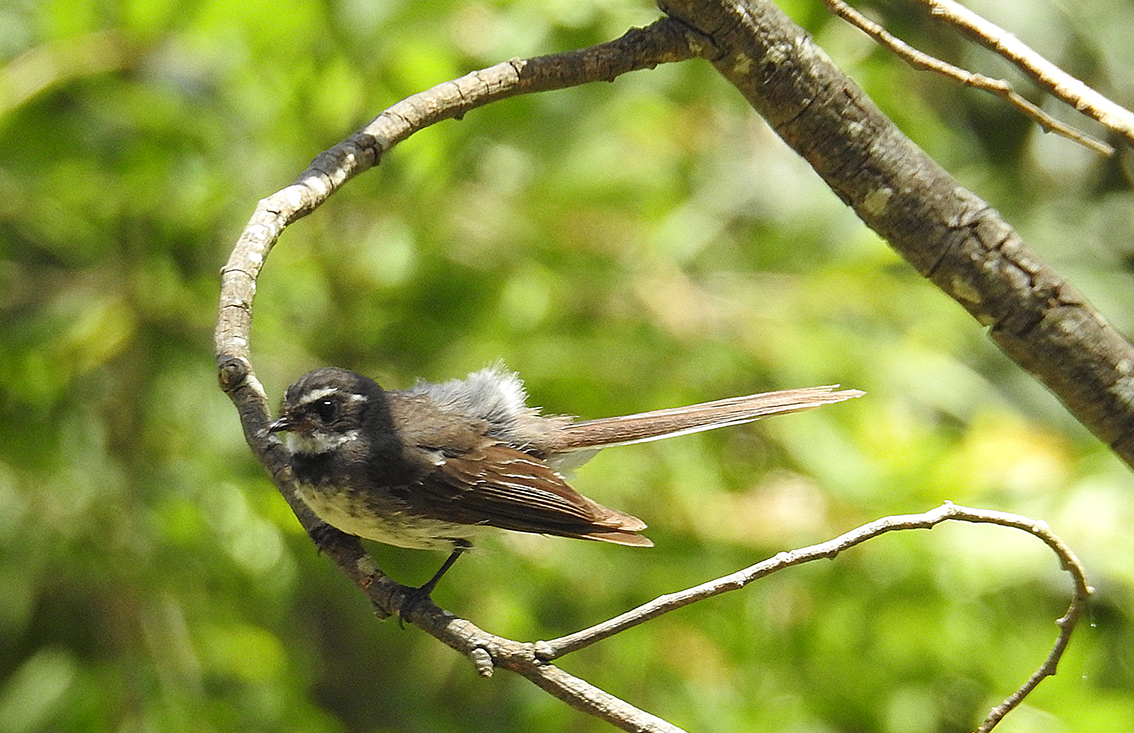
Grey Fantail, probably a juvenile

Dear Reader:

There is a solitary Grey Fantail hunting alongside the bridge. It perches on a branch then makes quick aerial sorties to catch insects in mid-air.

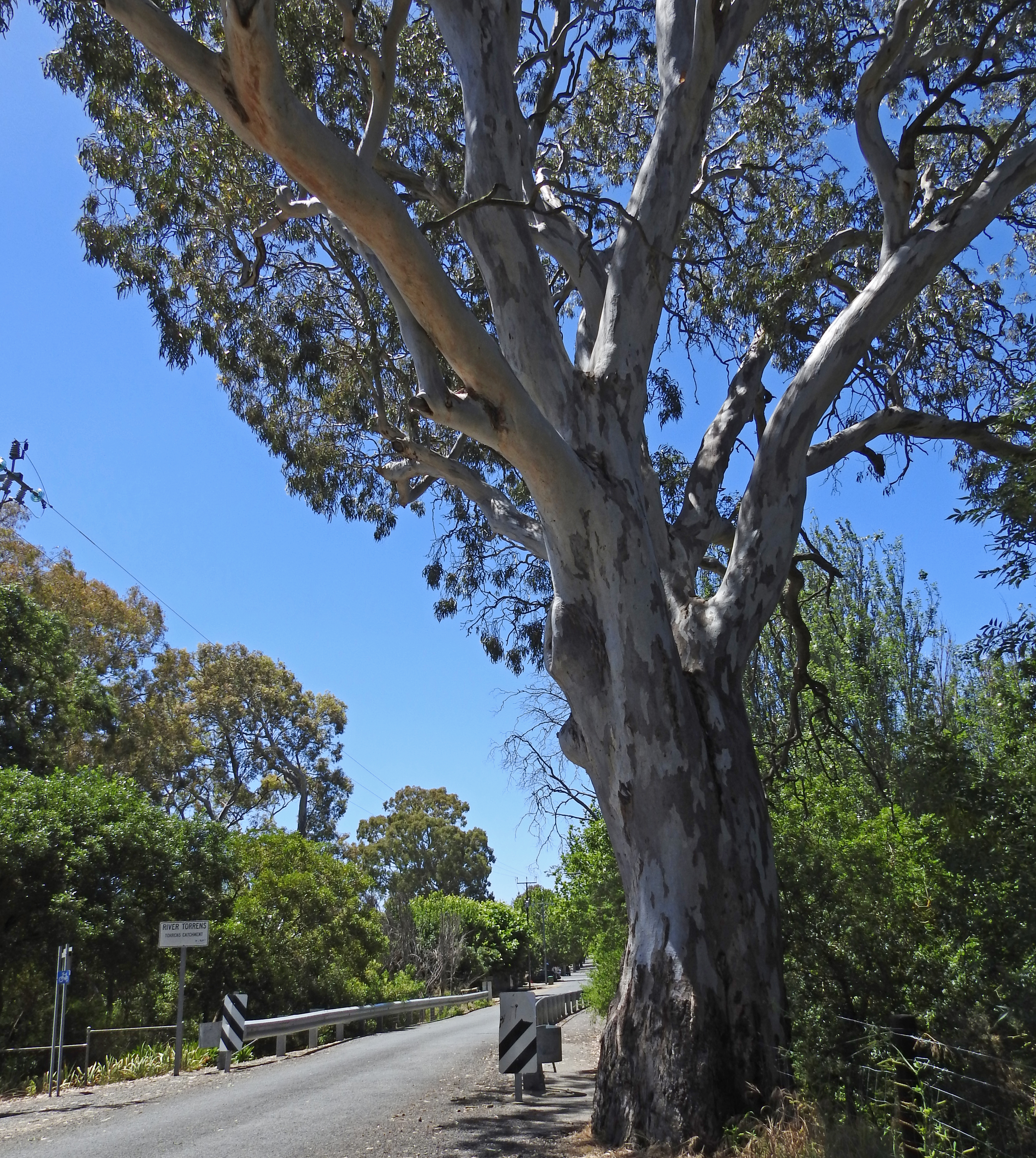
Bridge over the Torrens on Talunga Road

I am at the first bridge in Mount Pleasant, on Talunga Park Road, after entering the town on the B10 from Birdwood in the Adelaide Hills. This delightful little town sits near the source of the River Torrens and reflects colonial history as well as lovely, rural scenery. A Saturday farmers’ market is yet another attraction.

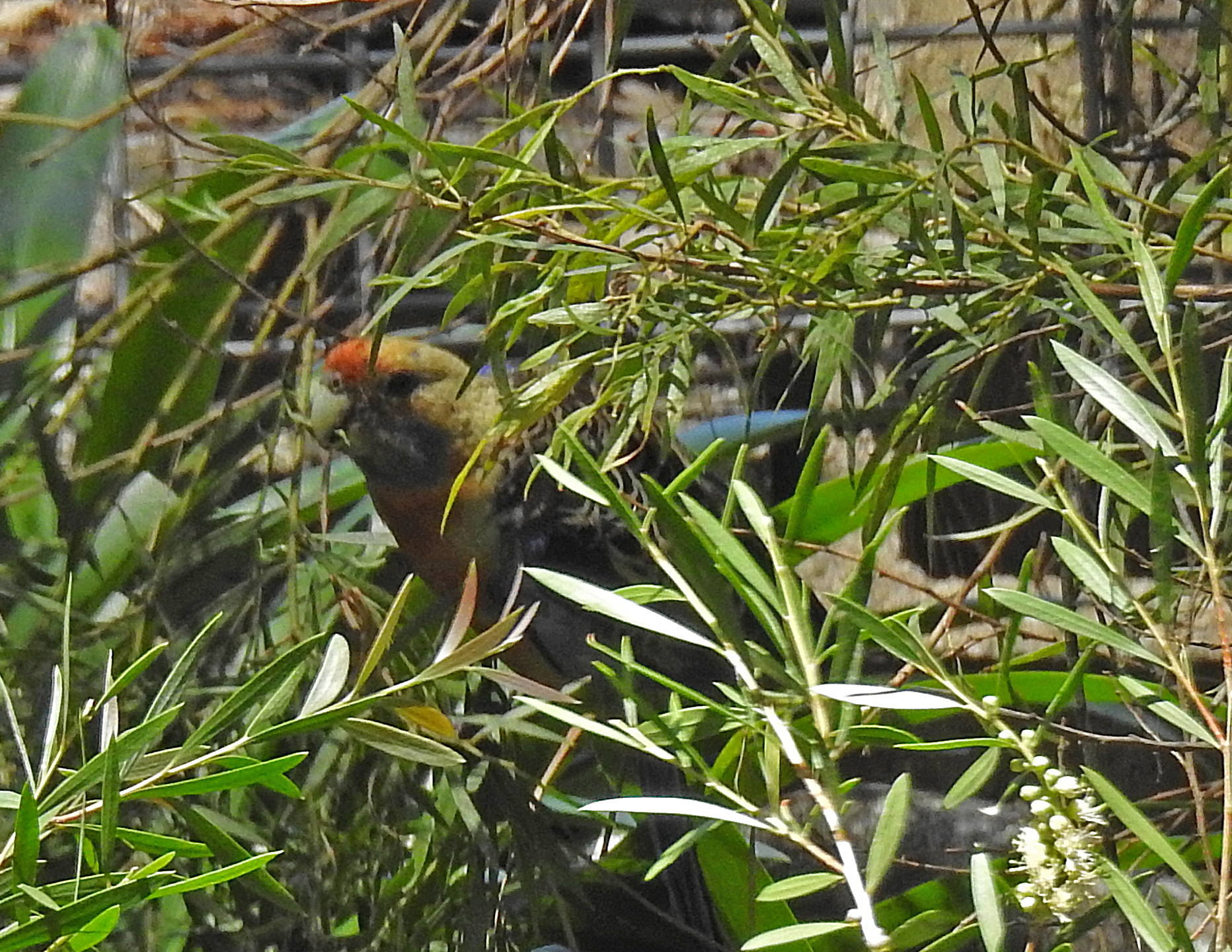
Adelaide Rosella

Climbing down a path next to the bridge, I reach a long pool. I sit on the bank and scan several large River Gums. An Adelaide Rosella lands in one and calls to its mate somewhere further down the river. After a few minutes the parrot flies down to a fenced riverside property to feed in some bushes. Close enough for a hurried, shady shot.

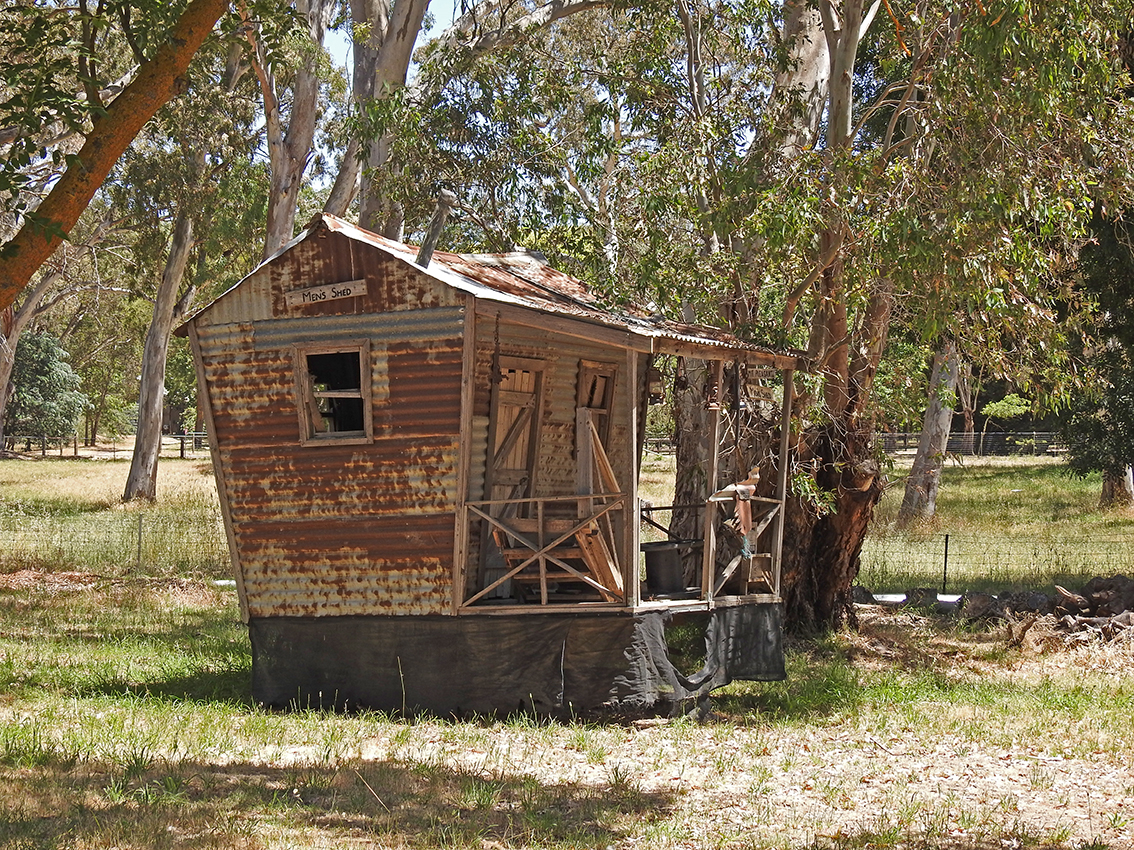
Strange little shed

I drive a little further along the road and stop by the entrance to a park and follow a dirt pathway. There are tennis courts, a bowling green, club houses and a strange little shed which advertises the Men’s Shed project.

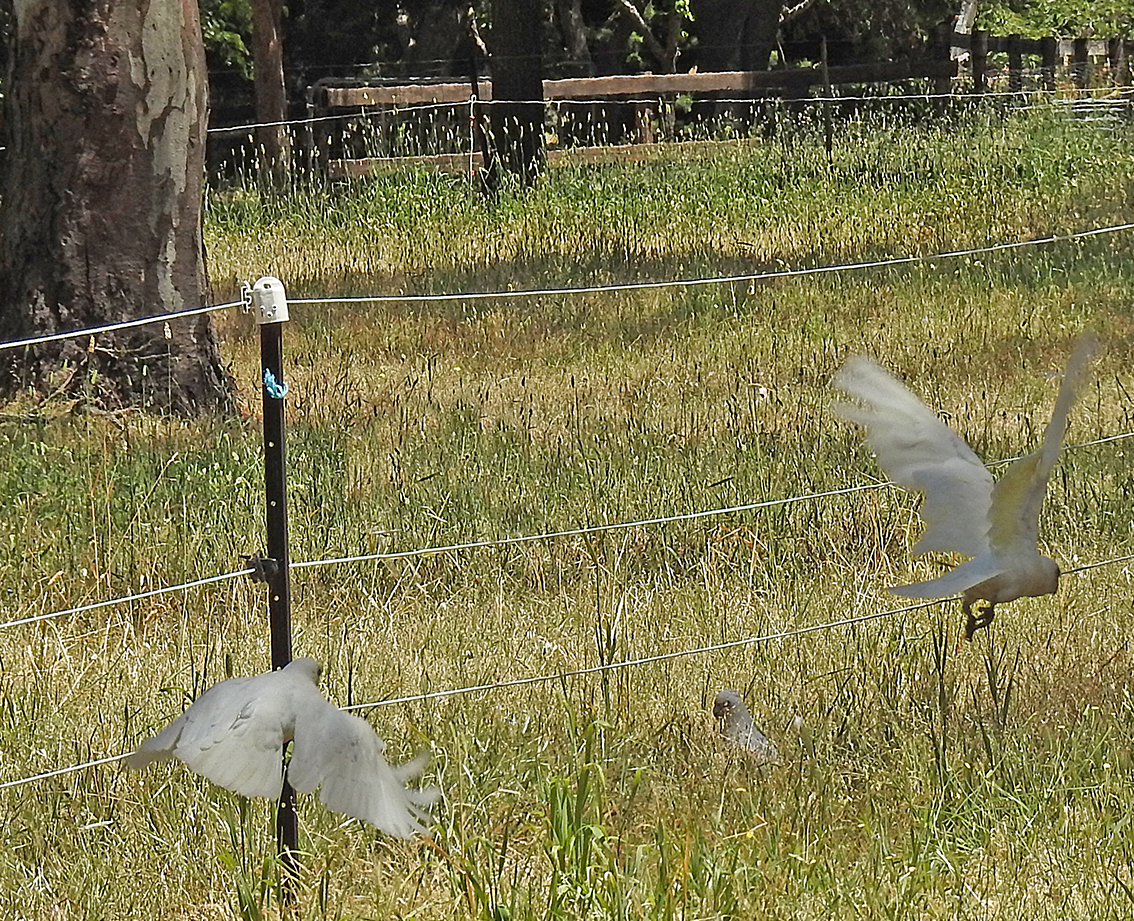
Cockatoos in flight

Walking along the track, I spot a small group of Sulphur-crested Cockatoos feeding by a fenceline. They are nervous and I set the camera to Sports Mode, to use my preset shutter speed of 1/1250th of a second. Birds in flight are always an interesting and challenging target.

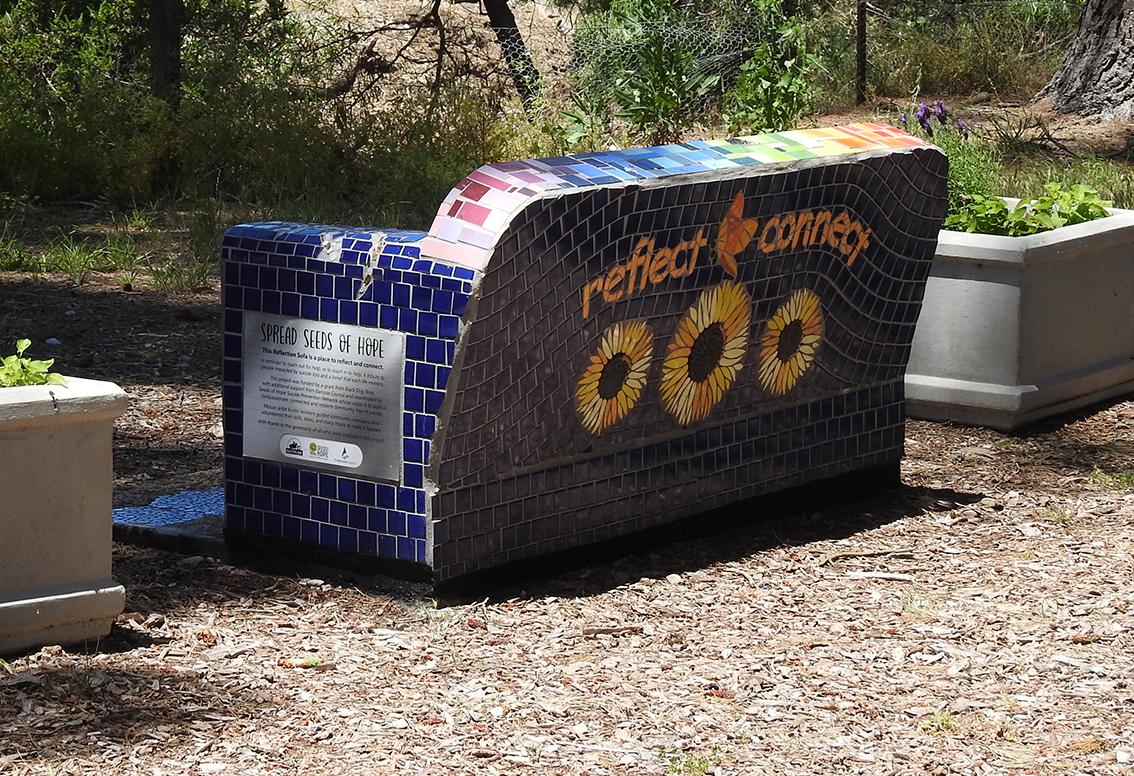
Mosaic styled couch for reflection

The path skirts the facilities then turns right, past a children’s playground, reflection couch ending at another bridge leading to a small park. The cockatoos have flown off and squawked loudly enough to alert all other birds in the area to my presence.

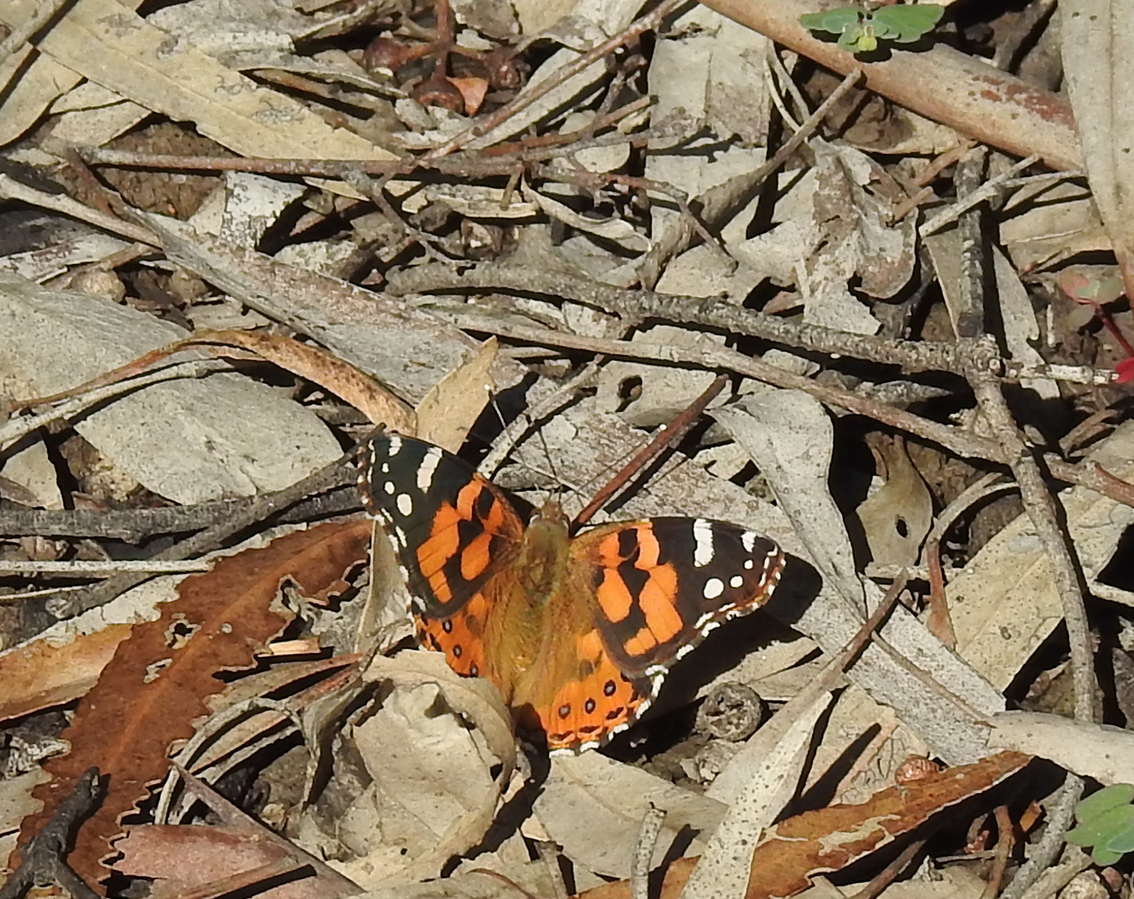
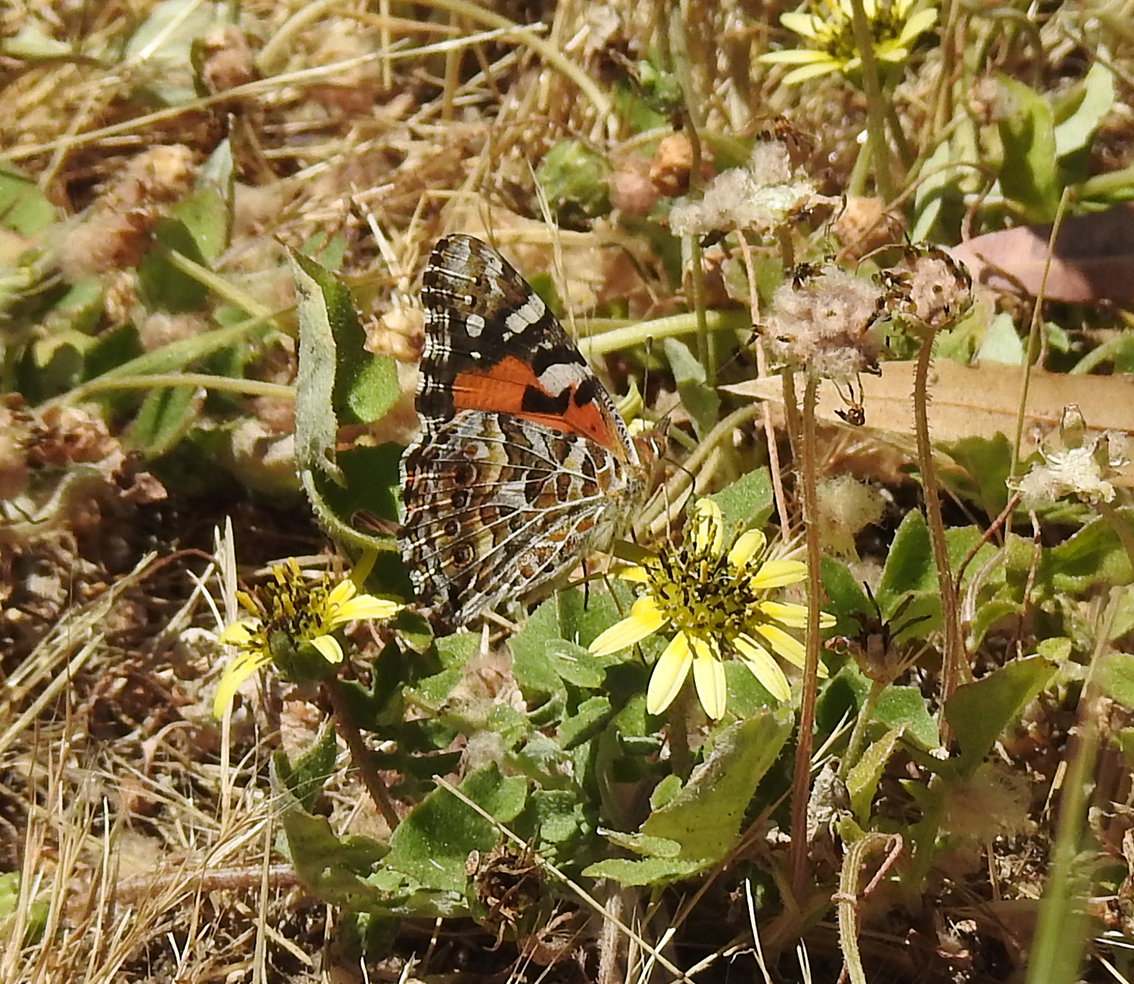
Painted Lady butterfly

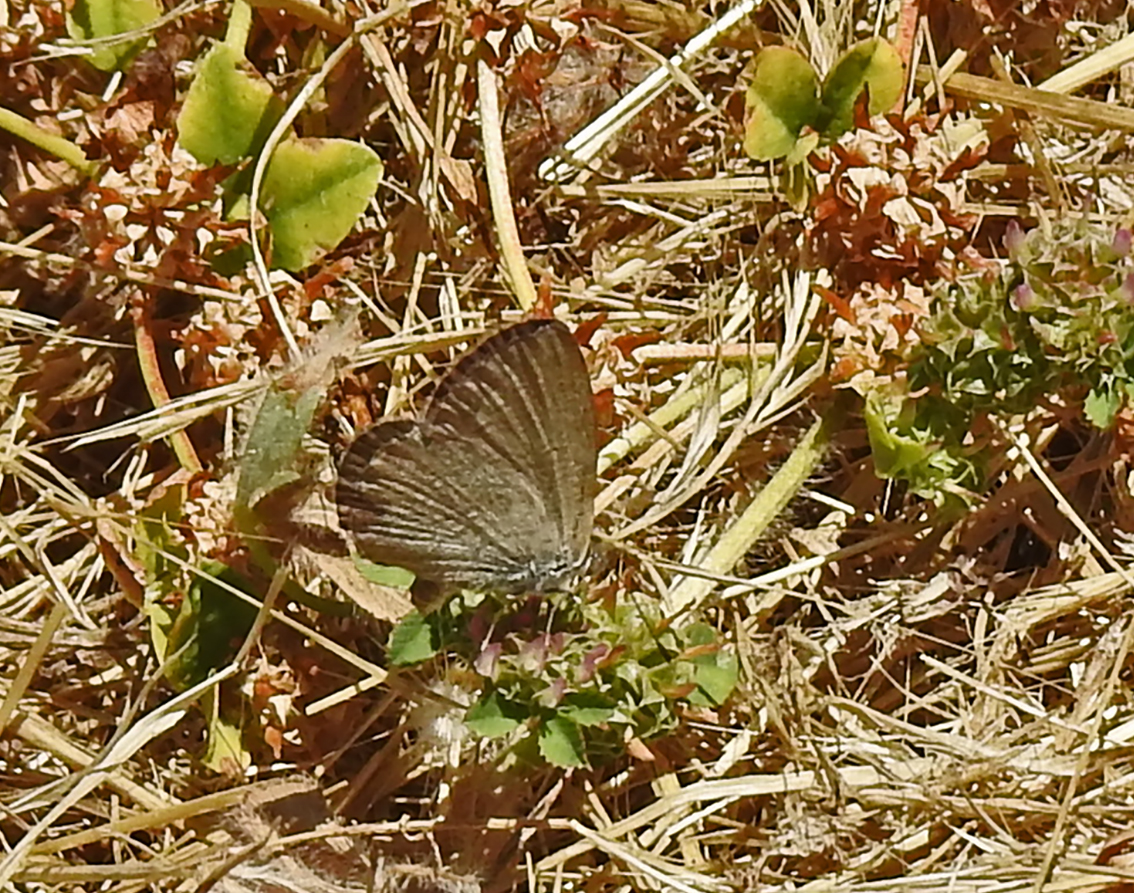
I decide to focus on smaller animals and search the leaf litter and fallen branches for insects, skinks and spiders. I am not disappointed as I photograph three butterflies belonging to different families: a Cabbage White, small blue grey of unknown species and a Painted Lady.

Blue/grey butterfly of unknown species

I decide to cross the little footbridge and continue to investigate the town and river from the other side…to be continued in my next post…….

Cheers

Baz

Additional notes

Other animals seen, heard but not photographed: Superb Fairy Wren, Silvereyes, dragonflies

The camera used for this post is a Nikon Coolpix P900

This is an easy walk and drive which is quite suitable for families and seniors with public toilets, barbecues, parking and other facilities nearby. It is dog friendly.

Please pass on this blog title and or contact information (URL) to any person or organisation with an interest in taking walks and enjoying wildlife in SA.

Click on these links and see more South Australian stories and pictures in my Weekend Notes articles as well as locating similar blogs on Feedspot’s top 20 Australian wildlife blogs

https://www.weekendnotes.com/adelaide/writer/452/

https://blog.feedspot.com/australian_wildlife_blogs/

Victor Harbor…..A Foreshore Walk

29 Jan
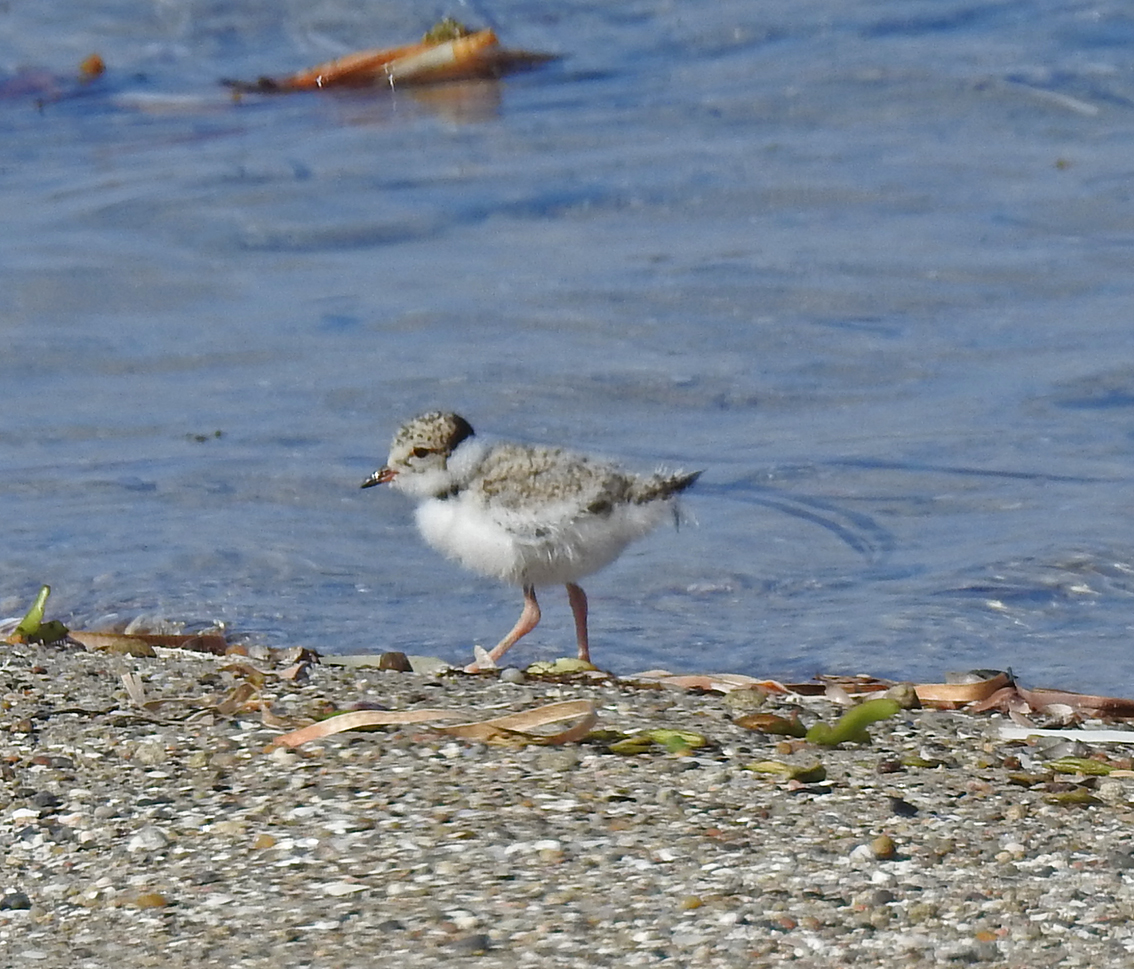
A lone Hooded Plover chick ventures close to the water

Dear Reader:

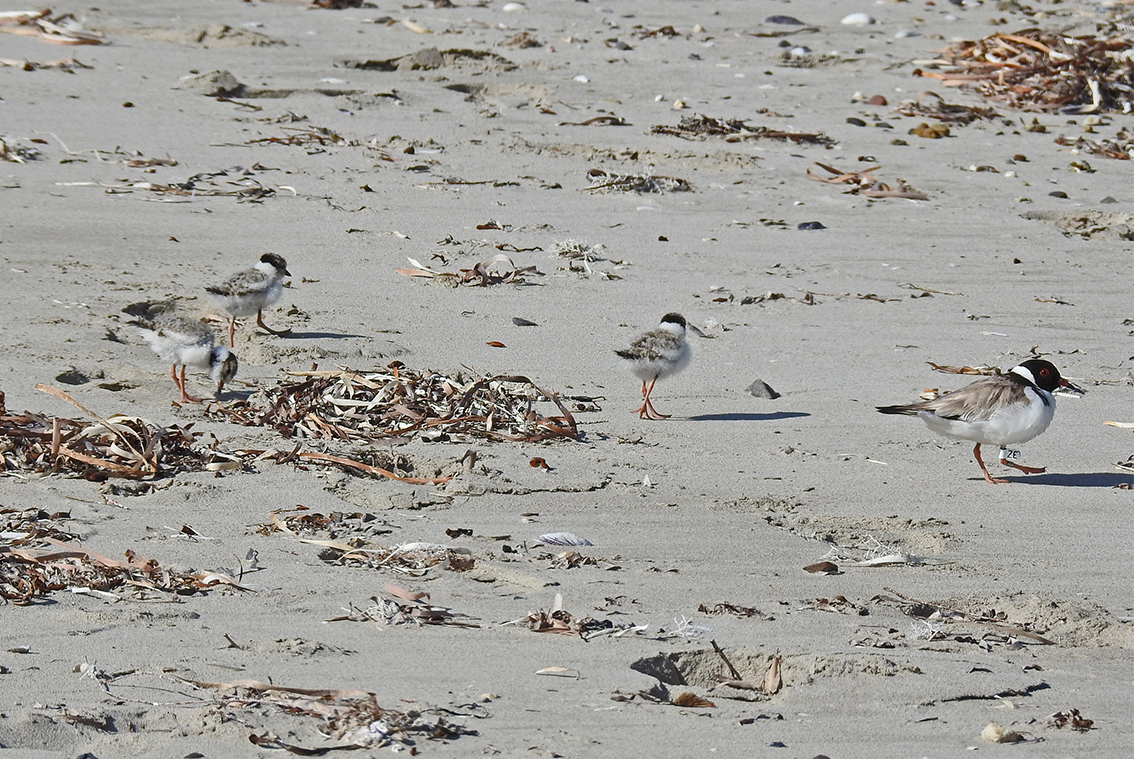
The small shore bird leads its chicks across the sand towards the water. They peck at the sand mimicking the parent as she forages for food. Rare and lovely birds, Hooded Plovers nest in a protected zone on the beach.

Adult Hooded Plover with quite mature chicks

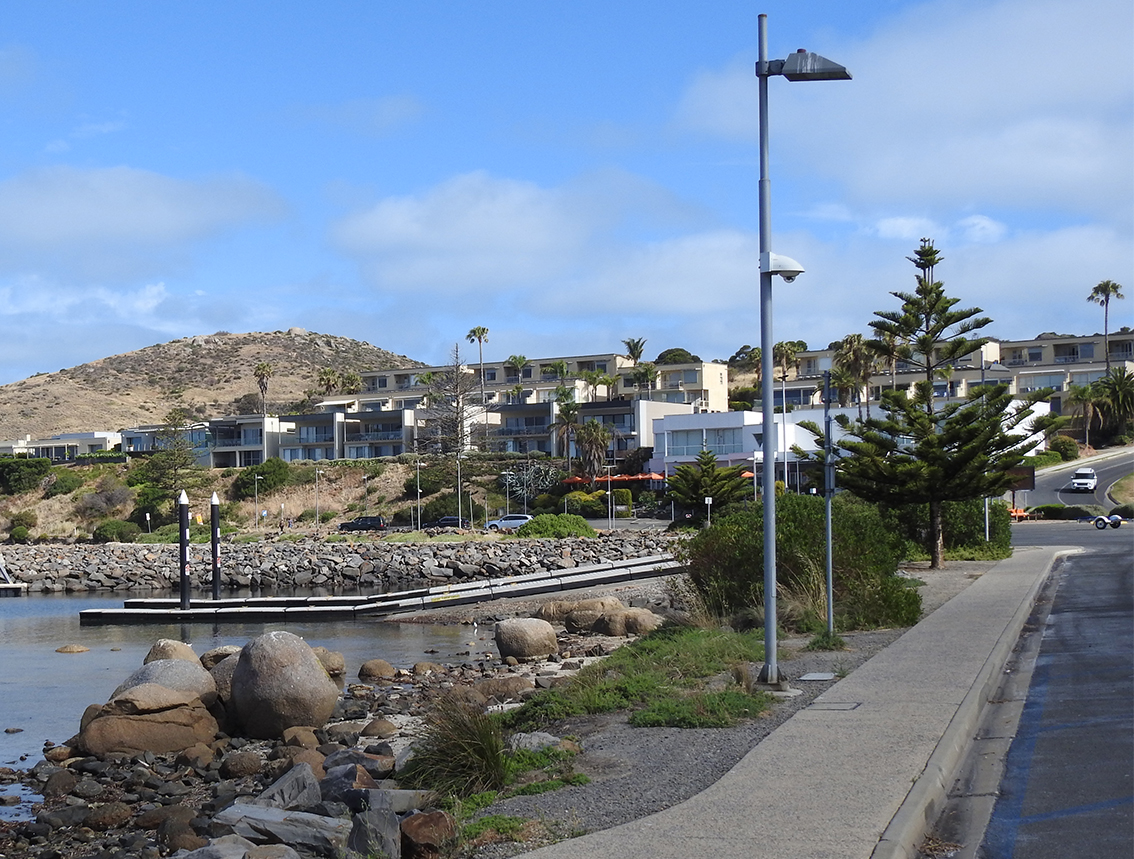
I am walking from the Bert Puxley Reserve near the boat ramp back along the foreshore towards Muwerang-Kent Reserve at the mouth of the Inman River. The tide is out and a variety of waterbirds are feeding in the shallow rock pools that characterise this stretch of water.

Whalers Inn and the boat ramp with the Bluff in the background
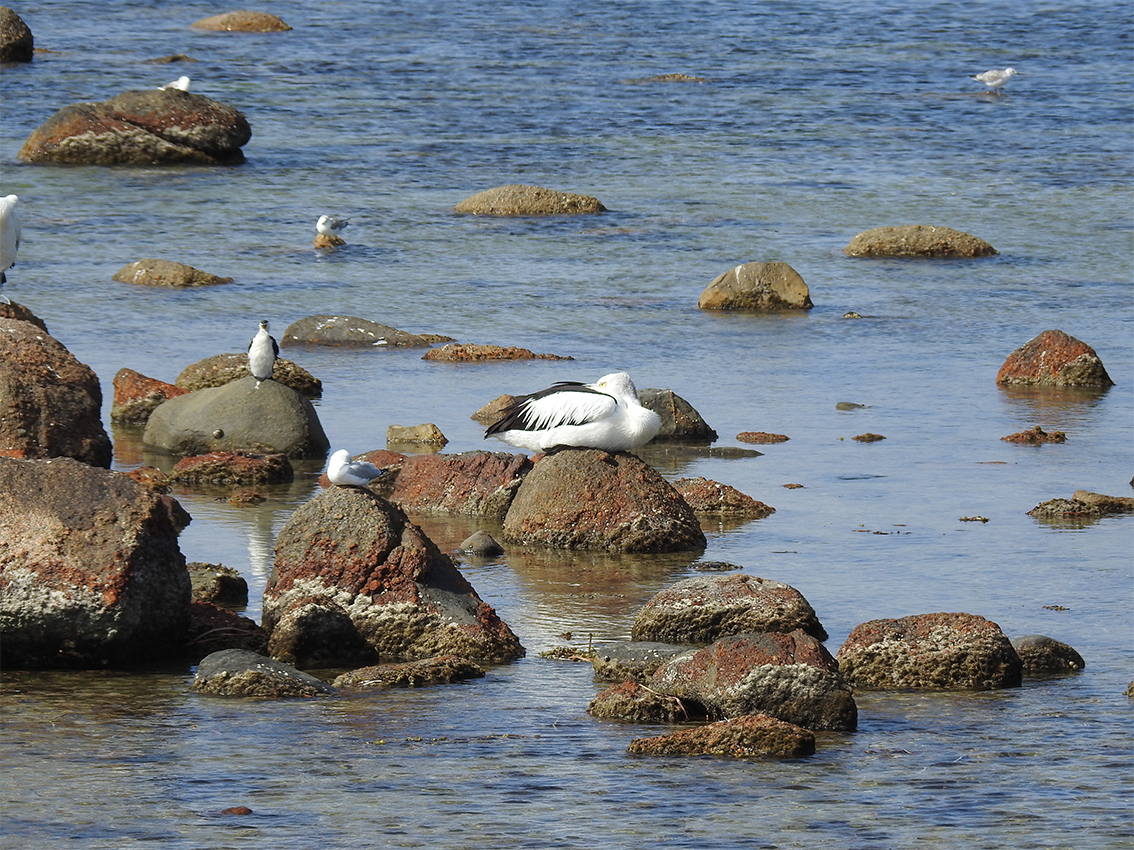
Cormorant, Silver Gull and Australian Pelican resting on granite boulders near the boating channel
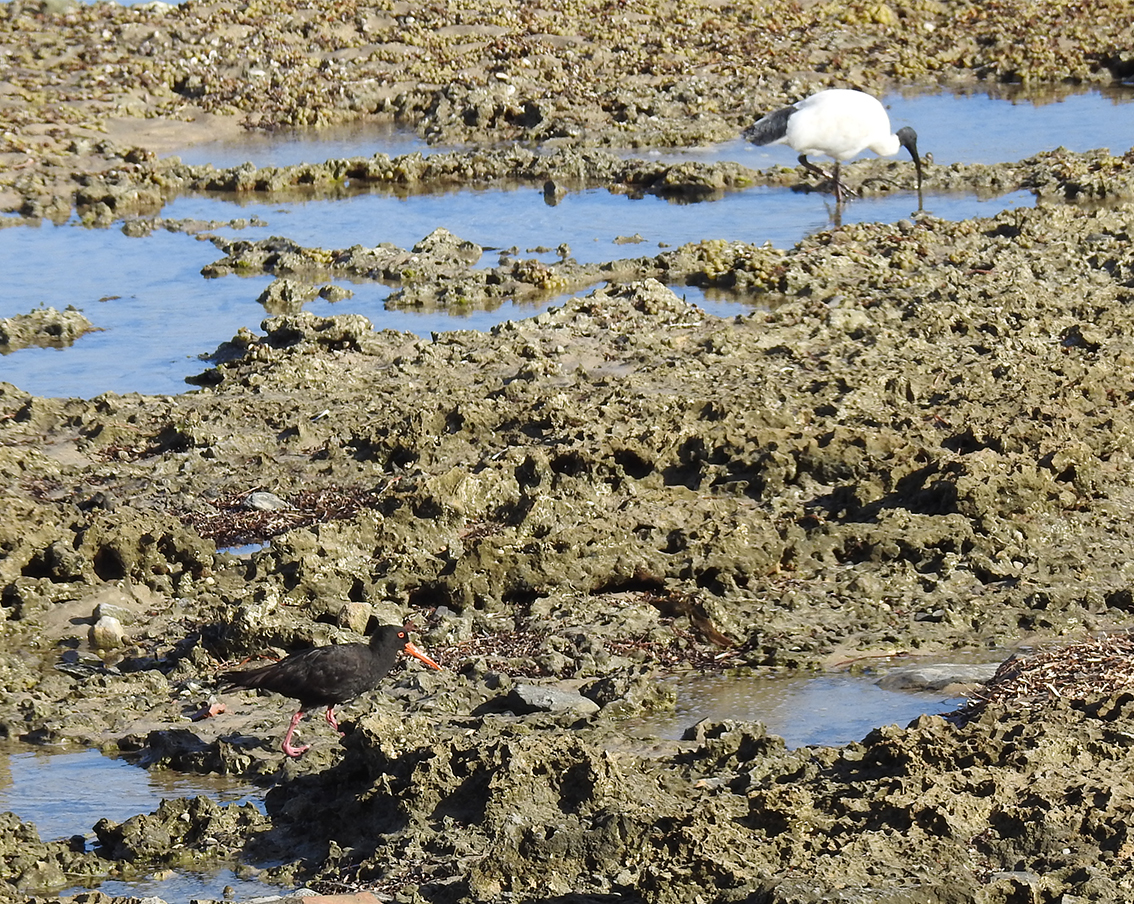
Sooty Oystercatcher (foreground) Australian White Ibis (background) foraging in rock pools for different prey which suits their beak types

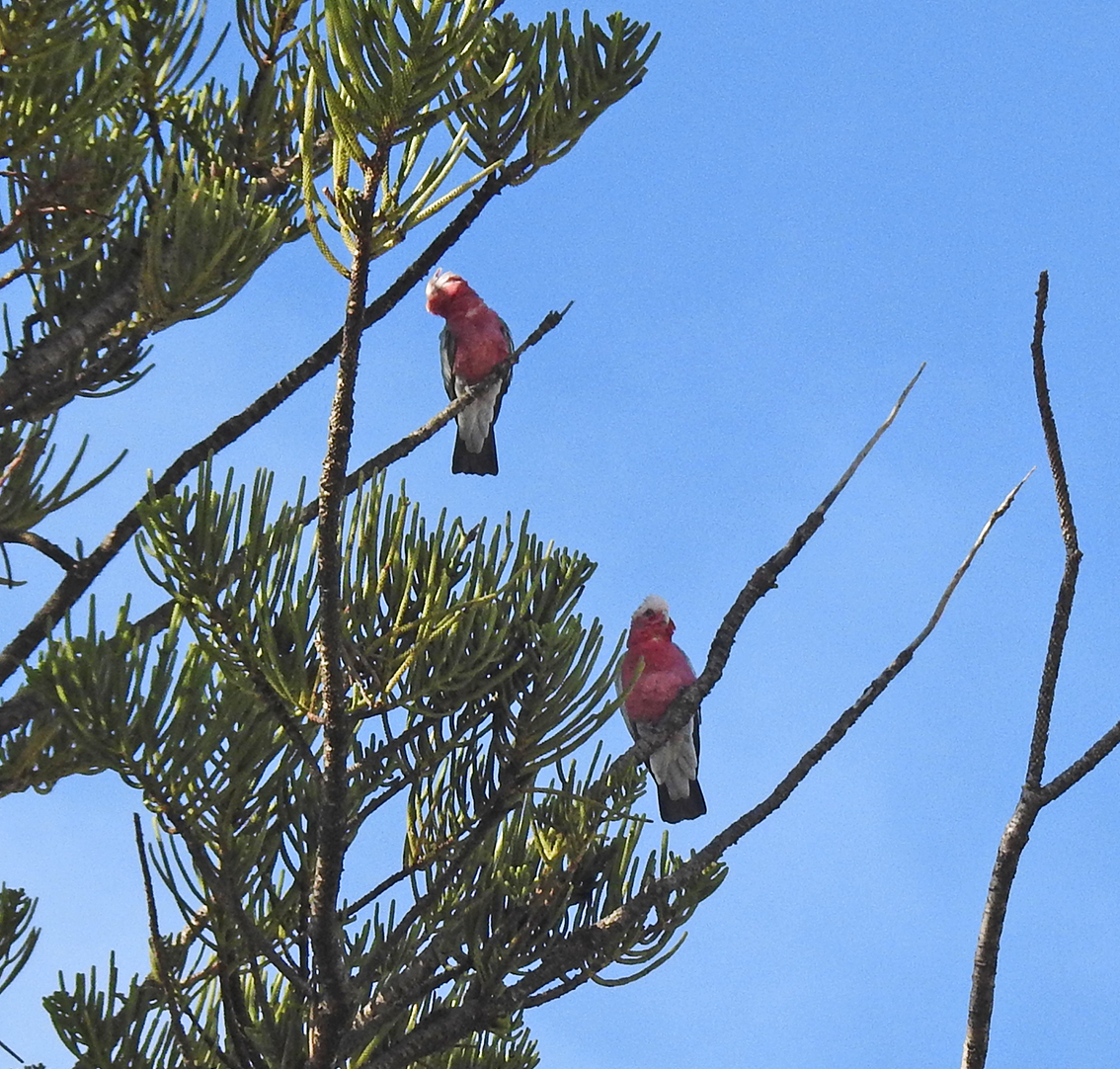
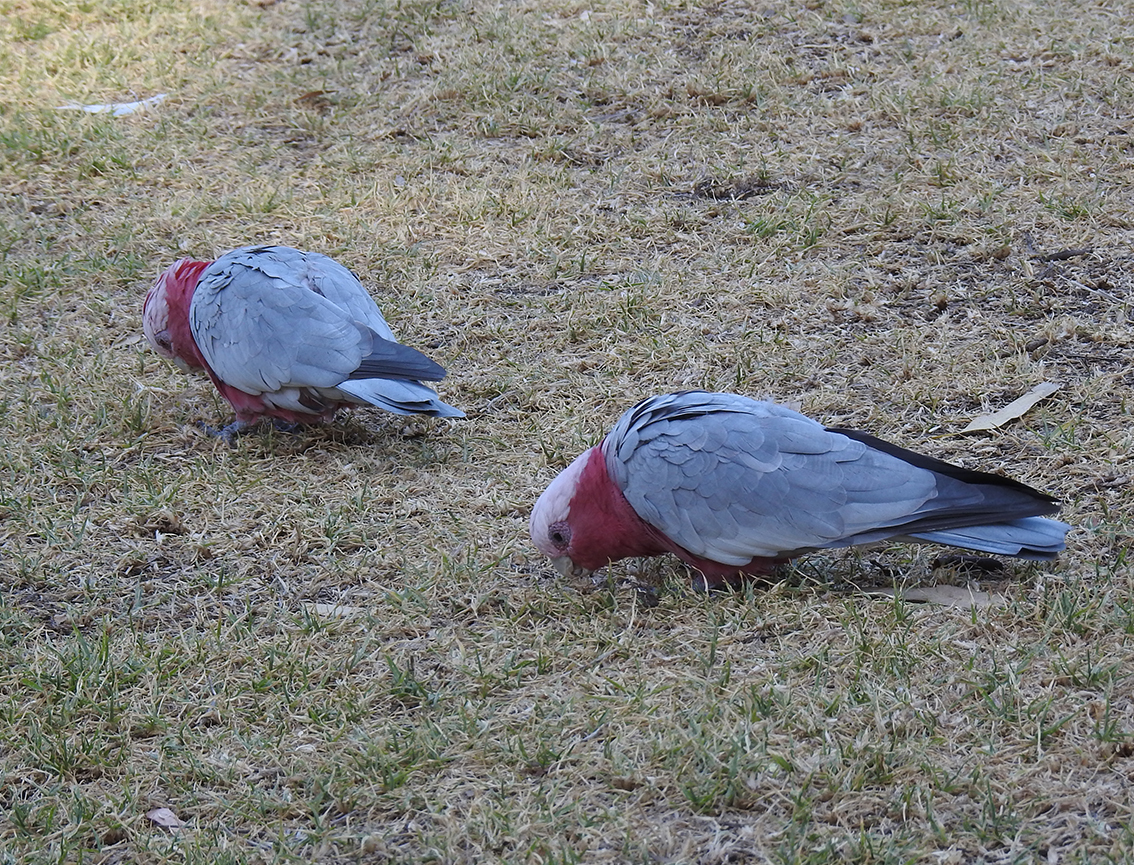
Tall Norfolk Island Pines line the pathway and a group of Rose-breasted Cockatoos (Galahs) are squawking and squabbling in the topmost branches while others feed on the grassy verge.

Galahs getting ready to roost
Galahs feeding

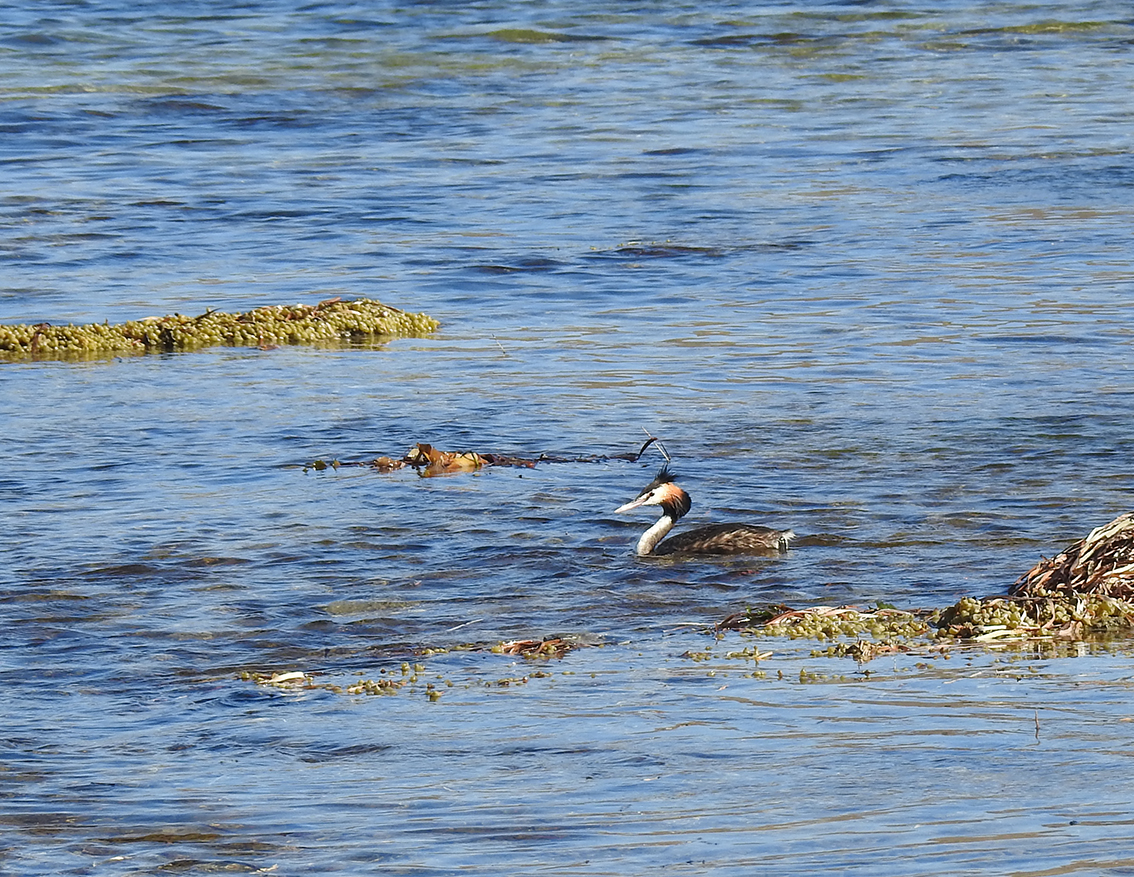
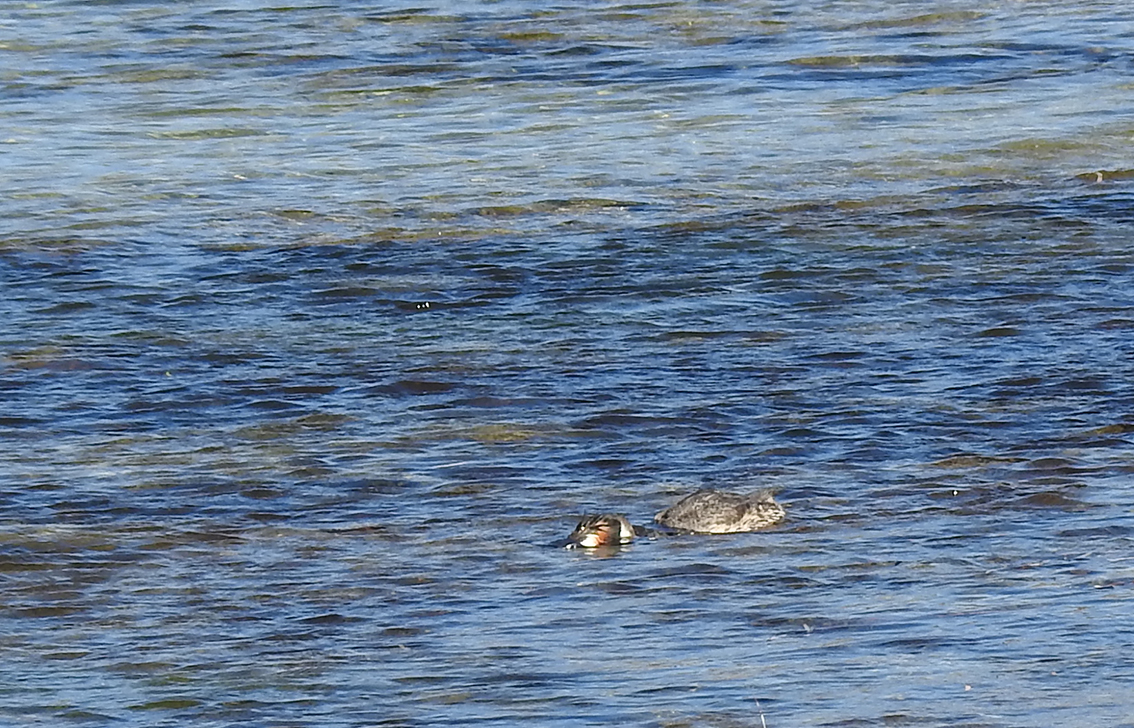
Much to my surprise, I catch sight of an unusual bird pushing its way through the shallows, beak forward and seaweed strewn across its ornately crowned head. A Great-crested Grebe. A bird I have rarely encountered. Using the full extension of the Nikon P900 telephoto, I take a series of shots to capture this feeding behaviour.

Great-crested Grebe
Great-crested Grebe hunting

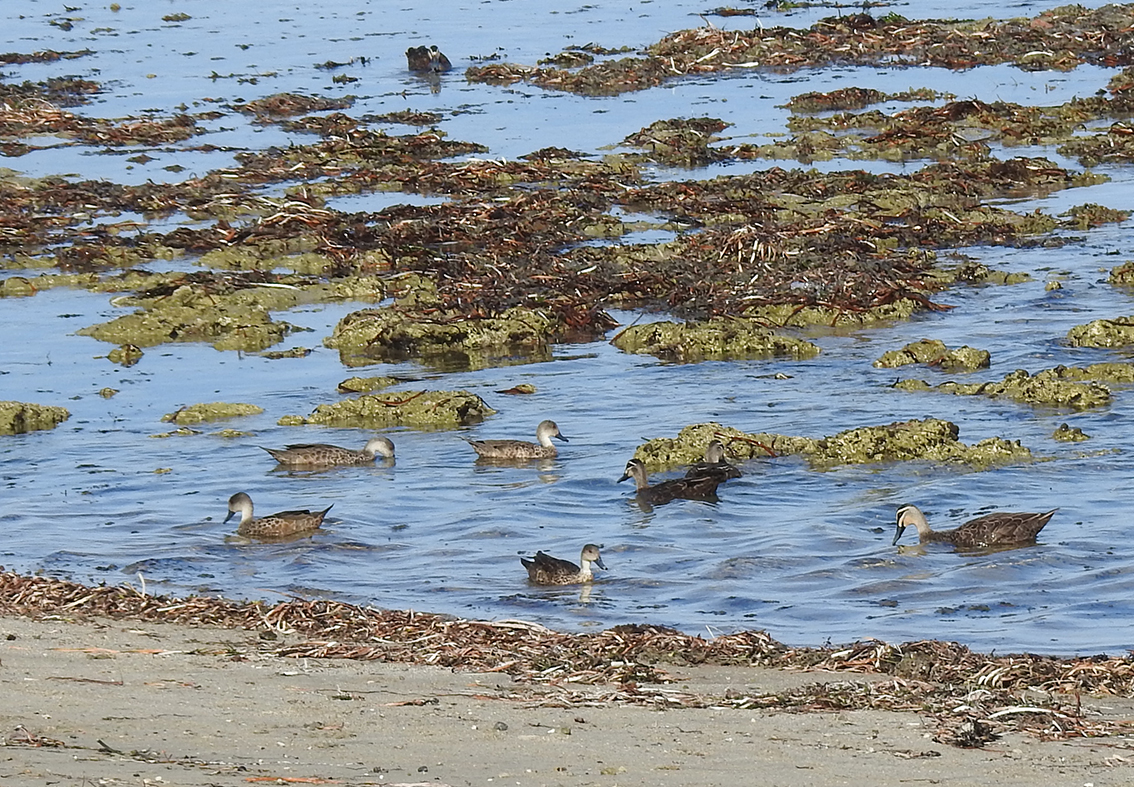
Leaving the path, I walk along the sandy beach scanning the water for other seabirds, dolphins, or fish caught in the shallow rock pools. I don’t have to walk very far before I spot a small group of waterfowl, Grey Teal and Pacific Black Ducks, in the shallows. They are birds I usually associate with fresh water.

Grey Teal and Pacific Black Ducks

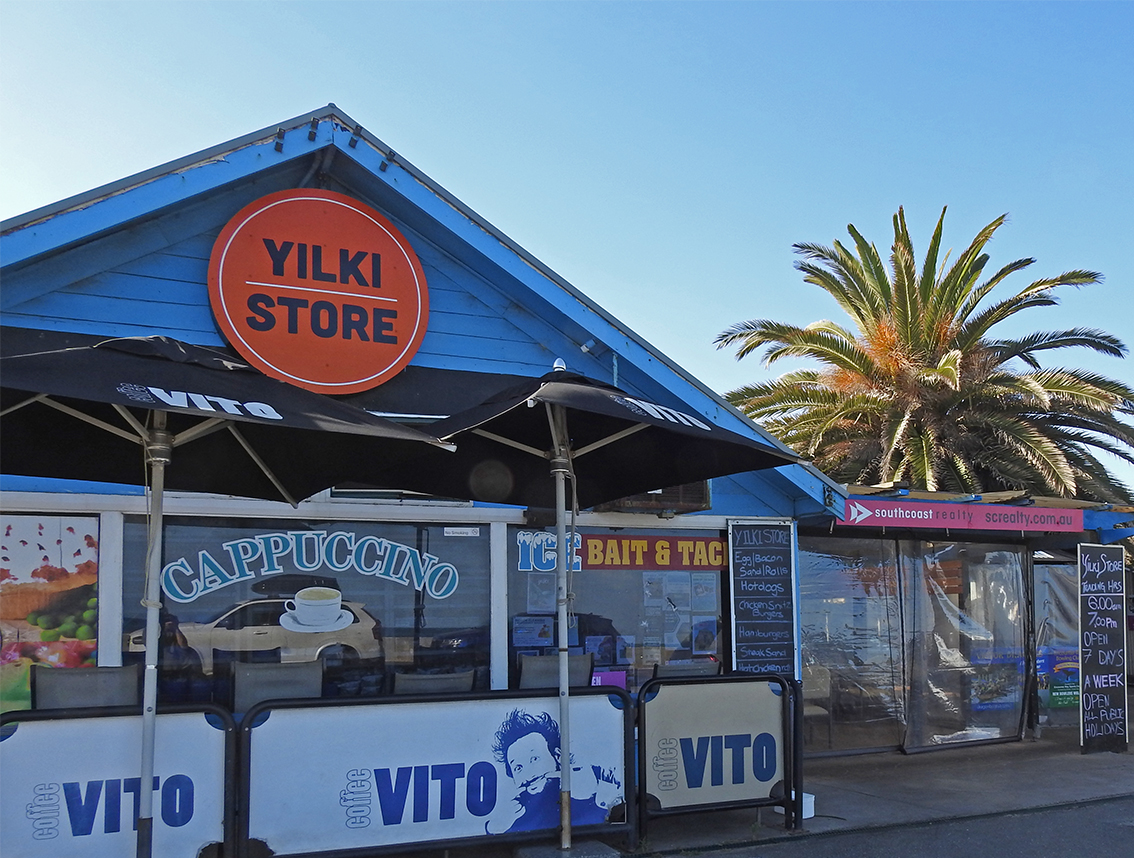
I have been walking and observing for over an hour and decide to break for lunch. Approximately halfway between the two parks there is a small group of shops catering for Victor’s summer influx of visitors. Fresh sandwiches, pies, pizzas, yiros and many other Aussie lunch staples are available.

Plenty to choose from

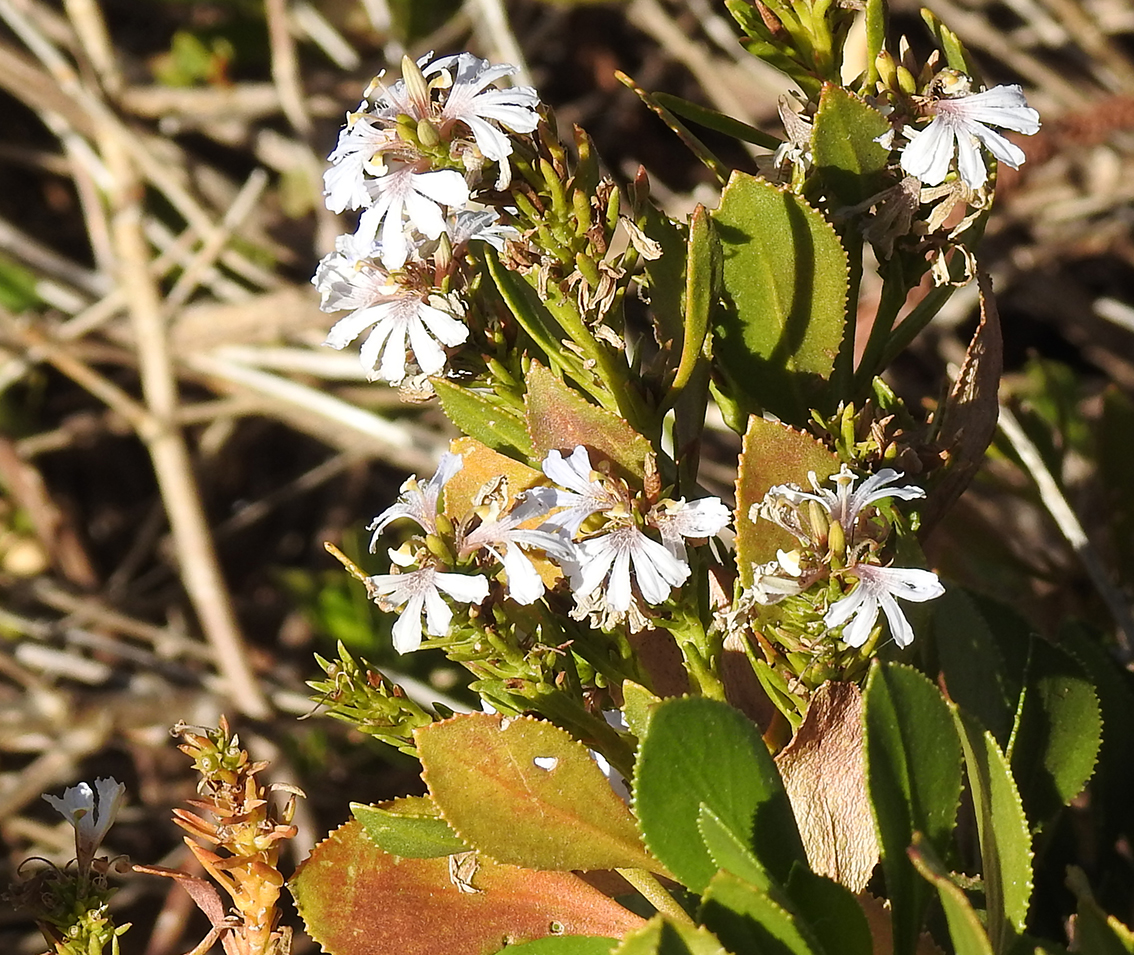
Although my walk has primarily focussed on the birdlife, the variety of coastal vegetation is notable. As well as the wiry grasses that hold sandy areas together there are numerous flowering bushes such as Cushion Fan-flower and Coastal Wattles and Myoporum.

Cushion Fan-flower blossoms

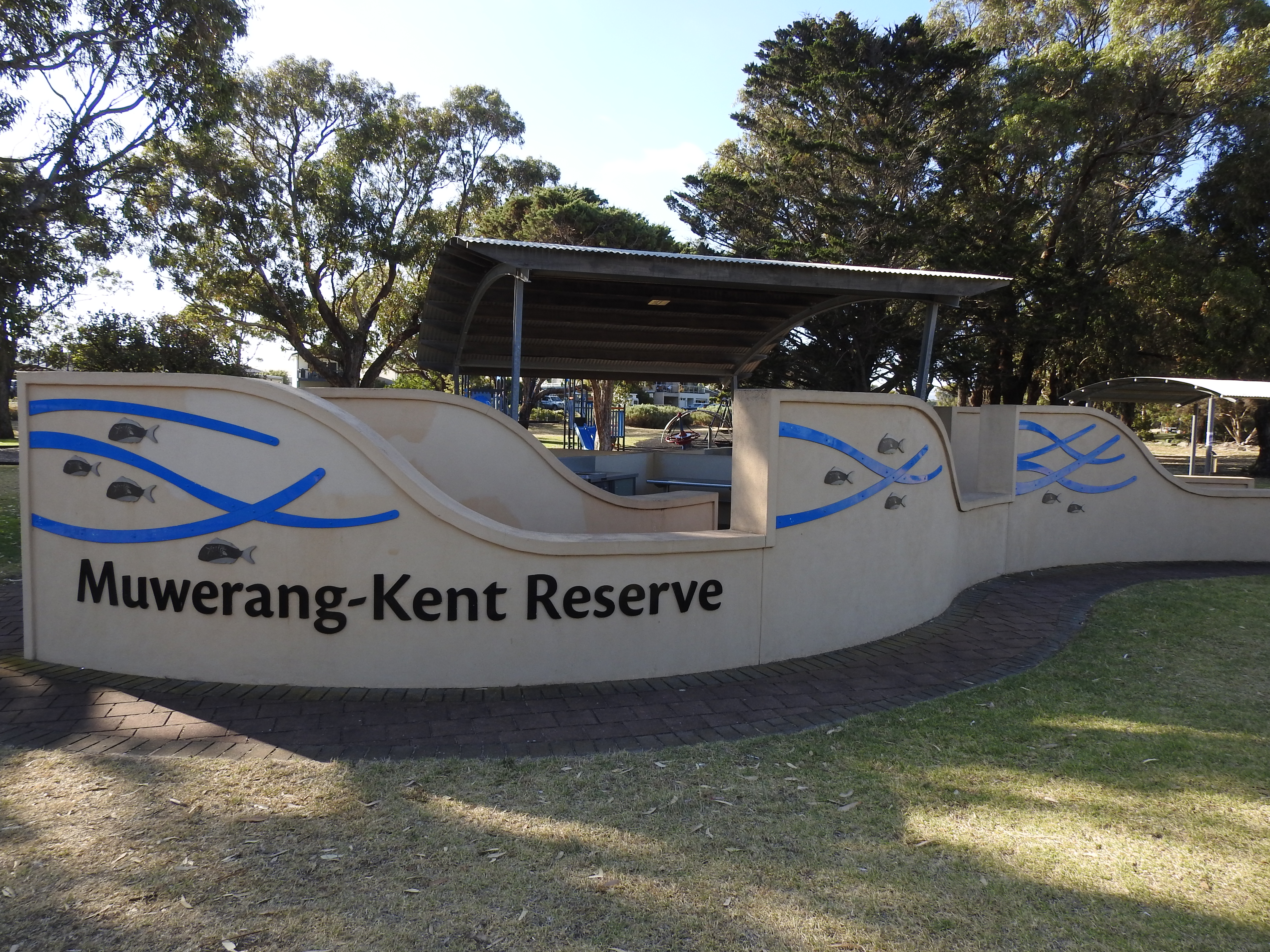
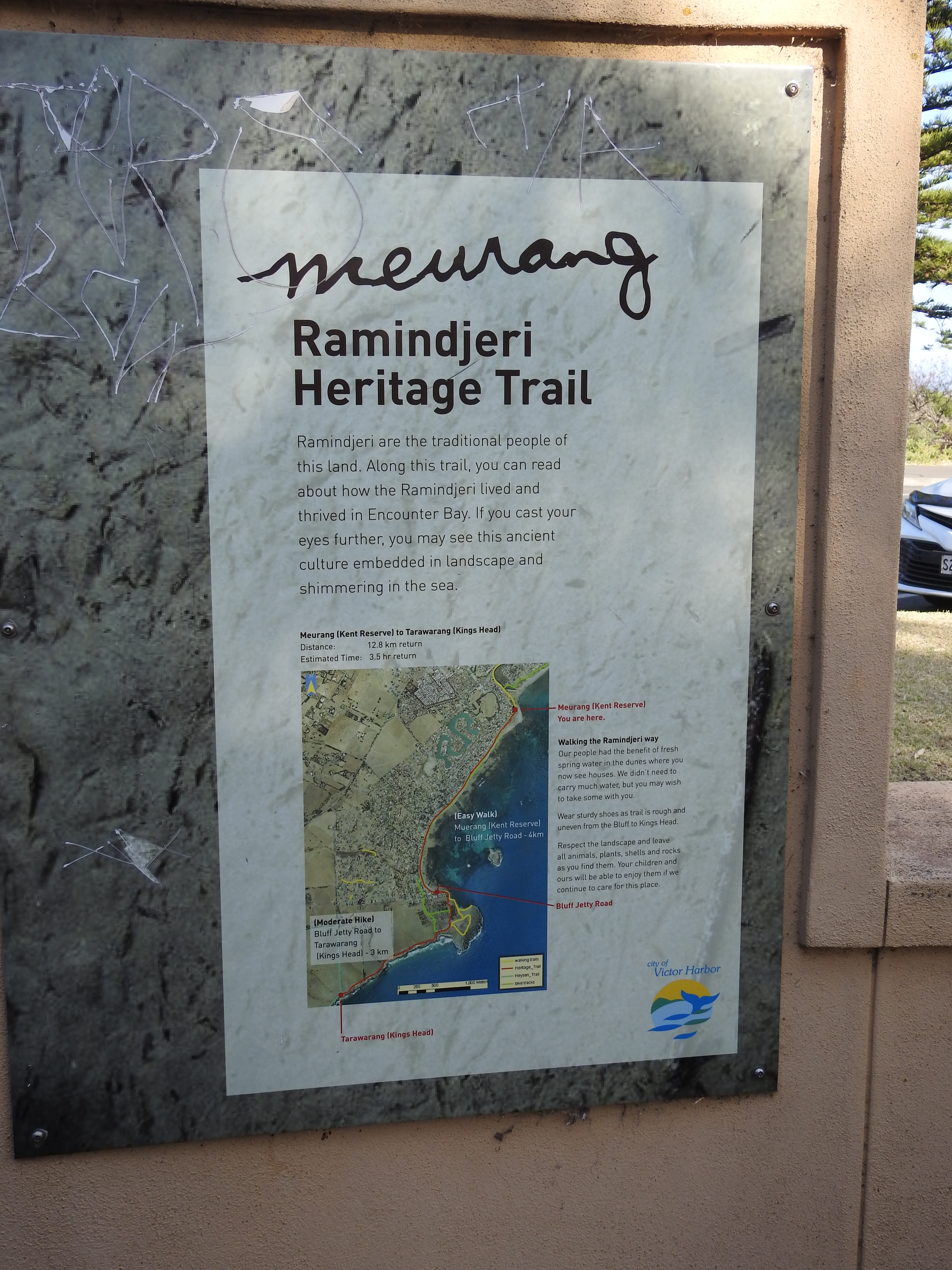
My final destination is Muwerang-Kent Reserve where a range of information plaques provide First Nations and more recent historical and cultural information about the area.

Multi purpose reserve with: shelter, play and exercise equipment and information
First Nations information

Cheers

Baz

Additional notes

Other animals seen, heard but not photographed: Caspian Tern, Silver Gulls,

The camera used for this post is a Nikon Coolpix P900

This is an easy walk and drive which is quite suitable for families and seniors with public toilets, barbecues, parking and other facilities nearby. It is dog friendly but areas of the beach are cordoned off for the plovers meaning dogs should be on leads around these zones.

Please pass on this blog title and or contact information (URL) to any person or organisation with an interest in taking walks and enjoying wildlife in SA.

Click on these links and see more South Australian stories and pictures in my Weekend Notes articles as well as locating similar blogs on Feedspot’s top 20 Australian wildlife blogs

https://www.weekendnotes.com/adelaide/writer/452/

https://blog.feedspot.com/australian_wildlife_blogs/

Around Williamstown 2

7 Jan
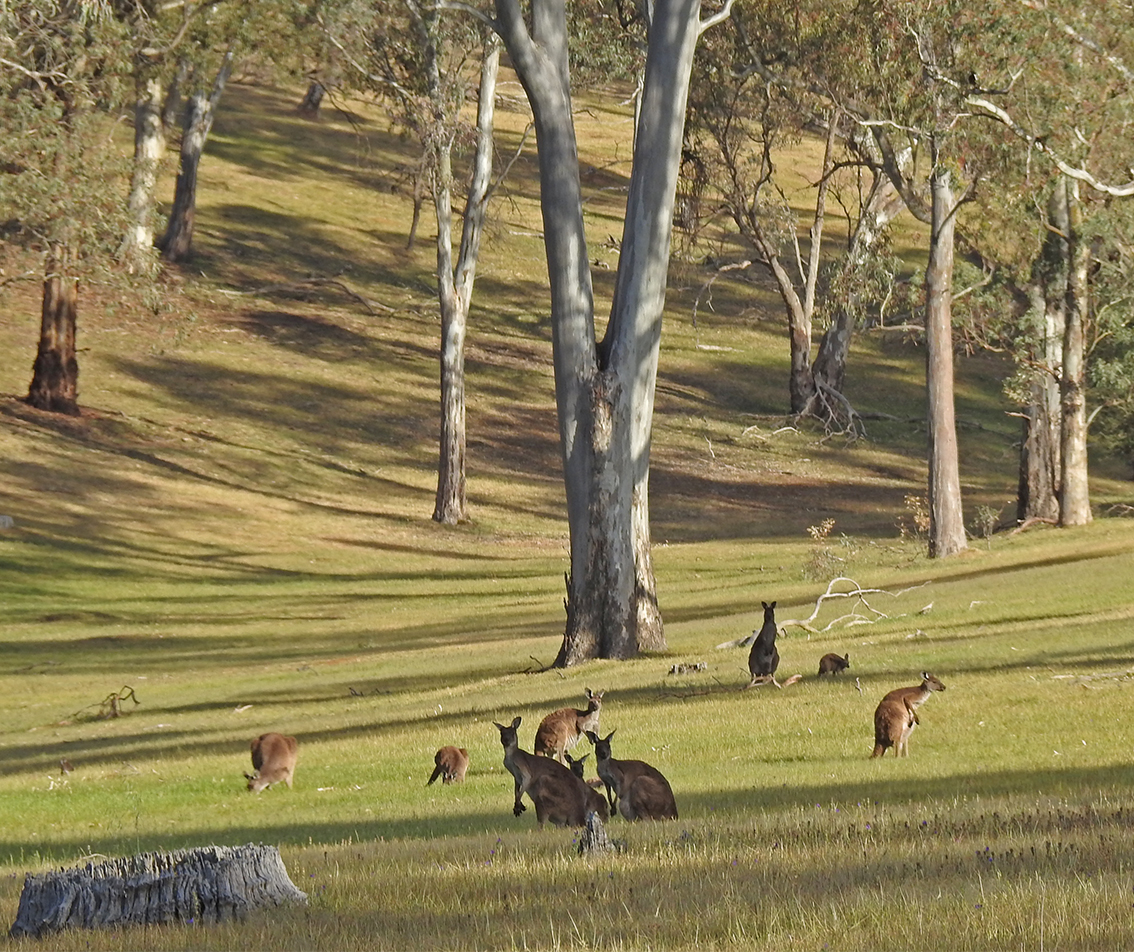
A mob of Western Grey Kangaroos near Williamstown

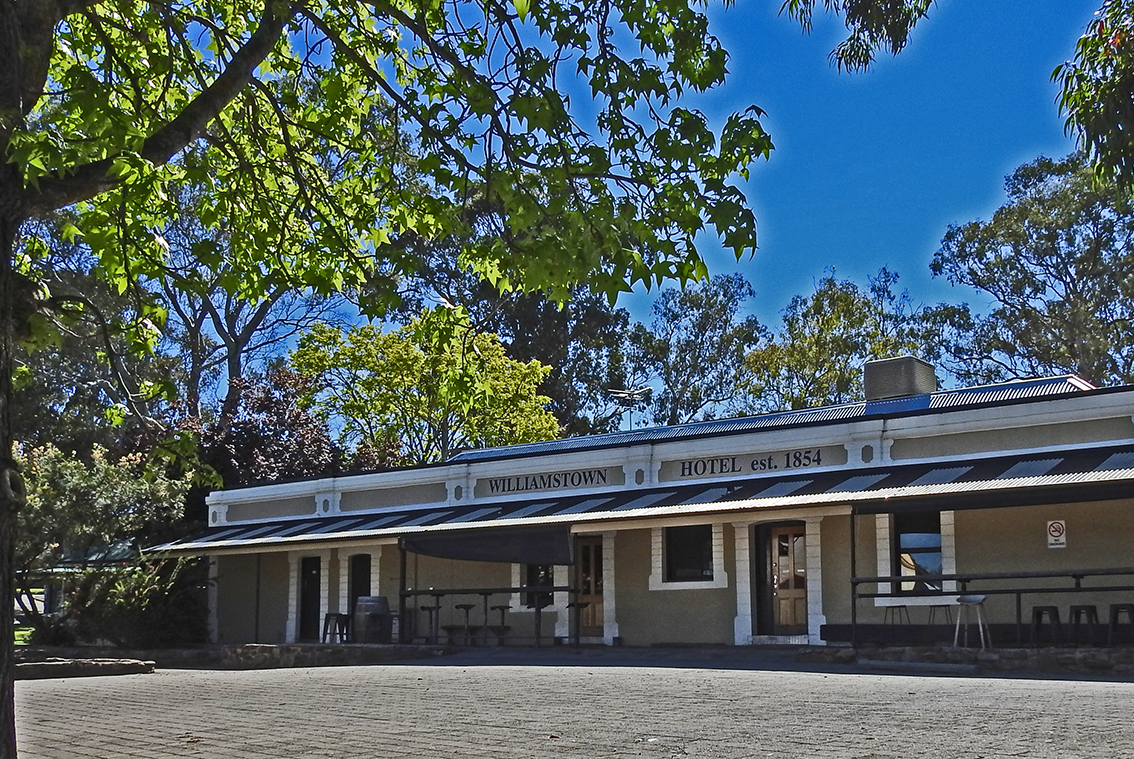
Having explored the backroads around the Williamstown in my previous post ; I am now driving along the main street where I am enchanted by the many colonial buildings that have been repurposed to suit a modern township.

Williamstown Hotel was established just 18 years after the settlement of South Australia
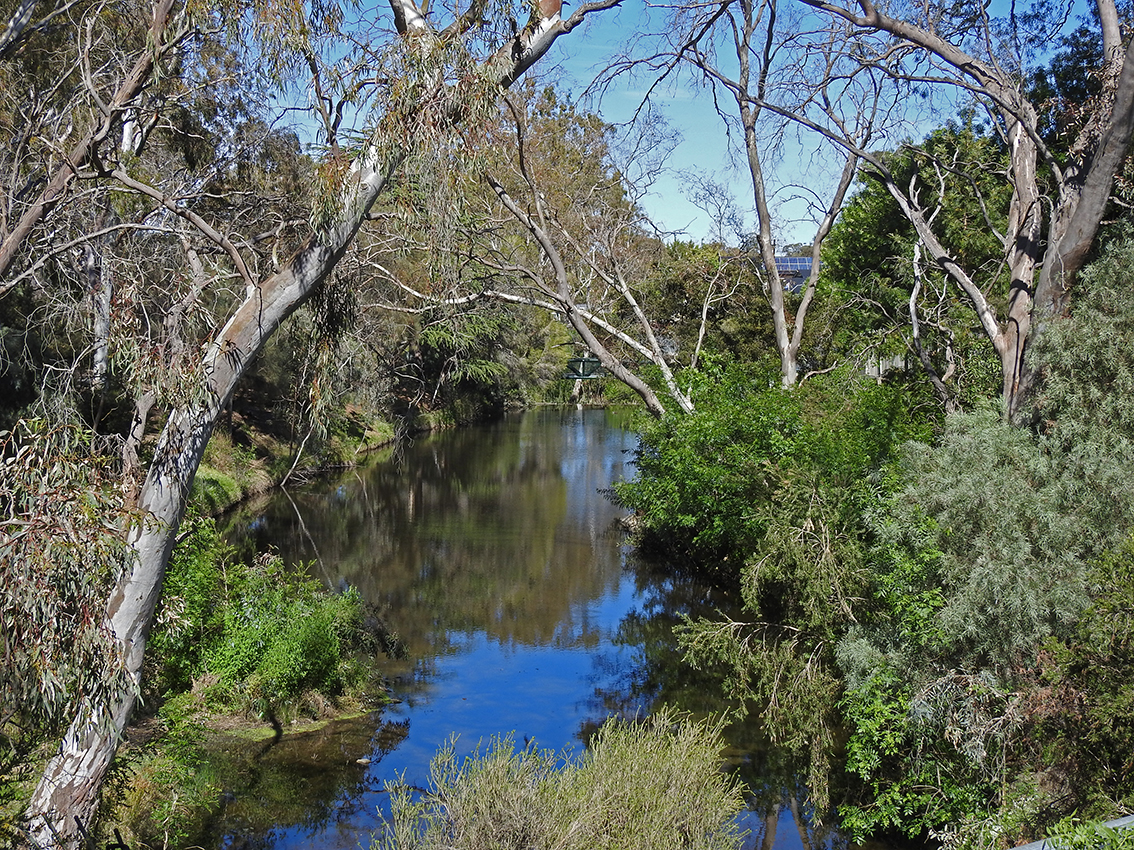
View from the bridge
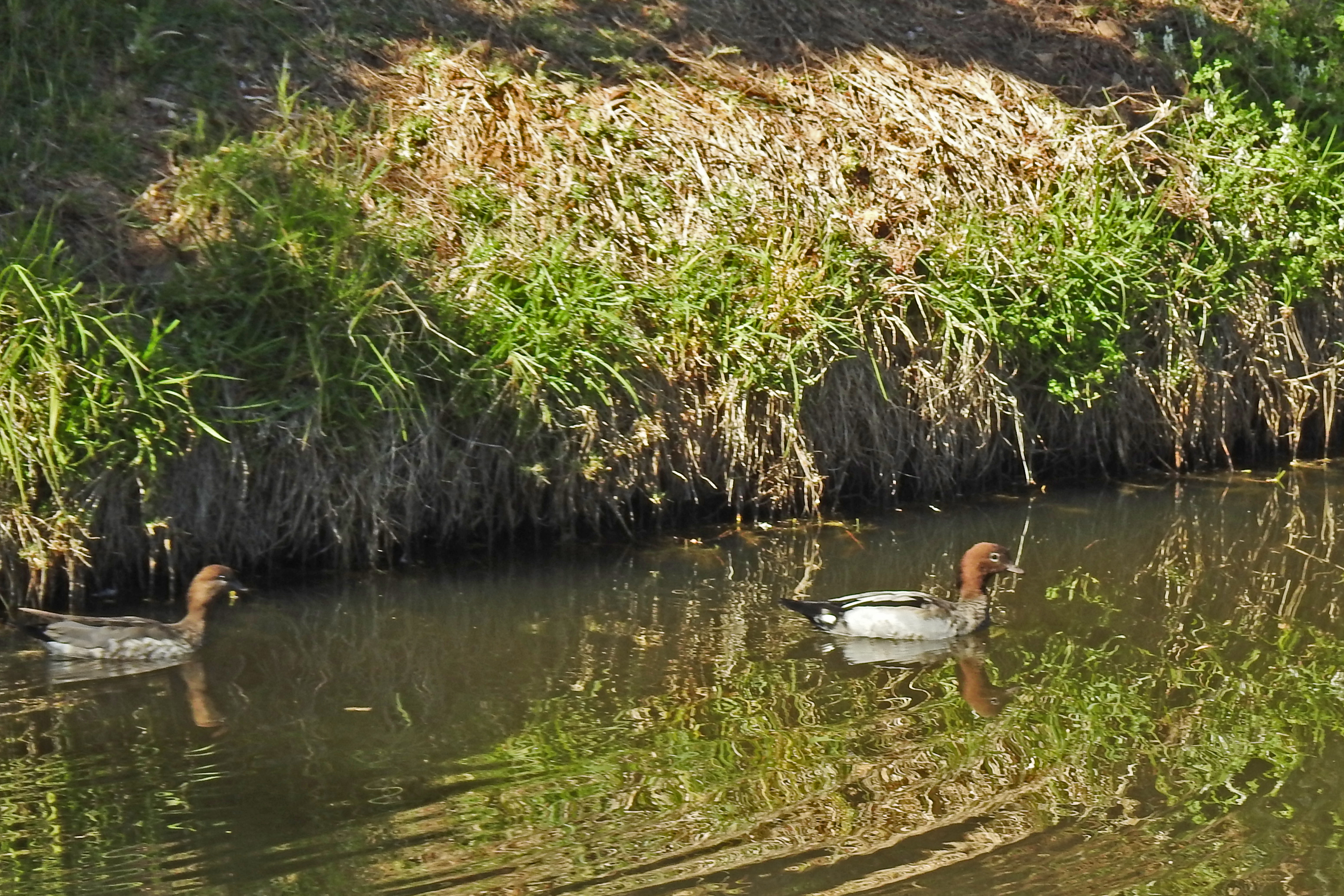
Maned Ducks

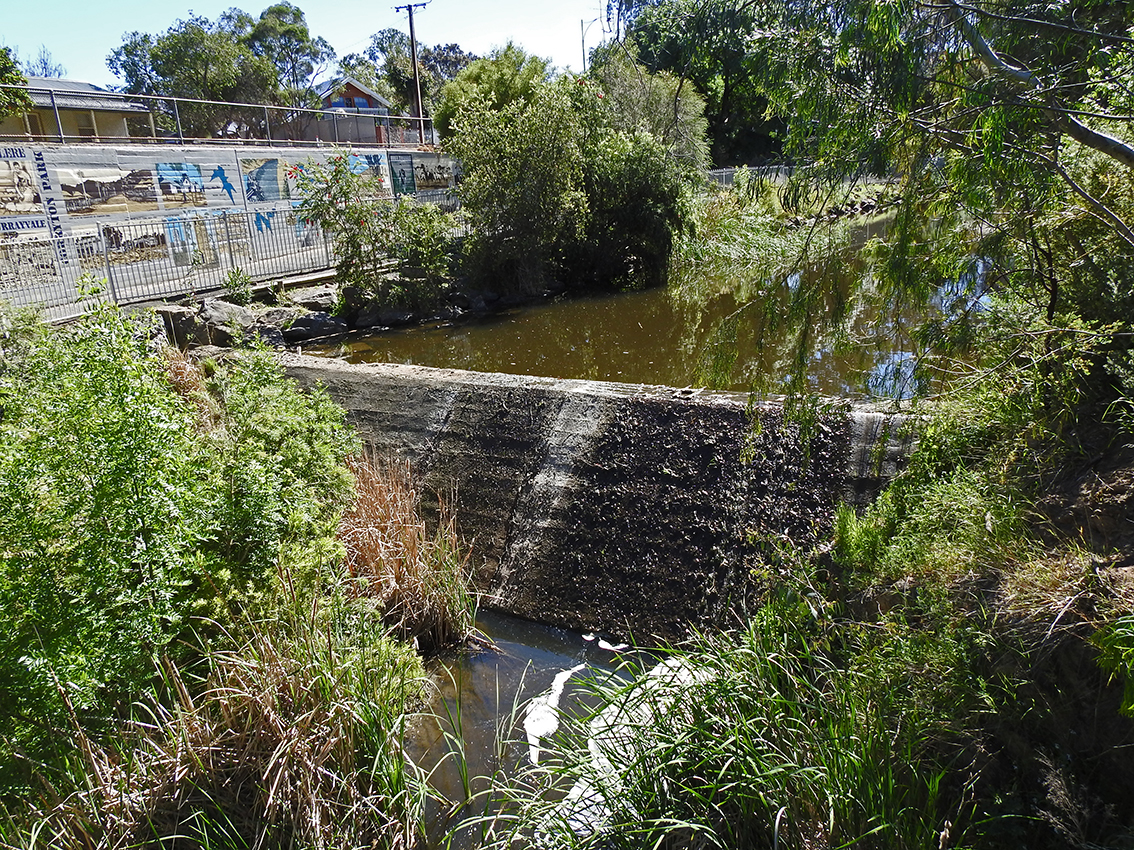
A bridge crosses the Victoria Creek at the T junction where the road from Adelaide intersects the B31/B34. From the bridge, I can see a small lake created by a weir. There are Eurasian Coots and a pair of Maned Ducks paddling near the bank.

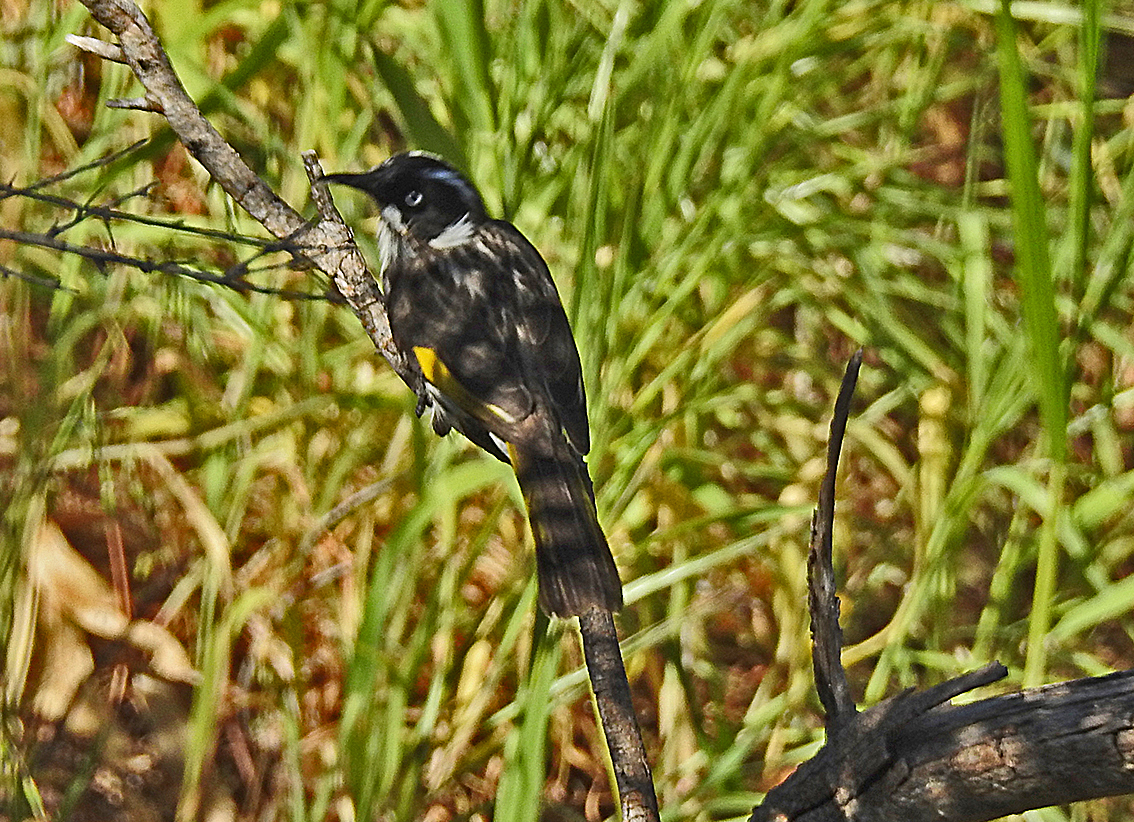
New Holland Honeyeater

New Holland Honeyeaters and Silvereyes are feeding in the foliage of several large gums adjacent to the river.

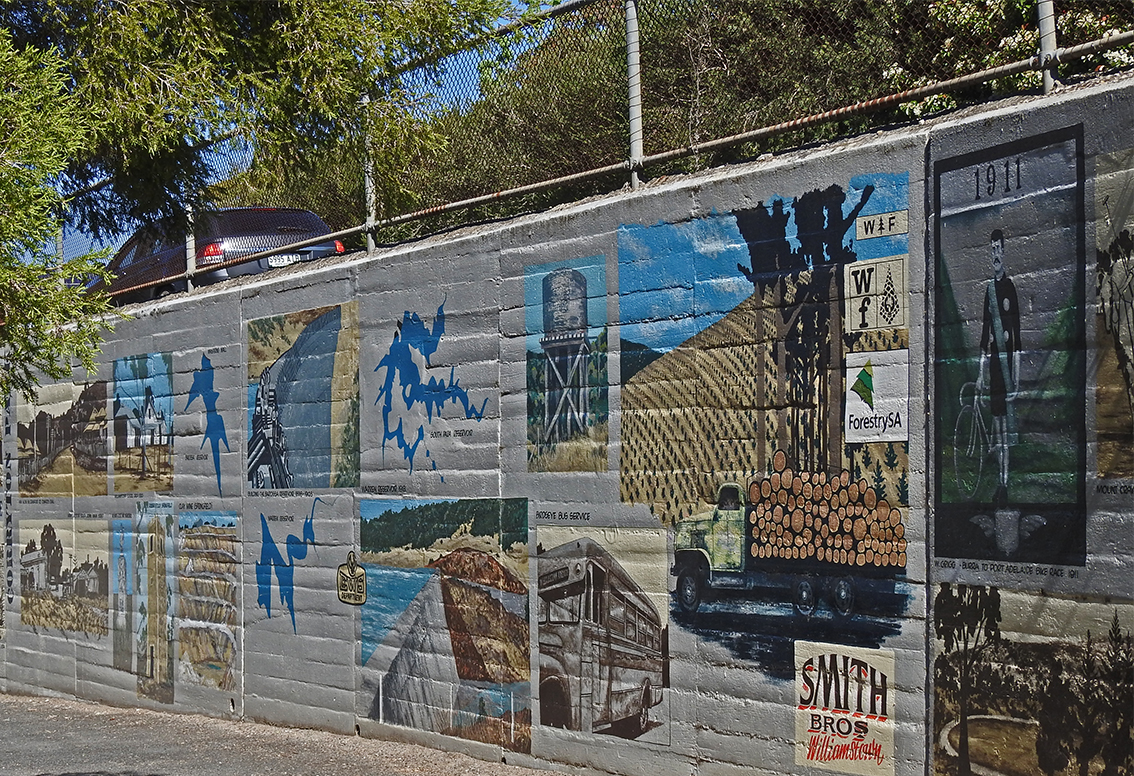
Part of the mural
The weir looking back towards the bridge

The wall alongside the path by the lake is decorated with a mural depicting Williamstown’s unique features such as: buildings, landscape and historical events.

Australian Reed Warbler

As I walk along the path, the characteristic call of an Australian Reed Warbler rings out from the plants bordering the lake. Unusually, the call is coming from the wall of the weir not the reeds. And, as luck would have it, I spot the little bird foraging on the dam wall.

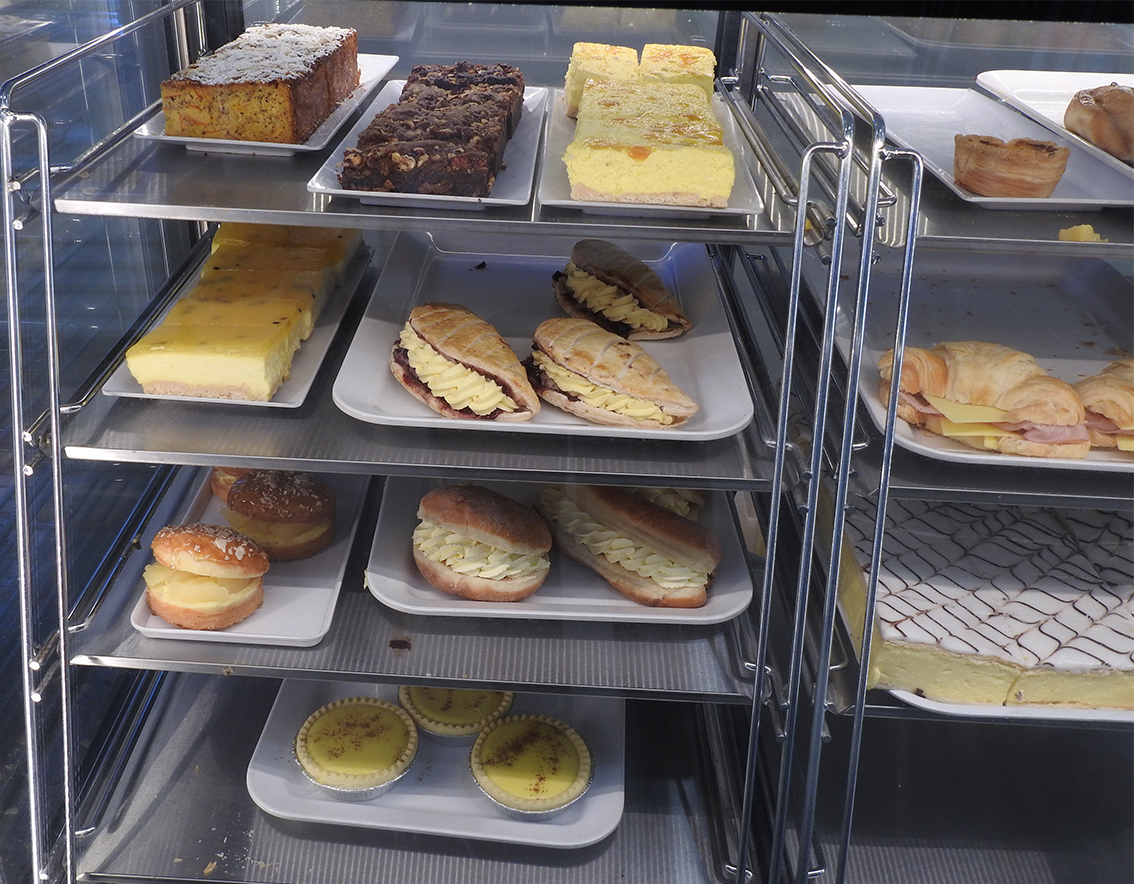
Too much choice at the local bakery

Williamstown has proved to be an interesting place from both an historical and natural perspective. All that remains is to enjoy a croissant and vanilla slice for lunch.

Cheers

Baz

Additional notes

Other animals seen, heard but not photographed: Adelaide Rosellas, Pottybonk Frogs, Masked Lapwings, corellas and Galahs

The camera used for this post is a Nikon Coolpix P900

This is an easy walk and drive which is quite suitable for families and seniors with public toilets, playgroun, barbecues, parking and other facilities nearby. It is dog friendly.

Please pass on this blog title and or contact information (URL) to any person or organisation with an interest in taking walks and enjoying wildlife in SA.

Click on these links and see more South Australian stories and pictures in my Weekend Notes articles as well as locating similar blogs on Feedspot’s top 20 Australian wildlife blogs

https://www.weekendnotes.com/adelaide/writer/452/

https://blog.feedspot.com/australian_wildlife_blogs/

Around Williamstown Part 1

12 Dec

Dear Reader:

A bit of history
Rose-breasted Cockatoo or Galah

The old, rusted plough sits in a field of waving wild oats. In one of the  massive eucalypts on the edge of the field a Galah watches me as I frame my image. A lovely start to my drive around Williamstown in the Adelaide Hills.

Historic town buildings

I am exploring the backroads around Williamstown then finishing up in the main street for coffee and cake at one of two equally fine bakeries. Although my focus is on the natural features of the area there is a printed heritage trail available from some of the shops.

Australian Raven and Crested Pigeon on an old building’s roof

Driving into the main road, Queen Street, I turn right into Margaret Street which skirts the town on its northern aspect. I pass a farmer ploughing a hayfield and an old, dilapidated dwelling. Australian Ravens and Magpies are foraging alongside the road and Welcome swallows hawk for insects disturbed by the tractor.

Masked Lapwing
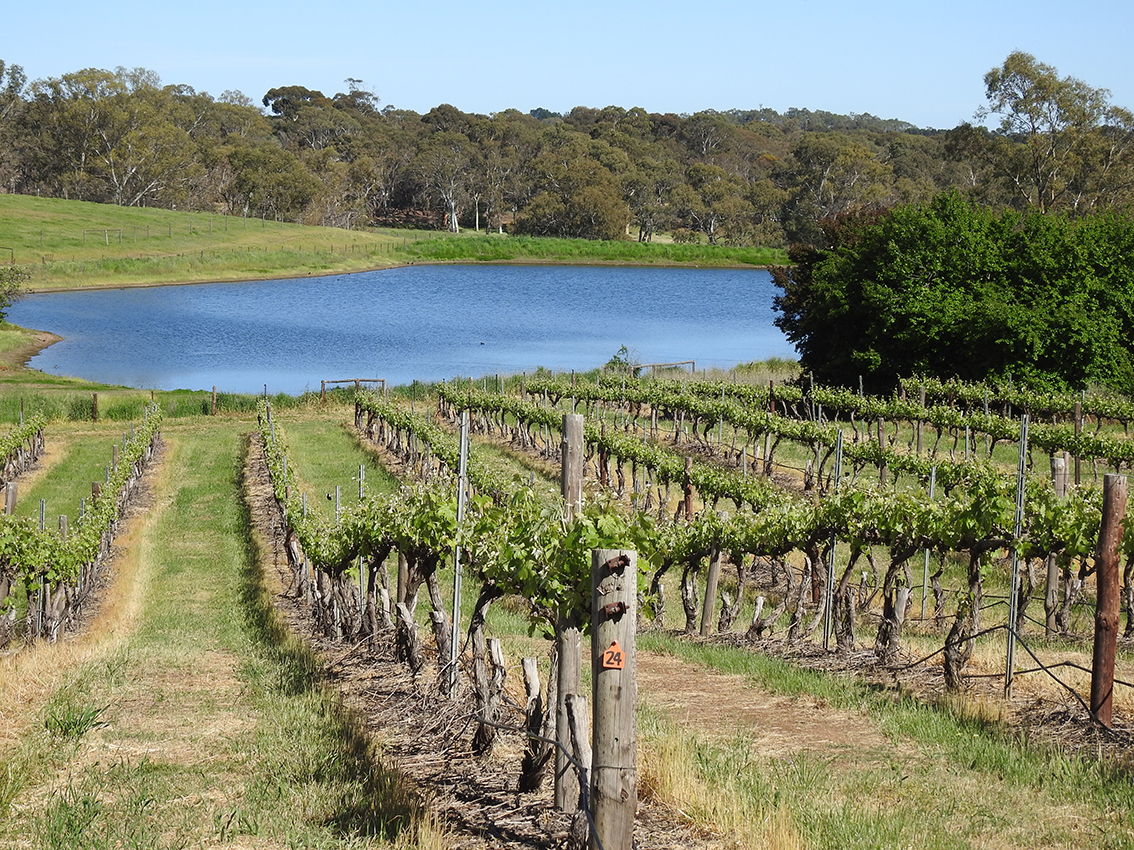
Vines and local dam

There are vines and a sizeable dam to my left and a pair of Masked Lapwings are strutting along the fence loudly proclaiming their territory with their Kek Kek call.

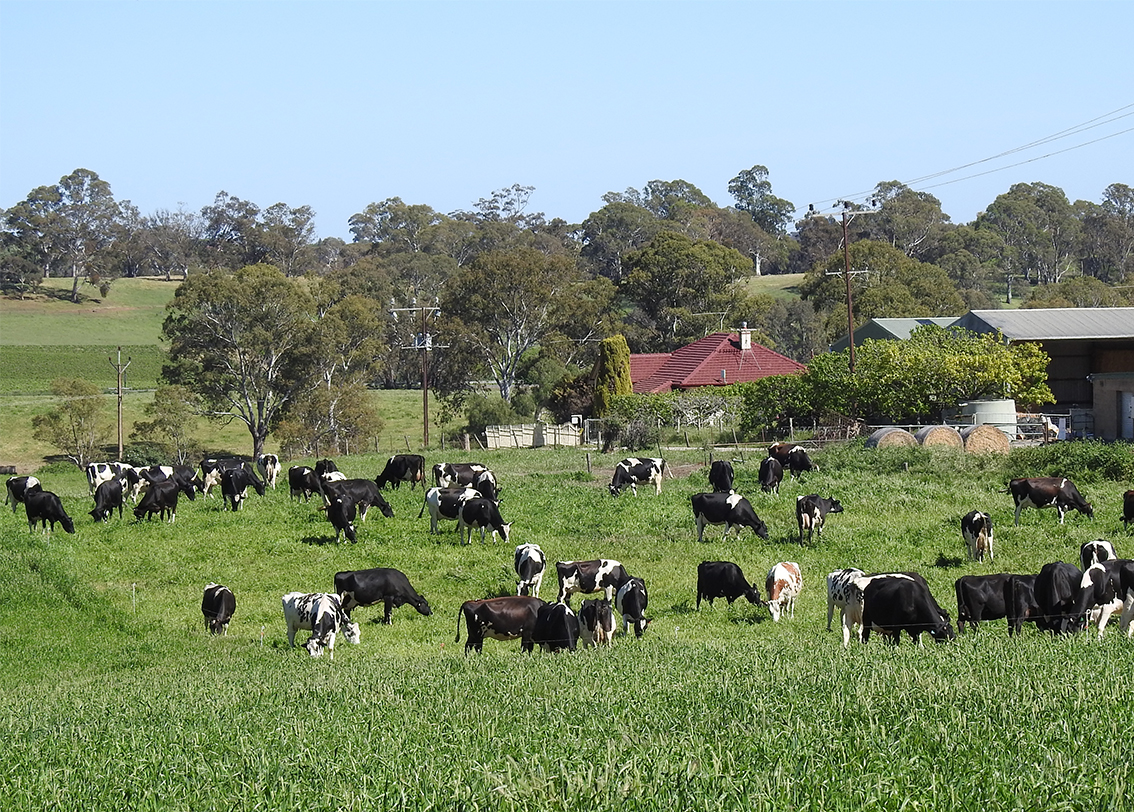
Dairy farm

The road takes a sharp bend and its name changes to Fromm Street. A dairy farm sits on the corner and curious cows move up to the fence as I stop the car to take in this charming rural image. Fromm leads back onto the Lyndoch Road and into Queens Street where there are many old, colonial era buildings………to be continued.

Cheers

Baz

Additional notes

Other animals seen, heard but not photographed, Sulphur Created Cockatoos, Brown Snake, Raptor species probably a kite.

The camera used for this post is a Nikon Coolpix P900

This is an easy drive which is quite suitable for families and seniors with public toilets, caffes, parking and other facilities nearby.

Please pass on this blog title and or contact information (URL) to any person or organisation with an interest in taking walks and enjoying wildlife in SA.

Click on these links and see more South Australian stories and pictures in my Weekend Notes articles as well as locating similar blogs on Feedspot’s top 20 Australian wildlife blogs

https://www.weekendnotes.com/adelaide/writer/452/

https://blog.feedspot.com/australian_wildlife_blogs/

Monarto Conservation Park….Wildlife and Wildflowers

24 Oct

Dear Reader:

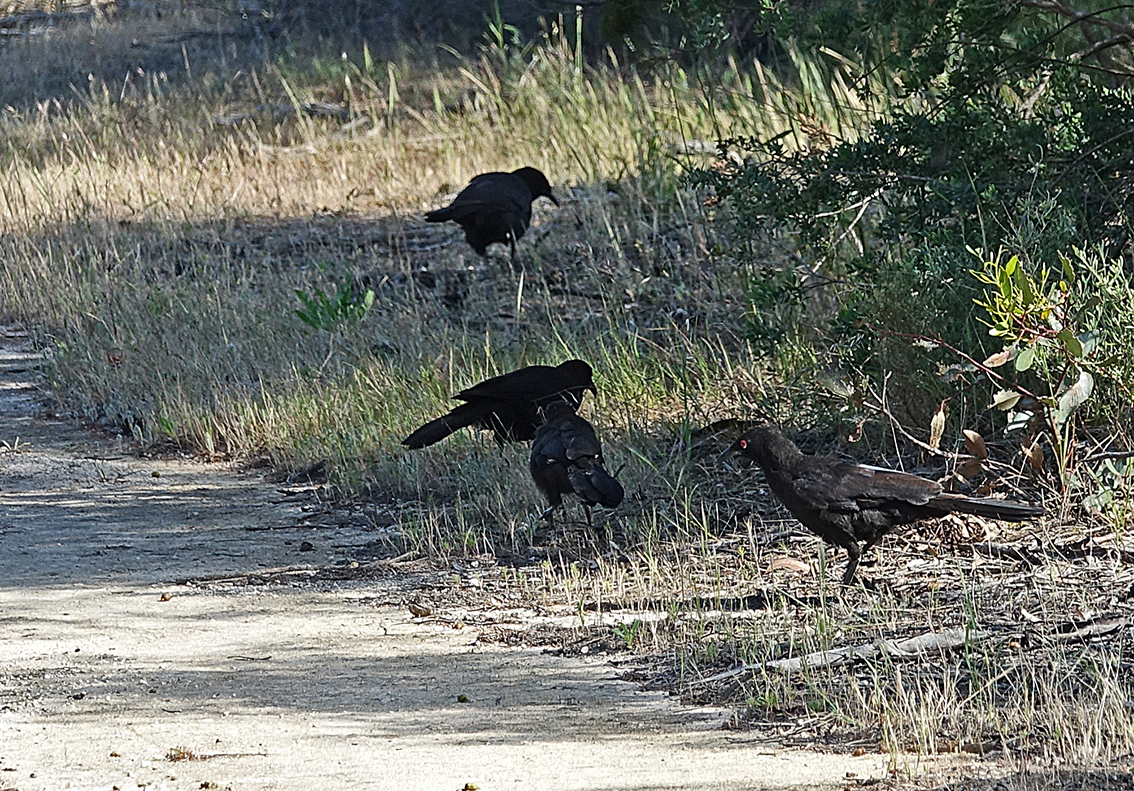
A small group of medium sized, black, birds are foraging near the track which leads deeper into the Monarto Conservation Park. I zoom in on them using the full range of the Sony lens. Bright red eyes and white flashes on the wings identify them as White-winged Choughs.

White-winged Choughs
Park entrance

As I walk further into the park, it is hard not to notice the variety of flowering shrubs and wildflowers blooming in the understory. The blossoms are supporting a wide variety of wildlife including: native bees, honeyeaters, lizards and possums.

Erect Guinea-flower
Fringe Myrtle
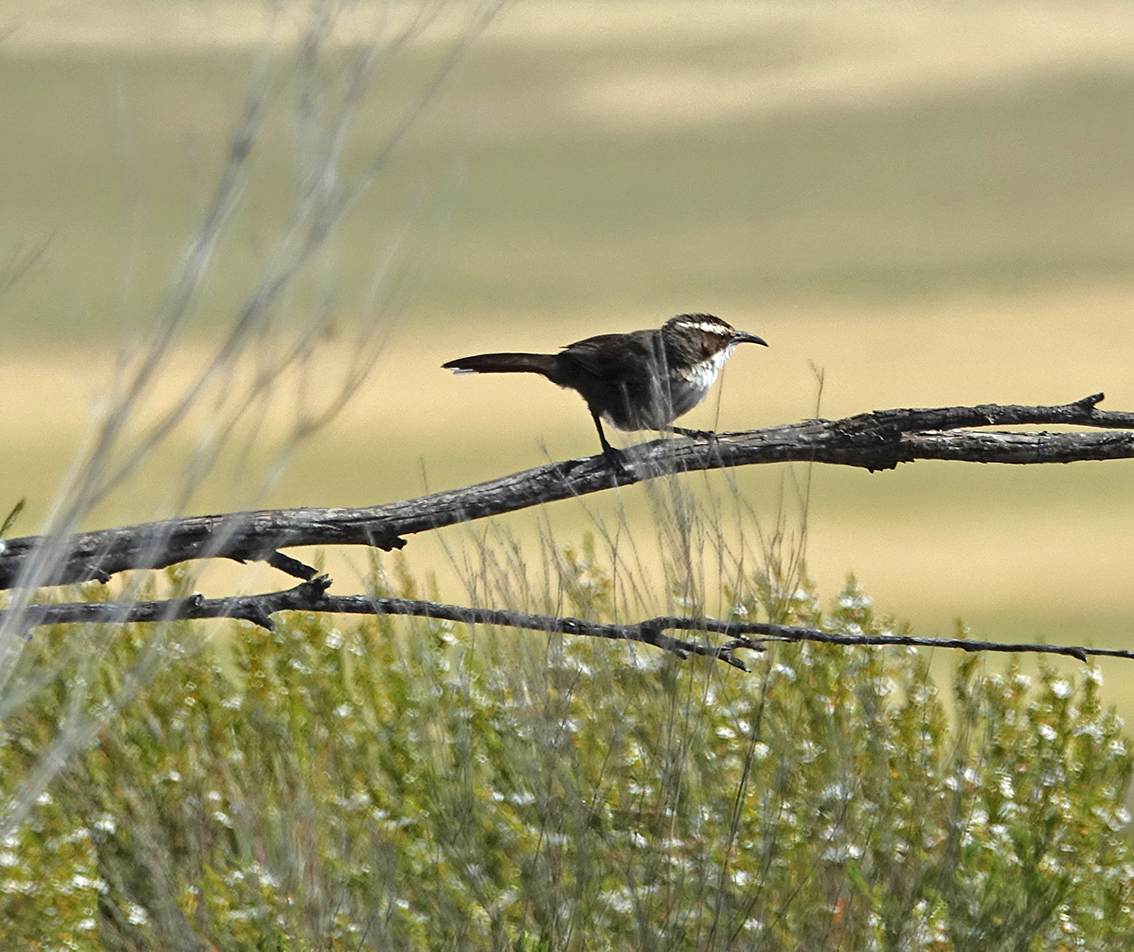
White-browed Babbler

The birds in this area seem to be quite wary. I find myself shooting at long range and having to use a ‘sit quietly and wait’ approach. My first reasonable result is an image of a White-browed Babbler perched on a branch; a species not often seen around the Adelaide area.

Red Wattlebird
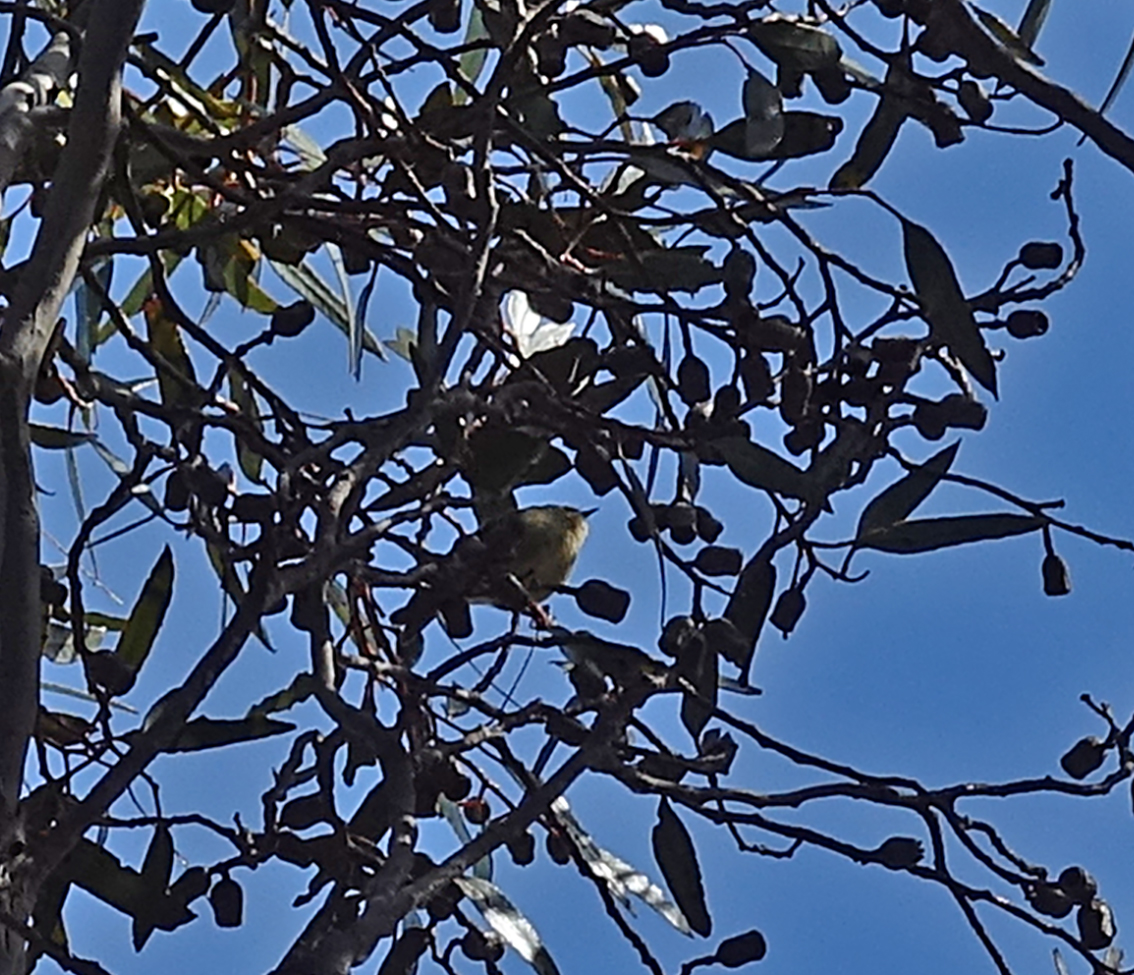
Thornbill species

There are eucalyptus blossoms high in the canopy and with a little careful stalking and patience I photograph a Red Wattlebird as well as the outline and faint detail of a Thornbill; both perched amongst the leaves.

White-tipped Brown Bee Fly

I am unable to spot any reptiles so I try to diversify my day’s captures by searching for some unusual insects. Flies, mosquitoes, hoverflies and some wasps are abundant. However, it is a rather unusual White-tipped Brown Bee Fly that catches my eye as it lands on a sandy clearing amongst the matt of twigs and leaves.

Native Pine and Eucalypt trees
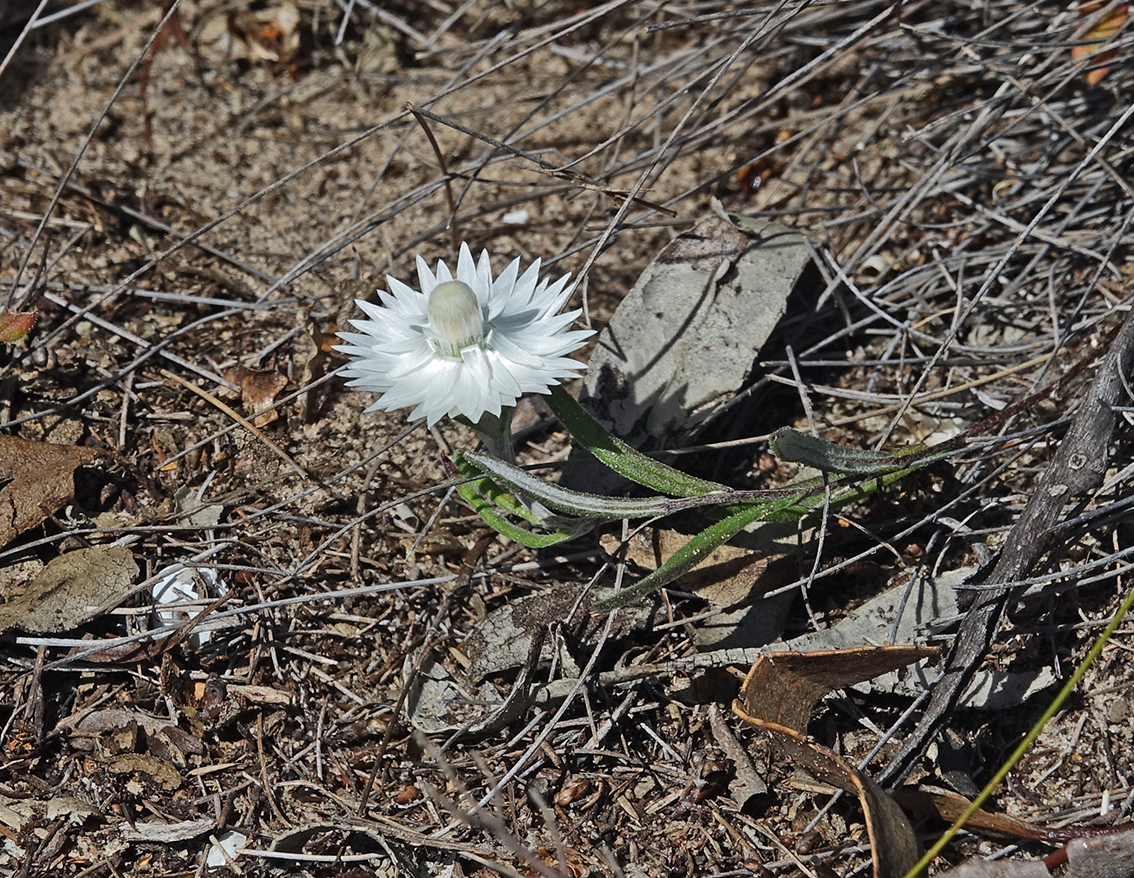
Emerging Everlasting Daisy flower

My walk is almost over. I stroll down a wide track of Mallee and Native Pine searching for one last image. I’m hoping for a roo or some interesting stock in the adjacent paddocks. However, it is a strange domed flower head set amongst a collar of sharp white petals that intrigues me. Later, at home, I identify it as an Everlasting Daisy, with its central yellow mass of disc flowers about to be unravelled.     

Cheers

Baz

Additional notes

Other animals seen, heard but not photographed: Sulphur-crested Cockatoo, Striated Pardalote

The camera used for this post is a Sony RX10 Mark 3

This is an easy walk and drive which is quite suitable for families and seniors.

Please pass on this blog title and or contact information (URL) to any person or organisation with an interest in taking walks and enjoying wildlife in SA.

Click on these links and see more South Australian stories and pictures in my Weekend Notes articles as well as locating similar blogs on Feedspot’s top 20 Australian wildlife blogs

https://www.weekendnotes.com/adelaide/writer/452/

https://blog.feedspot.com/australian_wildlife_blogs/

Normanville’s Big Gorge Walk Part 2

24 Jul

Dear Reader:

(30/6/25,12.05, Clear sky and around 18, light wind)

Numerous aged River Red Gums line the watercourse. I remove a few strips of bark to investigate the different animals that shelter there. A Marbled Gecko scuttles out and freezes relying on its camouflage to escape detection.

Marbled Gecko and Pie Dish Beetles

In part 1 of this story (June 7th Post) I had just passed the ruins and was nearing the end of this short but fascinating trail. I will pick up from there and relate the walk to the end of the trail and back by referring to my field notes. Conditions were recorded on my Apple watch.

End of the walk with information about Colonel Light’s exploration of the area

(30/6/25,12.13, Clear sky and around 18, light wind)

Amongst a tangle of branches I can just make out the shape of a large dark bird. I zoom in and pick up the white fringes to its tail and prominent yellow eye…A Grey Currawong.

Grey Currawong

(30/6/25,12.14, Clear sky and around 19, light wind)

Scanning further into the trees, I pick up the distinctive red breast and blue wings of an Adelaide Rosella. The rosella is not the only parrot in the area. There are small groups of Short-beaked Corellas in the canopy and an occasional Galah flying past.

Adelaide Rosella
Short-beaked Corellas

(30/6/25,12.25 Clear sky and around 18, light wind)

I leave the trail and walk closer to the creek and try to capture essence of this beautiful Gorge with a couple of scenic images.

Yankallila River
Surrounding hillsides with sheep grazing

(30/6/25,12.42 Clear sky and around 18, light wind)

I am almost back at the trailhead when I notice a small group of Silvereyes in a bush. They are probably the same birds I photographed earlier (7th June post). To my surprise, considering the season, I notice a Monarch Butterfly perched on a small branch near the track.

Late season Monarch Butterfly

(30/6/25,12.55 Clear sky and around 20℃, light wind)

I reach the Norm Garnet Park, pack up my gear and head back to the city. I have been surprised by the lack of Western grey Kangaroos, as I know they are prolific in this area. However, the gods of wildlife photography decide to rectify the problem and I come across a dozen or so ‘roos’ grazing in a fenced paddock, just a few kilometres shy of Normanville.  

Western Grey Kangaroos grazing on farmland

Cheers

Baz

Additional notes

Other animals see, heard but not photographed

The camera used for this post is a

This is an easy walk/drive which is quite suitable for families and seniors with public toilets, barbecues, parking and other facilities nearby. It is dog friendly.

Please pass on this blog title and or contact information (URL) to any person or organisation with an interest in taking walks and enjoying wildlife in SA.

Click on these links and see more South Australian stories and pictures in my Weekend Notes articles as well as locating similar blogs on Feedspot’s top 20 Australian wildlife blogs
https://www.weekendnotes.com/adelaide/writer/452/

https://blog.feedspot.com/australian_wildlife_blogs/

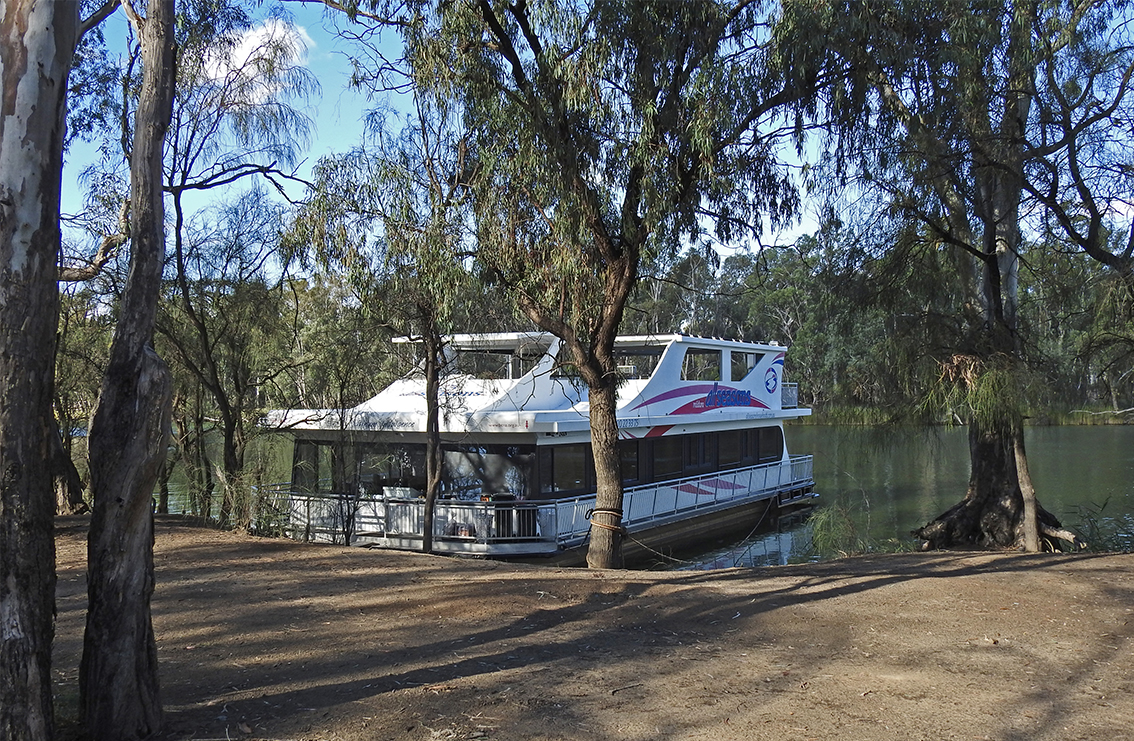
Just Cruising 2 King’s Billabong to Mildura

6 Jul

Dear Reader:

As we back the houseboat into the current and point it downstream a Snakebird or Anhinga perches gracefully on an overhanging branch, the perfect farewell to King’s Billabong.

Snake-bird or Anhinga

In the next hour, I photograph numerous scenes and animals from my vantage point on the upper deck. None of the images are quite as clear as the initial shot as the boat is moving, the engines vibrating, and the riverbanks are a between 50-100 metres away.

Classic red earth riverbank scenery

Because birds fly, it is a challenging task to capture images of them in flight. Dainty swallows hunt insects in the boat’s wake and Whistling Kites circle high in the air using their extraordinary vision to locate prey.

Welcome Swallows resting on the river bank
Welcome Swallows hunting in the houseboat wake
Whistling Kite hunting above the river

Because of their size, shape and slow flight pattern, Australian Pelicans are one of my favourite waterbirds to photograph. Whether hunting, flying, landing or taking off, they are both endearing and elegant.

Australian Pelican in flight
Ancient tree and Pelican composition

The river is used by numerous types of craft which tell a variety of stories. There are old barges from the time when the river was a major transport route. Paddle-teamers, both new and old, rekindle the more romantic days of river travel. Tour boats, houseboats , ski and fishing boats are the most common vessels of the modern era.  

Classic paddle-steamer still in use
Derelict barge

It is a relatively short trip back. As we bring the houseboat into the wharf at Mildura, I notice a Great Cormorant watching us from the bank as a flotilla of Maned Ducks slide past on the port side. Settled snuggly into our mooring I watch a Rakali or Australian Water Rat foraging amongst lily pads: a nice way to finish the week.

Rakali foraging amongst lily pads

Cheers

Baz

Additional notes

The camera used for this post is a Nikon P900

This is an easy excursion which is quite suitable for families and seniors with public toilets, barbecues, parking and other facilities nearby. River bank areas that are not part of national park are dog friendly.

Please pass on this blog title and or contact information (URL) to any person or organisation with an interest in taking walks and enjoying wildlife in SA.

Click on these links and see more South Australian stories and pictures in my Weekend Notes articles as well as locating similar blogs on Feedspot’s top 20 Australian wildlife blogs
https://www.weekendnotes.com/adelaide/writer/452/

https://blog.feedspot.com/australian_wildlife_blogs/

Normanville’s Big Gorge Walk…….part 1

17 Jun

Dear Reader:

Tiny birds are feeding in the canopy of a massive Red River Gum on the edge of the river bed. Scanning the area with the telephoto of my Nikon P900, I spot a diminutive Thornbill.

Thornbill species

Garnet Kelly Park on the southern side of Normanville is the start of the Great Gorge Walk. This charming track of around 3Kms return follows a path walked by explorers and traversed by later settlers.

Park entrance near the old bridge
Alongside the river

River Red Gums, Sheoaks and Acacia bushes are part of a complex and varied flora.

Sheoaks on hillside, private property bordering the walk

Information placards at the start of the walk and along its route tell the story of the bridge, pathway and the local soldier which the park is named after.

One of numerous informative signs on the walk and in the park

Small birds seem to be prolific in the first kilometre of the walk and I manage to photograph Fairy Wrens, Silvereyes and White-browed Finches. Most of the shots are taken at distance and emphasise the need for a good telephoto lens in this area.

Silvereye feeding on reed-like grasses near a pool in the river bed

I notice small groups of Sulphur-crested and Rose-breasted (Galahs) Cockatoos flying overhead. A few land to feed on the ground while others perch in nearby trees. They advertise their presence with a screeching, almost prehistoric, call.

Sulphur Crested Cockatoo

The weather is too cold for reptiles and I see only a few rather tattered looking butterflies. However, there are sheep with lambs in tow, on the hillsides. A closer look on one ridge reveals a lone Western Grey Kangaroo grazing alongside a couple of sheep.

Hilltop grazers

Glancing at the distance reading on my Apple watch, I realise I am almost at the half way (1.5 Km) point of this walk. Though the wildlife and scenery have been both interesting and varied, my writer’s mind wants a little more variation for an article. It comes in the form of an old ruin.

Remains of a once substantial building
Historical placard near the ruins

The exact nature of the ruin is a little unclear and an information plaque provides some different alternatives. Nevertheless, this old structure and its history provides yet another reason to take this truly beautiful walk on the Fleurieu Peninsular………….to be continued.

Cheers

Baz

Additional notes

The camera used for this post is a Nikon P900

This is an easy walk which is quite suitable for families and seniors, Dogs must be kept on a lead.

Please pass on this blog title and or contact information (URL) to any person or organisation with an interest in taking walks and enjoying wildlife in SA.

Click on these links and see more South Australian stories and pictures in my Weekend Notes articles as well as locating similar blogs on Feedspot’s top 20 Australian wildlife blogs
https://www.weekendnotes.com/adelaide/writer/452/

https://blog.feedspot.com/australian_wildlife_blogs/

Murray River Cruising part 1

28 May

Dear Reader:

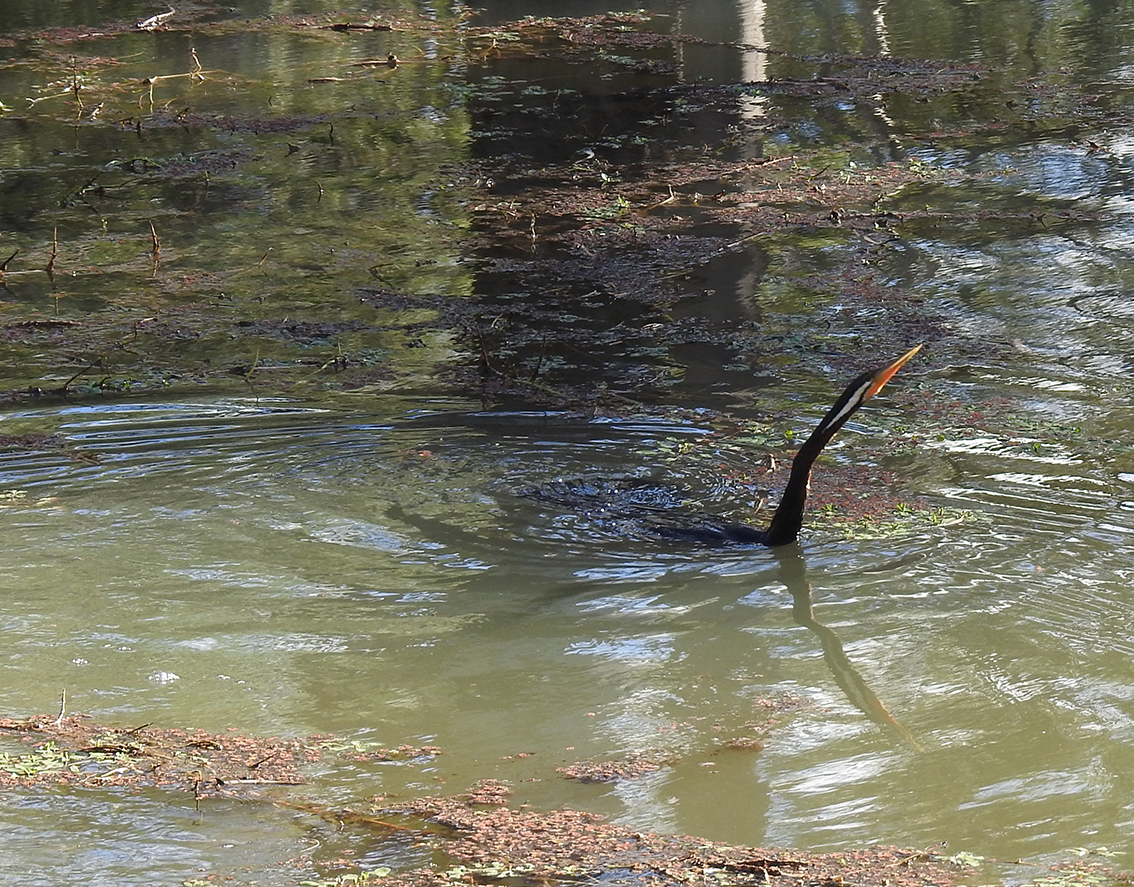
As we release the mooring ropes and pull away from the dock, I notice an Australasian Darter or Anhinga, stretching its neck out to mimic the branch it is perched on.

Anhinga or Australian Darter or Snake Bird

I am taking my annual houseboat trip on the Murray River from Mildura which is just over the South Australian border in Victoria. The trip from Adelaide takes around four hours and on this occasion I was lucky enough to sight emus on several occasions.

A wheat field of Emus

While we are cruising at a leisurely 6 kph I am scanning the banks for interesting images that capture different aspects the river.

Entrance to a billabong

A wide variety of boats use the river, ranging from rebuilt paddle steamers to ski-boats, fishing craft, canoes and houseboats. Most of the ‘boaties’ give a casual wave as we pass them.

Reproduction of a classic Murray Paddlesteamer design
Fisher working the snags near the bank

Numerous bird species inhabit the Murray’s banks, billabongs, reed beds and open water. I spot a Pied Cormorant perched in a long dead tree and quickly focus before the moment is lost.

Pied Cormorant

We search for a place to tie up and carefully manoeuvre the boat into the shallows then secure the ropes to large trees on the bank. There is little current near the bank and I watch dragonflies and damselflies trace their erratic flight paths over the water.

Red and Blue Damsel (Xanthagrion erythroneurm)

After disembarking, I walk quietly through the scrub then sit on a fallen log to search the leaf litter and fallen branches for the small creatures inhabiting this understory environment.

Fence or Snake-eyed Skink found under bark and in leaf litter and fallen branches

As evening approaches I make my way back to the boat photographing a pair of Black Swans under the mooring ropes as I climb aboard. They are probably looking for scraps from houseboaters. However attractive, feeding native birds is not a good idea as many processed foods can be damaging to their health.

Black Swans by the houseboat

My day cruising the river is done and I am rewarded with the most appropriate of endings; a spectacular sunset over the river.  

Murray River sunset

Cheers

Baz

Additional notes

The camera used for this post is a Nikon Coolpix P900

This is challenging but wonderful experience which is quite suitable for families.

Please pass on this blog title and or contact information (URL) to any person or organisation with an interest in taking walks and enjoying wildlife in SA.

Click on these links and see more South Australian stories and pictures in my Weekend Notes articles as well as locating similar blogs on Feedspot’s top 20 Australian wildlife blogs
https://www.weekendnotes.com/adelaide/writer/452/

https://blog.feedspot.com/australian_wildlife_blogs/