Archive | Inverterbrates RSS feed for this section

Exploring Meadows Creek……an interesting drive

3 Mar

Dear Reader:

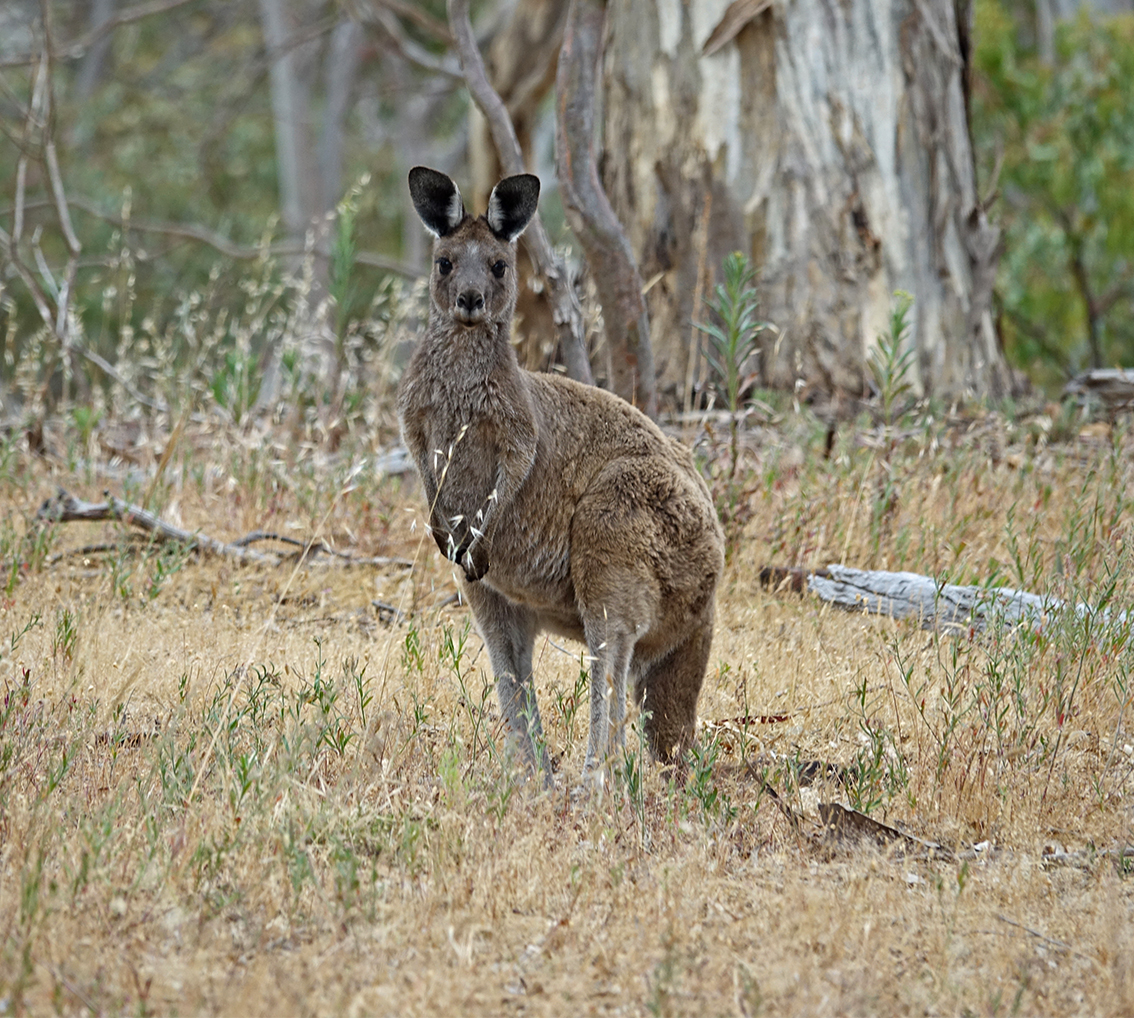
I hear movement in the long grass. Fifty metres away a Western Grey Kangaroo twitches its ears and looks back at me before slowly hopping into the scrub.

Western Grey Kangaroo

I am exploring Meadows Creek from three roads that intersect the creek from Brookman Rd, which starts at the top of Willunga Hill and terminates at Meadows. The first is Adams Gully Road.

Adams Gully Road ford

Here, the creek’s bank is obscured by scrub and grass. I wade through the tangle of dry stalks and spot a Common Brown Butterfly amongst a mat of fallen grass.

Common Brown butterfly

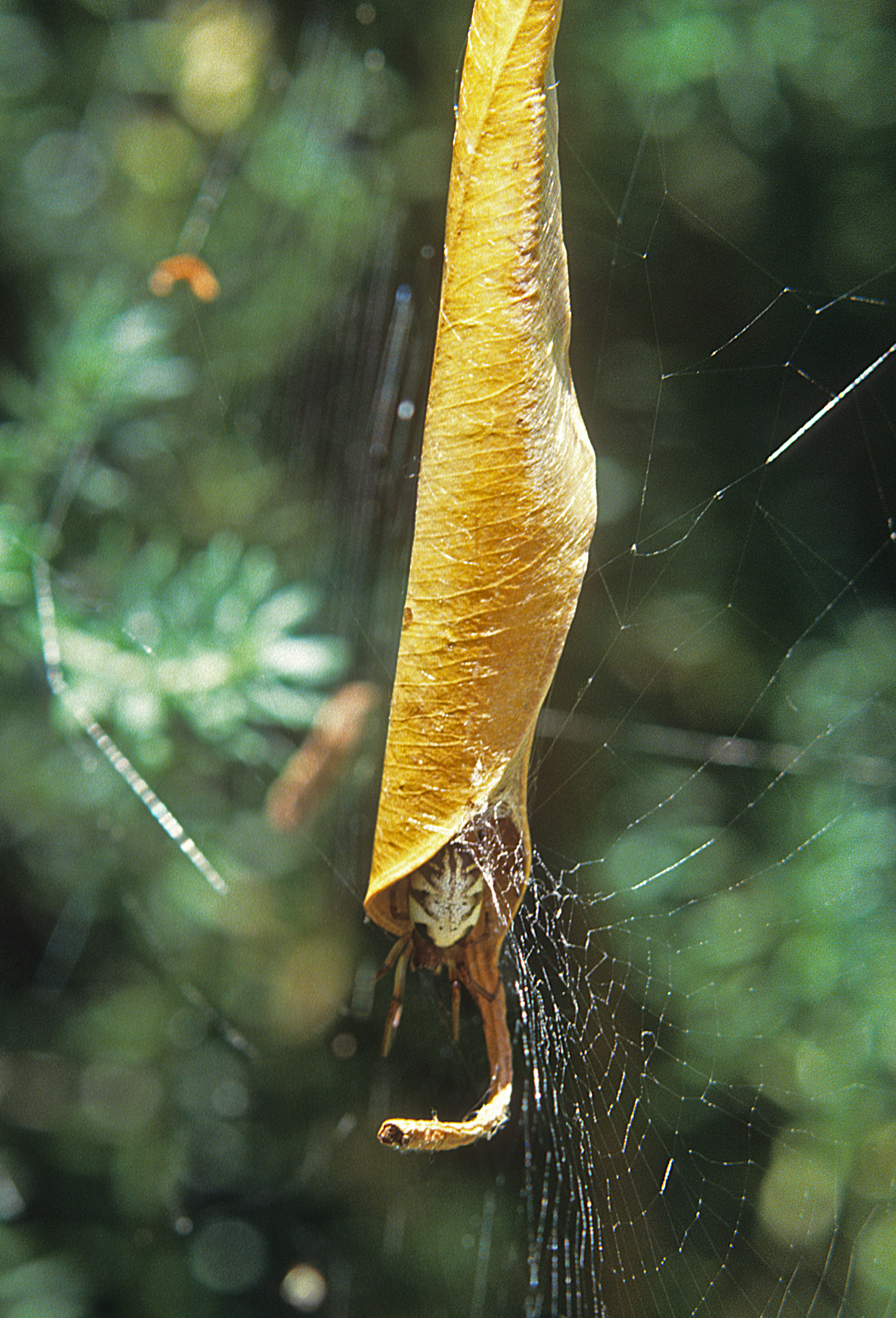
Nearby, a leaf curling spider has strung its web between some bushes. I can just make out its spindly legs protruding from its specially constructed home.

Leaf Curling Spider with legs visible

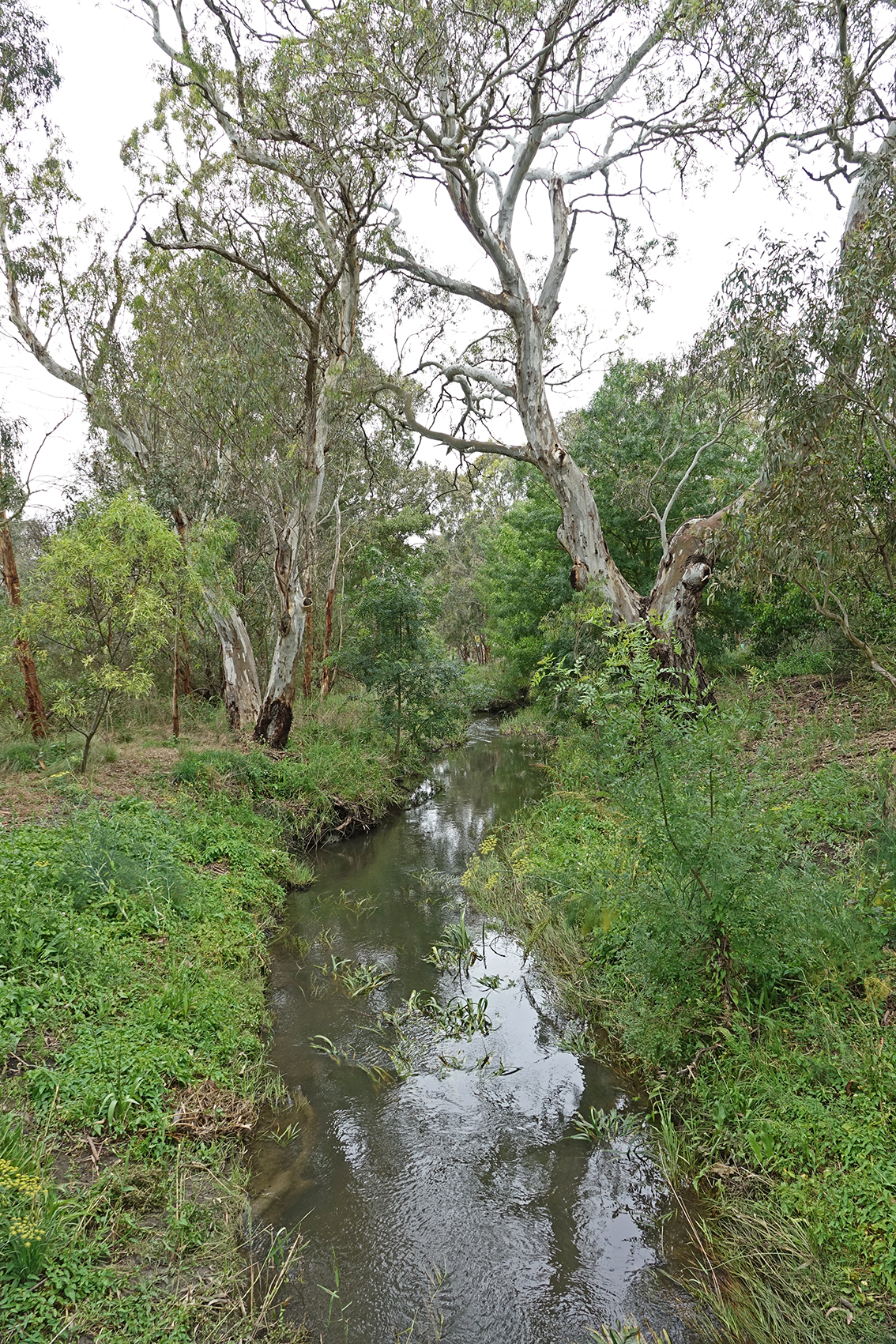
Sometimes tracking a creek or river is a complex endeavour. Meadows Creek runs through farmland and only flows freely when it has rained. In drier months it is typical of many SA waterways, consisting of a series of shallow pools.

Typical summer pool along Meadows Creek

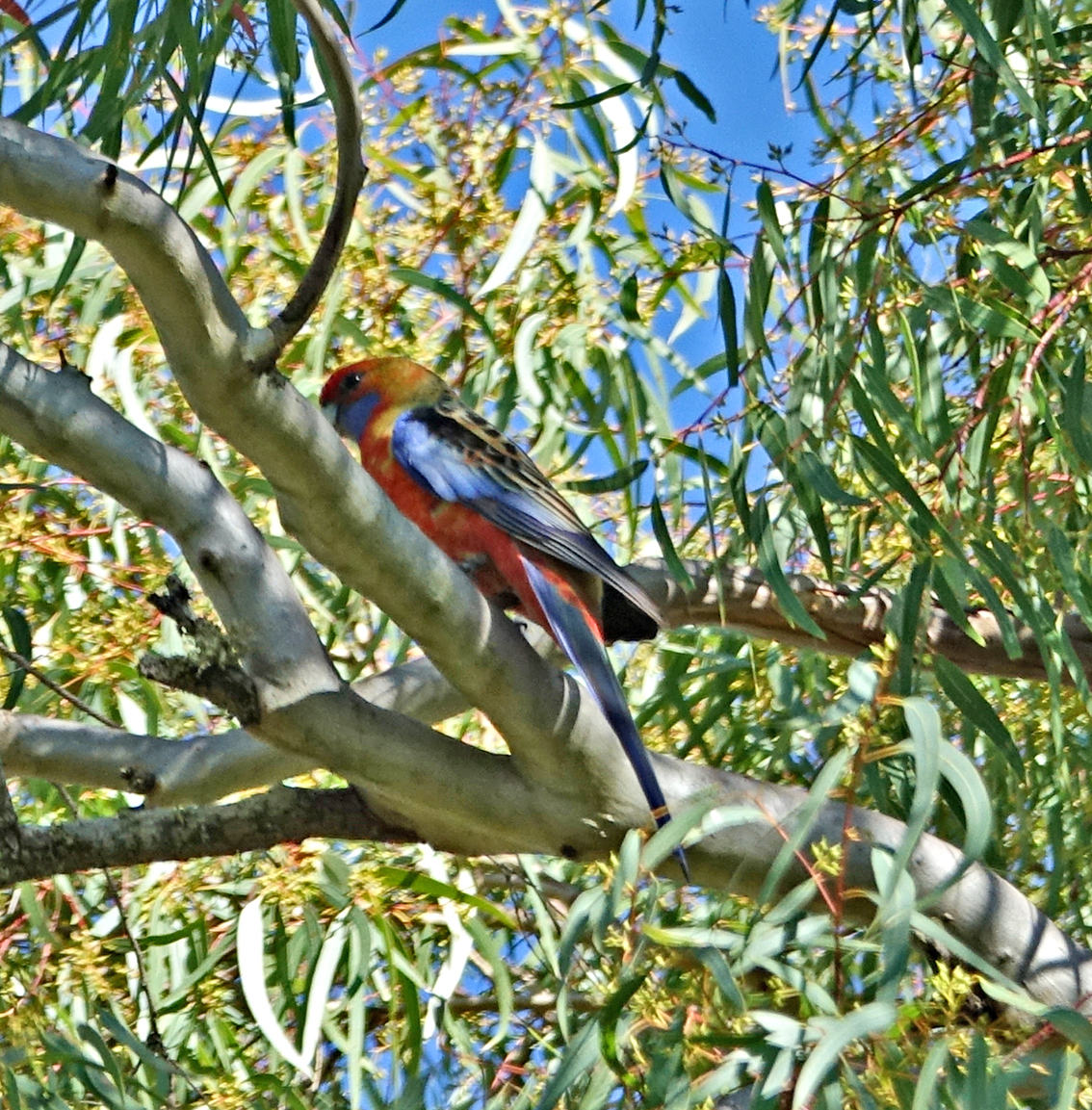
A few kilometres past Adams Gully Road is Tynan Road where there is a slightly larger more accessible pool. There are prickly blackberry stems (canes) close to the water providing a safe place for small birds to shelter. A Silvereye lands on a branch providing a nice camera angle. Then a Superb Fairy Wren puts in a brief appearance while an Adelaide Rosella perches high in one of the tall roadside eucalypts.

Tynan Road crossing

Silvereye

Adelaide Rosella

My final crossing point is on Wickham Hills Road where I walk along the dry creek bed towards a pool and spend a quiet ten minutes waiting to see what animals are in the area. Eventually a Grey Fantail alights on a nearby rock as it searches for insects near the water. Further along the creek I can hear Kookaburras calling and a pair of Yellow-tailed Black Cockatoos fly overhead.

Wickham Hills ford

Grey Fantail

Rather than drive back to Brookman Road and return to Adelaide via Meadows or Willunga, I continue along Wickham Hills Road and wind my way back to the city through some lovely rural areas.  Rich pastures, stock, vineyards, barns and farmhouses provide some picturesque, rural scenes, making a wonderful ending to my creek exploring day.

Vines and open bushland

Cheers

Baz

Additional notes

This is an easy drive which is quite suitable for families and seniors.

Please pass on this blog title and or contact information (URL) to any person or organisation with an interest in taking walks and enjoying wildlife in SA.

Click on these links and see more South Australian stories and pictures in my Weekend Notes articles as well as locating similar blogs on Feedspot’s top 20 Australian wildlife blogs

https://www.weekendnotes.com/adelaide/writer/452

https://blog.feedspot.com/australian_wildlife_blogs

South Para Reservoir’s Water, Wine and Wildlife

13 Feb

Dear Reader:

There’s a small mob of Western Grey Kangaroos feeding close to the path where I am starting my walk. Leaning against a tree, I steady the camera. The roos detect either sound or scent and bound away into the thicker scrub.

Up Up and Away

I am taking a walk around the South Para Reservoir near Williamstown about an hour’s drive from Adelaide’s CBD. The road winds through the Adelaide hills and encompasses a range of environments from rural to wilderness. Unfortunately, it is a bit of a grey day. Not brilliant for photography.  

South Para Reservoir

The track leads down to the water where a kayaker is bringing the craft back to dry land. This reservoir is open for fishing, kayaking, cycling and walking unlike many of our other reservoirs.

A recreational paddle

There are numerous butterflies in the area but it is hard to spot them until they take flight. Eventually I get a reasonably clear shot and identify the species as a Common Brown.

Common Brown

On the water’s edge I can just make out some large birds. I suspect they are either Cormorants or Snake Birds (Anhingas). I approach warily, lie down in the grass and focus. There are two distinct species; a Pied Cormorant and a Great Cormorant.

Pied Cormorant

Working my way around the water’s edge I discover a dry creek bed and another track heading back towards the main road. I follow the creek bed up a gentle slope towards a rocky outcrop. A large male kangaroo watches me from the scrub as I walk. He seems relaxed and stays still enough for a long-range shot.

Just watching

Continuing along the cross track I suddenly freeze and hold my breath. Three adult Emus are walking towards me and have, either not registered my presence, or are not unduly phased by humans. I raise the camera slowly and wait as they approach to within thirty metres. I take a series of shots before they veer away pecking for seeds, insects and whatever else they might find in the dry scrub.

The Emus gang

Emus close by me

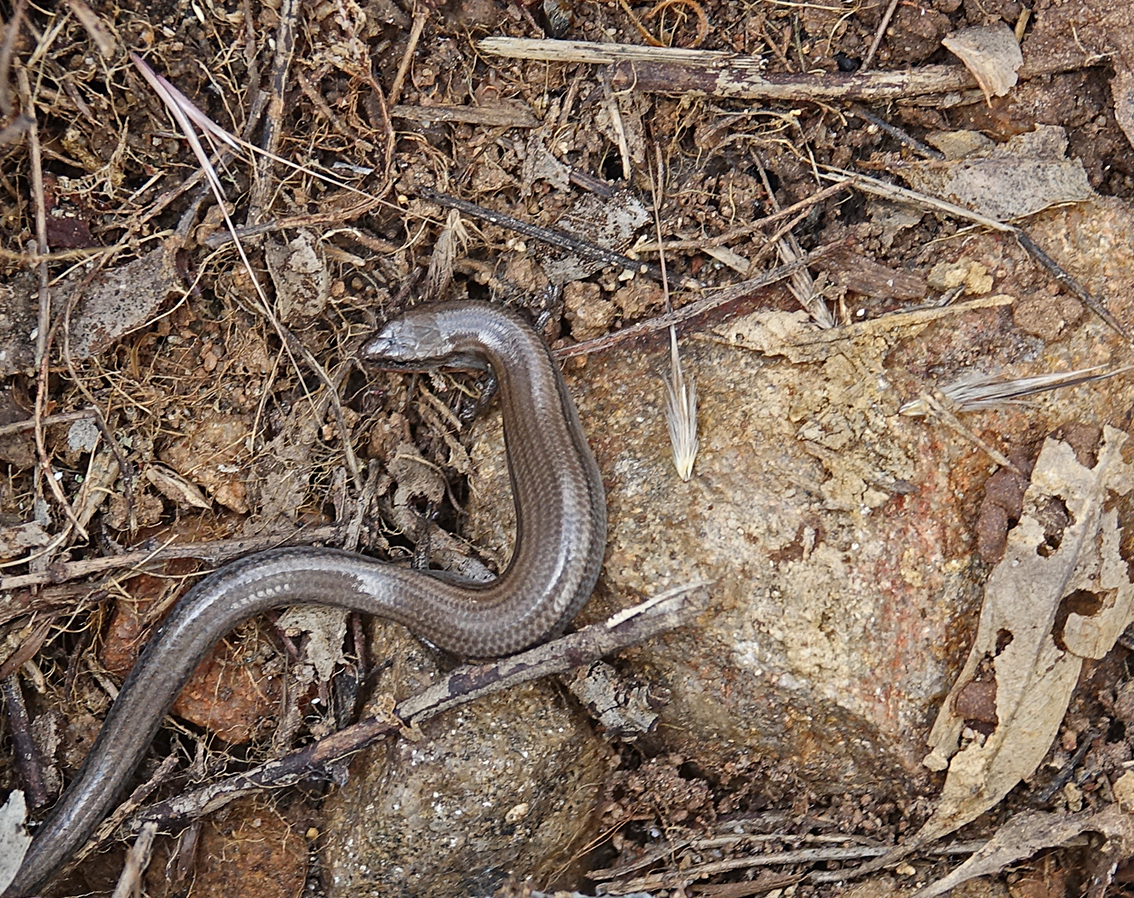
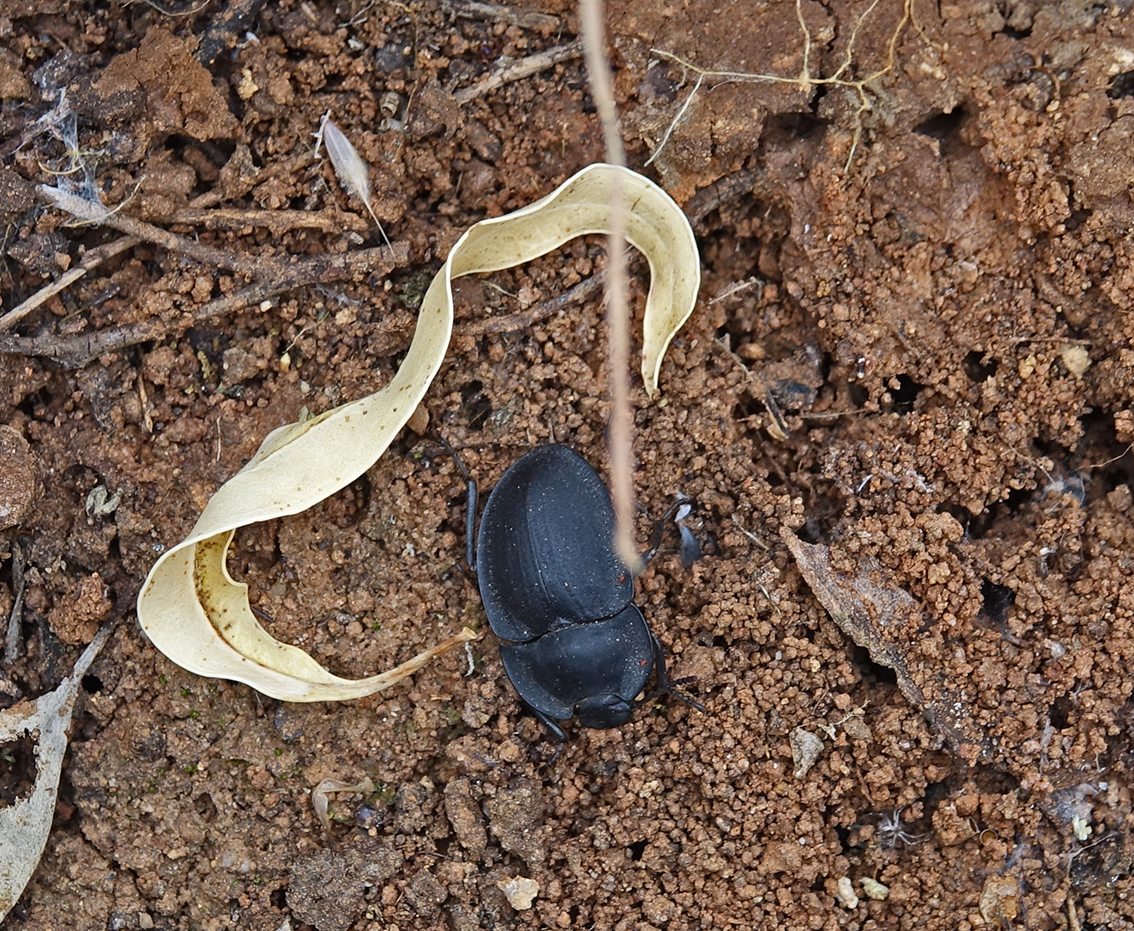
As I traverse move up the trail, I notice a variety of wildlife including; musk Lorikeets Sulphur Crested and Rose Breasted Cockatoos, more butterflies, a few native bees as well as ant nests and termite mounds. I turn over a couple of rocks and dead branches (replacing them carefully afterwards), uncovering a snakelike Three-toed Earless Skink and Pie-dish Beetle.

Three-toed Earless Skink

Pie-dish Beetle

With my walk at an end, I drive on towards Williamstown for lunch at the little bakery across from the creek. However, I do make one more stop on the way at Linfield Road Winery which has a charming bed and breakfast attached. An ideal place to stay when I make my next foray into the wonderful north-eastern region of the Adelaide Hills.

B&B for next time

Linfield Road Winery vines

Cheers

Baz

Additional notes

This is an easy walk/drive which is quite suitable for families and seniors with public toilets, barbecues, parking and other facilities nearby.

Please pass on this blog title and or contact information (URL) to any person or organisation with an interest in taking walks and enjoying wildlife in SA.

Click on these links and see more South Australian stories and pictures in my Weekend Notes articles as well as locating similar blogs on Feedspot’s top 20 Australian wildlife blogs

https://www.weekendnotes.com/adelaide/writer/452 https://blog.feedspot.com/australian_wildlife_blogs

Mount Barker’s Laratinga Wetland………Crakes and Warblers

16 Jan

Dear Reader:

A small bird with vivid spots and dashes paddles out from the reed bed. A Spotted Crake, the first one I have ever seen.

Spotted Crake feeding


For the next ten minutes I watch several of the striking birds as they dip into the water in search of aquatic plants and animals such as worms, crustaceans, molluscs, spiders and even small fish and tadpoles.

Spotted Crake habitat

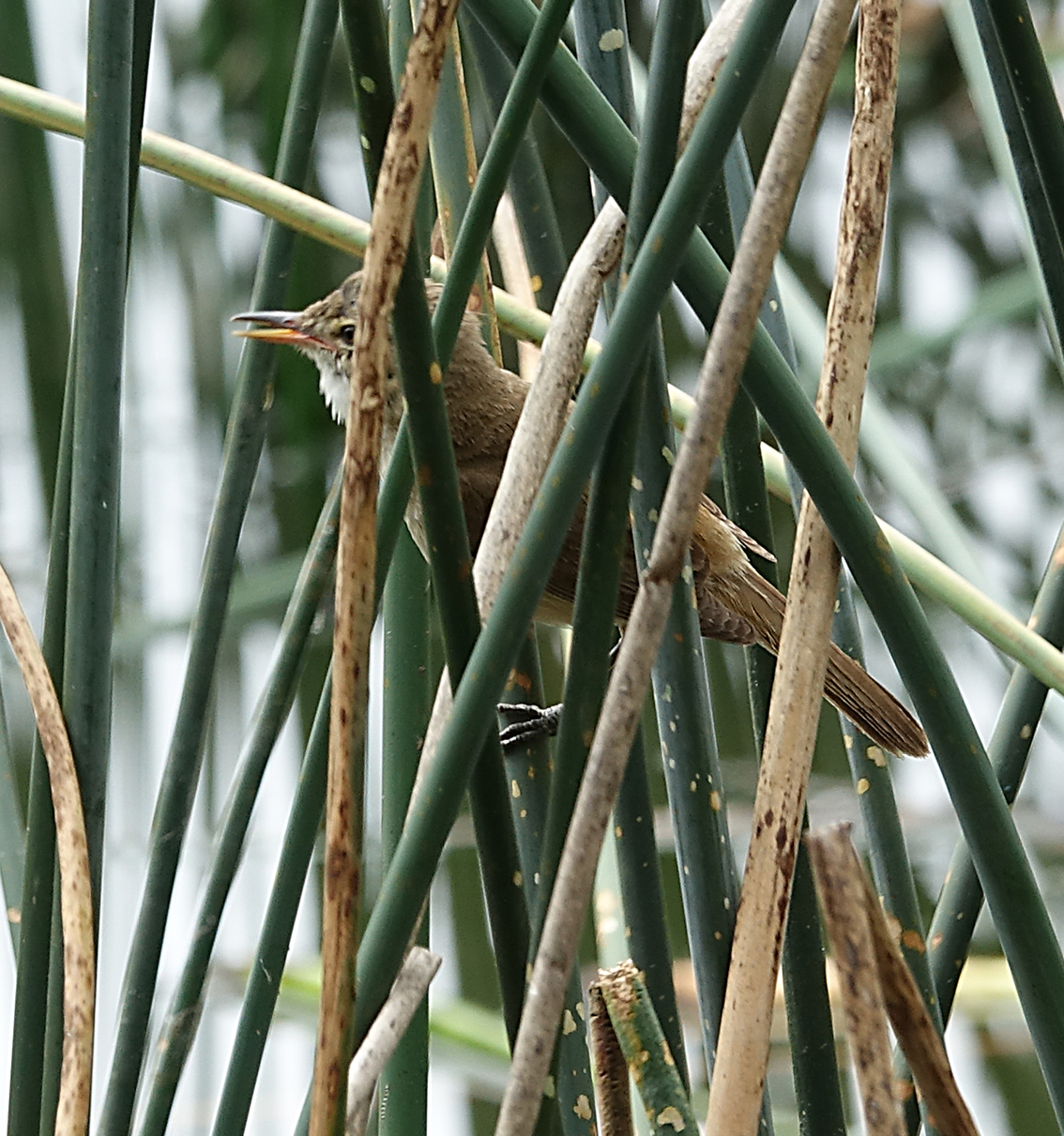
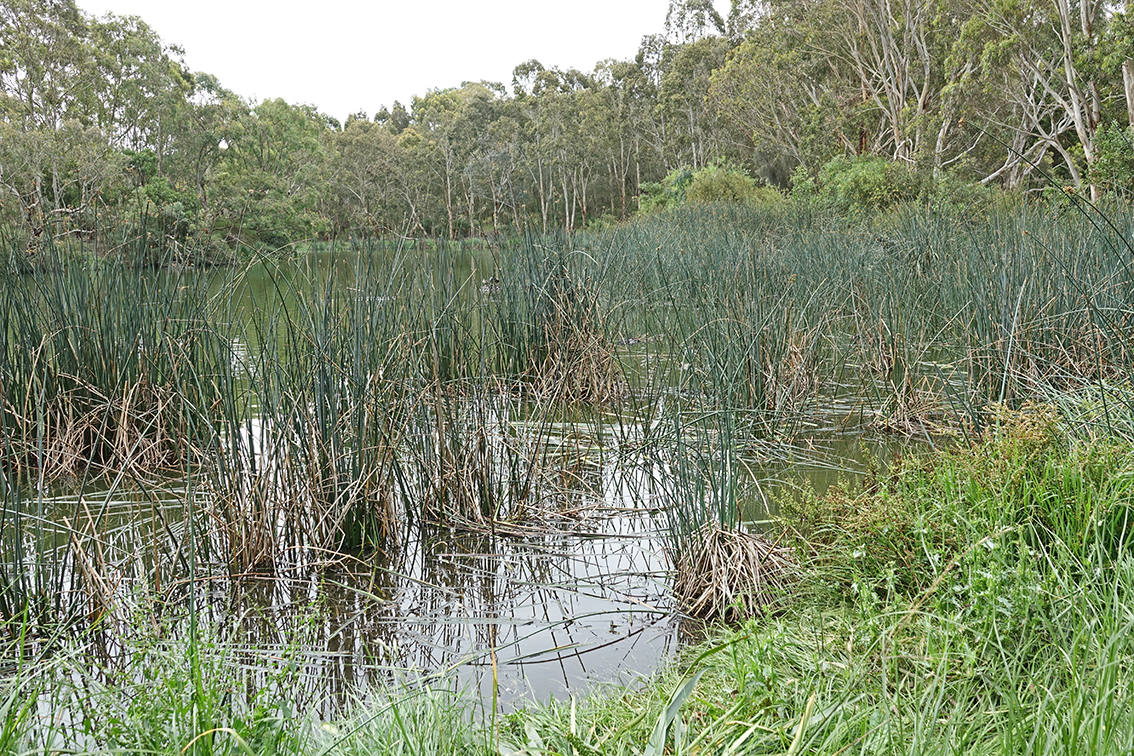
Leaving the crakes I walk a further hundred metres to another pool before I hear the melodic call of a reed warbler. There are reeds, small bushes and a variety of grasses bordering the water. I can still hear a bird calling and scan the reeds for movement. Deep in the tangle of stems I locate the source of the call; an Australian Reed-warbler.

Australian Reed-warbler calling

Reed warbler habitat

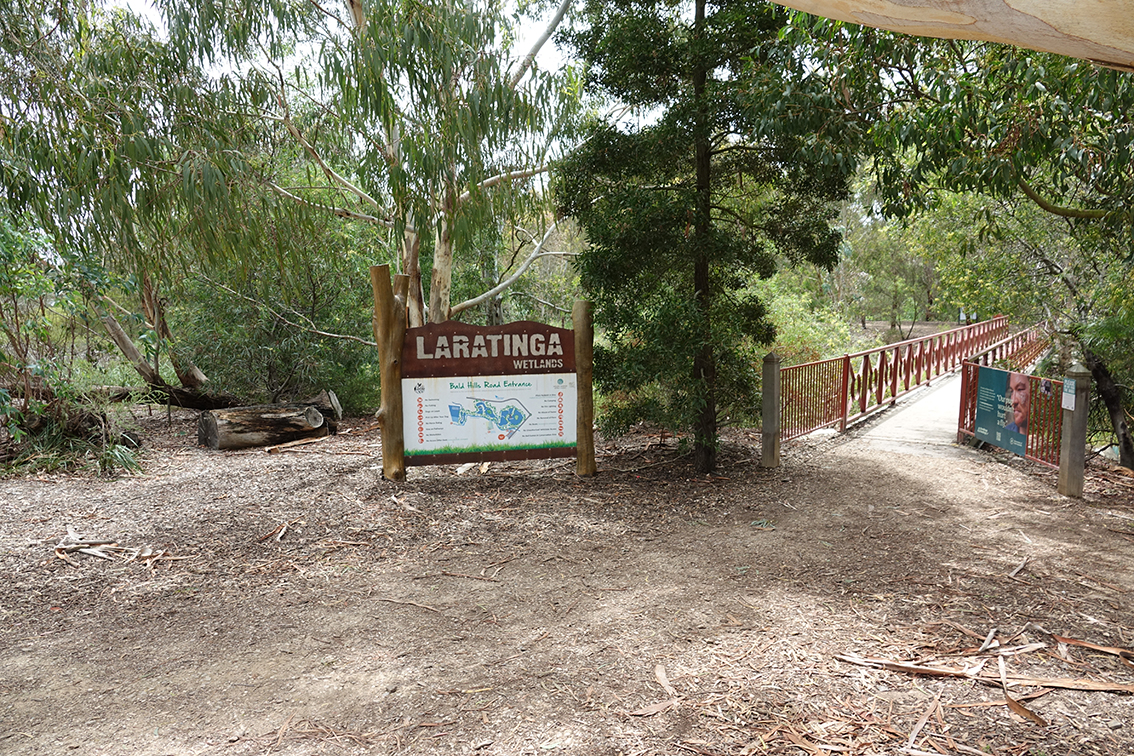
My hunting ground is the Laratinga Wetlands near Mount Barker about a Forty five minute drive from the city. In the local ‘Peramangk’ language it approximates to “Flooding Land Creek.” This wetland serves numerous purposes including filtering waste water, providing habitats for a range of animals and the establishment of walking, running, and cycling trails.

Wetland entrance

Having achieved my primary goal of photographing Spotted Crakes and Australian Reed-warblers, I continue my stroll around these fascinating wetlands keeping an eye open for more interesting plant and animal life.

Channel between larger pools

Because my Nikon P900 with its 83X magnification doubles as a spotting scope, I am able to search the opposite bank of a broad pool. I notice several Grey Teal perched on a branch overhanging the water. But it is the Short-necked or Macquarie Turtle in the background that is my main focus.

Grey Teal, Eurasian Coot and Short-necked Turtle

The day has been overcast and the light is fading. I have encountered numerous bird species in addition to the crakes and reed warblers as well as two reptiles; the turtle and a gecko. Another animal group would complete my day’s excursion. I turn my attention to invertebrates searching the foliage and leaf litter.

Marbled Gecko……showing camouflage

I am in luck. Perfectly suspended in the branches of a Christmas Bush is a Leaf-curling spider. These little arachnids create a home by spinning their silk around a dead leaf slowly curving it until they form a cylindrical shelter to hide in.

Leaf-curling Spider in Christmas Bush

Leaf-curling spider…Image shot at another location to show the spider

Now it is time to leave this amazing wetland but I will return in the near future to search for more wildlife in its maze of waterways, reed beds and bushland.

Cheers

Baz

Additional notes

This is an easy walk and drive which is quite suitable for families and seniors with public toilets, parking and other facilities nearby. It is dog friendly.

Please pass on this blog title and or contact information (URL) to any person or organisation with an interest in taking walks and enjoying SA wildlife.

Click on these links and see more South Australian stories and pictures in my Weekend Notes articles as well as locating similar blogs on Feedspot’s top 20 Australian wildlife blogs

https://www.weekendnotes.com/adelaide/writer/452/

https://blog.feedspot.com/australian_wildlife_blogs/

Wildlife Around Chalk’s Campground

16 Dec

Dear Reader:

With the arrival of summer, grasses turn to gold with remnant shadings of green while pale gums add a subtle contrast to the landscape.

As the countryside flashes past on my way to the campground I notice a field of freshly baled hay. A flock of Sulphur Crested Cockatoos forages for any remaining seed heads.

Sulphur Crested Cockatoos

My destination is Chalk’s Campground, just past the Warren Reservoir on the road between Williamstown and Gumeracha. I am not intending to camp here; however, the interface between human habitation, rural zones and wilderness areas is an excellent place to encounter wildlife.

Although the campsite is closed between December and March, due to the danger of bushfires, it is still accessible for walking and is a destination along the famed Heysen Trail. I drove through the area a few weeks ago on a sunny day and spotted a Shingleback lizard in the undergrowth.

Although it is summer, the weather is overcast and photography a little more challenging than on my previous visit. I use the powerful lens of my Sony RX10 to scan the trees, bushes and ground in search of wildlife.  Common Brown butterflies are the most common animals. They are flitting between the grass and leaf litter where their excellent camouflage is most apparent.

As I walk around the campsite zone, I notice a group of Adelaide Rosellas perched in a pine tree. The birds are wary and I only manage to fire off a couple of long range shots before they take flight.

Bark is peeling off many large River Gums and I probe under it in search of millipedes, spiders, roaches and other bugs. Spiders are not my favourite creatures and I have often come across multiple Huntsman species under the bark. However, today’s arachnid is a jet-black spider which resembles the common Black House Spider.

It is time to wind up this excursion and I backtrack along a little creek towards the car park. On my drive home I will take a break at the Gumeracha Bakery and enjoy a tasty chicken pie and an indulgent custard tart.

In a final attempt to find some different animals, I decide to turn over a few flattish rocks (which I carefully replace in their original position) in the hope of finding one of the elongated skinks that commonly shelter under them. To my surprise, it is a large and very and active Garden Centipede that I unearth. And, on that note, I bid Chalk’s Campground farewell.

Until our next adventure

Cheers

Baz

 Additional notes

This is an easy walk and drive which is quite suitable for families and seniors. It is dog friendly.

 Please pass on this blog title and or contact information (URL) to any person or organisation with an interest in taking walks and enjoying wildlife in SA.

Click on these links and see more South Australian stories and pictures in my Weekend Notes articles as well as locating similar blogs on Feedspot’s top 20 Australian wildlife blogs

 https://www.weekendnotes.com/adelaide/writer/452/
https://blog.feedspot.com/australian_wildlife_blogs/

Aldinga’s Temperance Precinct

13 Oct

Dear Reader:

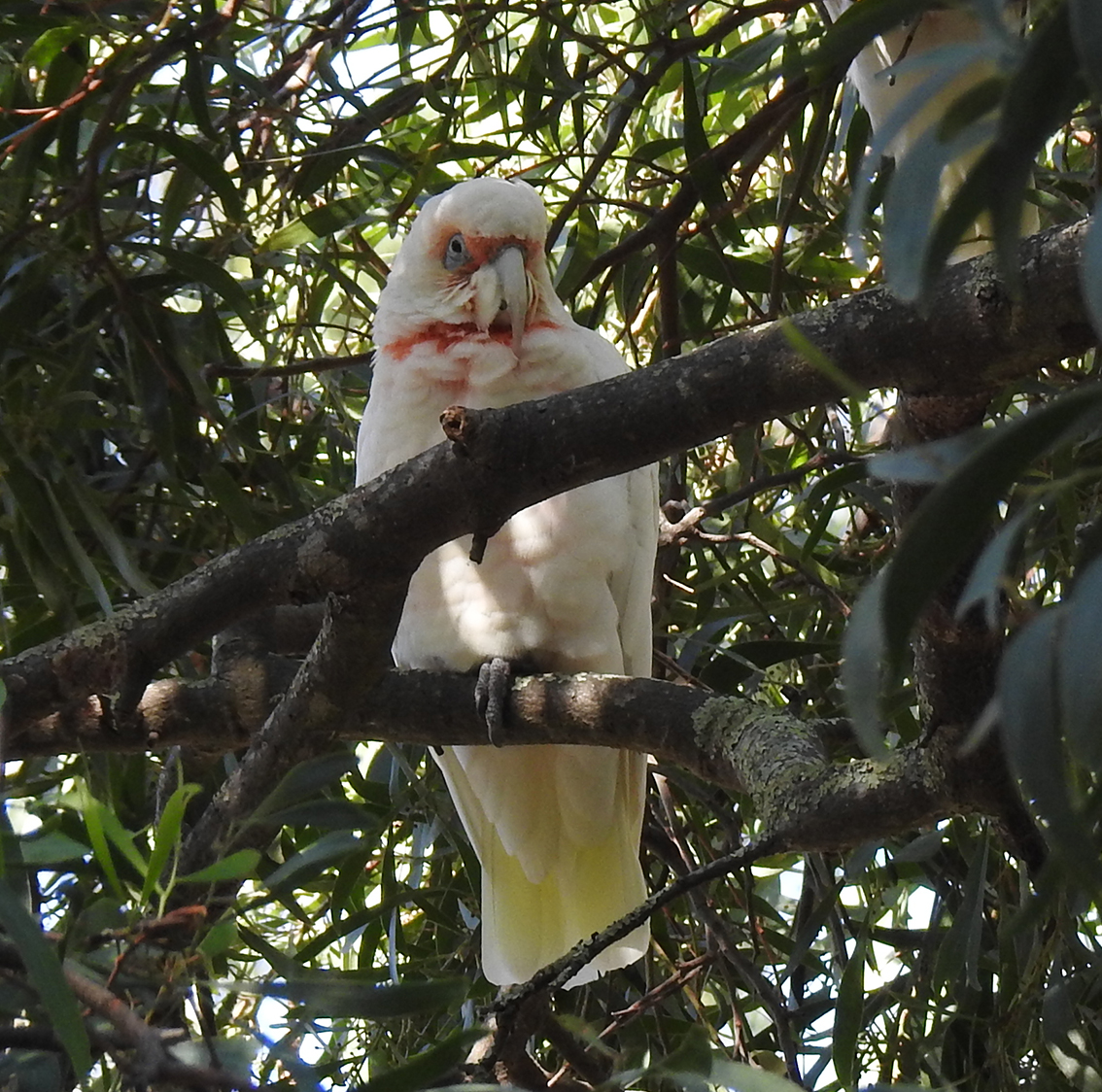
There is a sizeable group of Short-billed Corellas in the eucalyptus trees flanking the street. They exhibit a range of behaviours ranging from preening each other to nibbling branches and feeding on gum nuts. Some of the cars parked under the trees or nearby have also suffered some paintwork indignities due to the sheer number of birds.

Little or Short-beaked Corella

Corellas in tree

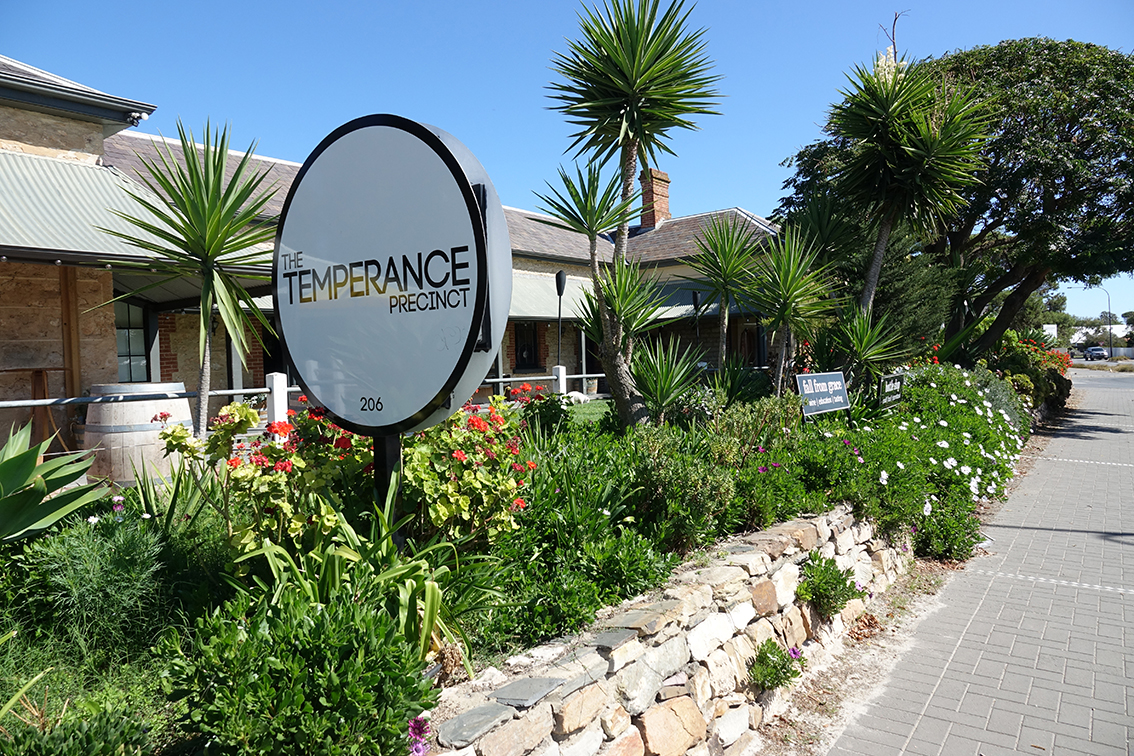
I am enjoying the ambience of the Temperance Precinct. A group of shops, restaurants, a pub, and other organisations situated on Port Road, where it intersects South Road leading into Aldinga. It is an area that has developed significantly over the last few years.

An interesting name

A little footwear style

So many colours to choose from

Perhaps the most iconic of these outlets is Miss Gladys on Sea which specialises in ‘well made’ clothing, shoes and accessories. Next door is a deli with organic foodstuffs and across the road, a bakery. Further down the street, there is an old church and graveyard as well as some fine period homes. Intermingled with the buildings are gardens, trees and bushes and the animals and plants which inhabit them.

A bit of everything

Heading for home

Collecting nectar

I sit on a stone wall, which borders a garden, waiting for a friend to do some shopping and notice a large native wasp fly into a gap in the stonework. In the garden I observe the same species feeding on several different kinds of flowers. With my attention focussed on these small invertebrates, I scan the plants for more species and spot: a diminutive flower spider, several Hoverflies, numerous Honey Bees and a cluster of tiny Aphids.

Not a gardener’s best friend

Shopping completed, it is time for lunch, but first I take a short stroll down to the churchyard where I can see some birds flitting between the branches of a red flowering gum. They are wary and in shadow. However, I recognise both Little Wattlebirds and New Holland Honeyeaters.

New Holland Honeyeater

Little Wattlebird

I finish the day with a wonderful steak and kidney pie washed down with a bottle of local fruit juice. In truth, a very satisfying low-key jaunt to one of my favourite coastal towns and I haven’t even taken the short drive to the beach with its fringing reef. An adventure I will leave for another day.

 Cheers

Baz

Additional notes

This is an easy walk and drive which is quite suitable for families and seniors with public toilets, parking and other facilities nearby. It is dog friendly.

Please pass on this blog title and or contact information (URL) to any person or organisation with an interest in taking walks and enjoying wildlife in SA.

Click on these links and see more South Australian stories and pictures in my Weekend Notes articles as well as locating similar blogs on Feedspot’s top 20 Australian wildlife blogs

https://www.weekendnotes.com/adelaide/writer/452/

https://blog.feedspot.com/australian_wildlife_blogs/

Hale Conservation Park

14 Aug

Adelaide Rosella

Dear Reader:

Over the years I have made several major errors as a wildlife photographer. Perhaps the most telling has been the tendency to see a shot at the beginning of a field trip and not take it as I believe there will be a better one later. Not this time! As I climb out of the SUV I notice a pair of Adelaide Rosellas flying into a gum tree about a hundred metres away. I steady my camera against the vehicle and fire off a couple of frames. And yes; they were the only Rosellas I came close to photographing for the rest of the day.

Trailhead

Typical section of the trail showing some fire damage

I am walking the loop trail in the Hale Conservation Park a few kilometres out of Williamstown on Warren Road which leads to Gumeracha. It is a lovely, compact park with a small parking area and a well-defined track with information panels at the head of the trail.

Flame Heath with Goodenia flower growing through

Cryptandra species

The path climbs gently with generous views of the surrounding rural landscape. There is evidence of fire damage in some areas and significant regrowth; especially the Blue Gums. Although it is winter there are still numerous flowering plants along the trail including Flame Heath and Prickly Cryptandra bushes with Goodenia flowers growing through them.

Clever hands

I continually scan both trees and bushes for birdlife, possums and Koalas. On a level section, which gives me an excellent view of trees growing below me on the hillside, I spot a large Koala in the forked branches of a eucalypt. Its grip on the tree provides an excellent example of the prehensile nature of the marsupial’s ‘opposable thumb grip’-a feature more common in primates.

Scarlet Robin and New Holland Honeyeater (ID images only)

Red-browed Finch (ID image only)

With rain clouds gathering, I decide to backtrack rather than continue along the loop trail. Near the parking area there is a noticeable population of smaller birds which are hard to photograph as they flit between branches and leaves. I decide to take a sit and wait approach and capture some images for identification purposes. My results are far from ideal but they do give a true sense of the difficulty inherent in acquiring good clear shots in a natural environment where animals are wary. Nevertheless, I have included my attempts in this post.

Spotted Ctenotus

When I explore a new area I try to find and photograph animals from as many groups or classifications as possible. In the cooler months, cold blooded animals such as invertebrates and reptiles are the most difficult to locate. It is always worth turning over a rocks and dead tree branches or peering under bark to find animals that might take shelter there, (always replace the item or make sure the animal can move back to a safe place). Today, I find a Spotted Ctenotus; a small, stripy, long-tailed skink, hiding under a rock on a north facing incline.

Mouse Spider (Credit Andrew Fitzner)

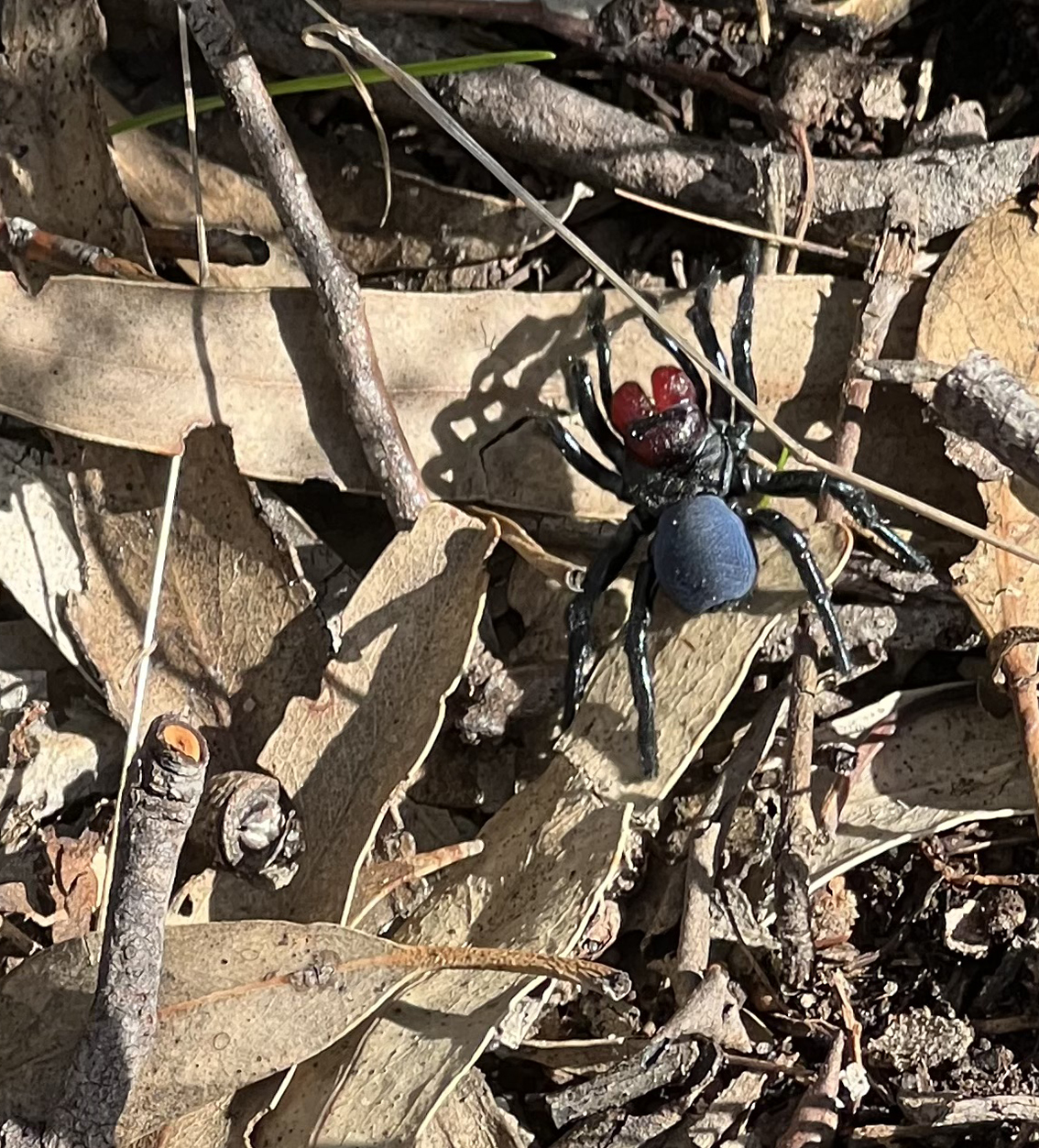
One of the best things about exploring our parks is encountering like-minded people and today’s walk is no exception. I meet a couple who passed me on the trail earlier and we chat about what we have seen. They show me a picture of a Mouse Spider spotted on the trail and photographed with an I Phone.

My walk completed, including a promise to myself to return in the spring, I drive back to Williamstown and the local bakery to treat myself to a chai latte and one of the best custard tarts I have eaten in ages.  

Cheers

Baz

Additional notes

This is a moderately steep walk with a small parking bay. It is not dog friendly.

Please pass on this blog title and or contact information (URL) to any person or organisation with an interest in taking walks and enjoying wildlife in SA.

Click on these links and see more South Australian stories and pictures in my Weekend Notes articles as well as locating similar blogs on Feedspot’s top 20 Australian wildlife blogs

https://www.weekendnotes.com/adelaide/writer/452/

https://blog.feedspot.com/australian_wildlife_blogs/

Houseboat stories…..After the Floods

28 Jun

Houseboat stories continued (May 2023)…..After the Floods

Dear Reader:

As I walk across the flood plain, which was inundated in last year’s winter rains, there is a definite lack of wildlife. Bushes, grasses and other ground covers have been decimated. Last time I visited this area there were: Butcherbirds, Mudlarks, parrots, honeyeaters, Western Grey Kangaroos as well as an abundance of insects. Eventually I spot a single white butterfly settling on the cracked earth.

Cabbage White Butterfly

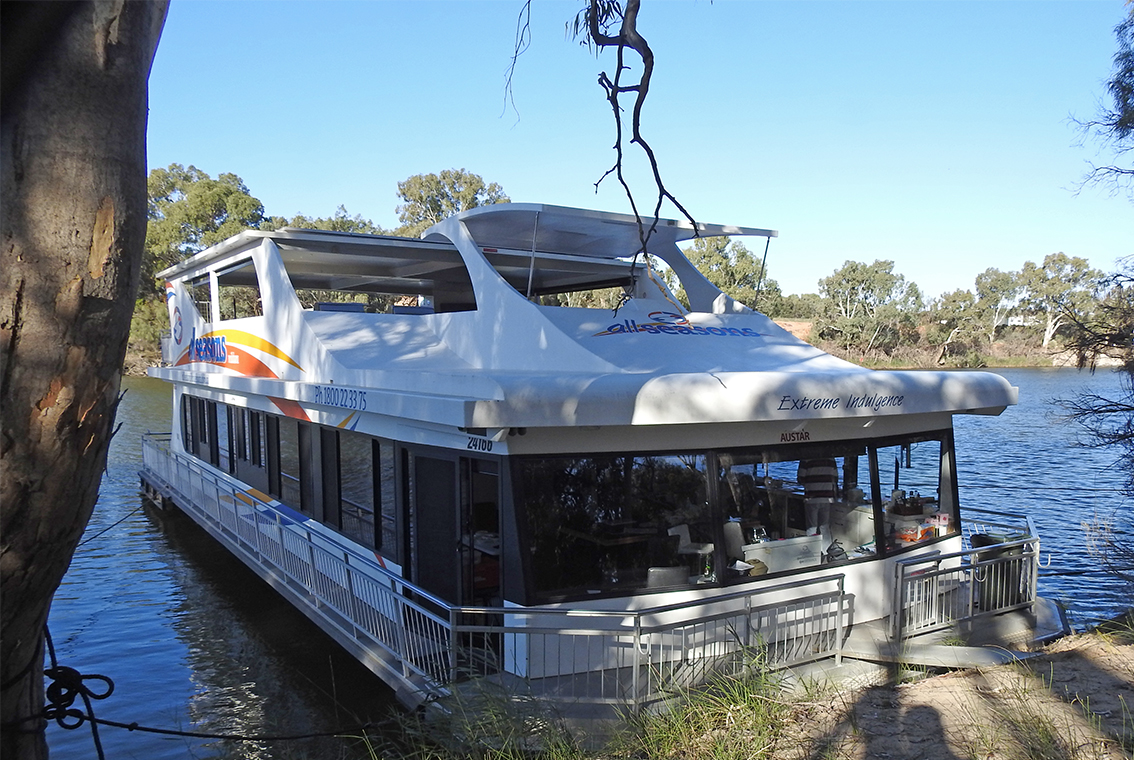
I am exploring Kings Billabong near Mildura, just over the SA border. We have travelled to this location by houseboat but the area is also accessible by unsealed roads. Each year I holiday here from Adelaide and observing the changes along the river, especially after major climatic changes,  is always interesting.

Track to the billabong

First lagoon

Following a pathway carved by a 4WD vehicle, probably a local ranger, I reach a boardwalk leading to a junction of trails accessing various parts of the billabong. From this location I get my first look at one of the many lagoons which make up this fascinating wetland.

Pink-eared Ducks

There are numerous birds congregating around a small island in the middle of the lagoon. They are about one hundred and fifty metres from my nearest vantage point and the light is starting to fade. Challenging conditions for my Nikon P900. I brace myself against a tree trunk, take a breath and fire off a couple of frames as I exhale. Later examination on the laptop reveals some Australian Ibises, a lone White-necked Heron and a flock of Pink-eared Ducks. The latter two species are birds I have never previously photographed.

Whistling Kite

With around half an hour’s light remaining I quickly skirt the first lagoon and sit quietly while scanning a second lagoon. High in a tall, dead tree overlooking the water, I can just make out the distinctive outline of a raptor. Zooming in, I recognise it as a Whistling Kite.

Spoonbills foraging


Fish in beak

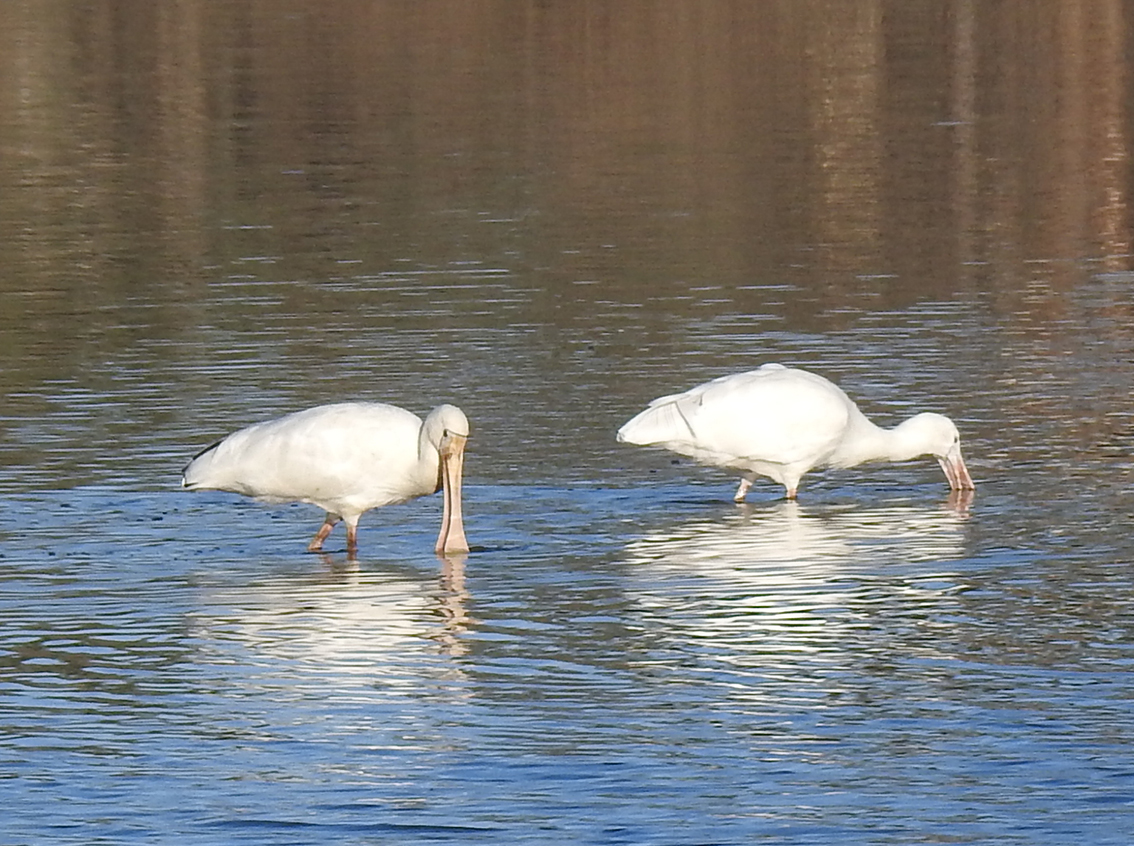
There are a few Pacific Black Ducks, herons and a pair of Laughing Kookaburras around the edge of this second pool but it is a small group of Yellow-billed Spoonbills that are most interesting as they swing their bills through the water in search of small prey. However, I am quite surprised when I see one of the birds capture a small fish in its bill; something I have never witnessed before.

Back at the boat

I feel the vibration of my Apple Watch indicating an incoming phone call. The watch, with its emergency capabilities, is a useful tool when you work alone in the bush. The call is just a safety check and a reminder that dinner is being prepared on the houseboat and it’s time to make my way back. Tomorrow I will venture further into the park to explore some other parts of this complex wetland.

For more wildlife stories and pictures go to:

Weekend Notes

Feedspots best wildlife blogs


Carrickalinga’s Underwater and Coastal Wildlife

7 Sep

Dear Reader:

The drive into Carrickalinga along Forktree Road from Myponga is quite spectacular with sweeping views of the ocean, reservoir and surrounding farmland. On entering the township, it is a short drive north along Gold Coast Drive to the rocky headland which can be easily accessed from the parking zone by a zig-zag series of wooden steps.


Driving in to Carrickalinga

Steps at the headland

This area is a sanctuary which means there should be quite a lot of marine life to encounter. I change into my snorkelling gear before walking down to the beach and survey a couple of entry points then photograph one of the many rockpools. The water is cold this time of year and even with a wet suit it takes a few minutes to adjust.


Old Wives under a ledge

Red Bait Crab

Visibility is good and I work my way along the shoreline which has numerous ledges and a healthy covering of algae as well as some encrusting invertebrates like sponges and sea squirts. A large Red Bait Crab peers at me from its position amongst some brown algae and there are numerous fish species in the seaweed and under the ledges. Within a few minutes I have seen over a dozen types including: leatherjacket species, Old Wives and Moonlighters.


Track along the hillside

Half an hour in the water is enough today. After a quick towelling down and a change of clothes (and camera) I decide to follow the narrow trail cut into the hillside and explore some more of this picturesque coastline.


Locust species possibly Plague Locust

Nankeen Kestrel Hovering

The wildlife above the water is not abundant as coastal vegetation does not provide a lot of food for animals. I manage to spot the occasional Singing Honeyeater and I can see a Nankeen Kestrel hovering near the top of the hillside. Quite a few grasshopper-like animals are taking flight from the undergrowth. A close up shot, and an ID book later at home, suggests they are probably Australian Plague Locusts.


Rockpools

The morning is almost over and as I walk back I look down on the beach and rockpools and the turquoise colour of the sea. Along the path, I notice some Crested Pigeons on an old fenceline, a murder of Crows in the distance and a lone Willie Wagtail fossicking close to the ground; probably after a locust snack. Which reminds me, it is time to head for the Normanville Bakery for a spot of lunch before I take a closer look at the township of Carrickalinga later in the afternoon.

Cheers

Baz

In a further post (Carrickalinga 2) will cover a walk around the township and along the beach.

Cheers

Baz

Please pass on this blog title and or contact information (URL) to any person or organisation with an interest in taking walks and enjoying wildlife in SA.

Click on this link and see more South Australian stories and pictures in my Weekend Notes articles

https://www.weekendnotes.com/profile/651267/

Title Kangaroo Island….Day 2 Lesueur Conservation Park

30 Jul

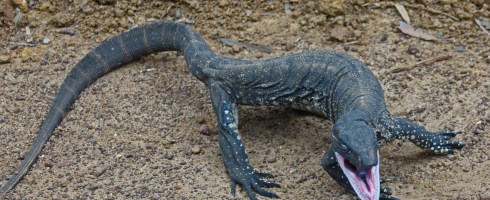
Rosenberg’s Monitor a little upset

Dear Reader:

Grey clouds are shrouding the sky this morning and a cool wind is sweeping in from the sea. I check the weather app and there doesn’t seem to be any rain forecast for the day though the light will be poor.  My Sony RX10 has the larger sensor of my two cameras and seems the obvious choice for today’s jaunt through the nearby Lesueur Conservation Park.


Wildlife and Farm life

The unsealed road from the lodge towards Lesueur has been recently graded which makes travelling a little easier and I reach the turn off to the park in a few minutes. There is low scrubby forest to my left and verdant grazing land on the right. To my surprise, a flock of sheep near a small water hole are sharing their territory with Black Swans. A sweep with the telephoto also reveals a few Masked Lapwings and Grey Currawongs in the paddock.


Pea flower species

Blue Cockatoo Orchid

I make the signposted turn to Lesueur CP and a little way down the road I notice a cage trap set under a grass tree; I assume it is for feral cats which are a threat to all Australian wildlife from reptiles to birds. Today there are very few animals around which is fairly typical in cool overcast conditions and I decide to fossick around in the scrub adjacent to the road. The first thing I notice is the proliferation of flowering plants including native pea flower species and delicate blue orchids.


Grey Fantail and Silvereye

Red-browed Finch

There are small birds high in the trees but they are hard to identify. I come across a deep rut in the road which is partially filled with water. The vehicle scares several small birds away which are using the pool as a bathing area. After driving a several hundred metres down the track I leave the car and approach the ‘bird bath’ stealthily through the scrub. Taking up a position about fifty metres away I wait and within ten minutes they return. Long shots on a cloudy day do not make for award winning images but they do help me identify these small birds as; Silvereyes, Grey Fantails and Red-browed Finches. Meanwhile a large centipede is burrowing through the leaf litter next to the log I am sitting on. Telephoto to macro in a split second supports my use of bridging cameras in some circumstances.


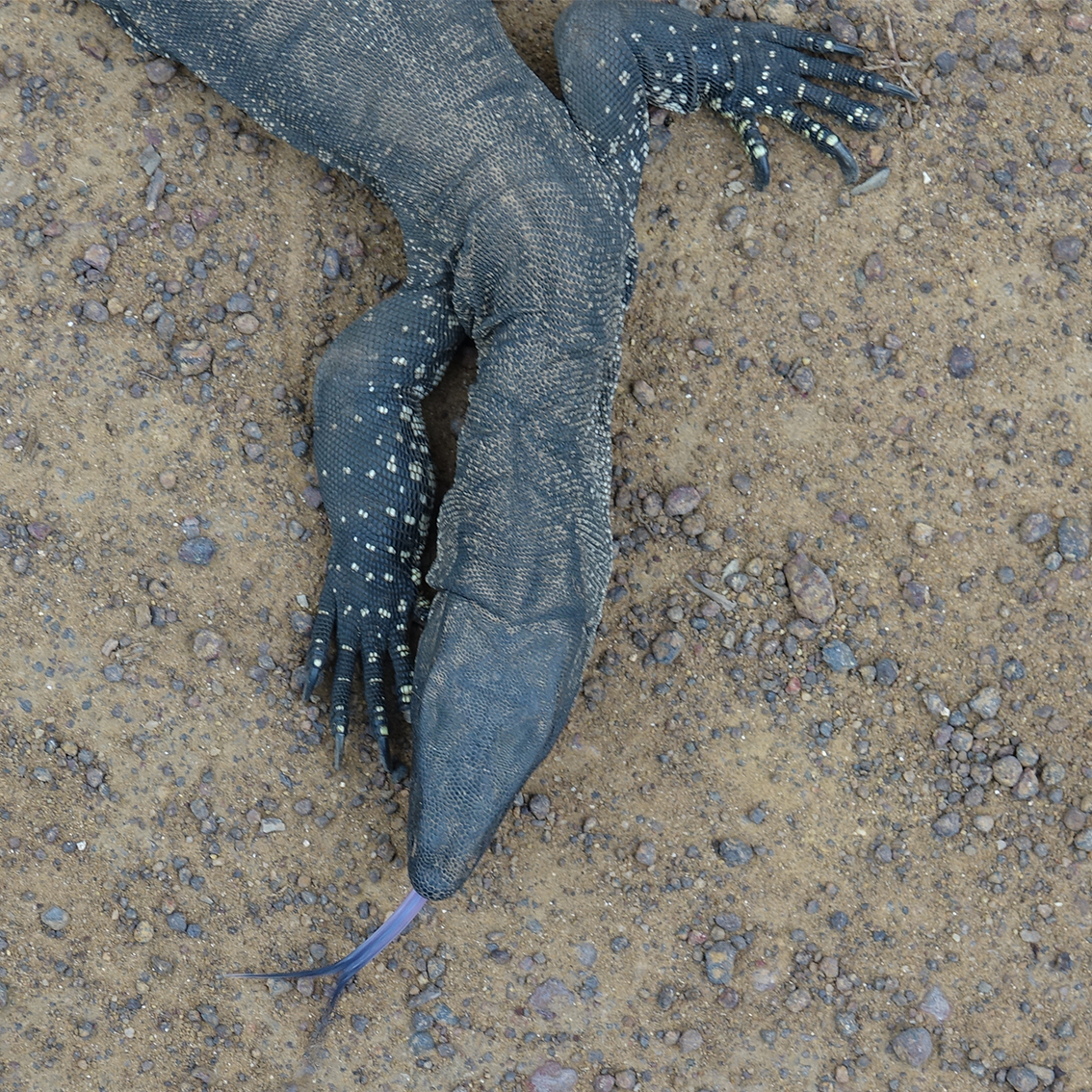
Rosenberg’s Monitor (like all monitor lizards it has a forked tongue similar to that of a snake)

Centipede species

The wildflowers, centipede and small bird species have made the excursion into the park interesting and I am sure it is worth another visit on a more amenable day. I leave the park and take another randomly chosen track which takes me away from the coastal fringe. Five minutes along this route I see the flattened shape of a large lizard by the side of the road. I stop and take a closer look hoping it has not been injured or killed by a car. As I approach the goanna/monitor which instantly informs me of my error with a hiss and quick, aggressive lunge. I take a couple of shots and usher the animal away from the road.


Creek scene


View from the lodge

A little further on, the road passes over a small creek which is picturesque even on a dull day. It then intersects with another road, which my GPS informs me, leads back towards ‘Seadragon Lodge’( see link below for more information) where I started my day’s adventure. By now the clouds have shifted and patches of blue sky are brightening up the day. Time to relax, put a log in the combustion heater and sort through my images while enjoying the view across the gully to the ocean.

Cheers

Baz

Additional notes

Seadragon Lodge……  https://seadragonlodge.com.au/

This is an easy drive which is quite suitable for families and seniors and the lodge is wonderful with magnificent views and abundant wildlife.

Please pass on this blog title and or contact information (URL) to any person or organisation with an interest in taking walks and enjoying wildlife in SA.

Click on this link and see more South Australian stories and pictures in my Weekend Notes articles

https://www.weekendnotes.com/profile/651267/


Hindmarsh Island ……Part 1

29 Mar


Hindmarsh Island ……Part 1

Dear Reader:

The bridge over the Murray River to the island is sleek and modern. Where it terminates there is a small layby and a short track going back under the concrete stanchions. A line of posts edges into the river. Probably part of the old ferry structures. Every few minutes, Australian Pelicans land on the old wooden posts and rails resting or watching for prey in the water.


Hindmarsh Island Bridge

After a while, the pelicans move off and land in the water near a reed patch. Another bird joins them and they start to swim in a roughly circular formation. They seem to be hunting; possibly herding small fish. My thoughts are confirmed when the birds tighten the circle and simultaneously dip their heads and long beaks into the water. The manoeuvre is repeated several times. Their movements are very graceful, almost like watching synchronised swimming or ballerinas with fluffed up tutus.


Pelicans up

Pelicans down

I am on Hindmarsh Island; Kumerangk in the language of the First Nations People who live in this area, the Ngarrindjeri. The island is an hour and a half drive SE of Adelaide near the town of Goolwa. It is flat and low with extensive areas of pasture, some scrub and a modern housing development with associated marina. There are numerous roads both paved and dirt criss-crossing the island. Hindmarsh Island is significant both in South Australia’s settler history and Ngarrindjeri history and culture and the creation of the bridge was the subject of friction between First Nations People and the SA government.


Fishing the channel

I continue driving for another ten minutes, past the marina turnoff on my right then the take one of several unsealed roads to my left which brings me to a shoreline where there is a small group of houses. Two fishermen are working the channel and I stop and chat with them for a few minutes about the marine and terrestrial wildlife in the area.


Orb weaver at work

Lovely, golden grass and patches of coastal scrub carpet this area and offer shelter to a range of animals. I spot some wrens and other small birds and catch a fleeting glimpse of a reptile near the muddy shore. Lizard or snake? Not sure. However, it is an Orb Weaver spider constructing its complex web that intrigues me. I watch the industrious little animal for some time and capture some reasonable close-up images.


Lapwing, Ibis, swans

My next stop is a couple of kilometres down the sealed road at a small group of shacks. There are short jetties poking out into the channel and most of them seem to be favourite roosting areas for both Black and Pied cormorants. Where the muddy shoreline and Samphire swamp meet, I can see numerous wading birds including: Spoonbills, Pied Stilts, Sandpipers and Masked Lapwings. In the slightly deeper water, a large flock of Black Swans are feeding.


Fascinating ecosytem


The morning’s drive and my initial exploration of the island have been quite productive and after I find a place to sit and have a bite to eat, provisioned from one of Goolwa’s many fine bakeries, I will head over to the Murray Mouth and Mundoo Channel to continue my day at Hindmarsh Island…………to be continued.

Cheers

Baz


Additional notes

This is an easy drive and walk which is quite suitable for families and seniors. Hindmarsh Island is dog friendly except for the Conservation Parks.

Please pass on this blog title and or contact information (URL) to any person or organisation with an interest in taking walks and enjoying wildlife in SA.

Click on this link and see more South Australian stories and pictures in my Weekend Notes articles

https://www.weekendnotes.com/profile/651267/