Archive | National and Conservation Parks RSS feed for this section

Monarto Conservation Park….Wildlife and Wildflowers

24 Oct

Dear Reader:

A small group of medium sized, black, birds are foraging near the track which leads deeper into the Monarto Conservation Park. I zoom in on them using the full range of the Sony lens. Bright red eyes and white flashes on the wings identify them as White-winged Choughs.
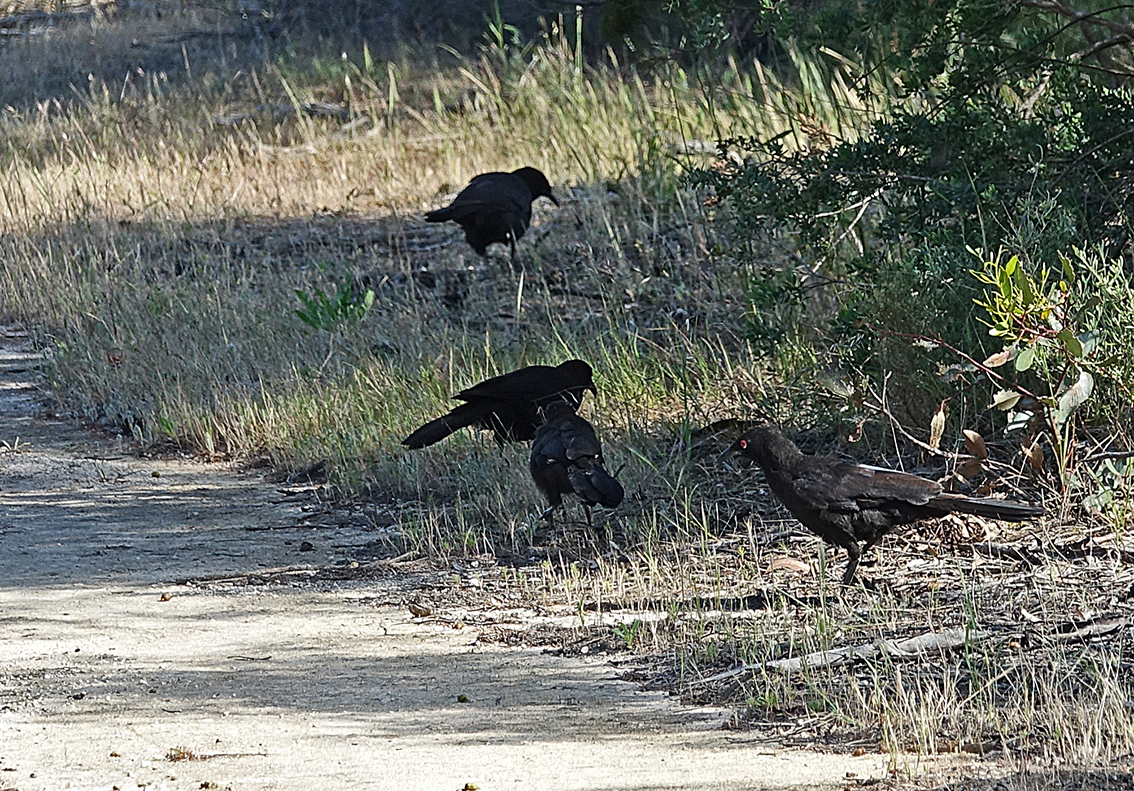
White-winged Choughs
Park entrance

As I walk further into the park, it is hard not to notice the variety of flowering shrubs and wildflowers blooming in the understory. The blossoms are supporting a wide variety of wildlife including: native bees, honeyeaters, lizards and possums.

Erect Guinea-flower
Fringe Myrtle
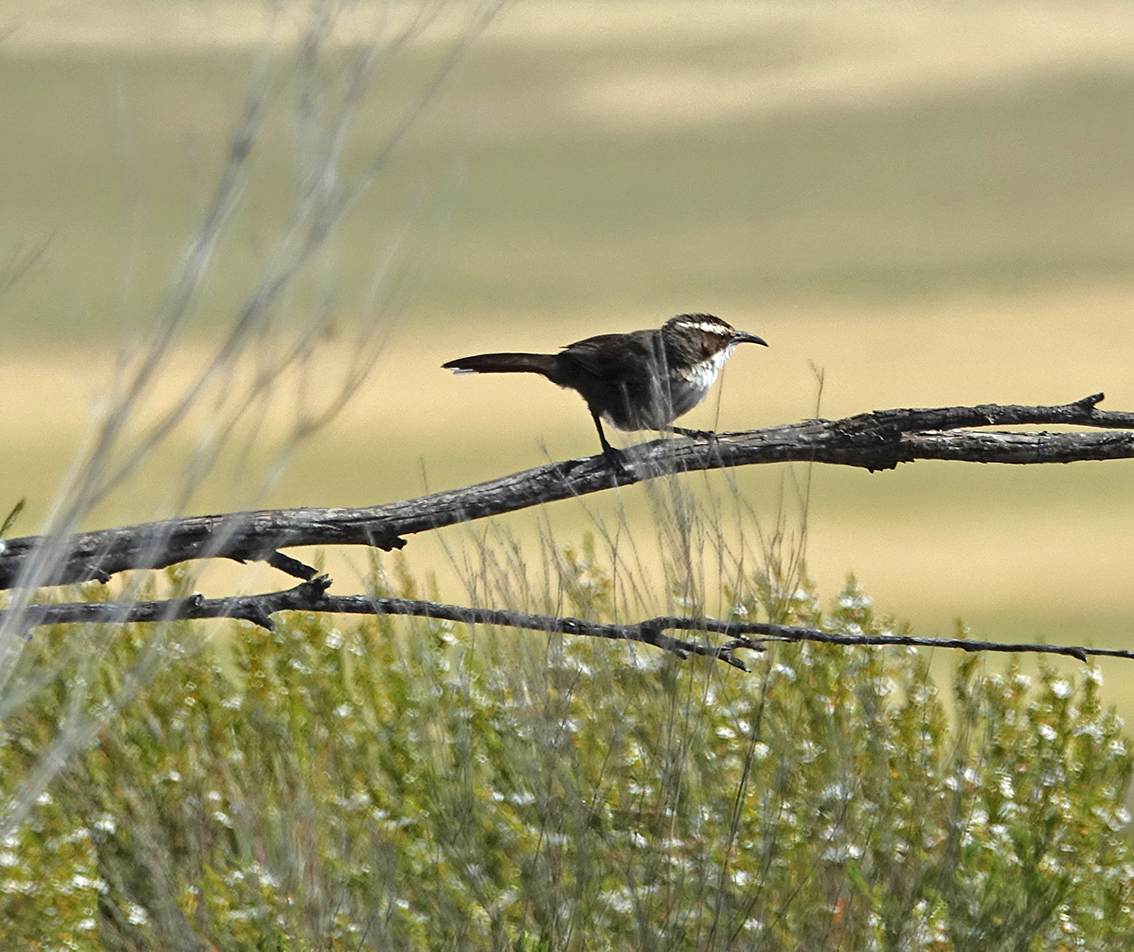
White-browed Babbler

The birds in this area seem to be quite wary. I find myself shooting at long range and having to use a ‘sit quietly and wait’ approach. My first reasonable result is an image of a White-browed Babbler perched on a branch; a species not often seen around the Adelaide area.

Red Wattlebird
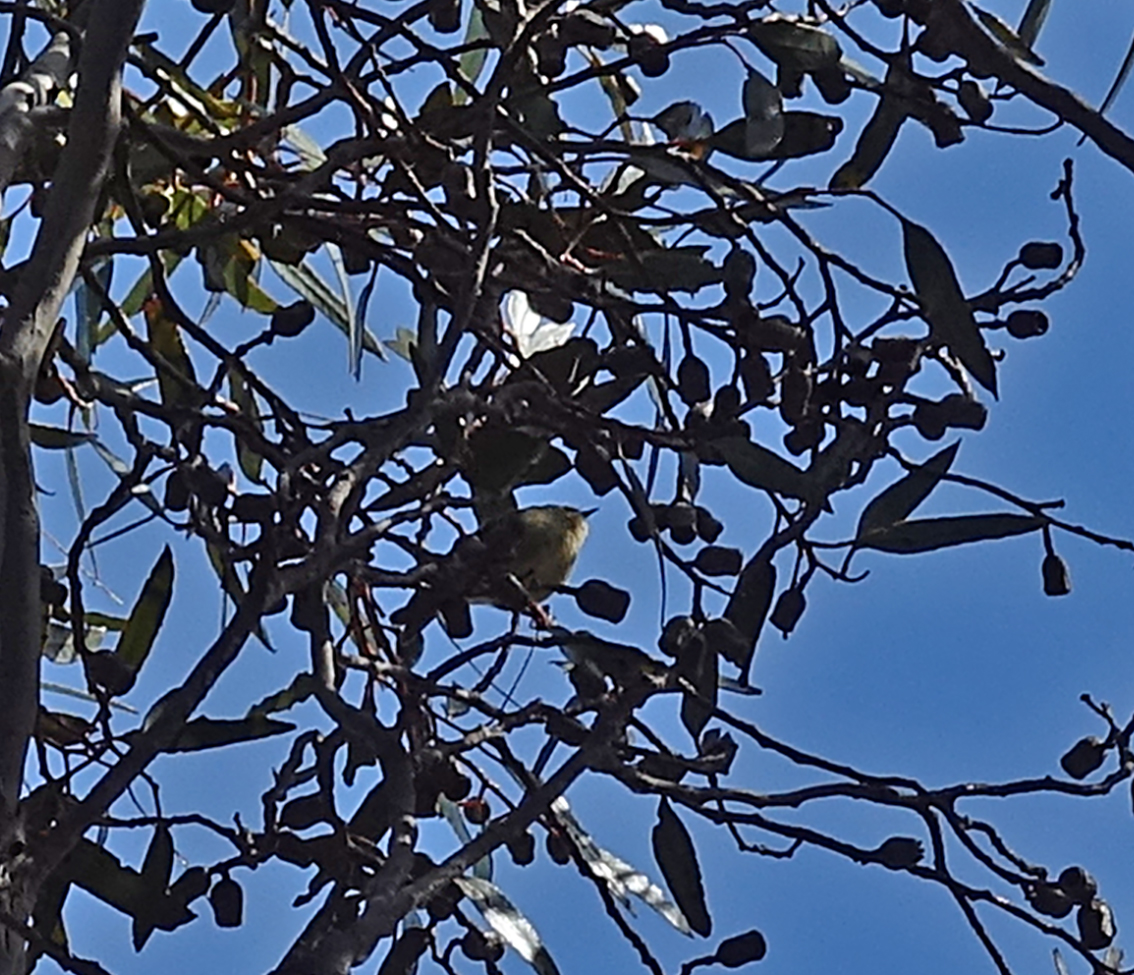
Thornbill species

There are eucalyptus blossoms high in the canopy and with a little careful stalking and patience I photograph a Red Wattlebird as well as the outline and faint detail of a Thornbill; both perched amongst the leaves.

White-tipped Brown Bee Fly

I am unable to spot any reptiles so I try to diversify my day’s captures by searching for some unusual insects. Flies, mosquitoes, hoverflies and some wasps are abundant. However, it is a rather unusual White-tipped Brown Bee Fly that catches my eye as it lands on a sandy clearing amongst the matt of twigs and leaves.

Native Pine and Eucalypt trees
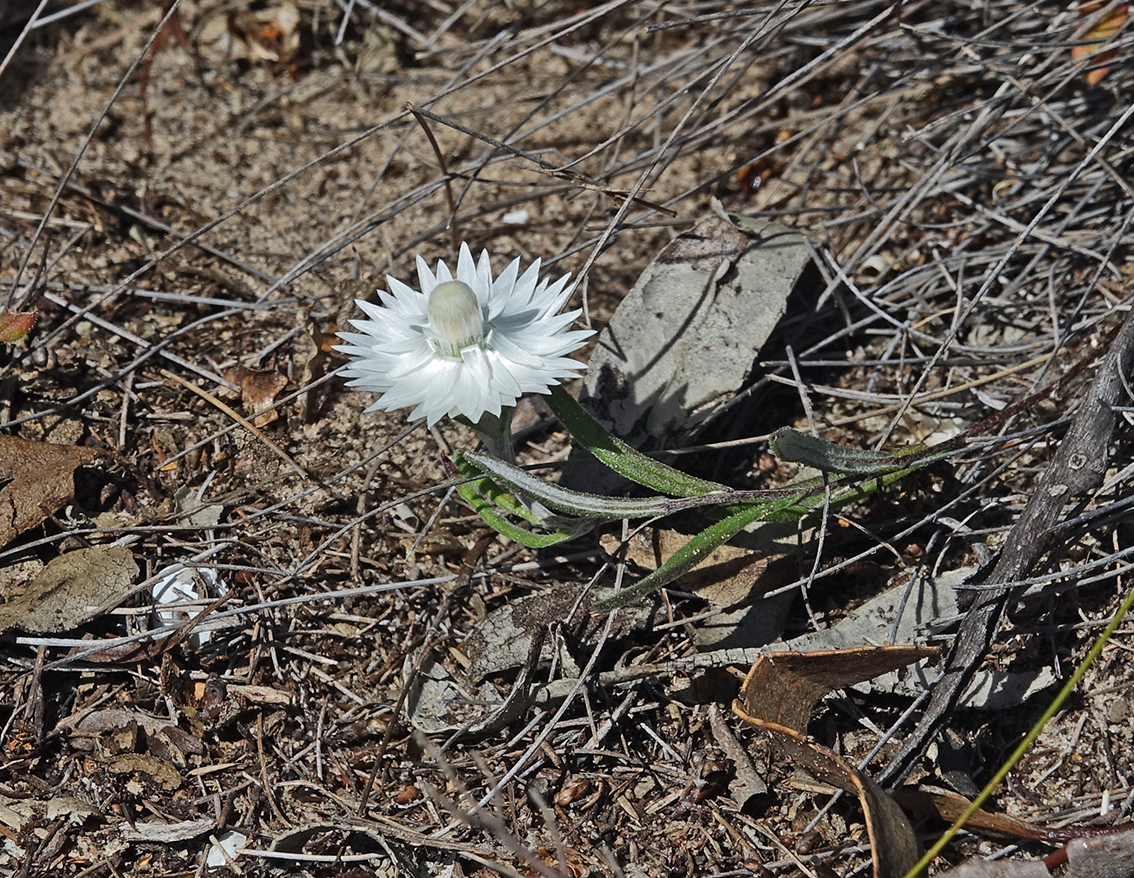
Emerging Everlasting Daisy flower

My walk is almost over. I stroll down a wide track of Mallee and Native Pine searching for one last image. I’m hoping for a roo or some interesting stock in the adjacent paddocks. However, it is a strange domed flower head set amongst a collar of sharp white petals that intrigues me. Later, at home, I identify it as an Everlasting Daisy, with its central yellow mass of disc flowers about to be unravelled.     

Cheers

Baz

Additional notes

Other animals seen, heard but not photographed: Sulphur-crested Cockatoo, Striated Pardalote

The camera used for this post is a Sony RX10 Mark 3

This is an easy walk and drive which is quite suitable for families and seniors.

Please pass on this blog title and or contact information (URL) to any person or organisation with an interest in taking walks and enjoying wildlife in SA.

Click on these links and see more South Australian stories and pictures in my Weekend Notes articles as well as locating similar blogs on Feedspot’s top 20 Australian wildlife blogs

https://www.weekendnotes.com/adelaide/writer/452/

https://blog.feedspot.com/australian_wildlife_blogs/

The tip of the Fleurieu

28 Apr

Dear Reader:

The school of Silver Drummer and Banded Sea Sweep mill around the rocky outcrop off Cape Jervis SA.

Silver Drummer (top centre) and Banded Sweep

I am exploring the southern tip of South Australia’s Fleurieu Peninsular using images that show a few of its many features and attractions.

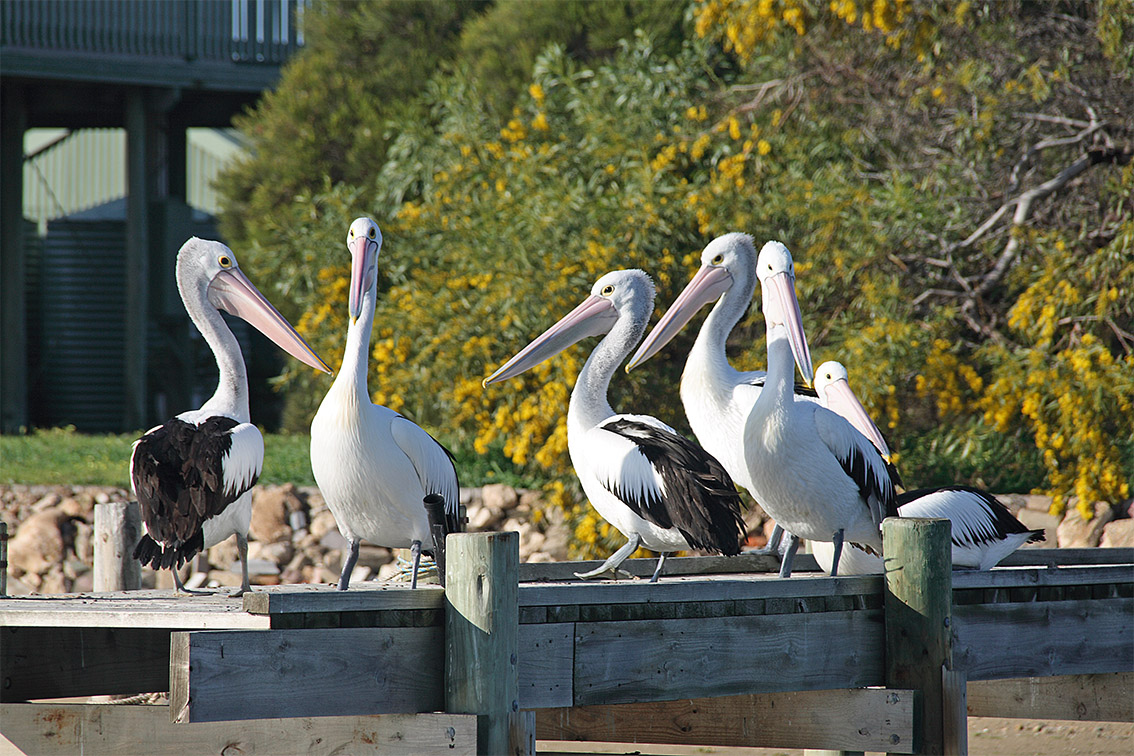
Australian Pelicans Goolwa bird reserve

Cape Jervis is the transit port for the Kangaroo Island Ferry as well as being an interesting wildlife destination in its own right.

Kangaroo Island ferry at Cape Jervis with KI in the background

Numerous seabirds live in this area including: terns, gulls, cormorants and various birds of prey. At different times I have observed Sea Eagles and Nankeen Kestrels.

Nankeen Kestrel hovering

Just before Cape Jervis, a dirt road leads to Fishery Beach where an undersea cable crosses beneath Investigator Strait to KI. I spend a little time snorkelling close to the shore where I photograph a school of Zebra Fish.

Zebra Fish

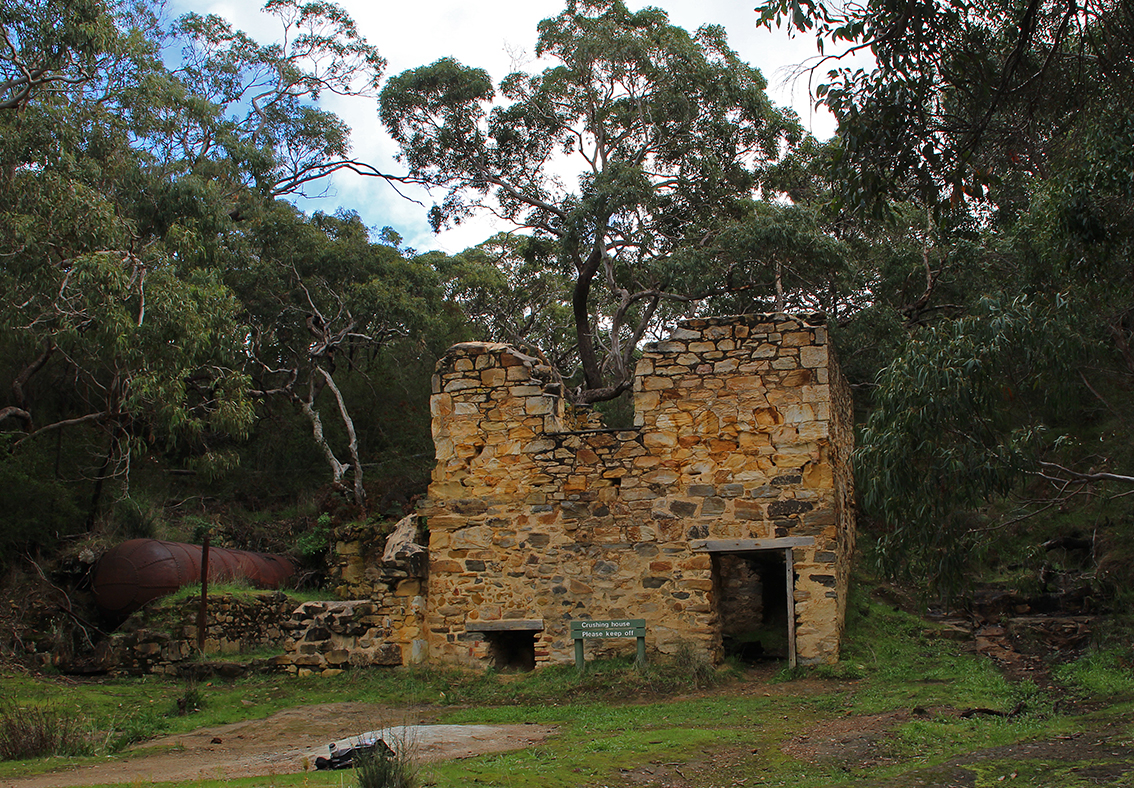
Range Road Curls around the foot of the peninsular passing through pasture, scrub and grazing country. Near the beginning of the road there is an entrance to the old Talisker mine. Numerous small birds inhabit the dense scrub around this area and the old buildings and machinery provide some historical context.

Crusher house and boiler
Crescent Honeyeater

One of the main attractions of the southern Fleurieu is the Deep Creek Conservation Park; a wonderful place to photograph Western Grey Kangaroos and the occasional Echidna.

Lone roo Deep Creek Conservation Park
Roos in the mist Deep Creek CP

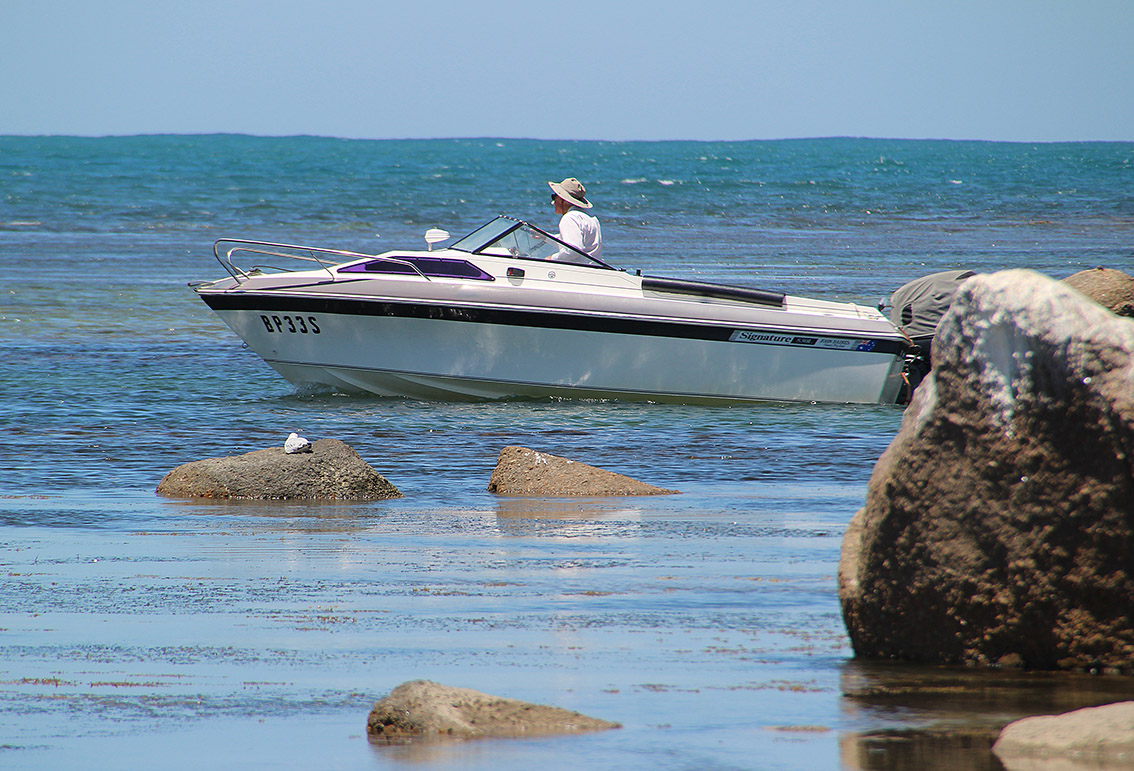
My next stop on this trip is Victor Harbor, where I watch a succession of recreational fishing boats head out to sea while I enjoy a tasty seafood lunch at Whalers Seaside Dining.

Setting out from the Victor Harbor boat ramp

Having reached Victor from the city via South Road and Range Road I decide to return to Adelaide along the B37 (Strathalbyn Route) after a 4WD run along iconic Goolwa Beach towards the mouth of the Murray River.       

Entrance to Goolwa beach

Cheers

Baz

Additional notes

The cameras used for this post are Sony RX, Nikon P900 and Nikon Coolpix AW100  

This is an easy drive which is quite suitable for families and seniors with the exception of the 4WD section which can be tricky depending on tides and wind.

Please pass on this blog title and or contact information (URL) to any person or organisation with an interest in taking walks and enjoying wildlife in SA.

Click on these links and see more South Australian stories and pictures in my Weekend Notes articles as well as locating similar blogs on Feedspot’s top 20 Australian wildlife blogs

https://www.weekendnotes.com/adelaide/writer/452/

https://blog.feedspot.com/australian_wildlife_blogs/

Giles Conservation Park near Norton Summit

15 Feb

Dear Reader:

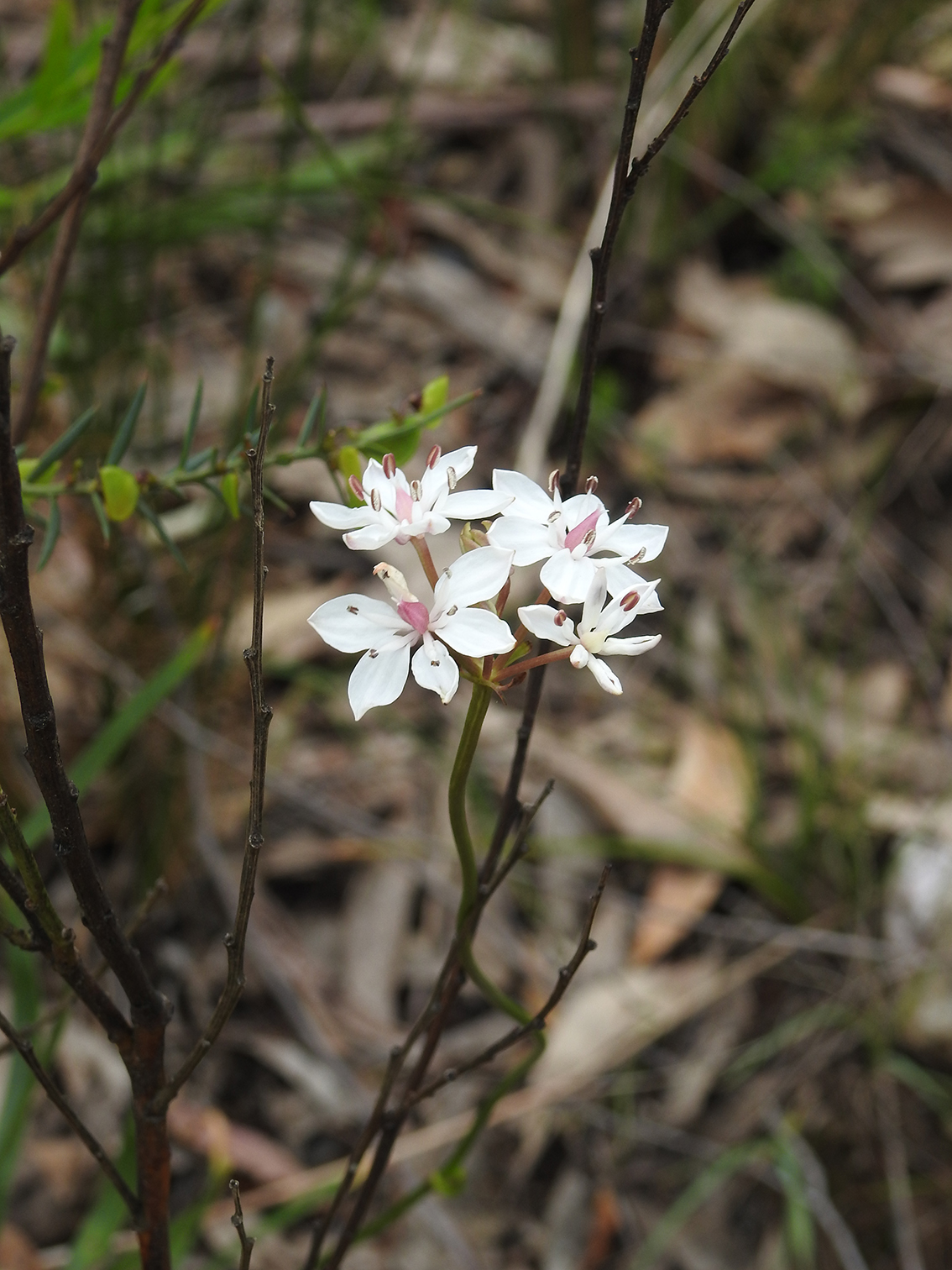
I can hear small birds in the undergrowth and scan the leaf litter and low bushes with my telephoto. Nothing at first then just a glimpse of a wren but it is a beautiful Milkmaid Lily that Catches my eye.

Milkmaid Lily

The Giles Conservation Park is a twenty-five minute drive up Magill Road from Adelaide’s CBD to Norton Summit; then a further five minutes along Lobethal and Woods Hill Road. I park opposite the park entrance and enjoy the view of green undulating farmland. There are Australian Magpies and a few Ravens in the fields.

Farmland opposite Giles CP

After leaving the wrens and Lilies my next surprise is a rather unusually marked Koala in a tree just a few metres along the clearly marked Ridge Trail.

Koala

Being late Spring, there is a proliferation of blooms along the trail including: eucalypts, wattles, lilies, peaflowers and native primroses. And, there are also an introduced weeds, one of which is quite intriguing the aptly named Rattlesnake Grass.

Red Parrot Peaflower

Forester Moth on Native Primrose

Rattlesnake Grass

Some animals give away their location with a subtle shuffle in the grass, not so the Kookaburra. Midway up a tall Stringybark a Laughing Kookaburra perches and calls to its mate deeper in the scrub.

Laughing Kookaburra

Koalas and kookaburras are relatively easy to spot but there is a myriad of smaller animals that live amongst the foliage, flowers and leaf litter which are much harder to detect. Insects, spiders, skinks and beetles are just a few examples of this lower but critical part of the food chain. Unfortunately the number of these creatures is becoming dangerously low because of pesticides, habitat loss and other human induced threats.

Common Garden Skink

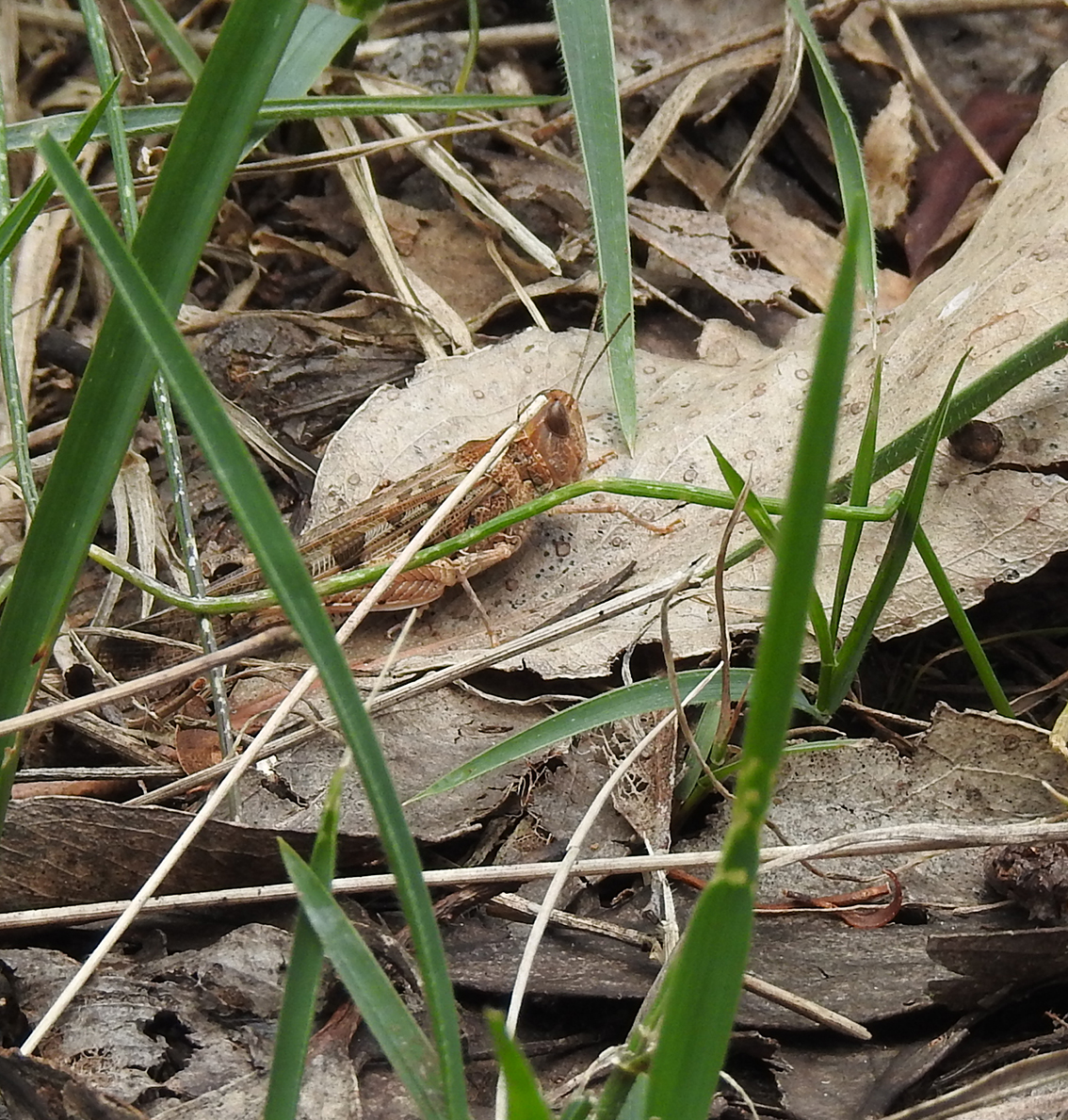
Plague Locust

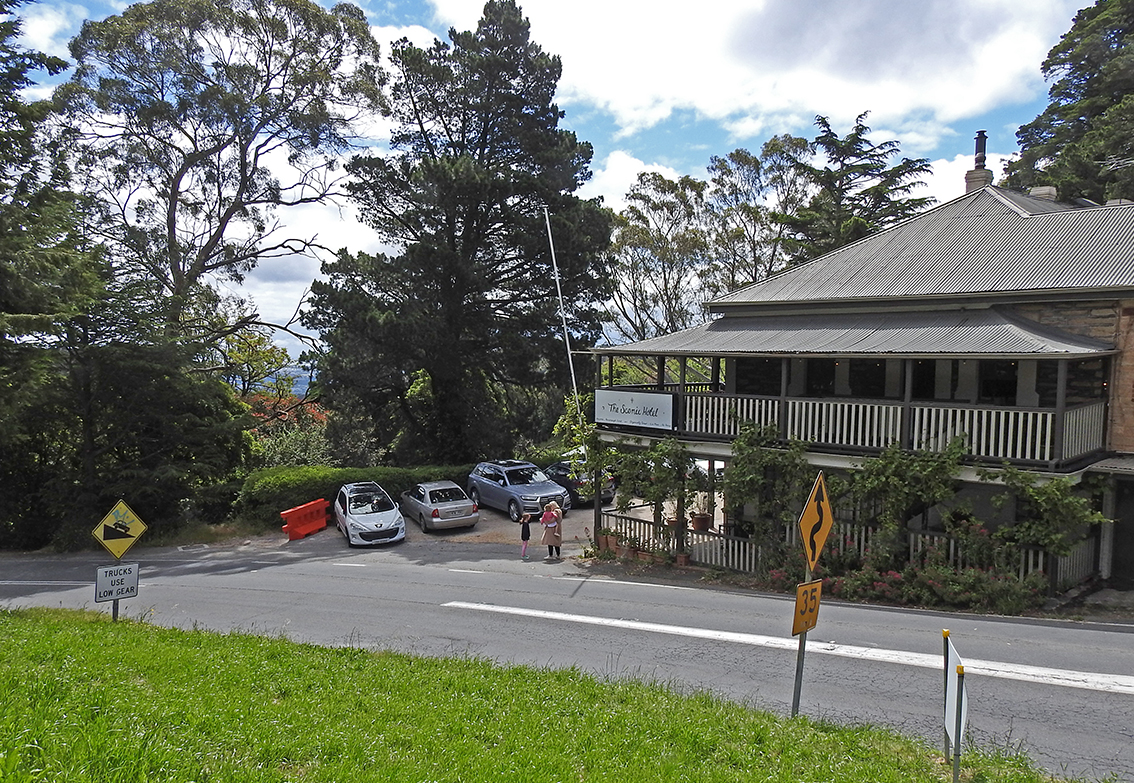
Having walked several kilometres and taken many photographs, it is time to head back to the city. However, I would never consider leaving the Norton Summit area without enjoying lunch with a view at the Scenic Hotel.   

Scenic Hotel Norton Summit

Cheers

Baz

Additional notes

The camera used for this post is a Nikon Coolpix P900

This is an easy walk and drive which is quite suitable for families and seniors with limited parking.

Please pass on this blog title and or contact information (URL) to any person or organisation with an interest in taking walks and enjoying wildlife in SA.

Click on these links and see more South Australian stories and pictures in my Weekend Notes articles as well as locating similar blogs on Feedspot’s top 20 Australian wildlife blogs

https://www.weekendnotes.com/adelaide/writer/452/https://blog.feedspot.com/australian_wildlife_blogs/

Pangarinda Botanic Garden, Wellington SA….part 1

18 Nov

Dear Reader:

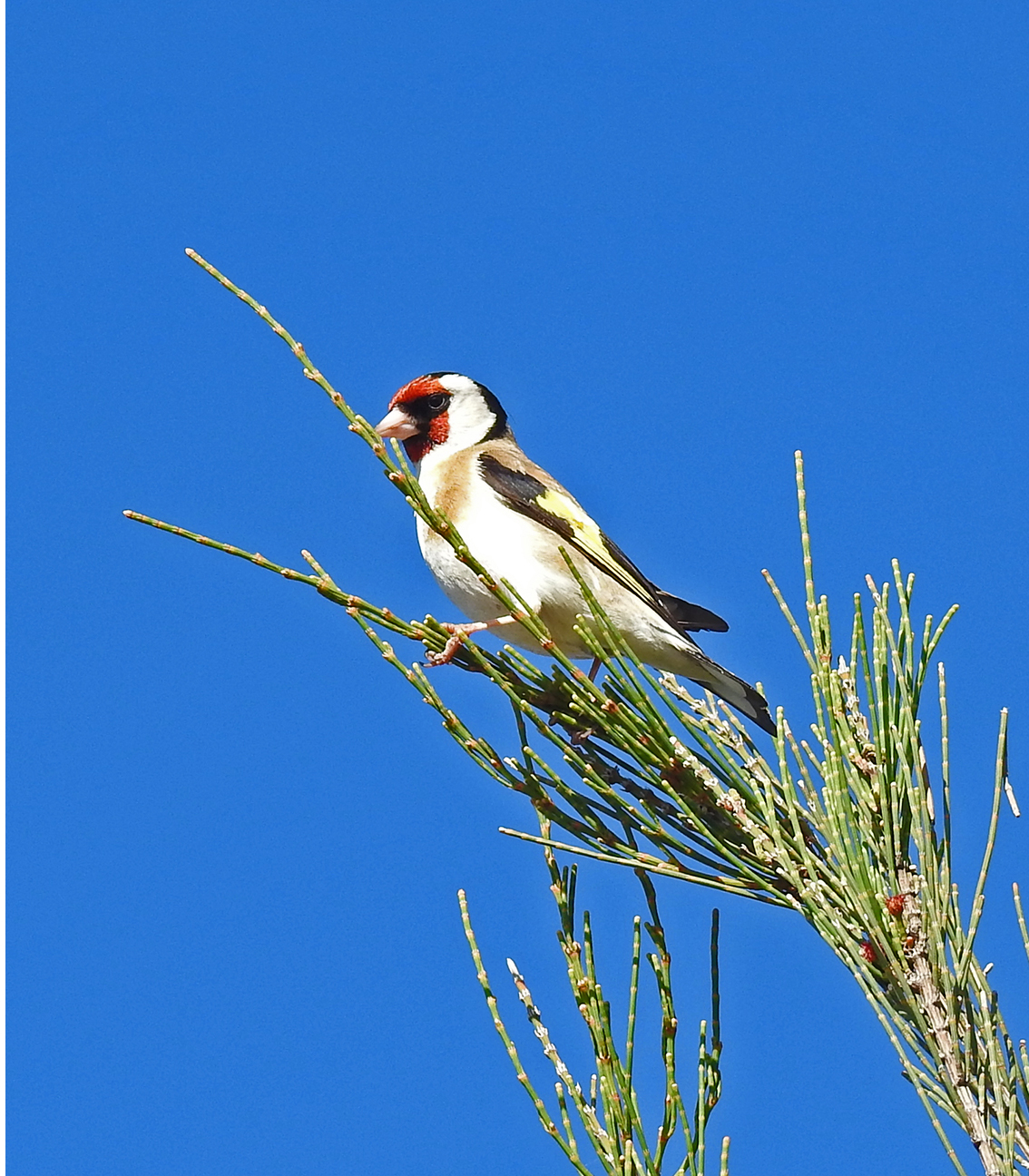
There is a beautiful European Goldfinch perched in the top of a Casuarina. Though I came to look at native plants and fauna, this introduced bird is far to pretty to ignore.

European Goldfinch

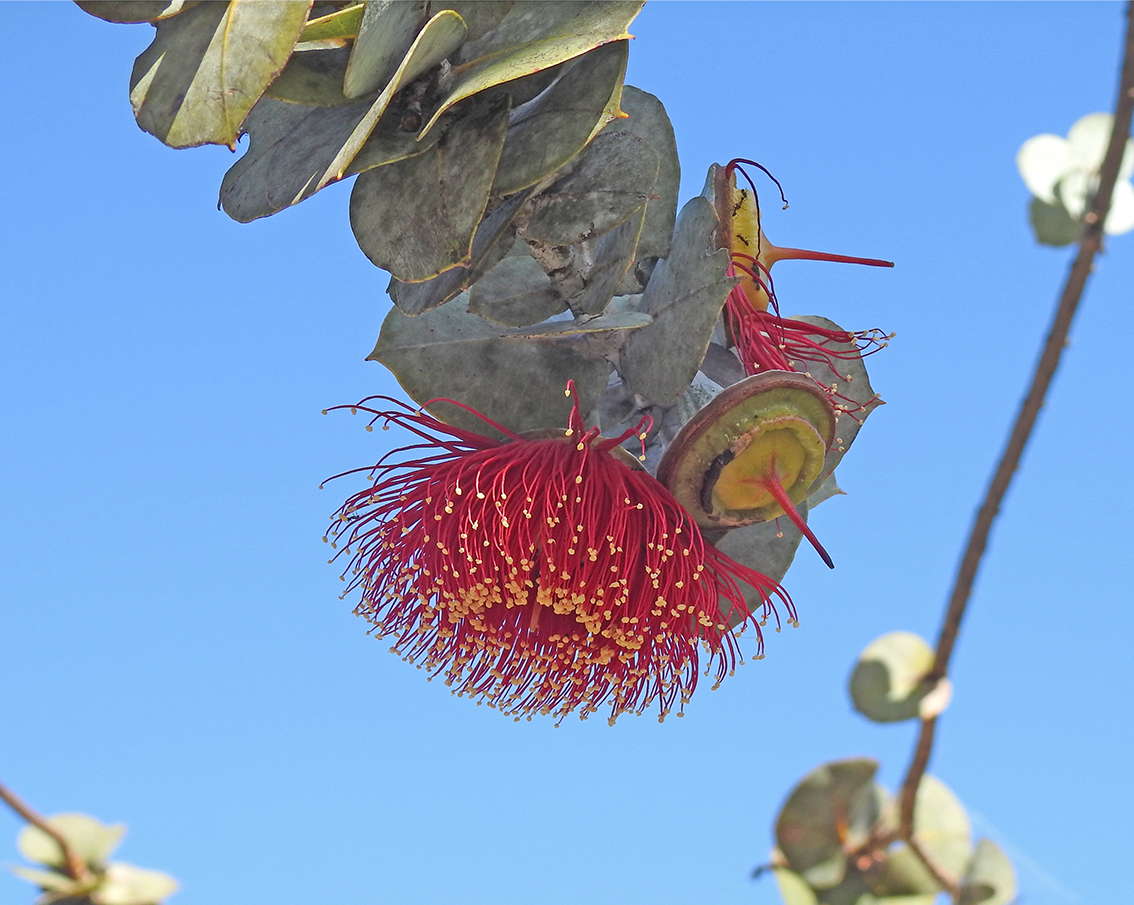
A little further along the pathway, I notice a low spreading gum with pale roundish leaves and brilliant red flowers. The tag beneath the tree shows it is a Eucalyptus rhodantha or the Rose Mallee.

Eucalyptus Rhodantha

Eucalyptus Rhodantha cap coming off to reveal blossom

Eucalyptus Rhodantha blossom

I am wandering around the Pangarinda Botanic Garden in Wellington East near Murray River. This wonderful community project, started in 1993, transformed 25 HA of weedy, eroded land into a brilliant dryland botanic garden primarily featuring plants of Western and South Australia.

Garden entrance

My first native bird sighting  is a Red Wattlebird picking insect larvae off the branches and leaves of a gum tree. They might be Lerps but it is difficult to tell at this range.

Red Wattlebird with larvae

Further along the trail, I notice a brilliant, yellow flowering bush (Calothamnus quadrifimus) sometimes called the One-side Bottlebrush. It appears to be a feeding station for a hoard of New Holland Honeyeaters. I set my camera to high speed mode and fire a few quick shots at the feeding birds.

New Holland Honeyeater feeding on Calothamnus sp blossoms

The nature of the trail changes throughout the park and I find myself looking across a small grove of Native or Cyprus Pine (Callitris sp). In the distance, I can just make out some blackbird sized birds hopping around a small pile of branches. Steadying myself on a the back of a conveniently placed bench, I use the full extent of my zoom. On review, I think they are Grey Shrike Thrushes.

Grove of Native Pine

Grey Shrike Thrush

The next section of the walk takes me along the eastern flank of the garden where there is a variety of eucalypts, native pine and other trees. The bird calls are both overwhelming and distinct along this part of the trail.  They indicate significant numbers of Superb Fairy Wrens, White-browed Babblers, various honeyeater species as well as tiny canopy living birds such as pardalotes and Silvereyes.

Male Superb Fairy Wren

White-browed Babbler foraging

White-browed Babbler close up shot from nearby Monarto CP

Where this taller stretch of trees peters out there is a bench by a waterhole surrounded by Grass Trees and Kangaroo Paws. An excellent place to stop and rest before tackling the rest of the circuit………..to be continued

Cheers

Baz

Additional notes

The camera used for this post is a Nikon P900

This is an easy walk and drive which is quite suitable for families and seniors with public toilets,  with parking and other facilities nearby. It is dog friendly but they must be on a lead.

Please pass on this blog title and or contact information (URL) to any person or organisation with an interest in taking walks and enjoying wildlife in SA.

Click on these links and see more South Australian stories and pictures in my Weekend Notes articles as well as locating similar blogs on Feedspot’s top 20 Australian wildlife blogs

https://www.weekendnotes.com/adelaide/writer/452/

https://blog.feedspot.com/australian_wildlife_blogs/