Tag Archives: travel

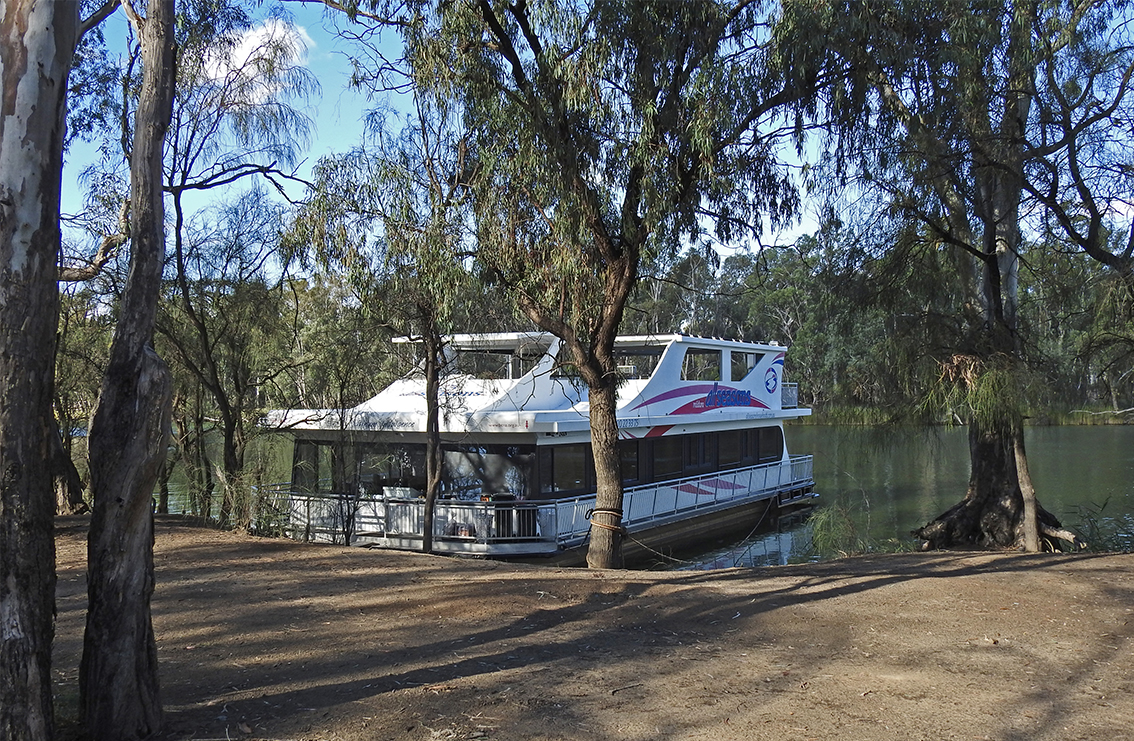
Houseboat Reflections Kings Billabong, Mildura part 1

21 Aug

Dear Reader:

With the houseboat safely secured and lunch over; it is time for a walk into the bush.
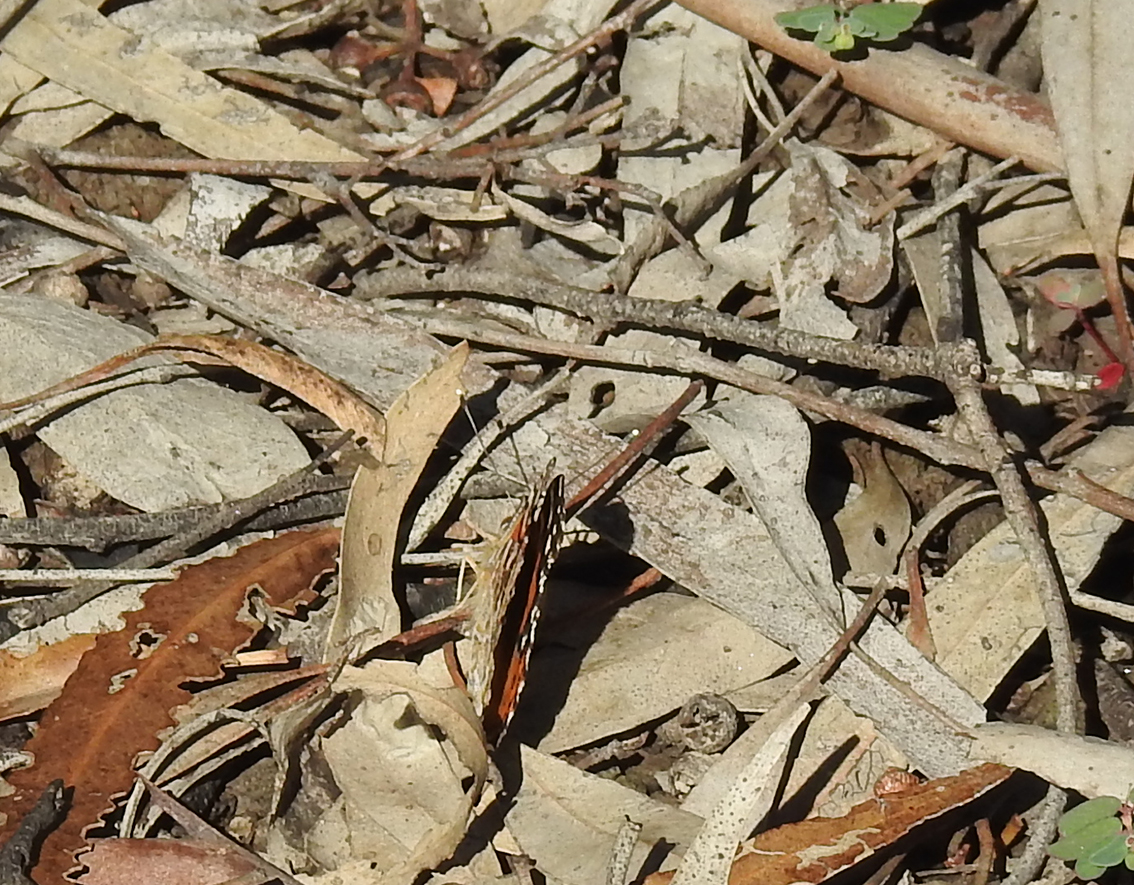
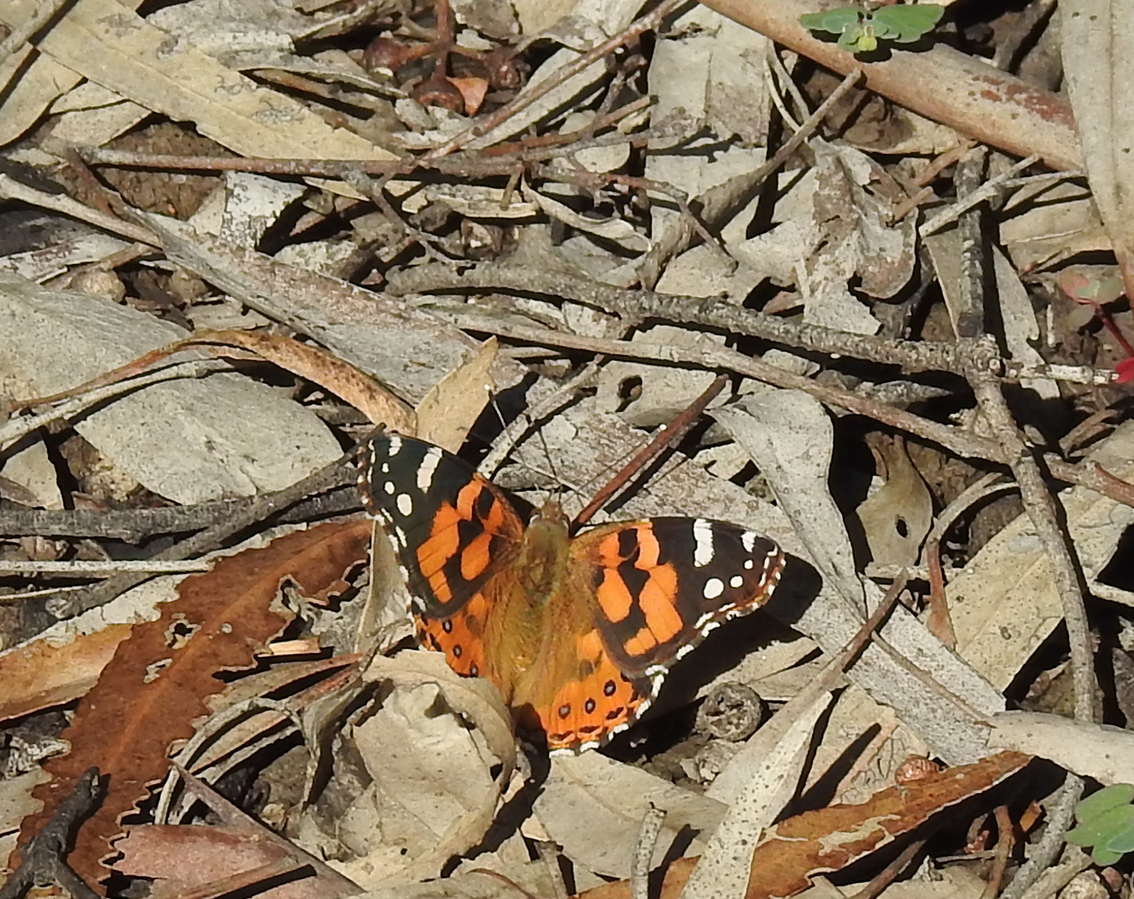
Camouflage
Australian Painted Lady
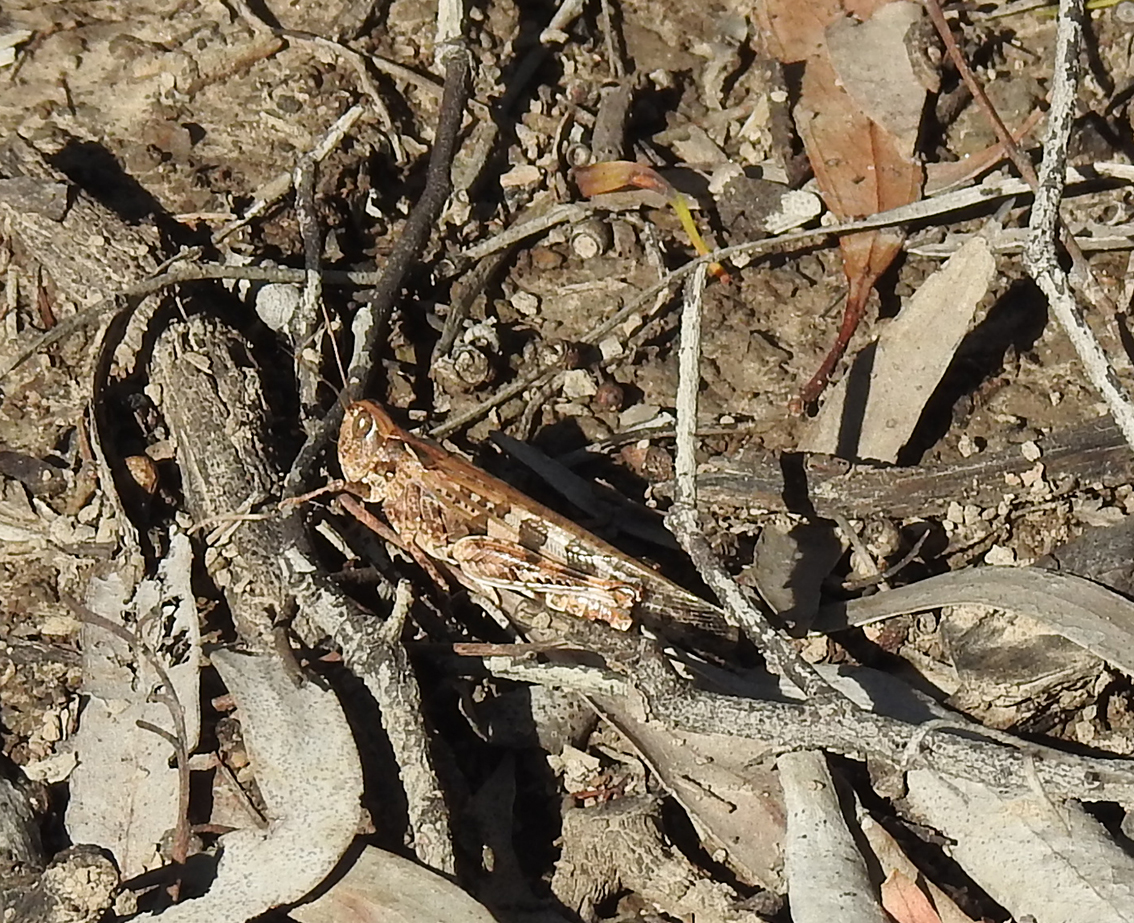
Australian Plague Locust

I scan the dry leaf litter for signs of life. A locust moves just enough for me to locate it while a colourful butterfly lands amongst the leaves. It is well camouflaged when still with wings upright, easily seen when it spreads them.
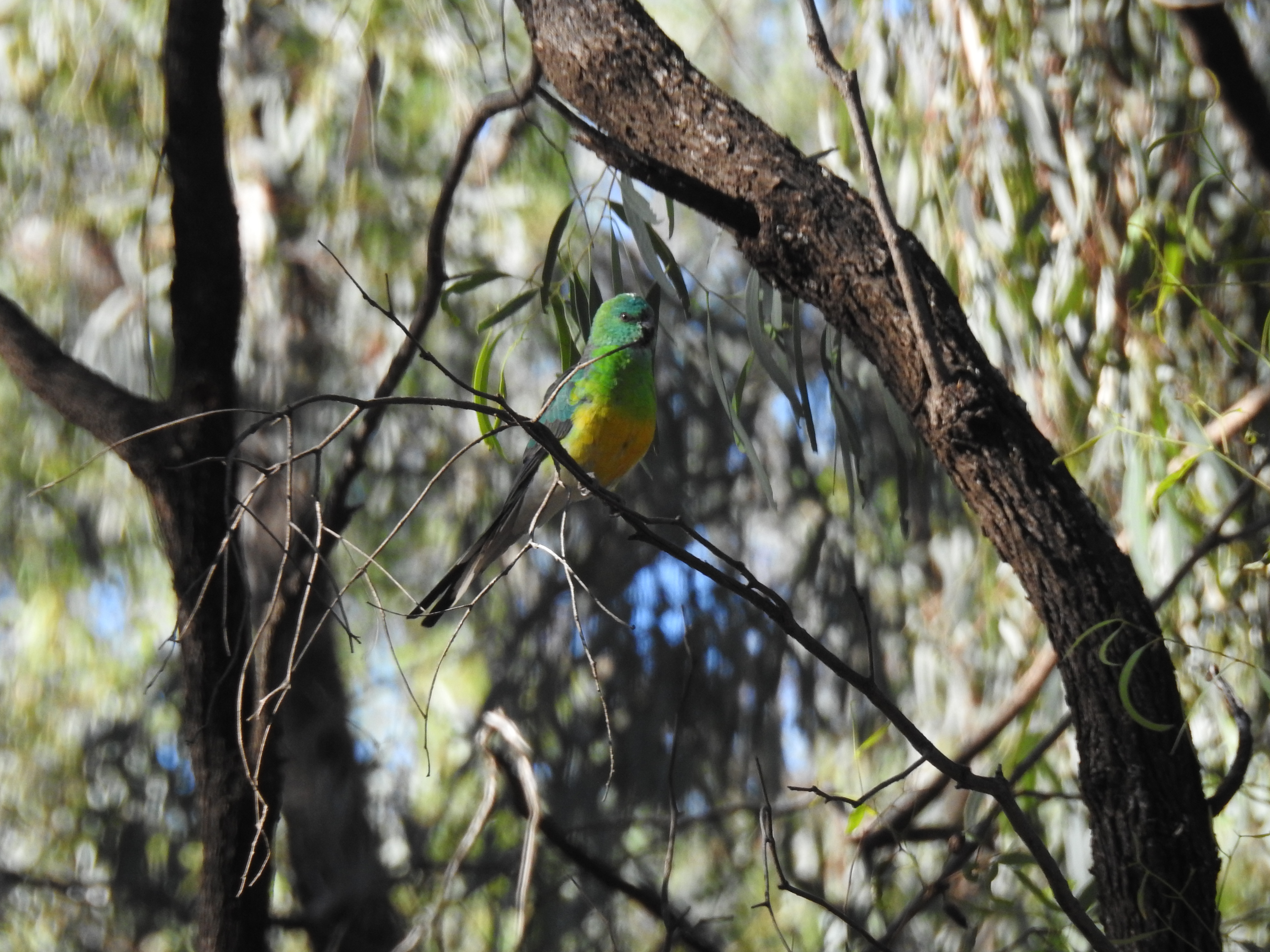
Male Red-rumped Par

Following the track across an open space I hear the call of Red-rumped Parrots up ahead. They are gathered around a depression filled with water from recent rains. As I approach, they fly into the trees.
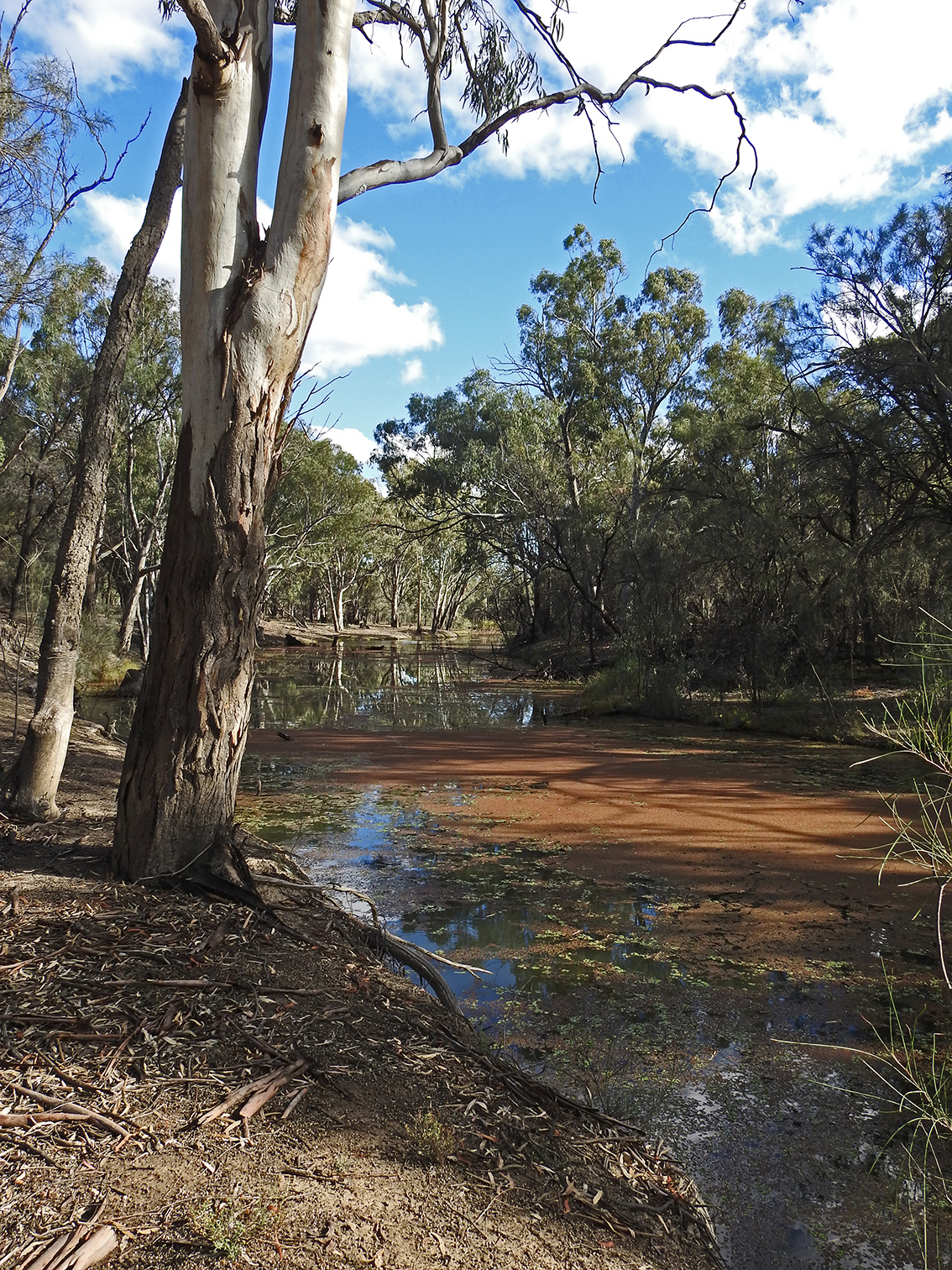
Classic channel in Kings Billabong wetland

The track meets one of King Billabong’s many channels then branches along the waterway in both directions. I turn right scratching a marker into the soft earth. It is easy lose direction in this kind of environment.
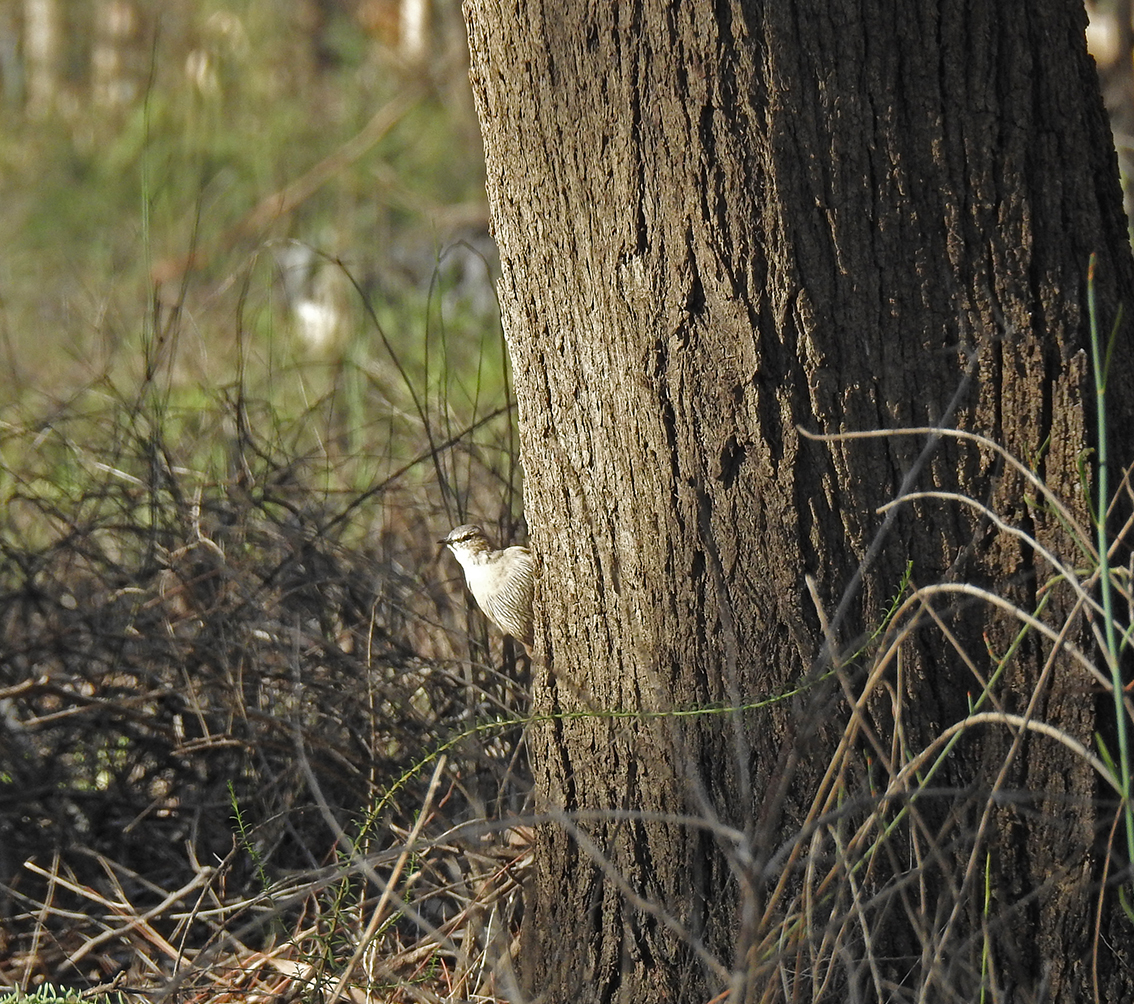
Brown Treecreeper

A Brown Treecreeper moves quickly along the branches of a nearby tree probing the bark for insects. The little bird scurries down the trunk and peers at me for a few seconds before taking flight.
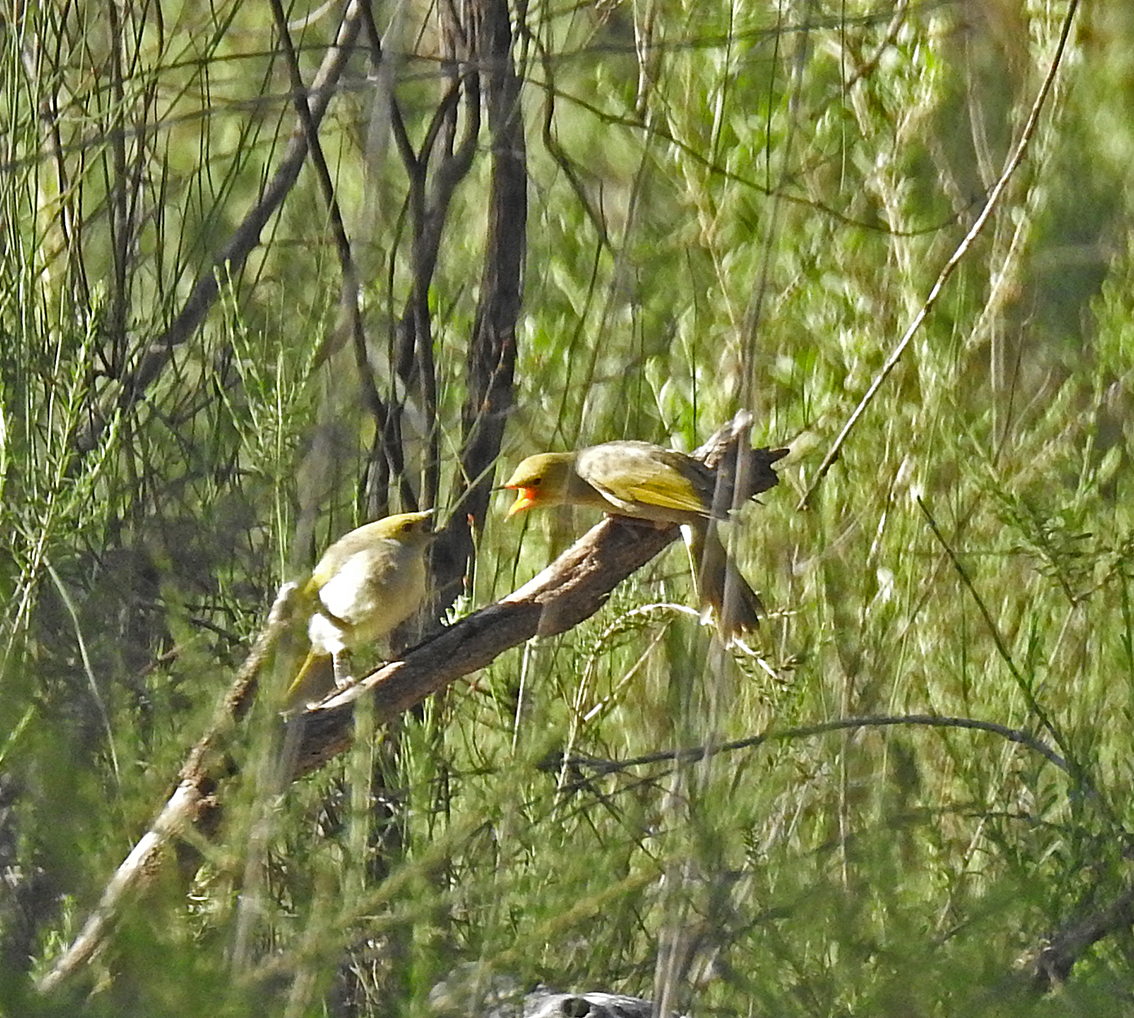
White-plumed Honeyeaters

I sit for a while and watch the grassy scrub. There is a small group of White-plumed Honeyeater flitting around between the branches and I manage to catch one feeding a juvenile while another watches from the trees.
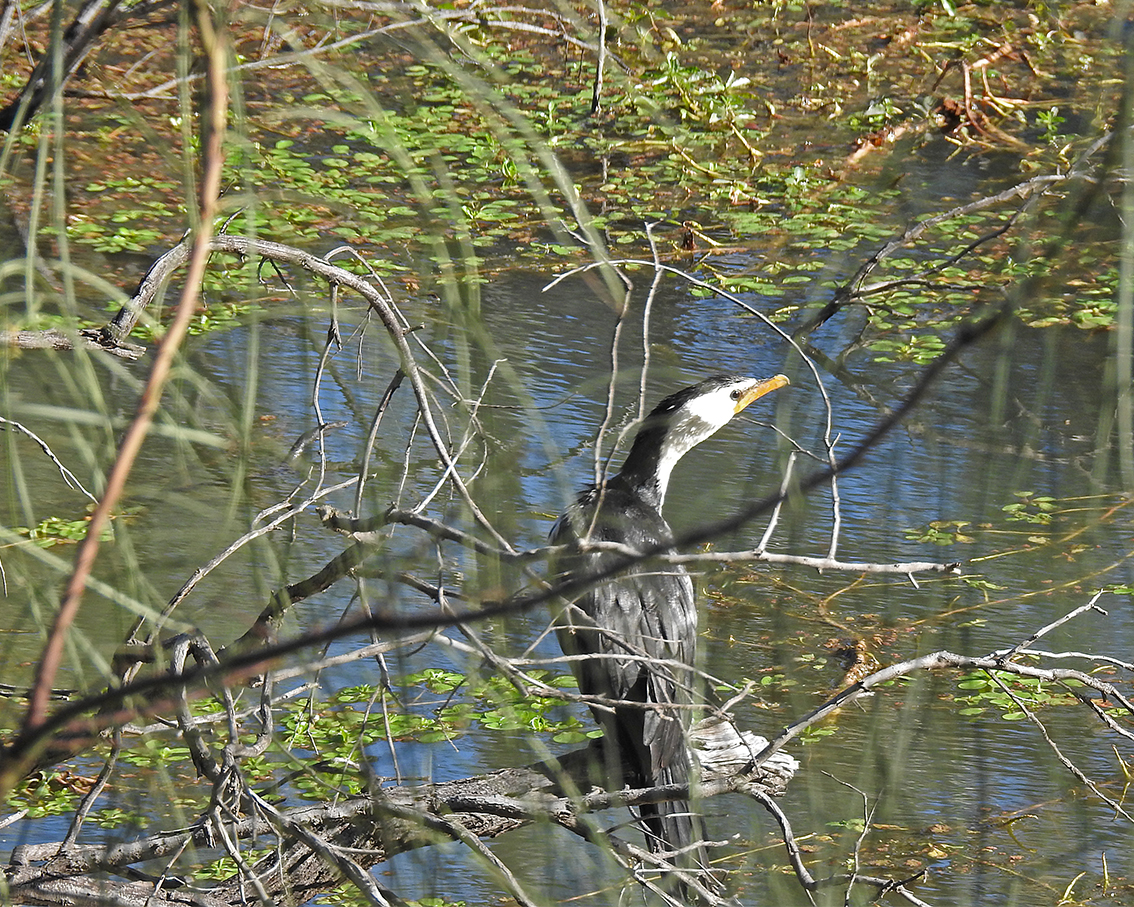
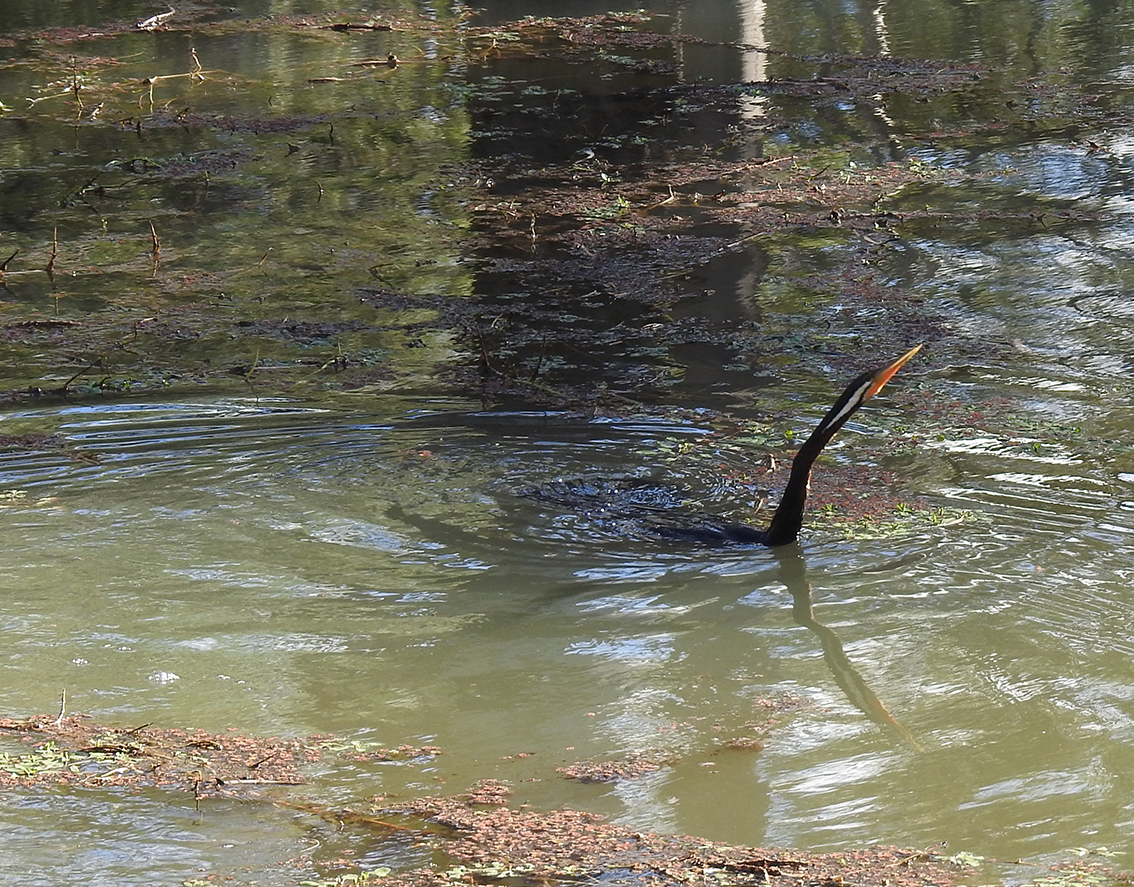
Pied Cormorant
Darter, Anhinga, Snakbird

There is enough water in the billabong for both Anhingas (Snakebirds, Darters) and Pied Cormorants to fish for Carp, Frogs and other aquatic prey. Both species must leave the water periodically to dry out their wings as they do not have the protective oils that many seabirds possess.
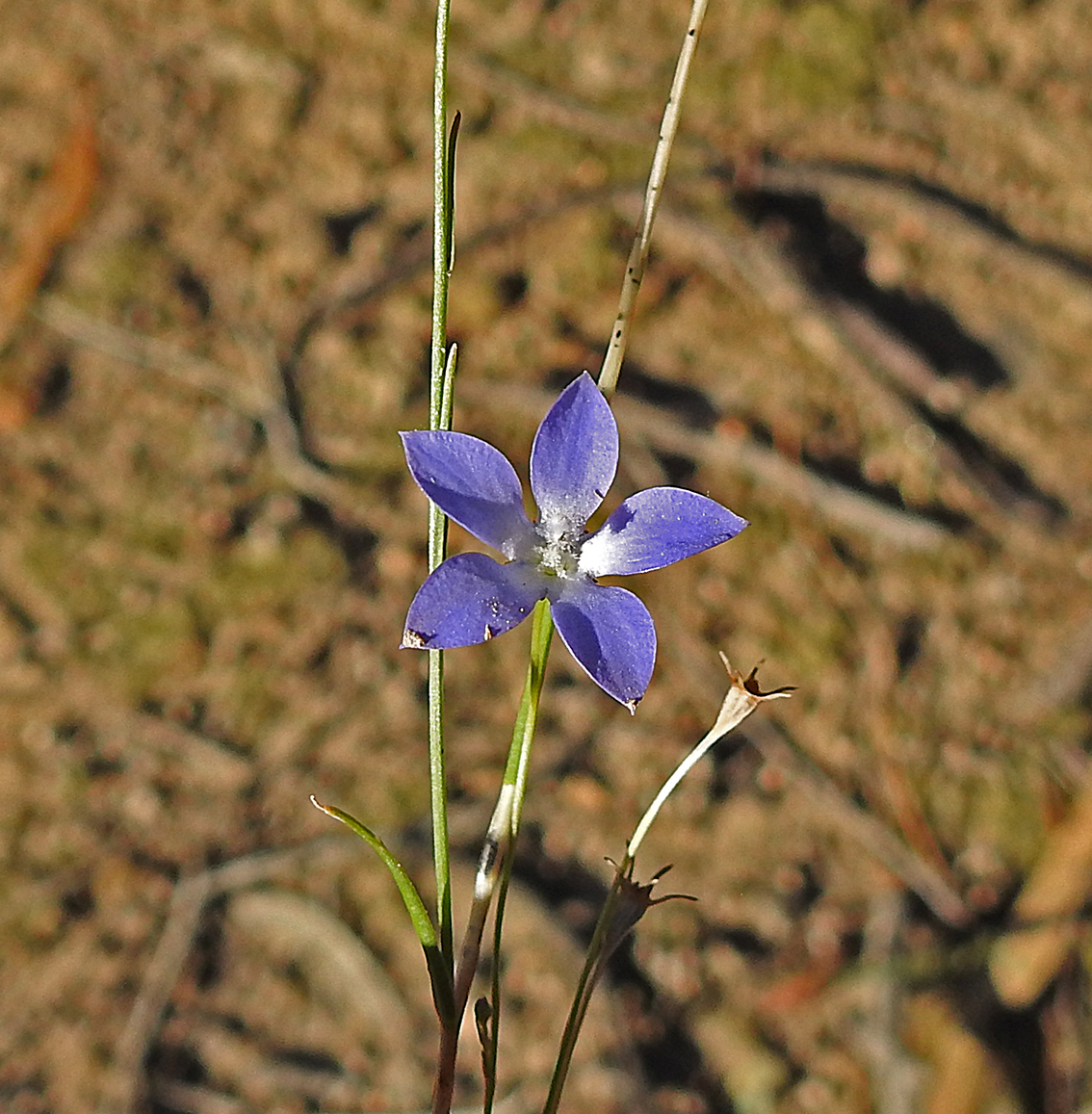
Native flower along the track (Wahlenbergia species)

Along the edge of the track there are a few native flowers blooming and I stop to photograph a small purple blossom which I later identify as a Wahlenbergia species………………….to be continued

Cheers

Baz

Additional notes

Other animals seen, heard but not photographed: Raven, Laughing Kookaburra, Bronzewing

The camera used for this post is a Nikon Coolpix P900

This is an easy walk which is quite suitable for families and seniors

Please pass on this blog title and or contact information (URL) to any person or organisation with an interest in taking walks and enjoying wildlife in SA.

Click on these links and see more South Australian stories and pictures in my Weekend Notes articles as well as locating similar blogs on Feedspot’s top 20 Australian wildlife blogs

https://www.weekendnotes.com/adelaide/writer/452

https://blog.feedspot.com/australian_wildlife_blogs

Around Myponga Beach Part 2

5 Aug

Dear Reader:

Galah watching me work
Adelaide Rosella

There are Adelaide Rosellas feeding on the weeds growing in the creek bed while a Galah and Sulphur-crested Cockatoo perch high in a River Gum watching me intently.

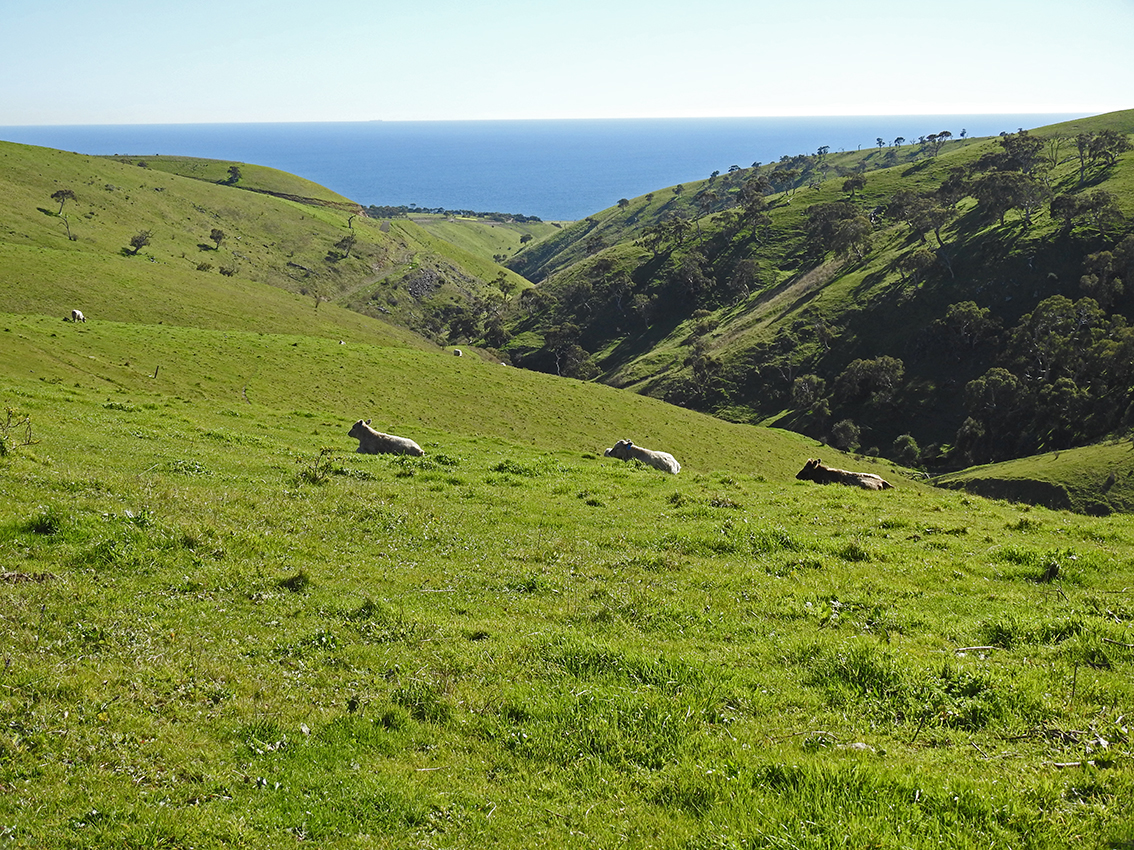
Ocean and Valley view

As I exit the creek on my drive from Myponga Beach (see my previous post) I climb up the steep unpaved road stopping at a couple sites to admire the view across the steep valleys towards the ocean.

A little local history
Sedimentary rock strata

Along the road there are several dilapidated, old buildings and other structures such as stone water tanks, all remnants the Fleurieu’s colonial history. And, for those with a geological eye, some of the truncated sedimentary layering is quite interesting. 

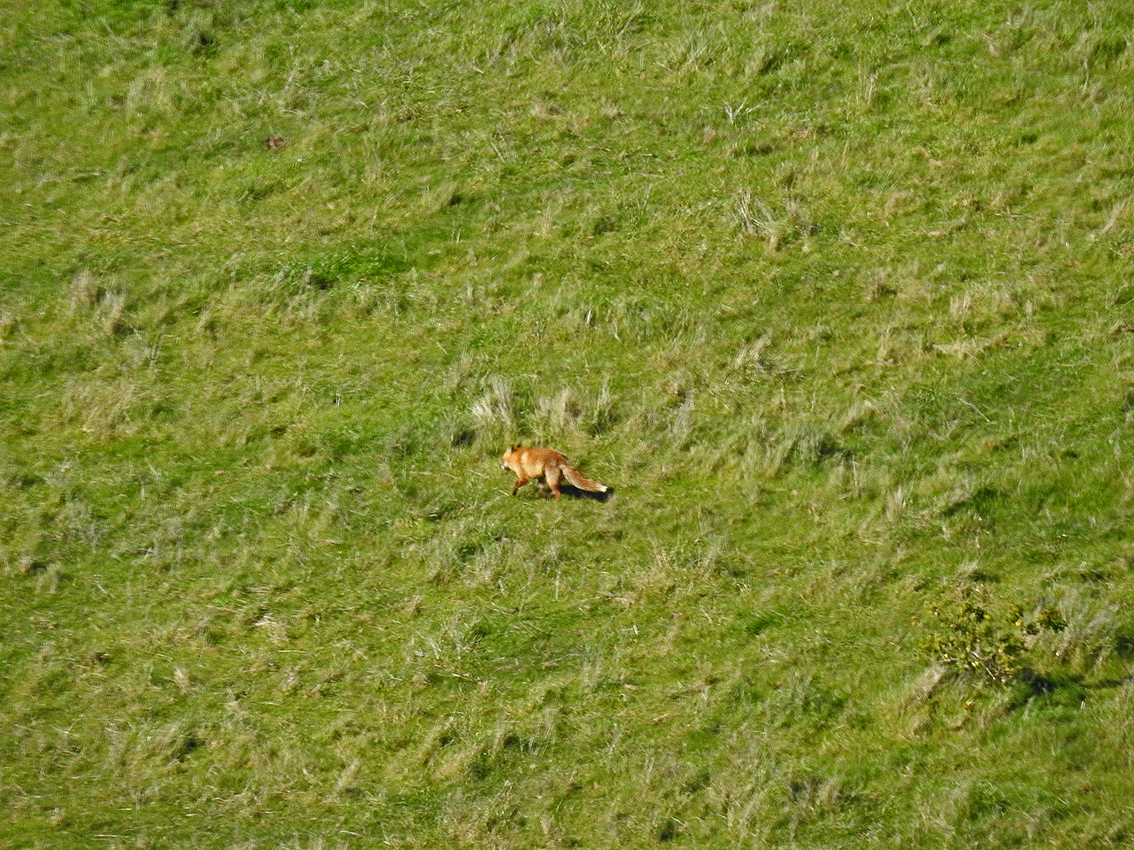
Fox on the run

Scanning the hillside with the powerful Nikon P900 lens, I notice the diminutive shape of a Red Fox scurrying across the steep terrain. Both sheep and cattle are also grazing on the hillsides.

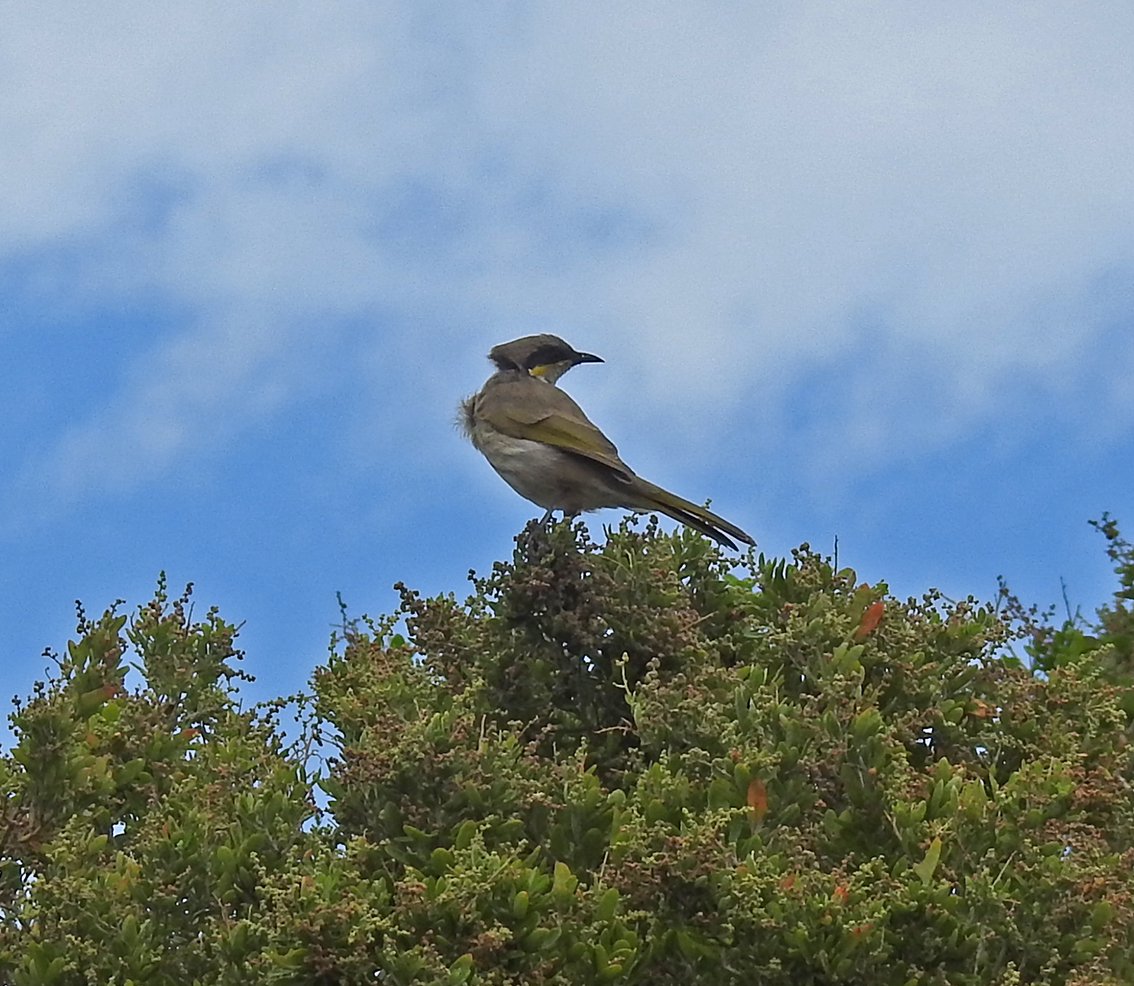
Singing Honeyeater

There are wattles and bottlebrushes along the roadside and I notice Singing Honeyeaters feeding and nesting in the area.

Myponga dam and reservoir

Several kilometres further along Sampson Road, I take a branch road leading to the Myponga Reservoir. The views from the observation area and car park are fabulous.

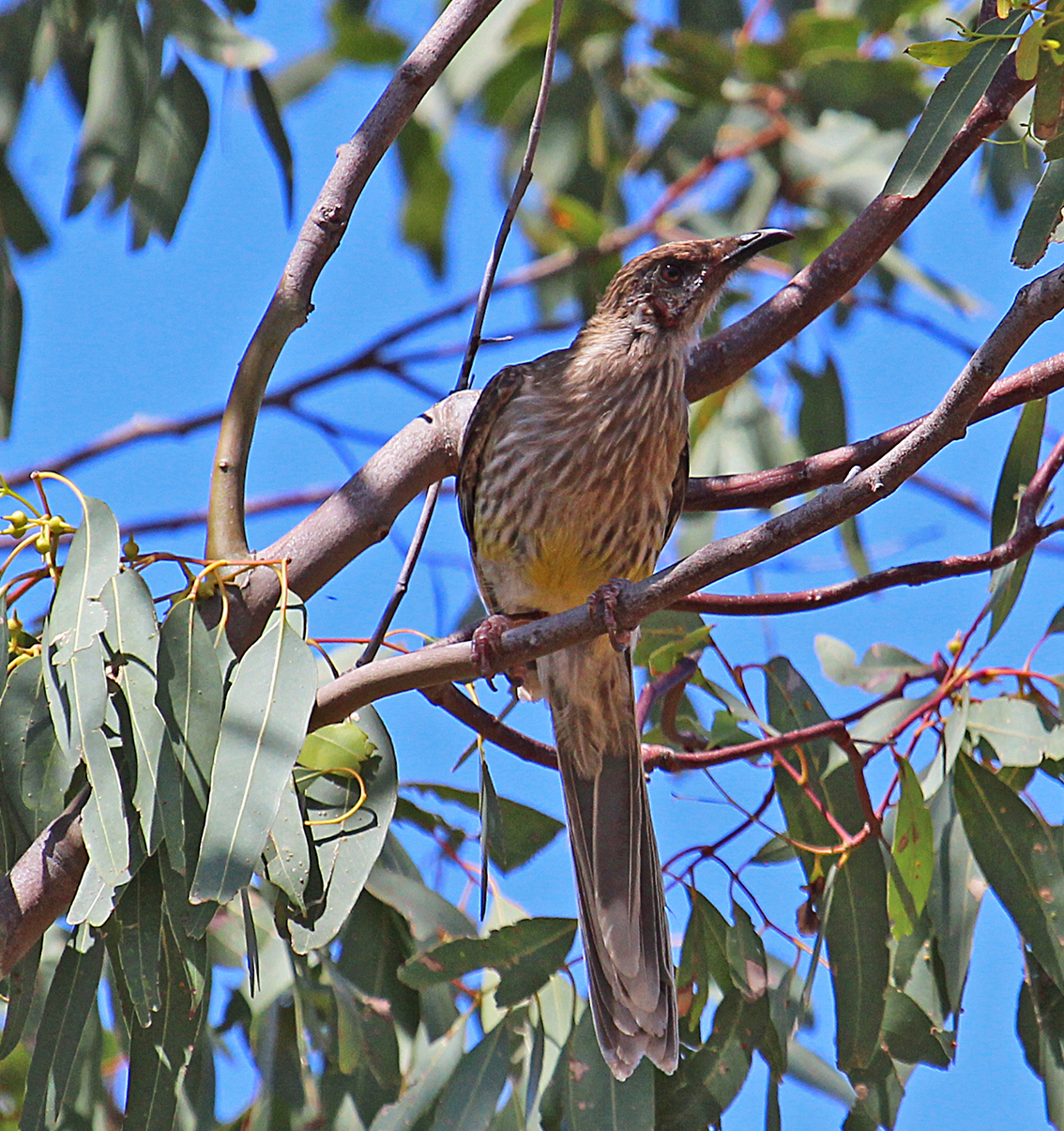
Red Wattlebird

There are various honeyeater species including Wattlebirds in this area and I can just make out a Western Grey Kangaroo in the valley below the dam.

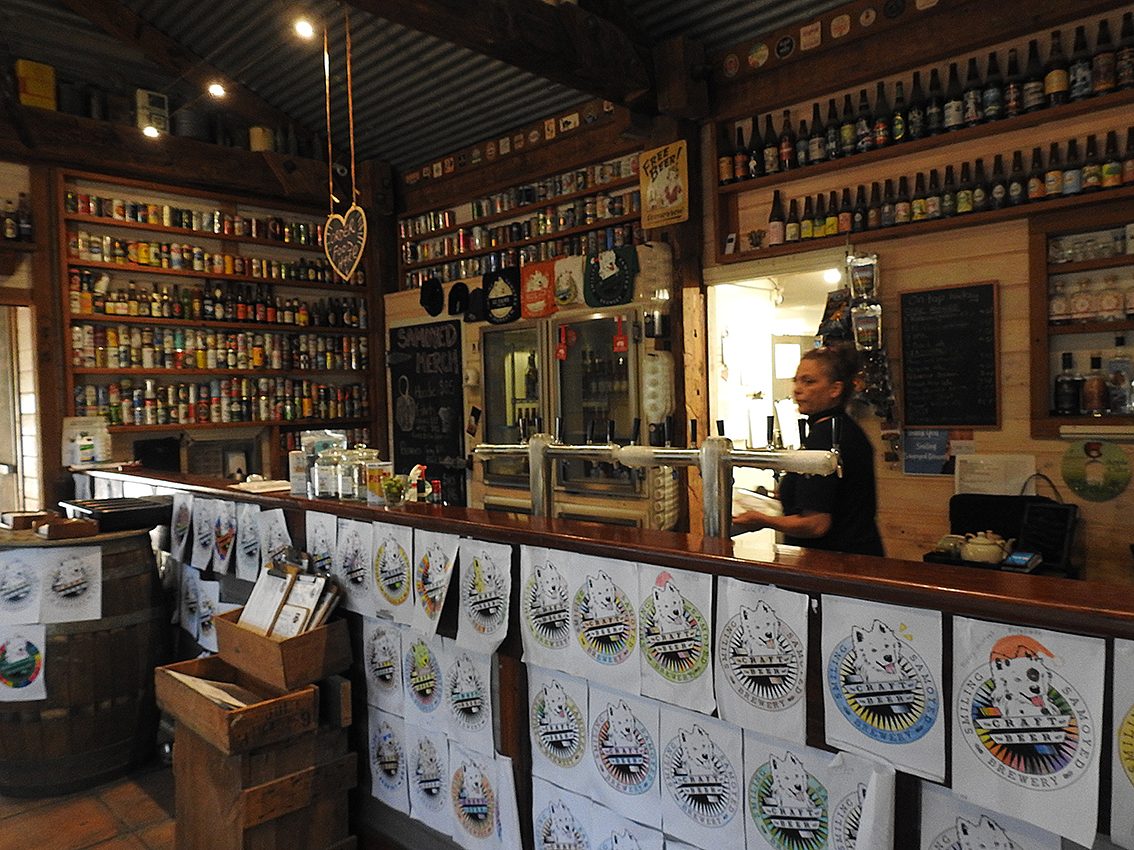
Laughing Samoyed microbrewery
Temptation

I drive back to Sampson Road then turn right to intersect South Road where I can head back to the city or into the little township of Myponga with its charming Smiling Samoyed Microbrewery, tempting bakery and reserve.

Cheers

Baz

Additional notes

Other animals seen, heard but not photographed: Nankeen Kestrel, Common Terns, Welcome Swallows

The camera used for this post is a Nikon P900

This is an easy drive which is quite suitable for families and seniors with public toilets, barbecues, parking and other facilities nearby. It is dog friendly.

Please pass on this blog title and or contact information (URL) to any person or organisation with an interest in taking walks and enjoying wildlife in SA.

Click on these links and see more South Australian stories and pictures in my Weekend Notes articles as well as locating similar blogs on Feedspot’s top 20 Australian wildlife blogs
https://www.weekendnotes.com/adelaide/writer/452

https://blog.feedspot.com/australian_wildlife_blogs

Around Myponga Beach…….Part 1

13 Jul

Dear Reader:

Welcome Swallow at rest

As I drive along the unsealed road, I notice Welcome Swallows hawking for insects in the fields. Several birds are resting on the strands of barbed wire between their sorties. I slow the car, drop the window and take a quick shot.

Driving towards Myponga beach

I am travelling along Myponga Beach Road towards the little township of the same name. Australian Magpies are sitting on fenceposts and a flight of Rosellas takes flight from the fringing scrub as I pass by them.

Myponga Creek and Beach community

From the road I notice that the tide is receding exposing a sandy beach and rock-strewn mudflats on either side of the little estuary where a small creek empties into the ocean. A mixed flock of Silver Gulls and Common Terns are camped on the beach and I can see a pair of Cormorants fishing further out to sea.

Tidal pool and surrounding hills

Today, I am just making a preliminary drive through the area but I do stop to photograph an extensive tidal pool which stretches back towards the surrounding hills.

Gully crossing Sampson Road

After exiting the town on Sampson Road, which will eventually take me back to the Main South Road, I stop at the foot of a steep climb where are gully traverses the road. River Gums mark the path of this ephemeral watercourse and as I slow the VW Tiguan and engage 4WD to splash through some muddy water.

White-throated Honeyeater probing gum tree for insects and grubs

I hear a variety of bird calls and park the vehicle where I can easily scan the trees for birds with the telephoto. It doesn’t take too long to spot two species of parrots; a Galah and Adelaide Rosella, as well as White-throated Honeyeater.

Marbled Gecko

Birds are not the only animals in this fertile section of scrub. There are several ant species on the trees and I spot a Marbled Gecko in a hollowed out branch.

After the creek, the road starts to climb steeply…………to be continued.

Cheers

Baz

Additional notes

Other animals seen, heard but not photographed: Grey Kangaroo

The cameras used for this post is are Nikon P900,  

This is an easy drive which is quite suitable for families. It is dog friendly.

Please pass on this blog title and or contact information (URL) to any person or organisation with an interest in taking walks and enjoying wildlife in SA.

Click on these links and see more South Australian stories and pictures in my Weekend Notes articles as well as locating similar blogs on Feedspot’s top 20 Australian wildlife blogs

https://www.weekendnotes.com/adelaide/writer/452

https://blog.feedspot.com/australian_wildlife_blog

Karkoo: Cockatoos and Cocktails

28 Apr

Dear Reader

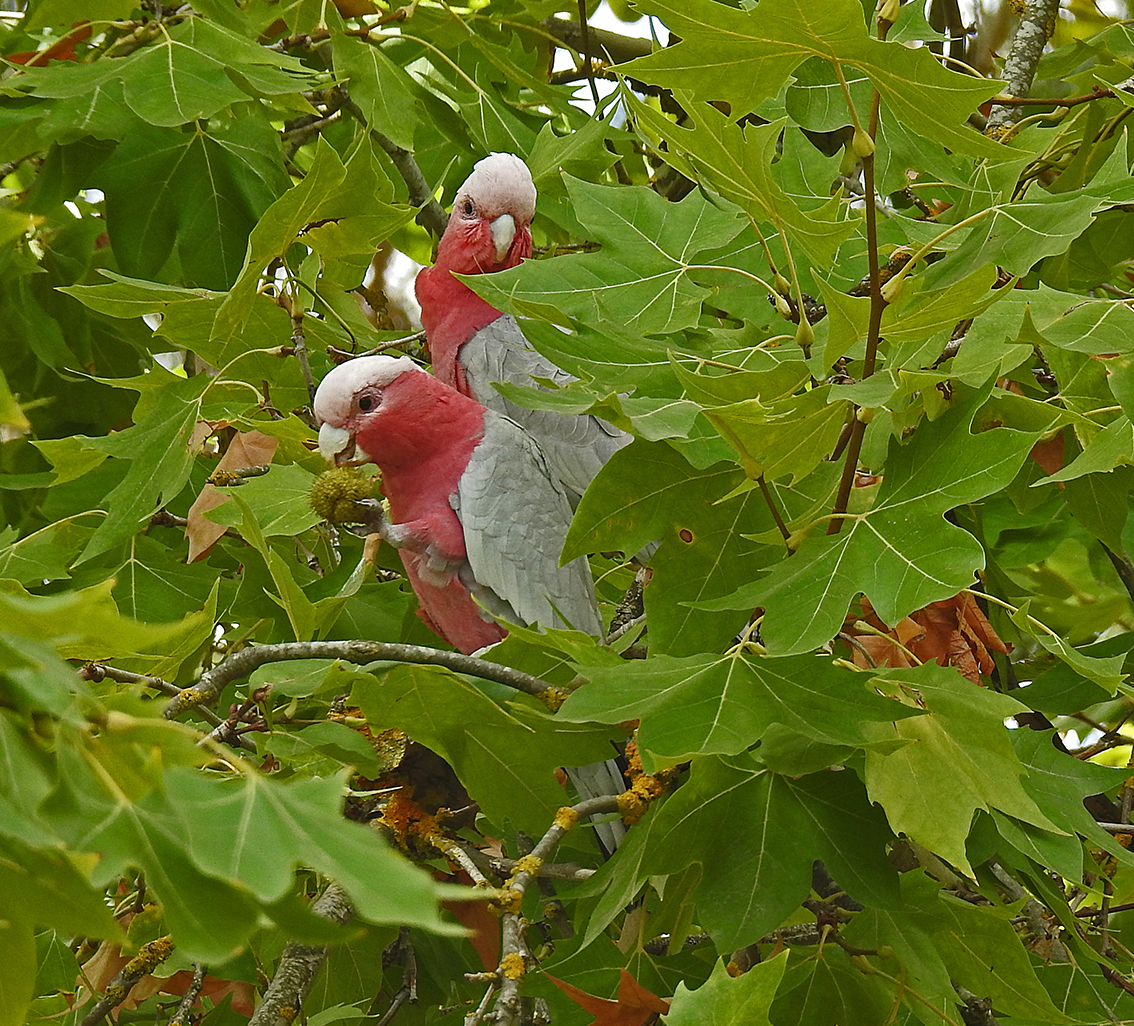
Galahs eating Plane Tree fruits

As I park car in the shade of some Plane trees, I notice a small group of Rose-breasted Cockatoos (Galahs) feeding on the fruits. They are manipulating them with their claw-like feet to get at the seeds inside.

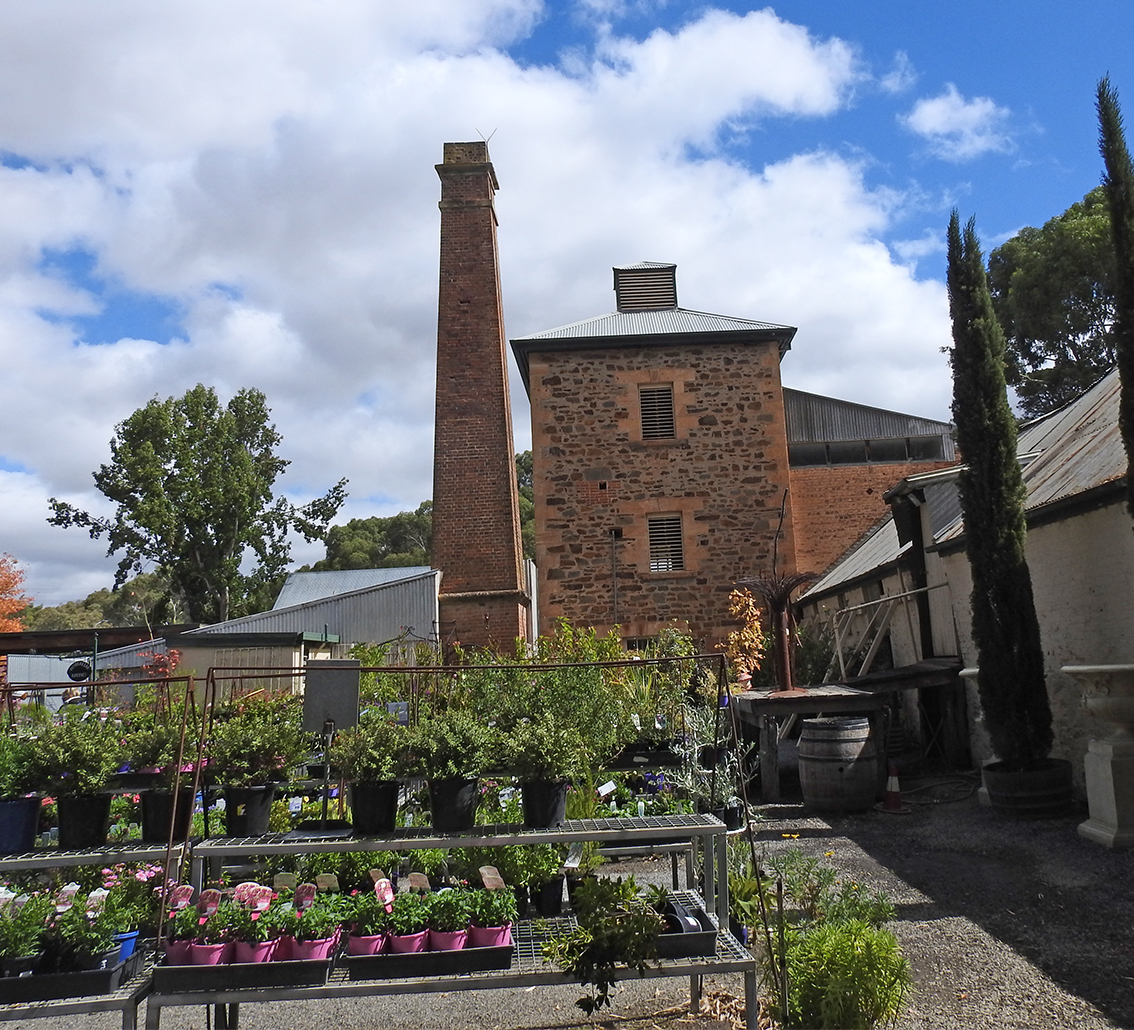
Old brewery buildings in the background

I am spending the morning at Karkoo Plant Nursery in the hills’ town of Oakbank, about a half hour drive from Adelaide’s CBD. This charming nursery has been developed around the old Johnston Brewery. It is a blend of indoor and outdoor plants, clothing and gifts as well as old buildings and artefacts complete with informative signage.    

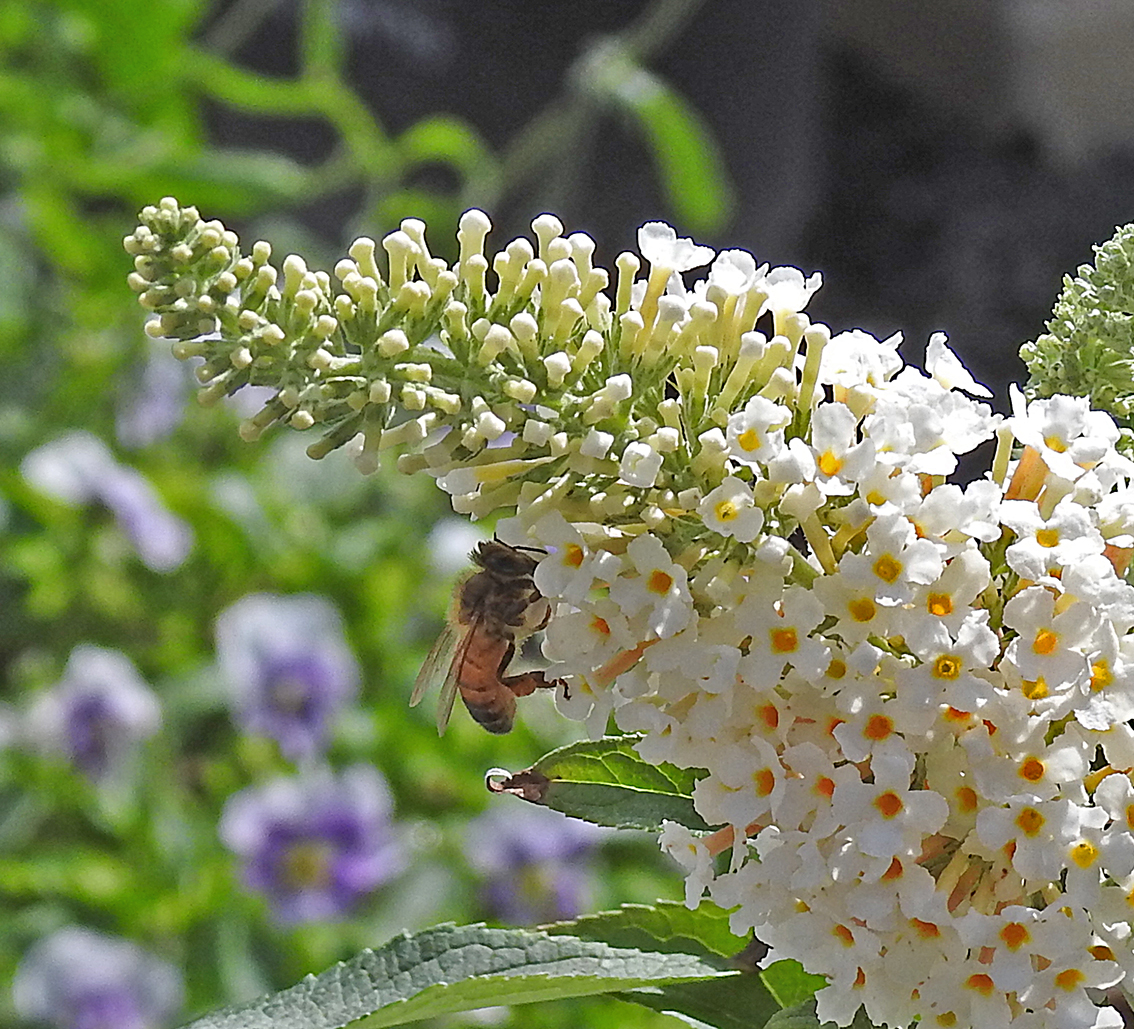
Common Honey Bee on a Butterfly Bush
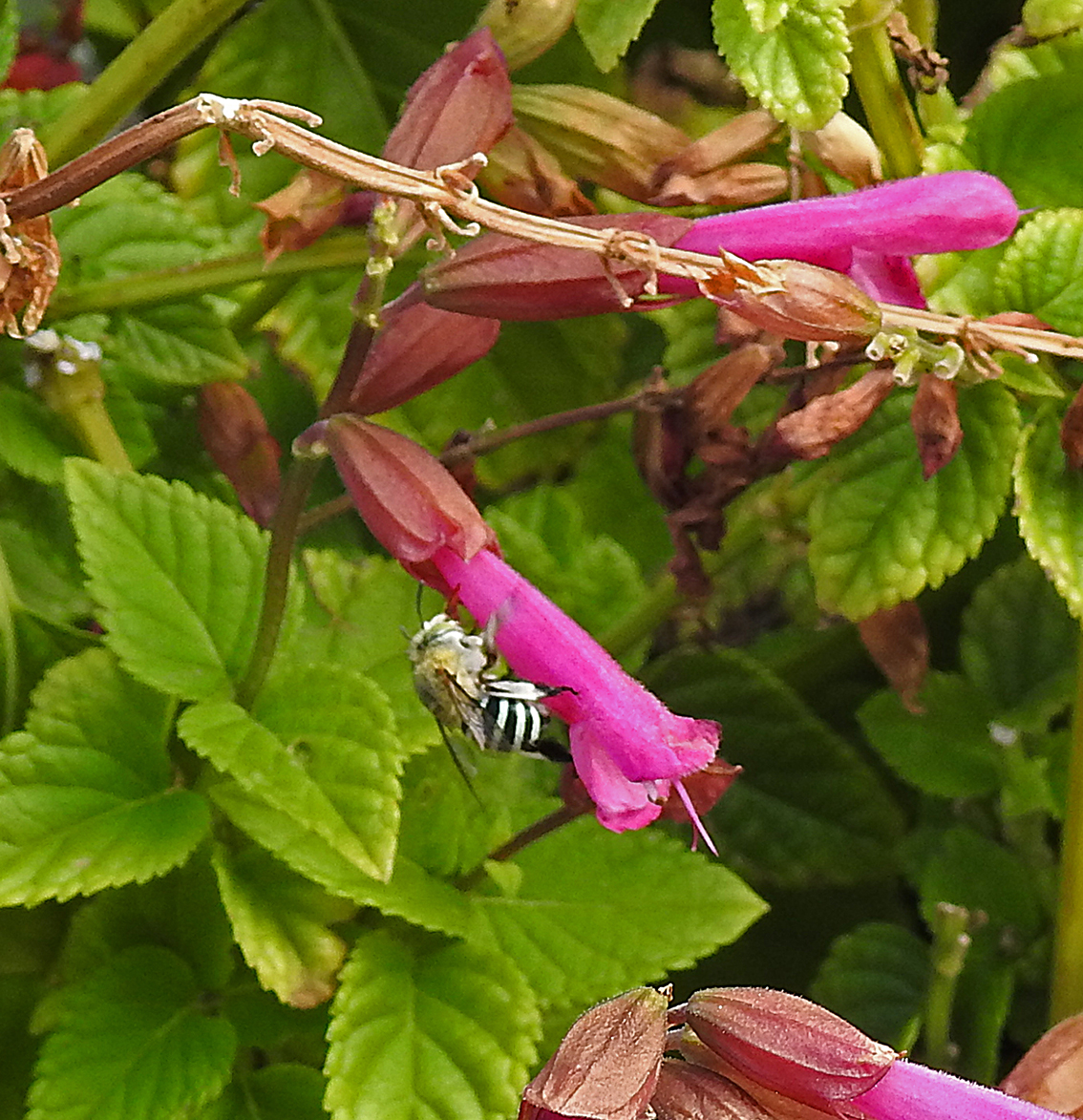
Blue-banded Bee on Salvia

Nurseries are often great places to find insects, even at this time of year. Honeybees are feeding on many different blossoms. It takes a while but eventually I discover a Blue-banded Bee, a native species, feeding on a Salvia.

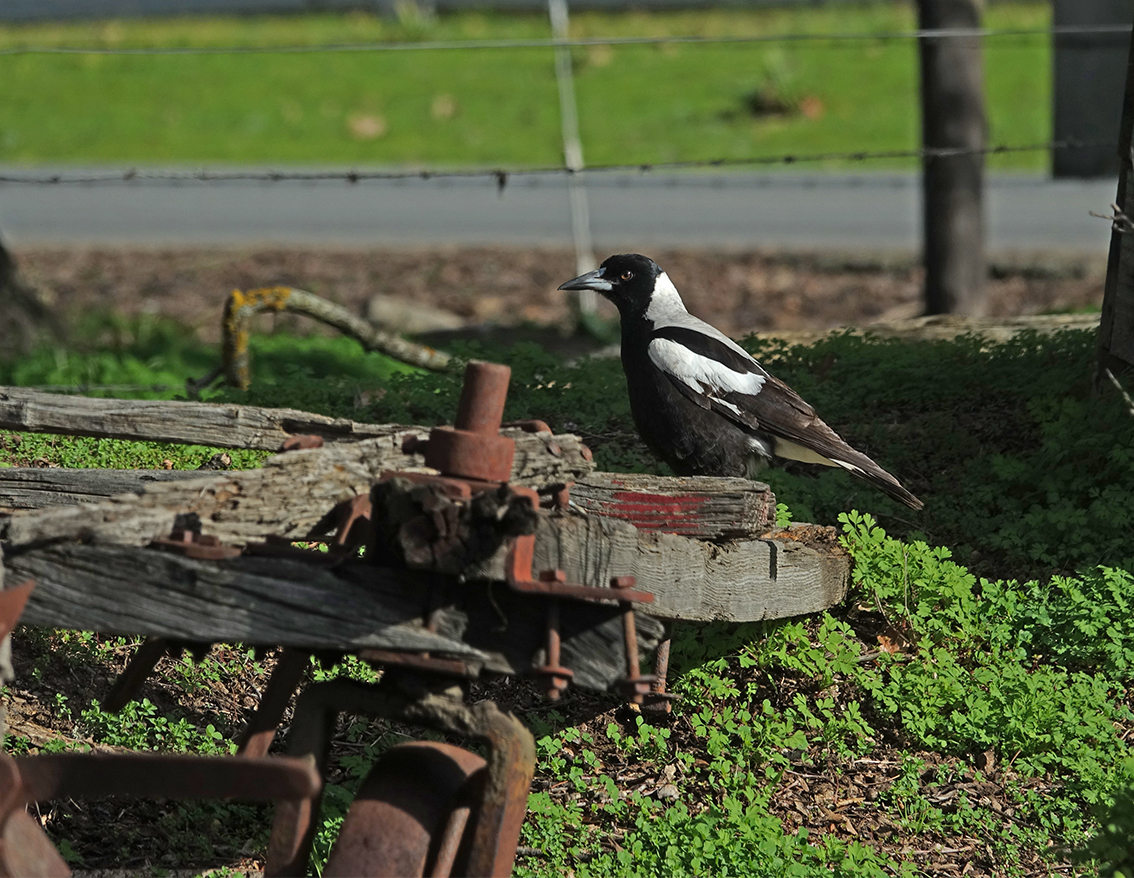
Australian Magpie
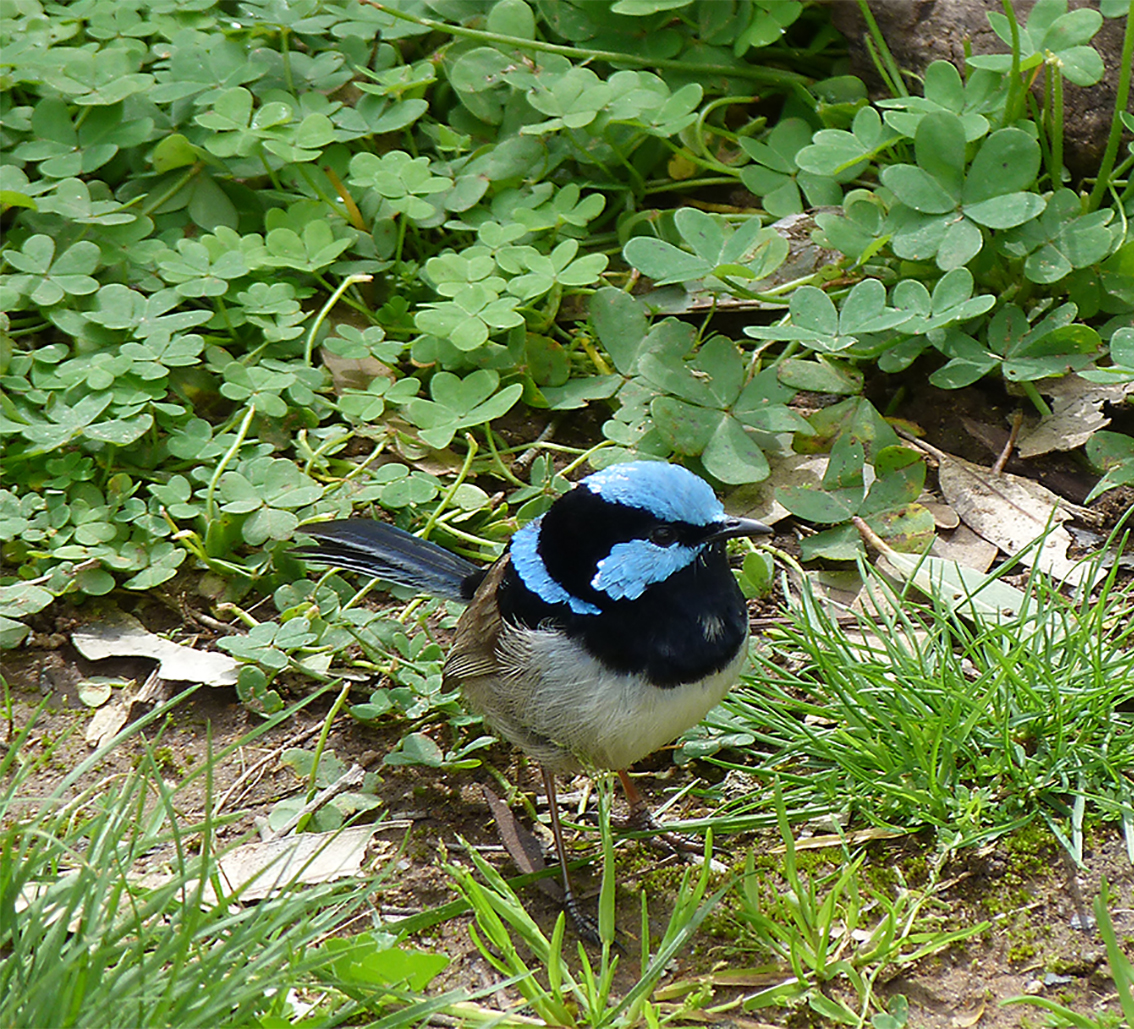
Superb fairy Wren often called a Blue Wren

Near front of the nursery there is some old farm machinery. A Magpie lands on the woodwork providing a characteristically Australian image. Several Sperb Fairy Wrens are flitting around the grassy paddock behind the Magpie.

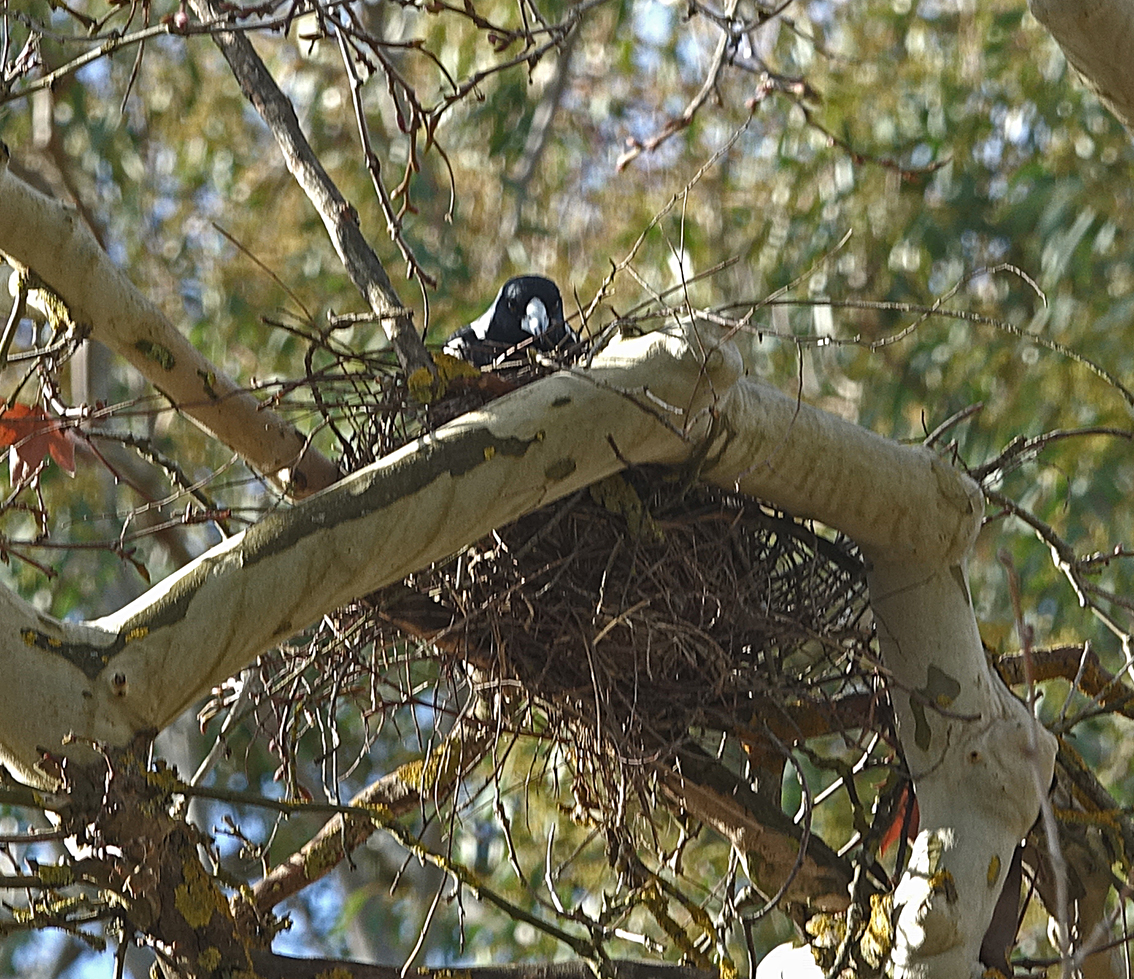
Magpie nest

As the Magpie flies into a nearby Eucalyptus Tree another bird flies out. I scan the tree carefully with the powerful lens of the Nikon P900 and quickly locate a nest. I focus tightly on the nest and wait. Eventually a head pops over the scruffy bundle of twigs.

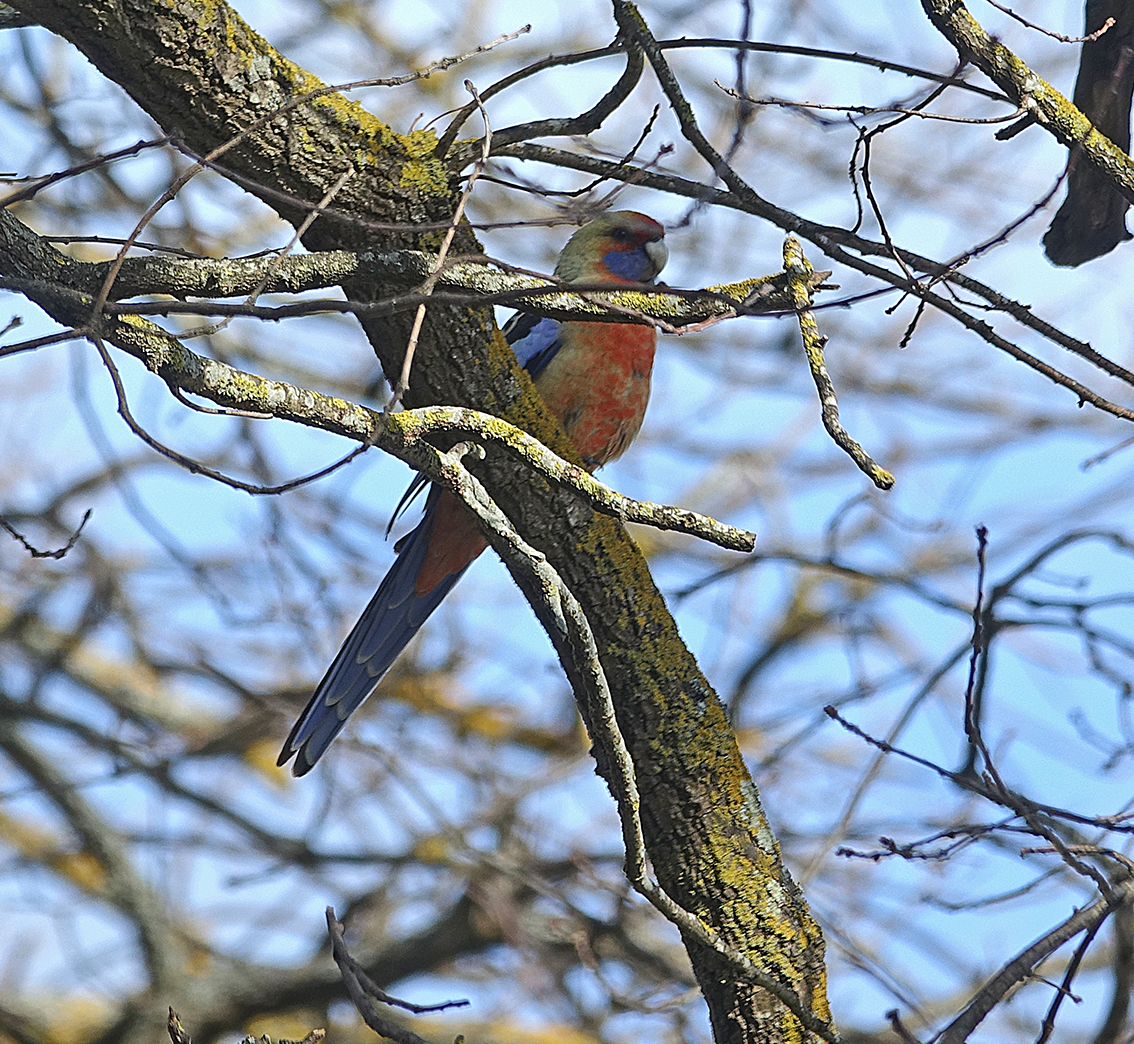
Adelaide Rosella

In a nearby tree an Adelaide Rosella perches on a dead branch. These beautiful birds are a regional version of the Crimson Rosella.  

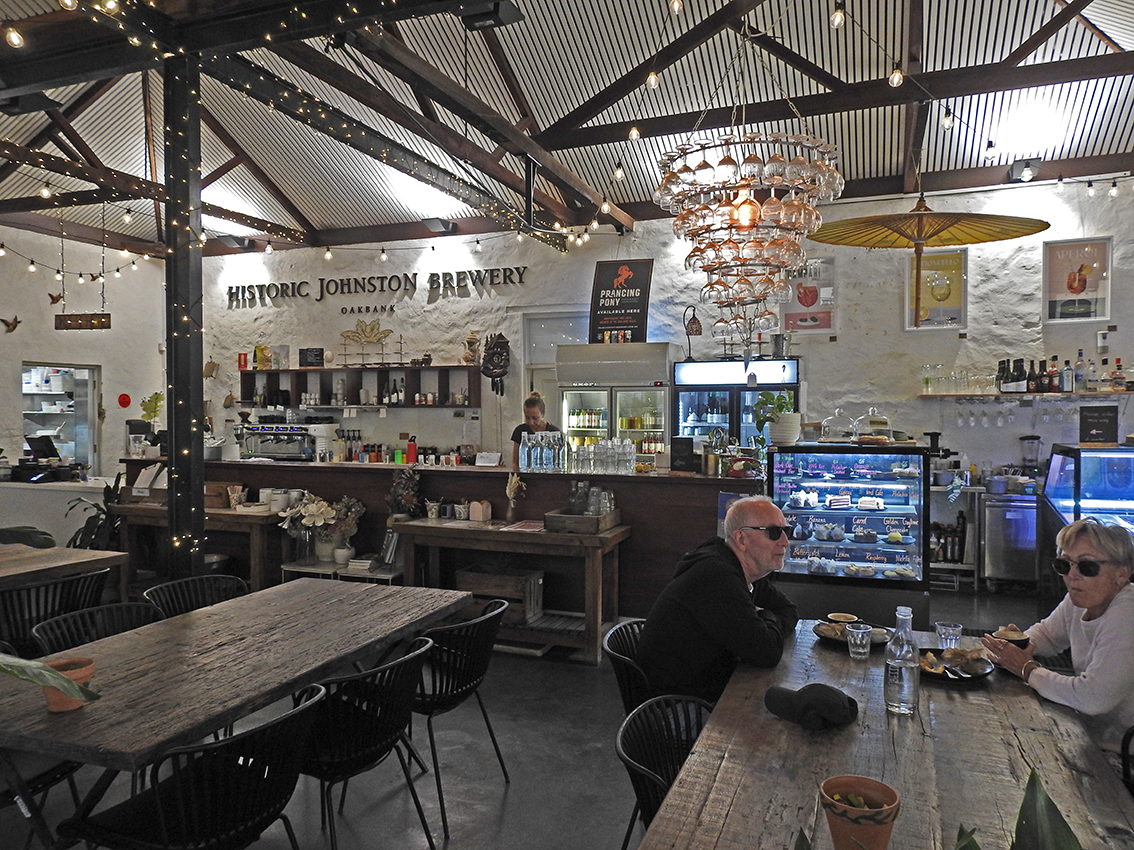
Lunch and a drink

It is time for a bite to eat in the rustic-styled dining area and there is a comprehensive menu ranging from light snacks to gourmet lunches complemented with a wide selection of beverages including wines, ciders, beer and cocktails.

Cheers

Baz

Additional notes

Other animals seen, heard but not photographed: Sulphur-crested Cockatoos, treecreeper species, small skink

The camera used for this post is a Nikon Coolpix P900

This is an easy drive and walk which is quite suitable for families and seniors with, restaurant, gift shop, public toilets, parking and other facilities on site. It is dog friendly.

Please pass on this blog title and or contact information (URL) to any person or organisation with an interest in taking walks and enjoying wildlife in SA.

Click on these links and see more South Australian stories and pictures in my Weekend Notes articles as well as locating similar blogs on Feedspot’s top 20 Australian wildlife blogs

https://www.weekendnotes.com/adelaide/writer/452/

https://blog.feedspot.com/australian_wildlife_blogs/

Springton’s Wildlife Wonders part 2

12 Apr

Continued from Blog 254

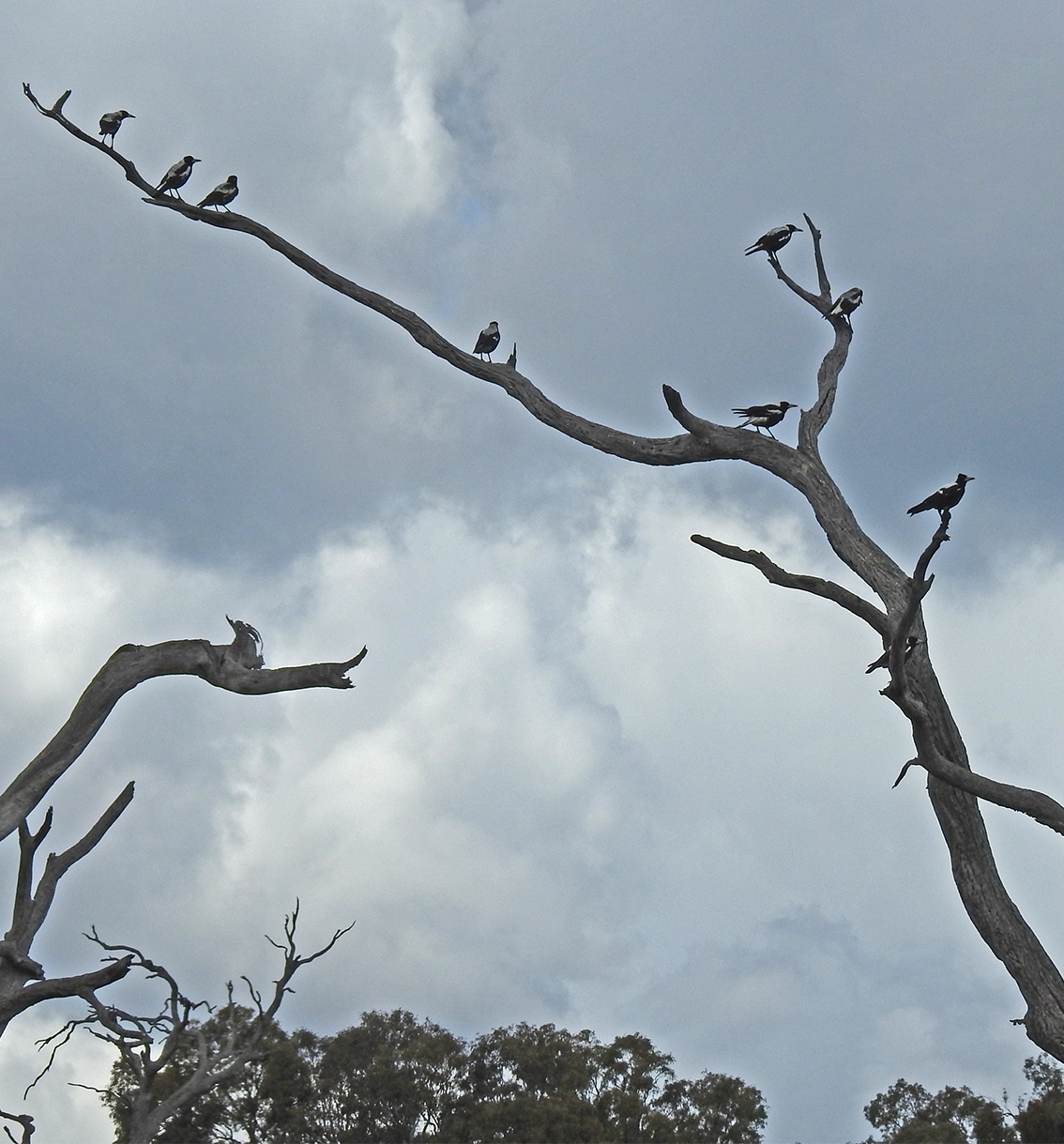
Magpies grouped in a tree

Dear Reader….

……Looking further across the field I notice a long dead tree with a small flock of Australian Magpies perched along a skeletal branch. A rather picturesque and haunting image.

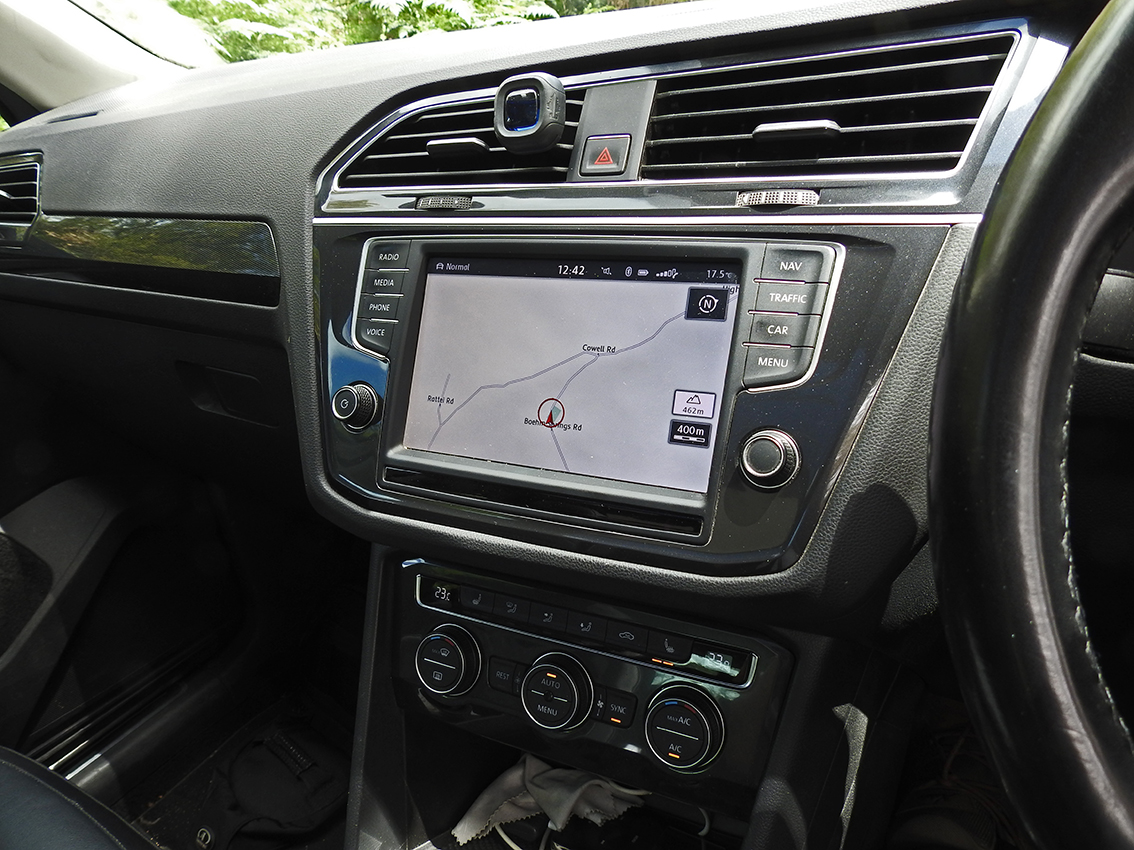
I use the GPS for location confirmation when writing notes and taking photographs

Climbing back into my car I scan the GPS for the next intersecting road which happens to be French’s Road. This in turn leads on to Potts Hill Road where there is a green section indicating a park, wetland or other natural feature.

Typical farm dam in the Adelaide Hills

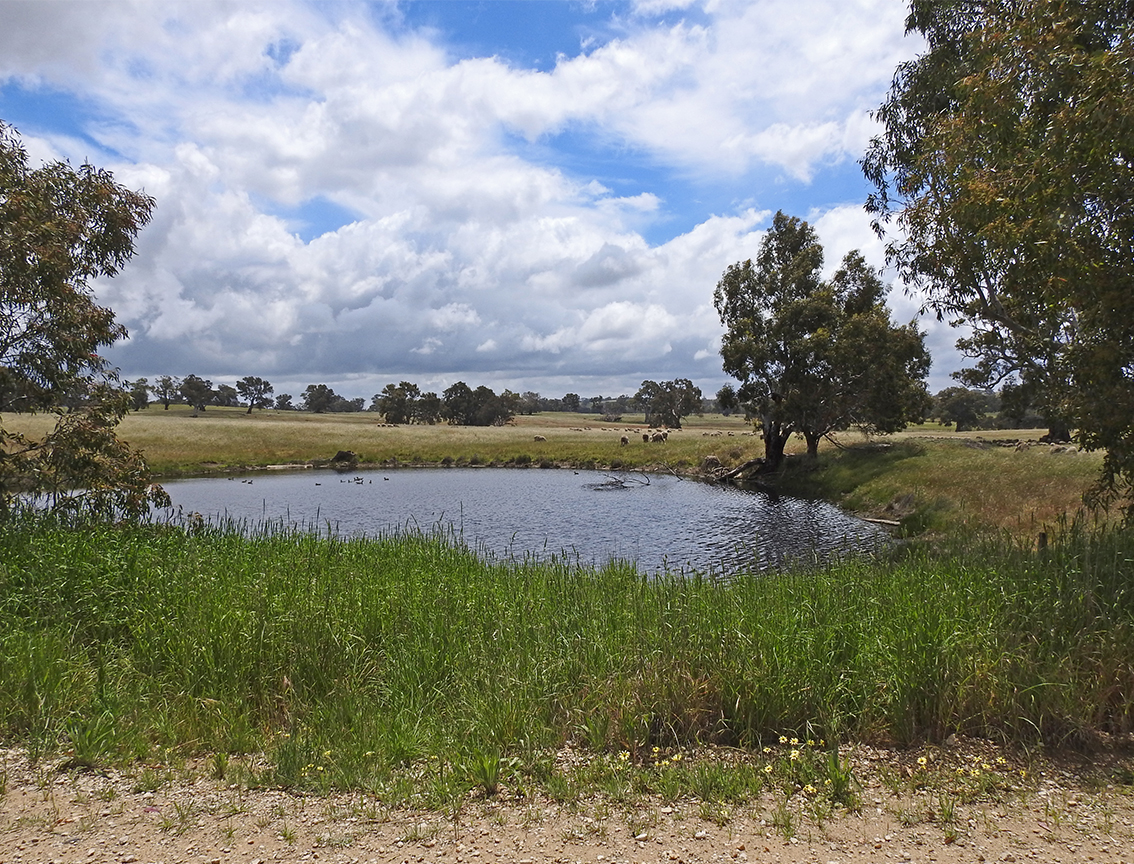
On the way to the junction, I pass a small dam typical of those found on hills’ properties. Using the extreme range of my P900 I recognise Maned Ducks, Eurasian Coots and a single Hoary-headed Grebe on the water.

Angus variety of cattle
A roadside bouquet

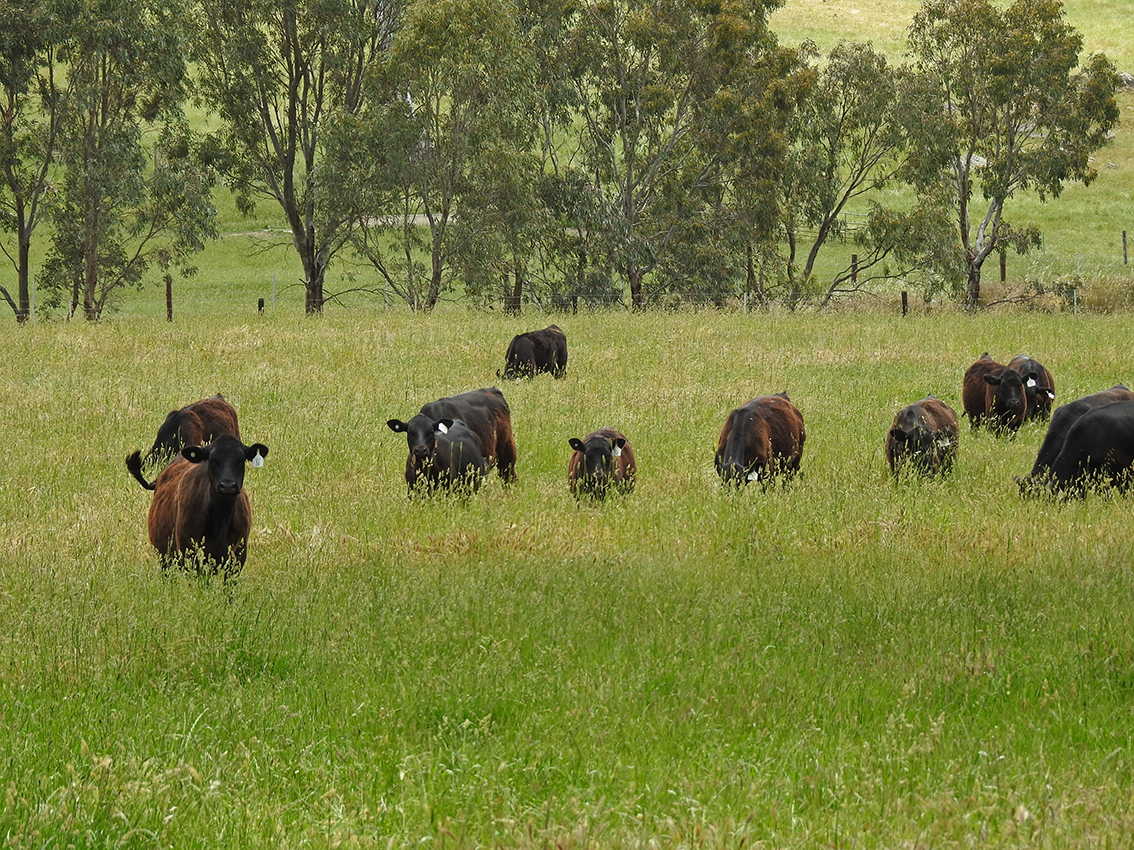
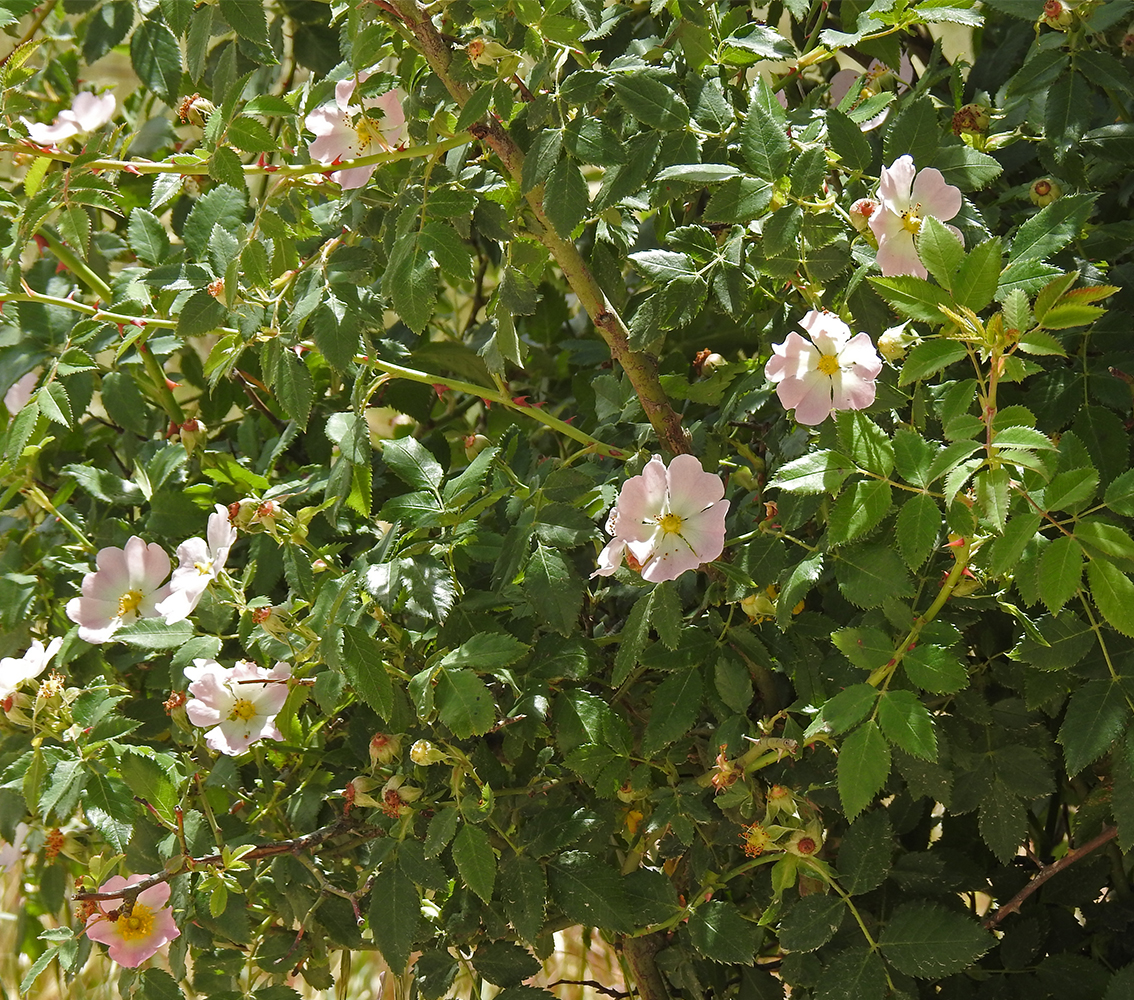
For the next kilometre the road has wild roses growing on the verge while curious Angus Cattle meander towards the fence-line. I slow to a stop and enjoy their inquisitive company.

Adelaide Rosella a variety of Crimson Rosella
Unexpected change of environment

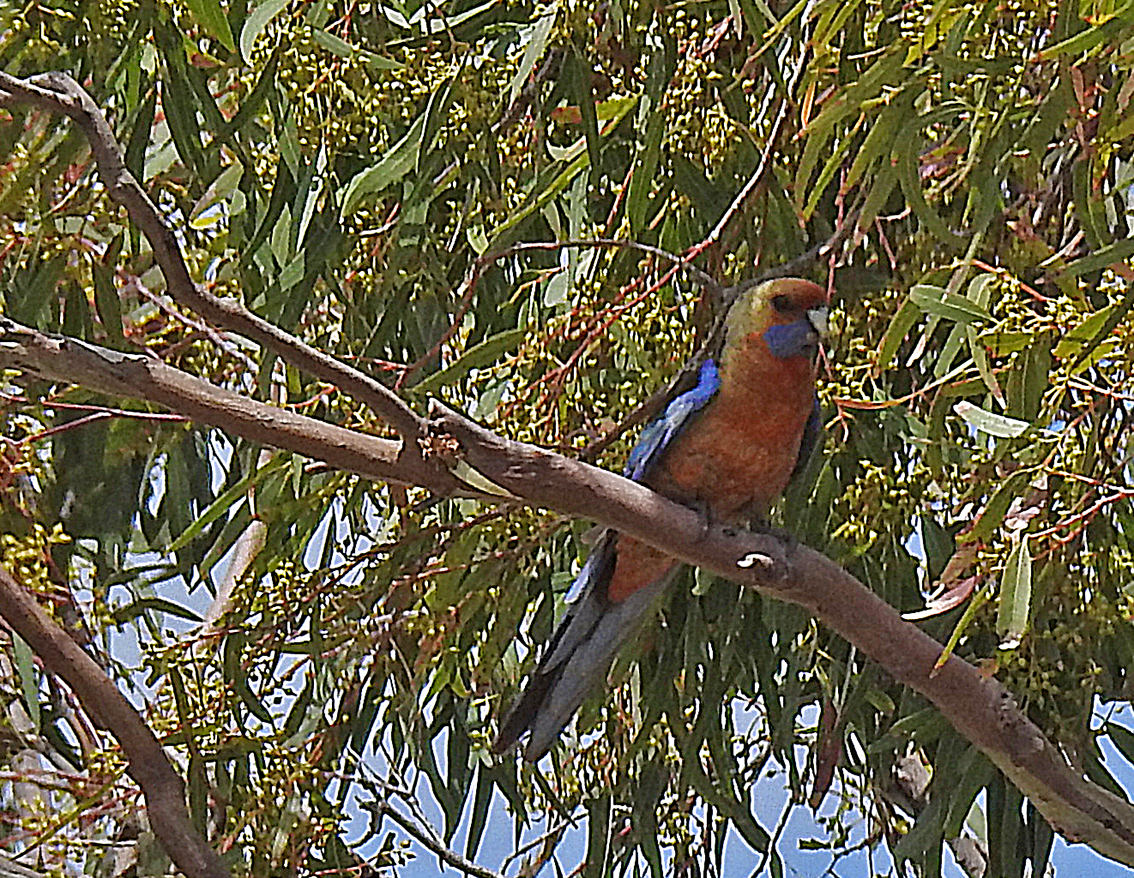
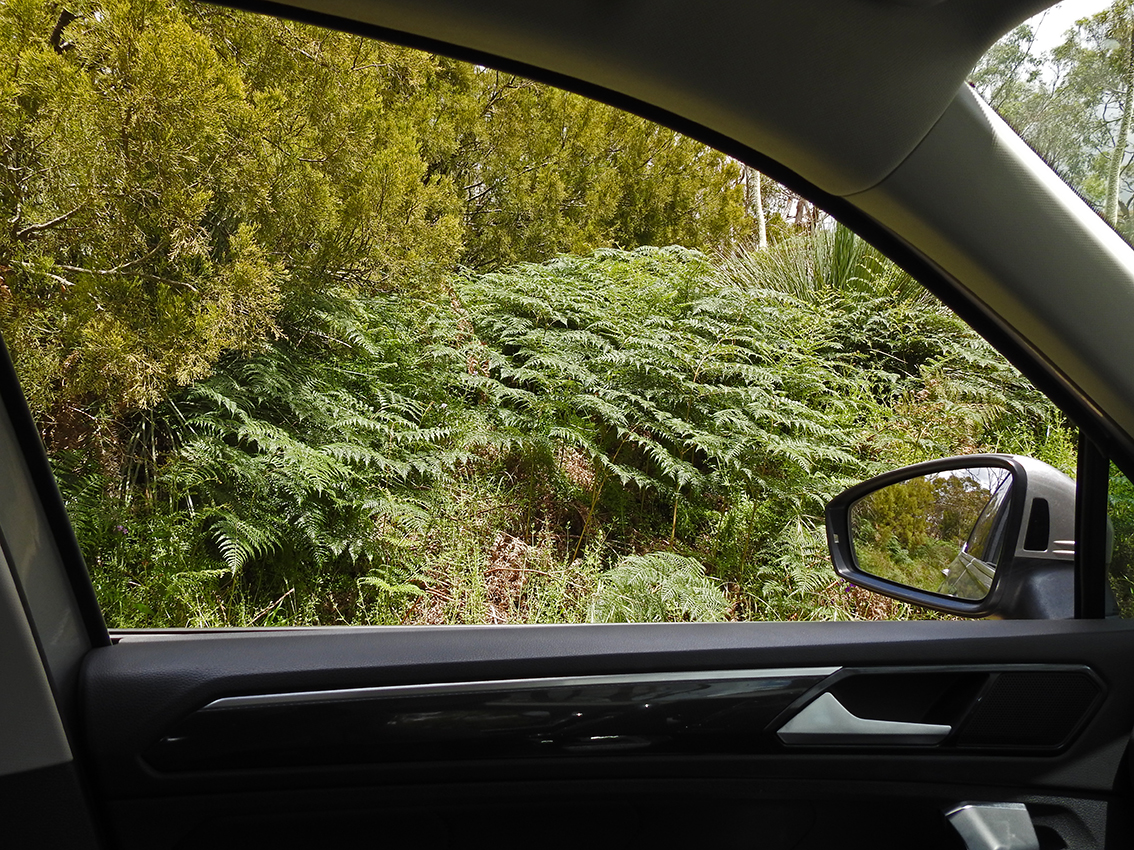
The green outline on the map marks a dip in the road where a creek cuts through the pasture creating a quite different environment characterised by dense scrub and bracken. The sound of wrens and other small birds fills the air and several Adelaide Rosellas land in one of the larger eucalypts.

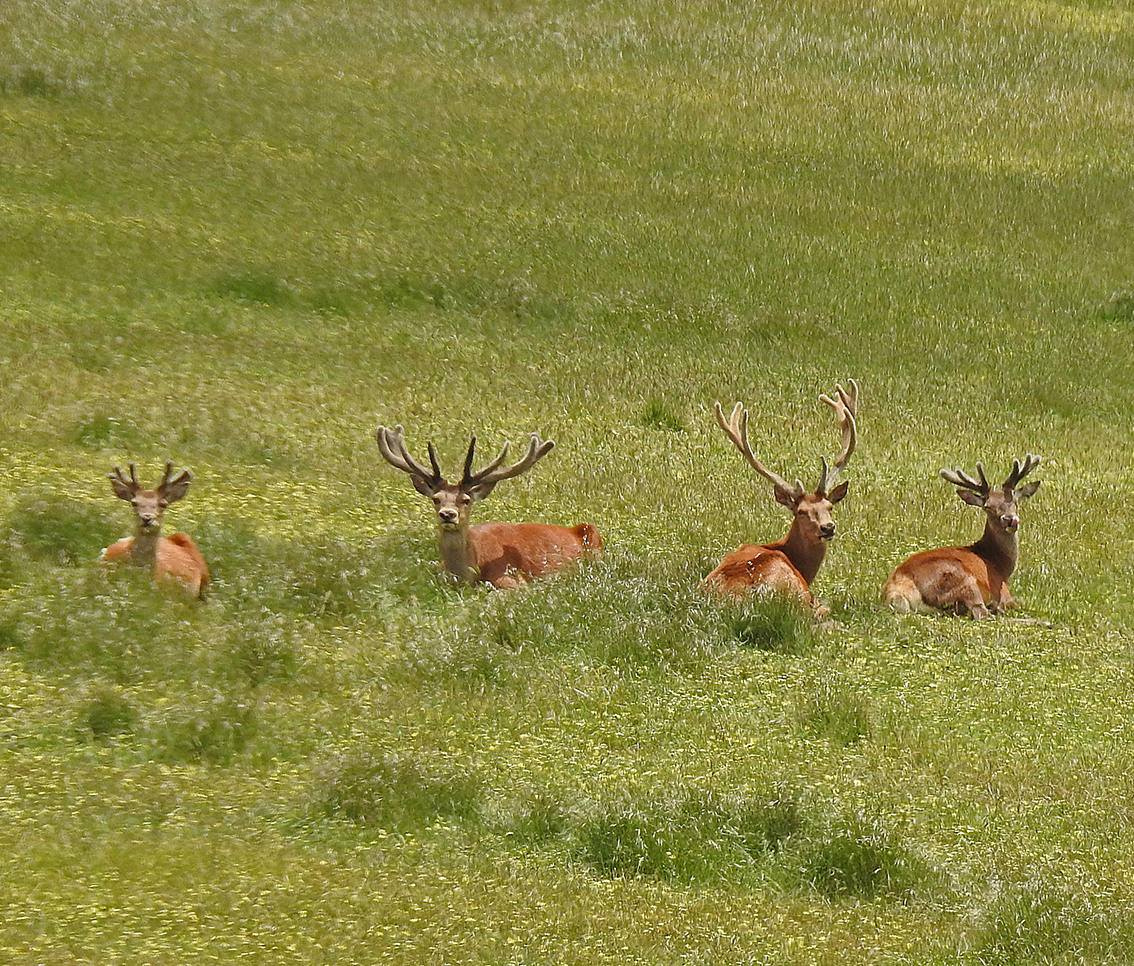
Farmed Red Deer, they are also an introduced pest species

My final stop on this exploratory drive around the Springton area yields the most interesting images of the day. In a high-fenced paddock, a herd of Red Deer sit quietly in the long grass. Introduced wildlife, they are bred for venison and the velvet on the stags’ antlers.

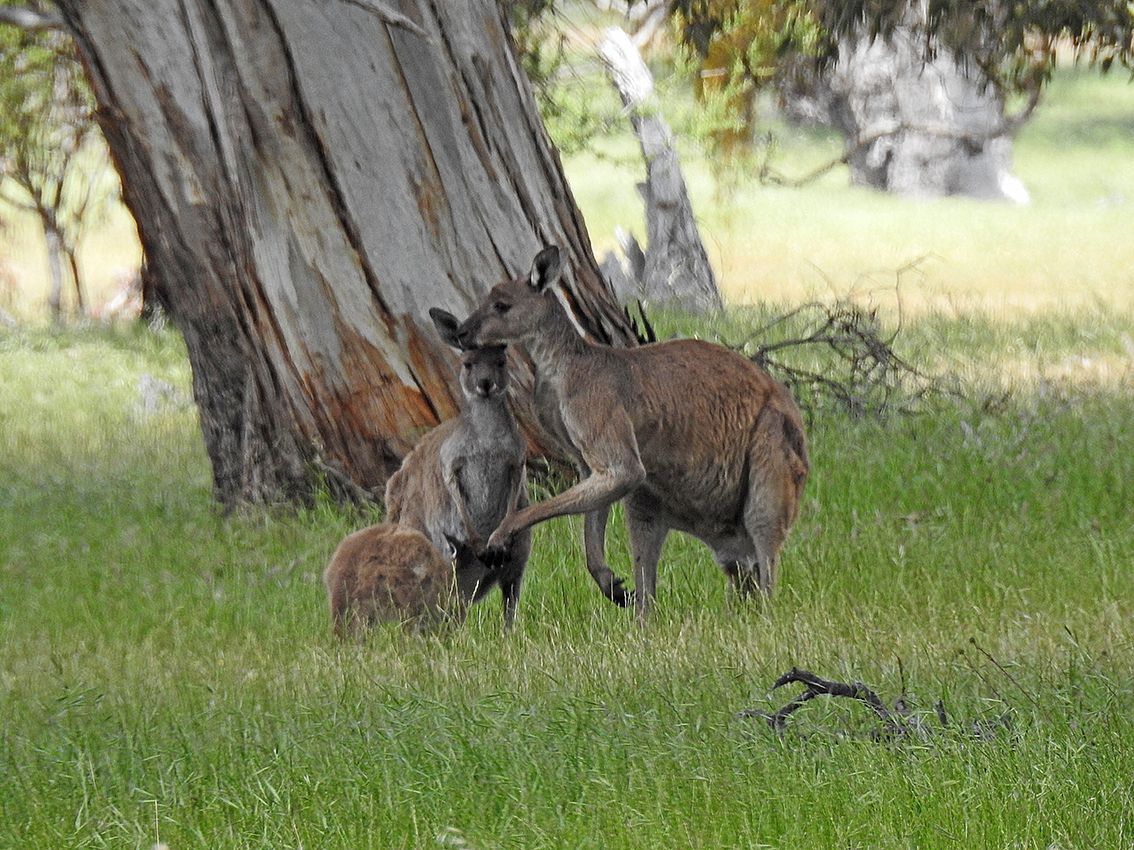
Family grouping of Western Grey Kangaroos, the male is not necessarily the parent animal

In stark contrast, a trio of Western Grey Kangaroos; male, female and half-grown joey, huddle together as I move within camera range. Large herbivorous grazers they occupy the same Australian ecological niche that deer inhabit in Europe, Asia and North America. A nice biological footnote to end my day around Springton.

Cheers

Baz

Additional notes

Other significant animals seen, heard but not photographed: Kestrel, Brown Snake

The camera used for this post is a Nikon Coolpix P900

This is an easy drive which is quite suitable for families and seniors with public toilets, barbecues, parking and other facilities in Springton. It is dog friendly unless a national or conservation park is signposted.

Please pass on this blog title and or contact information (URL) to any person or organisation with an interest in taking walks and enjoying wildlife in SA.

Click on these links and see more South Australian stories and pictures in my Weekend Notes articles as well as locating similar blogs on Feedspot’s top 20 Australian wildlife blogs
https://www.weekendnotes.com/adelaide/writer/452/

https://blog.feedspot.com/australian_wildlife_blogs/

Mount Pleasant ….. A Natural Experience ….. Part 1

12 Apr
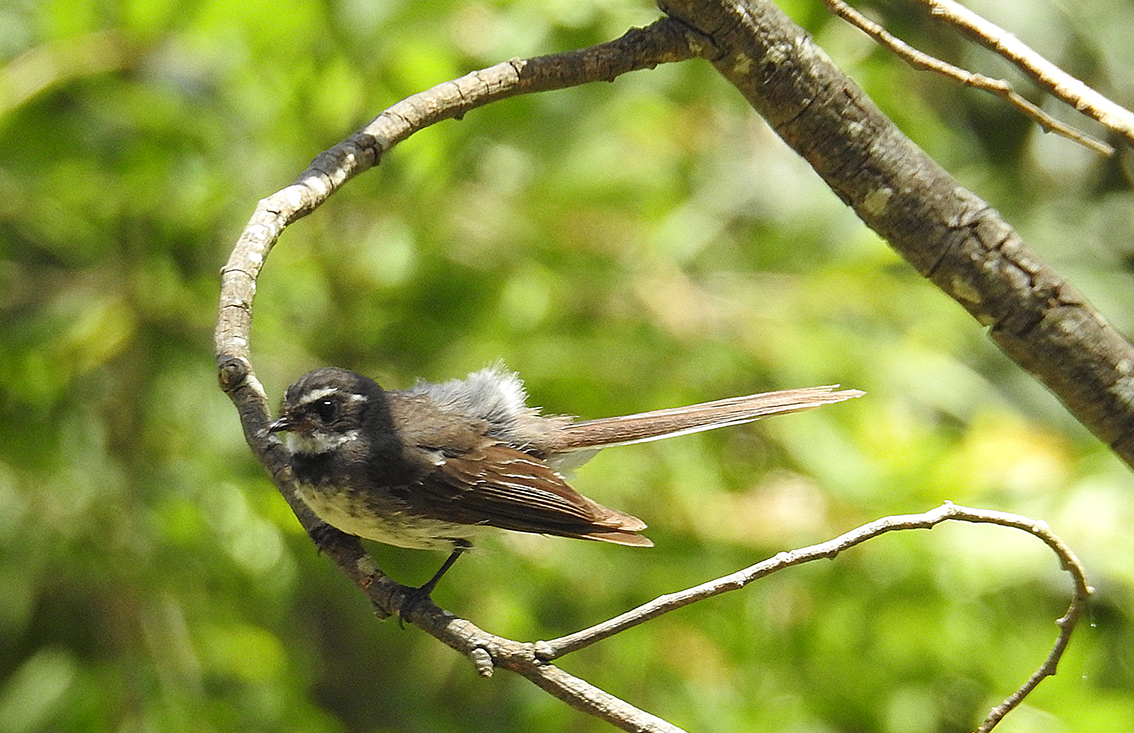
Grey Fantail, probably a juvenile

Dear Reader:

There is a solitary Grey Fantail hunting alongside the bridge. It perches on a branch then makes quick aerial sorties to catch insects in mid-air.

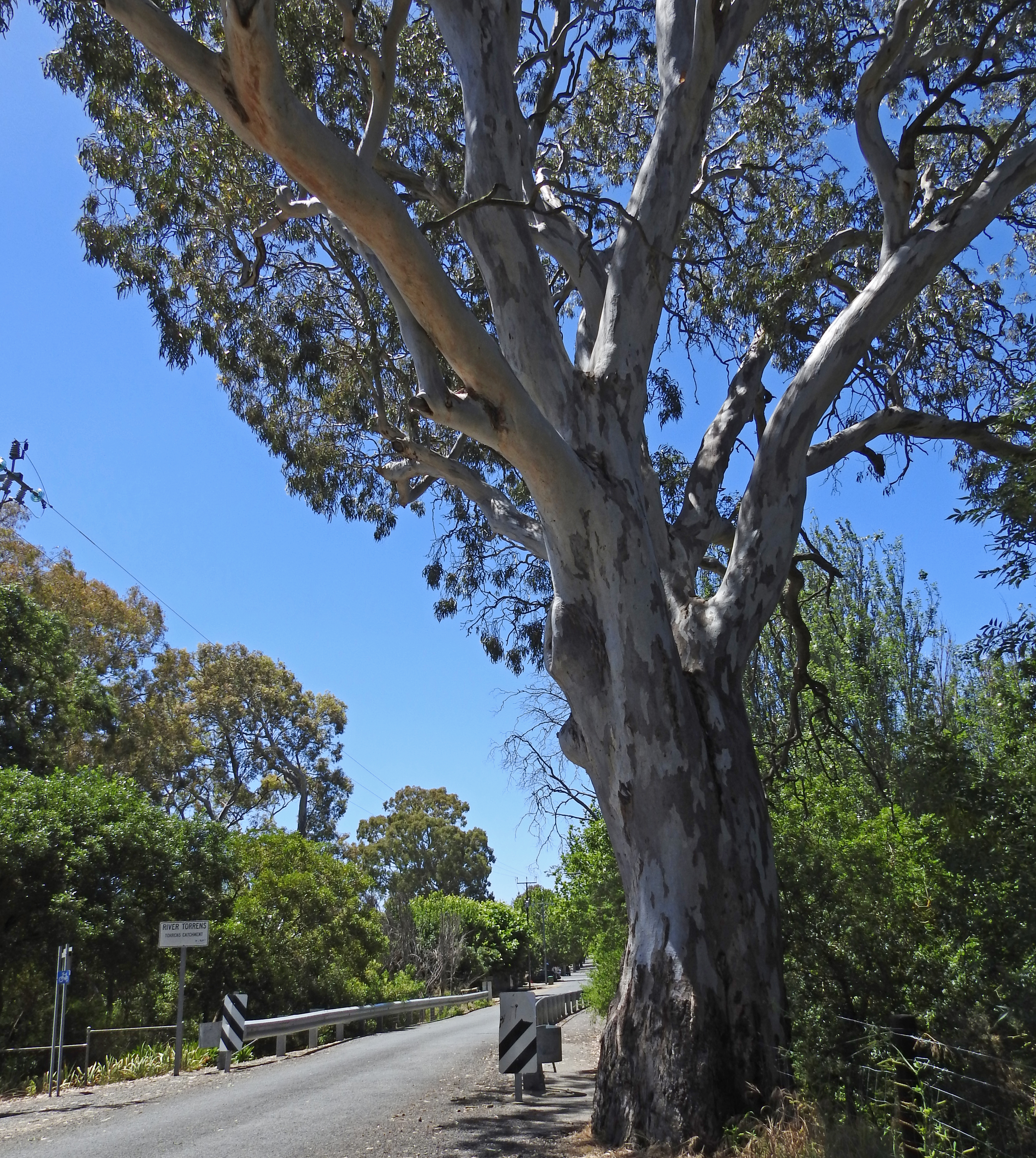
Bridge over the Torrens on Talunga Road

I am at the first bridge in Mount Pleasant, on Talunga Park Road, after entering the town on the B10 from Birdwood in the Adelaide Hills. This delightful little town sits near the source of the River Torrens and reflects colonial history as well as lovely, rural scenery. A Saturday farmers’ market is yet another attraction.

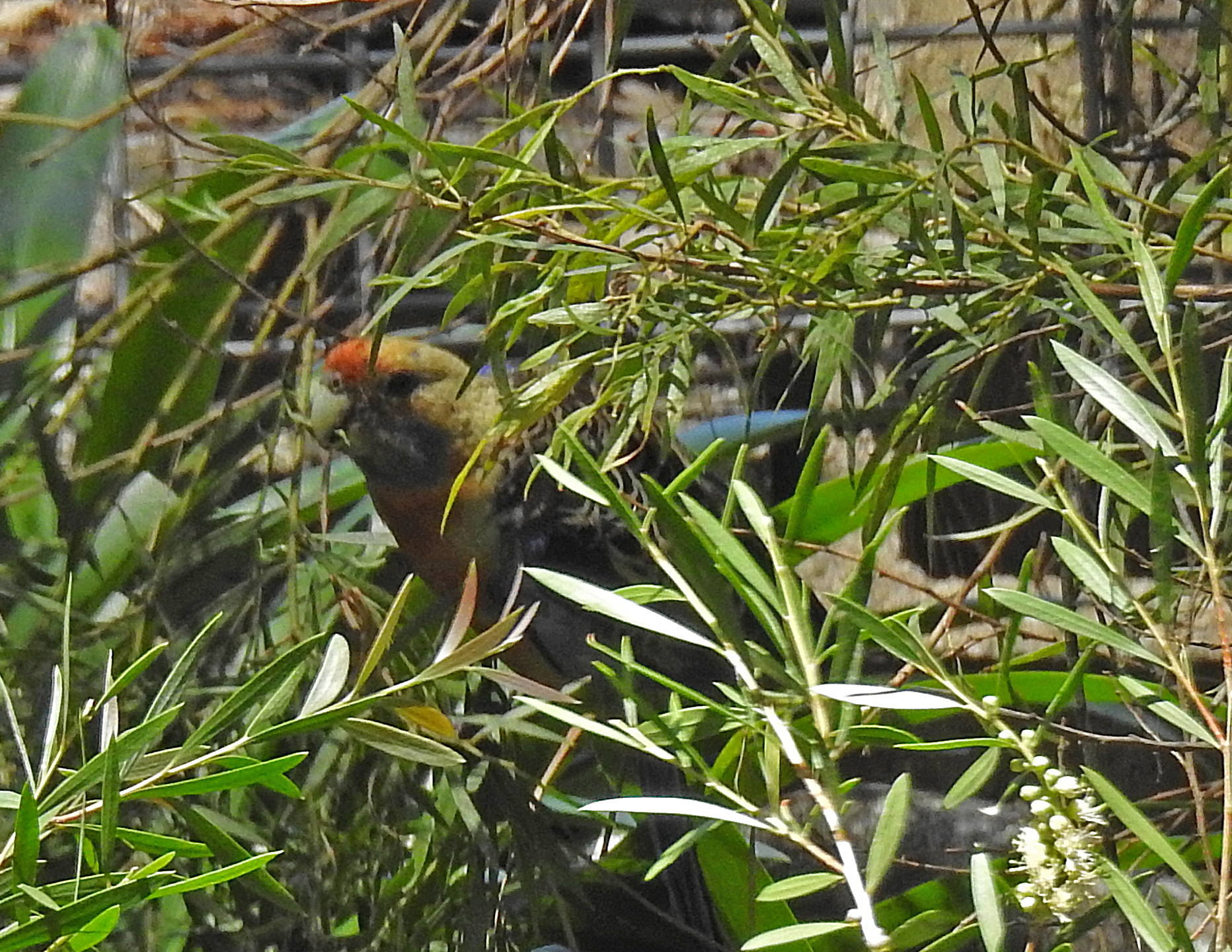
Adelaide Rosella

Climbing down a path next to the bridge, I reach a long pool. I sit on the bank and scan several large River Gums. An Adelaide Rosella lands in one and calls to its mate somewhere further down the river. After a few minutes the parrot flies down to a fenced riverside property to feed in some bushes. Close enough for a hurried, shady shot.

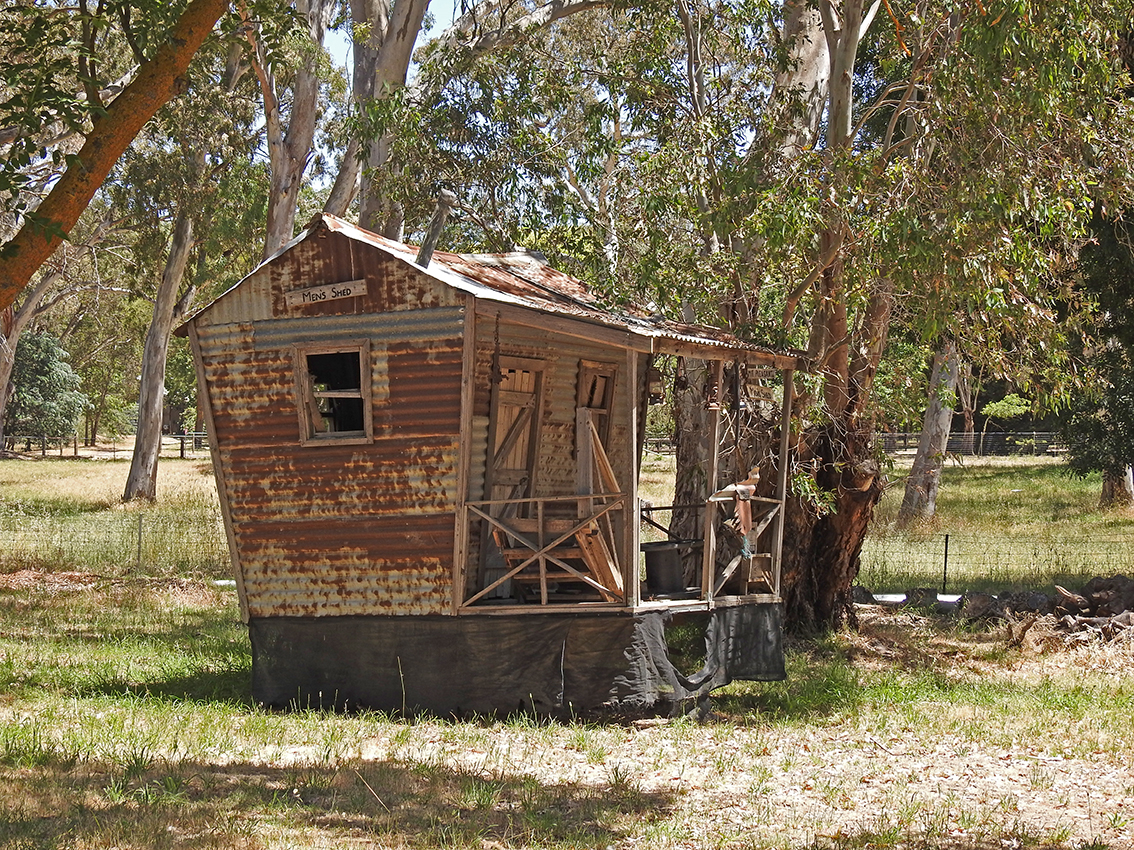
Strange little shed

I drive a little further along the road and stop by the entrance to a park and follow a dirt pathway. There are tennis courts, a bowling green, club houses and a strange little shed which advertises the Men’s Shed project.

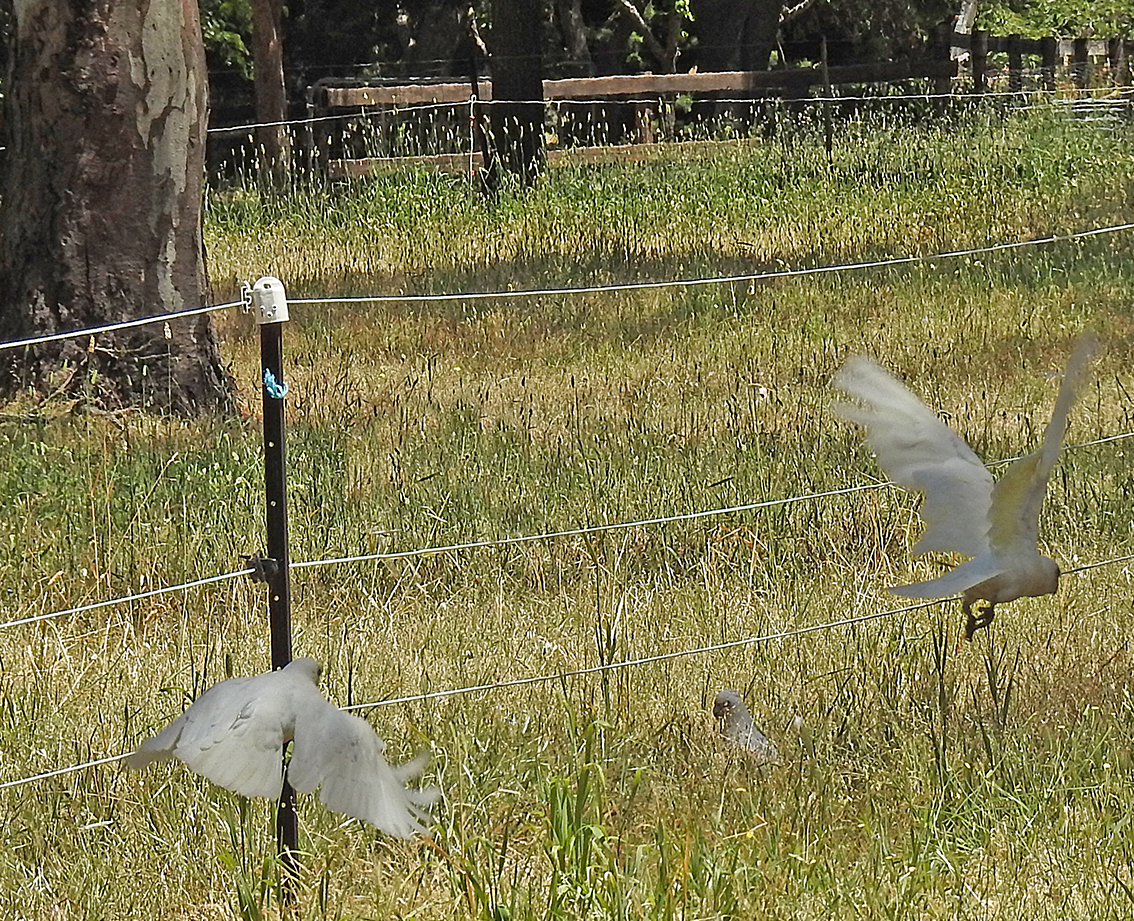
Cockatoos in flight

Walking along the track, I spot a small group of Sulphur-crested Cockatoos feeding by a fenceline. They are nervous and I set the camera to Sports Mode, to use my preset shutter speed of 1/1250th of a second. Birds in flight are always an interesting and challenging target.

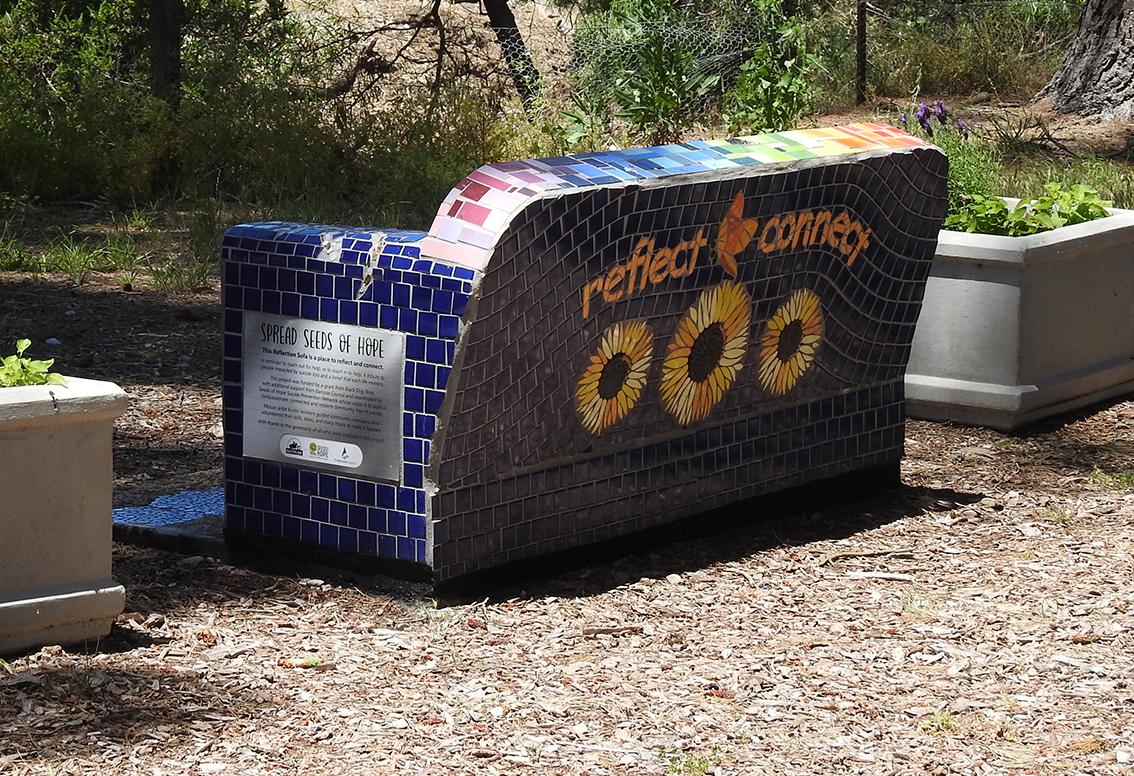
Mosaic styled couch for reflection

The path skirts the facilities then turns right, past a children’s playground, reflection couch ending at another bridge leading to a small park. The cockatoos have flown off and squawked loudly enough to alert all other birds in the area to my presence.

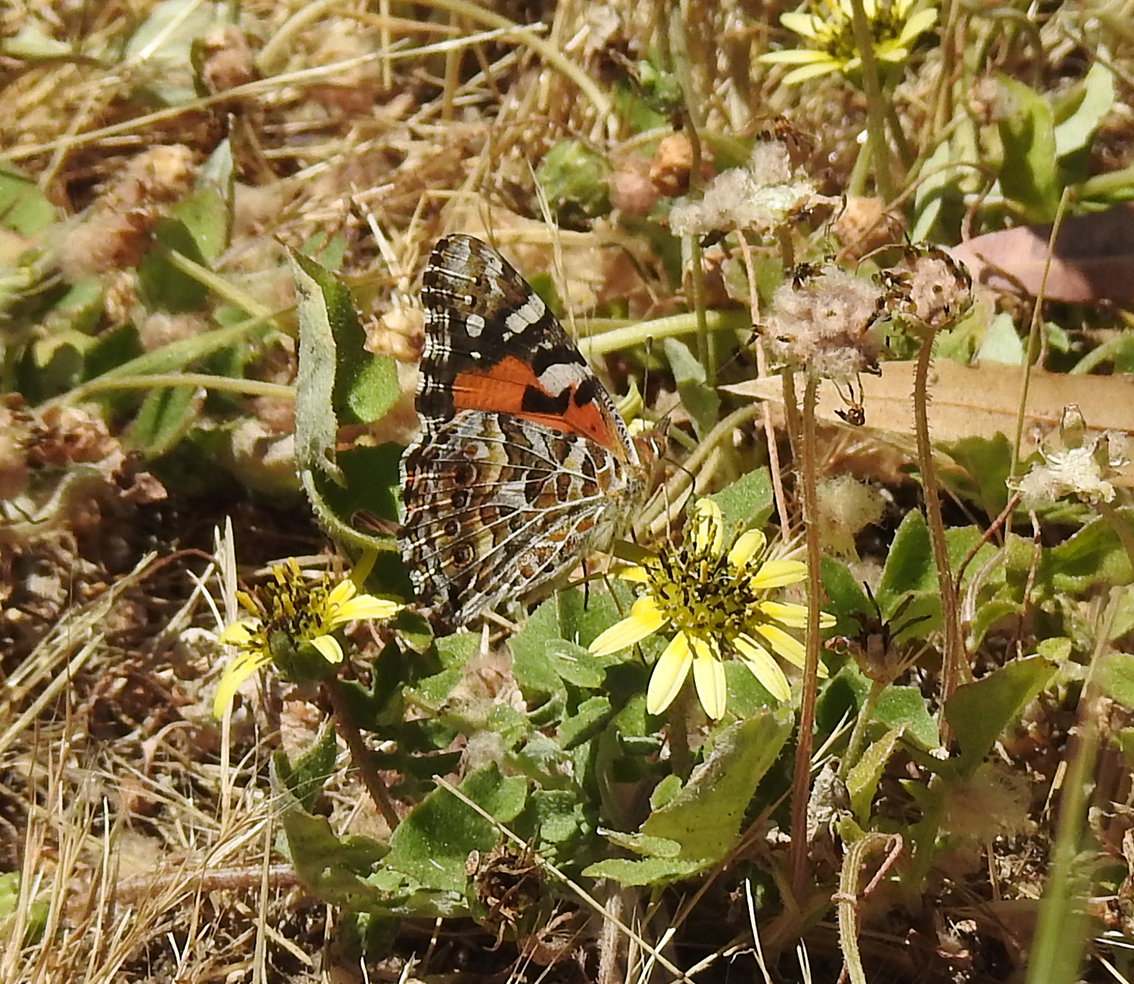
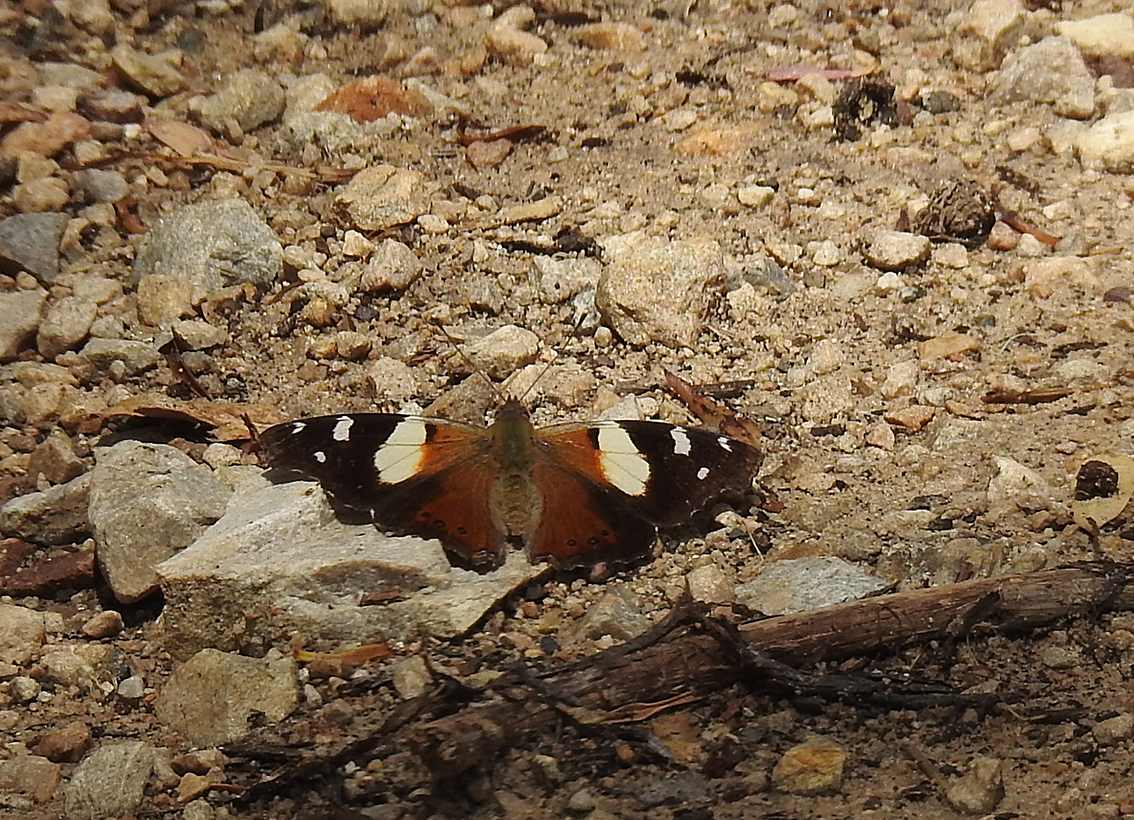
Painted Lady butterfly

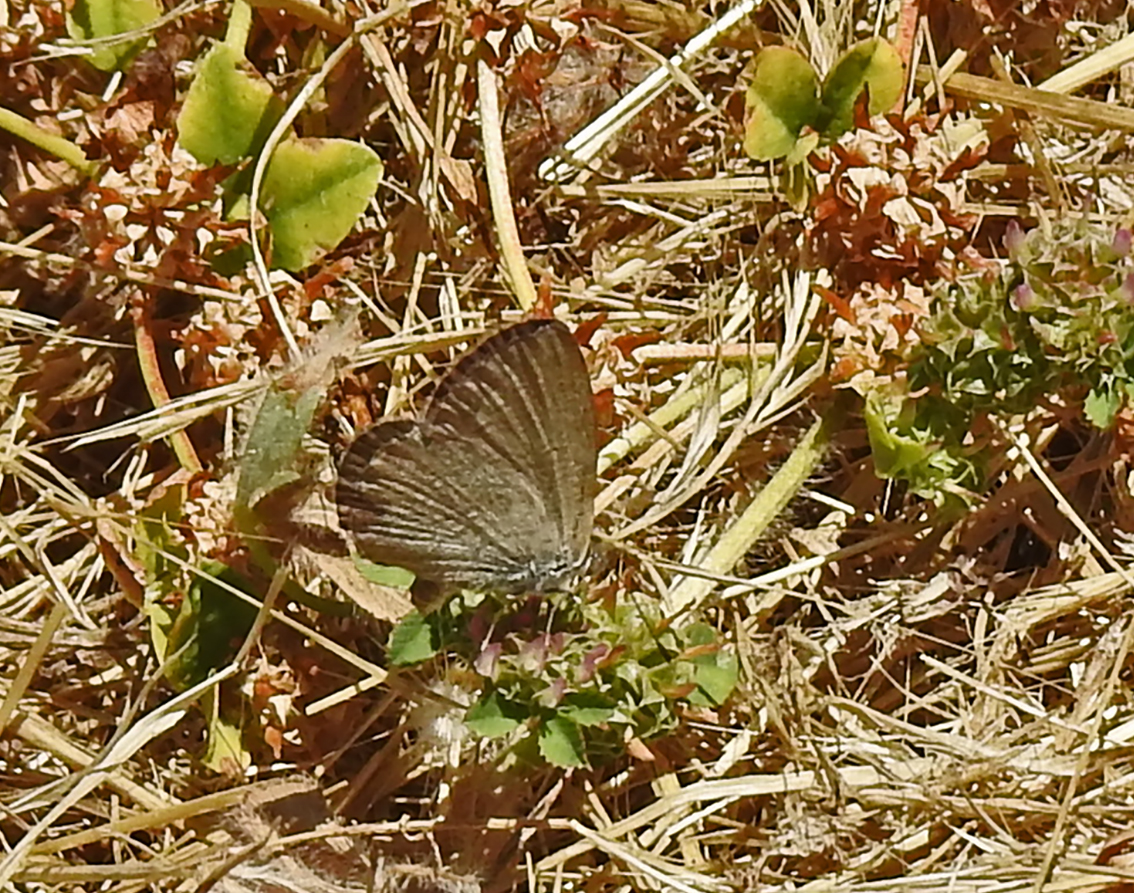
I decide to focus on smaller animals and search the leaf litter and fallen branches for insects, skinks and spiders. I am not disappointed as I photograph three butterflies belonging to different families: a Cabbage White, small blue grey of unknown species and a Painted Lady.

Blue/grey butterfly of unknown species

I decide to cross the little footbridge and continue to investigate the town and river from the other side…to be continued in my next post…….

Cheers

Baz

Additional notes

Other animals seen, heard but not photographed: Superb Fairy Wren, Silvereyes, dragonflies

The camera used for this post is a Nikon Coolpix P900

This is an easy walk and drive which is quite suitable for families and seniors with public toilets, barbecues, parking and other facilities nearby. It is dog friendly.

Please pass on this blog title and or contact information (URL) to any person or organisation with an interest in taking walks and enjoying wildlife in SA.

Click on these links and see more South Australian stories and pictures in my Weekend Notes articles as well as locating similar blogs on Feedspot’s top 20 Australian wildlife blogs
https://www.weekendnotes.com/adelaide/writer/452/

https://blog.feedspot.com/australian_wildlife_blogs/

Williamstown to Springton SA……. a Nature Drive

18 Feb
I’m in the right lane. What’s your problem

Dear Reader:

A lttle more to the left please.

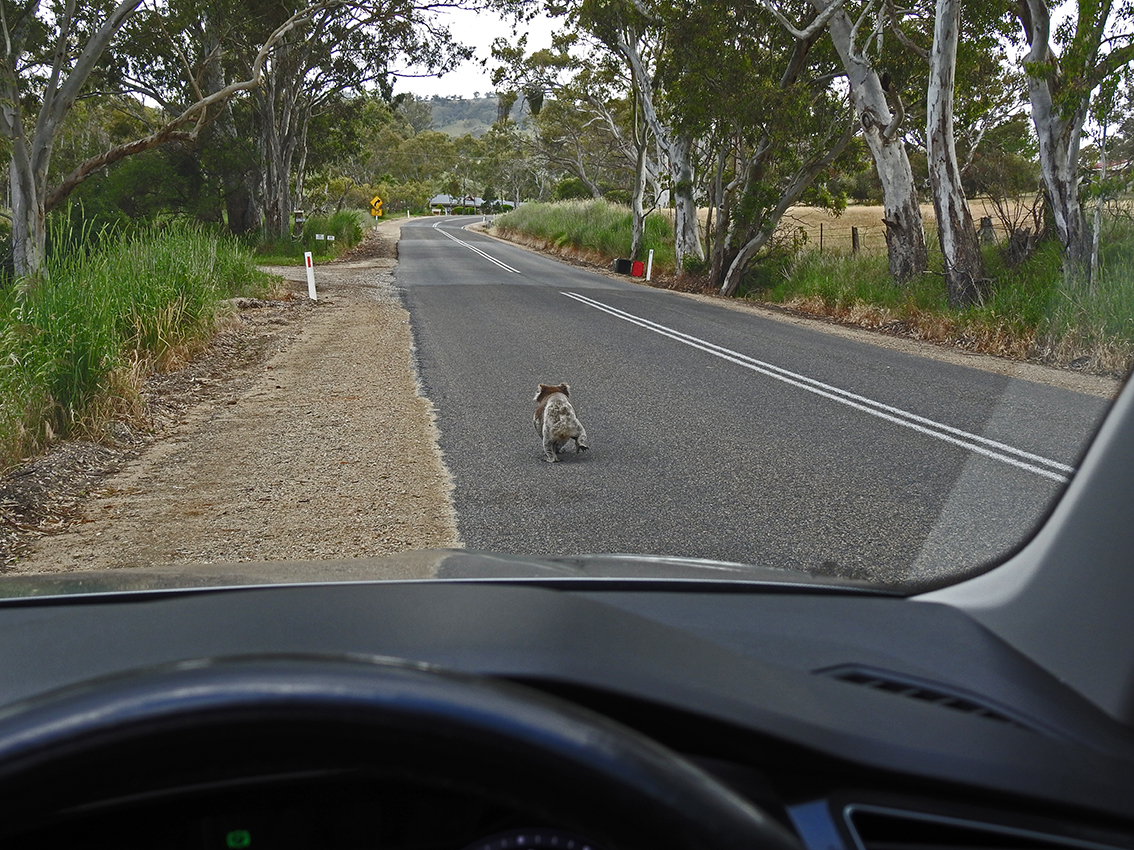
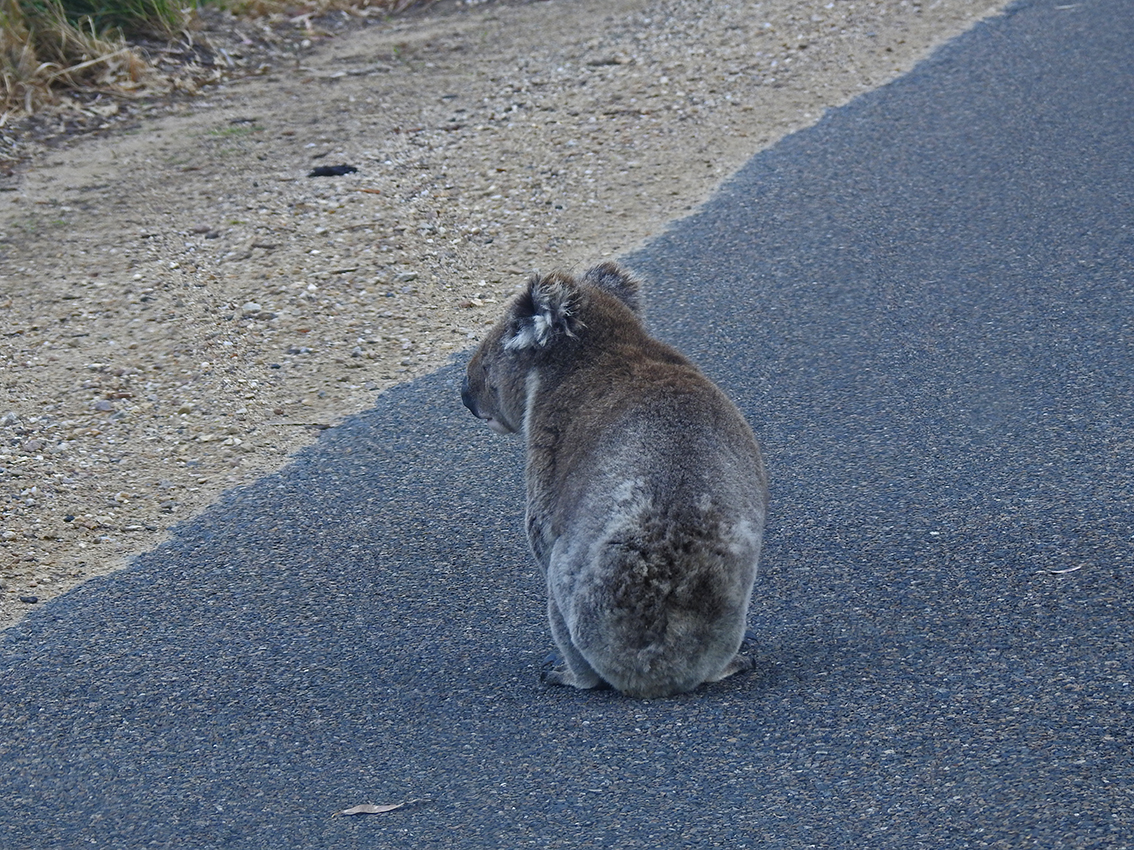
Coming off a bend at around 100 KPH, in a predominantly rural area, the last thing I expect to see is a Koala casually strolling down the road. Brakes on. I leave the vehicle and usher it off the road.

Vine, pine and bush

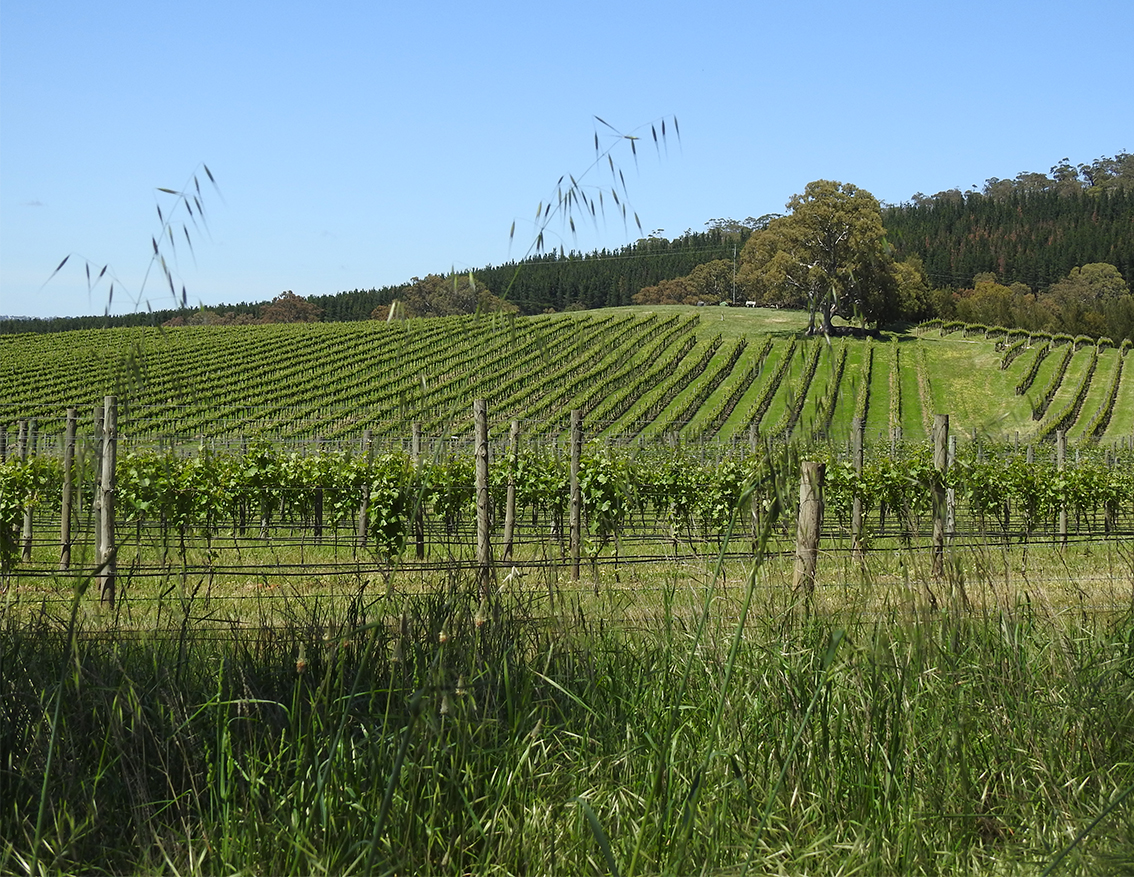
I am driving between Williamstown and Springton in the northern part of the Mount Lofty Ranges. This lovely stretch of road passes through open pasture for grazing, vineyards, native scrub as well as olive and pine plantations.

Curious cows
Galahs taking off

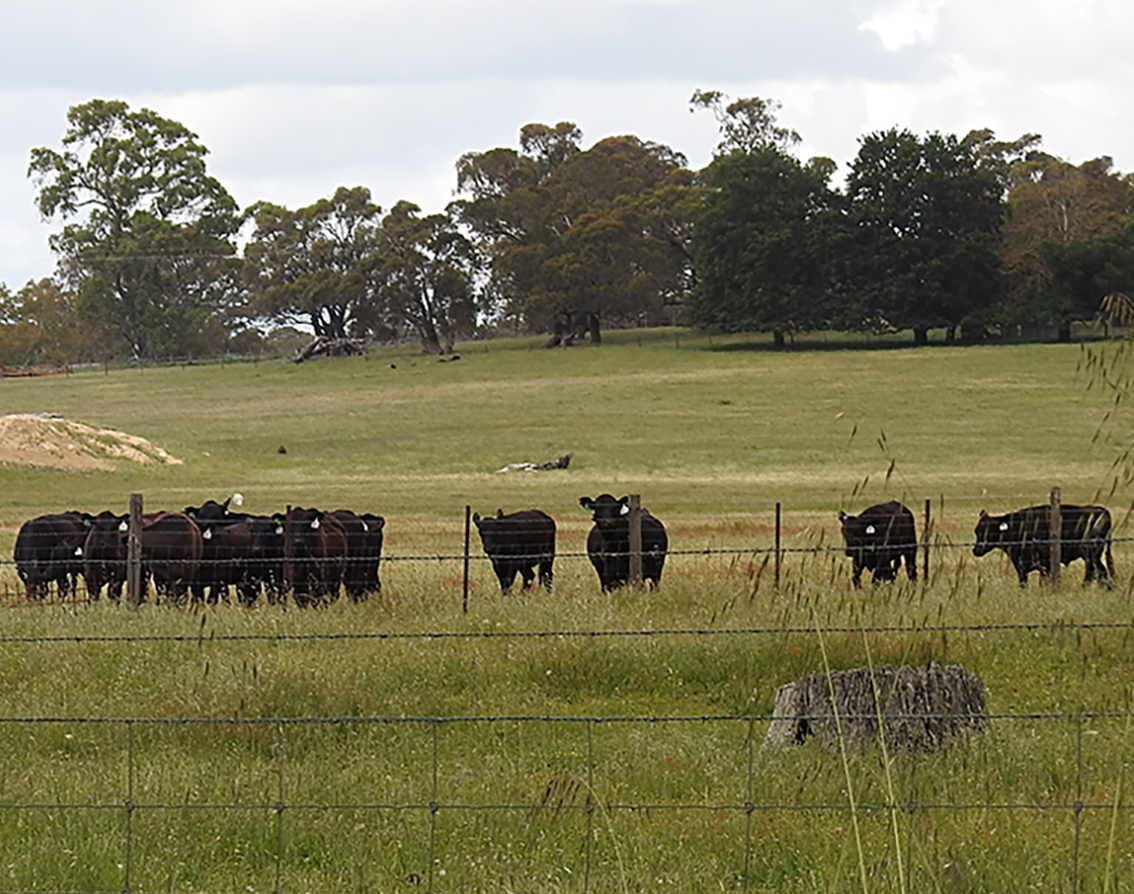
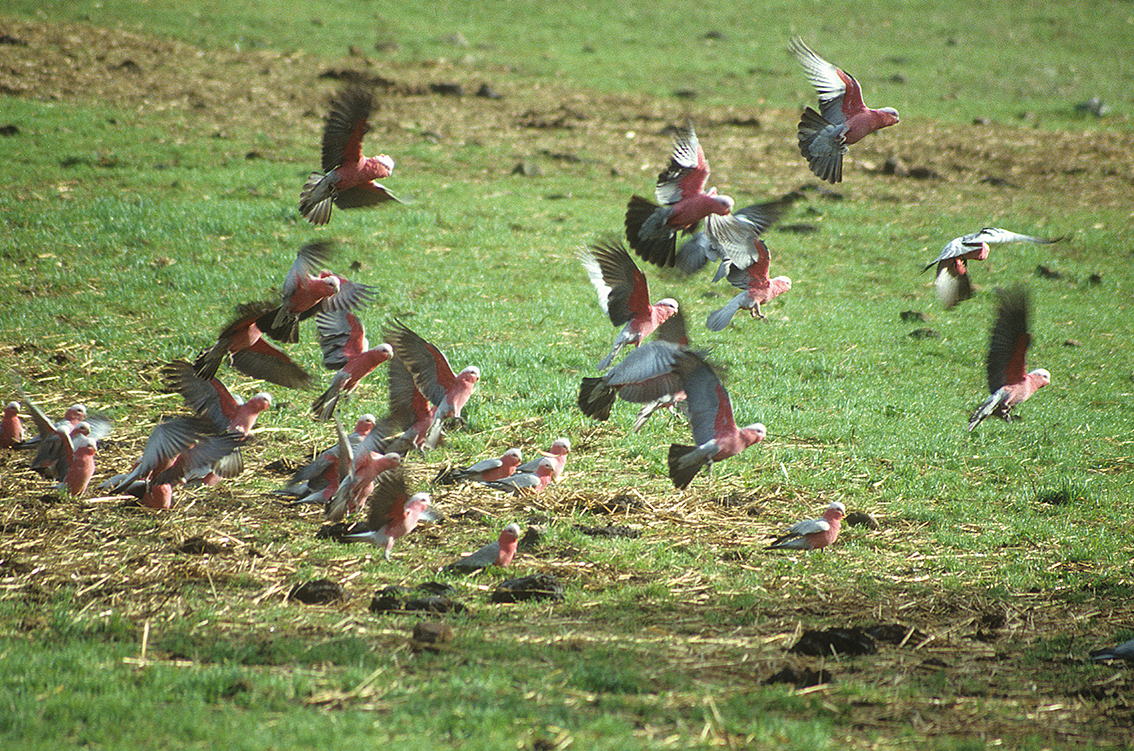
A little further along the road I sop to watch a herd of beef cattle in a paddock where Rose Breasted Cockatoos are pulling up roots and tubers from the well irrigated pasture.

Portuguese Bridge
View from the bridge of River Gums
Early cottage near Williamstown turnoff

Early farmers and rural pioneers have left their mark in many ways. The Portuguese Bridge spans the South Para River and an old, abandoned cottage marks the passing of families and dreams long gone.

Heath Teatree
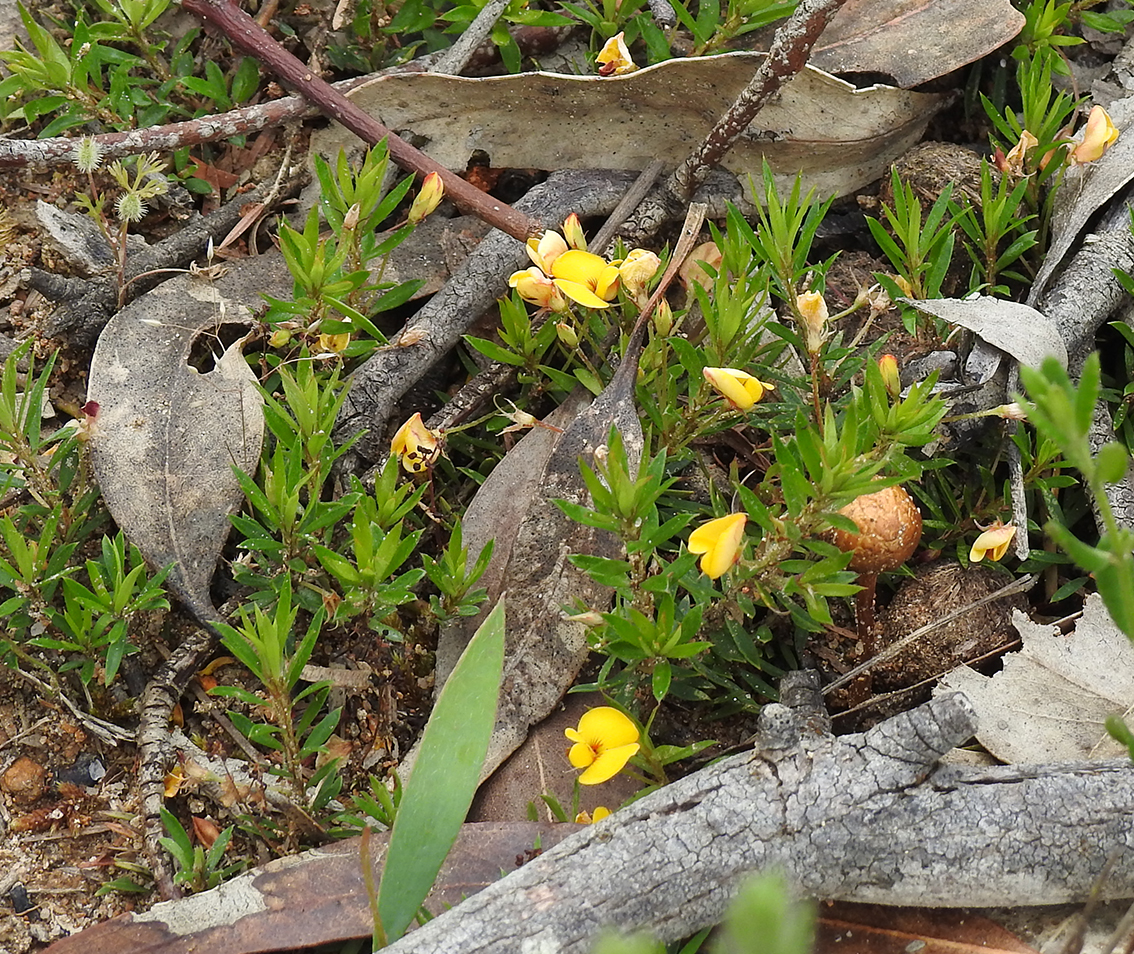
Matted Bush Pea

There are significant patches of native scrub alongside the road and I briefly stop to explore them. Grasstrees, Teatree bushes, stunted eucalypts (possibly Mallee) and a variety of flowering groundcovers make for a diverse short walk.

Australian Monarch

There are numerous birds and insects in the scrub alongside the road. The birds are small and hard to photograph as they flit around in the dense bushes and trees. At a glance, there are Silvereyes, Grey Fantails and an unknown honeyeater species.

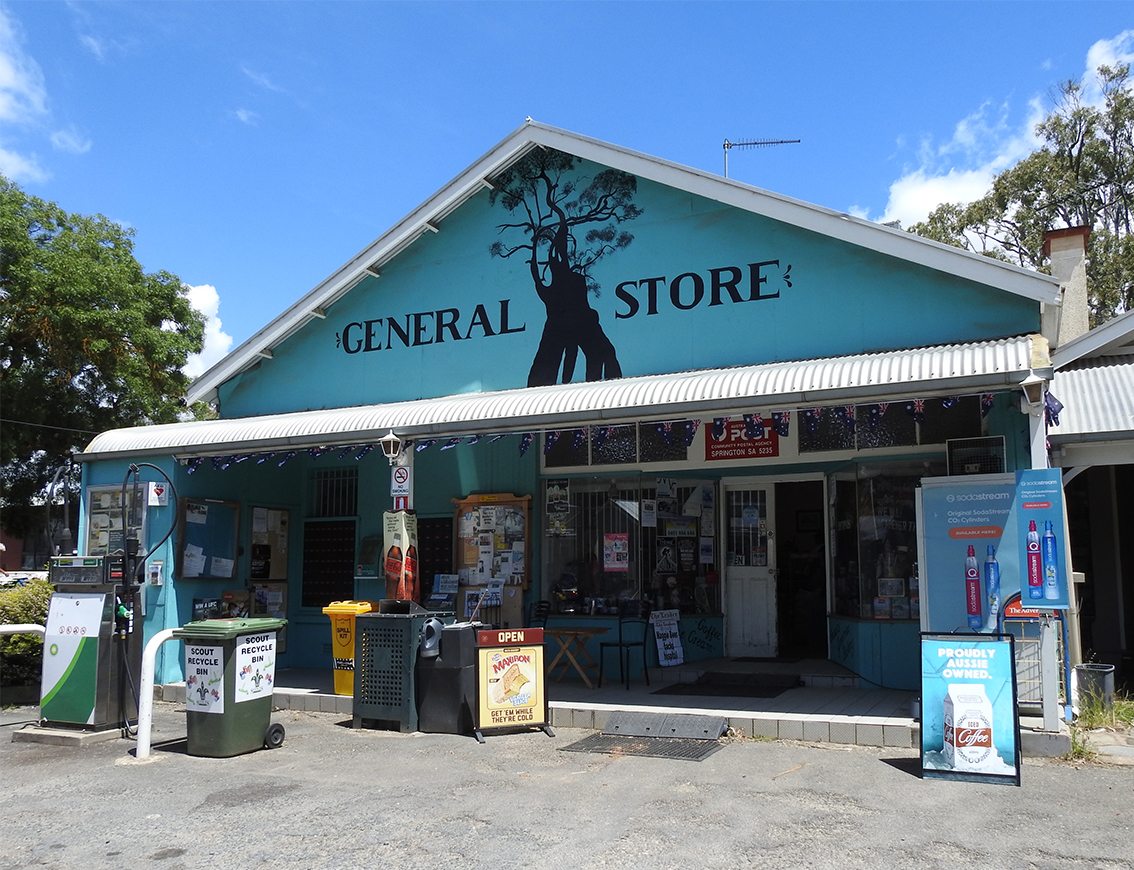
A reminder of days gone by

After numerous stops, I reach Springton and stop at the old-fashioned General store where I grab a bite to eat, a drink and fill up the car with petrol. Suitably refreshed and with the rest of the day ahead I decide to head back to the city by way of the many unsealed roads indicated on my navigation system……..to be continued.

Cheers

BAZ

Additional notes

Other animals seen, heard but not photographed: Ravens, Grey Kangaroos, Yellow-tailed Black Cockatoos

The camera used for this post is a Nikon Coolpix P900

This is an easy drive which is quite suitable for families and seniors .

Please pass on this blog title and or contact information (URL) to any person or organisation with an interest in taking walks and enjoying wildlife in SA.

Click on these links and see more South Australian stories and pictures in my Weekend Notes articles as well as locating similar blogs on Feedspot’s top 20 Australian wildlife blogs

https://www.weekendnotes.com/adelaide/writer/452/

https://blog.feedspot.com/australian_wildlife_blogs/

Victor Harbor…..A Foreshore Walk

29 Jan
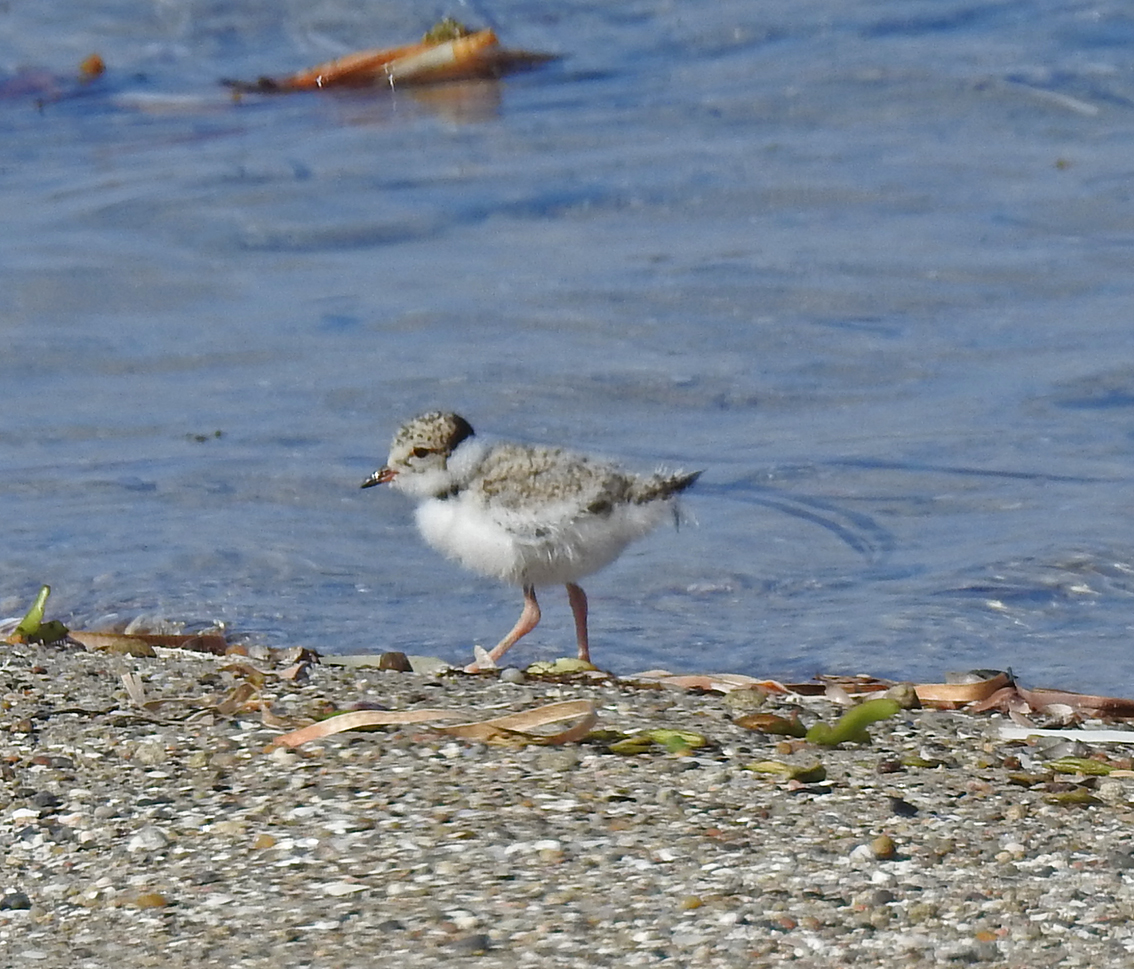
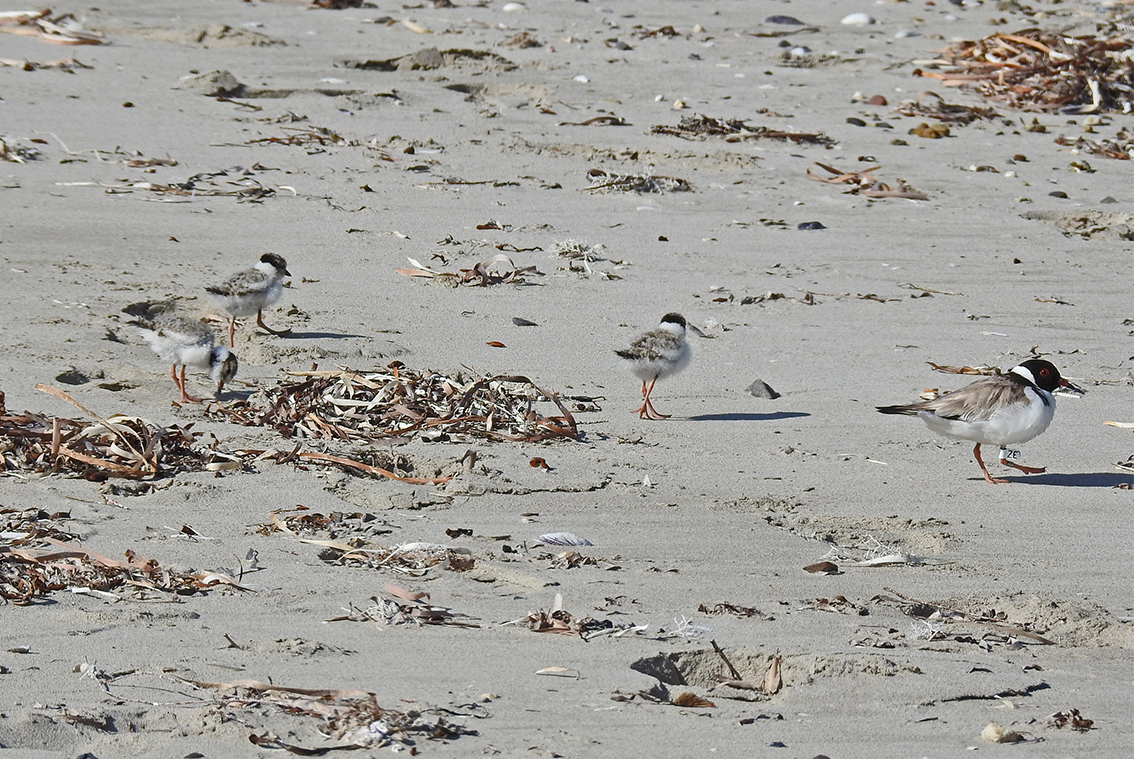
A lone Hooded Plover chick ventures close to the water

Dear Reader:

The small shore bird leads its chicks across the sand towards the water. They peck at the sand mimicking the parent as she forages for food. Rare and lovely birds, Hooded Plovers nest in a protected zone on the beach.

Adult Hooded Plover with quite mature chicks

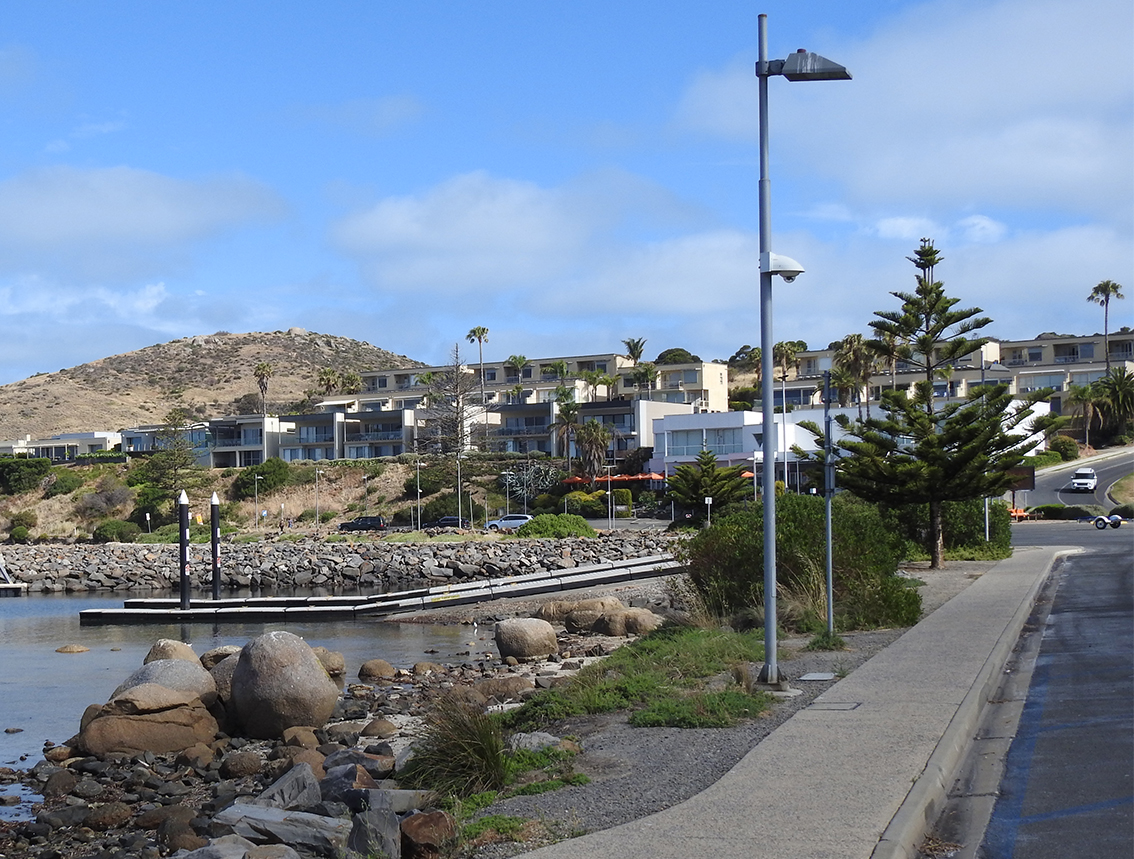
I am walking from the Bert Puxley Reserve near the boat ramp back along the foreshore towards Muwerang-Kent Reserve at the mouth of the Inman River. The tide is out and a variety of waterbirds are feeding in the shallow rock pools that characterise this stretch of water.

Whalers Inn and the boat ramp with the Bluff in the background
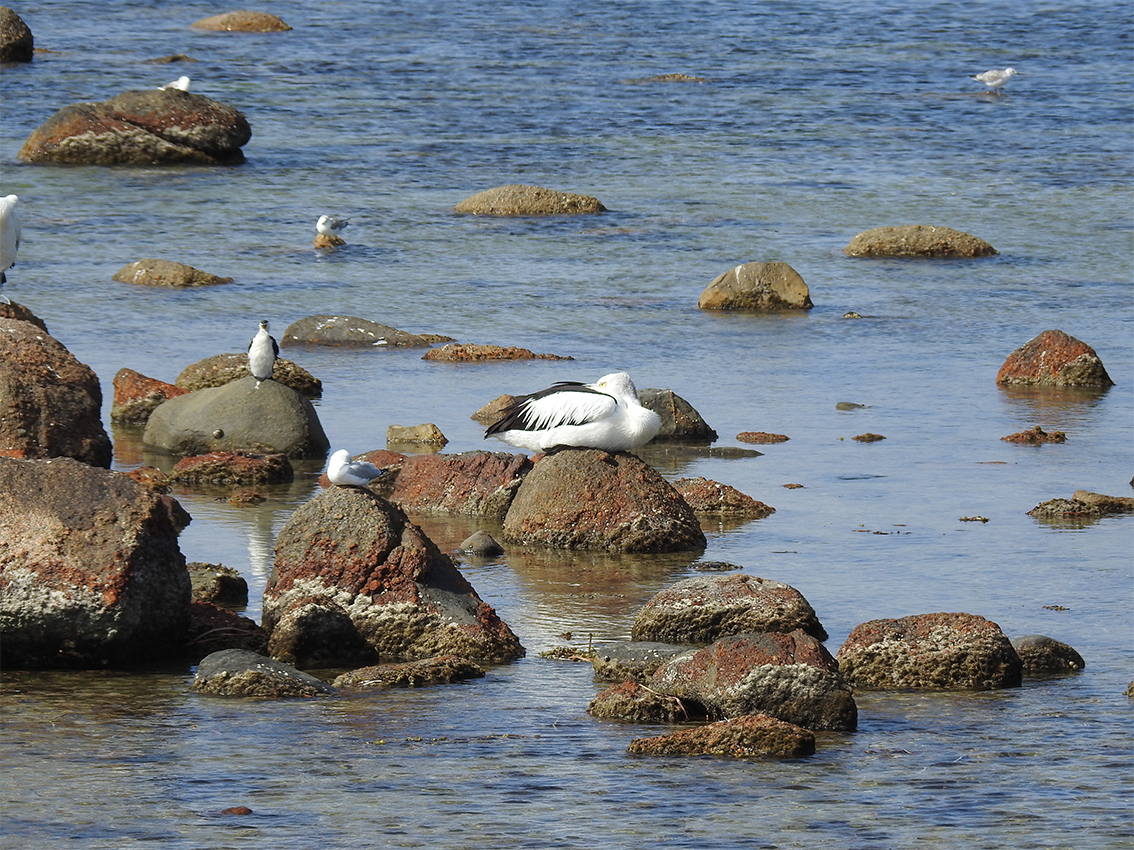
Cormorant, Silver Gull and Australian Pelican resting on granite boulders near the boating channel
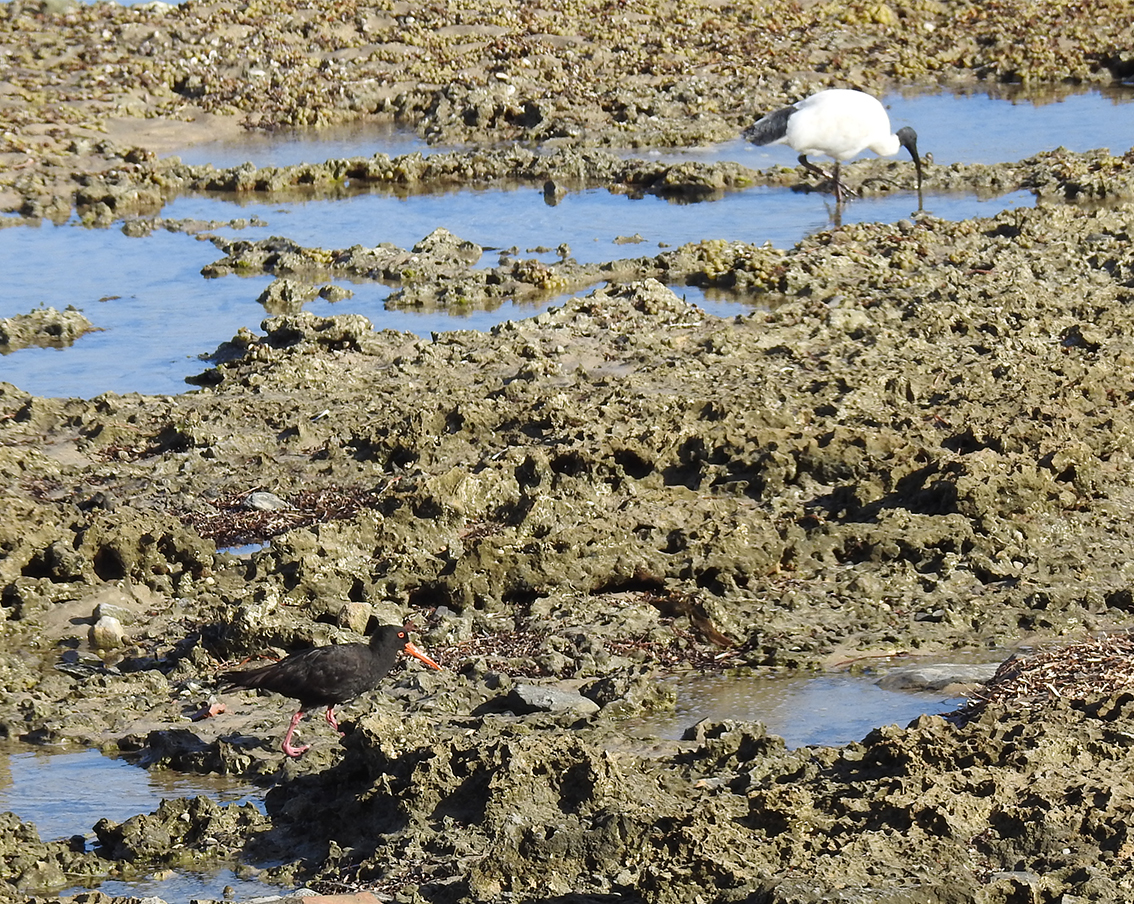
Sooty Oystercatcher (foreground) Australian White Ibis (background) foraging in rock pools for different prey which suits their beak types

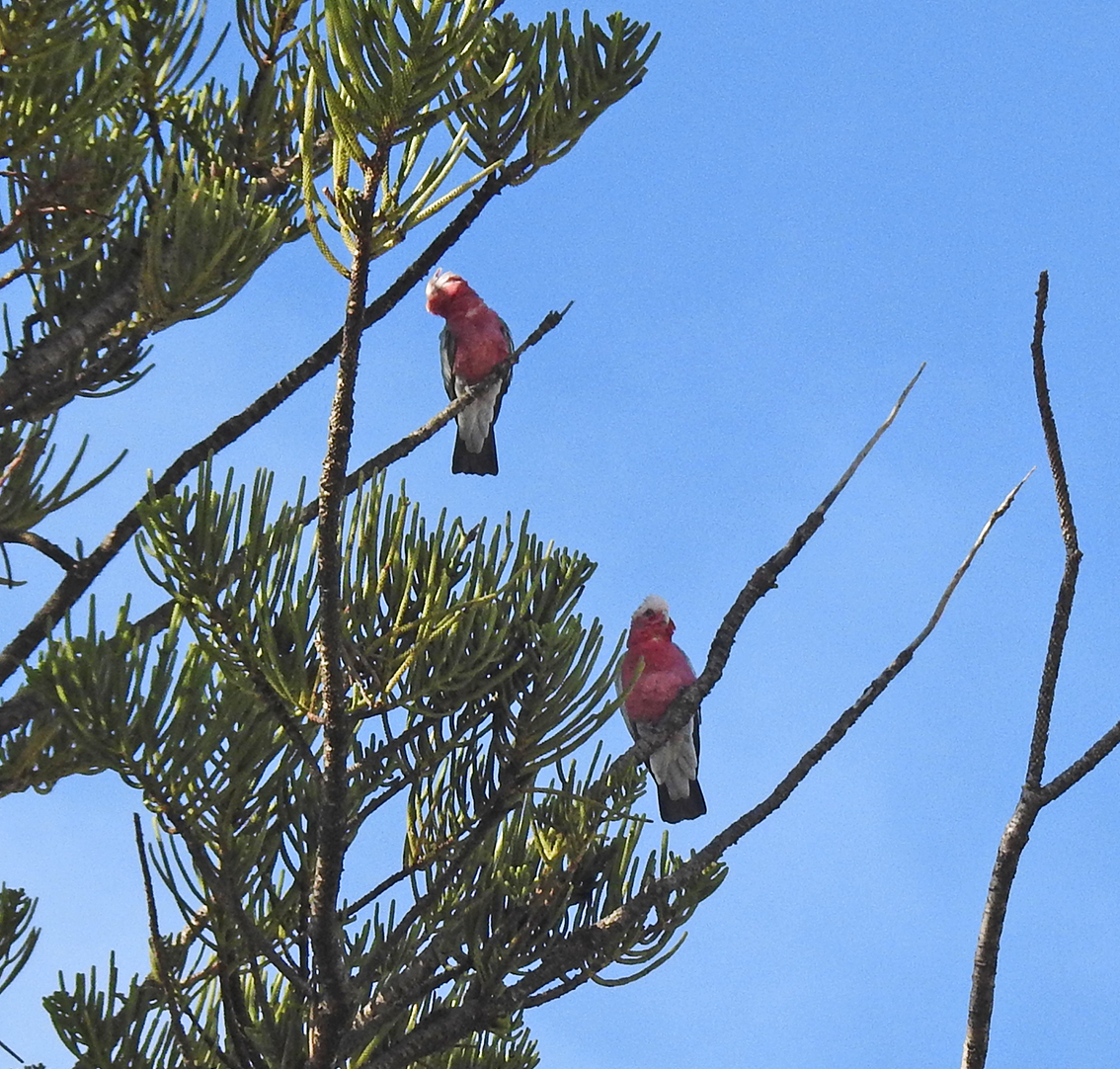
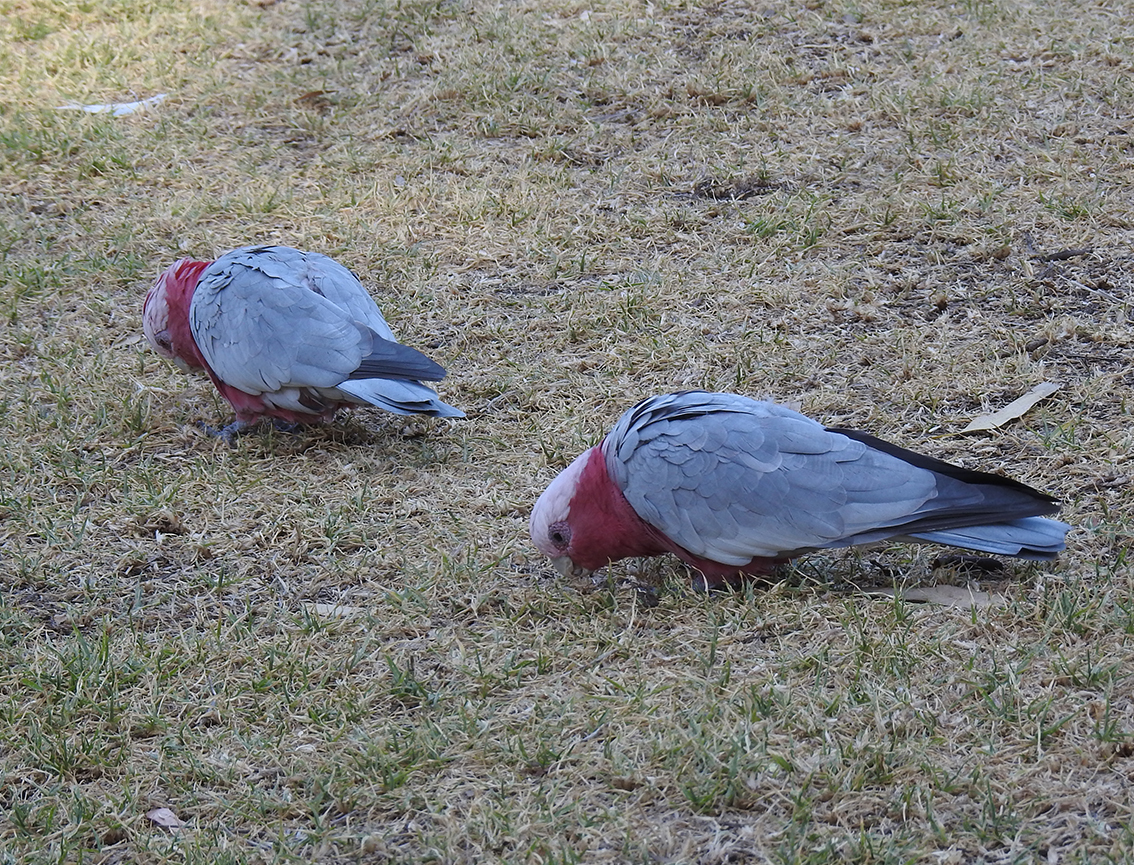
Tall Norfolk Island Pines line the pathway and a group of Rose-breasted Cockatoos (Galahs) are squawking and squabbling in the topmost branches while others feed on the grassy verge.

Galahs getting ready to roost
Galahs feeding

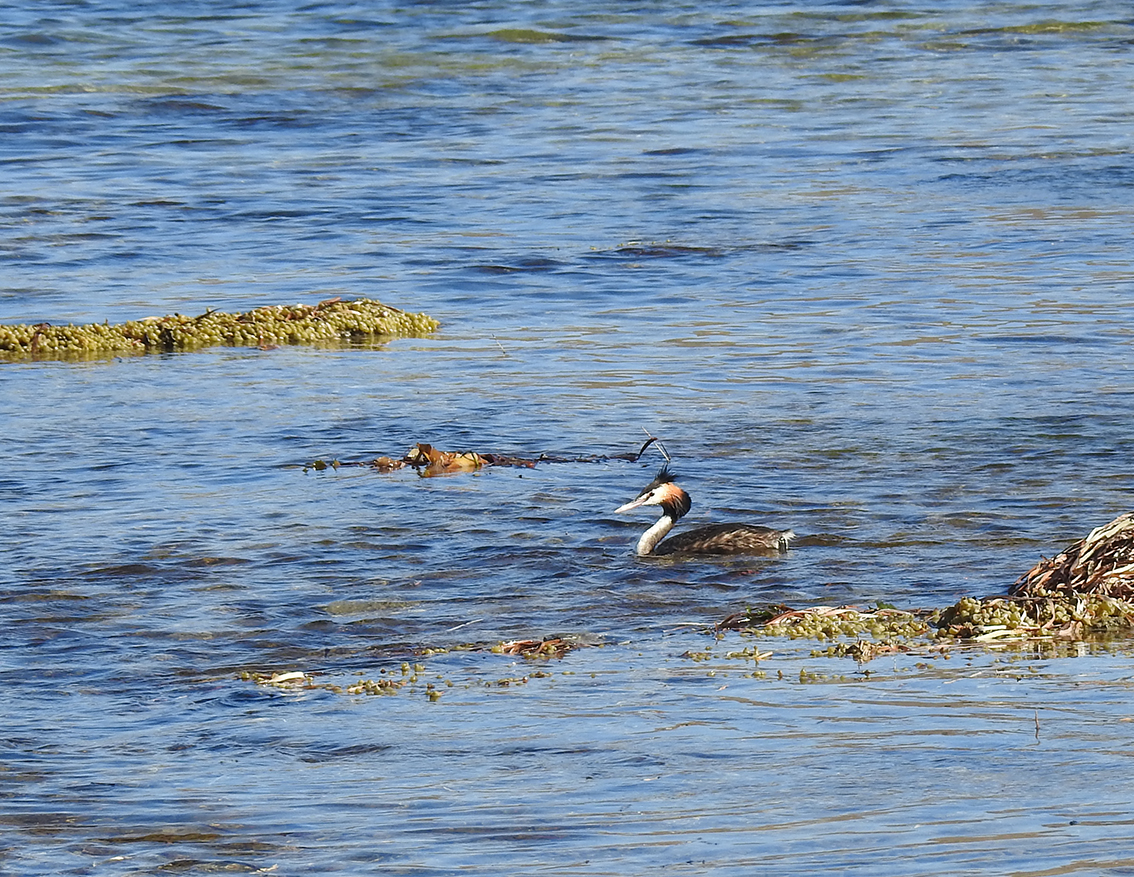
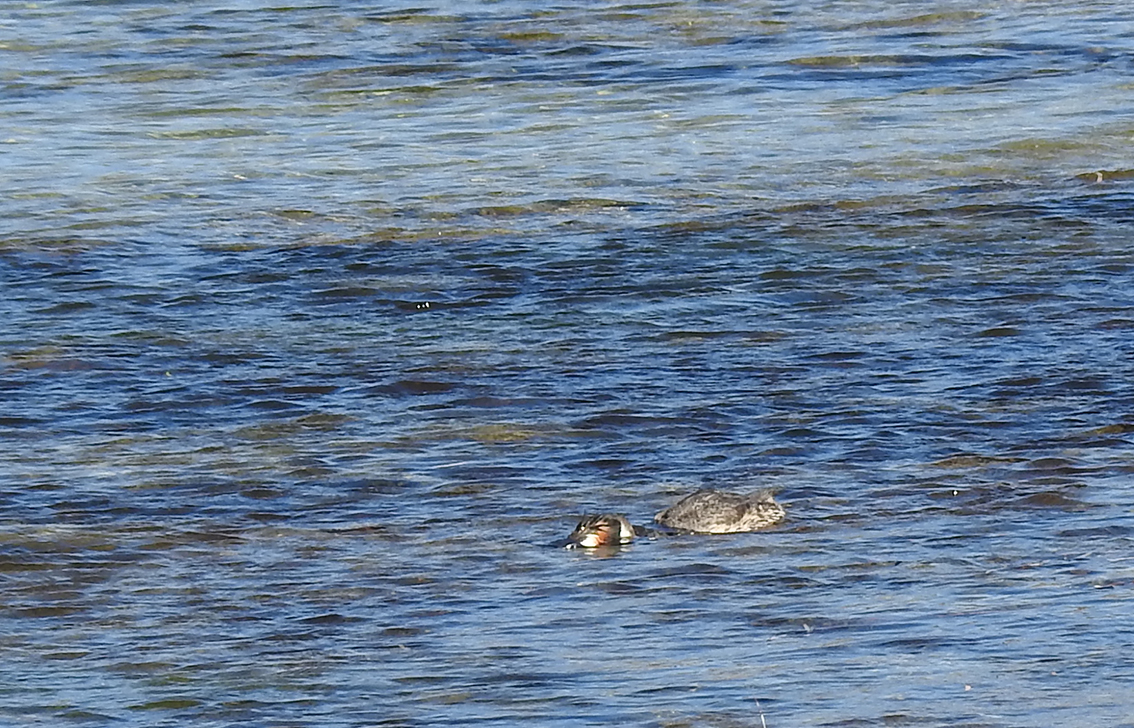
Much to my surprise, I catch sight of an unusual bird pushing its way through the shallows, beak forward and seaweed strewn across its ornately crowned head. A Great-crested Grebe. A bird I have rarely encountered. Using the full extension of the Nikon P900 telephoto, I take a series of shots to capture this feeding behaviour.

Great-crested Grebe
Great-crested Grebe hunting

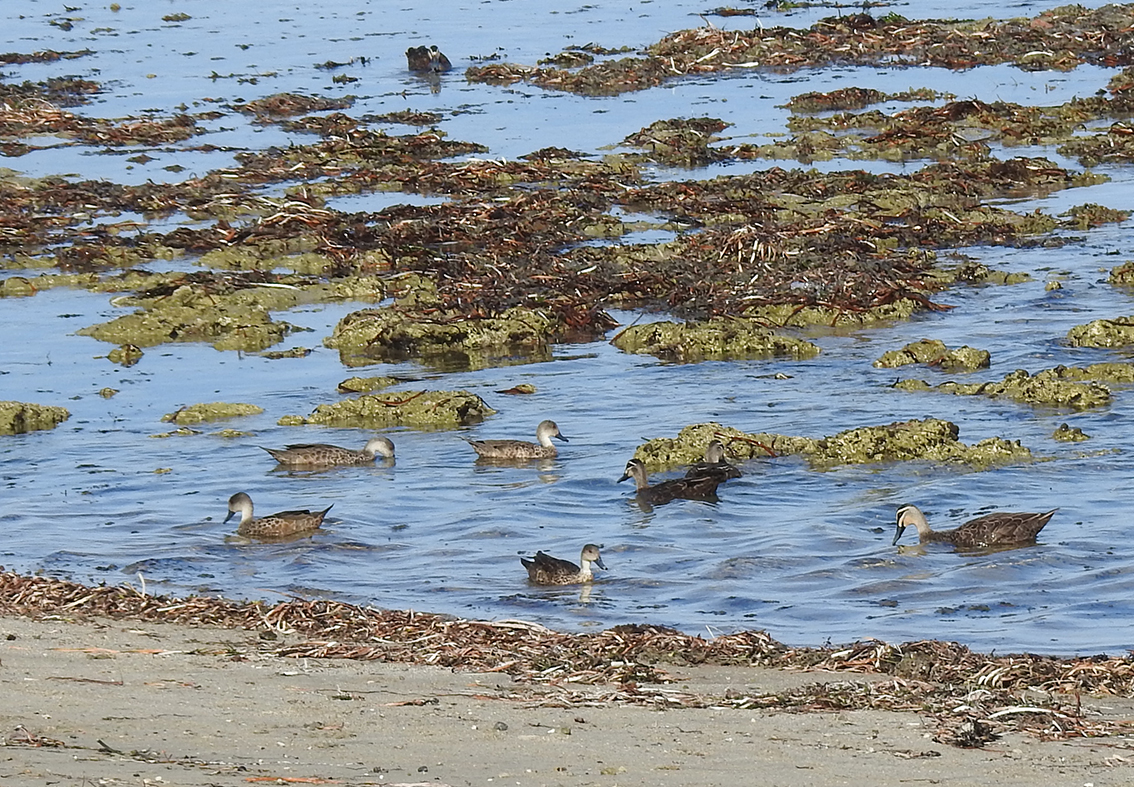
Leaving the path, I walk along the sandy beach scanning the water for other seabirds, dolphins, or fish caught in the shallow rock pools. I don’t have to walk very far before I spot a small group of waterfowl, Grey Teal and Pacific Black Ducks, in the shallows. They are birds I usually associate with fresh water.

Grey Teal and Pacific Black Ducks

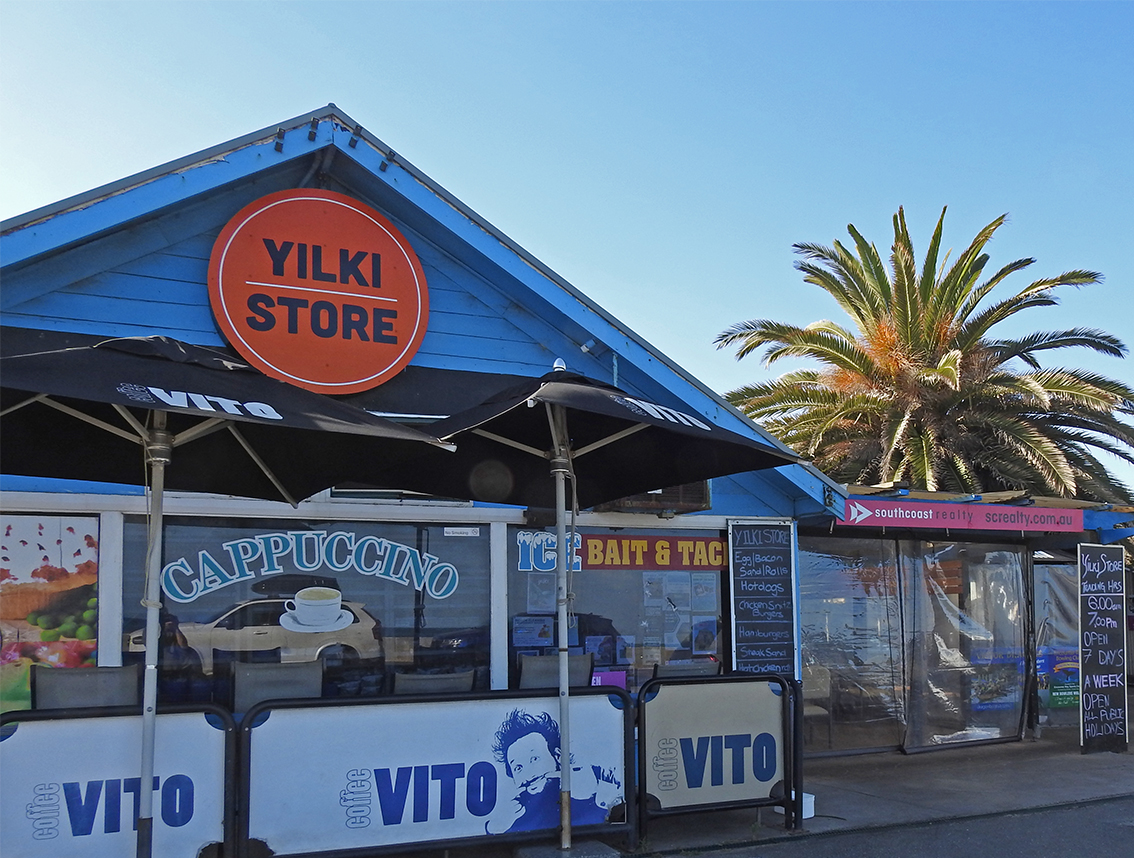
I have been walking and observing for over an hour and decide to break for lunch. Approximately halfway between the two parks there is a small group of shops catering for Victor’s summer influx of visitors. Fresh sandwiches, pies, pizzas, yiros and many other Aussie lunch staples are available.

Plenty to choose from

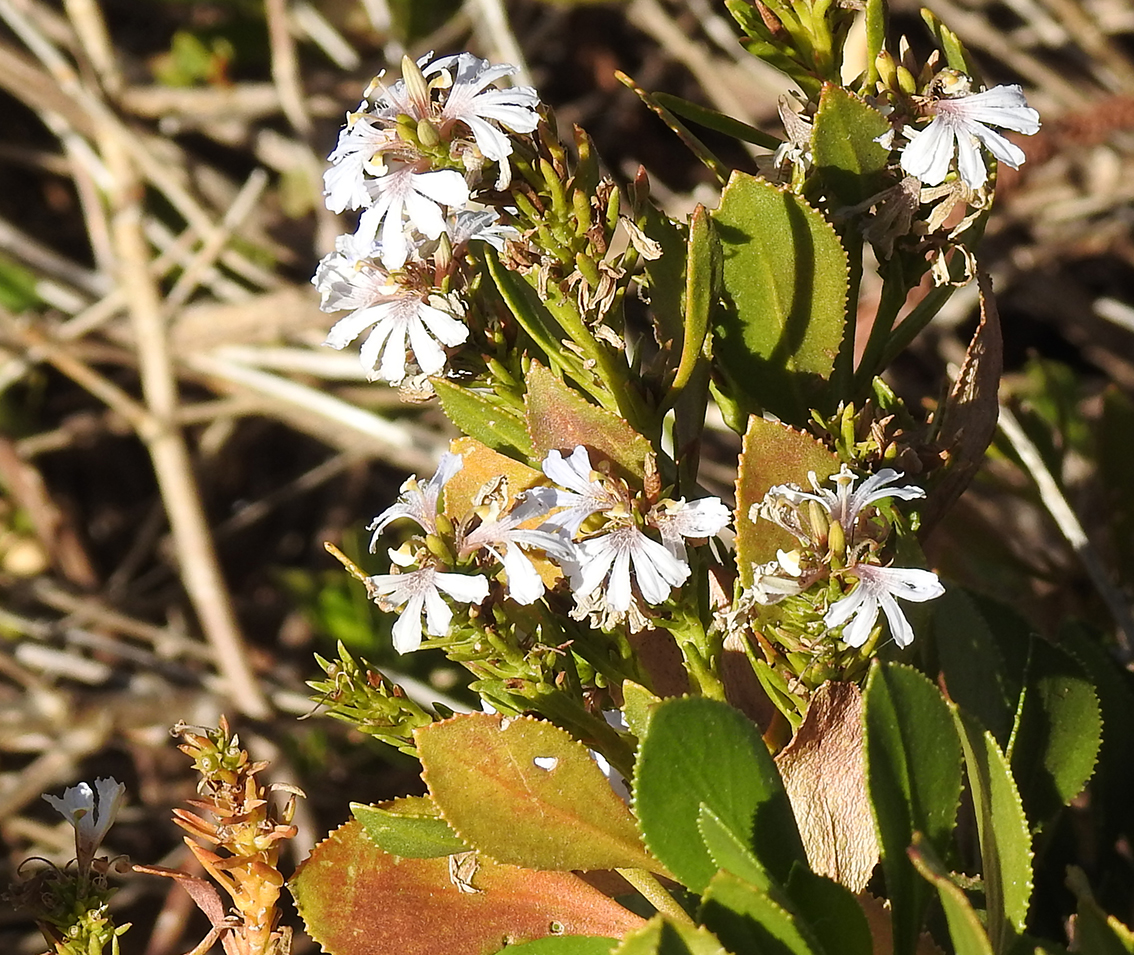
Although my walk has primarily focussed on the birdlife, the variety of coastal vegetation is notable. As well as the wiry grasses that hold sandy areas together there are numerous flowering bushes such as Cushion Fan-flower and Coastal Wattles and Myoporum.

Cushion Fan-flower blossoms

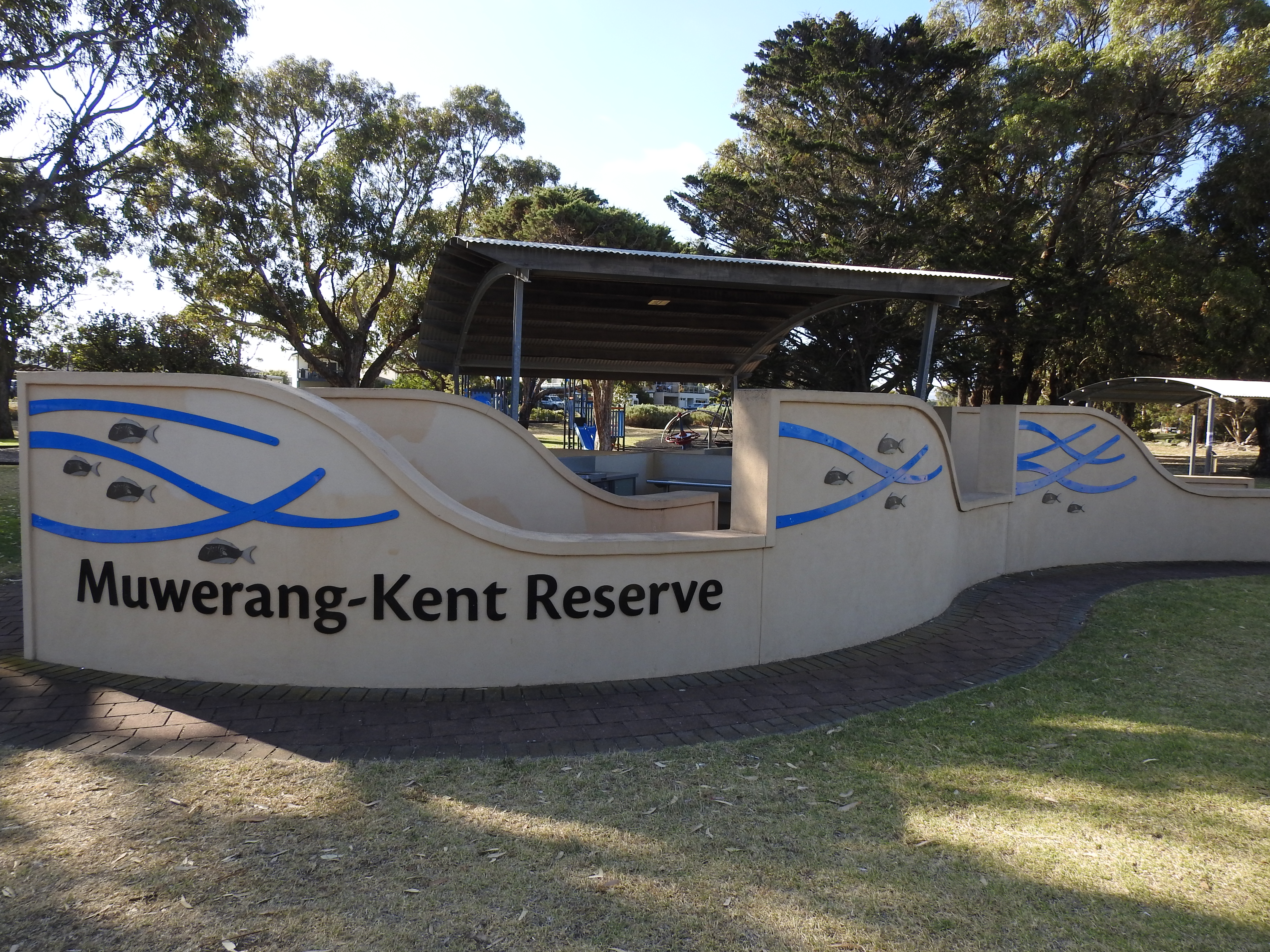
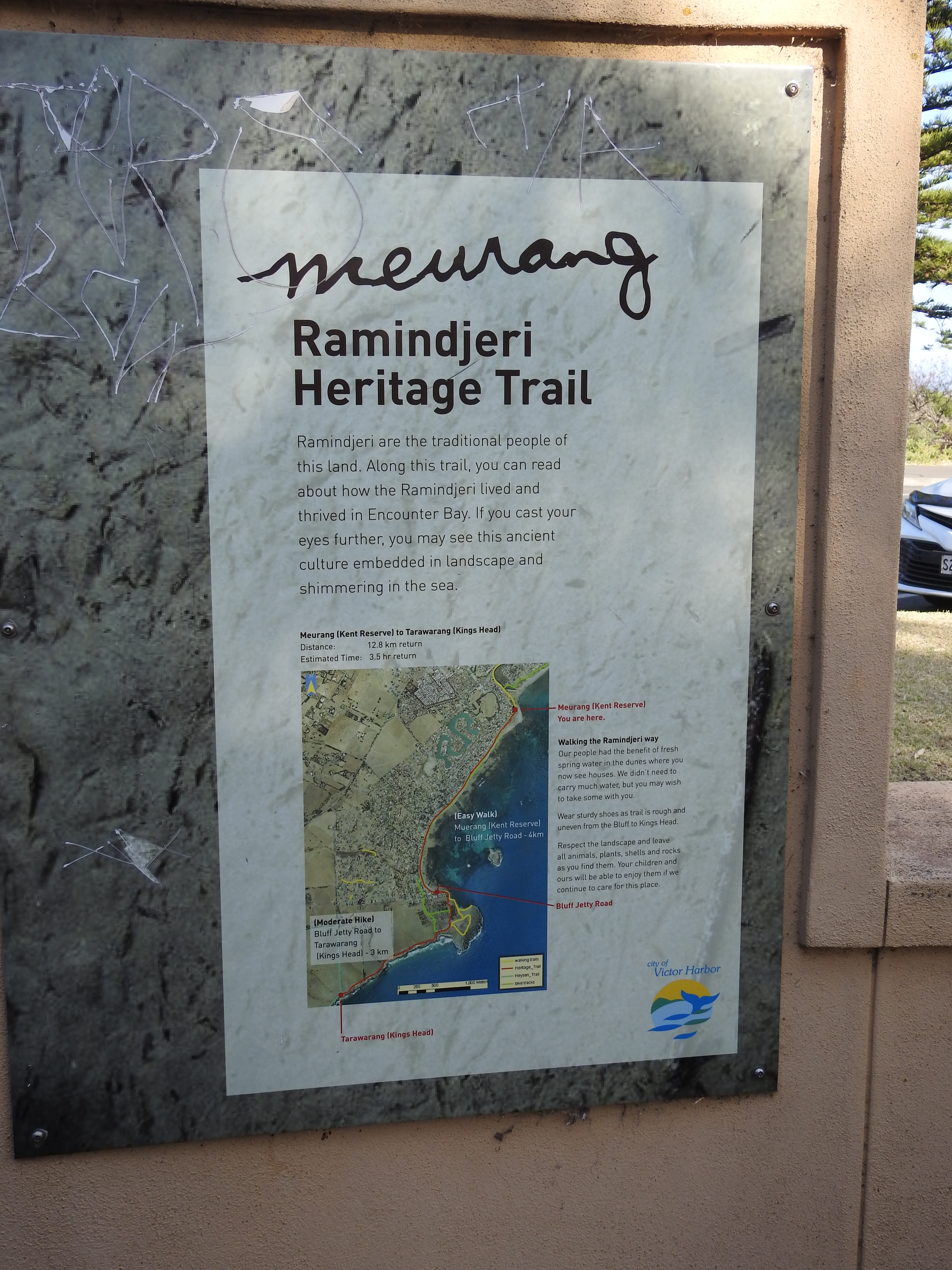
My final destination is Muwerang-Kent Reserve where a range of information plaques provide First Nations and more recent historical and cultural information about the area.

Multi purpose reserve with: shelter, play and exercise equipment and information
First Nations information

Cheers

Baz

Additional notes

Other animals seen, heard but not photographed: Caspian Tern, Silver Gulls,

The camera used for this post is a Nikon Coolpix P900

This is an easy walk and drive which is quite suitable for families and seniors with public toilets, barbecues, parking and other facilities nearby. It is dog friendly but areas of the beach are cordoned off for the plovers meaning dogs should be on leads around these zones.

Please pass on this blog title and or contact information (URL) to any person or organisation with an interest in taking walks and enjoying wildlife in SA.

Click on these links and see more South Australian stories and pictures in my Weekend Notes articles as well as locating similar blogs on Feedspot’s top 20 Australian wildlife blogs
https://www.weekendnotes.com/adelaide/writer/452/

https://blog.feedspot.com/australian_wildlife_blogs/

Around Williamstown 2

7 Jan
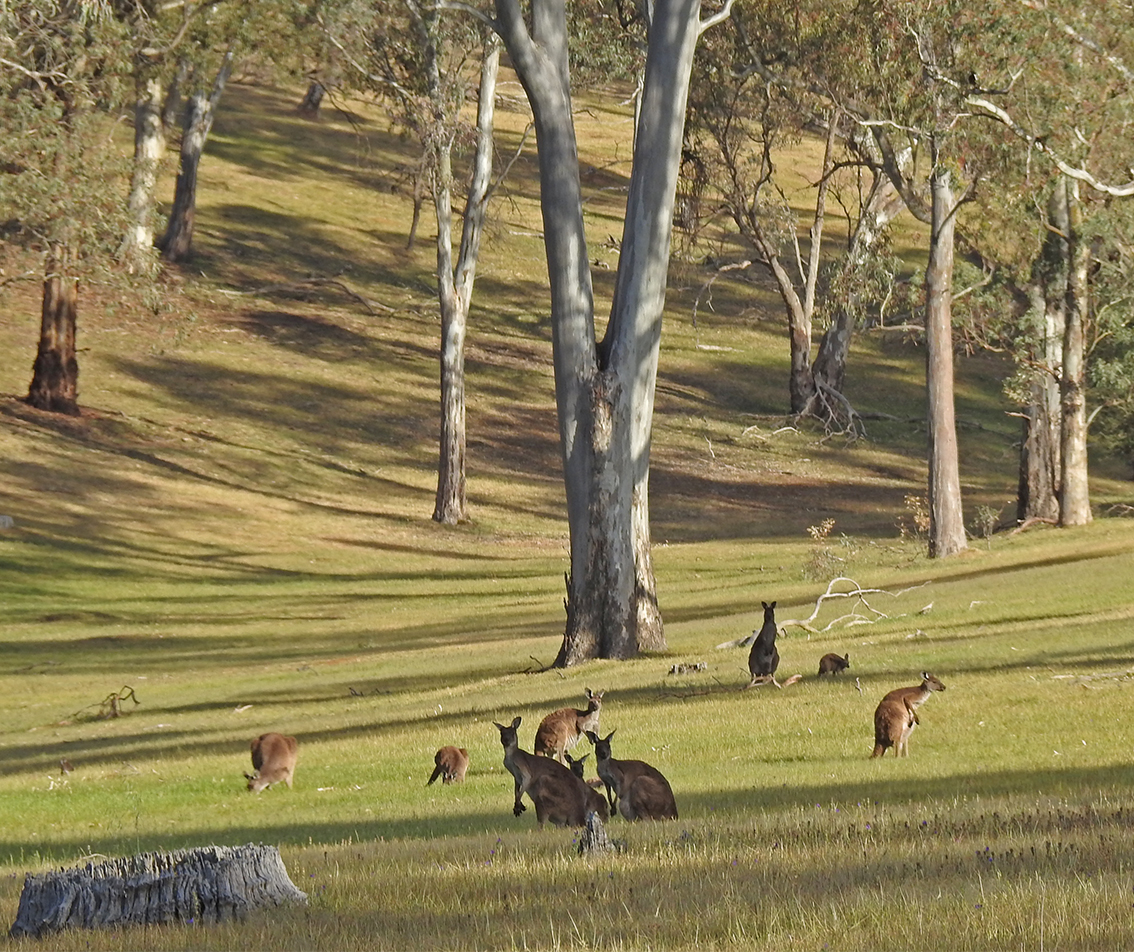
A mob of Western Grey Kangaroos near Williamstown

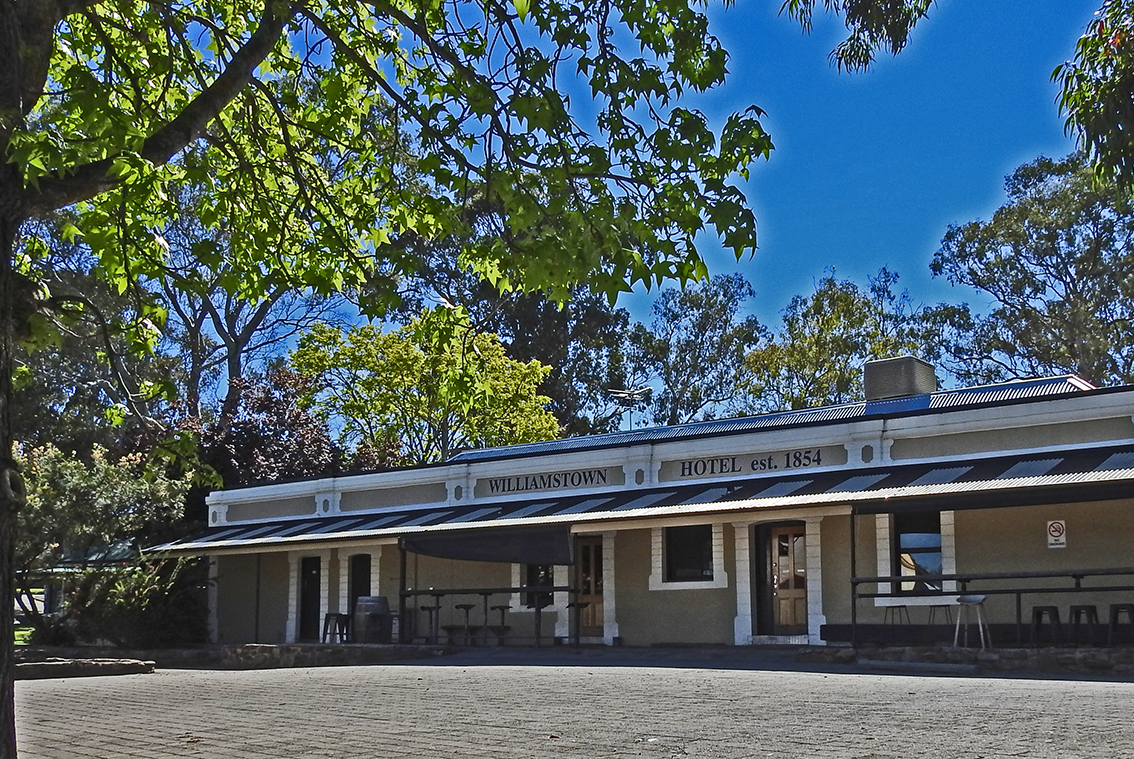
Having explored the backroads around the Williamstown in my previous post ; I am now driving along the main street where I am enchanted by the many colonial buildings that have been repurposed to suit a modern township.

Williamstown Hotel was established just 18 years after the settlement of South Australia
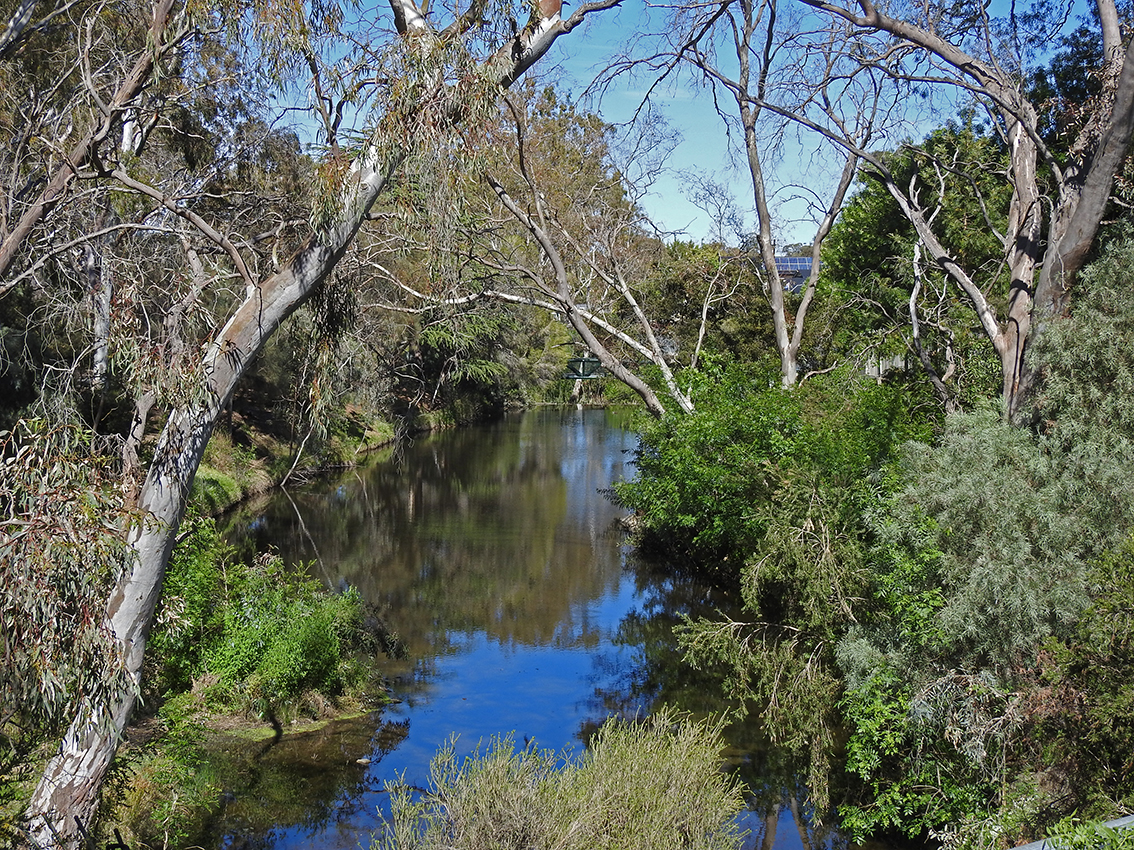
View from the bridge
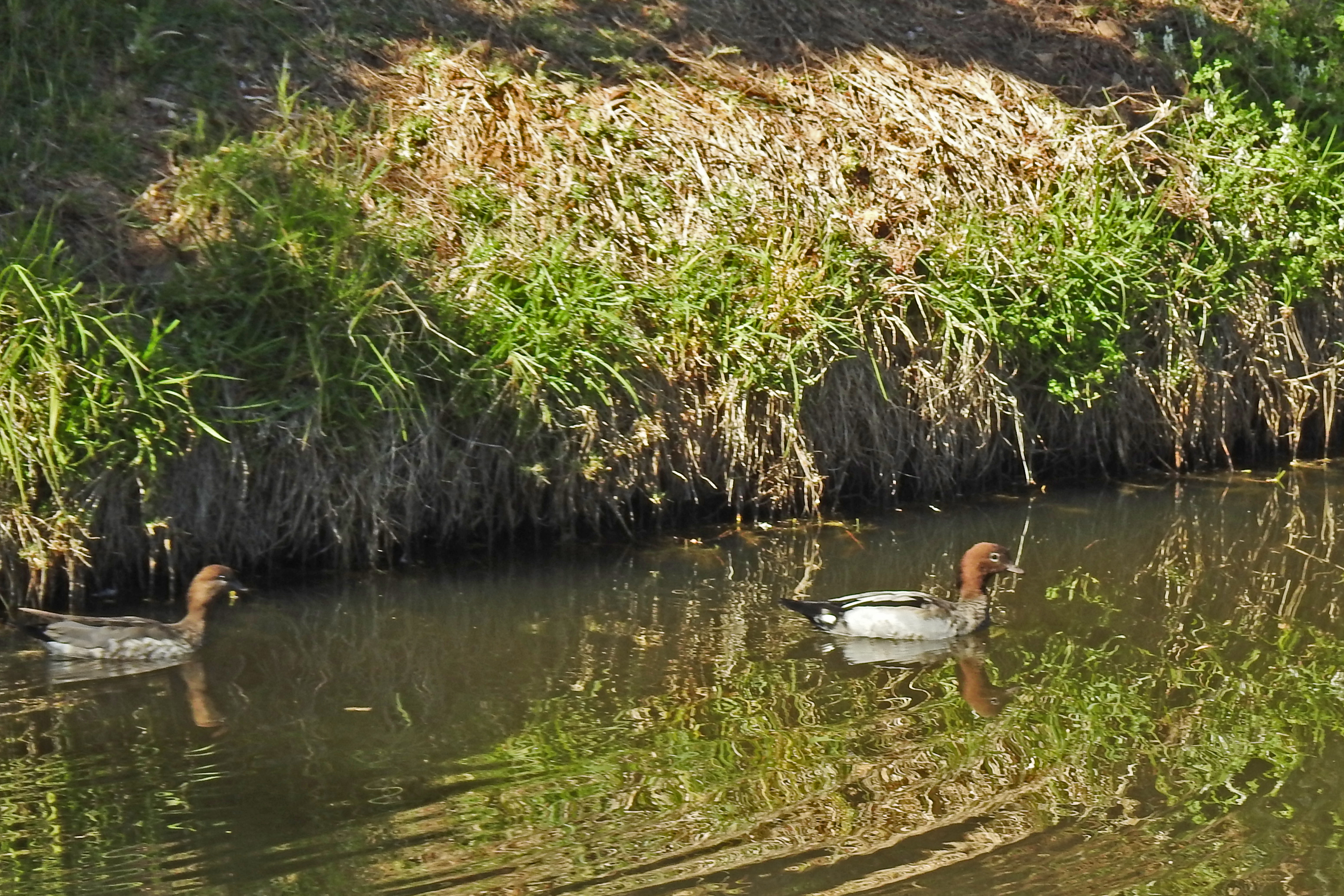
Maned Ducks

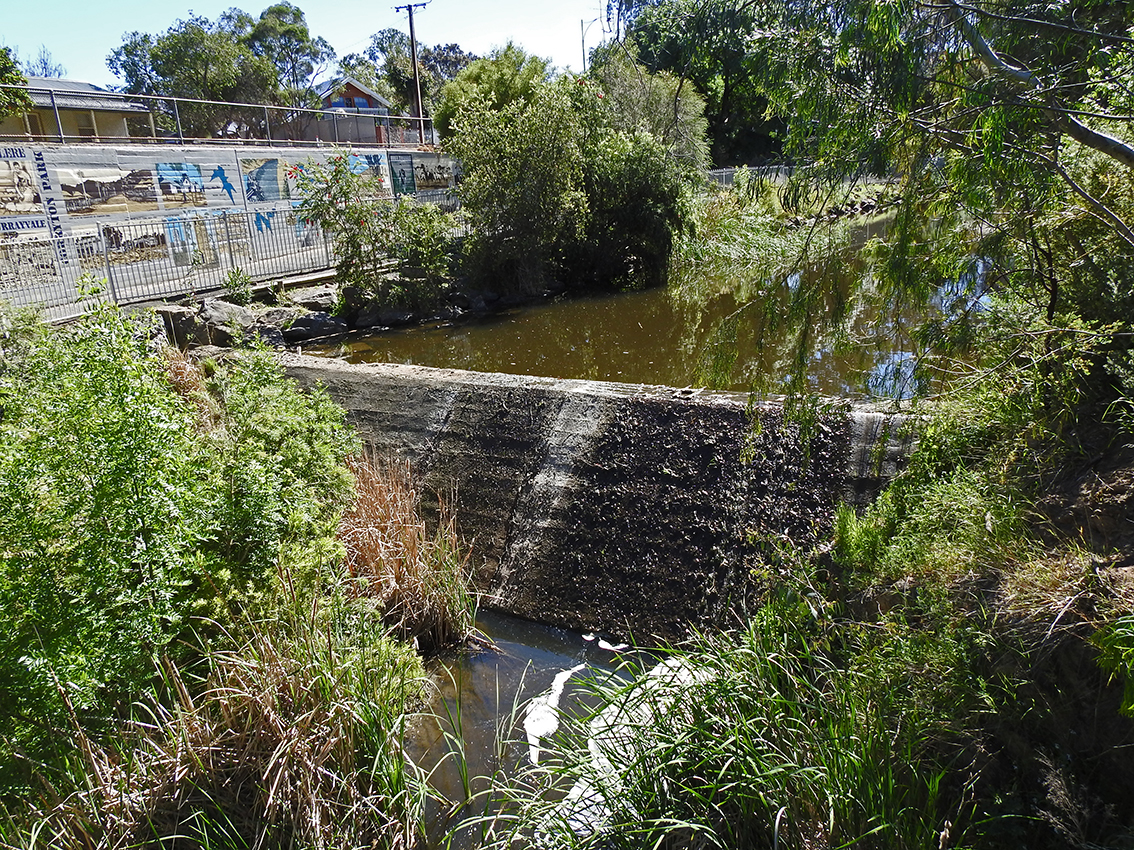
A bridge crosses the Victoria Creek at the T junction where the road from Adelaide intersects the B31/B34. From the bridge, I can see a small lake created by a weir. There are Eurasian Coots and a pair of Maned Ducks paddling near the bank.

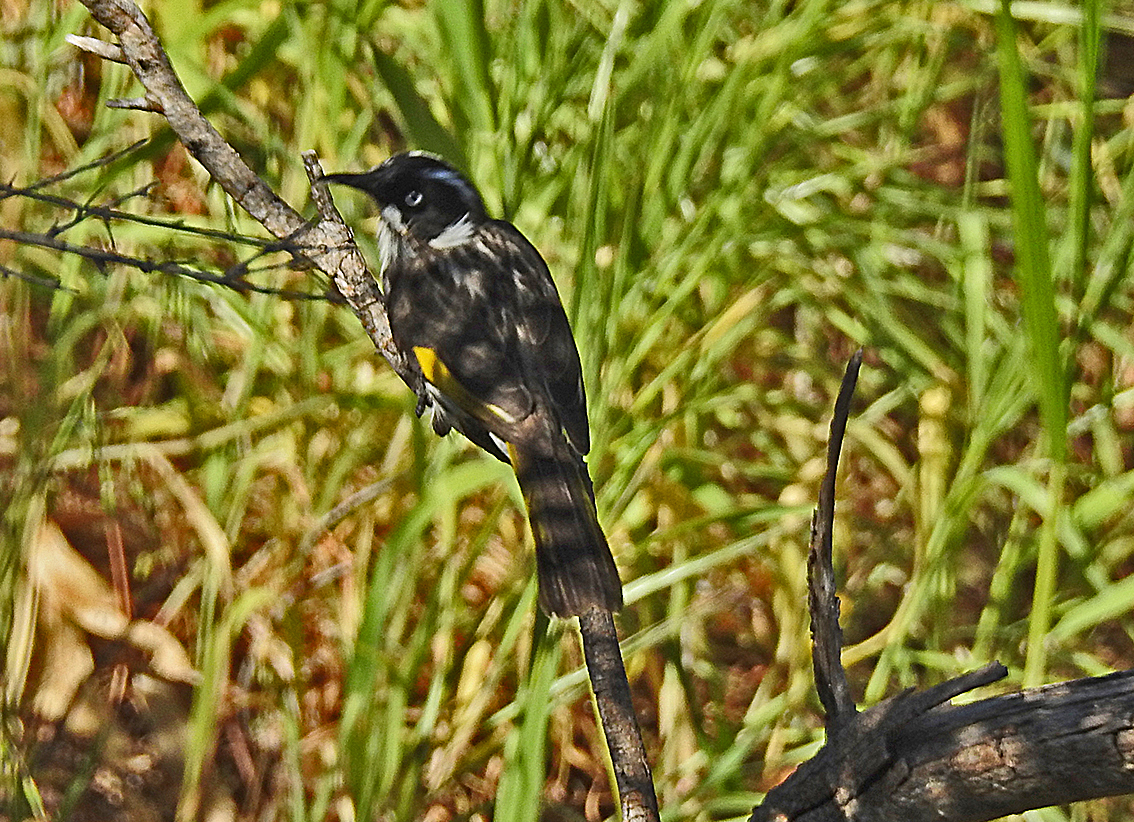
New Holland Honeyeater

New Holland Honeyeaters and Silvereyes are feeding in the foliage of several large gums adjacent to the river.

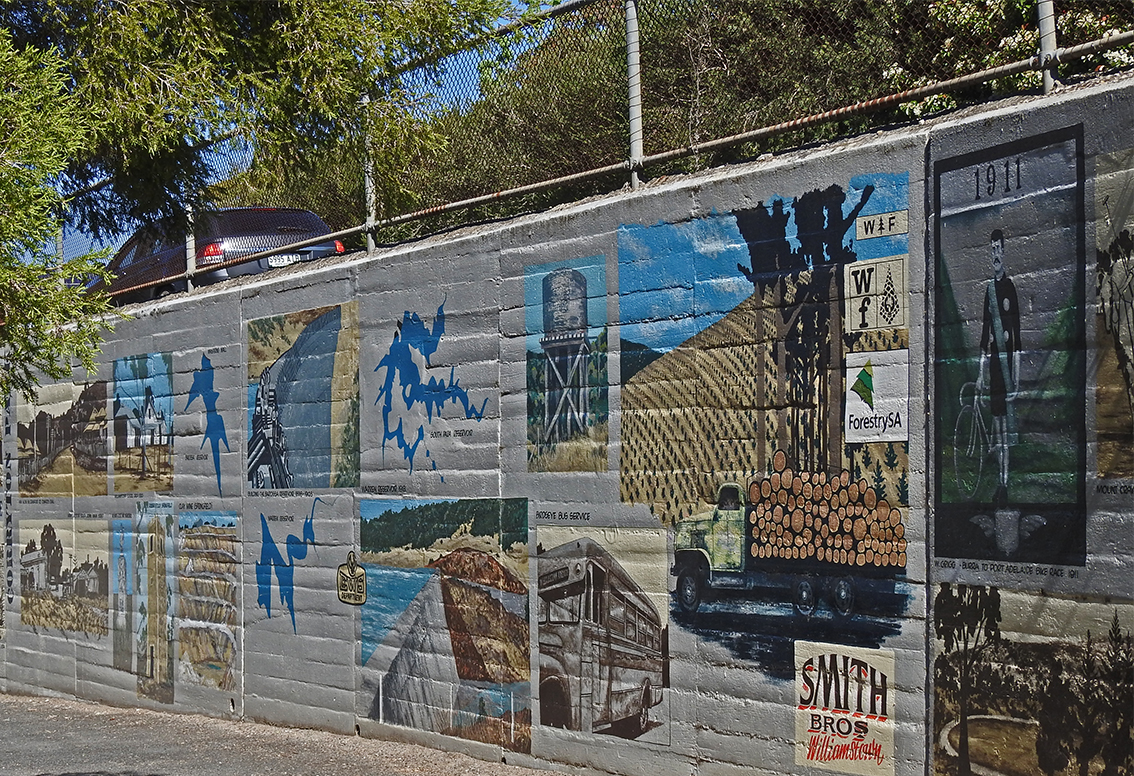
Part of the mural
The weir looking back towards the bridge

The wall alongside the path by the lake is decorated with a mural depicting Williamstown’s unique features such as: buildings, landscape and historical events.

Australian Reed Warbler

As I walk along the path, the characteristic call of an Australian Reed Warbler rings out from the plants bordering the lake. Unusually, the call is coming from the wall of the weir not the reeds. And, as luck would have it, I spot the little bird foraging on the dam wall.

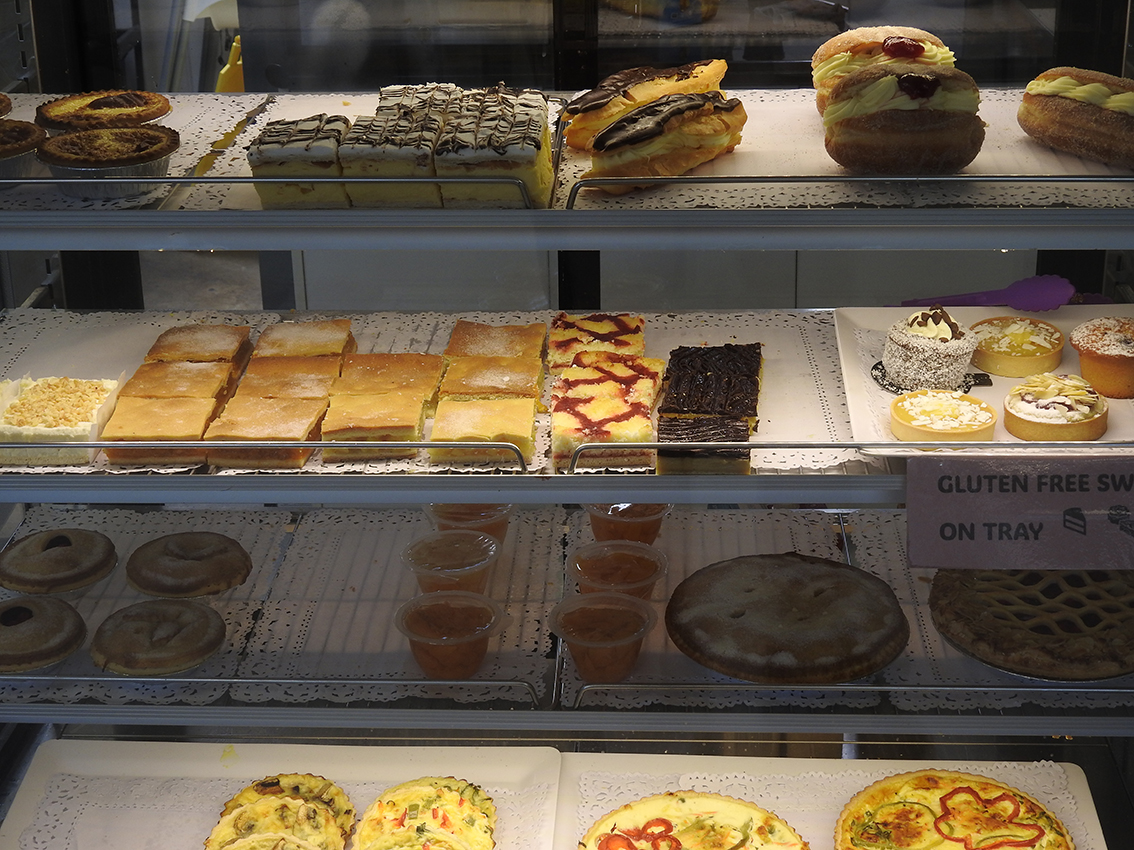
Too much choice at the local bakery

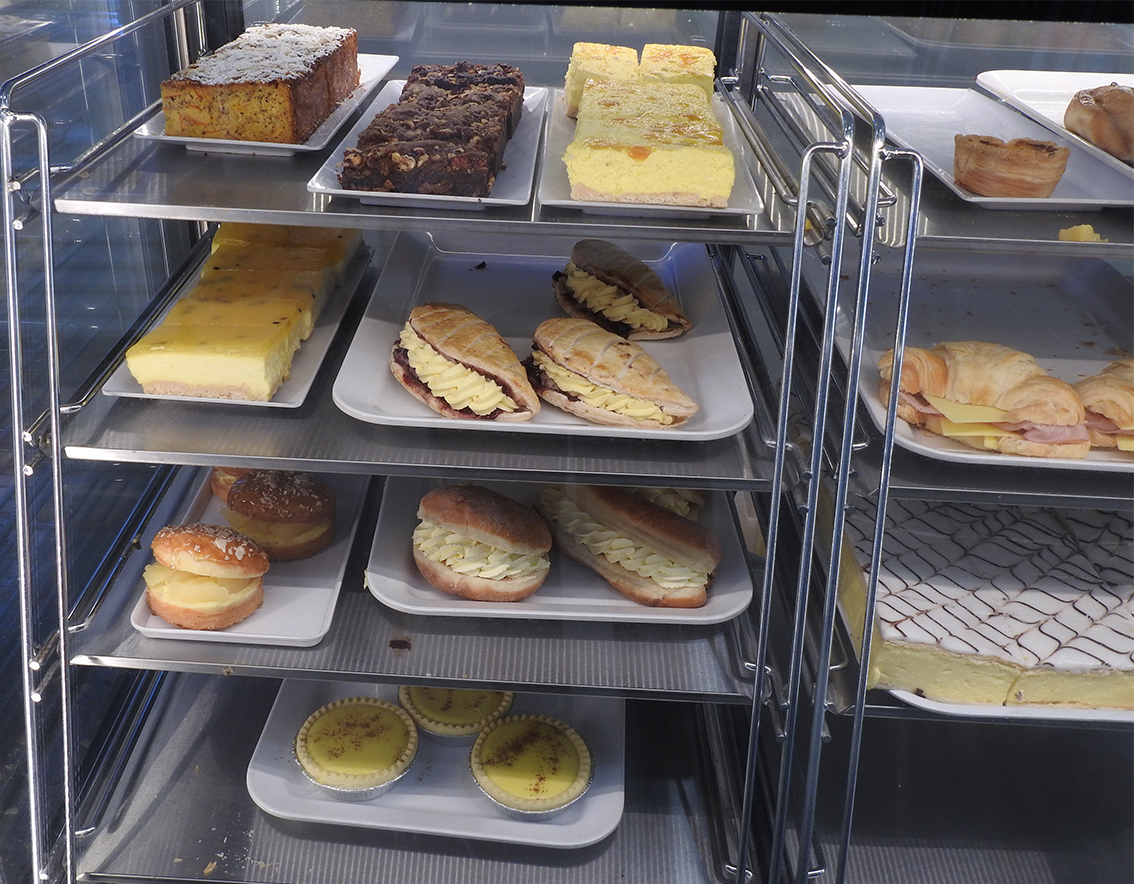
Williamstown has proved to be an interesting place from both an historical and natural perspective. All that remains is to enjoy a croissant and vanilla slice for lunch.

Cheers

Baz

Additional notes

Other animals seen, heard but not photographed: Adelaide Rosellas, Pottybonk Frogs, Masked Lapwings, corellas and Galahs

The camera used for this post is a Nikon Coolpix P900

This is an easy walk and drive which is quite suitable for families and seniors with public toilets, playgroun, barbecues, parking and other facilities nearby. It is dog friendly.

Please pass on this blog title and or contact information (URL) to any person or organisation with an interest in taking walks and enjoying wildlife in SA.

Click on these links and see more South Australian stories and pictures in my Weekend Notes articles as well as locating similar blogs on Feedspot’s top 20 Australian wildlife blogs
https://www.weekendnotes.com/adelaide/writer/452/

https://blog.feedspot.com/australian_wildlife_blogs/

Just Cruising 2 King’s Billabong to Mildura

6 Jul

Dear Reader:

As we back the houseboat into the current and point it downstream a Snakebird or Anhinga perches gracefully on an overhanging branch, the perfect farewell to King’s Billabong.

Snake-bird or Anhinga

In the next hour, I photograph numerous scenes and animals from my vantage point on the upper deck. None of the images are quite as clear as the initial shot as the boat is moving, the engines vibrating, and the riverbanks are a between 50-100 metres away.

Classic red earth riverbank scenery

Because birds fly, it is a challenging task to capture images of them in flight. Dainty swallows hunt insects in the boat’s wake and Whistling Kites circle high in the air using their extraordinary vision to locate prey.

Welcome Swallows resting on the river bank
Welcome Swallows hunting in the houseboat wake
Whistling Kite hunting above the river

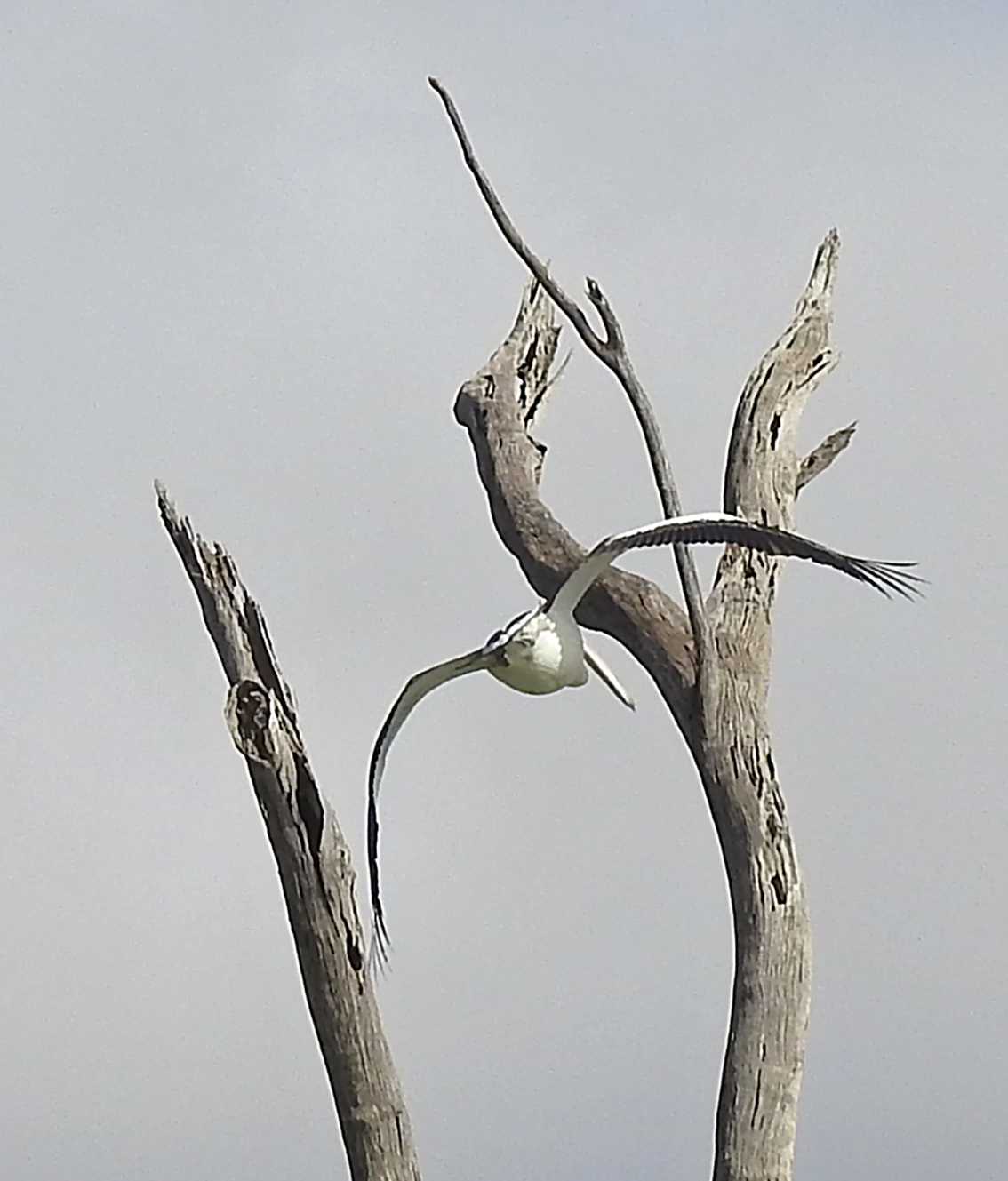
Because of their size, shape and slow flight pattern, Australian Pelicans are one of my favourite waterbirds to photograph. Whether hunting, flying, landing or taking off, they are both endearing and elegant.

Australian Pelican in flight
Ancient tree and Pelican composition

The river is used by numerous types of craft which tell a variety of stories. There are old barges from the time when the river was a major transport route. Paddle-teamers, both new and old, rekindle the more romantic days of river travel. Tour boats, houseboats , ski and fishing boats are the most common vessels of the modern era.  

Classic paddle-steamer still in use
Derelict barge

It is a relatively short trip back. As we bring the houseboat into the wharf at Mildura, I notice a Great Cormorant watching us from the bank as a flotilla of Maned Ducks slide past on the port side. Settled snuggly into our mooring I watch a Rakali or Australian Water Rat foraging amongst lily pads: a nice way to finish the week.

Rakali foraging amongst lily pads

Cheers

Baz

Additional notes

The camera used for this post is a Nikon P900

This is an easy excursion which is quite suitable for families and seniors with public toilets, barbecues, parking and other facilities nearby. River bank areas that are not part of national park are dog friendly.

Please pass on this blog title and or contact information (URL) to any person or organisation with an interest in taking walks and enjoying wildlife in SA.

Click on these links and see more South Australian stories and pictures in my Weekend Notes articles as well as locating similar blogs on Feedspot’s top 20 Australian wildlife blogs
https://www.weekendnotes.com/adelaide/writer/452/

https://blog.feedspot.com/australian_wildlife_blogs/