Archive | Panasonic Camera RSS feed for this section

Kenneth Stirling Conservation Park SA Wotton’s Scrub

28 Aug

Dear Reader:

For once, my first interesting sighting is not an animal but a delicate orchid known as a Parson’s Bands because the two delicate petals resemble a clergyman’s white collar.
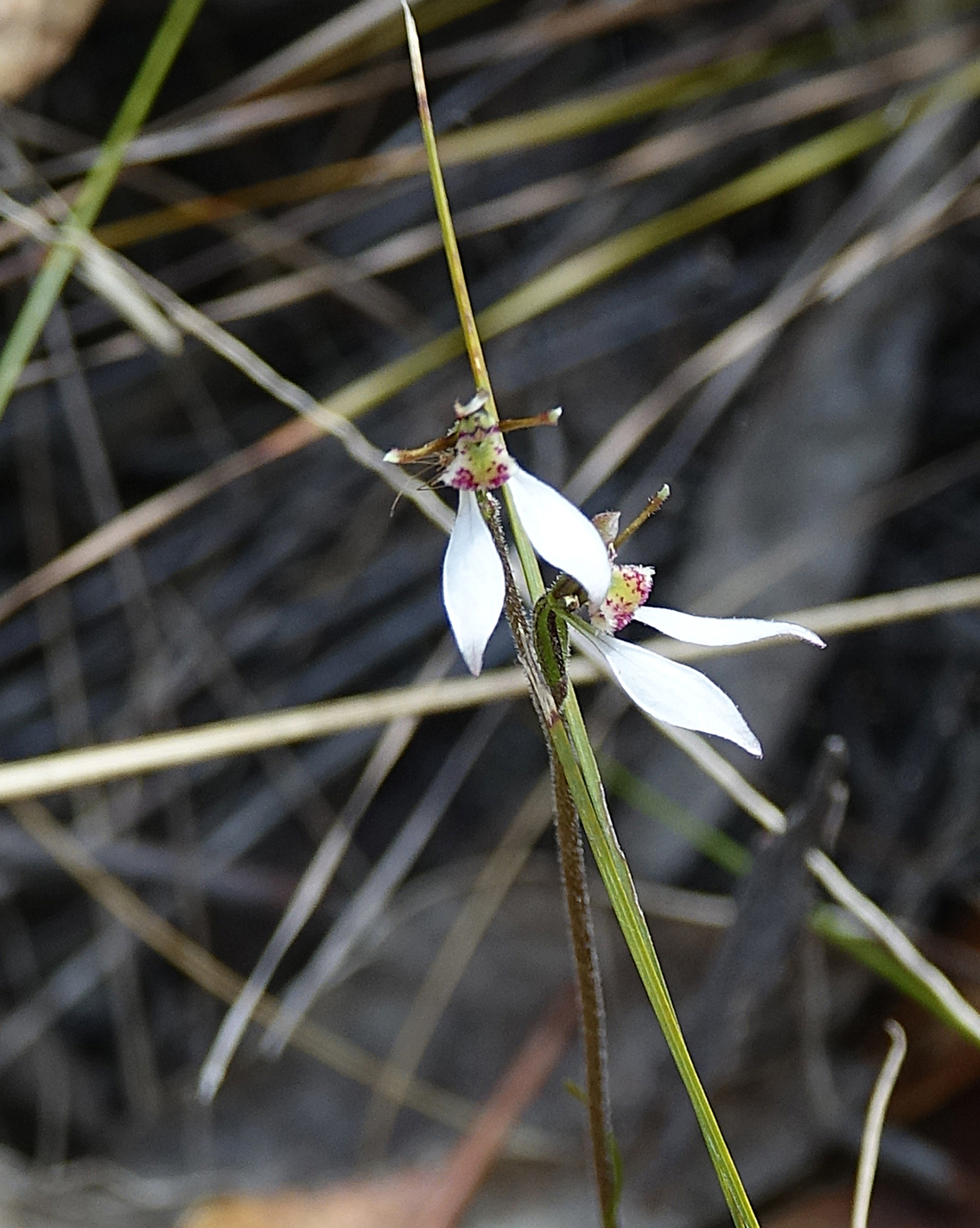
Parson’s Bands Orchid

I am walking along Wottons Track from the gate 3 entrance to the Kenneth Stirling series of Conservation Parks near Carey Gully and Uraidla. The drive up Greenhill Road towards the park has taken me through some beautiful hill country adorned by vines, native forest and orchards.
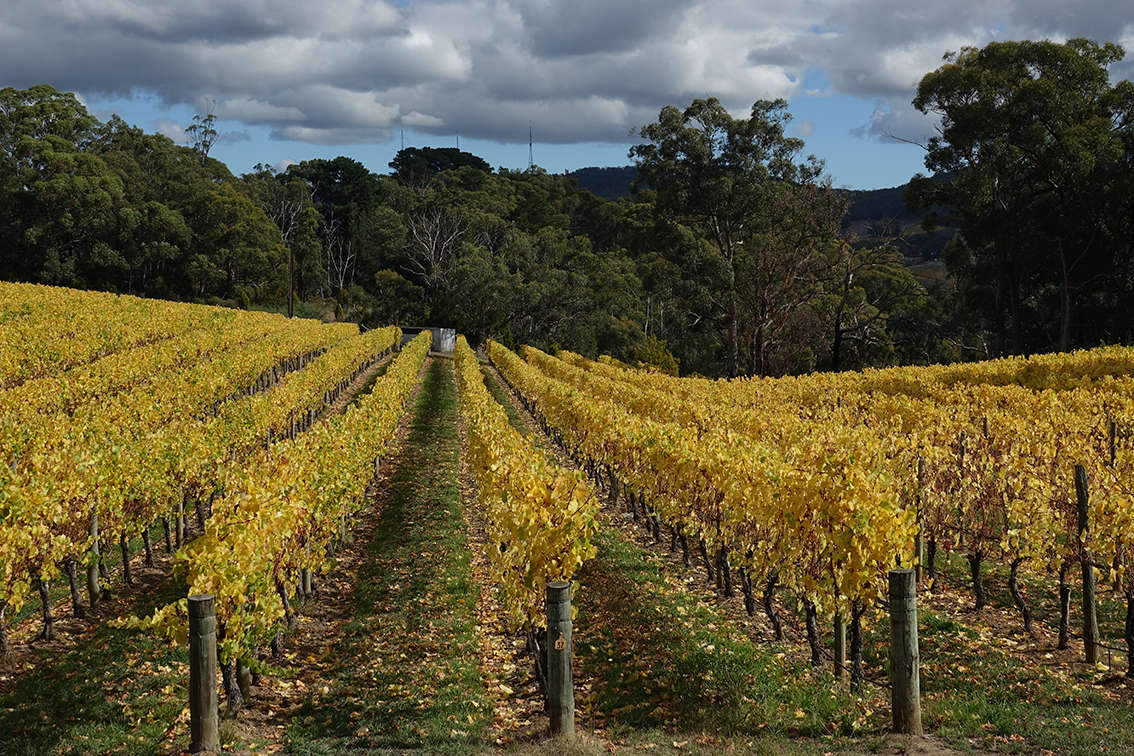
Autumn vines near Uraidla

It is early winter and I am not expecting much wildlife and it is quite a surprise to see an ornate Common Brown Butterfly amongst the leaf litter. With wings folded it is remarkably well camouflaged.

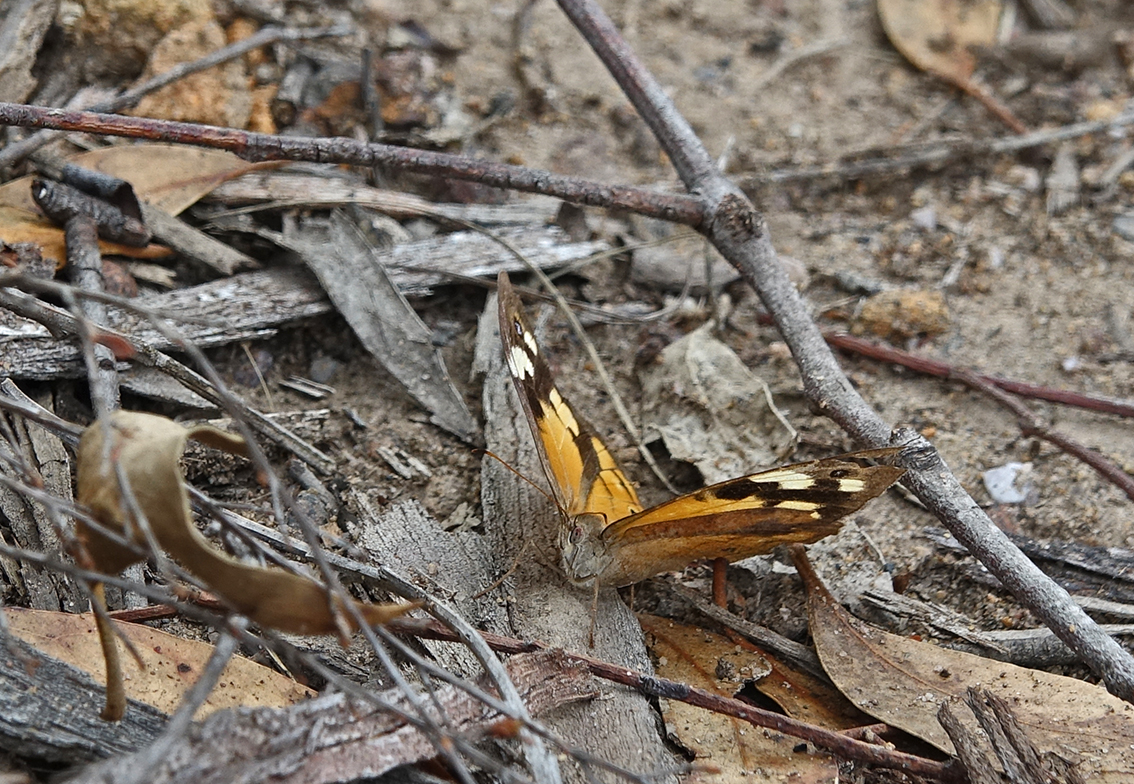
Effective camouflage
Female Common Brown (same animals as above image)

Late blooming flowers seem to be the order of the day and far easier to photograph. Hills Daisies and Common or Pink Heaths dot the lush green undergrowth.

Hills Daisy
Common Heath

There are the twittering calls of wrens in the bushes alongside the path but they are wary and hard to spot. Eventually a pair appear on the trail some fifty metres ahead of me. I steady myself and fire off a couple of frames trying to catch both male and female together. They are a perfect example of sexual dimorphism in birds.
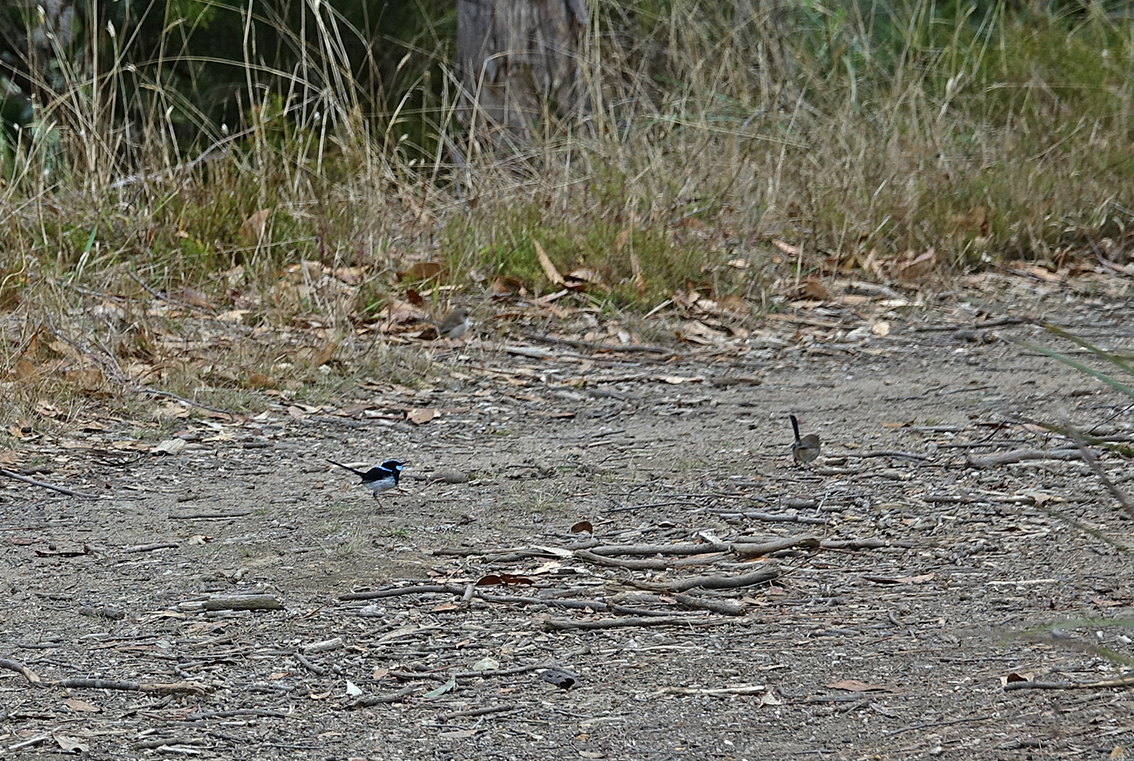
Male and female Superb Fairy Wren
Superb Fairy Wren, Image shot at similar location by author

I have walked around three kilometres and spotted a few Grey Fantails, Adelaide Rosellas and Rainbow Lorikeets, all too far away to photograph.  

BGrey Fantail. Image shot at similar location by author

Near a fork in the trail leading to Fern Gully I can hear the rasping calls of Spotted Grass Frogs and assume there must be a creek or wetland area there. However, as this trail appears to have more steep sections my ‘not so young knees’ suggest it is time to turn back and head for home.

Spotted Marsh (or Grass) frog, Image from my collection

My drive home takes me back through Uraidla where I stop off the local caffe which incorporates a fine bakery and micro-brewery. Always a good way to round off any trip to this part of the Adelaide Hills

A bite to eat and a refreshing brew

Cheers

Baz

Additional notes

The camera used for this post is a Sony RX10 M3

This is a moderate walk with some steep sections

Please pass on this blog title and or contact information (URL) to any person or organisation with an interest in taking walks and enjoying wildlife in SA.

Click on these links and see more South Australian stories and pictures in my Weekend Notes articles as well as locating similar blogs on Feedspot’s top 20 Australian wildlife blogs

https://www.weekendnotes.com/adelaide/writer/452/

https://blog.feedspot.com/australian_wildlife_blogs/

The tip of the Fleurieu

28 Apr

Dear Reader:

The school of Silver Drummer and Banded Sea Sweep mill around the rocky outcrop off Cape Jervis SA.

Silver Drummer (top centre) and Banded Sweep

I am exploring the southern tip of South Australia’s Fleurieu Peninsular using images that show a few of its many features and attractions.

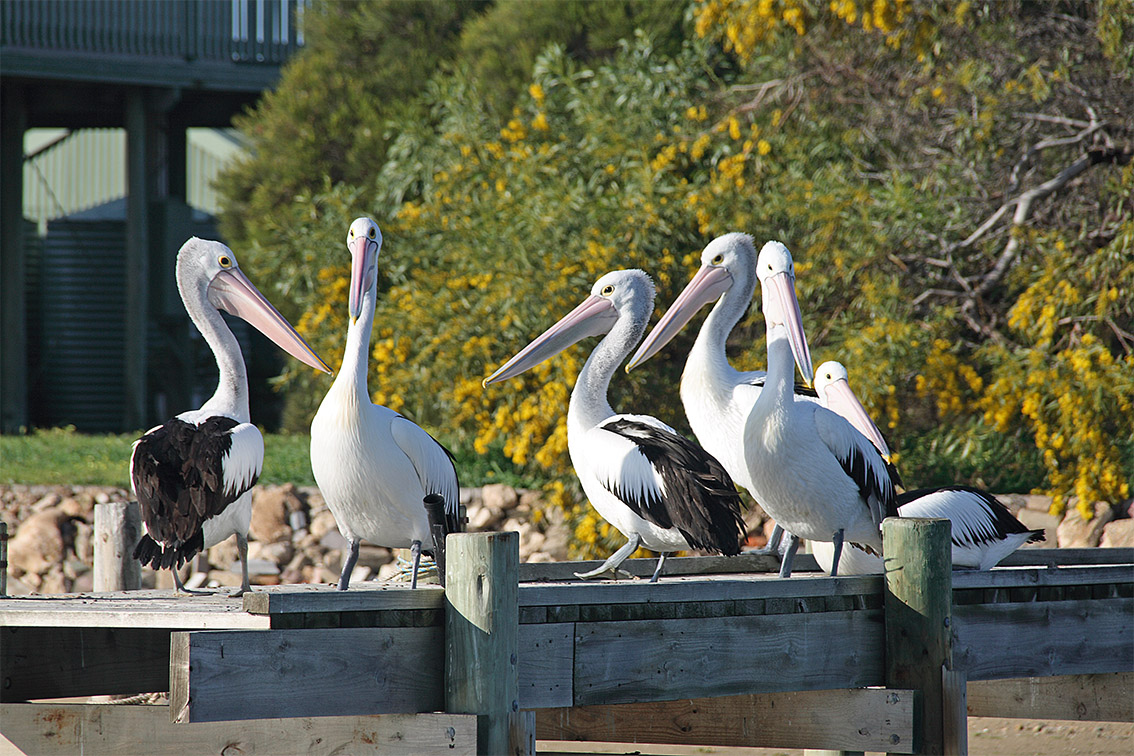
Australian Pelicans Goolwa bird reserve

Cape Jervis is the transit port for the Kangaroo Island Ferry as well as being an interesting wildlife destination in its own right.

Kangaroo Island ferry at Cape Jervis with KI in the background

Numerous seabirds live in this area including: terns, gulls, cormorants and various birds of prey. At different times I have observed Sea Eagles and Nankeen Kestrels.

Nankeen Kestrel hovering

Just before Cape Jervis, a dirt road leads to Fishery Beach where an undersea cable crosses beneath Investigator Strait to KI. I spend a little time snorkelling close to the shore where I photograph a school of Zebra Fish.

Zebra Fish

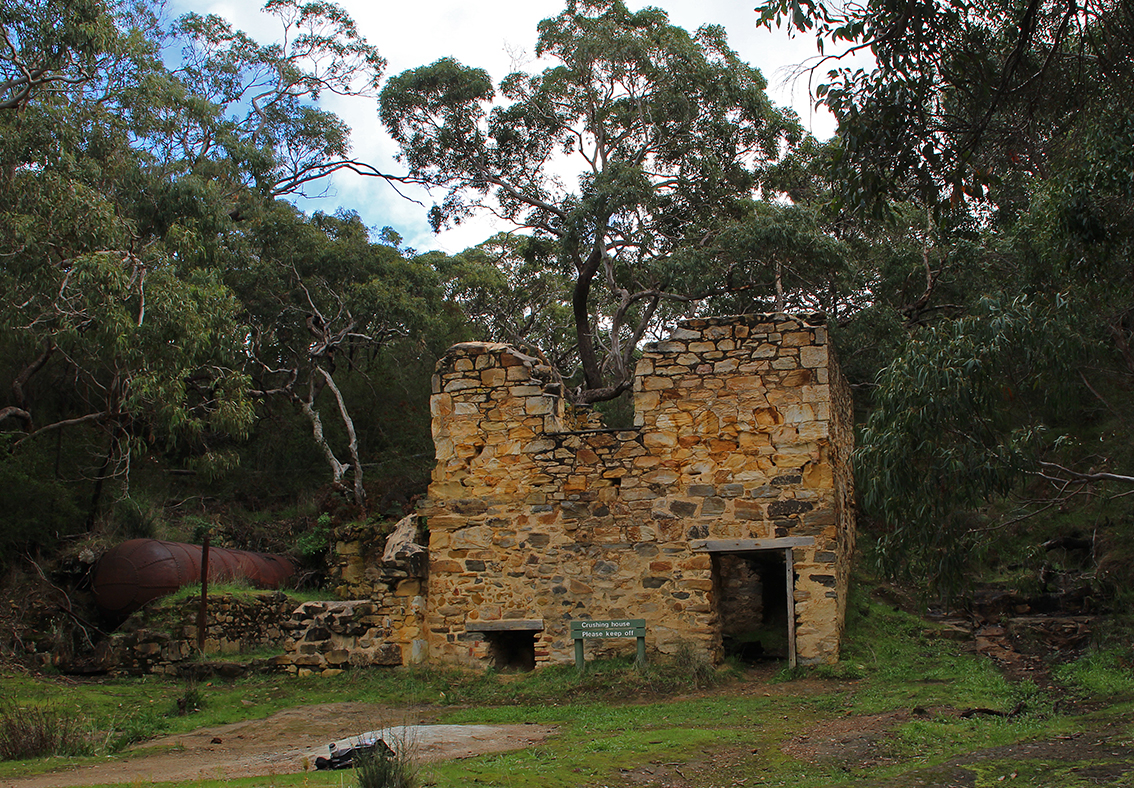
Range Road Curls around the foot of the peninsular passing through pasture, scrub and grazing country. Near the beginning of the road there is an entrance to the old Talisker mine. Numerous small birds inhabit the dense scrub around this area and the old buildings and machinery provide some historical context.

Crusher house and boiler
Crescent Honeyeater

One of the main attractions of the southern Fleurieu is the Deep Creek Conservation Park; a wonderful place to photograph Western Grey Kangaroos and the occasional Echidna.

Lone roo Deep Creek Conservation Park
Roos in the mist Deep Creek CP

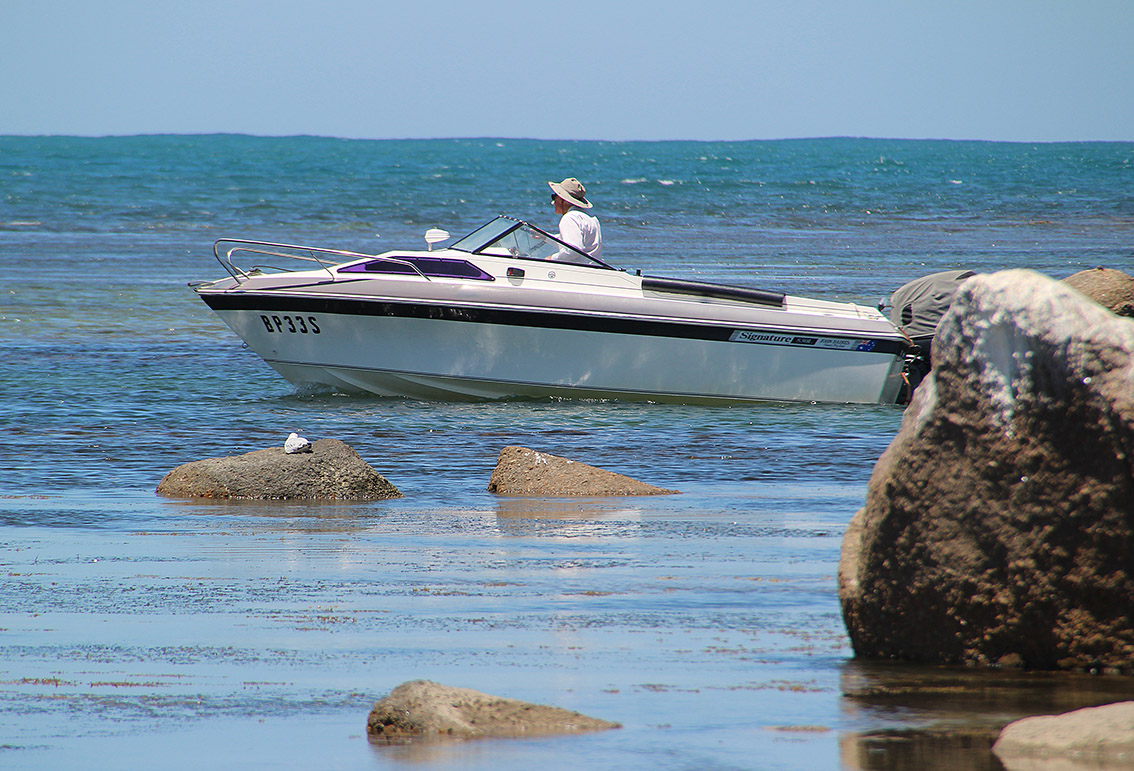
My next stop on this trip is Victor Harbor, where I watch a succession of recreational fishing boats head out to sea while I enjoy a tasty seafood lunch at Whalers Seaside Dining.

Setting out from the Victor Harbor boat ramp

Having reached Victor from the city via South Road and Range Road I decide to return to Adelaide along the B37 (Strathalbyn Route) after a 4WD run along iconic Goolwa Beach towards the mouth of the Murray River.       

Entrance to Goolwa beach

Cheers

Baz

Additional notes

The cameras used for this post are Sony RX, Nikon P900 and Nikon Coolpix AW100  

This is an easy drive which is quite suitable for families and seniors with the exception of the 4WD section which can be tricky depending on tides and wind.

Please pass on this blog title and or contact information (URL) to any person or organisation with an interest in taking walks and enjoying wildlife in SA.

Click on these links and see more South Australian stories and pictures in my Weekend Notes articles as well as locating similar blogs on Feedspot’s top 20 Australian wildlife blogs

https://www.weekendnotes.com/adelaide/writer/452/

https://blog.feedspot.com/australian_wildlife_blogs/

Flinders Ranges Moments

14 Aug

Grazing sheep in the Flinders Ranges

Dear Reader:

Several deep gorges cut through the Flinders Ranges from east to west. They can be comfortably traversed by conventional vehicles in dry weather but in the wet they are hazardous and 4WD is a necessity. In these images I push my vehicle through relatively shallow water after measuring the depth first then attach a tow rope to a vehicle that didn’t quite make it.

A calculated and tested crossing

Didn’t get it quite right

The Flinders Ranges are around 800 million years old and are the result of the uplifting, folding and consequent erosion of an ancient, shallow sea bed. Their sedimentary rocks contain fossils of some of the Earth’s earliest life forms known as the Ediacra fauna. The ranges are the ancestral home of the Adnyamathanha (pronounced ud-ya-mutna) people who have lived there for over 40,000 years.

Layers (strata) of sedimentary rock

Four different kinds of Macropods (kangaroos and wallabies) live in the Flinders ranges: Western Grey Kangaroos, Red Kangaroos, Euros or Common Wallaroos and Yellow-footed Rock-Wallabies. Western Greys live in low forested areas, Reds prefer dry open plains, Euros live in the foothills and the rare Yellow-footed Rock-Wallabies prefer higher rocky slopes. There is some overlap between the habitats of all these species.

Red Kangaroos

Euro, Hill Kangaroo or Wallaroo

Yellow-footed Rock-Wallaby feeding in Brachina Gorge

Birdlife is prolific throughout the ranges and include a wide variety of species ranging from tiny finches and Budgerigars to Wedge-tailed Eagles and Emus. While taking friends from the USA around Wilpena Pound and Brachina Gorge, in the heart of the Flinders, we stopped to photograph birds on numerous occasions.

Getting up close

Nice result

This wild and beautiful region has much to offer in terms of fauna both ancient and modern. However, the plants of this rugged landscape are just as fascinating: Sugar Gums, Cypress-pine, Flinders Wattle, Flax Lilies and the SA state emblem the Sturt’s Desert Pea are just a few examples.

Sturt’s Desert Pea

Although the Flinders Ranges is a truly wild destination it also has a significant human perspective. There are ancient First Nations art sites, a world-renowned hotel featuring local cuisine, working stations (farms) and a significant arts and crafts community. From my own perspective as a photographer, there are the remnants of old settlements such as stockyards, settler ruins, old mine shafts and other relics of the Flinder’s early settlement, all backed by stunning landscapes.

Lunch at the Prairie Hotel

Cheers

Baz

Additional notes

Please pass on this blog title and or contact information (URL) to any person or organisation with an interest in taking walks and enjoying wildlife in SA.

Click on this link and see more South Australian stories and pictures in my Weekend Notes articleshttps://www.weekendnotes.com/profile/651267/

Flinders Ranges’ Brachina Gorge

1 Feb

Dear Reader:

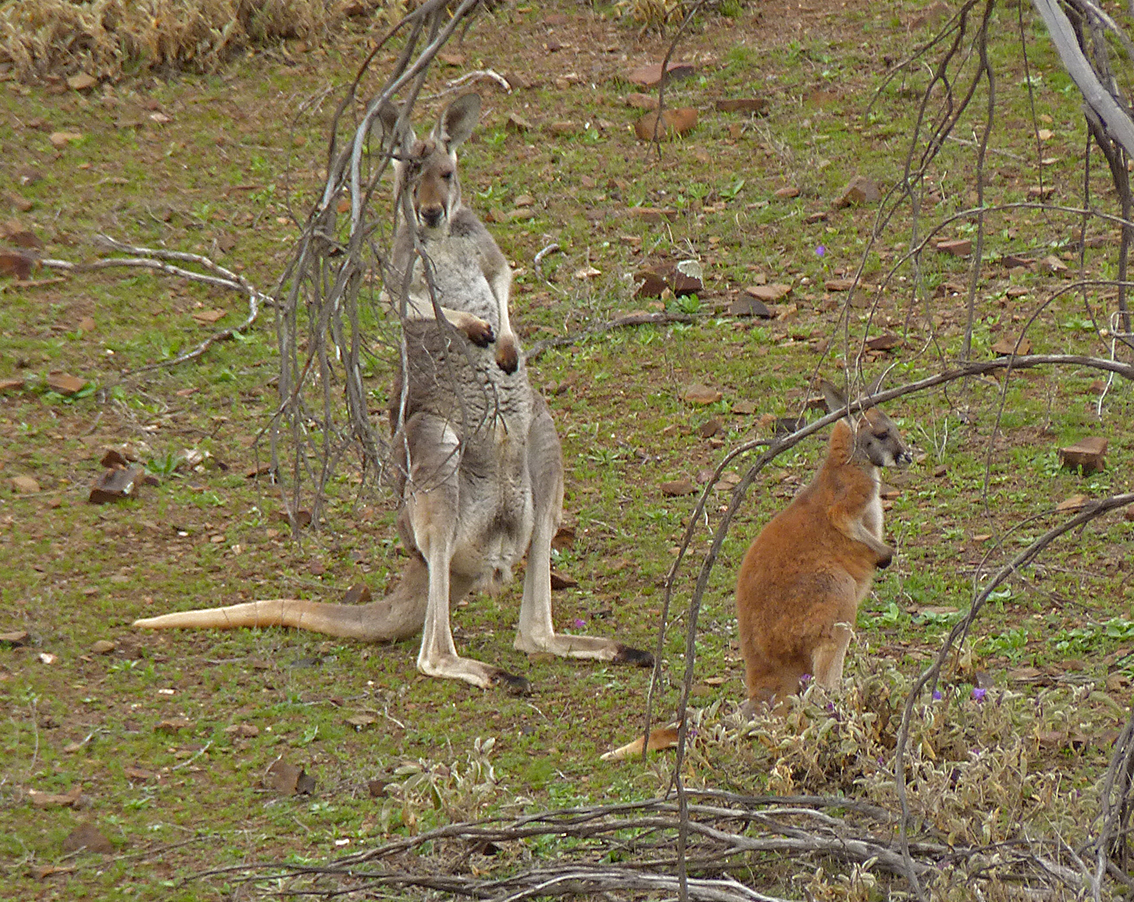
There is a pair of kangaroos resting out on the low grassy plain. As we approach they sit up and watch us warily. I slow the 4WD down and pull up on the side of the track carefully lowering the window. The animals are a good hundred and fifty metres away which stretches my Panasonic FZ60 to its limits. I slide a bean bag under the camera and take a few shots. With the benefit of the telephoto I can tell that they are both Red Kangaroos; a grey shaded female and the rusty coloured male.


Red Kangaroos


I am driving into Brachina Gorge which slices through the Flinders Ranges between the Flinders and Outback highways just north of Wilpena Pound; a good day’s drive from Adelaide. Today I am focussing on wildlife but this incredible gorge is also a geological wonder with layers of rocks and fossils dating back hundreds of millions of years. A well defined trail explains their formation and significance and tours are available through this remarkable area (Google Brachina Gorge Tours).


Ancient rock strata


Once we reach the Gorge proper it is time to get out and do a little exploring on foot. My first encounter is a Shingleback or Sleepy Lizard that is well entrenched in a pile of rocks. A cache of snails and bits of plant matter suggest that this has been home for a while though in general they are transient reptiles until it is time to hibernate.

Sleepy or Shingleback Lizard


If there is one iconic species in the Flinders it is the beautiful Yellow Footed Rock Wallaby and a little further along the gorge near a pool of water and a rock fall seems like a good place to sit quietly and wait. I am rewarded for patience about twenty minutes later when two of the delicate little creatures hop down the slope towards the water.


Yellow Footed Rock Wallaby grazing


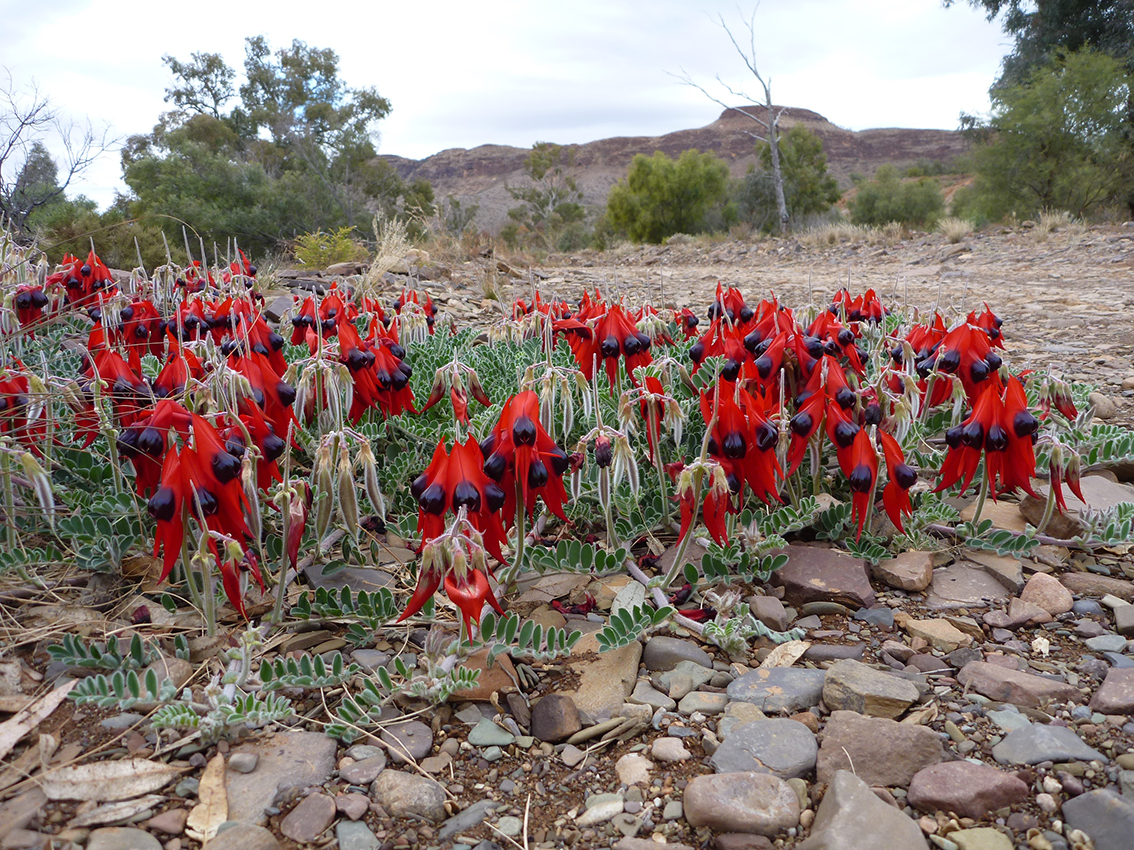
As well as amazing geological features and great wildlife the gorge has an abundance of interesting plants and in near the watercourse amongst some shale-like rocks I find a spreading clump of Sturt Desert Pea; the state’s floral emblem.


Sturt desert Pea


So far Brachina has yielded wallabies, roos and flowering plants as well as innumerable other wildlife that I have not even mentioned from cockatoos to spiders and even some undesirable feral goats. But, it is a rather beautiful Mulga Parrot feeding on a small ground covering plant that really marks the end of my trip through Brachina Gorge.


Bourke’s Parrot feeding


When I reach the Outback Highway Wildlife slips from my mind and I turn north towards Parachilna and the famous Prairie Hotel and a rather special lunch that I will leave you the reader to discover when you come up to our wonderful Flinders Ranges.

Cheers

Baz