Tag Archives: Australian parrots

Dry Creek by the Junction

31 May

Dry Creek by the Junction

Dear Reader:

Yes, an ant is an ant, but in Australia some ants are just that little bit more! Inch ants or bulldog ants live up to their name and reputation. Solitary hunters that still live in communal nests they have a fearsome bite and relentless disposition. This one is hunting late on a cool autumn afternoon scouring a eucalypt trunk for prey. I watch carefully as it systematically probes under the bark for any hapless invertebrate that is sheltering or hibernating. Seeing a bulldog ant at this time of year seems strange, perhaps a late burst of warm weather woke the colony up. The vagaries of nature are always fascinating.
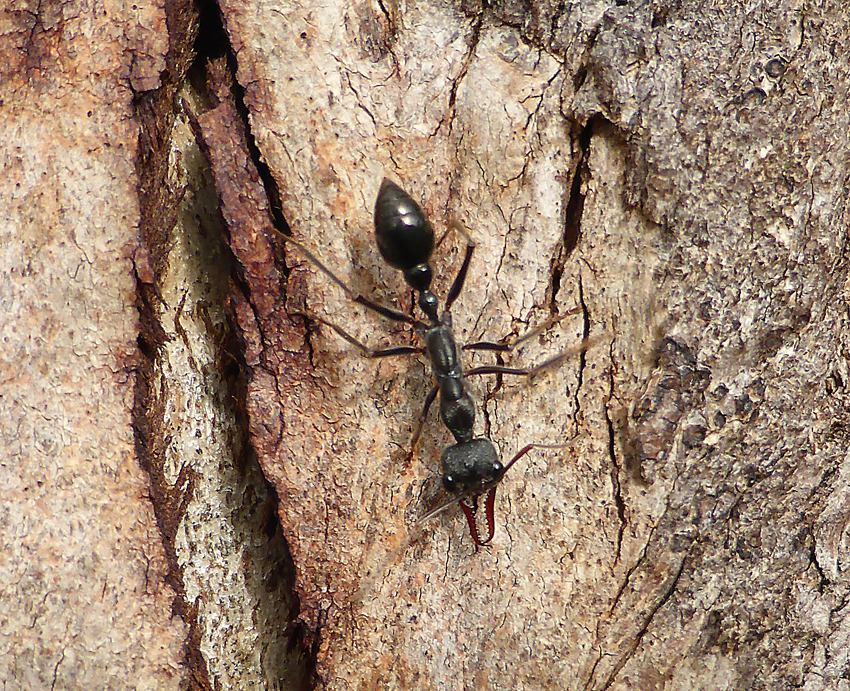
 

Bulldog ant hunting


I am exploring the section of Dry Creek which flows between the intersection of Grand Junction Road and Nelson Road through to Walkley’s Road. It can be accessed behind ‘The Junction’ shopping centre. The creek twist and turns along this part of its length and is bordered by walking and bike trails. There are some deep pools, a ford and a small footbridge which all facilitate wildlife viewing and photography. Throw in a nice bakery at the shopping area and you have the makings of a perfect walk.


Dry Creek


The little footbridge which spans the river is an ideal place to watch for wildlife. It is high on the banks and provides a good vantage point for peering into the treetops. Today it is the surface of the water that catches my attention. The tell-tale V shaped ripples of a water rat swimming across the creek are an unexpected bonus on my walk. I have rarely seen the elusive little rodents in Dry Creek and to know that they are present is quite a treat. Water rats or rakalis are a native species with a broad head, webbed feet and a white tip to the tail. They feed on aquatic insects, yabbies, molluscs, frogs and small fish.


Australian water rat swimming


Further along the path there is a break in the bushes and trees that envelop the sides of the creek and I can get good access to the water’s edge.  A little pied cormorant is sitting on a log directing its gaze into a long pool before continuing to hunt amongst the reeds along the water’s edge. On my walk back I see the same bird with its wings outstretched drying them between forays into the creek to hunt. Cormorants do not have waterproofing oils to protect their plumage like some waterbirds and therefore must continually dry out their feathers.   
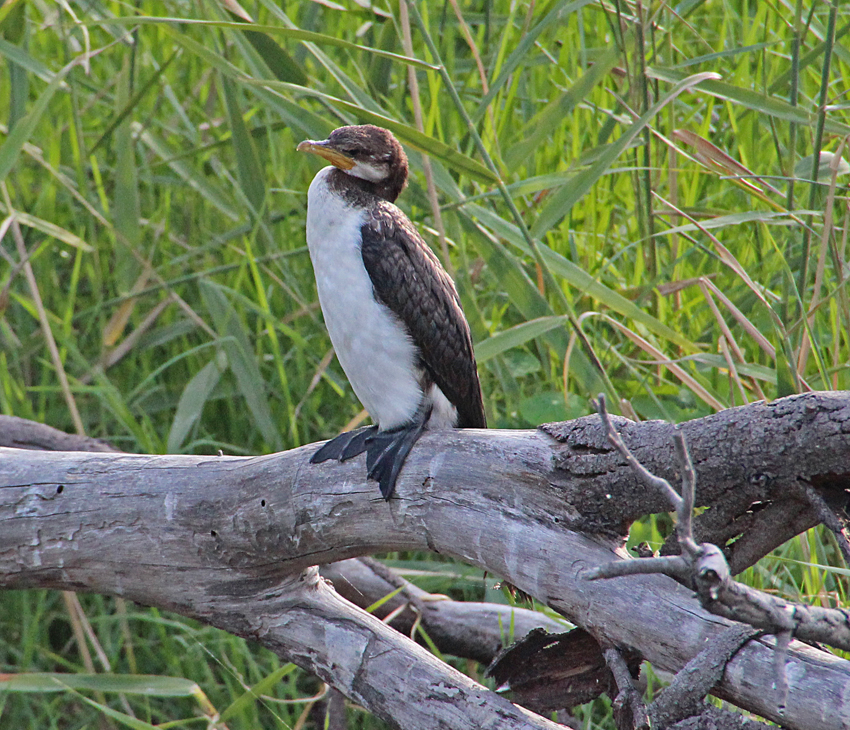


little pied cormorant


Near one of the fords there are some massive river red gums shading the creek bed and I can hear the raucous screech of lorikeets in the highest branches. A quick look through the telephoto lens helps me to identify them as musk lorikeets. These social little birds seem to have found something to feed on in the canopy. There are no blossoms on the trees so I can only assume that it is some form of insect life.


Musk lorikeet


My walk has been most rewarding as I have encountered a wide range of animals from aquatic mammals and predatory insects through to brightly coloured parrots in the treetops. Only the bakery to go and I can mark today down as more than a little successful.


Cheers

Baz


Additional notes

This is an easy walk which is quite suitable for families and seniors with food outlets, parking and other facilities nearby.


 I have recently spent time in Africa and the link below will allow you to enjoy images and text describing some of my encounters with the wonderful wildlife of Botswana and Zambia. I will attach a new image and notes to accompany each post.

https://wildlifemomentssa.blogspot.com

Druminoor Lake’s Birdlife

4 Mar

Druminoor Lake’s Birdlife

Dear Reader:

From the edge of a little bridge that divides the creek from the lake I can see a purple swamp hen using its elongated feet to delicately traverse a clump of reeds. These beautiful water birds also use the reeds as food and to construct their nests along the water’s edge.


Purple swamp hen


Crossing the bridge, I walk along a short gravel pathway to a viewing platform that overlooks Druminoor Lake, a small dammed area of Dry Creek just off Golden Grove Road.  It is an integral part of the Tea Tree Gully water management program. Their goal is to use water that runs into the creek in an environmentally sustainable fashion for the benefit of the local community.


Low water during summer


A centuries old red gum dominates the upstream end of the lake and I can hear birds screeching high in the branches. Using the extreme setting on my long lens I scan the tree tops and to my surprise there are both rainbow lorikeets and sulphur crested cockatoos in the foliage. Both parrot species noisy but together they produce a considerable din.


Sulphur crest real estate


Below a rock wall dam on the downstream perimeter of the lake, Dry Creek meanders through a steep gully overshadowed by more eucalypts. In a gnarled old tree a pair of lorikeets has chosen to nest in a knot hole half way up the trunk. I approach carefully but the birds takes flight and resultant blurred image of feathers in flight is rather satisfying.


A flash of colour


The grey trunks of long dead trees tower above the little lake. They are perfect nesting sites and vantage points for a range of bird life. Cormorants and ibises often perch on the limbs and parrots make use of the holes where branches were once attached. Occasionally a bird of prey will use them as a vantage point to wreak havoc amongst the smaller animals that gather around the lake which is a permanent source of water even in the drier months.


Ibis silhouette


There are several lakes and ponds along the track that stretches from Modbury through to Wynne Vale and all of them harbour quite a varied array of wildlife making this trail through Tea Tree Gully one of my favourite wildlife walks. Take a look and send me a message if you enjoy it. 


Cheers

Baz


Additional notes

This is an easy walk which is quite suitable for families and seniors with concrete pathways along Dry Creek and a viewing platform at the lake.


 I have recently spent time in Africa and the link below will allow you to enjoy images and text describing some of my encounters with the wonderful wildlife of Botswana and Zambia. I will attach a new image and notes to accompany each post. The link does not work well on mobile phones and is best followed through a computer or tablet.

https://silkstone627.wixsite.com/mysite

Pondalowie’s Beachside Birdlife

6 Feb

Pondalowie’s Beachside Birdlife

 Dear Reader:

A lone Pacific gull stands on the beach amongst strands of washed up seaweed. It stares at the ocean for a while watching another gull wheeling and soaring above the waves then nonchalantly wanders along the tidal fringe foraging for invertebrates or whatever the sea has deposited.


Pacific gull


The long white sands of Pondalowie Bay are home to many species of birds and a fertile food source for many others. A leisurely four hour drive from Adelaide to this picturesque Bay on the western extremity of the Innes National Park is a favourite haunt of naturalists, fishers, divers and holiday makers. In fact; any traveller who enjoy that hint of wildness in their getaways will find this a wonderful destination.


Classic peninsula coastal landscape


Further along the beach several species of tiny waders including dotterels, plovers and sand pipers scurry along the retreating waterline searching for tiny invertebrates such as worms, crustaceans and molluscs. Their little legs seem to rotate as they forage giving them the appearance of wind up clockwork toys.


Double banded plover-non breeding plumage


Swallows normally live further inland amongst the scrub and trees. However, the proliferation of insects infesting the beds of weed that are strewn along the high tide line has attracted quite a large number of these colourful little aerial hunters. Some are perched on driftwood as they rest between their forays above the weed while others perch in bushes close to the beach.

Swallow


In all honesty, my favourite beach dwellers are the oystercatchers. There are two species on the beach pied and sooty and it is a pair of sooties that I spend a few minutes focussing on. They use their long chisel shaped beaks to probe the sand or scrape molluscs off rocks and prise them apart. The bird closest to me has snagged a turban shell and is proceeding to split it open and consume the unfortunate critter within.


Sooty oystercatcher


From Pondalowie it is a good half hour drive back to Marion Bay where we are staying in a cliff-side holiday home and dinner at the local pub that serves the best pizzas and seafood I have eaten in a long time.    


Cheers

Baz


Additional notes

This is an easy drive which is quite suitable for families and seniors with public toilets, barbecues, parking and other facilities at Marion Bay and Pondalowie. The trails leading from the main park road down to beaches and into the scrub are more arduous.


 I have recently spent time in Africa and the link below will allow you to enjoy images and text describing some of my encounters with the wonderful wildlife of Botswana and Zambia. I will attach a new image and notes to accompany each post. The link does not work well on mobile phones and is best followed through a computer or tablet.

https://silkstone627.wixsite.com/mysite

Brownhill Creek’s Koalas and Bird Life

22 Jan

Dear Reader:

The scrub is quite thick along the river bank and I can hear the movements of small animals against the background sigh of the wind through the towering eucalypts. Lizards, perhaps small mammals but more likely wrens, finches and other little birds are foraging in the undergrowth. Finally, a diminutive female blue wren emerges from the cover to search for seeds in a clearing. The opportunity to take a quick shot is momentary.


Female blue wren

Common garden skink


Brownhill Creek is one of several waterways that drain the south eastern aspect of the Mount Lofty Ranges. It has shallow pools that retain water in the hotter months and flows freely in the cooler ones. There is thick undergrowth along the creek bed that ranges into open scrubland on the surrounding hillsides. A paved road follows the creek eastward with numerous sidings that enable access to the water along narrow dirt tracks.


koala


I stop in one of the lay-bys where there is a significant clearing surrounded by several eucalypts. Using the long lens I scan the forks in the canopy for koalas. The bear-like marsupials eat a range of gum leaves and these trees look to be one of the preferred species. Luck is with me as I spot a large male using its double-thumbed prehensile grip to move along a branch.

Silvereye


Adelaide rosella

Ravens


Further along the road a small bridge crosses the creek and there is a large stand of eucalyptus and evergreen trees spreading both limbs and branches across the creek. A wide variety of birds are feeding on blossoms, fruit and insects. I manage to photograph silver-eyes, Adelaide rosellas and a pair of raucous ravens.

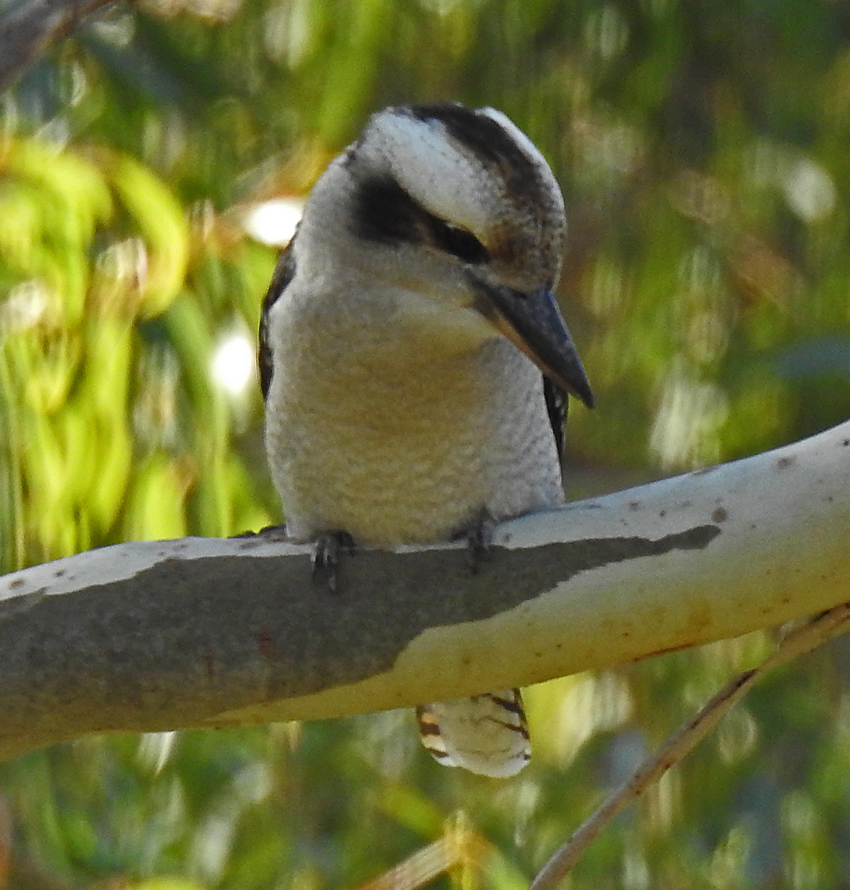
Laughing kookaburra


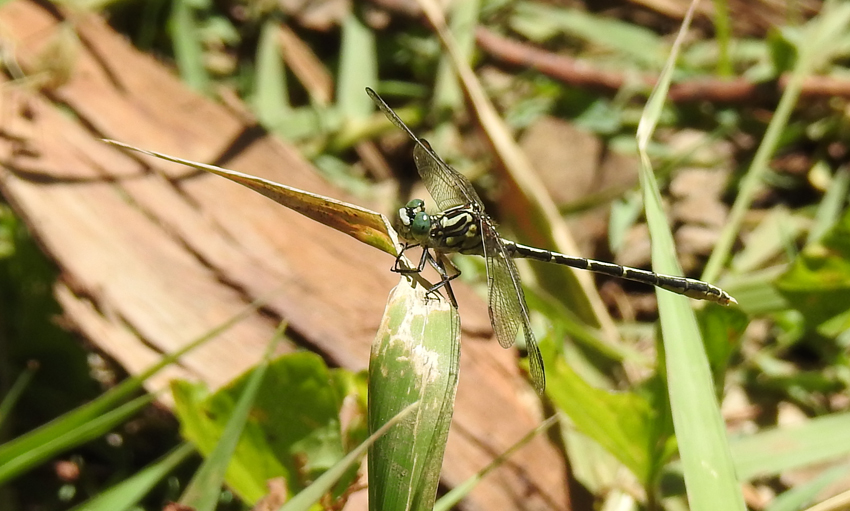
Dragonfly species


My drive along Brownhill creek has been quite exceptional and I decide to make one last foray down to the creek near the caravan park.  I can hear a kookaburra calling and some flowering plants along the creek seem to be attracting both butterflies and dragonflies. With a little luck I might just capture a few more images to complete my creek-side safari.


Cheers

Baz


Additional notes

This is an easy drive but the tracks along the creek are more difficult.

 I have recently spent time in Africa and the link below will allow you to enjoy images and text describing some of my encounters with the wonderful wildlife of Botswana and Zambia. I will attach a new image and notes to accompany each post. The link does not work well on mobile phones and is best followed through a computer or tablet.
https://silkstone627.wixsite.com/mysite

Bridle Track Wildlife

6 Nov

Dear Reader:

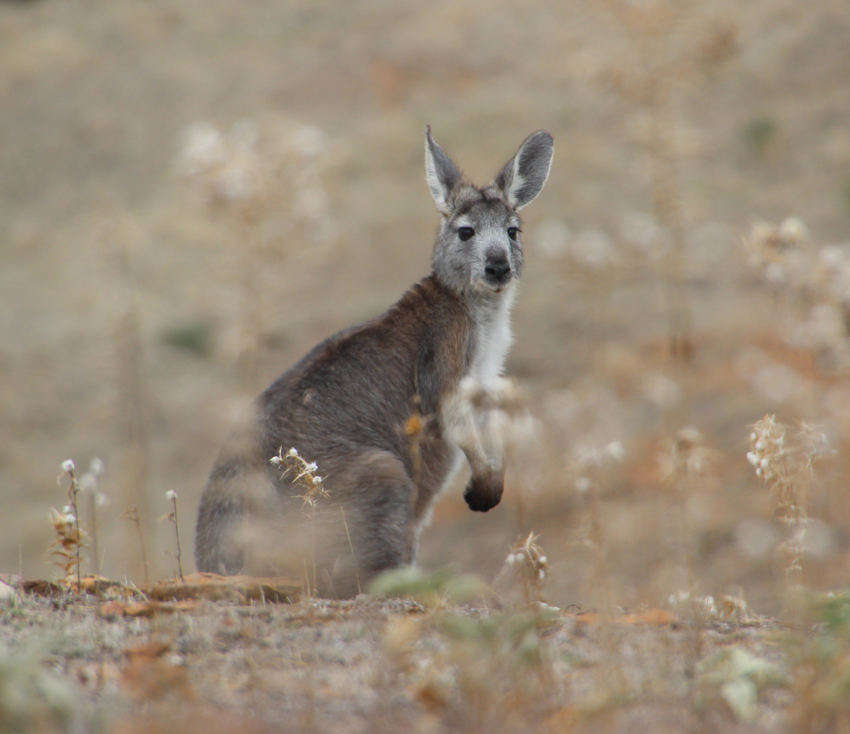
A grey kangaroo pricks up its ears and turns to face us. Half hidden in the grass and further camouflaged by its subtle colouring, the wary marsupial stares for a few more seconds before bounding away towards the shelter of a nearby stand of stunted gum trees.


I put the camera back on the passenger seat, raise the window and continue up the rugged track towards the top of the ridge. The vehicle ahead of me has already reached a farm gate and my companions have opened it in readiness. There are a few sheep in the area grazing on the steep hillsides and we have to be careful to maintain good relationships with the farmers who kindly allow the public to traverse their land.


I am driving along the Bridle 4WD track in the foothills of the Southern Flinders Ranges between Port Pirie and Melrose. This is red earth country with deep ravines, open expanses of pasture and small patches of scrub clinging to the windswept hills. Sporadic rocky outcrops dot the landscape and it is here that one can search for different species such as reptiles and a range of invertebrates.


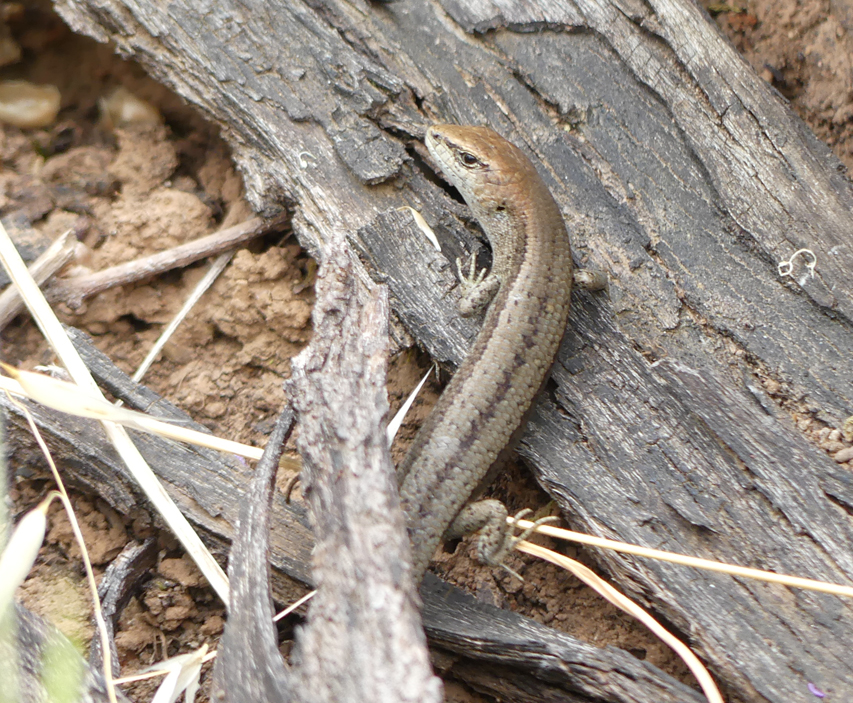
We stop alongside one such outcrop near the top of the ridge and enjoy a wonderful view across hills and bushland to the Spencer Gulf in the hazy distance. I bend down and dislodge a couple of flat rocks and a small skink darts out and freezes in the long grass. Carefully replacing its rocky home I leave the little reptile to its own devices after snapping a quick shot.


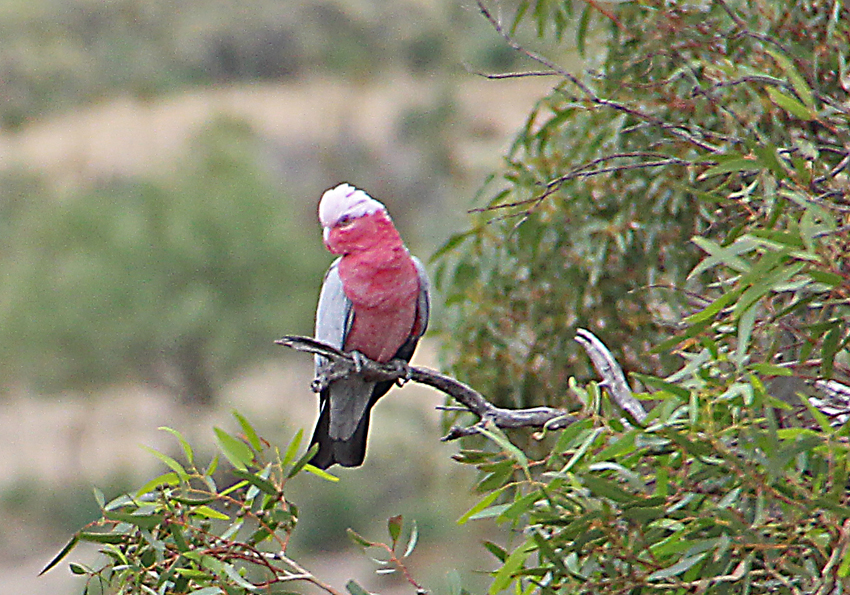
The descent towards the coast is quite steep and we need to put the vehicles in low range. We stop occasionally to take a closer look at some of the eucalypts that grow in isolated patches providing nesting sites for some of the many parrot species that populate this part of the state. Ring neck parrots, galahs and rosellas are just a few of the species we encounter.


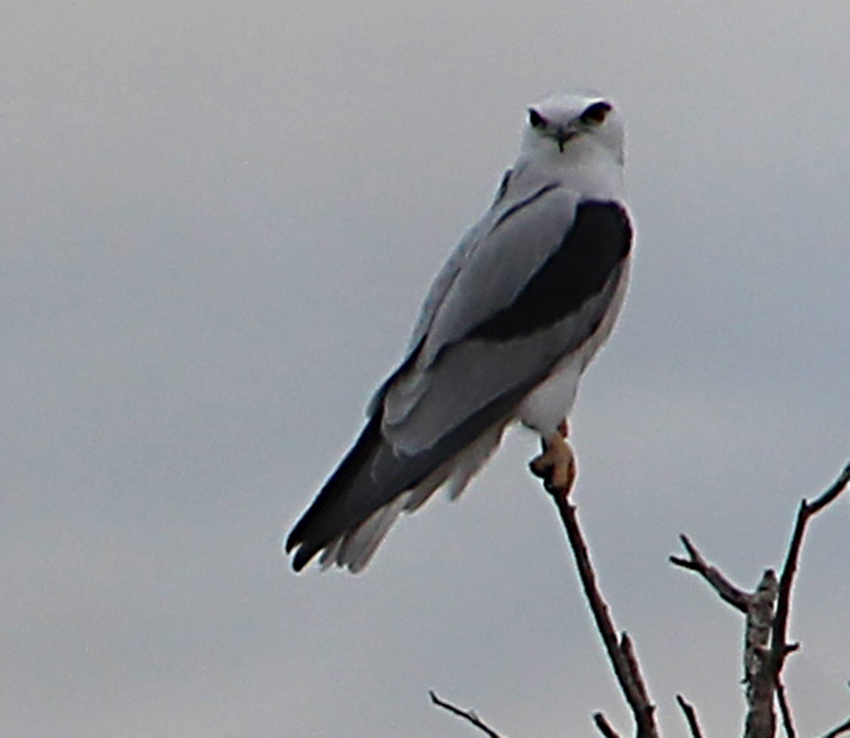
Back on the plains we leave the main trail and take a well graded dirt road back to the highway. A beautifully marked black shouldered kite watches us from a skeletal branch where it is perched to surveying the landscape for prey.


Our final farewell to this bleak but beautiful part of South Australia is the forlorn whistle of a freight train as it clatters over a crossing on the endless tracks that cover the thousands of kilometres between the west and east coasts of Australia.    


Cheers

Baz

Winery Wildlife

2 May

Winery Wildlife

 Dear Reader:

The male superb blue wren is extremely active as he darts between the bushes foraging for insects and seeds in the undergrowth. The iridescent blue plumage is striking. Nearby, a duller, grey coloured female twitters excitedly as the male approaches. Yet her adoration is a somewhat of a scam as their so-called monogamy is far from the truth. The promiscuous wrens will get a little avian action behind their mates’ backs if the chance arises while maintaining an outward appearance of togetherness.


Superb blue wren


I am sitting on a balcony overlooking the manicured gardens that grace the Jacobs Creek Winery in the Barossa Valley. After a superb lunch of chilli marinated prawns accompanied by an award winning white wine I am about to wander down the nature trail that leads from the restaurant and wine centre along the creek and into some nearby bushland.


Wine centre


Balcony view

There are both magpies and cockatoos calling from the lower branches of some magnificent river gums with finches twittering in the thick bushes alongside the trail. But it is a diminutive, silent creature that catches my eye. A delicate jewel spider has spun a web in a wattle bush and the brilliant colours and intricate body patterns of the little arachnid are quite outstanding; even on this relatively cloudy day.


Jewel spider


Nature trail


Galah


Near the small bridge where the trail and creek intersect I notice a group of small birds in a tree some distance away. They look a little like wood swallows but the colour is not right. I am familiar with most of the birds that inhabit this region and do not often come across a species that I don’t quickly recognise. Therefore, I leave this small task to you ‘Dear Reader’. If someone can identify them for me I would be most grateful.


Unknown birds


Closer shot of unknown bird

Cheers

Baz


Additional notes

This is quite an easy walk which is quite suitable for families and seniors with toilets, parking and other facilities nearby.

Crafers…soft light and pretty birds

1 Feb

Crafers…soft light and pretty birds

Dear Reader:

The road meanders up the slope of the hill from the freeway exit past houses and a plant nursery towards a school nestled in the scrub. A few metres back, a footpath shadows the road. I can hear small birds twittering among the bushes and as I walk the trail nature seems to have re-established itself despite the occasional sound of a passing car.

1-edit

Yellow thornbill


Tall eucalypts and a few pines cut the light to a minimum and I have to work hard to focus my camera on the birds that live in the shadows. Eventually I spot a tiny yellow thornbill hopping between the branches. I fire off a half dozen frames, one is reasonable.

4-edit

Crimson Rosella


A little further along the path I can hear the single piping note of a crimson rosella. The sound seems to emanate from the top of a tall pine closer to the road. It takes a few minutes to find the bird but the soft light and beautiful plumage render a gentle image in the viewfinder.

5-edit

Classy meals, great service


I am in Crafers, a charming little hill’s town, just off the South Eastern Freeway about 15 minutes from Adelaide’s CBD. The town is set amongst lush bushland with tall eucalypts and a smattering of introduced pine trees dominating its skyline.

2-edit

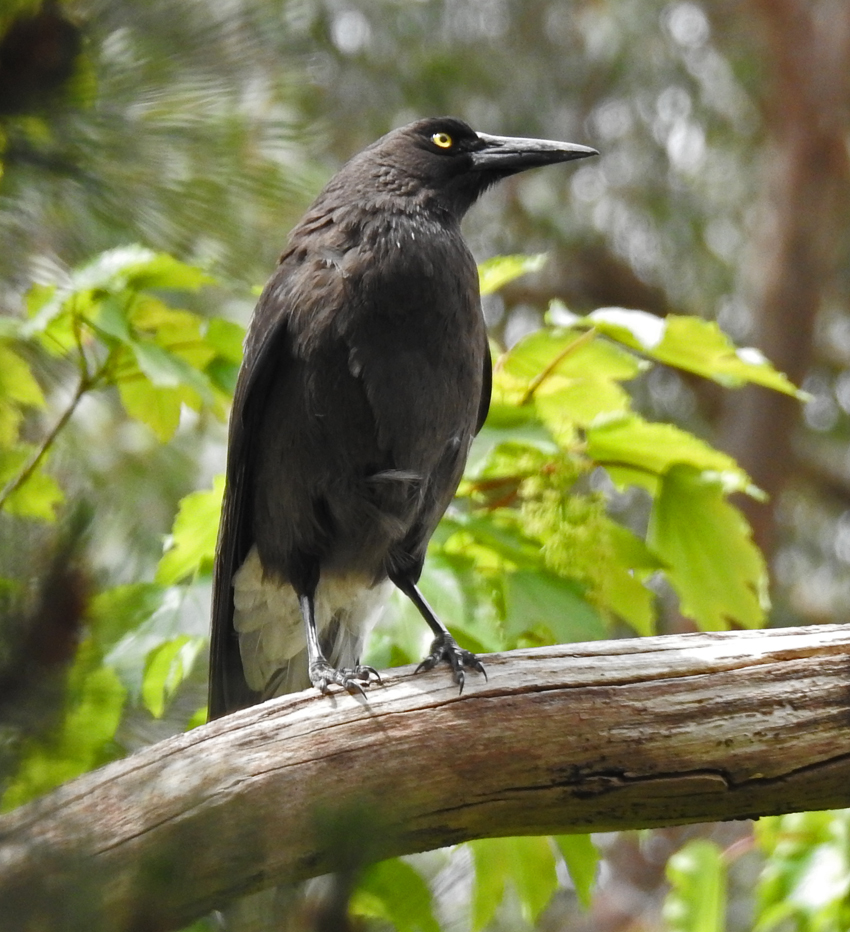
Grey currawong


The trail cuts and curves through the trees skirting some lovely homes and bush gardens that in themselves are drawcards for wildlife. A grey currawong catches my eye as it flies into a stringy bark tree and starts to sharpen its beak on a branch.

3-edit

Unknown small skink species


I stop near the school and chat to some of the adults who are dropping their children off. They tell me that koalas are common in the area and sometimes echidnas trundle through the undergrowth. With this information in mind I find a spot on the hillside opposite and spend twenty minutes just waiting and watching. No koalas or echidnas today but a there are small brown skinks hunting in the leaf litter.

7-edit

Interesting entrance to B&B


Shouldering my camera I walk back down into Crafers on the opposite side to the trail taking in the country ambience and imagining what it would be like to live here. I pass an intriguing guest house and stop at the local hotel for a meal. All in all…..a pretty good morning.  

 Cheers

Baz

Additional notes

This is an easy walk which is quite suitable for families although the road does a have a reasonable incline which is mediated by the winding trail.

Blackwood’s Wittunga Botanic Park

12 Nov


Blackwood’s Wittunga Botanic Park 

Dear Reader:

There is a rainbow lorikeet around fifty metres away from me. The excitable little bird has inverted its body to dip its feathery tongue into a tube shaped eremophila blossom.  Several other species of birds including new Holland honeyeaters and wattle birds are feeding in the same garden beds where there is a smorgasbord of flowers to choose from. Clever planting also attract a variety of butterflies which feed on the nectar and help to pollinate plants by transferring pollen.


1a2

Rainbow lorikeet feeding


I am walking around the Wittunga Botanical Gardens near Blackwood in Adelaide’s foothills, just a twenty minute drive from the CBD. The busy little township is nestled into bushland where koalas and myriad bird species are common visitors. There are several hotels, bakeries and restaurants in the area and the Belair National Park and Golf course make this an ideal day trip for city residents.


1c

Old church and soldiers’ memorial in Blackwood


Leaving the flower beds behind I venture down to the lake that is the central feature of the park. It is surrounded by massive gum trees and there are crows, honeyeaters and a kookaburra perched in some of the branches that overhang the water. But it is a tiny head that emerges from the lake that draws my attention as I watch a Macquarie short-necked turtle swim towards the shore. The side-plate sized reptile clambers up on to a fallen branch and positions itself to catch some warming sunlight.


3a

Central lake and gardens


1d-red-2-macqurie-short-necked-turtle

Macquarie freshwater turtle


2a

Pacific black ducks

At the end of a long cool, wet summer the lake is full of new life. I spot purple swamp hens tending their fluffy black chicks near the reed beds. Several species of frogs are calling; probably spotted marsh frogs and common froglets or perhaps a potty bonk. Two Pacific black ducks are preening their feathers near the water’s edge and Eurasian coots appear to be amorously pursuing each other further from the bank.


4a

Ra venfeeding, they are often mistakenly called crows


Various pathways meander around the lake and I choose one that cuts through a stand of massive red gums. A lone raven is strutting around the perimeter of one tree pecking at the bark which is cracked and sloughing off the trunk. The bark of most eucalypts is an important environment for many smaller animals. Insects and spiders find shelter and breed there while larger predators such as birds and lizards find it a fertile hunting ground.


5a

Koala portrait shot


Having enjoyed a pleasant walk around the lake while indulging my passion for both wildlife and plants in general I walk back to the car park by way of a small stand of gums that run along the northern edge of the gardens. They are the kind of trees that might be attractive to koalas and I know that these endearing marsupials are common in the Blackwood area. Sure enough, there is one wedged between two branches in what I can only describe as the perfect koala portrait pose; a nice way to finish my walk.


1b-red-lesser-wanderer

Lesser-wanderer butterfly


Enjoy our city and suburban parks in spring as they really are some of the best in the world.

Cheers

Baz

A Walk through Victoria Park

14 Sep

A Walk through Victoria Park

 Dear Reader;

The little musk lorikeet has been hovering around the small opening in the trunk of a red gum for a few minutes. Suddenly another lorikeet appears and disappears down into the tree. They are obviously nesting here. I walk closer to the tree and listen. From deep inside I can hear the plaintive calls of the young chicks demanding food.

1-1

Musk lorikeet

 I am walking around the old Victoria Park Racecourse which is now a recreation area bounded by gracious old houses, a creek, walking trails and stands of massive old gums as well as a variety of native shrubs and bushes. It is a wonderful space for people to enjoy a bike ride, walk or run, exercise their dog off lead or even fly model planes.

1-2

Historic old racecourse stand


1-3

Avenue of gums on the western perimeter

 From the car park at the south western edge of the park I take the path towards Greenhill Road which winds through a copse of massive old gums and thick tangles of bushes. There are white cheeked rosellas high in the branches and one pair seem to be staying close to a hollowed out limb some 10 metres above the ground. I’ll come back at another time and see if they have chosen it for a nesting site.

1-6

Huntsman spider in bark crevice

 To get a better idea of the bird life I decide to spend a little time sitting quietly on a fallen log deep amongst the trees and bushes. Unfortunately or fortunately depending on how you look at it, the aforementioned log is also home to a large huntsman spider that scuttles for cover as my ‘butt’ approaches.

1-4

White cheeked rosella

While the spider and I share our seating arrangements, a wide range of birds including- miners, mudlarks, crows, magpies and galahs-are active in the scrub around me. Wonderful for a photographer to capture some images; not so good for a spider who features on many of their menus.

1-7

Police greys

Bidding adieu to ‘Boris’, I continue along the pathway. To my delight, my final encounter is not with native wildlife but a pair of police greys being ridden through the parklands.

1-5

Spiny wattle variety with feeding fly

 Spend some time in our parklands during the spring. It really is the best time to enjoy the wildlife.


Cheers

Baz

Gawler’s Dead Man’s Pass

7 Apr

 Dear Reader:

There are dragonflies and damselflies hovering above the water. Every so often one of the slender damselflies hovers near the bank then attaches itself at right angles to a reed.

1

Damselfly


The pool of water is left over from the winter rains and sits alongside a causeway that crosses the river just a few hundred metres from Gawler’s main street. The town has a country, colonial feel about it with classic stone buildings and a good smattering of pubs, restaurants and bakeries to fuel up on before exploring the ominously named Dead Man’s Pass.

2

Causeway over the Gawler River

3

Historic stone buildings in Gawler


Well placed signs along the walking and cycling track indicate interesting historical information as well as describing the wealth of fauna that can be encountered along this trail which follows the course of the Gawler River. As I approach a dense clump of reeds I am lucky enough to catch a fleeting glimpse of a red bellied black snake before it disappears into the undergrowth near the river bank.

4

Red bellied black snake


The edge of the river is bordered by massive red gums that in themselves create a multitude of ecological niches. I sit near the base of one huge tree watching a variety of insects from ants to beetles as they forage along the trunk while a tree skink weaves its way amongst the deeply furrowed bark in search of prey.

5

Tree living skink


Several metres higher up the tree, a pair of crested pigeons has made a nest on one of the larger limbs. Both birds will share the incubation of the eggs (usually two) which will hatch after about 21 days.

6

Crested pigeon


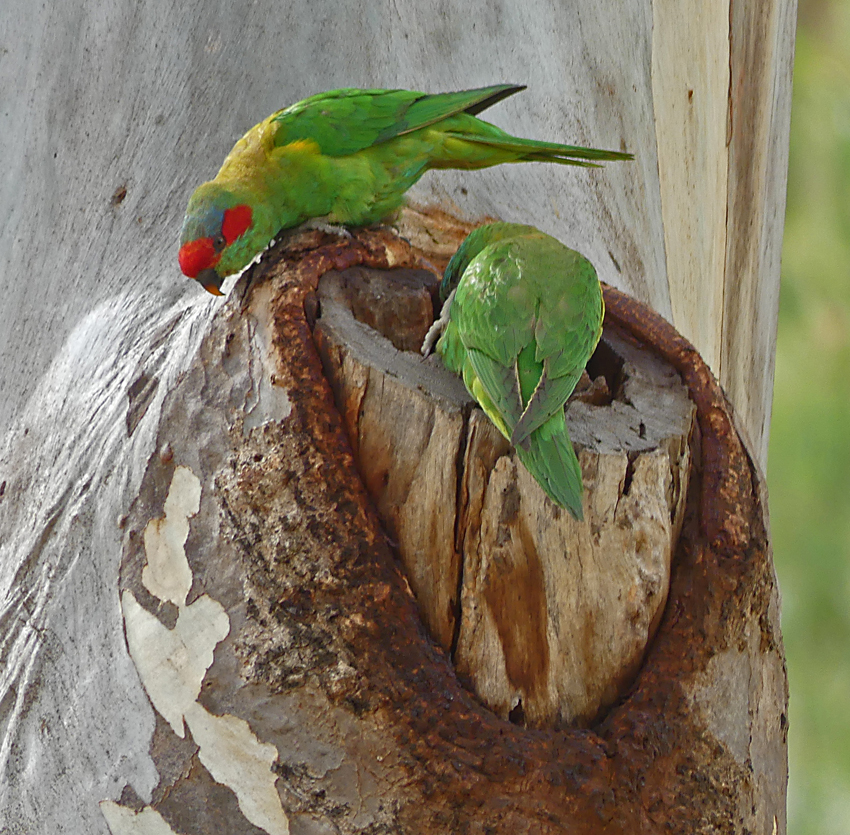
The river red gums along the creek also play host to a wide variety of parrot species including cockatoos, rosellas, rainbow lorikeets and the brightly coloured little musk lorikeets. Two of these delightful little birds are checking out a nesting hole where a branch has been removed and I am fortunate enough to capture an image of them contemplating their future real estate.

7

Nesting musk lorikeets


My morning exploring the park on the outskirts of this charming country town has been most rewarding and I am sure that Gawler’s historical and ecological diversity will be the topic of more posts in the future.


Cheers Baz