Tag Archives: Australian wildlife

Barrow Beach’s Dragons

26 Nov

It is a mild afternoon; a nice time for a drive down to one of my favourite outdoor destinations. Not well known or easily accessed, Barrow’s Beach is a half hour drive from Port Pirie and about fifteen minutes from Port Germein. A Google Earth hunt will best describe how to access the area, but beware; depending on weather and your desire for adventure, 4WD is recommended.


Typical terrain


We are scouting the beach for fishing spots and enjoying some wildlife photography at the same time. As we come off the track onto the beach I notice a group of Rose Breasted Cockatoos (Galahs) fossicking in the seaweed that has been washed up during stormy weather and high tides. Worth a shot as this is not their usual environment.


Beachside cockies


Further along the beach where the sand is quite tricky to negotiate a mixed flock of Pied Cormorants and Common Terns are resting on a sand bar. As we approach they take flight creating a lovely image as they pass low across the shallow water with the muted outline of the Flinders Ranges as a backdrop.


Formation flying


It seems that our drive is turning out to be more about wildlife than fishing. And our next few encounters highlight that idea. My fishing partner and driver Geoff traverses the beach and heads a back along a pot holed track overgrown with  wiry bushes and stunted trees . We stop several times to explore likely areas where reptiles, shore birds and even the odd kangaroo might be hiding.


Stay away


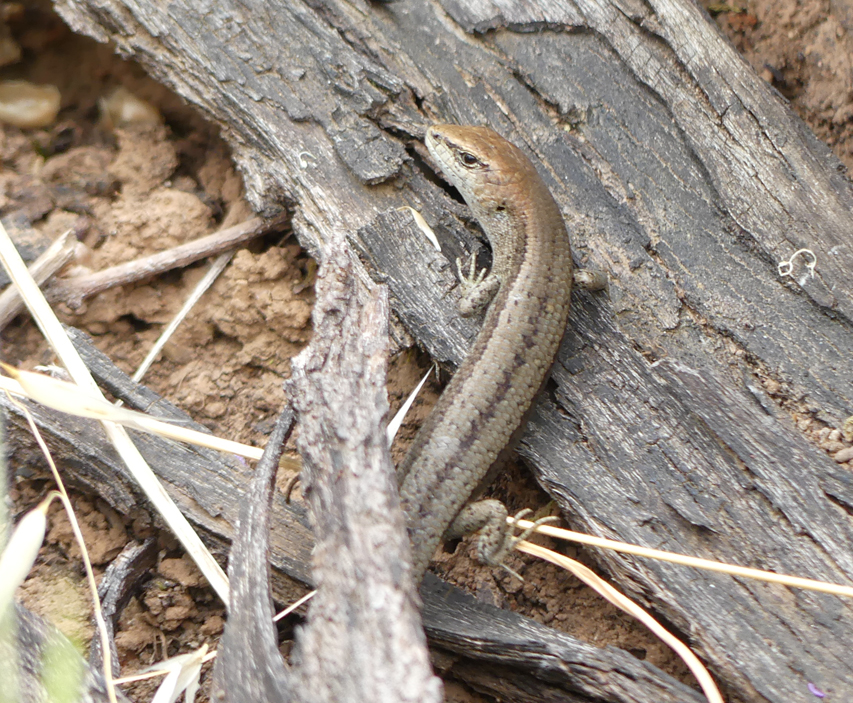
Kangaroos and shore birds do not seem to be on the menu in this area but we do flush out three separate species of lizards; a Shingleback, Bearded Dragon and a little Painted Dragon. Wonderful to see so many kinds of lizards in such a short period of time.


Glimpse of a dragon


Bearded dragon

Our trip is not ended and there is still much to see among the mangroves and little channels that flow through them but I shall leave that part of my adventure for another post in the future.

Cheers

Baz

Additional notes

This is a challenging drive with no facilities available. However once at the location walking is easy enough.

See more South Australian stories and pictures in Weekend Notes

https://www.weekendnotes.com/profile/651267/

 I have recently spent time in Africa and the link below will allow you to enjoy images and text describing some of my encounters with the wonderful wildlife of Botswana and Zambia. I will try to attach a new image and notes each month.

https://wildlifemomentssa.blogspot.com

Just Cruising 1

1 Jun

Just Cruising 1

Dear Reader:

There is a white faced heron picking its way precariously along the bow rail of the boat; probably heading for the shrimp bucket. In the meantime, two welcome swallows are resting on the mooring rope while they take a rest from their aerial, acrobatic insect hunts. These are two of the animals that make our houseboat a temporary home as we journey along the river.


Curious Heron


To date my blogs have always been about South Australia but the next few posts will stray just a little from my own state and take you just over the border to Mildura in Victoria. From this thriving community I will share some observation taken on a week-long houseboat trip along the Murray. The wildlife and scenery are much the same as in SA as we are cruising along a section of the river which runs close to all three states SA, Victoria and NSW.


Typical riverside scenery


Houseboats are a wonderful way to explore the river. They come in all shapes and sizes from luxury models with saunas, ensuite bathrooms and satellite television through to old fashioned paddle sided boats with two rooms and a basic kitchen. We travelled in rather luxurious style which I can fully recommend; and travelling in a group certainly made it a reasonably inexpensive holiday option.


A classic


Wildlife along the river is seasonal and dependent on a variety of conditions such as drought and ambient river levels. The long dry that we have experienced this year meant that the wildlife was sporadic and took a little effort to locate. However, as we varied our moorings between townships and bush there was always something to see when I took a walk and looked carefully.

What the????


At a bush mooring near the confluence of the Darling and Murray I spent a couple of hours walking through the scrub bordering the river. Whilst sitting on a log near a clump of acacia bushes some small bugs with ‘eye-lash- like’ antennae caught my attention. I spent a good half hour trying to get a reasonable shot. Sometimes the little things can be the most interesting and challenging to photograph.


Nesting Apostle bird


The rewards of exploring a new and unfamiliar region are many including the chance to encounter species that are rarely observed or at the best seen fleetingly at home. An apostle bird nesting in the eucalypts that shaded our mooring at Coomeala was a prime example. Locals told me that they are quite common but it was the first time I had seen one and to capture and image of it nesting was quite a thrill.

Sandra gets the double


There were many more encounters on this trip and they certainly warrant further posts under the heading ‘Just Cruising’ which seems to capture the mood of my week exploring the mighty Murray while relaxing with friends.


Cheers

Baz


Additional notes

This is an easy excursion which is quite suitable for families and seniors with toilets, barbecues and numerous facilities aboard.


 I have recently spent time in Africa and the link below will allow you to enjoy images and text describing some of my encounters with the wonderful wildlife of Botswana and Zambia. I will try to attach a new image and notes to accompany each post.

https://wildlifemomentssa.blogspot.com

Warren Reservoir

11 May

Dear Reader:

There is pelican fishing near the water outlet on the edge of the reservoir. It seems to be catching the odd fish unlike the anglers near the bridge. Likewise, a snake bird sometimes called a diver but more correctly known as an anhinga, is perched on a branch overhanging the water drying its wings after successfully making a catch. Obviously there is prey in the lake and after one of the longest dry spells on record it is a pleasure to witness the local wildlife reaping the benefits of permanent water.


Snake bird or darter


I am exploring the Warren Reservoir about an hour’s drive north east of Adelaide’s CBD past Williamstown on Warren Road which deviates left off the Springton Road a few Kilometres beyond the township. There are several lay-bys and one major recreation site that allow access to the reservoir which can be used by fishers and kayakers.


Warren Reservoir


 There is a bridge crossing the reservoir that leads on to a path that skirts the water. Tiny finches and wrens are chirping in the canopy and an occasional duck can be seen foraging near the reeds. I sit quietly by a large eucalypt that droops over the water watching for a kingfisher or kookaburra. However, it is a tiny female blue wren that catches my eye as it works its way along the edge of the water.


Masked Lapwings


Roos in retreat


­­­­ 

Further along the track several lapwings are walking tentatively along the high water mark. They are nervous and approaching them to capture an image is difficult. As I crouch amongst the bushes I startle a small group of kangaroos that are quietly resting in some bushland near the edge of a pine forest.


Casual lunch


My walk around the reservoir has been interesting but a few hunger pangs are setting in. In a cutting a little closer to Williamstown there is a pop up lunch bus that makes unbelievable hot-steak rolls. The chap that runs it is an ex-biker (not bikey) and also sells oil and other motorbike accessories for the numerous enthusiasts that drive through the area. An interesting way to end my day at the reservoir.


Cheers

Baz  


Additional notes

This is an easy walk/drive which is quite suitable for families and seniors with public toilets, barbecues, parking and other facilities nearby. It is dog friendly.


 I have recently spent time in Africa and the link below will allow you to enjoy images and text describing some of my encounters with the wonderful wildlife of Botswana and Zambia. I will attach a new image and notes to accompany each post.

https://wildlifemomentssa.blogspot.com

Cuttlefish Meeting

24 Feb

More Cephalopods on the Reef

Dear Reader:

I am working my way patiently along the edge of the Noarlunga reef-on the shallow side near the jetty. The water is no more than a couple of metres deep and surprisingly clear. Small schools of mullet are congregating near the surface, their silver sides reflecting the light with sudden bright flashes. Just below me there are several recesses that cut under the rocks and I can see some movement in one: perhaps a leatherjacket or even some bullseyes. I swim down and hold onto a nearby rock until my eyes adjust to the light. To my delight my encounter is a little more exotic, a giant cuttlefish is hovering above the sandy substrate patiently waiting for some unfortunate critter to come near its temporary lair.


Giant Cuttle (Sepia apama)

Length: mantle or body to 50cm.

  • Lives around reefs and over seagrass meadows
  • Hunts fish and crustaceans
  • Gather in winter in large groups to mate
  • Sexual reproduction and females attach clusters of eggs inside caves and crevices
  • Cuttles die shortly after mating
  • Can change colours rapidly to blend in with surroundings or display during courting
  • Like squid and octopus they can expel ink

Cheers

Baz


Over the next few months I will be writing a book about the wildlife of the Fleurieu Peninsula. My posts will reflect the research I am doing and provide more detailed information about each animal that I encounter.

Calamari SA Style

31 Jan

Dear Reader

There is a flash of light in the dark waters surrounding me. I point the camera and fire off a few frames hoping for the best. The squid (Southern Calamari) have been accumulating beneath the Second Valley Jetty, attracted by fluorescent lures cast by fishers. They seem indifferent to my presence.


The next morning I venture into deeper waters and catch sight of a group of squid gliding through the ocean. Nice image.


And later that day I drive through to Normanville and enjoy ‘Salt and Pepper Squid’ a South Aussie favourite.


Yes! The humble squid, is an icon of Southern Australia’s marine culture be it a fascinating animal to study, an angler’s quarry or a fine meal.


Southern Calamari Squid (Sepioteuthis australis)

 Size: Length of body (mantle) up to 40 cm.

  • Lives around reefs and over seagrass meadows
  • Often hunts fish and crustaceans at night
  • Uses speed, eyesight, and two extra long tentacles to capture prey
  • Females attach cylindrical bunches of eggs to algae and seagrass
  • Pumps water though a central outlet to provide jet propulsion
  • Releases ink when threatened as a decoy

In my next blog we will explore some of the squid’s close relatives; cuttlefish and octopus. 

Cheers

Baz

Notes:

Over the next few months I will be writing a book about the wildlife of the Fleurieu Peninsula. My posts will reflect the research I am doing and provide more detailed information about each animal that I encounter.

Rapid Bay’s Stripy Fish

1 Jan

Rapid Bay’s Stripy Fish

Dear Reader:

I am snorkelling just below the old Rapid Bay jetty. The poles are covered with sea squirts, sponges and a variety of algae. Seastars and urchins forage amongst this tangle of encrusting organisms and mixed schools of bait-fish dance around the timber uprights. Closer to the sea floor I can see some large rocks that form a shallow reef. Many are the result of mining or the remnants of an old breakwater. Like the jetty poles the reef has also been colonized by a myriad of marine invertebrates providing the perfect environment for the more residential species of fish that I am here to photograph.


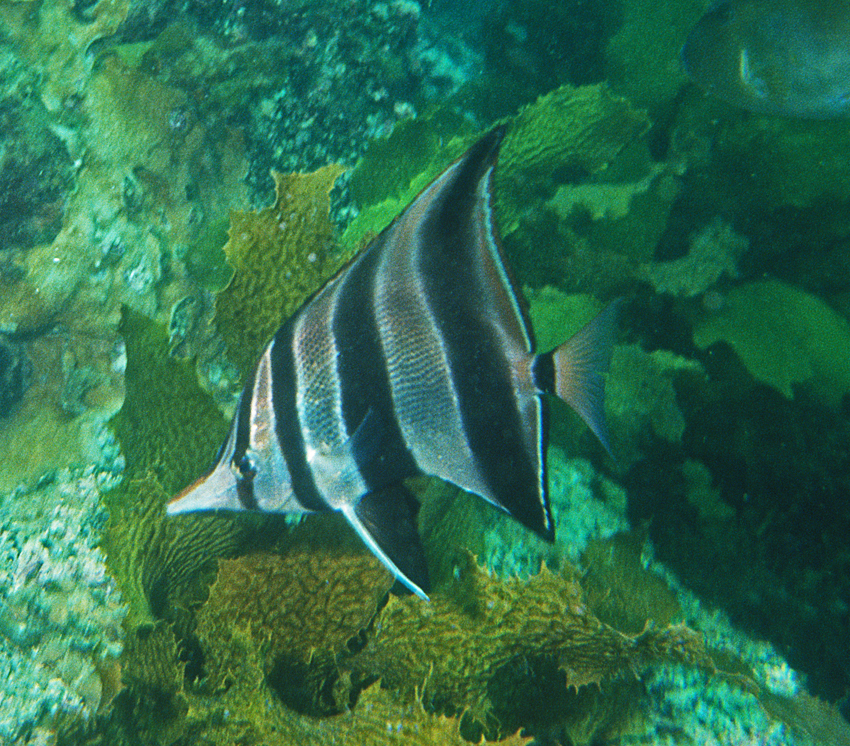
In a slight depression near the bottom I come across a moonlighter swimming over a brownish coloured sponge.


Moonlighter (Tilodon sexfasciatus)

Size: Length to 40 cm.

  • Common around reefs and drop offs
  • Larger adults found in deeper water
  • Often seen around Aldinga Reef and Rapid Bay jetty
  • Opportunistic feeding on plankton, algae and tiny reef living invertebrates
  • juveniles inhabit shallow reefs
  • Not found in schools, adults solitary or in pairs


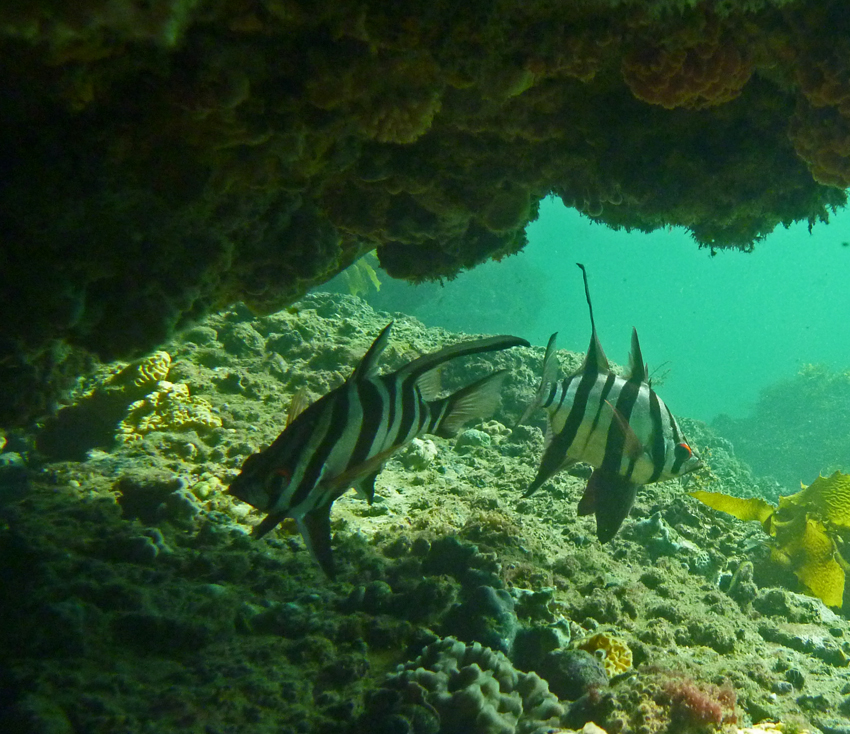
 Where the water is a little deeper I manage to position myself at the end of a narrow cave and capture a nice image of a pair of old wives that are using it as a shelter.


Old Wife (Enoplosus armatus)

Size: Length to 31 cm.

  • Found in schools over seagrass beds and alongside jetty poles
  • In pairs or solitary around reefs
  • Feed on small invertebrates such as shrimp and worms
  • Juveniles often shelter in seagrass beds
  • Have been observed cleaning parasites off other fish
  • Have a venomous spine on the first dorsal fin
  • Name comes from grunting sound made when captured


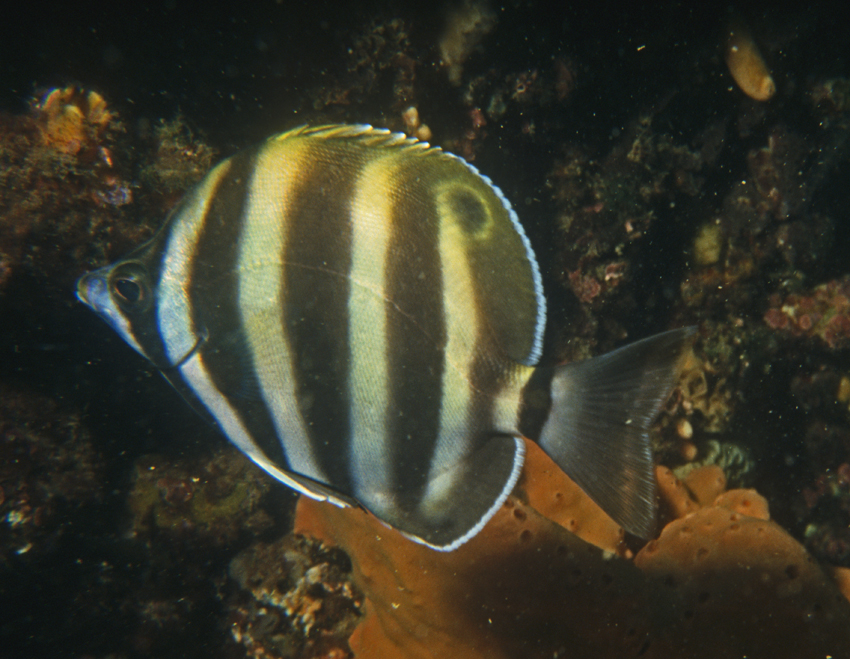
My final image is of a western talma a kind of butterfly-fish as it picks tiny invertebrates from some brown algae.


Western Talma ( Squareback Butterflyfish) (Chelmonops curiosus)

Size: Length to 20 cm.

  • Lives around rocky reefs often under ledges and near crevices to depths of 40 m.
  • Frequently seen along the steep rock faces of the Bluff at Victor Harbor
  • Uses its long slender mouth to pick at small invertebrates including crustaceans and worms as it moves slowly across the reef
  • Also eats algae
  • Often found in pairs


It has been a wonderful dive and Rapid Bay is a place to explore some of the State’s most enchanting wildlife in a great setting. And if you are lucky there is also the opportunity to catch sight of both leafy and weedy seadragons. But I’ll leave that adventure for another post.


Cheers

Baz

Notes:

Over the next few months I will be writing a book about the wildlife of the Fleurieu Peninsula. My posts will reflect the research I am doing and provide more detailed information about the animals I encounter.

The Murray Mouth

7 Sep

Dear Reader:

There is a magnificent pelican flying low over the estuary with thick scrub and hills in the background. It circles a few times then lands, with surprising grace for such a large bird, amongst a small group of pelicans. They comb the edge of the water hunting for schools of baitfish. The birds then circle their prey driving them into a small ball before scooping the hapless victims up in their flexible net-like bills.


Pelican in flight


The mouth of Australia’s largest river, the Murray, can be reached or viewed in several different ways. Taking a 4WD along Goolwa Beach is perhaps the most adventurous but sometimes requires some skilful off road manoeuvres in the wet sand and the tides must be taken into consideration. From Hindmarsh Island or the upper reaches of the Coorong it is an eaier boat ride from numerous launch points.  I have used both of these methods to photograph the wildlife of this wonderful location but on this occasion I am lucky enough (because of the kindness of an old friend) to fly over the area giving me a fresh perspective on this unique wilderness location.


Aerial view of Murray Mouth


After leaving the plane at a nearby property we clamber into an old landcruiser and make our way along the beach towards the mouth. Parking the vehicle tight against the sandhills away from the incoming tide we trek across sand hills into the scrub that divides the ocean from the river. There are numerous small birds in the thickets and I manage to photograph a singing honeyeater perched on a slender twig as it loudly proclaims its territory.


Singing honeyeater


Back on the beach we drive close to the wave-break watching flocks of plovers scouring the wet sand for worms, molluscs and other tiny invertebrates. They take flight as we approach then quickly settle back into their feeding patterns dodging between the gentle waves as the tide changes.


Plover panic


I spend a pleasant half hour fishing the river where it empties into the sea and manage to put a few salmon trout into the cooler before driving back to the car park in Goolwa. The little cafe is worth a quick stop for a sausage roll and an ice cream and a chat to some surfers who are enjoying one of the other pleasures that Goolwa Beach and the Murray mouth are famous for.


Gnarly dude

Cheers

Baz

 Additional notes

 I have recently spent time in Africa and the link below will allow you to enjoy images and text describing some of my encounters with the wonderful wildlife of Botswana and Zambia. I will attach a new image and notes to accompany each post.

https://wildlifemomentssa.blogspot.com

Cape Jervis as a wildlife destination

2 May

Cape Jervis

Dear Reader: 

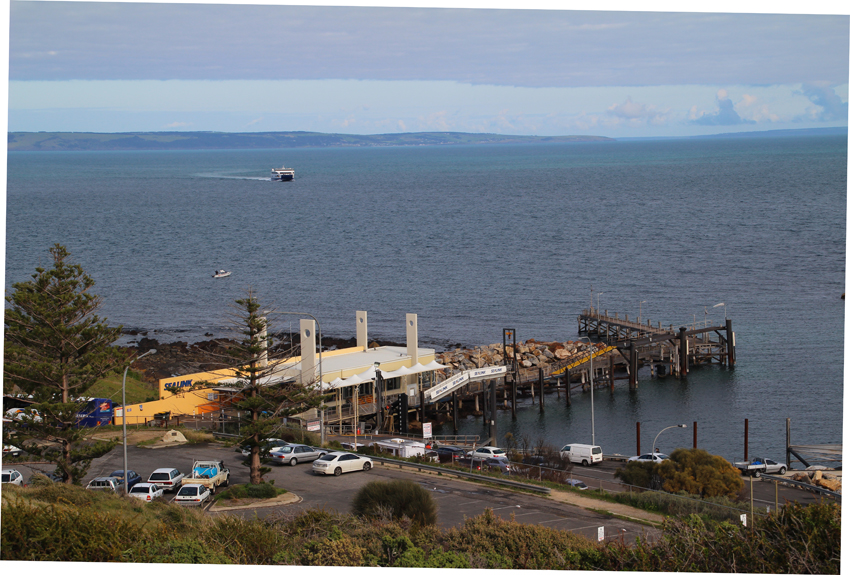
Cape Jervis is a rugged promontory at the southern tip of the Fleurieu Peninsula overlooking Backstair’s Passage. It lies about 110 kms south of Adelaide along South Road. The little township is a fishing community with a lighthouse and the terminal for the Kangaroo Island ferry. The location was named by Matthew Flinders after John Jervis; a seaman who rose to the rank ‘Lord of the Admiralty’.

Ferry landing


The drive into Cape Jervis passes by open farmland and patches of scrub where there are often kangaroos grazing sometimes alongside sheep. Crows, magpies, rosellas and many smaller bird species including wrens live in the natural vegetation along with a variety of insects and reptiles.  Occasionally wedge tailed eagles are seen circling on thermals searching for prey.

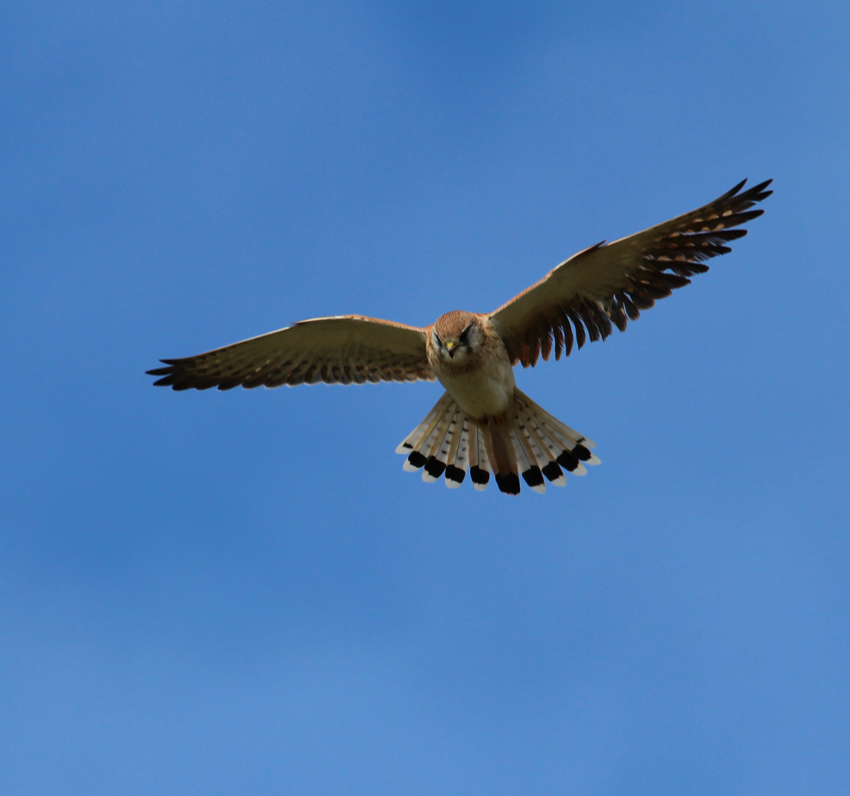
Kestrel hunting


The shoreline is strewn with pebbles and jagged outcrops of rock creating numerous rock pools. This intertidal zone is the habitat of numerous invertebrate species such as; crabs, anemones, sea snails, limpets and shrimps. Wading birds including oystercatchers, plovers and herons feed in this zone as well as gulls. Cormorants can often be seen drying their wings on the rocks.

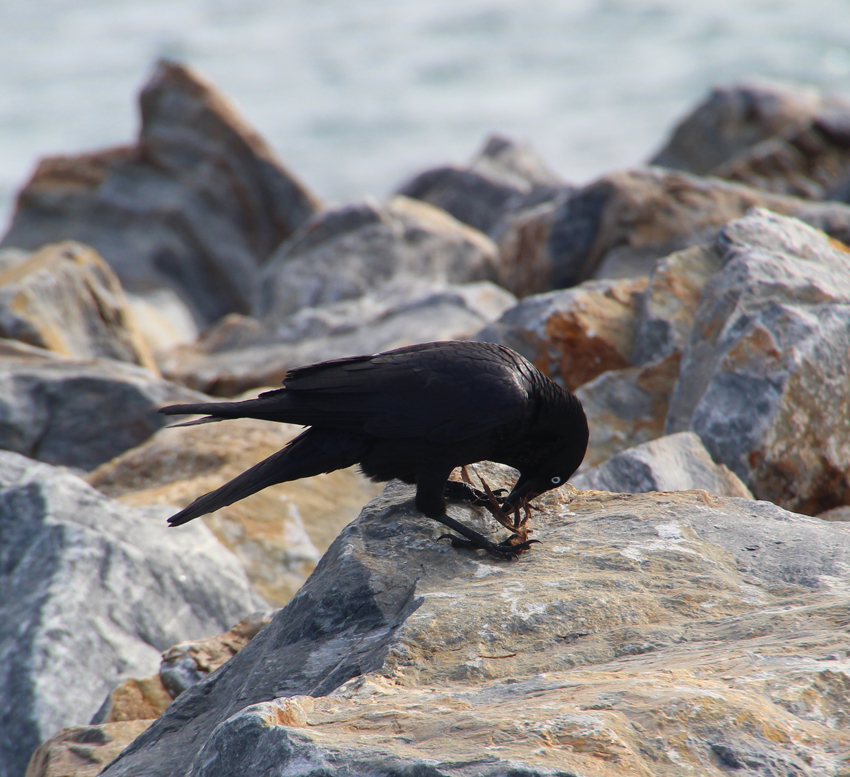
Raven feeding on breakwater


Below the water the rocky shoreline is dominated by brown algae and silver drummer, sea sweep, kelp fish, morwong and parrot fish are just a few of the many fish species that live in the shallow margin close to shore.

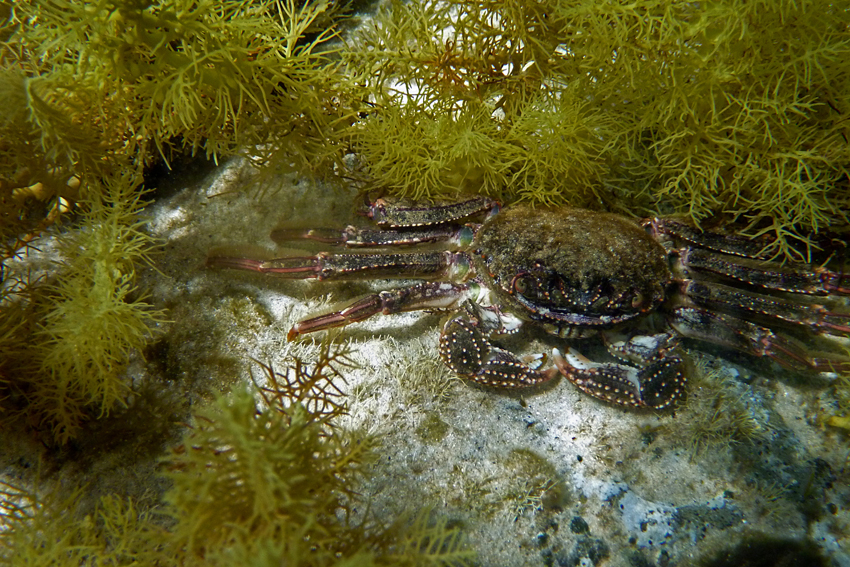
Crab in algae


Further notes and comments:

  • Snorkelling along the foreshore requires care as the rocks are sharp and entry to the water can be difficult. There is also a strong rip current running parallel to the shoreline so stay in shallow water.
  • A pathway runs from the lighthouse to the beach front
  • There are snacks for sale and public toilets at the terminal
  • A variety of fish can be caught in this area from the shore and boats
  • There is a public boat ramp
  • Charter fishing excursions can be arranged from Cape Jervis
  • The lookout on the left hand side entering the town provides sweeping views of Backstairs Passage and Kangaroo Island
  • Southern right whales and dolphins are sometimes spotted in Backstairs Passage
  • The Heysen Trail walk that goes all the way to the Flinders ranges begins here

Cheers

Baz


 I have recently spent time in Africa and the link below will allow you to enjoy images and text describing some of my encounters with the wonderful wildlife of Botswana and Zambia. I will attach a new image and notes to accompany each post.

https://wildlifemomentssa.blogspot.com

Brownhill Creek’s Koalas and Bird Life

22 Jan

Dear Reader:

The scrub is quite thick along the river bank and I can hear the movements of small animals against the background sigh of the wind through the towering eucalypts. Lizards, perhaps small mammals but more likely wrens, finches and other little birds are foraging in the undergrowth. Finally, a diminutive female blue wren emerges from the cover to search for seeds in a clearing. The opportunity to take a quick shot is momentary.


Female blue wren

Common garden skink


Brownhill Creek is one of several waterways that drain the south eastern aspect of the Mount Lofty Ranges. It has shallow pools that retain water in the hotter months and flows freely in the cooler ones. There is thick undergrowth along the creek bed that ranges into open scrubland on the surrounding hillsides. A paved road follows the creek eastward with numerous sidings that enable access to the water along narrow dirt tracks.


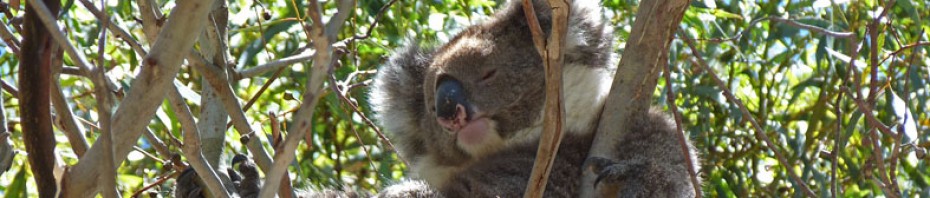
koala


I stop in one of the lay-bys where there is a significant clearing surrounded by several eucalypts. Using the long lens I scan the forks in the canopy for koalas. The bear-like marsupials eat a range of gum leaves and these trees look to be one of the preferred species. Luck is with me as I spot a large male using its double-thumbed prehensile grip to move along a branch.

Silvereye


Adelaide rosella

Ravens


Further along the road a small bridge crosses the creek and there is a large stand of eucalyptus and evergreen trees spreading both limbs and branches across the creek. A wide variety of birds are feeding on blossoms, fruit and insects. I manage to photograph silver-eyes, Adelaide rosellas and a pair of raucous ravens.

Laughing kookaburra


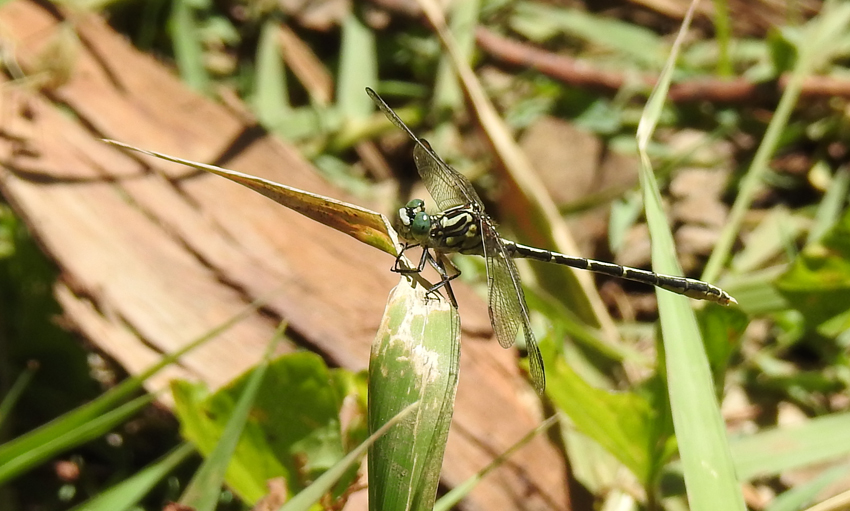
Dragonfly species


My drive along Brownhill creek has been quite exceptional and I decide to make one last foray down to the creek near the caravan park.  I can hear a kookaburra calling and some flowering plants along the creek seem to be attracting both butterflies and dragonflies. With a little luck I might just capture a few more images to complete my creek-side safari.


Cheers

Baz


Additional notes

This is an easy drive but the tracks along the creek are more difficult.

 I have recently spent time in Africa and the link below will allow you to enjoy images and text describing some of my encounters with the wonderful wildlife of Botswana and Zambia. I will attach a new image and notes to accompany each post. The link does not work well on mobile phones and is best followed through a computer or tablet.

https://silkstone627.wixsite.com/mysite

Whyalla’s Wildlife Oasis

5 Dec

Dear Reader:

The red-necked avocets are searching for food along the shoreline of the little lake. They use their characteristically upwards curved beak to probe for tiny crustaceans and other aquatic invertebrates. Avocets employ two different feeding strategies. Where the water is clear the birds pick their prey from the surface but in muddy areas they sweep their bills across the sediment flushing out tiny animals to feed on.


Red-necked avocet


I am walking around the freshwater lake that is the centrepiece of Whyalla’s newly created wetlands. The area has been carefully developed over the last few years with the aid of local community groups. There are significant stands of reeds, grasses and shrubs throughout the park providing a habitat for a range of wading birds including: stilts, ibises, plovers, dotterels as well as larger species such as pelicans and cormorants. Barbecues, a playground, benches, toilets and sheltered areas make this both an ideal family destination and wildlife oasis in the dry desert countryside that surrounds Whyalla.


Wetlands view


Further along the trail clumps of native grasses and flax lilies provide shelter and food for quite different kinds of wildlife. Native blue bees flit between the blossoms where their vibrating wings shake loose pollen. Hidden strategically in the grass blades, a well camouflaged dragon lizard waits patiently for any unwary bee or other insect to venture within its kill zone.


Blue banded bee


Dragon waiting

The extensive grassed areas provide yet another habitat for those animals that prefer to feed or congregate in open spaces. Parrots, ibises and ducks often relish these open areas but today it is a flock of black-tailed native hens that are foraging on the grass. They are nervous and hard to approach and getting a reasonable shot takes a little patience.


Black-tailed native hens


As my walk draws to a close I notice two delicate little waders close to each other as they feed along the shoreline. A black-winged stilt with its needle-like beak and a smaller red-kneed dotterel are both feeding in the same area but their different beak shapes means that they are not in competition.


Dotterel and stilt


The wetlands are just off the Lincoln Highway at the southern end of Whyalla. From there it is a short drive into the town or down to the marina which is famous for the pods of dolphins that come up to the walkways to help themselves to any fish discarded by anglers returning to the marina……or perhaps just to enjoy the company of another intelligent species.


Next stop


Take a drive out west sometime and enjoy this unique part of our State

Cheers

Baz  


Additional notes

This is an easy walk which is quite suitable for families and seniors with public toilets, barbecues, food outlets, parking and other facilities nearby.


 I have recently spent time in Africa and the link below will allow you to enjoy images and text describing some of my encounters with the wonderful wildlife of Botswana and Zambia. I will attach a new image and notes to accompany each post. The link does not work well on mobile phones and is best followed through a computer or tablet.

https://silkstone627.wixsite.com/mysite