Tag Archives: gecko

Normanville’s Big Gorge Walk Part 2

24 Jul

Dear Reader:

(30/6/25,12.05, Clear sky and around 18, light wind)

Numerous aged River Red Gums line the watercourse. I remove a few strips of bark to investigate the different animals that shelter there. A Marbled Gecko scuttles out and freezes relying on its camouflage to escape detection.

Marbled Gecko and Pie Dish Beetles

In part 1 of this story (June 7th Post) I had just passed the ruins and was nearing the end of this short but fascinating trail. I will pick up from there and relate the walk to the end of the trail and back by referring to my field notes. Conditions were recorded on my Apple watch.

End of the walk with information about Colonel Light’s exploration of the area

(30/6/25,12.13, Clear sky and around 18, light wind)

Amongst a tangle of branches I can just make out the shape of a large dark bird. I zoom in and pick up the white fringes to its tail and prominent yellow eye…A Grey Currawong.

Grey Currawong

(30/6/25,12.14, Clear sky and around 19, light wind)

Scanning further into the trees, I pick up the distinctive red breast and blue wings of an Adelaide Rosella. The rosella is not the only parrot in the area. There are small groups of Short-beaked Corellas in the canopy and an occasional Galah flying past.

Adelaide Rosella
Short-beaked Corellas

(30/6/25,12.25 Clear sky and around 18, light wind)

I leave the trail and walk closer to the creek and try to capture essence of this beautiful Gorge with a couple of scenic images.

Yankallila River
Surrounding hillsides with sheep grazing

(30/6/25,12.42 Clear sky and around 18, light wind)

I am almost back at the trailhead when I notice a small group of Silvereyes in a bush. They are probably the same birds I photographed earlier (7th June post). To my surprise, considering the season, I notice a Monarch Butterfly perched on a small branch near the track.
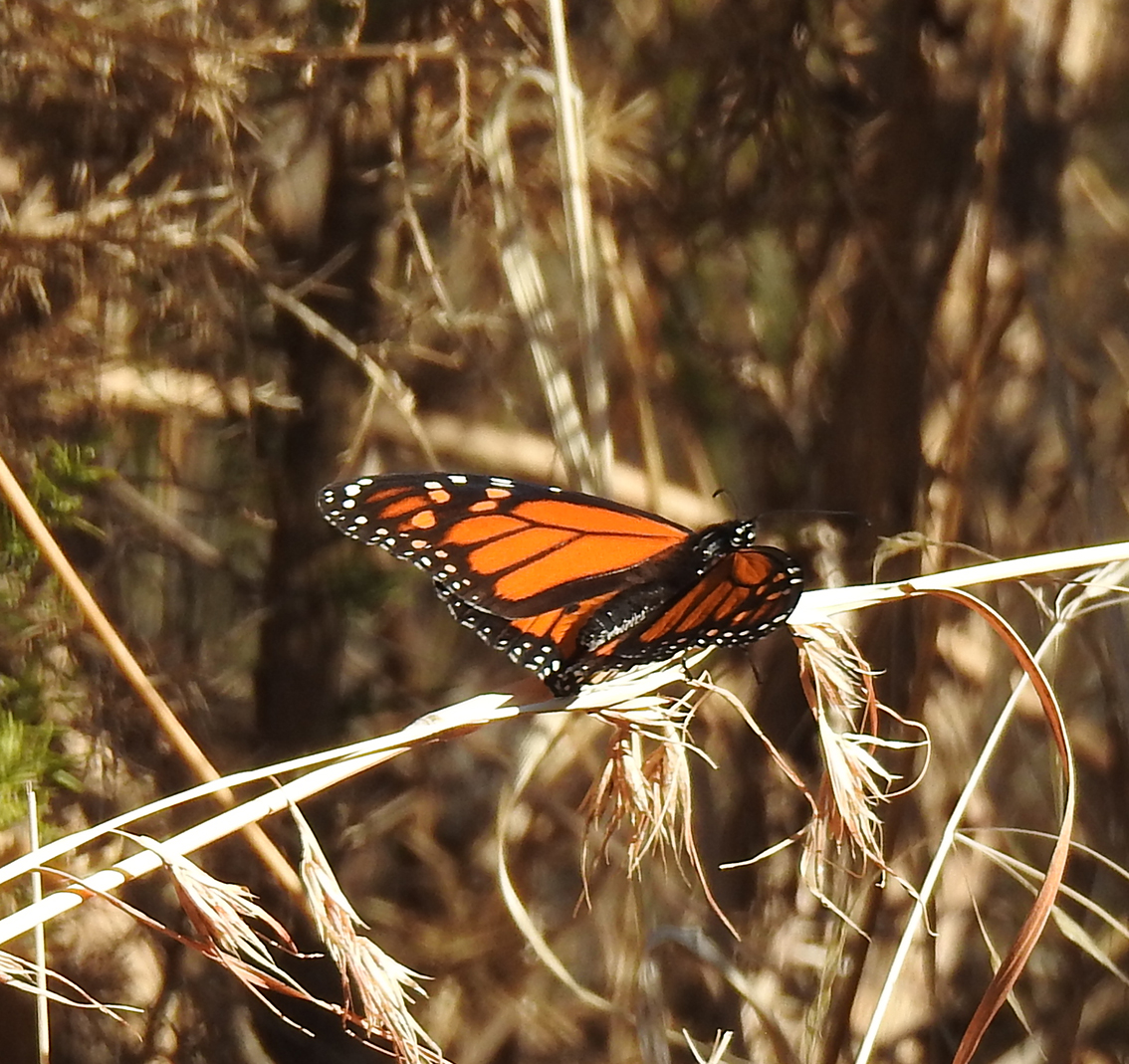
Late season Monarch Butterfly

(30/6/25,12.55 Clear sky and around 20℃, light wind)

I reach the Norm Garnet Park, pack up my gear and head back to the city. I have been surprised by the lack of Western grey Kangaroos, as I know they are prolific in this area. However, the gods of wildlife photography decide to rectify the problem and I come across a dozen or so ‘roos’ grazing in a fenced paddock, just a few kilometres shy of Normanville.  

Western Grey Kangaroos grazing on farmland

Cheers

Baz

Additional notes

Other animals see, heard but not photographed

The camera used for this post is a

This is an easy walk/drive which is quite suitable for families and seniors with public toilets, barbecues, parking and other facilities nearby. It is dog friendly.

Please pass on this blog title and or contact information (URL) to any person or organisation with an interest in taking walks and enjoying wildlife in SA.

Click on these links and see more South Australian stories and pictures in my Weekend Notes articles as well as locating similar blogs on Feedspot’s top 20 Australian wildlife blogs

https://www.weekendnotes.com/adelaide/writer/452/

https://blog.feedspot.com/australian_wildlife_blogs/

Mount Barker’s Laratinga Wetland………Crakes and Warblers

16 Jan

Dear Reader:

A small bird with vivid spots and dashes paddles out from the reed bed. A Spotted Crake, the first one I have ever seen.

Spotted Crake feeding


For the next ten minutes I watch several of the striking birds as they dip into the water in search of aquatic plants and animals such as worms, crustaceans, molluscs, spiders and even small fish and tadpoles.

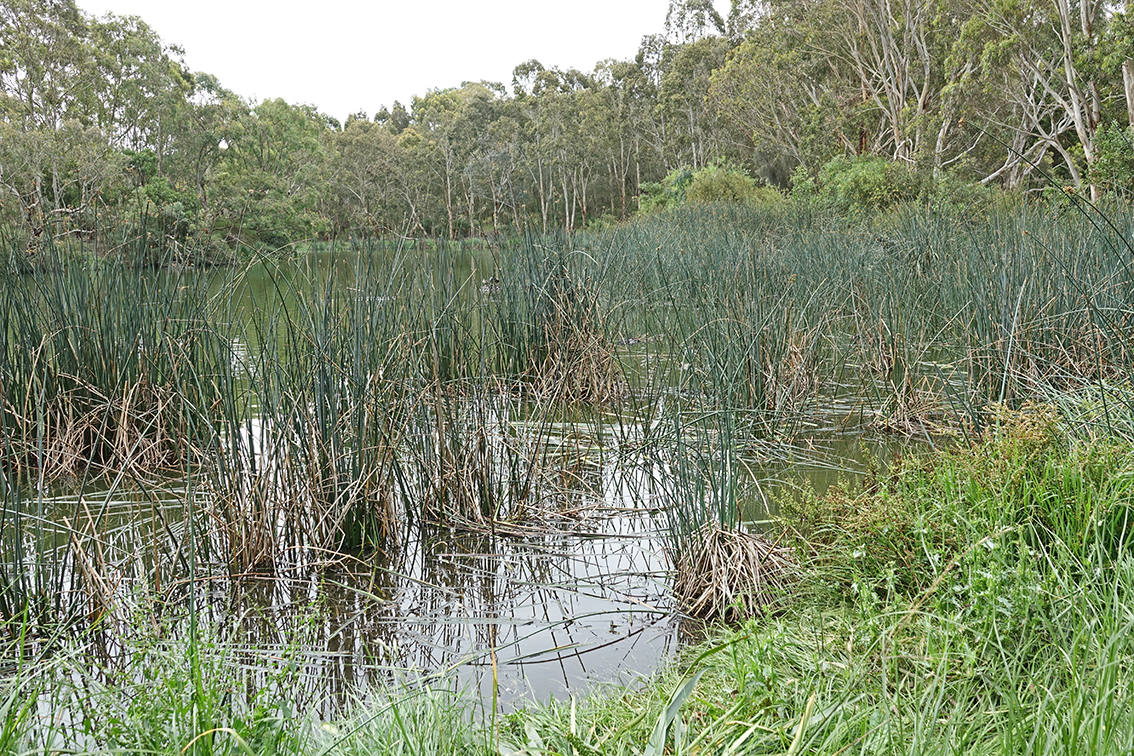
Spotted Crake habitat

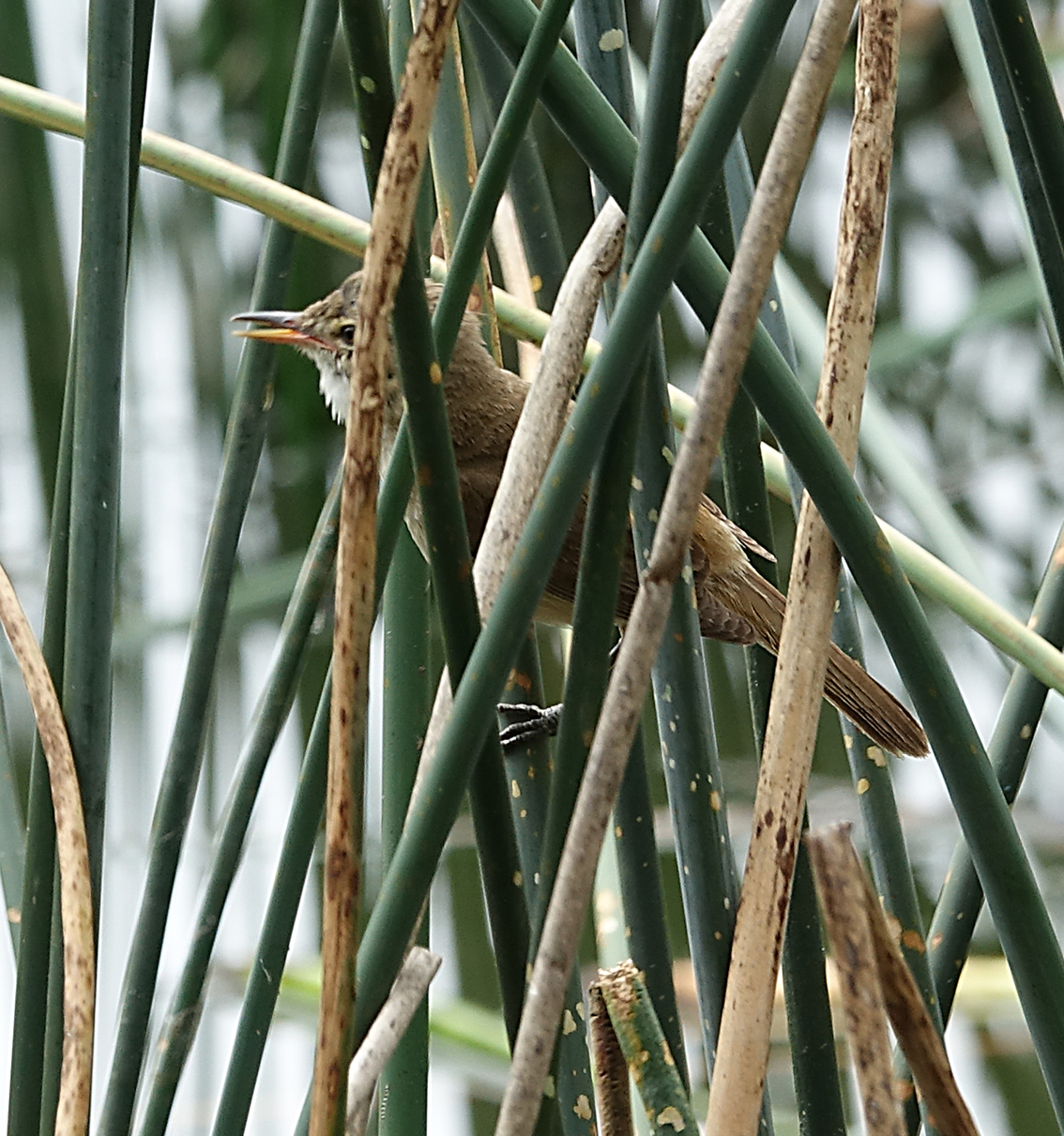
Leaving the crakes I walk a further hundred metres to another pool before I hear the melodic call of a reed warbler. There are reeds, small bushes and a variety of grasses bordering the water. I can still hear a bird calling and scan the reeds for movement. Deep in the tangle of stems I locate the source of the call; an Australian Reed-warbler.

Australian Reed-warbler calling

Reed warbler habitat

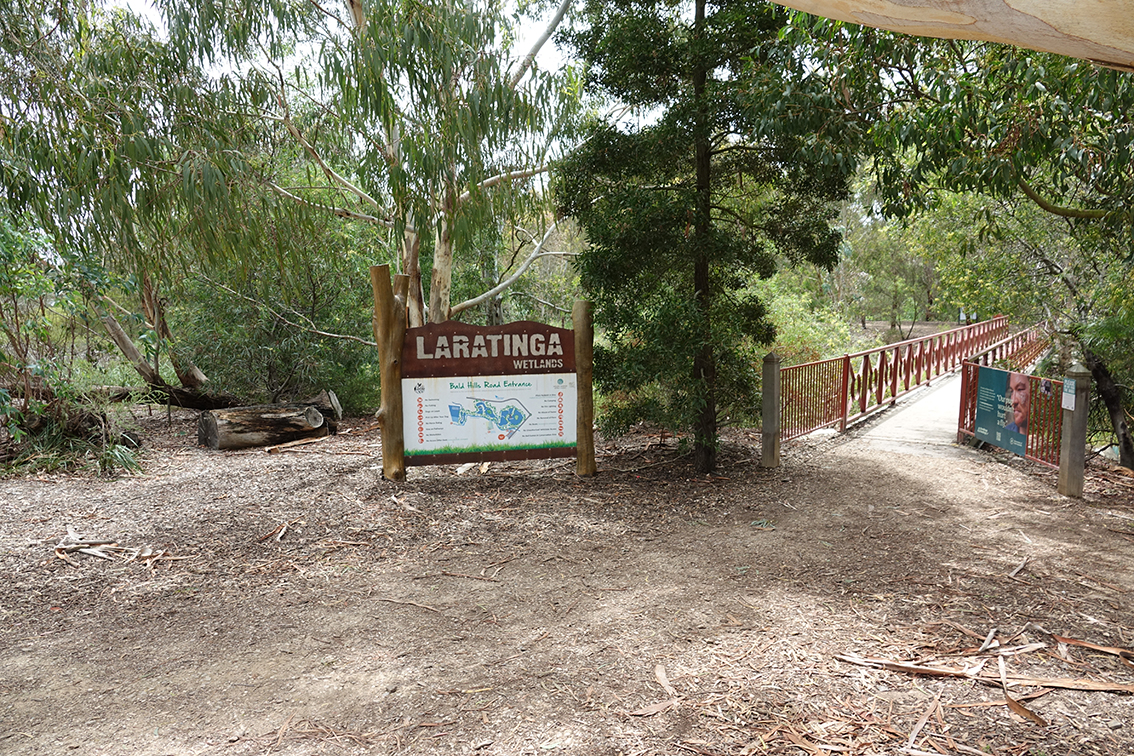
My hunting ground is the Laratinga Wetlands near Mount Barker about a Forty five minute drive from the city. In the local ‘Peramangk’ language it approximates to “Flooding Land Creek.” This wetland serves numerous purposes including filtering waste water, providing habitats for a range of animals and the establishment of walking, running, and cycling trails.

Wetland entrance

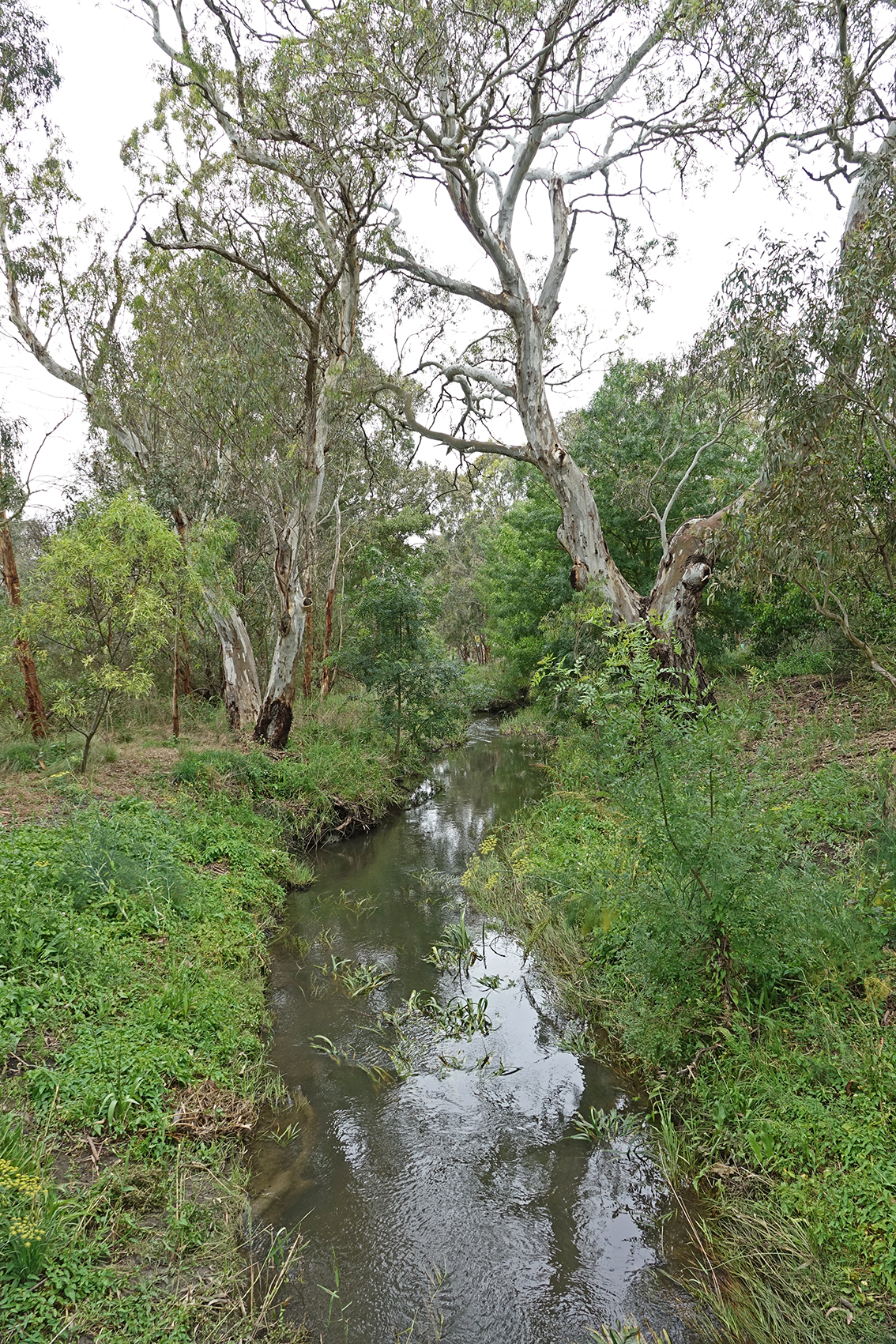
Having achieved my primary goal of photographing Spotted Crakes and Australian Reed-warblers, I continue my stroll around these fascinating wetlands keeping an eye open for more interesting plant and animal life.

Channel between larger pools

Because my Nikon P900 with its 83X magnification doubles as a spotting scope, I am able to search the opposite bank of a broad pool. I notice several Grey Teal perched on a branch overhanging the water. But it is the Short-necked or Macquarie Turtle in the background that is my main focus.

Grey Teal, Eurasian Coot and Short-necked Turtle

The day has been overcast and the light is fading. I have encountered numerous bird species in addition to the crakes and reed warblers as well as two reptiles; the turtle and a gecko. Another animal group would complete my day’s excursion. I turn my attention to invertebrates searching the foliage and leaf litter.

Marbled Gecko……showing camouflage

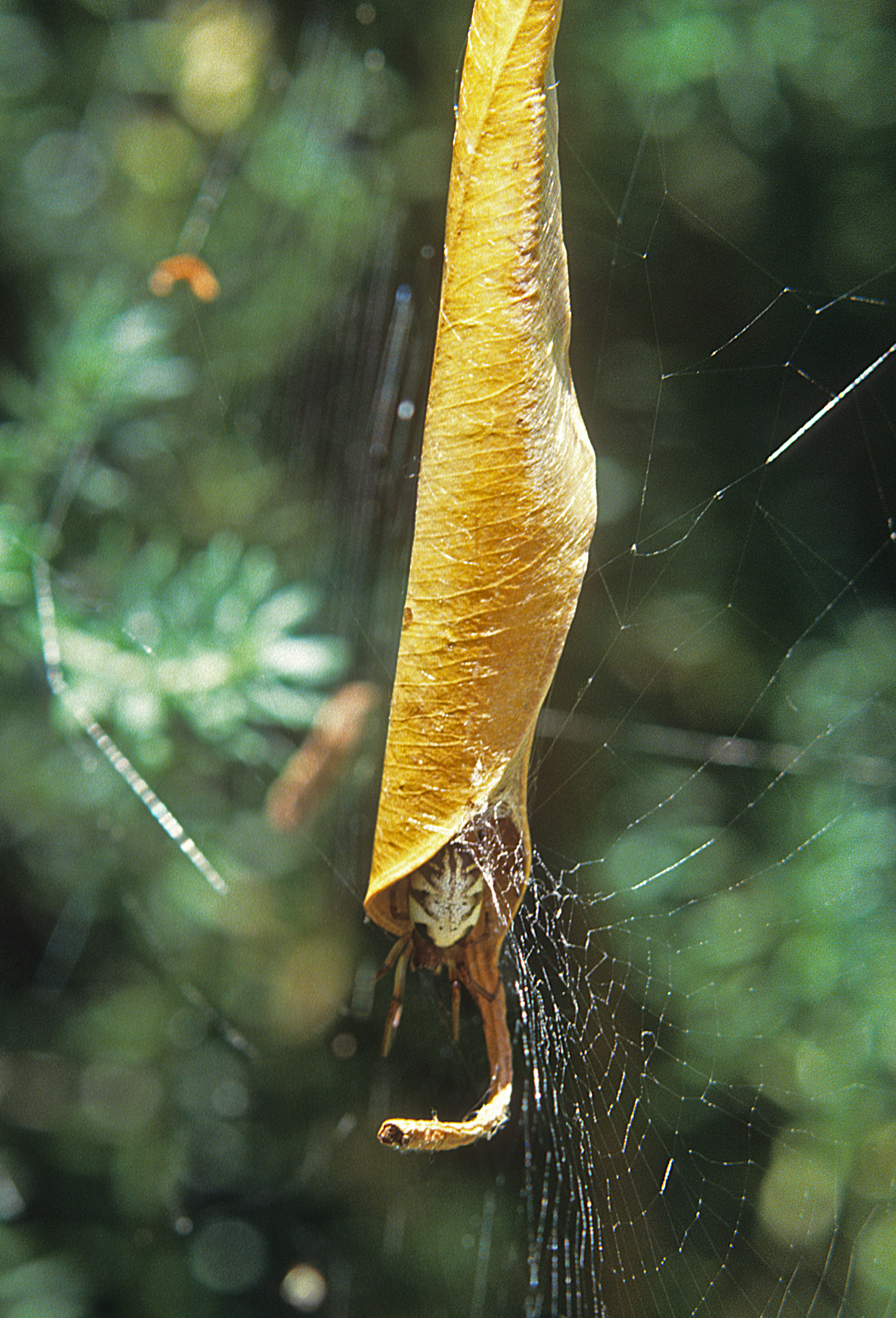
I am in luck. Perfectly suspended in the branches of a Christmas Bush is a Leaf-curling spider. These little arachnids create a home by spinning their silk around a dead leaf slowly curving it until they form a cylindrical shelter to hide in.

Leaf-curling Spider in Christmas Bush

Leaf-curling spider…Image shot at another location to show the spider

Now it is time to leave this amazing wetland but I will return in the near future to search for more wildlife in its maze of waterways, reed beds and bushland.

Cheers

Baz

Additional notes

This is an easy walk and drive which is quite suitable for families and seniors with public toilets, parking and other facilities nearby. It is dog friendly.

Please pass on this blog title and or contact information (URL) to any person or organisation with an interest in taking walks and enjoying SA wildlife.

Click on these links and see more South Australian stories and pictures in my Weekend Notes articles as well as locating similar blogs on Feedspot’s top 20 Australian wildlife blogs
https://www.weekendnotes.com/adelaide/writer/452/

https://blog.feedspot.com/australian_wildlife_blogs/

Commissariat Point’s Beachside Wildlife

25 Oct

Dear Reader:

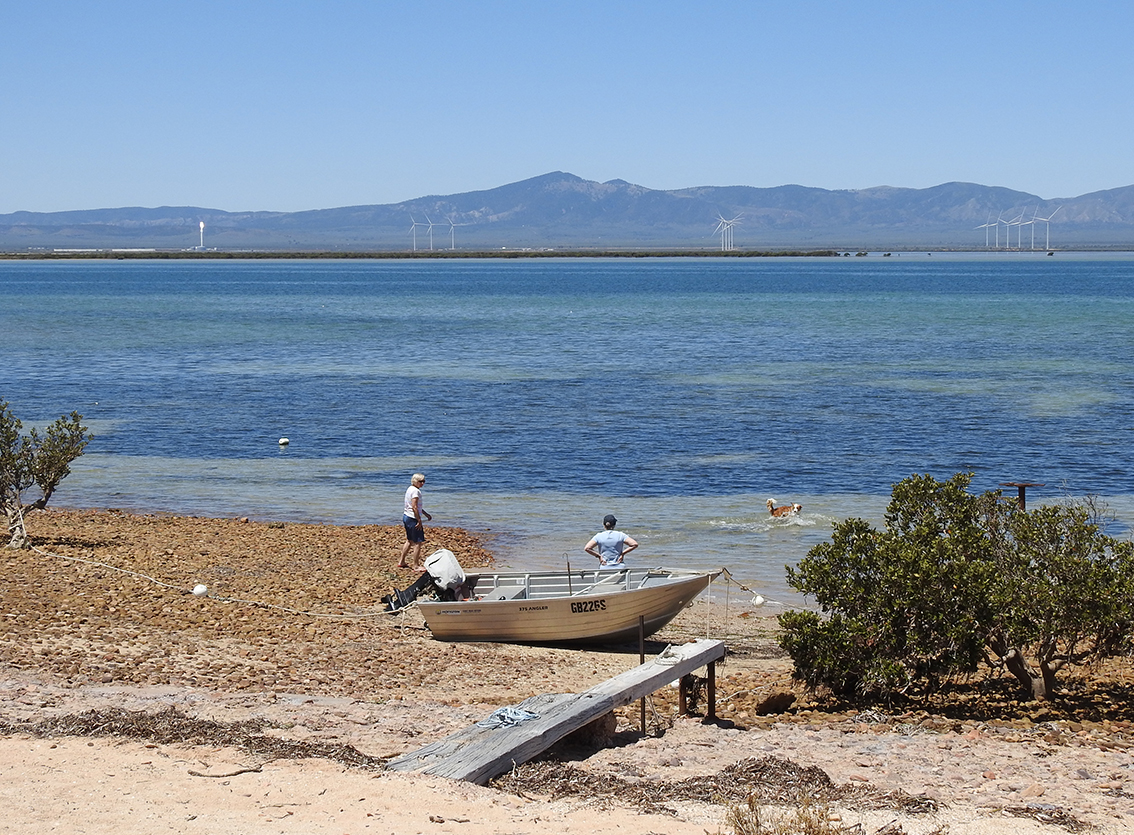
The boat is high and dry on the turning tide. Time for a stroll along the shoreline. A little exploration of the intertidal zone.

Tide is Out

Commissariat Point is a ten-minute drive south of Port Augusta near the army testing and training grounds. It is a community of shacks, some quite opulent, where a few owners live permanently while others visit or rent on weekends and holidays.

Shacks, scrub and windfarm in the evening light

These upper reaches of the Spencer Gulf are also lined with one of the State’s truly wonderful trees, the Grey Mangrove. Mangroves live between high and low water and have many adaptations to help them survive this challenging environment. They produce aerial roots called pneumatophores which help the plant to breathe in the sticky mud that is common along the shoreline. Their leaves are shiny on one side and secrete salt particles on the other.

Grey Mangroves

Mangrove leaves

There is quite a lot of seaweed around the high tide mark. It has been deposited on the beach during winter storms and is home to a variety of animals. There are worms, crabs, insects and even small lizards in this unusual habitat which retains moisture below the sun-dried outer layers.

Gecko species in seaweed

Just above the high tide mark lies a thin line of vegetation which is tolerant to the windy and salty conditions. I am quite surprised to discover some Flax Lilies growing here. The delicate flowers are attracting a few buzz-pollinating native Blue Bees. The term buzz pollinating refers to their ability to spread pollen through the high frequency beat of their wings.

Blue-banded Bee on Flax Lily

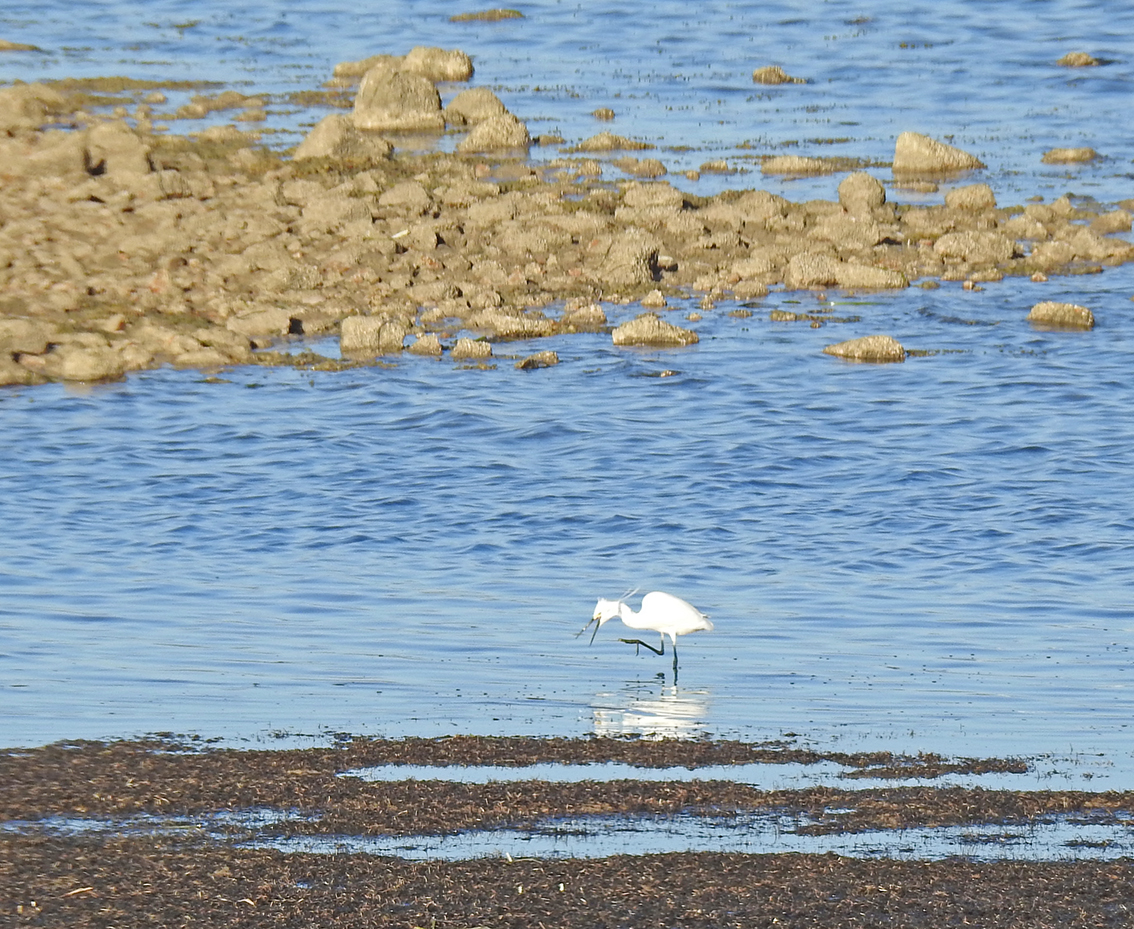
The light is starting to fade and the tide is coming in as my walk draws to an end. A few wading birds are coming closer to the shore with the incoming water and I try my luck at photographing them in the soft light. A nice way to finish my initial exploration of this tiny settlement at the head of Spencer Gulf.

Heron using feet to help scare out fish and other small animals

Cheers

Baz

Additional notes

This is an easy walk which is quite suitable for families and seniors with parking but no other facilities. It is dog friendly.

Please pass on this blog title and or contact information (URL) to any person or organisation with an interest in taking walks and enjoying wildlife in SA.

Click on this link and see more South Australian stories and pictures in my Weekend Notes articles

https://www.weekendnotes.com/profile/651267/