Tag Archives: South Australian birds

Walkerville’s Bickle Reserve…..Fairies in the Garden

4 Sep

Fairies in the Garden

Dear Reader:

As I have categorically stated in several of my posts, “I am no botanist”. I love gardening and appreciate the wonderful diversity of South Australia’s flora but remembering all the different classifications, names and botanical intricacies is just a little too much like hard work. Instead, I rely on a couple of field guides to common plants in the Adelaide area, phone a friend or simply make reference to those yellow bushes or tall straight eucalypts. Hopefully, this gap in my naturalistic armoury will be narrowed as I write more nature posts, though the signs are not promising. So: it is with some trepidation that I lead into the following piece …….

P1130228

Pink fairy (Caladenia species)

IMG_8066

The Torrens near Bickle Park

 ….It is a cool winter’s day, slightly overcast and I am on my knees examining a glorious little patch of native orchids. Most are pink fairies but there is one tiny delicate bloom, the size of a little finger nail, called a gnat or mosquito orchid. Nearby several of the flat prostrate leaves indicate where other orchids will appear in the near future.

P1130247

Gnat orchid (Cyrtostylis species)

All of these species are endemic to the area and though a few might have grown naturally, most are the result of a dedicated group of volunteers who are revegetating this area which is part of the Vale Park Wildflower Walk. The section I am exploring is alongside the Torrens River just east of the autobahn bridge near the Bickle Reserve. Several of the Vale Park group are holding an open morning and explaining the importance and biology of the plants they have established.

P1130234

Chatting about orchids

IMG_8071

Native Wisteria (Hardenbergia)

IMG_8099

Purple swamp hen

As I listen to information about the relationship of certain fungi in the soil to the propagation of orchids and marvel at the spidery native clematis and hardenbergia that are climbing up some eucalypts (big tall ones) I notice a pair of purple swamp hens foraging in the long grass by the river. Leaving the group I pursue the birds and make my way along the bank where there are also dusky moorhens in the reeds and crested pigeons feeding near the bikeway.

IMG_8059 edit

Dusky moorehen

Rejoining the group I chat about the importance of maintaining our wild heritage for future generations and learn about Aboriginal use of some types of native plants including orchids. Predictably in this group I encounter another wildlife photographer and the conversation fluctuates between nature and the lenses we have used for different purposes.

IMG_8088

An occasional visitor

In the course of our conversations one of the replanting team asks me if I have any images from the area and I remember that on a bike ride along this part of the linear park trail I had photographed a koala high in the largest eucalypt overshadowing the orchid beds. But, in keeping with my botanical prowess I forget to ask what kind of species it is (probably a tall, straight one).

Until the next journey into SA’s natural wonders

Cheers

Baz

PS

Check out Geotravelling a new site that I have attached that celebrates the natural, cultural and urban diversity of our planet through my travel photographs.
Norwood’s Parade of Animals

29 Aug

Norwood’s Parade of Animals

 Dear Reader:

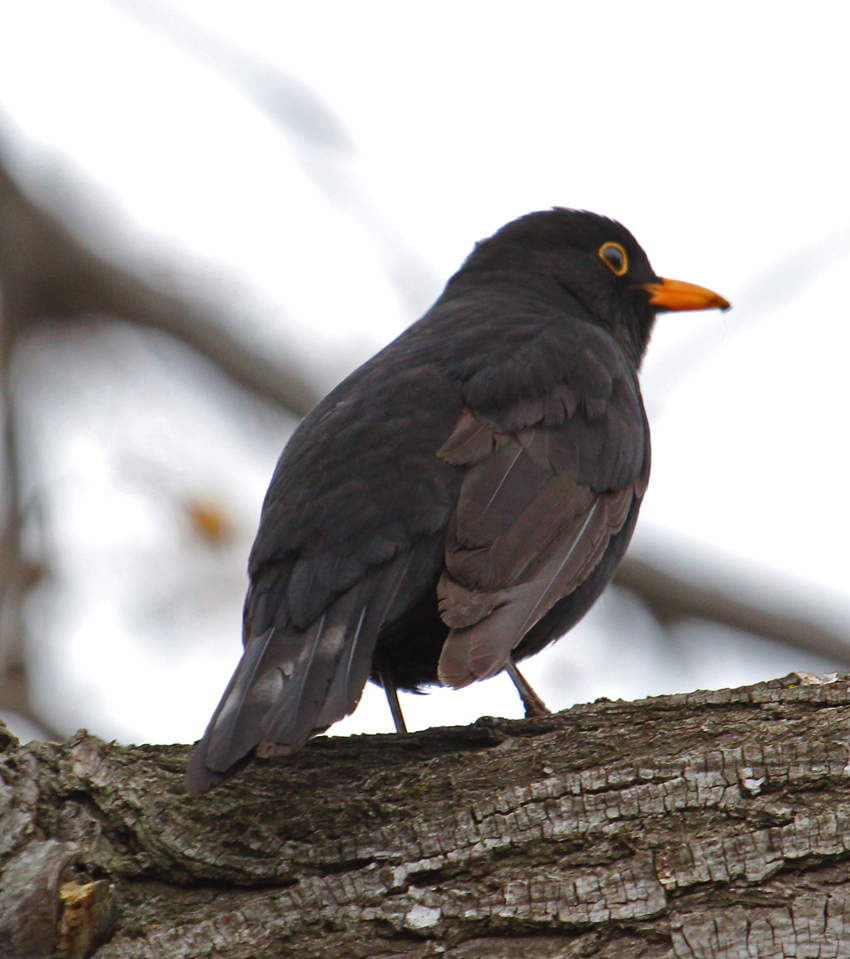
It has been rather a grey week but today the sun is showing its face at regular intervals and there is a blackbird singing in a tree above me. A good day for a walk around Norwood admiring the architecture before grabbing a bite to eat at one of the many restaurants and hotels that make the area a premier dining destination. But this old, established suburb with its towering trees and well-tended gardens also provides meals and homes for a wide variety of urban wildlife.

Juvenile male blackbird

1 One of the classic hotels in the Norwood area

One of the classic hotels in the Norwood area


Blackbird aside; the first indigenous species that grabs my attention is living between the petals of a bright yellow daisy bush. The diminutive flower spider hunts amongst the blooms for small insects. This one has ambushed a fly and is proceeding to wrap it in a web for a late afternoon snack.

2 Flower spider with lunch

Flower spider with lunch


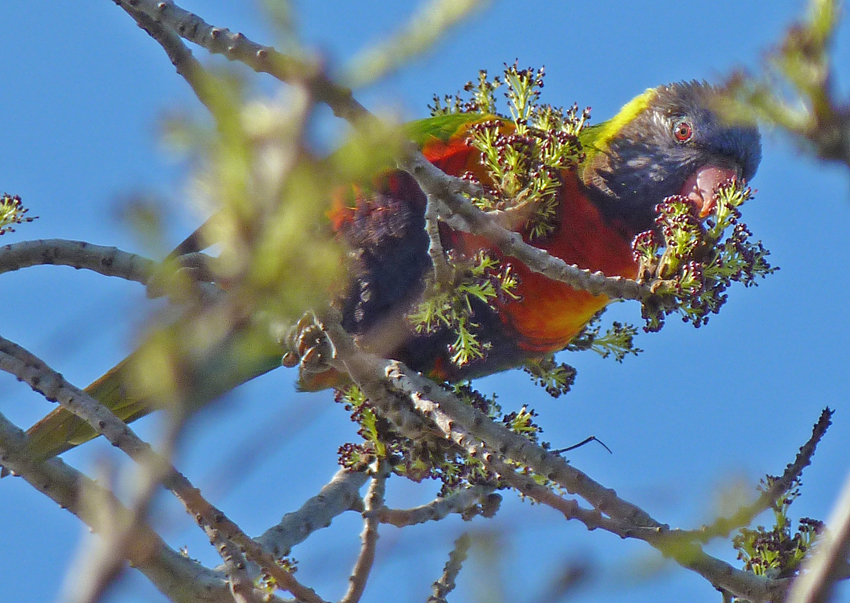
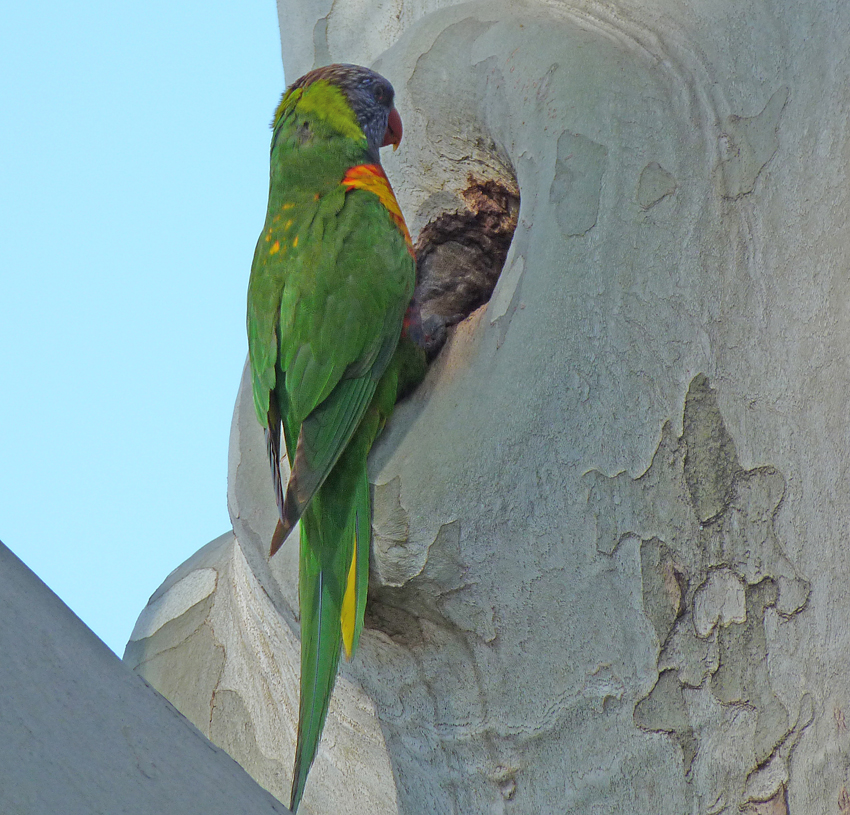
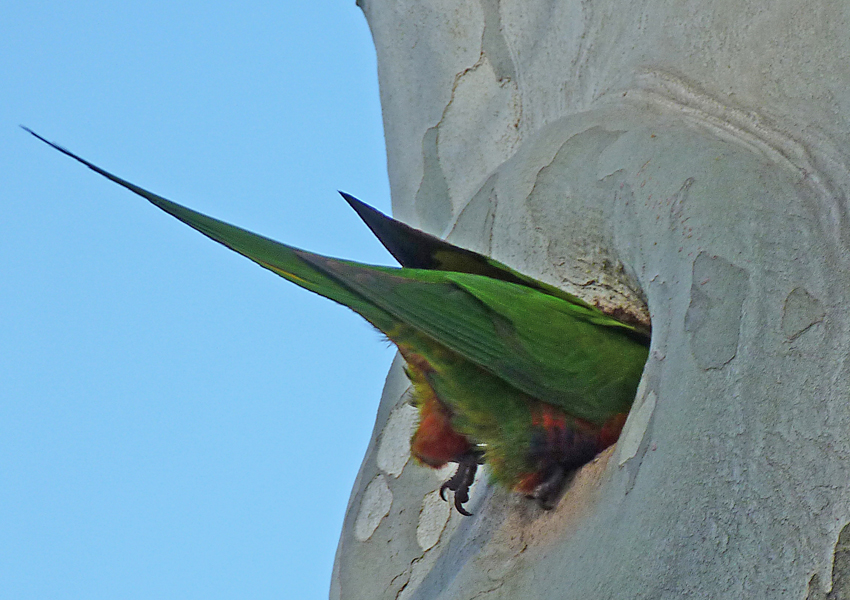
A little further down the street I can hear the call of lorikeets as a pair of the colourful little parrots forage in the trees for seed and blossom. I follow them closely as they fly from the tree tops to a smooth barked gum tree right on the edge of Osmond Terrace, a busy boulevard that cuts through Norwood. Here, with traffic whizzing past, they are investigating a hole in the trunk as a potential nesting site.

2 Lorikeet feeding

Rainbow lorikeet feeding

2 Rainbow lorikeet scouting for real estate

Rainbow lorikeet scouting for real estate

2 Taking a closer look

Taking a closer look

2 Hey honey come take a look

Hey honey come take a look


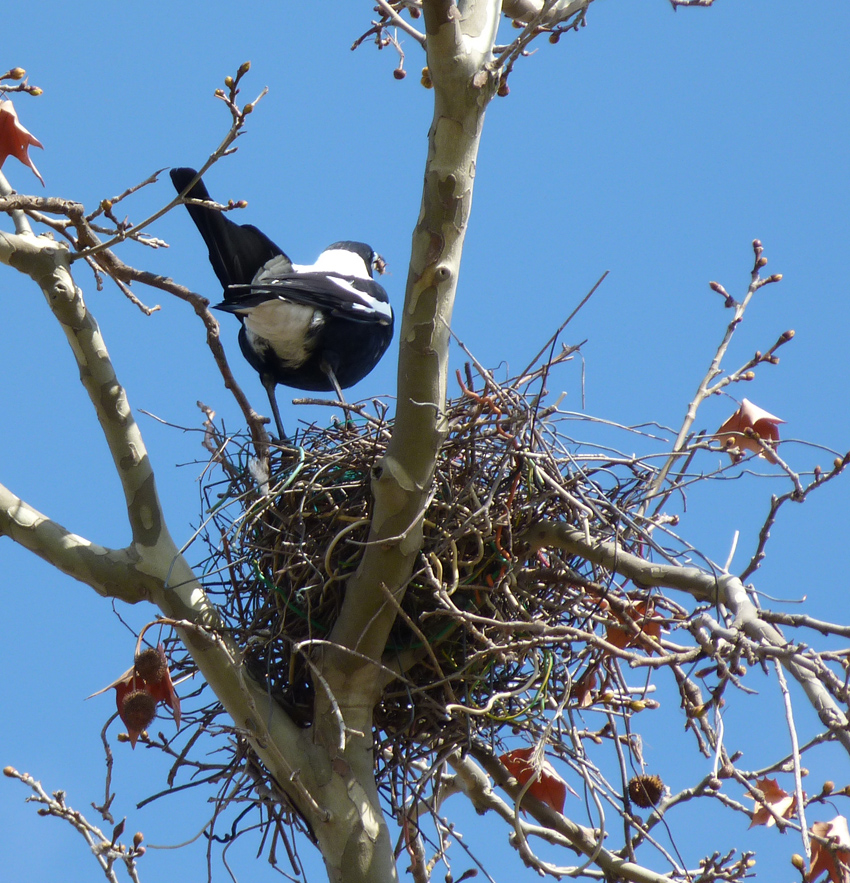
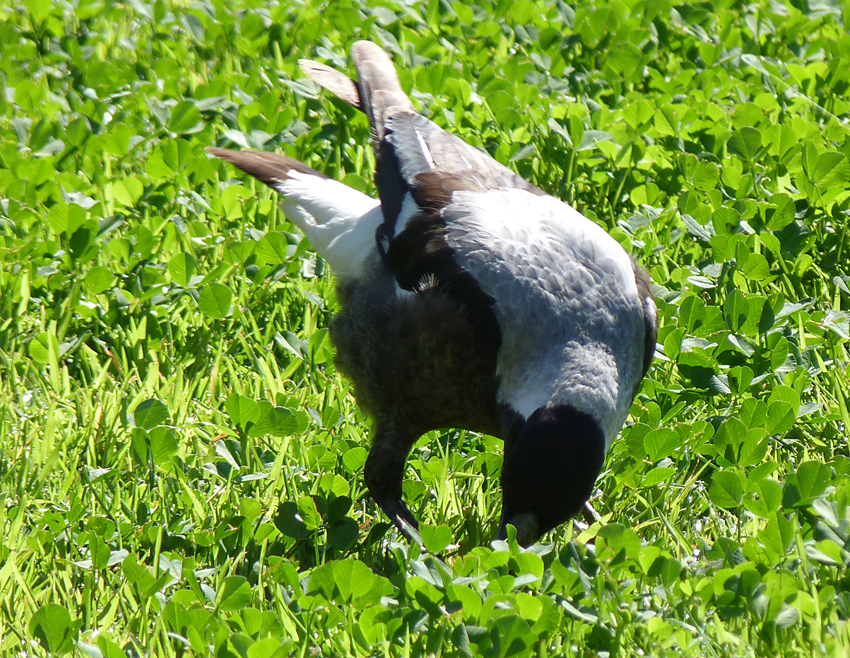
Osmond Terrace is also home to a group of Australian magpies. I can see a raggedy nest high in one of the liquid amber trees that line the thoroughfare and when I focus the long lens on it, the head of a large chick is just visible. After ten minutes an adult bird arrives with a grub in its beak. A few minutes later I catch site of another bird digging for invertebrates in the lawn of a local school while a third sits, watching from the concrete facade of Vine House, one of the suburb’s historic buildings.

Adult magpie arriving at nest

Magpie feeding

Magpie feeding

keeping an eye on proceedings

Keeping an eye on proceedings


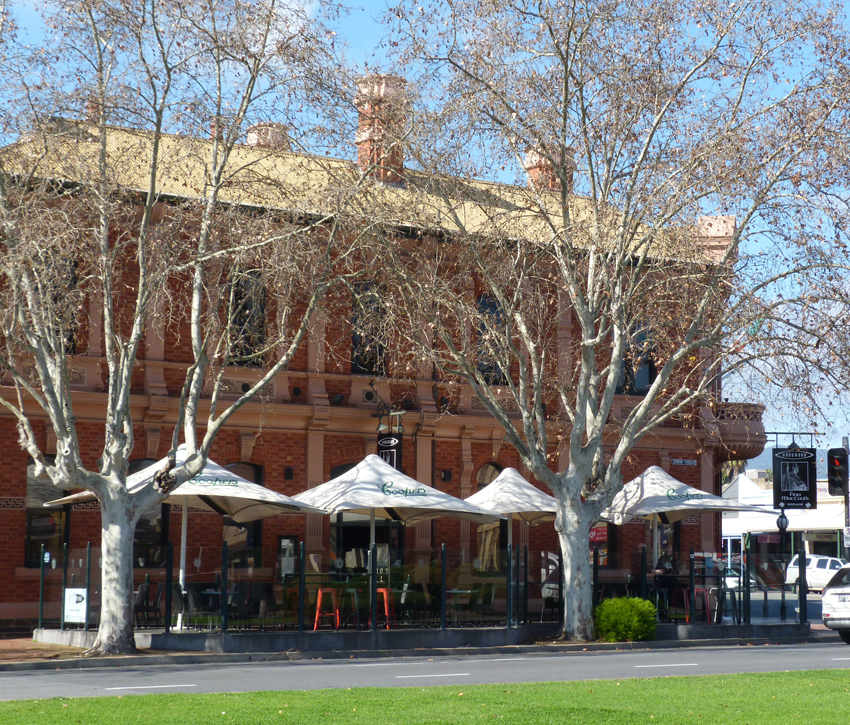
My final stop is Finn MacCool’s Irish Pub for lunch where a group of pigeons is also enjoying an alfresco bite to eat in slightly less salubrious circumstances. I started with an introduced species…might as well end on the same note.

P1130169

Common pigeons feeding on crumbs in the street


Until our next adventure

Cheers

Baz  

Check out Geotravelling a new site that I have attached that celebrates the natural, cultural and urban diversity of our planet through my travel photographs.

Adelaide’s Frome Road Bikeway

16 Aug

Adelaide’s Frome Road Bikeway 

Dear reader:

One of my favourite bike rides starts in north Adelaide at the junction of Barton and LeFevre Terraces. From the roundabout, a dedicated bike lane follows Le Fevre Terrace which is flanked by open parklands on one side and lovely colonial homes on the other. For the marginally more adventurous, there are several paths through the park that run almost parallel to the road. Noisy miners, honeyeaters, magpies and lorikeets are common here and in the evening you might see brush-tailed possums in the trees.

miner bird5

Noisy miners are a species of honeyeater

1

Nice little house with a good view of the parklands


The bike lane curves down towards the city through more parklands and playing fields. Huge Moreton Bay Fig Trees dominate the parklands providing a vantage point for both rose breasted and sulphur crested cockatoos that often fly down to the grass in search of food.

2a

Galahs having a bite to eat


Just over the Frome Road Bridge, Adelaide Zoo’s classic entrance marks the end of the parklands. Tucked between the zoo and the Botanic Gardens there is a stand of huge pine trees. Look up and it’s hard not to notice a large colony of fruit bats (flying foxes) that call these trees home.

2b

Entrance to the zoo

2c

Fruit bats in the trees


After the zoo there is a well marked bike lane that runs up Frome Road past the medical school and hospital. The lush lawns around these buildings are a favourite haunt of Sacred Ibises that probe the soft ground with their long curved beaks in search of worms and grubs.

12

View of the Torrens from the Frome Road Bridge


3

Sacred ibises feeding


As Frome Road crosses North Terrace you enter a purely urban environment with a wide bikeway that cuts all the way across the city towards the southern parklands. This charming region of the city has many unique little houses and flats decorated with native plantings providing a rich urban ecosystem that supports common bird species such as sparrows, blackbirds and magpies.

10

Magpies carolling in an urban environment

11

Stopping for a coffee along the way


The bikeway finally emerges at the Himeji Japanese Gardens. These gardens are dedicated to Adelaide’s sister city on the Japanese island of Honshu. In keeping with the rest of Adelaide’s green belt parklands the signage also relates to the aboriginal heritage of the area. Rosellas and lorikeets are common inhabitants in the ancient eucalypts that characterise this southern edge of the city.

5

Japanese garden

6

White cheeked eastern roesella


From the Japanese Gardens there are bike paths that meander through all of the southern parks but their wildlife and charms will be the subject of a further post in the warmer months to come.


Cheers

Baz

Chinaman’s Creek on a cloudy day

3 Aug

Chinaman’s Creek on a cloudy day

Dear Reader:

It is a cool, overcast afternoon; not ideal for wildlife watching or photography. Nevertheless, I have organised a weekend trip north to Port Augusta to investigate the Arid Zone Botanic Gardens during the winter months. As an added bonus, I hope to explore a shallow mangrove creek some 20kms south of the town that a friend has suggested as an interesting wildlife stop off en route.

1 wedge tail 2

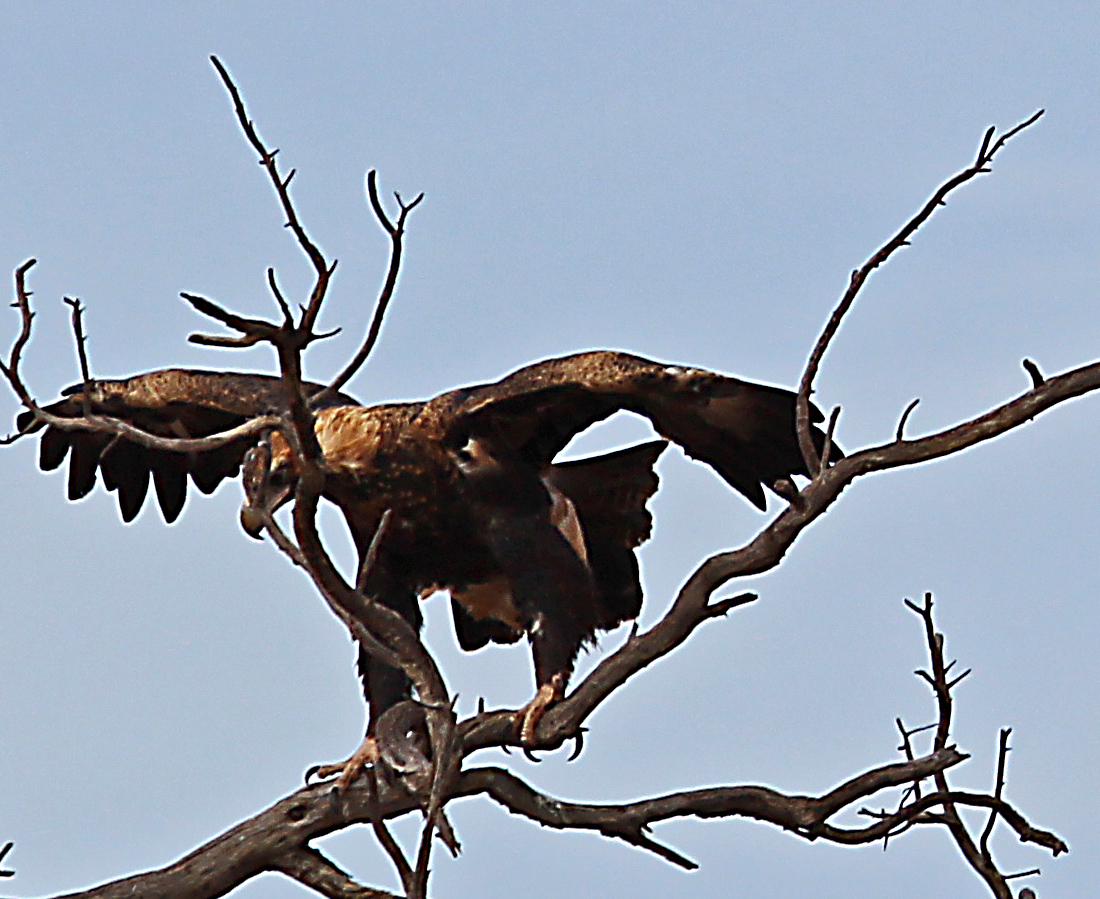
Wedge – tailed eagles are Australia’s largest raptors with a wingspan over 2 metres

1 wedge tail 1. Australia's largest raptor with a wingspan over 2 meters

Wedge-tailed eagle about to fly

1 wedgy takes flight

In flight


As I approach the Chinaman’s creek junction I notice a pair of wedge-tailed eagles in the skeletal branches of a mallee tree. The birds seem quite relaxed as they survey the low scrub that stretches towards the coast. I let the car roll to a stop and gingerly climb out careful not to let the door bang shut. There is good cover between the birds and myself and I fire off a couple of shots before one bird senses the movement and takes to the air.

2 Galahs iin bush near wheat fields

Galahs in bush near wheat fields

2 Cockatoo near the park's entrance

Cockatoo near the park’s entrance


The stretch of unsealed road that stretches towards the coast is flanked on both sides by scrubby farmland that supports sheep and some wheat fields. Small groups of rose breasted cockatoos are perching in the branches alongside the road. They occasionally take flight into the fields to dig out tubers and possibly ravage a few of the crops; lovely birds to watch but not always popular with farmers.

4 Dirt trackinto the coservation park about 5 kms from the highway

Dirt track into the conservation park about 5 Kms from the highway

4 Visitors to the park

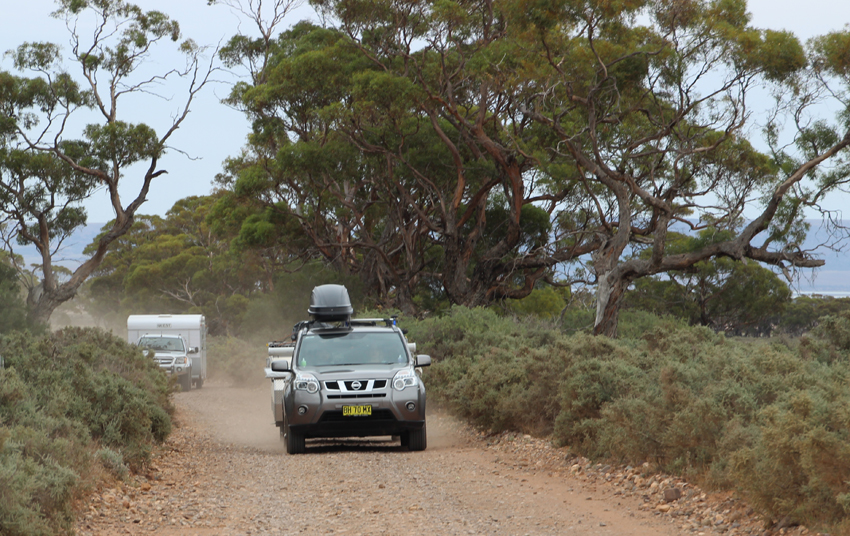
Visitors to the park


Where the cleared land gives way to forest and denser scrub, a fence and sign announces the Winninowie conservation Park which incorporates Chinaman’s Creek. Despite the remoteness of the area we meet a couple of 4X4s complete with camping trailers and stop to chat with the drivers for a few moments. They have been camping by the creek for a few days and had some success fishing the mangrove flats on the receding tide for whiting and mullet.

6 Chinaman's creek jetty at low tide

Chinaman’s creek jetty at low tide

9 Momentary glimpse of a sacred kingfisher

Momentary glimpse of a sacred kingfisher


A few minutes later we pull into the camping area. There is a scattering of permanent shacks and a small jetty that is completely exposed at low tide. I change from shoes to gum boots, from experience I know that this mud sticks like glue, and start to walk along the edge of the little creek. I can hear singing honeyeaters in the mangroves and catch flashes of colour from other unidentifiable species that flit amongst the thick foliage. But the birds are some distance away and the overcast conditions make photography all but impossible.

6 Chinaman's creek jetty at low tide

Chinaman’s creek jetty at low tide


I notice thousands of small burrows honeycombing the edge of the intertidal zone. Each is home to a small shore or mangrove crab. In the creek I can see roving schools of silver baitfish eagerly eyed by a pair of herons that are stalking the fringe of the mangroves.

4 As a pair of emus head towards the trees a grey kangaroo pops its head up

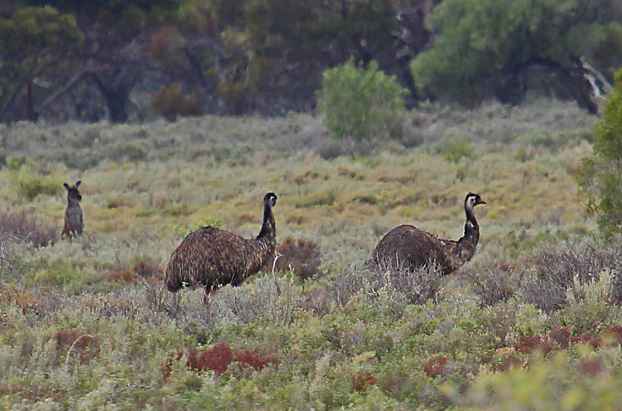
As a pair of emus head towards the trees a grey kangaroo pops its head up


Our time at the creek is limited. The clouds are thickening and a few fat raindrops have bounced off my camera lens. As we leave the park has a few more wildlife surprises that make me grit my teeth over the poor lighting conditions. A gorgeous sacred kingfisher perches on a long-dead coastal acacia bush and a group of grazing emus wanders across the saltbush dominated plain. Later, when examining this image in detail I discover that there is another participant in the scene; a grey kangaroo that was feeding close to them.

5 The creek at low tide with mangrove forest and Flinders Ranges in the background

The creek at low tide with mangrove forest and Flinders Ranges in the background


It has been an interesting first look at this coastal environment with its varied habitats and I look forward to further visits in the warmer, lighter months ahead.


Until next time

Cheers

Baz

Port Wakefield…more than a tank of gas and a snack on the road

11 Jul

Port Wakefield…more than a tank of gas and a snack on the road

Dear Reader:

For more years than I care to remember I have stopped at Port Wakefield to fill up the car and grab a quick roadhouse snack before continuing on to the York Peninsular, Flinders Ranges or the mid north towns and wineries. Today is the exception and I must admit to being more than a little surprised to discover what this small town has to offer. As always, my first objective is the natural history of an area and this one has quite a  diverse offering of environments all of which are easy to access.


2b

Silver gull

As I sit in a little park next to a natural saltwater lagoon, which is used as a swimming pool in the warmer weather, a flight of silver gulls sweeps in low over the saltbush and samphire flats that stretch to the horizon. They are, no doubt, attracted to the bacon and egg pie that I am enjoying or perhaps it is the vanilla slice that is reserved for later. Instead they settle next to a car where a family is enjoying some chips…seagulls and chips… how South Aussie can you get? 

1a

Enjoying the boardwalk across the lagoon

1

Local source of a great pie

 From the seagulls in the car park I make my way across a little footbridge that crosses the tidal pool and follow an interpretive trail along the creek. The signage explains the peculiarities of the mangrove trees, the importance of seagrass meadows and how the coastal saltbush can withstand seasonal inundations of salt water. There are also images of common coastal birds; two of which, a little black cormorant and a pied cormorant, I photograph near the sluice gate that maintains the water level.

5

Little black cormorant perching on sluice gate

4

Pied cormorant on embankment near mangroves

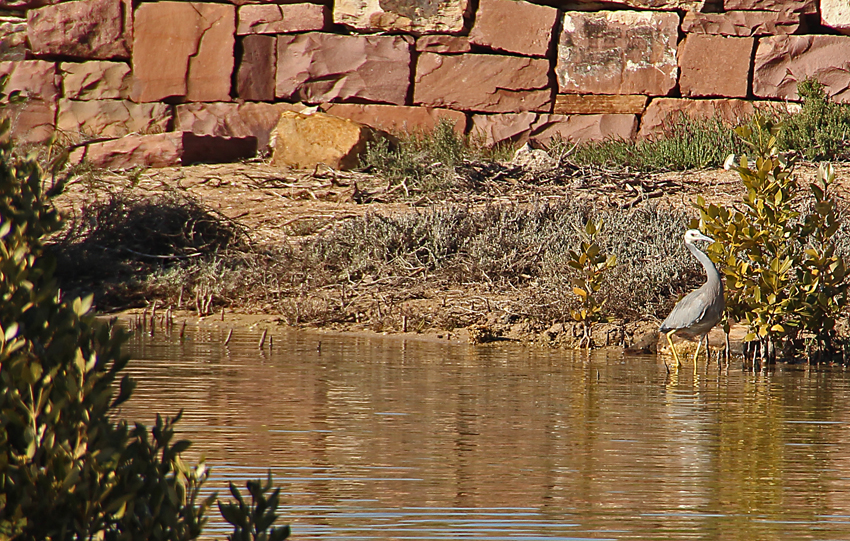
 I walk along a raised boardwalk for a hundred metres giving which gives me an excellent view of the mangroves, saltbush and creek. Then as I turn back towards the car I hear the unmistakable call of a singing honeyeater which is conveniently perched on a dead tree branch near a restored stone section of the old wharves. And, just to finish my walk on a positive note there is a white faced heron hunting along the stonework causeway on the water’s edge.

5b

Singing honeyeater a common coastal species

5c

White faced heron stalking prey near the stone embankment

Driving back to the main highway I notice a lovely colonial building with an antiques sign out the front. I chat to the owners as I browse through the treasures and find that the town has many lovely old buildings and a fascinating place in our colonial history. Today I am in a hurry to get home after a couple of days in the bush but on asking where I can get some more information they refer me to a website, (portwakefield.sa.au)

6

The antique shop is one example of the many fine heritage buildings

Leaving Port Wakefield I have one overriding thought in mind. Next time I come this way I’ll take a little more time to have a closer look at this historic little town and explore its coastal melange of habitats in more detail.


Cheers

Baz

Wilpena…. Three Kangaroos and an Emu

26 Jun

Dear Reader:

The hillside behind the cabin is quite steep and the trail leading to its summit zig-zags between rocky outcrops and stands of native pine. Every so often there are depressions and small caves where the rust coloured soil is littered with roo droppings. From the first ridge, the view back across ‘the pound’ is spectacular with the curved formation of peaks that shape this unique environment clearly evident against the deep blue of an outback sky.


OLYMPUS DIGITAL CAMERA

A lone euro with the ranges in the background

Euro nremains below a particularly steep rockface

Euro remains below a particularly steep rockface


A little further up the scree slope the sound of scattering rocks provides a tell-tale hint of movement. I freeze, lift the camera and wait; nothing but the thumping sound of a large animal bounding further up the hillside. Only a kangaroo makes that sound and only a hill kangaroo, sometimes called a wallaroo or euro, would be living in this steep terrain.

Classic euro habitat

Classic euro habitat


There are three species of kangaroos, as well as their smaller wallaby relatives, living in the Flinders Ranges near Wilpena Pound ; a crater shaped geological formation in South Australia’s northern outback region about five hour’s drive from Adelaide. Each species tends to favour slightly different habitats in this arid, semi desert environment though there is inevitably some overlap in their territories.

This euro has a rustier tinge to its fur

This euro has a rustier tinge to its fur


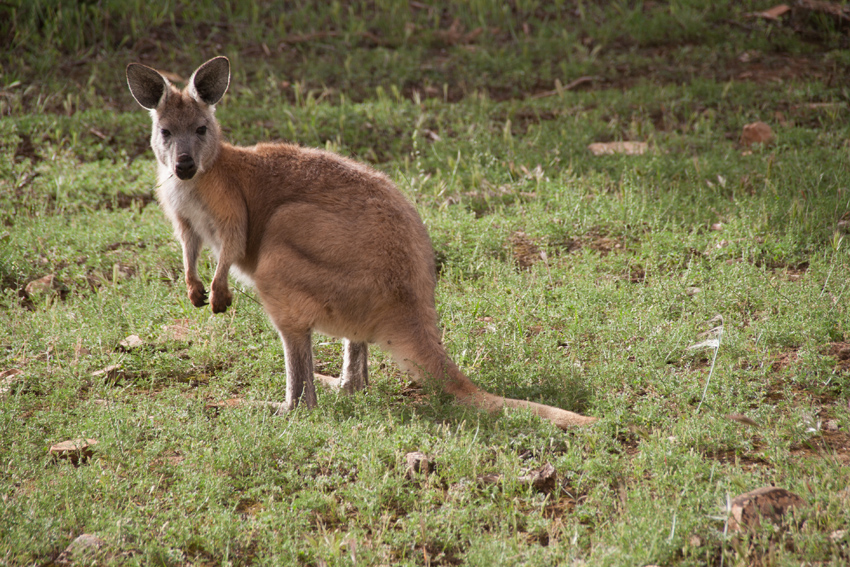
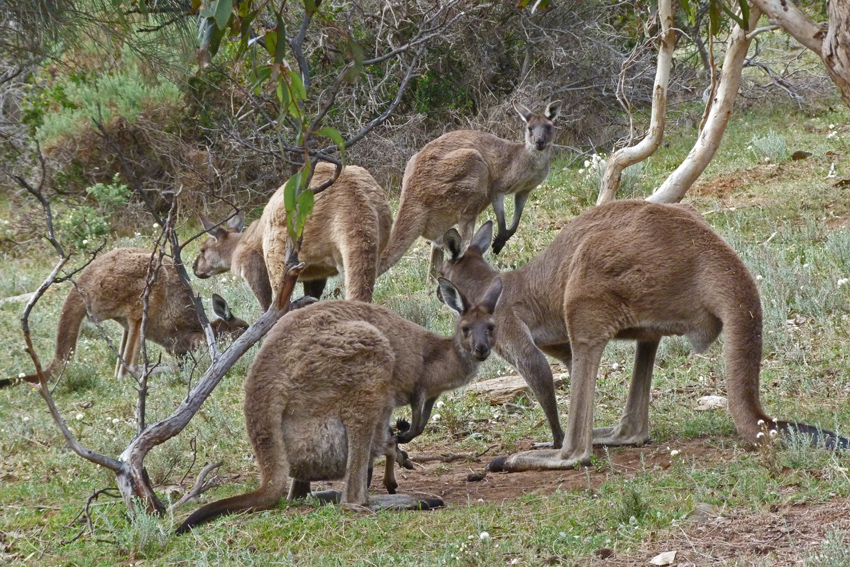
Euros are generally solitary and they prefer rocky outcrops. Their fur is thicker than the other two species and can have a slightl reddish tinge. They are quite stocky, robust kangaroos measuring up to 195 cms from head to tip of the tail with both males and females similar in appearance. Red kangaroos prefer the open plains and males can measure 2.4 metres and always have a rusty coat and distinct facial markings. Female red kangaroos have grey fur with a hint of blue shading and are considerably smaller. The third species, the western grey kangaroo, is less common in the ranges; they look more like a lighter built euro with smoother fur. Western greys are gregarious and prefer woodlands. They are the most common species in the southern part of the state.

Western grey kangaroos

Western grey kangaroos


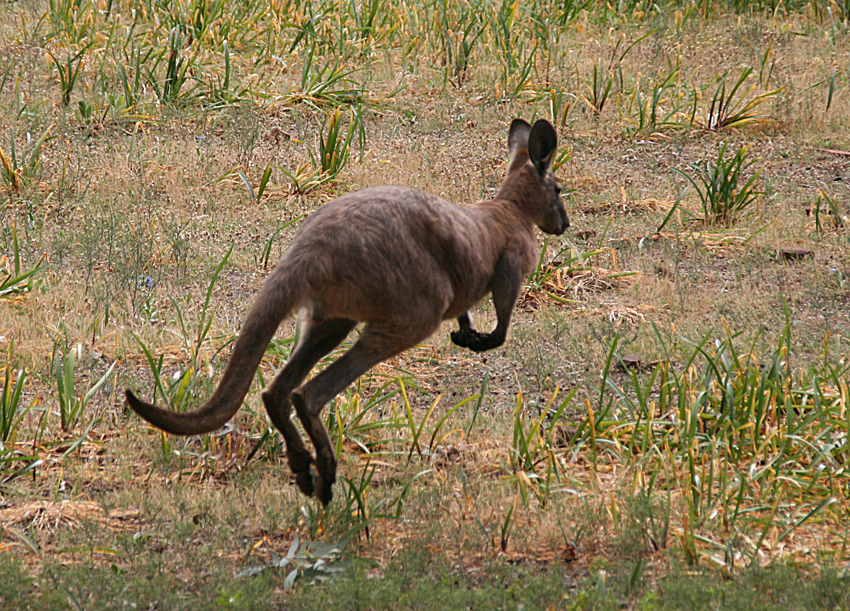
From the top of the hillside I work my way back down a steep gully to the lower slopes where a couple of euros are feeding on the grass and small shrubs growing close to the roadside. They let me approach to within fifty metres before twitching their ears nervously and bounding off into a stand of native pines at the base of a steep hillside.

A young euro moments before bounding up into the escarpment after its mother

A young euro moments before bounding up into the escarpment after its mother

Female adult euro bounding up into escarpment

Female adult euro bounding up into escarpment


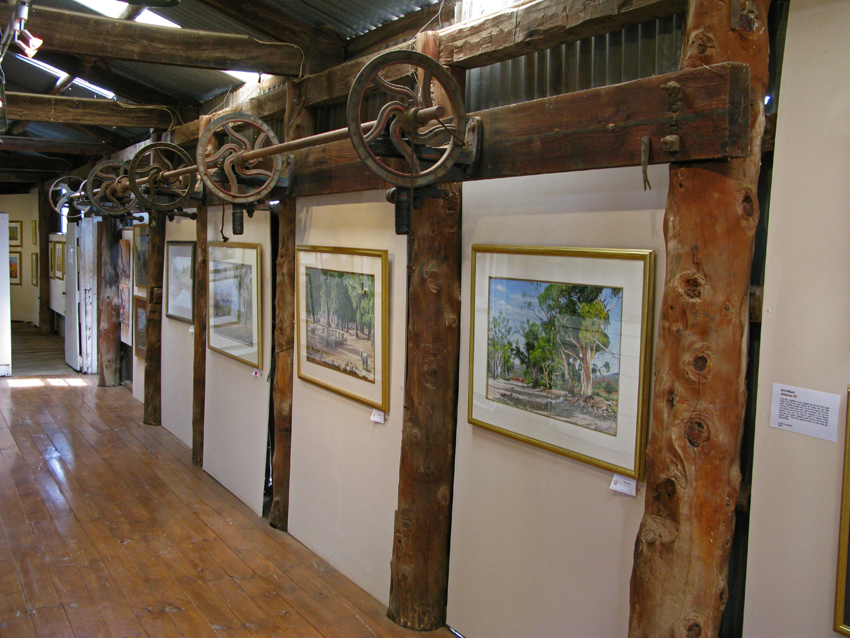
The roadside provides a perfect view of both the rugged escarpments that dominate the terrain and the open grassland that characterizes the entrance to the pound. In the distance I can see the outline of several red kangaroos grazing on the grass near an old restored woolshed that serves as a gallery and function centre. They appear to be quite relaxed and as I approach I notice that it is actually a pair of animals; a large male standing close to a resting female.

Red kangaroo male and female

Red kangaroo male and female

Red kangaroo male and female

Art display in the old woolshed


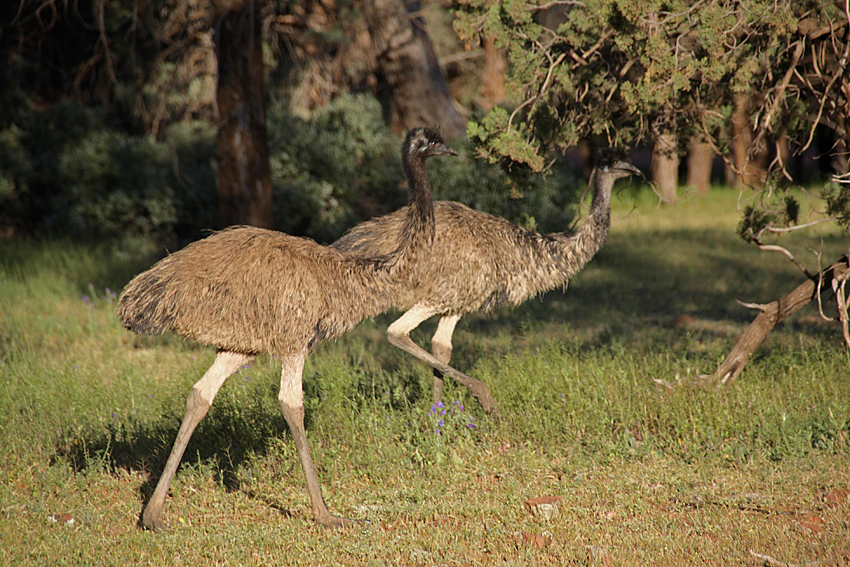
I have been quite lucky on my walk, having seen two of the three local kangaroo species and as if to point out that the landscape is inhabited by more than just marsupials a couple of emus run across the walking trail as I am turning for home.

A pair of emus running alongside a walking trail at Wilpena

A pair of emus running alongside a walking trail at Wilpena


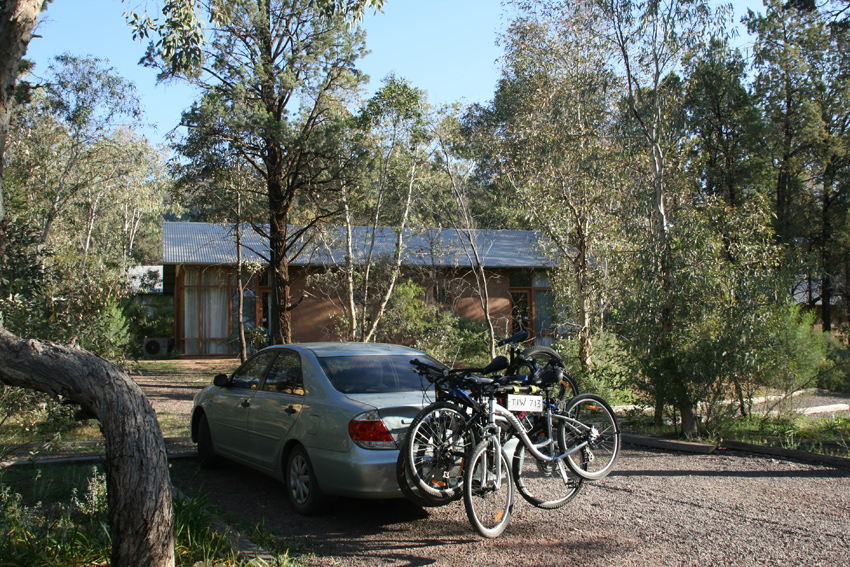
Satisfied with my morning’s work I head back to the chalets for a shower and lunch at one of the two dining areas. Chalets, dining areas, a well equipped general store and even a small swimming pool for the summer heat; not really roughing it but on the other hand there is abundant wildlife just a stone’s throw away. SA at its very best.

Accommodation Wilpena

Accommodation Wilpena


Cheers

Baz


Brougham Park on a Winter’s Afternoon

7 Jun

Dear Reader:

It is late in the afternoon and a bit on the chilly side. Grey skies and showers have alternated all day with patches of blue and occasional bursts of sunshine through the clouds. My car is parked in O’Connell Street where I am meeting friends in an hour for a bite to eat then a movie at the art deco Piccadilly Theatre. Typically, and despite the weather, I have arrived a tad early with camera in hand, hoping that I might encounter a little urban wildlife.

O'Connell street has a woderful collectionof cafes and restaurants

O’Connell street has a woderful collectionof cafes and restaurants


At the end of O’Connell St the road curves down into the city through a little patch of parkland. Asphalt paths cross this little green oasis which is dotted with tall eucalypts, pines and several large Moreton Bay Figs. I can hear parrots calling in the tree tops and eventually I spot a rainbow lorikeet shuffling along a branch high in the crown of one of them. With a flourish of feathers, a second bird appears and the parrots start to preen and gently peck at each other. They seem to be a mating pair settling in for the night. Nearby a lone eastern rosella appears to be looking on with a touch of sad envy…anthropomorphic, I know.

Just dropped in to say Hi

Just dropped in to say Hi

A lone eastern rosella sillhouetted against the late afternoon sky

A lone eastern rosella sillhouetted against the late afternoon sky


I sit and watch the birds for a few minutes while scanning the rest of the tree with my telephoto lens when I notice the furry coat of a possum wedged in a hollow. I toss a couple of pebbles against the branch. The brown patch moves and a tail appears for a second as the owner moves further into the tree; definitely a possum, probably a brush tail as they are far more common than their ring tail cousins.

Daytime view of a brushtail possum

Daytime view of a brushtail possum

Parkland possums forage at night

Parkland possums forage at night


On the eastern side of the park the imposing facade of the Brougham Place Uniting Church is framed by the massive leaves of an old fig tree. There are birds flitting though the foliage but in the afternoon shadows it is impossible to identify, let alone photograph them.

Brougham Place Uniting Church across park

Brougham Place Uniting Church across park


Before heading back up to my parked car I walk further down Brougham Place alongside a red brick wall that cordons off one of the area’s classic old mansions. A tangle of olive tree branches straddle the top of the wall and deep in their shadows a pair of crested pigeons are finding a sheltered place to roost.

Classic homes and businesses surround the park

Classic homes and businesses surround the park

Crested pigeons in olive tree

Crested pigeons in olive tree

Even on a cloudy winter’s afternoon, Adelaide has yet again delivered a memorable wildlife experience; a fascinating and ever-changing urban ecosystem available to anyone who takes a few moments out of their busy day to stop and look.


Thanks for reading my work

Cheers

Baz

Belair National Park…Plants and a Pond

25 May

Dear Reader:

It is a mild autumn day and a light wind from the south promises to blow the early clouds away. A cyclist, rugged up against the chilly morning air, pedals through the parking area on her way to the nursery. I have come here in search of plants too, some native grasses and a red flowering gum to fill a vacant spot by my back fence. But there is an ulterior motive as the nursery often attracts a variety of birds and insects from the surrounding bush.

The hills can be chilly in the morning

The hills can be chilly in the morning


Close to the car park there is a thick growth of native correas and bottle brush. I notice a slight movement in one of the correas that is heavy with pale pink flowers. I change position to get a better line of sight and wait quietly. After a few moments an eastern spinebill appears amongst the leaves busily searching for insects and nectar.

The eastern spinebill belongs to the honeyeater group

The eastern spinebill belongs to the honeyeater group


Belair National Park is just 13 kms from the city centre in the foothills of the Mount Lofty Ranges. As well as a wonderful native nursery, the park boasts over 20 kms of walking, horse riding and cycling trails covering a range of different environments. Tennis courts, grassed playing fields, barbecues areas and even an adventure playground are dotted throughout the 840 hectare park making it a popular destination for both outdoor enthusiasts and families.

The Belair Naional Park nursery markets wonderful array of native plants as well as an extensive collection of natural history books

The Belair National Park nursery markets a wonderful array of native plants as well as an extensive collection of natural history books


The park has quite a few non indigenous species of tree near Old Government House,  which provide lovely autumn colours

The park has quite a few non indigenous species of tree near Old Government House, which provide lovely autumn colours


From the nursery it is a short five minute drive to Playford Lake. By now the sun has burned off the last remaining clouds and it is sunny and clear; ideal for taking a short walk around the lake. On the edge of the lake several freshwater turtles are basking on a tree root taking in the morning sun. As I approach they slide off with a splash and head into deeper water.

Playford lake at the end of summer

Playford lake at the end of summer


Australian  freshwater turtles eat a variety of foods including insect, small fish and yabbies

Australian freshwater turtles eat a variety of foods including insects, small fish and yabbies


On the other side of the path a patch of tall gums shade a small gully where a flock of sulphur crested cockatoos are squawking in the tree tops and biting the leaves. On closer examination, through the long lens, I suspect they might be scraping insects off them, as eucalypt leaves are not usually a part of their diet.

Sulphur crested cockatoos tend to feed on the ground searching out fallen seeds, berries roots and nuts

Sulphur crested cockatoos usually feed on the ground searching out fallen seeds, berries roots and nuts


As I work my way back towards the car the terrain changes slightly with a gentle hillside rising up from the path. The snap of branches deeper in the bush suggests a bigger animal and suddenly a large grey kangaroo hops across the path and bounds through the trees. As I try to follow the roo through the viewfinder I catch sight of a fluffy bundle moving slowly up one of the eucalypts. It turns out to be a koala climbing up a slender branch to feed on the tender, outer leaves.

This young koala's mother was feeding a few metres higher in the tree

This young koala’s mother was feeding a few metres higher in the tree


My 20 minute walk has taken the best part of an hour with all the wildlife stops and I’m ready for a coffee in the hills suburb of Belair before driving home. But one last critter appears to round off my morning in the park. A large blue dragonfly is hovering over a reed patch. I wait for it to land, no luck. It zips from one grassy stalk to the next with manoeuvrability that puts any military helicopter to shame. Then, as if to do me a favour, the elegant little insect lands on the path just a few metres away…. nice one…click..done !!!

Large blue and red dragonflies are quite common around the lake

Large blue and red dragonflies are quite common around the lake


Cheers

Baz

Whyalla to Point Lowly…a top coastal drive

16 May

Dear Reader:

The road from Whyalla to the Point Lowly intersection has dense mallee scrub on both sides. Kangaroos are not uncommon but hard to spot amongst the grey, green foliage. Sometimes a kite or eagle can be seen gliding on a thermal, scouring the scrub for prey.

Low Scrub Whyalla

Classic scrub with acacia in bloom


As I turn right and head towards the coast the landscape changes. The trees and bushes give way to stretches of saltbush and dried out shallow salt pans. Not much can survive in this country but I have seen emus foraging along these coastal badlands. I am not disappointed; catching sight of a fully grown male with his adolescent chicks just a few hundred metres from the fence-line.

1

Adult emu with a half grown chick in saltbush


The road turns quite sharply heading back down the peninsula. The salt bush landscape reverts back to low coastal scrub. This ecosystem is characterised by acacias and smaller eucalypts where various parrots, wrens and honeyeaters are feeding along the edge of the road. A sandy track leads down to the beach where a small group of shacks nestle into the scrub, all with a wonderful view back across the shallow gulf to Whyalla.

2

Red track, green scrub and blue coast


3

Whyalla across the bay


After my beach side detour I drive back onto the main road and continue on to my destination. Point Lowly and the associated LPG gas complex of Point Bonython are part of the 12 kilometre Freycinet trail that winds around Fitzgerald Bay. The trail which is ideal for cycling, walking or driving, features interpretive signs that explain Aboriginal and European history as well geological and biological features.

6

Point Lowly lighthouse


9

Gulls and cormorants


However, my trip today is simply exploratory and I will leave the trail for another time. Just a wander around the lighthouse, shoreline and nearby scrub will suffice. And the local sights more than live up to expectations. A mixed group of gulls and cormorants is roosting on a rocky outcrop while a pacific gulls glides above the inshore rockpools. Near the lighthouse a glorious little wood swallow perches on the guttering of a local shack expectantly watching a family BBQ.

8

Pacific gull hunting


12

Wood swallow on guttering


My appetite whetted for the next visit I turn the car and head back.


Until our next adventure

Cheers

Baz

North Adelaide……the lion circuit

8 May

Dear Reader:

It is a mild sunny morning and I am enjoying one of my favourite bike rides. Starting at The Lion Hotel I ride away from the city along Melbourne Street to the Park Terrace intersection. The street is an eclectic mixture of cafes and niche retailers selling anything from clothes to antiques and Persian rugs.

2

Classic old building converted into shops and galleries


Crossing Park terrace I wind my way through narrow streets and past some lovely old homes to intersect the path that runs alongside the Torrens River before it hits the city proper. The river has cut a narrow gorge through the ochre coloured rocks and tall eucalypts dominate the trail. A pair of rainbow lorikeets is fussing around a nesting hole and one bird takes flight as I dismount to take a closer look.

P1030399

Rainbow lorikeets nesting


A wooden boardwalk descends towards the river and the weir that controls the water flow. Common pigeons can often be seen foraging along the steep hillside early in the mornings. I think that the clay might supplement their diet and aid digestion.

5

Boardwalk trail along the river


6

Common pigeon feeding on cliff-side


Where the walkway levels out a small bridge splits the trail with one path leading back into the city and the other north east to the foothills. I head for the city. The track is flatter here and I pass numerous joggers and other cyclists all enjoying the fine weather.

7

Foot and cycle crossing near St Peters


4

Large dragonfly resting in a bottle brush near the river bank


Just past the little foot bridge the path sweeps under the much larger Hackney Road Bridge that carries the majority of traffic into the eastern side of the city. Here, the river widens, slows and becomes the Torrens Lake. As if to herald the change, a graceful snowy egret stands sentinel-like amongst the reeds watching for prey. Further along the waterway, a great cormorant perches close by with similar intent. These larger predatory water birds seem to indicate a greater abundance of prey in the lake.

8

Signage explains Aboriginal connections and other historical facts


9

Great Cormorant perching on the lake behind the zoo


egret edit

Egret hunting in reeds


Although the path follows the lake right along the northern edge of the city, I only ride a couple of hundred metres further to the Frome Road Bridge. Pausing briefly to take in the view of the lake, city and zoo from the top of the bridge, I turn right and head past the playing fields riding parallel to Mackinnon Parade through an avenue of massive, stately eucalypts. Cyclists, joggers and football players of all codes share this green space with cockatoos and other parrots that squawk in the trees and feed in the grass.

10

Cockatoo foraging on the oval near McKinnon Parade


Left near the end of the tree line and I’m back where I started and ready for coffee or breakfast at The Lion.

1

Back at The Lion


A brilliant way to spend the morning!!

Try it some time!!!

Cheers

Baz