Archive | Bird watching RSS feed for this section

Barossa’s Whispering Wall

1 Nov

. Barossa’s Whispering Wall

 Dear Reader:

At the end of the long curved concrete wall there is a little patch of broken reeds and other water plants that form a kind of mat on the surface; an ideal place for a variety of aquatic animals. Public access to this area is prohibited so I have to scan the mish-mash of vegetation with my long lens. To my surprise, there are both male and female Blue Wrens feeding on the numerous insects living around the plant material.


Male Blue Wren


Female Blue Wren


I am at the Whispering Wall which is the main dam containing the Barossa Valley reservoir. Built in 1903 it was considered quite an engineering feat at the time. The wall of the dam is named for its acoustic properties and you can stand at one end and be heard at the other even when speaking quietly. Most of the property around the dam is fenced-off but by simply waking around the grassed areas and across the dam it is possible to encounter quite a wide range of wildlife.


Curve of the dam wall


“I’m whispering.”


“Yep, I heard you.”


In another patch of reeds I catch sight of freshwater turtle peering through the broken stems and there are numerous small fish or tadpoles in the more open patches of water. Walking back across the dam I see a small group of Eurasian Coots feeding. And in the distance a lone Greater Crested Grebe is making its way across the reservoir; a bird that I have never seen in the wild. I take a long shot with the camera but the result is hardly award-winning.


Freshwater turtle probably a Macquarie Sort Neck

Eurasian Coot

Long distance shot of a Great Crested Grebe


Back at the car park I take a stroll around the grassy lawns which are dominated by massive red gums. Both Galahs and Sulphur Crested Cockatoos are perched high in the branches while smaller Lorikeet species are feeding on blossoms and gum nuts. Along the edge of this area several cormorants are resting in the trees; silhouetted by the dazzling blue of the sky.


My walk has been short but rewarding and a stop at the Williamstown Bakery on the way back will almost certainly make this a memorable day out.  

 Cheers

Baz

Additional notes

This is an easy walk and drive which is quite suitable for families and seniors with public toilets, picnic area and parking on site. It is dog friendly

See more South Australian stories on Weekend Notes

https://www.weekendnotes.com/profile/651267/

 I have recently spent time in Africa and the link below will allow you to enjoy images and text describing some of my encounters with the wonderful wildlife of Botswana and Zambia. I will attach a new image and notes to accompany each post.

https://wildlifemomentssa.blogspot.com

Sandra’s Back Garden

24 Oct

Sandra’s Back Garden

 Dear Reader:

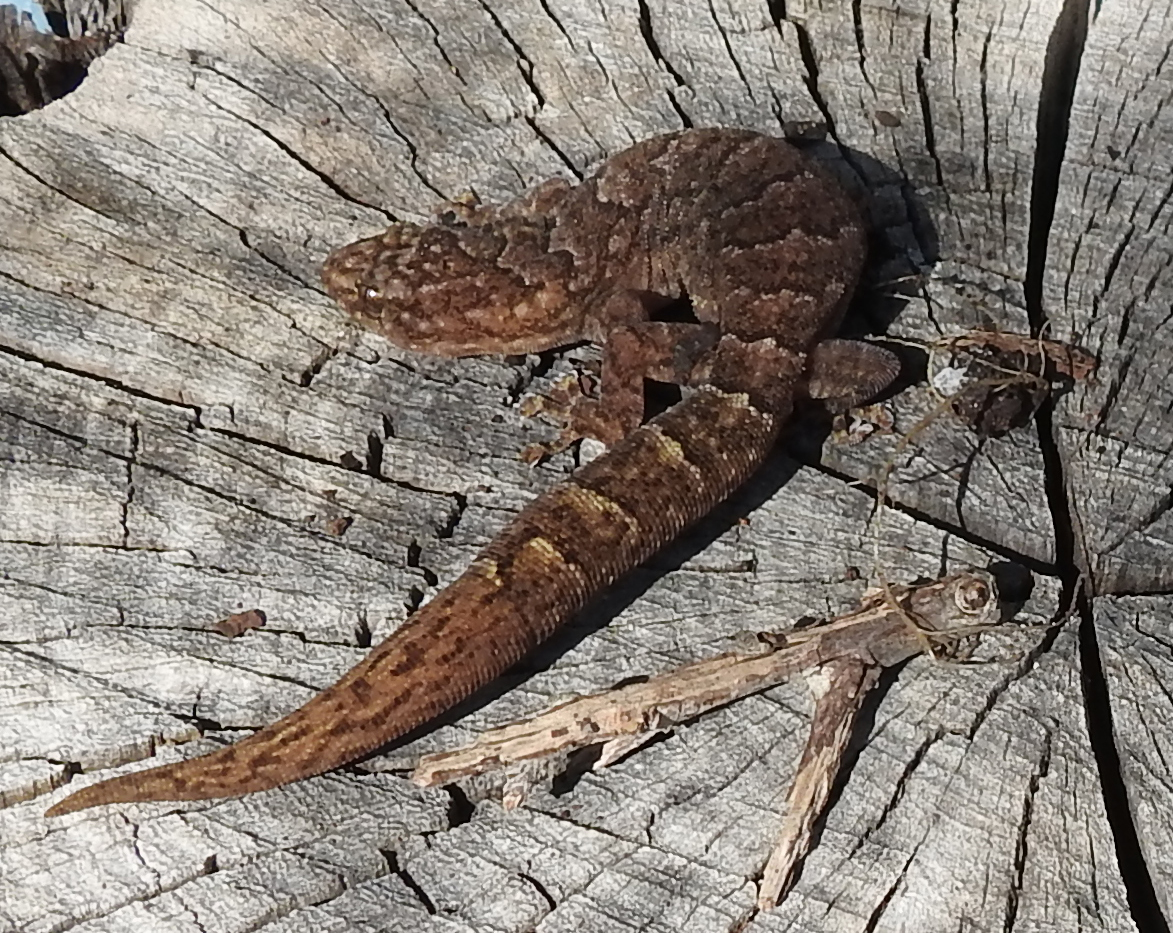
Sometimes it is both a challenge and simply fun to take out a camera and explore the wildlife of a familiar patch of land…..and gardens are one of the best places to do this. A surprising amount of wildlife resides in our own gardens.  A close look might reveal anything from fascinating insects that live in our flower beds to nocturnal geckos sheltering in a shed.

Marbled Gecko…a nocturnal inhabitant


Probably a Katydid, a relative of crickets and locusts


Sandra lives in the hills face suburb of Tea Tree Gully and a variety of birds and other animals regularly visit her garden. Some, like possums and foxes, are nocturnal and only leave traces of their comings and goings. Others, like magpies and butterflies are around in the daylight hours making the far easier targets for a photographer.


Tabbi breakfast


Each morning after breakfast Sandra throws the remains of her Weetbix onto the back lawn. This daily offering is greatly appreciated by two of the local cats as well as a small group of Noisy Miners.


Young Noisy Miner


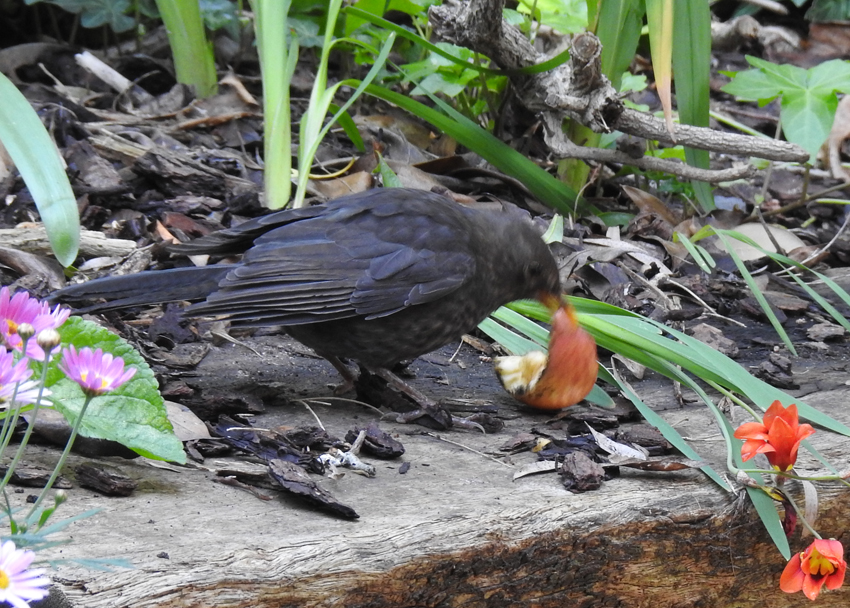
Later in the day an apple and an orange are ritually sacrificed on two nails driven into an old tree stump; Blackbirds, New Holland Honeyeaters and the occasional Rainbow Lorikeet enjoy these treats.


Blackbird takes a look around……..


….gets the apple

That about covers the back garden’s feeding program. None of the food is in sufficient quantities to interrupt the animals’ natural feeding cycles or harmful to their diet. However, it does make sitting under the back veranda with a cup of tea rather an interesting experience.

In another post I will explore the equally charming world of the front garden.

 Cheers

Baz

 See more South Australian stories and pictures in Weekend Notes

https://www.weekendnotes.com/profile/651267/

 I have recently spent time in Africa and the link below will allow you to enjoy images and text describing some of my encounters with the wonderful wildlife of Botswana and Zambia. I will try to attach a new image and notes each month.

Hickory’s Run

20 Sep

Hickory’s Run

Dear Reader:

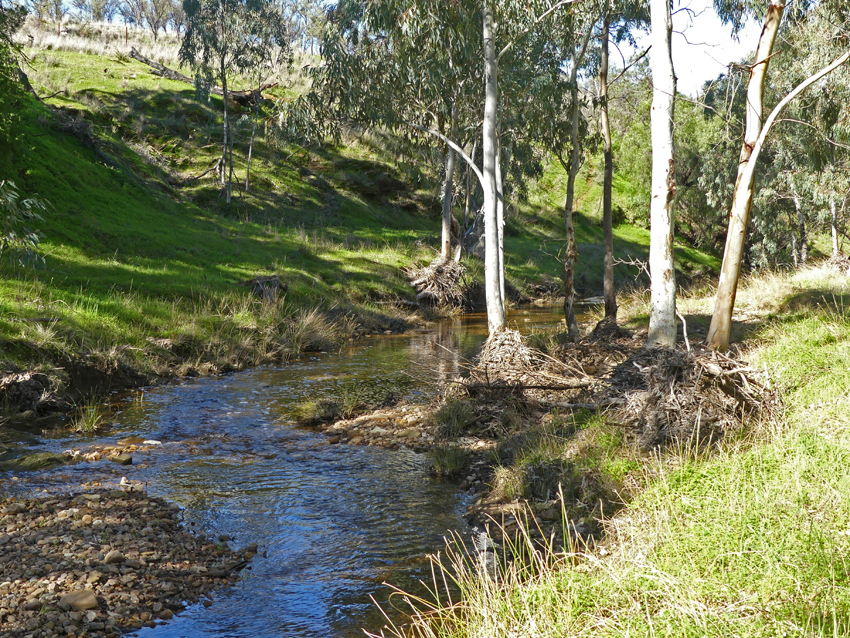
There is a Ringneck Parrot somewhere in the river gum alongside the creek. I can recognise its distinct call. Positioning myself just behind some bushes near the trunk I scan the topmost branches. Finally I find the bird, a little obscured by leaves but just visible enough for a shot.


Ringneck Parrot


I am at a lovely little cafe and olive farm between Wirrabara and Laura in South Australia’s mid north; about a two and a half hour drive from Adelaide. Hickory’s Run Oliveria and Cafe sits alongside the Rocky River and serves light meals as well as displaying art work in the surrounding garden.


Rocky River


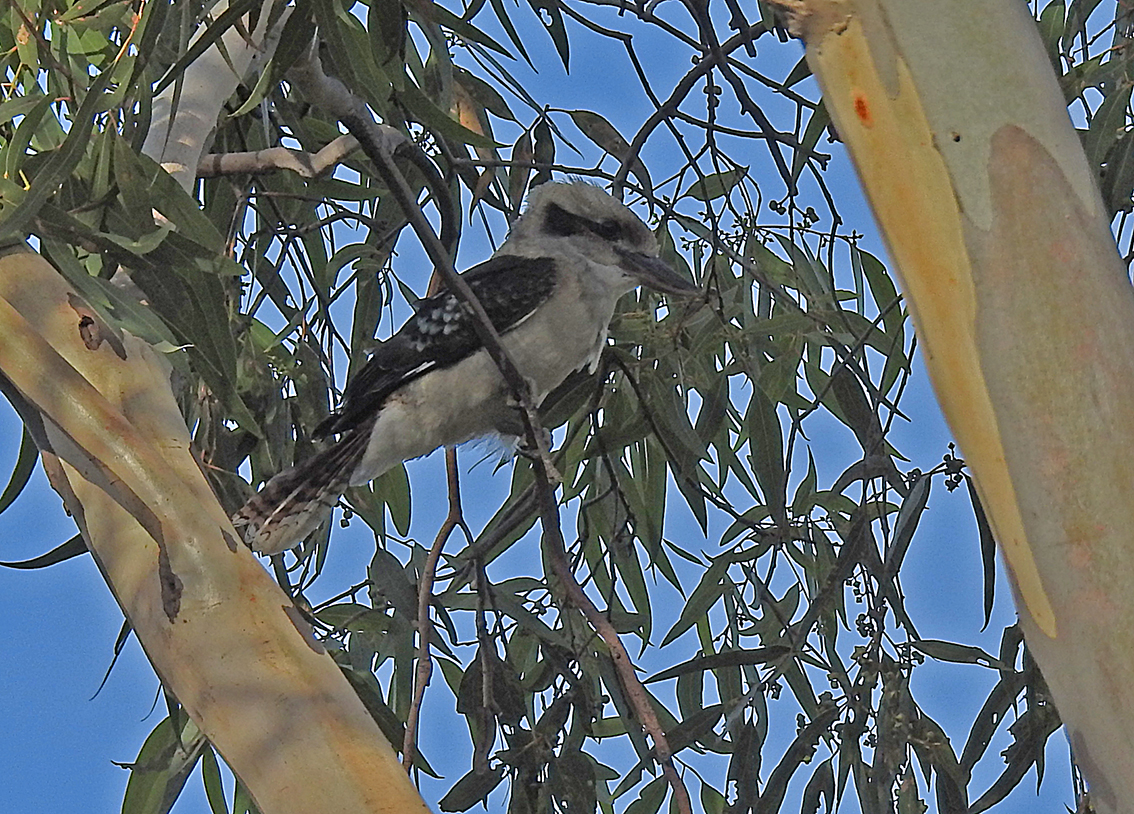
From the property I can access the river and I take some time to walk along the banks searching for any aquatic animals that might be in the area. There is a Laughing Kookaburra well camouflaged in a branch overhanging the water and a pair of Black Ducks is feeding along the edge of the creek. Both Dragonflies and Damselflies are flitting across the surface but they are too hard to photograph.


Laughing Kookaburra


My companions call out that lunch has arrived and I leave the creek to enjoy a well presented dish of lasagna with some home fried wedges and salad.


Lunch


The area is well known for produce and we stop in the little town of Wirrabara on the way back to the city and walk around the farmers market that is held on every third Sunday of the month. Fine food, some wildlife and a little shopping-not a bad way to end our weekend jaunt to the mid north.


Local products


 Cheers

Baz


Additional notes

This is an easy drive and walk which is quite suitable for families and seniors with toilets parking and other facilities nearby. It is dog friendly.


See more South Australian stories on Weekend Notes

https://www.weekendnotes.com/profile/651267/

 I have recently spent time in Africa and the link below will allow you to enjoy images and text describing some of my encounters with the wonderful wildlife of Botswana and Zambia. I will attach a new image and notes to accompany each post.

https://wildlifemomentssa.blogspot.com

A Winter Walk by the Normanville Jetty

4 Sep

A Winter Walk by the Normanville Jetty

 Dear Reader:

It is a glorious winter’s day; one that reminds you that spring is not far away. The winter sun is bright even dazzling and it has brought the seafront to life. There are a few insects buzzing around the grasses that bind the dunes together and more birds than I have seen in a long time. I manage to spot three species of honeyeaters on a short walk into the scrub; a ‘New Holland’ a less common ‘Crestcent’ variety and a ‘Singing Honeyeater’ that sits nicely on a railing posing for a photograph.


Blue on Blue with a little woodwork


Singing Honeyeater


A small creek empties into the sea near the jetty and a pair of Black Ducks are paddling near the reeds while a Masked Lapwing tentatively forages around the water’s edge. Local Aboriginal people, the Kaurna, tell a creation story of how the creek was formed from the tears of Tjilbruke as he carried his dead nephew along the coast towards Cape Jervis. Archaeological dating of middens and campsites suggest human habitation of the area dating back many thousands of years.


Masked Lapwing


Where creek and sea meet


Like other beaches in this area numerous species of birds nest on the foreshore and back into the dunes. Perhaps the most significant of these is the rare and vulnerable hooded plover which I am lucky enough to spot feeding along the dune frontage as I walk south along the beach.


Hooded Plover


During the warmer months the suns are frequented by a wider range of species from brown snakes and sleepy lizards to mantises and butterflies. However, today is one better suited to a walk along the beach or some fishing on the jetty for mullet, flathead and squid followed by lunch at the Normanville Kiosk and Cafe situated where the jetty meets the beach. A wonderful way to finish my winter walk in one of SA’s nicest beachfront locations.


Lunch options

Cheers

Baz

Additional notes

This is an easy walk/drive which is quite suitable for families and seniors with public toilets, barbecues, parking and other facilities nearby. It is dog friendly.


See more South Australian stories on Weekend Notes

https://www.weekendnotes.com/profile/651267/

 I have recently spent time in Africa and the link below will allow you to enjoy images and text describing some of my encounters with the wonderful wildlife of Botswana and Zambia. I will attach a new image and notes to accompany each post.

https://wildlifemomentssa.blogspot.com

Lady Bay’s Delights

1 Aug

Lady Bay’s Delights

Dear Reader:

The little bird blends in quite well with its surroundings. Just a few metres away in a shallow scrape are a clutch of eggs that are equally if not better camouflaged. Despite these attributes the diminutive Hooded Plover remains a species under threat due to its proximity to human traffic.


Hooded plover


I am walking along the southern extent of Lady Bay just five kilometres south of the charming Fleurieu town of Normanville and around 80 kms from Adelaide. After a wonderful seafood lunch at the local golf club and conference centre (The Links is a championship course ranked 52 out of Australia’s top100 courses) walking along the beach is a great way to assuage the guilt of too much fine food.


Beachfront and breeding zone for plovers


Leaving the little bird to tend its nest I head north along the rocky foreshore and explore some rock pools that are home to crabs, anemones and a variety of other marine invertebrates. A mixed group of cormorants, terns and gulls eye me suspiciously as I get closer to the rocks they are resting on.


Cormorants and gulls

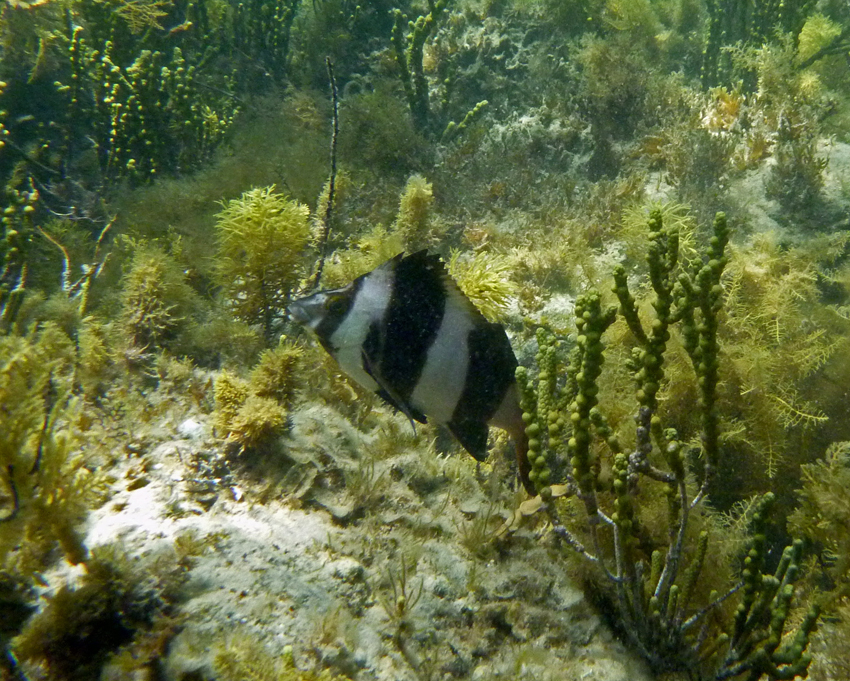
Over the years I have walked this beach many times and snorkelled amongst the seagrass beds and rocky outcrops that characterize the underwater landscape. In fact this area offers much more than just a swim in shallows as the HMAS Hobart was deliberately scuttled off Lady Bay to provide a dive site.


Magpie perch among seaweeds


After a fine lunch and a productive wander along the coastline it is time to get back into the car and continue through the coastal hills to Wirrina Cove; a different kind of destination on the Fleurieu Peninsula with its own story to explore in another post. 

Cheers

Baz

Additional notes

This is an easy walk and drive which is quite suitable for families and seniors with shops, public toilets, barbecues, parking and other facilities nearby in Normanville.

  See more South Australian stories on Weekend Notes

https://www.weekendnotes.com/profile/651267/

 I have recently spent time in Africa and the link below will allow you to enjoy images and text describing some of my encounters with the wonderful wildlife of Botswana and Zambia. I will attach a new image and notes to accompany each post.

https://wildlifemomentssa.blogspot.com

Just Cruising 1

1 Jun

Just Cruising 1

Dear Reader:

There is a white faced heron picking its way precariously along the bow rail of the boat; probably heading for the shrimp bucket. In the meantime, two welcome swallows are resting on the mooring rope while they take a rest from their aerial, acrobatic insect hunts. These are two of the animals that make our houseboat a temporary home as we journey along the river.


Curious Heron


To date my blogs have always been about South Australia but the next few posts will stray just a little from my own state and take you just over the border to Mildura in Victoria. From this thriving community I will share some observation taken on a week-long houseboat trip along the Murray. The wildlife and scenery are much the same as in SA as we are cruising along a section of the river which runs close to all three states SA, Victoria and NSW.


Typical riverside scenery


Houseboats are a wonderful way to explore the river. They come in all shapes and sizes from luxury models with saunas, ensuite bathrooms and satellite television through to old fashioned paddle sided boats with two rooms and a basic kitchen. We travelled in rather luxurious style which I can fully recommend; and travelling in a group certainly made it a reasonably inexpensive holiday option.


A classic


Wildlife along the river is seasonal and dependent on a variety of conditions such as drought and ambient river levels. The long dry that we have experienced this year meant that the wildlife was sporadic and took a little effort to locate. However, as we varied our moorings between townships and bush there was always something to see when I took a walk and looked carefully.

What the????


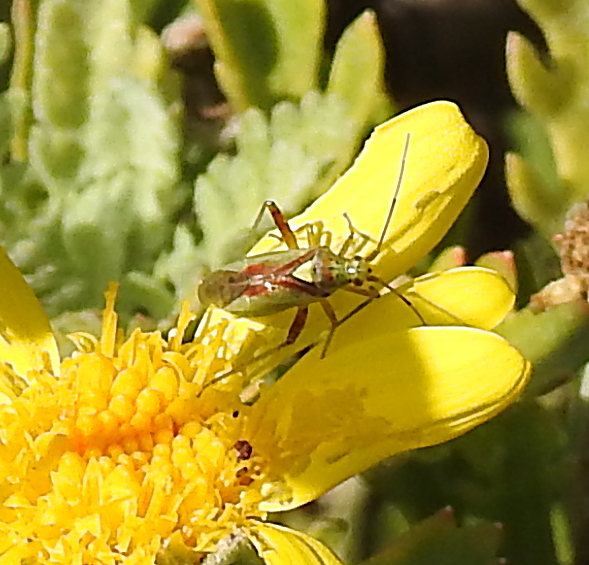
At a bush mooring near the confluence of the Darling and Murray I spent a couple of hours walking through the scrub bordering the river. Whilst sitting on a log near a clump of acacia bushes some small bugs with ‘eye-lash- like’ antennae caught my attention. I spent a good half hour trying to get a reasonable shot. Sometimes the little things can be the most interesting and challenging to photograph.


Nesting Apostle bird


The rewards of exploring a new and unfamiliar region are many including the chance to encounter species that are rarely observed or at the best seen fleetingly at home. An apostle bird nesting in the eucalypts that shaded our mooring at Coomeala was a prime example. Locals told me that they are quite common but it was the first time I had seen one and to capture and image of it nesting was quite a thrill.

Sandra gets the double


There were many more encounters on this trip and they certainly warrant further posts under the heading ‘Just Cruising’ which seems to capture the mood of my week exploring the mighty Murray while relaxing with friends.


Cheers

Baz


Additional notes

This is an easy excursion which is quite suitable for families and seniors with toilets, barbecues and numerous facilities aboard.


 I have recently spent time in Africa and the link below will allow you to enjoy images and text describing some of my encounters with the wonderful wildlife of Botswana and Zambia. I will try to attach a new image and notes to accompany each post.

https://wildlifemomentssa.blogspot.com

Warren Reservoir

11 May

Dear Reader:

There is pelican fishing near the water outlet on the edge of the reservoir. It seems to be catching the odd fish unlike the anglers near the bridge. Likewise, a snake bird sometimes called a diver but more correctly known as an anhinga, is perched on a branch overhanging the water drying its wings after successfully making a catch. Obviously there is prey in the lake and after one of the longest dry spells on record it is a pleasure to witness the local wildlife reaping the benefits of permanent water.


Snake bird or darter


I am exploring the Warren Reservoir about an hour’s drive north east of Adelaide’s CBD past Williamstown on Warren Road which deviates left off the Springton Road a few Kilometres beyond the township. There are several lay-bys and one major recreation site that allow access to the reservoir which can be used by fishers and kayakers.


Warren Reservoir


 There is a bridge crossing the reservoir that leads on to a path that skirts the water. Tiny finches and wrens are chirping in the canopy and an occasional duck can be seen foraging near the reeds. I sit quietly by a large eucalypt that droops over the water watching for a kingfisher or kookaburra. However, it is a tiny female blue wren that catches my eye as it works its way along the edge of the water.


Masked Lapwings


Roos in retreat


­­­­ 

Further along the track several lapwings are walking tentatively along the high water mark. They are nervous and approaching them to capture an image is difficult. As I crouch amongst the bushes I startle a small group of kangaroos that are quietly resting in some bushland near the edge of a pine forest.


Casual lunch


My walk around the reservoir has been interesting but a few hunger pangs are setting in. In a cutting a little closer to Williamstown there is a pop up lunch bus that makes unbelievable hot-steak rolls. The chap that runs it is an ex-biker (not bikey) and also sells oil and other motorbike accessories for the numerous enthusiasts that drive through the area. An interesting way to end my day at the reservoir.


Cheers

Baz  


Additional notes

This is an easy walk/drive which is quite suitable for families and seniors with public toilets, barbecues, parking and other facilities nearby. It is dog friendly.


 I have recently spent time in Africa and the link below will allow you to enjoy images and text describing some of my encounters with the wonderful wildlife of Botswana and Zambia. I will attach a new image and notes to accompany each post.

https://wildlifemomentssa.blogspot.com

Scott Creek Wildlife and History

27 Oct

Dear Reader:

The old cottage has stood sentinel by the Scott Creek Road from the late 1830s. Despite some graffiti, scourge of a modern era, it bears witness to bygone days of hardship and toil. Today a pair of magpies is foraging amongst the overgrown garden and swallows are nesting in the stonework.

Old cottage with lilies in foreground

 The Scott Creek Conservation Park is just 30 kms from Adelaide: a lovely drive along winding hills roads surrounded by scrub and rural properties. It is a haven for a vast number of animals including grey kangaroos, koalas, numerous reptiles and around 150 bird species and that is without considering the insects and spiders. More than enough to delight any photographer. Add an old mine site to this biological diversity and you have the perfect place for a day’s outing exploring some classic South Aussie bushland with a little history thrown in.

Walking trail and bushland

The creek passes under an old bridge. It is overgrown with reeds and bushes with just a trickle of water visible from the banks. Superb blue wrens are darting around in the undergrowth, the males in bright mating plumage are displaying to the duller coloured females. I walk along a fallen tree that spans the creek to get a better vantage point. From my perch I spot an eastern water skink basking on a long dead branch. The little reptile is waiting to pounce on insects, spiders and even smaller lizards.

Eastern water skink

A gravel and dirt path leads up to an old copper and silver mining site. Interpretive signs make for interesting reading about our state’s early mining history and an old abandoned plough adds a certain agricultural touch to the walk.

Old machinery

Numerous parrot species are common throughout the park and a pair of rainbow lorikeets watches me as I walk beneath the massive red gum they are using as a perch. High above I notice the unmistakable slow wing beat of yellow tailed black cockatoos. And the characteristic chiming call of Adelaide rosellas accompanies me while I stroll around the mine site looking for lizards and insects that might use the ruins as a home.

Rainbow lorikeets

 Before climbing into the car for the drive home I take one last look into the higher branches of the trees surrounding the creek. I am rewarded by solitary koala watching me intently from a fork in the trunk. A nice farewell from this lovely patch of South Australian bushland.

Koala climbing

Cheers

Baz

Additional notes

This is an easy drive which is quite suitable for families and seniors.

 I have recently spent time in Africa and the link below will allow you to enjoy images and text describing some of my encounters with the wonderful wildlife of Botswana and Zambia. I will attach a new image and notes to accompany each post.

https://wildlifemomentssa.blogspot.com

Hoseshoe Bay’s Coastal Wonders

1 Oct

Dear Reader:

The Soldiers Memorial Gardens overlooks Horseshoe Bay; one of the most picturesque locations on the Fleurieu Peninsula. Well kept lawns are surrounded by flower beds and fronted by massive Norfolk Island Pines that attract a wide variety of wildlife.


View of Bay from gardens


Today the grassed areas have just been mown and two beautiful, red-rumped parrots are feeding on some seed heads that have been scattered by the mower. Male birds are more colourful than the females with brighter plumage and a red splash of colour on the lower back. The gardener seems to have also stirred up some insects which are being vigorously hawked by a lively little wagtail.


Red rumped parrot


Wagtail

Near the gardens a track runs along the coast towards the jetty and then along the face of boulder strewn cliffs. Several wattle birds are gathering nectar from coastal blooms of agapanthus and I can see both terns and silver gulls patrolling the wave break in search of prey.


Wattle bird feeding


Local jetty and cliffs


There are rocky outcrops at both ends of Horseshoe Bay and small islands in the mouth. These are home to a myriad of sea creatures. Sweep, drummer and zebra fish are just a few of the fish species that abound here. The rugged, algae dominated rocks also provide habitats for a wealth of invertebrates including: crayfish, crabs, sea snails, sponges and starfish…to name but a few.


Sea snail (gastropod) probably a pheasant shell species


From a high point on the coastal path I have a good view of the bay and I take some time to sit and eat a snack from the Local Port Elliot bakery. Behind me I can hear the call of singing honeyeaters and in front the gentle rushing sound of the incoming tide and surf on the rocks….. a fine way to finish my visit to Horshoe Bay.


Singing honeyeater


Coastal walk and view of islands in bay


 Cheers

Baz


Additional notes

This is an easy walk which is quite suitable for families and seniors with public toilets, food outlets and parking nearby.


 I have recently spent time in Africa and the link below will allow you to enjoy images and text describing some of my encounters with the wonderful wildlife of Botswana and Zambia. I will attach a new image and notes to accompany each post.

https://wildlifemomentssa.blogspot.com

The Murray Mouth

7 Sep

Dear Reader:

There is a magnificent pelican flying low over the estuary with thick scrub and hills in the background. It circles a few times then lands, with surprising grace for such a large bird, amongst a small group of pelicans. They comb the edge of the water hunting for schools of baitfish. The birds then circle their prey driving them into a small ball before scooping the hapless victims up in their flexible net-like bills.


Pelican in flight


The mouth of Australia’s largest river, the Murray, can be reached or viewed in several different ways. Taking a 4WD along Goolwa Beach is perhaps the most adventurous but sometimes requires some skilful off road manoeuvres in the wet sand and the tides must be taken into consideration. From Hindmarsh Island or the upper reaches of the Coorong it is an eaier boat ride from numerous launch points.  I have used both of these methods to photograph the wildlife of this wonderful location but on this occasion I am lucky enough (because of the kindness of an old friend) to fly over the area giving me a fresh perspective on this unique wilderness location.


Aerial view of Murray Mouth


After leaving the plane at a nearby property we clamber into an old landcruiser and make our way along the beach towards the mouth. Parking the vehicle tight against the sandhills away from the incoming tide we trek across sand hills into the scrub that divides the ocean from the river. There are numerous small birds in the thickets and I manage to photograph a singing honeyeater perched on a slender twig as it loudly proclaims its territory.


Singing honeyeater


Back on the beach we drive close to the wave-break watching flocks of plovers scouring the wet sand for worms, molluscs and other tiny invertebrates. They take flight as we approach then quickly settle back into their feeding patterns dodging between the gentle waves as the tide changes.


Plover panic


I spend a pleasant half hour fishing the river where it empties into the sea and manage to put a few salmon trout into the cooler before driving back to the car park in Goolwa. The little cafe is worth a quick stop for a sausage roll and an ice cream and a chat to some surfers who are enjoying one of the other pleasures that Goolwa Beach and the Murray mouth are famous for.


Gnarly dude

Cheers

Baz

 Additional notes

 I have recently spent time in Africa and the link below will allow you to enjoy images and text describing some of my encounters with the wonderful wildlife of Botswana and Zambia. I will attach a new image and notes to accompany each post.

https://wildlifemomentssa.blogspot.com