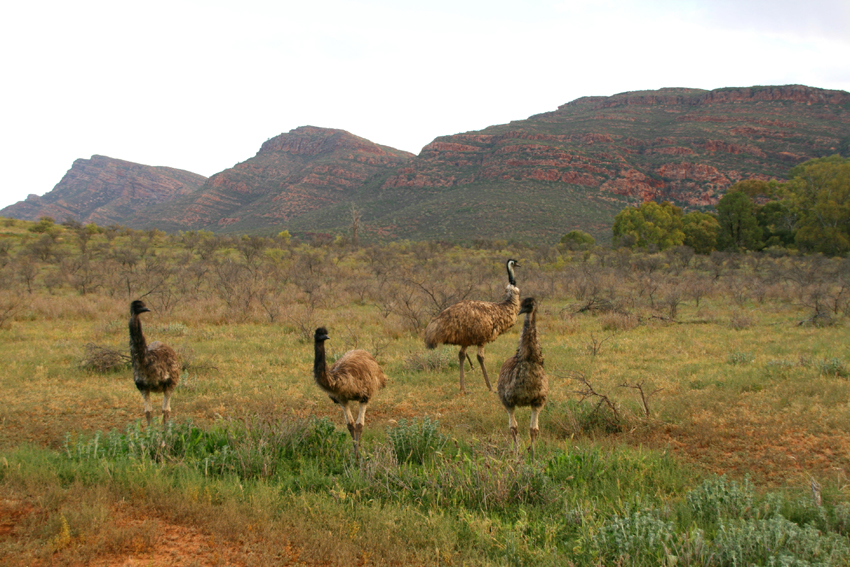
Tag Archives: Emu

Williamstown’s Wildlife…..The Drive

11 Nov
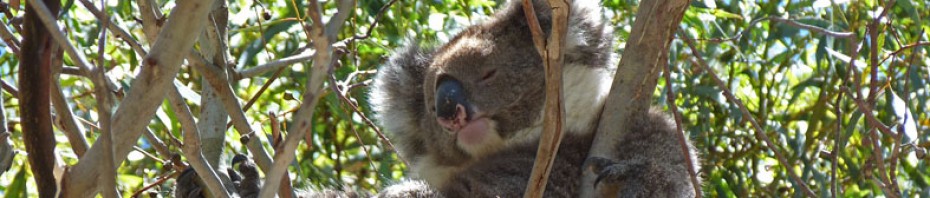
Koala observing photographer

Dear Reader:

A Koala suddenly appears on the edge of the road then runs across both lanes. I check my mirrors and pull off into a small recess. Walking back along the edge of the road, I scan the trees until I spot the Koala high in the branches looking down on me.
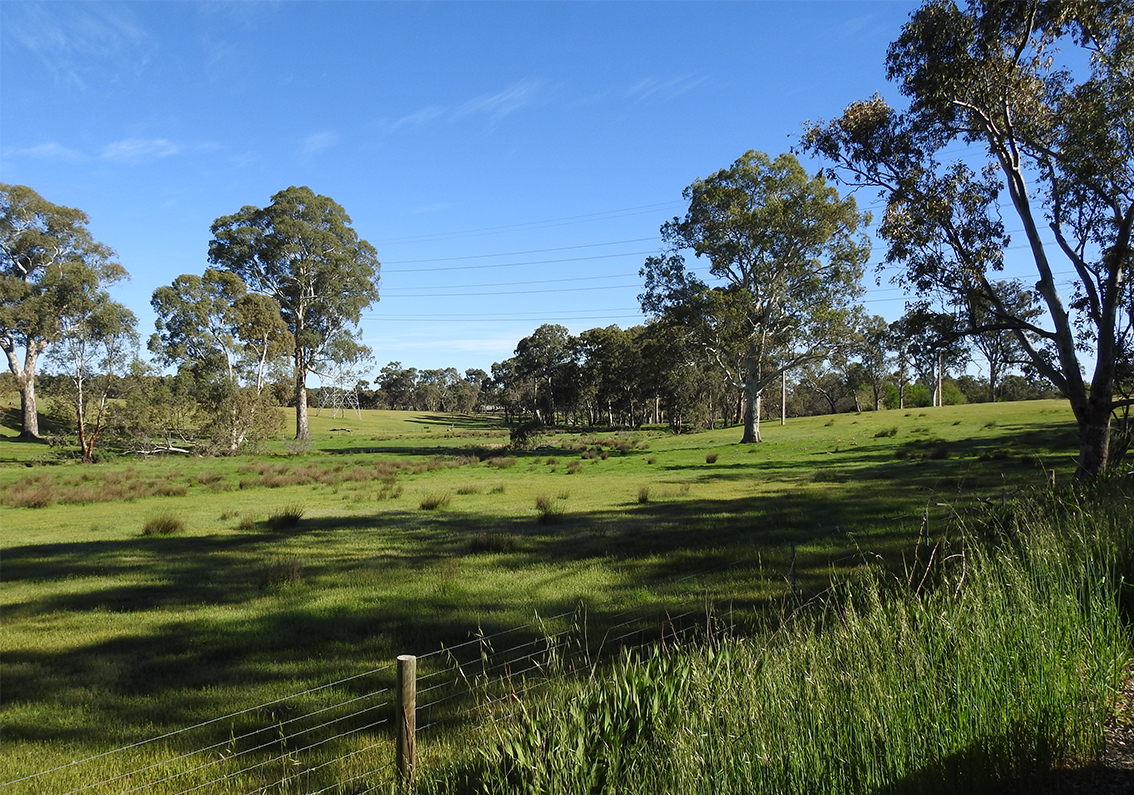
Classic grazing area with remnant eucalypts
Goat herd feeding near the reservoir

Further along the road, I stop again to photograph classic open pasture dotted with sizeable eucalypts.  A nearby fenced off paddock is home to a small herd of Angora Goats. As I stop to photograph them a lone Emu pops its head up from a ditch by the side of the road.

Surprise

I am driving to Williamstown to explore this historic little town and document the wildlife around the area. However, I am more than a little surprised to have encountered so many interesting photo-subjects before I even reach my destination.
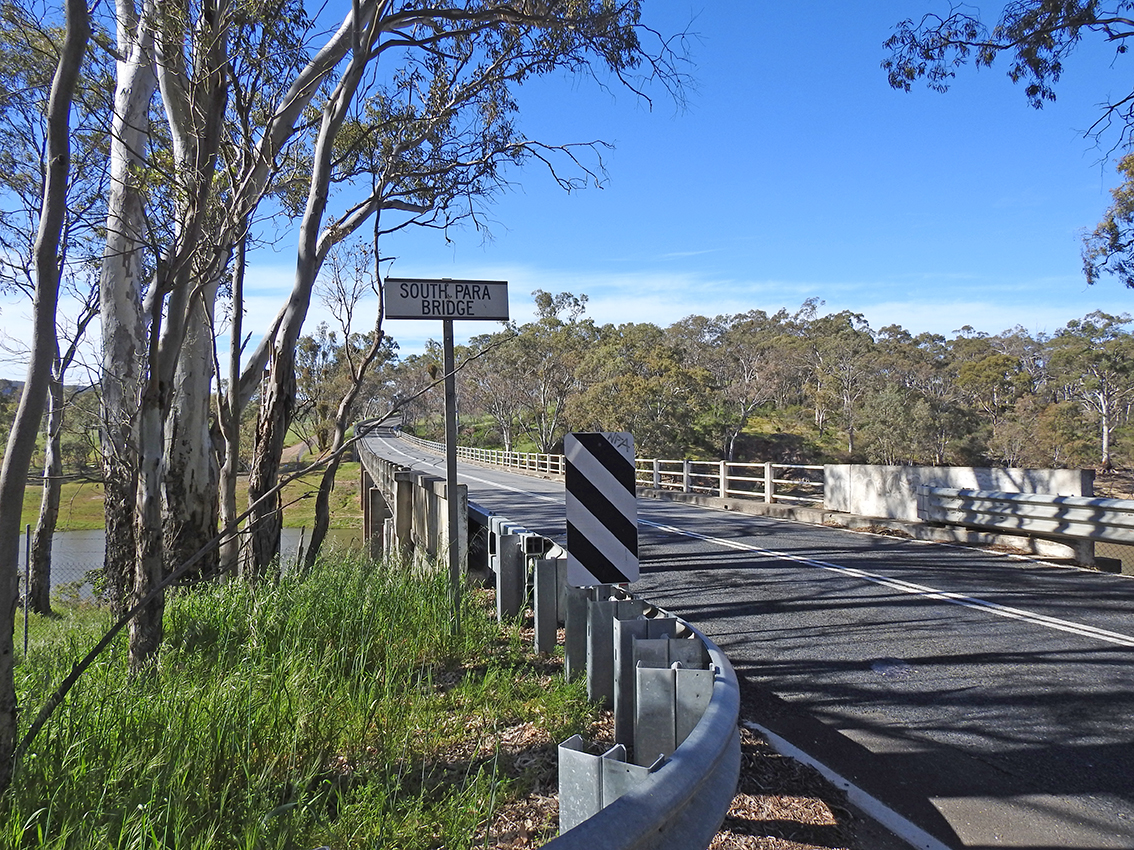
Bridge over the reservoir

Crossing the bridge over the South Para Reservoir, I notice the water level is quite high, a good sign for the approaching summer. Nearby, the extensive vines, which are a more recent feature of this landscape, contrast starkly with the adjacent scrub-draped hillsides. Clearing bushland for vines is always a contentious issue in South Australia.
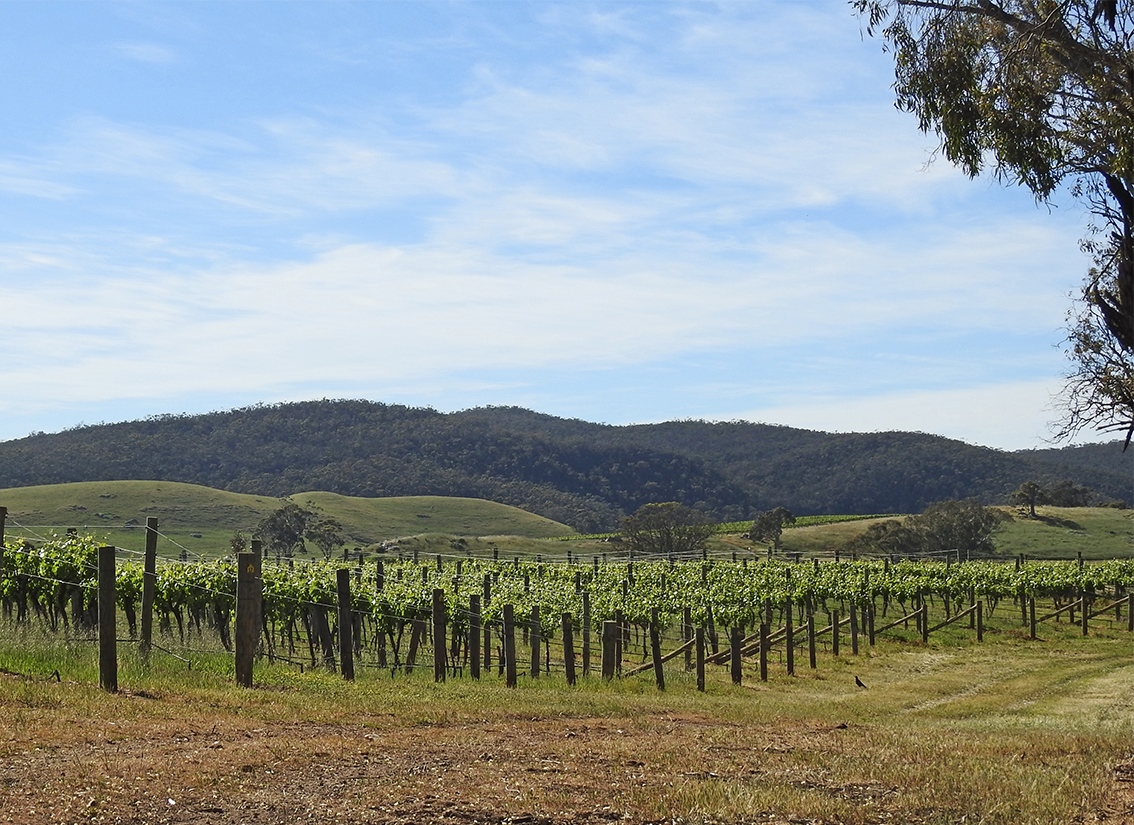
Vines, pasture and bushland

I am on the outskirts of Williamstown and decide it is time for a break at the local bakery before traversing some of the backroads and exploring other features of this historic township………..to be continued.
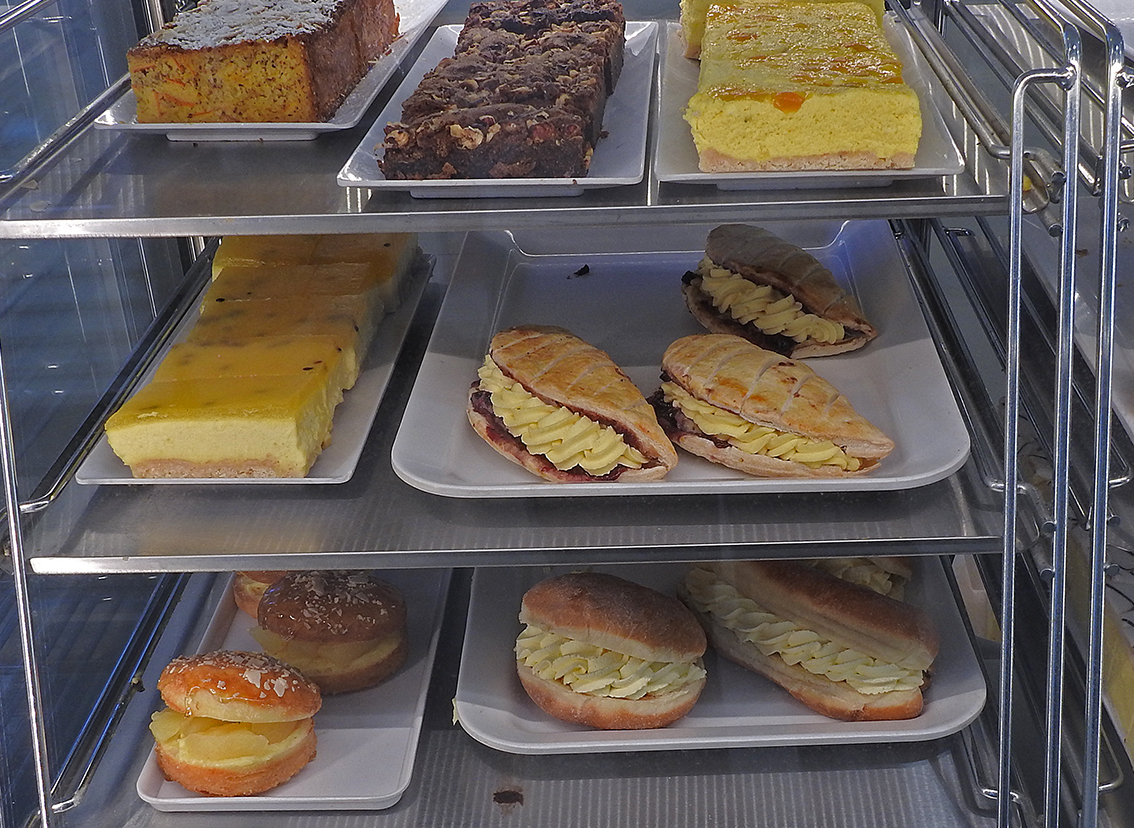
Too much choice

Cheers

Baz

Additional notes

Other animals seen/heard but not photographed: Western grey Kangarooos, Sulphur-crested Cockatoo, Australian Magpie, Blackbirds, House Sparrows, Rabbits

The camera used for this post is a Nikon P900

This is an easy drive which is quite suitable for families and seniors with public toilets, barbecues, parking and other facilities in Williamstown. It is dog friendly.

Please pass on this blog title and or contact information (URL) to any person or organisation with an interest in taking walks and enjoying wildlife in SA.

Click on these links and see more South Australian stories and pictures in my Weekend Notes articles as well as locating similar blogs on Feedspot’s top 20 Australian wildlife blogs

https://www.weekendnotes.com/adelaide/writer/452/

https://blog.feedspot.com/australian_wildlife_blogs/

The Grampians…Around Halls Gap 1

25 Aug

Halls Gap Grampians

A preliminary note:

When I am not enjoying the natural wonders of South Australia I sometimes cross state borders and enjoy the wildlife of our close neighbours, Victoria and Tasmania. This post is about one of my favourite Victorian destinations.

Dear Reader:

There is an old fencepost on the edge of the creek trail. The weathered wood is in stark contrast to the red and black colours of a Red Jewel Beetle  crawling across it.

Red Jewel Beetle

I am staying at Halls Gap in the heart of the Grampians National Park. Because I am here for a wedding, there is not the usual time available for exploring the natural environment. My observations will only cover those animals which are casually encountered.

Classic Grampians scrub with rocky outcrop in the distance

I take the Mt Victory Road from Halls Gap to meet some friends at Zumsteins. On the way I am surprised by a large Eastern Grey Kangaroo which decides to make its way down a steep bank to cross the road in front of us.

Eastern Grey Kangaroo descending sloping hillside

Further along the road, a small group of Emus are feeding amongst a patch of grass and thistles. These adaptable birds forage for a wide variety of foods including: tubers, grasses, fruits, insects, centipedes and other arthropods.

Emus foraging

We reach the camping ground at the Zumsteins Historic area on the MacKenzie River. Apparently there are Platypuses in the river but my only sighting of a monotreme (egg laying mammal) is a lone Echidna.

Echidna foraging

Grey Currawong

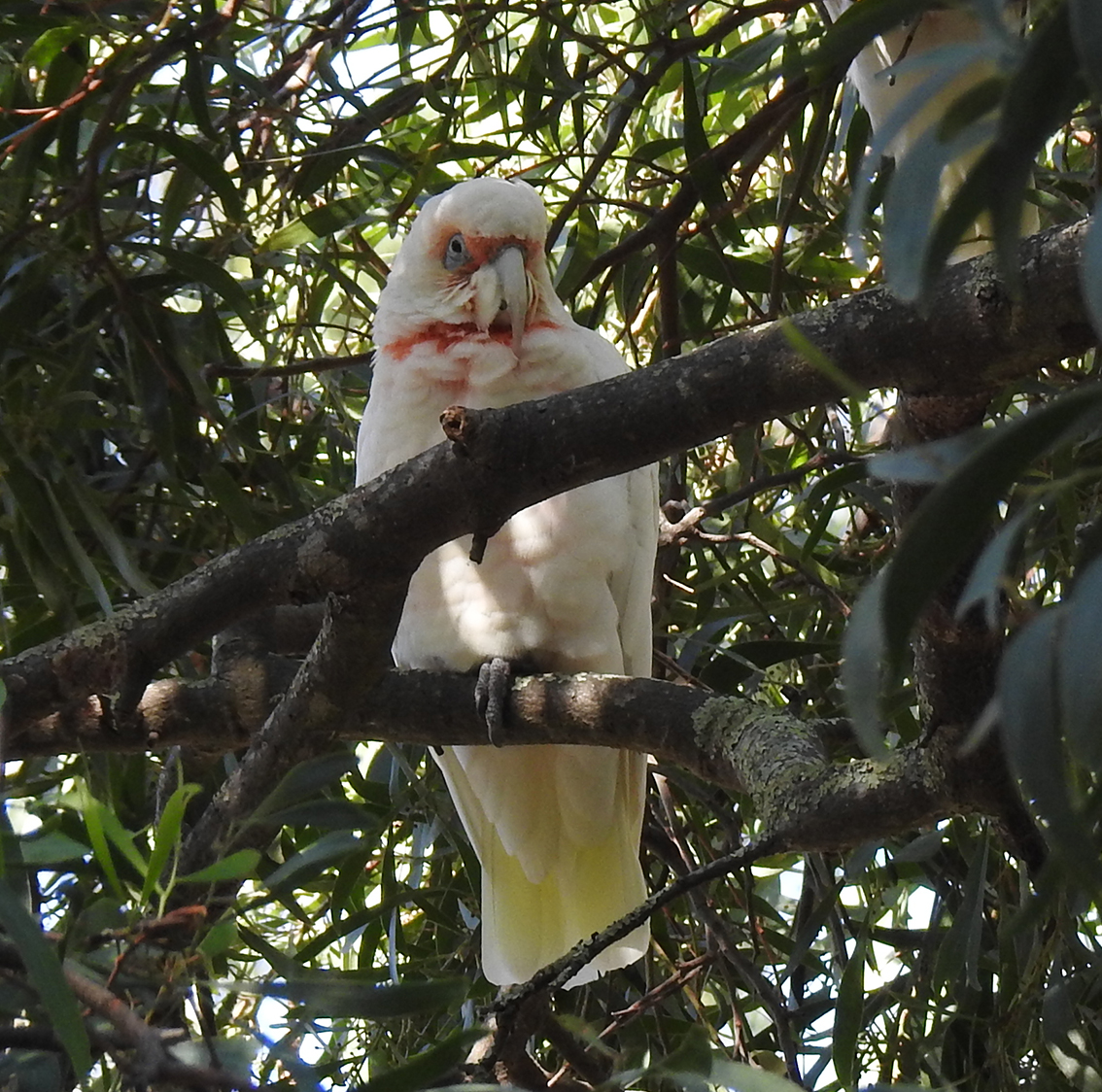
Taking a more circuitous track back to Halls gap we have a few more interesting wildlife encounters along the way.  I photograph a Long-billed Corella perched high in the canopy, numerous Eastern Greys by the roadside and a  Grey Currawong in the trees where we stop for a snack.

Eastern Grey Kangaroos alert to a disturbance

Long-billed Corella

However, the sun is getting low in the sky and we have one more place to visit, an orchard with a lovely view of some rocky outcrops. The site of tomorrow’s wedding.

Sunset on the edge of The Grampians

Cheers

Baz

Additional notes

This is an easy drive which is quite suitable for families and seniors. Dogs are not allowed in the National Park

Please pass on this blog title and or contact information (URL) to any person or organisation with an interest in taking walks and enjoying wildlife in SA. Dogs are not allowed in the National Park.

Click on these links and see more South Australian stories and pictures in my Weekend Notes articles as well as locating similar blogs on Feedspot’s top 20 Australian wildlife blogs

https://www.weekendnotes.com/adelaide/writer/452/

South Para Reservoir’s Water, Wine and Wildlife

13 Feb

Dear Reader:

There’s a small mob of Western Grey Kangaroos feeding close to the path where I am starting my walk. Leaning against a tree, I steady the camera. The roos detect either sound or scent and bound away into the thicker scrub.

Up Up and Away

I am taking a walk around the South Para Reservoir near Williamstown about an hour’s drive from Adelaide’s CBD. The road winds through the Adelaide hills and encompasses a range of environments from rural to wilderness. Unfortunately, it is a bit of a grey day. Not brilliant for photography.  

South Para Reservoir

The track leads down to the water where a kayaker is bringing the craft back to dry land. This reservoir is open for fishing, kayaking, cycling and walking unlike many of our other reservoirs.

A recreational paddle

There are numerous butterflies in the area but it is hard to spot them until they take flight. Eventually I get a reasonably clear shot and identify the species as a Common Brown.

Common Brown

On the water’s edge I can just make out some large birds. I suspect they are either Cormorants or Snake Birds (Anhingas). I approach warily, lie down in the grass and focus. There are two distinct species; a Pied Cormorant and a Great Cormorant.

Pied Cormorant

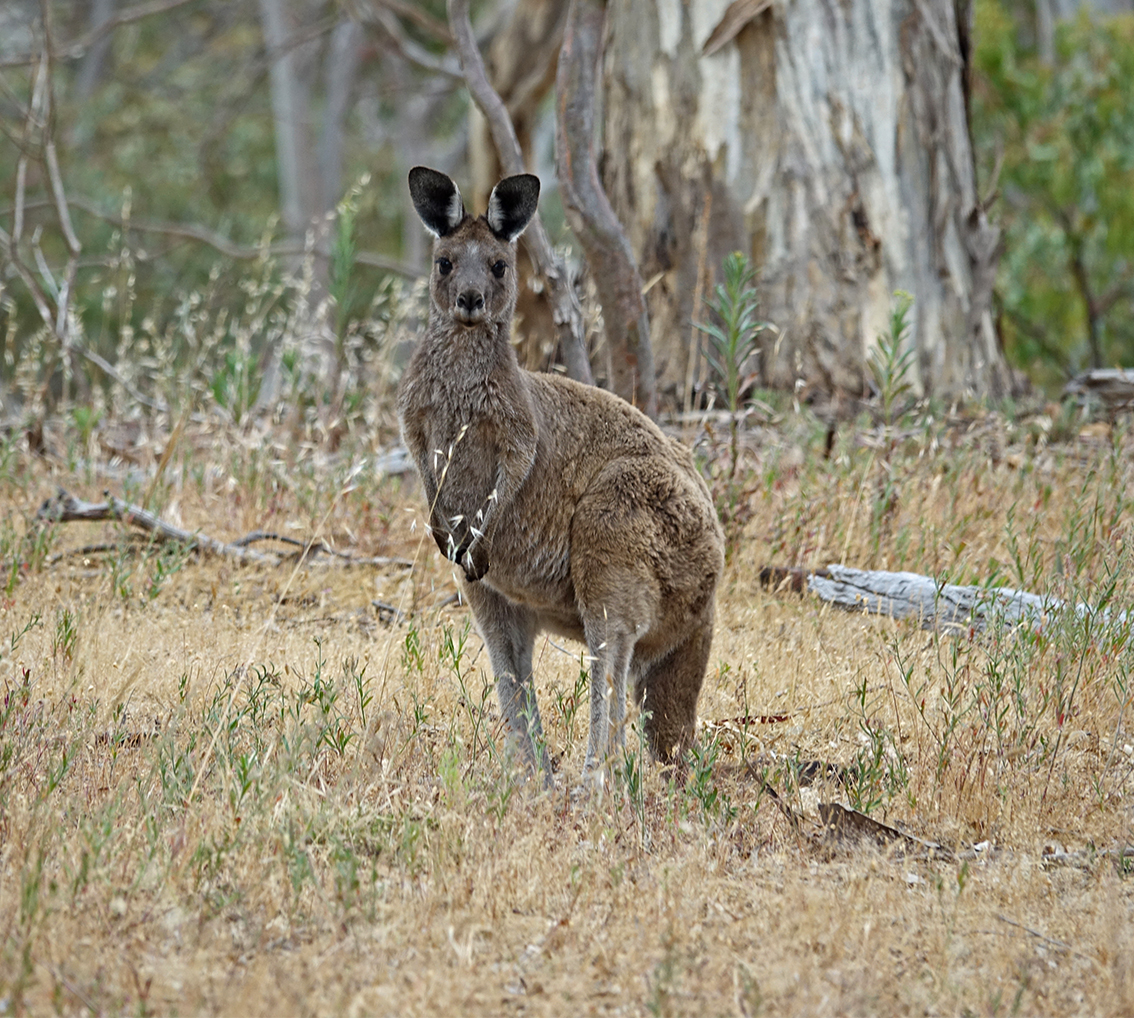
Working my way around the water’s edge I discover a dry creek bed and another track heading back towards the main road. I follow the creek bed up a gentle slope towards a rocky outcrop. A large male kangaroo watches me from the scrub as I walk. He seems relaxed and stays still enough for a long-range shot.

Just watching

Continuing along the cross track I suddenly freeze and hold my breath. Three adult Emus are walking towards me and have, either not registered my presence, or are not unduly phased by humans. I raise the camera slowly and wait as they approach to within thirty metres. I take a series of shots before they veer away pecking for seeds, insects and whatever else they might find in the dry scrub.

The Emus gang

Emus close by me

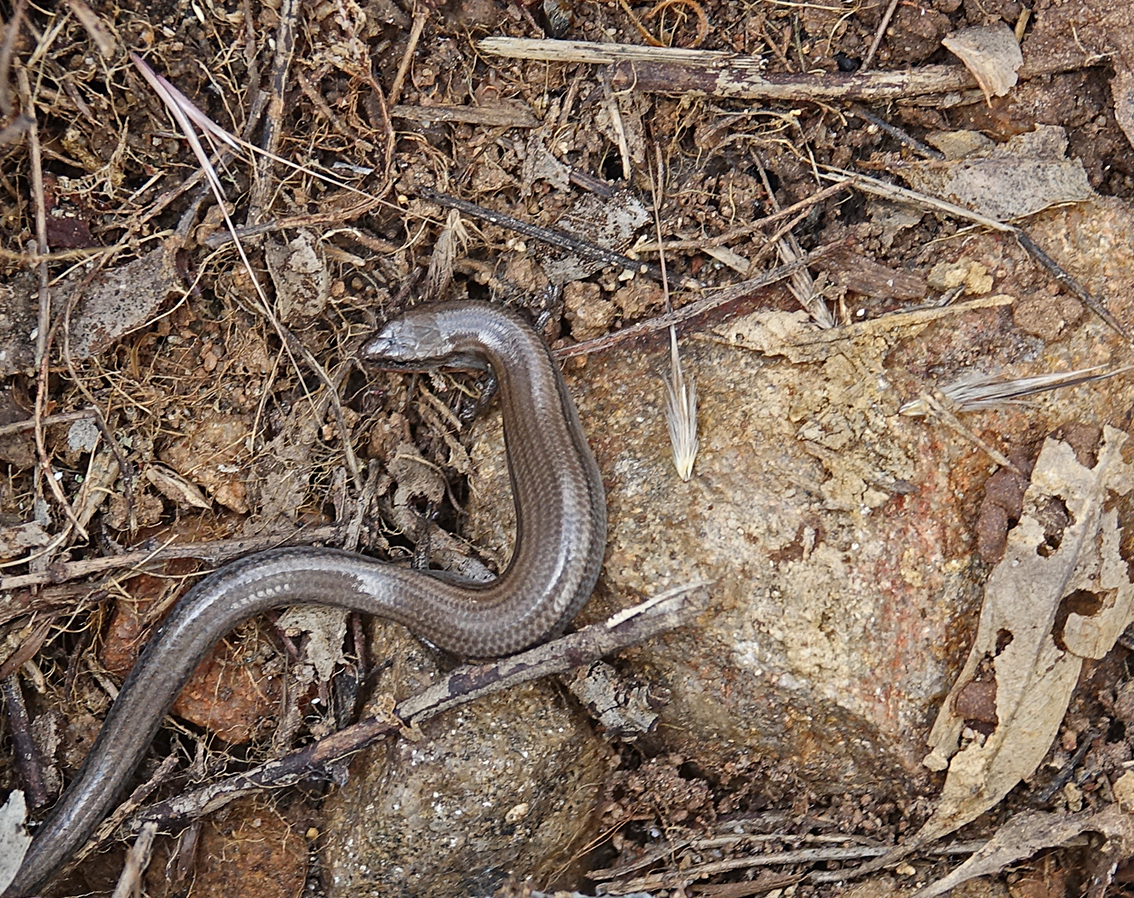
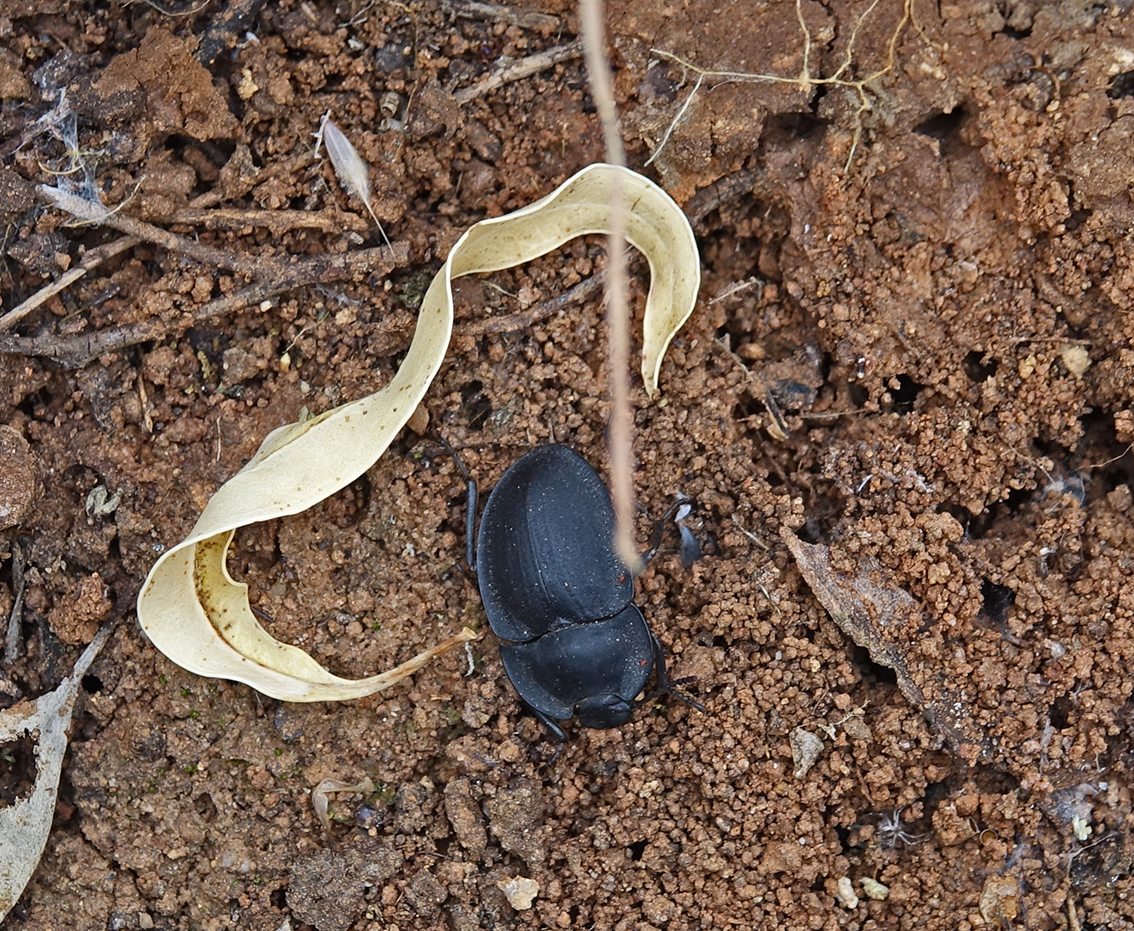
As I traverse move up the trail, I notice a variety of wildlife including; musk Lorikeets Sulphur Crested and Rose Breasted Cockatoos, more butterflies, a few native bees as well as ant nests and termite mounds. I turn over a couple of rocks and dead branches (replacing them carefully afterwards), uncovering a snakelike Three-toed Earless Skink and Pie-dish Beetle.

Three-toed Earless Skink

Pie-dish Beetle

With my walk at an end, I drive on towards Williamstown for lunch at the little bakery across from the creek. However, I do make one more stop on the way at Linfield Road Winery which has a charming bed and breakfast attached. An ideal place to stay when I make my next foray into the wonderful north-eastern region of the Adelaide Hills.

B&B for next time

Linfield Road Winery vines

Cheers

Baz

Additional notes

This is an easy walk/drive which is quite suitable for families and seniors with public toilets, barbecues, parking and other facilities nearby.

Please pass on this blog title and or contact information (URL) to any person or organisation with an interest in taking walks and enjoying wildlife in SA.

Click on these links and see more South Australian stories and pictures in my Weekend Notes articles as well as locating similar blogs on Feedspot’s top 20 Australian wildlife blogs

https://www.weekendnotes.com/adelaide/writer/452 https://blog.feedspot.com/australian_wildlife_blogs

Gorge Wildlife Park

20 Jun

Dear Reader:

Capturing images in the wild is one of the most exhilarating challenges a photographer faces. Each image evokes poignant memories of the location and circumstances under which it was shot. However, there is also a place for pictures taken in zoos and wildlife parks.

Wedge-tailed Eagle

At the Gorge Wildlife Park, one can get close enough to discern the fine details of animal structure and physiology such as the split grooming claws of a kangaroo or the scale patterns of a venomous snake. And of course, there are the fascinating interactions of people and animals. Each of the following images was added to my collection to emphasise these and other characteristics of our unique Australian wildlife.

Koalas are usually high in the branches of a gum tree. Being able to photograph one so close enables me to see the shading of fur as well as ear and eye structure.

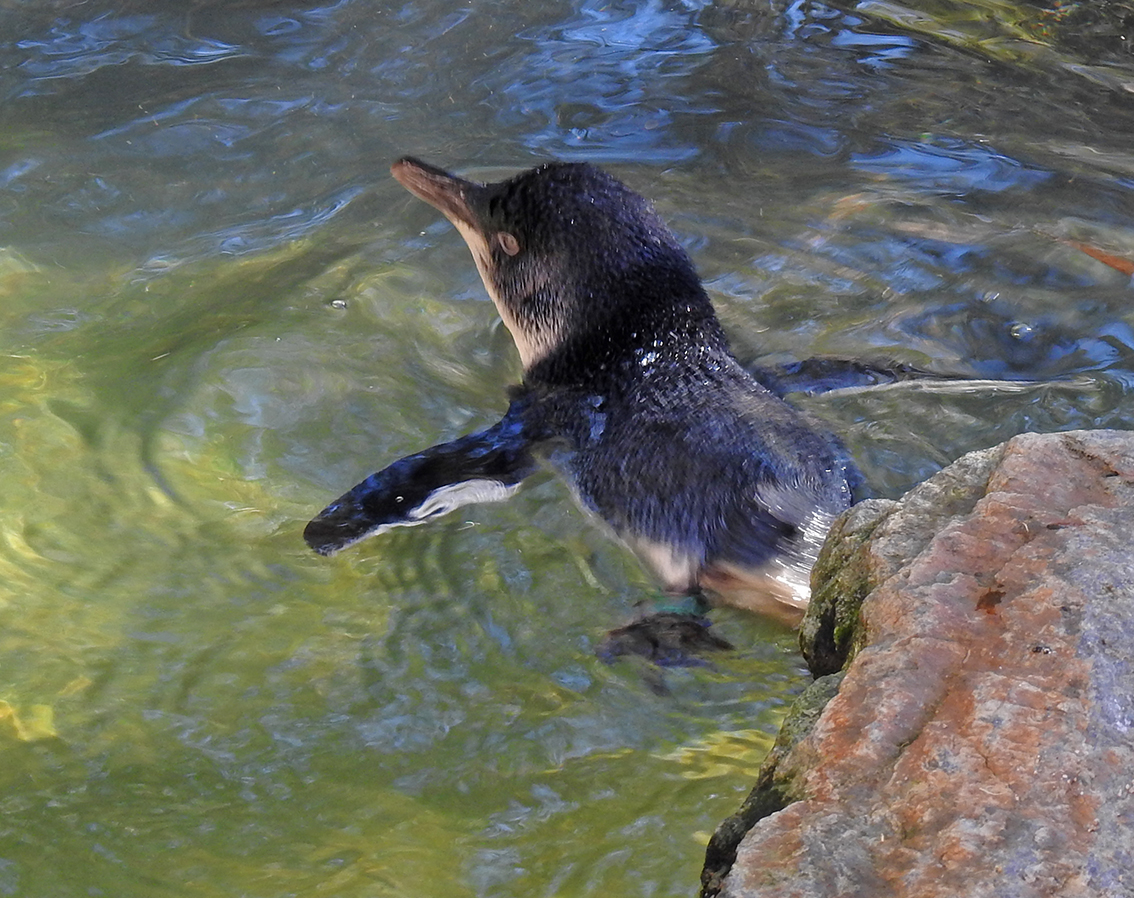
The bullet shaped body, nictating eye membrane and position of the webbed feet and wings are obvious as this Little Blue or Fairy Penguin enters the water.

The tongue, beak structure and use of the feet when eating are well illustrated in this image of a Little Corella.

Getting close enough to a Dingo and her pups in the wild would be nearly impossible without specialist equipment, outback guides and a great deal of time to spend on the project.

Quinn feeds a female Red Kangaroo with a joey in its pouch. A picture which tells so many stories.

I have only encountered two Death Adders in all my years observing wild animals in the bush.

Bad hair (feathers), a wild gleam in the eye and a mouth full of greens….one of my favourite Emu images taken in a wildlife park.

I hope you have enjoyed these images from The Gorge Wildlife Park and they encourage you to visit this extraordinary facility and see what kind of images you can capture.

Cheers

BAZ    

Additional notes

This is an easy walk and drive which is quite suitable for families and seniors.

Please pass on this blog title and or contact information (URL) to any person or organisation with an interest in taking walks and enjoying wildlife in SA.

All images using a Nikon P900

Click on the links below to see more South Australian stories and pictures in my Weekend Notes articles as well as locating similar blogs on Feedspot’s top 20 Australian wildlife blogs

https://www.weekendnotes.com/profile/651267/

https://blog.feedspot.com/australian_wildlife_blogs/

Flinders Ranges Moments

14 Aug

Grazing sheep in the Flinders Ranges

Dear Reader:

Several deep gorges cut through the Flinders Ranges from east to west. They can be comfortably traversed by conventional vehicles in dry weather but in the wet they are hazardous and 4WD is a necessity. In these images I push my vehicle through relatively shallow water after measuring the depth first then attach a tow rope to a vehicle that didn’t quite make it.

A calculated and tested crossing

Didn’t get it quite right

The Flinders Ranges are around 800 million years old and are the result of the uplifting, folding and consequent erosion of an ancient, shallow sea bed. Their sedimentary rocks contain fossils of some of the Earth’s earliest life forms known as the Ediacra fauna. The ranges are the ancestral home of the Adnyamathanha (pronounced ud-ya-mutna) people who have lived there for over 40,000 years.

Layers (strata) of sedimentary rock

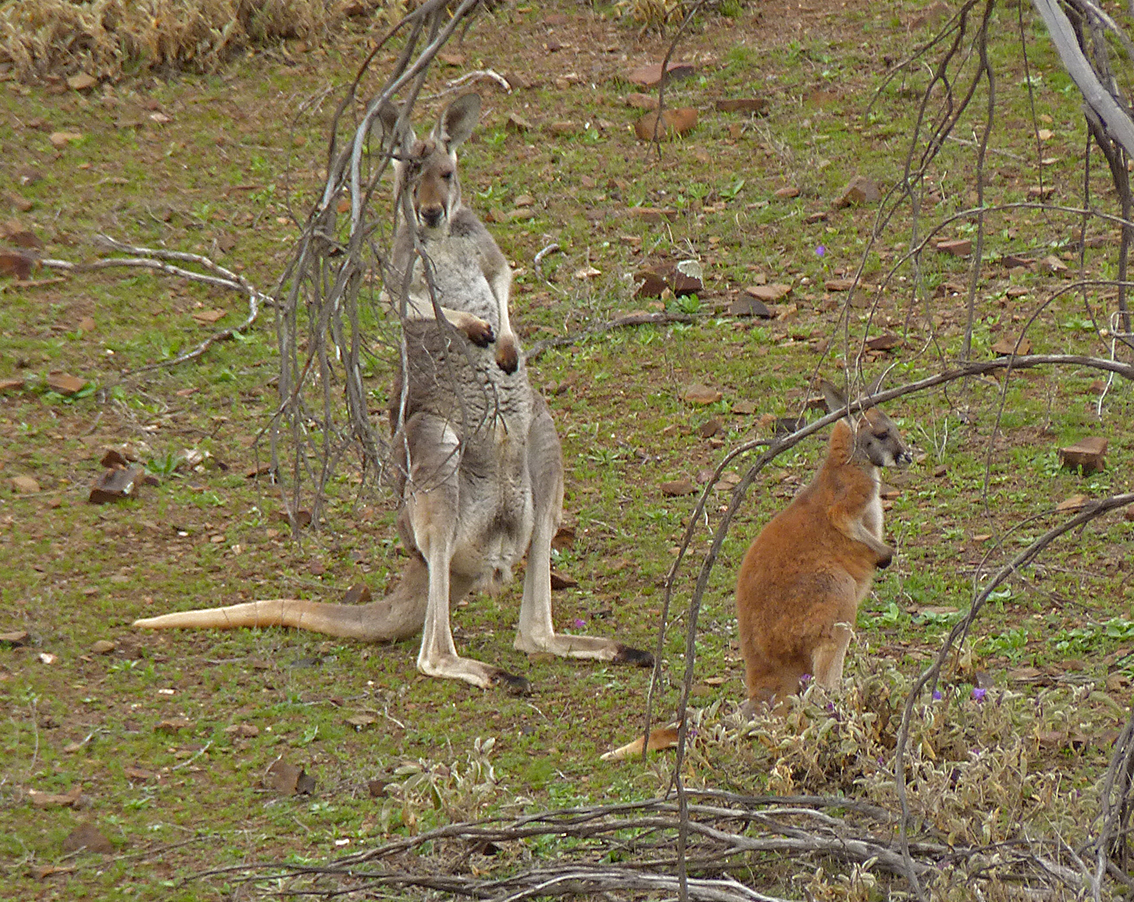
Four different kinds of Macropods (kangaroos and wallabies) live in the Flinders ranges: Western Grey Kangaroos, Red Kangaroos, Euros or Common Wallaroos and Yellow-footed Rock-Wallabies. Western Greys live in low forested areas, Reds prefer dry open plains, Euros live in the foothills and the rare Yellow-footed Rock-Wallabies prefer higher rocky slopes. There is some overlap between the habitats of all these species.

Red Kangaroos

Euro, Hill Kangaroo or Wallaroo

Yellow-footed Rock-Wallaby feeding in Brachina Gorge

Birdlife is prolific throughout the ranges and include a wide variety of species ranging from tiny finches and Budgerigars to Wedge-tailed Eagles and Emus. While taking friends from the USA around Wilpena Pound and Brachina Gorge, in the heart of the Flinders, we stopped to photograph birds on numerous occasions.

Getting up close

Nice result

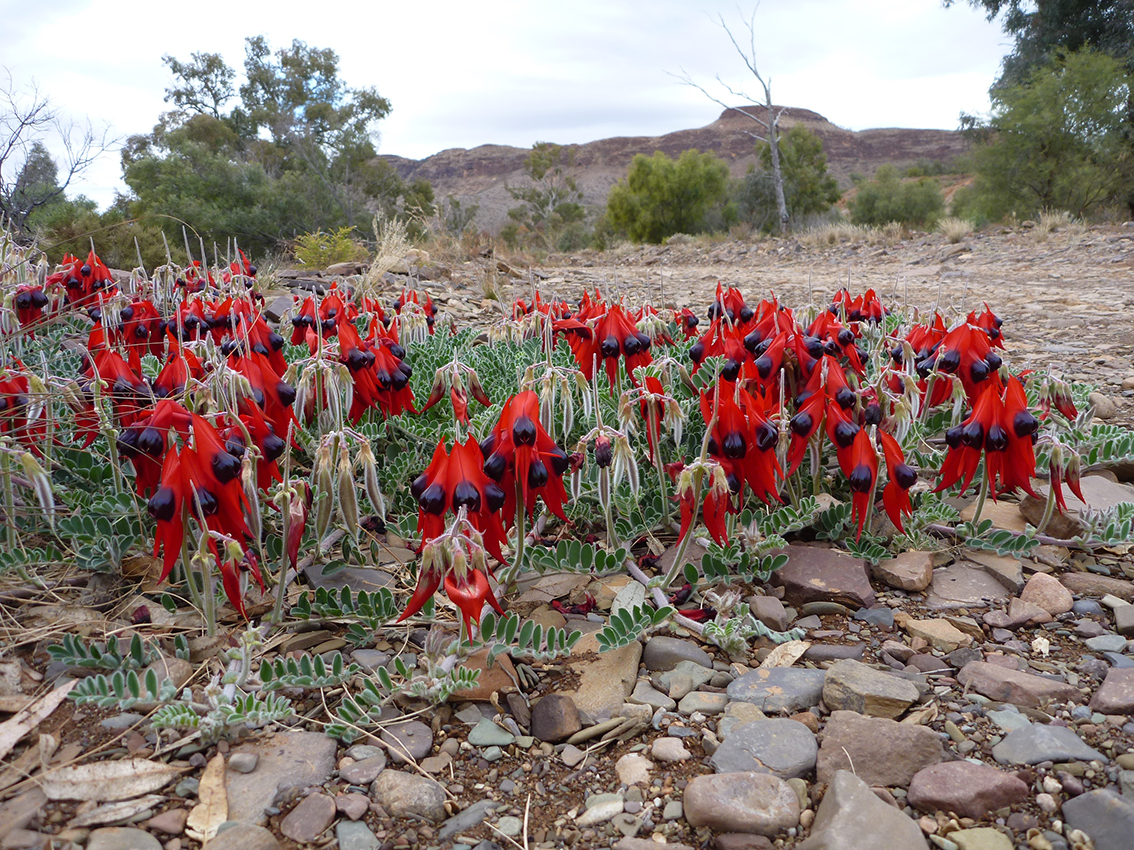
This wild and beautiful region has much to offer in terms of fauna both ancient and modern. However, the plants of this rugged landscape are just as fascinating: Sugar Gums, Cypress-pine, Flinders Wattle, Flax Lilies and the SA state emblem the Sturt’s Desert Pea are just a few examples.

Sturt’s Desert Pea

Although the Flinders Ranges is a truly wild destination it also has a significant human perspective. There are ancient First Nations art sites, a world-renowned hotel featuring local cuisine, working stations (farms) and a significant arts and crafts community. From my own perspective as a photographer, there are the remnants of old settlements such as stockyards, settler ruins, old mine shafts and other relics of the Flinder’s early settlement, all backed by stunning landscapes.

Lunch at the Prairie Hotel

Cheers

Baz

Additional notes

Please pass on this blog title and or contact information (URL) to any person or organisation with an interest in taking walks and enjoying wildlife in SA.

Click on this link and see more South Australian stories and pictures in my Weekend Notes articleshttps://www.weekendnotes.com/profile/651267/

Houseboat Adventures Morgan Day 1

2 Jan

Dear Reader:

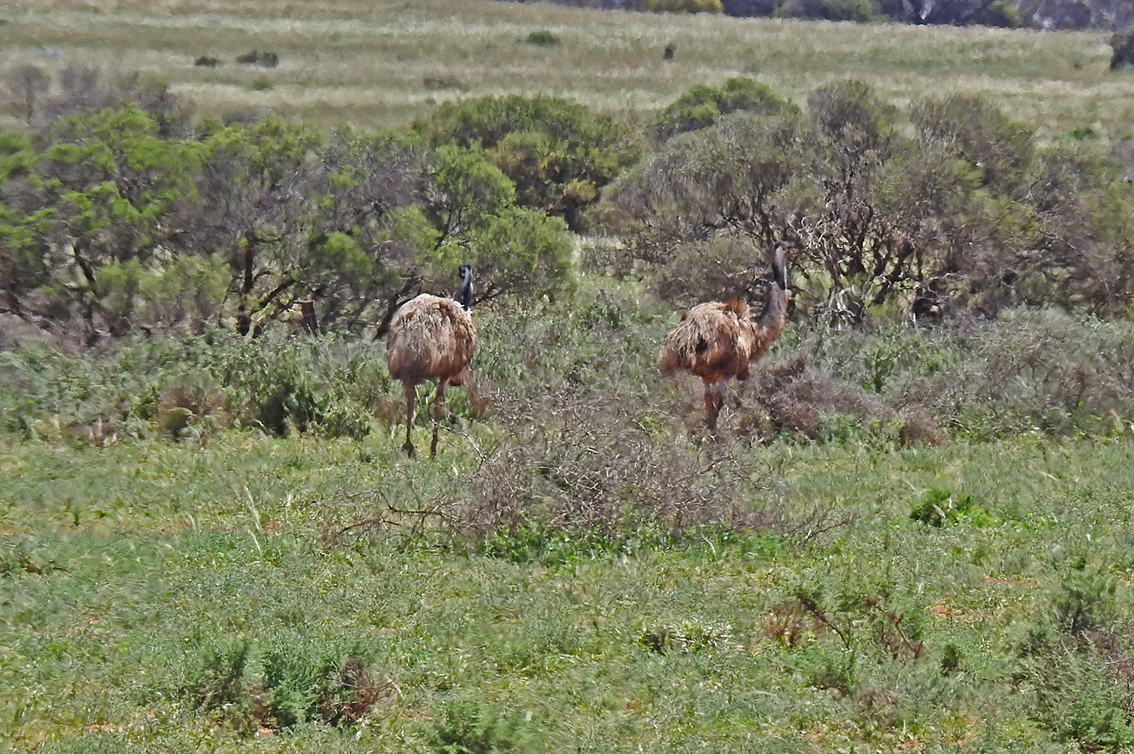
The road is ‘dead set’ straight for kilometre after kilometre. Expanses of saltbush and mallee scrub border the highway. While driving I scan the bush for wildlife. Crows perch on branches, an occasional parrot flies in front of the vehicle and there is the inevitable road-kill. I ease my foot onto the brake and pull over. Hundreds of meters across the saltbush, on the woodland fringe, I can see a pair of emus. My Nikon P900 is an excellent tool for locating an image at this range but even the 83X zoom is challenged when it comes to getting a good clear shot.


Emus at distance

I am driving to Morgan, an historic town on the River Murray about 160 kms from Adelaide. Morgan was a busy river port during the 1800s with hundreds of paddle steamers delivering goods prior to the advent of railways and more recently motor vehicle transport. However, this colourful history has given rise to Morgan’s current attractions; heritage docks, museum, renovated paddle steamer, historic trails and two wonderful, old pubs.


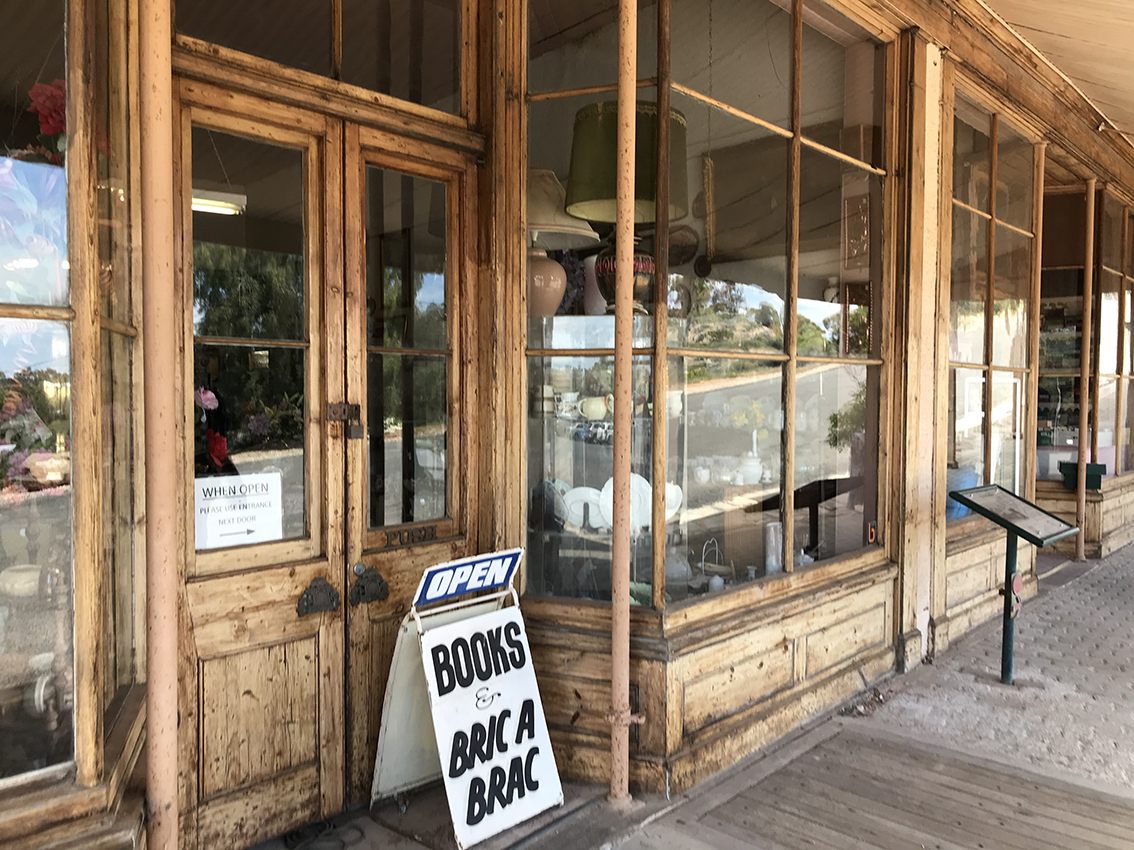
Books and bric a brac

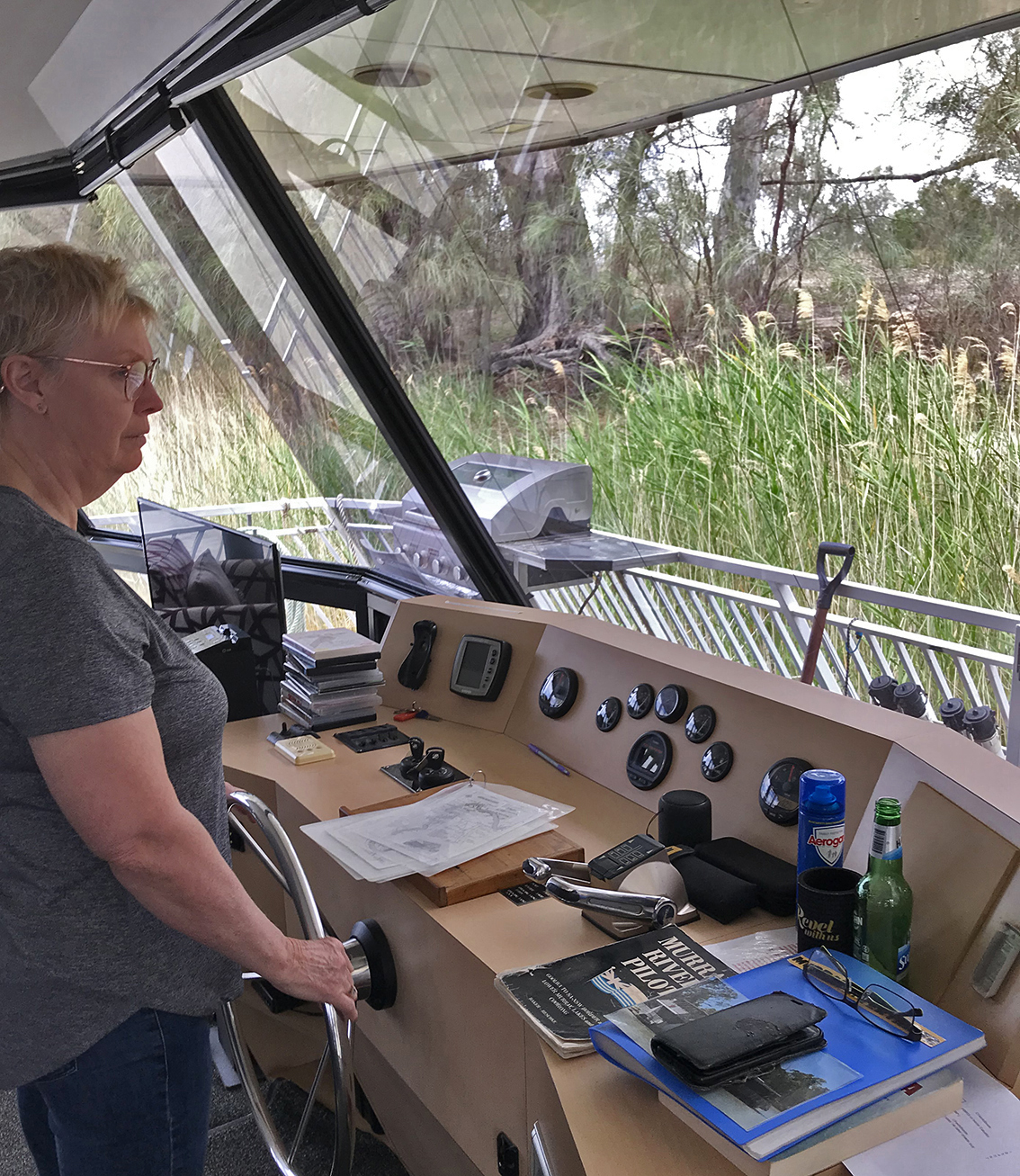
Sandra at the helm


I am meeting friends for a week-long houseboat trip exploring this stretch of the river. Each afternoon we will pull into the bank at a different location, stay there overnight then head off again in the morning. For my companions it is an ideal way to spend some down time away from their busy lives. For me, it means long walks to explore and photograph each location, editing images and writing up notes as well as capturing images from the boat as it cruises along.


Whale vertebrate fossils


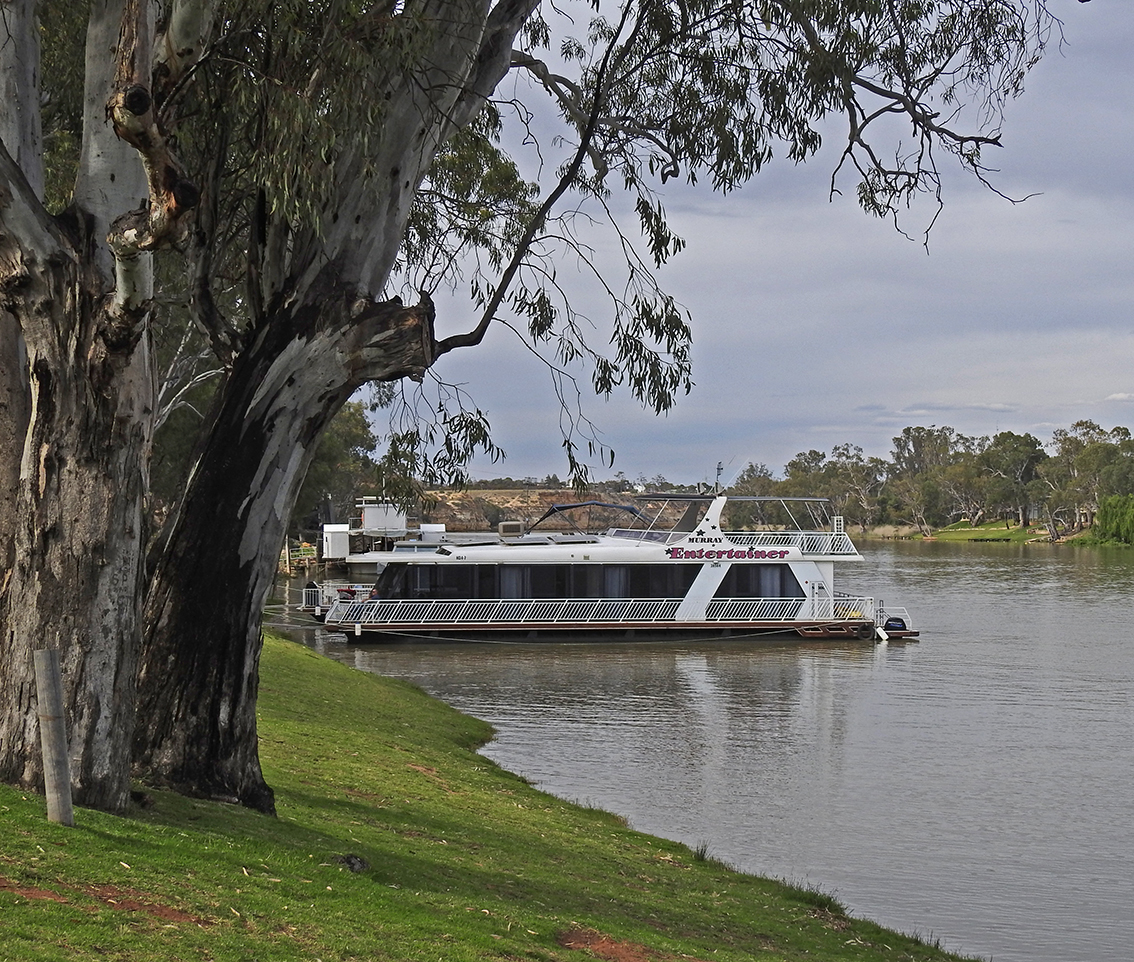
Our boat docked

Before we leave Morgan I take a stroll along the river bank towards the old wharf. It seems like a good place to look for animals that thrive close to human habitation. I can see swallows hawking across the water and picking off insects in the air but they rarely settle and photographing them in flight takes a better photographer than me. However, I do manage to spot a beautiful Eastern Water Skink catching the late afternoon sun.


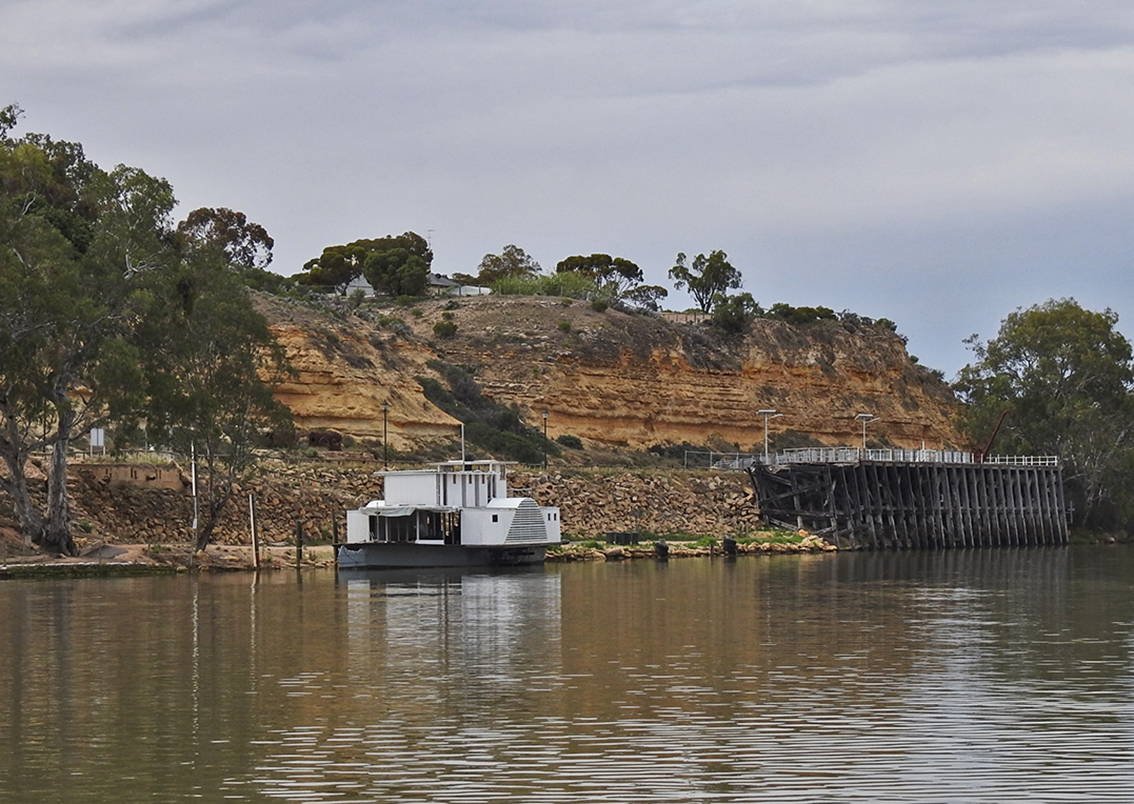
Wharf, cliffs and old paddle-steamer being restored


Eastern Water Skink

Pleased with my final image, I head back to the boat for dinner and a pleasant evening socialising with friends before we set off up-stream in the morning to another location and a fresh adventure.

Cheers

Baz

Additional notes

Only a driving license is required to operate a houseboat. We used Foxtail Houseboats and were more than pleased with their level of service.

Please pass on this blog title/contact information (URL) to any person or organisation with an interest in taking walks and enjoying wildlife in SA.

Click on this link and see more South Australian stories and pictures in my Weekend Notes articles

https://www.weekendnotes.com/profile/651267/

Winninowie National Park and Chinaman’s Creek

3 Sep

Winninowie National Park and Chinaman’s Creek

Dear Reader:

The track to Winninowie National Park comes off the main highway between Port Germein and Port Augusta. Low flat scrub borders the road on both sides with the coast in front and the Flinders Ranges foothills behind. Barbed wire fencing keeps small groups of sheep from wandering onto the road. Crested Pigeons, Galahs and some smaller unidentifiable bird species can be seen in the scraggly bushes bordering the pasture. In the distance I can just pick out a tree-line marking the edge of the national park: from there the road meanders towards the coast.

Typical coastal scrub

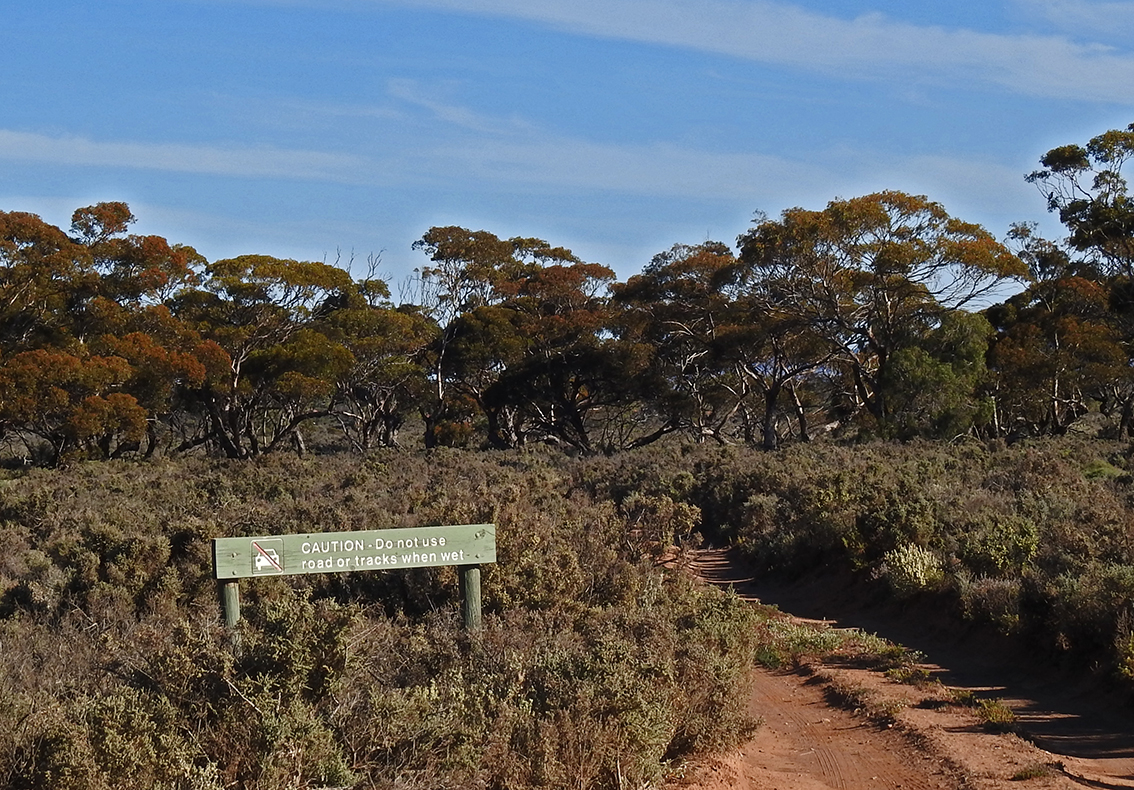
 A few hundred metres past the first stands of eucalypts we come across a smaller track veering to the left. The track has a sign that warns against use in wet weather but there has been a little rain over the last few days and today is fine and clear. We slip the vehicle into 4WD low range as a precaution and with a little slippage and much lurching, explore the trail.

Grey Butcherbird 

I tap Geoff on the shoulder and ask him to stop and power down his window. Only metres from the car, a Grey Butcherbird is perched on a dead tree branch. These fascinating birds have the rather unsavoury habit of impaling their prey on sharp branches where they are stored for later consumption. A kind of avian serial killer complete with trophies.

Euro in scrub

Our next encounter is on my side of the car. I notice a flash of grey in the undergrowth. Geoff sees it too and we slide to a halt. I am expecting to see a Western Grey Kangaroo and I am pleasantly surprised to spot a Wallaroo or Euro. These robust cousin of the more common Western Grey Kangaroo are more commonly found in the higher regions of the Flinders Ranges which form a backdrop to the coastal plain we are traversing.

Crested Pigeons 

Of course, the usual wildlife is abundant here; Australian Magpies, Crested Pigeons, a variety of parrots and even some Miner Birds. There are also Emus which occasionally sprint across the trail making photographing them almost impossible. Eventually I spot a small group way out in the scrub grazing under some trees. My Nikon P900 has excellent range and I tend to use it as a spotting scope at extreme distances. I decide to take a chance; stop the car rest and squeeze. Considering the range and lighting conditions I am pleasantly surprised by the result.

Emu at distance  

The track ends at a wide expanse of shallow beach coated in seaweed with a wonderful view across Gulf St Vincent to the low hills of the Eyre Peninsula. We return along the same path and then head down to Chinaman’s Creek; a little outpost set amongst mangroves with a few shacks and a boat ramp, an area I have written about previously.

Chinaman’s Creek 

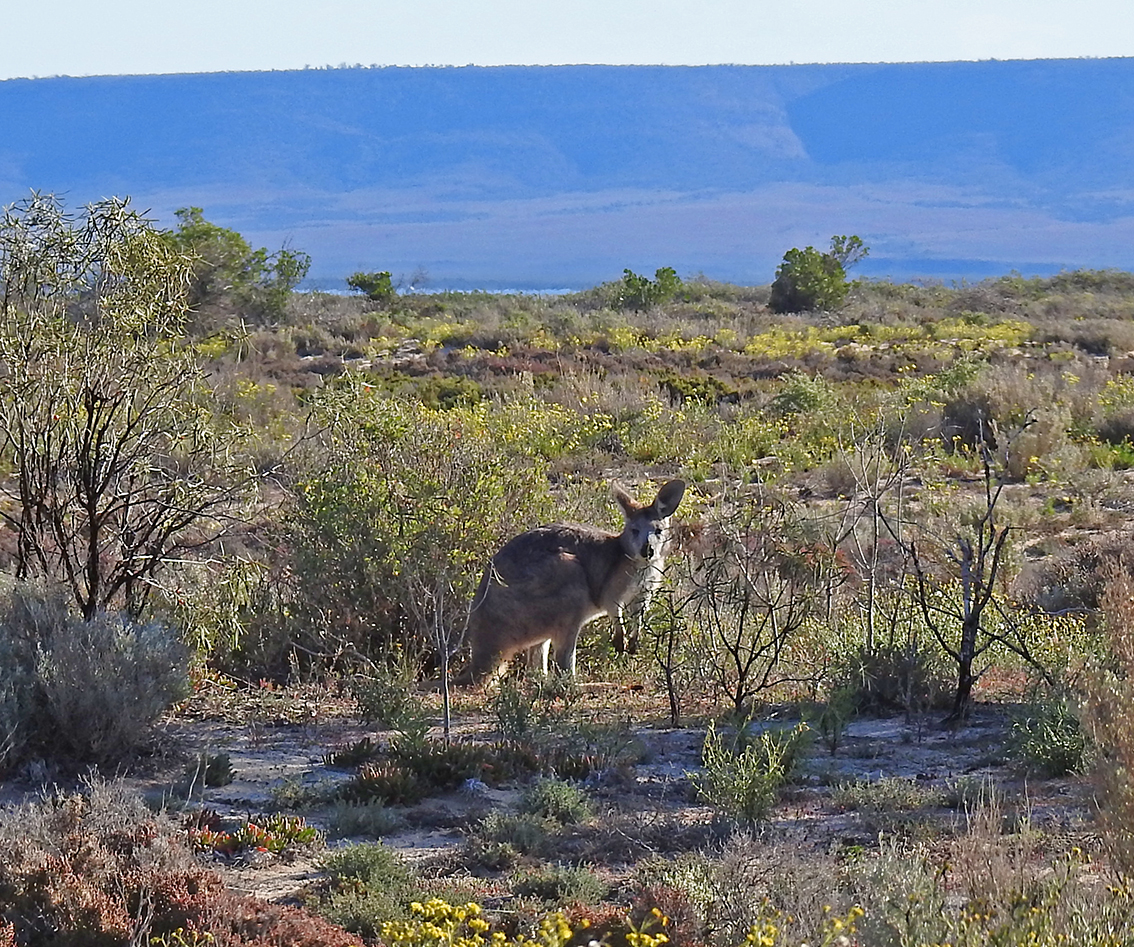
After fossicking about in the mangroves it is time to head for home and lunch at Port Germein; a good half an hour’s driving time. We decide not to stop on the return drive unless something extraordinary makes an appearance and as a parting gift, that does happen. A loan Western Grey Kangaroo bolts in front of the car and presents the perfect picture with the foothills of the Flinders in the distance. Then one final encore as lovely Red Capped Robin sits in a thorn bush near the road………a nice way to end a perfect afternoon. 

Roo in flight

Red-capped Robin

Cheers

Baz

 Additional notes

This is an easy drive in dry weather which is quite suitable for families and seniors but requires 4wd in the wet. The National Park bans Dogs. 

 Please pass on this blog title and or contact information (URL) to any person or organisation with an interest in taking walks and enjoying wildlife in SA.

See more South Australian stories and pictures in Weekend Notes

https://www.weekendnotes.com/profile/651267/

Wilpena Wildlife

4 Oct

Wilpena Wildlife

Dear Reader:

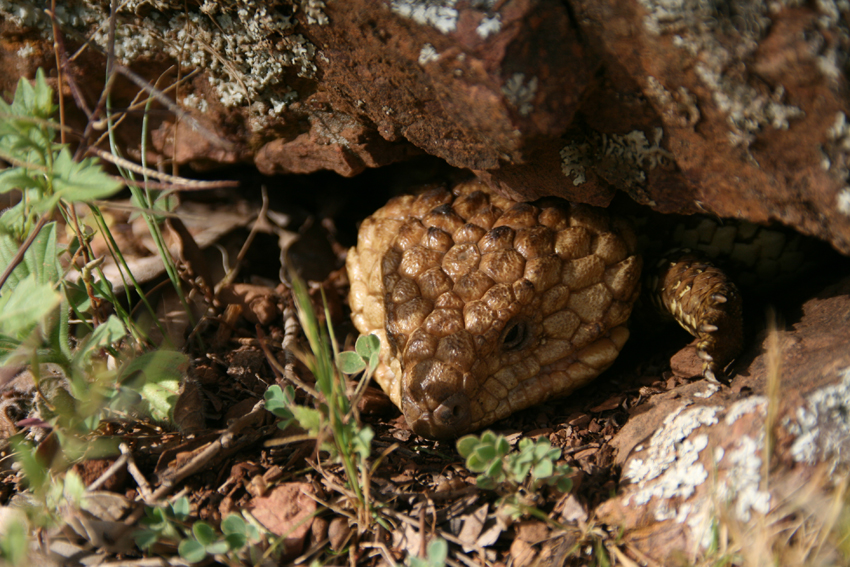
There is a sleepy lizard, or shingleback, staring back at me from the rocky ledge where it is sheltering. These harmless lizards eat a wide variety of foods from vegetation and berries to insects and snails. They are one of the most common reptiles in the Flinders Ranges; an ancient mountain range, about a five hour drive from Adelaide.


Sleepy lizard


I am staying at Wilpena Pound in the heart of the ranges. The hills that encircle this outback resort and campground are just a two minute walk away from my chalet and contain a plethora of wildlife, geological and botanical treasures.


Typical scenery


The lizard is just one of the animals that I encounter as I walk from my chalet towards the park’s entrance. The sun is dropping low in the sky and in the soft light I can see a group of emus feeding on a grassy plain that extends from the distant hills.


Arvo emus


As the emus move off I startle a female grey kangaroo with a joey at heel. The two marsupials look at me for a split second before bounding away into the scrub; grey blurs against a subtle canvass of brown and green.


Roos in flight


My day ends with a meal in the Wilpena Pound Restaurant watching a couple of roos feeding on the lawns and listening to the call of kookaburras.


Come and see the Flinders; you will not be disappointed!


Cheers

Baz


Additional notes

There are easy walks and drives which are quite suitable for families and seniors with public toilets, barbecues, parking and other facilities nearby. Dogs are not permitted in the National Park.


See more South Australian of my stories and photographs in Weekend Notes

https://www.weekendnotes.com/profile/651267/

 I have recently spent time in Africa and the link below will allow you to enjoy images and text describing some of my encounters with the wonderful wildlife of Botswana and Zambia. I will try to attach a new image and notes to accompany each post.

https://wildlifemomentssa.blogspot.com

Para Wirra Wildlife

2 Mar

Para Wirra Wildlife

Dear Reader:

There is a small group of lorikeets high in one of the taller eucalypts that overhangs the track. Several birds fly down to the ground and start to forage amongst the bushes and groundcovers. A closer look shows them to be Adelaide Rosellas, a sub group of the crimson rosella. One bird in particular struts across the ground towards me and despite the low light conditions I manage to fire off a frame.

1-para

Adelaide rosella

2-para

Strutting his stuff


I am walking along one of the many trails that cuts through Para Wirra National Park near Gawler about an hour’s drive from Adelaide’s CBD. The park has a wonderful array of wildlife as well as excellent shelter and barbecue facilities situated in several convenient  locations including a small lake close to the park entrance.

para-5

Trio of emus

Leaving the parrots to their own devices I continue along the trail towards the ‘Devils Nose’ a prominent lookout a few kilometres ahead. There is an abundance of leaf litter on the ground and every so often I can hear the rustle of small skinks amongst the bark and twigs. Suddenly a crashing of branches and leaves permeates the air as three emus emerge from the scrub and head up the nearby hillside.

3-para

Crescent honeyeater


I come to a sign-posted junction of trails and decide that today is about slow and stealthy not a long walk. Heading back towards the car by retracing my route I take a little more time to wait and watch where I think there might be wildlife. Near a thick patch of scrub I am well rewarded when a beautiful crescent honeyeater lands amongst some branches just a few metres from me.

4-para

Striated pardalote


Back at the lay-by where I have parked the 4WD I take out some well earned lunch bought from one of Gawler’s many superb little bakeries, pop the cork on a bottle of cider and sit on a conveniently placed wooden bench beneath a spreading eucalypt. Not two bites in and I hear an unfamiliar bird call and glance up into the tree to identify the ‘perp’. And there sits a lovely striated pardalote, with half its body tucked into a nesting hole…….what a way to end my walk!!!


Cheers

Baz


Chinaman’s Creek on a cloudy day

3 Aug

Chinaman’s Creek on a cloudy day

Dear Reader:

It is a cool, overcast afternoon; not ideal for wildlife watching or photography. Nevertheless, I have organised a weekend trip north to Port Augusta to investigate the Arid Zone Botanic Gardens during the winter months. As an added bonus, I hope to explore a shallow mangrove creek some 20kms south of the town that a friend has suggested as an interesting wildlife stop off en route.

1 wedge tail 2

Wedge – tailed eagles are Australia’s largest raptors with a wingspan over 2 metres

1 wedge tail 1. Australia's largest raptor with a wingspan over 2 meters

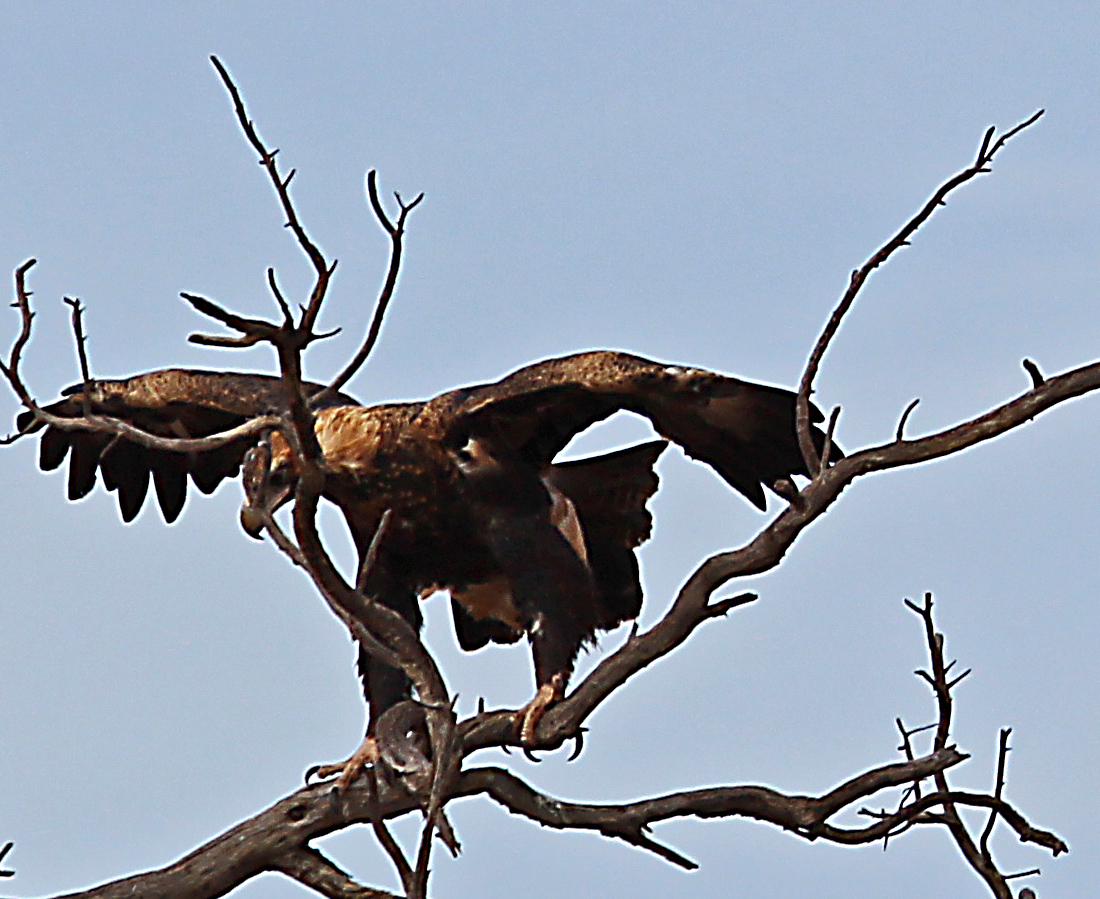
Wedge-tailed eagle about to fly

1 wedgy takes flight

In flight


As I approach the Chinaman’s creek junction I notice a pair of wedge-tailed eagles in the skeletal branches of a mallee tree. The birds seem quite relaxed as they survey the low scrub that stretches towards the coast. I let the car roll to a stop and gingerly climb out careful not to let the door bang shut. There is good cover between the birds and myself and I fire off a couple of shots before one bird senses the movement and takes to the air.

2 Galahs iin bush near wheat fields

Galahs in bush near wheat fields

2 Cockatoo near the park's entrance

Cockatoo near the park’s entrance


The stretch of unsealed road that stretches towards the coast is flanked on both sides by scrubby farmland that supports sheep and some wheat fields. Small groups of rose breasted cockatoos are perching in the branches alongside the road. They occasionally take flight into the fields to dig out tubers and possibly ravage a few of the crops; lovely birds to watch but not always popular with farmers.

4 Dirt trackinto the coservation park about 5 kms from the highway

Dirt track into the conservation park about 5 Kms from the highway

4 Visitors to the park

Visitors to the park


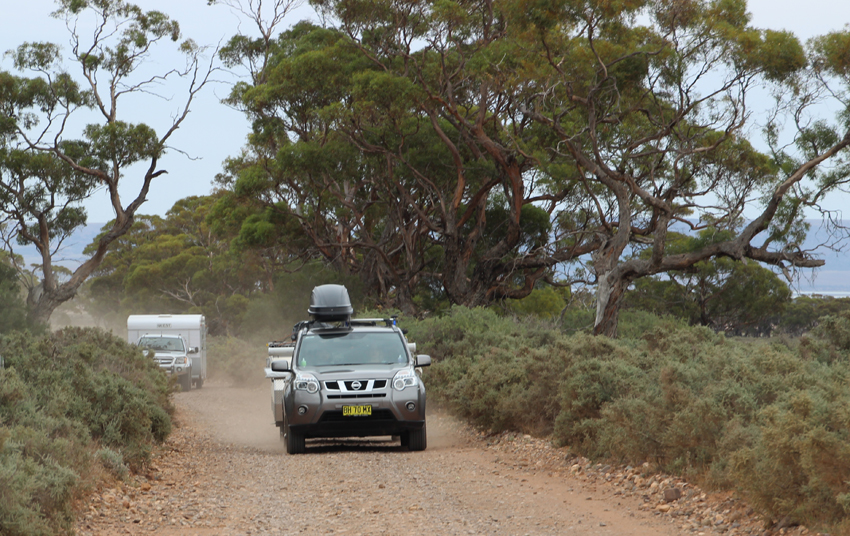
Where the cleared land gives way to forest and denser scrub, a fence and sign announces the Winninowie conservation Park which incorporates Chinaman’s Creek. Despite the remoteness of the area we meet a couple of 4X4s complete with camping trailers and stop to chat with the drivers for a few moments. They have been camping by the creek for a few days and had some success fishing the mangrove flats on the receding tide for whiting and mullet.

6 Chinaman's creek jetty at low tide

Chinaman’s creek jetty at low tide

9 Momentary glimpse of a sacred kingfisher

Momentary glimpse of a sacred kingfisher


A few minutes later we pull into the camping area. There is a scattering of permanent shacks and a small jetty that is completely exposed at low tide. I change from shoes to gum boots, from experience I know that this mud sticks like glue, and start to walk along the edge of the little creek. I can hear singing honeyeaters in the mangroves and catch flashes of colour from other unidentifiable species that flit amongst the thick foliage. But the birds are some distance away and the overcast conditions make photography all but impossible.

6 Chinaman's creek jetty at low tide

Chinaman’s creek jetty at low tide


I notice thousands of small burrows honeycombing the edge of the intertidal zone. Each is home to a small shore or mangrove crab. In the creek I can see roving schools of silver baitfish eagerly eyed by a pair of herons that are stalking the fringe of the mangroves.

4 As a pair of emus head towards the trees a grey kangaroo pops its head up

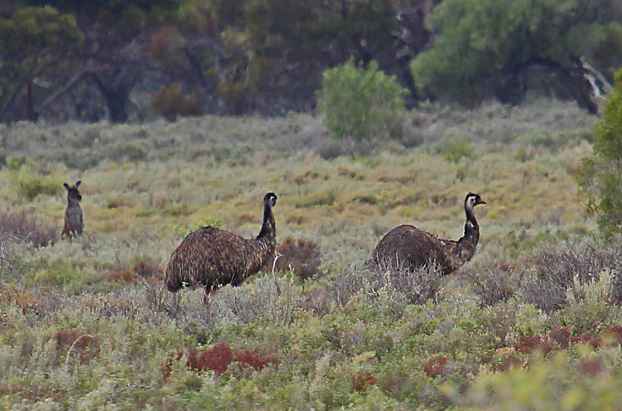
As a pair of emus head towards the trees a grey kangaroo pops its head up


Our time at the creek is limited. The clouds are thickening and a few fat raindrops have bounced off my camera lens. As we leave the park has a few more wildlife surprises that make me grit my teeth over the poor lighting conditions. A gorgeous sacred kingfisher perches on a long-dead coastal acacia bush and a group of grazing emus wanders across the saltbush dominated plain. Later, when examining this image in detail I discover that there is another participant in the scene; a grey kangaroo that was feeding close to them.

5 The creek at low tide with mangrove forest and Flinders Ranges in the background

The creek at low tide with mangrove forest and Flinders Ranges in the background


It has been an interesting first look at this coastal environment with its varied habitats and I look forward to further visits in the warmer, lighter months ahead.


Until next time

Cheers

Baz