Tag Archives: flowers

Mylor Conservation Park, Part 1, Wildflowers and More

29 Sep
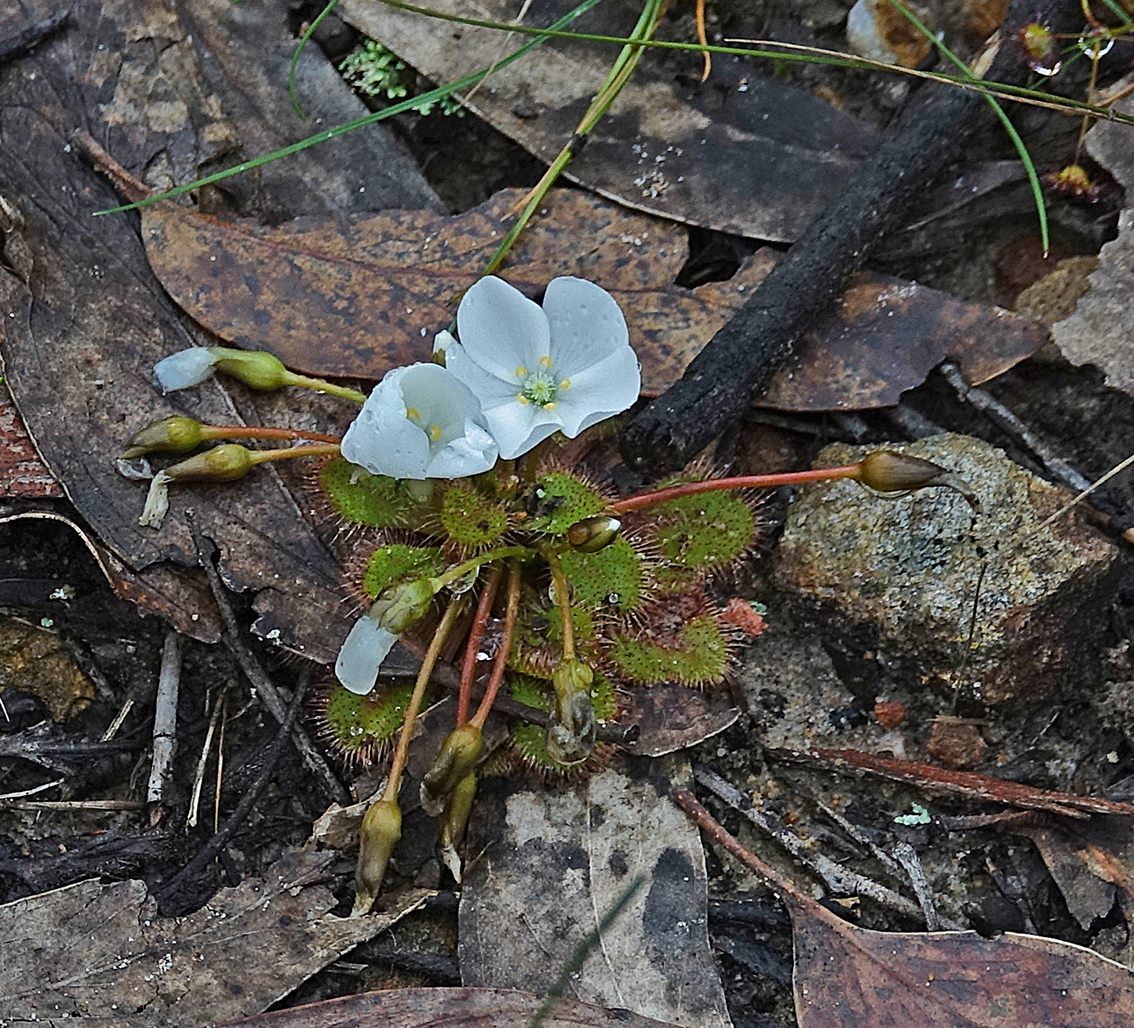
Whitakers Sundew, a carnivorous plant

Dear Reader:

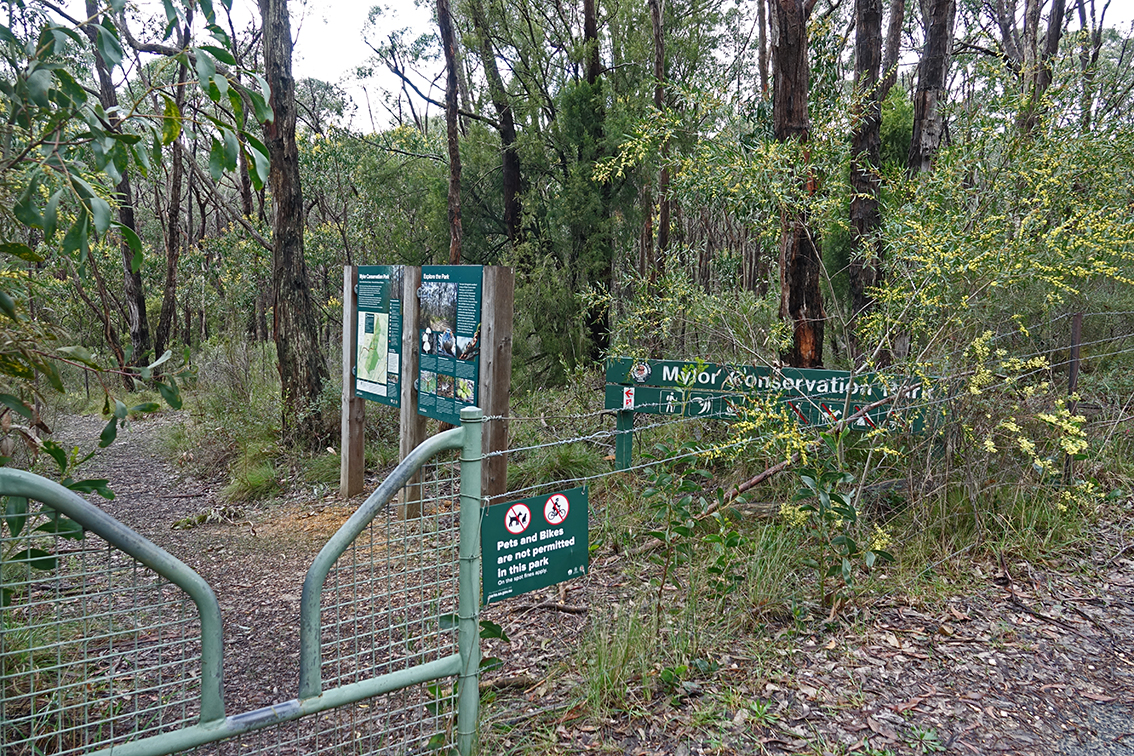
Park entrance

I climb over the entrance style into the park. There is a light drizzle but I have a waterproof cover for the Sony RX10 camera if needed. I can hear the twittering of wrens and the camera is poised to shoot.
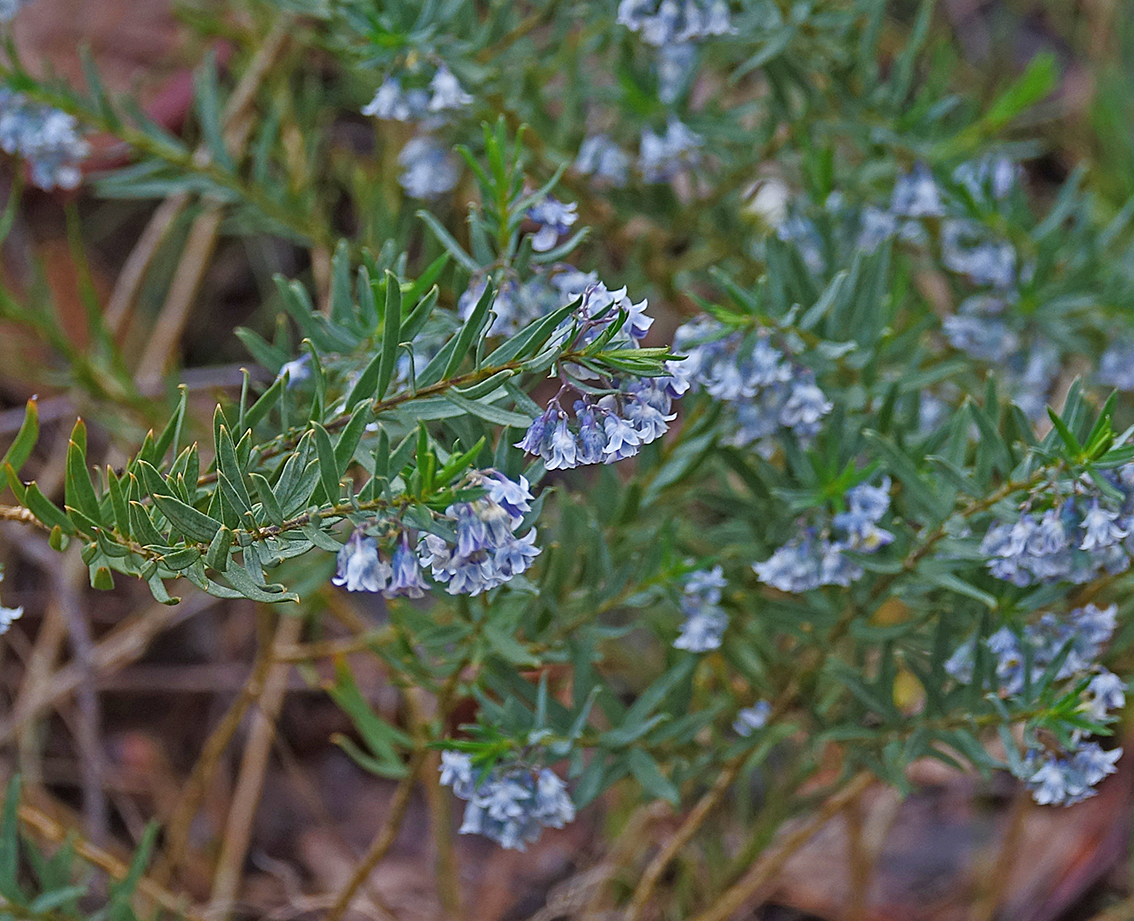
Shrub Violet

However, it is not wildlife which first catch my eye but wildflowers. Being the very end of winter, I was not expecting flora to be on my photographic menu. Nevertheless, a delicate Shrub Violet surrounded by native grasses is the first image I capture.
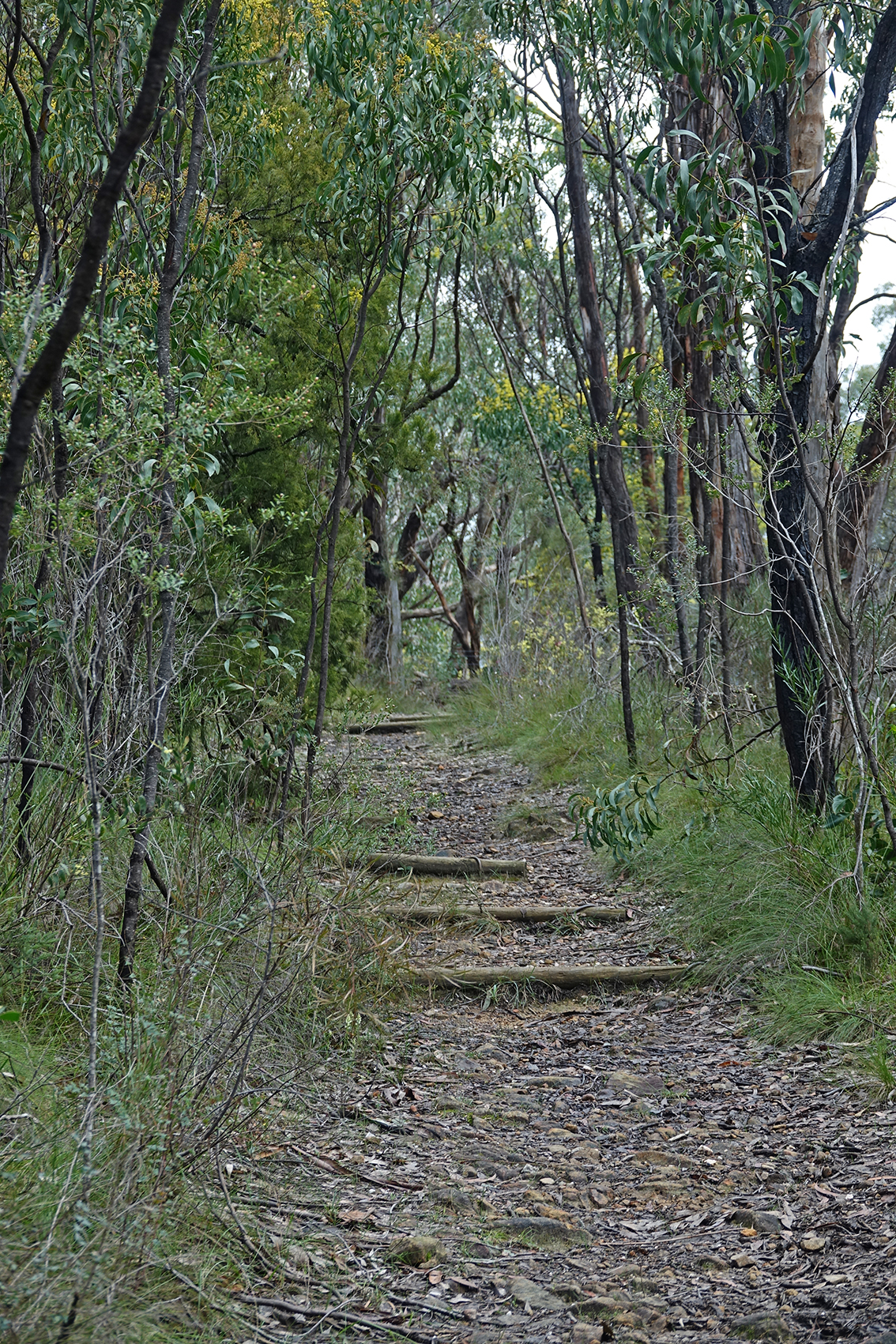
Creek path

There is a short path leading down to a creek bed and a quick scan of the scrub on both sides reveals sufficient flowers to change the emphasis of my afternoon to plants rather than animals.
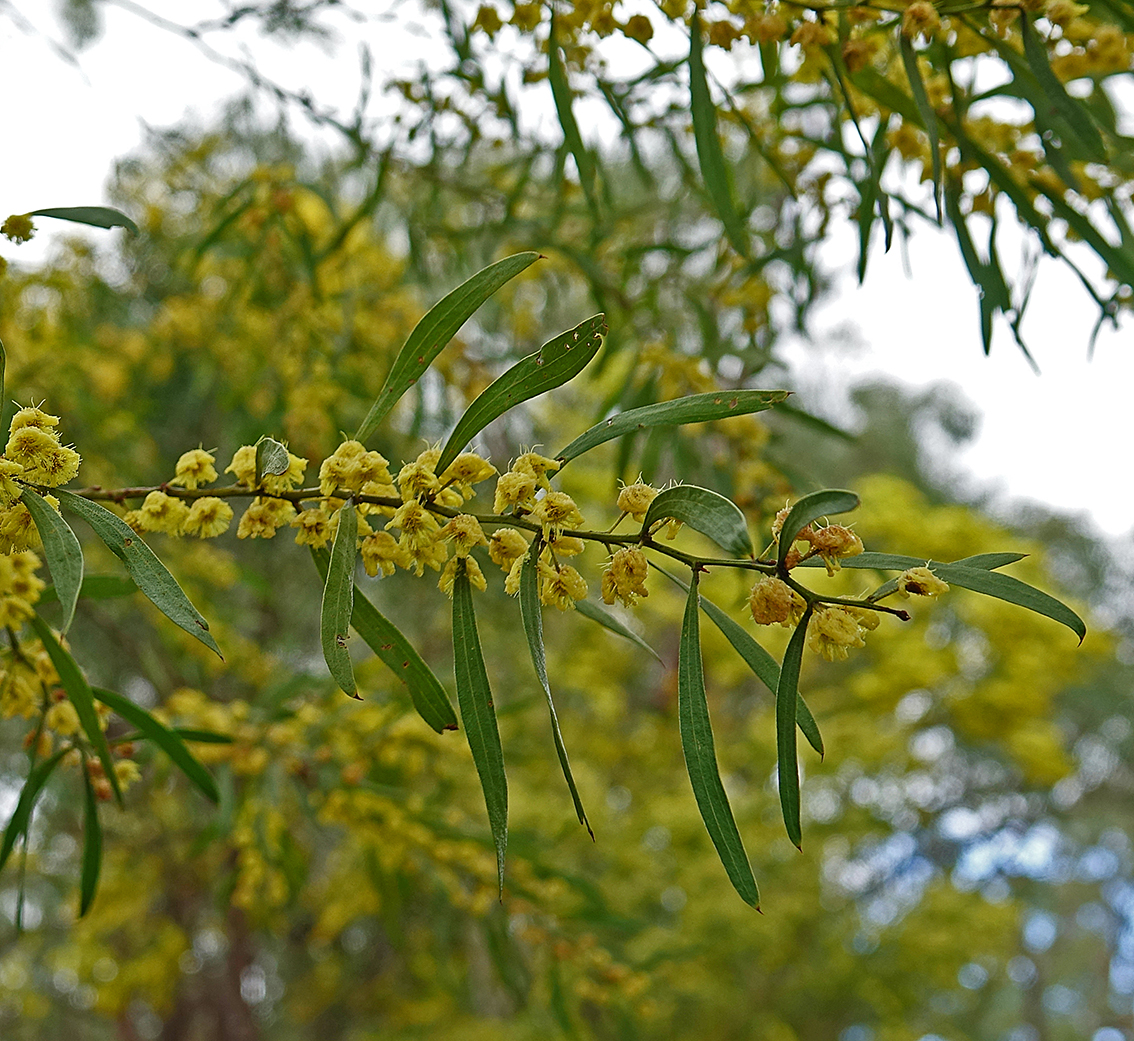
Varnish Wattle
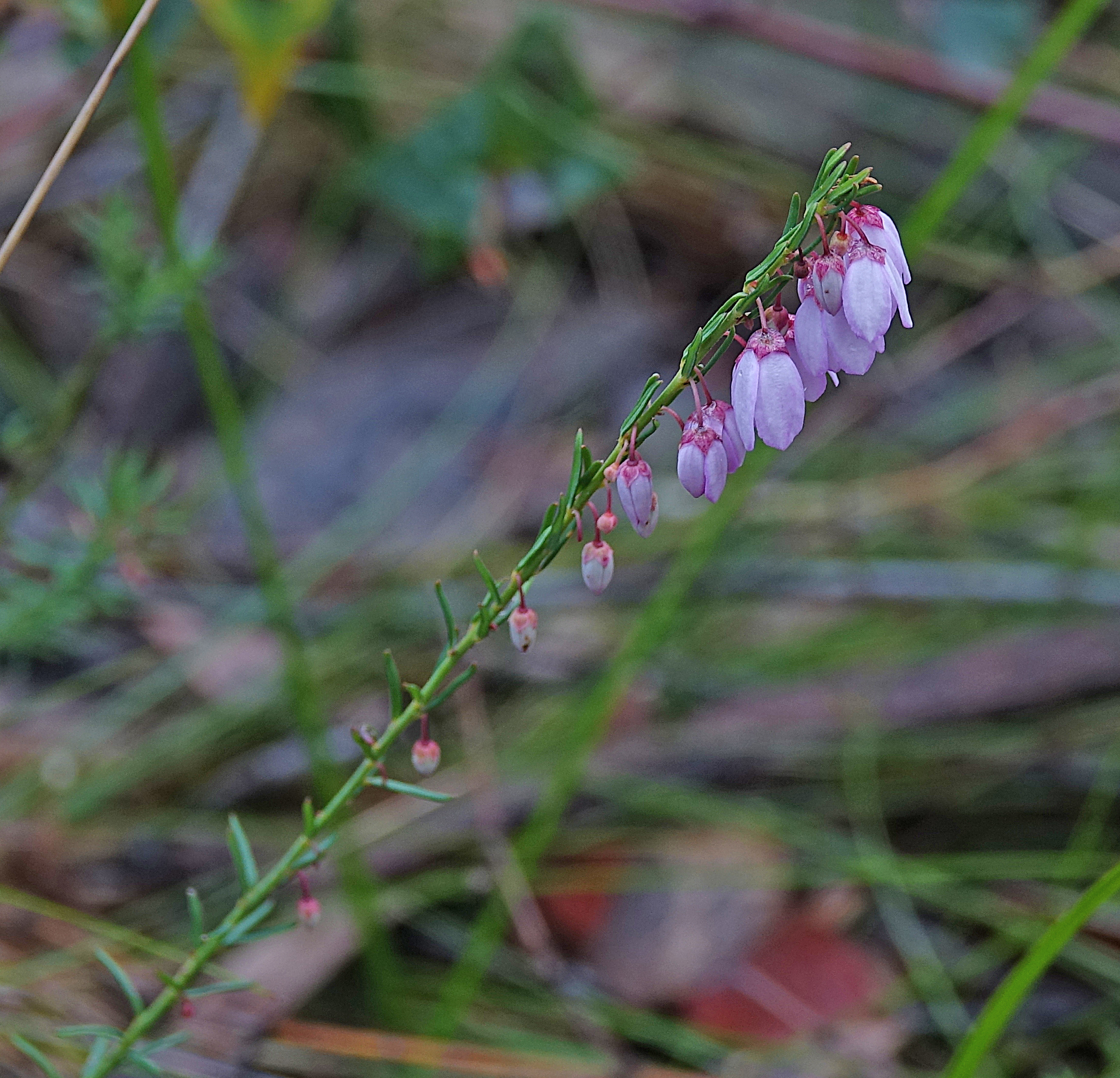
Hairy Pink Bells

Apart from the bright yellow wattles which typically bloom this time of year, there are bright red heaths, subtle pink bell-shaped blossoms and delicate candle shaped plants.
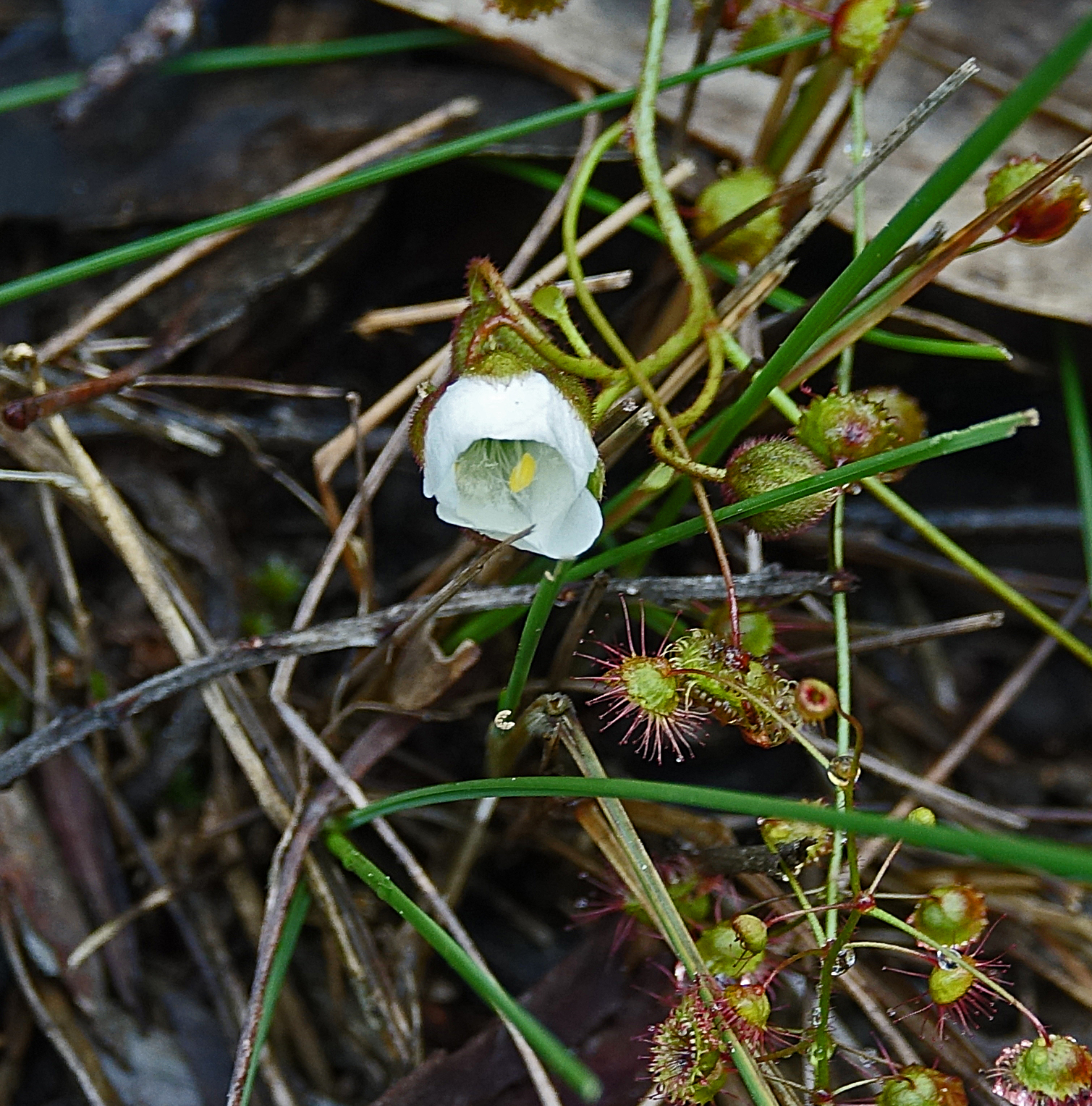
Climbing Sundew

When I search for animals in the bush, I am always drawn to predators as they seem to lead the most interesting lives. However, plants can also be predatory and the delicate, little sundews (Drosera) have sticky centres to trap insects which they then absorb for their nutrient value.
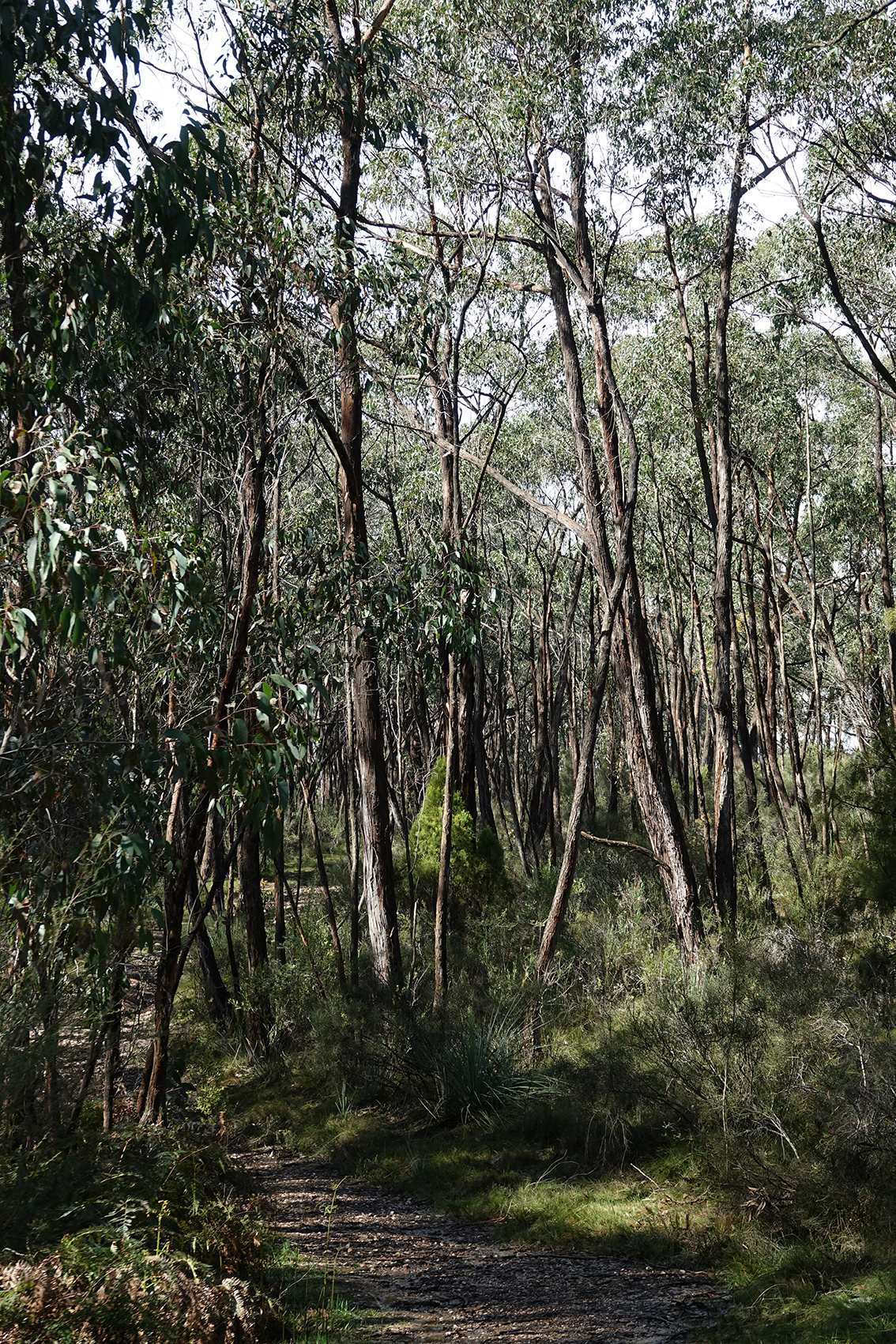
Stringybark forest

As I walk through the bush, with its dense understory and towering Stringybarks, I can hear a variety of birdsong. I catch glimpses of wrens, finches and honeyeaters in the trees and bushes but they are too quick to photograph and today it is overcast making the job doubly difficult.
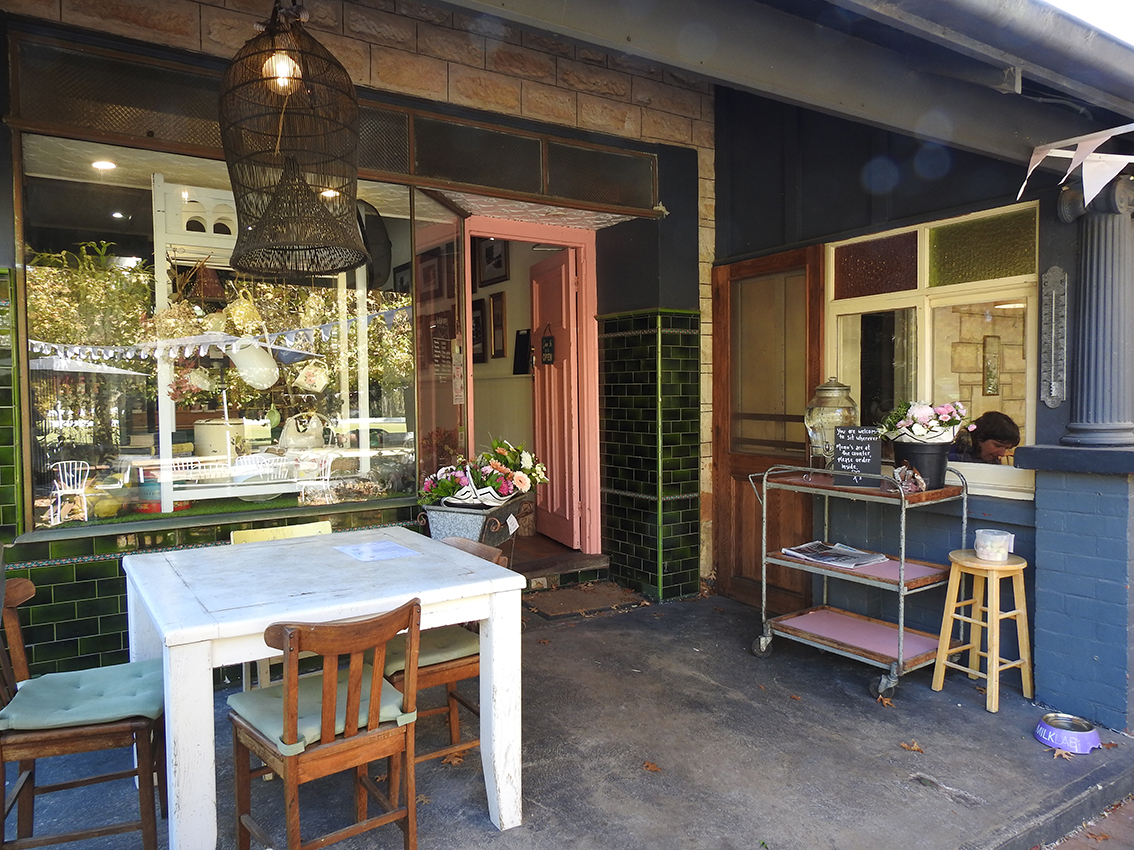
Cafe Verte

It is starting to drizzle and time to seek shelter and a coffee at Verte Kitchen in Mylor. However, I shall definitely return another day to try and capture some animal images in this lovely, little conservation park……….to be continued

Cheers

Baz

Additional notes

The camera used for this post is a Sony RX10 Mark 3

This is an easy walk and drive which is quite suitable for families and seniors.

Please pass on this blog title and or contact information (URL) to any person or organisation with an interest in taking walks and enjoying wildlife in SA.

Click on these links and see more South Australian stories and pictures in my Weekend Notes articles as well as locating similar blogs on Feedspot’s top 20 Australian wildlife blogs
https://www.weekendnotes.com/adelaide/writer/452

https://blog.feedspot.com/australian_wildlife_blogs

Coronablog 2, Mellow Yellow or how to pass the time in Corona Virus Isolation… Day 7

20 Apr

Mellow Yellow


Dear Reader:

As mentioned in my previous post (Coronablog 1) I am in isolation and exploring the wonders of my own garden rather than exploring South Australia’s rural and wild destinations.


Garden on the day


Yellow flowers


I am wandering around the garden observing the variety of creatures that live in, on and around yellow flowers. Yellow being the predominate colour of blossoms this time of year; early autumn. It is a little overcast which is not the best for creating vivid images but the absence of shadow does have the advantage of not frightening the timid creatures that live amongst the blossoms.


Gerbera and beetle


My first sighting is a tiny black beetle that is crawling across the petals of a bright yellow Gerbera. It resembles a lawn beetle, but in all honesty, there are so many beetle species, it is hard to identify.


Tiny Flower Spider

Munching the blossoms

Lynx Spider

The African Daisy bush has always been home to a variety of invertebrates from spiders and flies to caterpillars, and today is no exception. There is a ‘late-in-the season’ Woolly Bear Caterpillar munching on a flower bud, a tiny Flower Spider perched on a petal and a larger Lynx Spider poised on another bud ready to pounce on any unsuspecting prey.


Hoverfly


While I have been working on the African Daisy I can see some hoverflies buzzing around the more common white and yellow or English Daisy bush. These remarkable little insects are garden friendly as their larvae eat aphids. The black and yellow colouring mimics wasps and is a useful form of defence. Their ability to hover in one place then zip sideways is interesting to watch.

As you can see; by simply picking a theme and using some observation skills you can pass some pleasant hours exploring an aspect of your garden.

 Enjoy the solitude

Stay safe

 Cheers

Baz


See more South Australian stories and pictures in Weekend Notes

https://www.weekendnotes.com/profile/651267/

 I have recently spent time in Africa and the link below will allow you to enjoy images and field notes describing some of my encounters with the wonderful wildlife of Botswana and Zambia. I will try to attach a new image and notes each month.

https://wildlifemomentssa.blogspot.com