Tag Archives: grey kangaroo

One Tree Hill Road Roundabout to Kersbrook Part 1

20 Sep

Dear Reader

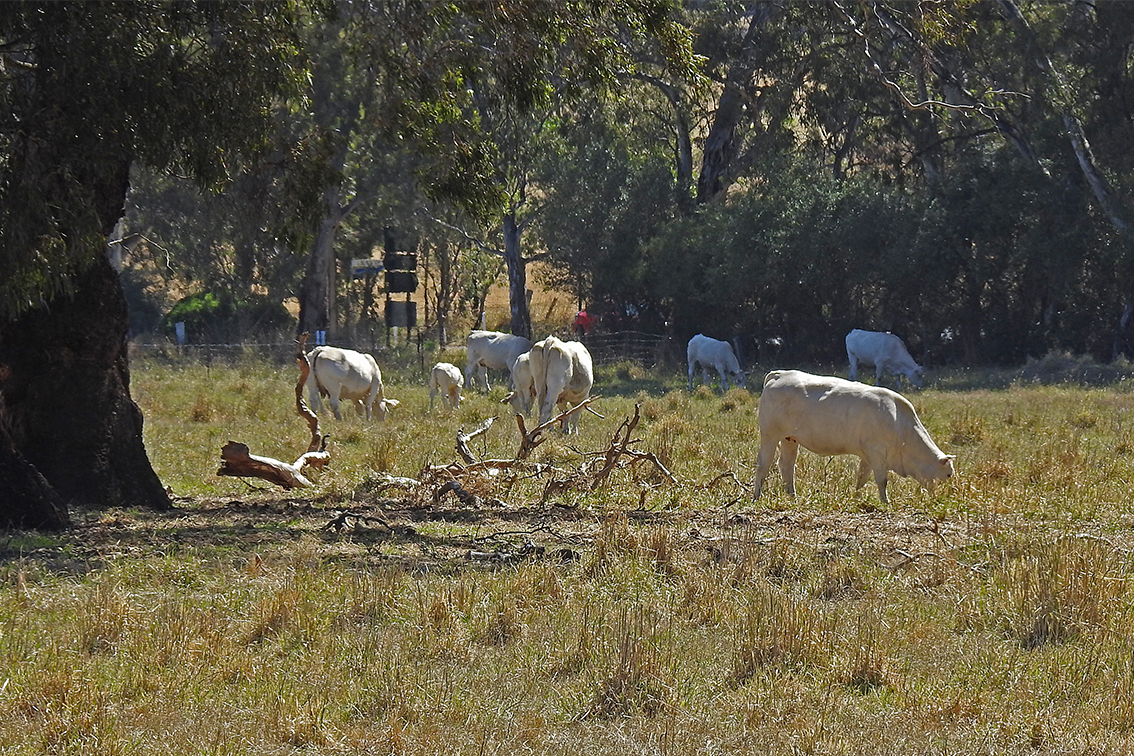
After leaving the One Tree Hill Road roundabout for Kersbrook Road, I expect to drive a few kilometres before making my first roadside stop. Two Western Grey Kangaroos and a small herd of cattle put pay to that plan as they appear a mere hundred metres from my starting point.
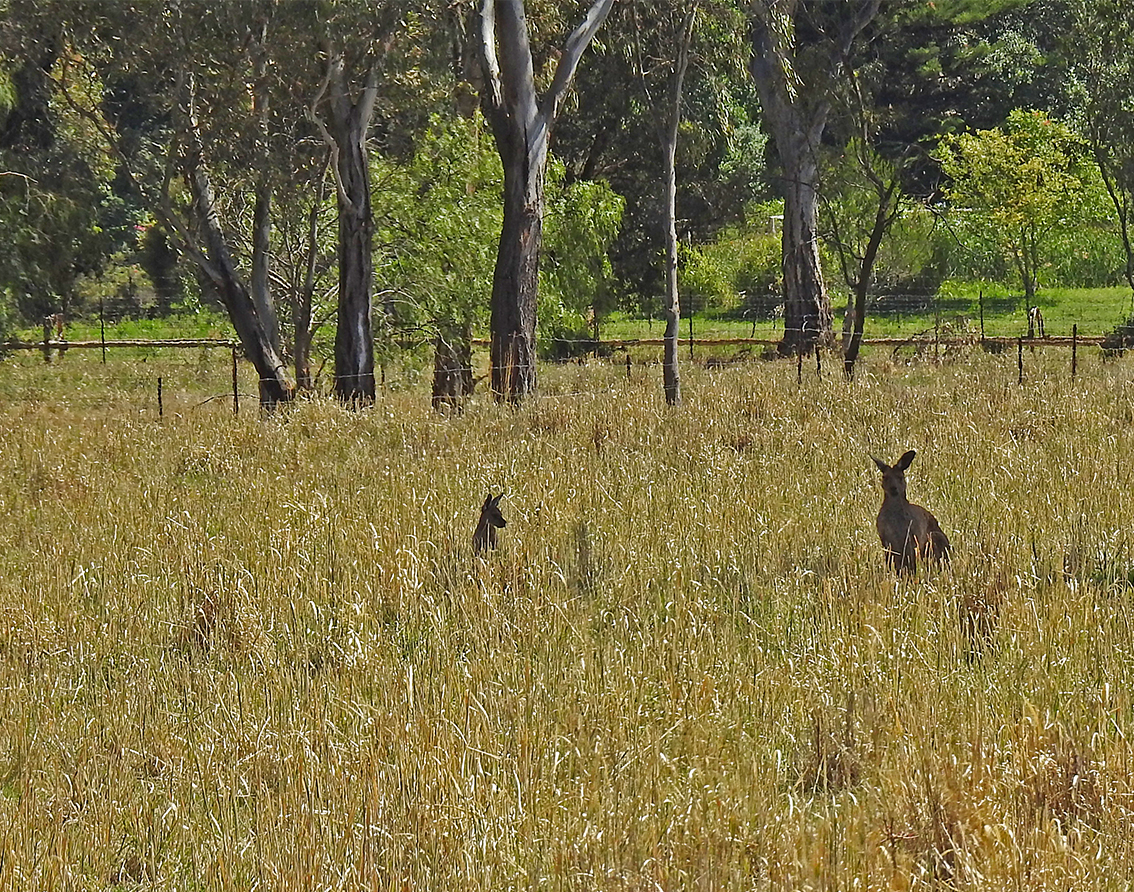
Western Grey kangaroo and joey amongst the tall grasses
Murray Grey Cattle

Leaving the roos and cattle behind I start to climb the winding road towards Kersbrook stopping at a convenient roadside layby after 2.3Kms.

Roadside scrub

After clambering over an old fence, I catch a brief glimpse of a Grey Fantail and some small parrots in the thick scrub which makes them impossible to photograph. Luckily, a decorative, Common Brown Butterfly settles on a fallen branch providing a nice image.
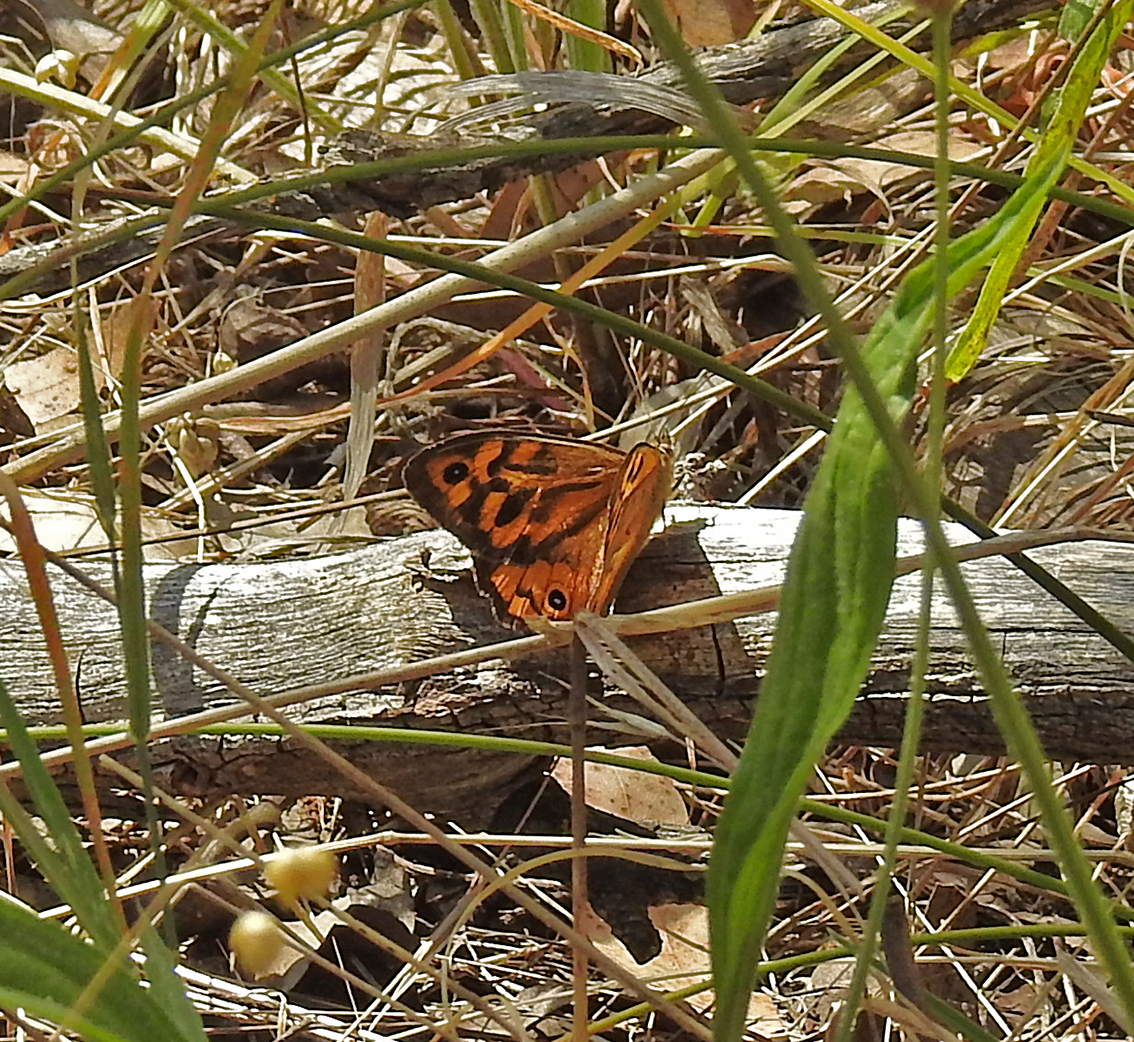
Common Brown Butterfly

I fossick around in the undergrowth moving fallen branches and bark and unearth a Piedish Beetle and a large Garden Centipede. It seems that invertebrates might be the flavour of the day.

Piedish Beetle
Garden Centipede species

At the 3.7 Km mark Karwin Road leads off to the left with a sign for Minya Sanctuary. I park on the corner where there’s a small patch of scrub and a panoramic view of open farmland as well as an earthen dam for sheep and cattle.

Local dam for stock

Following a small path through Sheoak sapplings, I am lucky enough to encounter Honeybees feeding on Scabia flowers as well as a native Blue-banded Bee and a Mud-dauber Wasp.

Blue-banded Bee
Common Honey Bee

Although I have only covered around 4kms of the 11Km drive to Kersbrook it has been a revealing and fascinating look at this part of the foothills and I am sure that the next 7kms will be equally enthralling.

Mud-dauber Wasp

Cheers

Baz

Additional notes

Other animals seen, heard but not photographed: Mistletoe Bird

The camera used for this post is a Nikon Coolpix P900

This is an easy drive which is quite suitable for families and seniors.

Please pass on this blog title and or contact information (URL) to any person or organisation with an interest in taking walks and enjoying wildlife in SA.

Click on these links and see more South Australian stories and pictures in my Weekend Notes articles as well as locating similar blogs on Feedspot’s top 20 Australian wildlife blogs

https://www.weekendnotes.com/adelaide/writer/452/

https://blog.feedspot.com/australian_wildlife_blogs/

Gorge Wildlife Park

20 Jun

Dear Reader:

Capturing images in the wild is one of the most exhilarating challenges a photographer faces. Each image evokes poignant memories of the location and circumstances under which it was shot. However, there is also a place for pictures taken in zoos and wildlife parks.

Wedge-tailed Eagle

At the Gorge Wildlife Park, one can get close enough to discern the fine details of animal structure and physiology such as the split grooming claws of a kangaroo or the scale patterns of a venomous snake. And of course, there are the fascinating interactions of people and animals. Each of the following images was added to my collection to emphasise these and other characteristics of our unique Australian wildlife.

Koalas are usually high in the branches of a gum tree. Being able to photograph one so close enables me to see the shading of fur as well as ear and eye structure.

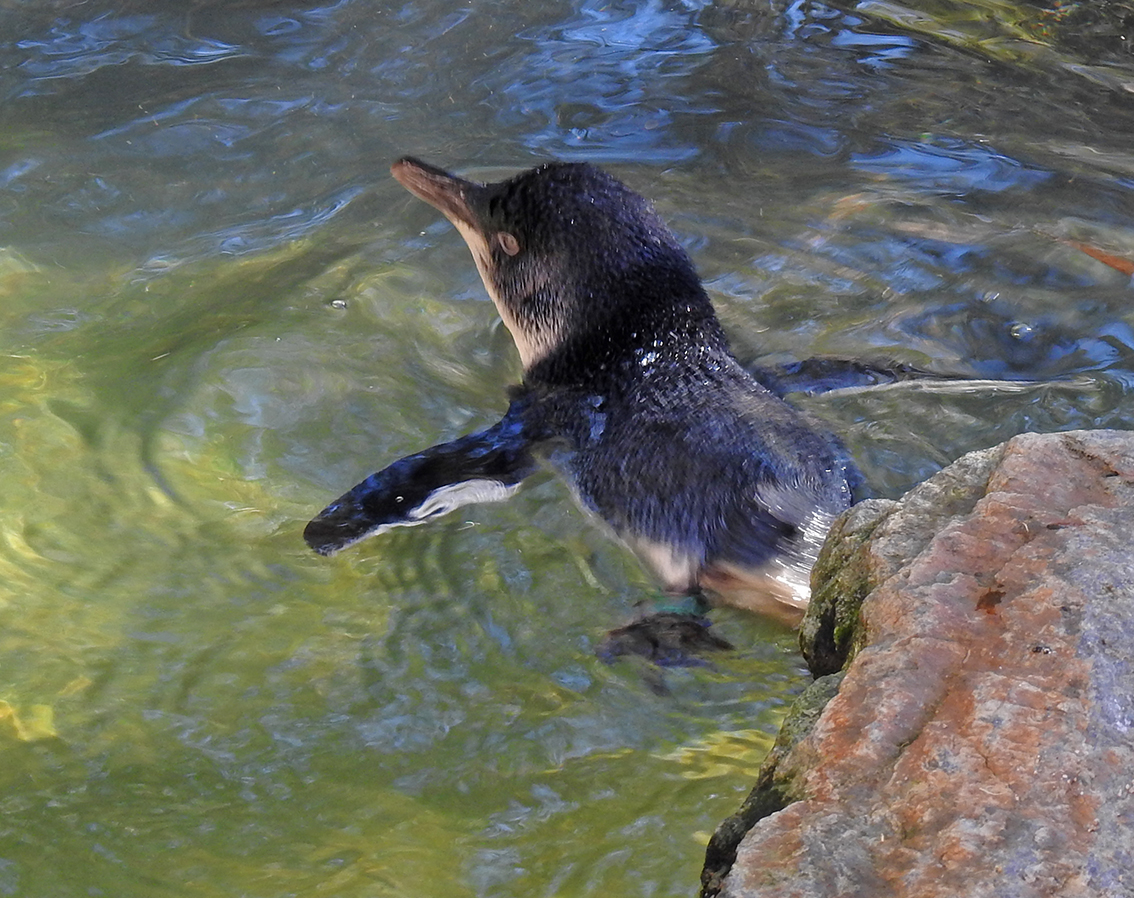
The bullet shaped body, nictating eye membrane and position of the webbed feet and wings are obvious as this Little Blue or Fairy Penguin enters the water.

The tongue, beak structure and use of the feet when eating are well illustrated in this image of a Little Corella.

Getting close enough to a Dingo and her pups in the wild would be nearly impossible without specialist equipment, outback guides and a great deal of time to spend on the project.

Quinn feeds a female Red Kangaroo with a joey in its pouch. A picture which tells so many stories.

I have only encountered two Death Adders in all my years observing wild animals in the bush.

Bad hair (feathers), a wild gleam in the eye and a mouth full of greens….one of my favourite Emu images taken in a wildlife park.

I hope you have enjoyed these images from The Gorge Wildlife Park and they encourage you to visit this extraordinary facility and see what kind of images you can capture.

Cheers

BAZ    

Additional notes

This is an easy walk and drive which is quite suitable for families and seniors.

Please pass on this blog title and or contact information (URL) to any person or organisation with an interest in taking walks and enjoying wildlife in SA.

All images using a Nikon P900

Click on the links below to see more South Australian stories and pictures in my Weekend Notes articles as well as locating similar blogs on Feedspot’s top 20 Australian wildlife blogs
https://www.weekendnotes.com/profile/651267/

https://blog.feedspot.com/australian_wildlife_blogs/

Exploring the Southern Flinders Ranges…..Kanyaka Ruins

4 May

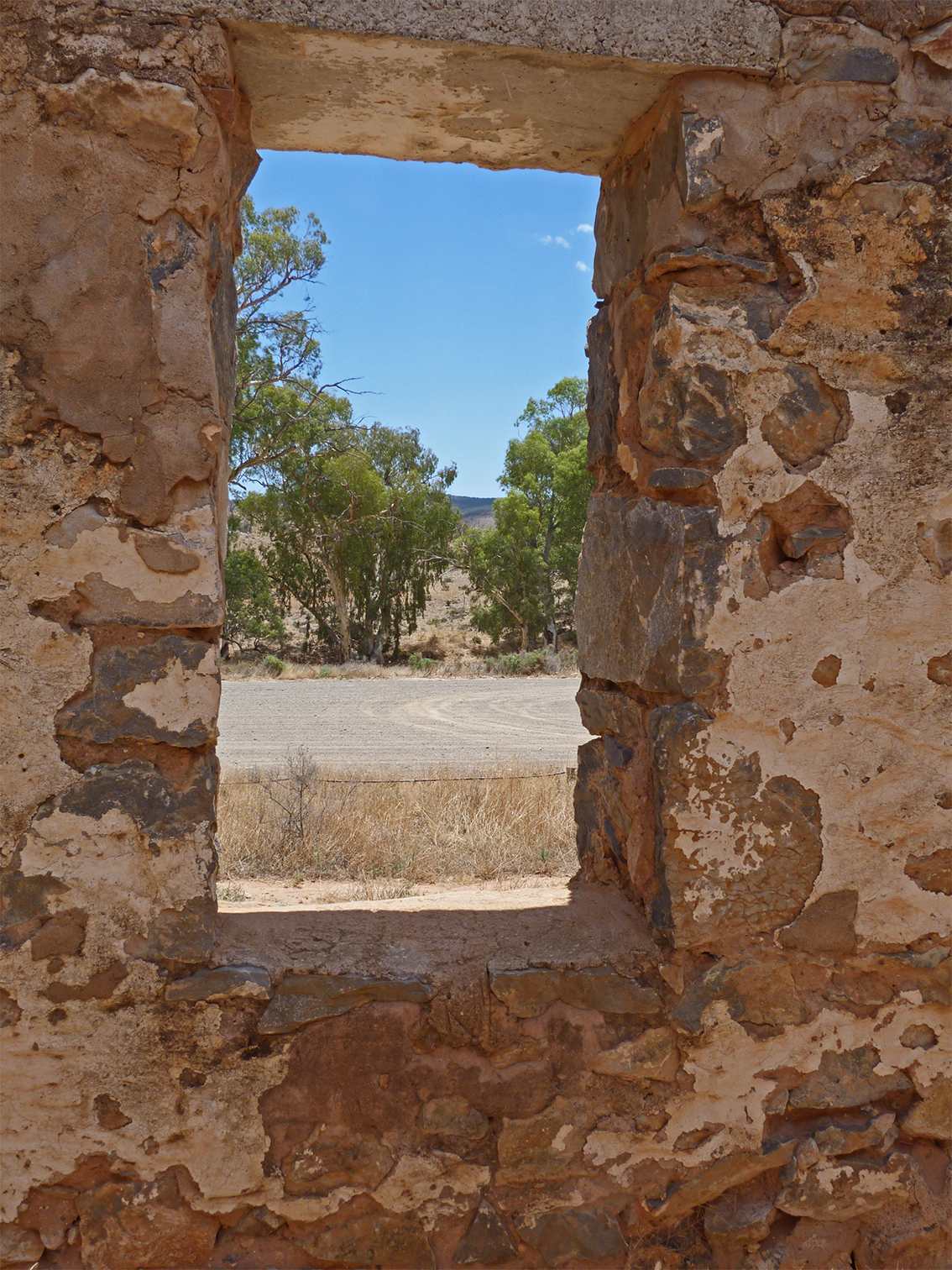
A window view of the area around Kanyaka Ruins

Dear Reader:

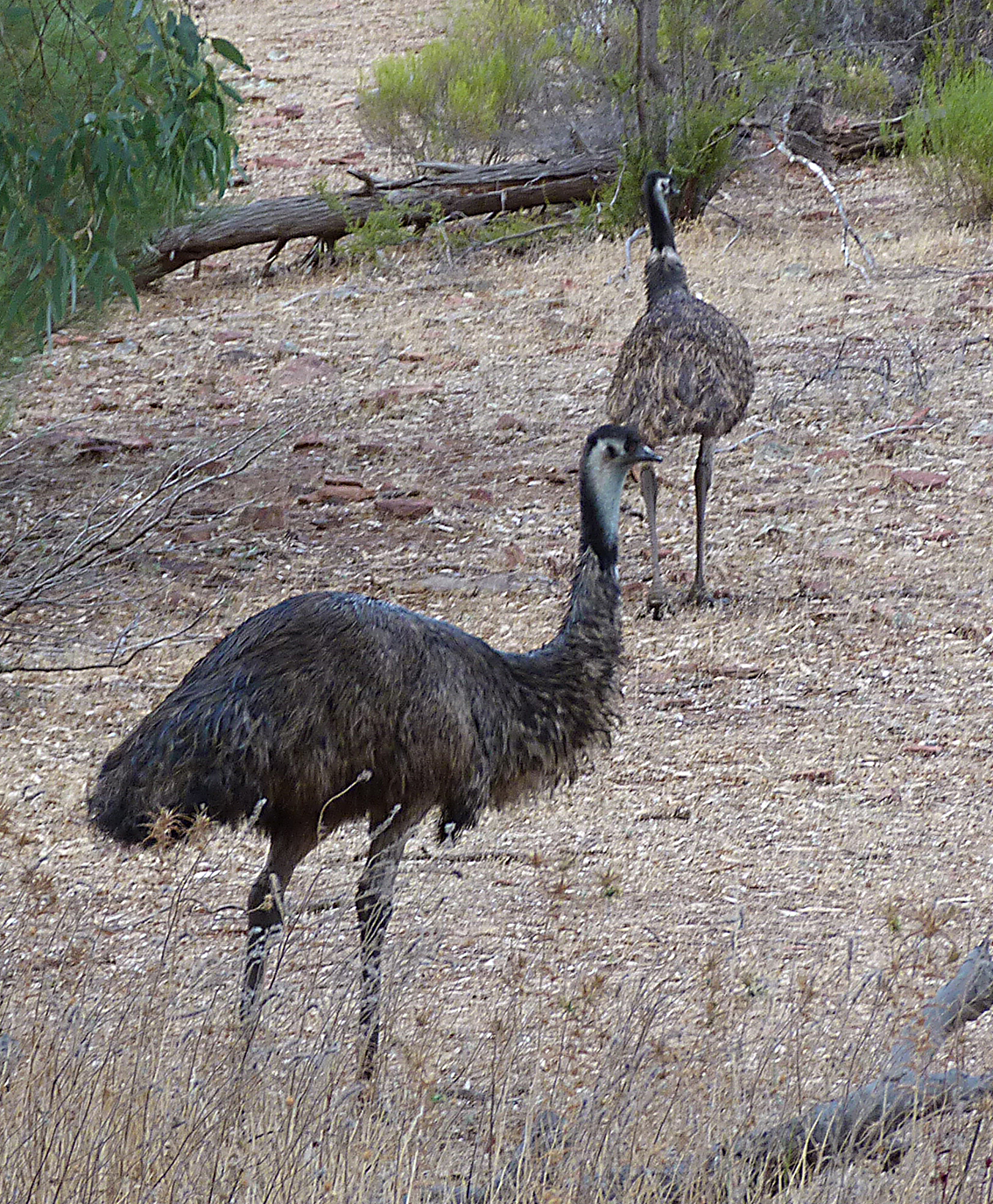
There are patches of low scrub and gravelly, ochre shaded soil on either side of the dirt road leading to the ruins. We are not expecting to see much wildlife on this exposed track. A pair of adult Emus surprise us as they dash across the road and I have just enough time to grab the camera from the console and fire off a few frames.

Driving into Kanyaka Ruins

Pair of Emus

We are driving along the entrance track to Kanyaka Ruins between Quorn and Hawker in South Australia’s Southern Flinders Ranges. This area is the ancestral home to the Barngarrla people. Kanyaka (most likely meaning ‘place of stone’) was originally established as a cattle station in 1852 by Hugh Proby who tragically died in the flash flooding of the nearby Willochra Creek. At its height, under later ownership, Kanyaka housed up to 70 families and ran sheep rather than cattle.

Ringneck Parrots

We have timed our arrival for mid-afternoon in order to have lunch at the ruins, explore the area then search for wildlife in the cooler hours before sunset. Our planning is rewarded as a small flock of Ring-neck Parrots settle a few hundred metres away amongst some wild grasses. With the parrots intent on their feeding, I am able to get close enough for an acceptable shot.

Apostle Birds

Nearby in the shade of a eucalyptus grove, I spot a pair of medium sized grey and brown birds fossicking amongst the leaf litter. On closer examination, I recognise them as Apostle Birds; a species I have never encountered around the Adelaide area where I live.

Small mob of Western Grey Kangaroos near the highway

With the sun getting lower in the sky it is time to leave in order to reach Hawker before dusk. Driving at night or in low light conditions is a recipe for disaster around the Flinders. With so many kangaroos in the area it is easy to have a collision, which can be devastating for both wildlife and driver alike. As if to emphasise the point, we pass a small mob of Western Grey Kangaroos, some with joeys in the pouch, feeding ­close to the highway.

Yellow-footed Rock Wallaby on steep hillside

After resting overnight in Hawker we will head into the heart of the Ranges and search for Yellow-footed Rock Wallabies in the steep gorges. However, that is a story for another time.

Cheers

Baz

Additional notes

This is a long drive from Adelaide but easy walking and quite suitable for families and seniors 

Please pass on this blog title and or contact information (URL) to any person or organisation with an interest in taking walks and enjoying wildlife in SA.

Click on the links below to see more South Australian stories and pictures in my Weekend Notes articles as well as locating similar blogs on Feedspot’s top 20 Australian wildlife blogs.

https://www.weekendnotes.com/profile/651267/

https://blog.feedspot.com/australian_wildlife_blogs/

Kites and Kestrels Around Ardrossan

30 Dec

Dear Reader:

I am driving back to Adelaide from Marion Bay and the Innes National Park at the tip of the York Peninsular. The weather is overcast and I have tucked the cameras away after a successful couple of days photographing this lovely area of our state.

Grey Kangaroos in Innes National Park

Marion Bay area

After an hour’s driving I am on the York Highway (B86) near Ardrossan; a coastal town which is central to agriculture. Here, farmers unload cereal crops into silos then onto grain carriers for overseas markets.

Black-shouldered Kite

Nankeen Kestrel

The Highway is straight and I am sitting on the speed limit and it is only by chance that I catch a glimpse of a Black Shouldered Kite sitting on a fencepost. I slow and pull over at the same time noticing a Nankeen Kestrel perched a further hundred metres along the road. Looking at the wheat fields I am tempted to think that there is probably an abundance of mice this time of the year.

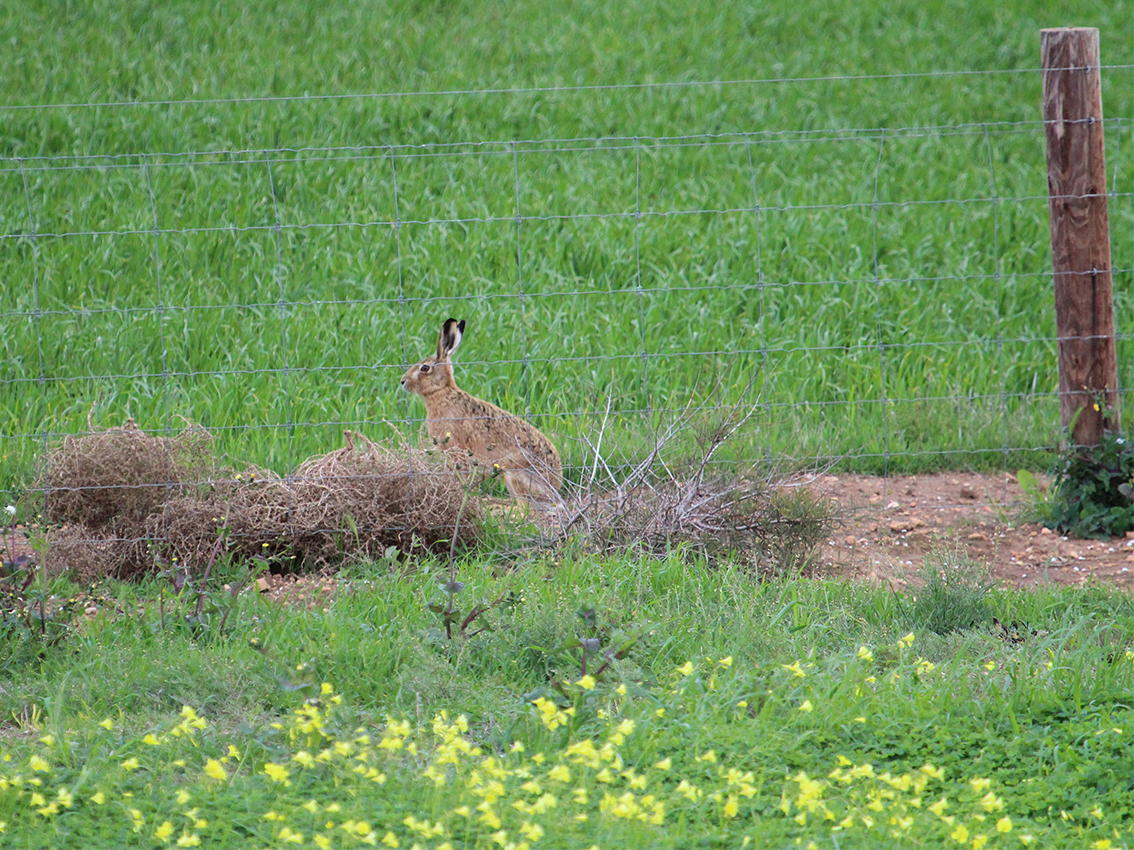
Hare stopped by fence

Better head back into the field

There are some animals you occasionally see but are rarely able to photograph due to their speed and wariness. Therefore, when the opportunity arises to get a shot of these speedsters I welcome it with open arms. Hence, this series of images of a hare I spotted near the main highway just past Ardrossan. A fence forced the hare to stop for a few seconds and allow me to fire off a few frames albeit at long distance on a dull day.

Loading a grain ship at Ardrossan

Just as I finish photographing the hare, rain sets in. Time to resume my trip home with an essential stop at the bakery in Port Wakefield; an historic little town at the head of the gulf and one I have researched previously.

One of many historic building in Port Wakefield

I hope you have enjoyed this little recount and follow my stories in the New Year. All the best to you and your families,

BAZ

Additional Notes

Click on these links and see more South Australian stories and pictures in my Weekend Notes articles as well as locating similar blogs on Feedspot’s top 20 Australian wildlife blogs

https://www.weekendnotes.com/profile/651267/

https://blog.feedspot.com/australian_wildlife_blogs/

Blanche Harbour

8 Dec

Dear Reader:

There is a White-browed Babbler fossicking in the leaf litter which has accumulated under a small tree. Several more birds are perched in a nearby Lemon-flowered Gum watching me warily. Most of the Babblers I have encountered in this region seem to feed on the ground looking for insects, spiders, small lizards as well as fallen fruit and other vegetation.

White-browed Babbler foraging

The area I am investigating has been planted out by the Blanche Harbour Revegetation Group and is at the southern extremity of Blanche Harbour which is south of Commissariat Point along Shacks Road (I wrote about Commissariat Pt in my 25th of October blog). The coast adjacent to Blanche Harbour and the army training zone of Cultana, also incorporates the Douglas Banks Marine Reserve.

View across saltbush and mangroves

At low tide the exposed shoreline and coastal fringe is a mixture of saltbush, samphire, mangroves and exposed seagrasses.  This region is the perfect environment for wading birds ranging from herons to plovers and oystercatchers; making this an ideal birding destination.

Coral Gum

Coral Gum flowers

Many of the trees, shrubs and flowering plants have been planted by the local conservation group and they are well labelled. A large shelter with excellent information displays, explains some aspects of the local ecology and provides pictures of significant wildlife.


Shelter and interpretive displays

The sun is low in the sky and photography is becoming more difficult and mosquitoes more prevalent; time to hop back in the car and head back to Commissariat Point where I am staying. However, the windows are left open and my mate Geoff cradles the camera as this is often the best time to encounter wildlife.

Blue Bonnet Parrots

Wester Grey Kangaroo

We are not disappointed when Geoff spots a pair of glorious Blue Bonnet Parrots in a roadside tree. A few minutes later, a Western Grey Kangaroo lifts its head from feeding, twitches its radar ears and watches us drive by. A couple of wonderful encounters as we head back to the shacks for a well-earned dinner.

Driving into Commissariat Point at dusk with wind on the other side of the gulf

Cheers

BAZ

Additional notes

This is an easy walk/drive which is quite suitable for families and seniors. It is dog friendly.

Please pass on this blog title and or contact information (URL) to any person or organisation with an interest in taking walks and enjoying wildlife in SA.

Click on this link and see more South Australian stories and pictures in my Weekend Notes articles

https://www.weekendnotes.com/profile/651267/

Around Kersbrook

14 Nov

Dear Reader

The road is dusty after a rare dry spell during the Spring months. I catch a quick glimpse of a large kangaroo through the corner of my eye and pull over to the far side of the track and wait for the dust to settle. Next to a farmer’s dam there is a small mob of Western Grey Kangaroos They watch me closely, ears twitching. The big male I first spotted, stands to his full height, protective of his small harem.

Large male Grey Kangaroo

I am driving around the roads surrounding Kersbrook a small hills town about an hour’s drive from the city centre, a continuation of the Main North East Road past Tea Tree Gully and Chain of Ponds Reservoir. Using the GPS maps I have found a network of small roads around the town and I am randomly exploring them.

Small mob of greys

Checking the GPS I note that I am driving along Bagshaw Road. As I walk back to the vehicle I notice an old brick chimney on the other side of the road; the remains of an old farmhouse. Old ruins always fascinate me and I wonder what stories of family, drought, flood and celebration have resonated within the home that once stood there.

Stories to tell

A long way from the highlands of Scotland

On Bulman Road, I come across a small farmhouse. There are Alpacas fenced off near the home and a little further along the road I can see Highland Cattle. Nothing indigenous about these species but they are still a treat to see on the rich green background of spring pasture.

Grey Currawong silhouetted

My next encounters are on Smith Road where I come across two bird species that are not too common around the city and urban landscapes. A Grey Currawong (related to crows and ravens) is perched on a fallen branch.

Red-rumped Parrot and fence


There are also a beautiful Red-rumped Parrots feeding behind a fence which ‘try as I might’ I cannot remove from the picture. Then again, this is farming country and fences are part of the landscape. Later on my drive home I spot another two parrots feeding in rough stubble about 50 metres from the car, another tricky shot.

Well camouflaged Red-rumped Parrots

Although today’s trip exploring the backroads around Kersbrook is at an end before returning home I’ll visit ‘Kersbrook Hill Wines and Cider’ followed by a short stop at Williamstown Bakery: a couple of favourite destinations when I drive through the north-eastern region of the Adelaide Hills.

Additional notes

This is an easy drive which is quite suitable for families and seniors

For more pictures and short stories about SA places and wildlife go to:

https://www.weekendnotes.com/profile/651267/


Port Victoria’s Coastal Drive…..Part 1

6 Jul

Rocky outcrop near Second Beach


Dear Reader:

A few years ago I spent several days with a close friend at Port Victoria fishing in the rich waters off Wardang Island.  Geoff and I caught whiting, snook and squid and even managed to locate a few abalone which made for quite a feast on the barbecue. Today, we are exploring Port Vic from the shoreline and discovering some of the amazing scenery and coastal wildlife the area has to offer.


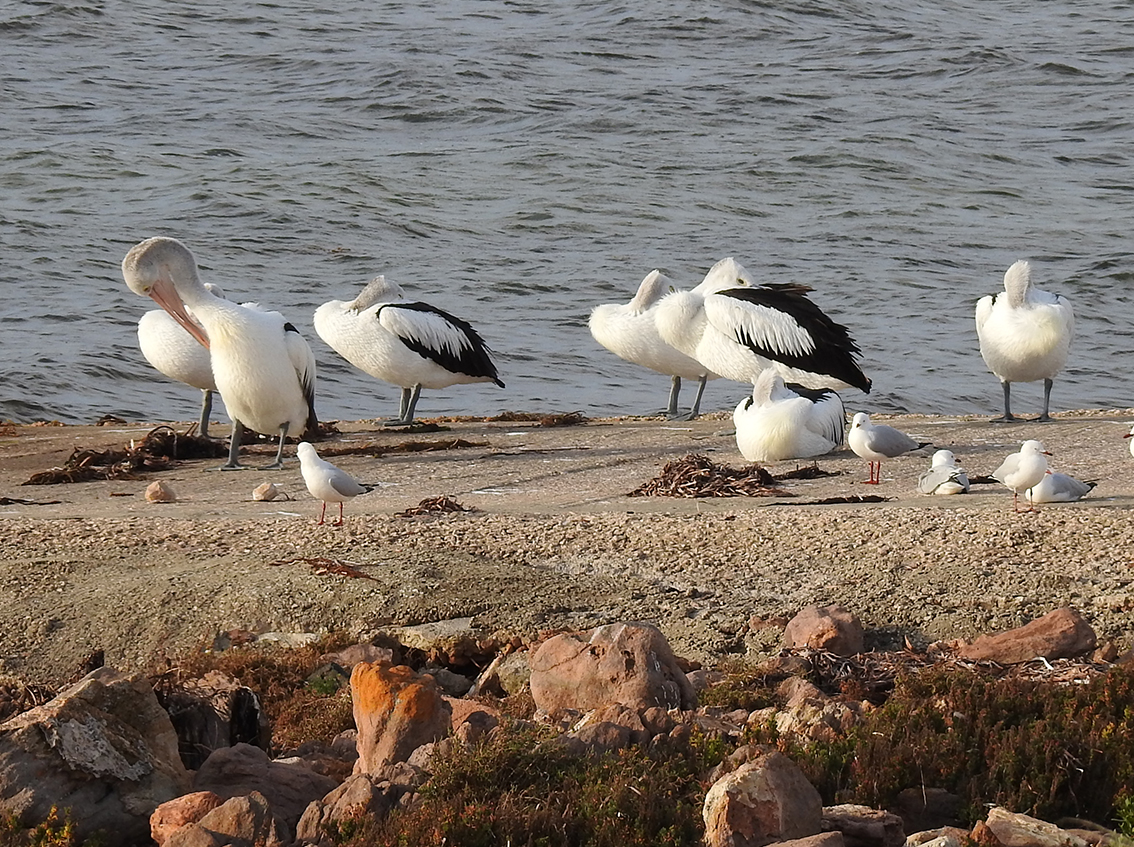
Patient Pelicans

What’s for lunch???


The boat ramp where we set off on our fishing trips is now the haunt of a small group of Australian Pelicans. They also enjoy the fruits of these waters, congregating around returning boats to feed on discarded fish and bait.


Pacific Gull in flight

The local golf course sits alongside the ramp and extends south along the coast to our first destination, known locally as Rifle Butts Beach. There are rocky outcrops at each end of the beach and I watch Pacific Gulls and a lone Great Cormorant flying just above the waves. The dunes and beach are pristine and there is an information plaque explaining their ecology and importance.


Beach fishing

From Rifle Butts it is only a short distance along Conservation Drive to Second Beach where we stop at a sandy parking bay and watch a couple of fishers casting for Mullet and Salmon Trout. A small sign cautions us to look out for rare Hooded Plovers which nest on the beach; though I believe breeding season is now over. The beach is accessible to 4WD but today is just a first look and we have more distance to cover.


Startled Western Grey Kangaroo

We continue slowly along Conservation Drive with the windows open ready to stop and record any special wildlife encounters. There is low coastal scrub to the right and open paddocks with sheep and cattle to the left. Large flocks of Crested Pigeons are feeding in the fields. I brake suddenly and turn the wheel to get a good angle on a pair of Grey Kangaroos half hidden in the scrub. They immediately bound away and I manage a hurried shot of one roo as it disappears into the scrub.


Water behind the dunes

Path to the ocean


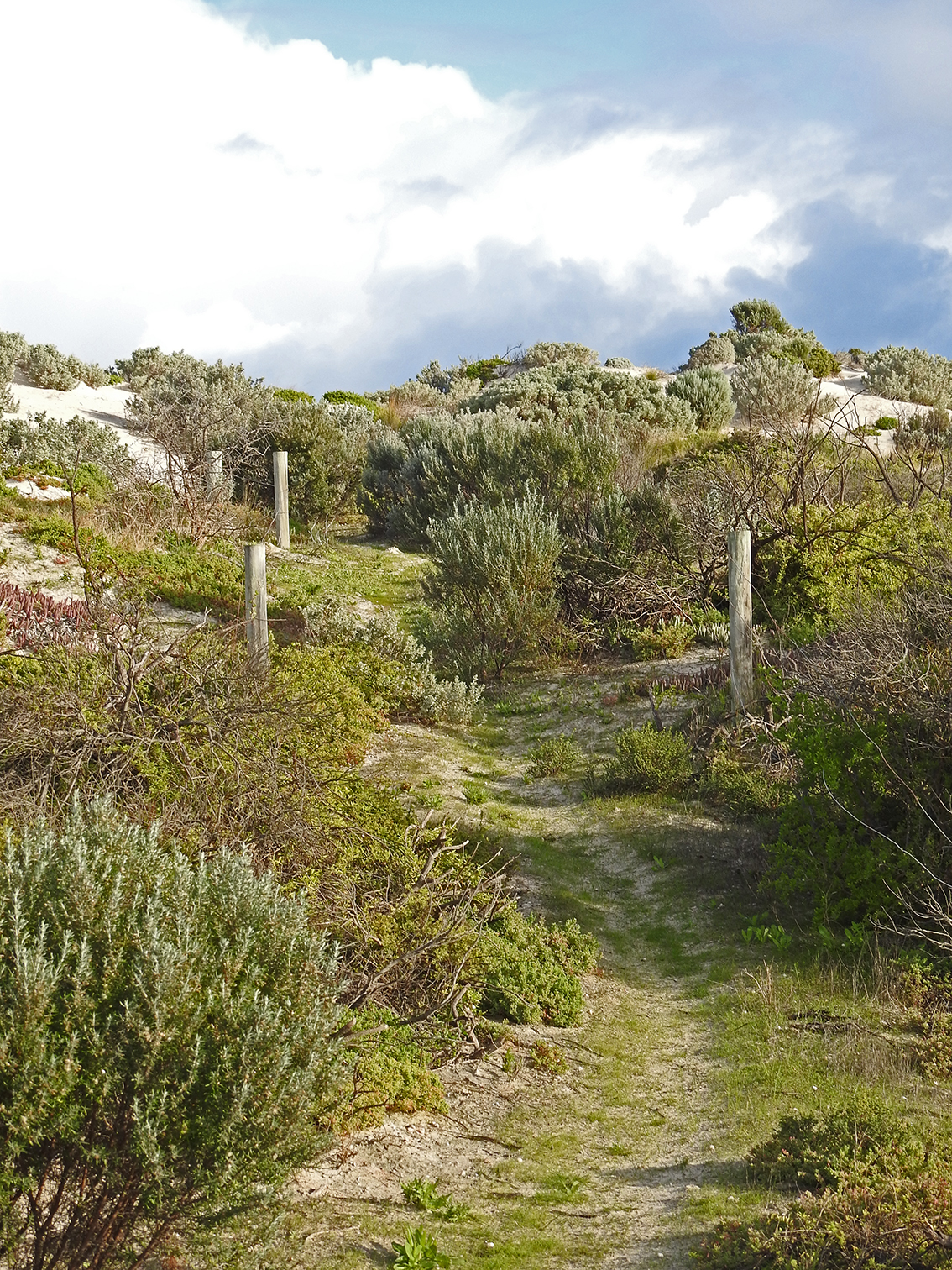
Our final stop is Wauraltee Beach. The parking area lies at the end of a sandy track near a windmill which taps freshwater from behind the dune system. A short trail leads up and over the primary dunes and ends with a spectacular panoramic view north and south along this magnificent yet secluded beach.

View south along Wauraltee Beach


From the top of the dunes, I can scan the bush for birdlife, kangaroos and even wombats which live in the area.  Today, I spot several Singing Honeyeaters, a kestrel hovering in the distance and what appears to be a pod of dolphins about 500 metres offshore. There are some small waders near the seaweed fringe but it is hard to identify them at this range.


Singing Honeyeater

It has been a wonderful reintroduction to Port Victoria and has left me with a strong desire to return and spend more time exploring today’s destinations in greater detail. And, to add even more incentive, there is an equally interesting track and walking trail heading north from the jetty towards Point Pearce.

Cheers

BAZ

Winninowie National Park and Chinaman’s Creek

3 Sep

Winninowie National Park and Chinaman’s Creek

Dear Reader:

The track to Winninowie National Park comes off the main highway between Port Germein and Port Augusta. Low flat scrub borders the road on both sides with the coast in front and the Flinders Ranges foothills behind. Barbed wire fencing keeps small groups of sheep from wandering onto the road. Crested Pigeons, Galahs and some smaller unidentifiable bird species can be seen in the scraggly bushes bordering the pasture. In the distance I can just pick out a tree-line marking the edge of the national park: from there the road meanders towards the coast.

Typical coastal scrub

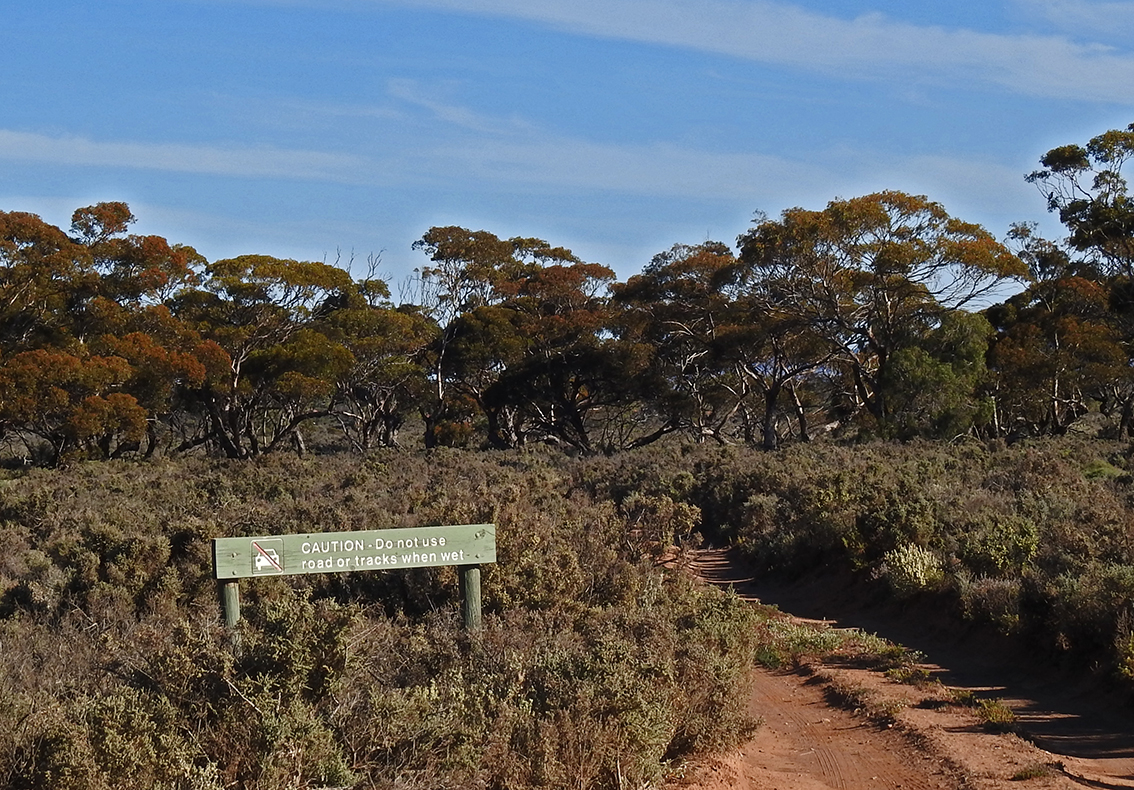
 A few hundred metres past the first stands of eucalypts we come across a smaller track veering to the left. The track has a sign that warns against use in wet weather but there has been a little rain over the last few days and today is fine and clear. We slip the vehicle into 4WD low range as a precaution and with a little slippage and much lurching, explore the trail.

Grey Butcherbird 

I tap Geoff on the shoulder and ask him to stop and power down his window. Only metres from the car, a Grey Butcherbird is perched on a dead tree branch. These fascinating birds have the rather unsavoury habit of impaling their prey on sharp branches where they are stored for later consumption. A kind of avian serial killer complete with trophies.

Euro in scrub

Our next encounter is on my side of the car. I notice a flash of grey in the undergrowth. Geoff sees it too and we slide to a halt. I am expecting to see a Western Grey Kangaroo and I am pleasantly surprised to spot a Wallaroo or Euro. These robust cousin of the more common Western Grey Kangaroo are more commonly found in the higher regions of the Flinders Ranges which form a backdrop to the coastal plain we are traversing.

Crested Pigeons 

Of course, the usual wildlife is abundant here; Australian Magpies, Crested Pigeons, a variety of parrots and even some Miner Birds. There are also Emus which occasionally sprint across the trail making photographing them almost impossible. Eventually I spot a small group way out in the scrub grazing under some trees. My Nikon P900 has excellent range and I tend to use it as a spotting scope at extreme distances. I decide to take a chance; stop the car rest and squeeze. Considering the range and lighting conditions I am pleasantly surprised by the result.

Emu at distance  

The track ends at a wide expanse of shallow beach coated in seaweed with a wonderful view across Gulf St Vincent to the low hills of the Eyre Peninsula. We return along the same path and then head down to Chinaman’s Creek; a little outpost set amongst mangroves with a few shacks and a boat ramp, an area I have written about previously.

Chinaman’s Creek 

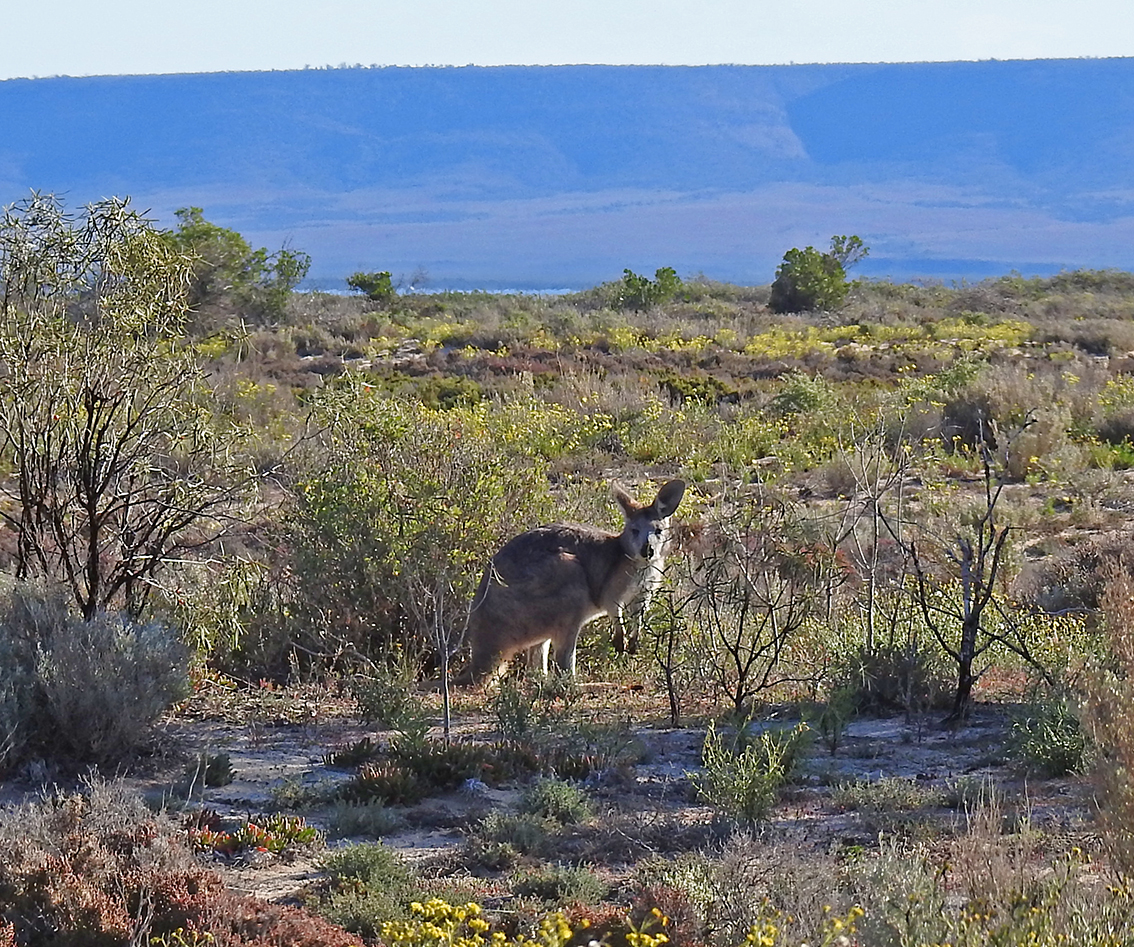
After fossicking about in the mangroves it is time to head for home and lunch at Port Germein; a good half an hour’s driving time. We decide not to stop on the return drive unless something extraordinary makes an appearance and as a parting gift, that does happen. A loan Western Grey Kangaroo bolts in front of the car and presents the perfect picture with the foothills of the Flinders in the distance. Then one final encore as lovely Red Capped Robin sits in a thorn bush near the road………a nice way to end a perfect afternoon. 

Roo in flight

Red-capped Robin

Cheers

Baz

 Additional notes

This is an easy drive in dry weather which is quite suitable for families and seniors but requires 4wd in the wet. The National Park bans Dogs. 

 Please pass on this blog title and or contact information (URL) to any person or organisation with an interest in taking walks and enjoying wildlife in SA.

See more South Australian stories and pictures in Weekend Notes

https://www.weekendnotes.com/profile/651267/

Wiliamstown to Springton a Wildlife Drive

1 Jan

Dear Reader:

The paddock beyond the fence-line is characterised by open grassland still bearing a tinge of green from recent rains. There are gum trees punctuating the open expanse of pasture and a large mob of kangaroos are spread across this classic Australian landscape. Some are resting while others graze; a few have joeys in pouches or at heel.


Grazing roos


I am driving between Williamstown and Springton and despite most of the land being fenced off  each time I stop by the roadside there are many faunal and floral delights to discover. In addition, lunch at the end of the drive in the Springton Pub or morning tea at the start of my drive at the Williamstown Bakery, are wonderful refueling stopovers.


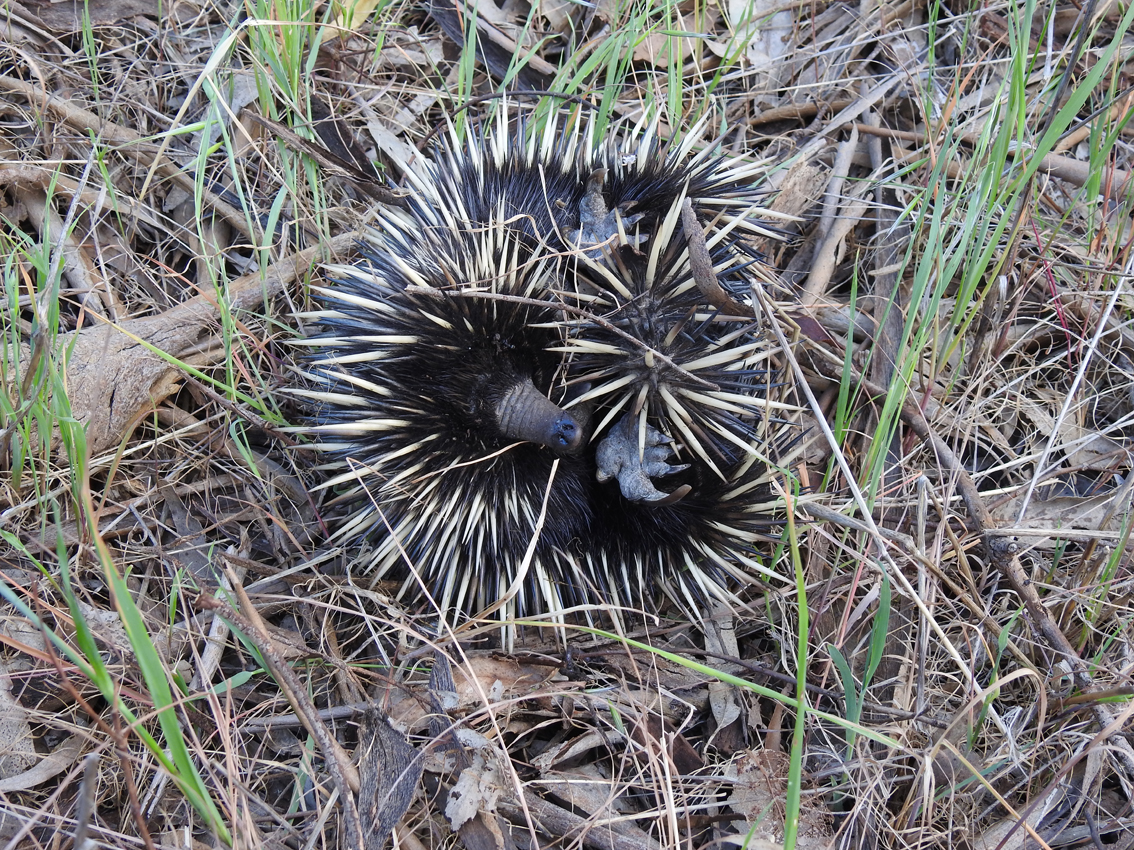
Echidna on the move


Echidna rolled and momentarily turned before righting itself

As I drive on I can see a variety of parrots in the roadside trees; rosellas, lorikeets and galahs are the dominant species. But in one very large eucalypt a group of Yellow Tailed Black Cockatoos have settled. Unfortunately they take to the air as I leave the vehicle. However, as luck would have it, I hear some rustling in the grass alongside the road and an Echidna appears trundling along in its everlasting search for termites. The fascinating animal rolls itself up and burrows down as I kneel to take a shot using the macro capability of my Nikon P900 to zoom in on its features.


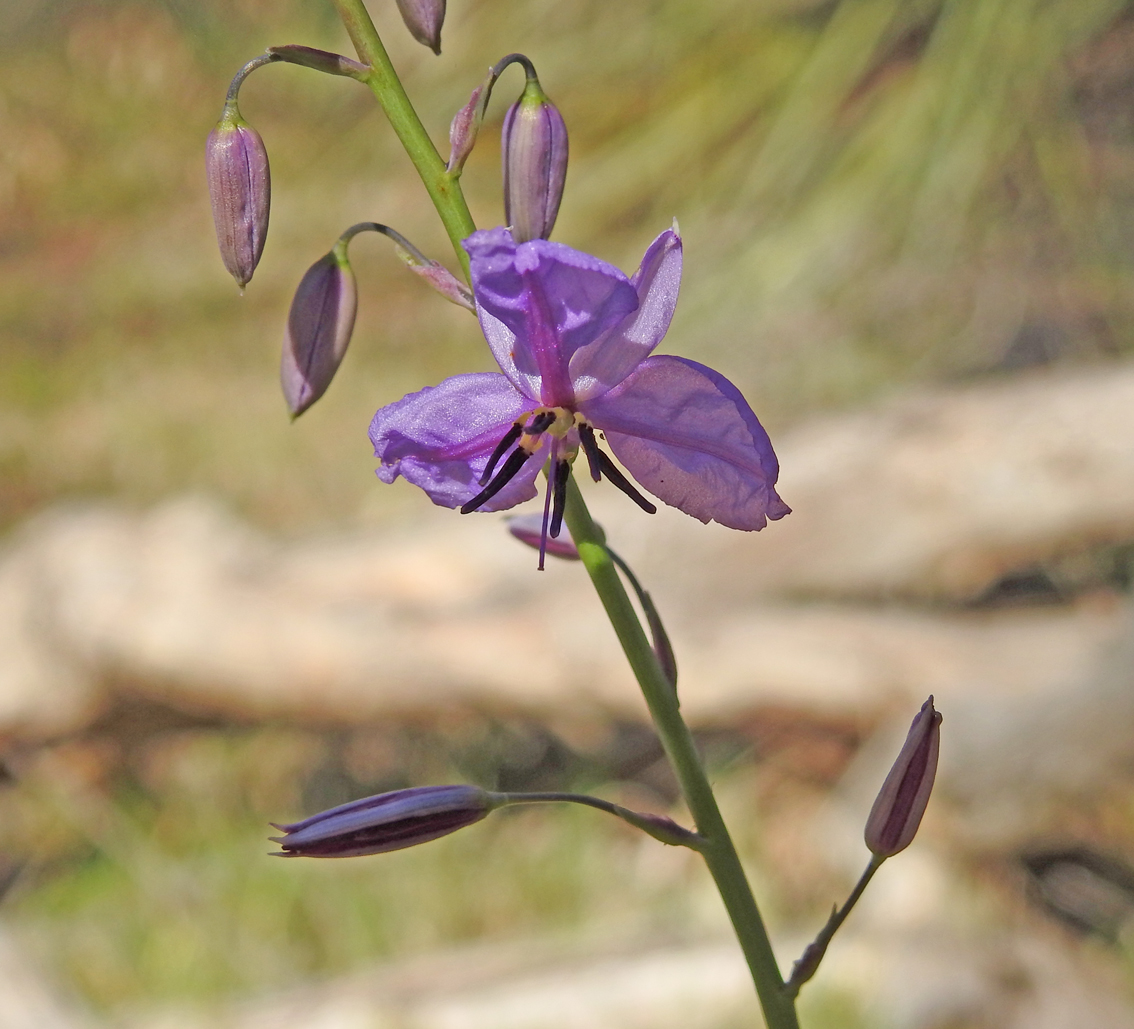
Flax Lily species


After making several more quick stops to photograph birds in the scrub, pasture and trees along the road I find a lay-by with quite a lot of vegetation. Amongst the bushes and grass I notice a small collection of lovely Purple Flax plants, just one of the many flowering natives that can be seen through this area.


Painted Lady


Cuckoo Shrike species feeding


My final stop before the return drive back through Gawler is in a patch of scrub near a farm gate where there is quite a lot of undergrowth. The area is dominated by a single massive gum that appears to attract numerous birds. Scouring the leaf litter and broken branches reveals a lovely Painted Lady Butterfly while a Cuckoo Shrike sits in a barren branch above. A wonderful way to finish my little expedition.

Cheers 

Baz

Additional notes

This is an easy drive which is quite suitable for families and seniors with facilities at both towns.  

 See more South Australian stories and pictures in Weekend Notes

https://www.weekendnotes.com/profile/651267/

Wilpena Wildlife

4 Oct

Wilpena Wildlife

Dear Reader:

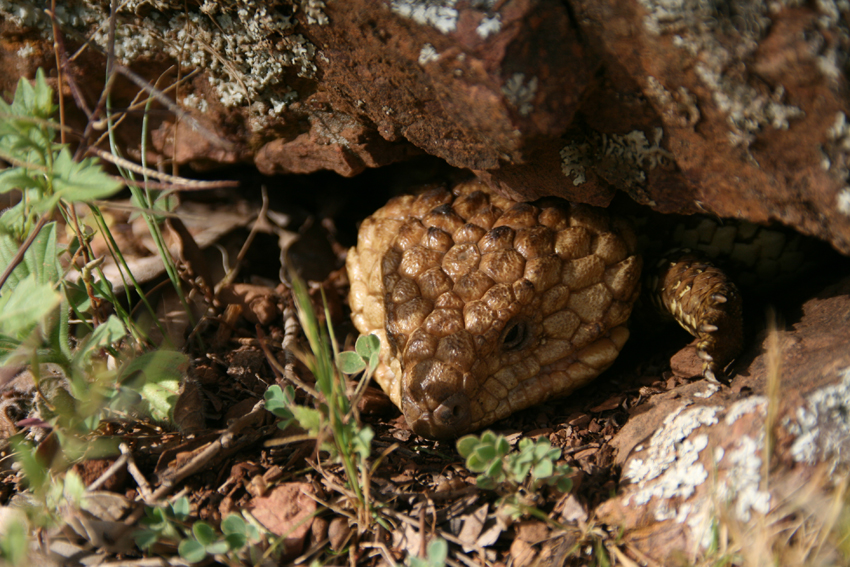
There is a sleepy lizard, or shingleback, staring back at me from the rocky ledge where it is sheltering. These harmless lizards eat a wide variety of foods from vegetation and berries to insects and snails. They are one of the most common reptiles in the Flinders Ranges; an ancient mountain range, about a five hour drive from Adelaide.


Sleepy lizard


I am staying at Wilpena Pound in the heart of the ranges. The hills that encircle this outback resort and campground are just a two minute walk away from my chalet and contain a plethora of wildlife, geological and botanical treasures.


Typical scenery


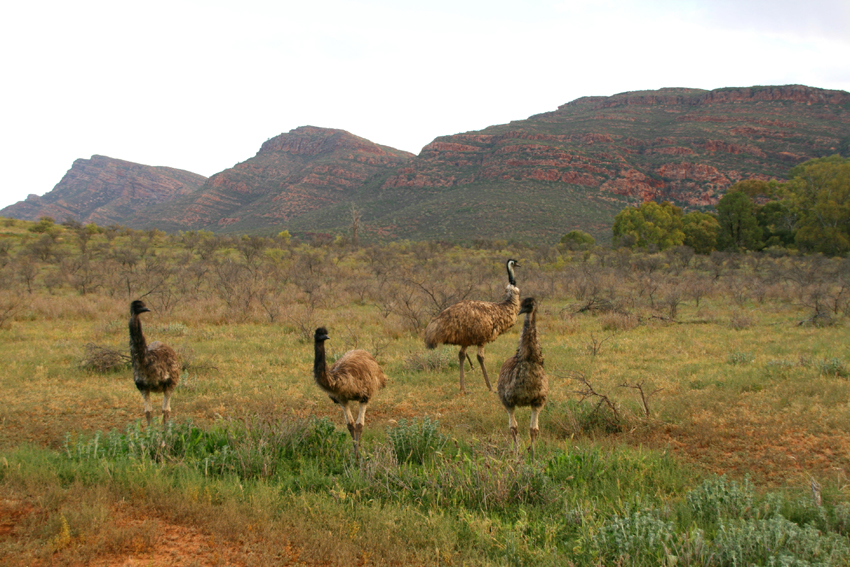
The lizard is just one of the animals that I encounter as I walk from my chalet towards the park’s entrance. The sun is dropping low in the sky and in the soft light I can see a group of emus feeding on a grassy plain that extends from the distant hills.


Arvo emus


As the emus move off I startle a female grey kangaroo with a joey at heel. The two marsupials look at me for a split second before bounding away into the scrub; grey blurs against a subtle canvass of brown and green.


Roos in flight


My day ends with a meal in the Wilpena Pound Restaurant watching a couple of roos feeding on the lawns and listening to the call of kookaburras.


Come and see the Flinders; you will not be disappointed!


Cheers

Baz


Additional notes

There are easy walks and drives which are quite suitable for families and seniors with public toilets, barbecues, parking and other facilities nearby. Dogs are not permitted in the National Park.


See more South Australian of my stories and photographs in Weekend Notes

https://www.weekendnotes.com/profile/651267/

 I have recently spent time in Africa and the link below will allow you to enjoy images and text describing some of my encounters with the wonderful wildlife of Botswana and Zambia. I will try to attach a new image and notes to accompany each post.

https://wildlifemomentssa.blogspot.com