Tag Archives: koala

Williamstown’s Wildlife…..The Drive

11 Nov
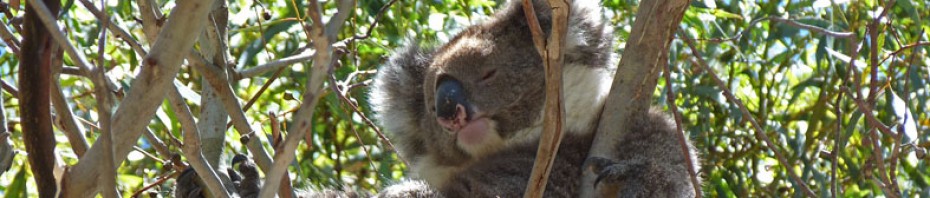
Koala observing photographer

Dear Reader:

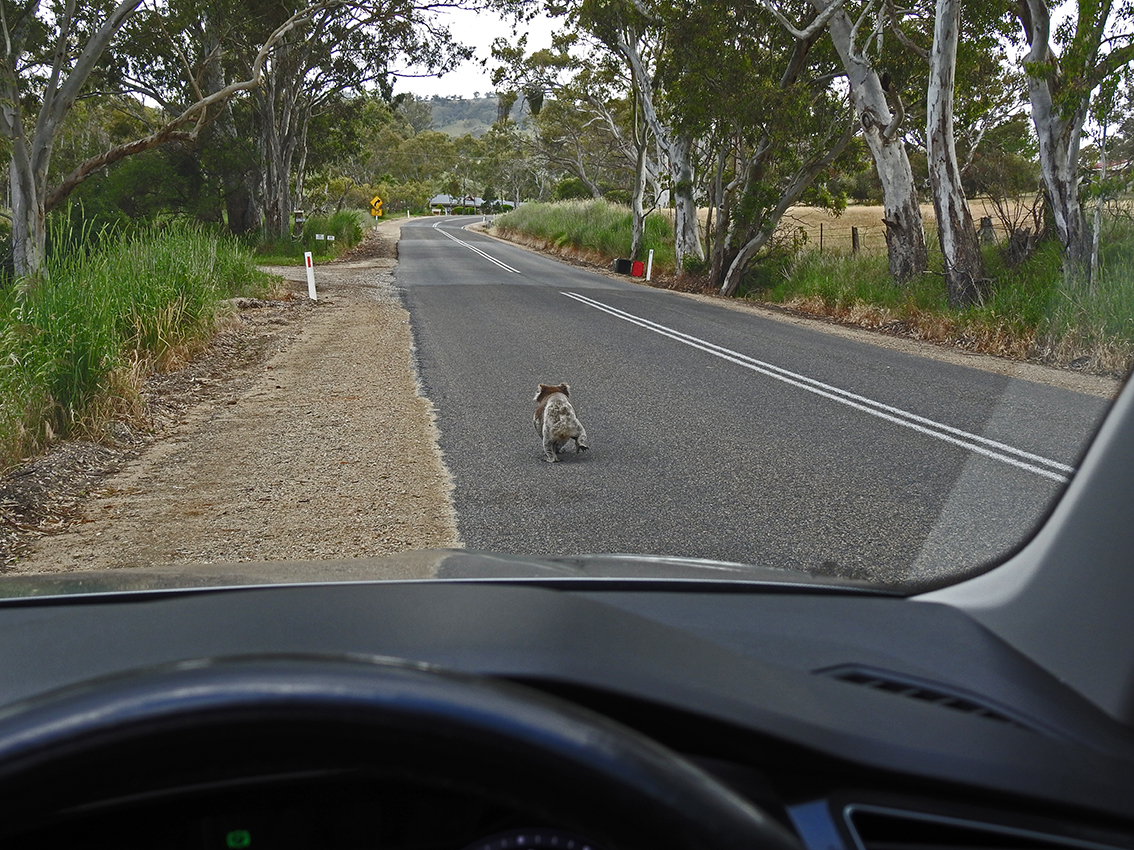
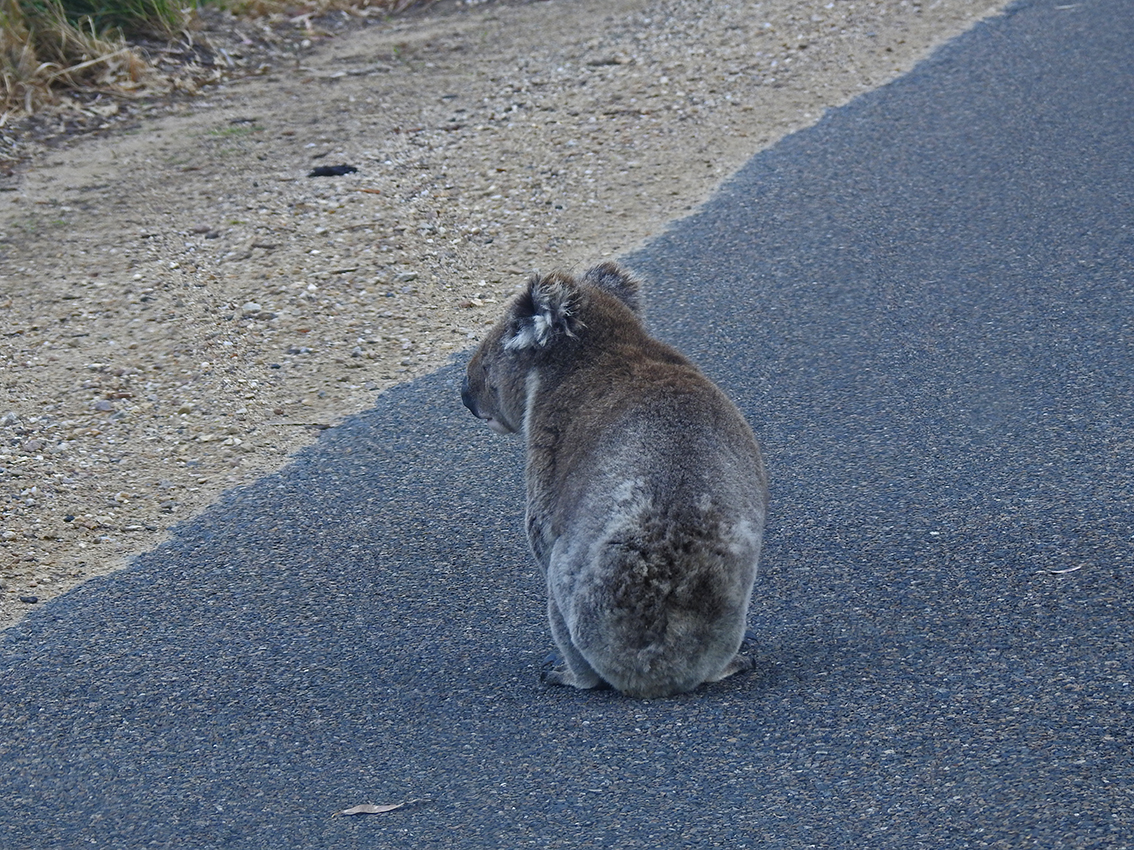
A Koala suddenly appears on the edge of the road then runs across both lanes. I check my mirrors and pull off into a small recess. Walking back along the edge of the road, I scan the trees until I spot the Koala high in the branches looking down on me.

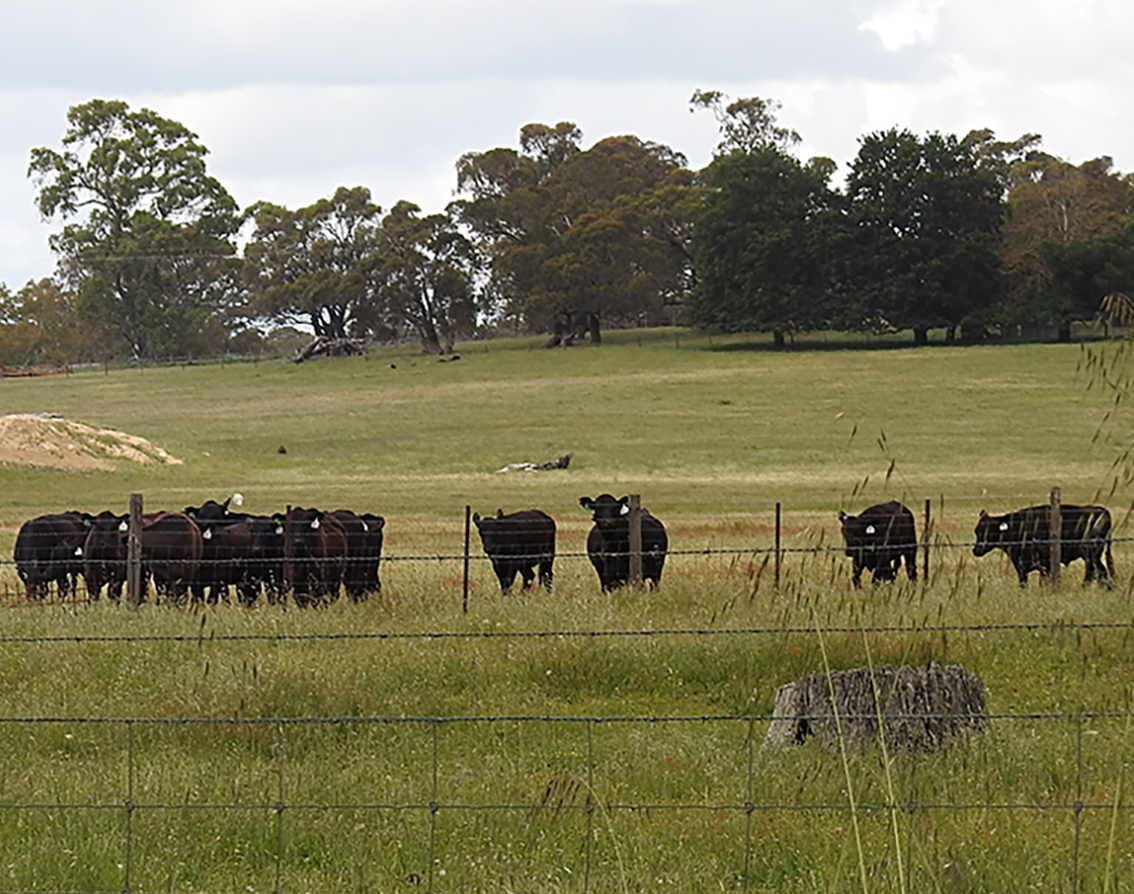
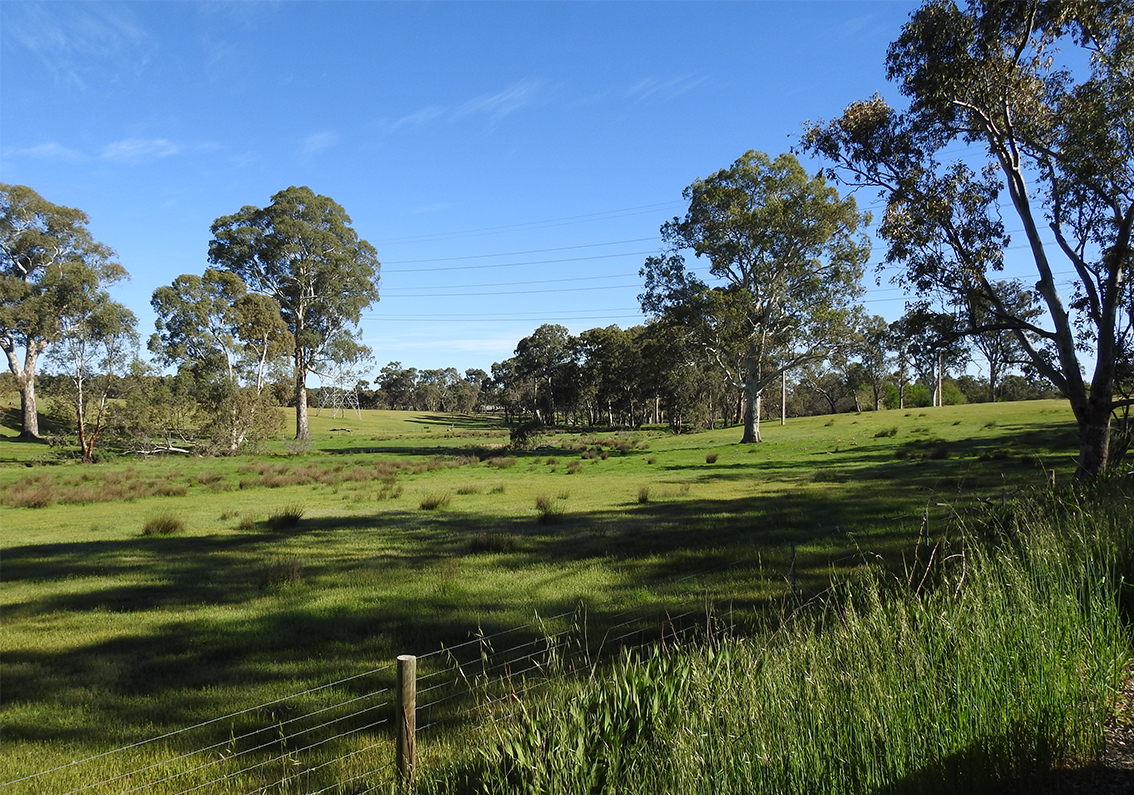
Classic grazing area with remnant eucalypts
Goat herd feeding near the reservoir

Further along the road, I stop again to photograph classic open pasture dotted with sizeable eucalypts.  A nearby fenced off paddock is home to a small herd of Angora Goats. As I stop to photograph them a lone Emu pops its head up from a ditch by the side of the road.

Surprise

I am driving to Williamstown to explore this historic little town and document the wildlife around the area. However, I am more than a little surprised to have encountered so many interesting photo-subjects before I even reach my destination.

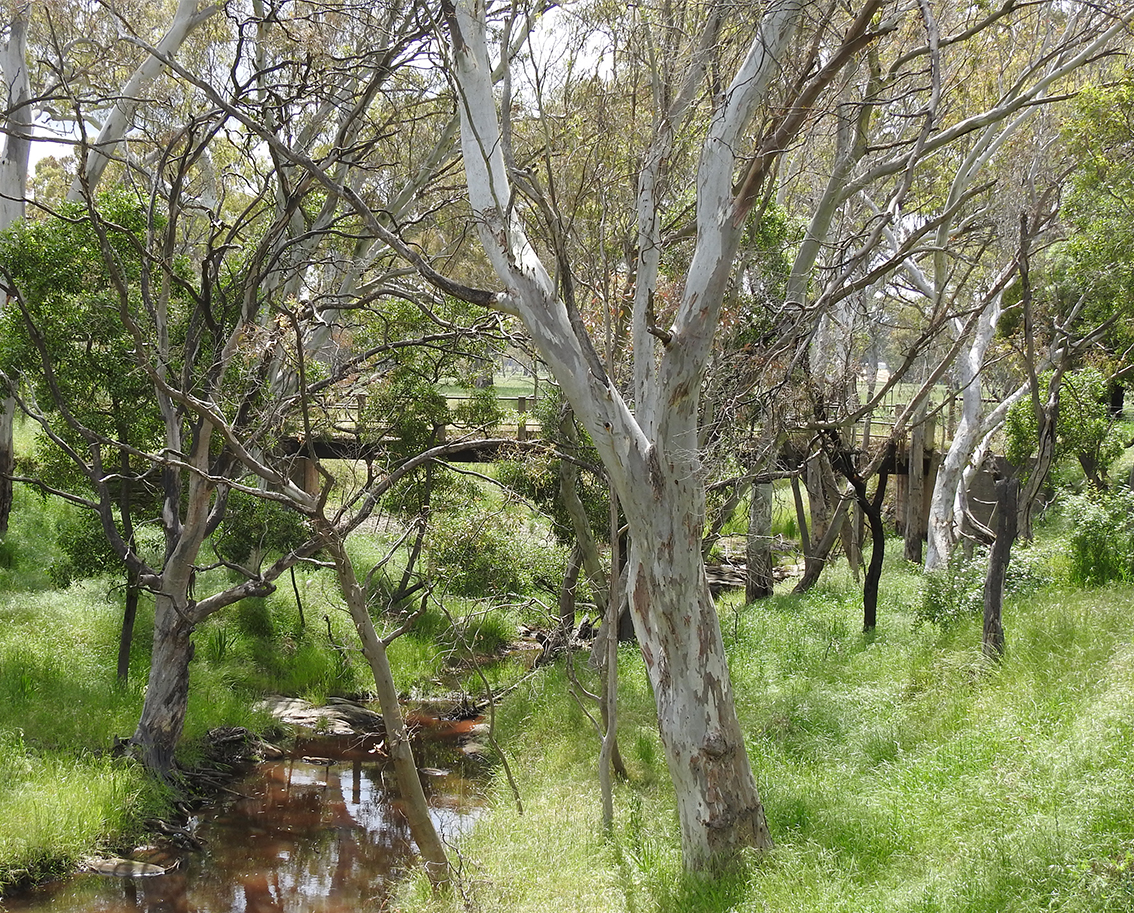
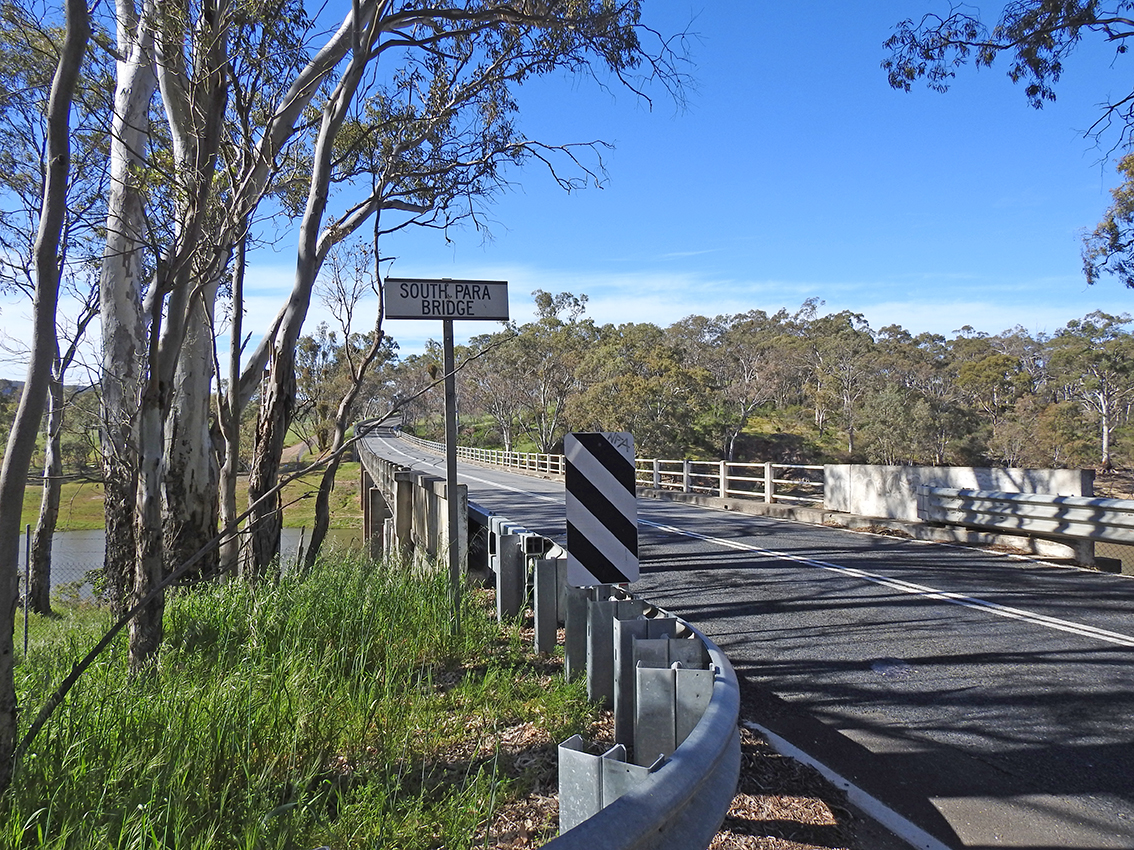
Bridge over the reservoir

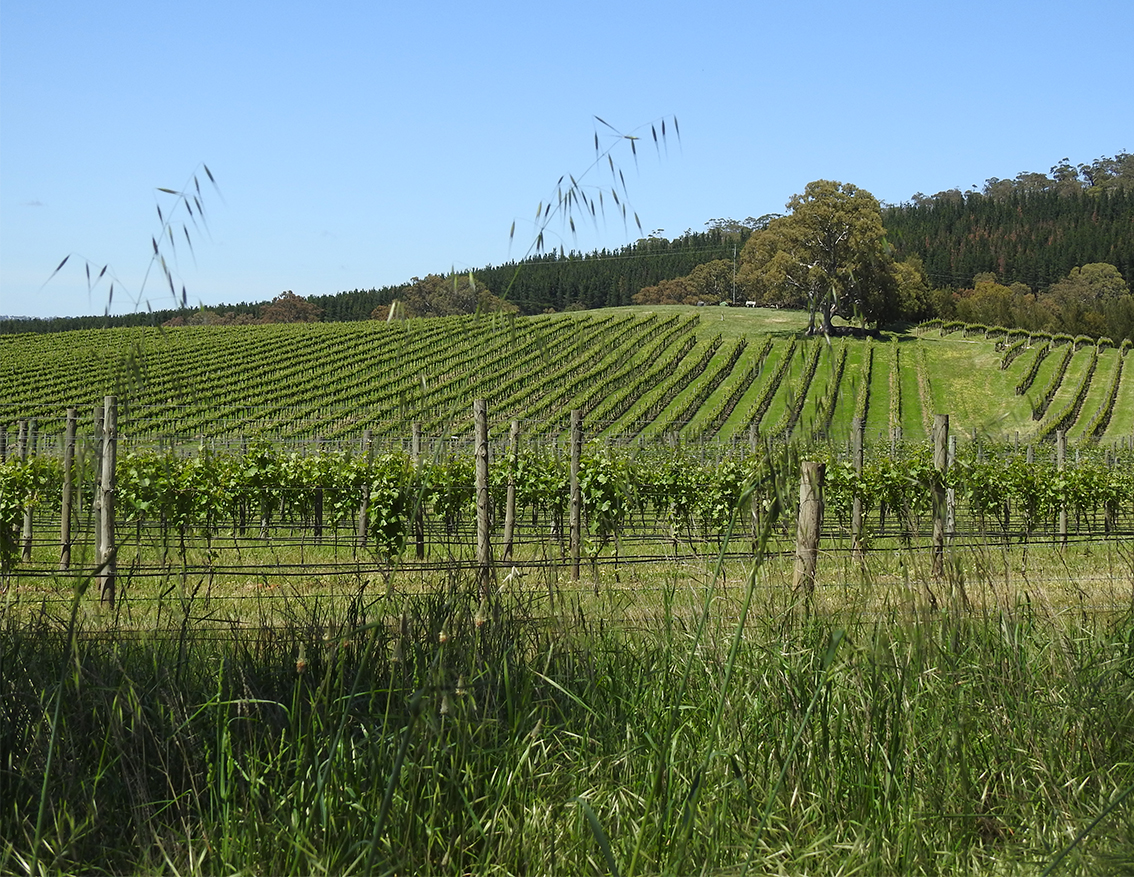
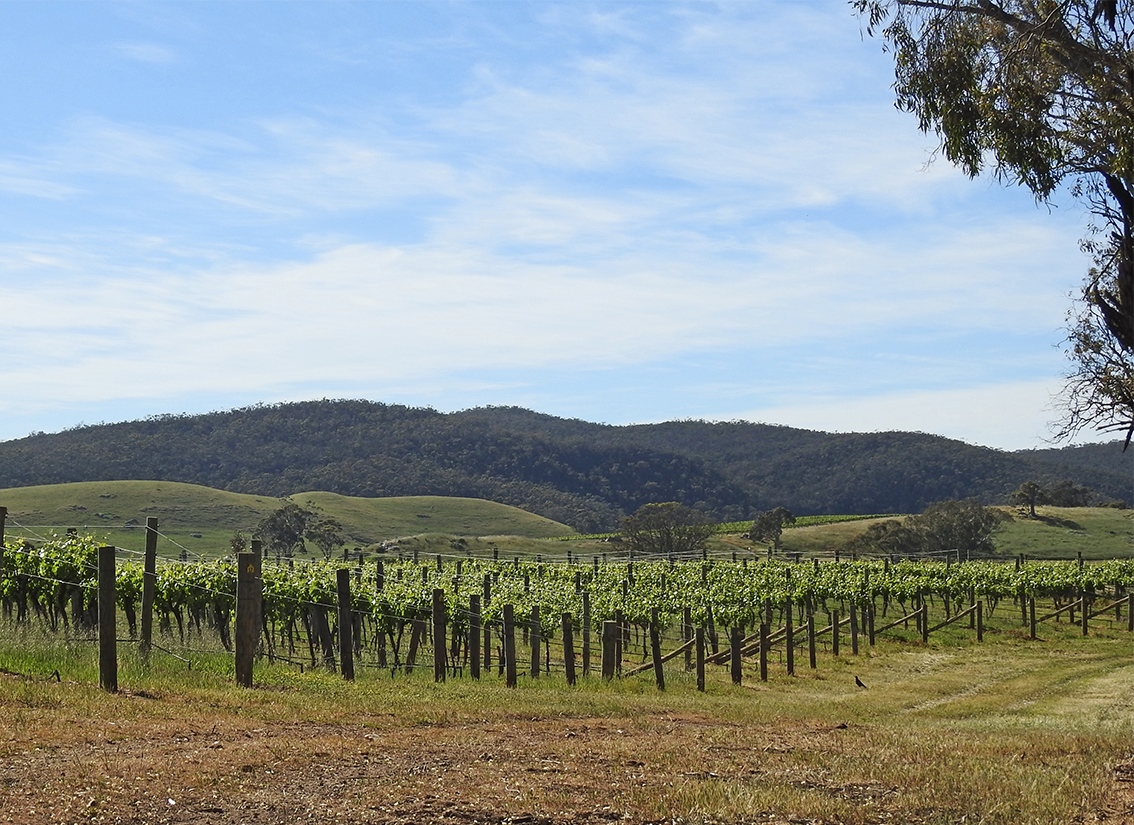
Crossing the bridge over the South Para Reservoir, I notice the water level is quite high, a good sign for the approaching summer. Nearby, the extensive vines, which are a more recent feature of this landscape, contrast starkly with the adjacent scrub-draped hillsides. Clearing bushland for vines is always a contentious issue in South Australia.

Vines, pasture and bushland

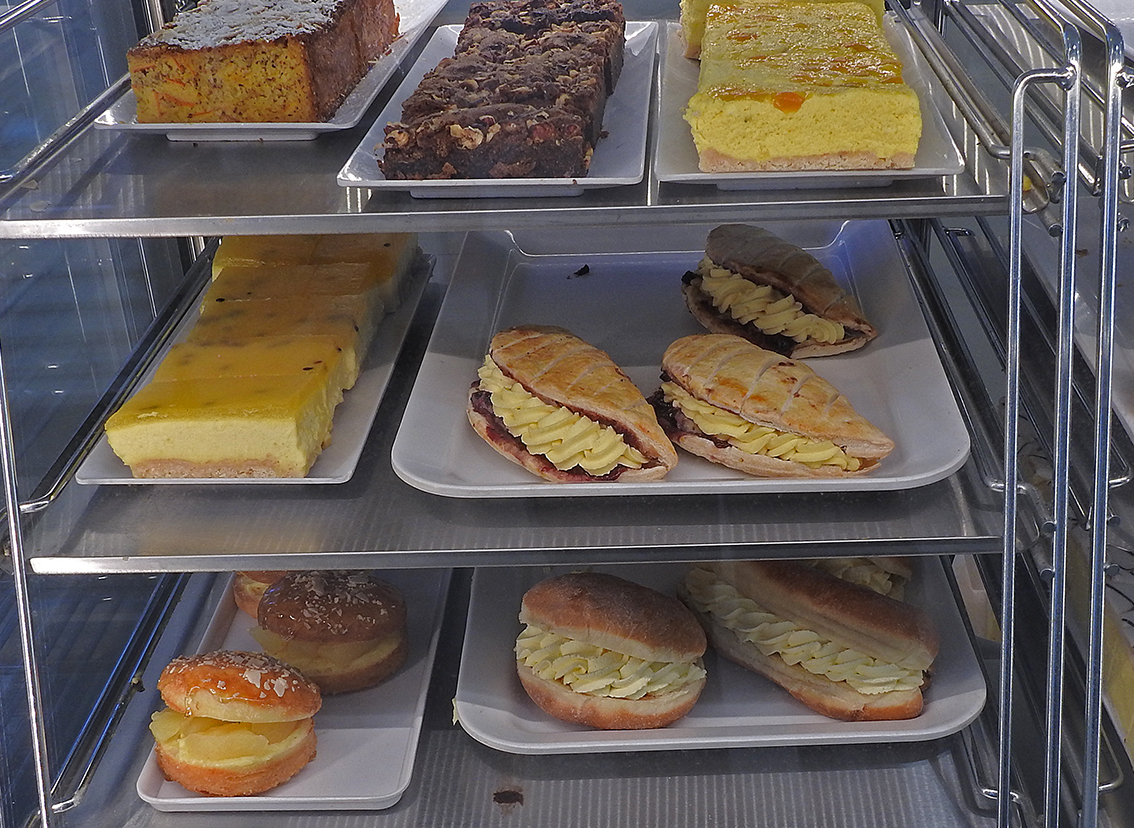
I am on the outskirts of Williamstown and decide it is time for a break at the local bakery before traversing some of the backroads and exploring other features of this historic township………..to be continued.

Too much choice

Cheers

Baz

Additional notes

Other animals seen/heard but not photographed: Western grey Kangarooos, Sulphur-crested Cockatoo, Australian Magpie, Blackbirds, House Sparrows, Rabbits

The camera used for this post is a Nikon P900

This is an easy drive which is quite suitable for families and seniors with public toilets, barbecues, parking and other facilities in Williamstown. It is dog friendly.

Please pass on this blog title and or contact information (URL) to any person or organisation with an interest in taking walks and enjoying wildlife in SA.

Click on these links and see more South Australian stories and pictures in my Weekend Notes articles as well as locating similar blogs on Feedspot’s top 20 Australian wildlife blogs

https://www.weekendnotes.com/adelaide/writer/452/

https://blog.feedspot.com/australian_wildlife_blogs/

Giles Conservation Park near Norton Summit

15 Feb

Dear Reader:

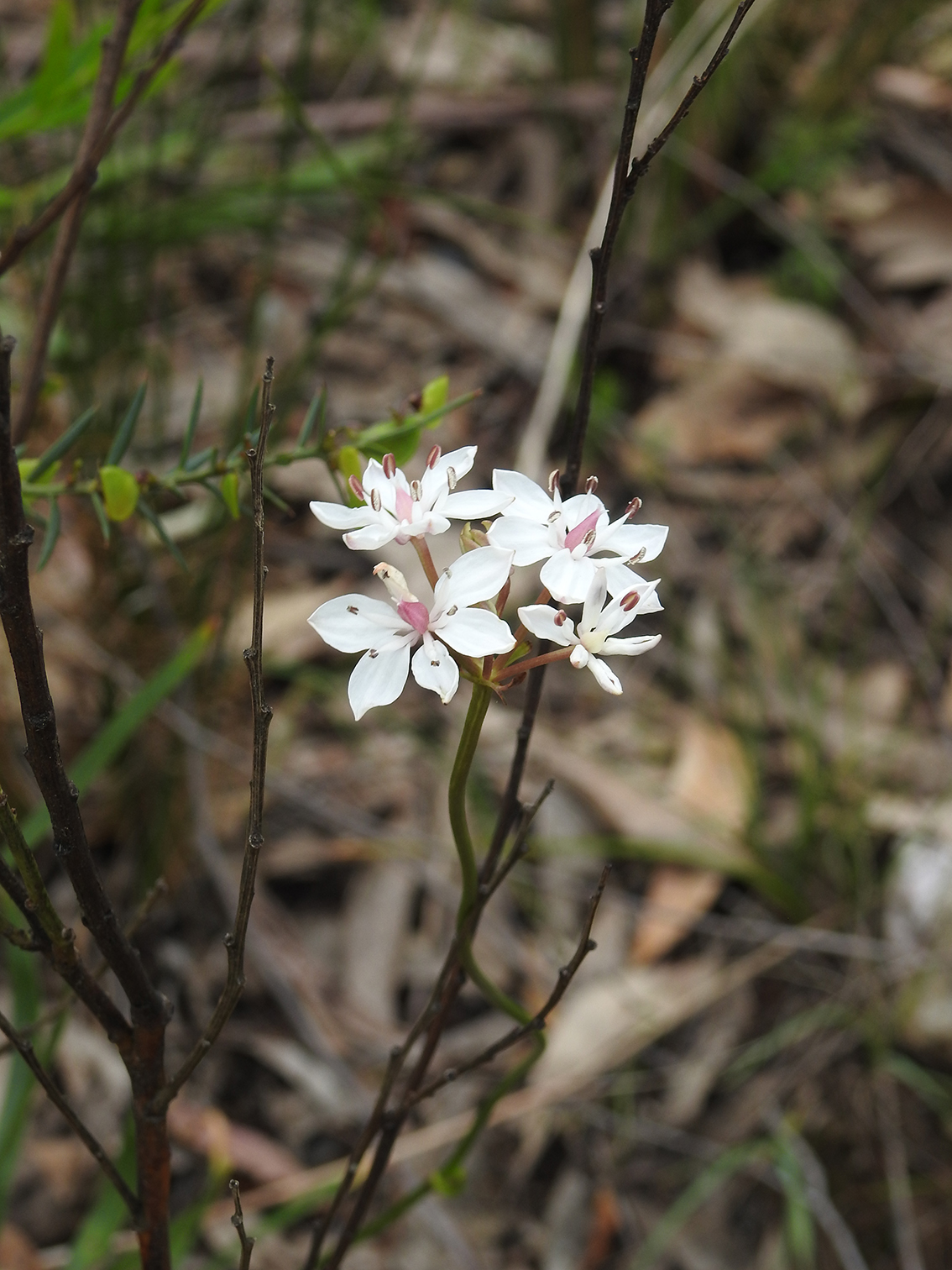
I can hear small birds in the undergrowth and scan the leaf litter and low bushes with my telephoto. Nothing at first then just a glimpse of a wren but it is a beautiful Milkmaid Lily that Catches my eye.

Milkmaid Lily

The Giles Conservation Park is a twenty-five minute drive up Magill Road from Adelaide’s CBD to Norton Summit; then a further five minutes along Lobethal and Woods Hill Road. I park opposite the park entrance and enjoy the view of green undulating farmland. There are Australian Magpies and a few Ravens in the fields.

Farmland opposite Giles CP

After leaving the wrens and Lilies my next surprise is a rather unusually marked Koala in a tree just a few metres along the clearly marked Ridge Trail.

Koala

Being late Spring, there is a proliferation of blooms along the trail including: eucalypts, wattles, lilies, peaflowers and native primroses. And, there are also an introduced weeds, one of which is quite intriguing the aptly named Rattlesnake Grass.

Red Parrot Peaflower

Forester Moth on Native Primrose

Rattlesnake Grass

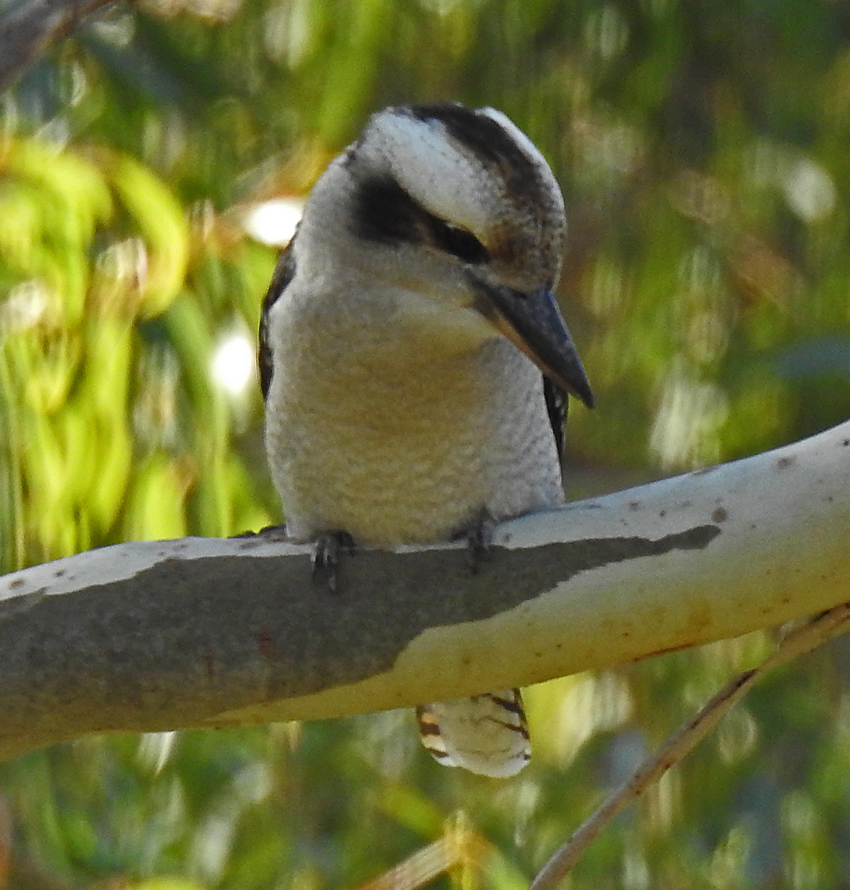
Some animals give away their location with a subtle shuffle in the grass, not so the Kookaburra. Midway up a tall Stringybark a Laughing Kookaburra perches and calls to its mate deeper in the scrub.

Laughing Kookaburra

Koalas and kookaburras are relatively easy to spot but there is a myriad of smaller animals that live amongst the foliage, flowers and leaf litter which are much harder to detect. Insects, spiders, skinks and beetles are just a few examples of this lower but critical part of the food chain. Unfortunately the number of these creatures is becoming dangerously low because of pesticides, habitat loss and other human induced threats.

Common Garden Skink

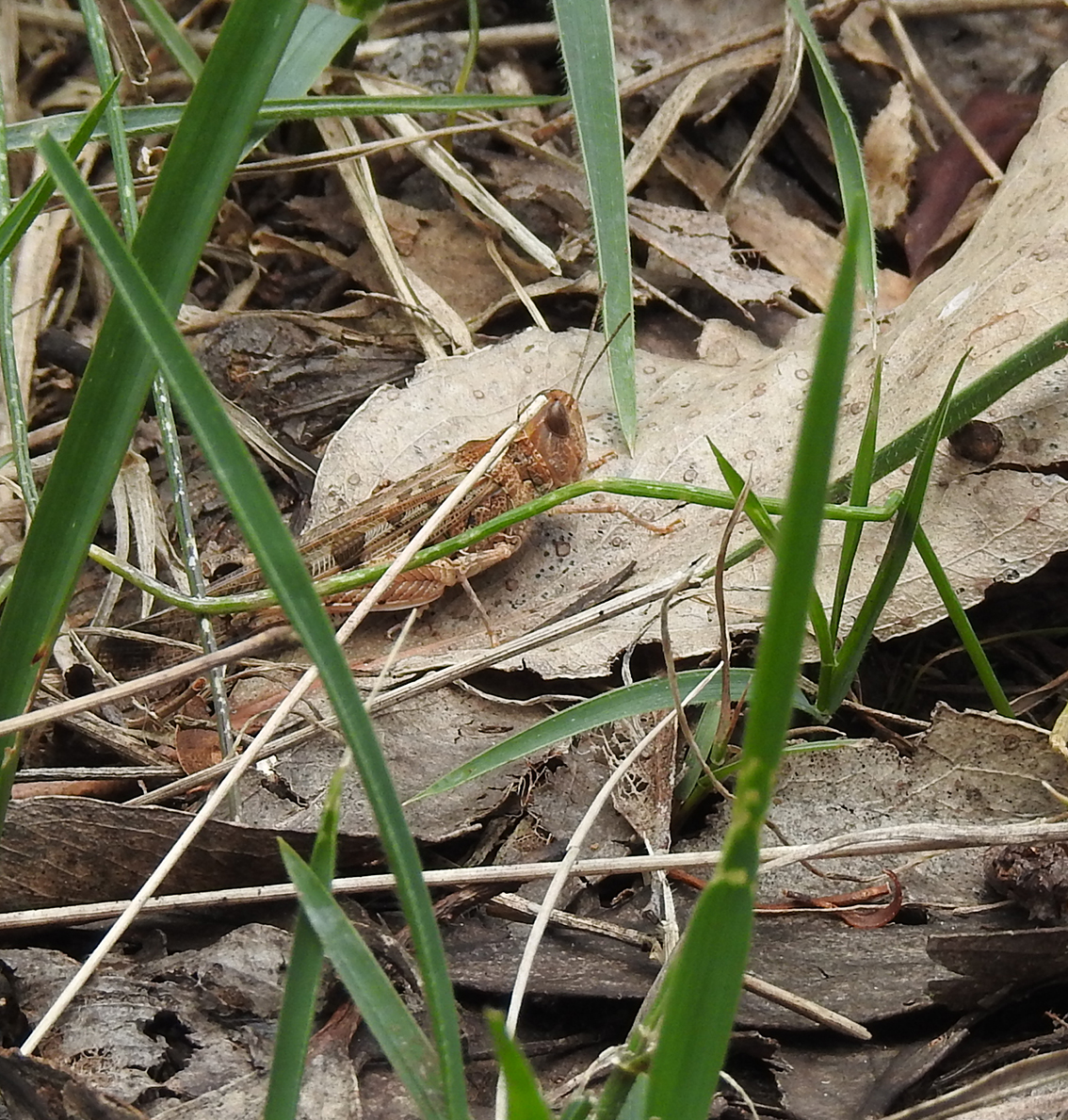
Plague Locust

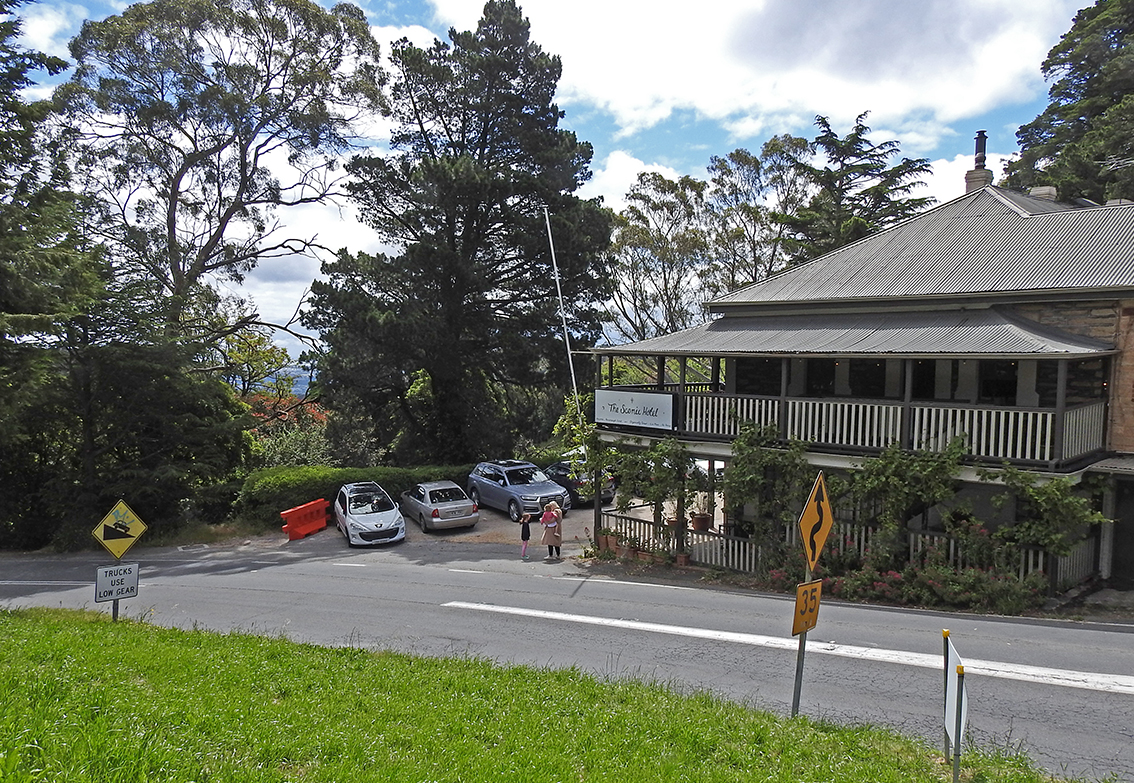
Having walked several kilometres and taken many photographs, it is time to head back to the city. However, I would never consider leaving the Norton Summit area without enjoying lunch with a view at the Scenic Hotel.   

Scenic Hotel Norton Summit

Cheers

Baz

Additional notes

The camera used for this post is a Nikon Coolpix P900

This is an easy walk and drive which is quite suitable for families and seniors with limited parking.

Please pass on this blog title and or contact information (URL) to any person or organisation with an interest in taking walks and enjoying wildlife in SA.

Click on these links and see more South Australian stories and pictures in my Weekend Notes articles as well as locating similar blogs on Feedspot’s top 20 Australian wildlife blogs

https://www.weekendnotes.com/adelaide/writer/452/https://blog.feedspot.com/australian_wildlife_blogs/

Kayeema Conservation Park, Kangaroos, Koalas and a nearby winery

23 May

Dear Reader:

On entering the forest of eucalypts, native pine and acacias we hear the bellowing grunts of a male Koala. Within a few minutes we find the perpetrator of this solo cacophony hanging upside down in a gum tree.

An unusual Koala pose

Looking more carefully, we notice a second, smaller animal; probably a female. The story becomes clear as the male rights himself then clambers across the gap towards his intended.

Lady in waiting

On my way

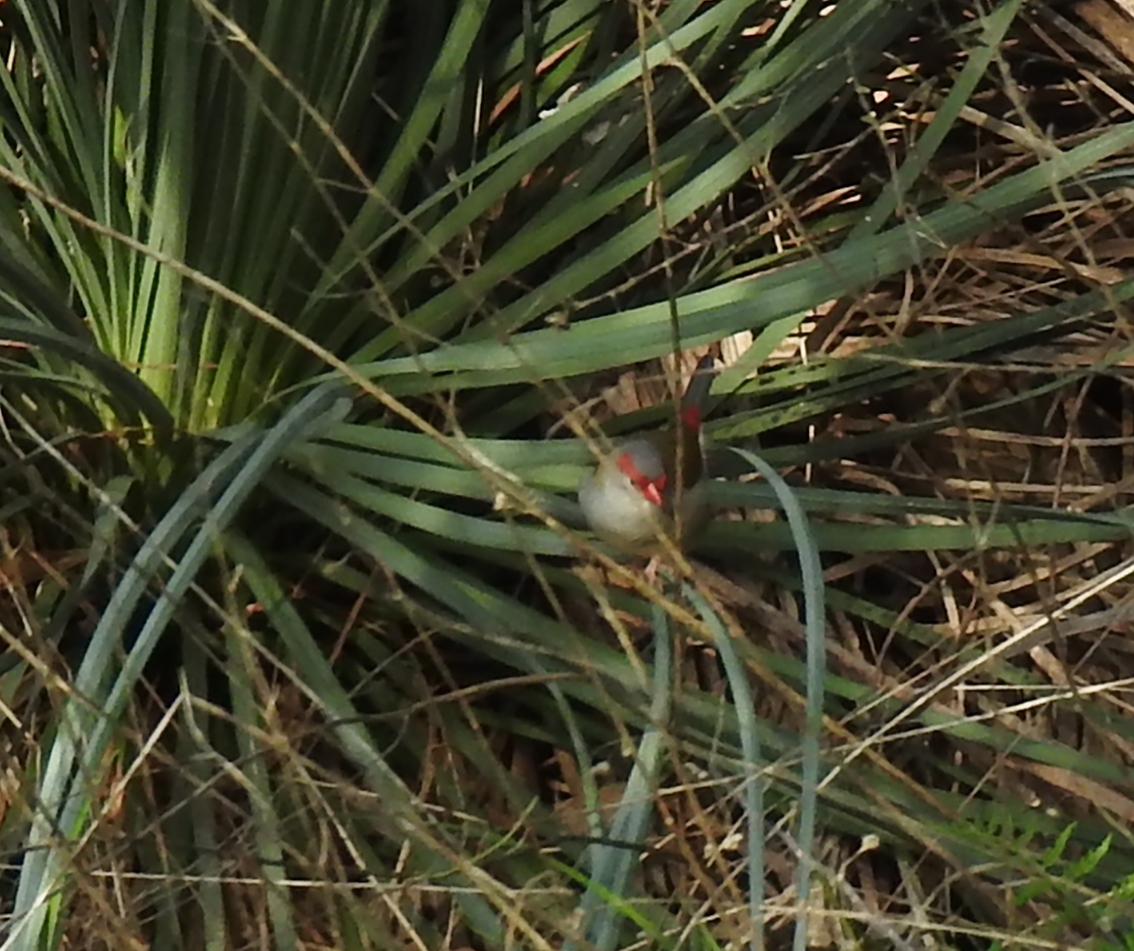
We leave the Koalas to their mating rituals and move further along the narrow trail. The weather has been dry this autumn and the wildlife is scarce with not much food on offer. However, we do spot some Superb Fairy Wrens and an Australian Tree Creeper. With shadows and distance against us, photography is quite a challenge.

Treecreeper on the forest floor (poor light)

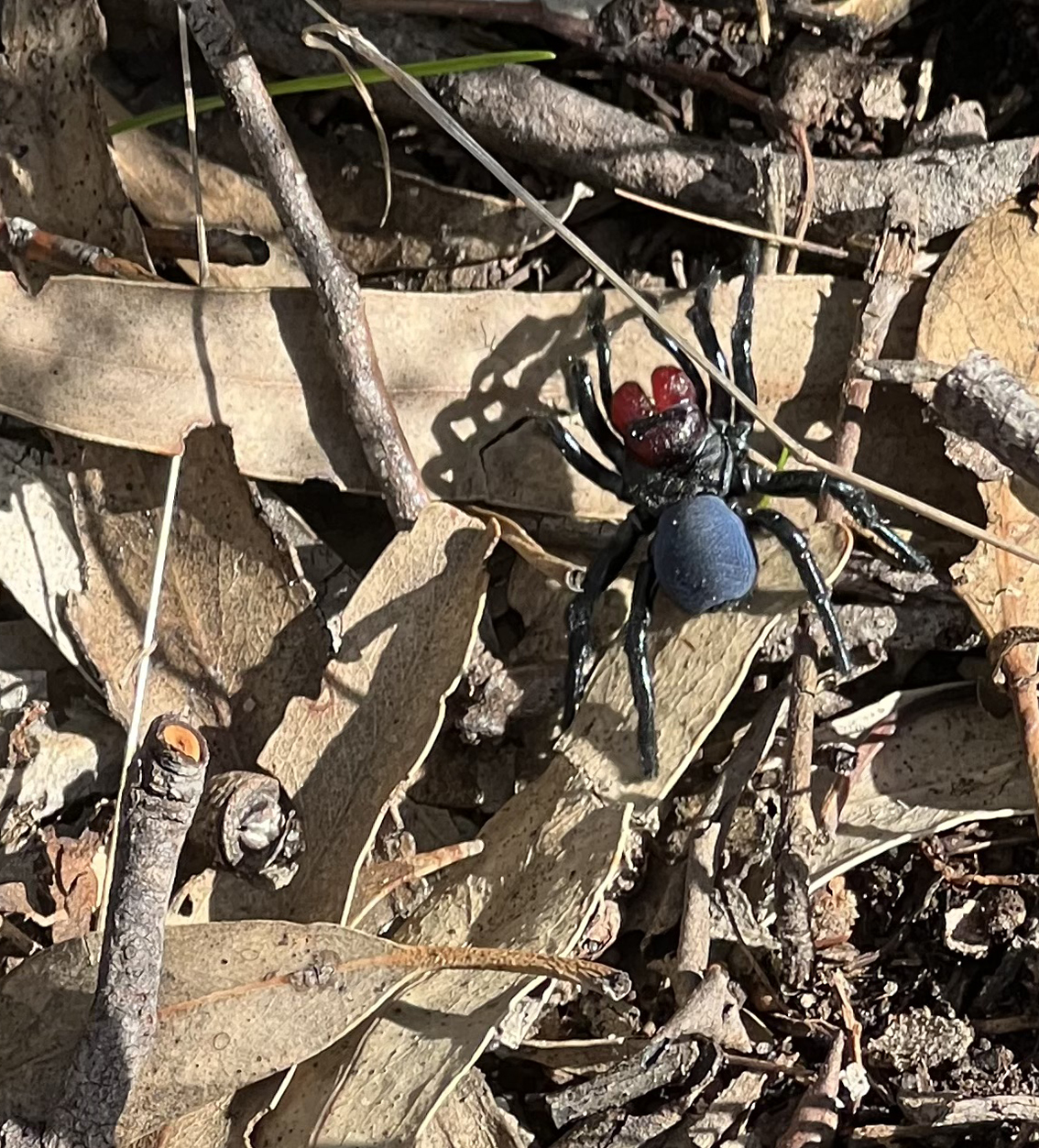
Dry weather has also impacted the invertebrate population. However, there are numerous Leaf Curling Spiders stringing their webs across the trail and I manage to find the silken lair of a trapdoor spider. Ants are numerous and there are a few Common Brown Butterflies fluttering around.

Leaf Curling Spider

Common Brown

The Dominant vegetation in the Kyeema Conservation Park varies between Pink Gums and Cup Gums on the flatter stretches to taller Stringy Barks and thick growths of bracken and fern in the gullies . Several different shrubs are flowering in the gullies including bright red Flame Heaths.

Trail near the start of the walk

Stringybark habitat

Heath species

Today, we are following the Mulurus hike, a short walk of about 1.5 Kms. It loops back to the park entrance where it intersects part of the Heysen Trail. We follow the Heysen Trail for around 500meters then cut up to Woodgate Road and return to the small car park.

Park entrance

The park is fringed by pasture and there are Australian Magpies and Adelaide Rosellas feeding on the ground with sheep in the background. The occasional call of little Ravens and White-winged Choughs as well as the twitter of tiny birds in the canopy accompanies us throughout the walk.

Adjacent pasture

After leaving the park we take a series of unsealed roads back to Brookman Road, the main bitumen road leading back to Adelaide through Willunga and McClaren Vale.

Backroads to Brookman Road

Near the intersection of Brookman Road and Woodgate Road, which leads to Kyeema, there is a lovely winery, the Lazy Ballerina, which is certainly worth including on your itinerary.

Lazy Ballerina Winery

Finally, to complete our day visiting Kyeema, a pair of Western Grey Kangaroos are lazing in the shade just walking distance from the Winery. 

Male Western Grey Kangaroo

Cheers

Barry and David

Additional notes

This is an easy to moderate walk which is quite suitable for families and seniors. There is parking. 

Please pass on this blog title and or contact information (URL) to any person or organisation with an interest in taking walks and enjoying wildlife in SA.

Click on these links and see more South Australian stories and pictures in my Weekend Notes articles as well as locating similar blogs on Feedspot’s top 20 Australian wildlife blogs

https://www.weekendnotes.com/adelaide/writer/452/

https://blog.feedspot.com/australian_wildlife_blogs

Aldgate to Stirling…a short walk

24 Sep

Dear Reader:

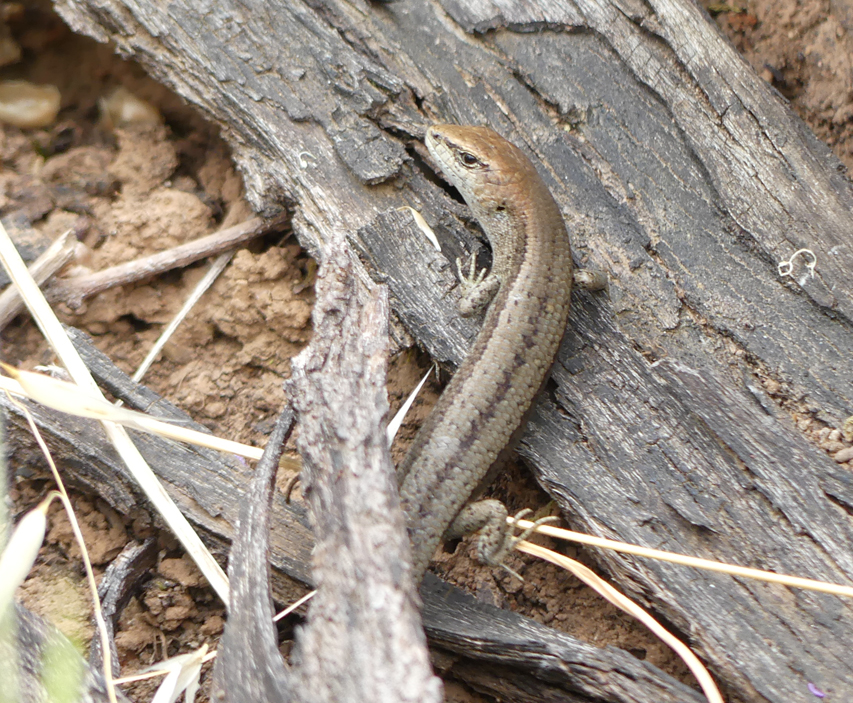
It is still early Spring and the sun is out and I have often spotted a small copper headed skinks basking in the sun at this time of year. There are several logs on the northern facing aspect of the path and with a little patience and perseverance I manage to find one of the little lizards. Their correct name is the Common Garden Skink or Sun Skink.

Common Garden Skink

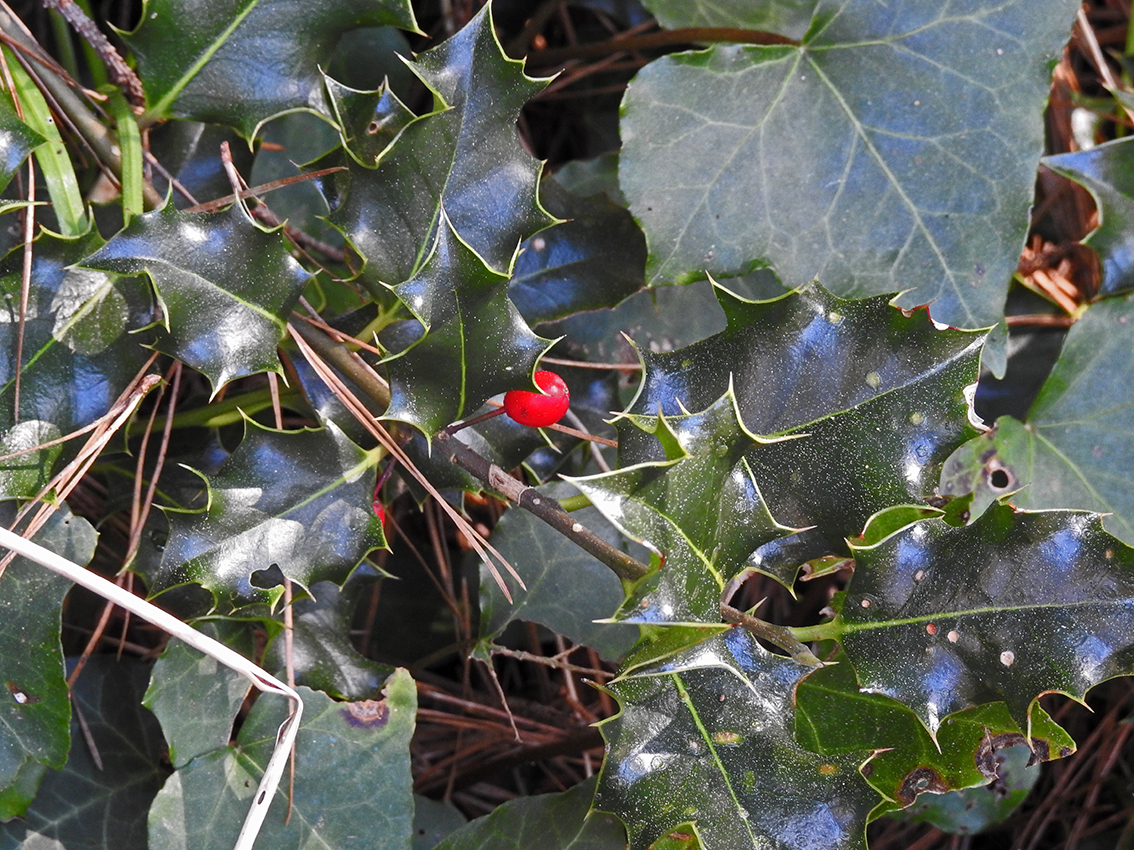
Following up on my previous post, which covered the area around the RSL Hall, on the edge of Aldgate, I am now walking the short path to Stirling. The trail follows the road and creek on one side and is heavily wooded on the other. There are numerous plants both native and introduced along the pathway including: Holly, tall pines, grevilleas, a few eucalyptus and acacia species as well as ferns and bracken.

Holly in the Hills

Grevillea species

After a fifteen-minute stroll along the pathway I reach the outskirts of Stirling. The town has an English country village feel about it with some lovely old homes and many small shops and businesses. Whenever I visit Stirling there always seems to be a welcoming committee of Little Ravens (often mistaken for Crows) in the area. Today is no exception as a group of the shiny black corvids trumpet their characteristic calls from a nearby garden.

Little Raven Stirling

I do not venture far into Stirling as it will be the subject of a later blog. I head back down the path to Aldgate. The dense vegetation, now to my right, is full of movement and the sounds of small birds in the undergrowth; probably wrens and finches. I scan the other side of the road and spot a Koala high in the branches. I take a couple of shots to demonstrate how difficult locating wildlife can be and how training your eyes to notice subtle changes and movement takes continual practice.

Koala at 100 metres

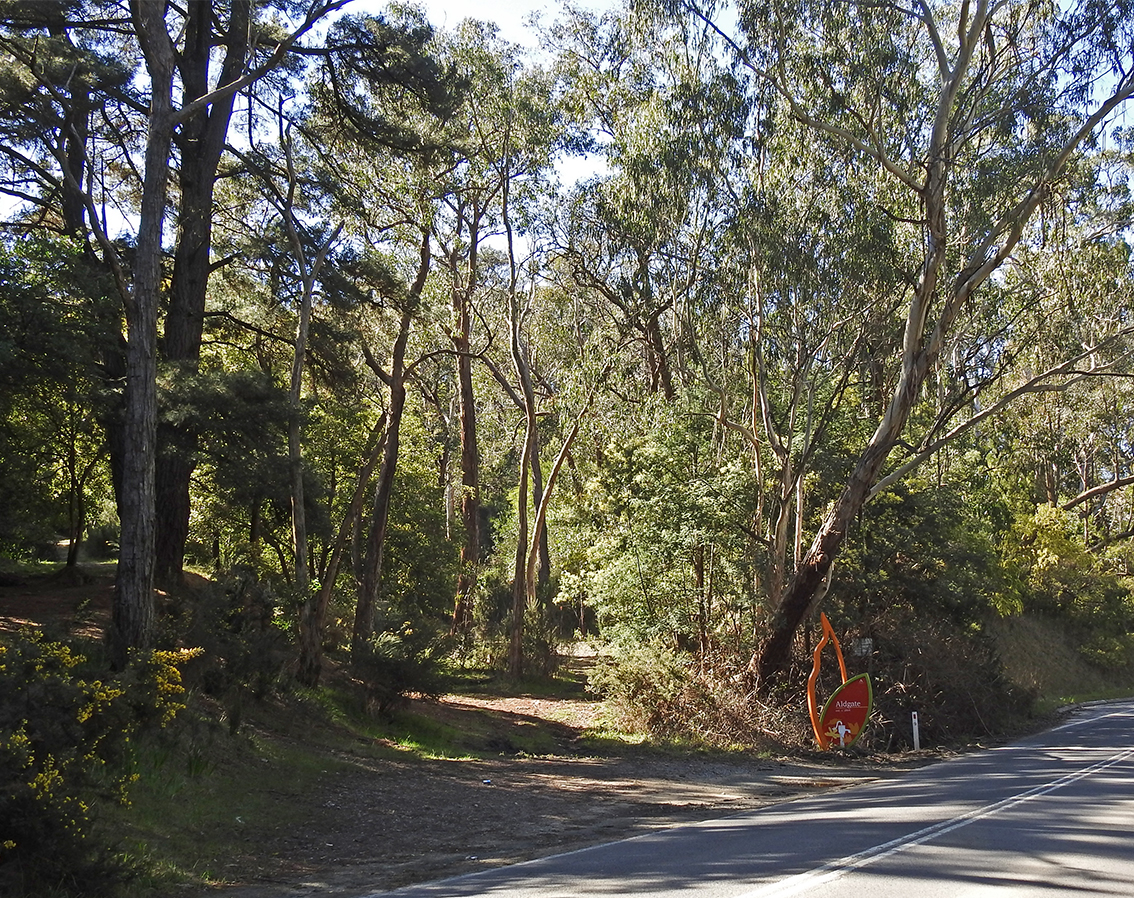
As I approach the outskirts of Aldgate I notice a track on the other side of the road near the township sign. Crossing over, I follow it a short way as it cuts along the hillside and into the scrub. This area is dominated by tall eucalypts and is a more typical hills bushland setting than the pathway.

The track near the entrance to Aldgate

Adelaide Rosella

Koala Aldgate

My detour is well worth the effort. Within a few minutes I have managed to photograph an Adelaide Rosella perched on an old, gnarled branch and a Koala at far closer range than before.

FRED……..Barista at work

FRED….Cosy place to dine

With the walk concluded I drive into Aldgate for lunch at Fred, a wonderful local eatery and another compelling reason to visit Aldgate. Over the years, I have had some wonderful meals in this iconic hills café and I’m sure today will be no exception. The only problem is one of choice with so many interesting dishes to choose from. After some serious deliberating, I end my day in Aldgate with a Croque Monsieur and a Chai Latte, selected from the ‘All Day Breakfast Menu’.    

Cheers Baz

Additional notes

This is an easy walk and drive which is quite suitable for families and seniors with public toilets, parking and other facilities nearby. It is dog friendly.

Please pass on this blog title and or contact information (URL) to any person or organisation with an interest in taking walks and enjoying wildlife in SA.

Click on these links and see more South Australian stories and pictures in my Weekend Notes articles as well as locating similar blogs on Feedspot’s top 20 Australian wildlife blogs
https://www.weekendnotes.com/adelaide/writer/452/

https://blog.feedspot.com/australian_wildlife_blogs/

Hale Conservation Park

14 Aug

Adelaide Rosella

Dear Reader:

Over the years I have made several major errors as a wildlife photographer. Perhaps the most telling has been the tendency to see a shot at the beginning of a field trip and not take it as I believe there will be a better one later. Not this time! As I climb out of the SUV I notice a pair of Adelaide Rosellas flying into a gum tree about a hundred metres away. I steady my camera against the vehicle and fire off a couple of frames. And yes; they were the only Rosellas I came close to photographing for the rest of the day.

Trailhead

Typical section of the trail showing some fire damage

I am walking the loop trail in the Hale Conservation Park a few kilometres out of Williamstown on Warren Road which leads to Gumeracha. It is a lovely, compact park with a small parking area and a well-defined track with information panels at the head of the trail.

Flame Heath with Goodenia flower growing through

Cryptandra species

The path climbs gently with generous views of the surrounding rural landscape. There is evidence of fire damage in some areas and significant regrowth; especially the Blue Gums. Although it is winter there are still numerous flowering plants along the trail including Flame Heath and Prickly Cryptandra bushes with Goodenia flowers growing through them.

Clever hands

I continually scan both trees and bushes for birdlife, possums and Koalas. On a level section, which gives me an excellent view of trees growing below me on the hillside, I spot a large Koala in the forked branches of a eucalypt. Its grip on the tree provides an excellent example of the prehensile nature of the marsupial’s ‘opposable thumb grip’-a feature more common in primates.

Scarlet Robin and New Holland Honeyeater (ID images only)

Red-browed Finch (ID image only)

With rain clouds gathering, I decide to backtrack rather than continue along the loop trail. Near the parking area there is a noticeable population of smaller birds which are hard to photograph as they flit between branches and leaves. I decide to take a sit and wait approach and capture some images for identification purposes. My results are far from ideal but they do give a true sense of the difficulty inherent in acquiring good clear shots in a natural environment where animals are wary. Nevertheless, I have included my attempts in this post.

Spotted Ctenotus

When I explore a new area I try to find and photograph animals from as many groups or classifications as possible. In the cooler months, cold blooded animals such as invertebrates and reptiles are the most difficult to locate. It is always worth turning over a rocks and dead tree branches or peering under bark to find animals that might take shelter there, (always replace the item or make sure the animal can move back to a safe place). Today, I find a Spotted Ctenotus; a small, stripy, long-tailed skink, hiding under a rock on a north facing incline.

Mouse Spider (Credit Andrew Fitzner)

One of the best things about exploring our parks is encountering like-minded people and today’s walk is no exception. I meet a couple who passed me on the trail earlier and we chat about what we have seen. They show me a picture of a Mouse Spider spotted on the trail and photographed with an I Phone.

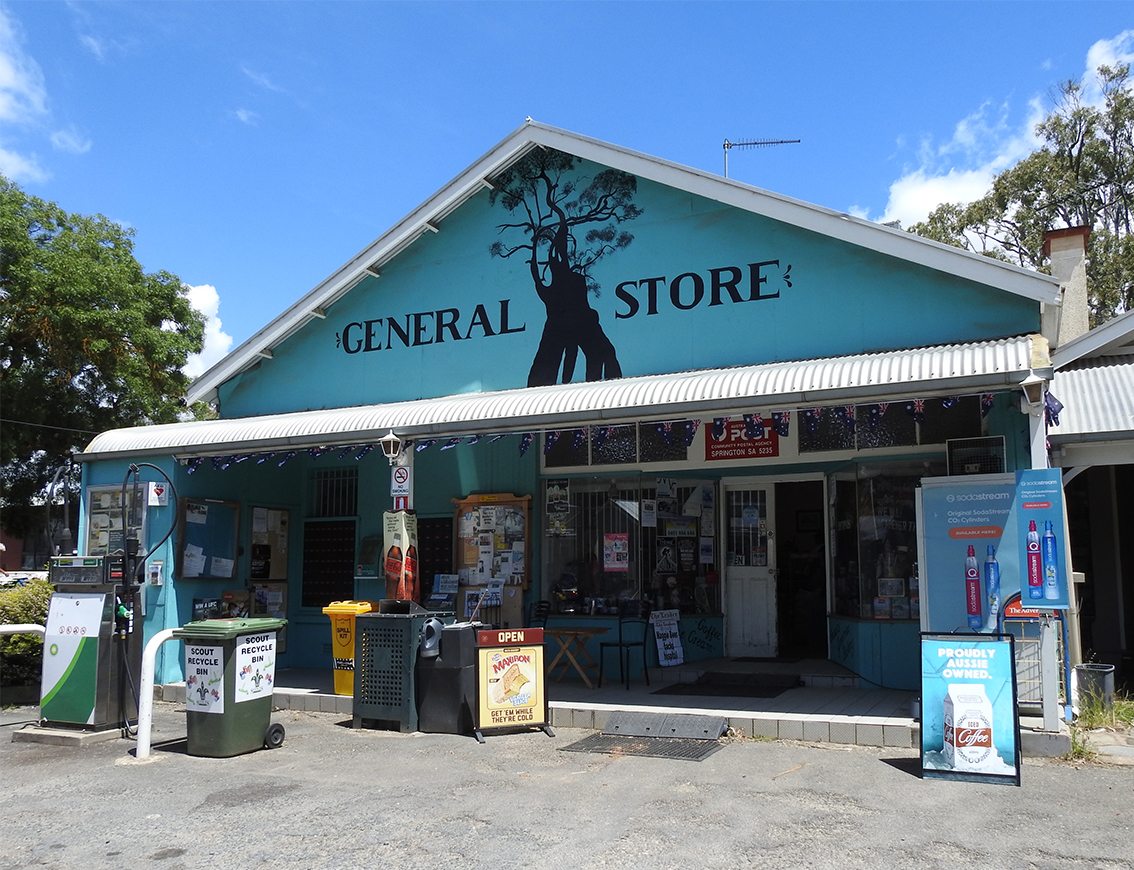
My walk completed, including a promise to myself to return in the spring, I drive back to Williamstown and the local bakery to treat myself to a chai latte and one of the best custard tarts I have eaten in ages.  

Cheers

Baz

Additional notes

This is a moderately steep walk with a small parking bay. It is not dog friendly.

Please pass on this blog title and or contact information (URL) to any person or organisation with an interest in taking walks and enjoying wildlife in SA.

Click on these links and see more South Australian stories and pictures in my Weekend Notes articles as well as locating similar blogs on Feedspot’s top 20 Australian wildlife blogs
https://www.weekendnotes.com/adelaide/writer/452/

https://blog.feedspot.com/australian_wildlife_blogs/

Gorge Wildlife Park

20 Jun

Dear Reader:

Capturing images in the wild is one of the most exhilarating challenges a photographer faces. Each image evokes poignant memories of the location and circumstances under which it was shot. However, there is also a place for pictures taken in zoos and wildlife parks.

Wedge-tailed Eagle

At the Gorge Wildlife Park, one can get close enough to discern the fine details of animal structure and physiology such as the split grooming claws of a kangaroo or the scale patterns of a venomous snake. And of course, there are the fascinating interactions of people and animals. Each of the following images was added to my collection to emphasise these and other characteristics of our unique Australian wildlife.

Koalas are usually high in the branches of a gum tree. Being able to photograph one so close enables me to see the shading of fur as well as ear and eye structure.

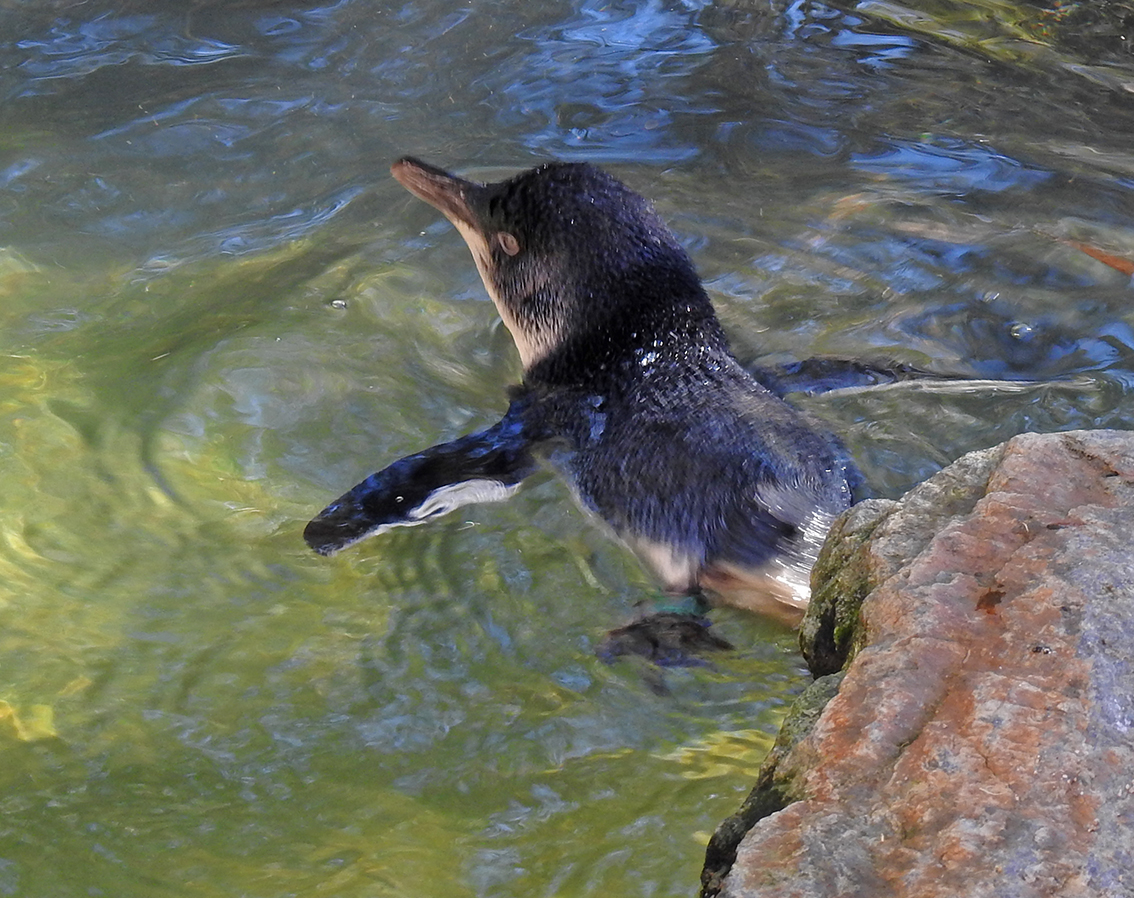
The bullet shaped body, nictating eye membrane and position of the webbed feet and wings are obvious as this Little Blue or Fairy Penguin enters the water.

The tongue, beak structure and use of the feet when eating are well illustrated in this image of a Little Corella.

Getting close enough to a Dingo and her pups in the wild would be nearly impossible without specialist equipment, outback guides and a great deal of time to spend on the project.

Quinn feeds a female Red Kangaroo with a joey in its pouch. A picture which tells so many stories.

I have only encountered two Death Adders in all my years observing wild animals in the bush.

Bad hair (feathers), a wild gleam in the eye and a mouth full of greens….one of my favourite Emu images taken in a wildlife park.

I hope you have enjoyed these images from The Gorge Wildlife Park and they encourage you to visit this extraordinary facility and see what kind of images you can capture.

Cheers

BAZ    

Additional notes

This is an easy walk and drive which is quite suitable for families and seniors.

Please pass on this blog title and or contact information (URL) to any person or organisation with an interest in taking walks and enjoying wildlife in SA.

All images using a Nikon P900

Click on the links below to see more South Australian stories and pictures in my Weekend Notes articles as well as locating similar blogs on Feedspot’s top 20 Australian wildlife blogs
https://www.weekendnotes.com/profile/651267/

https://blog.feedspot.com/australian_wildlife_blogs/

Scott Creek Wildlife and History

27 Oct

Dear Reader:

The old cottage has stood sentinel by the Scott Creek Road from the late 1830s. Despite some graffiti, scourge of a modern era, it bears witness to bygone days of hardship and toil. Today a pair of magpies is foraging amongst the overgrown garden and swallows are nesting in the stonework.

Old cottage with lilies in foreground

 The Scott Creek Conservation Park is just 30 kms from Adelaide: a lovely drive along winding hills roads surrounded by scrub and rural properties. It is a haven for a vast number of animals including grey kangaroos, koalas, numerous reptiles and around 150 bird species and that is without considering the insects and spiders. More than enough to delight any photographer. Add an old mine site to this biological diversity and you have the perfect place for a day’s outing exploring some classic South Aussie bushland with a little history thrown in.

Walking trail and bushland

The creek passes under an old bridge. It is overgrown with reeds and bushes with just a trickle of water visible from the banks. Superb blue wrens are darting around in the undergrowth, the males in bright mating plumage are displaying to the duller coloured females. I walk along a fallen tree that spans the creek to get a better vantage point. From my perch I spot an eastern water skink basking on a long dead branch. The little reptile is waiting to pounce on insects, spiders and even smaller lizards.

Eastern water skink

A gravel and dirt path leads up to an old copper and silver mining site. Interpretive signs make for interesting reading about our state’s early mining history and an old abandoned plough adds a certain agricultural touch to the walk.

Old machinery

Numerous parrot species are common throughout the park and a pair of rainbow lorikeets watches me as I walk beneath the massive red gum they are using as a perch. High above I notice the unmistakable slow wing beat of yellow tailed black cockatoos. And the characteristic chiming call of Adelaide rosellas accompanies me while I stroll around the mine site looking for lizards and insects that might use the ruins as a home.

Rainbow lorikeets

 Before climbing into the car for the drive home I take one last look into the higher branches of the trees surrounding the creek. I am rewarded by solitary koala watching me intently from a fork in the trunk. A nice farewell from this lovely patch of South Australian bushland.

Koala climbing

Cheers

Baz

Additional notes

This is an easy drive which is quite suitable for families and seniors.

 I have recently spent time in Africa and the link below will allow you to enjoy images and text describing some of my encounters with the wonderful wildlife of Botswana and Zambia. I will attach a new image and notes to accompany each post.

https://wildlifemomentssa.blogspot.com

Brownhill Creek’s Koalas and Bird Life

22 Jan

Dear Reader:

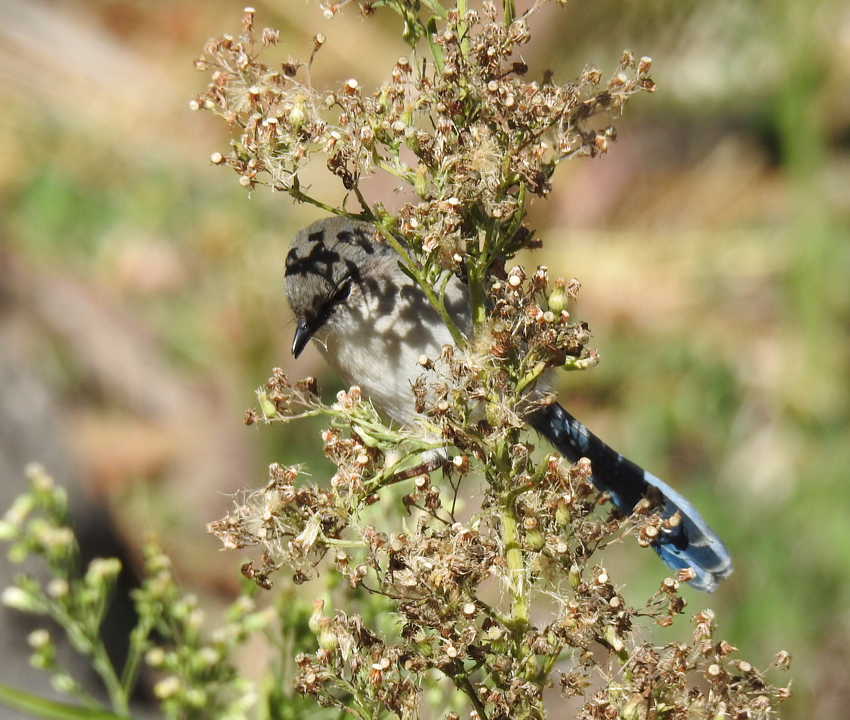
The scrub is quite thick along the river bank and I can hear the movements of small animals against the background sigh of the wind through the towering eucalypts. Lizards, perhaps small mammals but more likely wrens, finches and other little birds are foraging in the undergrowth. Finally, a diminutive female blue wren emerges from the cover to search for seeds in a clearing. The opportunity to take a quick shot is momentary.


Female blue wren

Common garden skink


Brownhill Creek is one of several waterways that drain the south eastern aspect of the Mount Lofty Ranges. It has shallow pools that retain water in the hotter months and flows freely in the cooler ones. There is thick undergrowth along the creek bed that ranges into open scrubland on the surrounding hillsides. A paved road follows the creek eastward with numerous sidings that enable access to the water along narrow dirt tracks.


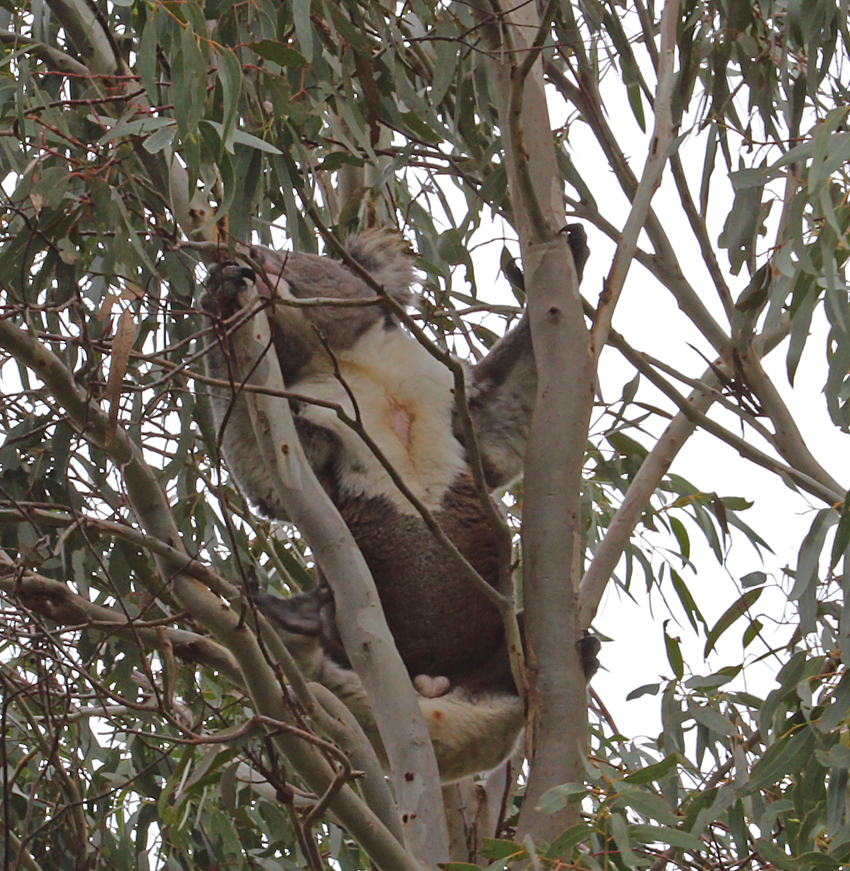
koala


I stop in one of the lay-bys where there is a significant clearing surrounded by several eucalypts. Using the long lens I scan the forks in the canopy for koalas. The bear-like marsupials eat a range of gum leaves and these trees look to be one of the preferred species. Luck is with me as I spot a large male using its double-thumbed prehensile grip to move along a branch.

Silvereye


Adelaide rosella

Ravens


Further along the road a small bridge crosses the creek and there is a large stand of eucalyptus and evergreen trees spreading both limbs and branches across the creek. A wide variety of birds are feeding on blossoms, fruit and insects. I manage to photograph silver-eyes, Adelaide rosellas and a pair of raucous ravens.

Laughing kookaburra


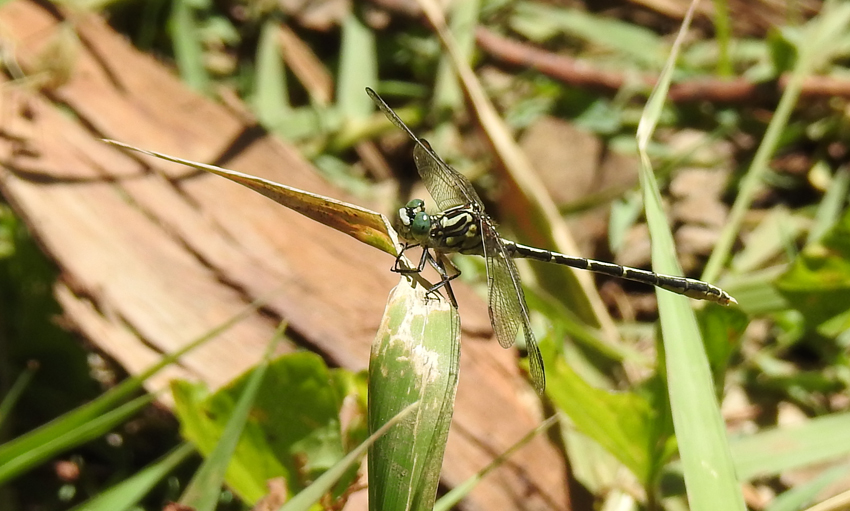
Dragonfly species


My drive along Brownhill creek has been quite exceptional and I decide to make one last foray down to the creek near the caravan park.  I can hear a kookaburra calling and some flowering plants along the creek seem to be attracting both butterflies and dragonflies. With a little luck I might just capture a few more images to complete my creek-side safari.


Cheers

Baz


Additional notes

This is an easy drive but the tracks along the creek are more difficult.

 I have recently spent time in Africa and the link below will allow you to enjoy images and text describing some of my encounters with the wonderful wildlife of Botswana and Zambia. I will attach a new image and notes to accompany each post. The link does not work well on mobile phones and is best followed through a computer or tablet.

https://silkstone627.wixsite.com/mysite

Cudlee Creek’s Winter Wildlife

1 Sep

Dear Reader:

It is early morning and the sky is still a little grey as it sheds the last of the morning mist. A steep path winds down to the riverside and it too is slippery from the moisture in the air. Small birds are flitting between the trees, moving too fast to recognise but an occasional call suggests they are honeyeaters and wrens. Eventually the ground levels off and I am able to walk comfortably amongst a stand of gums that border the water. To my surprise I find a large koala in the one of the smaller saplings doing its best to reach the tender leaves at the top of the tree.


Koala feeding


The road from the Cudlee Creek Bridge past the Kangaroo Creek Dam and back to Adelaide winds along the banks of the Torrens for the first few kilometres. There are a few narrow lay-bys where you can access the water and the enveloping scrub. Steep hillsides and sandstone cliffs make this an attractive but arduous place to search for wildlife but one worth the effort as a variety of birds, grey kangaroos, water rats and turtles; to mention but a few species; make the Torrens Gorge home.


River, cliff and road


Closer to the Bridge and Cudlee Creek store I park along a track and make my way down to the long pool at the foot of a hillside. A pair of rosellas is chattering in the trees above me and an expectant kookaburra is waiting above the water on an overhanging branch. But it is the little fairy wrens that intrigue me. One bird sits cautiously on a large rock near some straggly plants that have gone to seed. It seems aware of me but the lure of a nutritious lunch seems to outweigh caution. I watch it feed for a few minutes before the lorikeets issue a warning call and it flits back into the undergrowth.


Blue wren near water


Blue wren feeding


My final stop is the little store ‘come restaurant and gas station’ for a bite to eat but not before I walk across the adjacent bridge to see if I can spot some birds or even a possum in the foliage of several eucalypts that reach up from the river. Though it is winter and insects are a rarity it is a beautiful monarch butterfly that provides my parting shot and a reminder to return in the warmer weather.

Historic Cudlee Creek Bridge


Monarch on eucalyptus leaves

Cheers

Baz

Additional notes

Exploring the riverbank can be quite difficult but driving and simply stopping at the lay-bys between Cudlee Creek and Kangaroo Creek dam is a pleasant drive.

 I have recently spent time in Africa and the link below will allow you to enjoy images and short texts describing some of my encounters with the wonderful wildlife of Botswana and Zambia. I will add a new image and caption to accompany each post.

https://silkstone627.wixsite.com/mysite

Hills Face Koalas

1 Jun

Hills face Koalas

 Dear Reader:

I drive up the gravel track to a parking lot surrounded by massive eucalypts where several narrow trails lead up the bush-clad hillsides. Wanderer butterflies are feeding on the blossoms of several small groundcovers and a kookaburra is serenading us from somewhere in the deeper recesses of the scrub. But it is a lone koala that grabs my attention as it stretches full length along a tree limb.


Today is koala day. The sun is out and I am going to drive along the hill’s face to some of my favourite destinations and look for these fascinating marsupials, while trying to capture some images that demonstrate their lifestyle. My first encounter is at Anstey’s Hill Reserve in Tea Tree Gully where I have often seen koalas along the various trails that wind through the area.


From Anstey’s I drive to Morialta Falls Park. Koalas are often spotted along the road to the central gathering area where the walking trails start. And, as if on cue, I notice an animal nestled in the branches of gum tree growing across the creek. Unlike my first sighting this one is climbing, quite vigorously-for a koala- into the higher branches and is not in the mood to be photographed. Koalas are generally slow moving, laid back animals as the nutritional value of the leaves they eat is low and energy expenditure must be carefully rationed.


The Mount Osmond walking trails in Burnside are another of my favourite koala haunts. I am not disappointed and manage to spot half a dozen koalas in the trees alongside the path that leads to an old quarry. But it is a lone animal that continues my ongoing koala narrative as it walks on all fours between the trees. It is rare to see them walking on the ground as it is here that they are most vulnerable.


In Mitcham, the road that follows Brownhill creek has numerous lay-bys and koalas are often observed in this area. And my final shot of a koala demonstrating its perfectly adapted hand with two opposable thumbs for climbing and grasping leaves is a fitting way to end my observations of these uniquely Australian animals.

 Cheers

Baz