Tag Archives: South Australia

Monarto Conservation Park….Wildlife and Wildflowers

24 Oct

Dear Reader:

A small group of medium sized, black, birds are foraging near the track which leads deeper into the Monarto Conservation Park. I zoom in on them using the full range of the Sony lens. Bright red eyes and white flashes on the wings identify them as White-winged Choughs.
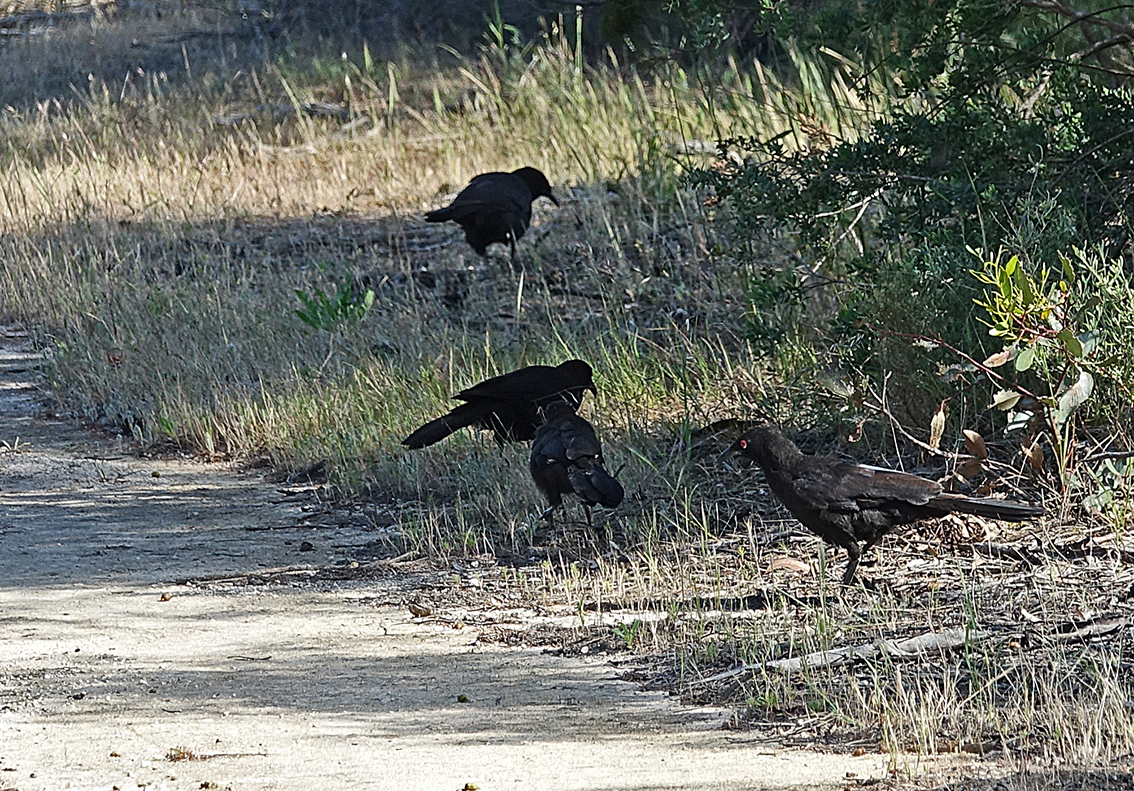
White-winged Choughs
Park entrance

As I walk further into the park, it is hard not to notice the variety of flowering shrubs and wildflowers blooming in the understory. The blossoms are supporting a wide variety of wildlife including: native bees, honeyeaters, lizards and possums.

Erect Guinea-flower
Fringe Myrtle
White-browed Babbler

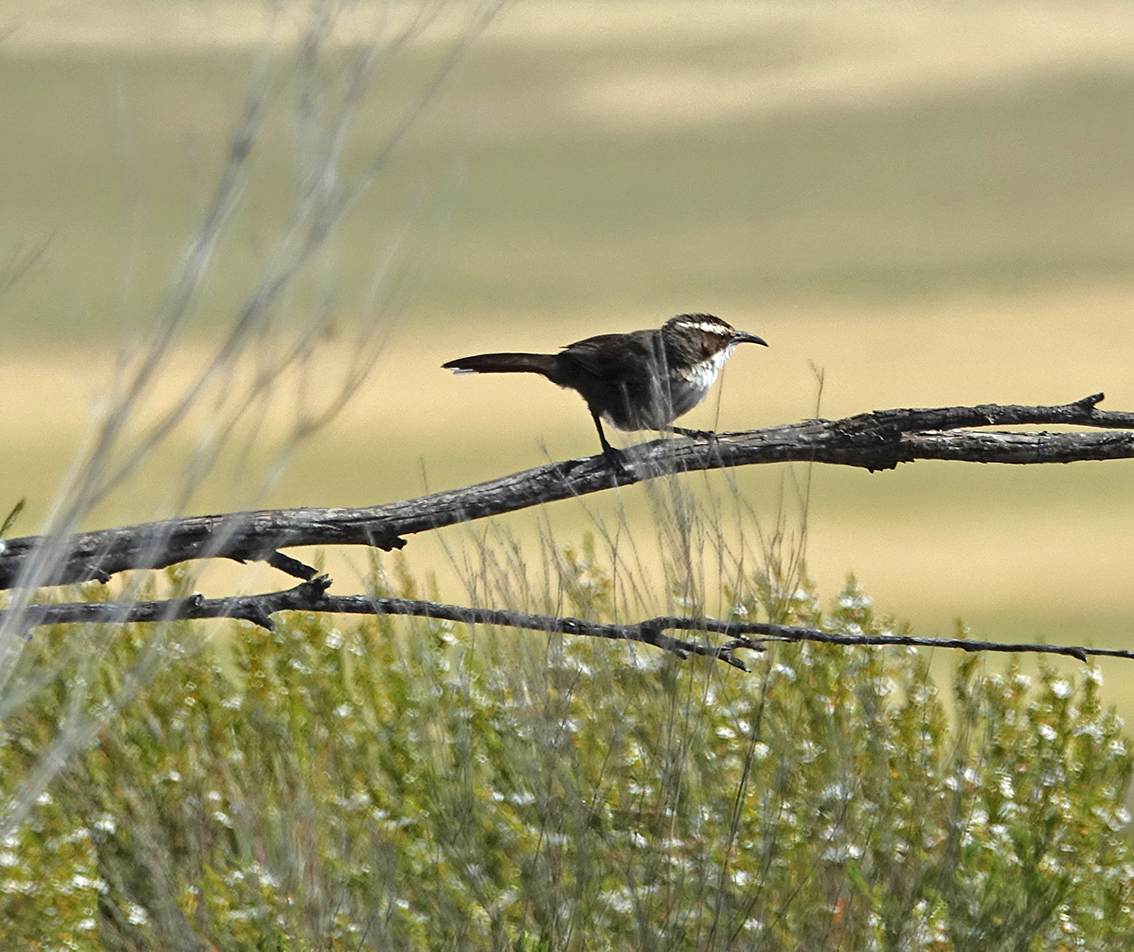
The birds in this area seem to be quite wary. I find myself shooting at long range and having to use a ‘sit quietly and wait’ approach. My first reasonable result is an image of a White-browed Babbler perched on a branch; a species not often seen around the Adelaide area.

Red Wattlebird
Thornbill species

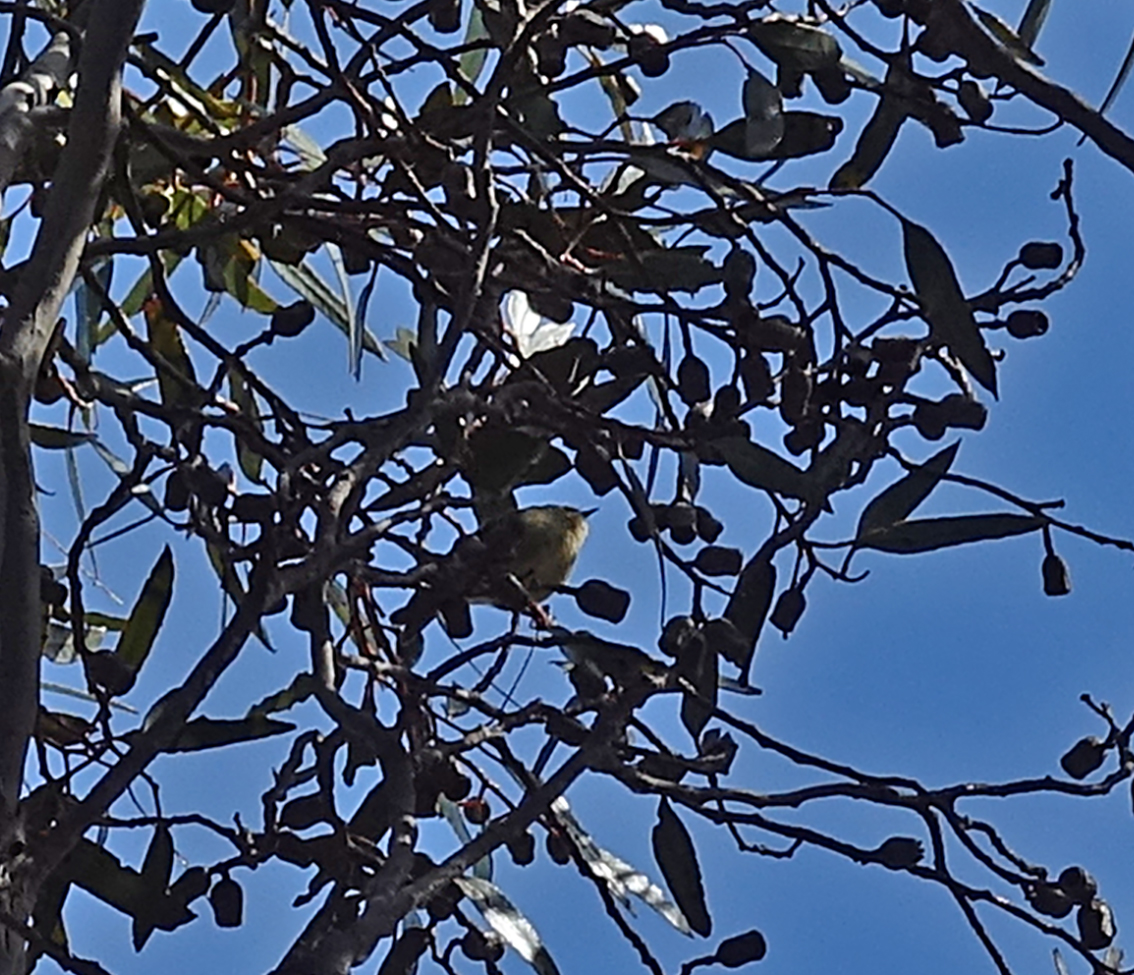
There are eucalyptus blossoms high in the canopy and with a little careful stalking and patience I photograph a Red Wattlebird as well as the outline and faint detail of a Thornbill; both perched amongst the leaves.

White-tipped Brown Bee Fly

I am unable to spot any reptiles so I try to diversify my day’s captures by searching for some unusual insects. Flies, mosquitoes, hoverflies and some wasps are abundant. However, it is a rather unusual White-tipped Brown Bee Fly that catches my eye as it lands on a sandy clearing amongst the matt of twigs and leaves.

Native Pine and Eucalypt trees
Emerging Everlasting Daisy flower

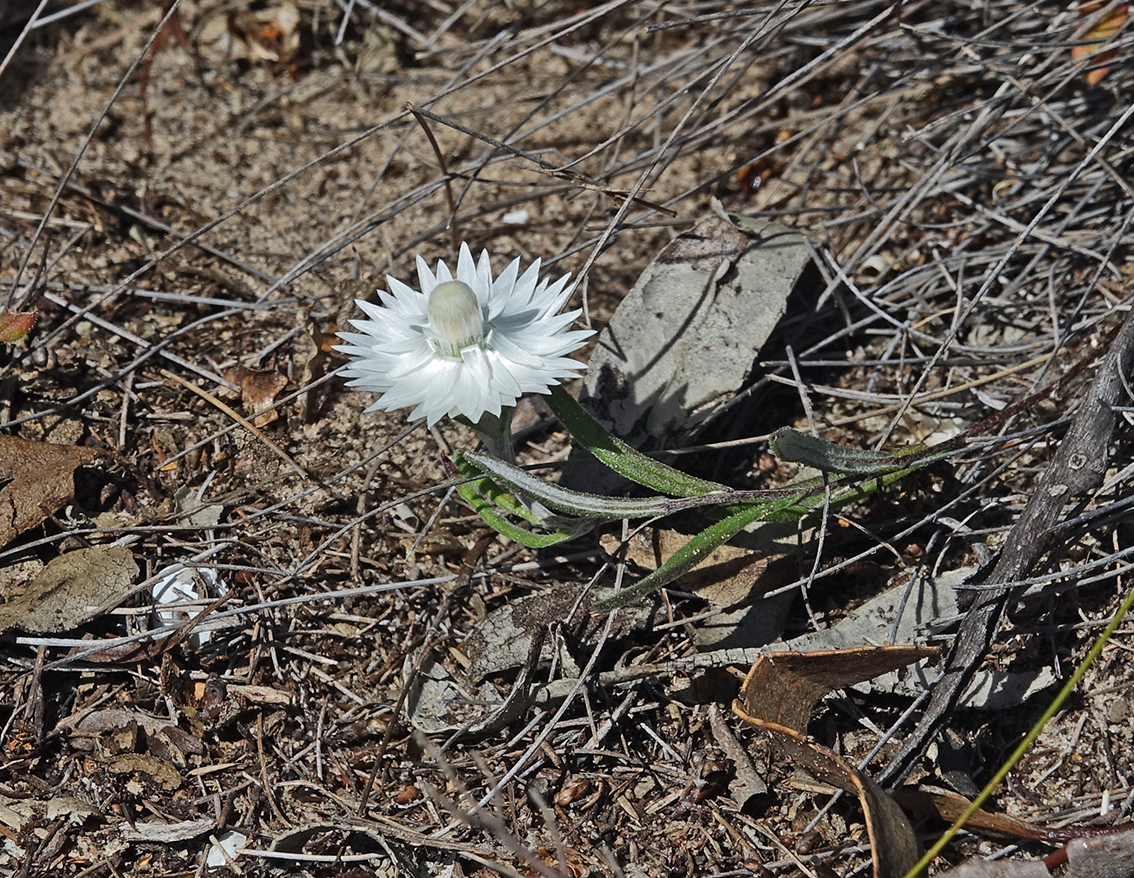
My walk is almost over. I stroll down a wide track of Mallee and Native Pine searching for one last image. I’m hoping for a roo or some interesting stock in the adjacent paddocks. However, it is a strange domed flower head set amongst a collar of sharp white petals that intrigues me. Later, at home, I identify it as an Everlasting Daisy, with its central yellow mass of disc flowers about to be unravelled.     

Cheers

Baz

Additional notes

Other animals seen, heard but not photographed: Sulphur-crested Cockatoo, Striated Pardalote

The camera used for this post is a Sony RX10 Mark 3

This is an easy walk and drive which is quite suitable for families and seniors.

Please pass on this blog title and or contact information (URL) to any person or organisation with an interest in taking walks and enjoying wildlife in SA.

Click on these links and see more South Australian stories and pictures in my Weekend Notes articles as well as locating similar blogs on Feedspot’s top 20 Australian wildlife blogs
https://www.weekendnotes.com/adelaide/writer/452/

https://blog.feedspot.com/australian_wildlife_blogs/

One Tree Hill Road Roundabout to Kersbrook Part 1

20 Sep

Dear Reader

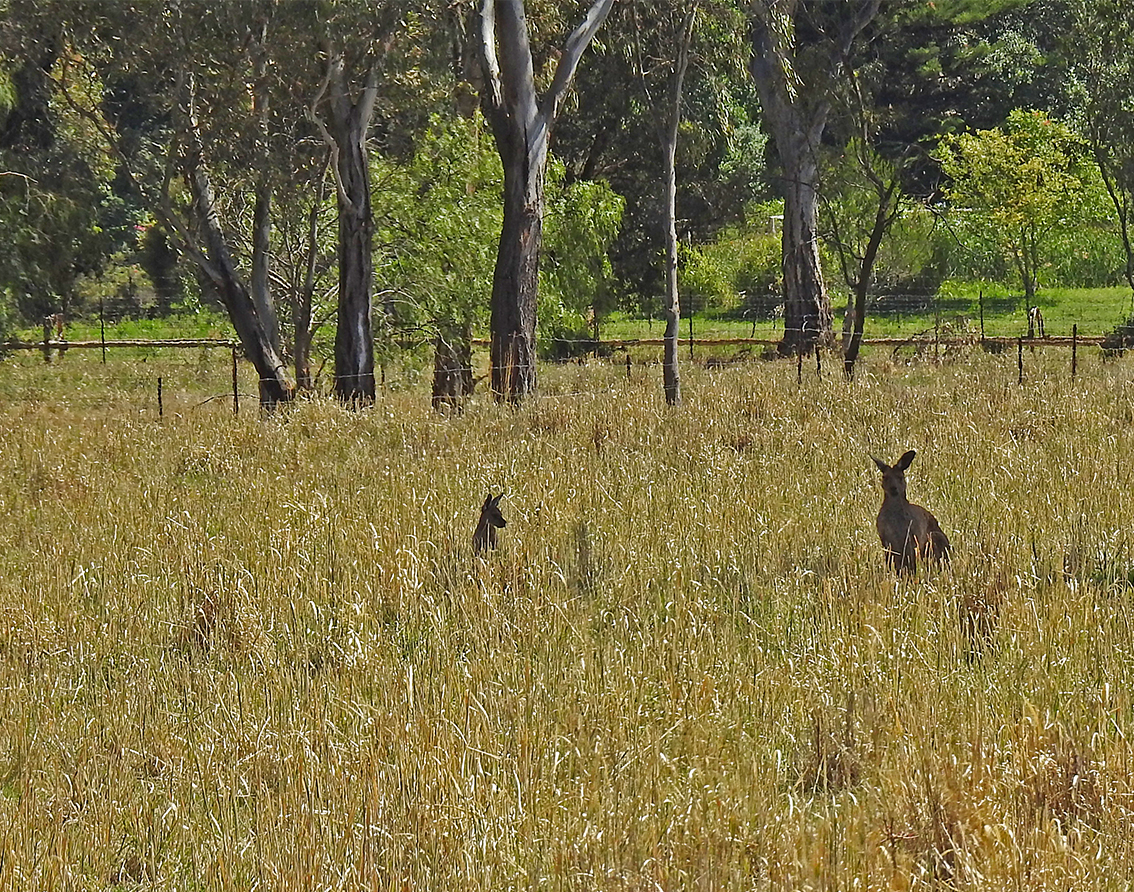
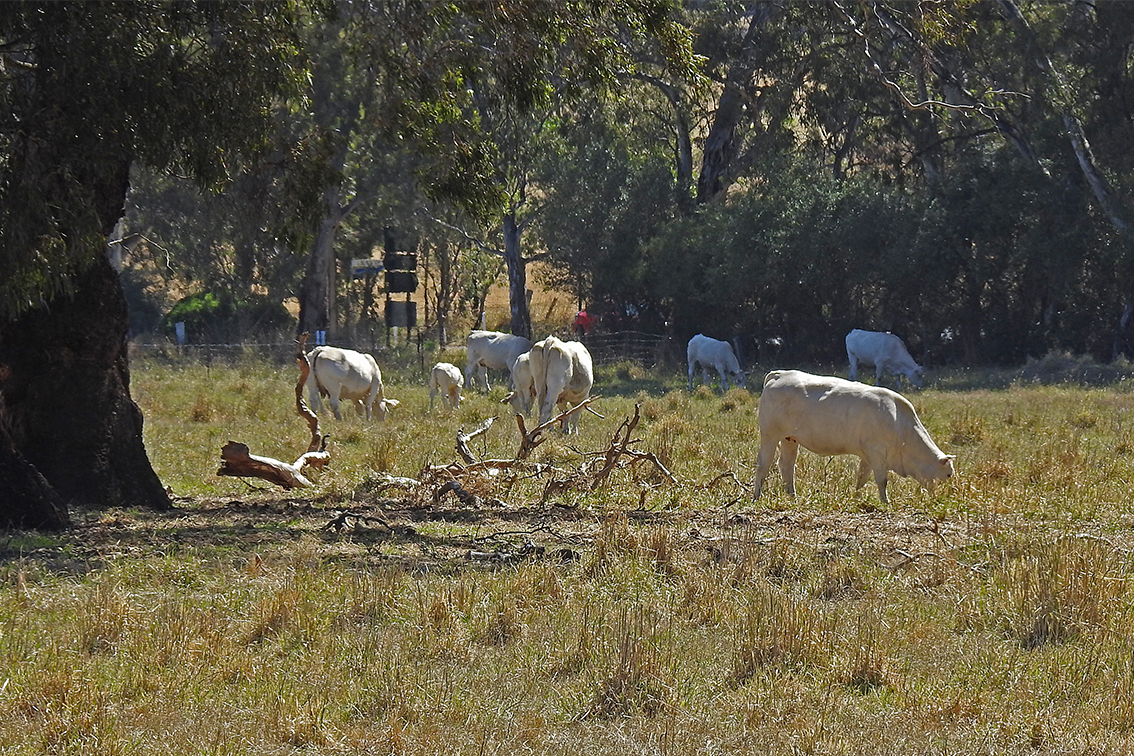
After leaving the One Tree Hill Road roundabout for Kersbrook Road, I expect to drive a few kilometres before making my first roadside stop. Two Western Grey Kangaroos and a small herd of cattle put pay to that plan as they appear a mere hundred metres from my starting point.

Western Grey kangaroo and joey amongst the tall grasses
Murray Grey Cattle

Leaving the roos and cattle behind I start to climb the winding road towards Kersbrook stopping at a convenient roadside layby after 2.3Kms.

Roadside scrub

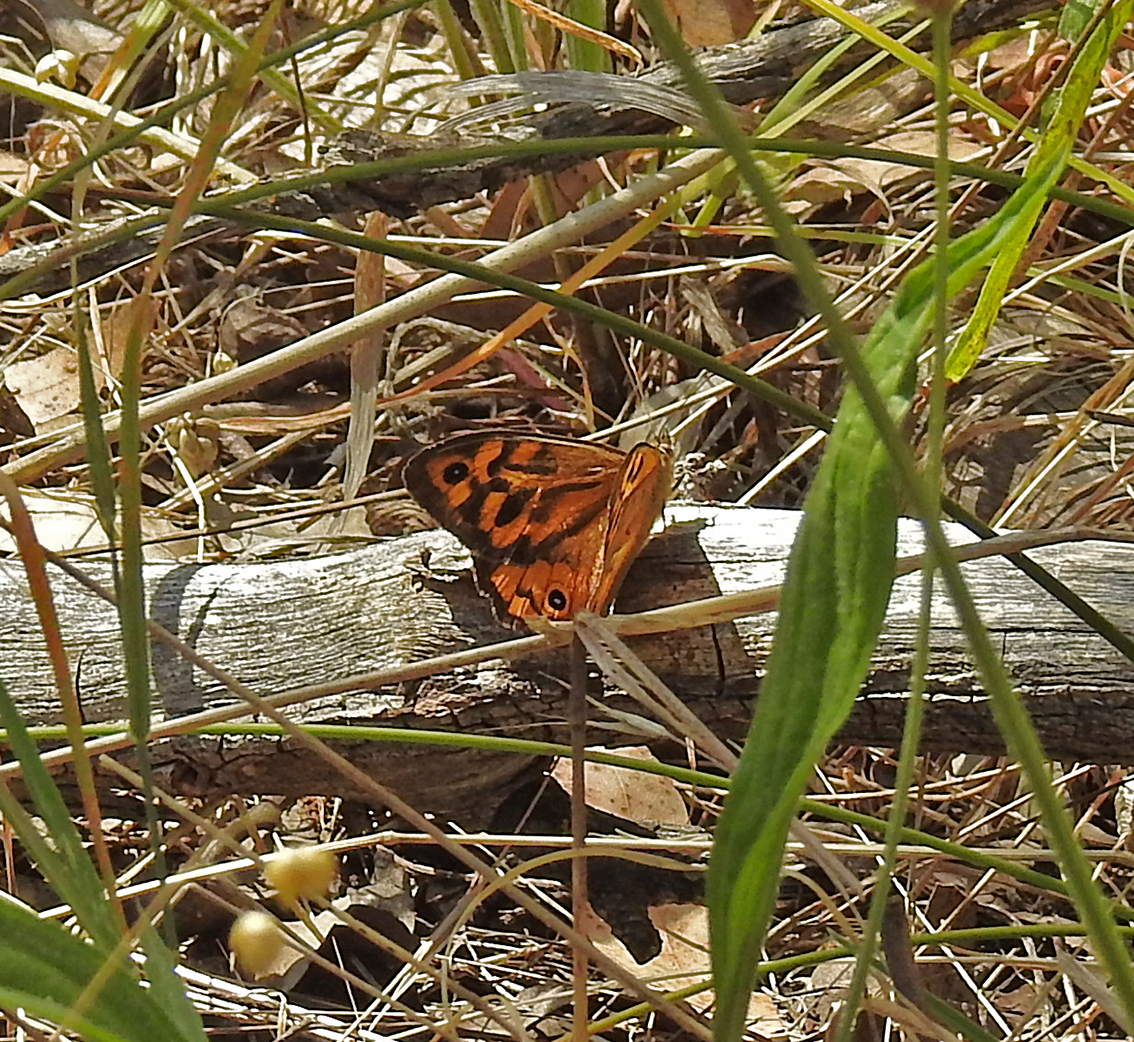
After clambering over an old fence, I catch a brief glimpse of a Grey Fantail and some small parrots in the thick scrub which makes them impossible to photograph. Luckily, a decorative, Common Brown Butterfly settles on a fallen branch providing a nice image.

Common Brown Butterfly

I fossick around in the undergrowth moving fallen branches and bark and unearth a Piedish Beetle and a large Garden Centipede. It seems that invertebrates might be the flavour of the day.

Piedish Beetle
Garden Centipede species

At the 3.7 Km mark Karwin Road leads off to the left with a sign for Minya Sanctuary. I park on the corner where there’s a small patch of scrub and a panoramic view of open farmland as well as an earthen dam for sheep and cattle.

Local dam for stock

Following a small path through Sheoak sapplings, I am lucky enough to encounter Honeybees feeding on Scabia flowers as well as a native Blue-banded Bee and a Mud-dauber Wasp.

Blue-banded Bee
Common Honey Bee

Although I have only covered around 4kms of the 11Km drive to Kersbrook it has been a revealing and fascinating look at this part of the foothills and I am sure that the next 7kms will be equally enthralling.

Mud-dauber Wasp

Cheers

Baz

Additional notes

Other animals seen, heard but not photographed: Mistletoe Bird

The camera used for this post is a Nikon Coolpix P900

This is an easy drive which is quite suitable for families and seniors.

Please pass on this blog title and or contact information (URL) to any person or organisation with an interest in taking walks and enjoying wildlife in SA.

Click on these links and see more South Australian stories and pictures in my Weekend Notes articles as well as locating similar blogs on Feedspot’s top 20 Australian wildlife blogs

https://www.weekendnotes.com/adelaide/writer/452/

https://blog.feedspot.com/australian_wildlife_blogs/

Goannas, Shinglebacks and Ringnecks at the Ferries McDonald Conservation Park

30 Oct

Dear Reader:

Two Mallee Ringneck Parrots are perched high in a spindly eucalypt. Bracing the camera against a tree, I focus on the nearer bird to better illustrate its glorious colours.

Malle Ringneck Parrot

First sighting of Parrots

The Ferries McDonald Conservation Park is in the Monarto area about an hour’s drive from Adelaide’s CBD. It is a ‘dryland’ park dominated by Mallee trees and typical of the area before European settlement.

David entering the park

In the spring there is an abundance of blossoming shrubs and understory wildflowers, including numerous orchid species.

Eremophila Species

Peaflower species


We move along the narrow track slowly and listen carefully for a tell-tale rustle in the undergrowth or bird call. It is the former that announces my next encounter as a Shingleback Lizard heads for cover, abandoning the open, sunny area where it is basking.

Shingleback in cover

I’d prefer not to have my photograph taken

The occasional raptor, and small groups of cockatoos fly overhead. However, it is a diminutive, female Spotted Spotted Pardalote that catches my eye.

Spotted Pardalote

During the next hour of gentle walking we encounter a lone Western Grey Kangaroo near a fence-line which separates the park from nearby pastureland and numerous bird species. Most are tiny birds such as Silvereyes and honeyeater species which are feeding high in the canopy. In addition, there are Little Ravens, wattlebird species and Black-faced Cuckoo Shrikes in the area.

Western Grey with joey

The day is quite warm and the trek has taken a couple of hours which includes numerous stops to stand, watch and listen for wildlife. It is time for a leisurely drive home while still scanning for wildlife as we negotiate the initial section of unsealed road. However, it is a very rare sighting of a monitor lizard crossing the sealed road that really excites us.

Goannna crossing the road

I slow the car and cut the engine, gliding to a stop where the Goanna (the general term for all Australian monitors) pauses on a slight embankment. I power the windows down and we manage a few close ups before the lizard heads back into the scrub. An extraordinary way to round off our day.

Sand Goanna or Sand Monitor

Cheers

Baz

Additional notes

The camera used for this post is a Nikon P900

This is an easy walk/drive which is quite suitable for families and seniors. 

Please pass on this blog title and or contact information (URL) to any person or organisation with an interest in taking walks and enjoying wildlife in SA.

Click on these links and see more South Australian stories and pictures in my Weekend Notes articles as well as locating similar blogs on Feedspot’s top 20 Australian wildlife blogs
Warren Reservoir…drained for maintenance

14 Jul

Dear Reader:

From Tea Tree Gully, the road climbs into the foothills then snakes past Chain of Ponds Reservoir before it forks to the left towards Williamstown. Just before the town there are often mobs of Western Grey Kangaroos on the hillside to the right. Today, I spot a small group on the opposite side near a layby where I can safely pull off the road to take a few photographs.

Western Grey Kangaroos near Williamstown

I am exploring the Northern section of the Warren Reservoir which is around 10 kms past Williamstown towards Gumeracha on the Warren Road. The sky is a little overcast with a hint of rain in the air which makes photography challenging but in the winter months one takes any opportunity on offer to venture out into the bush. This is my second visit to the Warren and of particular interest because the reservoir has been emptied for dam wall maintenance and comparing it to my last visit, when it was full, is a rare opportunity.

Reservoir full

Reservoir drained and with some improvements to the public car park area

Usually there are numerous duck species as well as cormorants, Australian Pelicans and Anhingas (Snakebirds) around the edge of the reservoir. Today there is just a solitary Pacific Black Duck paddling along a narrow channel. Way off to the north, I can just make out a pair of kites catching thermals above the surrounding scrub.

Anhinga

Grey Fantail

However, all is not lost. For some reason the number of smaller birds seems to have increased around the periphery of the reservoir. Using the full extension of my Nikon P900 Camera lens, I am able to spot Silvereyes, Superb Fairy Wrens, a thornbill species, Grey Fantails and New Holland honeyeaters. Perhaps a lack of predatory species could account for this or maybe there are insects among the leaves and on the smaller branches.

Adelaide Rosella

I finish my loop walk back at the car parking area where a pair of Adelaide Rosellas are feeding on the ground. They are some distance away and as I approach all but one fly into the canopy. The lone bird perches on a wiry grass stem where it appears to be picking out seeds. I take a shot from distance just before it flies off disturbed by a couple of Little Ravens flying into a nearby eucalypt.

Australian Magpie foraging on reservoir floor

It has been a relatively productive morning’s work and I pack up my gear and head back towards Williamstown and lunch at the local bakery which, by the way, makes one of the best custard tarts I have tasted in a long time.

Snack time

Cheers

Baz

Additional notes

This is an easy walk and drive which is quite suitable for families and seniors with public toilets, barbecues, parking and information boards nearby.

Please pass on this blog title and or contact information (URL) to any person or organisation with an interest in taking walks and enjoying wildlife in SA.

Click on the links below to see more South Australian stories and pictures in my Weekend Notes articles as well as locating similar blogs on Feedspot’s top 20 Australian wildlife blogs

Weekend Notes

Feedspots top 20 Wildlife Blogs


Goolwa Barrage (1)…Seals, Kites and Pelicans

18 Feb

Seals, Kites and Pelicans

Australian Pelican

Dear Reader:

As I approach the barrage, which separates the fresh water flowing down the Murray from the salt water of the Coorong, I notice quite a lot of bird activity. Pelicans are flying low in the sky and there are both Ravens and Mudlarks scavenging along the rocky banks.


Mudlark or Murray Magpie


Little Raven

The Goolwa barrage is a ten minute drive from the town of Goolwa around 80 kms south of Adelaide. It is the last of a series of locks and barrages that control the flow of the Murray River along its entire length. They were originally intended to make the river more navigable for the elegant paddle steamers that once plied these waters carrying essential goods. Information about them is provided along the path leading from the car park to the  barrage. 


Information

Walkway to barrage

A row of statuesque Norfolk Pines lines the roadway to the barrage and I scan them for more birds. Sometimes I have seen kestrels and hawks perched in the uppermost branches but today I am surprised by an even larger raptor; a Whistling Kite. It seems that food must be plentiful with so many predatory bird species in the area.


Whistling Kite

Pelican and Long-nosed Fur Seal often called New Zealand Fur Seal

When I reach the barrage, I am greeted by a variety of wildlife around the first section which leads out into the river. There are Great Cormorants on the adjacent bank, a Long-nosed Fur Seal basking in the muddy water closer to the main part of the barrage and a seal and Australian Pelican near one of the old wooden gateways. A nice start to my walk out to view the barrage proper………..to be continued in my next post

Cheers

BAZ

Additional notes

This is an easy walk and drive which is quite suitable for families and seniors with public toilets, barbecues, parking and other facilities nearby.

Please pass on this blog title and or contact information (URL) to any person or organisation with an interest in taking walks and enjoying wildlife in SA.

Click on these links and see more South Australian stories and pictures in my Weekend Notes articles as well as locating similar blogs on Feedspot’s top 20 Australian wildlife blogs

https://www.weekendnotes.com/profile/651267/

https://blog.feedspot.com/australian_wildlife_blogs/

Cox Scrub Conservation Park’s Wildlife…..Part 1. Entering from Coles Crossing

23 Jan

Old dairy building

Dear Reader:

It is a glorious day for a drive and some wildlife photography. The bitumen road winds past lush farmland and every so often I come across an old building that reminds me of the rich heritage this region of South Australia boasts. I keep a watchful eye out for kangaroos which are often seen grazing near stock and have been known to hop across the road even in the daylight hours. Rosellas and cockatoos fly between the eucalyptus trees fringing the road. I stop to capture an unusual image of two Galahs feeding on an embankment behind a barbed wire fence.


Galahs on embankment

I am exploring the Cox Scrub Conservation Park which is around an hour’s drive south of Adelaide’s CBD near Mt Compass and Ashbourne. It is one of the largest parks on the Fleurieu Peninsula. The park has numerous walking trails cutting through stands of Stringy Barks and a dense understory of Banksias and many other native shrubs. There are several entrances to the park and today I am starting at Cole’s Crossing where the Finniss River cuts through the north western perimeter of the conservation park.


Coles Crossing

He Coles Crossing track ends at a ford which is too deep to cross in the SUV but a great place to stop and eat lunch. There are small fish in the river and quite a lot of macroinvertebrates (tiny aquatic invertebrates like water boatmen and pond skaters) in the shallow water by the reeds. Several butterfly species are settling amongst exposed sand and pebbles to drink and I can see a Kookaburra perched on a dead tree branch about a hundred metres downstream.


Painted Lady

I follow a fence-line which skirts the river. There are numerous small birds twittering in the reeds and high in the canopy of the massive River Gums which tower over the water. I use the extreme telephoto on my Nikon P900 as a bird spotting tool then manage to get a half decent shot of a small honeyeater-like bird which I later identify as a Brown-headed Honeyeater (note to readers…please correct me if I am wrong with this ID).


Brown-headed Honeyeater

It has been interesting just pottering around the crossing but I want to enter the park from a different direction and see if there is any variation in the terrain and wildlife. However, that will be my next blog ‘Cox Scrub CP from Ridge and Bull Creek Roads’

Cheers

Baz

Additional notes

This is an easy walk and drive which is quite suitable for families.

Please pass on this blog title and or contact information (URL) to any person or organisation with an interest in taking walks and enjoying wildlife in SA.

Click on this link and see more South Australian stories and pictures in my Weekend Notes articles

https://www.weekendnotes.com/profile/651267/

Rainbow Parrots……..1

2 Aug

As well as continuing to write posts describing South Australia’s best natural and urban destinations and their associated wildlife; I will be posting some shorter pieces focussing entirely on one species or idea.

Dear Reader:

I am sitting on the front porch watching the street’s wildlife. There are a few New Holland Honeyeaters hawking for insects and a small group of Crested Pigeons congregating on the newly mown nature strip. Always a good time to look for food. But it is the brightly coloured Rainbow Lorikeets in the Hackberry Tree opposite that really catch my attention as they balance on the thin branches to feed on the small, dark berries. 

Hackberries for dinner

These energetic little parrots do not feed quietly; they squawk and chatter to each other as they bounce, balance and flutter amongst the foliage in search of the ripest fruit. And, while these birds feed on the Hackberries another group are tucking into the last blooms of my flowering gums in the backyard.

Blossoms for desset

Rainbow Lorikeets (Trichoglossus haematodus) are smallish parrots with around 30 cms in length wih a wingspan around 40 cms. Their main foods are blossoms, nectar, seeds, fruit and sometimes insects. They have brush like tongues for collecting pollen and sharp beaks capable of biting into fruit and crushing seeds. Rainbow Lorikeets are often considered a nuisance by people who have fruit trees in their yards.

Cheers

Baz

Please pass on this blog title and or contact information (URL) to any person or organisation with an interest in taking walks and enjoying wildlife in SA.

Click on this link and see more South Australian stories and pictures in my Weekend Notes articles

https://www.weekendnotes.com/profile/651267/

Houseboat Adventures Morgan Day 1

2 Jan

Dear Reader:

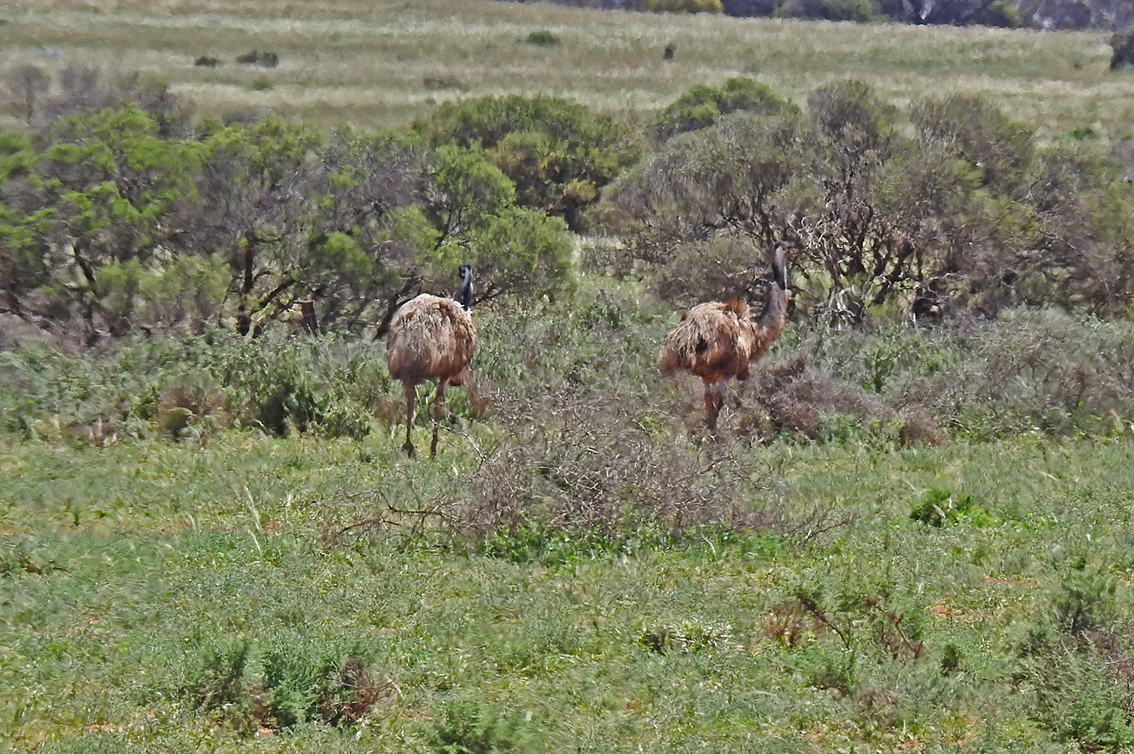
The road is ‘dead set’ straight for kilometre after kilometre. Expanses of saltbush and mallee scrub border the highway. While driving I scan the bush for wildlife. Crows perch on branches, an occasional parrot flies in front of the vehicle and there is the inevitable road-kill. I ease my foot onto the brake and pull over. Hundreds of meters across the saltbush, on the woodland fringe, I can see a pair of emus. My Nikon P900 is an excellent tool for locating an image at this range but even the 83X zoom is challenged when it comes to getting a good clear shot.


Emus at distance

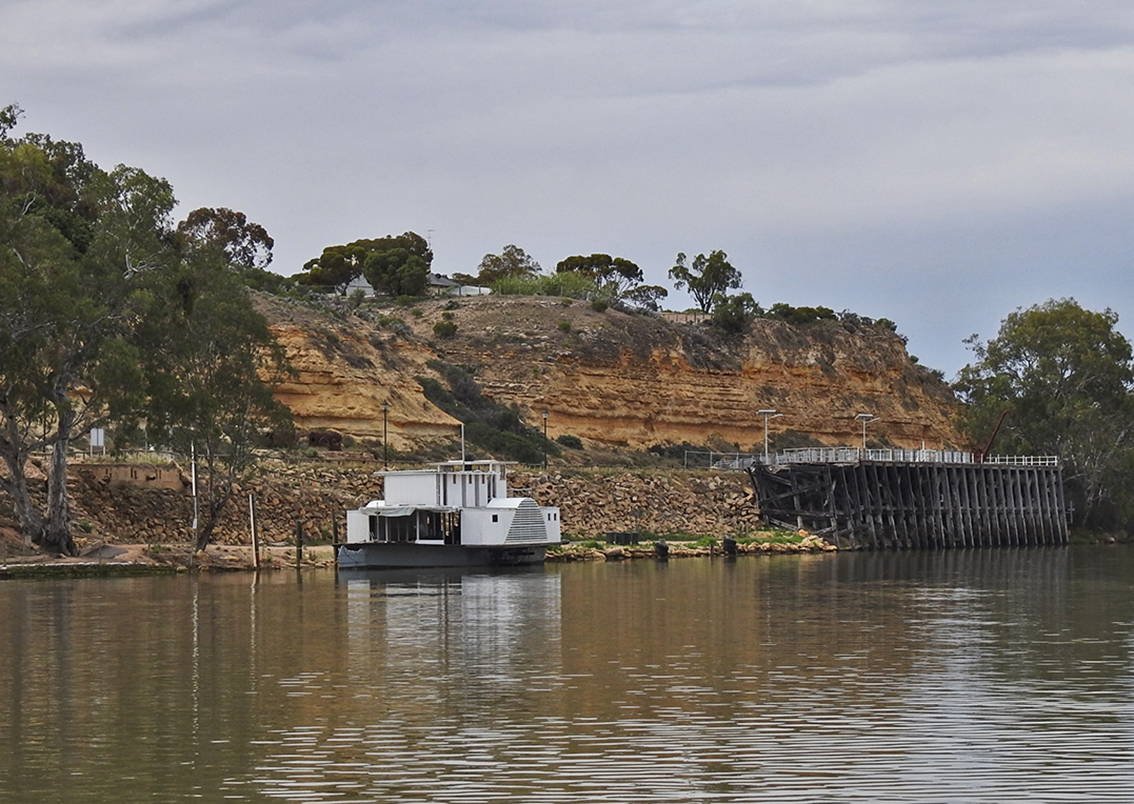
I am driving to Morgan, an historic town on the River Murray about 160 kms from Adelaide. Morgan was a busy river port during the 1800s with hundreds of paddle steamers delivering goods prior to the advent of railways and more recently motor vehicle transport. However, this colourful history has given rise to Morgan’s current attractions; heritage docks, museum, renovated paddle steamer, historic trails and two wonderful, old pubs.


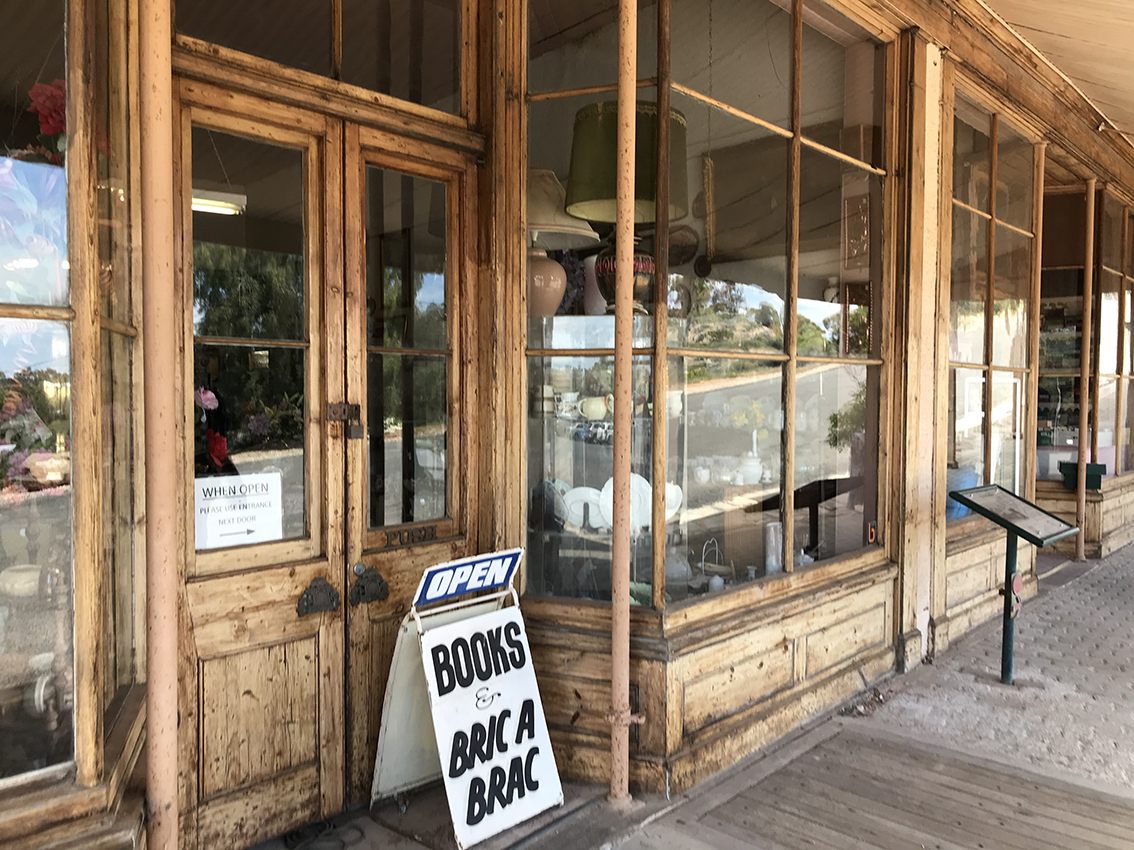
Books and bric a brac

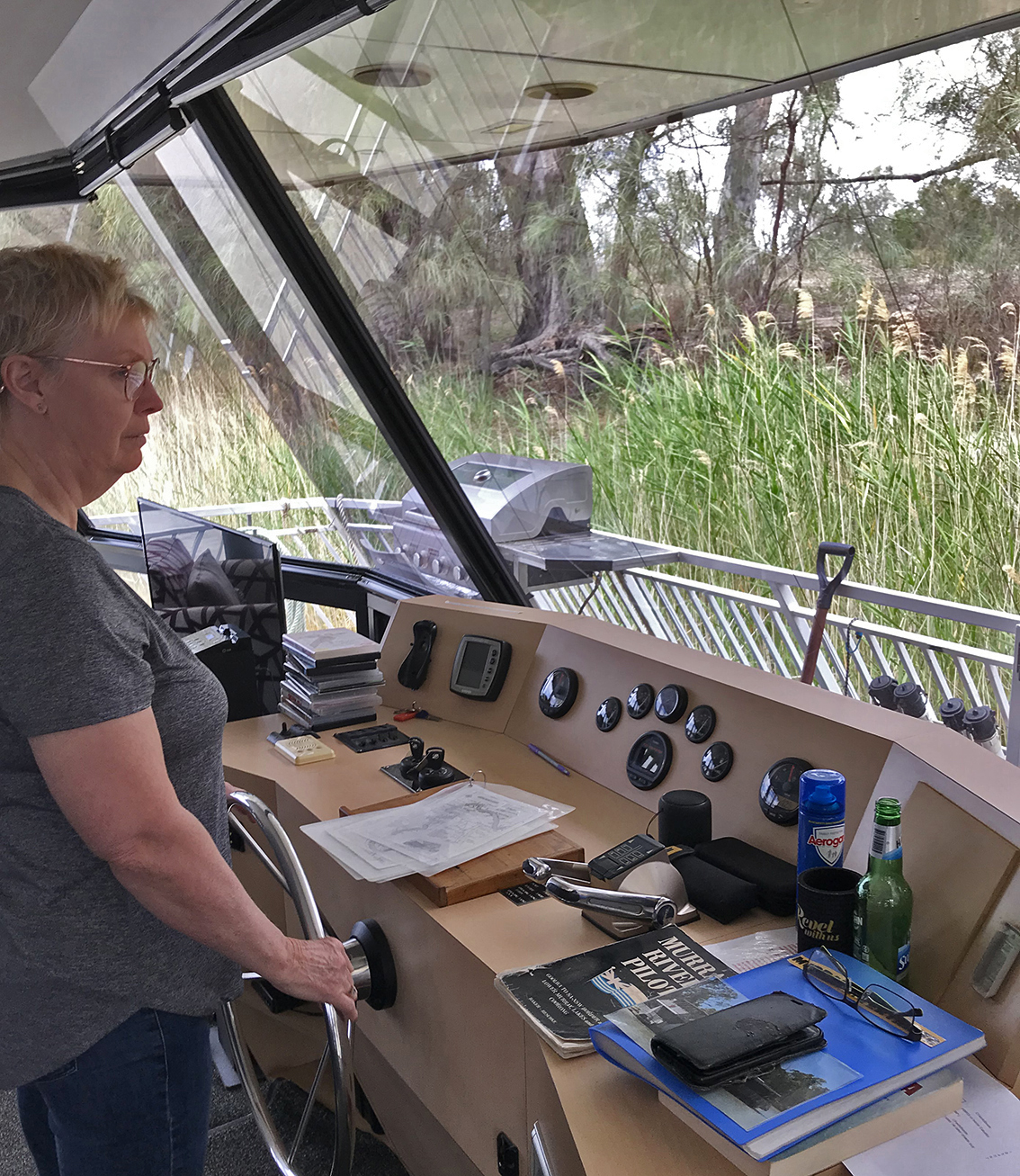
Sandra at the helm


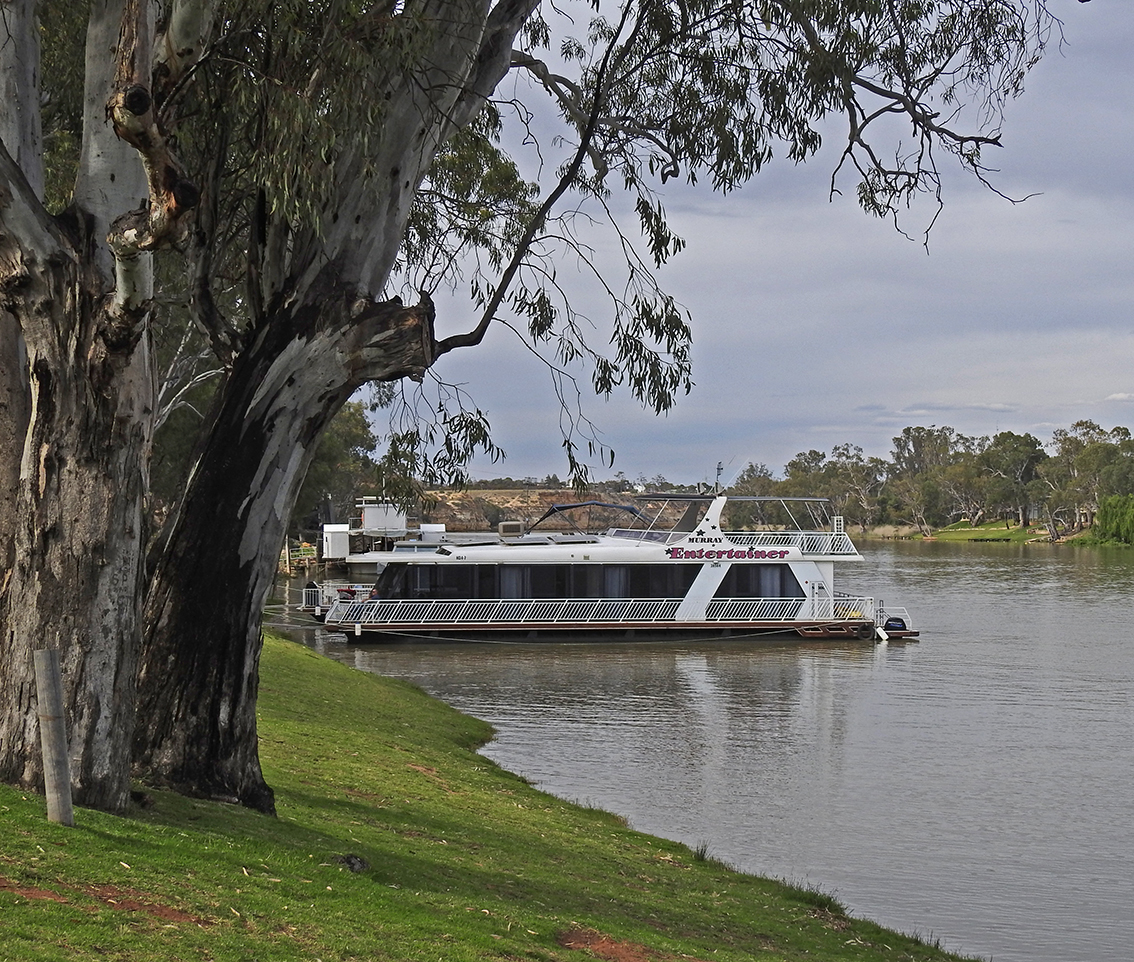
I am meeting friends for a week-long houseboat trip exploring this stretch of the river. Each afternoon we will pull into the bank at a different location, stay there overnight then head off again in the morning. For my companions it is an ideal way to spend some down time away from their busy lives. For me, it means long walks to explore and photograph each location, editing images and writing up notes as well as capturing images from the boat as it cruises along.


Whale vertebrate fossils


Our boat docked

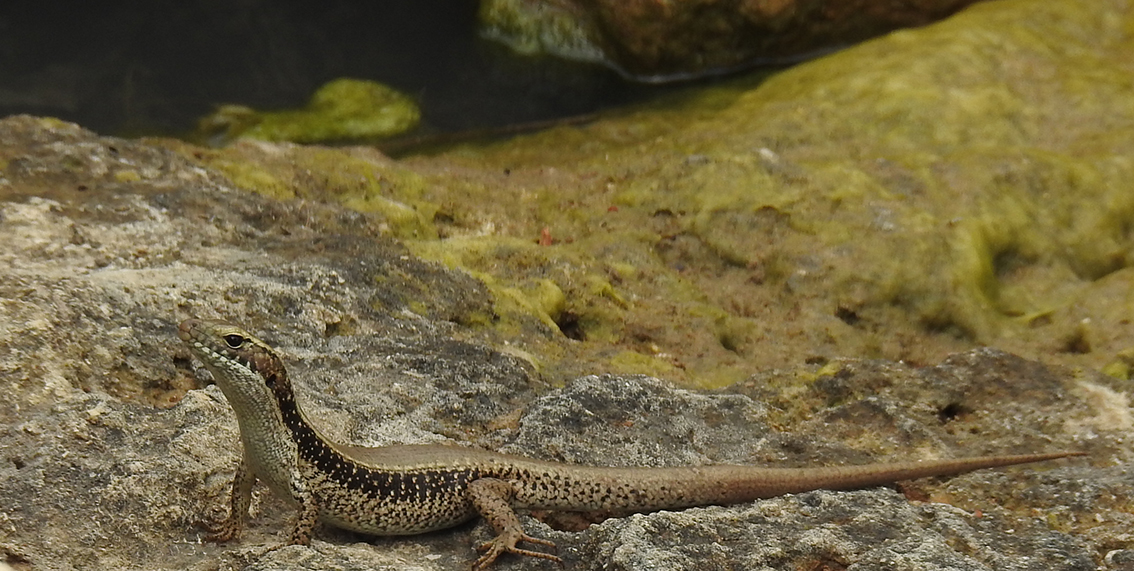
Before we leave Morgan I take a stroll along the river bank towards the old wharf. It seems like a good place to look for animals that thrive close to human habitation. I can see swallows hawking across the water and picking off insects in the air but they rarely settle and photographing them in flight takes a better photographer than me. However, I do manage to spot a beautiful Eastern Water Skink catching the late afternoon sun.


Wharf, cliffs and old paddle-steamer being restored


Eastern Water Skink

Pleased with my final image, I head back to the boat for dinner and a pleasant evening socialising with friends before we set off up-stream in the morning to another location and a fresh adventure.

Cheers

Baz

Additional notes

Only a driving license is required to operate a houseboat. We used Foxtail Houseboats and were more than pleased with their level of service.

Please pass on this blog title/contact information (URL) to any person or organisation with an interest in taking walks and enjoying wildlife in SA.

Click on this link and see more South Australian stories and pictures in my Weekend Notes articles

https://www.weekendnotes.com/profile/651267/

Lockdown day 1……… Ratty Steps Out

19 Nov

It’s ‘bloody’ hot for November and to make matters worse we are locked down for the next 6 days due to a Coronavirus cluster. A sensible response by our state government however inconvenient it might seem. For me that means no roaming the city and bush camera in hand. Consequently, I shall focus on my own back yard for the next few days and share my observations with you.

Rainbow Lorikeets tucking in

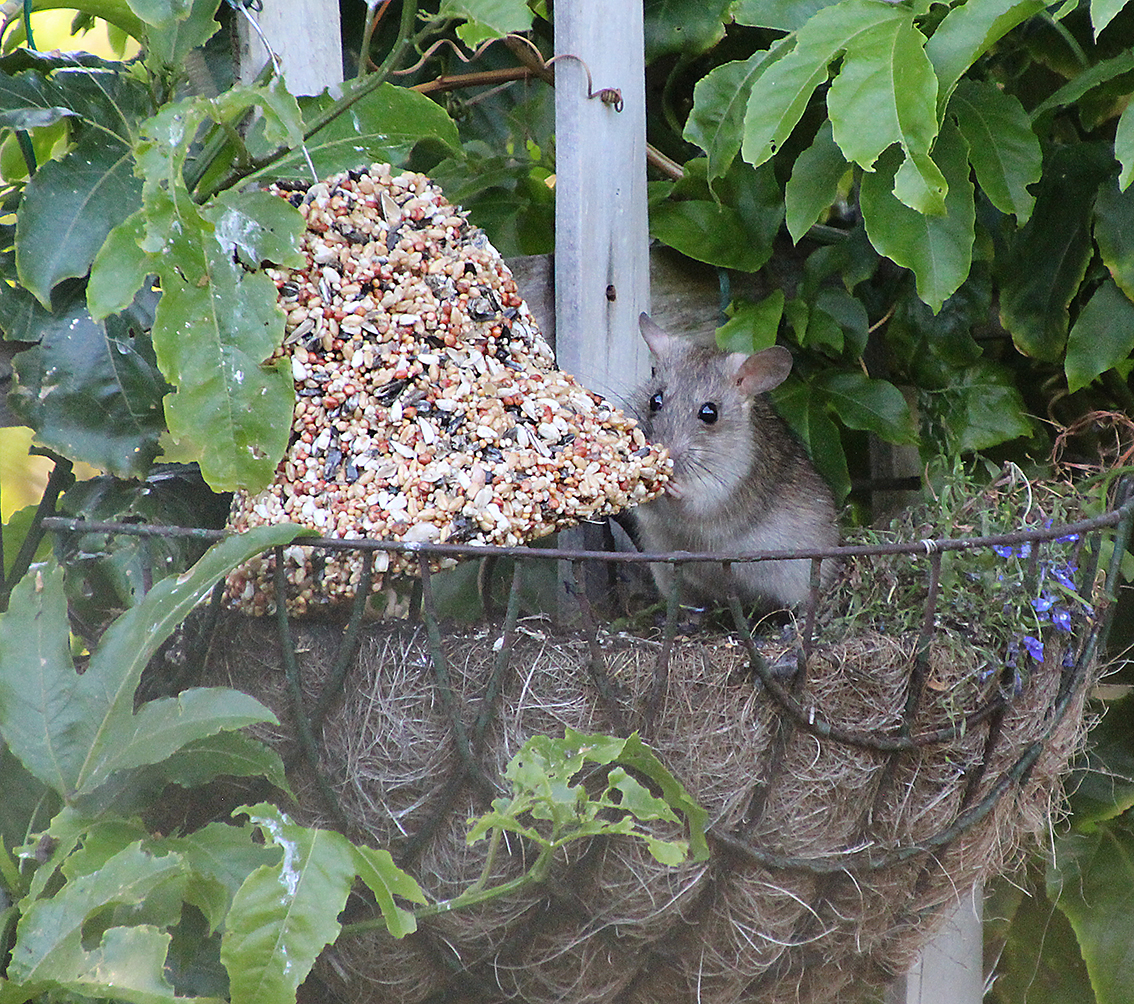
Each morning I spike an apple and two orange halves to the top of the trellis down by the washing line then scatter bird seed and some small cat biscuits across the lawn and flower beds. In addition, a bell-shaped commercial seed mass sits in an unused hanging basket. This little avian feast plus two bird baths usually attracts a variety of diners from blackbirds to mudlarks and parrots.


Ratty and seed bell

Today the birds have a rival. A Grey Rat shoots out from underneath a tangled growth of ivy and chases them. It climbs to the top of the trellis and starts to nibble on the seed bell. Over the next couple of hours this rat/bird pantomime continues and I get the distinct impression that the rat is playing a game as it frequently avoids the food only to hide then rush out again.

My observation are at an end as dinner time approaches.

I will write again tomorrow.

Enjoy your garden and take care in these difficult times.

Cheers

Baz

All of these images were shot on a Canon EOS1300D and Tamron 18-400

Please pass on this blog title and or contact information (URL) to any person or organisation with an interest in taking walks and enjoying wildlife in SA.

Click on this link and see more South Australian stories and pictures in my Weekend Notes articles

https://www.weekendnotes.com/profile/651267/

Fish and Explore West Lakes Inlet

22 Jun

 Fish and Explore West Lakes Inlet 

Dear Reader:

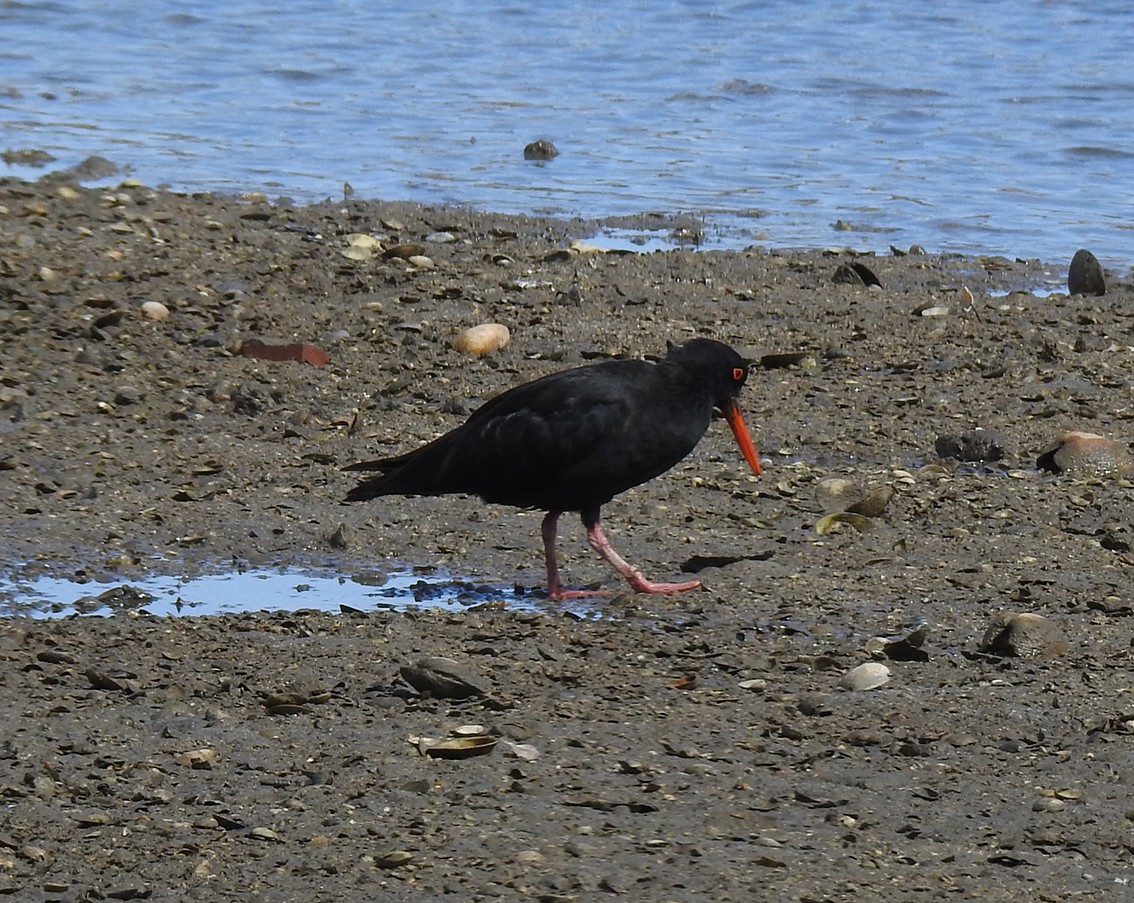
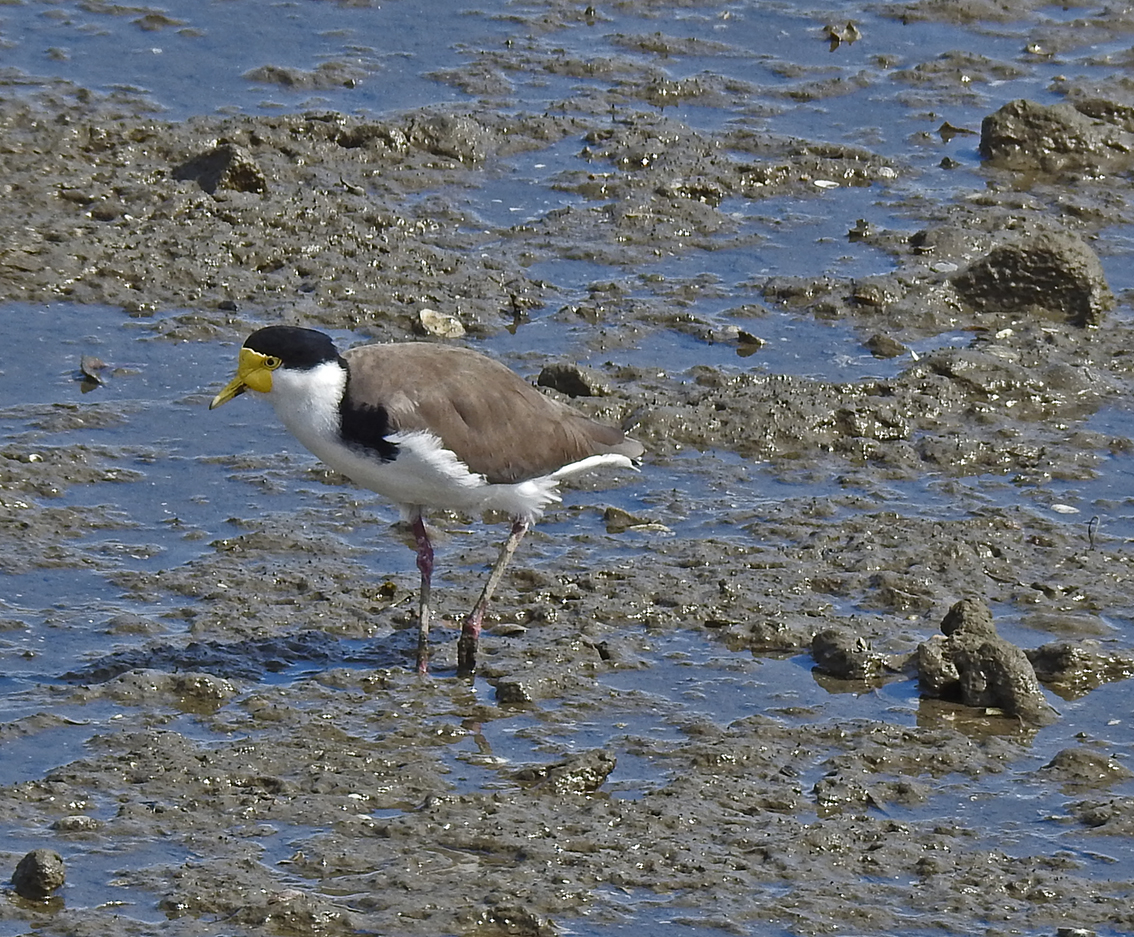
The receding tide has left the mud flats exposed and several species of birds are making use of the food sources it presents. A Sooty Oyster Catcher is probing the mud for shellfish and a Masked Lapwing is looking for worms and other soft bodied animals. Their beaks, feet and hunting styles are well adapted for each individual diet.


Sooty Oystercatcher


Masked Lapwing


I am exploring the inlet between the Port River and West Lakes. The water flowers under Bower Road and there is access to both sides of the inlet. Lawns, shelters, public toilets and barbecues are available on the West Lakes side as well as free carparking and even a bike and skate park. Something for all the family!


Spinning for Salmon Trout


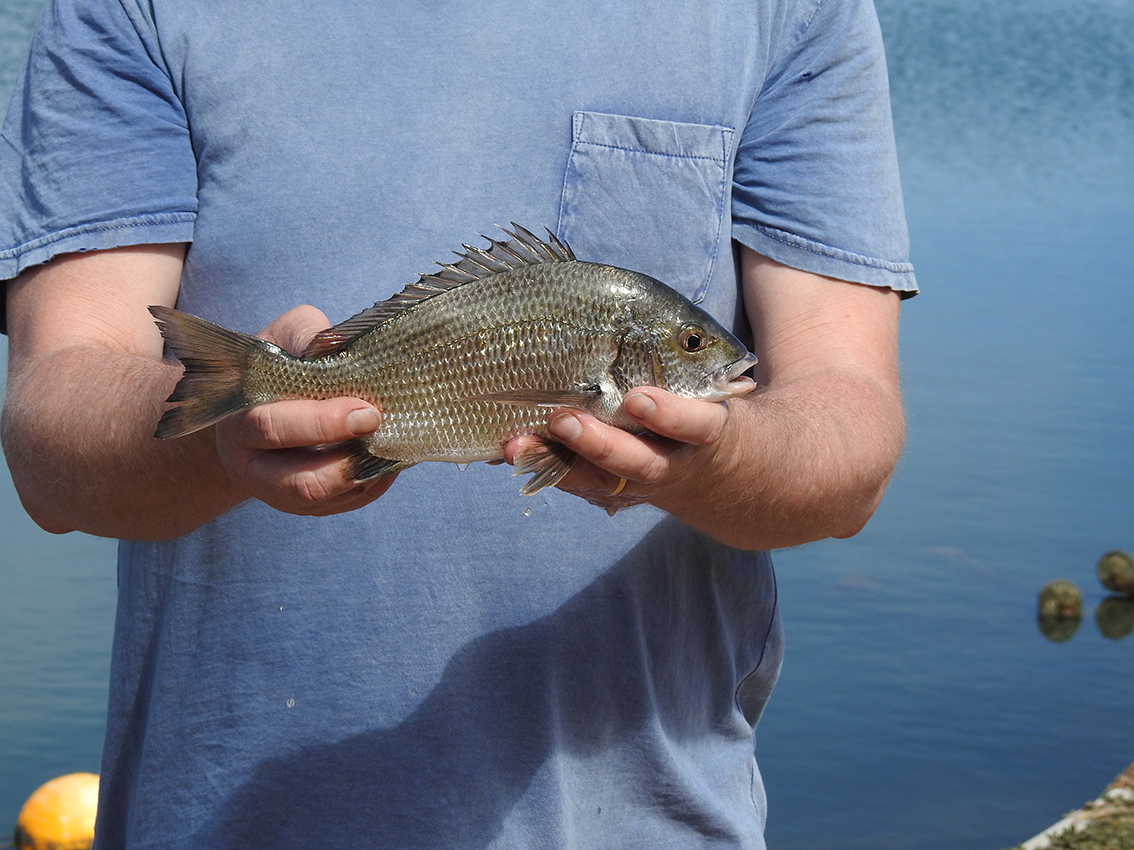
A nice Bream


On the Port side the water is flowing out swiftly and some anglers are casting for Salmon Trout while the lone fisherman on the West Lakes shore has caught a couple of sizeable Bream. The calmer waters of West Lakes allows me to explore some of the rock facings and photograph schools of small bait fish that are feeding on the surface.


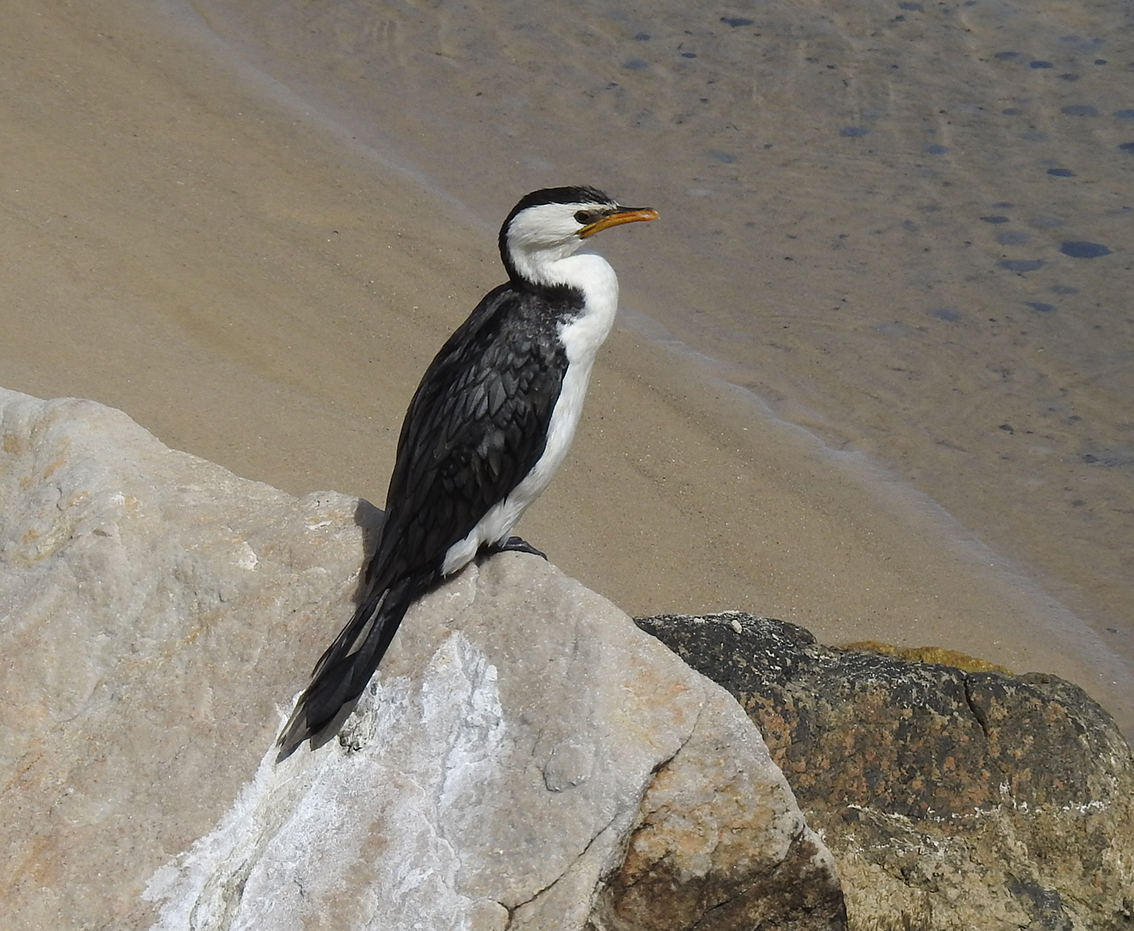
Pied Cormorant


Both Black and Pied Cormorants are fishing in the area. They paddle along the surface for a while then dive and use their webbed feet and shortish wings to aid steering and propulsion underwater. Cormorants’ eyes are well adapted with special lenses that allow them to see clearly underwater. In addition, the jagged tooth like structures on the edges of their beaks enable them to grab and hold slippery fish.


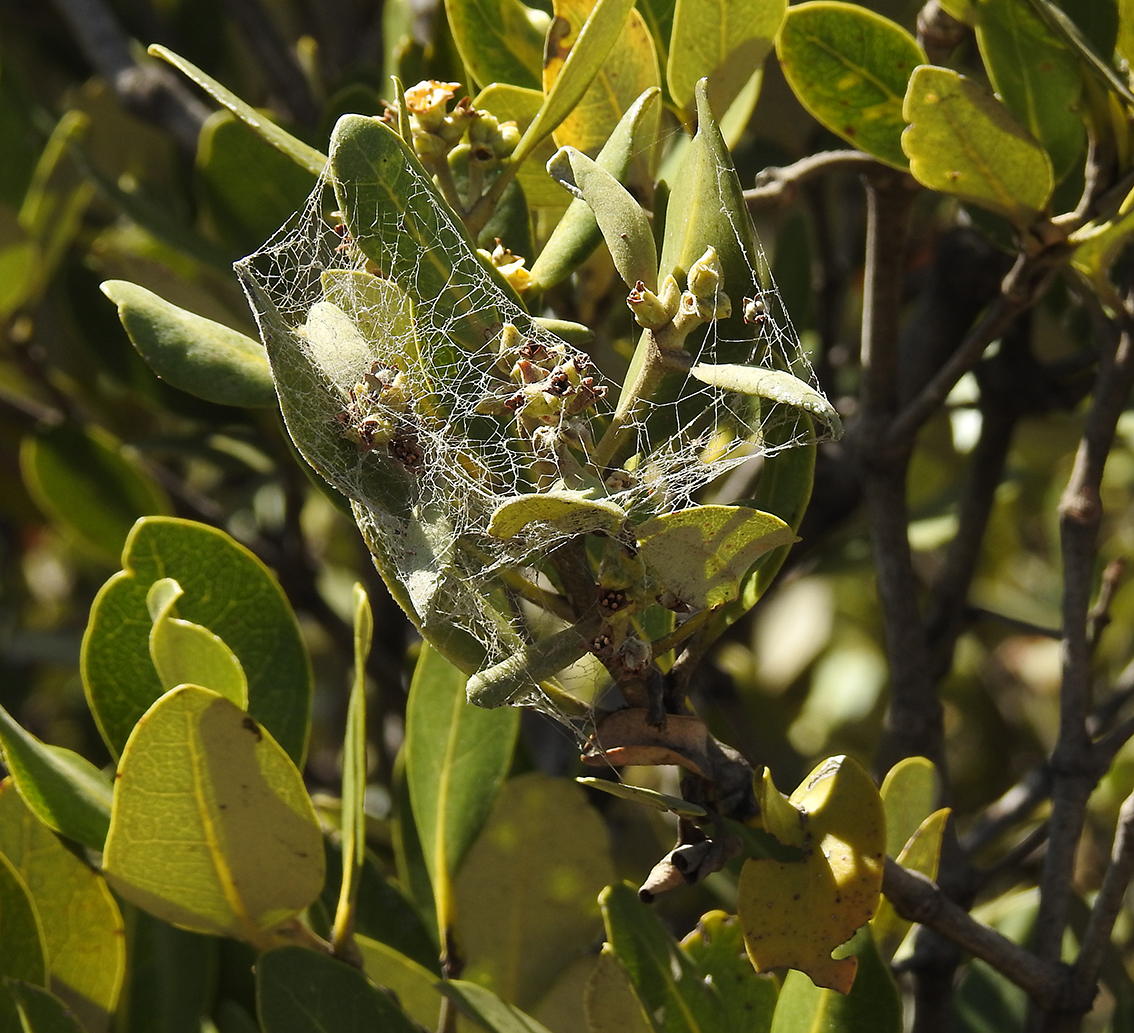
Mangrove leaves and spider web


On the western side of the Port River Basin there is a significant growth of mangrove trees. They provide yet another significant environment. Numerous birds, insects, spiders and marine invertebrates inhabit this zone and it is very important as a breeding and nursery area for many marine fish species.


Small bait-fish feeding on the surface


My walk around the inlet has been most rewarding. Apart from the animals photographed I have also encountered Pelicans, Terns, Stilts and tiny Plovers. Grubbing around in the muddy areas on the fringes of the mangroves I found numerous shellfish species and some little mangrove crabs that live in holes and under rocks. 


Mangrove crab species


The West Lakes Inlet on Bower Road is certainly a diverse and interesting place to spend some time. Give it a try when you have a spare few hours.

Cheers

Baz

Additional notes

This is an easy walk/drive which is quite suitable for families and seniors with public toilets, barbecues, parking and other facilities nearby. It is dog friendly.

All the photographs for this article were taken using a Nikon Coolpix P900 

Please pass on this blog title and or contact information (URL) to any person or organisation with an interest in taking walks and enjoying wildlife in SA.

 See more South Australian stories and pictures in Weekend Notes

https://www.weekendnotes.com/profile/651267/