Archive | Nature and Wildlife RSS feed for this section

The tip of the Fleurieu

28 Apr

Dear Reader:

The school of Silver Drummer and Banded Sea Sweep mill around the rocky outcrop off Cape Jervis SA.

Silver Drummer (top centre) and Banded Sweep

I am exploring the southern tip of South Australia’s Fleurieu Peninsular using images that show a few of its many features and attractions.
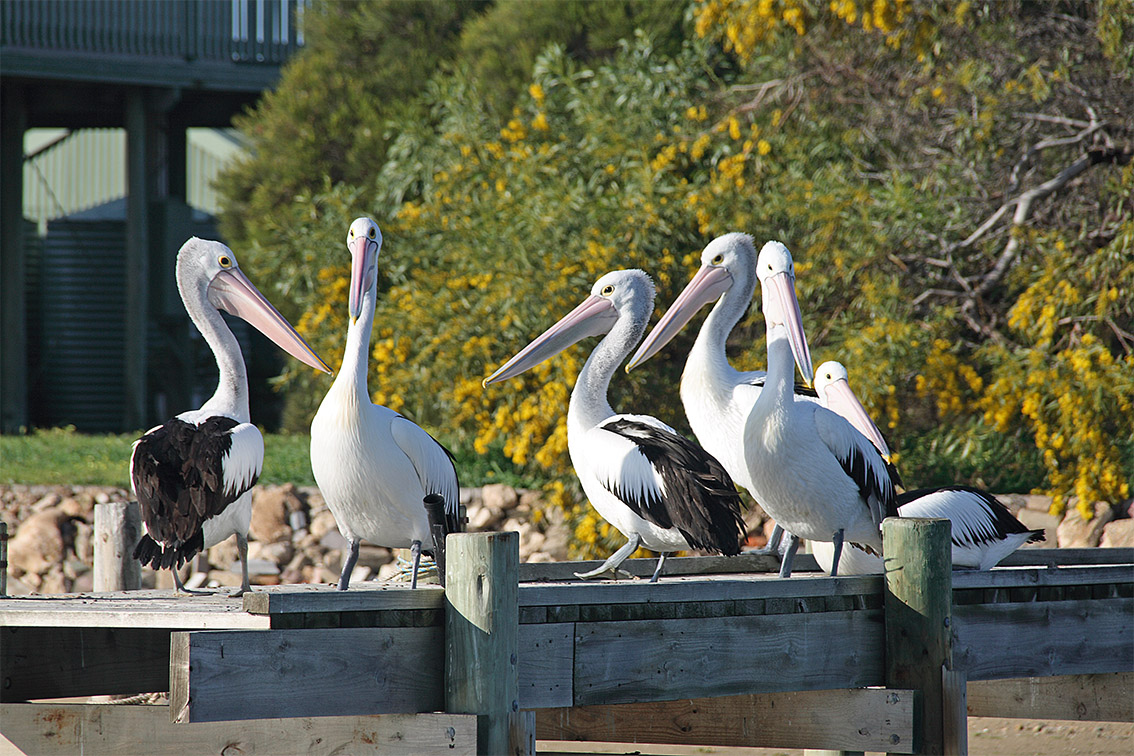
Australian Pelicans Goolwa bird reserve

Cape Jervis is the transit port for the Kangaroo Island Ferry as well as being an interesting wildlife destination in its own right.

Kangaroo Island ferry at Cape Jervis with KI in the background

Numerous seabirds live in this area including: terns, gulls, cormorants and various birds of prey. At different times I have observed Sea Eagles and Nankeen Kestrels.

Nankeen Kestrel hovering

Just before Cape Jervis, a dirt road leads to Fishery Beach where an undersea cable crosses beneath Investigator Strait to KI. I spend a little time snorkelling close to the shore where I photograph a school of Zebra Fish.

Zebra Fish

Range Road Curls around the foot of the peninsular passing through pasture, scrub and grazing country. Near the beginning of the road there is an entrance to the old Talisker mine. Numerous small birds inhabit the dense scrub around this area and the old buildings and machinery provide some historical context.
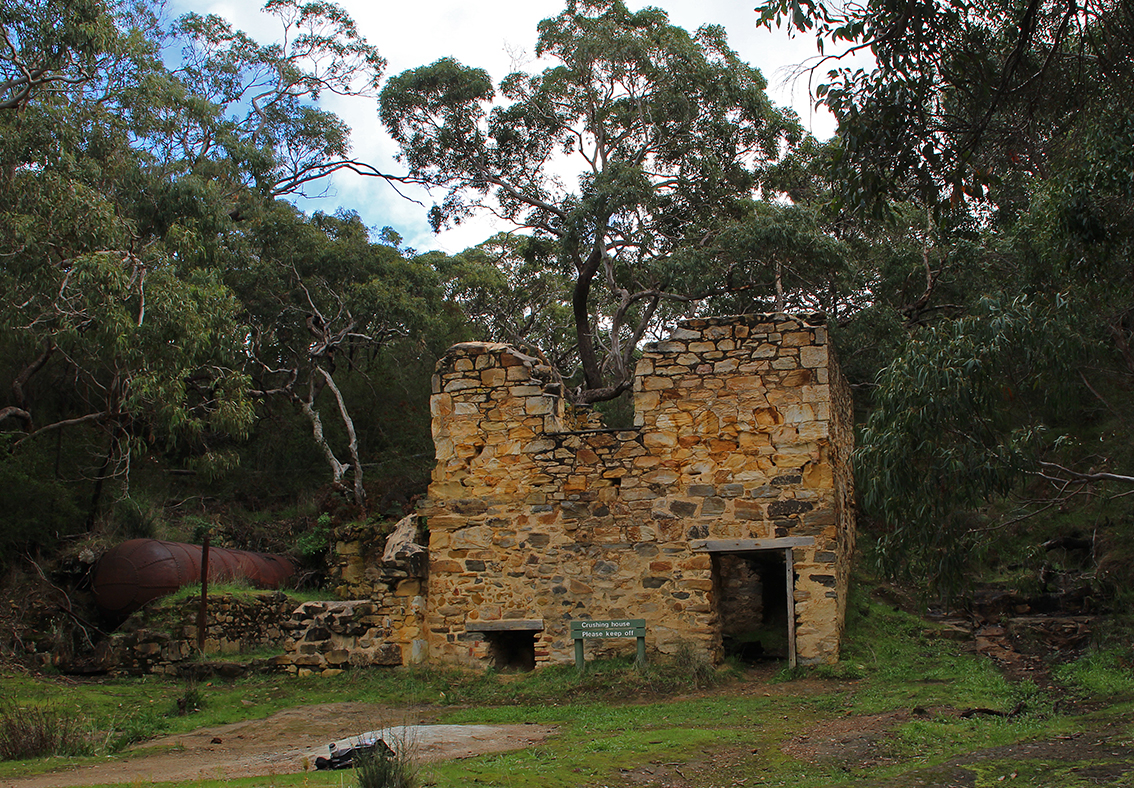
Crusher house and boiler
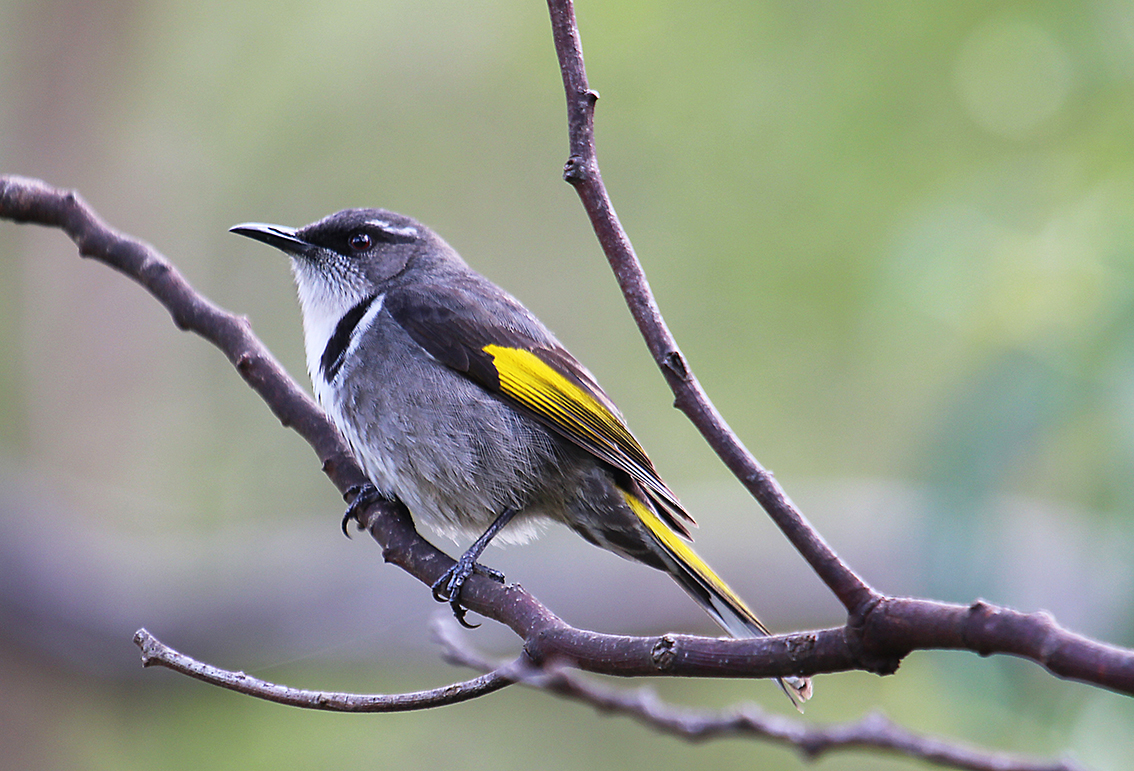
Crescent Honeyeater

One of the main attractions of the southern Fleurieu is the Deep Creek Conservation Park; a wonderful place to photograph Western Grey Kangaroos and the occasional Echidna.

Lone roo Deep Creek Conservation Park
Roos in the mist Deep Creek CP

My next stop on this trip is Victor Harbor, where I watch a succession of recreational fishing boats head out to sea while I enjoy a tasty seafood lunch at Whalers Seaside Dining.
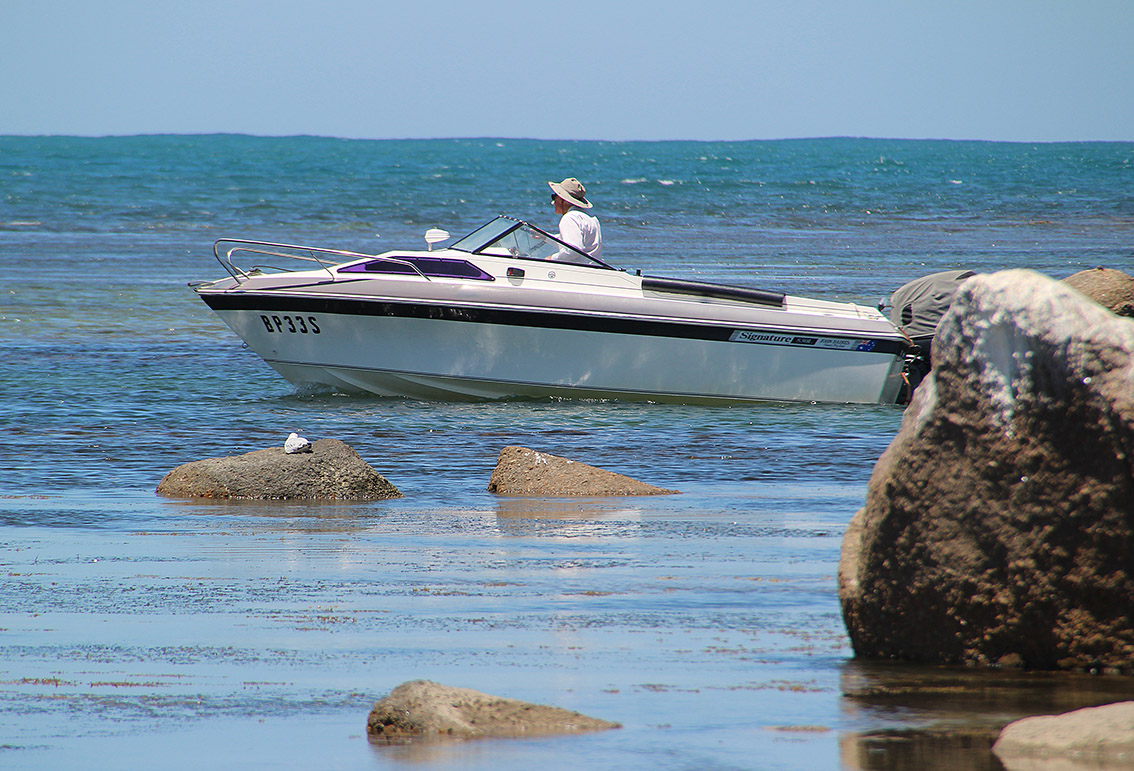
Setting out from the Victor Harbor boat ramp

Having reached Victor from the city via South Road and Range Road I decide to return to Adelaide along the B37 (Strathalbyn Route) after a 4WD run along iconic Goolwa Beach towards the mouth of the Murray River.       

Entrance to Goolwa beach

Cheers

Baz

Additional notes

The cameras used for this post are Sony RX, Nikon P900 and Nikon Coolpix AW100  

This is an easy drive which is quite suitable for families and seniors with the exception of the 4WD section which can be tricky depending on tides and wind.

Please pass on this blog title and or contact information (URL) to any person or organisation with an interest in taking walks and enjoying wildlife in SA.

Click on these links and see more South Australian stories and pictures in my Weekend Notes articles as well as locating similar blogs on Feedspot’s top 20 Australian wildlife blogs

https://www.weekendnotes.com/adelaide/writer/452/

https://blog.feedspot.com/australian_wildlife_blogs/

Tasmania’s Flinders Island….Day 1

18 Apr

Dear Reader:

The Black Tiger Snake is a good two metres long with its head raised towards me. However, I am safely seated in the driver’s seat of the rented SUV.

The reflection in the side mirror suggests a cautious approach to photographing a large Black Tiger Snake

I am spending seven days exploring Tasmania’s Flinders Island in Bass Strait, the largest of the Furneaux Island group. My apologies for straying from my usual South Australian blogs but this fascinating Island is certainly worth a few posts.

Typical Flinders Island coastline

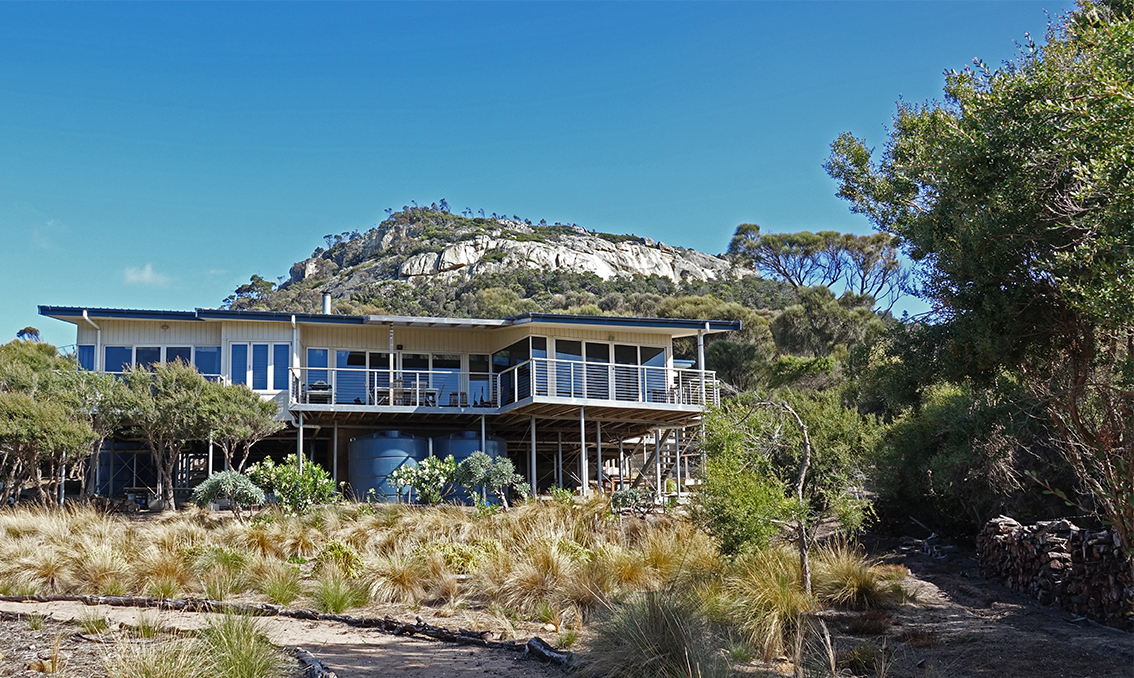
Nautilus, the coastal rental we are staying in, is truly wonderful; beautifully appointed and self-contained it offers panoramic views of the coastline.

View from Nautilus’s main living area

Unpacked and settled in, I take the path through the back garden and a  few metres of scrub emerging onto a granite platform which typifies this section of coast.

A gap in the scrub leads to the coast
Nautilus from the bottom of the garden area

The rugged outcrops and cliffs extend both ways along the shoreline, punctuated on the eastern flank by a bay with and stretch of golden sand. The sand yields Topaz crystals called ‘Killiekrankie Diamonds’. named for the tiny settlement and beach where they are found.

Killiecrankie’s bay and beach

A small bench sits on the border between scrub and granite. It is the perfect place to enjoy the striking scenery and look out for seabirds, dolphins and other coastal wildlife. I do not have to wait too long as a pod of dolphins cruises past several hundred metres out to sea while both Silver Gulls and Pacific Gulls fly along the seashore.

A Pacific Gull flies past

The sun is getting lower in the sky and there is just enough time to explore one of the many rockpools worn into the granite and accessible at low tide. This cursory look reveals periwinkles in the splash zone, limpets along the waterline and an occasional red anemone.

Rockpool in the granite coastline
Three Limpets amongst the Periwinkles….both use their tight sealing processes to retain water and can survive low tide exposure

Evening is closing in and it’s time to get back and start preparing dinner. Approaching the steps leading to the house, I notice a Red-necked or Bennett’s Wallaby in the driveway. It doesn’t seem too perturbed by my presence and hops into the nearby tree-line then stops and looks back at me.

A Red-necked Wallaby bounds across the path behind the house

My first day on Flinders Island has been quite exciting and I hope for more revelations as the week goes by.

Cheers

Baz

Additional notes

Other animals seen, heard but not photographed, Kookaburra, Fairy Wrens, Black Currawong, cormorant species

The camera used for this post is a Sony RX10 111

Please pass on this blog title and or contact information (URL) to any person or organisation with an interest in taking walks and enjoying wildlife in SA.

Click on these links and see more South Australian stories and pictures in my Weekend Notes articles as well as locating similar blogs on Feedspot’s top 20 Australian wildlife blogs

https://www.weekendnotes.com/adelaide/writer/452/

https://blog.feedspot.com/australian_wildlife_blogs/

Giles Conservation Park near Norton Summit

15 Feb

Dear Reader:

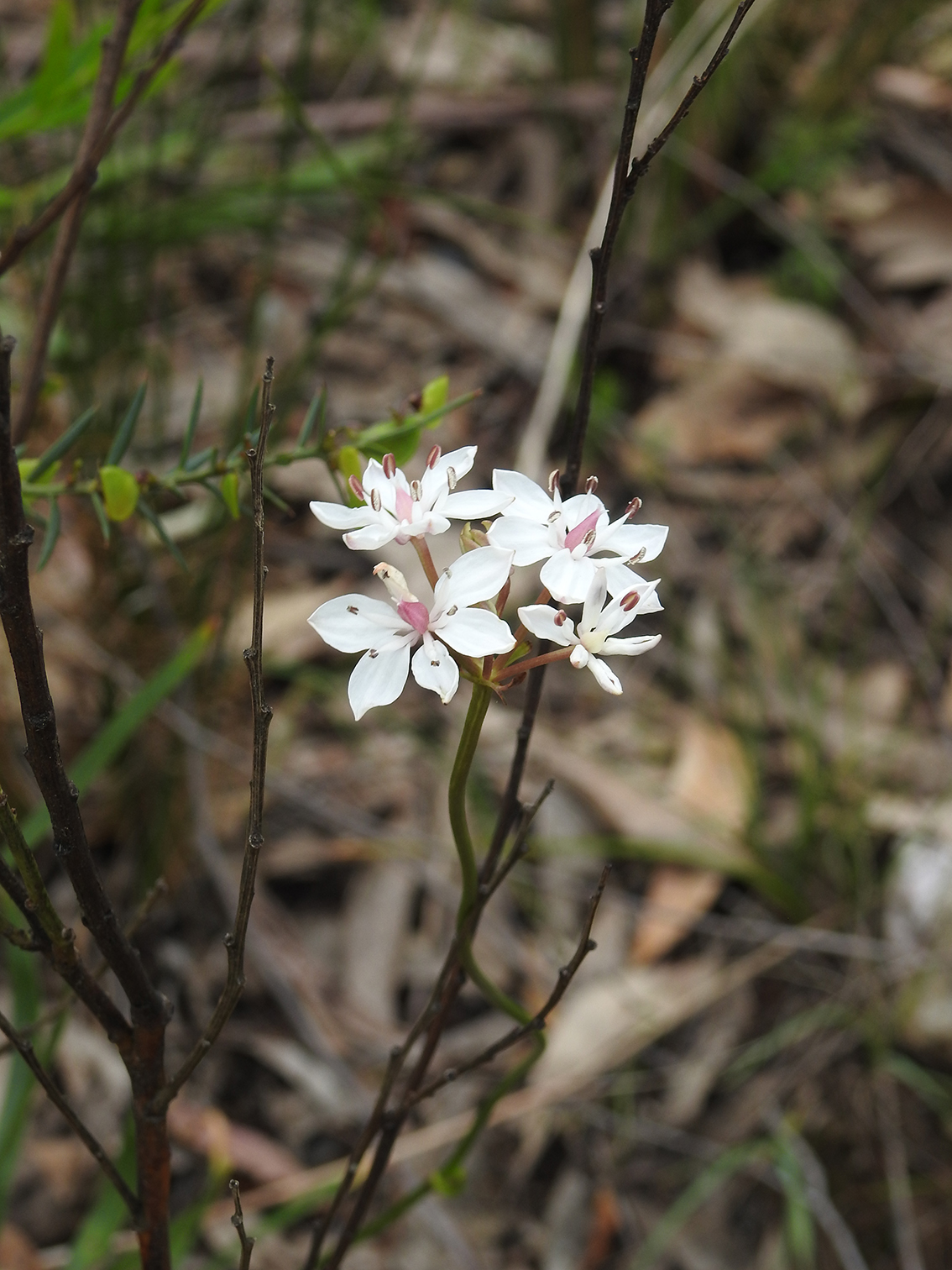
I can hear small birds in the undergrowth and scan the leaf litter and low bushes with my telephoto. Nothing at first then just a glimpse of a wren but it is a beautiful Milkmaid Lily that Catches my eye.

Milkmaid Lily

The Giles Conservation Park is a twenty-five minute drive up Magill Road from Adelaide’s CBD to Norton Summit; then a further five minutes along Lobethal and Woods Hill Road. I park opposite the park entrance and enjoy the view of green undulating farmland. There are Australian Magpies and a few Ravens in the fields.

Farmland opposite Giles CP

After leaving the wrens and Lilies my next surprise is a rather unusually marked Koala in a tree just a few metres along the clearly marked Ridge Trail.

Koala

Being late Spring, there is a proliferation of blooms along the trail including: eucalypts, wattles, lilies, peaflowers and native primroses. And, there are also an introduced weeds, one of which is quite intriguing the aptly named Rattlesnake Grass.

Red Parrot Peaflower

Forester Moth on Native Primrose

Rattlesnake Grass

Some animals give away their location with a subtle shuffle in the grass, not so the Kookaburra. Midway up a tall Stringybark a Laughing Kookaburra perches and calls to its mate deeper in the scrub.

Laughing Kookaburra

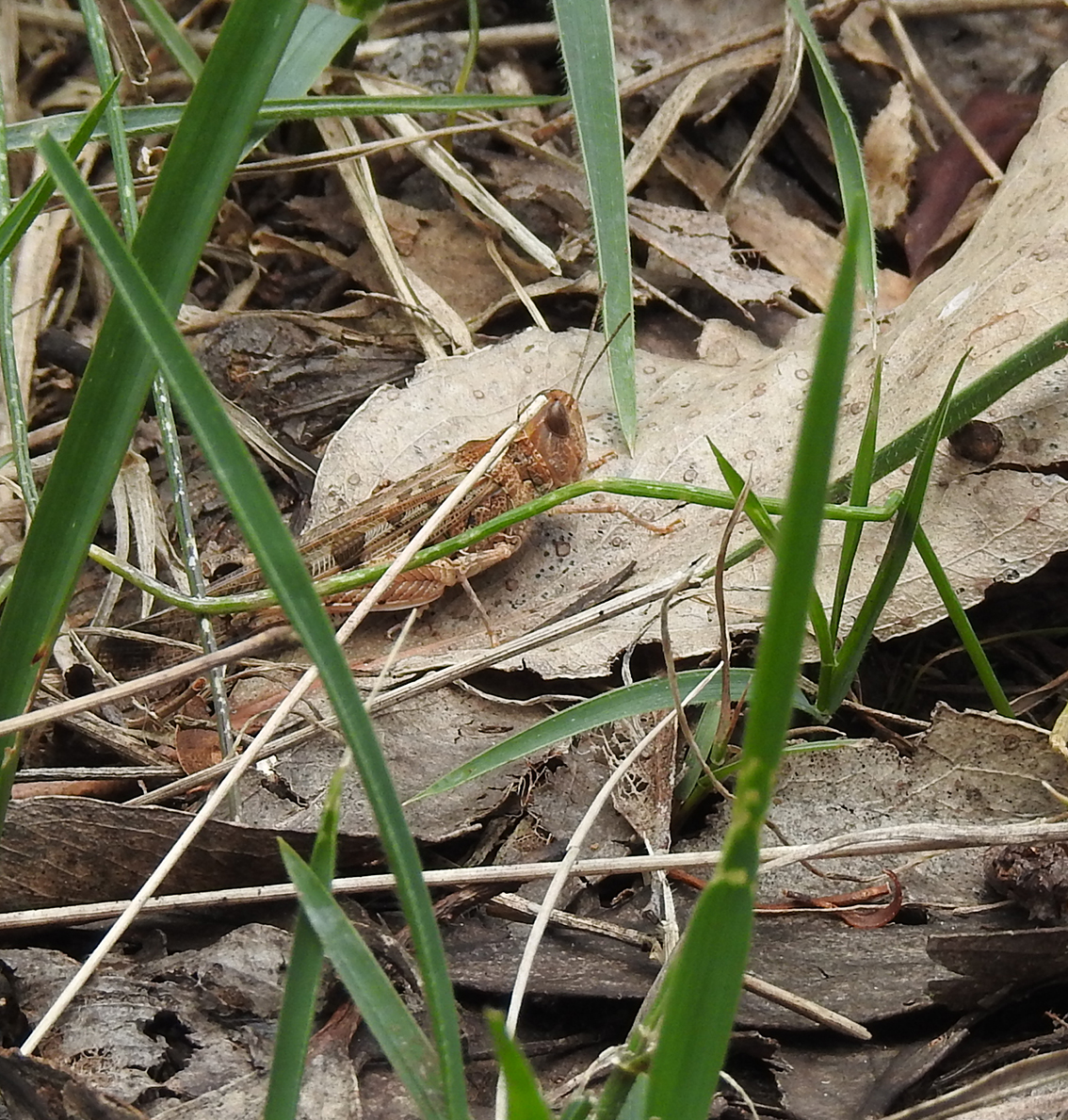
Koalas and kookaburras are relatively easy to spot but there is a myriad of smaller animals that live amongst the foliage, flowers and leaf litter which are much harder to detect. Insects, spiders, skinks and beetles are just a few examples of this lower but critical part of the food chain. Unfortunately the number of these creatures is becoming dangerously low because of pesticides, habitat loss and other human induced threats.

Common Garden Skink

Plague Locust

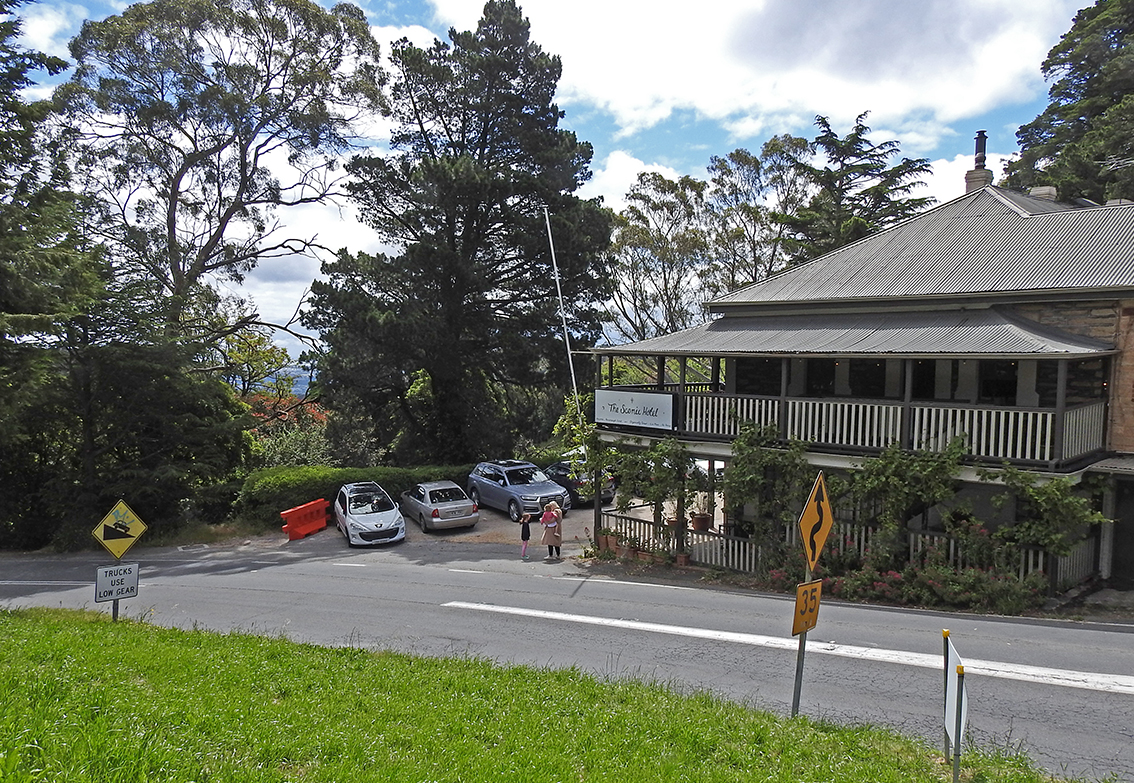
Having walked several kilometres and taken many photographs, it is time to head back to the city. However, I would never consider leaving the Norton Summit area without enjoying lunch with a view at the Scenic Hotel.   

Scenic Hotel Norton Summit

Cheers

Baz

Additional notes

The camera used for this post is a Nikon Coolpix P900

This is an easy walk and drive which is quite suitable for families and seniors with limited parking.

Please pass on this blog title and or contact information (URL) to any person or organisation with an interest in taking walks and enjoying wildlife in SA.

Click on these links and see more South Australian stories and pictures in my Weekend Notes articles as well as locating similar blogs on Feedspot’s top 20 Australian wildlife blogs

https://www.weekendnotes.com/adelaide/writer/452/https://blog.feedspot.com/australian_wildlife_blogs/

Pangarinda Botanic Garden, Wellington SA, part 2

1 Dec

Dear Reader:

As we walk around the waterhole, I notice a large spider clinging to the corner of a fallen branch. Closer examination reveals it to be the shed carapace of a large Huntsman Spider.

Spider carapace

We are continuing (see previous post) our walk around the Pangarinda Botanic Park in Wellington East. We have reached a waterhole which is currently dry but surrounded by flowering Grass Trees and Kangaroo Paws. Nearby there are many other native bushes, many of which have ID markers. 

Grass Trees and scrub

Kangaroo Paws

Hundreds of insects are feeding on the tiny flowers which coat the Grass Trees. Most are introduced Honey Bees. However, there are some larger bees that might be natives as well as ants and a butterfly species which I do not recognise.

Flowering Grass Tree and butterfly

The next section of our walk is dominated by numerous Eremophila species. These beautiful flowering bushes have delicate curved, tubular flowers in a wide range of colours. Many varieties are well adapted to dryland conditions. Eremophilas are often used in gardens as they attract honeyeaters and other small, nectar feeding birds.

Eremophila polyclada

New Holland Honeyeater in yellow Eremophila

It is getting late in the day and with an hour and a half drive in front of us there is time for one last stop. We are only a couple of minutes’ from the Wellington ferry and it would be remiss not to spend a few minutes by the river.

Wellington ferry

Wetland pool near the ferry with old mechanical windmill

There are a couple of small  reedy, pools alongside the ferry ramp and we can hear Australian Reed Warblers calling. Tiny fish swim in small schools near the surface of the water.  In the distance Black-tailed Native hens are feeding in a paddock. 

Australian Reed Warbler, near Wellington ferry, credit David Morris


Black-tailed Native Hens at distance

Our day complete, we turn for home and enjoy the wide variety of dryland landscapes this part of South Australia has to offer.

Rural landscape near Wellington

Cheers

Baz

Additional notes

The camera used for this post is a Nikon Coolpix P900

This is an easy walk and drive which is quite suitable for families and seniors with public toilets, picnic area, information maps, tags and placards and parking. It is dog friendly.

Please pass on this blog title and or contact information (URL) to any person or organisation with an interest in taking walks and enjoying wildlife in SA.

Click on these links and see more South Australian stories and pictures in my Weekend Notes articles as well as locating similar blogs on Feedspot’s top 20 Australian wildlife blogs
Goannas, Shinglebacks and Ringnecks at the Ferries McDonald Conservation Park

30 Oct

Dear Reader:

Two Mallee Ringneck Parrots are perched high in a spindly eucalypt. Bracing the camera against a tree, I focus on the nearer bird to better illustrate its glorious colours.

Malle Ringneck Parrot

First sighting of Parrots

The Ferries McDonald Conservation Park is in the Monarto area about an hour’s drive from Adelaide’s CBD. It is a ‘dryland’ park dominated by Mallee trees and typical of the area before European settlement.

David entering the park

In the spring there is an abundance of blossoming shrubs and understory wildflowers, including numerous orchid species.

Eremophila Species

Peaflower species


We move along the narrow track slowly and listen carefully for a tell-tale rustle in the undergrowth or bird call. It is the former that announces my next encounter as a Shingleback Lizard heads for cover, abandoning the open, sunny area where it is basking.

Shingleback in cover

I’d prefer not to have my photograph taken

The occasional raptor, and small groups of cockatoos fly overhead. However, it is a diminutive, female Spotted Spotted Pardalote that catches my eye.

Spotted Pardalote

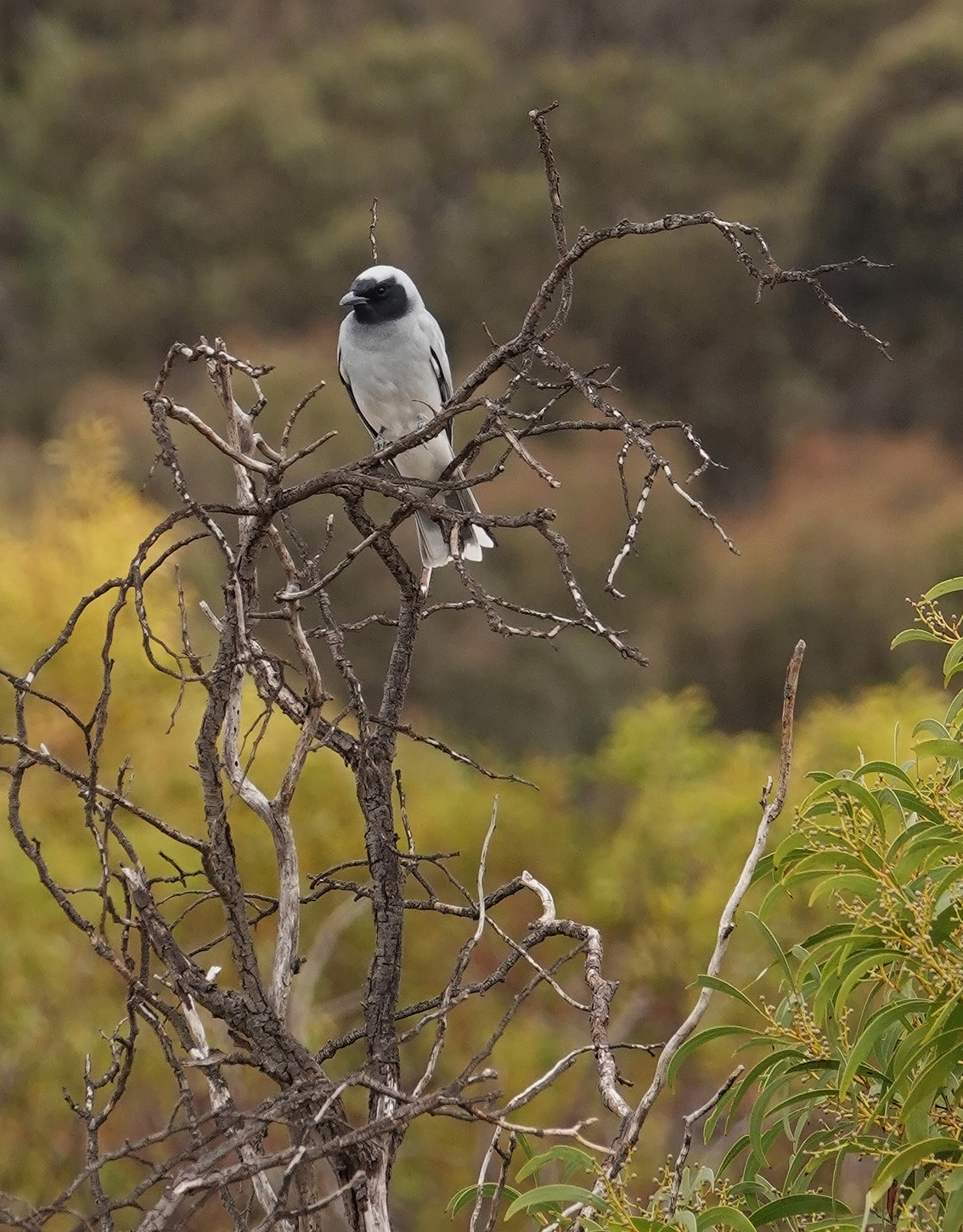
During the next hour of gentle walking we encounter a lone Western Grey Kangaroo near a fence-line which separates the park from nearby pastureland and numerous bird species. Most are tiny birds such as Silvereyes and honeyeater species which are feeding high in the canopy. In addition, there are Little Ravens, wattlebird species and Black-faced Cuckoo Shrikes in the area.

Western Grey with joey

The day is quite warm and the trek has taken a couple of hours which includes numerous stops to stand, watch and listen for wildlife. It is time for a leisurely drive home while still scanning for wildlife as we negotiate the initial section of unsealed road. However, it is a very rare sighting of a monitor lizard crossing the sealed road that really excites us.

Goannna crossing the road

I slow the car and cut the engine, gliding to a stop where the Goanna (the general term for all Australian monitors) pauses on a slight embankment. I power the windows down and we manage a few close ups before the lizard heads back into the scrub. An extraordinary way to round off our day.

Sand Goanna or Sand Monitor

Cheers

Baz

Additional notes

The camera used for this post is a Nikon P900

This is an easy walk/drive which is quite suitable for families and seniors. 

Please pass on this blog title and or contact information (URL) to any person or organisation with an interest in taking walks and enjoying wildlife in SA.

Click on these links and see more South Australian stories and pictures in my Weekend Notes articles as well as locating similar blogs on Feedspot’s top 20 Australian wildlife blogs

The Grampians…Around Halls Gap 1

25 Aug

Halls Gap Grampians

A preliminary note:

When I am not enjoying the natural wonders of South Australia I sometimes cross state borders and enjoy the wildlife of our close neighbours, Victoria and Tasmania. This post is about one of my favourite Victorian destinations.

Dear Reader:

There is an old fencepost on the edge of the creek trail. The weathered wood is in stark contrast to the red and black colours of a Red Jewel Beetle  crawling across it.

Red Jewel Beetle

I am staying at Halls Gap in the heart of the Grampians National Park. Because I am here for a wedding, there is not the usual time available for exploring the natural environment. My observations will only cover those animals which are casually encountered.

Classic Grampians scrub with rocky outcrop in the distance

I take the Mt Victory Road from Halls Gap to meet some friends at Zumsteins. On the way I am surprised by a large Eastern Grey Kangaroo which decides to make its way down a steep bank to cross the road in front of us.

Eastern Grey Kangaroo descending sloping hillside

Further along the road, a small group of Emus are feeding amongst a patch of grass and thistles. These adaptable birds forage for a wide variety of foods including: tubers, grasses, fruits, insects, centipedes and other arthropods.

Emus foraging

We reach the camping ground at the Zumsteins Historic area on the MacKenzie River. Apparently there are Platypuses in the river but my only sighting of a monotreme (egg laying mammal) is a lone Echidna.

Echidna foraging

Grey Currawong

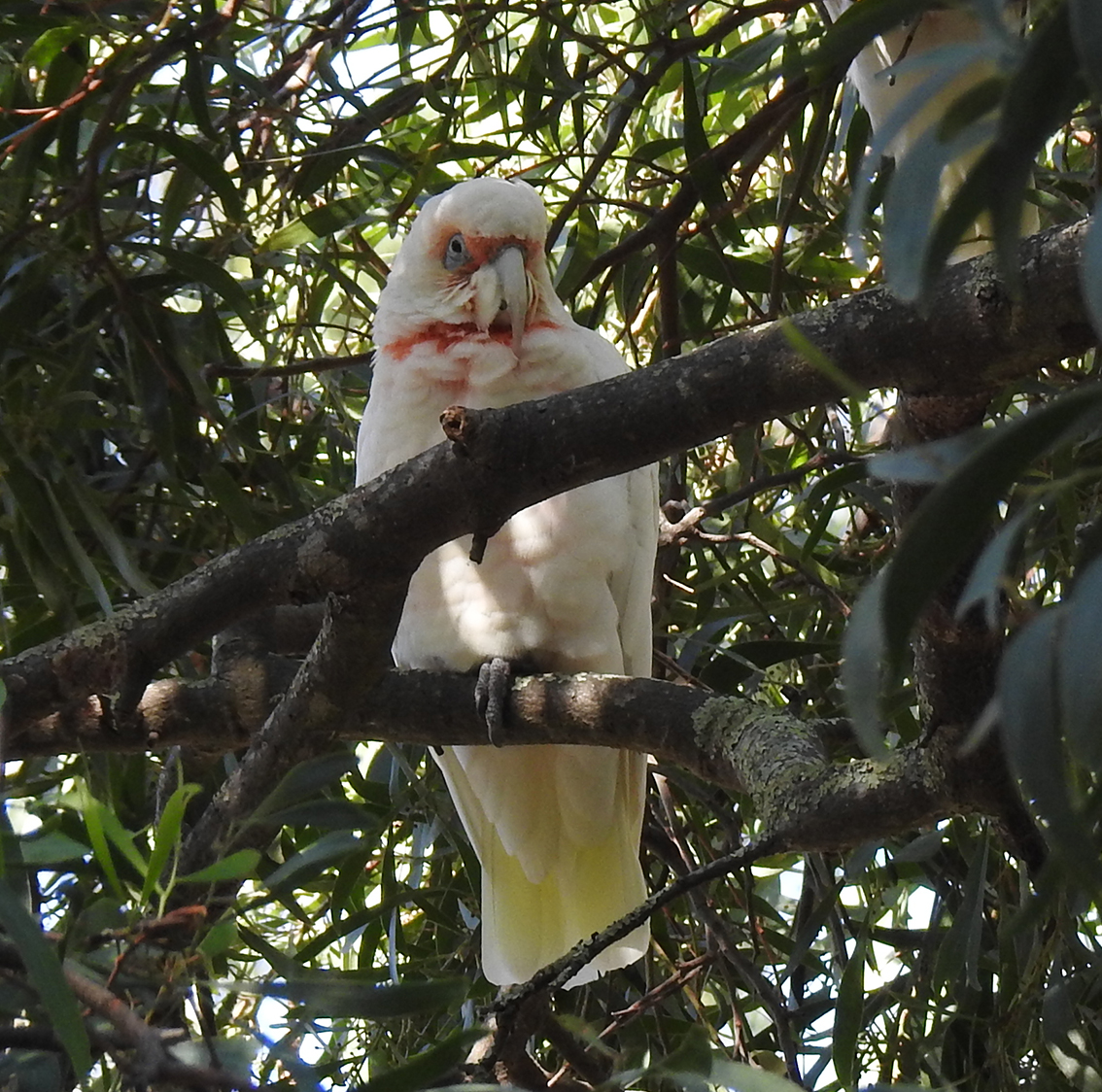
Taking a more circuitous track back to Halls gap we have a few more interesting wildlife encounters along the way.  I photograph a Long-billed Corella perched high in the canopy, numerous Eastern Greys by the roadside and a  Grey Currawong in the trees where we stop for a snack.

Eastern Grey Kangaroos alert to a disturbance

Long-billed Corella

However, the sun is getting low in the sky and we have one more place to visit, an orchard with a lovely view of some rocky outcrops. The site of tomorrow’s wedding.

Sunset on the edge of The Grampians

Cheers

Baz

Additional notes

This is an easy drive which is quite suitable for families and seniors. Dogs are not allowed in the National Park

Please pass on this blog title and or contact information (URL) to any person or organisation with an interest in taking walks and enjoying wildlife in SA. Dogs are not allowed in the National Park.

Click on these links and see more South Australian stories and pictures in my Weekend Notes articles as well as locating similar blogs on Feedspot’s top 20 Australian wildlife blogs

https://www.weekendnotes.com/adelaide/writer/452/

The Kapunda Mine Trail…History and Wildlife

17 Jul

Dear Reader:

There is an Adelaide Rosella perched amongst the bare branches of a fruit tree in the garden of the old ‘Mine Manager’s House’.

Adelaide Rosella

I am taking a walk around the Kapunda Mine site situated on the southern edge of the mid north town of the same name. It is an easy, short walk. Despite the rather overcast conditions, I am hoping to get a few good shots of the site and local wildlife.

Black-faced Cuckoo Shrike (credit Debbie Simmonds)

Before my walk I spoke to several people at the Visitor Information Centre and the local hotel. They mentioned a mob of Western Grey Kangaroos in the area and the occasional Echidna encounter. Fingers Crossed!

Classic Aussie pub

From the parking bay by the old house, the marked trail leads up to a lookout and tall Chimney which was connected to the boiler house and steam engine.  This system ran different pieces of mining equipment.

Start of the trail

Leaving the chimney site I make my way down to a playground area with fascinating metal sculptures. As I read the information plaque I notice some movement in the bushes to my right. Kangaroo? No! A bunny which skips away into the bushes.

European Rabbit

Rounding one of the bends at the top of the walk I encounter more information plaques which detail a range of stories about mining processes, the life of miners as well as some anecdotes from the mine’s historic past.

One of many stories

I read some information about ‘Wheal Charles’ an early part of the complex catch a  glimpse of some tiny birds feeding on nearby saltbush plants. Focus is tricky in the poor light and with such speedy little birds I have to take a dozen shots before getting one right. They are Silvereyes, one of our smallest local species.

Silvereye

The views across the ‘minescape’ from here are quite fascinating with the streaks of different coloured minerals standing out from the browner soil and background rock strata.

View across part of the open cut section of the mine

There are sheep in a paddock alongside the mine and some dark coloured birds on the ground near them. Initially, I think they are Ravens but after a closer look through the telephoto lens I spot their red eyes and realise the birds are White-winged Choughs.

Nearby pasture

White-winged Choughs

The Choughs are my final wildlife encounter. However, as I make my way back to the beginning of the looped trail I notice a series of placards telling a story about Sir Sydney Kidman a famous Australian outback figure. A great way to finish my tour of this charming town’s historic mine site.  

A story to end the walk

Cheers

Baz

Additional notes

This is an easy walk and drive which is quite suitable for families and seniors with public toilets, barbecues, parking and other facilities nearby. At the time of writing this post, the trail and facilities were undergoing a major upgrade. It is dog friendly.

Please pass on this blog title and or contact information (URL) to any person or organisation with an interest in taking walks and enjoying wildlife in SA.

Click on these links and see more South Australian stories and pictures in my Weekend Notes articles as well as locating similar blogs on Feedspot’s top 20 Australian wildlife blogs

https://www.weekendnotes.com/adelaide/writer/452/

https://blog.feedspot.com/australian_wildlife_blogs

Khaiserstuhl CP, Wildlife in Wine Country

16 Apr

Dear Reader:

The predatory bird circles high in the morning sky then swoops down low to within a hundred metres of me. A Wedge-tailed Eagle, Australia’s largest bird of prey.

Wedge-tailed Eagle hunting

I am heading for the Kaiserstuhl Conservation Park, a twenty minute drive from Nuriootpa in the Barossa Valley and around 90 kms from Adelaide. Kaiser Stuhl was a popular winery, now incorporated into Penfolds, that flourished in the region for over half a century. The name comes from a prominent hill in the Barossa. Indigenous people referred to the area as Patpoori which means little grass tree, a species common to the area.

Beginning of the Wallowa Trail

As I approach the park from Tanunda Creek Road the boundary between native scrub and vineyards is quite obvious; a metaphor for the unique blend of beautiful countryside and rural endeavour that typifies the Barossa Valley.

Scrub and vines on the periphery of the park

I leave the car opposite the entrance to the park and clean my boots in the scrubbers provided which lessens the chance of transferring Phytophthora (root rot) infection. Two Tracks, Stringybark and Wallowa are clearly marked and I choose the latter. Within a few metres I spot a group of Superb Fairy Wrens in the undergrowth; their fluffy plumage suggests that some are juveniles.

A juvenile Superb Fairy Wren is well camouflaged in the leaf litter

Leaf Curling Spider inside leaf and attached to web

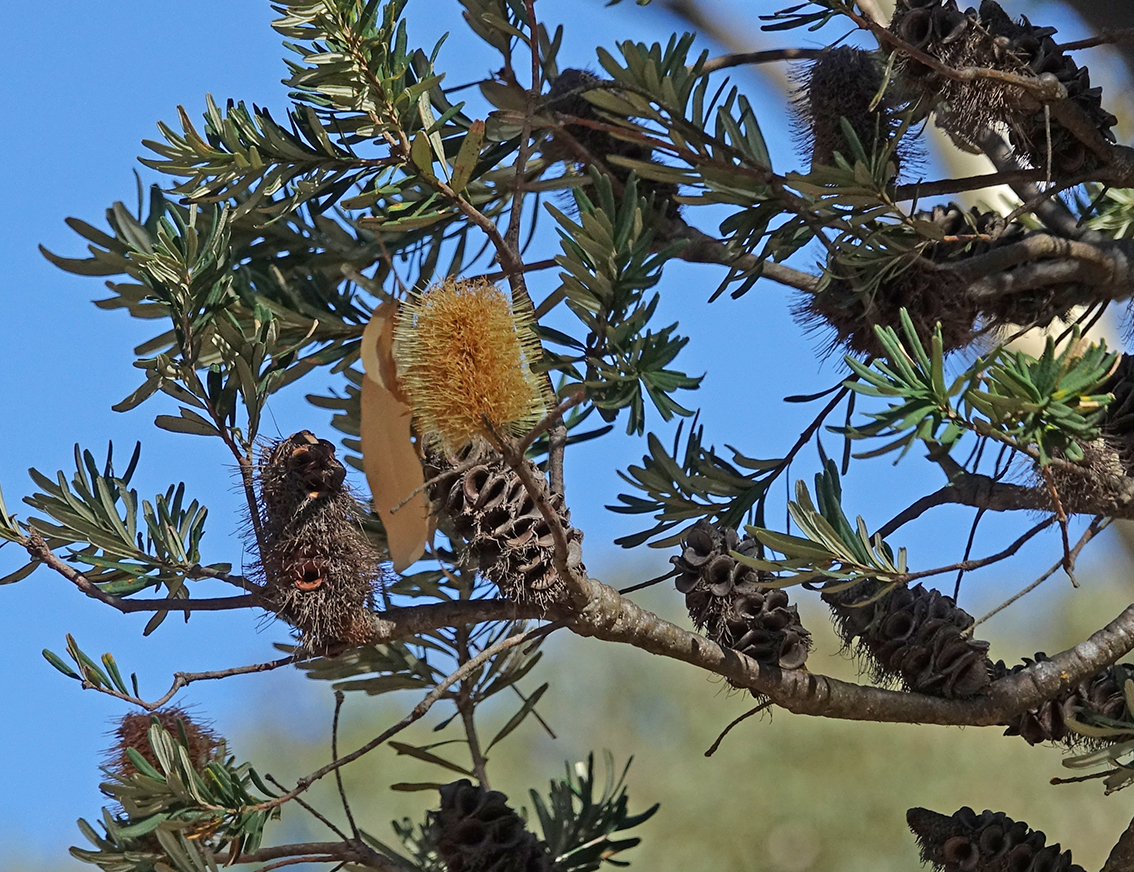
To my surprise and delight there are numerous identification plates near the base of some bushes and trees. As I am not a particularly competent botanist, being able to easily name some of the plants I encounter when constructing my posts is a real bonus. I wish more parks would follow this example. I pass some banksias which have been fire blackened, a process which opens up their seed pods helping to rejuvenate fire affected bushland. Further along the trail I notice a Leaf Curling Spider which has built its web, and suspended home, in a Grass Tree.

Eucalypt and Grass Tree (Xanthoria) scrub


Banksia species showing flower and open seed pods


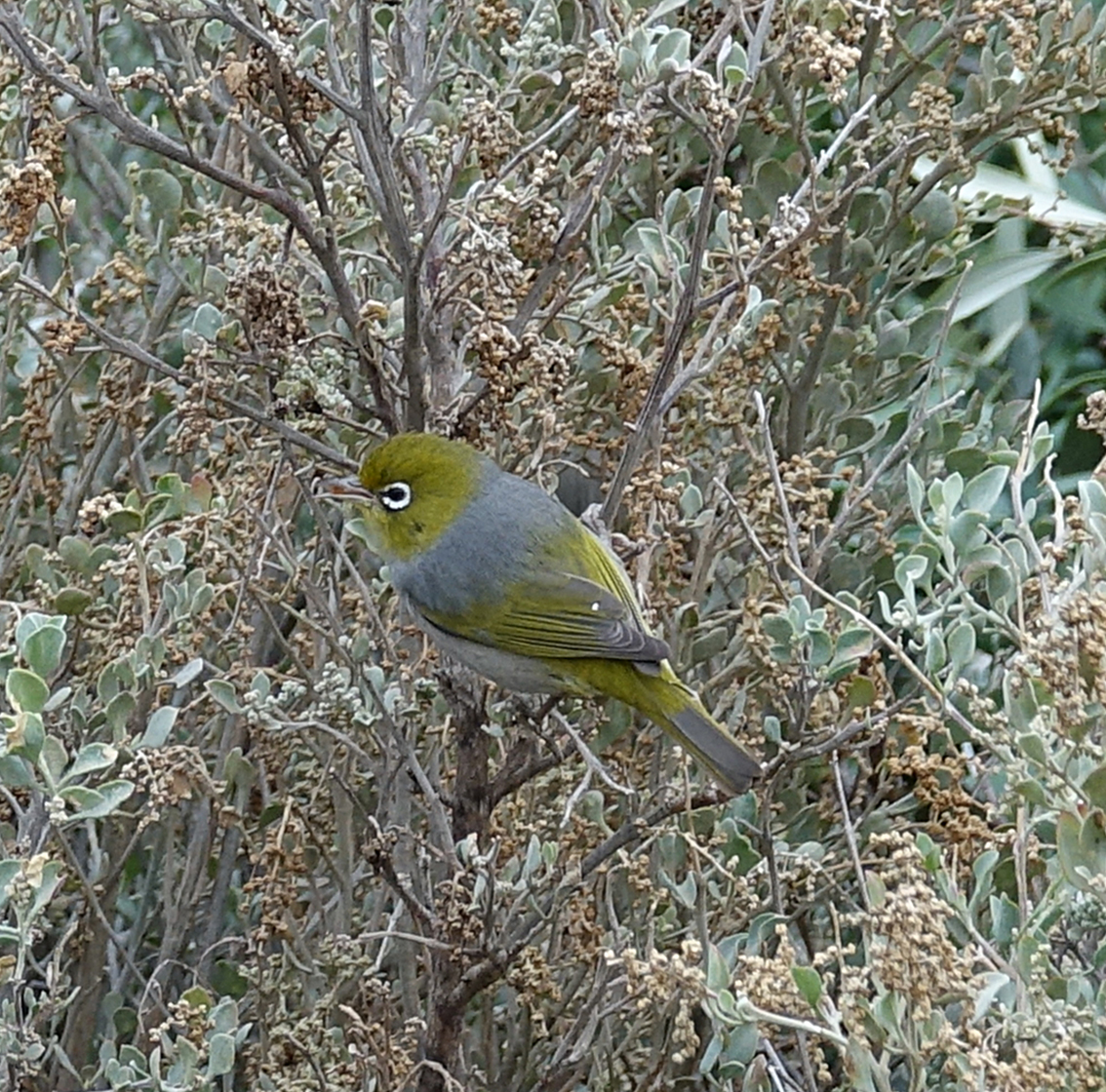
There are smaller birds in the canopy and I use the full extension of my Sony RX10 3 to identify them. However, getting a clear photograph proves impossible. Later examination and a lot of Photoshopping reveals them as: Silvereyes, a pardalote species, Crescent Honeyeaters, New Holland Honeyeaters and a Scarlet Robin.

Crescent Honeyeater (Image from my stock photos)

Time is marching on and I have an appointment in Nuriootpa to learn more about the Khaiserstuhl name and its history; which I will reveal in a later post. As I retrace my way to the entrance I hear the distinctive rustle of a larger animal in the scrub to my left. I freeze and ease the camera around slowly. A pair of Western Grey Kangaroos are standing motionless about fifty metres away. An adult and half grown joey. A lovely way to finish my walk.

Adult Western Grey Kangaroo

Western Grey Kangaroo joey

Cheers

Baz

Additional notes

This is an easy walk and pleasant drive which is quite suitable for families and seniors. There are trail markers as well as panels with maps and other information.

Please pass on this blog title and or contact information (URL) to any person or organisation with an interest in taking walks and enjoying wildlife in SA.

Click on these links and see more South Australian stories and pictures in my Weekend Notes articles as well as locating similar blogs on Feedspot’s top 20 Australian wildlife blogs

https://www.weekendnotes.com/adelaide/writer/452

https://blog.feedspot.com/australian_wildlife_blogs

Monarto’s Wildlife Roads

30 Mar

Dear Reader:

David notices a pair of brightly coloured Mulga Ringneck parrots landing in a tree by the roadside. I pull the car over and power down the window to allow both of us to capture some images.

Mallee Ringneck

On this initial foray into the bushland around Frahns Farm, in the Monarto area, we are exploring the roads surrounding a fenced off region which is being revegetated. We have travelled north along Frahns Farm Road after leaving the old Princes Highway then headed west along Disher Hill Road before returning south to the highway along Wattle Road.

At the crossroads of Theile, Peach, Frahns Farm and Disher Hill Roads 1

At the crossroads of Theile, Peach, Frahns Farm and Disher Hill Roads 2

We stop several times on Disher Hill Road and walk along the roadside for a few hundred metres scanning the terrain for wildlife. There is a continual background noise from the aptly named babblers (White-browed Babblers). In addition, tiny Silvereyes, Diamond Firetail Finches and wren species flit through the bushes and canopy, adding their tweets and twitters to the avian symphony.

White-browed Babbler

Further along Disher Road we are lucky enough to spot and photograph a solitary Brown Treecreeper and a group of White-winged Choughs engaging in their entirely different feeding strategies. The treecreeper meticulously searches the branches for insects while the gang of omnivorous choughs rake their way through the leaf litter.

White-winged Choughs

Brown Treecreeper

As I turn to get back into the car, a movement in the scrub catches my eye. A pair of Western Grey Kangaroos are moving slowly through the trees on the other side of the road. I catch one in the viewfinder before they bound away.

Western Grey Kangaroo

There were a few insects in the area…..Monarch Butterfly feeding

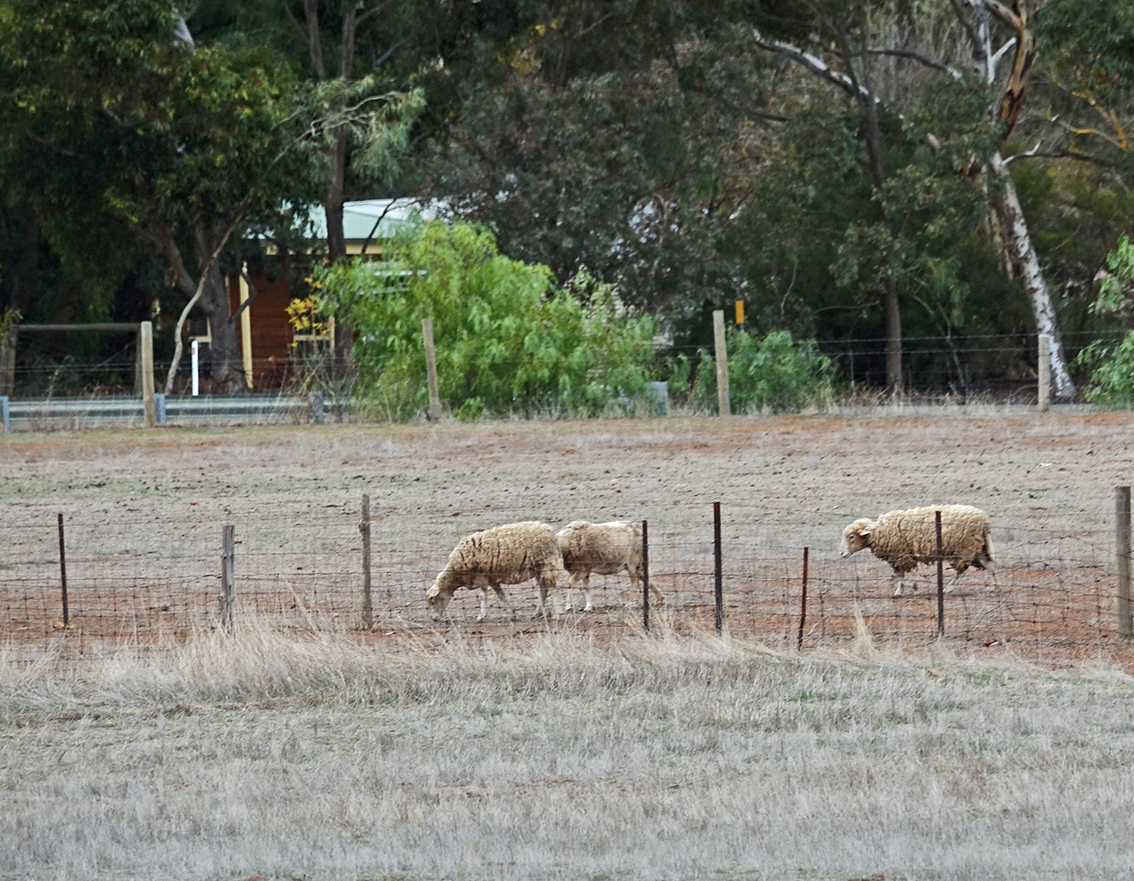
The drive back along Wattle towards the old Princes Highway provides a mixture of scrub, pasture and crop fields. There are freshly shorn sheep in a holding paddock. Little Ravens and Australian Magpies  perch in the trees and we catch sight of a lone bunny and a few more roos in the distance.

A little chilly without our coats on

As well as the wildlife along these roads there have been some interesting ruins and the more contemporary Mannum to Adelaide pipeline; both of which help provide some additional photographic perspectives to our drive.

The Mannum to Adelaide pipelines snakes through the scrub and rural landscape

Old farmhouse

The final stop on our day exploring Monarto’s backroads is an old service station in Callington, a small township just off the Princes Highway. We top up the car and enjoy a couple locally made pies while sitting on an old couch in front of the station.

Callington service station, post office and general store

Cheers

Baz

Additional notes

This is an easy drive which is quite suitable for families and seniors.

Please pass on this blog title and or contact information (URL) to any person or organisation with an interest in taking walks and enjoying wildlife in SA.

Click on these links and see more South Australian stories and pictures in my Weekend Notes articles as well as locating similar blogs on Feedspot’s top 20 Australian wildlife blogs

https://www.weekendnotes.com/adelaide/writer/452

https://blog.feedspot.com/australian_wildlife_blogs

Bullock Hill CP….. Kangaroos, Cows and Cockies

19 Mar

Dear Reader:

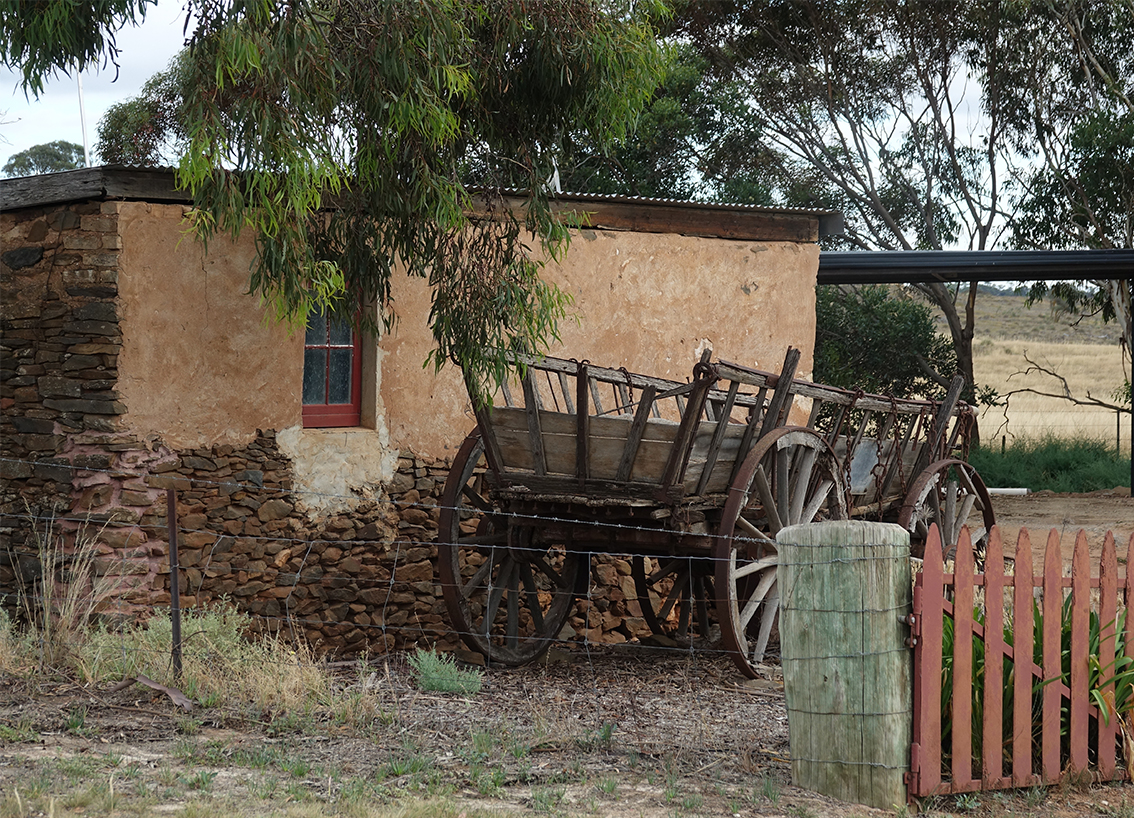
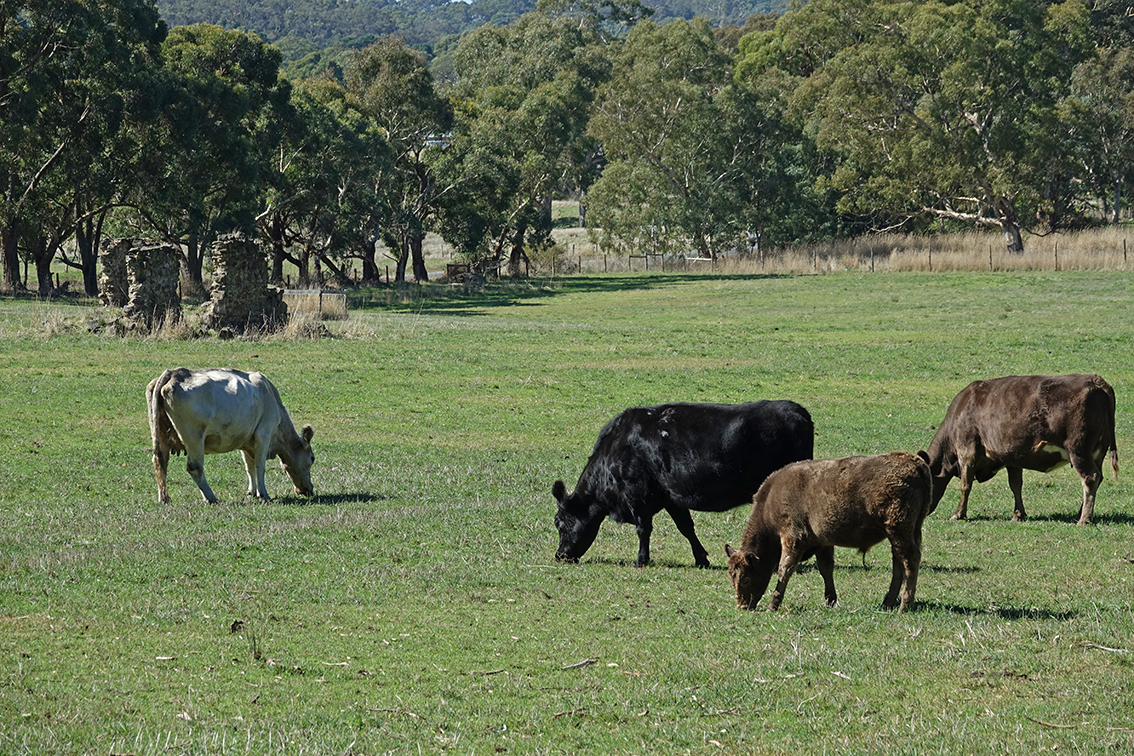
The scenery on my drive between Meadows and Ashbourne varies between open pasture to Creekside scrubland with both kangaroos and cows enjoying the fertile landscape.

Rural setting with old farmhouse ruin, stock and bush background

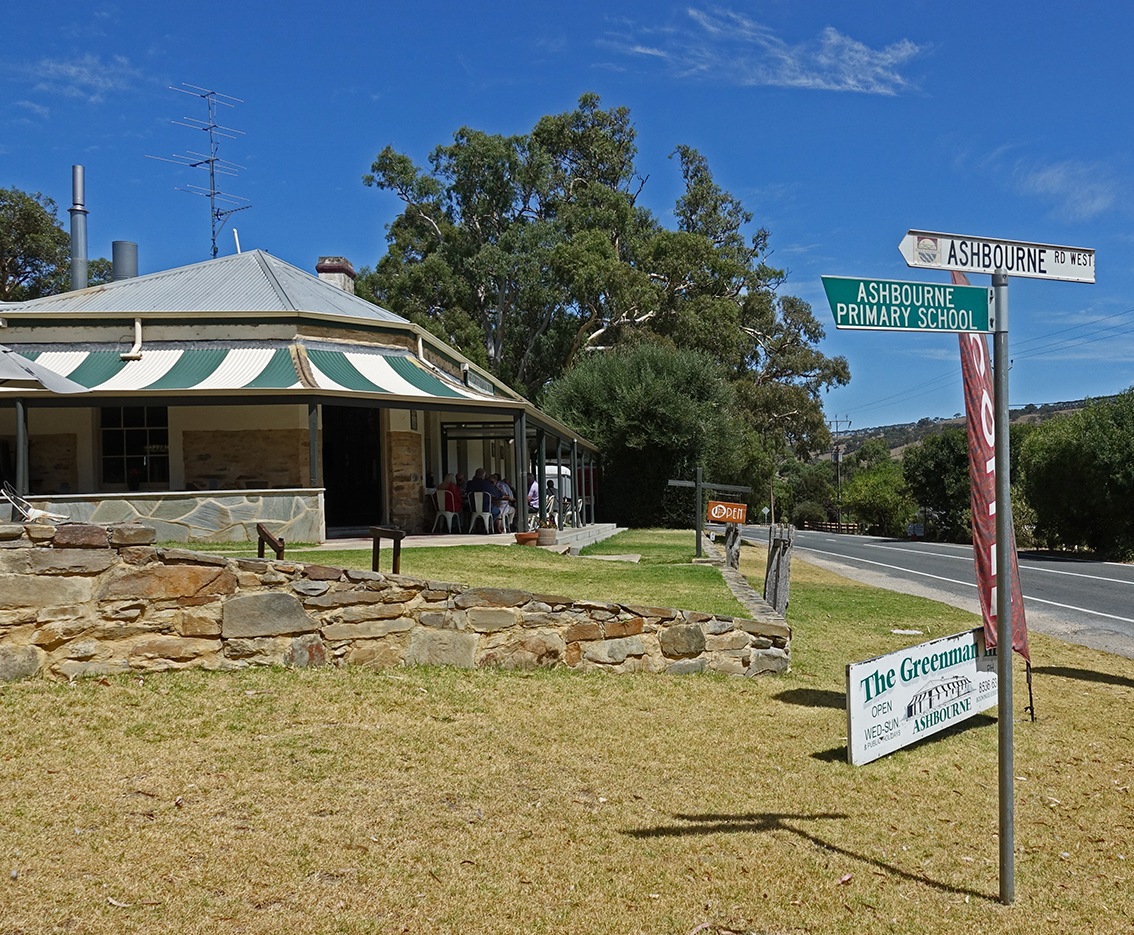
My destinations are the town of Ashbourne and the nearby Bullock Hill Conservation Park. I have driven along several of the roads I am about to explore during the cooler months when the weather was not as conducive to photography and I promised myself a summer visit and a meal at the Green Man Hotel.

Track into the park

Green Man Hotel in Ashbourne SA

Three roads skirt the Bullock Hill Conservation Park; Signal Flat Road to the west, Wattle Flat Road to the east and Haines Road to the south. There are walking trails leading into the park off these roads. The country town of Ashbourne with its folksy Green Man Hotel lies a kilometre or two north west of the park, on the intersection of Bull Creek and Signal Flat Roads.

Wattle Flat Road on my previous trip

I enter the park off Haines Road. There are honeyeaters, Grey Fantails, rosellas, lorikeets and Galahs. The birds are wary and move quickly in the canopy. Eventually I spot a Welcome Swallow resting between aerial sorties in search of insects.

Welcome Swallow taking a break

Galah or Cockie or Rose-breasted Cockatoo

Along Wattle Flat Road, I notice a pair of roos near a fenceline and stop to take a picture. Not a successful venture as one bounds over the fence while the other scoots under it. Both animals are unhurt and I get the feeling they have done this on more than one occasion.

One under one over….Western Grey Kangaroos

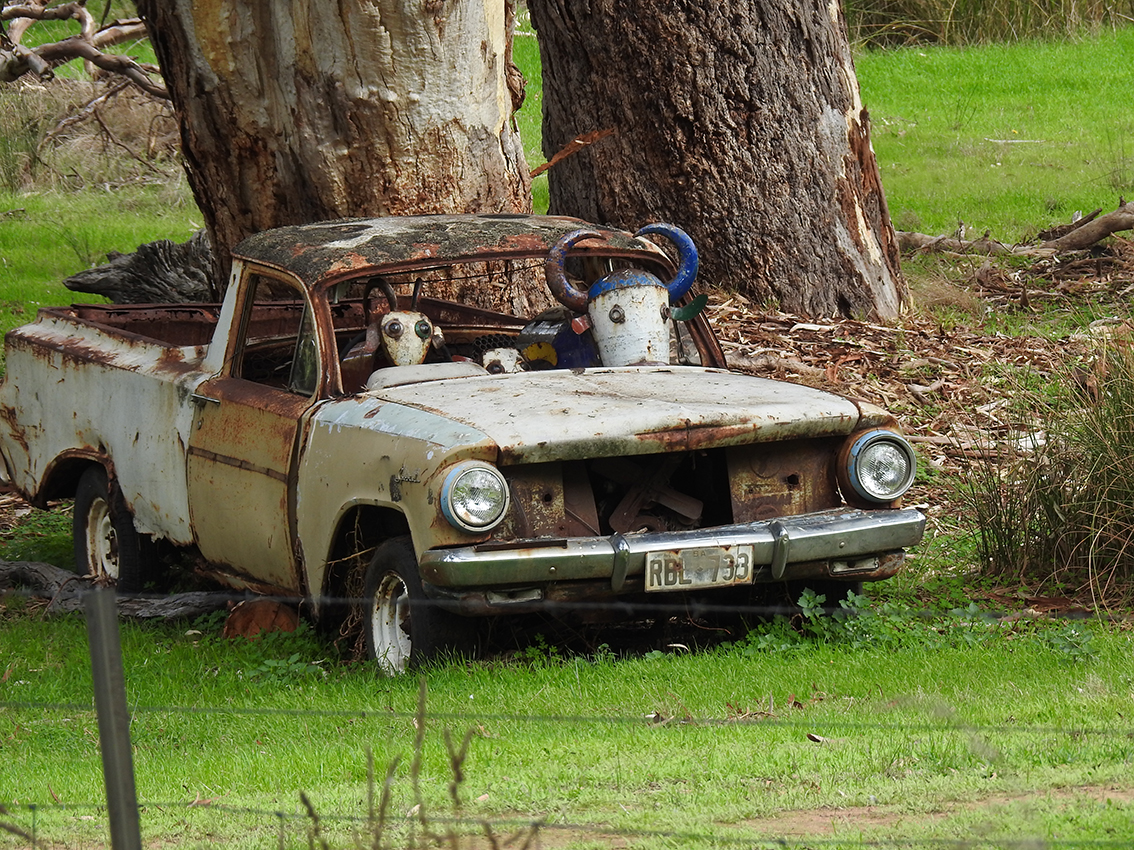
On this trip I have not driven back along Signal flat Road which skirts the eastern side of the park. However, on my last drive I was quite taken by a whimsical piece of ‘Auto-art’; if such a genre exists. On the same drive I encountered significant flocks of Galahs.  

A little whimsical, rural art off Wattle Flat Road

Back in Ashbourne and alongside the Green Man Hotel, there is an enclosure with a couple of unusual sheep which seem to be shedding their fleece rather than it being shorn. I believe they are White Dorpers a variation bred specifically for this particular characteristic.

Shearing the easy way….White Dorper variety of sheep

Leaving the car in the shade, I order a seafood platter and share an outside table with a curious and food oriented Australian Magpie. It has been a worthwhile day in the field and I will certainly return during spring to further explore the park and surrounding areas.

Seafood plate with Oysters, Calamari, Scallops and fish

Australian Magpie

Cheers

Baz

Additional notes

This is an easy walk and drive which is quite suitable for families and seniors with public toilets, barbecues, parking and other facilities nearby..

Please pass on this blog title and or contact information (URL) to any person or organisation with an interest in taking walks and enjoying wildlife in SA.

Click on these links and see more South Australian stories and pictures in my Weekend Notes articles as well as locating similar blogs on Feedspot’s top 20 Australian wildlife blogs
https://www.weekendnotes.com/profile/651267