Tag Archives: writing

Springton’s Wildlife Wonders part 2

12 Apr

Continued from Blog 254

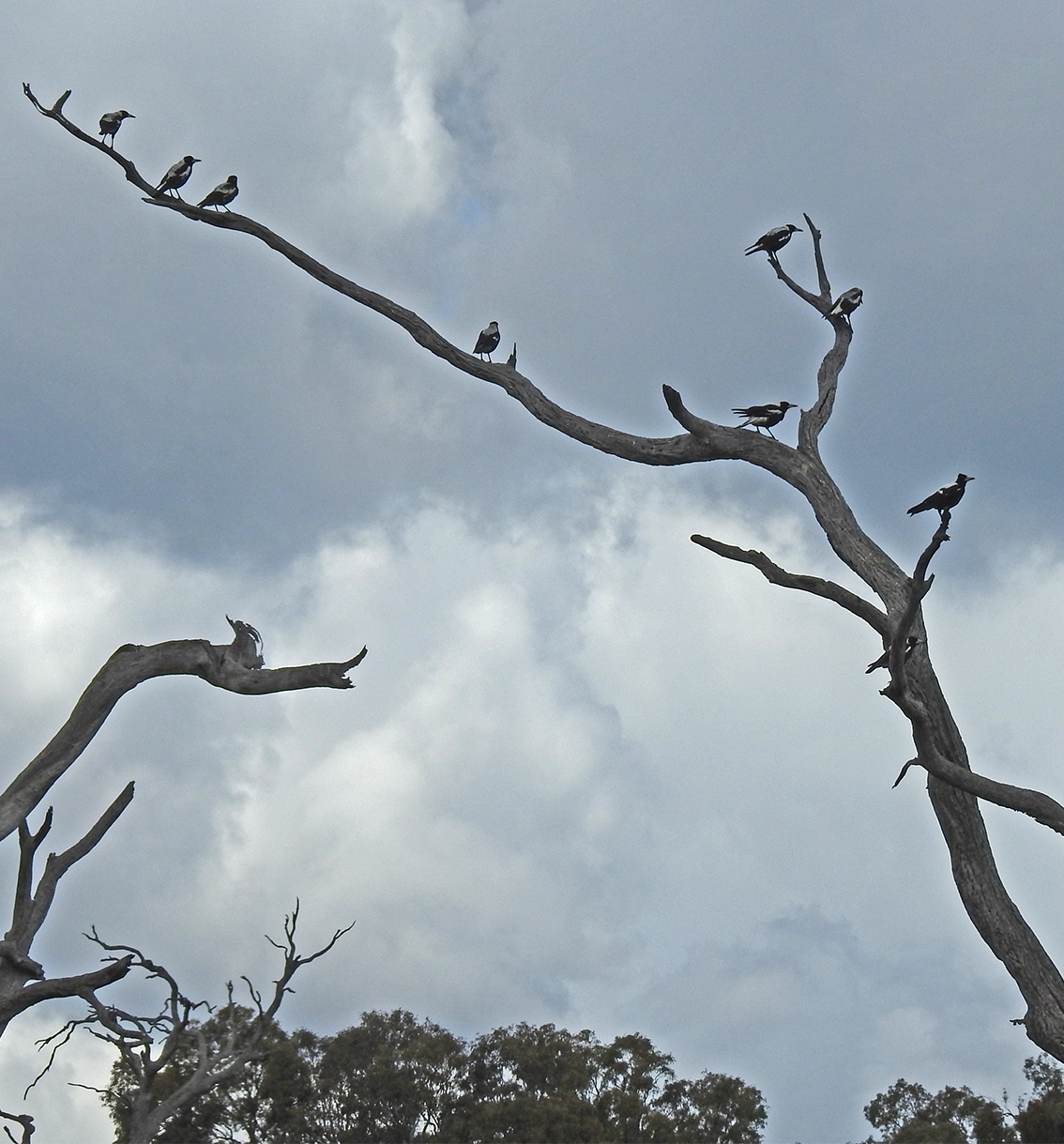
Magpies grouped in a tree

Dear Reader….

……Looking further across the field I notice a long dead tree with a small flock of Australian Magpies perched along a skeletal branch. A rather picturesque and haunting image.

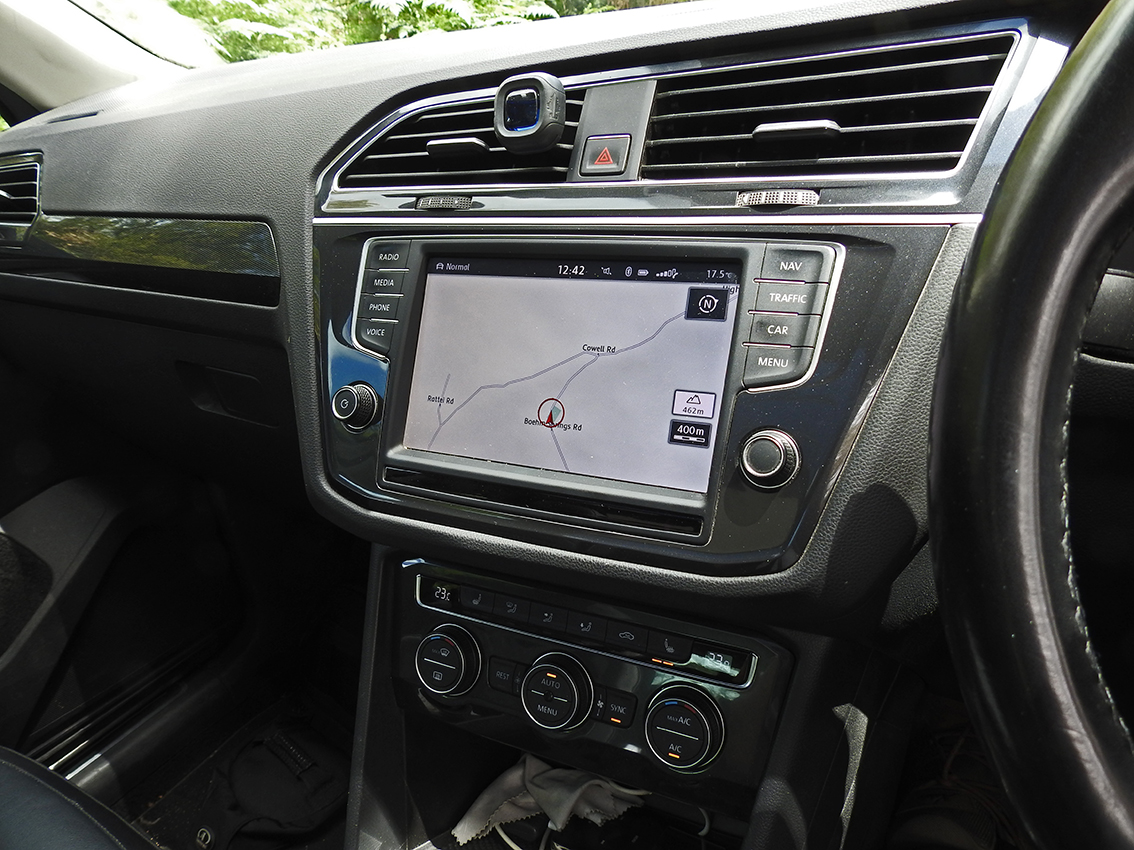
I use the GPS for location confirmation when writing notes and taking photographs

Climbing back into my car I scan the GPS for the next intersecting road which happens to be French’s Road. This in turn leads on to Potts Hill Road where there is a green section indicating a park, wetland or other natural feature.

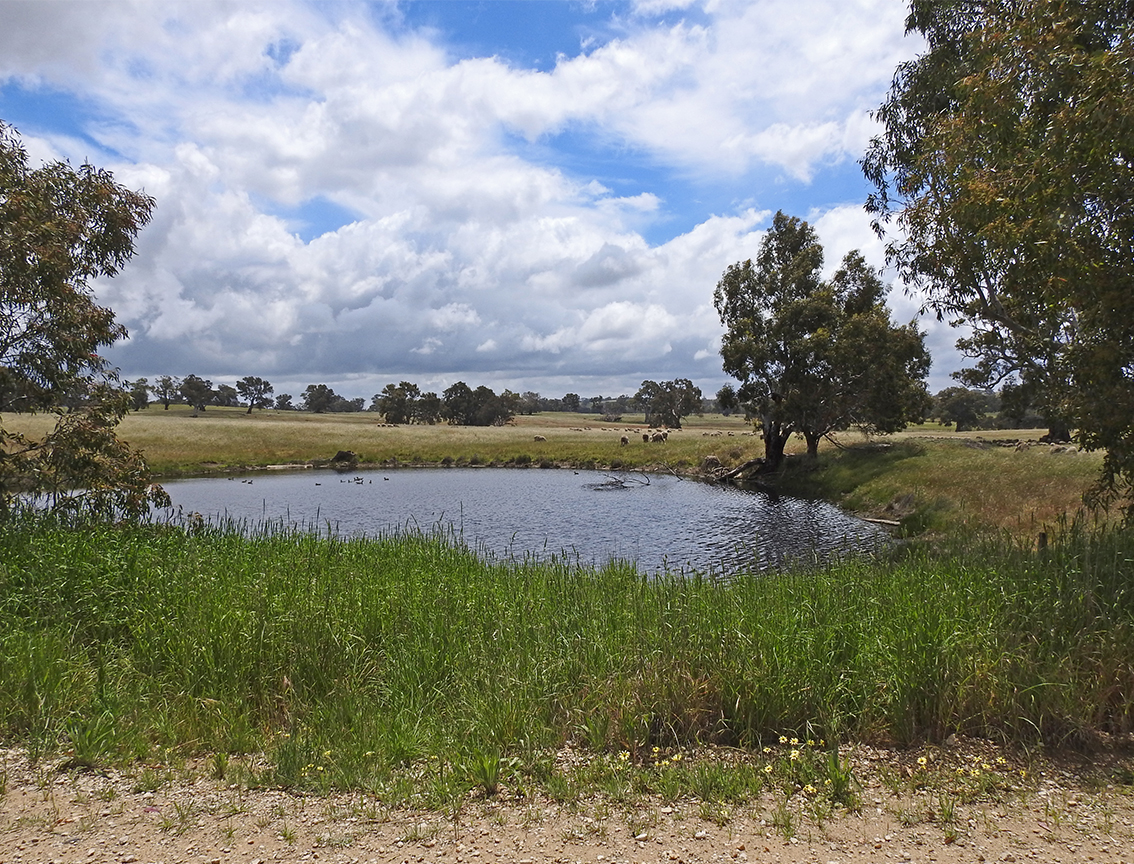
Typical farm dam in the Adelaide Hills

On the way to the junction, I pass a small dam typical of those found on hills’ properties. Using the extreme range of my P900 I recognise Maned Ducks, Eurasian Coots and a single Hoary-headed Grebe on the water.

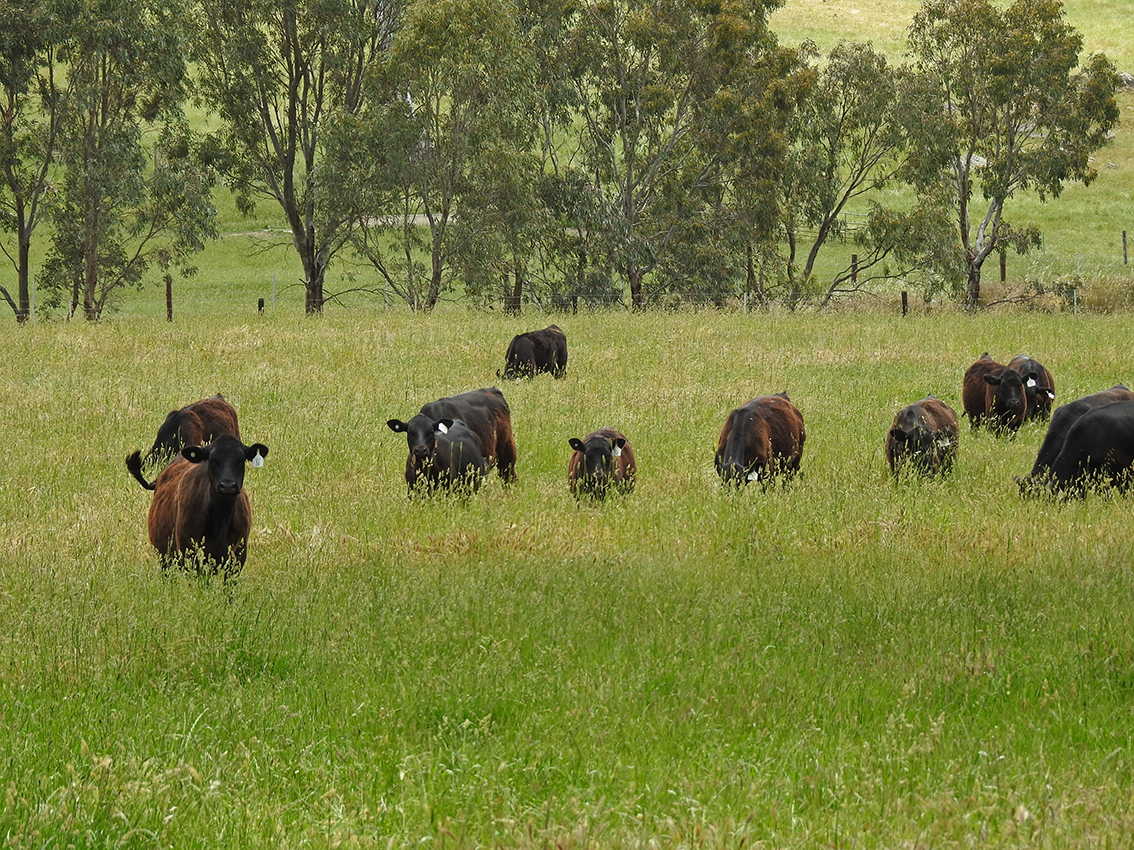
Angus variety of cattle
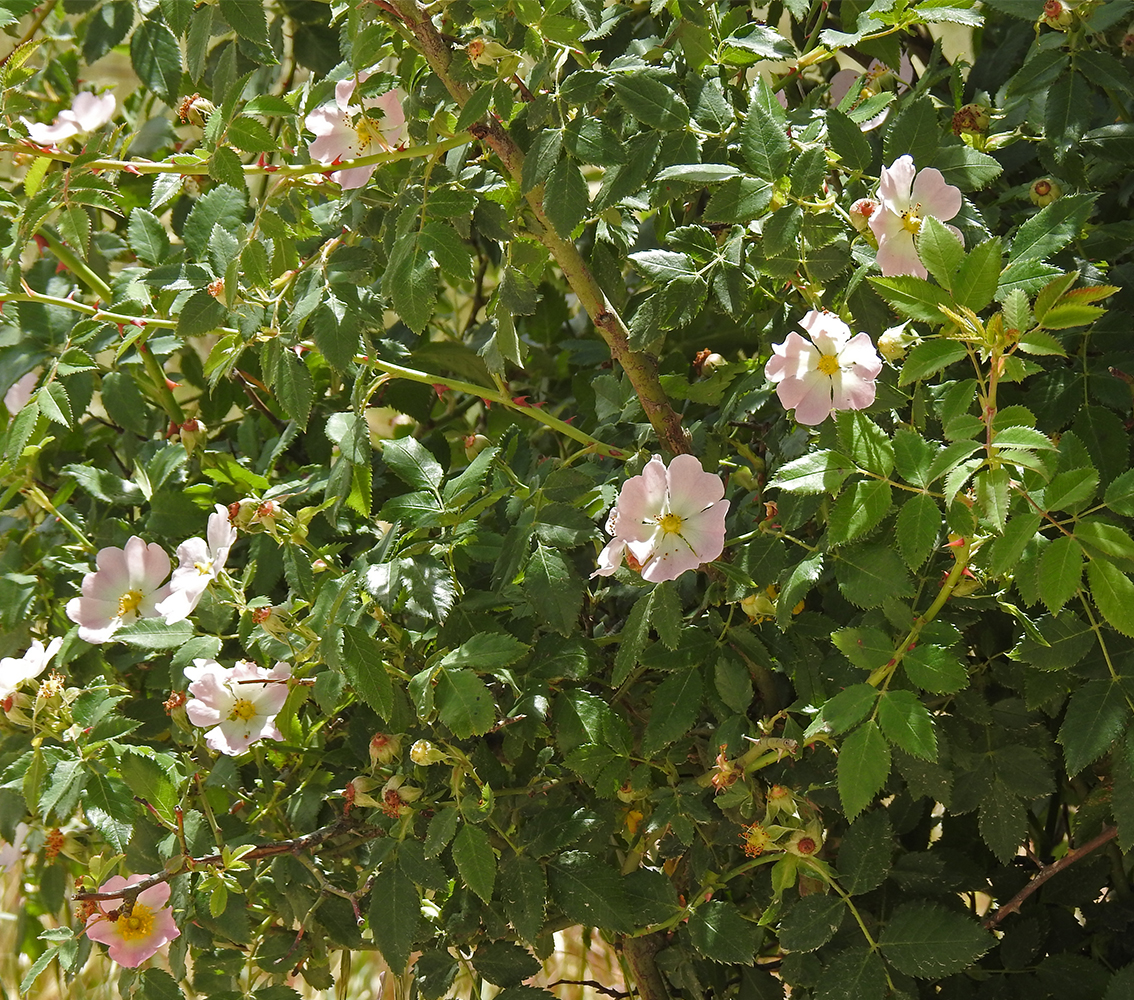
A roadside bouquet

For the next kilometre the road has wild roses growing on the verge while curious Angus Cattle meander towards the fence-line. I slow to a stop and enjoy their inquisitive company.

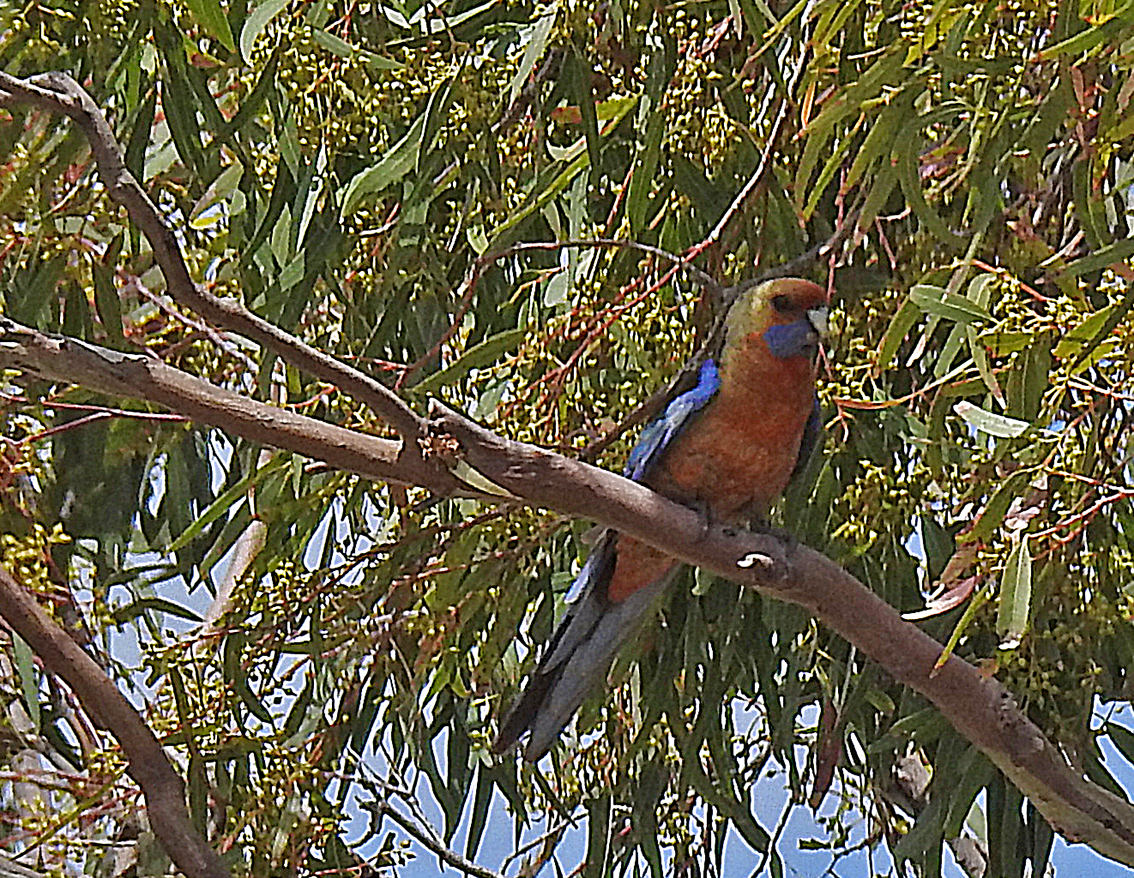
Adelaide Rosella a variety of Crimson Rosella
Unexpected change of environment

The green outline on the map marks a dip in the road where a creek cuts through the pasture creating a quite different environment characterised by dense scrub and bracken. The sound of wrens and other small birds fills the air and several Adelaide Rosellas land in one of the larger eucalypts.

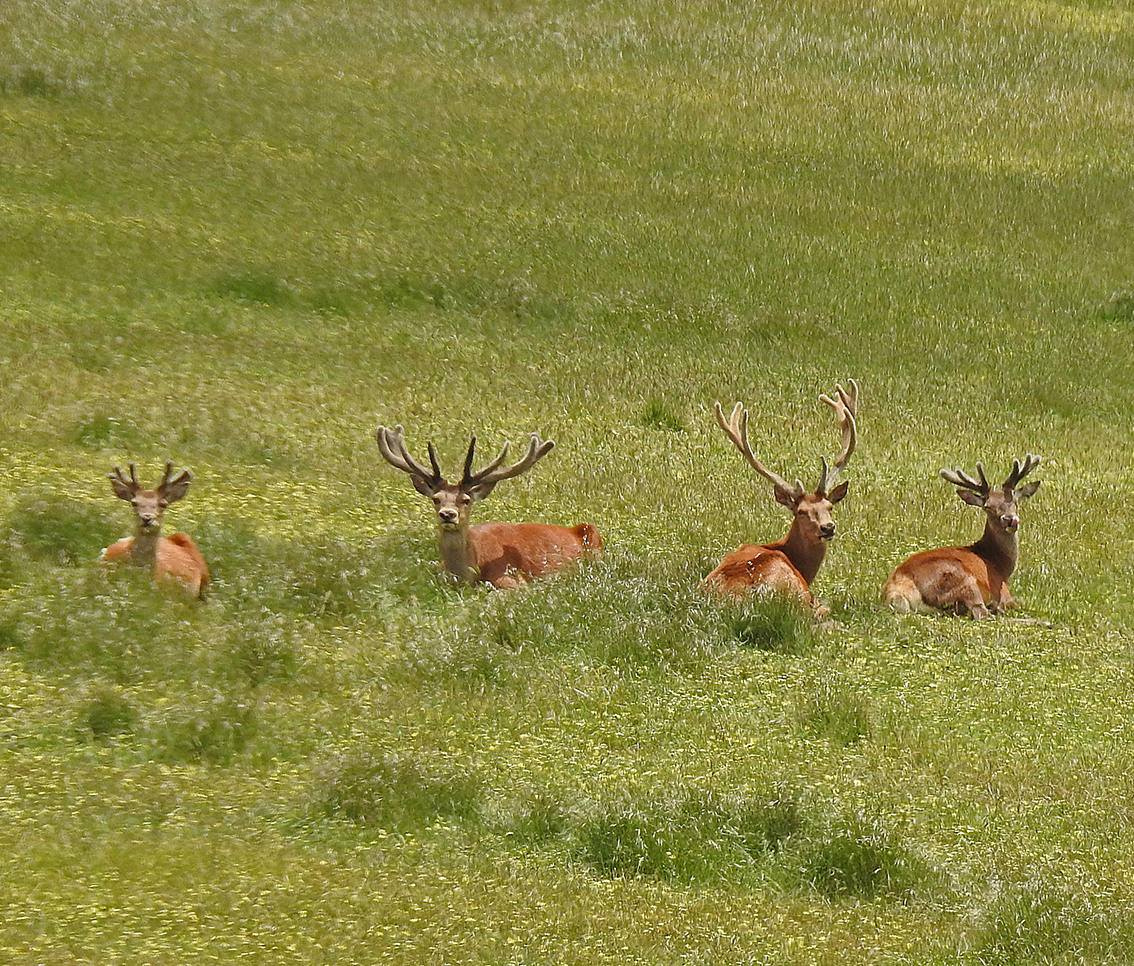
Farmed Red Deer, they are also an introduced pest species

My final stop on this exploratory drive around the Springton area yields the most interesting images of the day. In a high-fenced paddock, a herd of Red Deer sit quietly in the long grass. Introduced wildlife, they are bred for venison and the velvet on the stags’ antlers.

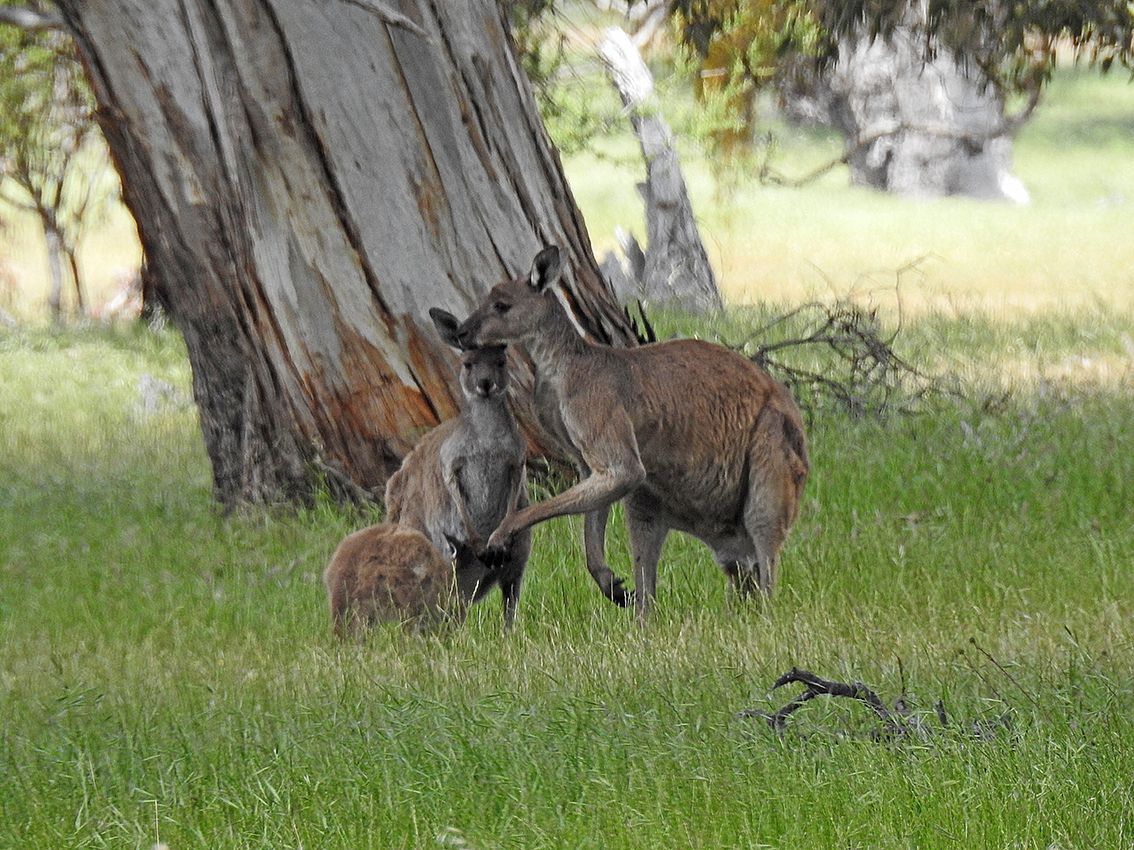
Family grouping of Western Grey Kangaroos, the male is not necessarily the parent animal

In stark contrast, a trio of Western Grey Kangaroos; male, female and half-grown joey, huddle together as I move within camera range. Large herbivorous grazers they occupy the same Australian ecological niche that deer inhabit in Europe, Asia and North America. A nice biological footnote to end my day around Springton.

Cheers

Baz

Additional notes

Other significant animals seen, heard but not photographed: Kestrel, Brown Snake

The camera used for this post is a Nikon Coolpix P900

This is an easy drive which is quite suitable for families and seniors with public toilets, barbecues, parking and other facilities in Springton. It is dog friendly unless a national or conservation park is signposted.

Please pass on this blog title and or contact information (URL) to any person or organisation with an interest in taking walks and enjoying wildlife in SA.

Click on these links and see more South Australian stories and pictures in my Weekend Notes articles as well as locating similar blogs on Feedspot’s top 20 Australian wildlife blogs
https://www.weekendnotes.com/adelaide/writer/452/

https://blog.feedspot.com/australian_wildlife_blogs/

Tasmania’s Flinders Island….Day 1

18 Apr

Dear Reader:

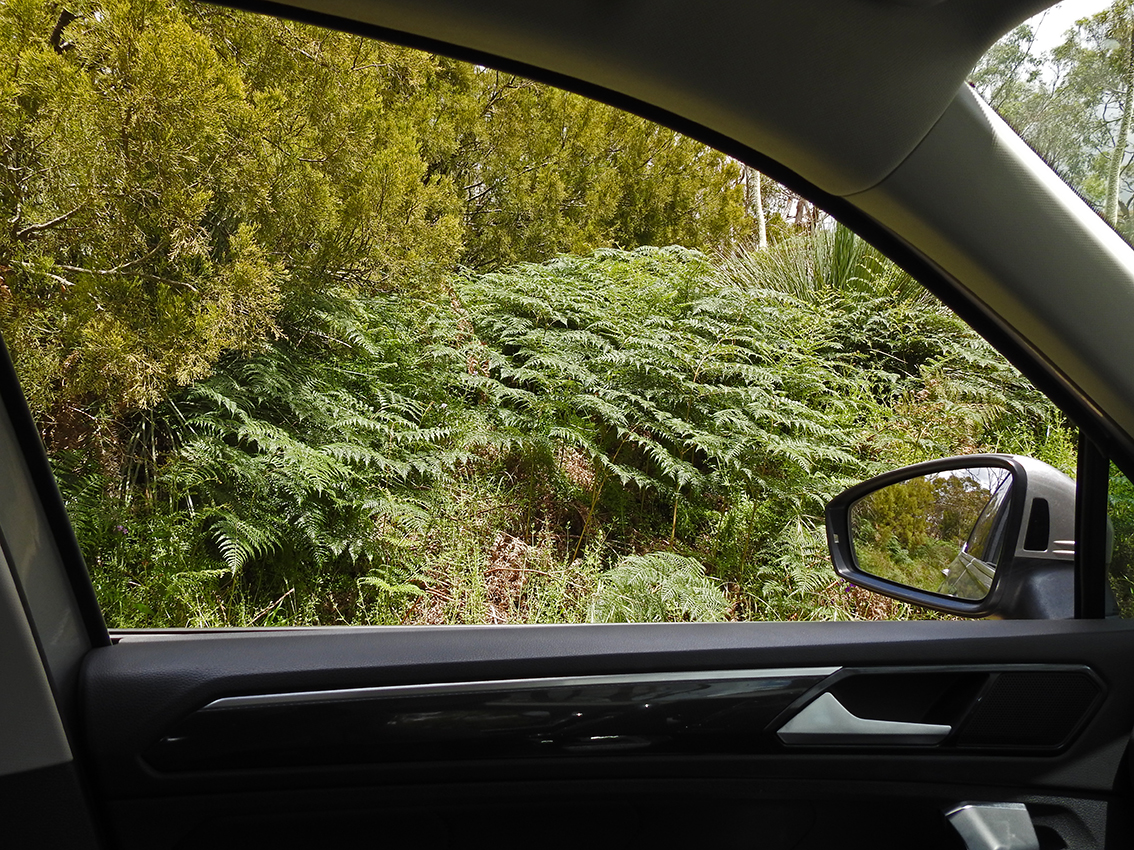
The Black Tiger Snake is a good two metres long with its head raised towards me. However, I am safely seated in the driver’s seat of the rented SUV.

The reflection in the side mirror suggests a cautious approach to photographing a large Black Tiger Snake

I am spending seven days exploring Tasmania’s Flinders Island in Bass Strait, the largest of the Furneaux Island group. My apologies for straying from my usual South Australian blogs but this fascinating Island is certainly worth a few posts.

Typical Flinders Island coastline

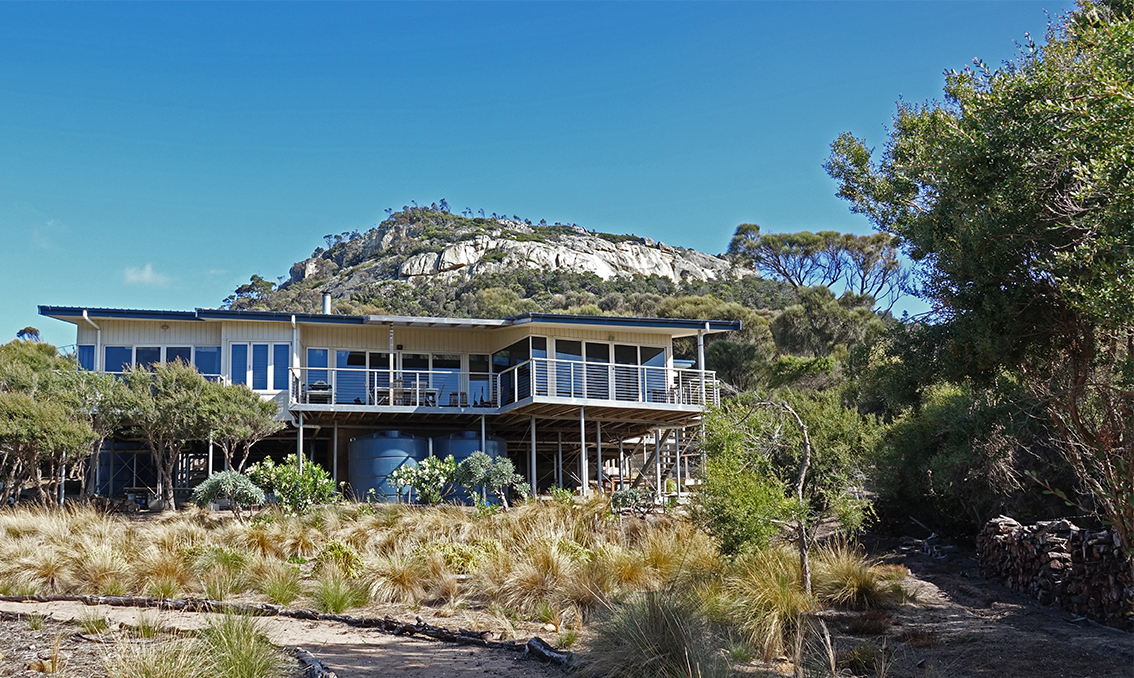
Nautilus, the coastal rental we are staying in, is truly wonderful; beautifully appointed and self-contained it offers panoramic views of the coastline.

View from Nautilus’s main living area

Unpacked and settled in, I take the path through the back garden and a  few metres of scrub emerging onto a granite platform which typifies this section of coast.

A gap in the scrub leads to the coast
Nautilus from the bottom of the garden area

The rugged outcrops and cliffs extend both ways along the shoreline, punctuated on the eastern flank by a bay with and stretch of golden sand. The sand yields Topaz crystals called ‘Killiekrankie Diamonds’. named for the tiny settlement and beach where they are found.

Killiecrankie’s bay and beach

A small bench sits on the border between scrub and granite. It is the perfect place to enjoy the striking scenery and look out for seabirds, dolphins and other coastal wildlife. I do not have to wait too long as a pod of dolphins cruises past several hundred metres out to sea while both Silver Gulls and Pacific Gulls fly along the seashore.

A Pacific Gull flies past

The sun is getting lower in the sky and there is just enough time to explore one of the many rockpools worn into the granite and accessible at low tide. This cursory look reveals periwinkles in the splash zone, limpets along the waterline and an occasional red anemone.

Rockpool in the granite coastline
Three Limpets amongst the Periwinkles….both use their tight sealing processes to retain water and can survive low tide exposure

Evening is closing in and it’s time to get back and start preparing dinner. Approaching the steps leading to the house, I notice a Red-necked or Bennett’s Wallaby in the driveway. It doesn’t seem too perturbed by my presence and hops into the nearby tree-line then stops and looks back at me.

A Red-necked Wallaby bounds across the path behind the house

My first day on Flinders Island has been quite exciting and I hope for more revelations as the week goes by.

Cheers

Baz

Additional notes

Other animals seen, heard but not photographed, Kookaburra, Fairy Wrens, Black Currawong, cormorant species

The camera used for this post is a Sony RX10 111

Please pass on this blog title and or contact information (URL) to any person or organisation with an interest in taking walks and enjoying wildlife in SA.

Click on these links and see more South Australian stories and pictures in my Weekend Notes articles as well as locating similar blogs on Feedspot’s top 20 Australian wildlife blogs
https://www.weekendnotes.com/adelaide/writer/452/

https://blog.feedspot.com/australian_wildlife_blogs/