Tag Archives: art

Just Cruising 2 King’s Billabong to Mildura

6 Jul

Dear Reader:

As we back the houseboat into the current and point it downstream a Snakebird or Anhinga perches gracefully on an overhanging branch, the perfect farewell to King’s Billabong.

Snake-bird or Anhinga

In the next hour, I photograph numerous scenes and animals from my vantage point on the upper deck. None of the images are quite as clear as the initial shot as the boat is moving, the engines vibrating, and the riverbanks are a between 50-100 metres away.

Classic red earth riverbank scenery

Because birds fly, it is a challenging task to capture images of them in flight. Dainty swallows hunt insects in the boat’s wake and Whistling Kites circle high in the air using their extraordinary vision to locate prey.

Welcome Swallows resting on the river bank
Welcome Swallows hunting in the houseboat wake
Whistling Kite hunting above the river

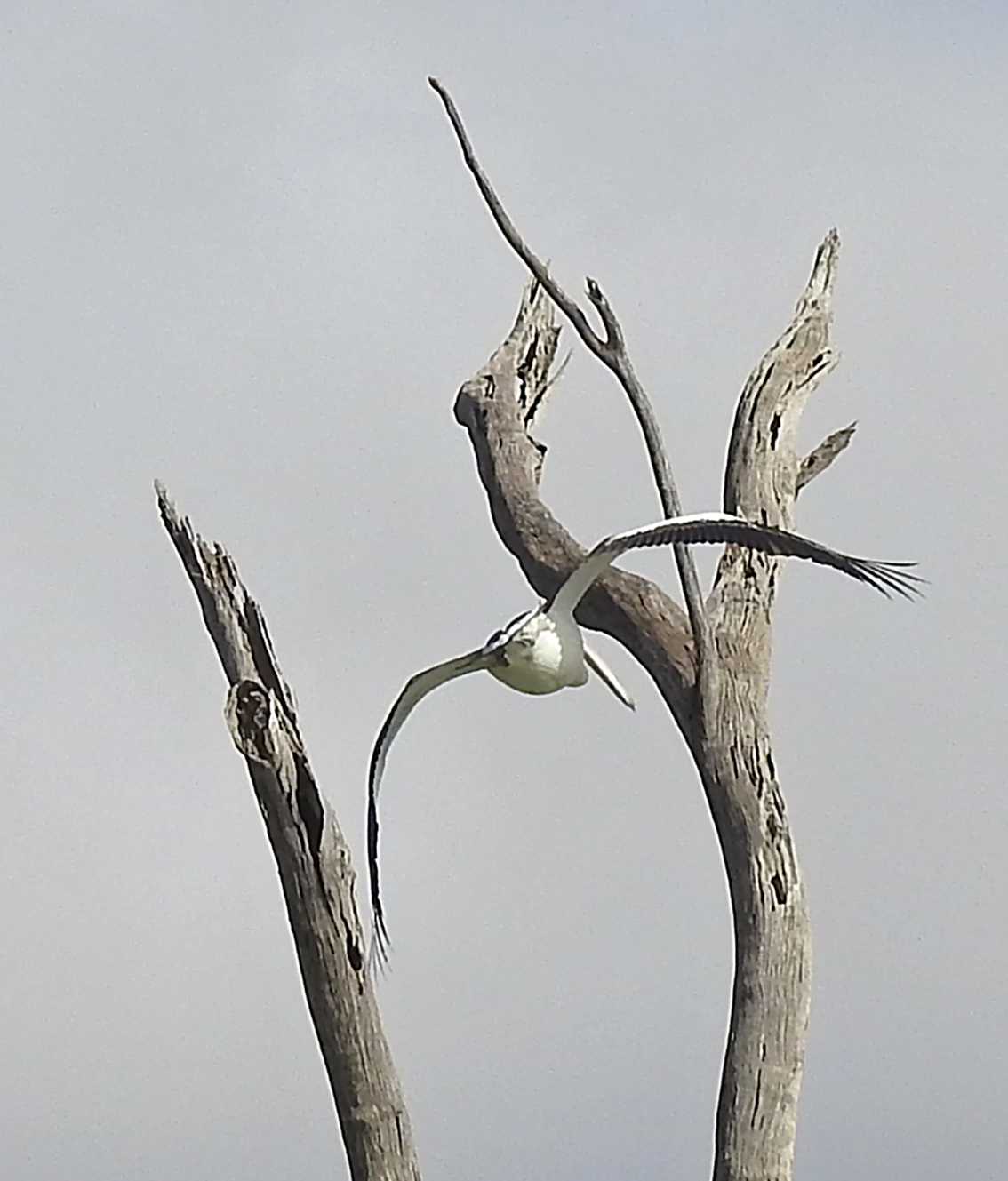
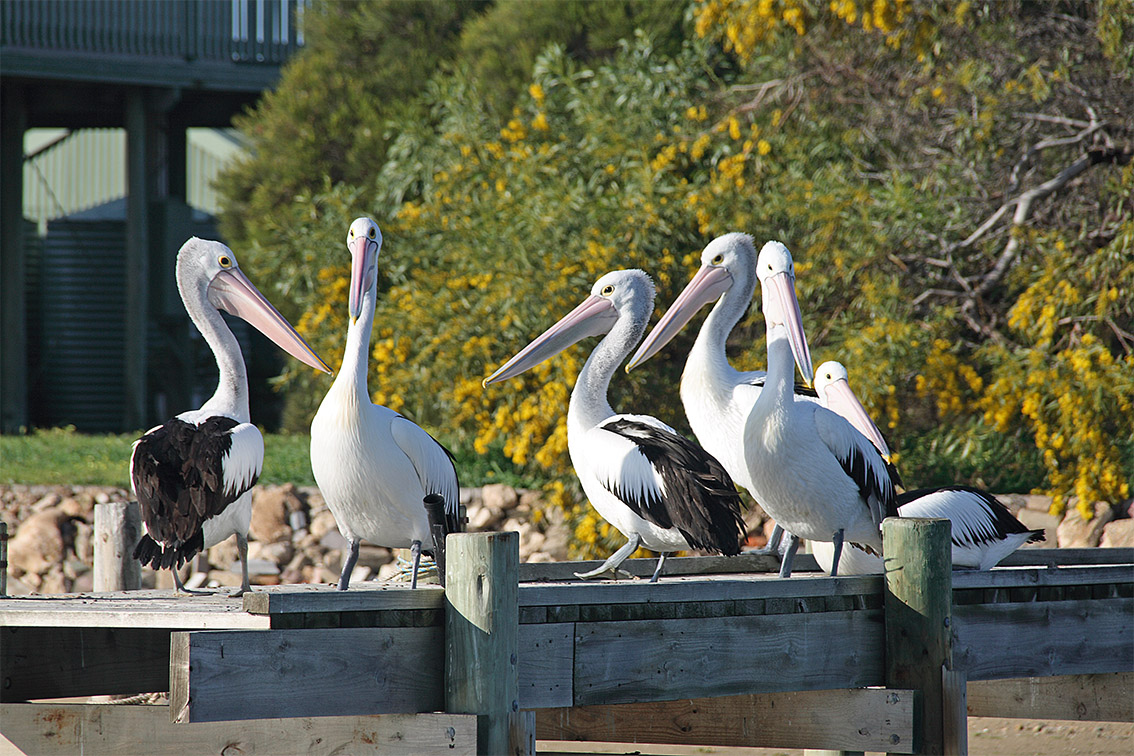
Because of their size, shape and slow flight pattern, Australian Pelicans are one of my favourite waterbirds to photograph. Whether hunting, flying, landing or taking off, they are both endearing and elegant.

Australian Pelican in flight
Ancient tree and Pelican composition

The river is used by numerous types of craft which tell a variety of stories. There are old barges from the time when the river was a major transport route. Paddle-teamers, both new and old, rekindle the more romantic days of river travel. Tour boats, houseboats , ski and fishing boats are the most common vessels of the modern era.  

Classic paddle-steamer still in use
Derelict barge

It is a relatively short trip back. As we bring the houseboat into the wharf at Mildura, I notice a Great Cormorant watching us from the bank as a flotilla of Maned Ducks slide past on the port side. Settled snuggly into our mooring I watch a Rakali or Australian Water Rat foraging amongst lily pads: a nice way to finish the week.

Rakali foraging amongst lily pads

Cheers

Baz

Additional notes

The camera used for this post is a Nikon P900

This is an easy excursion which is quite suitable for families and seniors with public toilets, barbecues, parking and other facilities nearby. River bank areas that are not part of national park are dog friendly.

Please pass on this blog title and or contact information (URL) to any person or organisation with an interest in taking walks and enjoying wildlife in SA.

Click on these links and see more South Australian stories and pictures in my Weekend Notes articles as well as locating similar blogs on Feedspot’s top 20 Australian wildlife blogs

https://www.weekendnotes.com/adelaide/writer/452/

https://blog.feedspot.com/australian_wildlife_blogs/

Murray River Cruising part 1

28 May

Dear Reader:

As we release the mooring ropes and pull away from the dock, I notice an Australasian Darter or Anhinga, stretching its neck out to mimic the branch it is perched on.

Anhinga or Australian Darter or Snake Bird

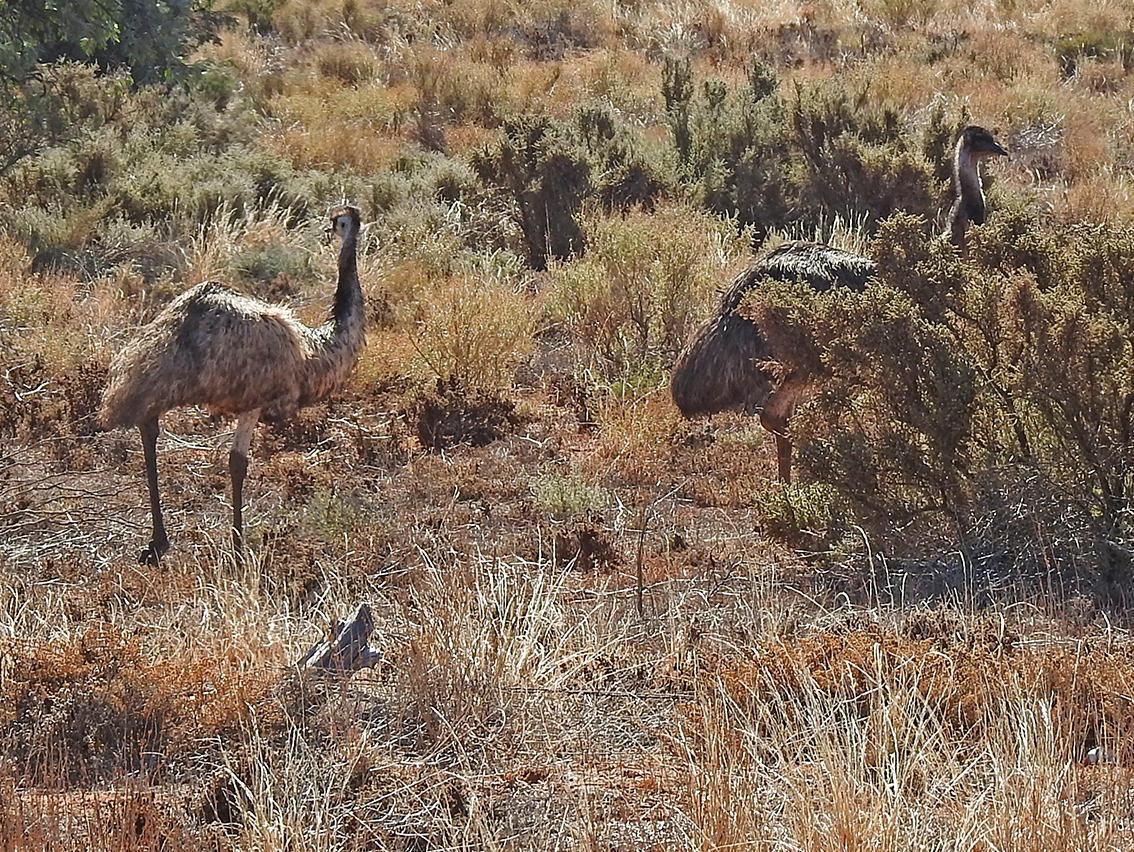
I am taking my annual houseboat trip on the Murray River from Mildura which is just over the South Australian border in Victoria. The trip from Adelaide takes around four hours and on this occasion I was lucky enough to sight emus on several occasions.

A wheat field of Emus

While we are cruising at a leisurely 6 kph I am scanning the banks for interesting images that capture different aspects the river.

Entrance to a billabong

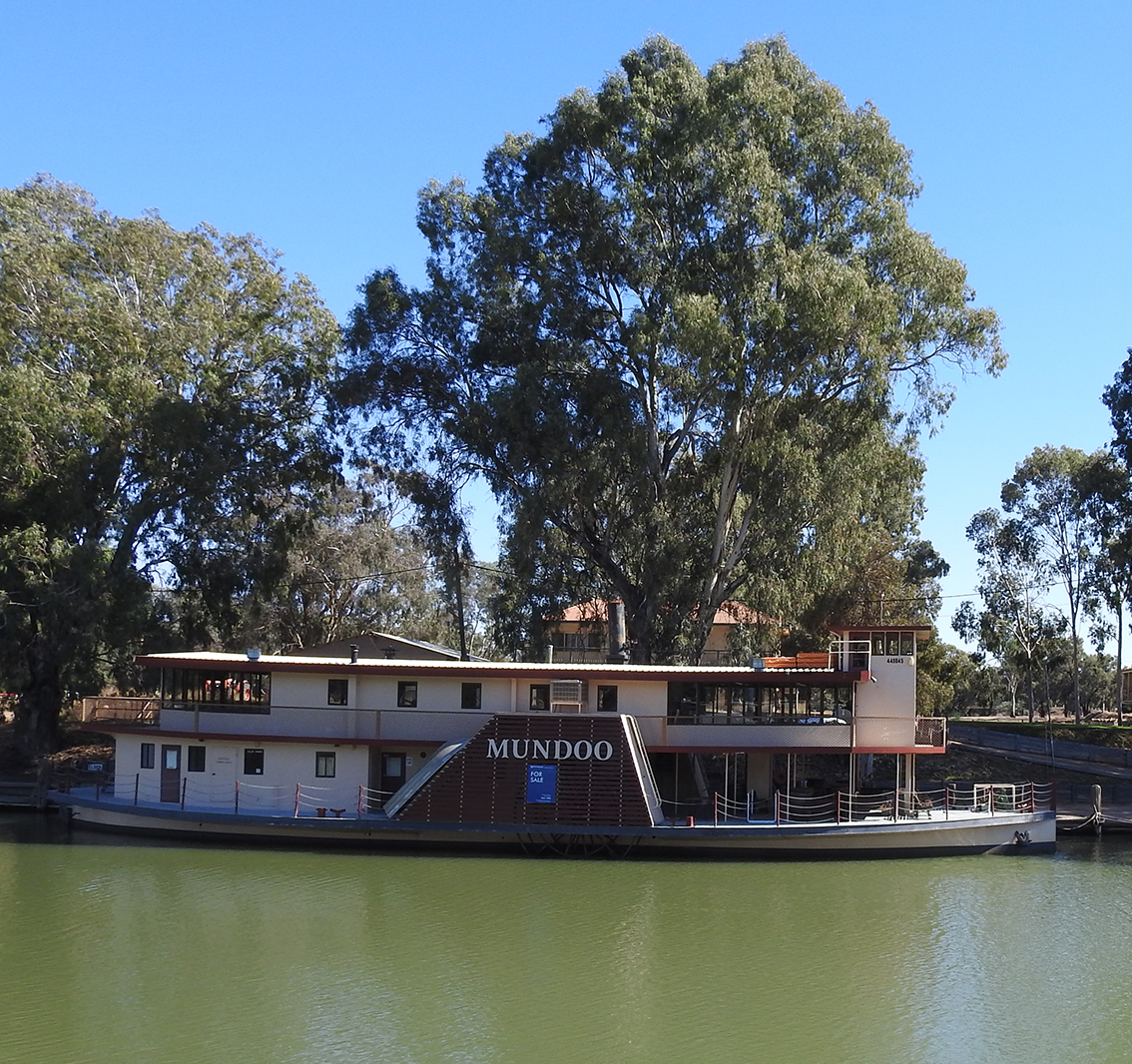
A wide variety of boats use the river, ranging from rebuilt paddle steamers to ski-boats, fishing craft, canoes and houseboats. Most of the ‘boaties’ give a casual wave as we pass them.

Reproduction of a classic Murray Paddlesteamer design
Fisher working the snags near the bank

Numerous bird species inhabit the Murray’s banks, billabongs, reed beds and open water. I spot a Pied Cormorant perched in a long dead tree and quickly focus before the moment is lost.

Pied Cormorant

We search for a place to tie up and carefully manoeuvre the boat into the shallows then secure the ropes to large trees on the bank. There is little current near the bank and I watch dragonflies and damselflies trace their erratic flight paths over the water.

Red and Blue Damsel (Xanthagrion erythroneurm)

After disembarking, I walk quietly through the scrub then sit on a fallen log to search the leaf litter and fallen branches for the small creatures inhabiting this understory environment.

Fence or Snake-eyed Skink found under bark and in leaf litter and fallen branches

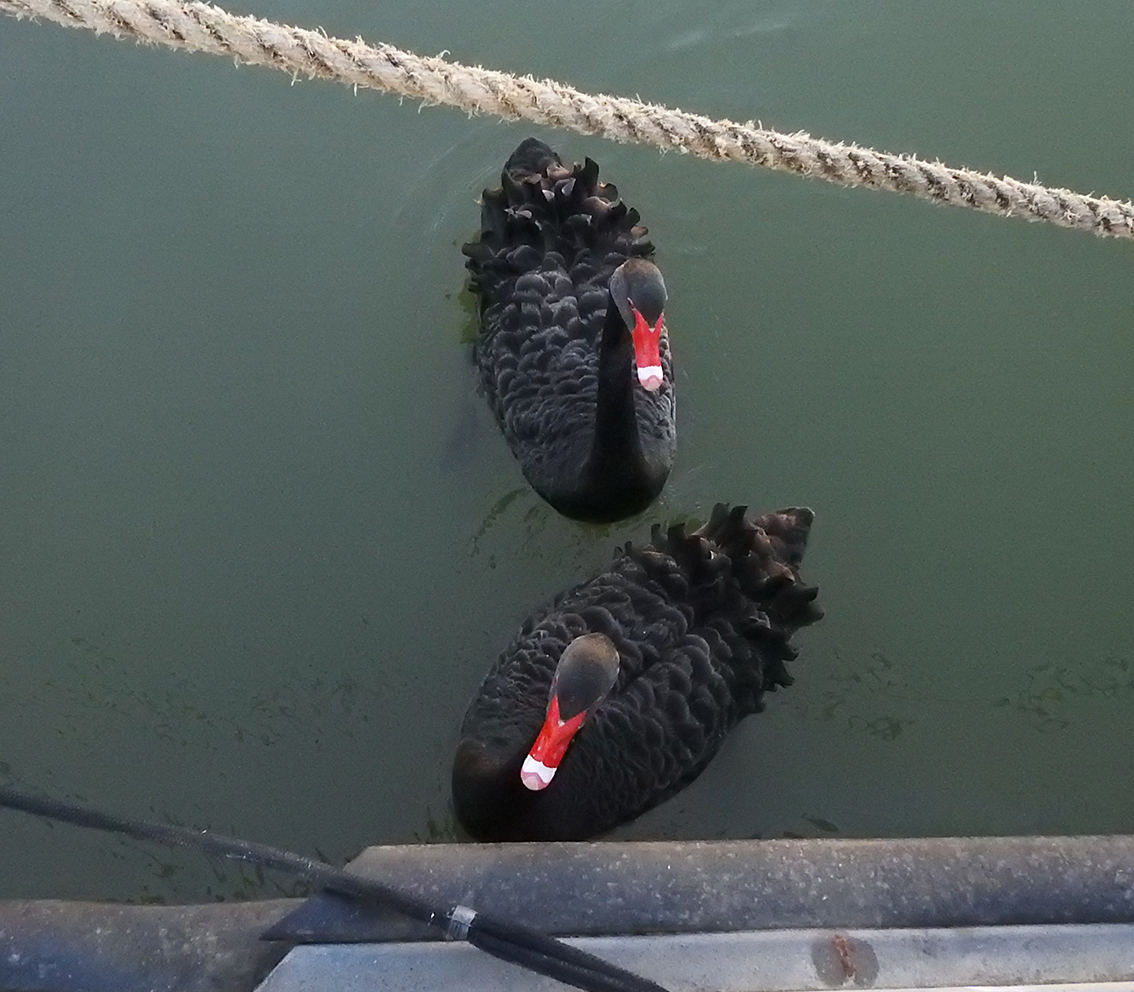
As evening approaches I make my way back to the boat photographing a pair of Black Swans under the mooring ropes as I climb aboard. They are probably looking for scraps from houseboaters. However attractive, feeding native birds is not a good idea as many processed foods can be damaging to their health.

Black Swans by the houseboat

My day cruising the river is done and I am rewarded with the most appropriate of endings; a spectacular sunset over the river.  

Murray River sunset

Cheers

Baz

Additional notes

The camera used for this post is a Nikon Coolpix P900

This is challenging but wonderful experience which is quite suitable for families.

Please pass on this blog title and or contact information (URL) to any person or organisation with an interest in taking walks and enjoying wildlife in SA.

Click on these links and see more South Australian stories and pictures in my Weekend Notes articles as well as locating similar blogs on Feedspot’s top 20 Australian wildlife blogs

https://www.weekendnotes.com/adelaide/writer/452/

https://blog.feedspot.com/australian_wildlife_blogs/

The tip of the Fleurieu

28 Apr

Dear Reader:

The school of Silver Drummer and Banded Sea Sweep mill around the rocky outcrop off Cape Jervis SA.

Silver Drummer (top centre) and Banded Sweep

I am exploring the southern tip of South Australia’s Fleurieu Peninsular using images that show a few of its many features and attractions.

Australian Pelicans Goolwa bird reserve

Cape Jervis is the transit port for the Kangaroo Island Ferry as well as being an interesting wildlife destination in its own right.

Kangaroo Island ferry at Cape Jervis with KI in the background

Numerous seabirds live in this area including: terns, gulls, cormorants and various birds of prey. At different times I have observed Sea Eagles and Nankeen Kestrels.

Nankeen Kestrel hovering

Just before Cape Jervis, a dirt road leads to Fishery Beach where an undersea cable crosses beneath Investigator Strait to KI. I spend a little time snorkelling close to the shore where I photograph a school of Zebra Fish.

Zebra Fish

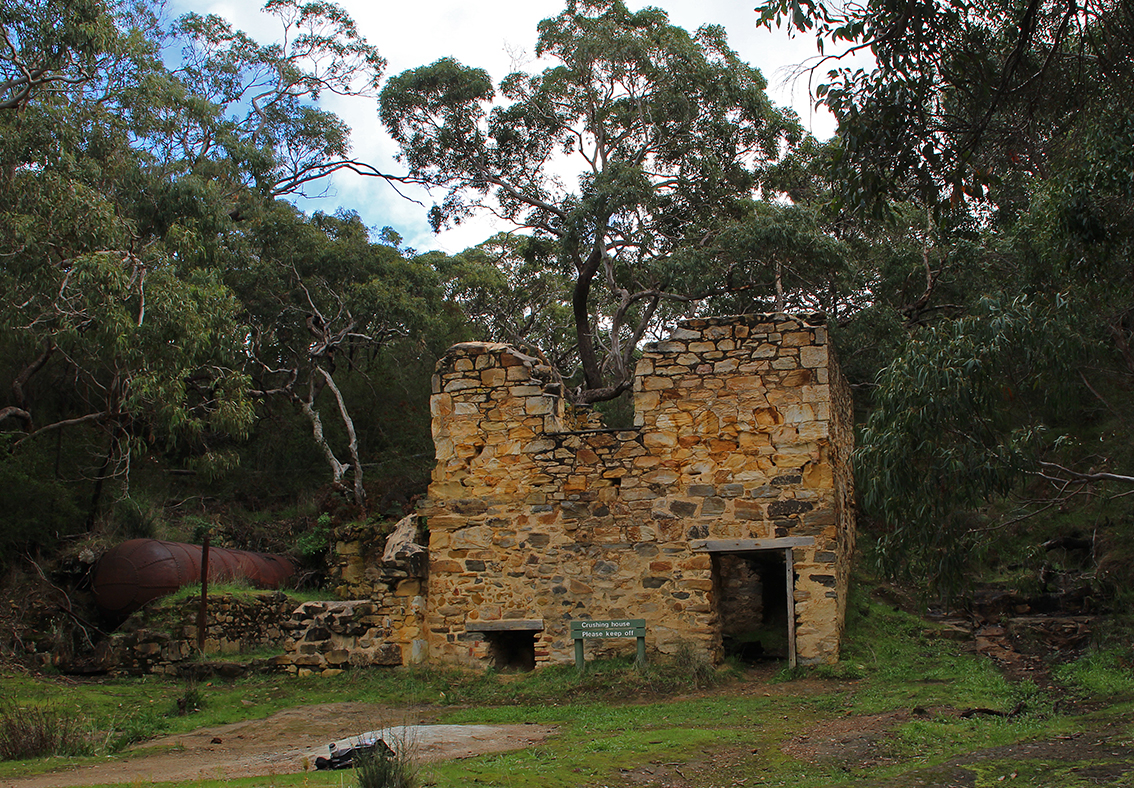
Range Road Curls around the foot of the peninsular passing through pasture, scrub and grazing country. Near the beginning of the road there is an entrance to the old Talisker mine. Numerous small birds inhabit the dense scrub around this area and the old buildings and machinery provide some historical context.

Crusher house and boiler
Crescent Honeyeater

One of the main attractions of the southern Fleurieu is the Deep Creek Conservation Park; a wonderful place to photograph Western Grey Kangaroos and the occasional Echidna.

Lone roo Deep Creek Conservation Park
Roos in the mist Deep Creek CP

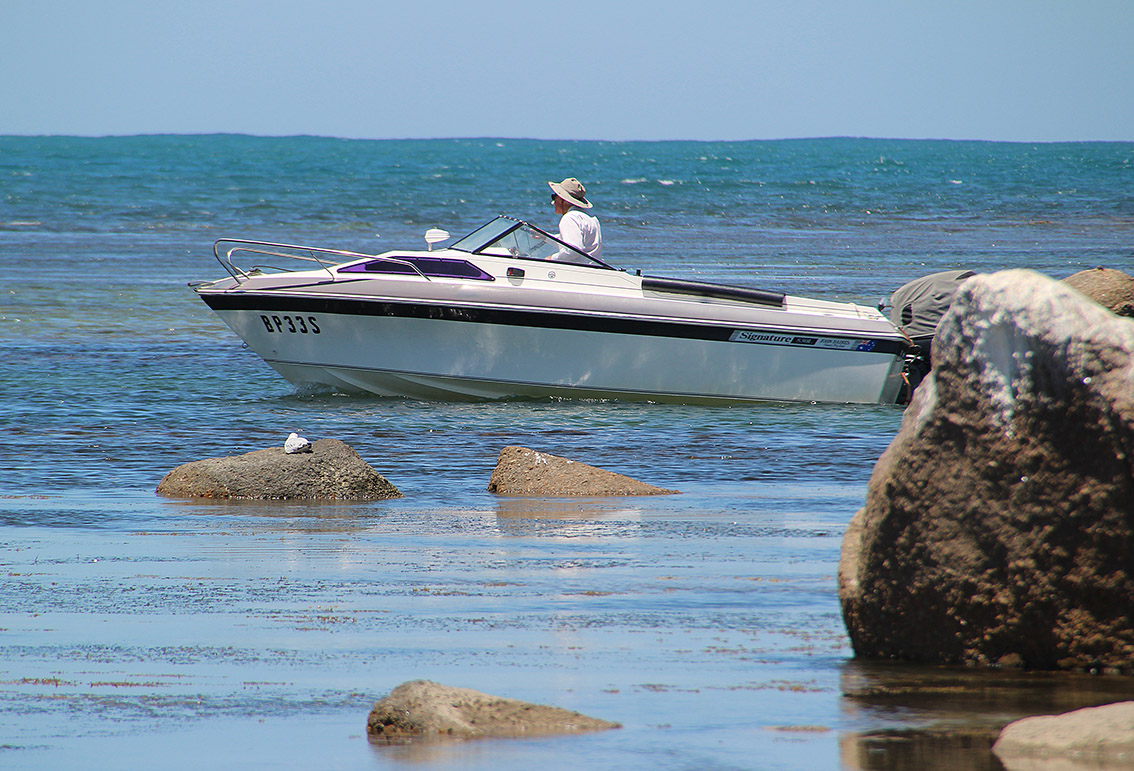
My next stop on this trip is Victor Harbor, where I watch a succession of recreational fishing boats head out to sea while I enjoy a tasty seafood lunch at Whalers Seaside Dining.

Setting out from the Victor Harbor boat ramp

Having reached Victor from the city via South Road and Range Road I decide to return to Adelaide along the B37 (Strathalbyn Route) after a 4WD run along iconic Goolwa Beach towards the mouth of the Murray River.       

Entrance to Goolwa beach

Cheers

Baz

Additional notes

The cameras used for this post are Sony RX, Nikon P900 and Nikon Coolpix AW100  

This is an easy drive which is quite suitable for families and seniors with the exception of the 4WD section which can be tricky depending on tides and wind.

Please pass on this blog title and or contact information (URL) to any person or organisation with an interest in taking walks and enjoying wildlife in SA.

Click on these links and see more South Australian stories and pictures in my Weekend Notes articles as well as locating similar blogs on Feedspot’s top 20 Australian wildlife blogs

https://www.weekendnotes.com/adelaide/writer/452/

https://blog.feedspot.com/australian_wildlife_blogs/

Tasmania’s Flinders Island….Day 1

18 Apr

Dear Reader:

The Black Tiger Snake is a good two metres long with its head raised towards me. However, I am safely seated in the driver’s seat of the rented SUV.

The reflection in the side mirror suggests a cautious approach to photographing a large Black Tiger Snake

I am spending seven days exploring Tasmania’s Flinders Island in Bass Strait, the largest of the Furneaux Island group. My apologies for straying from my usual South Australian blogs but this fascinating Island is certainly worth a few posts.

Typical Flinders Island coastline

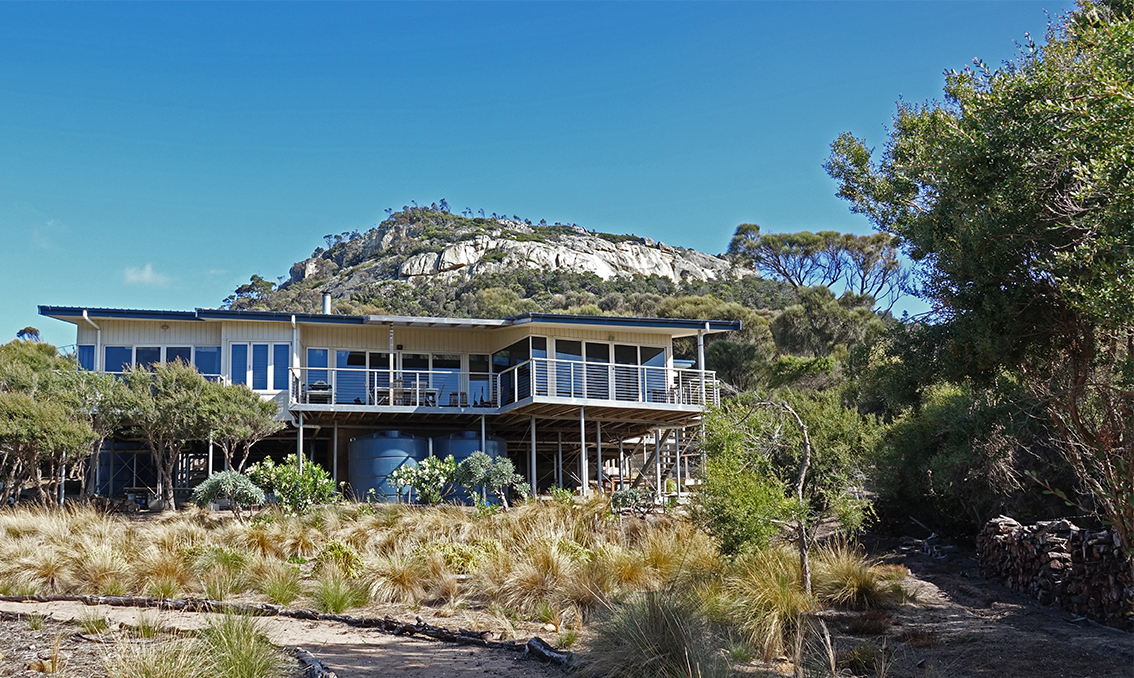
Nautilus, the coastal rental we are staying in, is truly wonderful; beautifully appointed and self-contained it offers panoramic views of the coastline.

View from Nautilus’s main living area

Unpacked and settled in, I take the path through the back garden and a  few metres of scrub emerging onto a granite platform which typifies this section of coast.

A gap in the scrub leads to the coast
Nautilus from the bottom of the garden area

The rugged outcrops and cliffs extend both ways along the shoreline, punctuated on the eastern flank by a bay with and stretch of golden sand. The sand yields Topaz crystals called ‘Killiekrankie Diamonds’. named for the tiny settlement and beach where they are found.

Killiecrankie’s bay and beach

A small bench sits on the border between scrub and granite. It is the perfect place to enjoy the striking scenery and look out for seabirds, dolphins and other coastal wildlife. I do not have to wait too long as a pod of dolphins cruises past several hundred metres out to sea while both Silver Gulls and Pacific Gulls fly along the seashore.

A Pacific Gull flies past

The sun is getting lower in the sky and there is just enough time to explore one of the many rockpools worn into the granite and accessible at low tide. This cursory look reveals periwinkles in the splash zone, limpets along the waterline and an occasional red anemone.

Rockpool in the granite coastline
Three Limpets amongst the Periwinkles….both use their tight sealing processes to retain water and can survive low tide exposure

Evening is closing in and it’s time to get back and start preparing dinner. Approaching the steps leading to the house, I notice a Red-necked or Bennett’s Wallaby in the driveway. It doesn’t seem too perturbed by my presence and hops into the nearby tree-line then stops and looks back at me.

A Red-necked Wallaby bounds across the path behind the house

My first day on Flinders Island has been quite exciting and I hope for more revelations as the week goes by.

Cheers

Baz

Additional notes

Other animals seen, heard but not photographed, Kookaburra, Fairy Wrens, Black Currawong, cormorant species

The camera used for this post is a Sony RX10 111

Please pass on this blog title and or contact information (URL) to any person or organisation with an interest in taking walks and enjoying wildlife in SA.

Click on these links and see more South Australian stories and pictures in my Weekend Notes articles as well as locating similar blogs on Feedspot’s top 20 Australian wildlife blogs

https://www.weekendnotes.com/adelaide/writer/452/

https://blog.feedspot.com/australian_wildlife_blogs/

Driving the James Track to the Myponga Conservation Park

11 Mar

Dear Reader:

A Short-billed Corella perches in the fork of a gum tree. Its raucous call resonating through the still morning air.

Short-billed Corella

I am driving the largely unsealed road between Myponga and the conservation park of the same name. For a summer’s day, it is refreshingly cool but the dryness of the surrounding countryside tells a different story.

James Track

A few minutes after seeing the corella, I catch a glimpse of a group of Straw-necked Ibises strutting through the pale, yellow grass. They turn to watch me then fly off towards the coast.

Straw-necked Ibises

Further down the road there are dozens of Rose-breasted Cockatoos (Galahs) in a stand of trees. All but one takes to the air as I leave the car to take a shot of them. The plucky little bird drops out of the gum tree and hops onto an old, circular concrete well and starts to drink.

Just taking a little drink

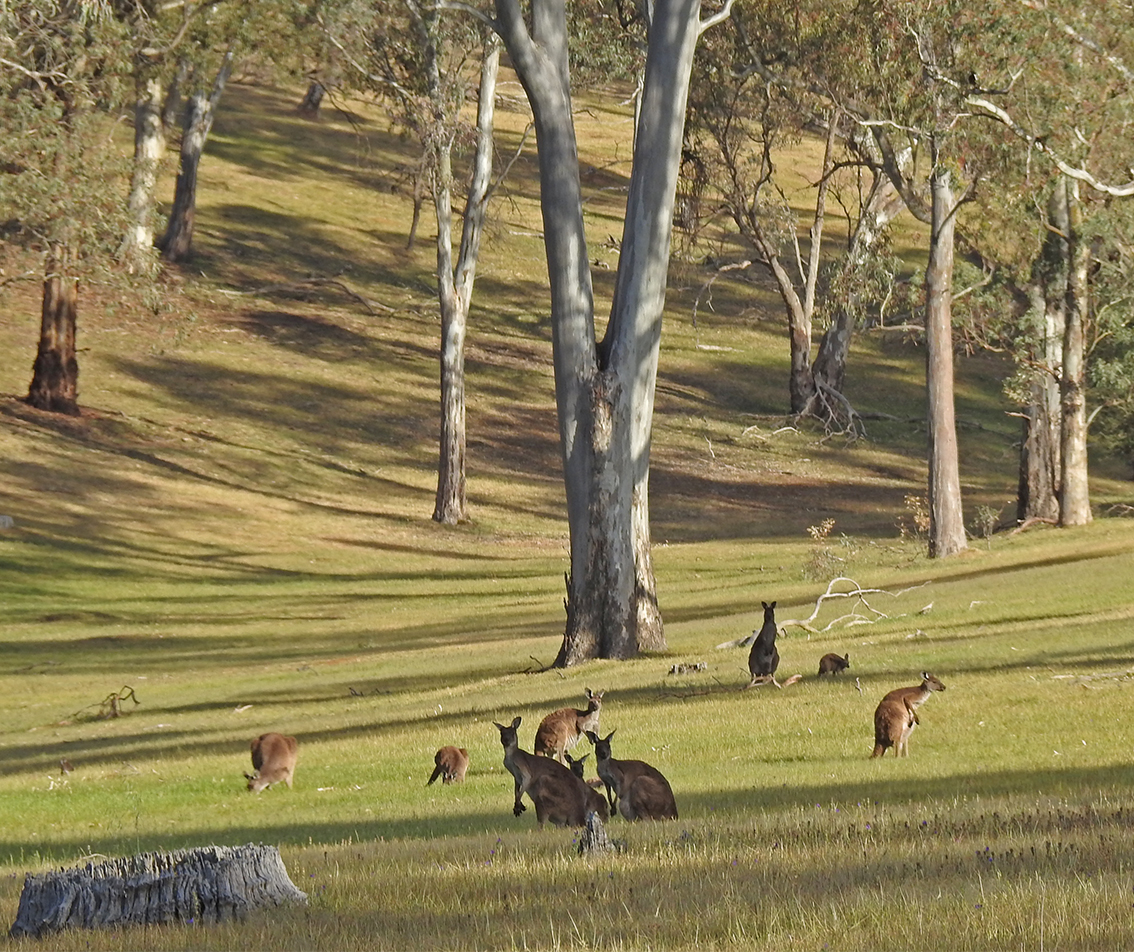
The road takes a sweeping bend and starts to climb. I find a good vantage point and scan the broad expanse of dry pasture with my telephoto lens. What I missed from the vehicle soon becomes apparent. There are Western Grey Kangaroos scattered across the landscape in small groups of two to six animals.

Roos in the landscape
Western Grey Kangaroo (through the telephoto lens)

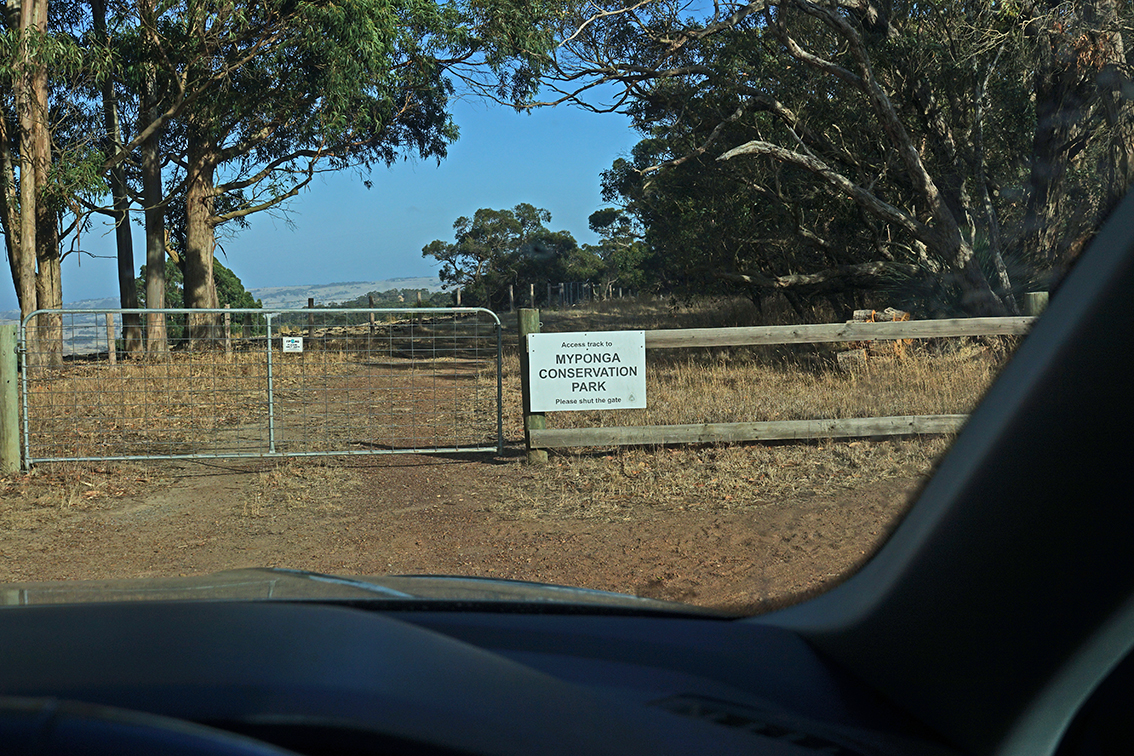
The terrain changes from lightly wooded pasture to scrub with an overstory of smaller eucalypts. Several kilometres on, I reach a gated entrance to the Myponga Conservation Park alongside a local property.  

Change if terrain near the park

Taking care to close the gate behind me I drive through a combination of rolling hills, farmland, and dense scrub. The track is about two kilometres long and ends in an open space wide enough to turn around.

Inside the park

Two trails; The Echidna and Wren, branch off from the end of the road into the park and alongside some farmland. As a bonus, there is a spectacular view across the hills towards the ocean.

Trails at the end of the park

My goal for today achieved, I drive back along the trail. At the gate I meet a local property owners and chat to him about the area. He tells me that the park is best explored in spring when the plants are in flower providing food for a range of animals.

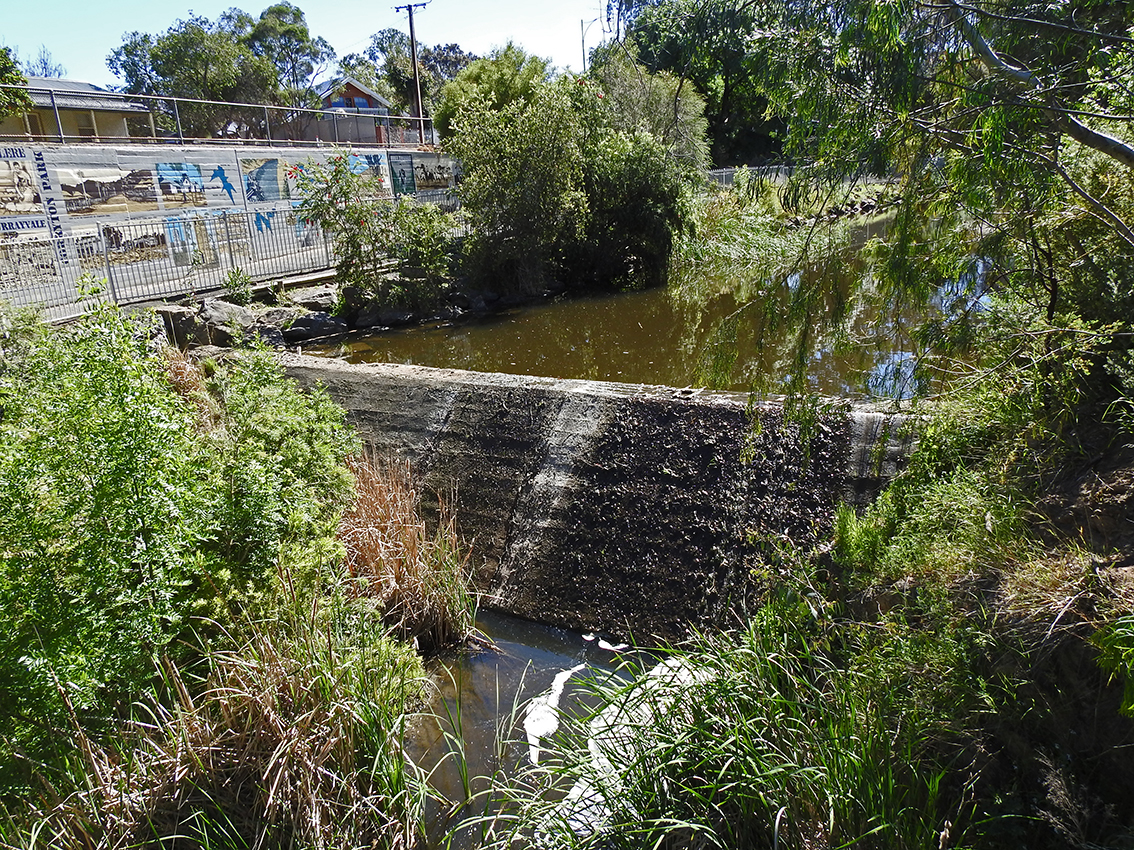
Myponga Conservation Park gate

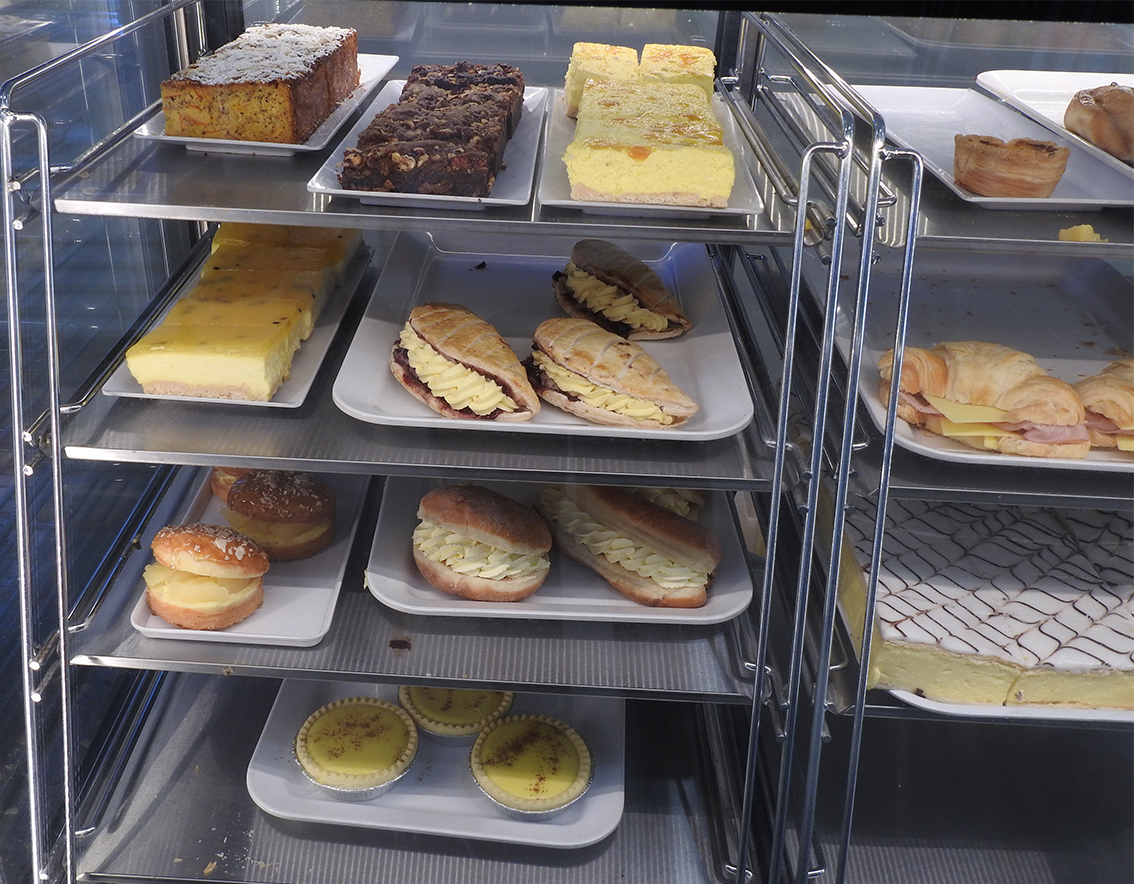
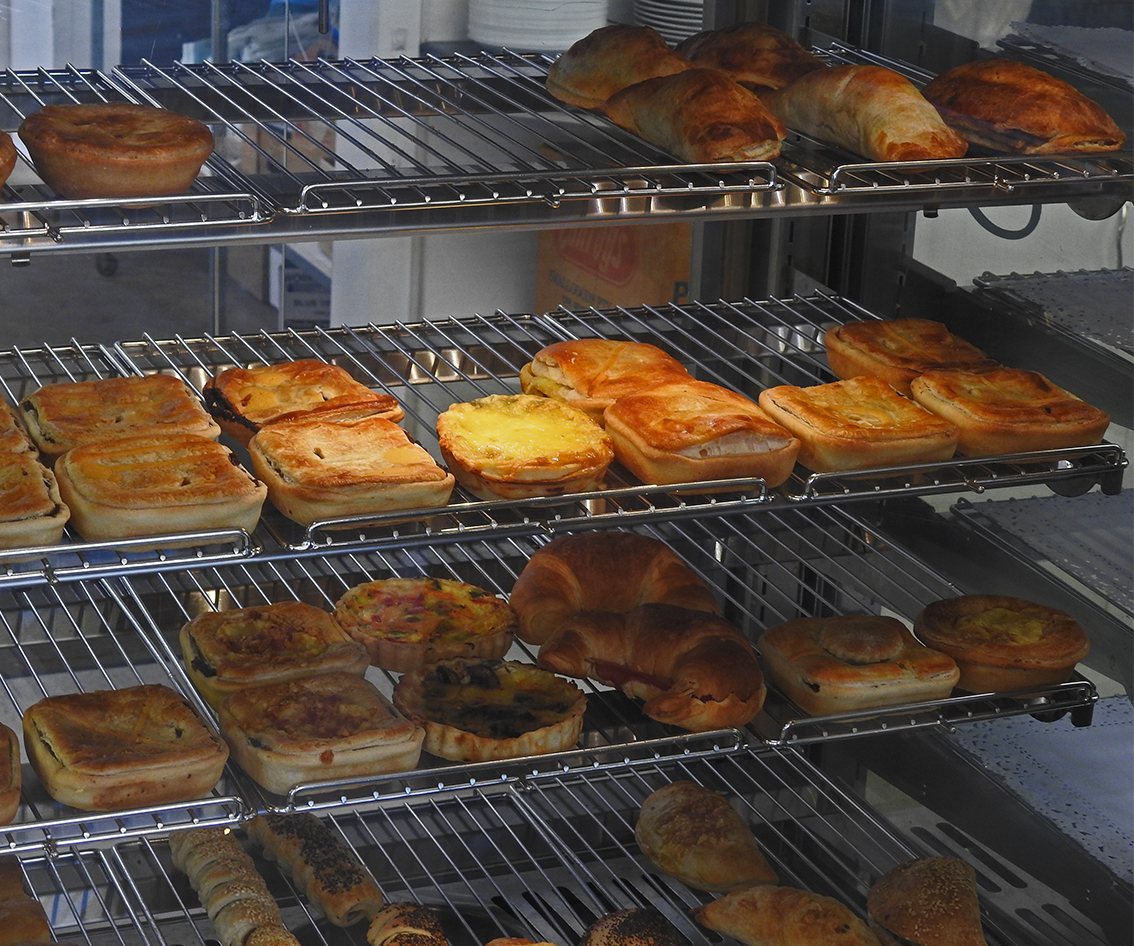
I return to Myponga back along The James Track where I enjoy the delights of the local bakery before heading home to review my images and make a note in the diary to return in the spring. 

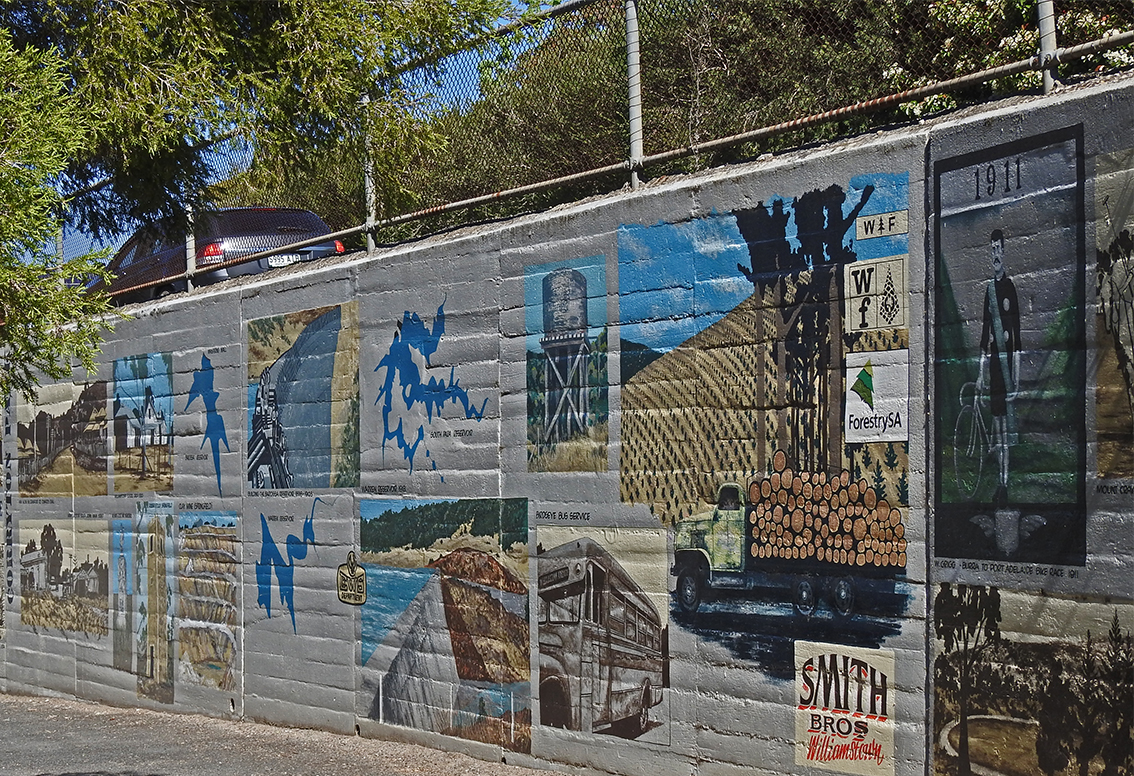
Bakery delights

Cheers

Baz

Additional notes

The camera used for this post is a SONY RX10 Mark 3

This is an easy drive which is quite suitable for families and seniors.

Please pass on this blog title and or contact information (URL) to any person or organisation with an interest in taking walks and enjoying wildlife in SA.

Click on these links and see more South Australian stories and pictures in my Weekend Notes articles as well as locating similar blogs on Feedspot’s top 20 Australian wildlife blogs

, , ,
, , ,