Tag Archives: hiking

Around Myponga Beach Part 2

5 Aug

Dear Reader:

Galah watching me work
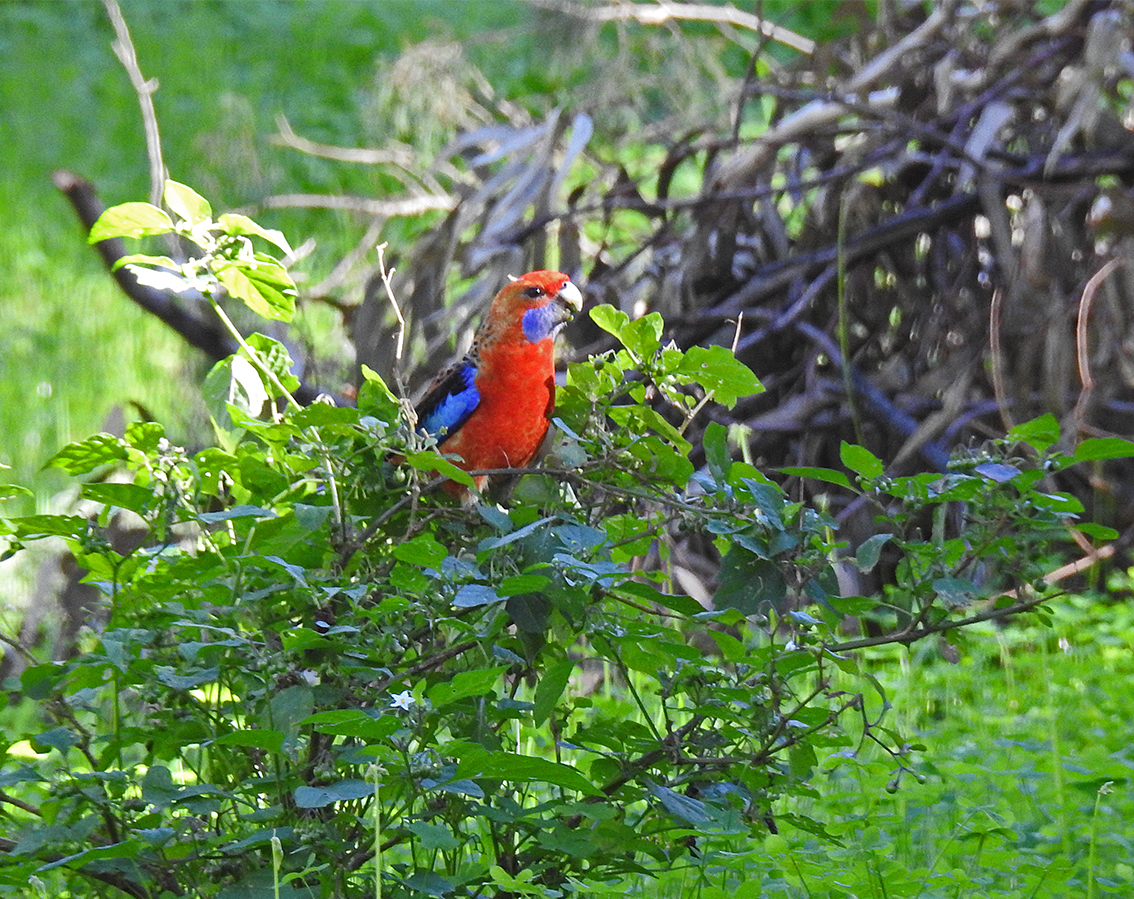
Adelaide Rosella

There are Adelaide Rosellas feeding on the weeds growing in the creek bed while a Galah and Sulphur-crested Cockatoo perch high in a River Gum watching me intently.
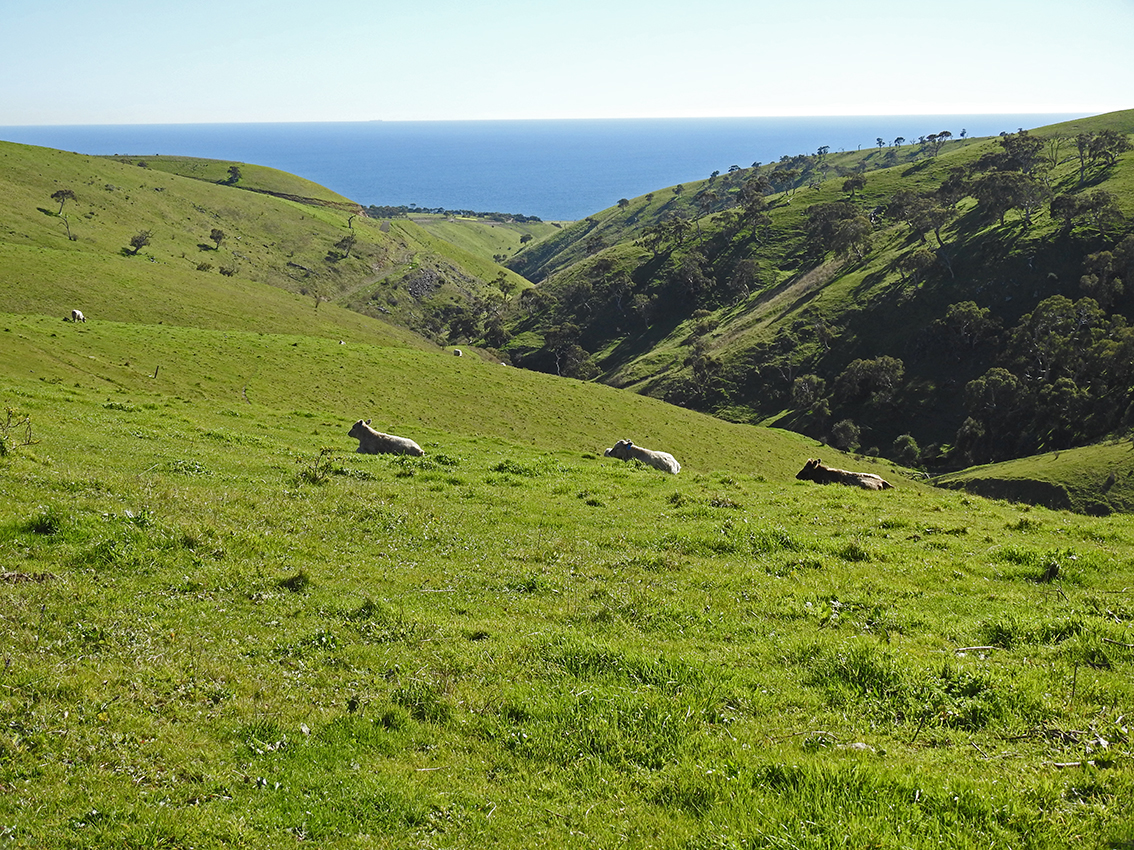
Ocean and Valley view

As I exit the creek on my drive from Myponga Beach (see my previous post) I climb up the steep unpaved road stopping at a couple sites to admire the view across the steep valleys towards the ocean.

A little local history
Sedimentary rock strata

Along the road there are several dilapidated, old buildings and other structures such as stone water tanks, all remnants the Fleurieu’s colonial history. And, for those with a geological eye, some of the truncated sedimentary layering is quite interesting. 
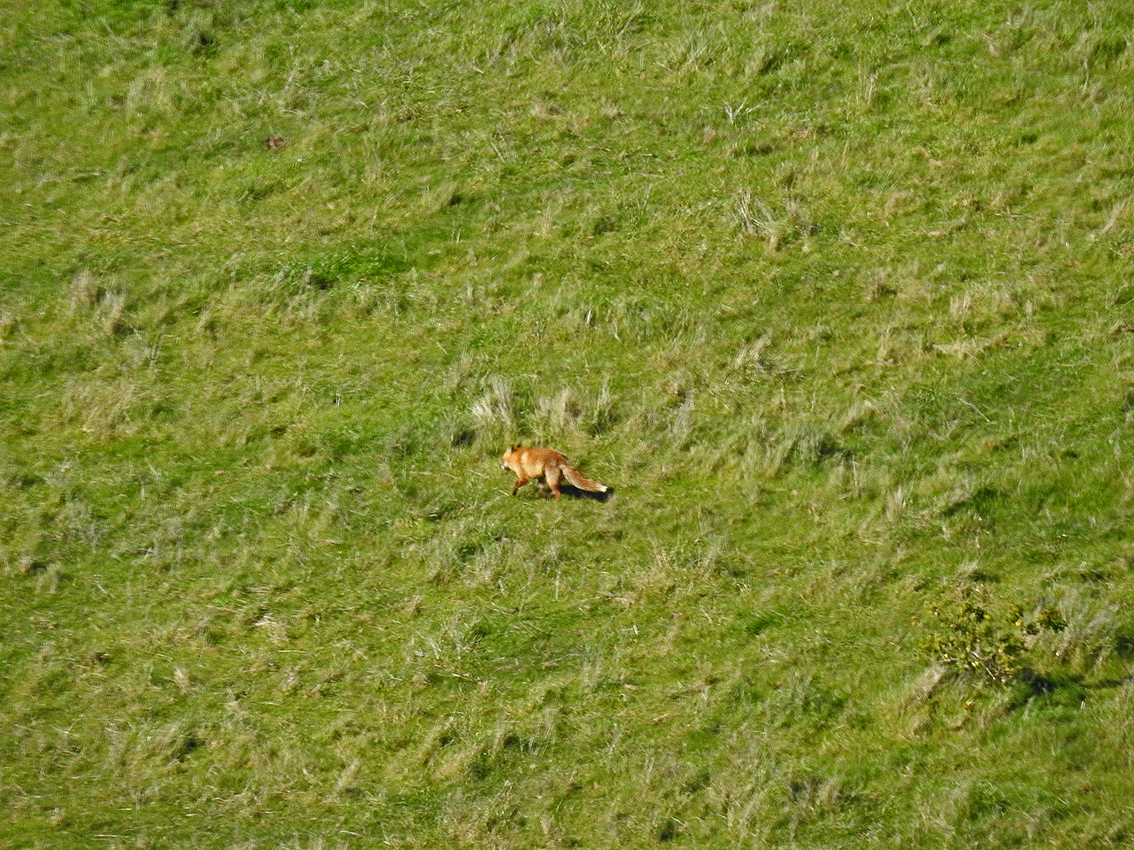
Fox on the run

Scanning the hillside with the powerful Nikon P900 lens, I notice the diminutive shape of a Red Fox scurrying across the steep terrain. Both sheep and cattle are also grazing on the hillsides.
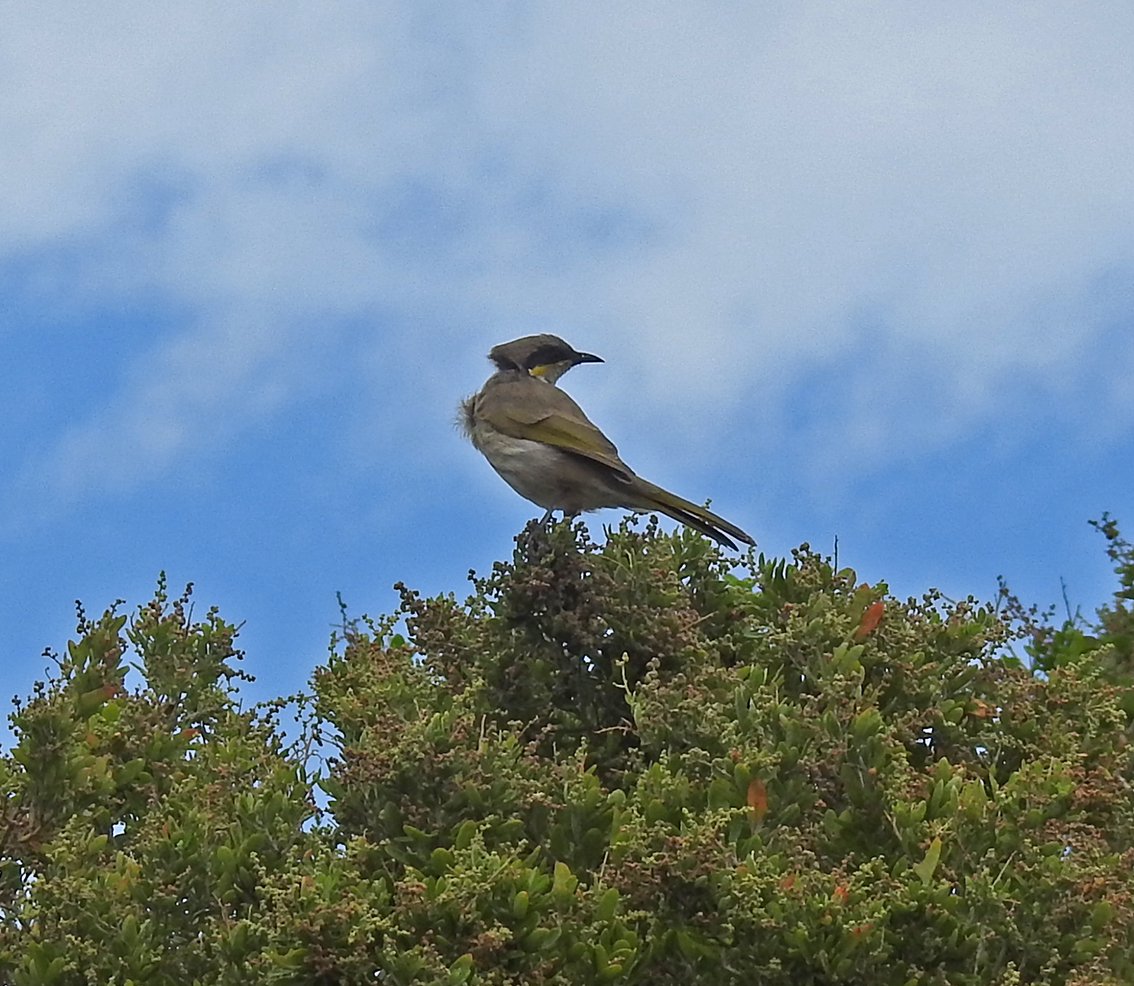
Singing Honeyeater

There are wattles and bottlebrushes along the roadside and I notice Singing Honeyeaters feeding and nesting in the area.

Myponga dam and reservoir

Several kilometres further along Sampson Road, I take a branch road leading to the Myponga Reservoir. The views from the observation area and car park are fabulous.
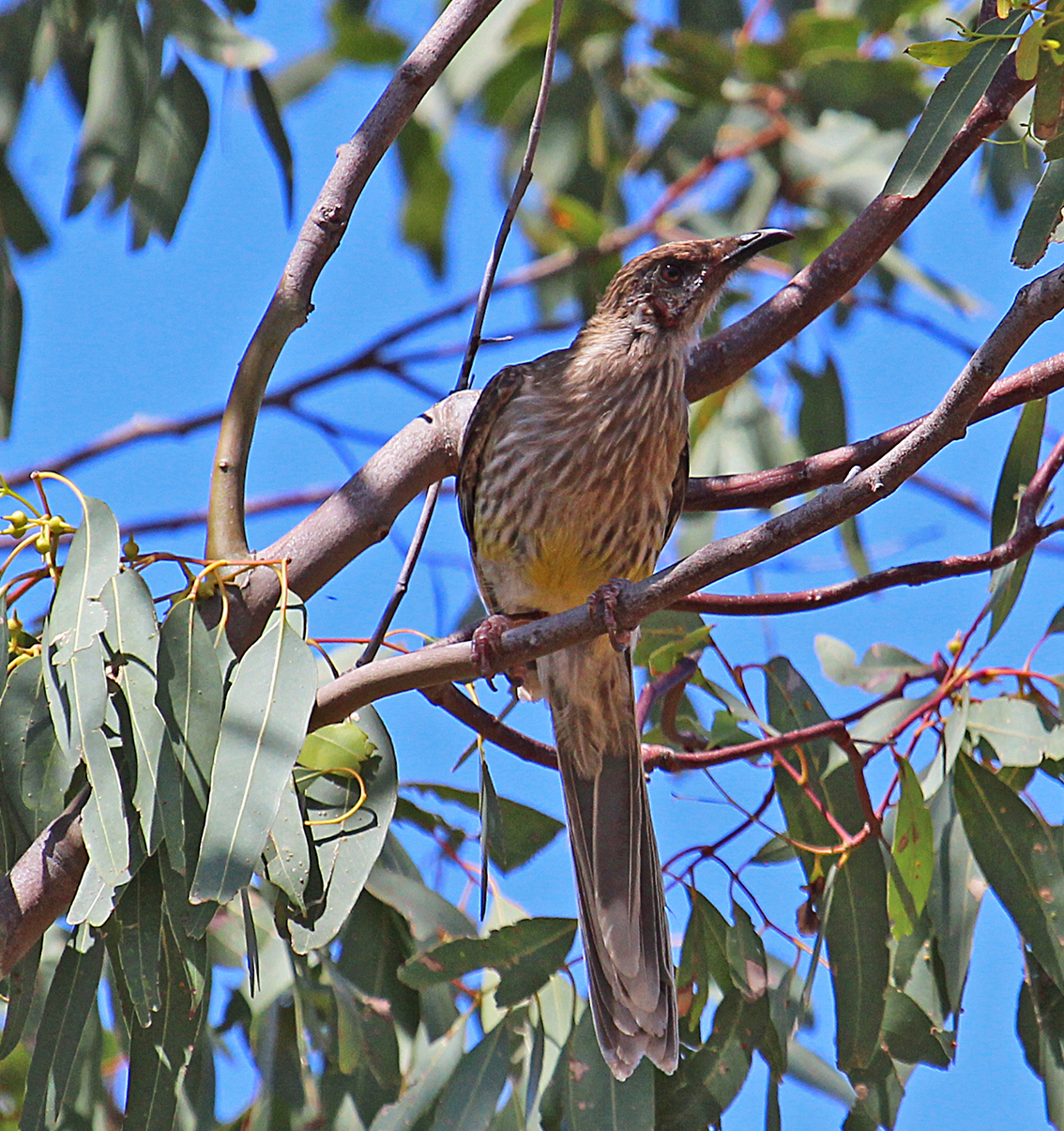
Red Wattlebird

There are various honeyeater species including Wattlebirds in this area and I can just make out a Western Grey Kangaroo in the valley below the dam.
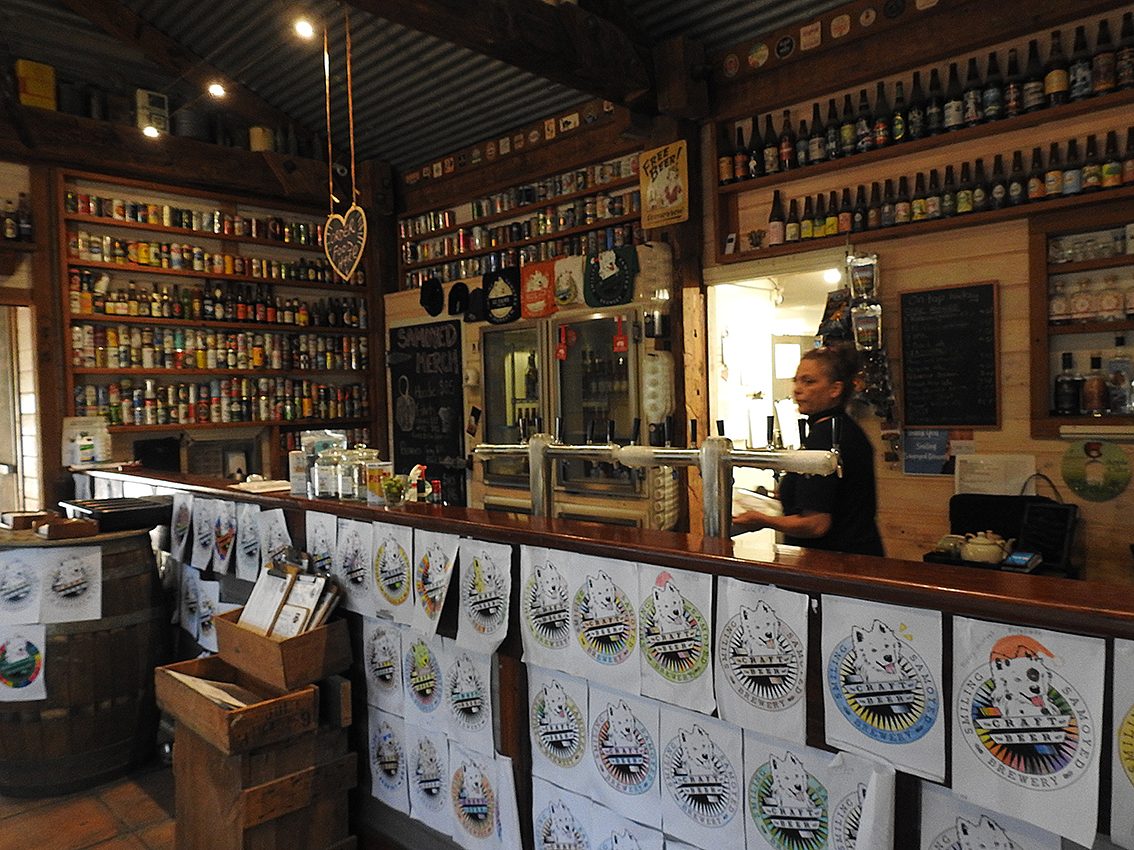
Laughing Samoyed microbrewery
Temptation

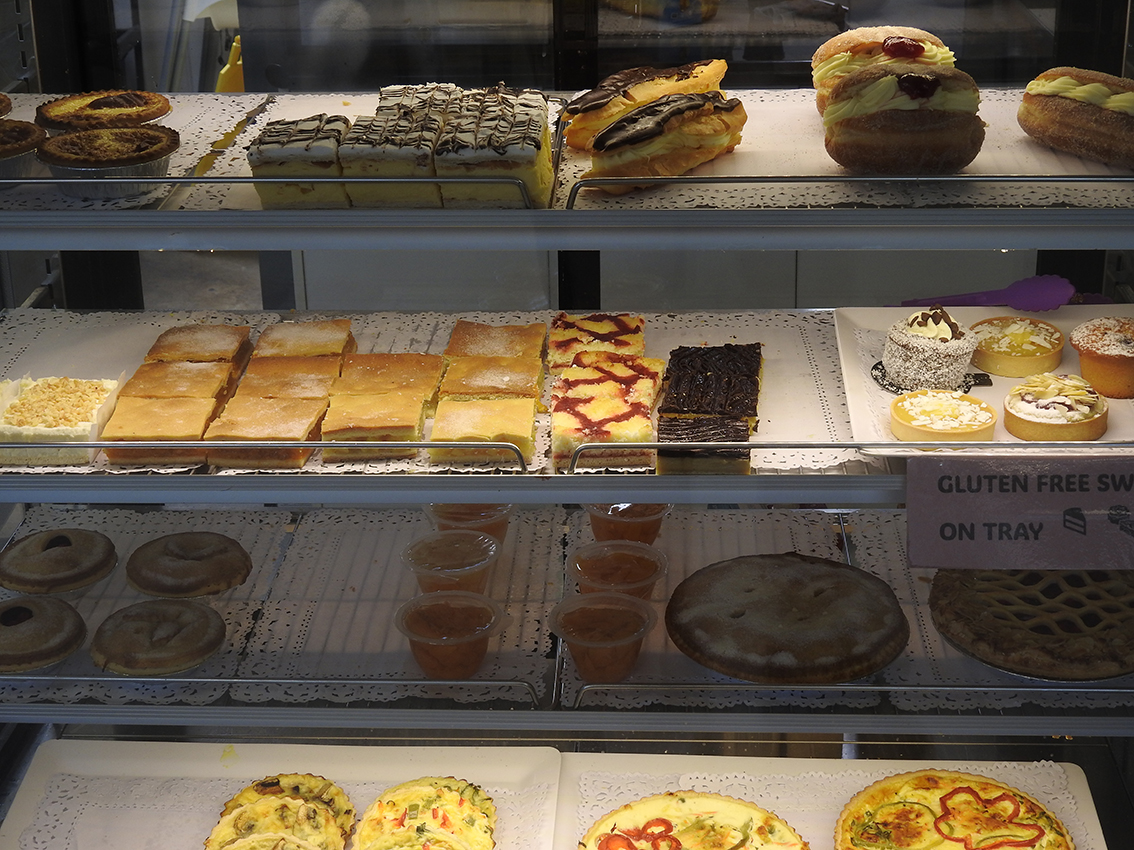
I drive back to Sampson Road then turn right to intersect South Road where I can head back to the city or into the little township of Myponga with its charming Smiling Samoyed Microbrewery, tempting bakery and reserve.

Cheers

Baz

Additional notes

Other animals seen, heard but not photographed: Nankeen Kestrel, Common Terns, Welcome Swallows

The camera used for this post is a Nikon P900

This is an easy drive which is quite suitable for families and seniors with public toilets, barbecues, parking and other facilities nearby. It is dog friendly.

Please pass on this blog title and or contact information (URL) to any person or organisation with an interest in taking walks and enjoying wildlife in SA.

Click on these links and see more South Australian stories and pictures in my Weekend Notes articles as well as locating similar blogs on Feedspot’s top 20 Australian wildlife blogs

https://www.weekendnotes.com/adelaide/writer/452

https://blog.feedspot.com/australian_wildlife_blogs

Around Myponga Beach…….Part 1

13 Jul

Dear Reader:

Welcome Swallow at rest

As I drive along the unsealed road, I notice Welcome Swallows hawking for insects in the fields. Several birds are resting on the strands of barbed wire between their sorties. I slow the car, drop the window and take a quick shot.

Driving towards Myponga beach

I am travelling along Myponga Beach Road towards the little township of the same name. Australian Magpies are sitting on fenceposts and a flight of Rosellas takes flight from the fringing scrub as I pass by them.

Myponga Creek and Beach community

From the road I notice that the tide is receding exposing a sandy beach and rock-strewn mudflats on either side of the little estuary where a small creek empties into the ocean. A mixed flock of Silver Gulls and Common Terns are camped on the beach and I can see a pair of Cormorants fishing further out to sea.

Tidal pool and surrounding hills

Today, I am just making a preliminary drive through the area but I do stop to photograph an extensive tidal pool which stretches back towards the surrounding hills.

Gully crossing Sampson Road

After exiting the town on Sampson Road, which will eventually take me back to the Main South Road, I stop at the foot of a steep climb where are gully traverses the road. River Gums mark the path of this ephemeral watercourse and as I slow the VW Tiguan and engage 4WD to splash through some muddy water.

White-throated Honeyeater probing gum tree for insects and grubs

I hear a variety of bird calls and park the vehicle where I can easily scan the trees for birds with the telephoto. It doesn’t take too long to spot two species of parrots; a Galah and Adelaide Rosella, as well as White-throated Honeyeater.

Marbled Gecko

Birds are not the only animals in this fertile section of scrub. There are several ant species on the trees and I spot a Marbled Gecko in a hollowed out branch.

After the creek, the road starts to climb steeply…………to be continued.

Cheers

Baz

Additional notes

Other animals seen, heard but not photographed: Grey Kangaroo

The cameras used for this post is are Nikon P900,  

This is an easy drive which is quite suitable for families. It is dog friendly.

Please pass on this blog title and or contact information (URL) to any person or organisation with an interest in taking walks and enjoying wildlife in SA.

Click on these links and see more South Australian stories and pictures in my Weekend Notes articles as well as locating similar blogs on Feedspot’s top 20 Australian wildlife blogs

https://www.weekendnotes.com/adelaide/writer/452

https://blog.feedspot.com/australian_wildlife_blog

Normanville’s Big Gorge Walk…….part 1

17 Jun

Dear Reader:

Tiny birds are feeding in the canopy of a massive Red River Gum on the edge of the river bed. Scanning the area with the telephoto of my Nikon P900, I spot a diminutive Thornbill.

Thornbill species

Garnet Kelly Park on the southern side of Normanville is the start of the Great Gorge Walk. This charming track of around 3Kms return follows a path walked by explorers and traversed by later settlers.

Park entrance near the old bridge
Alongside the river

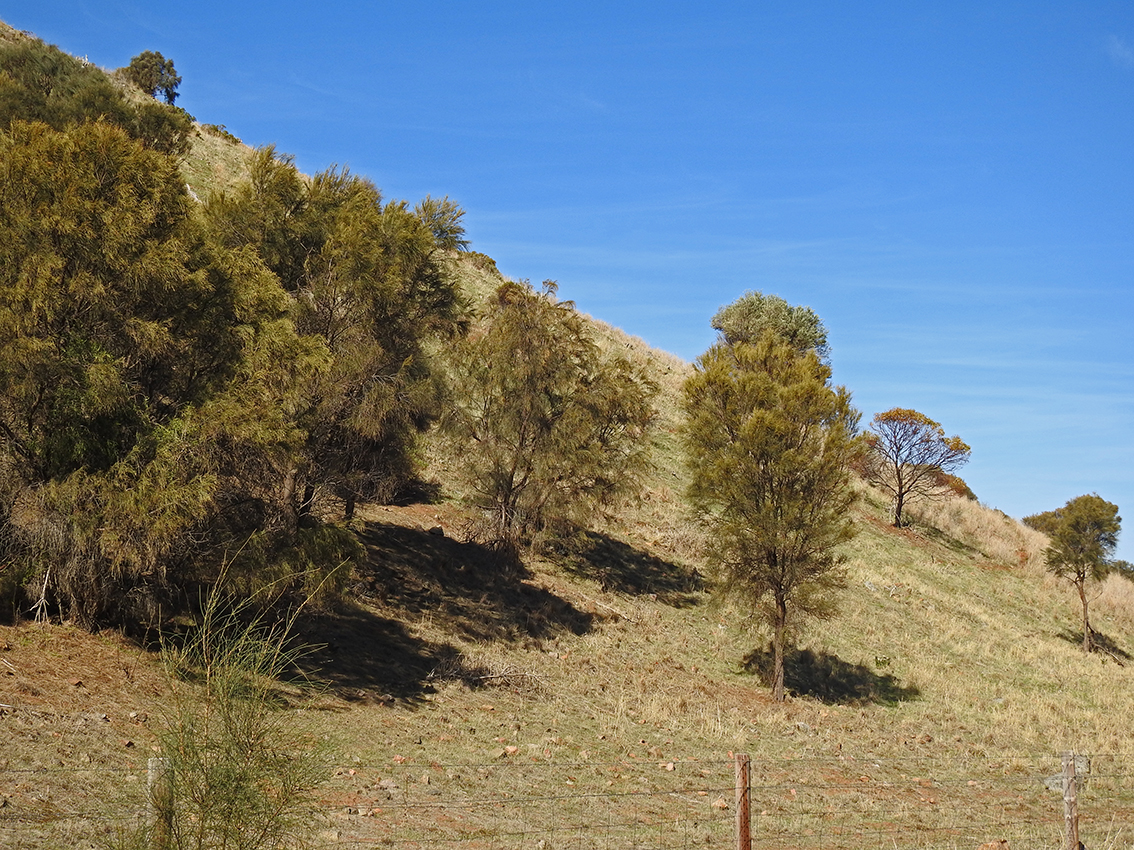
River Red Gums, Sheoaks and Acacia bushes are part of a complex and varied flora.

Sheoaks on hillside, private property bordering the walk

Information placards at the start of the walk and along its route tell the story of the bridge, pathway and the local soldier which the park is named after.

One of numerous informative signs on the walk and in the park

Small birds seem to be prolific in the first kilometre of the walk and I manage to photograph Fairy Wrens, Silvereyes and White-browed Finches. Most of the shots are taken at distance and emphasise the need for a good telephoto lens in this area.

Silvereye feeding on reed-like grasses near a pool in the river bed

I notice small groups of Sulphur-crested and Rose-breasted (Galahs) Cockatoos flying overhead. A few land to feed on the ground while others perch in nearby trees. They advertise their presence with a screeching, almost prehistoric, call.

Sulphur Crested Cockatoo

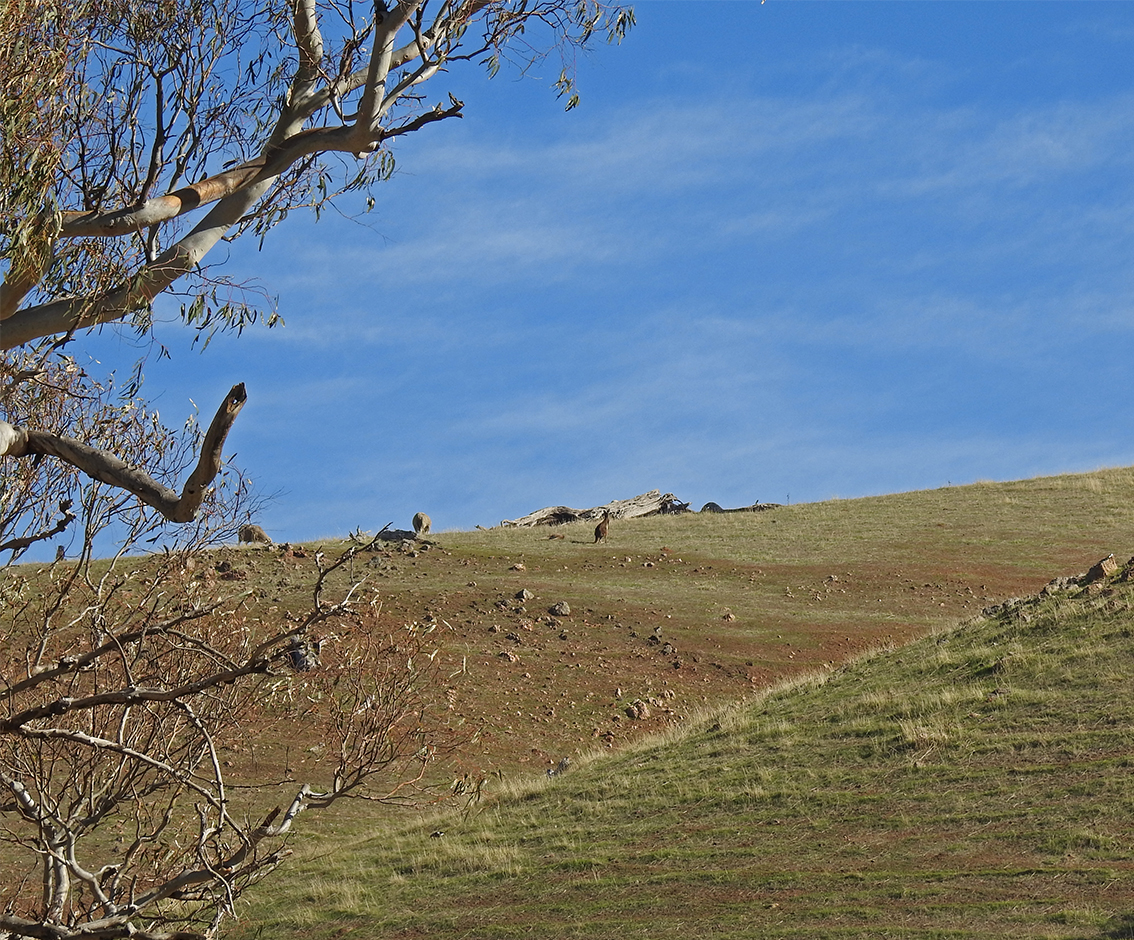
The weather is too cold for reptiles and I see only a few rather tattered looking butterflies. However, there are sheep with lambs in tow, on the hillsides. A closer look on one ridge reveals a lone Western Grey Kangaroo grazing alongside a couple of sheep.

Hilltop grazers

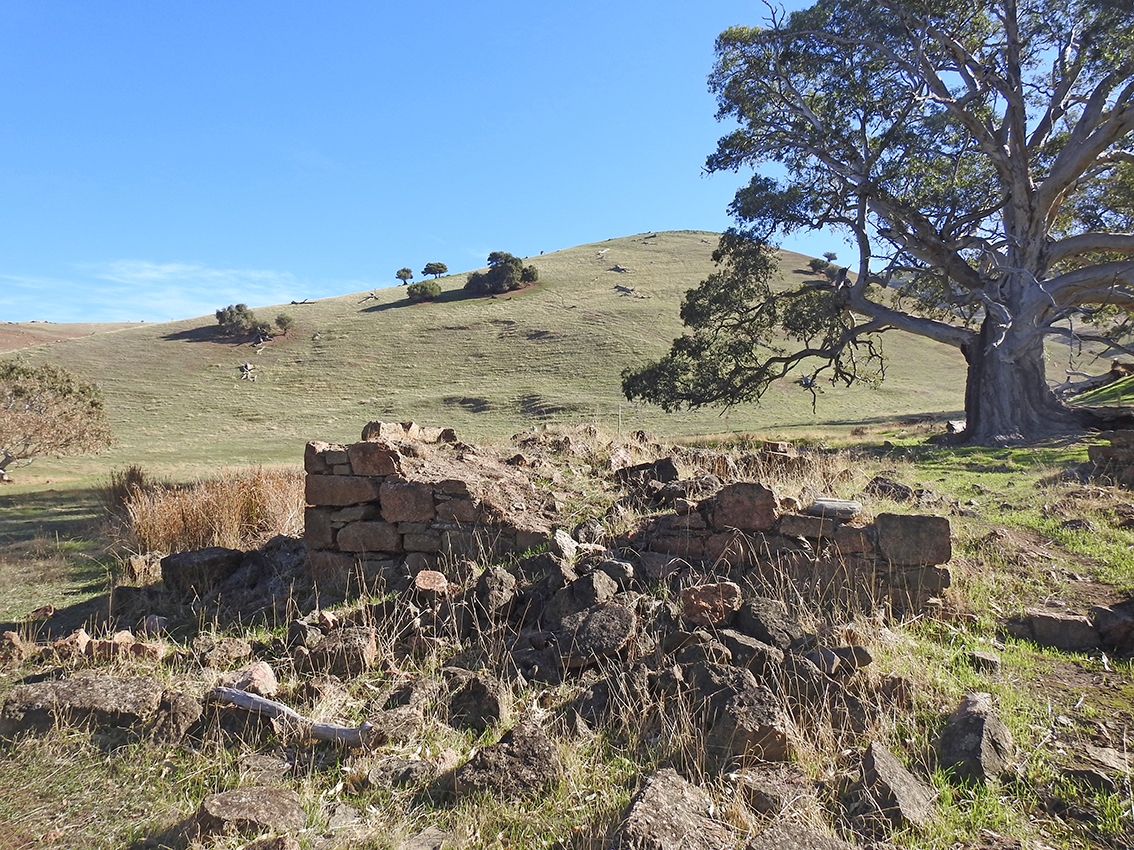
Glancing at the distance reading on my Apple watch, I realise I am almost at the half way (1.5 Km) point of this walk. Though the wildlife and scenery have been both interesting and varied, my writer’s mind wants a little more variation for an article. It comes in the form of an old ruin.

Remains of a once substantial building
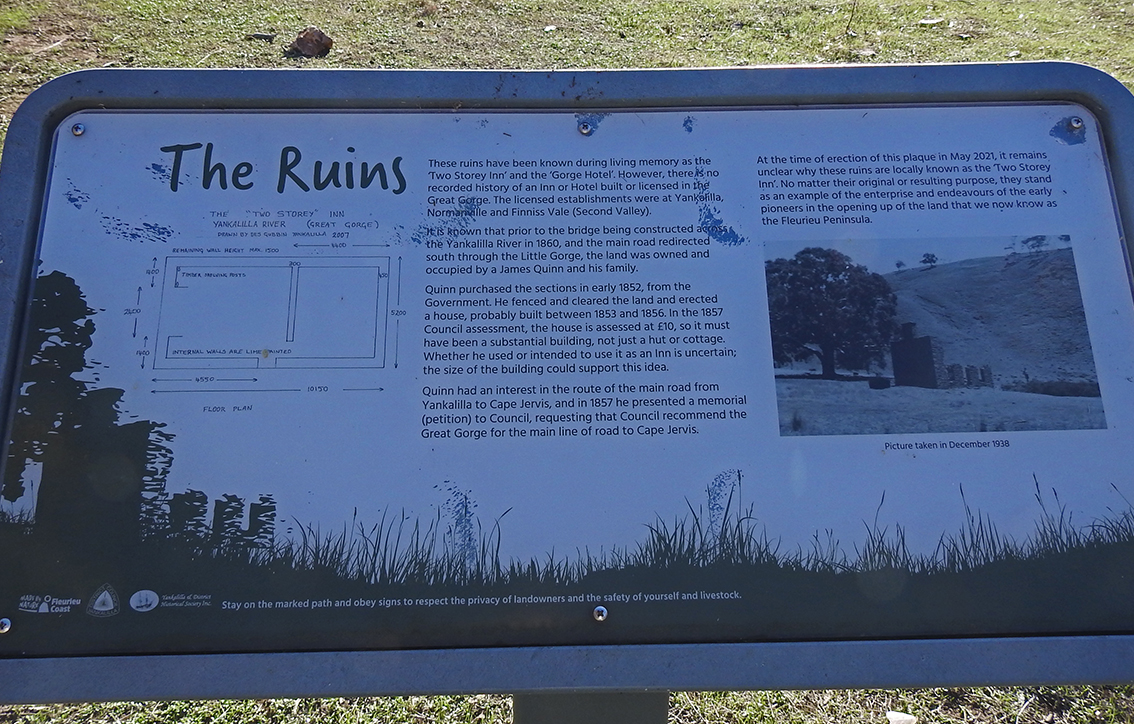
Historical placard near the ruins

The exact nature of the ruin is a little unclear and an information plaque provides some different alternatives. Nevertheless, this old structure and its history provides yet another reason to take this truly beautiful walk on the Fleurieu Peninsular………….to be continued.

Cheers

Baz

Additional notes

The camera used for this post is a Nikon P900

This is an easy walk which is quite suitable for families and seniors, Dogs must be kept on a lead.

Please pass on this blog title and or contact information (URL) to any person or organisation with an interest in taking walks and enjoying wildlife in SA.

Click on these links and see more South Australian stories and pictures in my Weekend Notes articles as well as locating similar blogs on Feedspot’s top 20 Australian wildlife blogs

https://www.weekendnotes.com/adelaide/writer/452/

https://blog.feedspot.com/australian_wildlife_blogs/