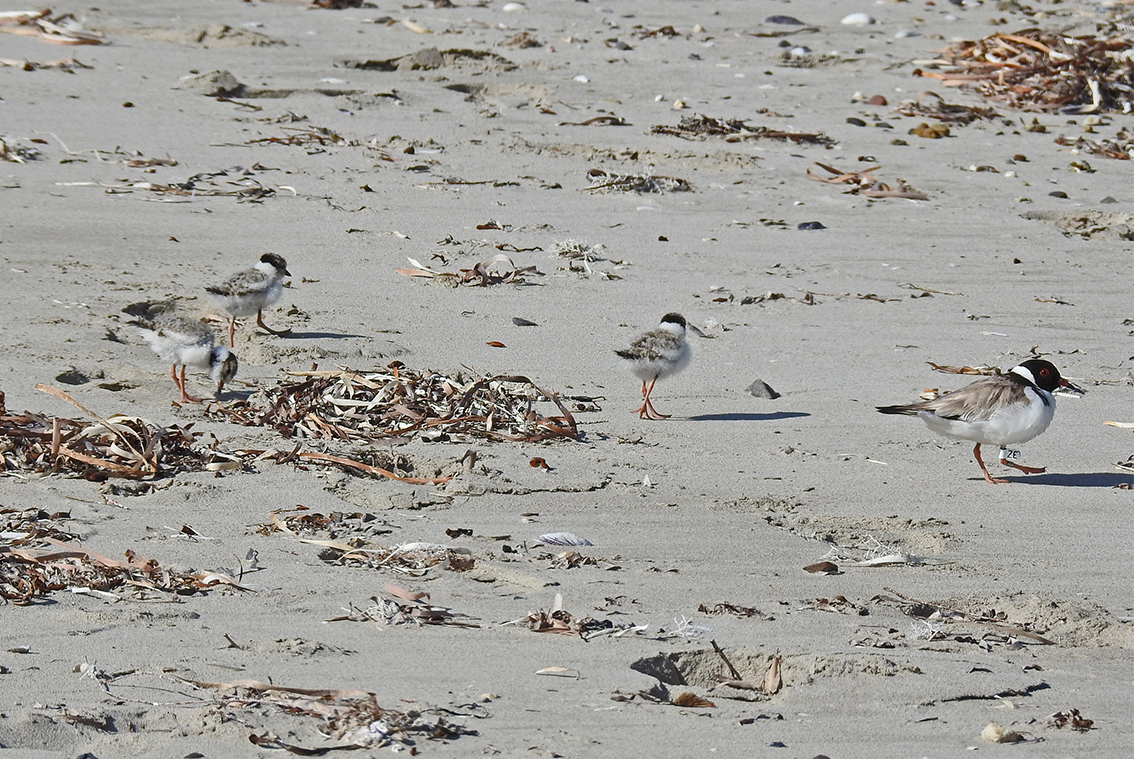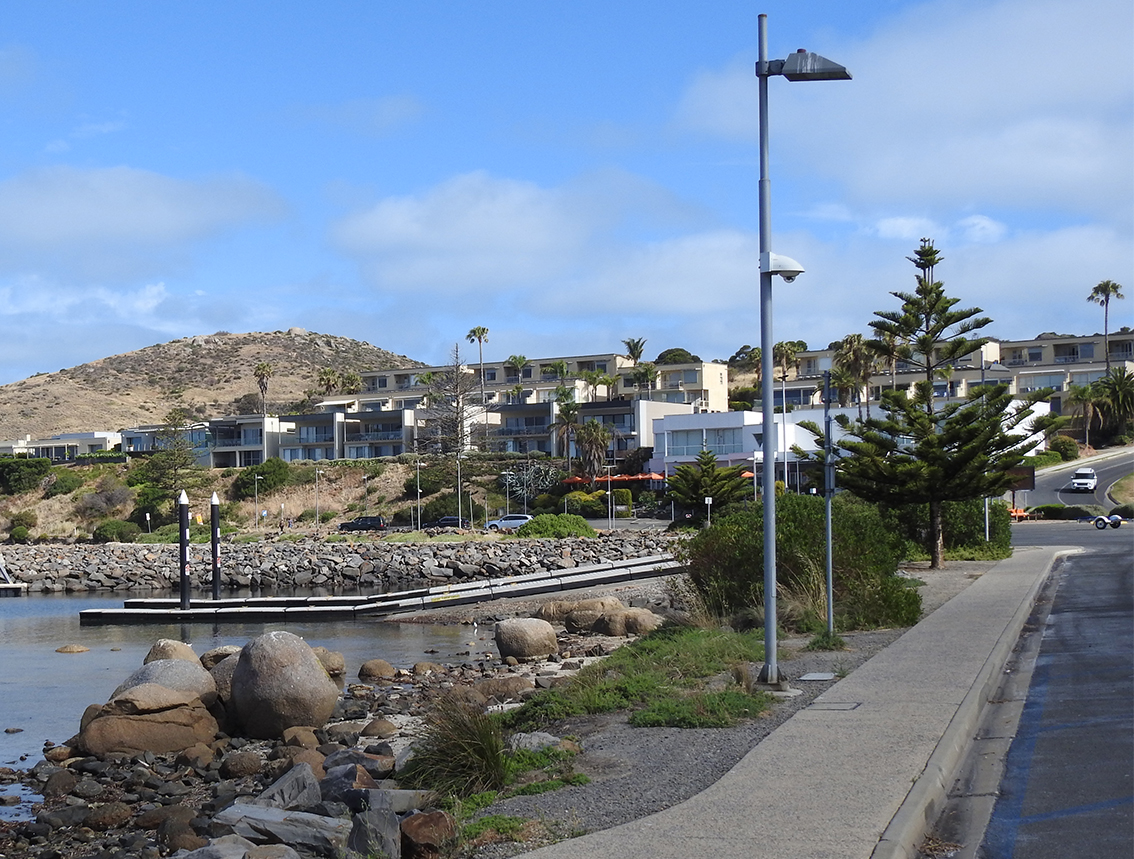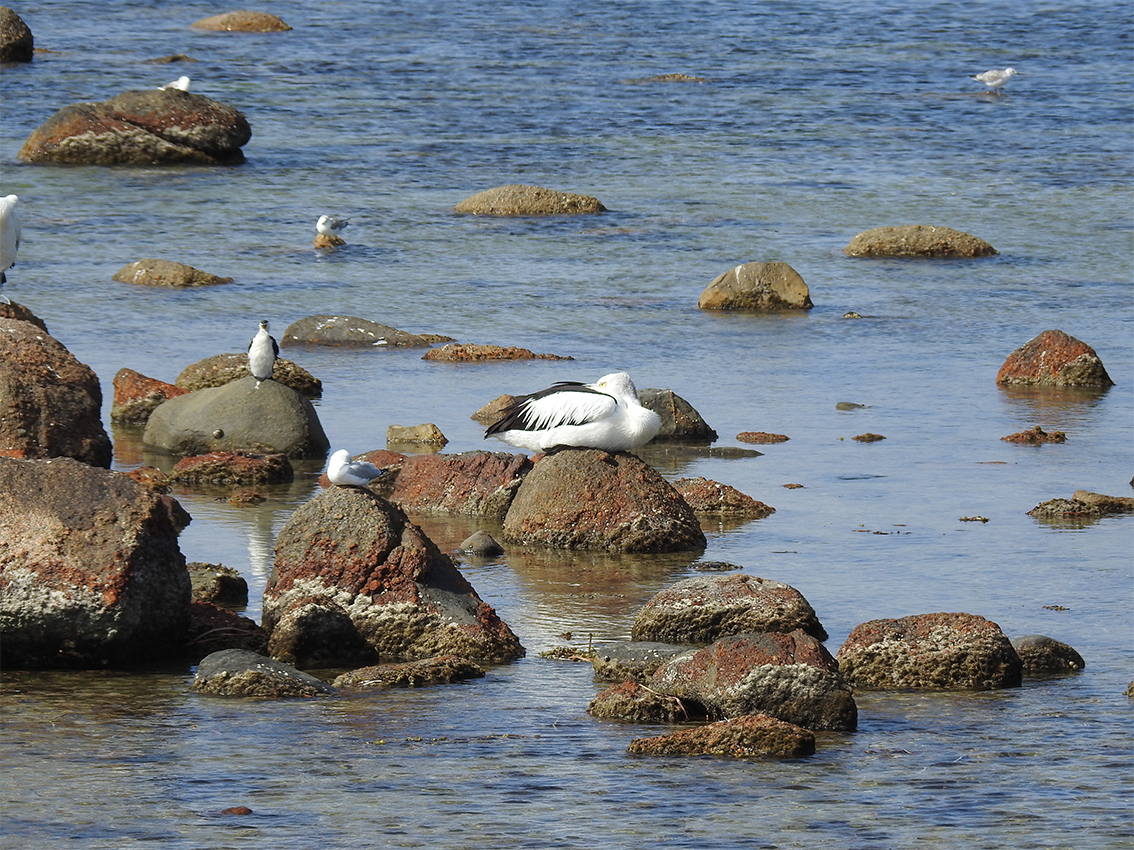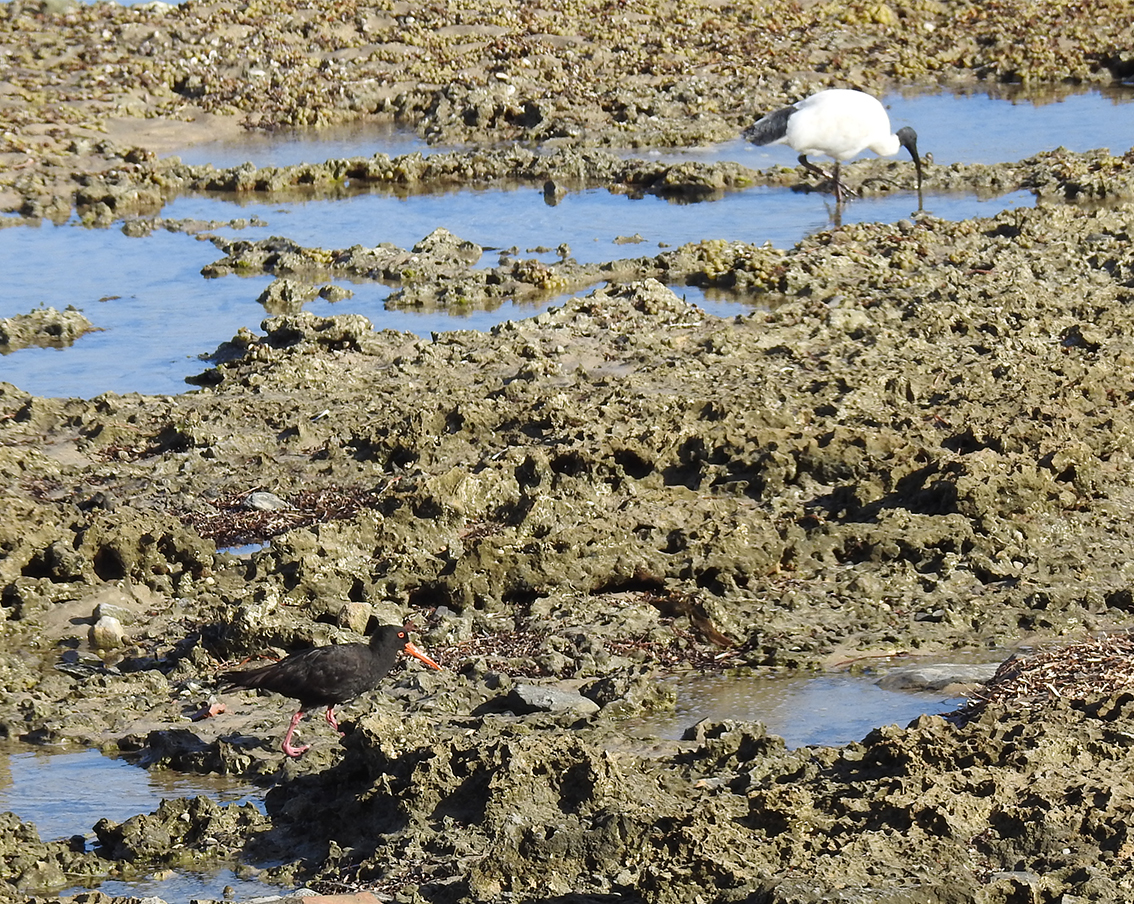
Archive | Fleurieu Peninsula RSS feed for this section

Normanville’s Big Gorge Walk Part 2

24 Jul

Dear Reader:

(30/6/25,12.05, Clear sky and around 18, light wind)

Numerous aged River Red Gums line the watercourse. I remove a few strips of bark to investigate the different animals that shelter there. A Marbled Gecko scuttles out and freezes relying on its camouflage to escape detection.

Marbled Gecko and Pie Dish Beetles

In part 1 of this story (June 7th Post) I had just passed the ruins and was nearing the end of this short but fascinating trail. I will pick up from there and relate the walk to the end of the trail and back by referring to my field notes. Conditions were recorded on my Apple watch.

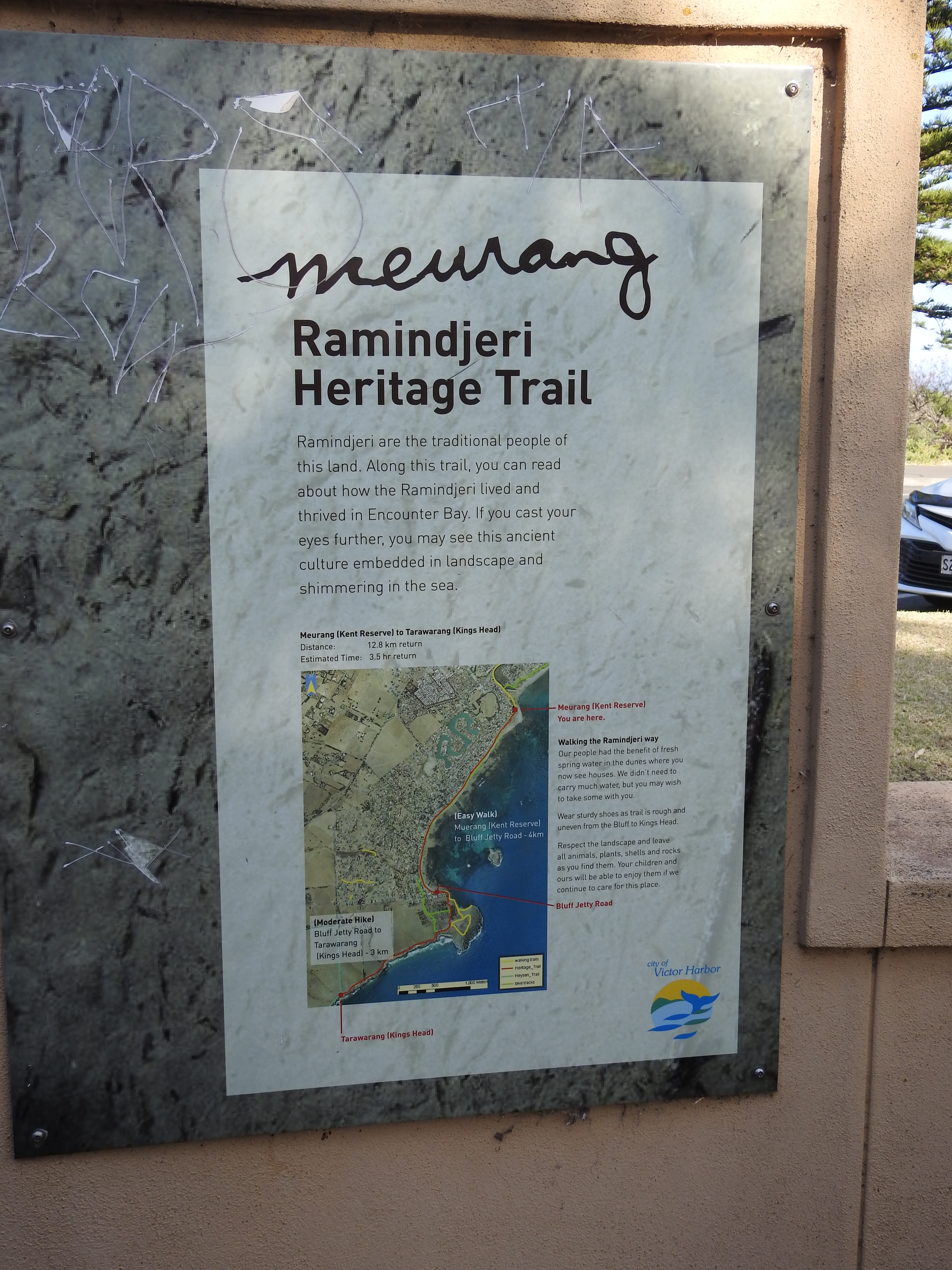
End of the walk with information about Colonel Light’s exploration of the area

(30/6/25,12.13, Clear sky and around 18, light wind)

Amongst a tangle of branches I can just make out the shape of a large dark bird. I zoom in and pick up the white fringes to its tail and prominent yellow eye…A Grey Currawong.

Grey Currawong

(30/6/25,12.14, Clear sky and around 19, light wind)

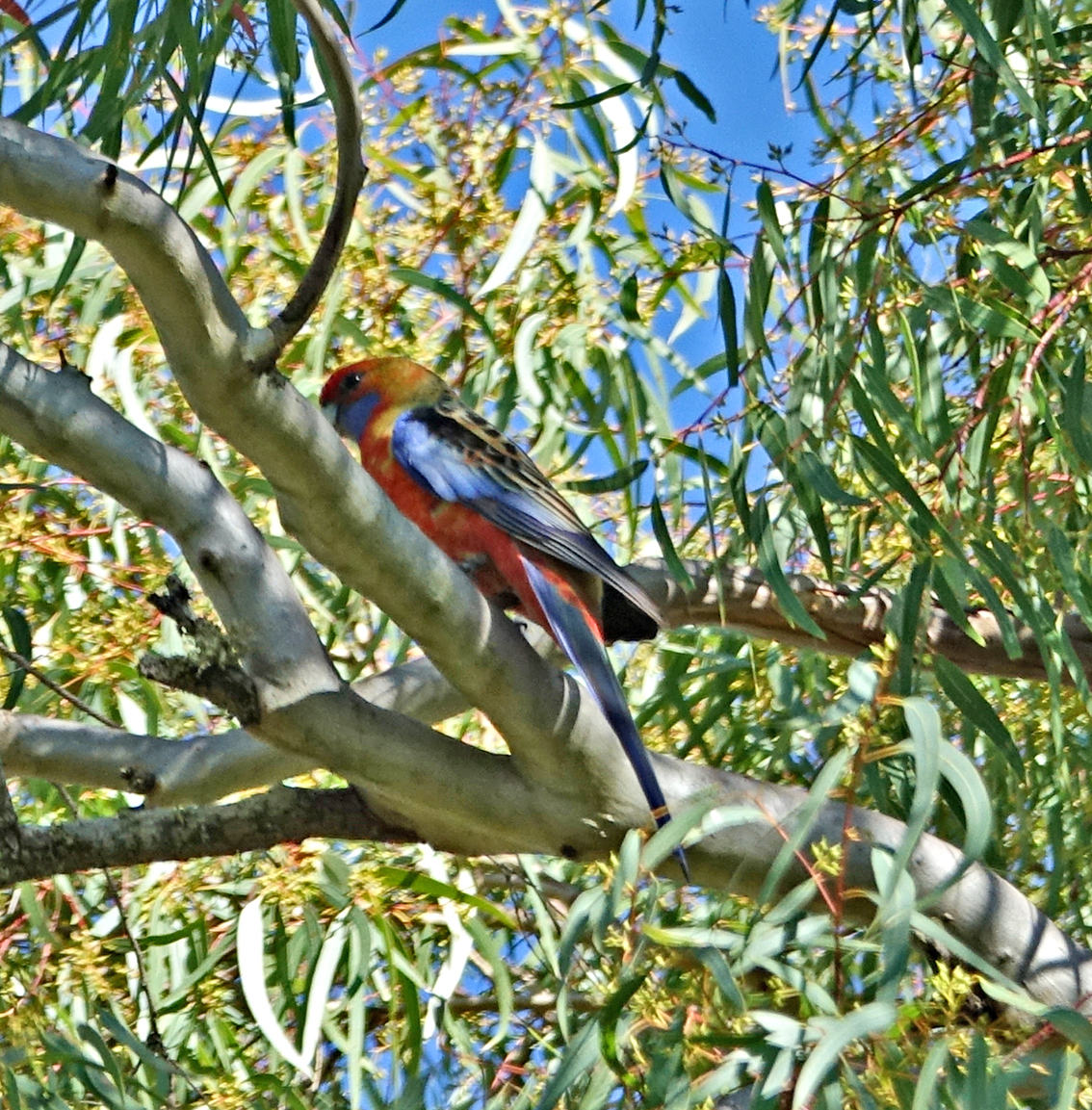
Scanning further into the trees, I pick up the distinctive red breast and blue wings of an Adelaide Rosella. The rosella is not the only parrot in the area. There are small groups of Short-beaked Corellas in the canopy and an occasional Galah flying past.

Adelaide Rosella
Short-beaked Corellas

(30/6/25,12.25 Clear sky and around 18, light wind)

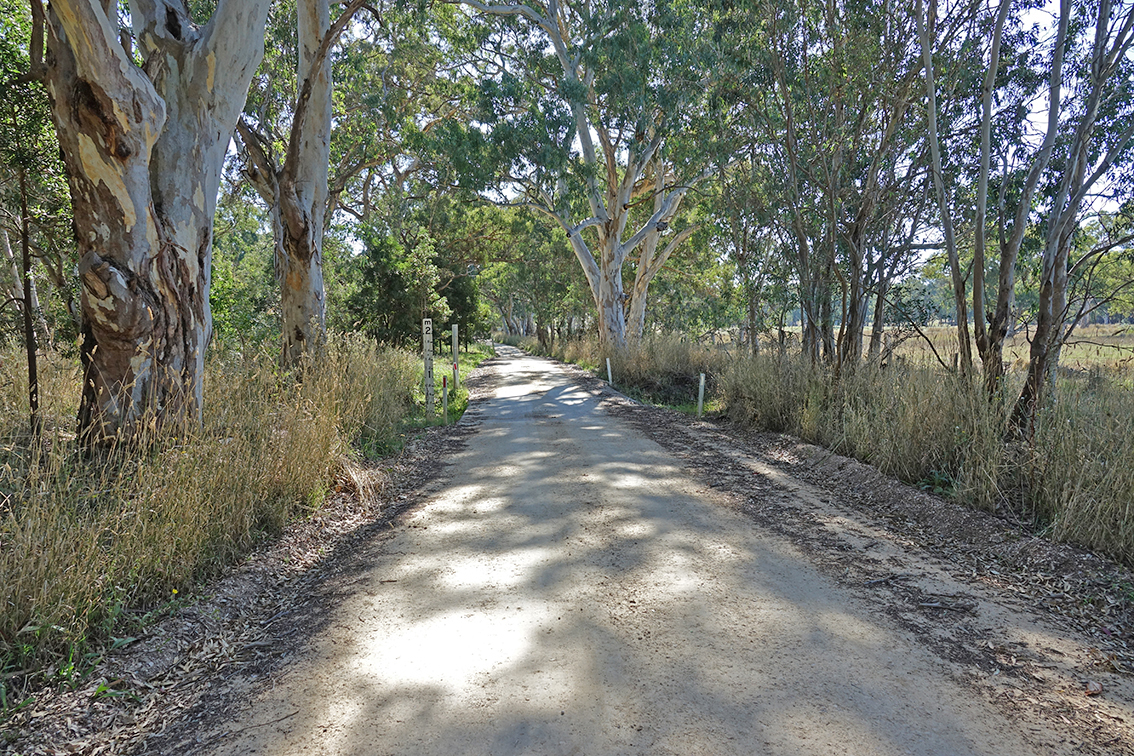
I leave the trail and walk closer to the creek and try to capture essence of this beautiful Gorge with a couple of scenic images.

Yankallila River
Surrounding hillsides with sheep grazing

(30/6/25,12.42 Clear sky and around 18, light wind)

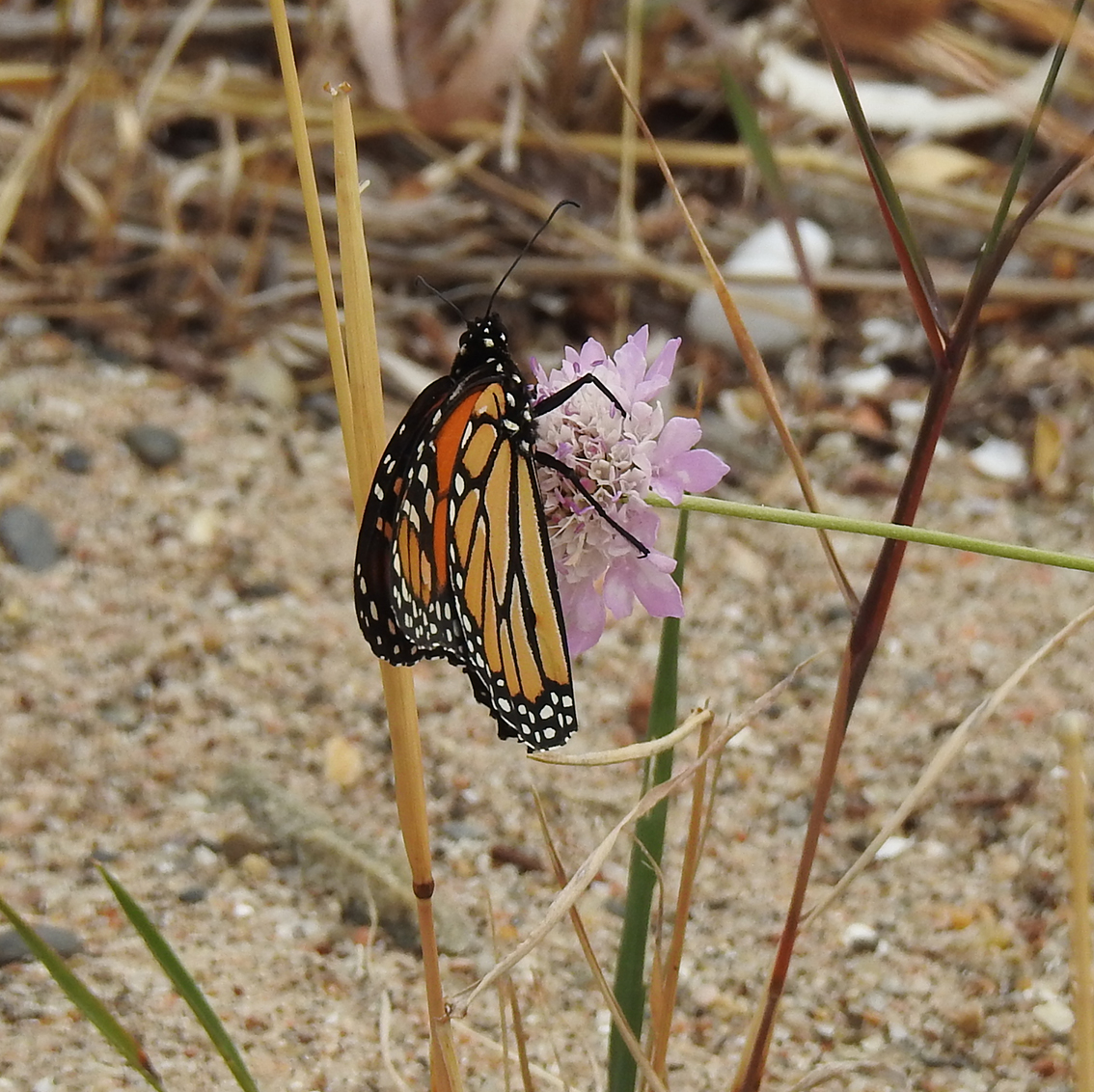
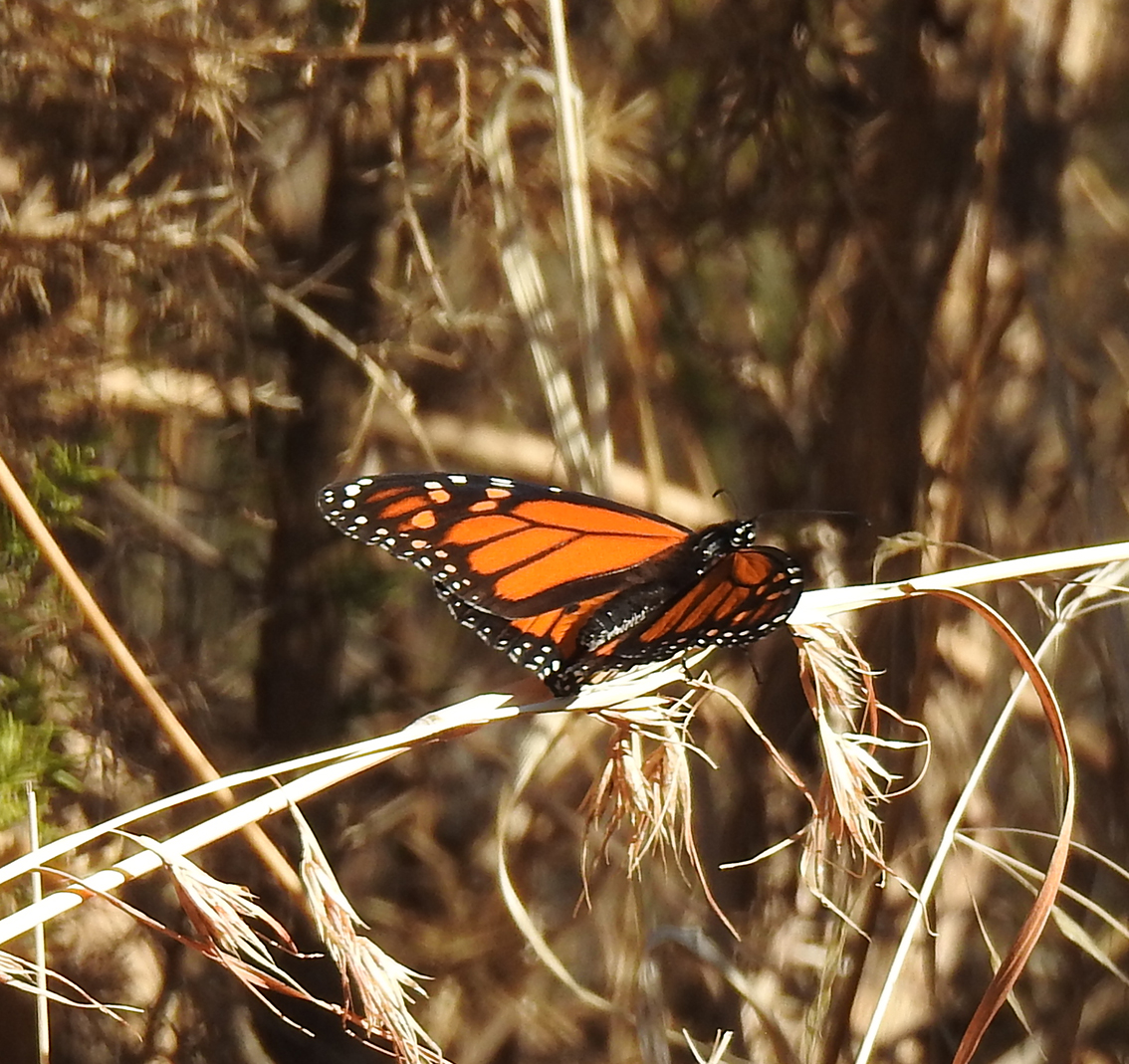
I am almost back at the trailhead when I notice a small group of Silvereyes in a bush. They are probably the same birds I photographed earlier (7th June post). To my surprise, considering the season, I notice a Monarch Butterfly perched on a small branch near the track.

Late season Monarch Butterfly

(30/6/25,12.55 Clear sky and around 20℃, light wind)

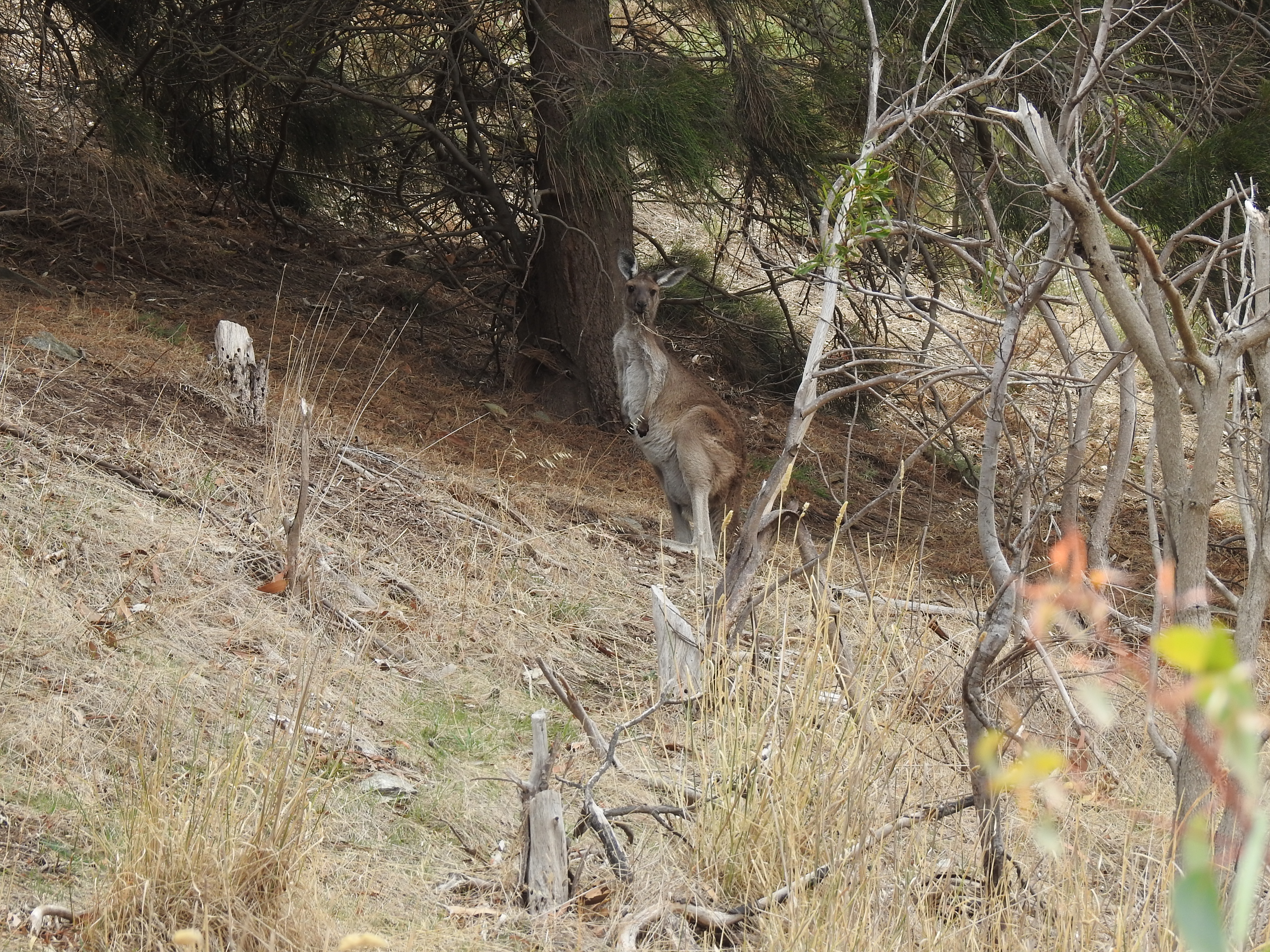
I reach the Norm Garnet Park, pack up my gear and head back to the city. I have been surprised by the lack of Western grey Kangaroos, as I know they are prolific in this area. However, the gods of wildlife photography decide to rectify the problem and I come across a dozen or so ‘roos’ grazing in a fenced paddock, just a few kilometres shy of Normanville.  

Western Grey Kangaroos grazing on farmland

Cheers

Baz

Additional notes

Other animals see, heard but not photographed

The camera used for this post is a

This is an easy walk/drive which is quite suitable for families and seniors with public toilets, barbecues, parking and other facilities nearby. It is dog friendly.

Please pass on this blog title and or contact information (URL) to any person or organisation with an interest in taking walks and enjoying wildlife in SA.

Click on these links and see more South Australian stories and pictures in my Weekend Notes articles as well as locating similar blogs on Feedspot’s top 20 Australian wildlife blogs

https://www.weekendnotes.com/adelaide/writer/452/

https://blog.feedspot.com/australian_wildlife_blogs/

Normanville’s Big Gorge Walk…….part 1

17 Jun

Dear Reader:

Tiny birds are feeding in the canopy of a massive Red River Gum on the edge of the river bed. Scanning the area with the telephoto of my Nikon P900, I spot a diminutive Thornbill.

Thornbill species

Garnet Kelly Park on the southern side of Normanville is the start of the Great Gorge Walk. This charming track of around 3Kms return follows a path walked by explorers and traversed by later settlers.

Park entrance near the old bridge
Alongside the river

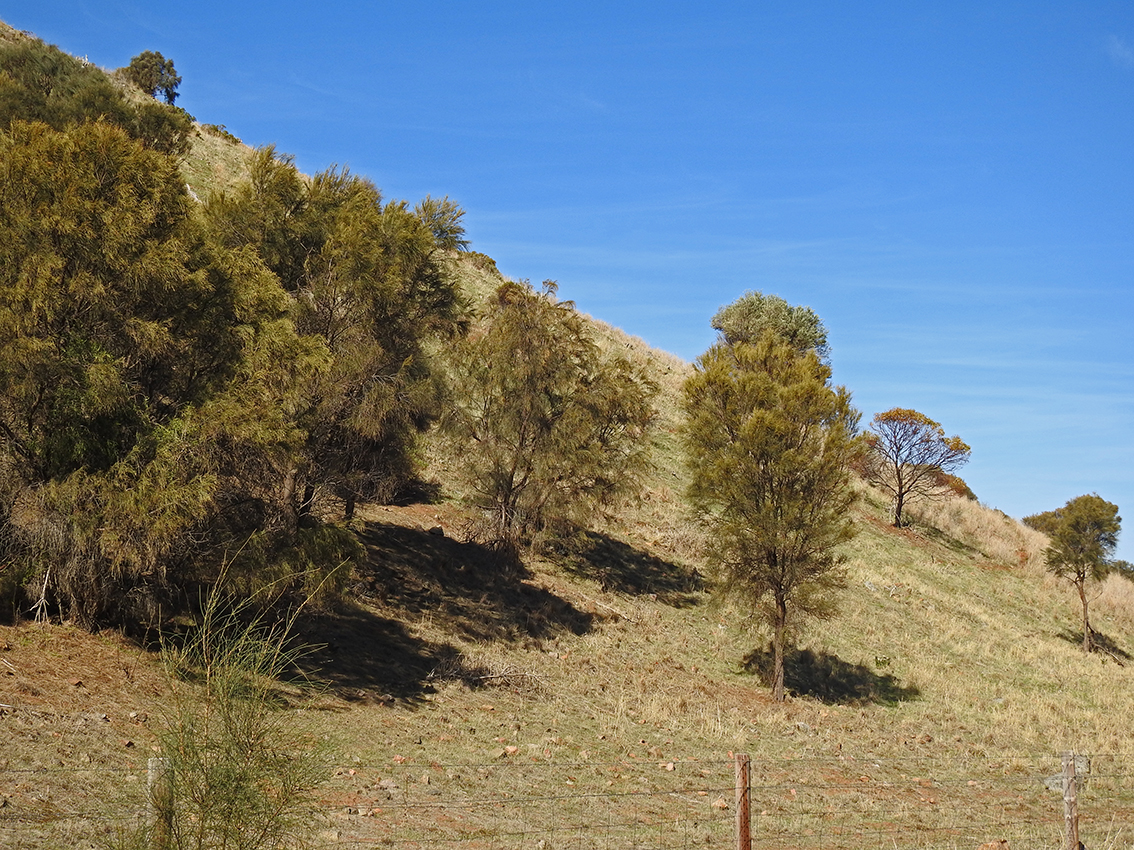
River Red Gums, Sheoaks and Acacia bushes are part of a complex and varied flora.

Sheoaks on hillside, private property bordering the walk

Information placards at the start of the walk and along its route tell the story of the bridge, pathway and the local soldier which the park is named after.

One of numerous informative signs on the walk and in the park

Small birds seem to be prolific in the first kilometre of the walk and I manage to photograph Fairy Wrens, Silvereyes and White-browed Finches. Most of the shots are taken at distance and emphasise the need for a good telephoto lens in this area.

Silvereye feeding on reed-like grasses near a pool in the river bed

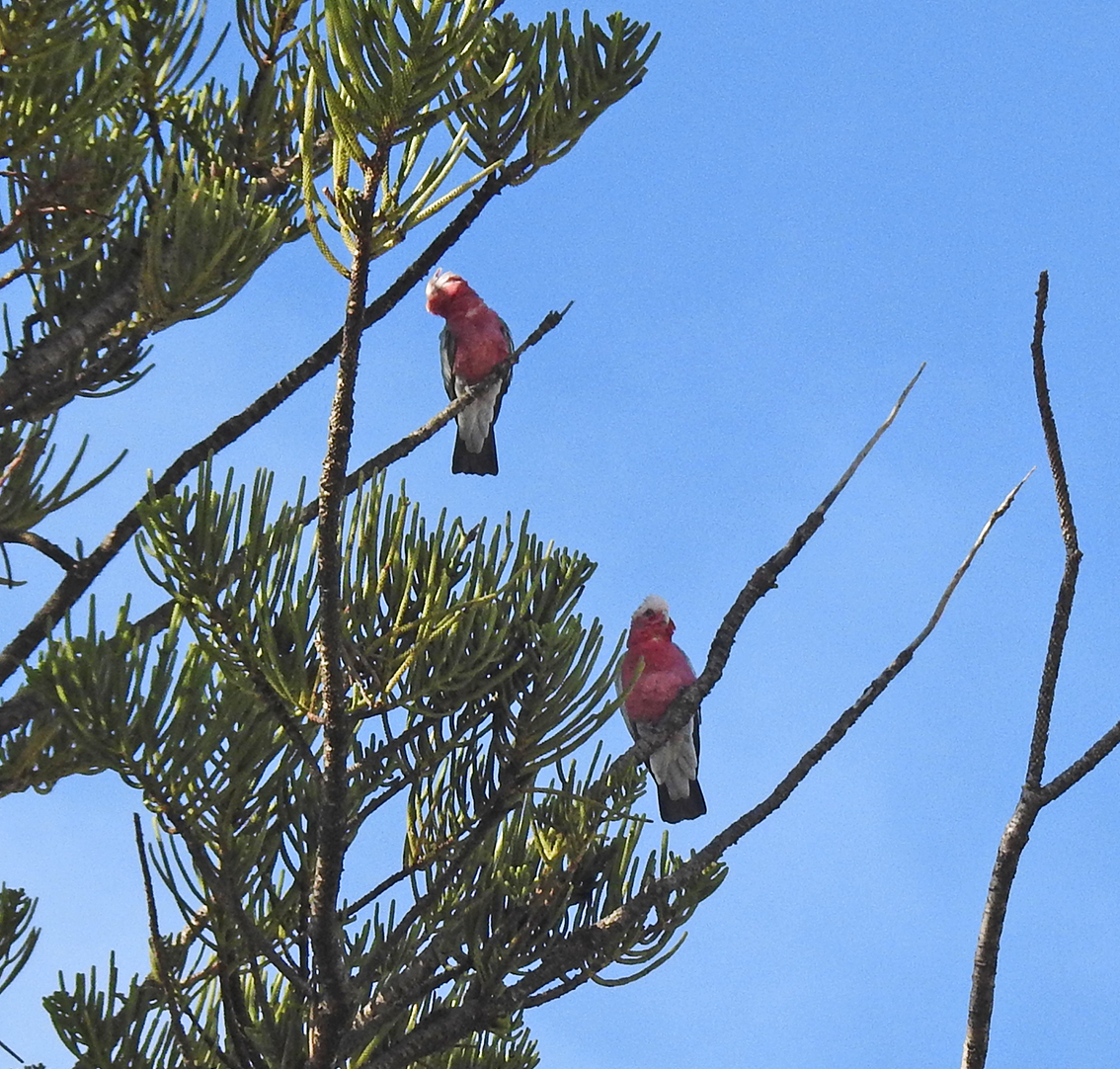
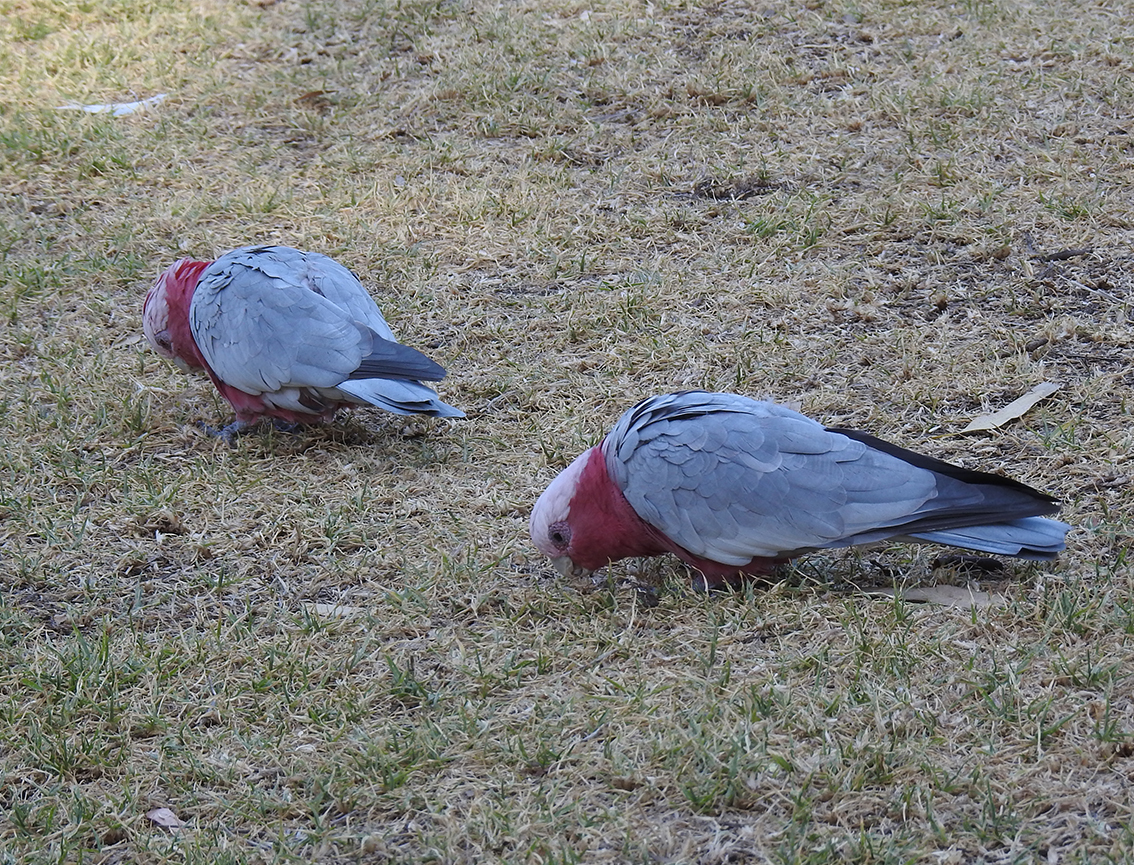
I notice small groups of Sulphur-crested and Rose-breasted (Galahs) Cockatoos flying overhead. A few land to feed on the ground while others perch in nearby trees. They advertise their presence with a screeching, almost prehistoric, call.

Sulphur Crested Cockatoo

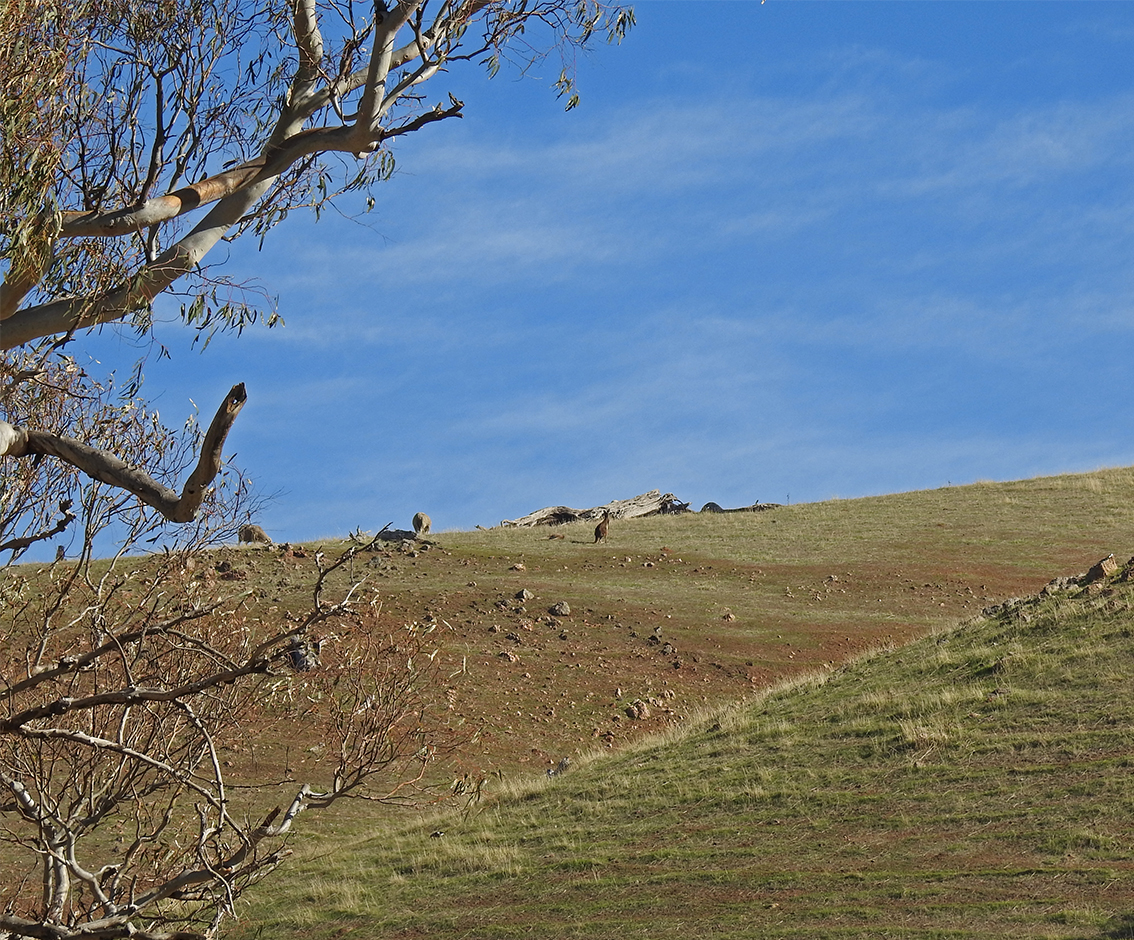
The weather is too cold for reptiles and I see only a few rather tattered looking butterflies. However, there are sheep with lambs in tow, on the hillsides. A closer look on one ridge reveals a lone Western Grey Kangaroo grazing alongside a couple of sheep.

Hilltop grazers

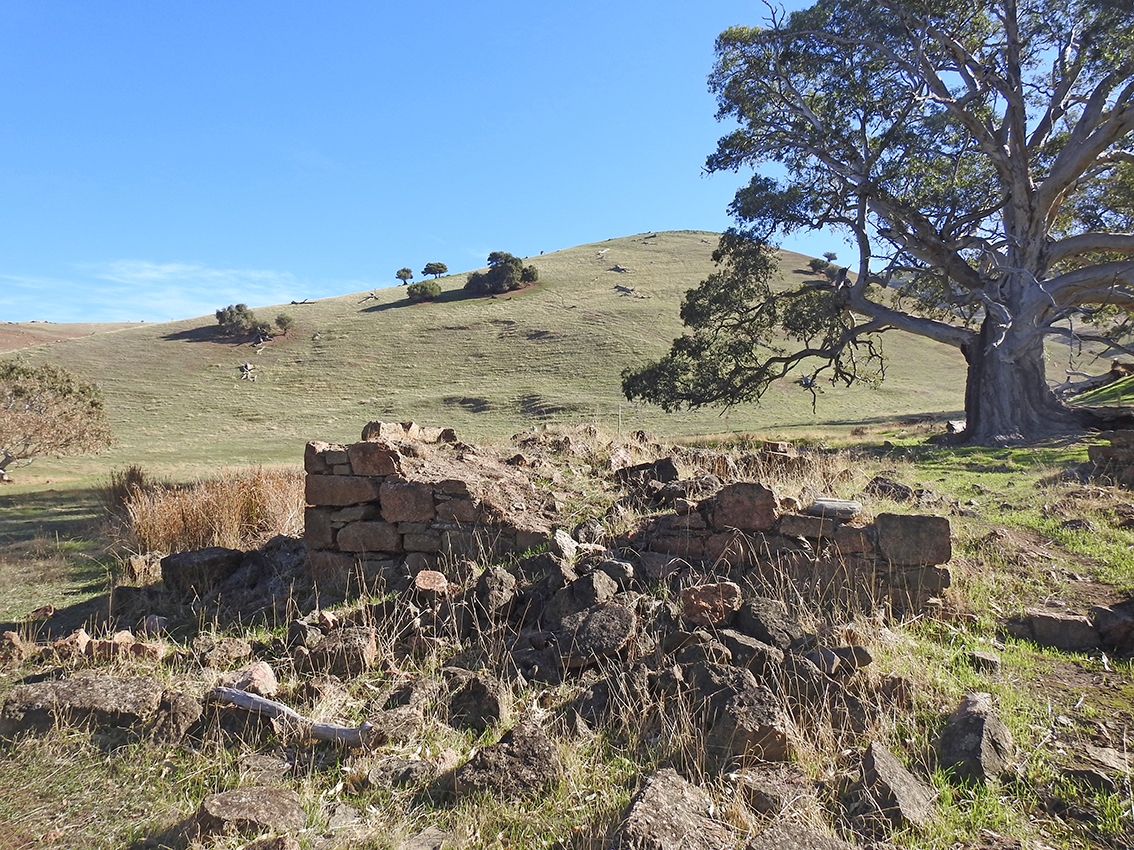
Glancing at the distance reading on my Apple watch, I realise I am almost at the half way (1.5 Km) point of this walk. Though the wildlife and scenery have been both interesting and varied, my writer’s mind wants a little more variation for an article. It comes in the form of an old ruin.

Remains of a once substantial building
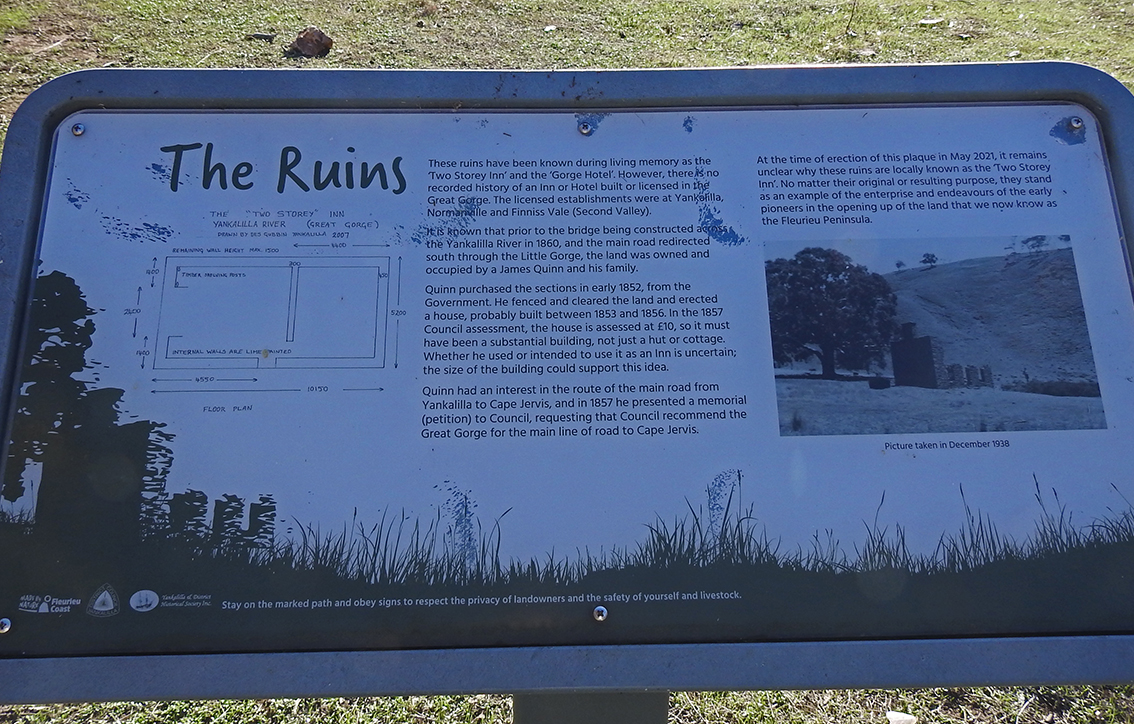
Historical placard near the ruins

The exact nature of the ruin is a little unclear and an information plaque provides some different alternatives. Nevertheless, this old structure and its history provides yet another reason to take this truly beautiful walk on the Fleurieu Peninsular………….to be continued.

Cheers

Baz

Additional notes

The camera used for this post is a Nikon P900

This is an easy walk which is quite suitable for families and seniors, Dogs must be kept on a lead.

Please pass on this blog title and or contact information (URL) to any person or organisation with an interest in taking walks and enjoying wildlife in SA.

Click on these links and see more South Australian stories and pictures in my Weekend Notes articles as well as locating similar blogs on Feedspot’s top 20 Australian wildlife blogs

https://www.weekendnotes.com/adelaide/writer/452/

https://blog.feedspot.com/australian_wildlife_blogs/

The tip of the Fleurieu

28 Apr

Dear Reader:

The school of Silver Drummer and Banded Sea Sweep mill around the rocky outcrop off Cape Jervis SA.

Silver Drummer (top centre) and Banded Sweep

I am exploring the southern tip of South Australia’s Fleurieu Peninsular using images that show a few of its many features and attractions.

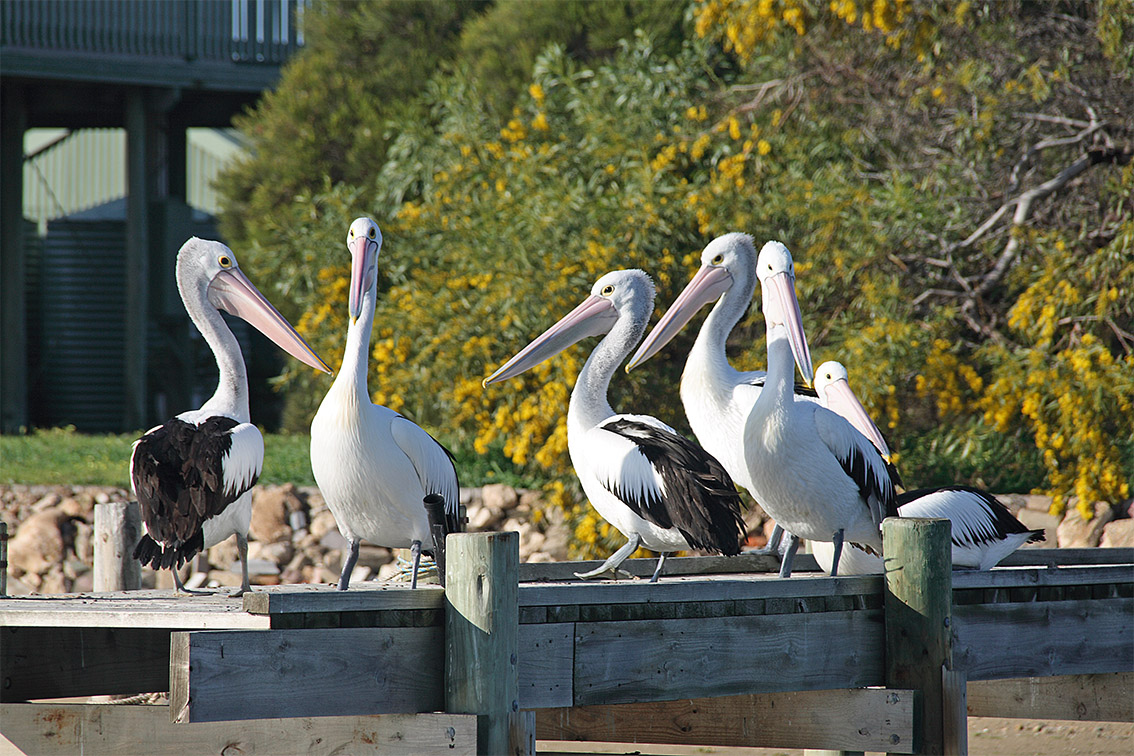
Australian Pelicans Goolwa bird reserve

Cape Jervis is the transit port for the Kangaroo Island Ferry as well as being an interesting wildlife destination in its own right.

Kangaroo Island ferry at Cape Jervis with KI in the background

Numerous seabirds live in this area including: terns, gulls, cormorants and various birds of prey. At different times I have observed Sea Eagles and Nankeen Kestrels.

Nankeen Kestrel hovering

Just before Cape Jervis, a dirt road leads to Fishery Beach where an undersea cable crosses beneath Investigator Strait to KI. I spend a little time snorkelling close to the shore where I photograph a school of Zebra Fish.

Zebra Fish

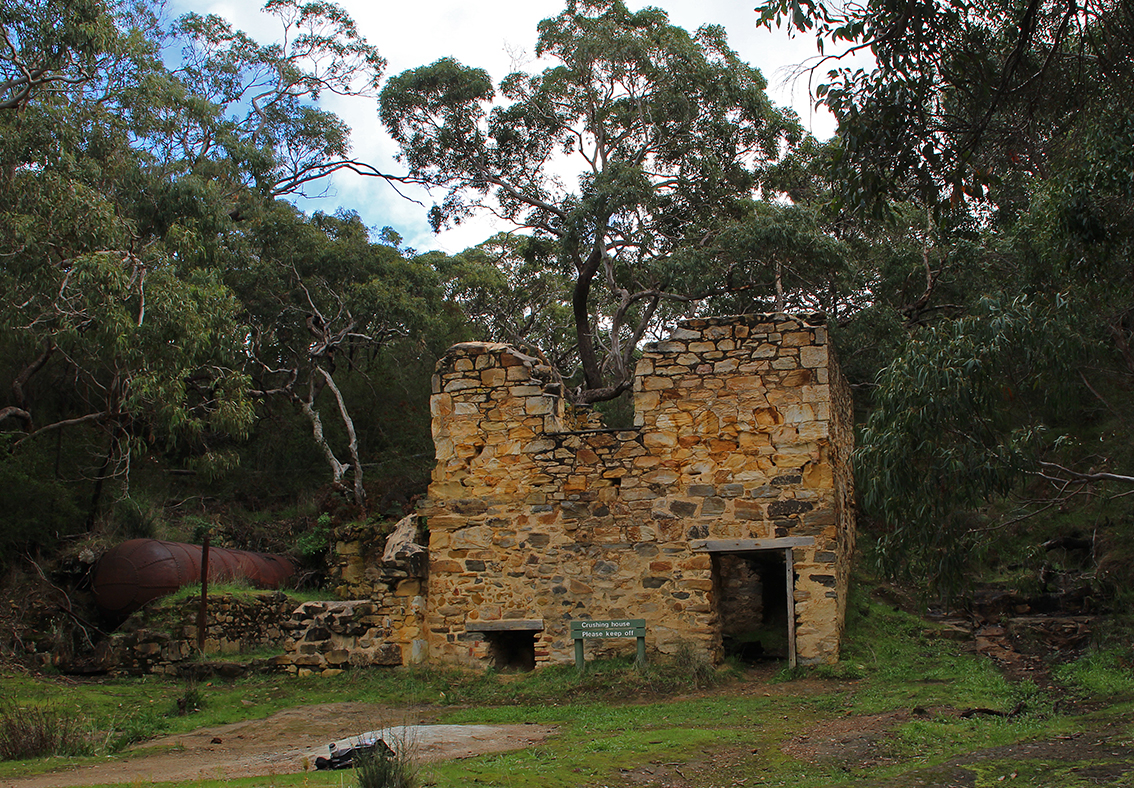
Range Road Curls around the foot of the peninsular passing through pasture, scrub and grazing country. Near the beginning of the road there is an entrance to the old Talisker mine. Numerous small birds inhabit the dense scrub around this area and the old buildings and machinery provide some historical context.

Crusher house and boiler
Crescent Honeyeater

One of the main attractions of the southern Fleurieu is the Deep Creek Conservation Park; a wonderful place to photograph Western Grey Kangaroos and the occasional Echidna.

Lone roo Deep Creek Conservation Park
Roos in the mist Deep Creek CP

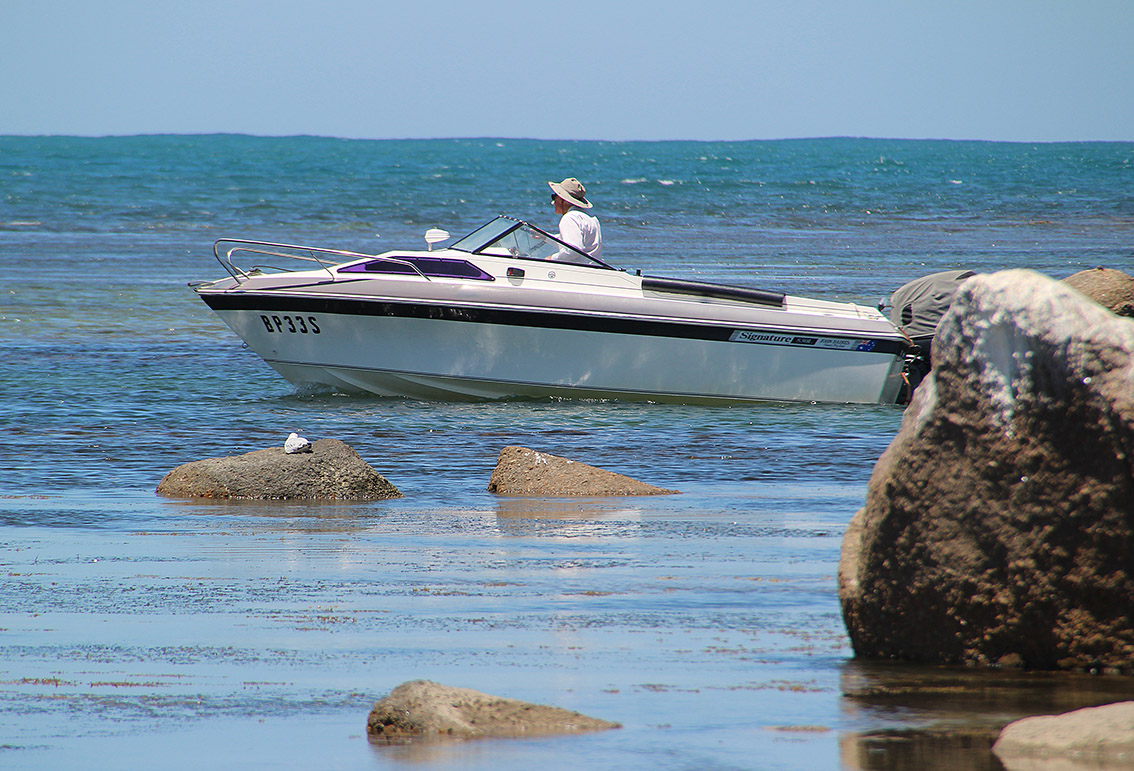
My next stop on this trip is Victor Harbor, where I watch a succession of recreational fishing boats head out to sea while I enjoy a tasty seafood lunch at Whalers Seaside Dining.

Setting out from the Victor Harbor boat ramp

Having reached Victor from the city via South Road and Range Road I decide to return to Adelaide along the B37 (Strathalbyn Route) after a 4WD run along iconic Goolwa Beach towards the mouth of the Murray River.       

Entrance to Goolwa beach

Cheers

Baz

Additional notes

The cameras used for this post are Sony RX, Nikon P900 and Nikon Coolpix AW100  

This is an easy drive which is quite suitable for families and seniors with the exception of the 4WD section which can be tricky depending on tides and wind.

Please pass on this blog title and or contact information (URL) to any person or organisation with an interest in taking walks and enjoying wildlife in SA.

Click on these links and see more South Australian stories and pictures in my Weekend Notes articles as well as locating similar blogs on Feedspot’s top 20 Australian wildlife blogs

https://www.weekendnotes.com/adelaide/writer/452/

https://blog.feedspot.com/australian_wildlife_blogs/

Wirrina Foreshore Reserve

25 Mar

Dear Reader:

The Western Grey Kangaroo stops feeding and looks at me, twitches its ears then hops deeper into the bushes where it is joined by a second roo.

Western Grey Kangaroo
Then there were two

I am driving along the access road to Wirrina Cove marina, where I will walk along the Wirrina Foreshore Reserve. It is a rather overcast day which adds a few extra photographic challenges.

Beginning of the walk

Like other parts of the Fleurieu the story told by the rock formations is fascinating. The areas geoheritage includes: deep sedimentary basins, massive plate tectonic collisions, glaciation and mountain formation.

Rock formations along the shoreline

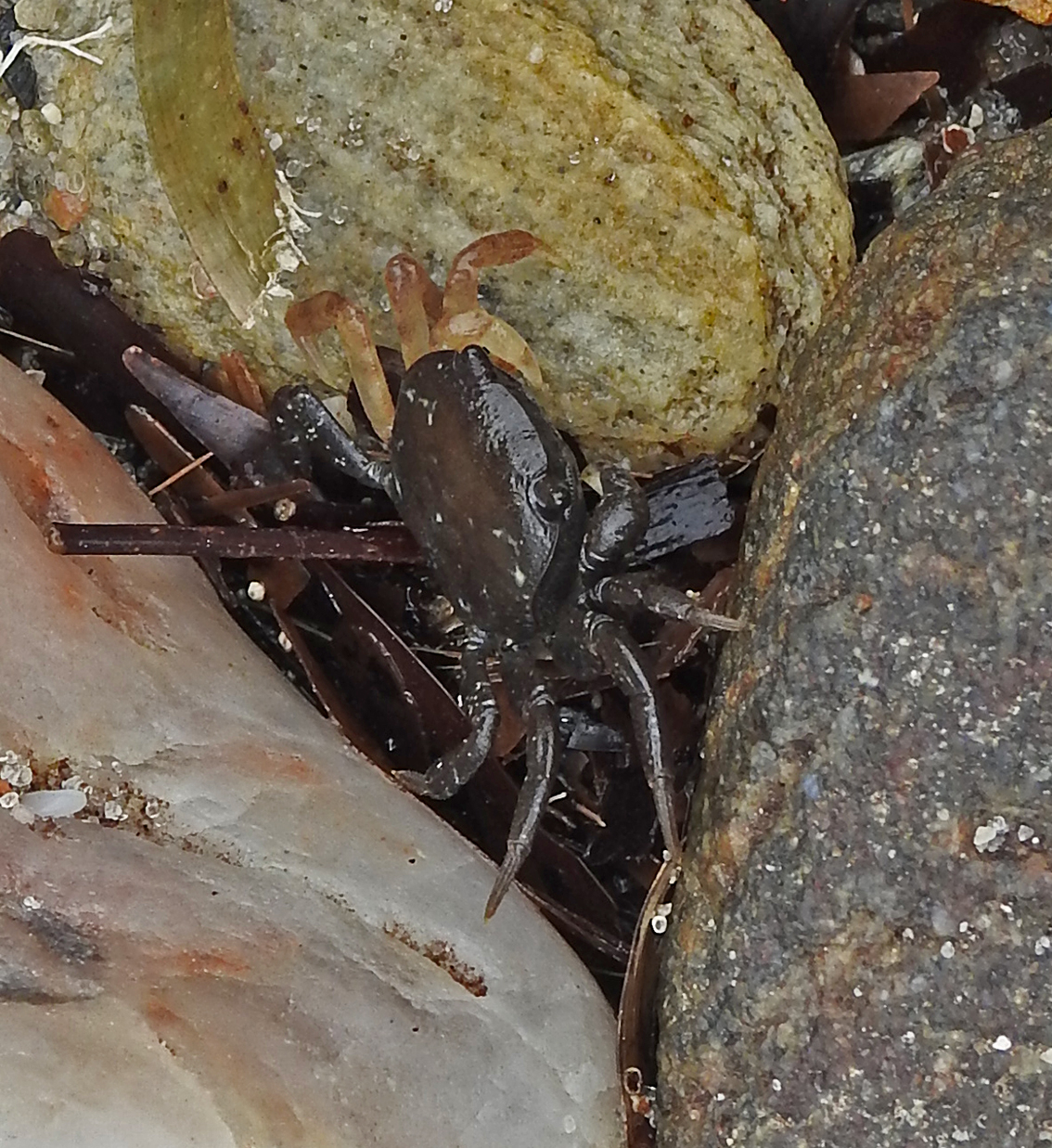
At low tide the rocky foreshore is a maze of rockpools. Within each of these ecological niches lives a wonderful variety of marine organisms such as anemones, sponges, seasnails and crustaceans; to mention just a few.

Shore crab species on the edge of a rockpool
Turban Shell

Banks of seaweed cover some parts of the shoreline and I am amazed to see an Australian Magpie probing the weed. Closer observation suggests it might be gathering nesting material.

Australian Magpie in seaweed pile

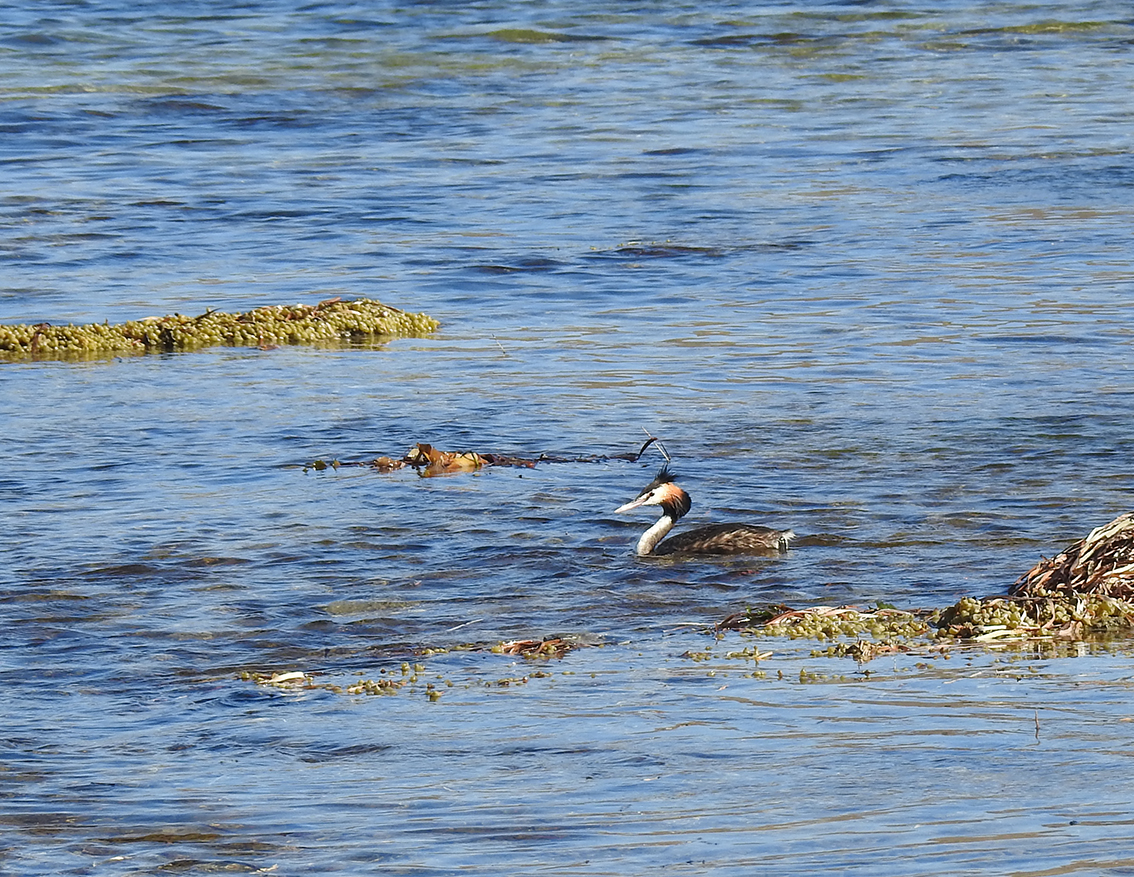
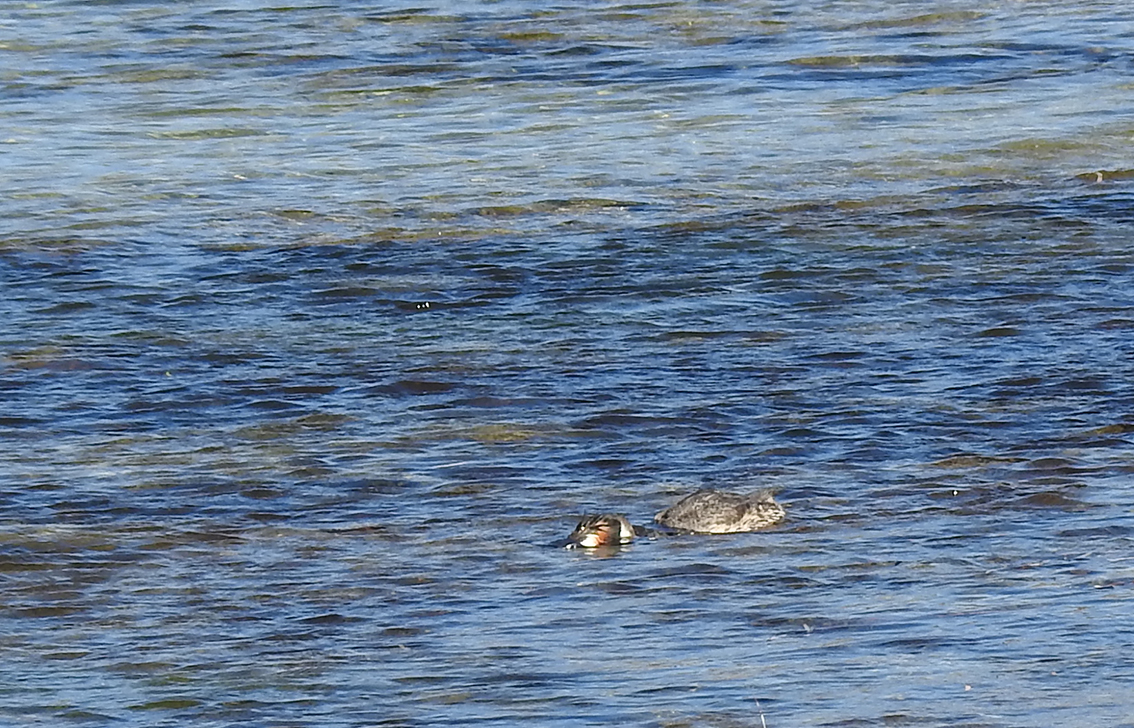
After spending some time exploring the edges of the pools, I move back to the trail to capture a few images of the typical birdlife. There are White-faced herons stalking the shallows, Pied Cormorants and Masked Lapwings resting on the rocks and a pair of grebes further out to sea.

White-faced Heron

Having captured images of molluscs, birds, crustaceans and marsupials, I turn my attention to plants, insects and other life forms. Butterflies and native bees are feeding on flowering Scabia blooms, lichens coat the rock formations and Cushion Bushes colonise niches in the rock formations.  

The weather closes in and it is time to leave the walking trail. However, I am determined to return on a warmer, sunnier day with some snorkeling gear to further explore this fascinating area.

Cheers

Baz

Additional notes

The camera used for this post is a Nikon Coolpix P900

This is an easy walk and drive which is quite suitable for families and seniors. It is dog friendly.

Please pass on this blog title and or contact information (URL) to any person or organisation with an interest in taking walks and enjoying wildlife in SA.

Click on these links and see more South Australian stories and pictures in my Weekend Notes articles as well as locating similar blogs on Feedspot’s top 20 Australian wildlife blogs

https://www.weekendnotes.com/adelaide/writer/452/

https://blog.feedspot.com/australian_wildlife_blogs/

, , , , , , , , ,

Driving the James Track to the Myponga Conservation Park

11 Mar

Dear Reader:

A Short-billed Corella perches in the fork of a gum tree. Its raucous call resonating through the still morning air.

Short-billed Corella

I am driving the largely unsealed road between Myponga and the conservation park of the same name. For a summer’s day, it is refreshingly cool but the dryness of the surrounding countryside tells a different story.

James Track

A few minutes after seeing the corella, I catch a glimpse of a group of Straw-necked Ibises strutting through the pale, yellow grass. They turn to watch me then fly off towards the coast.

Straw-necked Ibises

Further down the road there are dozens of Rose-breasted Cockatoos (Galahs) in a stand of trees. All but one takes to the air as I leave the car to take a shot of them. The plucky little bird drops out of the gum tree and hops onto an old, circular concrete well and starts to drink.

Just taking a little drink

The road takes a sweeping bend and starts to climb. I find a good vantage point and scan the broad expanse of dry pasture with my telephoto lens. What I missed from the vehicle soon becomes apparent. There are Western Grey Kangaroos scattered across the landscape in small groups of two to six animals.

Roos in the landscape
Western Grey Kangaroo (through the telephoto lens)

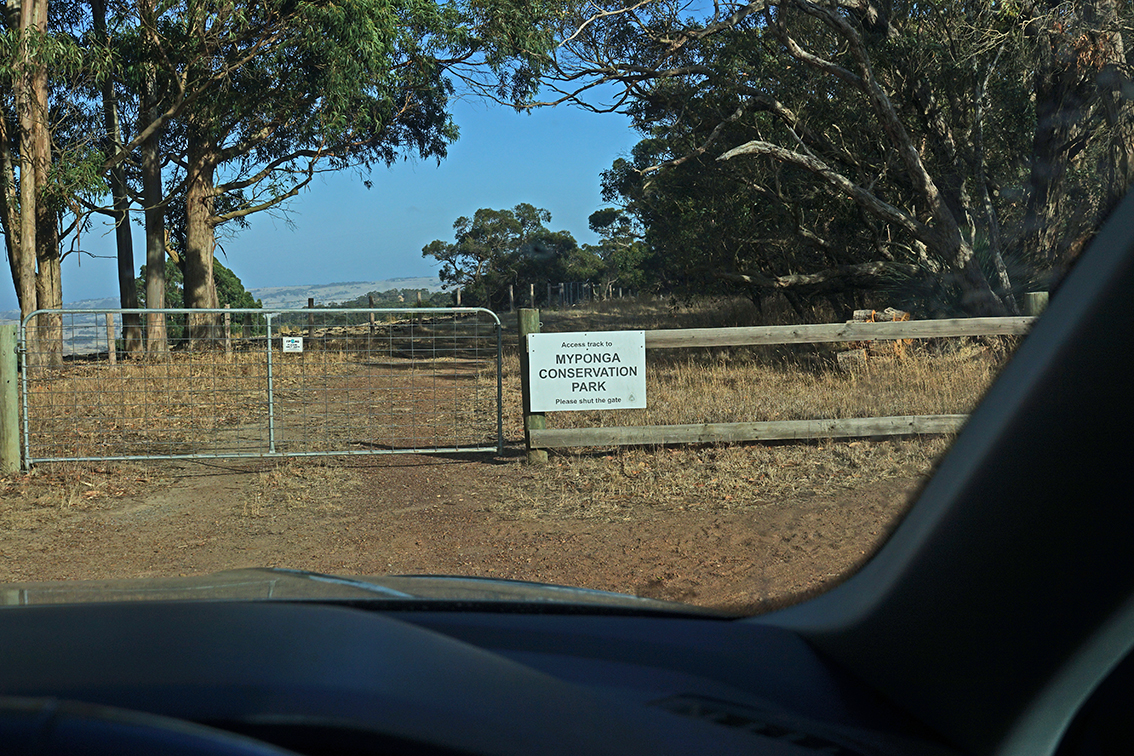
The terrain changes from lightly wooded pasture to scrub with an overstory of smaller eucalypts. Several kilometres on, I reach a gated entrance to the Myponga Conservation Park alongside a local property.  

Change if terrain near the park

Taking care to close the gate behind me I drive through a combination of rolling hills, farmland, and dense scrub. The track is about two kilometres long and ends in an open space wide enough to turn around.

Inside the park

Two trails; The Echidna and Wren, branch off from the end of the road into the park and alongside some farmland. As a bonus, there is a spectacular view across the hills towards the ocean.

Trails at the end of the park

My goal for today achieved, I drive back along the trail. At the gate I meet a local property owners and chat to him about the area. He tells me that the park is best explored in spring when the plants are in flower providing food for a range of animals.

Myponga Conservation Park gate

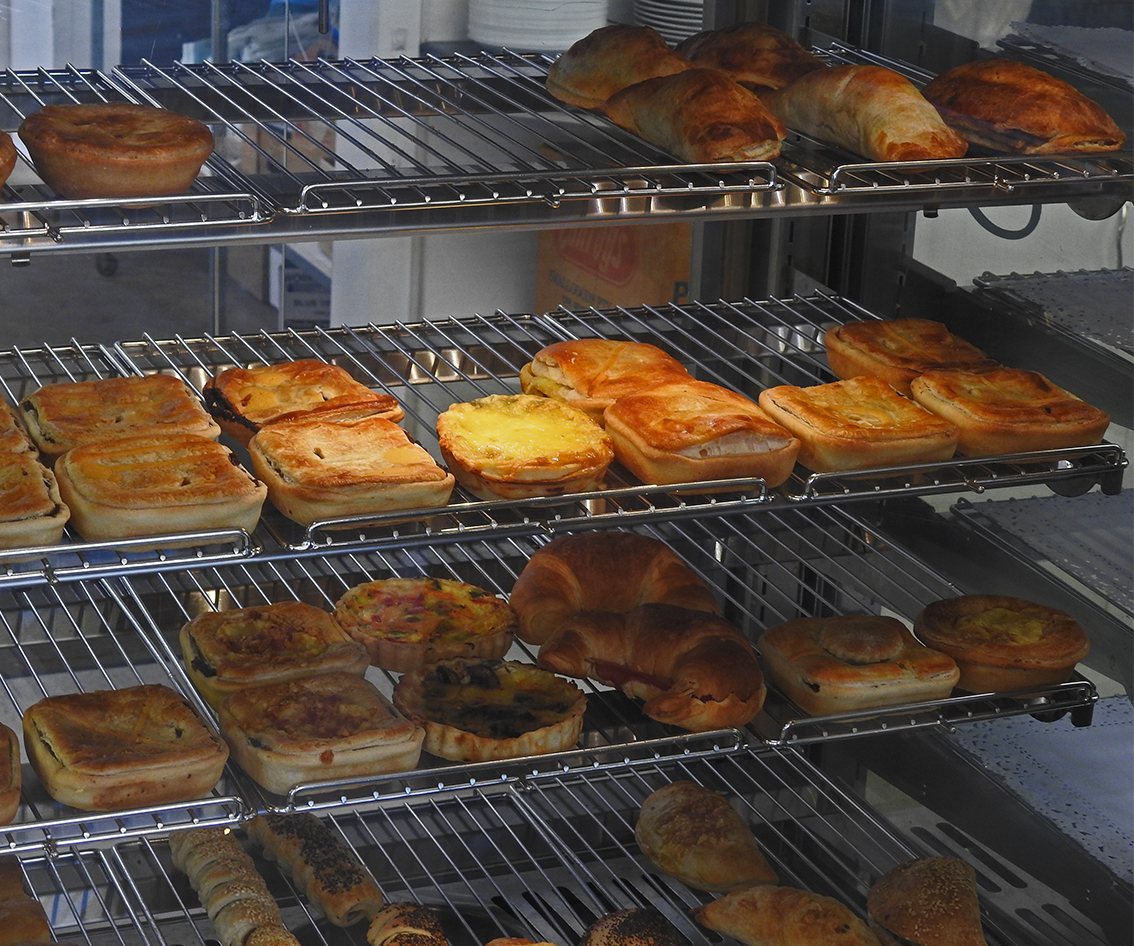
I return to Myponga back along The James Track where I enjoy the delights of the local bakery before heading home to review my images and make a note in the diary to return in the spring. 

Bakery delights

Cheers

Baz

Additional notes

The camera used for this post is a SONY RX10 Mark 3

This is an easy drive which is quite suitable for families and seniors.

Please pass on this blog title and or contact information (URL) to any person or organisation with an interest in taking walks and enjoying wildlife in SA.

Click on these links and see more South Australian stories and pictures in my Weekend Notes articles as well as locating similar blogs on Feedspot’s top 20 Australian wildlife blogs

, , ,
, , ,

Bullock Hill CP….. Kangaroos, Cows and Cockies

19 Mar

Dear Reader:

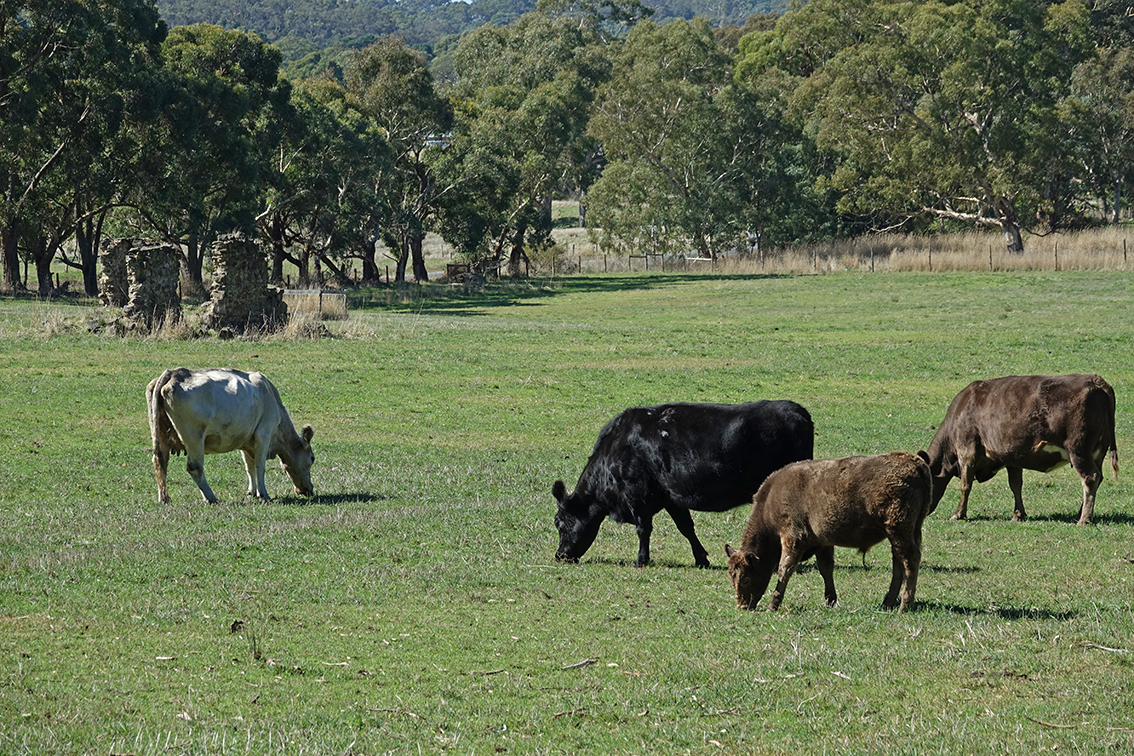
The scenery on my drive between Meadows and Ashbourne varies between open pasture to Creekside scrubland with both kangaroos and cows enjoying the fertile landscape.

Rural setting with old farmhouse ruin, stock and bush background

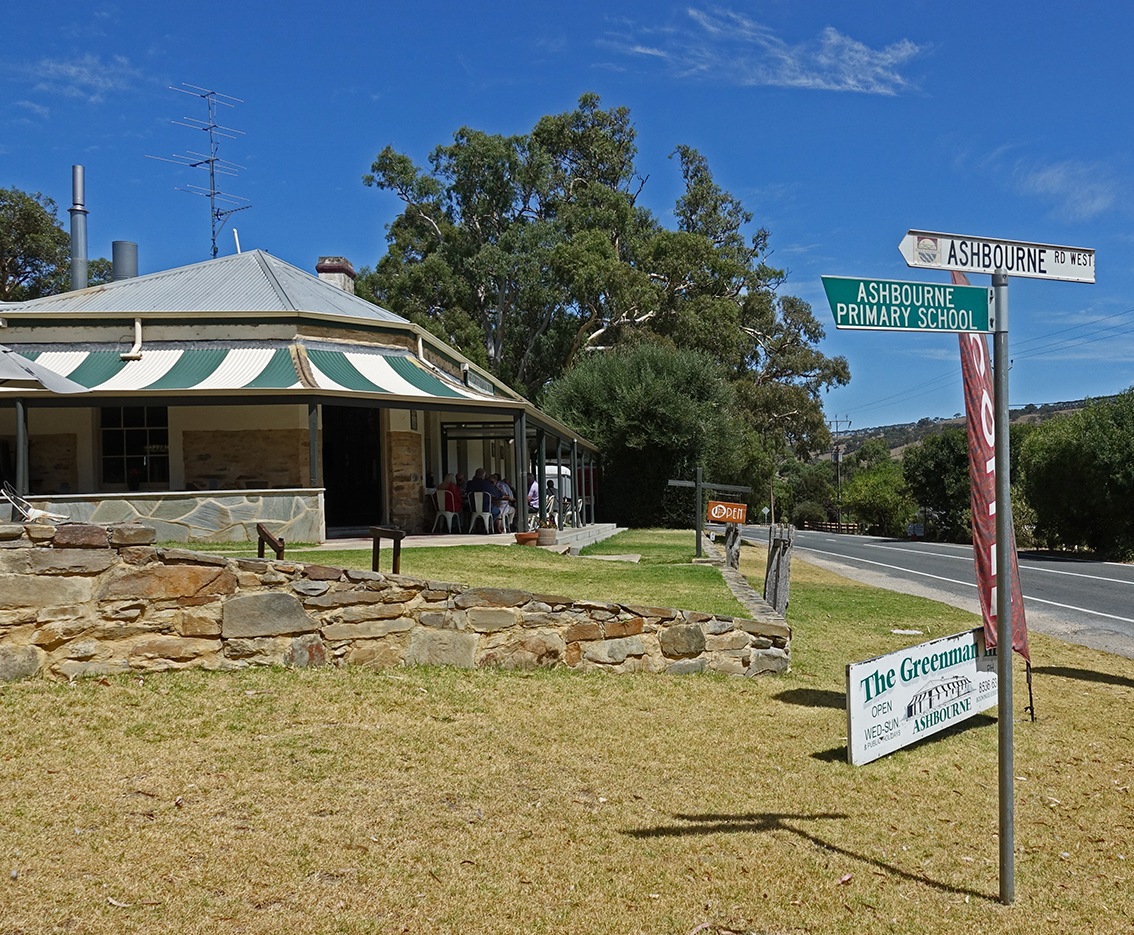
My destinations are the town of Ashbourne and the nearby Bullock Hill Conservation Park. I have driven along several of the roads I am about to explore during the cooler months when the weather was not as conducive to photography and I promised myself a summer visit and a meal at the Green Man Hotel.

Track into the park

Green Man Hotel in Ashbourne SA

Three roads skirt the Bullock Hill Conservation Park; Signal Flat Road to the west, Wattle Flat Road to the east and Haines Road to the south. There are walking trails leading into the park off these roads. The country town of Ashbourne with its folksy Green Man Hotel lies a kilometre or two north west of the park, on the intersection of Bull Creek and Signal Flat Roads.

Wattle Flat Road on my previous trip

I enter the park off Haines Road. There are honeyeaters, Grey Fantails, rosellas, lorikeets and Galahs. The birds are wary and move quickly in the canopy. Eventually I spot a Welcome Swallow resting between aerial sorties in search of insects.

Welcome Swallow taking a break

Galah or Cockie or Rose-breasted Cockatoo

Along Wattle Flat Road, I notice a pair of roos near a fenceline and stop to take a picture. Not a successful venture as one bounds over the fence while the other scoots under it. Both animals are unhurt and I get the feeling they have done this on more than one occasion.

One under one over….Western Grey Kangaroos

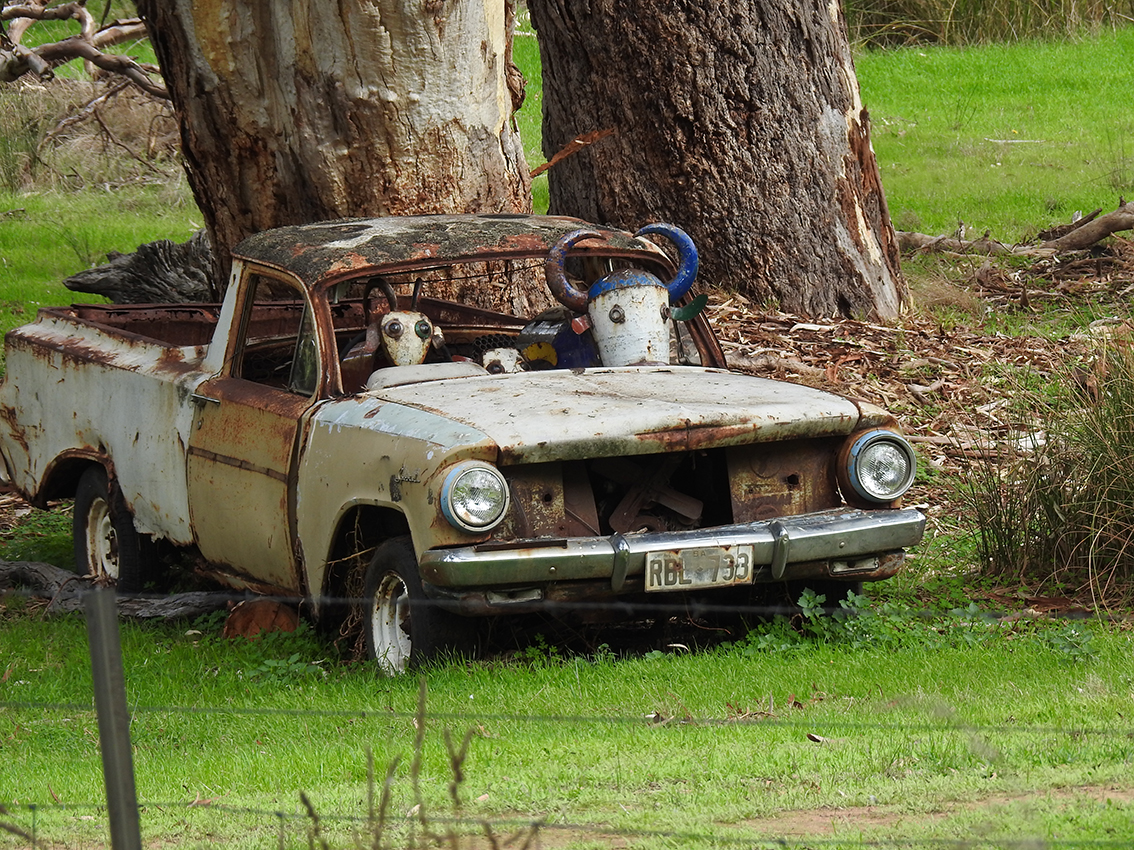
On this trip I have not driven back along Signal flat Road which skirts the eastern side of the park. However, on my last drive I was quite taken by a whimsical piece of ‘Auto-art’; if such a genre exists. On the same drive I encountered significant flocks of Galahs.  

A little whimsical, rural art off Wattle Flat Road

Back in Ashbourne and alongside the Green Man Hotel, there is an enclosure with a couple of unusual sheep which seem to be shedding their fleece rather than it being shorn. I believe they are White Dorpers a variation bred specifically for this particular characteristic.

Shearing the easy way….White Dorper variety of sheep

Leaving the car in the shade, I order a seafood platter and share an outside table with a curious and food oriented Australian Magpie. It has been a worthwhile day in the field and I will certainly return during spring to further explore the park and surrounding areas.

Seafood plate with Oysters, Calamari, Scallops and fish

Australian Magpie

Cheers

Baz

Additional notes

This is an easy walk and drive which is quite suitable for families and seniors with public toilets, barbecues, parking and other facilities nearby..

Please pass on this blog title and or contact information (URL) to any person or organisation with an interest in taking walks and enjoying wildlife in SA.

Click on these links and see more South Australian stories and pictures in my Weekend Notes articles as well as locating similar blogs on Feedspot’s top 20 Australian wildlife blogs

https://www.weekendnotes.com/profile/651267

Exploring Meadows Creek……an interesting drive

3 Mar

Dear Reader:

I hear movement in the long grass. Fifty metres away a Western Grey Kangaroo twitches its ears and looks back at me before slowly hopping into the scrub.

Western Grey Kangaroo

I am exploring Meadows Creek from three roads that intersect the creek from Brookman Rd, which starts at the top of Willunga Hill and terminates at Meadows. The first is Adams Gully Road.

Adams Gully Road ford

Here, the creek’s bank is obscured by scrub and grass. I wade through the tangle of dry stalks and spot a Common Brown Butterfly amongst a mat of fallen grass.

Common Brown butterfly

Nearby, a leaf curling spider has strung its web between some bushes. I can just make out its spindly legs protruding from its specially constructed home.

Leaf Curling Spider with legs visible

Sometimes tracking a creek or river is a complex endeavour. Meadows Creek runs through farmland and only flows freely when it has rained. In drier months it is typical of many SA waterways, consisting of a series of shallow pools.

Typical summer pool along Meadows Creek

A few kilometres past Adams Gully Road is Tynan Road where there is a slightly larger more accessible pool. There are prickly blackberry stems (canes) close to the water providing a safe place for small birds to shelter. A Silvereye lands on a branch providing a nice camera angle. Then a Superb Fairy Wren puts in a brief appearance while an Adelaide Rosella perches high in one of the tall roadside eucalypts.

Tynan Road crossing

Silvereye

Adelaide Rosella

My final crossing point is on Wickham Hills Road where I walk along the dry creek bed towards a pool and spend a quiet ten minutes waiting to see what animals are in the area. Eventually a Grey Fantail alights on a nearby rock as it searches for insects near the water. Further along the creek I can hear Kookaburras calling and a pair of Yellow-tailed Black Cockatoos fly overhead.

Wickham Hills ford

Grey Fantail

Rather than drive back to Brookman Road and return to Adelaide via Meadows or Willunga, I continue along Wickham Hills Road and wind my way back to the city through some lovely rural areas.  Rich pastures, stock, vineyards, barns and farmhouses provide some picturesque, rural scenes, making a wonderful ending to my creek exploring day.

Vines and open bushland

Cheers

Baz

Additional notes

This is an easy drive which is quite suitable for families and seniors.

Please pass on this blog title and or contact information (URL) to any person or organisation with an interest in taking walks and enjoying wildlife in SA.

Click on these links and see more South Australian stories and pictures in my Weekend Notes articles as well as locating similar blogs on Feedspot’s top 20 Australian wildlife blogs
https://www.weekendnotes.com/adelaide/writer/452

https://blog.feedspot.com/australian_wildlife_blogs

Glacier Rock….Good food, Geology and Wildlife

30 Nov

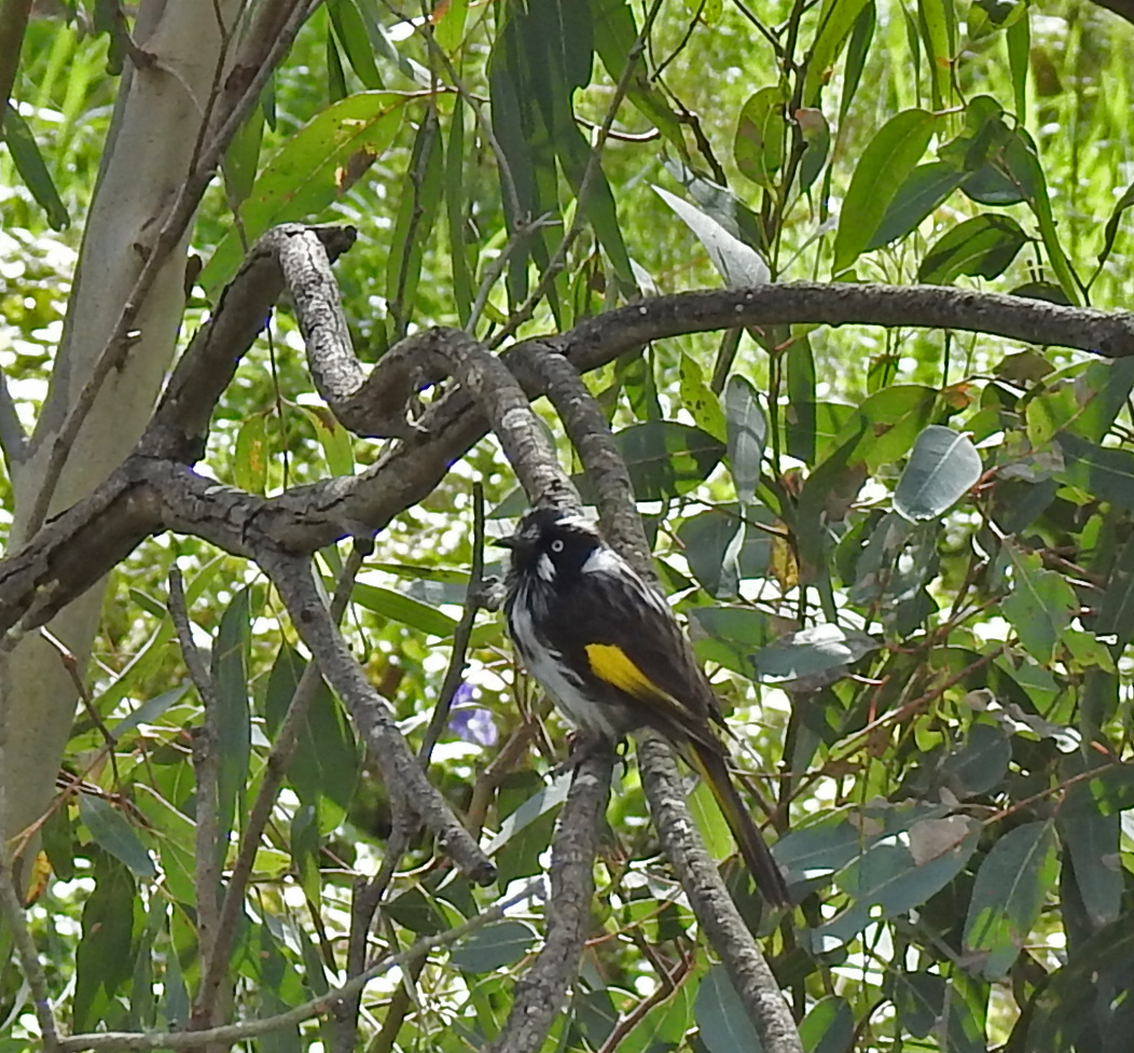
A pair of New Holland Honeyeaters

Dear Reader:

There is white water swirling around the boulders in the river and a family of Pacific Black Ducks are huddling to one side where the water is calmer. Perched amongst the branches of an overhanging eucalyptus tree I make out the shape of several New Holland Honeyeaters and hear the distinctive call of Sulphur-crested Cockatoos as they fly overhead.

Breakfast at the Tearooms

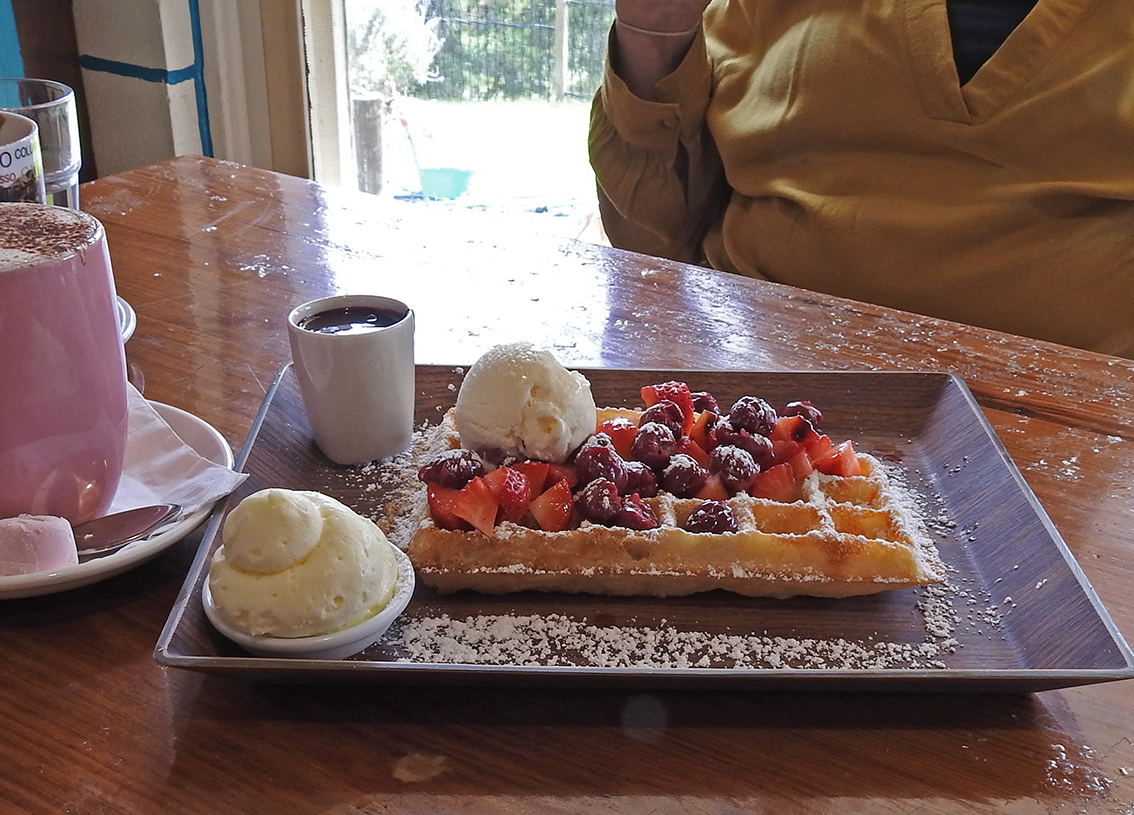
I am sitting on the back decking of the Glacier Rock Tea Rooms  having just devoured a serve of the delicious waffles topped with berries, cream and ice cream; with a little maple syrup for good measure. The weather is overcast and not great for photography but I shall make the best of it.

Typical rural countryside along the Inman Valley

On the drive along the Inman Valley Road we spotted a mob of roos feeding just outside the little township of the same name. There were also  black headed sheep and numerous herds of dairy cattle grazing on the fertile grassland. Some really pleasant rural scenes to photograph.

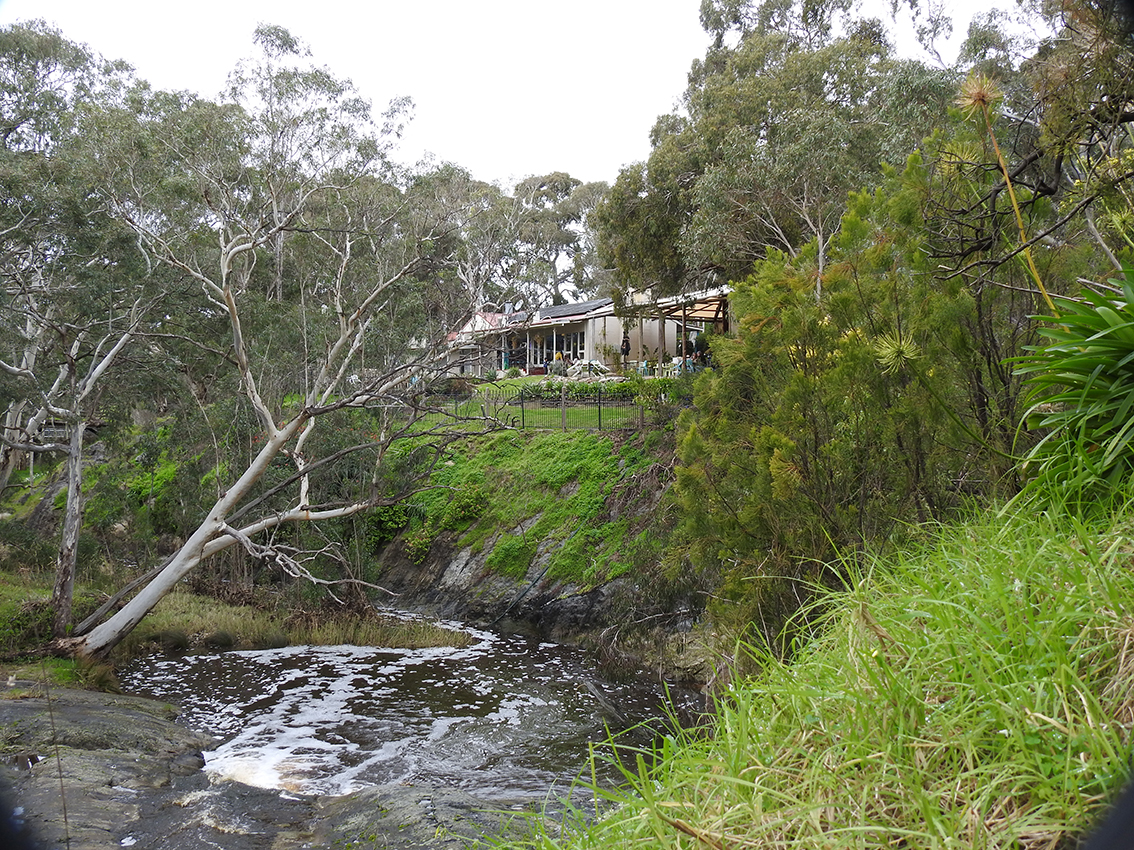
Inman river and Tearooms

I take the track from the caffe down to the river passing an information board on the way which explains the geological processes that lead to the rock formations. They involved the scraping of surfaces by rocks embedded in an ancient glacier which carved out the valley millions of years ago.

White-naped Honeyeater

Grey Fantail

From the viewing point alongside the river I watch Welcome Swallows and Grey Fantails hawking for insects above the water. And, to my great delight, spot a bird I have never photographed before: a White-naped Honeyeater.  

Old bridge over the Inman River

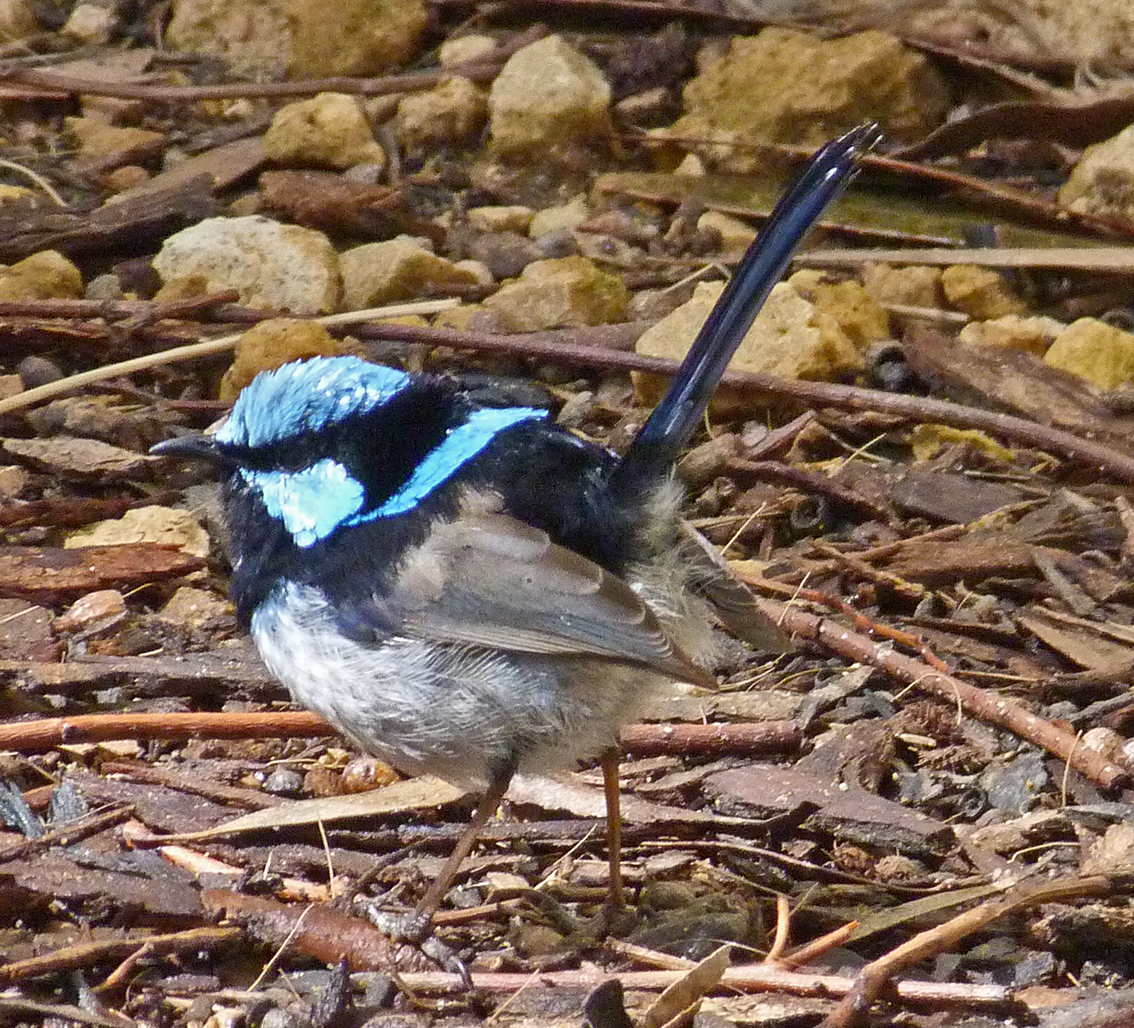
Superb Fairy Wren

The Mt Alma Road runs alongside the café. I walk a short distance along the road to get a good view of a dilapidated, old bridge which crosses the river. Thick brush lines the first section of the road and I can hear the twittering of wrens in the thickets. There are both sheep and cattle in the paddock opposite.

Galahs in silhouette

Red Wattlebird

On the other side of the Inman Valley Road, a narrow, sealed track called Parsons Road climbs a small rise. In the field alongside the road, several Galahs are perched at the top a long dead tree. Nearby a group of Red Wattlebirds are feeding on flowering shrubs along the fence line.

Spider predation or devouring its own carapace after shedding????

However, my final wildlife encounter is on a much smaller scale. A little spider (species unknown) appears to have caught another spider in its web and is starting to wrap it in silk ready to devour later.

Sweet indulgence

My walk is over and I shall return to the tearooms and treat myself to a hot chocolate. An appropriate end to a rather successful walk in this lovely part of the Fleurieu Peninsula.  

Cheers

Baz

Additional notes

This is an easy walk and drive which is quite suitable for families and seniors with public toilets, parking and other facilities nearby. It is dog friendly.

Please pass on this blog title and or contact information (URL) to any person or organisation with an interest in taking walks and enjoying wildlife in SA.

Click on these links and see more South Australian stories and pictures in my Weekend Notes articles as well as locating similar blogs on Feedspot’s top 20 Australian wildlife blogs

https://www.weekendnotes.com/adelaide/writer/452/

https://blog.feedspot.com/australian_wildlife_blogs/

Aldinga’s Temperance Precinct

13 Oct

Dear Reader:

There is a sizeable group of Short-billed Corellas in the eucalyptus trees flanking the street. They exhibit a range of behaviours ranging from preening each other to nibbling branches and feeding on gum nuts. Some of the cars parked under the trees or nearby have also suffered some paintwork indignities due to the sheer number of birds.

Little or Short-beaked Corella

Corellas in tree

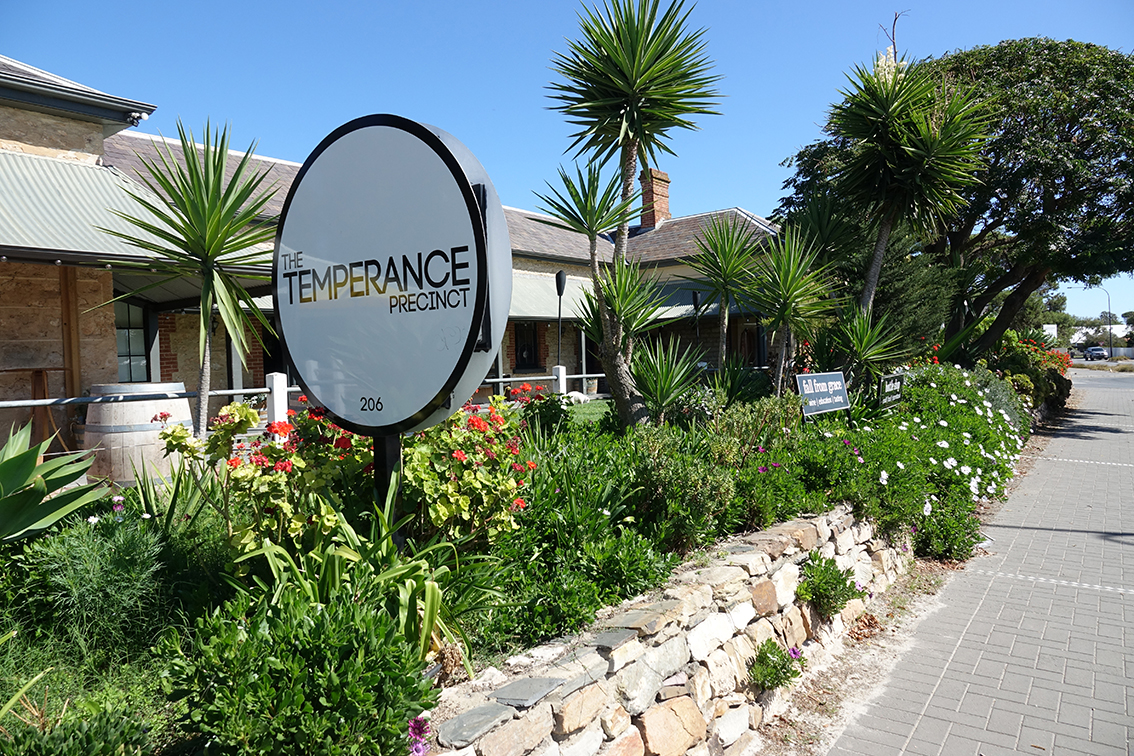
I am enjoying the ambience of the Temperance Precinct. A group of shops, restaurants, a pub, and other organisations situated on Port Road, where it intersects South Road leading into Aldinga. It is an area that has developed significantly over the last few years.

An interesting name

A little footwear style

So many colours to choose from

Perhaps the most iconic of these outlets is Miss Gladys on Sea which specialises in ‘well made’ clothing, shoes and accessories. Next door is a deli with organic foodstuffs and across the road, a bakery. Further down the street, there is an old church and graveyard as well as some fine period homes. Intermingled with the buildings are gardens, trees and bushes and the animals and plants which inhabit them.

A bit of everything

Heading for home

Collecting nectar

I sit on a stone wall, which borders a garden, waiting for a friend to do some shopping and notice a large native wasp fly into a gap in the stonework. In the garden I observe the same species feeding on several different kinds of flowers. With my attention focussed on these small invertebrates, I scan the plants for more species and spot: a diminutive flower spider, several Hoverflies, numerous Honey Bees and a cluster of tiny Aphids.

Not a gardener’s best friend

Shopping completed, it is time for lunch, but first I take a short stroll down to the churchyard where I can see some birds flitting between the branches of a red flowering gum. They are wary and in shadow. However, I recognise both Little Wattlebirds and New Holland Honeyeaters.

New Holland Honeyeater

Little Wattlebird

I finish the day with a wonderful steak and kidney pie washed down with a bottle of local fruit juice. In truth, a very satisfying low-key jaunt to one of my favourite coastal towns and I haven’t even taken the short drive to the beach with its fringing reef. An adventure I will leave for another day.

 Cheers

Baz

Additional notes

This is an easy walk and drive which is quite suitable for families and seniors with public toilets, parking and other facilities nearby. It is dog friendly.

Please pass on this blog title and or contact information (URL) to any person or organisation with an interest in taking walks and enjoying wildlife in SA.

Click on these links and see more South Australian stories and pictures in my Weekend Notes articles as well as locating similar blogs on Feedspot’s top 20 Australian wildlife blogs

https://www.weekendnotes.com/adelaide/writer/452/

https://blog.feedspot.com/australian_wildlife_blogs/

Maslins and Blanche Point to Port Willunga…a rewarding short walk

12 Mar

Dear Reader:

It is glorious summer’s day, not too hot and a gentle sea breeze. The view from the clifftop is spectacular. The outline of Gull Rock and surrounding shallow reefs are clear cut against an impossibly blue ocean. Inland, the view is quite a contrast with farmland, scrub and distant, low hills reflecting the dry shades of an Australian summer.

Gull Rock from the clifftop

Farmland, Raven and Hills

There are Little Ravens and Red Wattlebirds in the trees alongside the road leading to the carpark. In addition, I can see an adult Singing Honeyeater feeding one of its fledged chicks in the scrubby bushes near the entrance to the downhill trail. As I scan the ocean there is a pair of Bottlenose Dolphins far out to see patrolling the edge of a reef or seagrass meadow.

Reefs and seagrass from the clifftop

Singing Honeyeater

From the Blanche Point/Maslins hilltop carpark there are two ways to reach Port Willunga. The hilltop track is self-explanatory, or you can walk down the steps to the shore and follow the beach. The beach walk has two special features: take a mask and flippers to explore the shallow inshore reefs or examine the rock formations and fossil beds along the route.

Walking along the beach at low tide

Seagrass and brown algae: an underwater view

Today, I take the path which winds along the top of the cliffs then dips down towards the Willunga Creek outlet where there is a lovely patch of scrub and some old ruins. As I walk along this section of the trail I can hear Singing Honeyeaters and catch sight of a flock of Yellow-tailed Black Cockatoos feeding on pine cone seeds.

Willunga Creek where it meets the sea

Yellow-tailed Black Cockatoos

Suddenly, the birds scatter in apparent panic as a Nankeen Kestrel lands on a power pole. The bird sits for a while and I try to get close enough for a clear shot. Finally I have to settle for a long distance telephoto image. Later, on review, I am quite pleased with the result from my Nikon P900 at this range.

Nankeen Kestrel

Just as I am about to leave the scrub and creek to head up to the restaurant I notice a parenting group of Australian Black Ducks emerging from the reeds. A lovely way to end my walk before indulging in some Calamari and battered fish at the Star of Greece Restaurant. The restaurant and nearby sheltered lookout have lovely views over the Port Willunga Beach, the fringing reef and the old jetty piles.

Remains of the old Port Willunga jetty

Cheers

Baz

Additional notes

This is a moderate fitness walk with parking and other facilities nearby at Port Willunga. It is dog friendly.

Please pass on this blog title and or contact information (URL) to any person or organisation with an interest in taking walks and enjoying wildlife in SA.

Click on these links and see more South Australian stories and pictures in my Weekend Notes articles as well as locating similar blogs on Feedspot’s top 20 Australian wildlife blogs

https://www.weekendnotes.com/profile/651267/

https://blog.feedspot.com/australian_wildlife_blogs/

https://www.onkaparinganow.com/News-listing/Iconic-cliff-top-path-for-Port-Willunga