Archive | Marine Environment RSS feed for this section

The tip of the Fleurieu

28 Apr

Dear Reader:

The school of Silver Drummer and Banded Sea Sweep mill around the rocky outcrop off Cape Jervis SA.

Silver Drummer (top centre) and Banded Sweep

I am exploring the southern tip of South Australia’s Fleurieu Peninsular using images that show a few of its many features and attractions.
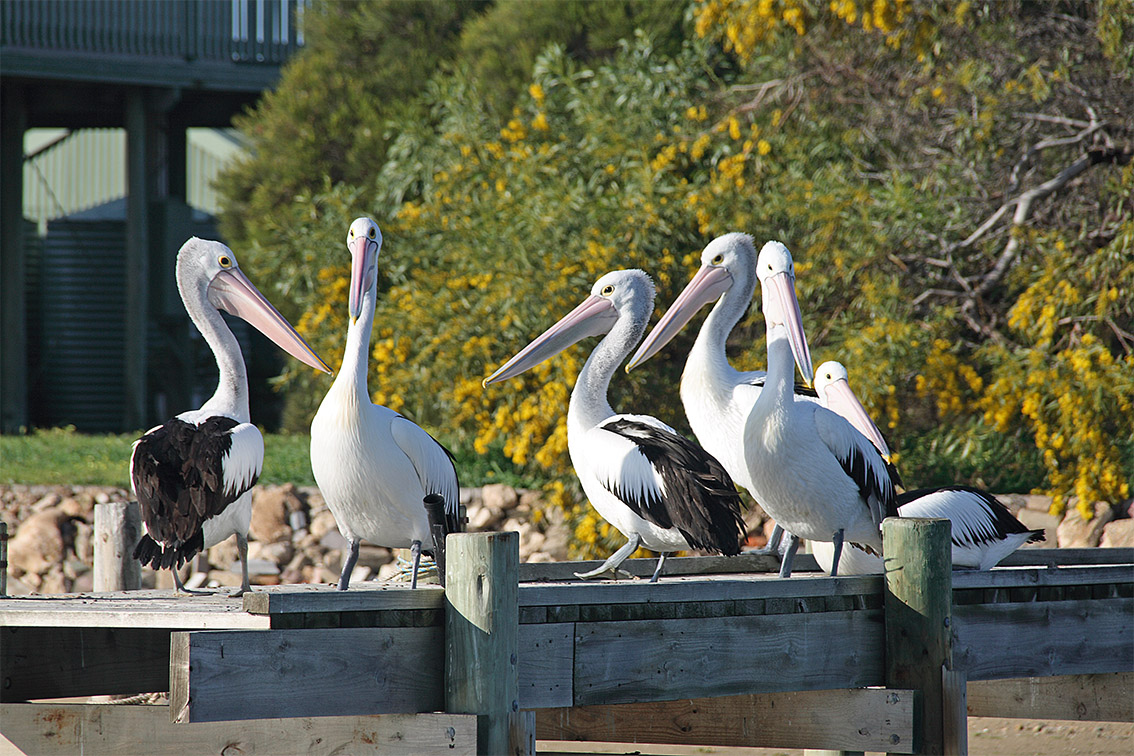
Australian Pelicans Goolwa bird reserve

Cape Jervis is the transit port for the Kangaroo Island Ferry as well as being an interesting wildlife destination in its own right.

Kangaroo Island ferry at Cape Jervis with KI in the background

Numerous seabirds live in this area including: terns, gulls, cormorants and various birds of prey. At different times I have observed Sea Eagles and Nankeen Kestrels.

Nankeen Kestrel hovering

Just before Cape Jervis, a dirt road leads to Fishery Beach where an undersea cable crosses beneath Investigator Strait to KI. I spend a little time snorkelling close to the shore where I photograph a school of Zebra Fish.

Zebra Fish

Range Road Curls around the foot of the peninsular passing through pasture, scrub and grazing country. Near the beginning of the road there is an entrance to the old Talisker mine. Numerous small birds inhabit the dense scrub around this area and the old buildings and machinery provide some historical context.
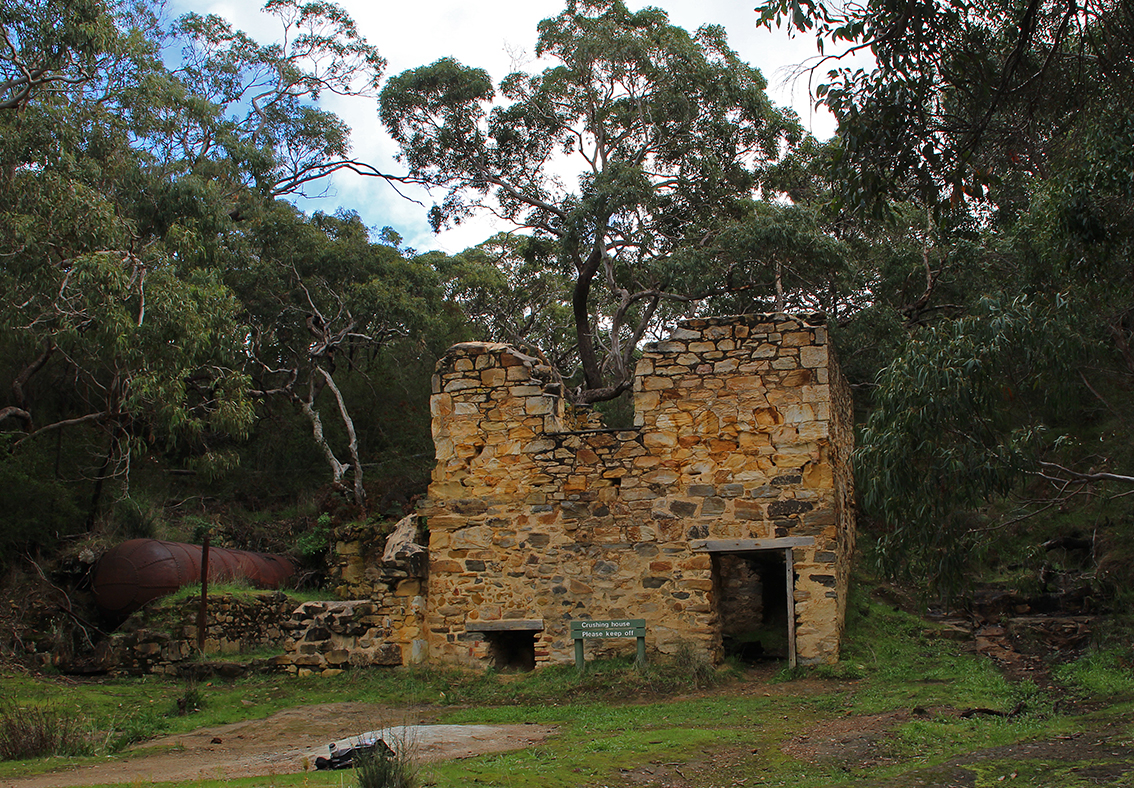
Crusher house and boiler
Crescent Honeyeater

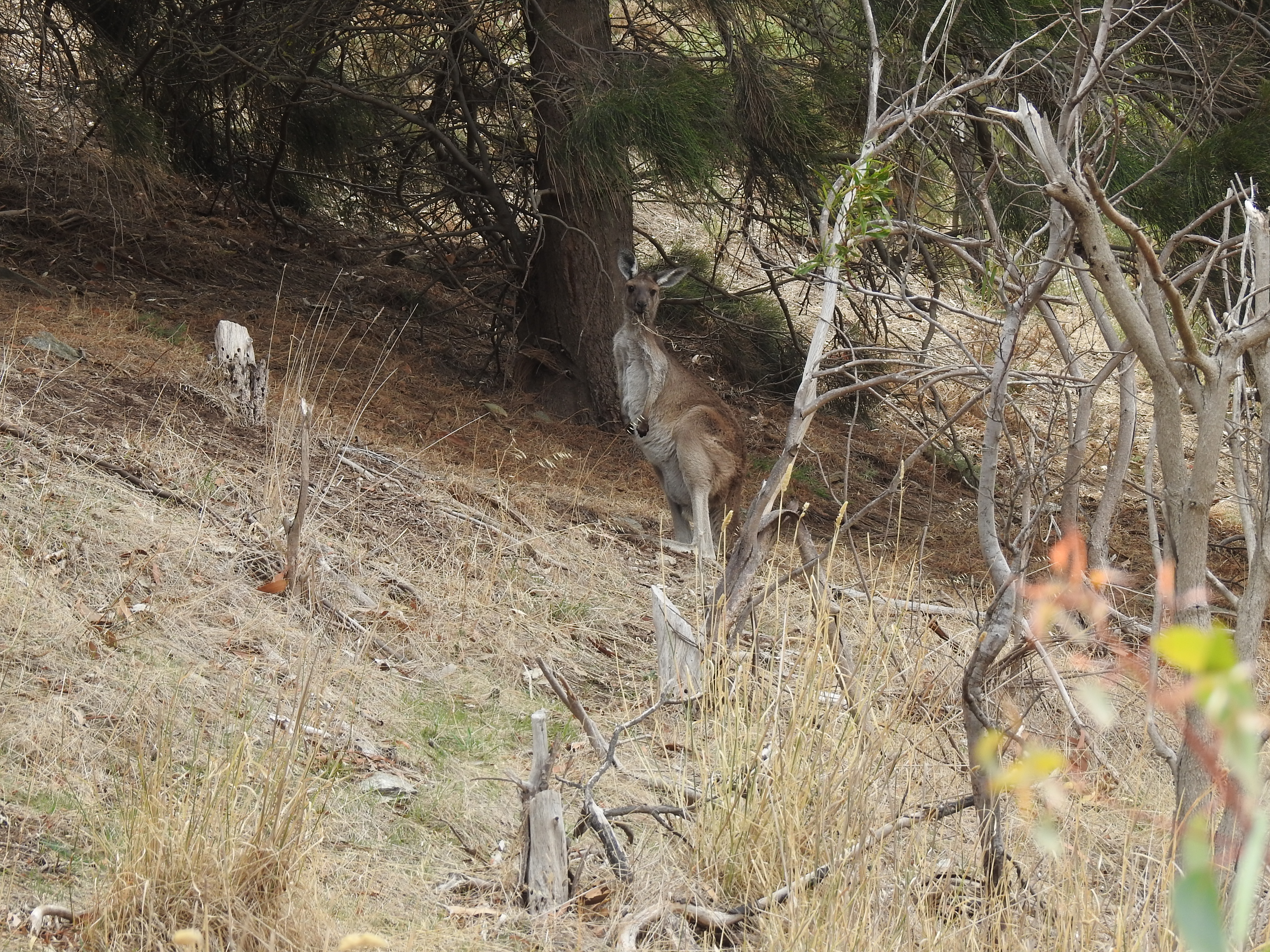
One of the main attractions of the southern Fleurieu is the Deep Creek Conservation Park; a wonderful place to photograph Western Grey Kangaroos and the occasional Echidna.

Lone roo Deep Creek Conservation Park
Roos in the mist Deep Creek CP

My next stop on this trip is Victor Harbor, where I watch a succession of recreational fishing boats head out to sea while I enjoy a tasty seafood lunch at Whalers Seaside Dining.
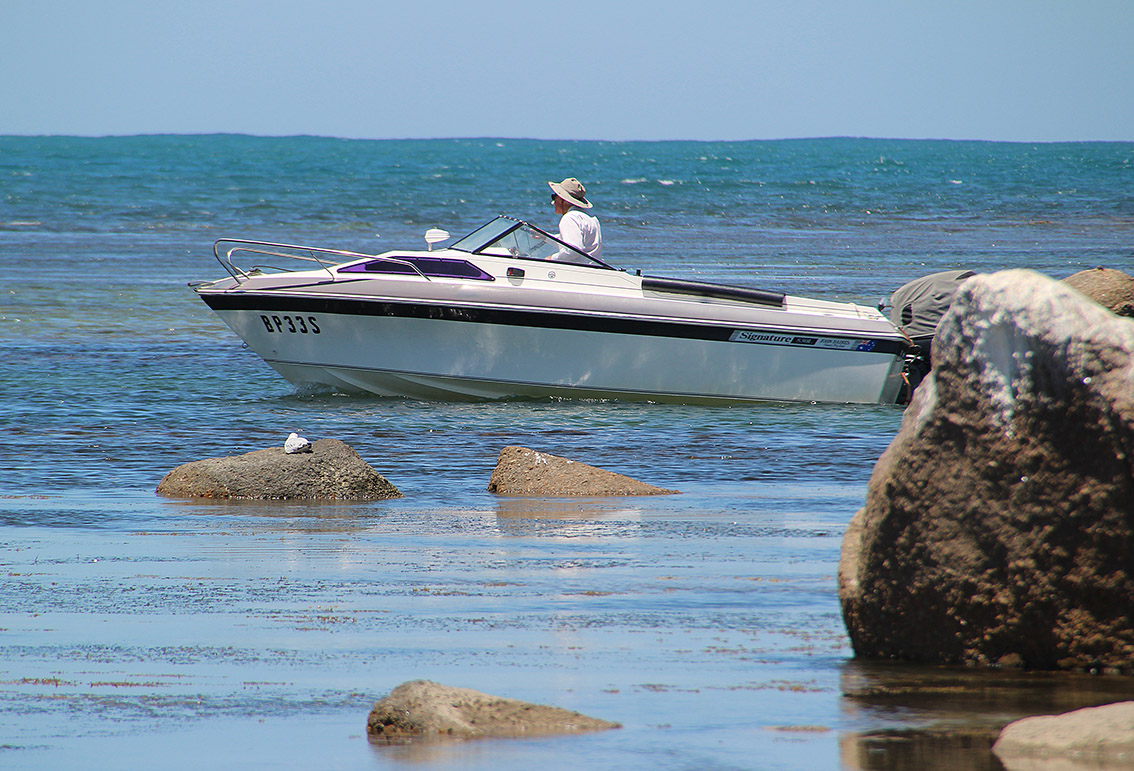
Setting out from the Victor Harbor boat ramp

Having reached Victor from the city via South Road and Range Road I decide to return to Adelaide along the B37 (Strathalbyn Route) after a 4WD run along iconic Goolwa Beach towards the mouth of the Murray River.       

Entrance to Goolwa beach

Cheers

Baz

Additional notes

The cameras used for this post are Sony RX, Nikon P900 and Nikon Coolpix AW100  

This is an easy drive which is quite suitable for families and seniors with the exception of the 4WD section which can be tricky depending on tides and wind.

Please pass on this blog title and or contact information (URL) to any person or organisation with an interest in taking walks and enjoying wildlife in SA.

Click on these links and see more South Australian stories and pictures in my Weekend Notes articles as well as locating similar blogs on Feedspot’s top 20 Australian wildlife blogs

https://www.weekendnotes.com/adelaide/writer/452/

https://blog.feedspot.com/australian_wildlife_blogs/

Tasmania’s Flinders Island….Day 1

18 Apr

Dear Reader:

The Black Tiger Snake is a good two metres long with its head raised towards me. However, I am safely seated in the driver’s seat of the rented SUV.

The reflection in the side mirror suggests a cautious approach to photographing a large Black Tiger Snake

I am spending seven days exploring Tasmania’s Flinders Island in Bass Strait, the largest of the Furneaux Island group. My apologies for straying from my usual South Australian blogs but this fascinating Island is certainly worth a few posts.

Typical Flinders Island coastline

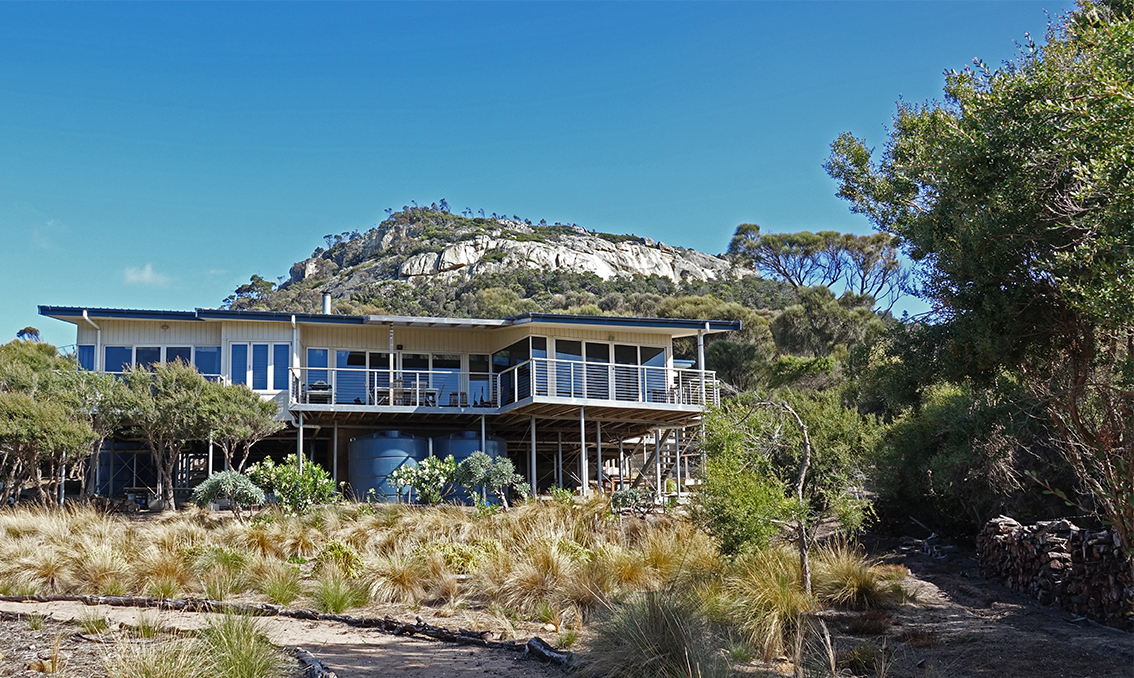
Nautilus, the coastal rental we are staying in, is truly wonderful; beautifully appointed and self-contained it offers panoramic views of the coastline.

View from Nautilus’s main living area

Unpacked and settled in, I take the path through the back garden and a  few metres of scrub emerging onto a granite platform which typifies this section of coast.

A gap in the scrub leads to the coast
Nautilus from the bottom of the garden area

The rugged outcrops and cliffs extend both ways along the shoreline, punctuated on the eastern flank by a bay with and stretch of golden sand. The sand yields Topaz crystals called ‘Killiekrankie Diamonds’. named for the tiny settlement and beach where they are found.

Killiecrankie’s bay and beach

A small bench sits on the border between scrub and granite. It is the perfect place to enjoy the striking scenery and look out for seabirds, dolphins and other coastal wildlife. I do not have to wait too long as a pod of dolphins cruises past several hundred metres out to sea while both Silver Gulls and Pacific Gulls fly along the seashore.

A Pacific Gull flies past

The sun is getting lower in the sky and there is just enough time to explore one of the many rockpools worn into the granite and accessible at low tide. This cursory look reveals periwinkles in the splash zone, limpets along the waterline and an occasional red anemone.

Rockpool in the granite coastline
Three Limpets amongst the Periwinkles….both use their tight sealing processes to retain water and can survive low tide exposure

Evening is closing in and it’s time to get back and start preparing dinner. Approaching the steps leading to the house, I notice a Red-necked or Bennett’s Wallaby in the driveway. It doesn’t seem too perturbed by my presence and hops into the nearby tree-line then stops and looks back at me.

A Red-necked Wallaby bounds across the path behind the house

My first day on Flinders Island has been quite exciting and I hope for more revelations as the week goes by.

Cheers

Baz

Additional notes

Other animals seen, heard but not photographed, Kookaburra, Fairy Wrens, Black Currawong, cormorant species

The camera used for this post is a Sony RX10 111

Please pass on this blog title and or contact information (URL) to any person or organisation with an interest in taking walks and enjoying wildlife in SA.

Click on these links and see more South Australian stories and pictures in my Weekend Notes articles as well as locating similar blogs on Feedspot’s top 20 Australian wildlife blogs

https://www.weekendnotes.com/adelaide/writer/452/

https://blog.feedspot.com/australian_wildlife_blogs/

Wirrina Foreshore Reserve

25 Mar

Dear Reader:

The Western Grey Kangaroo stops feeding and looks at me, twitches its ears then hops deeper into the bushes where it is joined by a second roo.

Western Grey Kangaroo
Then there were two

I am driving along the access road to Wirrina Cove marina, where I will walk along the Wirrina Foreshore Reserve. It is a rather overcast day which adds a few extra photographic challenges.

Beginning of the walk

Like other parts of the Fleurieu the story told by the rock formations is fascinating. The areas geoheritage includes: deep sedimentary basins, massive plate tectonic collisions, glaciation and mountain formation.

Rock formations along the shoreline

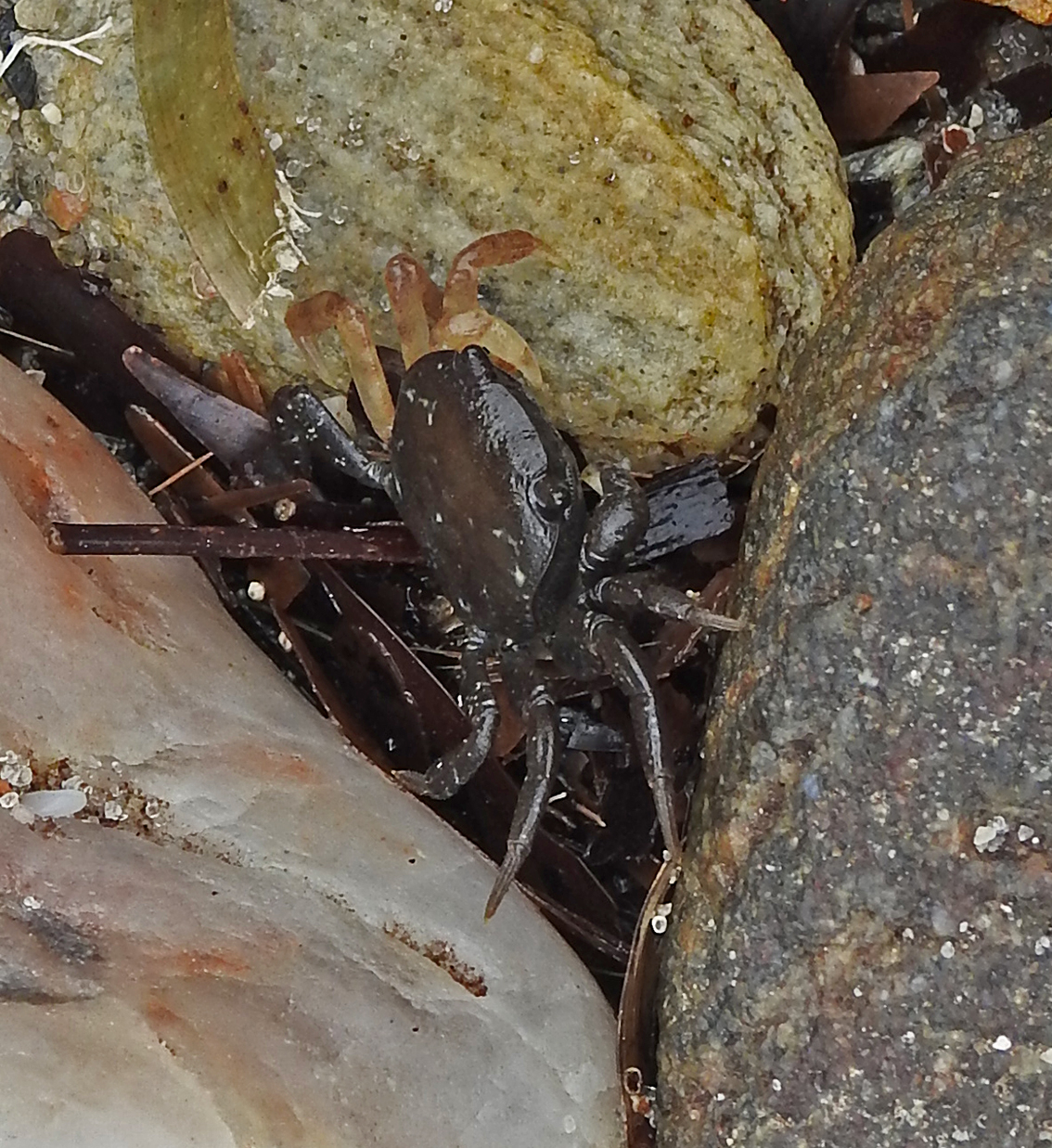
At low tide the rocky foreshore is a maze of rockpools. Within each of these ecological niches lives a wonderful variety of marine organisms such as anemones, sponges, seasnails and crustaceans; to mention just a few.

Shore crab species on the edge of a rockpool
Turban Shell

Banks of seaweed cover some parts of the shoreline and I am amazed to see an Australian Magpie probing the weed. Closer observation suggests it might be gathering nesting material.

Australian Magpie in seaweed pile

After spending some time exploring the edges of the pools, I move back to the trail to capture a few images of the typical birdlife. There are White-faced herons stalking the shallows, Pied Cormorants and Masked Lapwings resting on the rocks and a pair of grebes further out to sea.

White-faced Heron

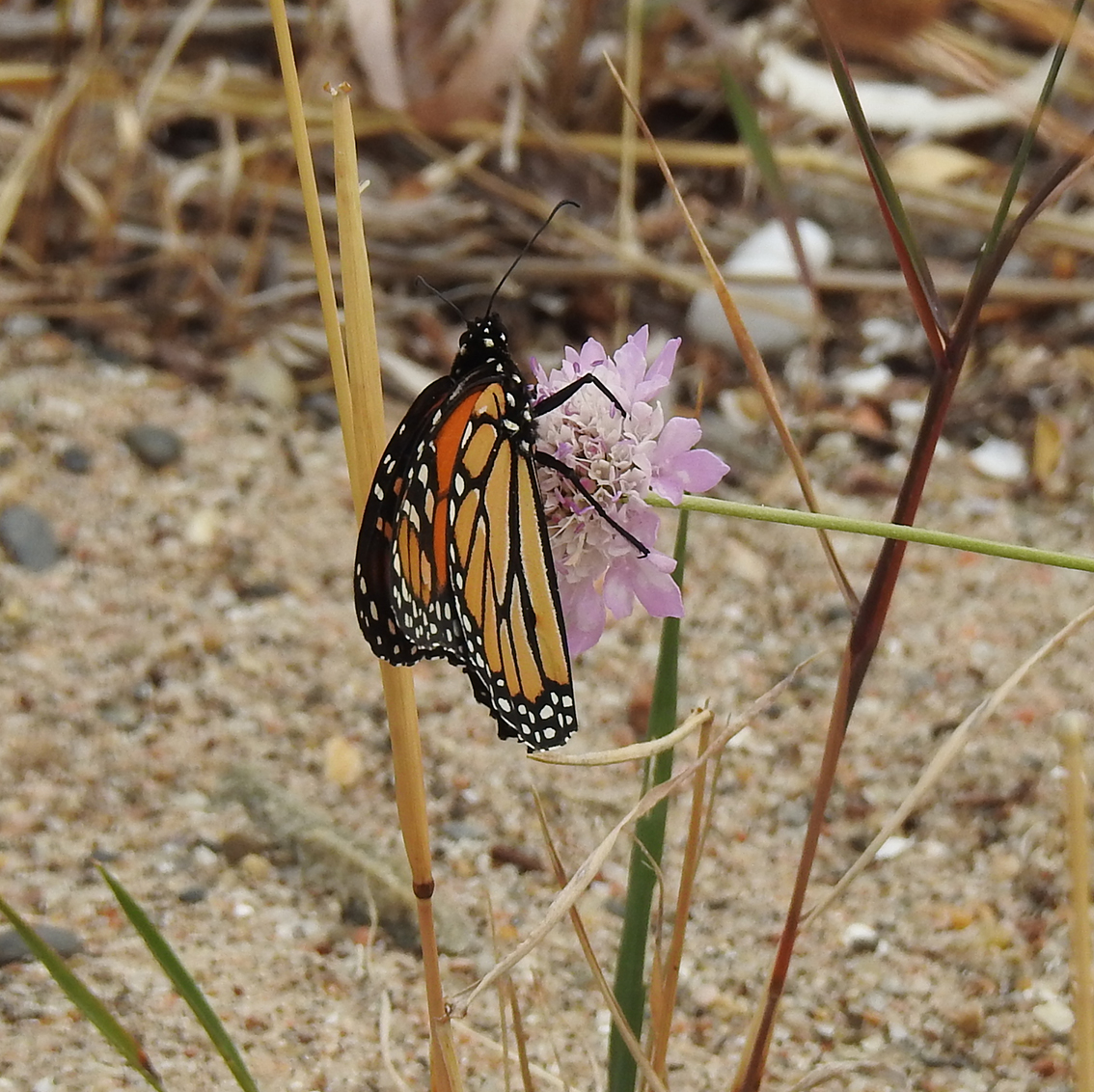
Having captured images of molluscs, birds, crustaceans and marsupials, I turn my attention to plants, insects and other life forms. Butterflies and native bees are feeding on flowering Scabia blooms, lichens coat the rock formations and Cushion Bushes colonise niches in the rock formations.  

The weather closes in and it is time to leave the walking trail. However, I am determined to return on a warmer, sunnier day with some snorkeling gear to further explore this fascinating area.

Cheers

Baz

Additional notes

The camera used for this post is a Nikon Coolpix P900

This is an easy walk and drive which is quite suitable for families and seniors. It is dog friendly.

Please pass on this blog title and or contact information (URL) to any person or organisation with an interest in taking walks and enjoying wildlife in SA.

Click on these links and see more South Australian stories and pictures in my Weekend Notes articles as well as locating similar blogs on Feedspot’s top 20 Australian wildlife blogs

https://www.weekendnotes.com/adelaide/writer/452/

https://blog.feedspot.com/australian_wildlife_blogs/

, , , , , , , , ,

Snorkelling Under The Port Victoria Jetty

25 Jan

Dear Reader:

I swim under the jetty, dive and steady myself ready to photograph the jumble of complex animals and algae encrusting one of the jetty poles.

Marine organism encrusting a jetty pole

Port Victoria jetty

As I swim to the next pole, I decide to concentrate my photography on the more discrete types of marine animals amongst the colourful clutter. On this pole the most obvious inhabitant is a white colonial sea squirt.

Colonial sea squirt

The next pole I investigate has a dominant growth of green algae ,called Cualerpa, radiating from its wooden base. I find a Golf Ball Sponge near the bottom and spot a Red Bait Crab scuttling amongst the encrusting carpet of static marine life.

Golf Ball sponge

Green algae (Caluerpa spp) growing on jetty pole

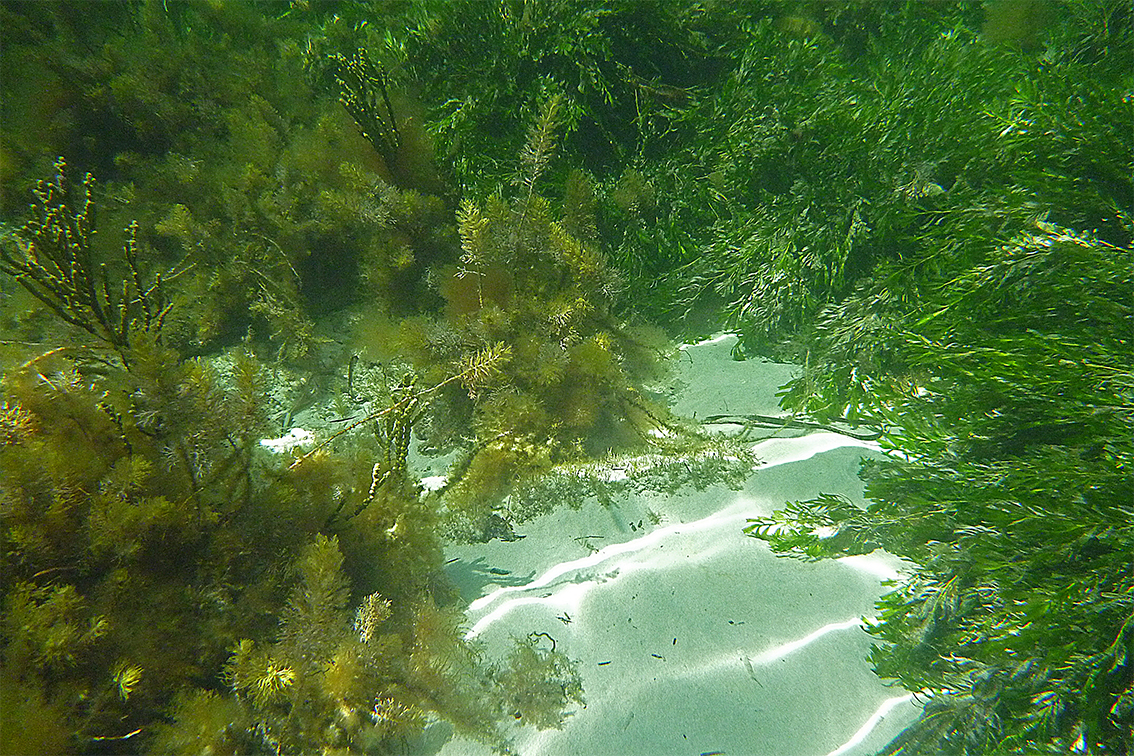
Moving slightly away from the jetty I enter a zone dominated by seagrasses and interspersed with the occasional small island of brown algae and sandy stretches.

Seagrass algae boundary

In a small sand patch, a Magpie Perch swims between two patches of brown algae then angles up towards me. Nearby, a group of Red Mullet and a lone Shaw’s Cowfish are foraging on the bottom. There are also some small wrasse near the border between the seagrass and sand.

Magpie Perch

Shaw’s Cowfish

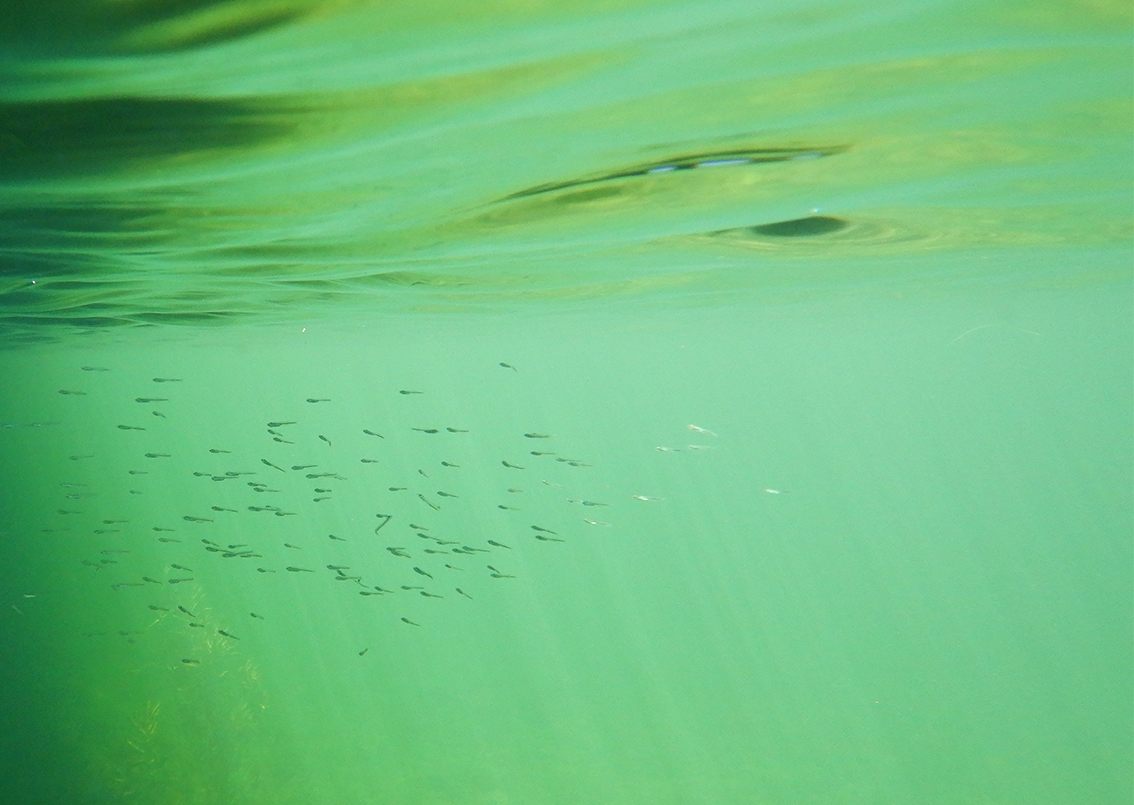
I am close to the shore now and the water is getting shallow. Schools of tiny fish congregate just below the surface. Two young children, playing in the shallows, wave to me as I stand up, take off my flippers and walk ashore.

School of juvenile fish near the surface

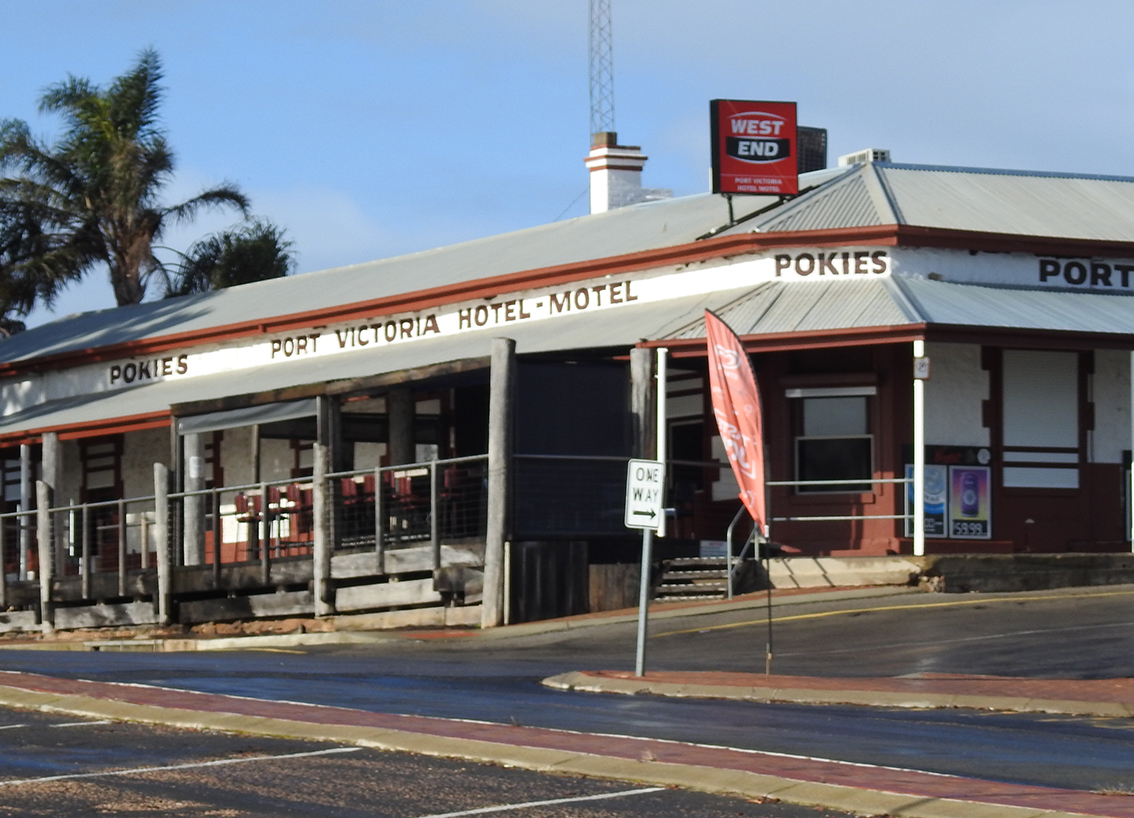
Ten minutes later, with gear back in the car and dry from the sun, I head over to the pub by the car park at the foot of the jetty. Time to enjoy a cool drink and a bite to eat while I review the images from my little snorkelling foray.

Local watering hole

Cheers

Baz

Maslins and Blanche Point to Port Willunga…a rewarding short walk

12 Mar

Dear Reader:

It is glorious summer’s day, not too hot and a gentle sea breeze. The view from the clifftop is spectacular. The outline of Gull Rock and surrounding shallow reefs are clear cut against an impossibly blue ocean. Inland, the view is quite a contrast with farmland, scrub and distant, low hills reflecting the dry shades of an Australian summer.

Gull Rock from the clifftop

Farmland, Raven and Hills

There are Little Ravens and Red Wattlebirds in the trees alongside the road leading to the carpark. In addition, I can see an adult Singing Honeyeater feeding one of its fledged chicks in the scrubby bushes near the entrance to the downhill trail. As I scan the ocean there is a pair of Bottlenose Dolphins far out to see patrolling the edge of a reef or seagrass meadow.

Reefs and seagrass from the clifftop

Singing Honeyeater

From the Blanche Point/Maslins hilltop carpark there are two ways to reach Port Willunga. The hilltop track is self-explanatory, or you can walk down the steps to the shore and follow the beach. The beach walk has two special features: take a mask and flippers to explore the shallow inshore reefs or examine the rock formations and fossil beds along the route.

Walking along the beach at low tide

Seagrass and brown algae: an underwater view

Today, I take the path which winds along the top of the cliffs then dips down towards the Willunga Creek outlet where there is a lovely patch of scrub and some old ruins. As I walk along this section of the trail I can hear Singing Honeyeaters and catch sight of a flock of Yellow-tailed Black Cockatoos feeding on pine cone seeds.

Willunga Creek where it meets the sea

Yellow-tailed Black Cockatoos

Suddenly, the birds scatter in apparent panic as a Nankeen Kestrel lands on a power pole. The bird sits for a while and I try to get close enough for a clear shot. Finally I have to settle for a long distance telephoto image. Later, on review, I am quite pleased with the result from my Nikon P900 at this range.

Nankeen Kestrel

Just as I am about to leave the scrub and creek to head up to the restaurant I notice a parenting group of Australian Black Ducks emerging from the reeds. A lovely way to end my walk before indulging in some Calamari and battered fish at the Star of Greece Restaurant. The restaurant and nearby sheltered lookout have lovely views over the Port Willunga Beach, the fringing reef and the old jetty piles.

Remains of the old Port Willunga jetty

Cheers

Baz

Additional notes

This is a moderate fitness walk with parking and other facilities nearby at Port Willunga. It is dog friendly.

Please pass on this blog title and or contact information (URL) to any person or organisation with an interest in taking walks and enjoying wildlife in SA.

Click on these links and see more South Australian stories and pictures in my Weekend Notes articles as well as locating similar blogs on Feedspot’s top 20 Australian wildlife blogs
https://www.weekendnotes.com/profile/651267/

https://blog.feedspot.com/australian_wildlife_blogs/

https://www.onkaparinganow.com/News-listing/Iconic-cliff-top-path-for-Port-Willunga

Goolwa Barrage (1)…Seals, Kites and Pelicans

18 Feb

Seals, Kites and Pelicans

Australian Pelican

Dear Reader:

As I approach the barrage, which separates the fresh water flowing down the Murray from the salt water of the Coorong, I notice quite a lot of bird activity. Pelicans are flying low in the sky and there are both Ravens and Mudlarks scavenging along the rocky banks.


Mudlark or Murray Magpie


Little Raven

The Goolwa barrage is a ten minute drive from the town of Goolwa around 80 kms south of Adelaide. It is the last of a series of locks and barrages that control the flow of the Murray River along its entire length. They were originally intended to make the river more navigable for the elegant paddle steamers that once plied these waters carrying essential goods. Information about them is provided along the path leading from the car park to the  barrage. 


Information

Walkway to barrage

A row of statuesque Norfolk Pines lines the roadway to the barrage and I scan them for more birds. Sometimes I have seen kestrels and hawks perched in the uppermost branches but today I am surprised by an even larger raptor; a Whistling Kite. It seems that food must be plentiful with so many predatory bird species in the area.


Whistling Kite

Pelican and Long-nosed Fur Seal often called New Zealand Fur Seal

When I reach the barrage, I am greeted by a variety of wildlife around the first section which leads out into the river. There are Great Cormorants on the adjacent bank, a Long-nosed Fur Seal basking in the muddy water closer to the main part of the barrage and a seal and Australian Pelican near one of the old wooden gateways. A nice start to my walk out to view the barrage proper………..to be continued in my next post

Cheers

BAZ

Additional notes

This is an easy walk and drive which is quite suitable for families and seniors with public toilets, barbecues, parking and other facilities nearby.

Please pass on this blog title and or contact information (URL) to any person or organisation with an interest in taking walks and enjoying wildlife in SA.

Click on these links and see more South Australian stories and pictures in my Weekend Notes articles as well as locating similar blogs on Feedspot’s top 20 Australian wildlife blogs

https://www.weekendnotes.com/profile/651267/

https://blog.feedspot.com/australian_wildlife_blogs/

Title:Goolwa Barrage(2)…..Hunters and Hitchhikers or ‘Bluey Takes a Rest’

4 Feb

Dear Reader:

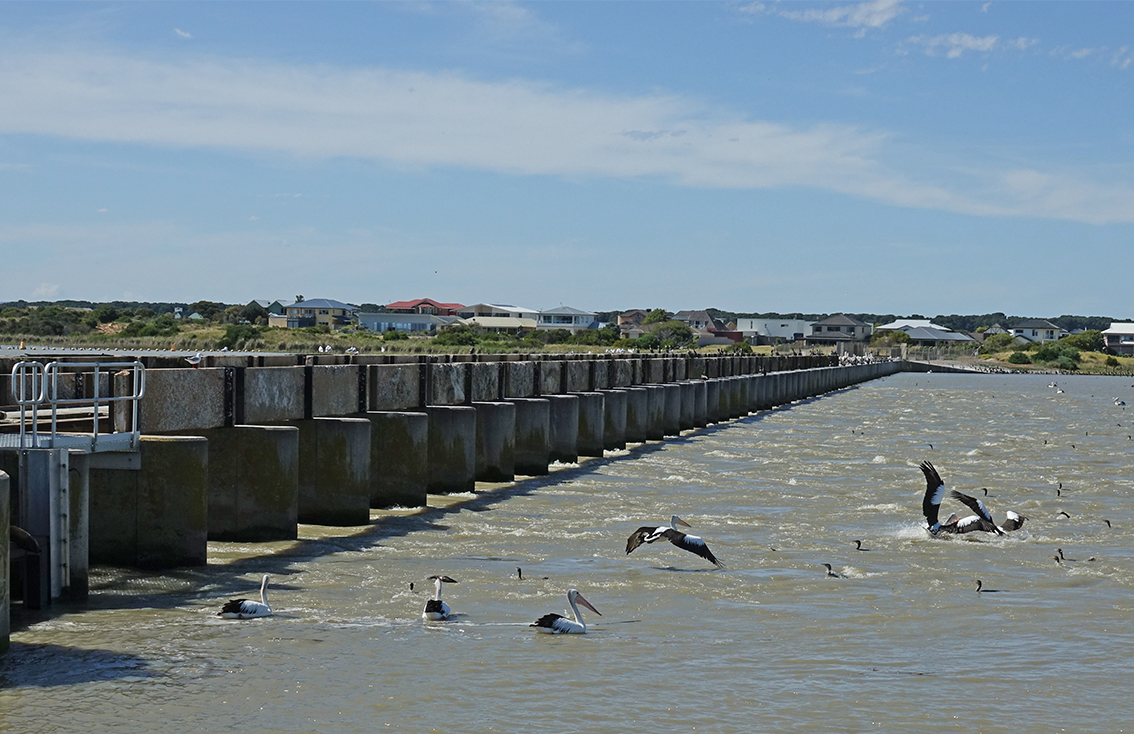
In my previous post I took you from the car park to the beginning of the Goolwa barrage. Now we will explore the main part of the barrage where the water is streaming through the gates at an unprecedented rate due to severe flooding upstream.

View along the barrage

With the floodgates open there is an overabundance of food being washed out into the Coorong. The freshwater is laden with silt and leaves a brown stain across the seaward side of the barrage which actually extends to Goolwa Beach and Victor Harbor.

Enlargement of first image showing interspecies rivalry

Long-nosed Fur Seals, Australian Pelicans and Great Cormorants are positioned to ambush fish and any other food as the water cascades through the gates. On every level this is quite a spectacular natural event and onlookers, armed with phones and cameras, are making the most of the situation.

Too much of a good thing

I spend some time taking shots that I hope will capture the essence of this event as well as a few close-ups of the different species. When animals are engaged in feeding behaviour they often ignore people which creates the perfect opportunity for more intimate images.

Sub-adult Pacific Gull (still has darker markings)

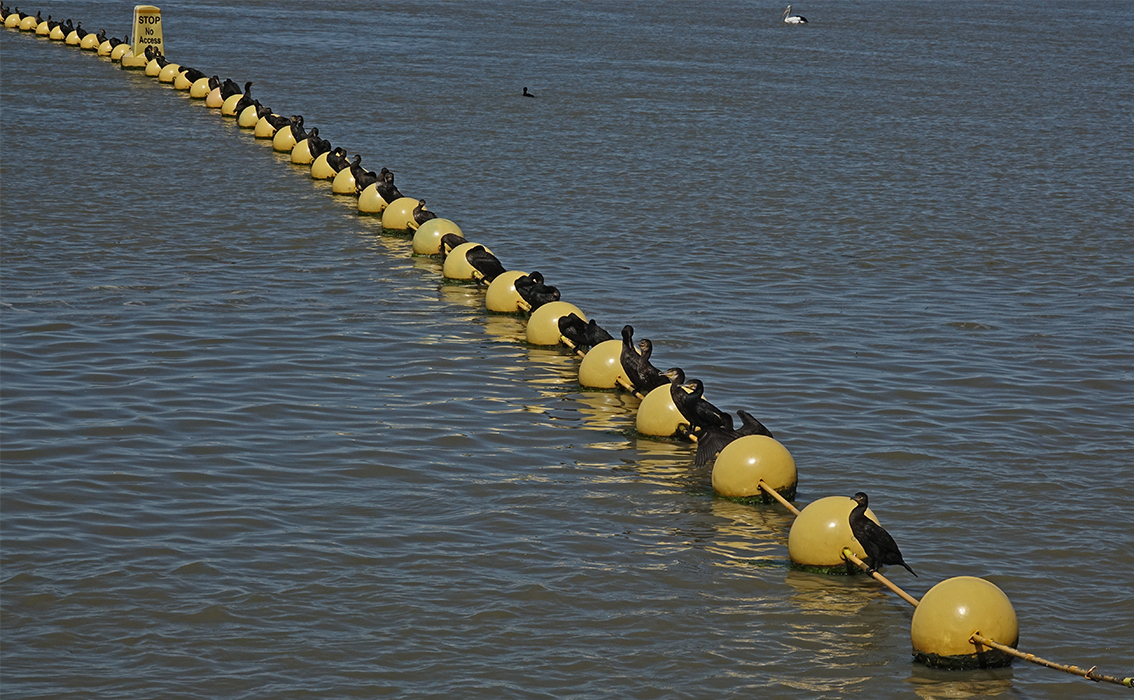
Floats with Great Cormorants

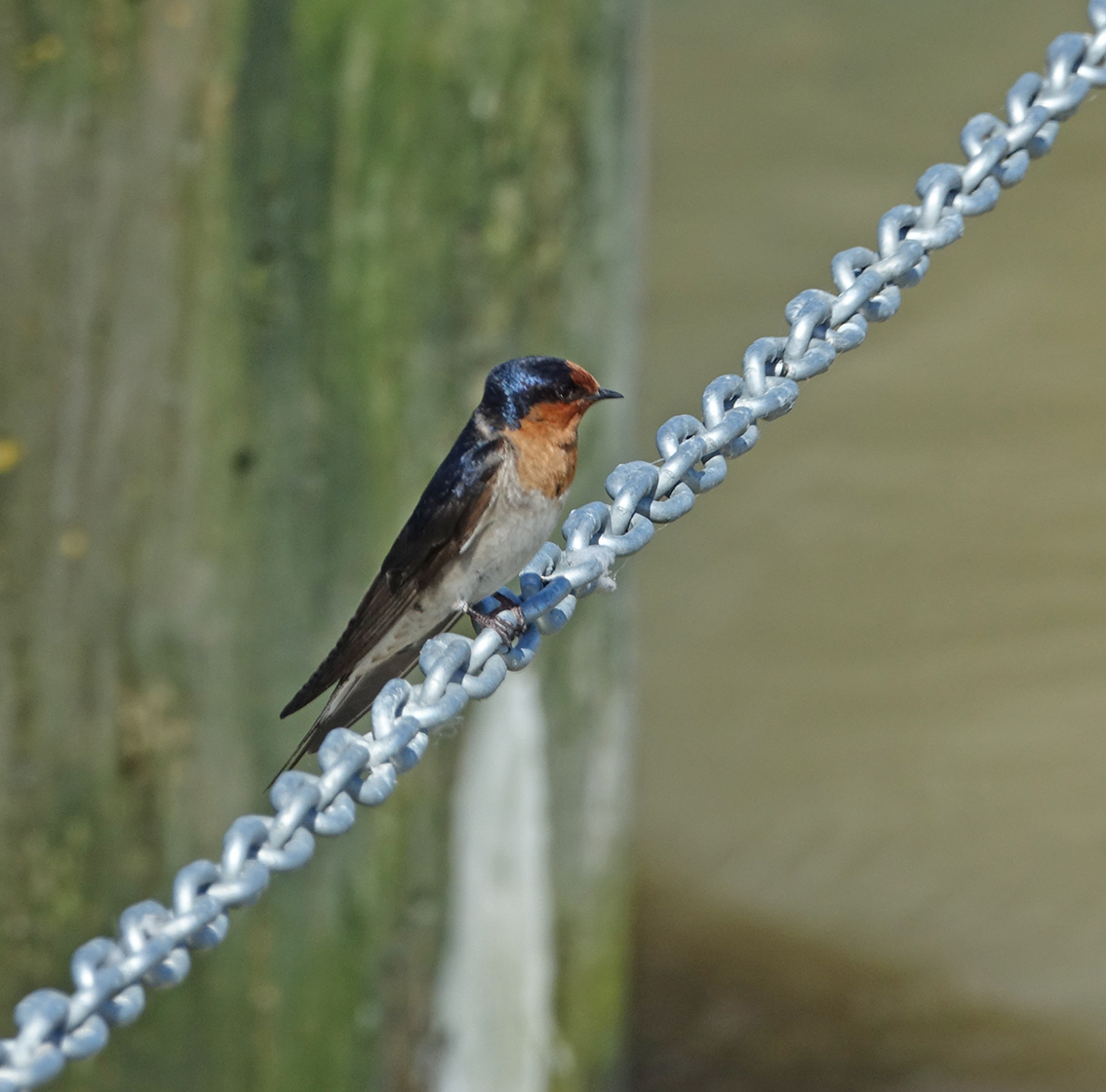
Swallow at rest

It is time to leave. I stroll back along the walkway watching swallows, cormorants and occasional Pacific gull perching on bollards, chain link and floats. I am halfway back to the bank when I notice an elderly couple pointing excitedly at the area where I was just watching the seals.

Catching a ride

Close up of previous image

Time to go

Intrigued, I walk back to the viewing platform and to my surprise they have spotted one of the most unusual examples of animal behaviour I have ever witnessed. A few metres below us, a seal is resting in the water, catching the sunlight on a raised flipper with a Blue-tongue Lizard lying across its body. I can only assume the reptile is taking a break from the swiftly flowing water. The lizard stays for a few minutes before ‘disembarking’ and continuing its journey towards the far bank. Extraordinary!!!!

Historic Goolwa Hotel

On that note, I ‘call it a day’ and walk back to the car. My next stop will be the historic township of Goolwa. There is a wonderful gallery called ‘Art Worx’ where I love to browse and sometimes pick up something special for the house or garden. Finally, the Goolwa Bakery, for a chicken and vegetable pie and perhaps a vanilla slice to follow. Always a pleasant way to wind up any trip to this fascinating waterside location.

Cheers

Baz

Additional notes

This is an easy walk/drive which is quite suitable for families and seniors with public toilets, barbecues, parking and other facilities nearby.

Please pass on this blog title and or contact information (URL) to any person or organisation with an interest in taking walks and enjoying wildlife in SA.

Click on these links and see more South Australian stories and pictures in my Weekend Notes articles as well as locating similar blogs on Feedspot’s top 20 Australian wildlife blogs

https://www.weekendnotes.com/profile/651267/

https://blog.feedspot.com/australian_wildlife_blogs/

Blanche Harbour

8 Dec

Dear Reader:

There is a White-browed Babbler fossicking in the leaf litter which has accumulated under a small tree. Several more birds are perched in a nearby Lemon-flowered Gum watching me warily. Most of the Babblers I have encountered in this region seem to feed on the ground looking for insects, spiders, small lizards as well as fallen fruit and other vegetation.

White-browed Babbler foraging

The area I am investigating has been planted out by the Blanche Harbour Revegetation Group and is at the southern extremity of Blanche Harbour which is south of Commissariat Point along Shacks Road (I wrote about Commissariat Pt in my 25th of October blog). The coast adjacent to Blanche Harbour and the army training zone of Cultana, also incorporates the Douglas Banks Marine Reserve.

View across saltbush and mangroves

At low tide the exposed shoreline and coastal fringe is a mixture of saltbush, samphire, mangroves and exposed seagrasses.  This region is the perfect environment for wading birds ranging from herons to plovers and oystercatchers; making this an ideal birding destination.

Coral Gum

Coral Gum flowers

Many of the trees, shrubs and flowering plants have been planted by the local conservation group and they are well labelled. A large shelter with excellent information displays, explains some aspects of the local ecology and provides pictures of significant wildlife.


Shelter and interpretive displays

The sun is low in the sky and photography is becoming more difficult and mosquitoes more prevalent; time to hop back in the car and head back to Commissariat Point where I am staying. However, the windows are left open and my mate Geoff cradles the camera as this is often the best time to encounter wildlife.

Blue Bonnet Parrots

Wester Grey Kangaroo

We are not disappointed when Geoff spots a pair of glorious Blue Bonnet Parrots in a roadside tree. A few minutes later, a Western Grey Kangaroo lifts its head from feeding, twitches its radar ears and watches us drive by. A couple of wonderful encounters as we head back to the shacks for a well-earned dinner.

Driving into Commissariat Point at dusk with wind on the other side of the gulf

Cheers

BAZ

Additional notes

This is an easy walk/drive which is quite suitable for families and seniors. It is dog friendly.

Please pass on this blog title and or contact information (URL) to any person or organisation with an interest in taking walks and enjoying wildlife in SA.

Click on this link and see more South Australian stories and pictures in my Weekend Notes articles

https://www.weekendnotes.com/profile/651267/

Commissariat Point’s Beachside Wildlife

25 Oct

Dear Reader:

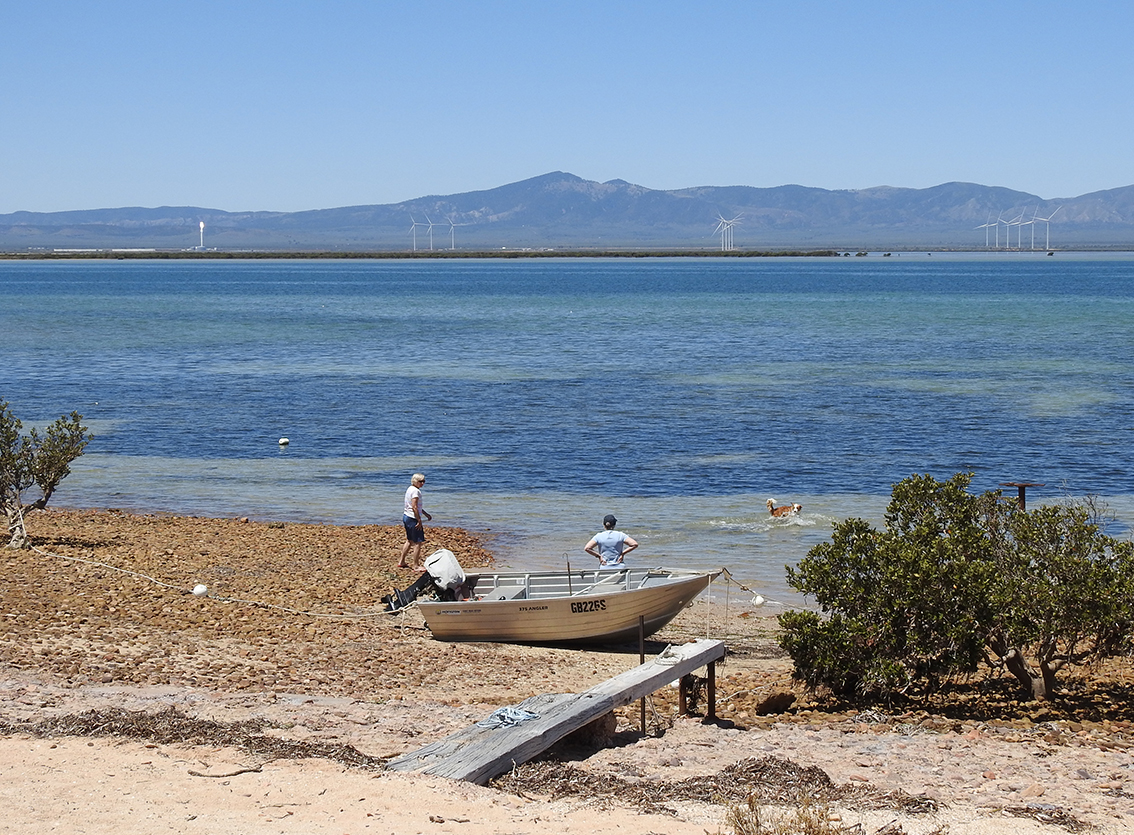
The boat is high and dry on the turning tide. Time for a stroll along the shoreline. A little exploration of the intertidal zone.

Tide is Out

Commissariat Point is a ten-minute drive south of Port Augusta near the army testing and training grounds. It is a community of shacks, some quite opulent, where a few owners live permanently while others visit or rent on weekends and holidays.

Shacks, scrub and windfarm in the evening light

These upper reaches of the Spencer Gulf are also lined with one of the State’s truly wonderful trees, the Grey Mangrove. Mangroves live between high and low water and have many adaptations to help them survive this challenging environment. They produce aerial roots called pneumatophores which help the plant to breathe in the sticky mud that is common along the shoreline. Their leaves are shiny on one side and secrete salt particles on the other.

Grey Mangroves

Mangrove leaves

There is quite a lot of seaweed around the high tide mark. It has been deposited on the beach during winter storms and is home to a variety of animals. There are worms, crabs, insects and even small lizards in this unusual habitat which retains moisture below the sun-dried outer layers.

Gecko species in seaweed

Just above the high tide mark lies a thin line of vegetation which is tolerant to the windy and salty conditions. I am quite surprised to discover some Flax Lilies growing here. The delicate flowers are attracting a few buzz-pollinating native Blue Bees. The term buzz pollinating refers to their ability to spread pollen through the high frequency beat of their wings.

Blue-banded Bee on Flax Lily

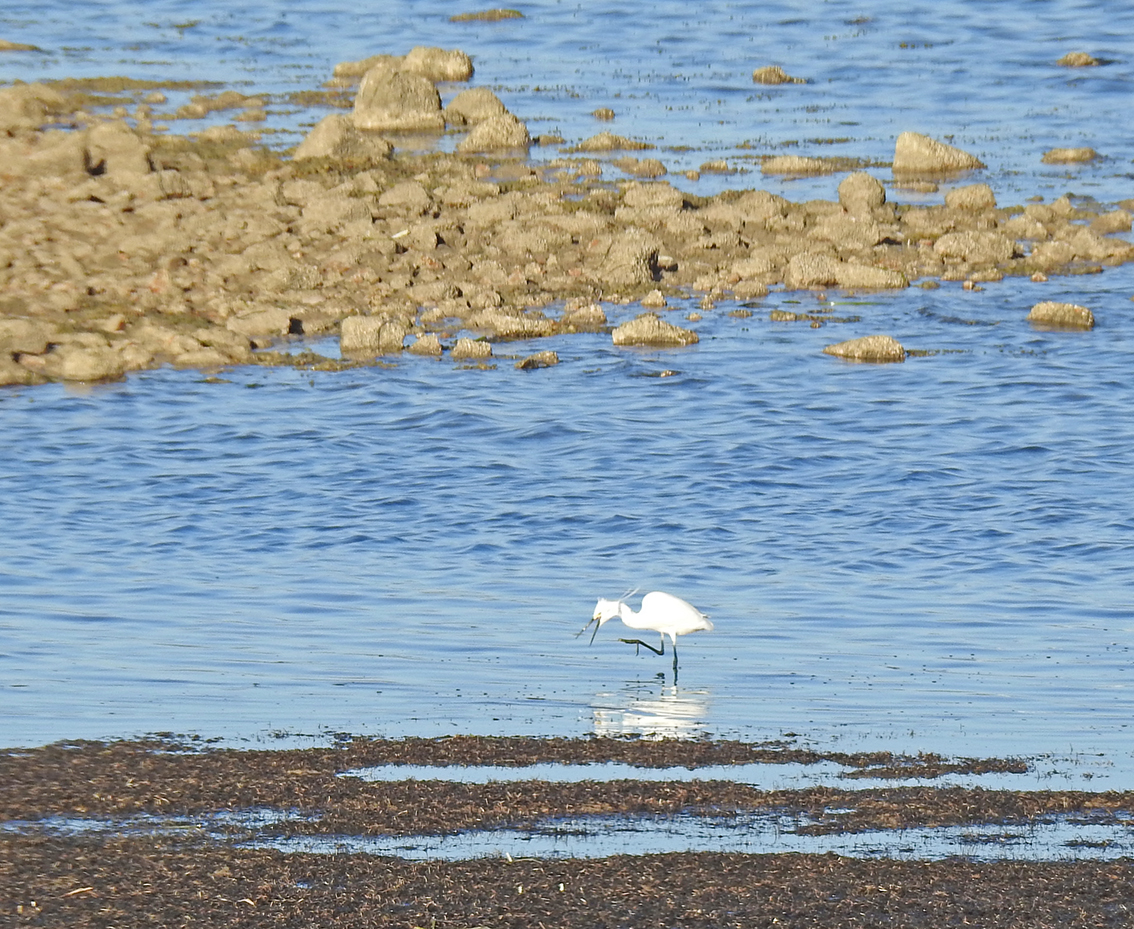
The light is starting to fade and the tide is coming in as my walk draws to an end. A few wading birds are coming closer to the shore with the incoming water and I try my luck at photographing them in the soft light. A nice way to finish my initial exploration of this tiny settlement at the head of Spencer Gulf.

Heron using feet to help scare out fish and other small animals

Cheers

Baz

Additional notes

This is an easy walk which is quite suitable for families and seniors with parking but no other facilities. It is dog friendly.

Please pass on this blog title and or contact information (URL) to any person or organisation with an interest in taking walks and enjoying wildlife in SA.

Click on this link and see more South Australian stories and pictures in my Weekend Notes articles

https://www.weekendnotes.com/profile/651267/

Port Elliot to Goolwa…A Wildlife Drive

20 Jul

Scrub and dunes between Coorong National Park and Goolwa Beach

Dear Reader:

A lone Silver Gull is perched on the parking sign next to the Flying Fish Café on Port Elliot’s picturesque Horseshoe Bay. Two hours should be more than enough for a fish and chips lunch while watching a few brave souls taking a dip in the chilly winter waters.

Parking restrictions…seagulls only

Across the bay, a fisherman is unfolding a chair and setting his lines for a leisurely afternoon’s angling. Perhaps he will catch a squid or some Flathead as we enjoy the same species on a plate and without the effort.

Horsehoe Bay’s old Jetty

I am taking a drive along the southernmost part of the SA’s lovely Fleurieu Peninsular between the towns of Port Elliot and Goolwa. This area is well known for fishing, surfing and whale watching in the winter months when Southern Right Whale migrate through these waters from the Southern Ocean.

Goolwa Beach and photographer

My next stop is Goolwa Beach, a long sandy stretch of several kilometres ending at the mouth of the Murray River. If the tides are right, I will be able to take my SUV onto the beach between sand hills and surf; a really rewarding experience. I am in luck and able to drive some distance towards the mouth. There are a few tiny waders dodging the surf while feeding on worms and other invertebrates beneath the wet sand but they quickly fly away as I get close enough for a shot. A pair of Pacific Gulls are more accommodating and I get a good series of images using full extension of the Nikon P900 zoom.

Fun in the surf…Pacific Gull style

About a kilometre along the beach there is a sign indicating a track that crosses the dunes ending up at the Coorong National Park near the Goolwa barrages which separate seawater from freshwater. This area is my next destination and I must drive back along the beach and skirt the town to reach the park.

Beach crossing to the barrages

The part of the Coorong National Park I am exploring is just past the barrages and consists of shallow mud flats, reed beds and small islets; an ideal collection of habitats for a wide range of aquatic birds. There are Black Swans in the distance, an unusual Musk Duck a couple of hundred metres offshore and a White-faced Heron hunting in the grasses and pools next to the road. Meanwhile, Singing Honeyeaters warble in the scrub between the park and the ocean beach which we were driving along just fifteen minutes earlier. However, the most exciting birds in the area are a couple of quite different raptor species which are swooping and hovering close to the shoreline. The larger bird is a Whistling Kite and the smaller, a female Nankeen Kestrel.

Singing Honeyeater not singing

Whistling Kite

Lunch and a couple of lucrative wildlife drives have made the day a success. However, the coastal town of Goolwa has many other attractions and I spend a further relaxing hour pottering around galleries and other small shops. To finish the day, I buy a bun and coffee at the Original  Goolwa Bakery on Dawson Street (established in 1912) before heading home via Strathalbyn and Mount Barker; two more SA towns with much to offer an enthusiastic nature photographer.

Goolwa’s Artworx Gallery

Cheers

Baz

Additional notes

This is an easy drive which is quite suitable for families and seniors with public toilets, barbecues, parking and other facilities nearby. 

Please pass on this blog title and or contact information (URL) to any person or organisation with an interest in taking walks and enjoying wildlife in SA.

Click on this link and see more South Australian stories and pictures in my Weekend Notes articles

https://www.weekendnotes.com/profile/651267/