Tag Archives: nature

Victor Harbor…..A Foreshore Walk

29 Jan
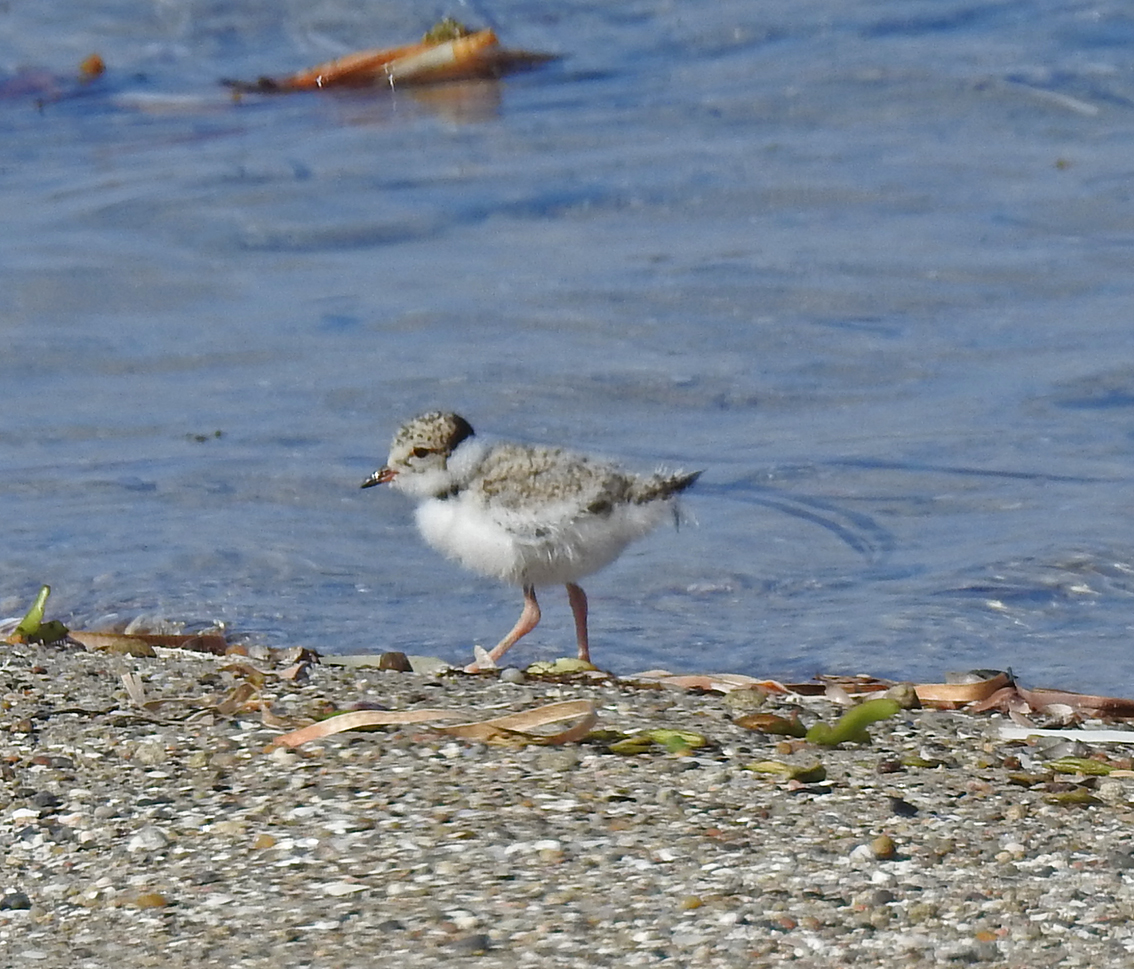
A lone Hooded Plover chick ventures close to the water

Dear Reader:

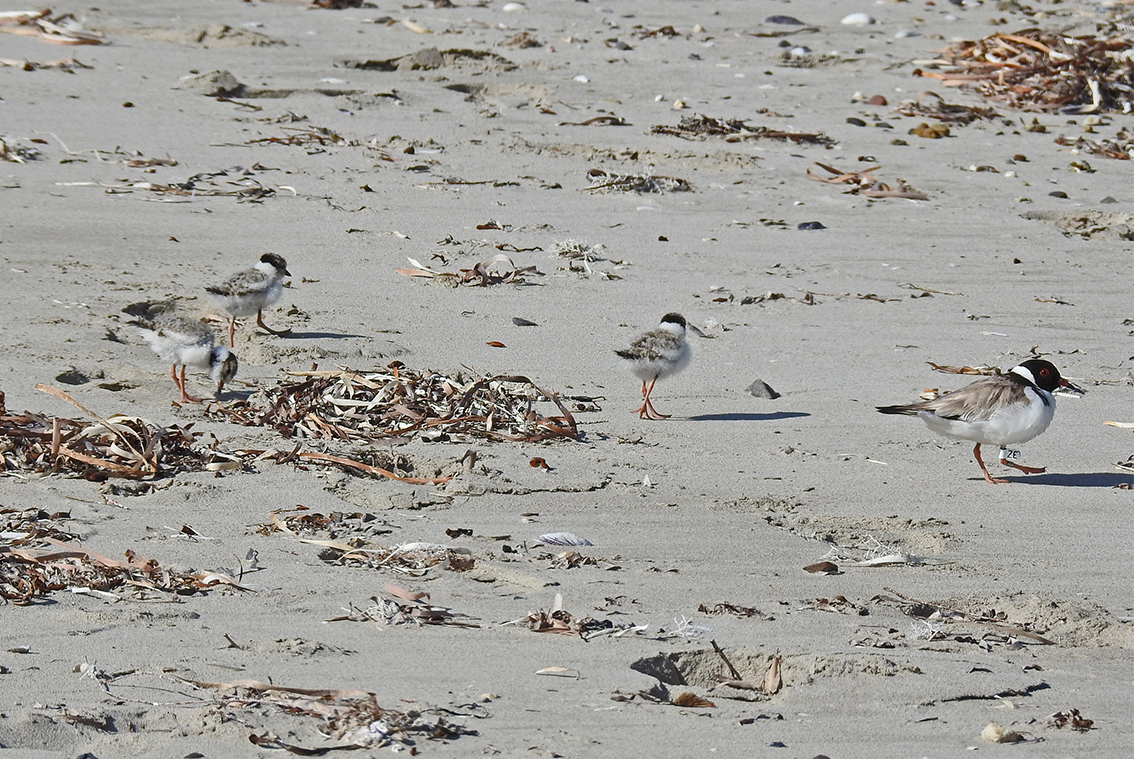
The small shore bird leads its chicks across the sand towards the water. They peck at the sand mimicking the parent as she forages for food. Rare and lovely birds, Hooded Plovers nest in a protected zone on the beach.

Adult Hooded Plover with quite mature chicks

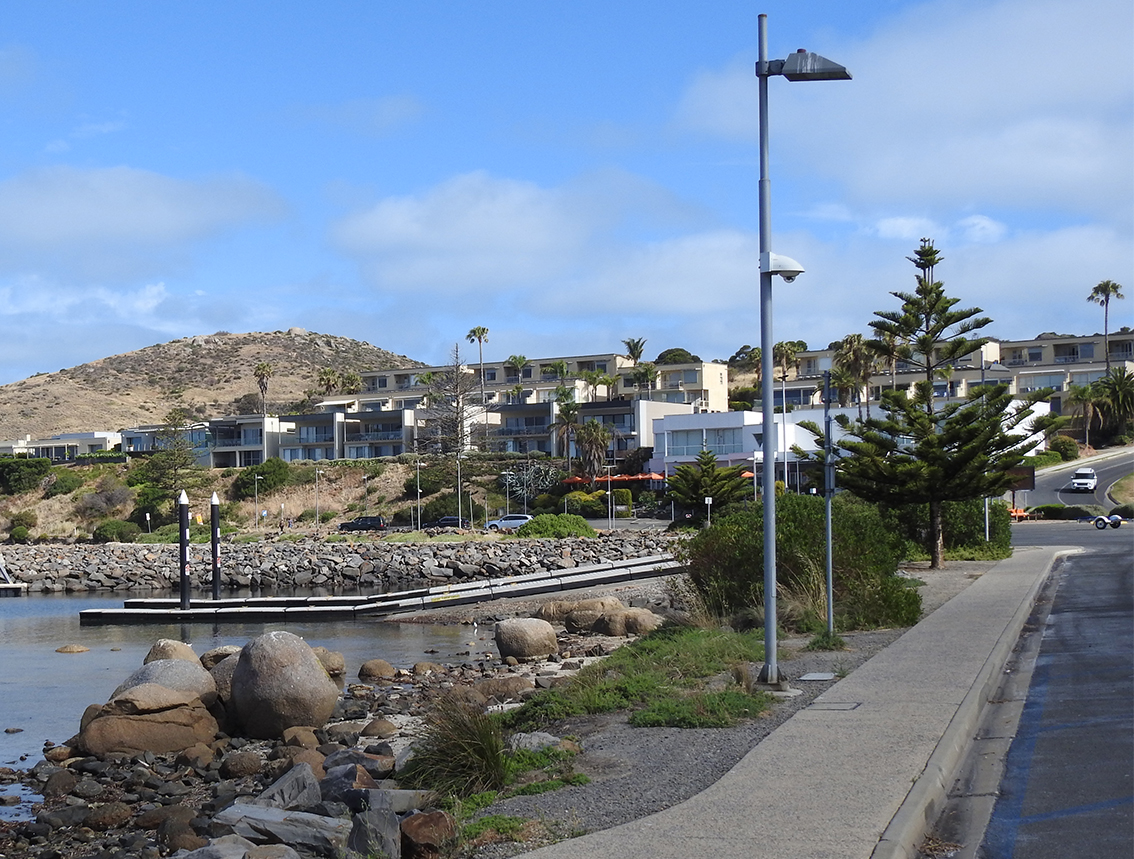
I am walking from the Bert Puxley Reserve near the boat ramp back along the foreshore towards Muwerang-Kent Reserve at the mouth of the Inman River. The tide is out and a variety of waterbirds are feeding in the shallow rock pools that characterise this stretch of water.

Whalers Inn and the boat ramp with the Bluff in the background
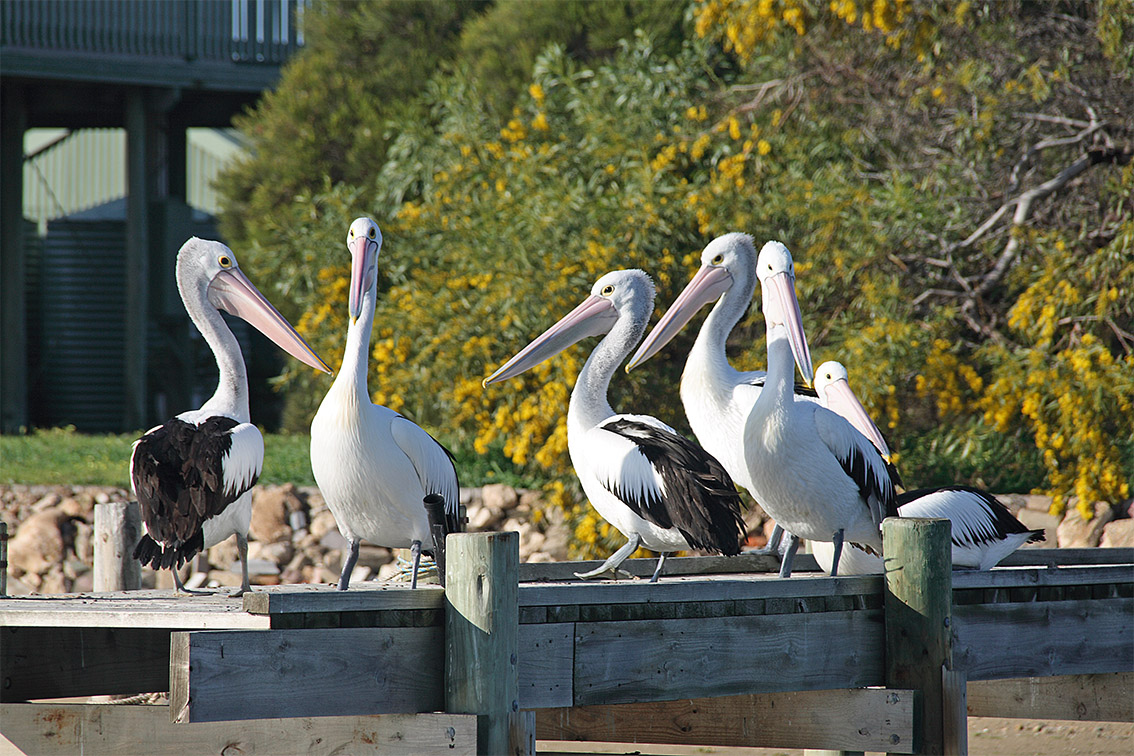
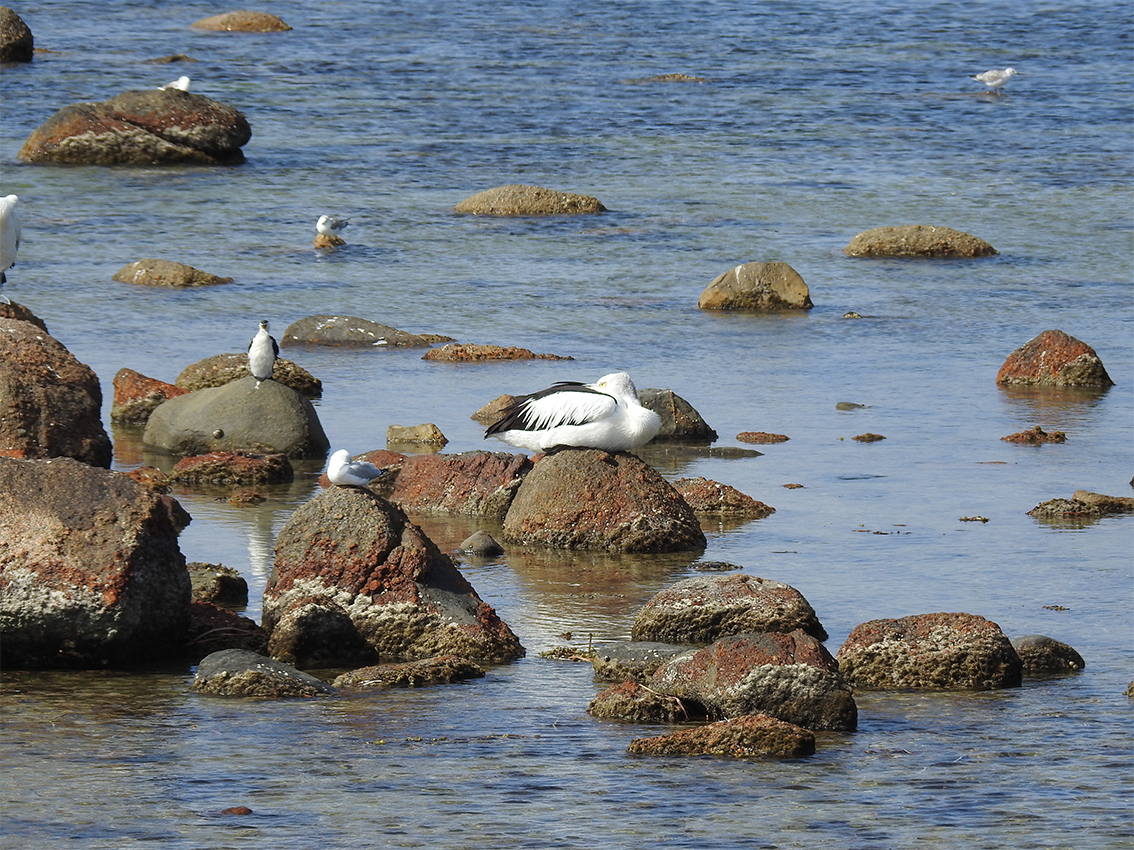
Cormorant, Silver Gull and Australian Pelican resting on granite boulders near the boating channel
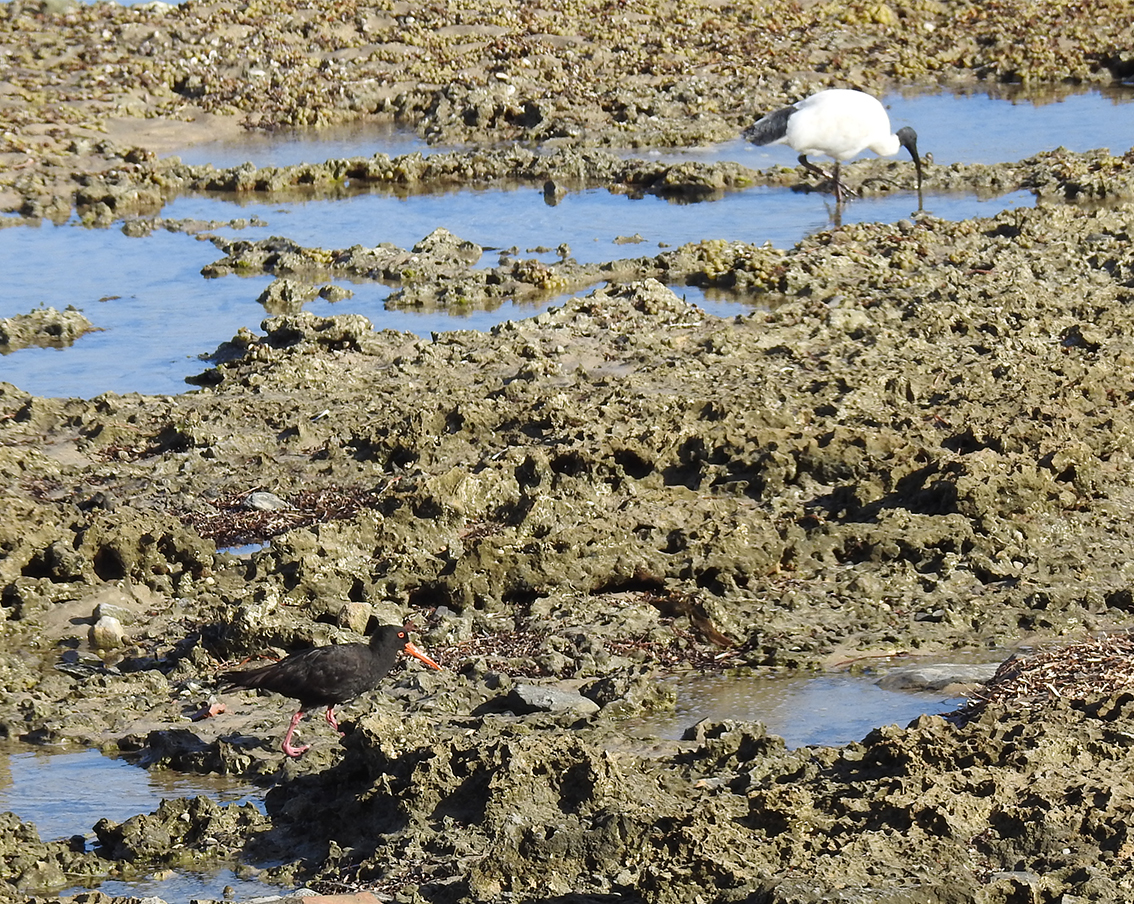
Sooty Oystercatcher (foreground) Australian White Ibis (background) foraging in rock pools for different prey which suits their beak types

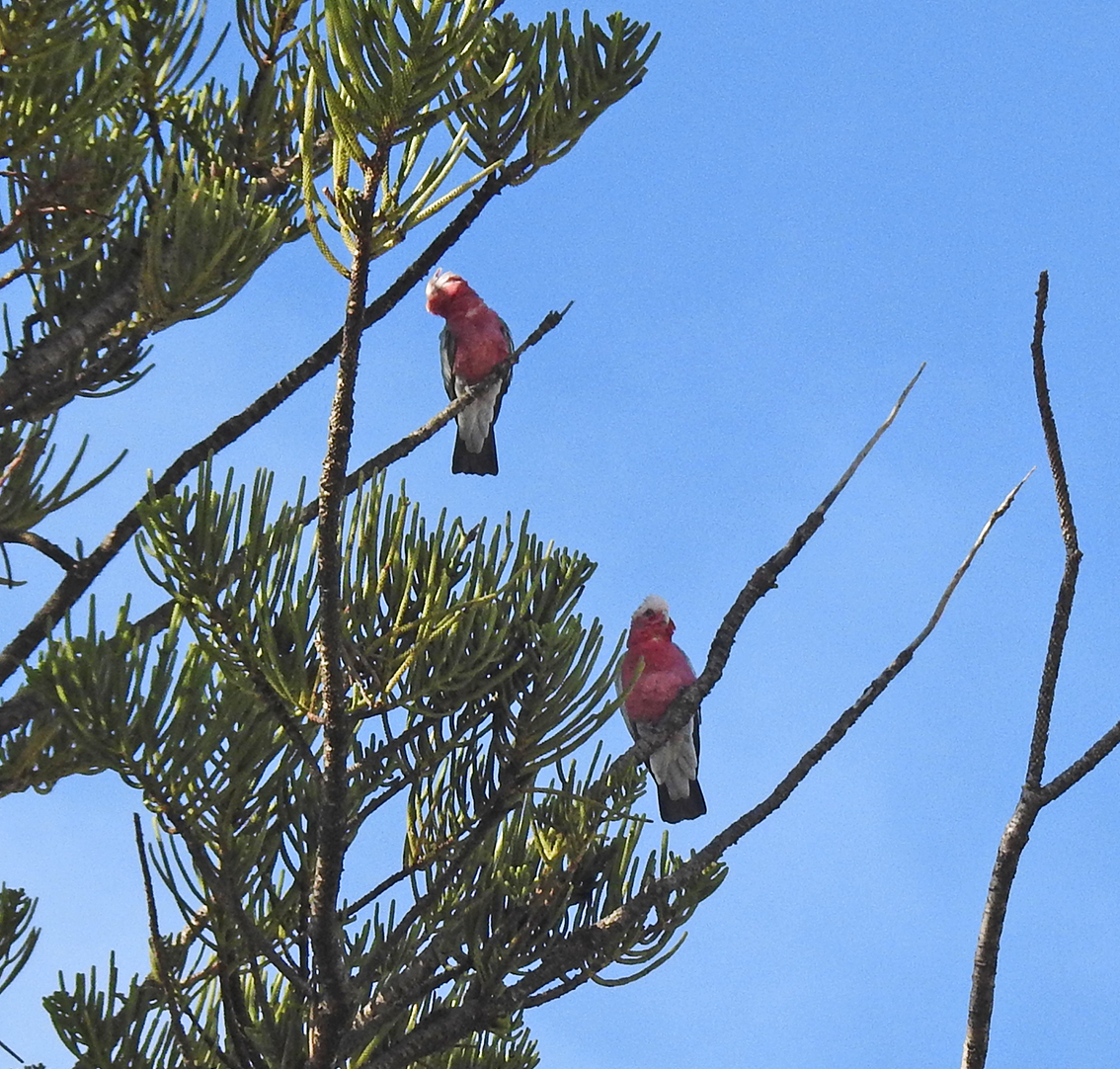
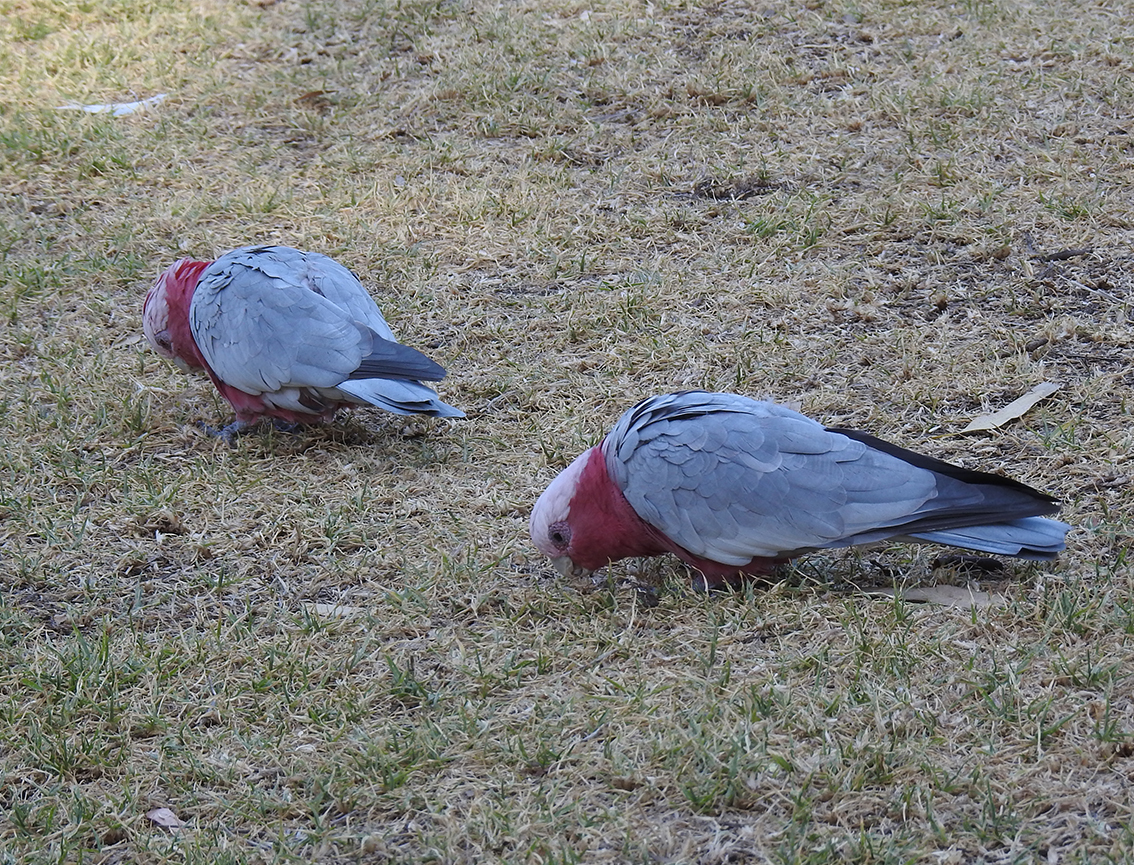
Tall Norfolk Island Pines line the pathway and a group of Rose-breasted Cockatoos (Galahs) are squawking and squabbling in the topmost branches while others feed on the grassy verge.

Galahs getting ready to roost
Galahs feeding

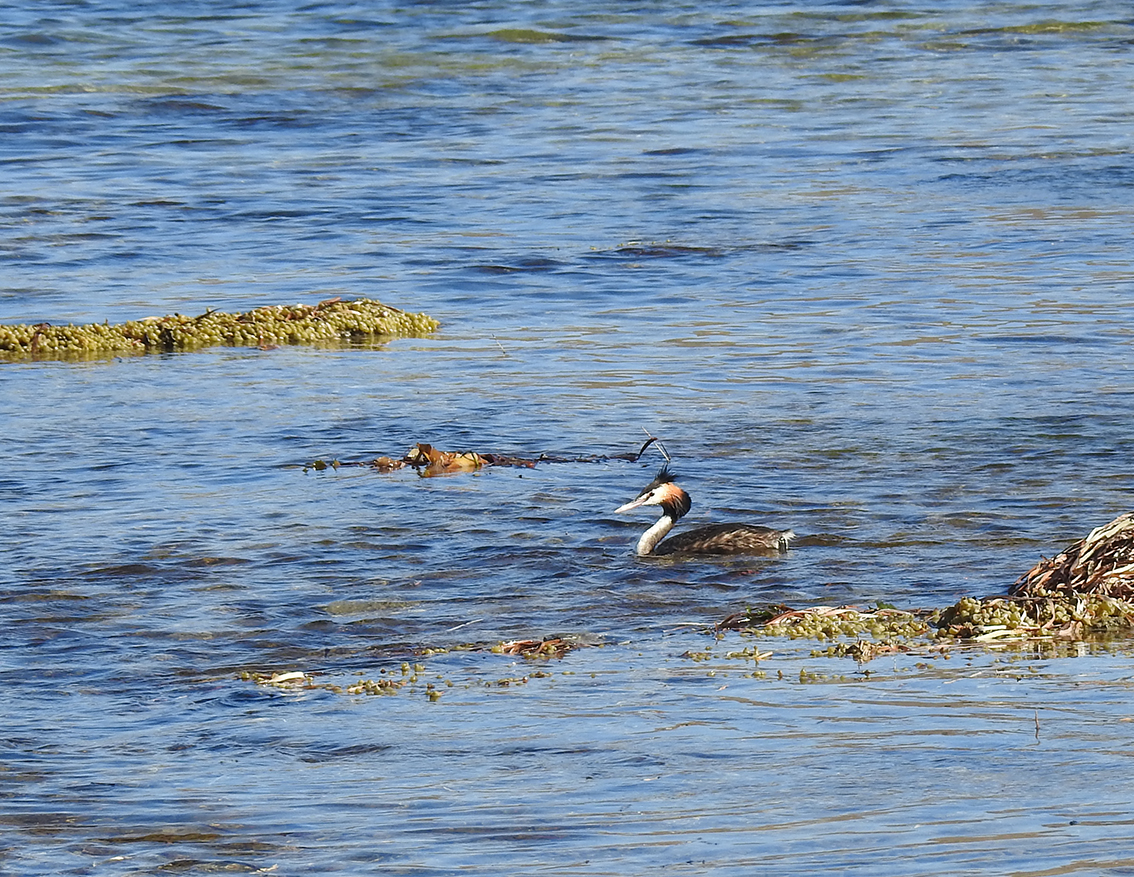
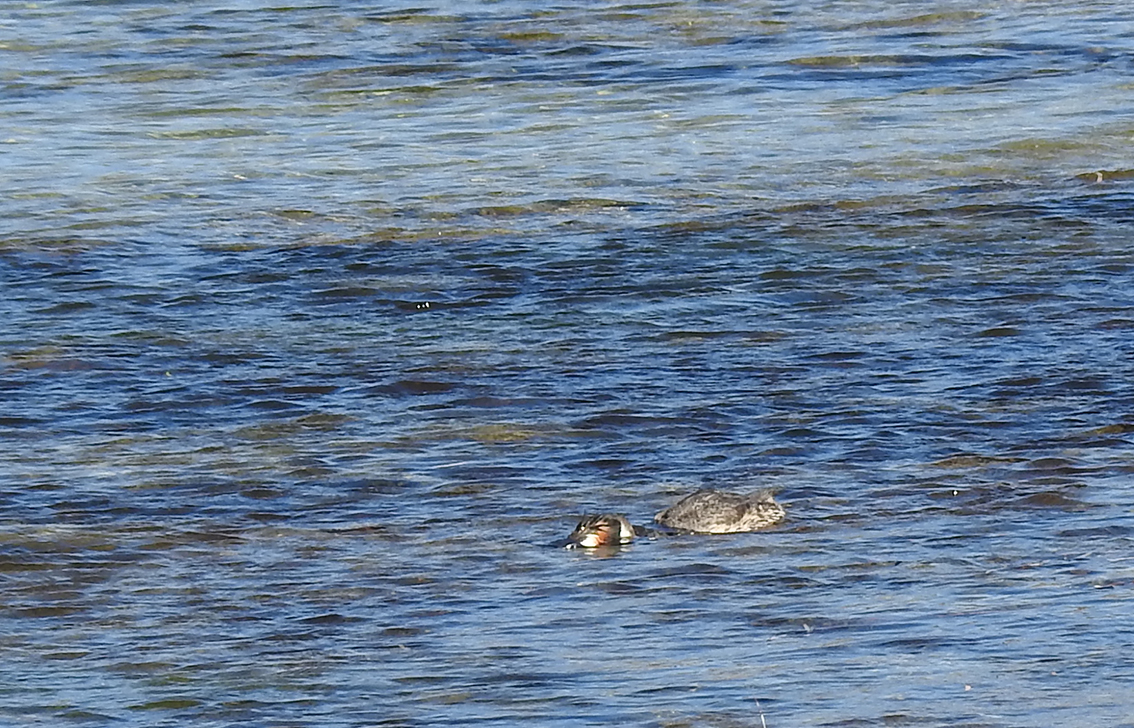
Much to my surprise, I catch sight of an unusual bird pushing its way through the shallows, beak forward and seaweed strewn across its ornately crowned head. A Great-crested Grebe. A bird I have rarely encountered. Using the full extension of the Nikon P900 telephoto, I take a series of shots to capture this feeding behaviour.

Great-crested Grebe
Great-crested Grebe hunting

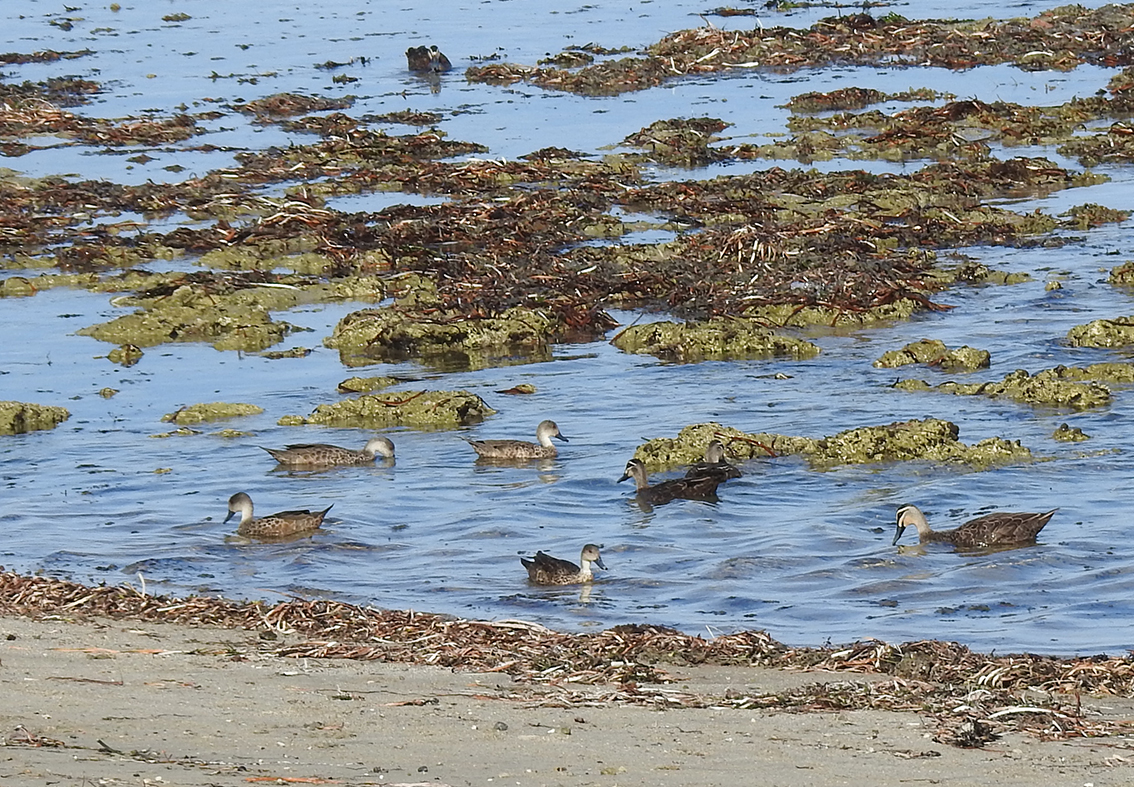
Leaving the path, I walk along the sandy beach scanning the water for other seabirds, dolphins, or fish caught in the shallow rock pools. I don’t have to walk very far before I spot a small group of waterfowl, Grey Teal and Pacific Black Ducks, in the shallows. They are birds I usually associate with fresh water.

Grey Teal and Pacific Black Ducks

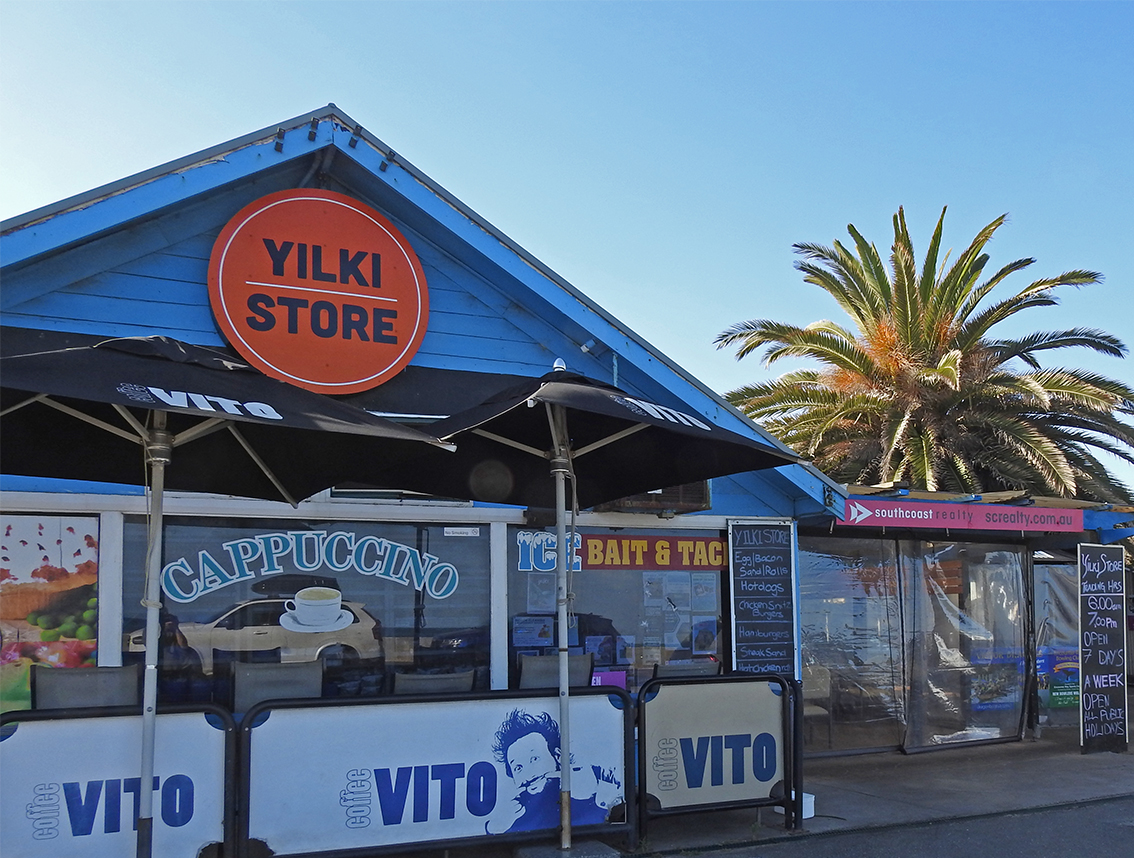
I have been walking and observing for over an hour and decide to break for lunch. Approximately halfway between the two parks there is a small group of shops catering for Victor’s summer influx of visitors. Fresh sandwiches, pies, pizzas, yiros and many other Aussie lunch staples are available.

Plenty to choose from

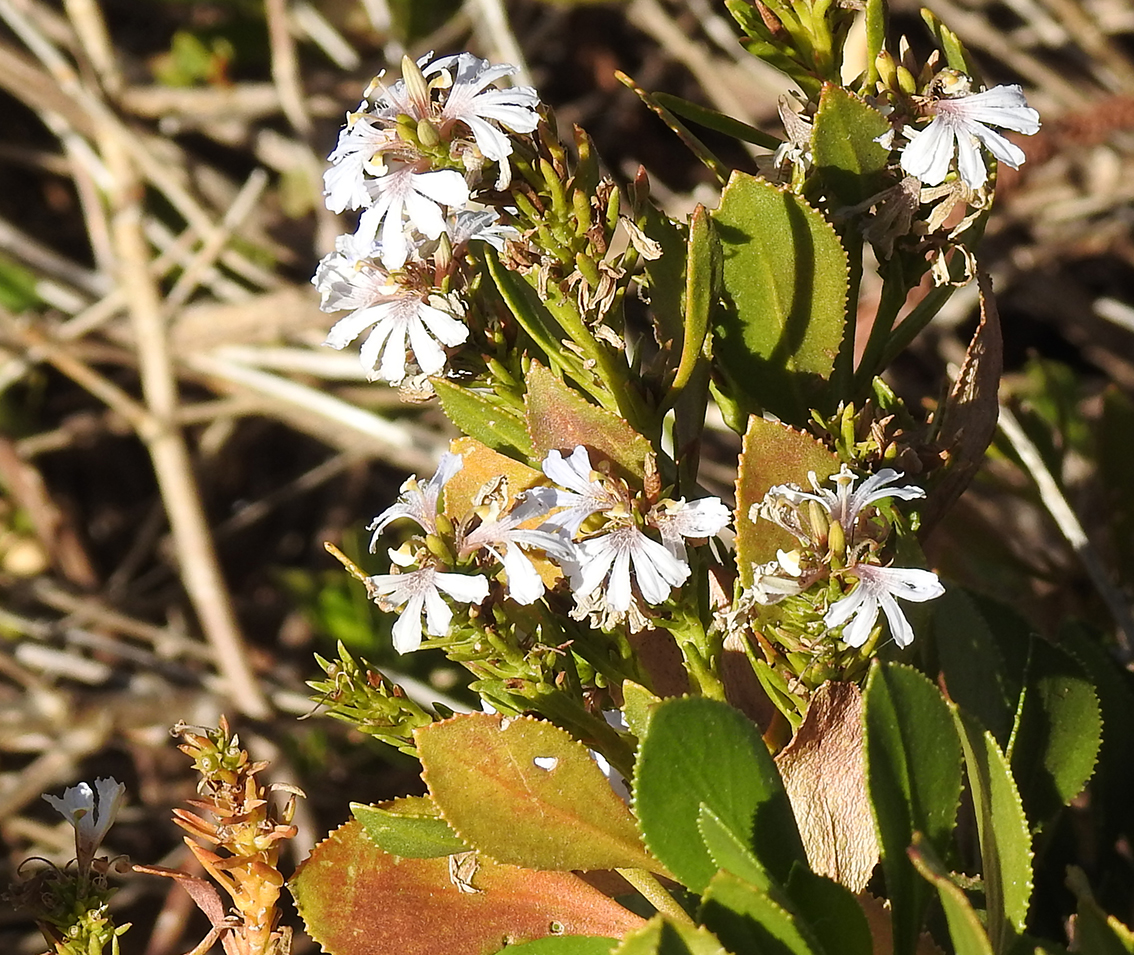
Although my walk has primarily focussed on the birdlife, the variety of coastal vegetation is notable. As well as the wiry grasses that hold sandy areas together there are numerous flowering bushes such as Cushion Fan-flower and Coastal Wattles and Myoporum.

Cushion Fan-flower blossoms

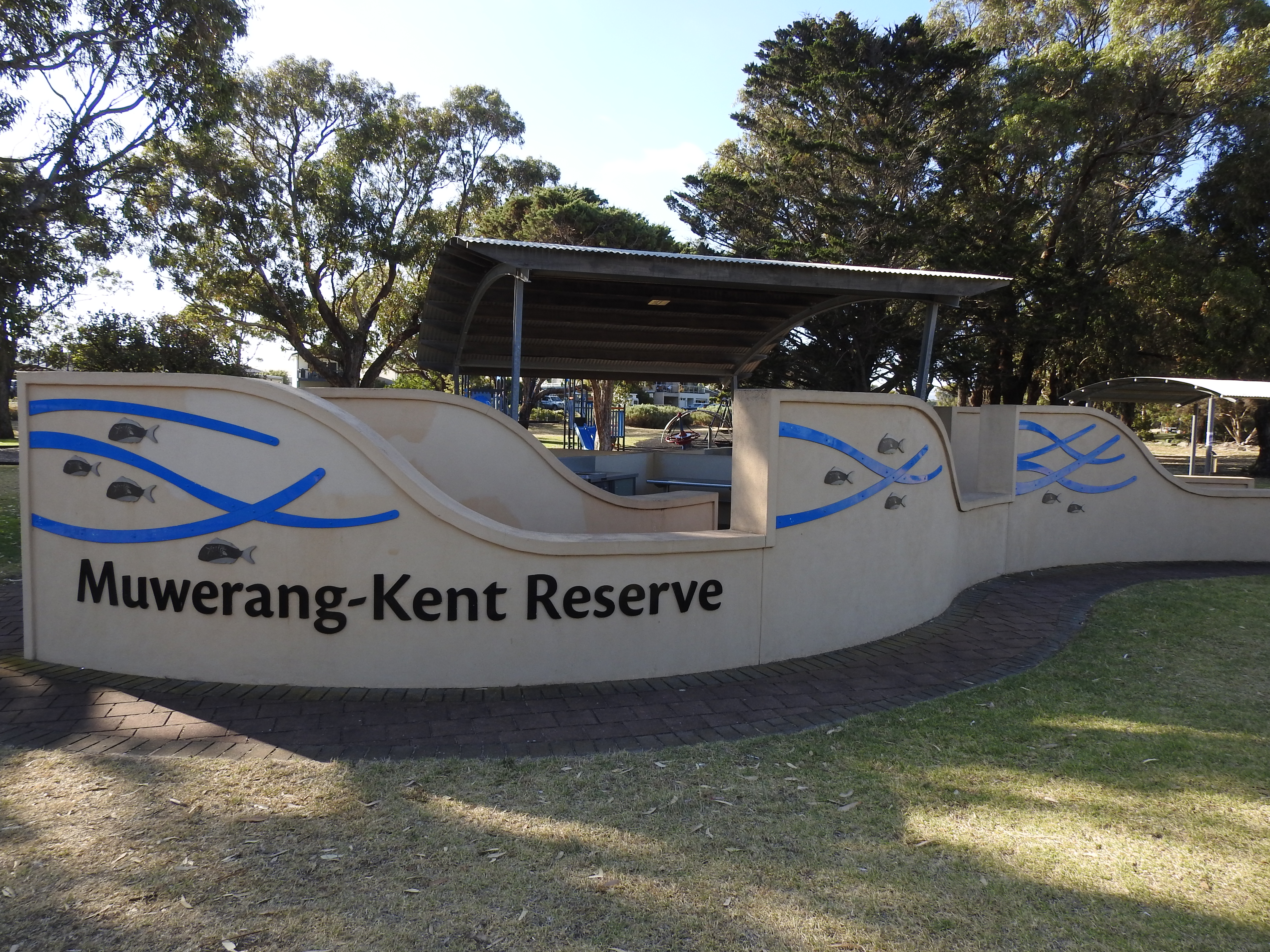
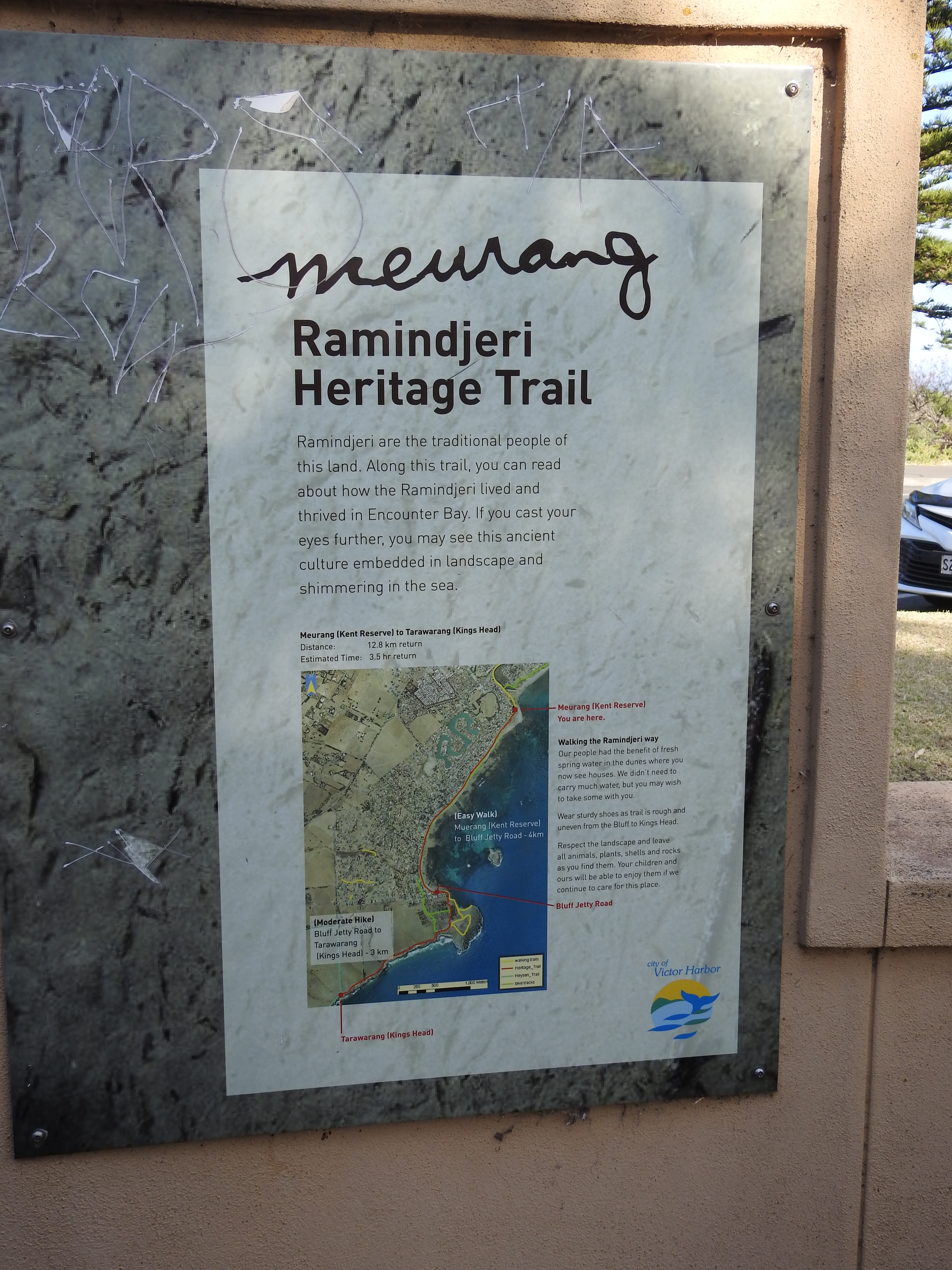
My final destination is Muwerang-Kent Reserve where a range of information plaques provide First Nations and more recent historical and cultural information about the area.

Multi purpose reserve with: shelter, play and exercise equipment and information
First Nations information

Cheers

Baz

Additional notes

Other animals seen, heard but not photographed: Caspian Tern, Silver Gulls,

The camera used for this post is a Nikon Coolpix P900

This is an easy walk and drive which is quite suitable for families and seniors with public toilets, barbecues, parking and other facilities nearby. It is dog friendly but areas of the beach are cordoned off for the plovers meaning dogs should be on leads around these zones.

Please pass on this blog title and or contact information (URL) to any person or organisation with an interest in taking walks and enjoying wildlife in SA.

Click on these links and see more South Australian stories and pictures in my Weekend Notes articles as well as locating similar blogs on Feedspot’s top 20 Australian wildlife blogs

https://www.weekendnotes.com/adelaide/writer/452/
https://blog.feedspot.com/australian_wildlife_blogs/

Normanville’s Big Gorge Walk Part 2

24 Jul

Dear Reader:

(30/6/25,12.05, Clear sky and around 18, light wind)

Numerous aged River Red Gums line the watercourse. I remove a few strips of bark to investigate the different animals that shelter there. A Marbled Gecko scuttles out and freezes relying on its camouflage to escape detection.

Marbled Gecko and Pie Dish Beetles

In part 1 of this story (June 7th Post) I had just passed the ruins and was nearing the end of this short but fascinating trail. I will pick up from there and relate the walk to the end of the trail and back by referring to my field notes. Conditions were recorded on my Apple watch.

End of the walk with information about Colonel Light’s exploration of the area

(30/6/25,12.13, Clear sky and around 18, light wind)

Amongst a tangle of branches I can just make out the shape of a large dark bird. I zoom in and pick up the white fringes to its tail and prominent yellow eye…A Grey Currawong.

Grey Currawong

(30/6/25,12.14, Clear sky and around 19, light wind)

Scanning further into the trees, I pick up the distinctive red breast and blue wings of an Adelaide Rosella. The rosella is not the only parrot in the area. There are small groups of Short-beaked Corellas in the canopy and an occasional Galah flying past.

Adelaide Rosella
Short-beaked Corellas

(30/6/25,12.25 Clear sky and around 18, light wind)

I leave the trail and walk closer to the creek and try to capture essence of this beautiful Gorge with a couple of scenic images.

Yankallila River
Surrounding hillsides with sheep grazing

(30/6/25,12.42 Clear sky and around 18, light wind)

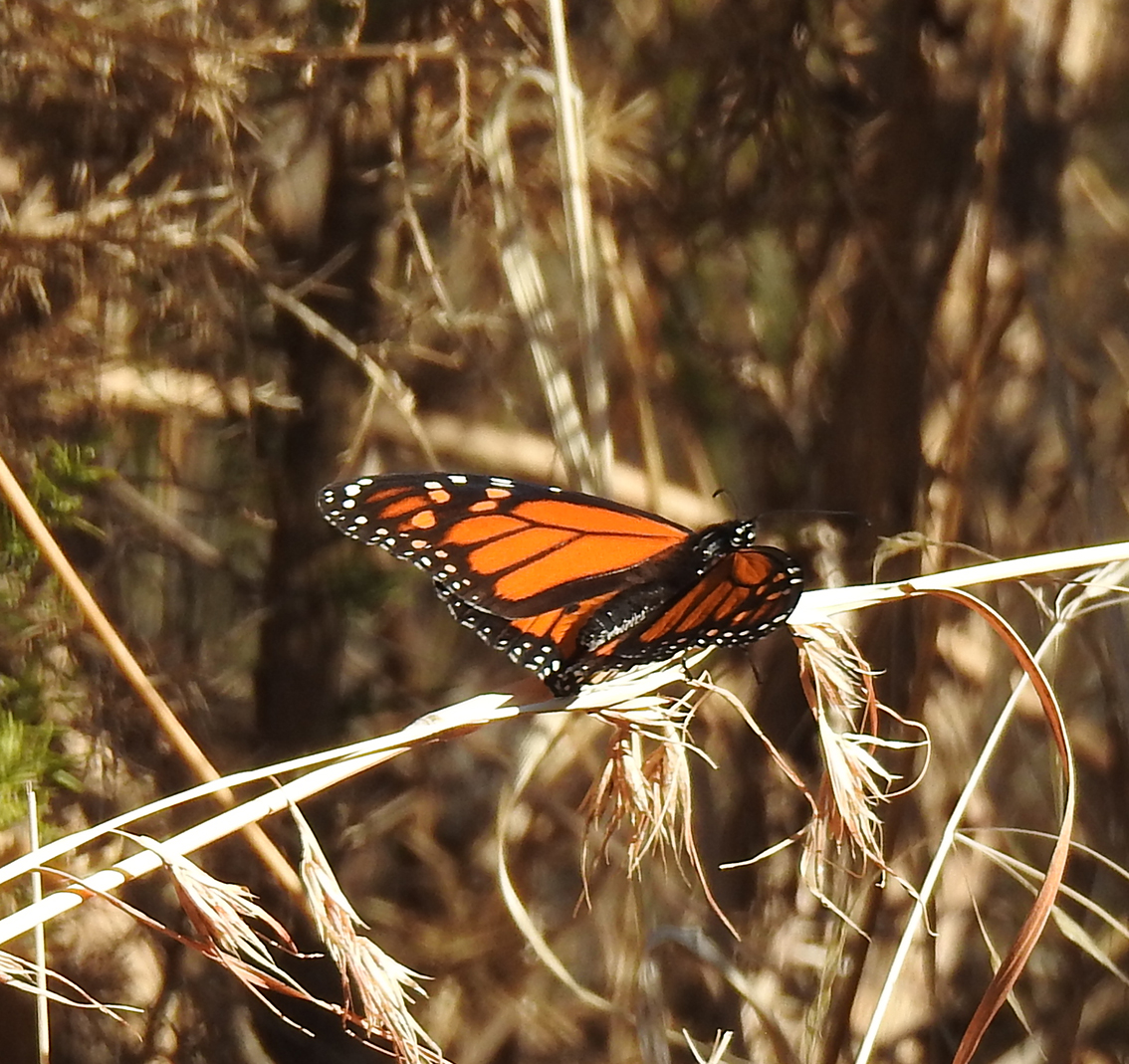
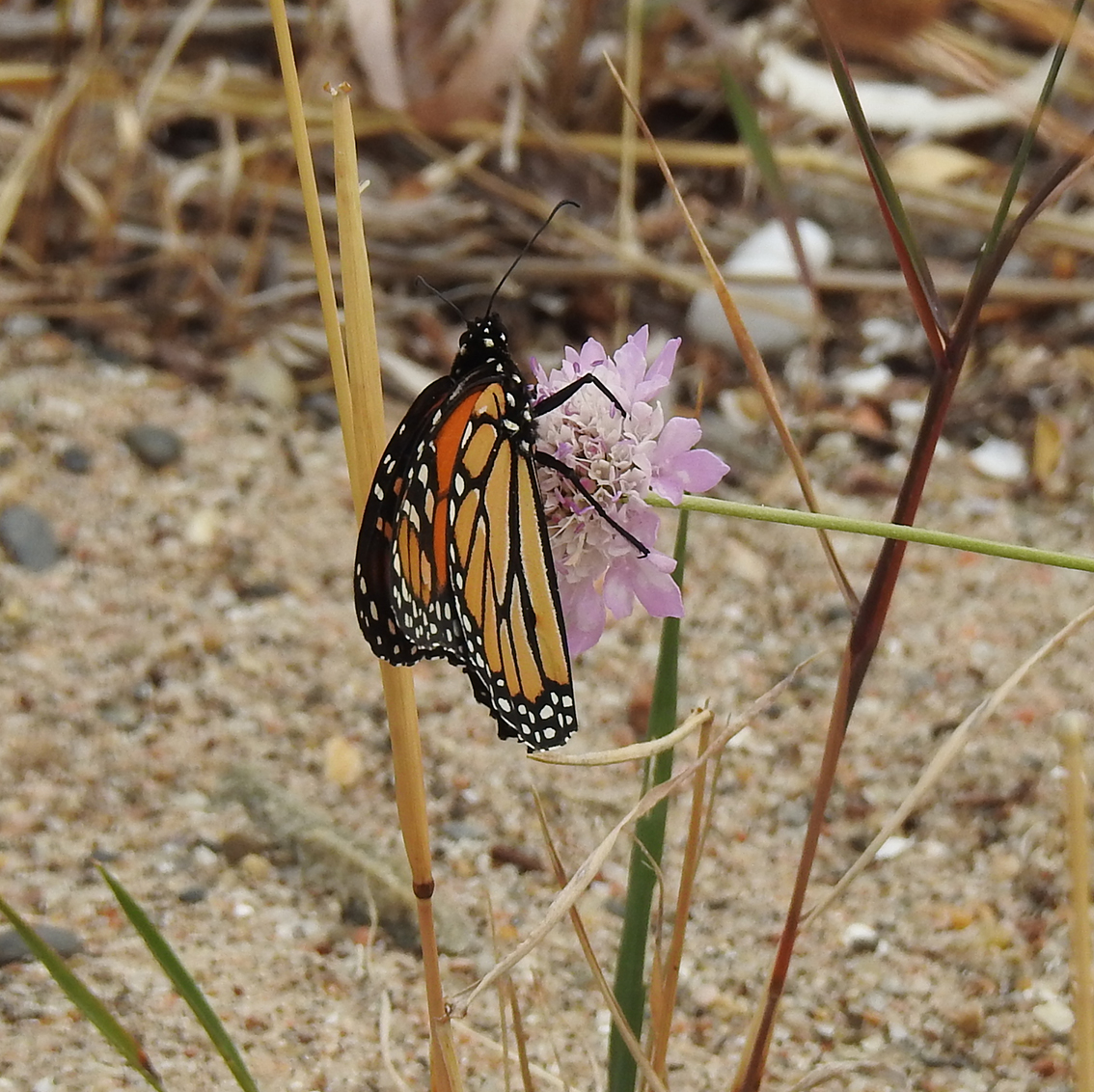
I am almost back at the trailhead when I notice a small group of Silvereyes in a bush. They are probably the same birds I photographed earlier (7th June post). To my surprise, considering the season, I notice a Monarch Butterfly perched on a small branch near the track.

Late season Monarch Butterfly

(30/6/25,12.55 Clear sky and around 20℃, light wind)

I reach the Norm Garnet Park, pack up my gear and head back to the city. I have been surprised by the lack of Western grey Kangaroos, as I know they are prolific in this area. However, the gods of wildlife photography decide to rectify the problem and I come across a dozen or so ‘roos’ grazing in a fenced paddock, just a few kilometres shy of Normanville.  

Western Grey Kangaroos grazing on farmland

Cheers

Baz

Additional notes

Other animals see, heard but not photographed

The camera used for this post is a

This is an easy walk/drive which is quite suitable for families and seniors with public toilets, barbecues, parking and other facilities nearby. It is dog friendly.

Please pass on this blog title and or contact information (URL) to any person or organisation with an interest in taking walks and enjoying wildlife in SA.

Click on these links and see more South Australian stories and pictures in my Weekend Notes articles as well as locating similar blogs on Feedspot’s top 20 Australian wildlife blogs

https://www.weekendnotes.com/adelaide/writer/452/
https://blog.feedspot.com/australian_wildlife_blogs/

Normanville’s Big Gorge Walk…….part 1

17 Jun

Dear Reader:

Tiny birds are feeding in the canopy of a massive Red River Gum on the edge of the river bed. Scanning the area with the telephoto of my Nikon P900, I spot a diminutive Thornbill.

Thornbill species

Garnet Kelly Park on the southern side of Normanville is the start of the Great Gorge Walk. This charming track of around 3Kms return follows a path walked by explorers and traversed by later settlers.

Park entrance near the old bridge
Alongside the river

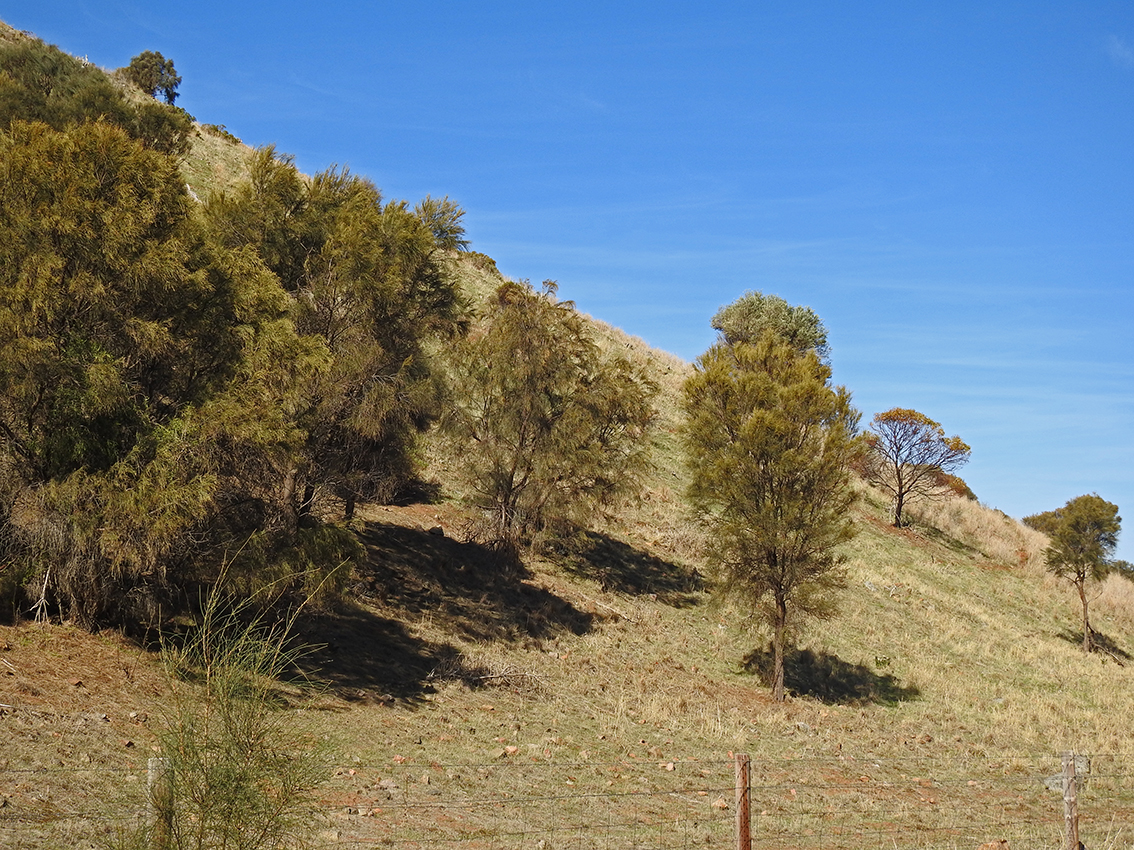
River Red Gums, Sheoaks and Acacia bushes are part of a complex and varied flora.

Sheoaks on hillside, private property bordering the walk

Information placards at the start of the walk and along its route tell the story of the bridge, pathway and the local soldier which the park is named after.

One of numerous informative signs on the walk and in the park

Small birds seem to be prolific in the first kilometre of the walk and I manage to photograph Fairy Wrens, Silvereyes and White-browed Finches. Most of the shots are taken at distance and emphasise the need for a good telephoto lens in this area.

Silvereye feeding on reed-like grasses near a pool in the river bed

I notice small groups of Sulphur-crested and Rose-breasted (Galahs) Cockatoos flying overhead. A few land to feed on the ground while others perch in nearby trees. They advertise their presence with a screeching, almost prehistoric, call.

Sulphur Crested Cockatoo

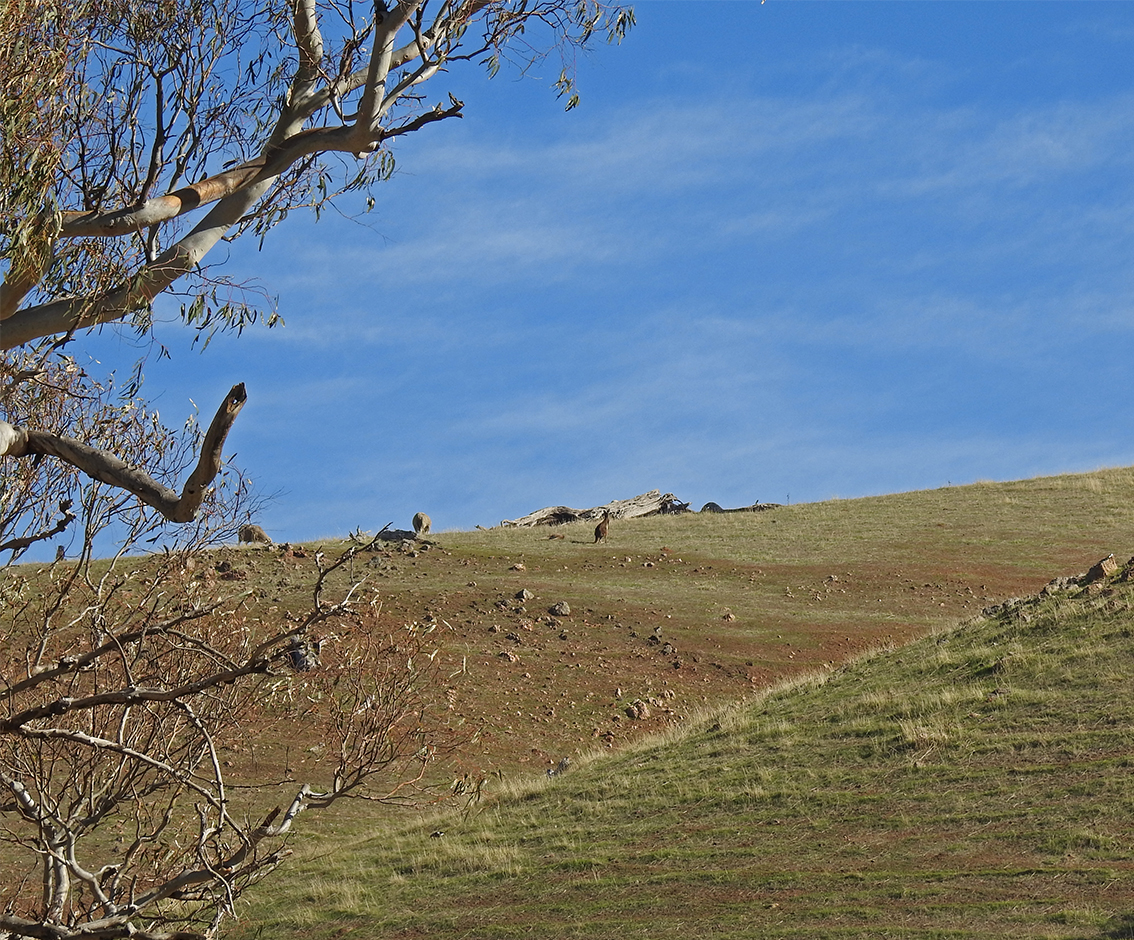
The weather is too cold for reptiles and I see only a few rather tattered looking butterflies. However, there are sheep with lambs in tow, on the hillsides. A closer look on one ridge reveals a lone Western Grey Kangaroo grazing alongside a couple of sheep.

Hilltop grazers

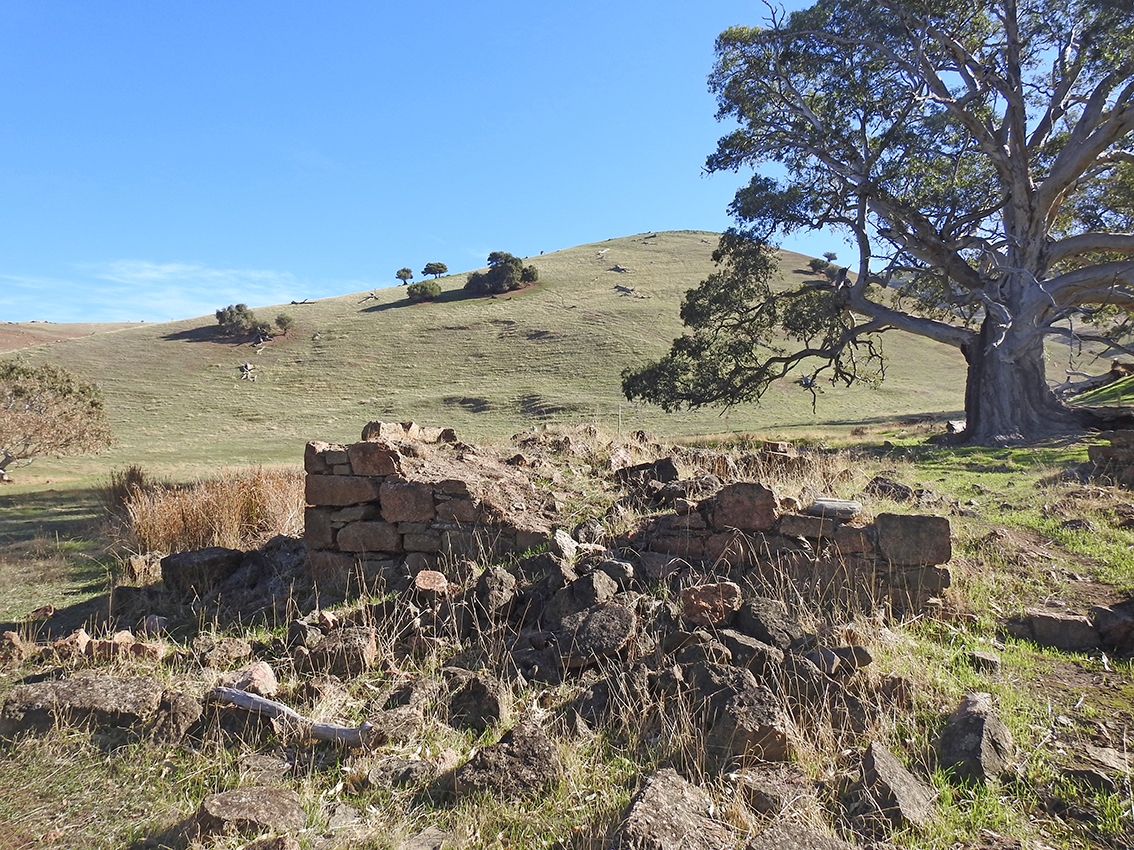
Glancing at the distance reading on my Apple watch, I realise I am almost at the half way (1.5 Km) point of this walk. Though the wildlife and scenery have been both interesting and varied, my writer’s mind wants a little more variation for an article. It comes in the form of an old ruin.

Remains of a once substantial building
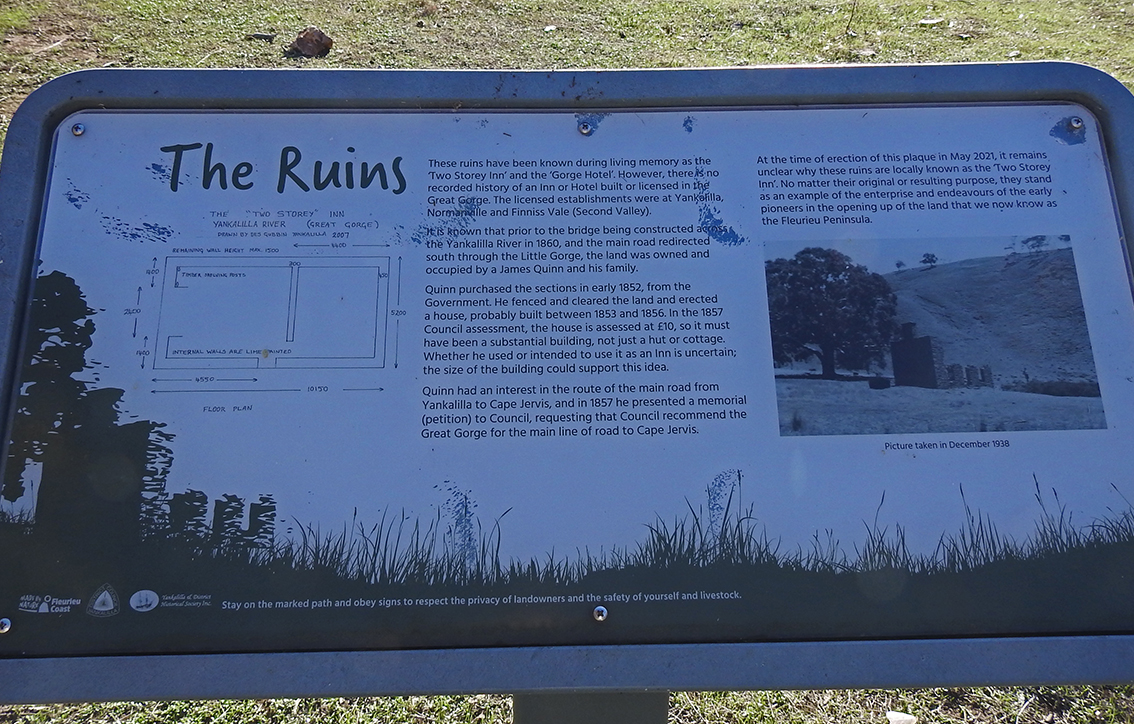
Historical placard near the ruins

The exact nature of the ruin is a little unclear and an information plaque provides some different alternatives. Nevertheless, this old structure and its history provides yet another reason to take this truly beautiful walk on the Fleurieu Peninsular………….to be continued.

Cheers

Baz

Additional notes

The camera used for this post is a Nikon P900

This is an easy walk which is quite suitable for families and seniors, Dogs must be kept on a lead.

Please pass on this blog title and or contact information (URL) to any person or organisation with an interest in taking walks and enjoying wildlife in SA.

Click on these links and see more South Australian stories and pictures in my Weekend Notes articles as well as locating similar blogs on Feedspot’s top 20 Australian wildlife blogs

https://www.weekendnotes.com/adelaide/writer/452/
https://blog.feedspot.com/australian_wildlife_blogs/

The tip of the Fleurieu

28 Apr

Dear Reader:

The school of Silver Drummer and Banded Sea Sweep mill around the rocky outcrop off Cape Jervis SA.

Silver Drummer (top centre) and Banded Sweep

I am exploring the southern tip of South Australia’s Fleurieu Peninsular using images that show a few of its many features and attractions.

Australian Pelicans Goolwa bird reserve

Cape Jervis is the transit port for the Kangaroo Island Ferry as well as being an interesting wildlife destination in its own right.

Kangaroo Island ferry at Cape Jervis with KI in the background

Numerous seabirds live in this area including: terns, gulls, cormorants and various birds of prey. At different times I have observed Sea Eagles and Nankeen Kestrels.

Nankeen Kestrel hovering

Just before Cape Jervis, a dirt road leads to Fishery Beach where an undersea cable crosses beneath Investigator Strait to KI. I spend a little time snorkelling close to the shore where I photograph a school of Zebra Fish.

Zebra Fish

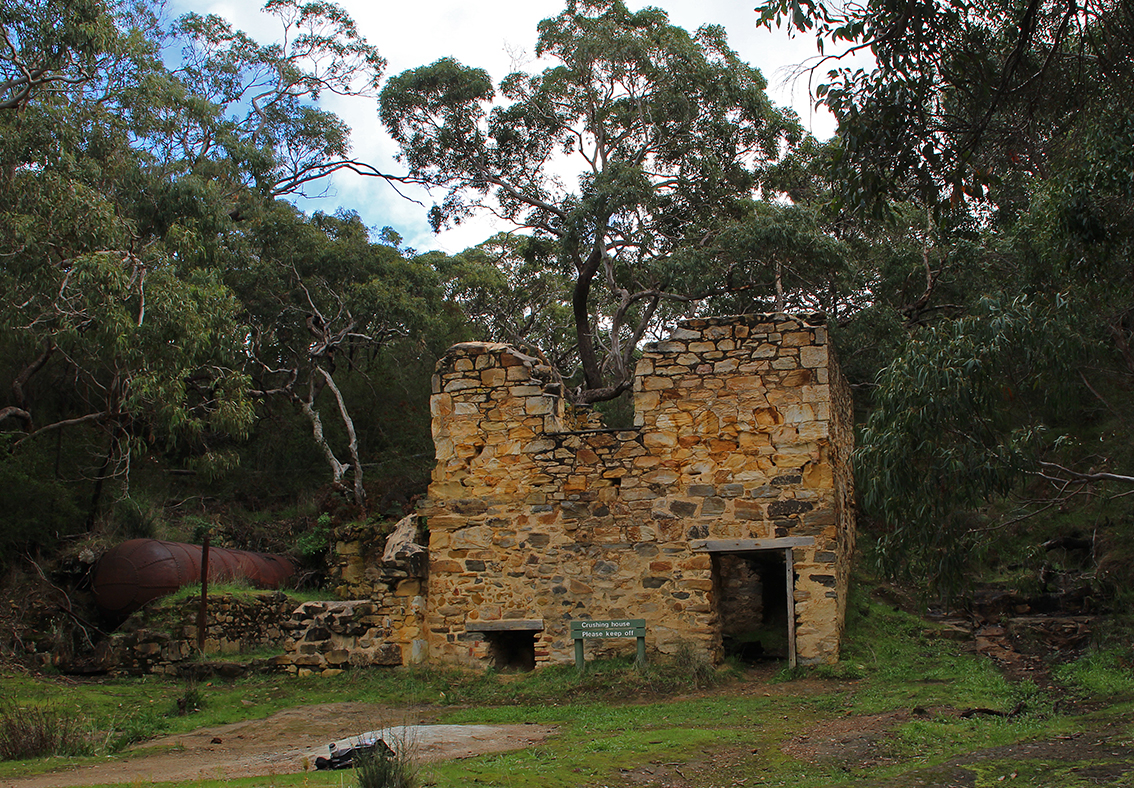
Range Road Curls around the foot of the peninsular passing through pasture, scrub and grazing country. Near the beginning of the road there is an entrance to the old Talisker mine. Numerous small birds inhabit the dense scrub around this area and the old buildings and machinery provide some historical context.

Crusher house and boiler
Crescent Honeyeater

One of the main attractions of the southern Fleurieu is the Deep Creek Conservation Park; a wonderful place to photograph Western Grey Kangaroos and the occasional Echidna.

Lone roo Deep Creek Conservation Park
Roos in the mist Deep Creek CP

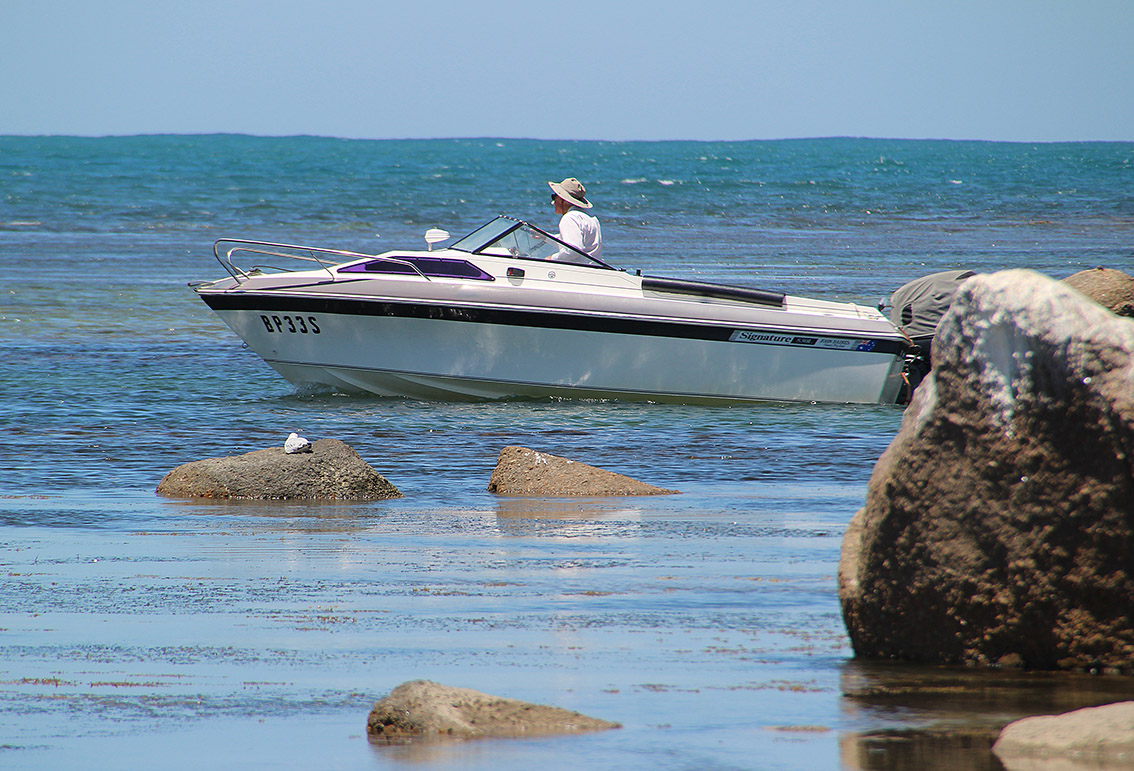
My next stop on this trip is Victor Harbor, where I watch a succession of recreational fishing boats head out to sea while I enjoy a tasty seafood lunch at Whalers Seaside Dining.

Setting out from the Victor Harbor boat ramp

Having reached Victor from the city via South Road and Range Road I decide to return to Adelaide along the B37 (Strathalbyn Route) after a 4WD run along iconic Goolwa Beach towards the mouth of the Murray River.       

Entrance to Goolwa beach

Cheers

Baz

Additional notes

The cameras used for this post are Sony RX, Nikon P900 and Nikon Coolpix AW100  

This is an easy drive which is quite suitable for families and seniors with the exception of the 4WD section which can be tricky depending on tides and wind.

Please pass on this blog title and or contact information (URL) to any person or organisation with an interest in taking walks and enjoying wildlife in SA.

Click on these links and see more South Australian stories and pictures in my Weekend Notes articles as well as locating similar blogs on Feedspot’s top 20 Australian wildlife blogs

https://www.weekendnotes.com/adelaide/writer/452/
https://blog.feedspot.com/australian_wildlife_blogs/

Wirrina Foreshore Reserve

25 Mar

Dear Reader:

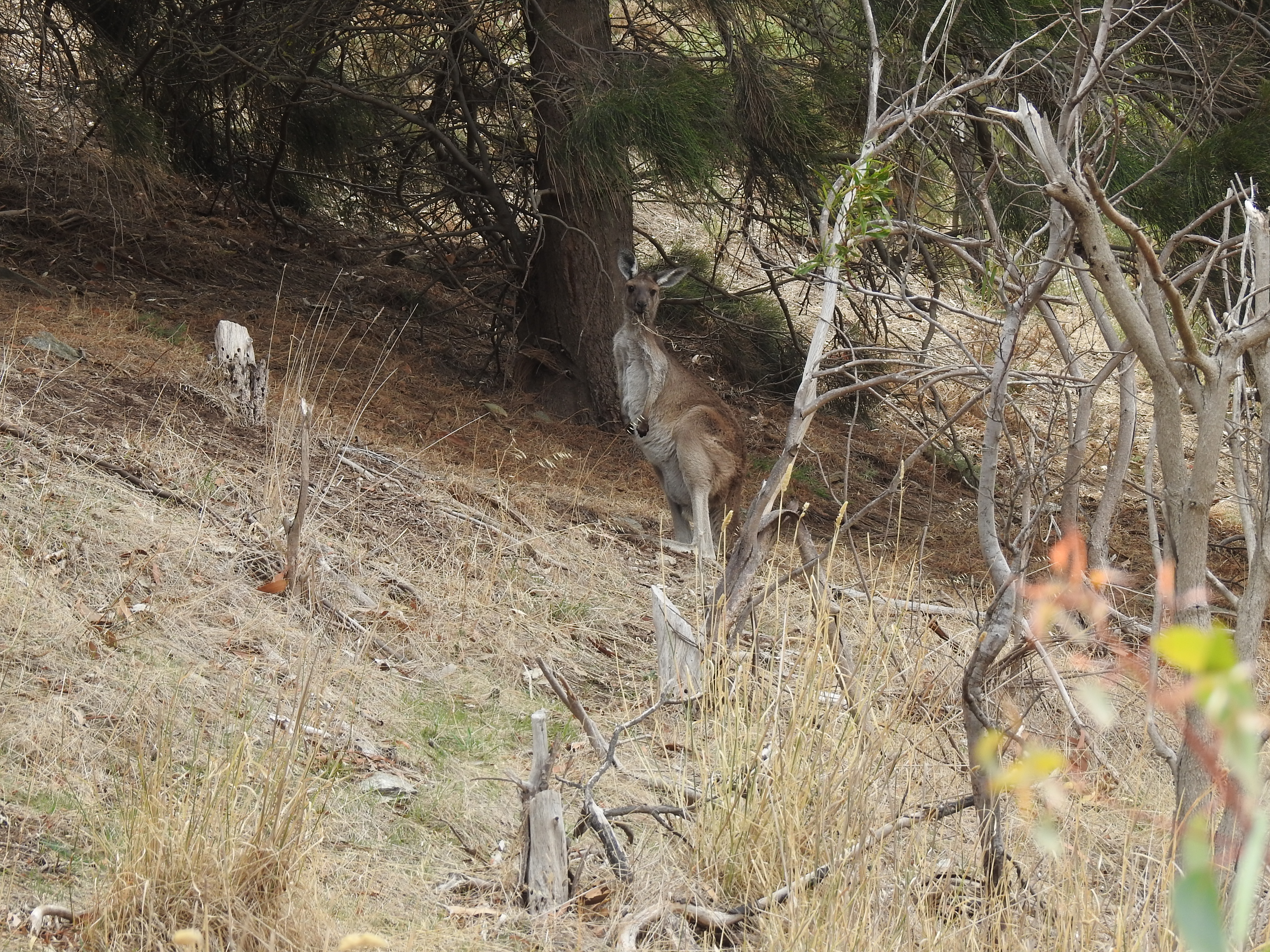
The Western Grey Kangaroo stops feeding and looks at me, twitches its ears then hops deeper into the bushes where it is joined by a second roo.

Western Grey Kangaroo
Then there were two

I am driving along the access road to Wirrina Cove marina, where I will walk along the Wirrina Foreshore Reserve. It is a rather overcast day which adds a few extra photographic challenges.

Beginning of the walk

Like other parts of the Fleurieu the story told by the rock formations is fascinating. The areas geoheritage includes: deep sedimentary basins, massive plate tectonic collisions, glaciation and mountain formation.

Rock formations along the shoreline

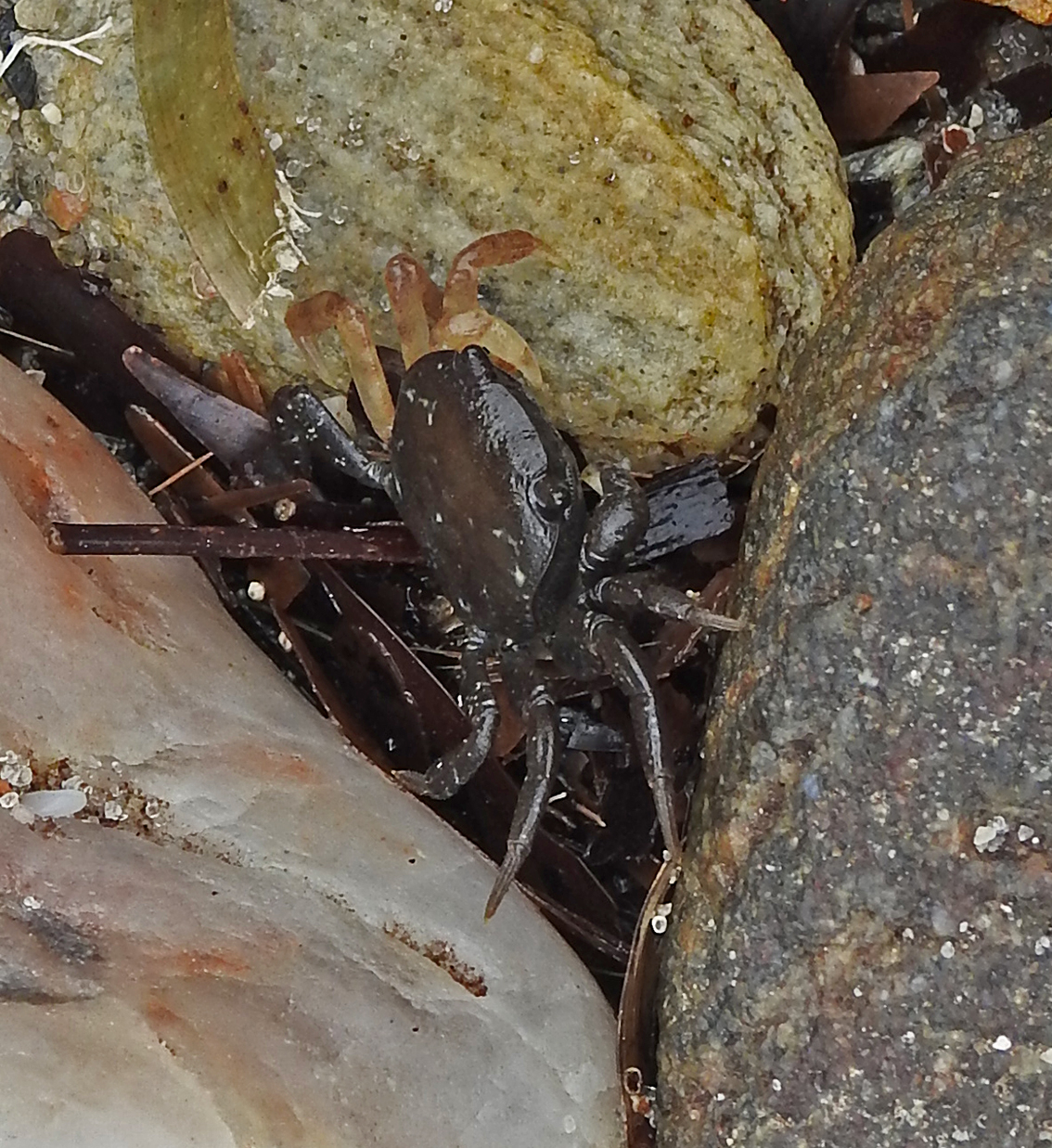
At low tide the rocky foreshore is a maze of rockpools. Within each of these ecological niches lives a wonderful variety of marine organisms such as anemones, sponges, seasnails and crustaceans; to mention just a few.

Shore crab species on the edge of a rockpool
Turban Shell

Banks of seaweed cover some parts of the shoreline and I am amazed to see an Australian Magpie probing the weed. Closer observation suggests it might be gathering nesting material.

Australian Magpie in seaweed pile

After spending some time exploring the edges of the pools, I move back to the trail to capture a few images of the typical birdlife. There are White-faced herons stalking the shallows, Pied Cormorants and Masked Lapwings resting on the rocks and a pair of grebes further out to sea.

White-faced Heron

Having captured images of molluscs, birds, crustaceans and marsupials, I turn my attention to plants, insects and other life forms. Butterflies and native bees are feeding on flowering Scabia blooms, lichens coat the rock formations and Cushion Bushes colonise niches in the rock formations.  

The weather closes in and it is time to leave the walking trail. However, I am determined to return on a warmer, sunnier day with some snorkeling gear to further explore this fascinating area.

Cheers

Baz

Additional notes

The camera used for this post is a Nikon Coolpix P900

This is an easy walk and drive which is quite suitable for families and seniors. It is dog friendly.

Please pass on this blog title and or contact information (URL) to any person or organisation with an interest in taking walks and enjoying wildlife in SA.

Click on these links and see more South Australian stories and pictures in my Weekend Notes articles as well as locating similar blogs on Feedspot’s top 20 Australian wildlife blogs

https://www.weekendnotes.com/adelaide/writer/452/
https://blog.feedspot.com/australian_wildlife_blogs/
, , , , , , , , ,

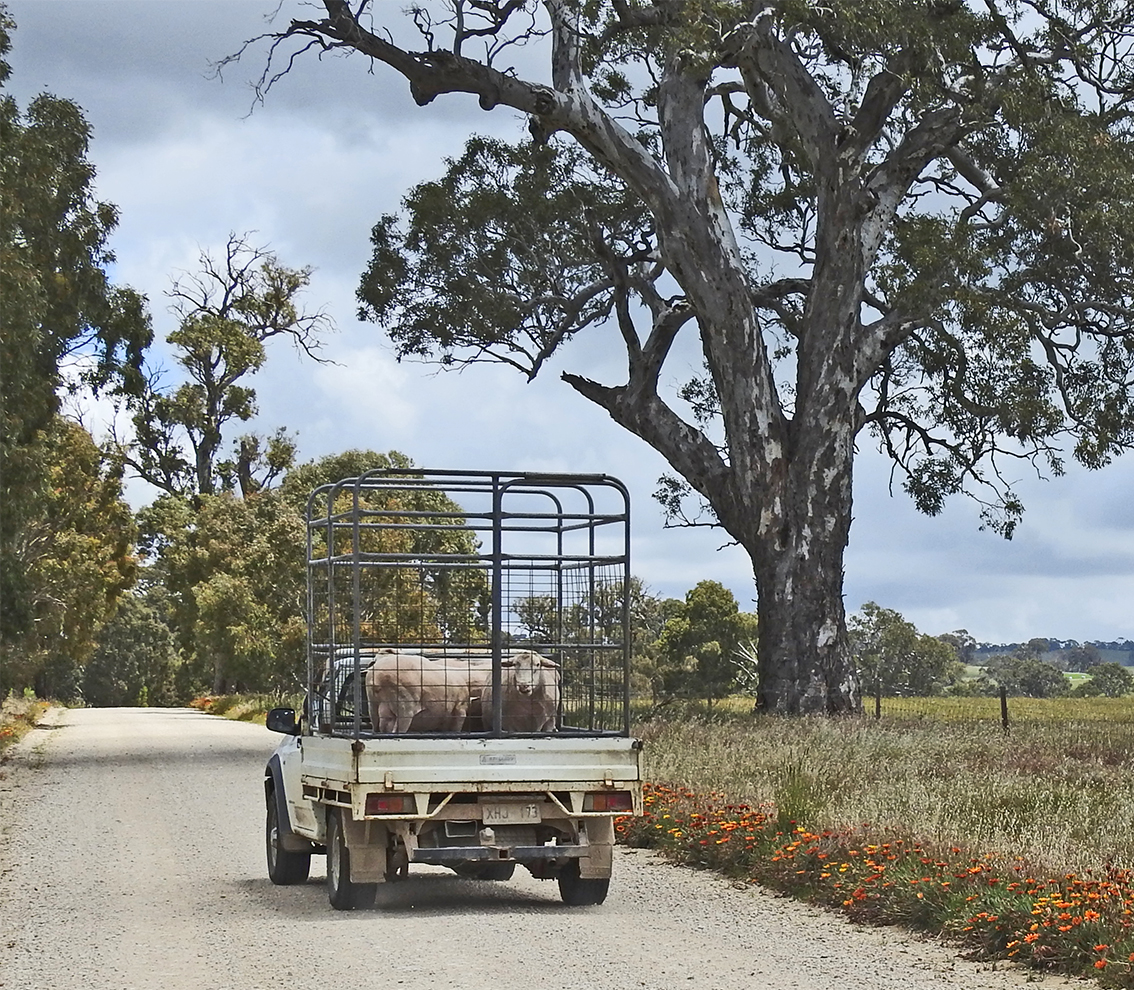
Bullock Hill CP….. Kangaroos, Cows and Cockies

19 Mar

Dear Reader:

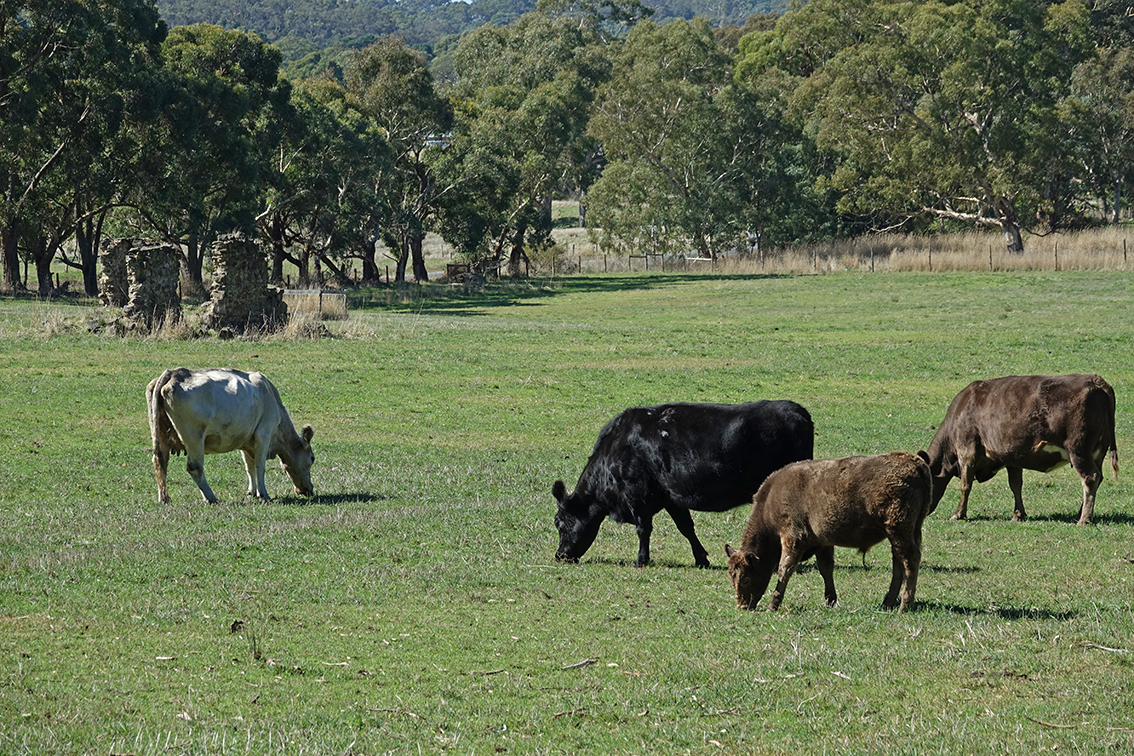
The scenery on my drive between Meadows and Ashbourne varies between open pasture to Creekside scrubland with both kangaroos and cows enjoying the fertile landscape.

Rural setting with old farmhouse ruin, stock and bush background

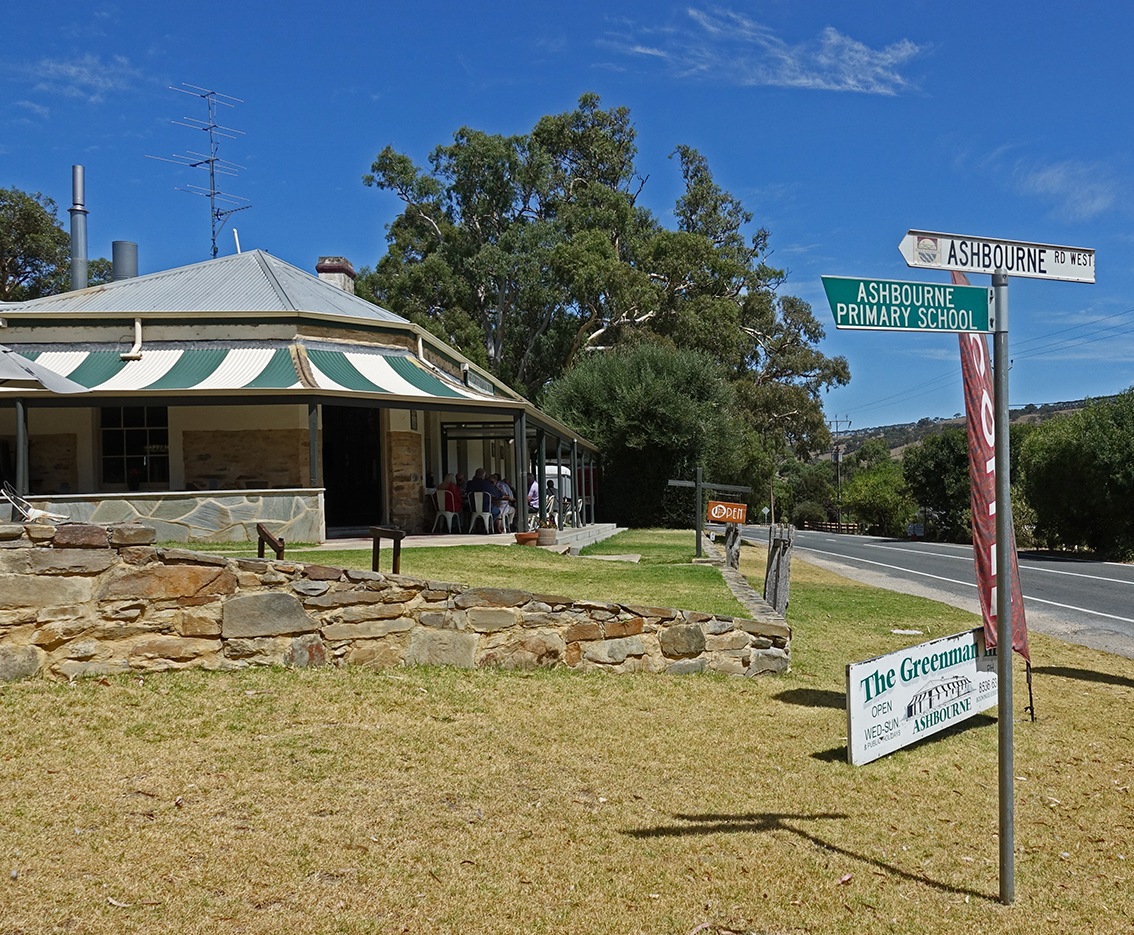
My destinations are the town of Ashbourne and the nearby Bullock Hill Conservation Park. I have driven along several of the roads I am about to explore during the cooler months when the weather was not as conducive to photography and I promised myself a summer visit and a meal at the Green Man Hotel.

Track into the park

Green Man Hotel in Ashbourne SA

Three roads skirt the Bullock Hill Conservation Park; Signal Flat Road to the west, Wattle Flat Road to the east and Haines Road to the south. There are walking trails leading into the park off these roads. The country town of Ashbourne with its folksy Green Man Hotel lies a kilometre or two north west of the park, on the intersection of Bull Creek and Signal Flat Roads.

Wattle Flat Road on my previous trip

I enter the park off Haines Road. There are honeyeaters, Grey Fantails, rosellas, lorikeets and Galahs. The birds are wary and move quickly in the canopy. Eventually I spot a Welcome Swallow resting between aerial sorties in search of insects.

Welcome Swallow taking a break

Galah or Cockie or Rose-breasted Cockatoo

Along Wattle Flat Road, I notice a pair of roos near a fenceline and stop to take a picture. Not a successful venture as one bounds over the fence while the other scoots under it. Both animals are unhurt and I get the feeling they have done this on more than one occasion.

One under one over….Western Grey Kangaroos

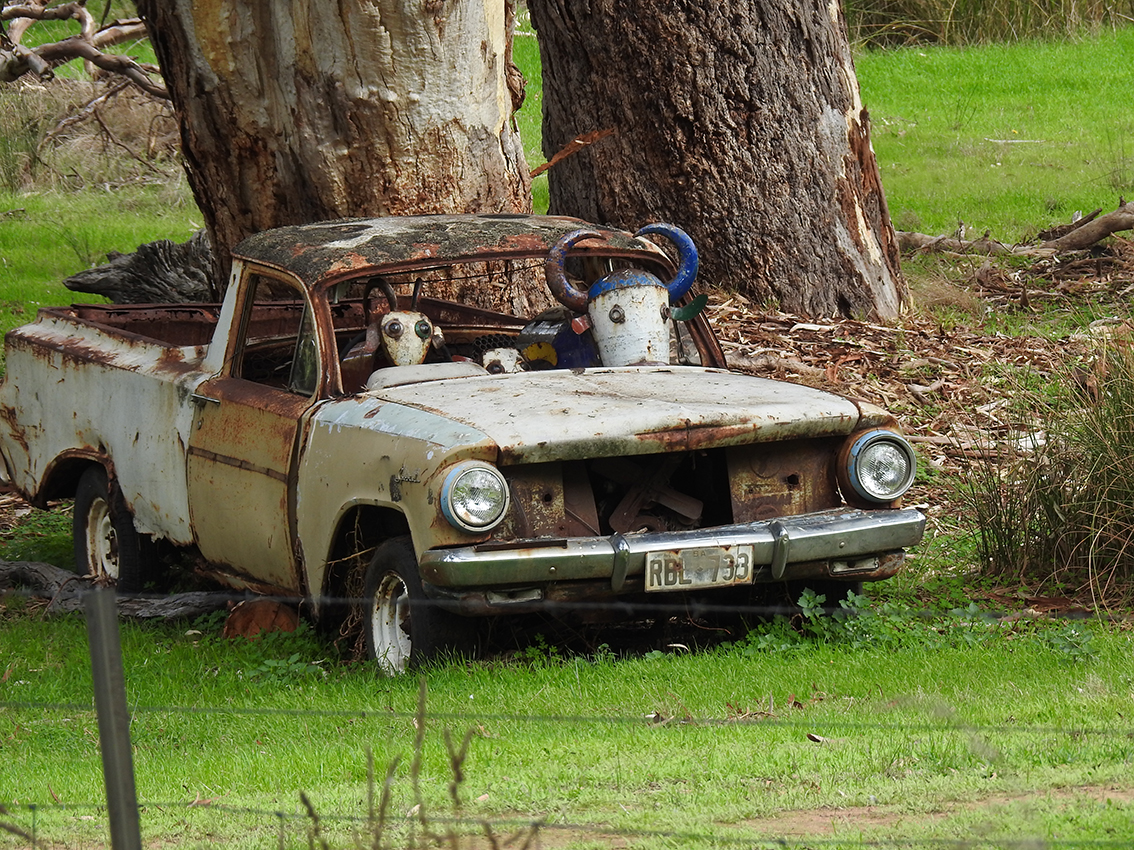
On this trip I have not driven back along Signal flat Road which skirts the eastern side of the park. However, on my last drive I was quite taken by a whimsical piece of ‘Auto-art’; if such a genre exists. On the same drive I encountered significant flocks of Galahs.  

A little whimsical, rural art off Wattle Flat Road

Back in Ashbourne and alongside the Green Man Hotel, there is an enclosure with a couple of unusual sheep which seem to be shedding their fleece rather than it being shorn. I believe they are White Dorpers a variation bred specifically for this particular characteristic.

Shearing the easy way….White Dorper variety of sheep

Leaving the car in the shade, I order a seafood platter and share an outside table with a curious and food oriented Australian Magpie. It has been a worthwhile day in the field and I will certainly return during spring to further explore the park and surrounding areas.

Seafood plate with Oysters, Calamari, Scallops and fish

Australian Magpie

Cheers

Baz

Additional notes

This is an easy walk and drive which is quite suitable for families and seniors with public toilets, barbecues, parking and other facilities nearby..

Please pass on this blog title and or contact information (URL) to any person or organisation with an interest in taking walks and enjoying wildlife in SA.

Click on these links and see more South Australian stories and pictures in my Weekend Notes articles as well as locating similar blogs on Feedspot’s top 20 Australian wildlife blogs

https://www.weekendnotes.com/profile/651267

Spotted Doves or Pics from my final days in isolation

18 May

Spotted Doves

Dear Reader:

There are many ways to experience the natural and urban environments that we South Australians are lucky enough to have at our disposal. One technique that I have employed, in these days of isolation, is to focus on one animal for a period of time and try to explore some of its behaviours. For obvious reasons, it is best to choose a species that is common to your area. By watching it closely you might discover some interesting traits that you have never noticed before and probably come up with some questions regarding these behaviours.


Lovely markings


Each morning I scatter out seeds for the Spotted Doves that frequent the trees surrounding my garden. Over the years I have watched them nest, raise their chicks, avoid predators and engage in a variety of mating and chasing behaviours across my back lawn.


Live and Let Live


On the subject of predators; the back yard is the domain of my very old Abyssinian cat who, in years gone by, made sure that few birds settled on the lawn during his watch. Although curtailed by a harness and length of nylon cord he was still able to generate enough speed and leaping power to scare any bird that transgressed into his territory. Today, not so fast, and the doves know it and feed close to him. The occasional sortie in their direction is met with a flap of wings to gain some height then a quick return to the ground and feeding.


My Turf


Off you go

Just one more piece of seed

Sometimes, when feeding one dove will dominate the area charging at the others and seeing them off. However, the victims of this avian bullying quickly return and the perpetrator seems to expend more energy and get less seed than they do. I suspect the perps are males, enough said.   


Necessary maintenance


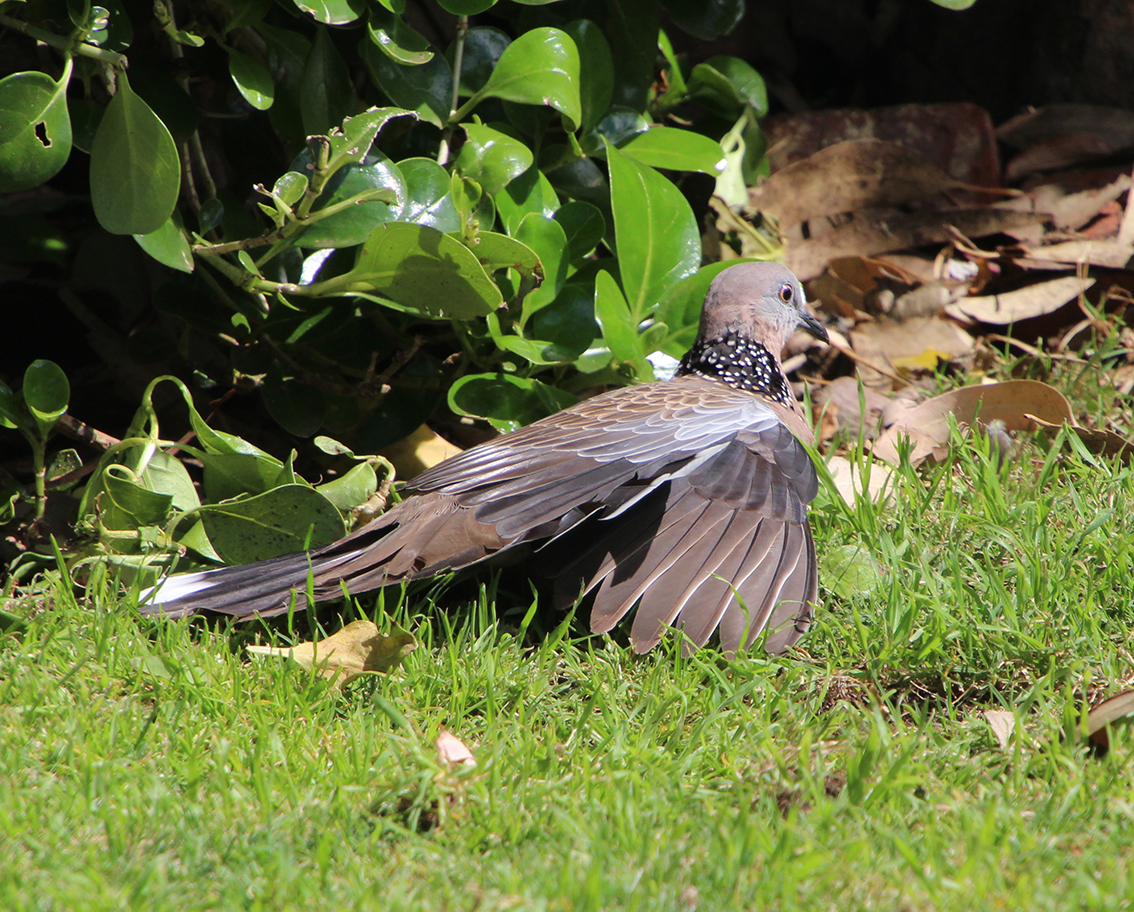
Another interesting Dove behaviour is resting in a sunny patch with one wing extended and feathers spread. Apparently, this helps the fine preening oil spread over the plumage and drives out parasites.


One of each kind


Spotted Doves are attractive birds that belong to the Columbidae family which includes pigeons. They are an introduced species. Several other kinds of birds belonging to this group are also quite common in the Adelaide area. They include: Feral pigeons or Rock Doves, Barbary or Turtle Doves and Crested Pigeons. These birds all have melodious calls and add to the diverse birdsong of our city.


Explore and enjoy your own environment and stay well and safe in these unusual times.


Cheers

Baz

 Please pass on this blog title and or contact information (URL) to any person or organisation with an interest in taking walks and enjoying wildlife in SA.

See more South Australian stories and pictures in Weekend Notes

https://www.weekendnotes.com/profile/651267/

 I have recently spent time in Africa and the link below will allow you to enjoy images and field notes describing some of my encounters with the wonderful wildlife of Botswana and Zambia. I will try to attach a new image and notes each month.

https://wildlifemomentssa.blogspot.com

Wiliamstown to Springton a Wildlife Drive

1 Jan

Dear Reader:

The paddock beyond the fence-line is characterised by open grassland still bearing a tinge of green from recent rains. There are gum trees punctuating the open expanse of pasture and a large mob of kangaroos are spread across this classic Australian landscape. Some are resting while others graze; a few have joeys in pouches or at heel.


Grazing roos


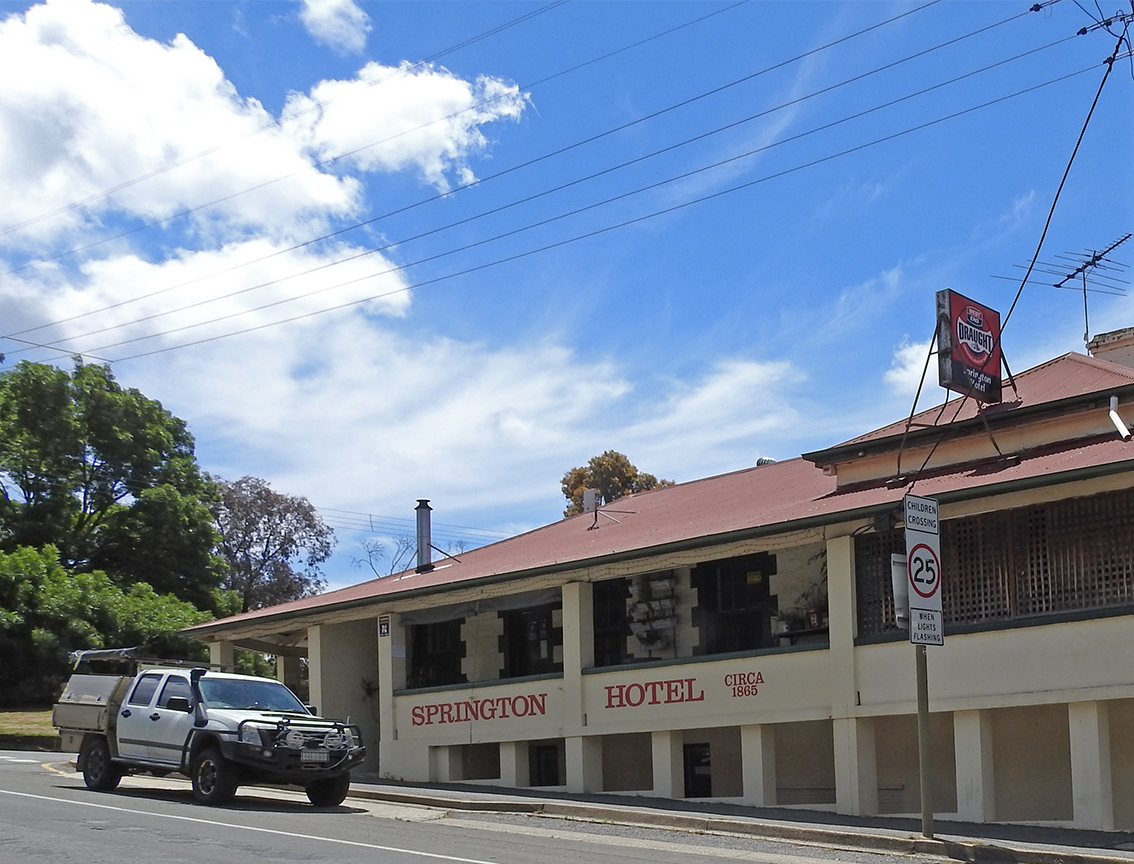
I am driving between Williamstown and Springton and despite most of the land being fenced off  each time I stop by the roadside there are many faunal and floral delights to discover. In addition, lunch at the end of the drive in the Springton Pub or morning tea at the start of my drive at the Williamstown Bakery, are wonderful refueling stopovers.


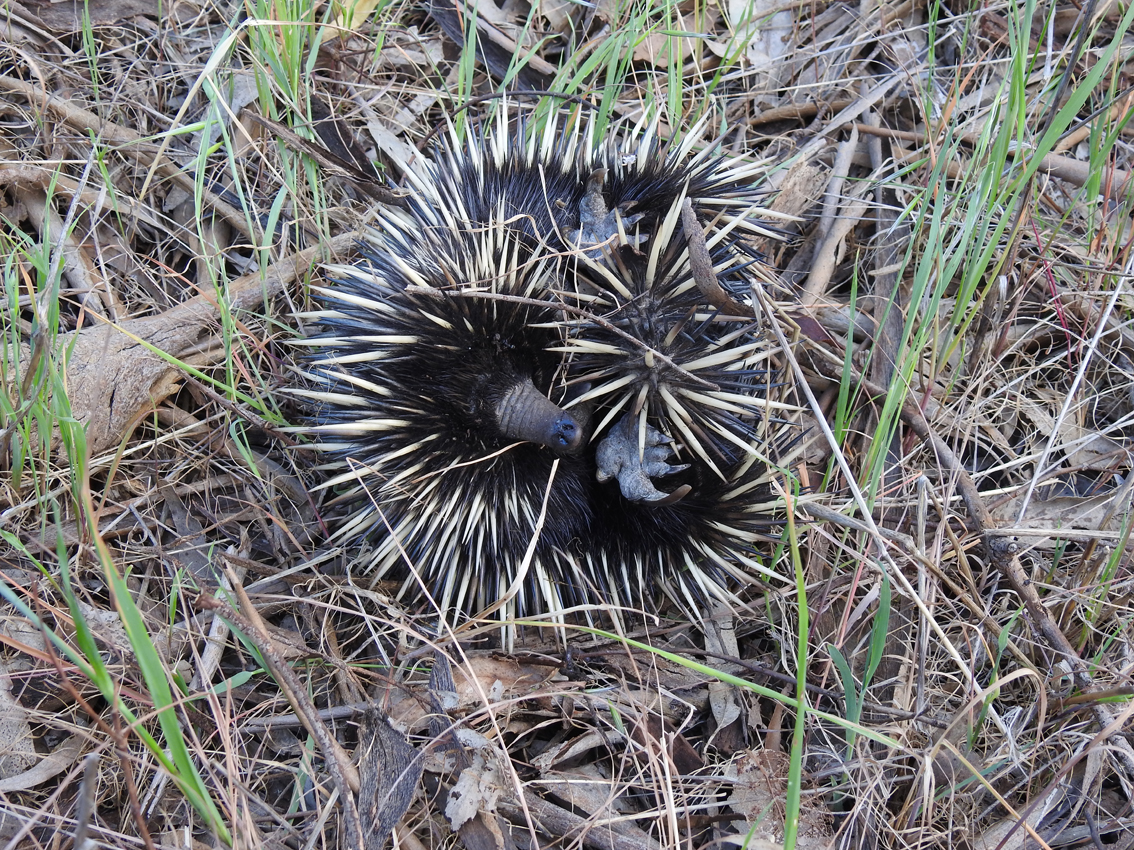
Echidna on the move


Echidna rolled and momentarily turned before righting itself

As I drive on I can see a variety of parrots in the roadside trees; rosellas, lorikeets and galahs are the dominant species. But in one very large eucalypt a group of Yellow Tailed Black Cockatoos have settled. Unfortunately they take to the air as I leave the vehicle. However, as luck would have it, I hear some rustling in the grass alongside the road and an Echidna appears trundling along in its everlasting search for termites. The fascinating animal rolls itself up and burrows down as I kneel to take a shot using the macro capability of my Nikon P900 to zoom in on its features.


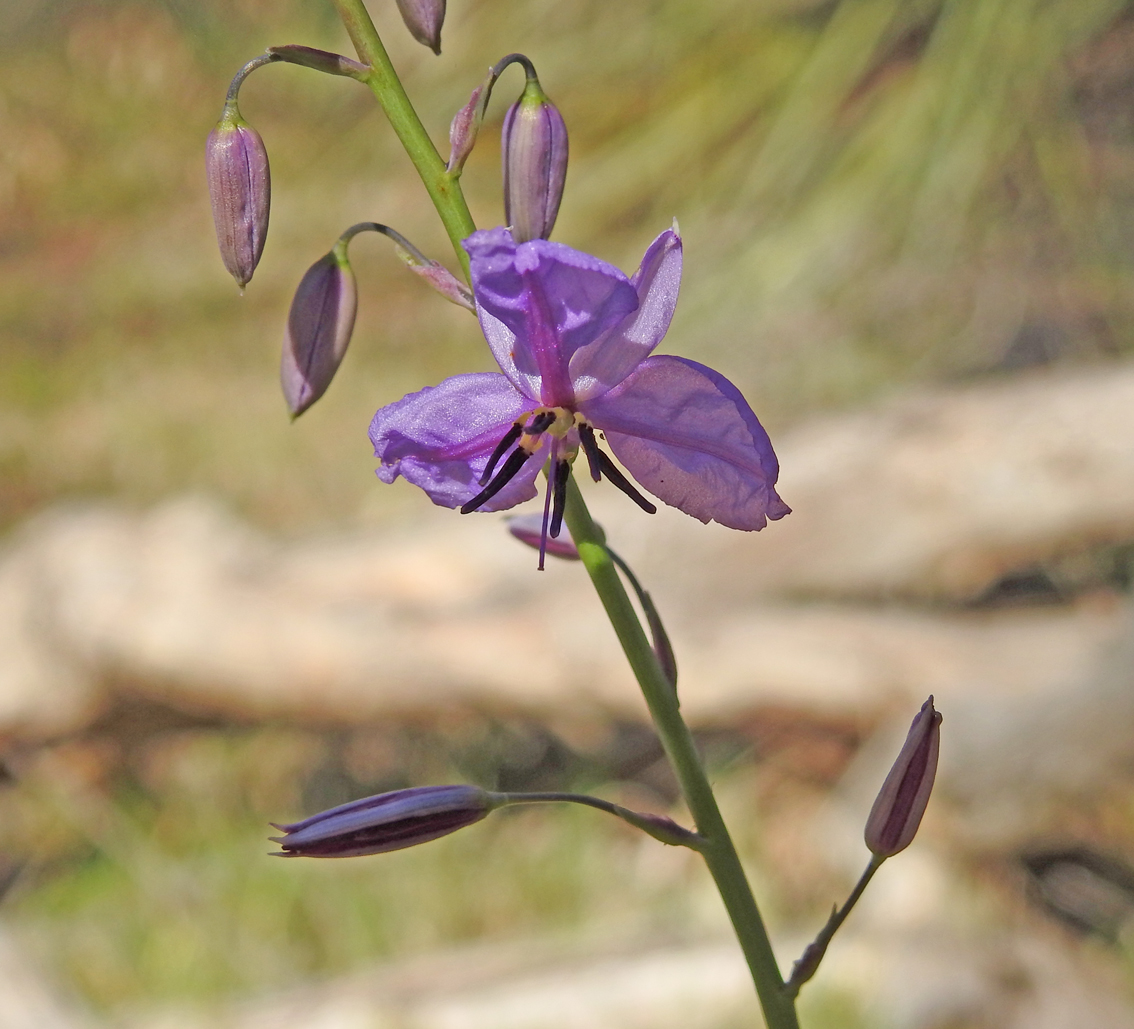
Flax Lily species


After making several more quick stops to photograph birds in the scrub, pasture and trees along the road I find a lay-by with quite a lot of vegetation. Amongst the bushes and grass I notice a small collection of lovely Purple Flax plants, just one of the many flowering natives that can be seen through this area.


Painted Lady


Cuckoo Shrike species feeding


My final stop before the return drive back through Gawler is in a patch of scrub near a farm gate where there is quite a lot of undergrowth. The area is dominated by a single massive gum that appears to attract numerous birds. Scouring the leaf litter and broken branches reveals a lovely Painted Lady Butterfly while a Cuckoo Shrike sits in a barren branch above. A wonderful way to finish my little expedition.

Cheers 

Baz

Additional notes

This is an easy drive which is quite suitable for families and seniors with facilities at both towns.  

 See more South Australian stories and pictures in Weekend Notes

https://www.weekendnotes.com/profile/651267/

By the Barrage

17 Dec

By the Barrage

Dear Reader:

A stately Australian Pelican glides across the water between the barrage and the reed beds.  This stretch of water is home to a wide variety water birds, fish and insects and even the occasional water rat.


Barrage and Pelican


Goolwa’s barrages are an intricate set of barriers between the freshwater expanses of Lake Alexandrina and the ocean. They are used to control the saline ocean water that once extended far up river under certain conditions. Locks in the barrage allows boats to pass through them giving fishers and other ‘boaties’ access to the Coorong; a long shallow waterway that runs parallel to the open ocean.


View from the track

Returning after collecting cockles

A paved road accesses the area with numerous interpretive signs explaining the history and purpose of this barrage which about five minutes from the Goolwa wharves taking Admiral Terrace which leads into Riverside Drive and then Barrage Road. Where vehicle access stops there is a small car park and a sign-posted track that leads over the sand-hills to Goolwa Beach; well known for its surf fishing and proliferation of cockles that are gathered for both food and bait.  


Pied Oystercatchers


I take the sand hill track over to the beach. There are several species of birds on the beach including; Plovers, Silver Gulls and the occasional Pacific Gulls and Common Terns patrolling the shallow waters looking for food. But it is a pair of Pied Oystercatchers that catch my eye as they delicately balance on one in the wet sand near the waterline.


Singing Honeyeater

Dune beetle


On my walk back across the dunes I focus on the numerous species of bushes, grasses and spreading ground covers that hold the dune ecosystem together. The wildlife is sparse in these harsh conditions but I do manage to find a large ‘weevil-like’ beetle foraging in some grasses and there are quite a few Singing Honeyeaters calling from the tops of bushes. There are also numerous tracks and droppings from kangaroos, rabbits and reptiles. I suspect that there is more action in the nocturnal hours.


Little Raven

Trudging through the dunes has been quite tiring; it is approaching lunch time and the wonderful bakeries of Goolwa beckon; or perhaps a pub lunch at the hotel.  As I climb into the car and head back along the lake one last animal  draws my attention. A raven is sitting on some weathered branches fluffing up its feathers and the light seems just right. Normally the all black birds are hard to photograph and the colours and reflections off their feathers seem incorrect. Down with the window, engine off to reduce vibration, rest the camera on the door frame and gently press the button. Voila… and now for lunch!!

 Cheers

Baz

 Additional notes

This is an easy drive which is quite suitable for families and seniors with parking and other facilities nearby. The walk across the sand hill track is quite strenuous though relatively short


See more South Australian stories and pictures in Weekend Notes

https://www.weekendnotes.com/profile/651267/

Barrow Beach’s Dragons

26 Nov

It is a mild afternoon; a nice time for a drive down to one of my favourite outdoor destinations. Not well known or easily accessed, Barrow’s Beach is a half hour drive from Port Pirie and about fifteen minutes from Port Germein. A Google Earth hunt will best describe how to access the area, but beware; depending on weather and your desire for adventure, 4WD is recommended.


Typical terrain


We are scouting the beach for fishing spots and enjoying some wildlife photography at the same time. As we come off the track onto the beach I notice a group of Rose Breasted Cockatoos (Galahs) fossicking in the seaweed that has been washed up during stormy weather and high tides. Worth a shot as this is not their usual environment.


Beachside cockies


Further along the beach where the sand is quite tricky to negotiate a mixed flock of Pied Cormorants and Common Terns are resting on a sand bar. As we approach they take flight creating a lovely image as they pass low across the shallow water with the muted outline of the Flinders Ranges as a backdrop.


Formation flying


It seems that our drive is turning out to be more about wildlife than fishing. And our next few encounters highlight that idea. My fishing partner and driver Geoff traverses the beach and heads a back along a pot holed track overgrown with  wiry bushes and stunted trees . We stop several times to explore likely areas where reptiles, shore birds and even the odd kangaroo might be hiding.


Stay away


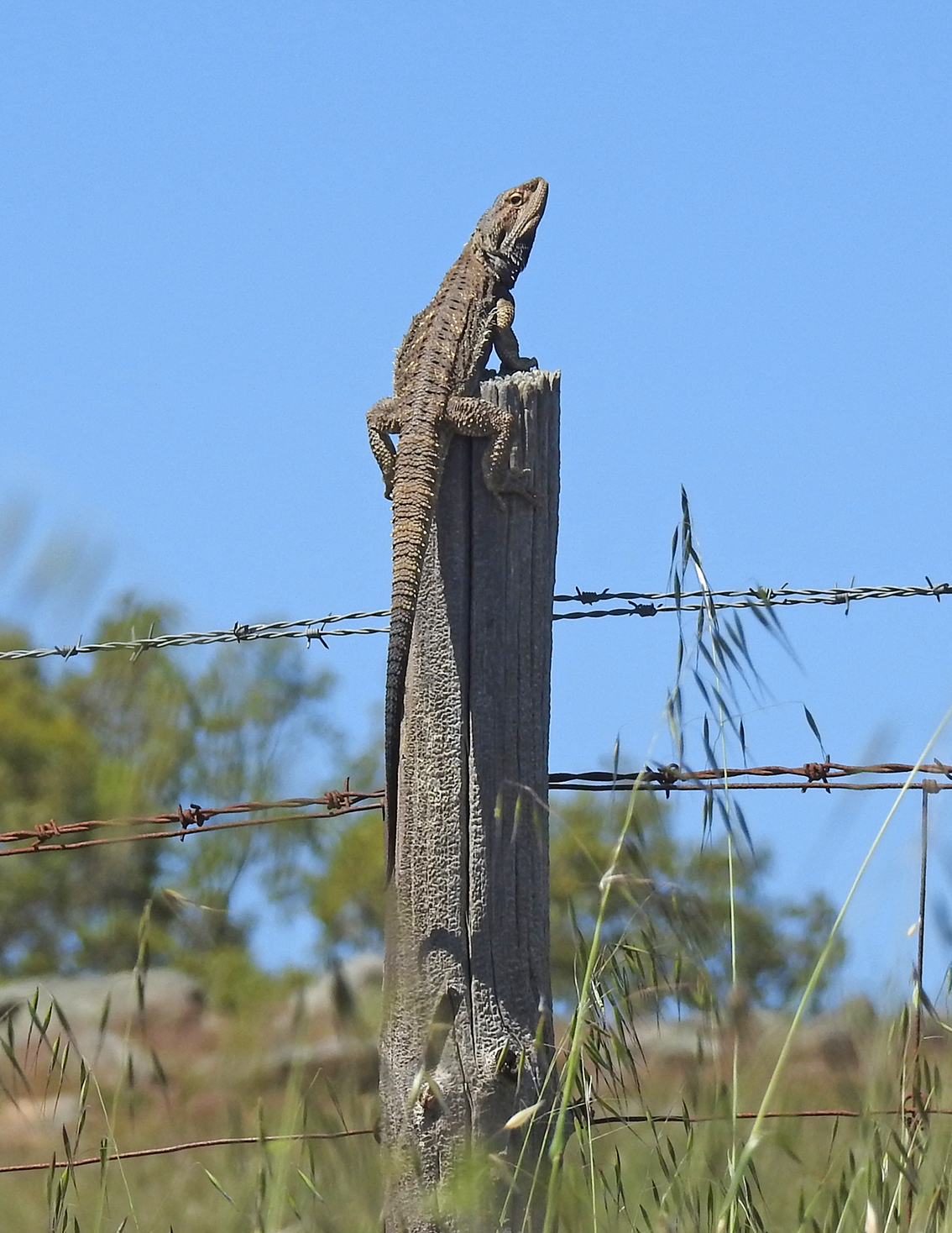
Kangaroos and shore birds do not seem to be on the menu in this area but we do flush out three separate species of lizards; a Shingleback, Bearded Dragon and a little Painted Dragon. Wonderful to see so many kinds of lizards in such a short period of time.


Glimpse of a dragon


Bearded dragon

Our trip is not ended and there is still much to see among the mangroves and little channels that flow through them but I shall leave that part of my adventure for another post in the future.

Cheers

Baz

Additional notes

This is a challenging drive with no facilities available. However once at the location walking is easy enough.

See more South Australian stories and pictures in Weekend Notes

https://www.weekendnotes.com/profile/651267/

 I have recently spent time in Africa and the link below will allow you to enjoy images and text describing some of my encounters with the wonderful wildlife of Botswana and Zambia. I will try to attach a new image and notes each month.

https://wildlifemomentssa.blogspot.com