Tag Archives: wildlife

Normanville’s Big Gorge Walk Part 2

24 Jul

Dear Reader:

(30/6/25,12.05, Clear sky and around 18, light wind)

Numerous aged River Red Gums line the watercourse. I remove a few strips of bark to investigate the different animals that shelter there. A Marbled Gecko scuttles out and freezes relying on its camouflage to escape detection.

Marbled Gecko and Pie Dish Beetles

In part 1 of this story (June 7th Post) I had just passed the ruins and was nearing the end of this short but fascinating trail. I will pick up from there and relate the walk to the end of the trail and back by referring to my field notes. Conditions were recorded on my Apple watch.

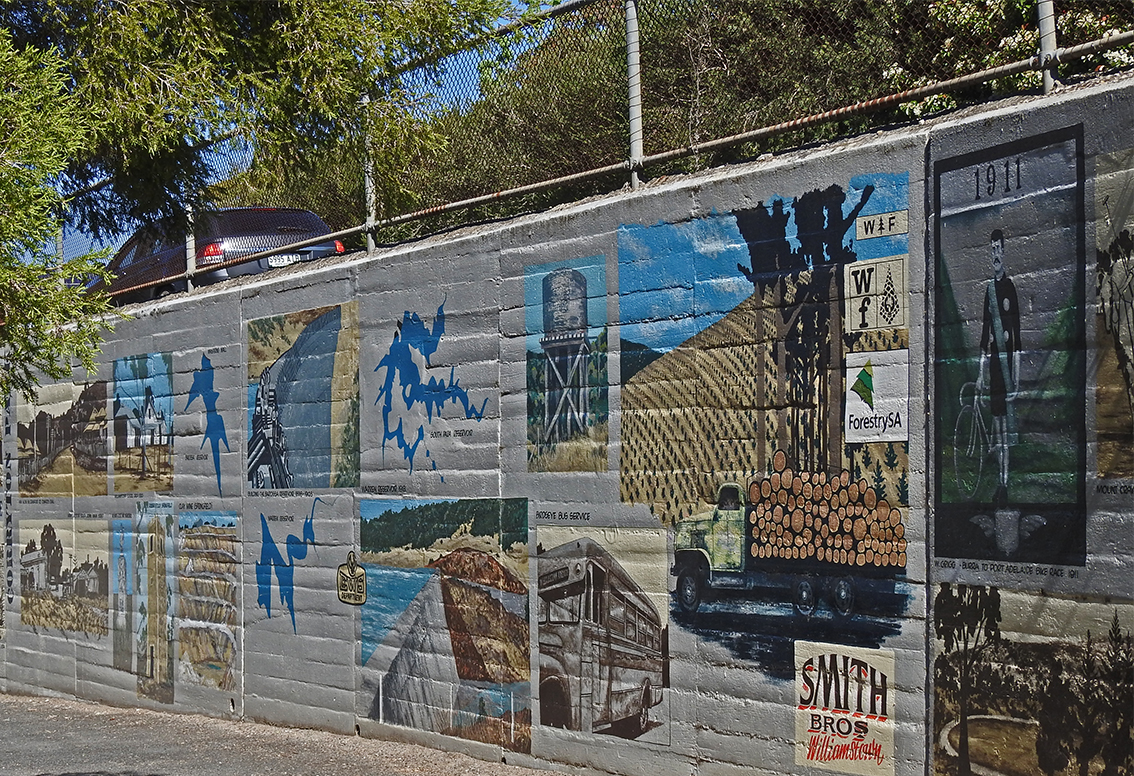
End of the walk with information about Colonel Light’s exploration of the area

(30/6/25,12.13, Clear sky and around 18, light wind)

Amongst a tangle of branches I can just make out the shape of a large dark bird. I zoom in and pick up the white fringes to its tail and prominent yellow eye…A Grey Currawong.

Grey Currawong

(30/6/25,12.14, Clear sky and around 19, light wind)

Scanning further into the trees, I pick up the distinctive red breast and blue wings of an Adelaide Rosella. The rosella is not the only parrot in the area. There are small groups of Short-beaked Corellas in the canopy and an occasional Galah flying past.

Adelaide Rosella
Short-beaked Corellas

(30/6/25,12.25 Clear sky and around 18, light wind)

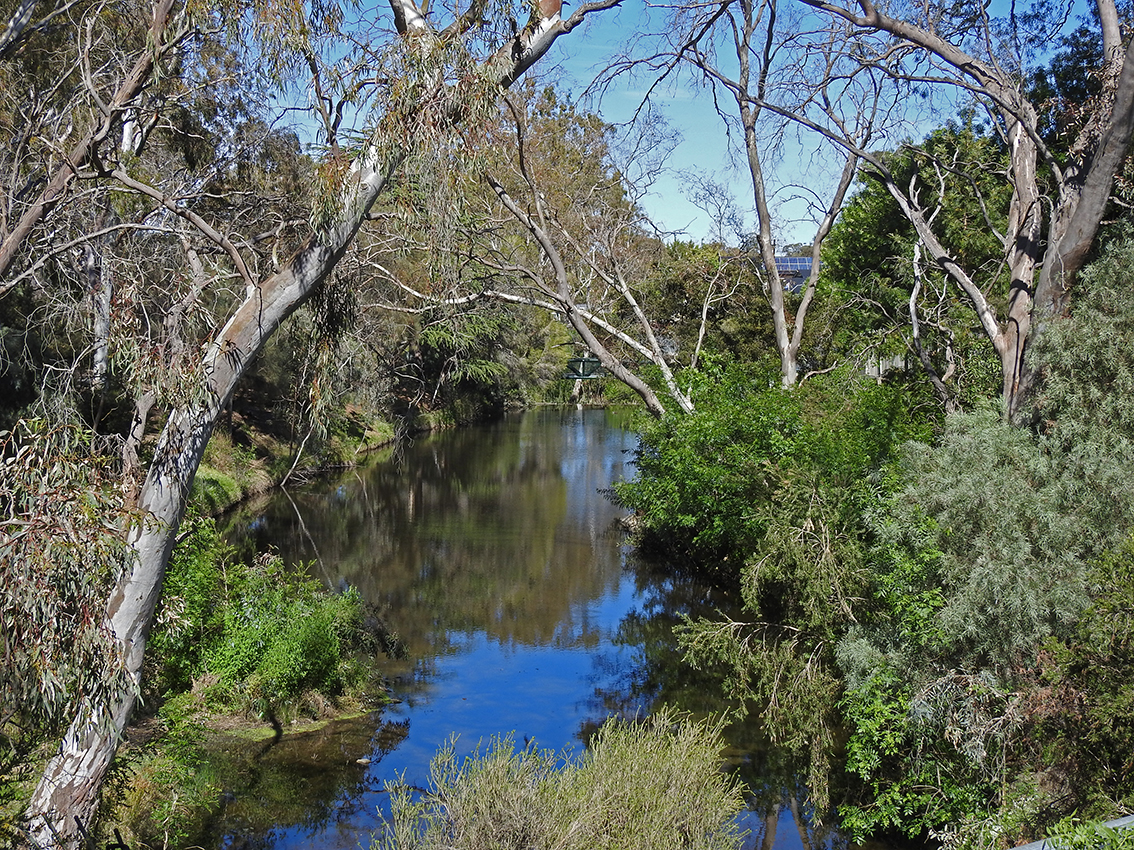
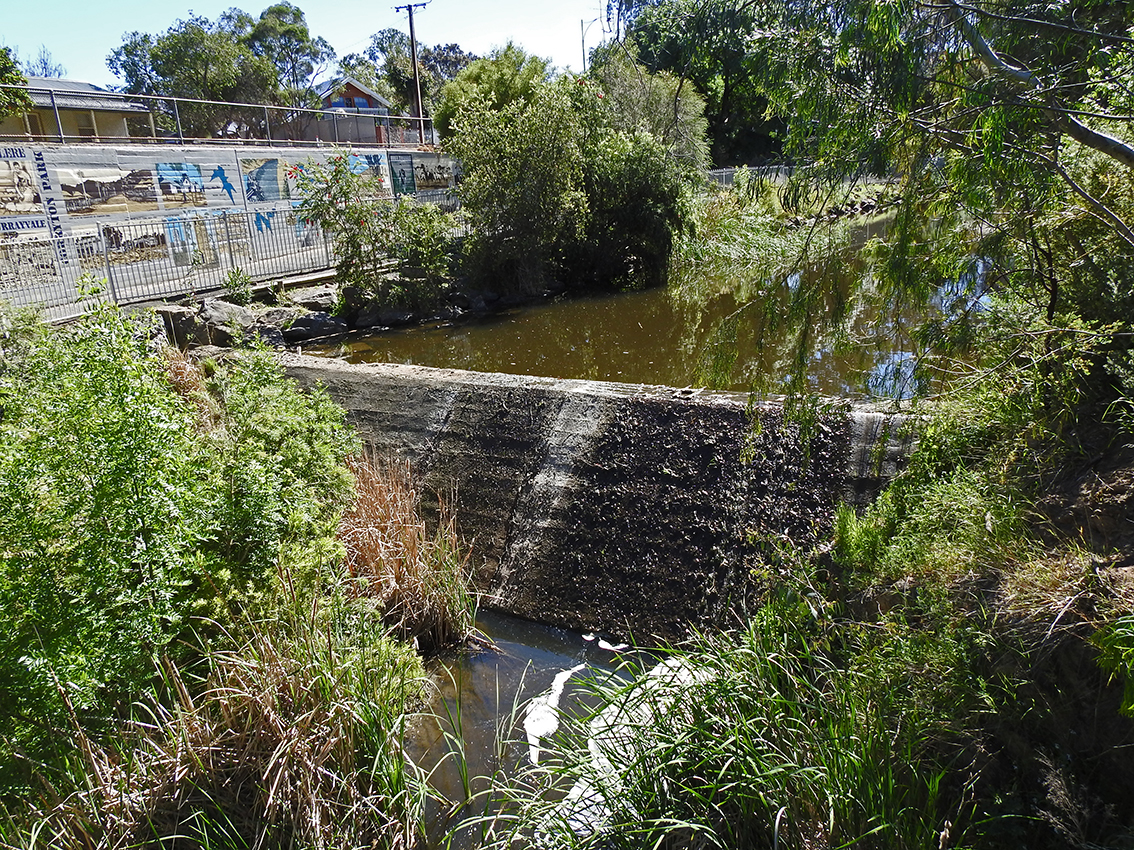
I leave the trail and walk closer to the creek and try to capture essence of this beautiful Gorge with a couple of scenic images.

Yankallila River
Surrounding hillsides with sheep grazing

(30/6/25,12.42 Clear sky and around 18, light wind)

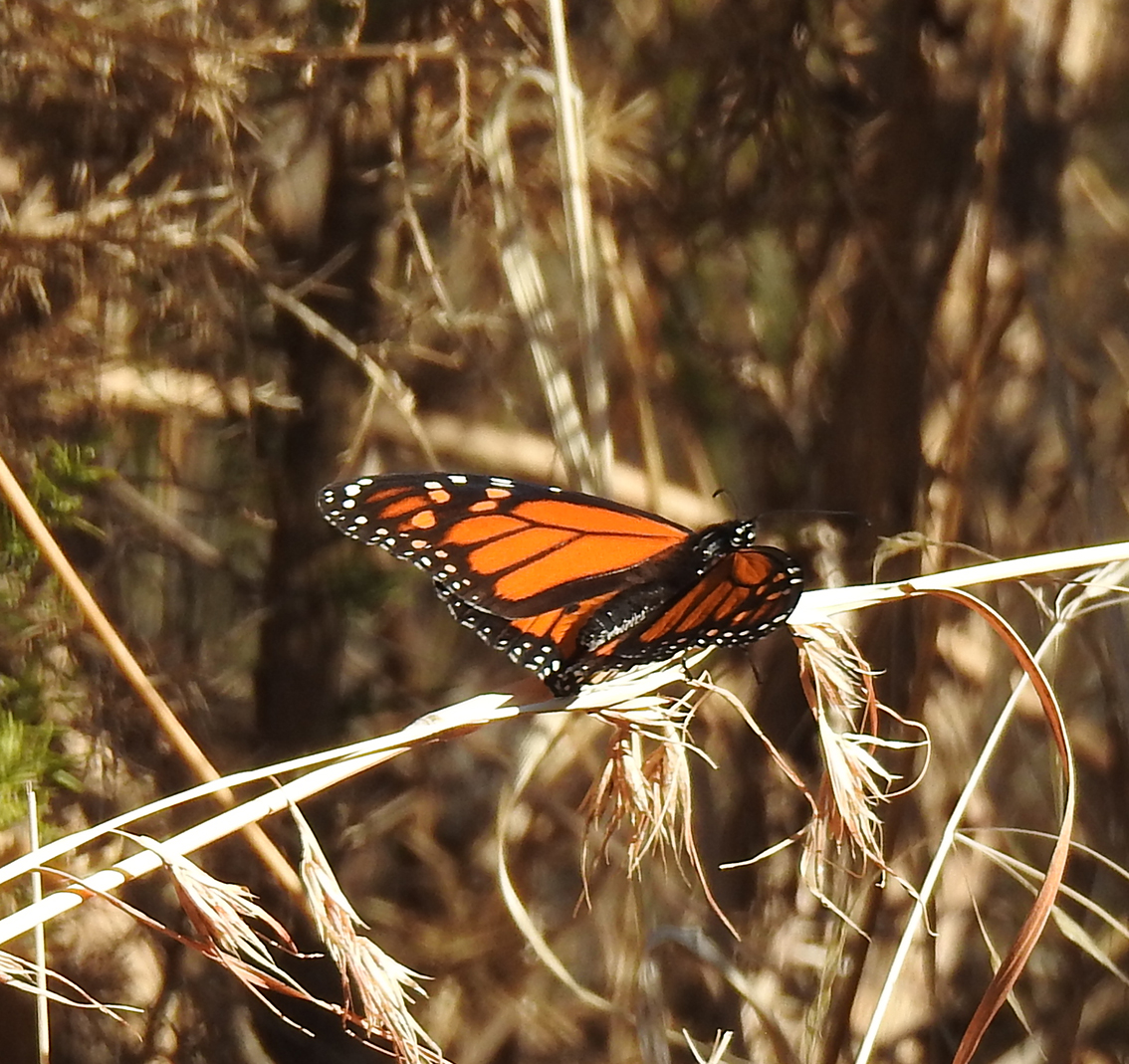
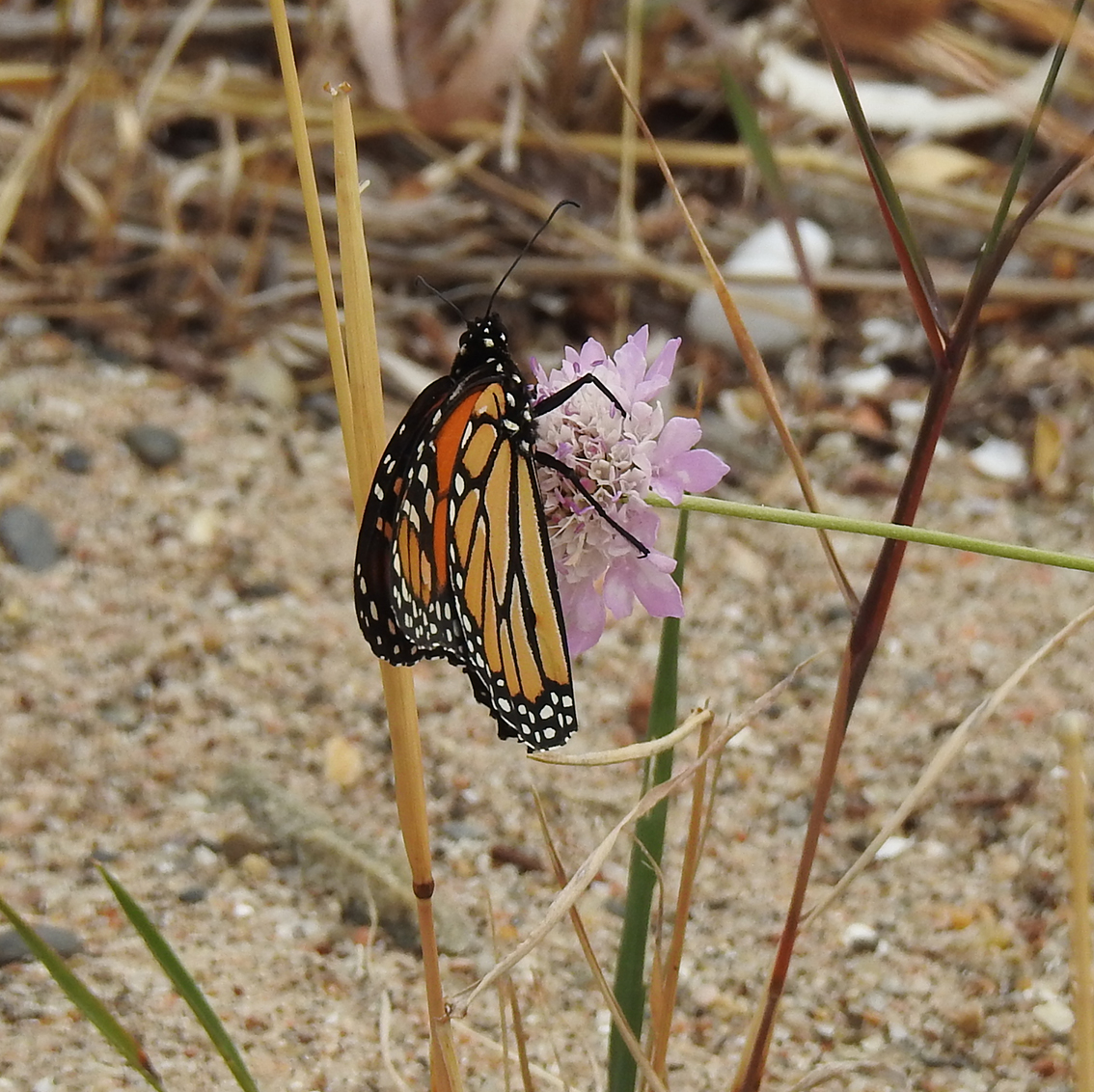
I am almost back at the trailhead when I notice a small group of Silvereyes in a bush. They are probably the same birds I photographed earlier (7th June post). To my surprise, considering the season, I notice a Monarch Butterfly perched on a small branch near the track.

Late season Monarch Butterfly

(30/6/25,12.55 Clear sky and around 20℃, light wind)

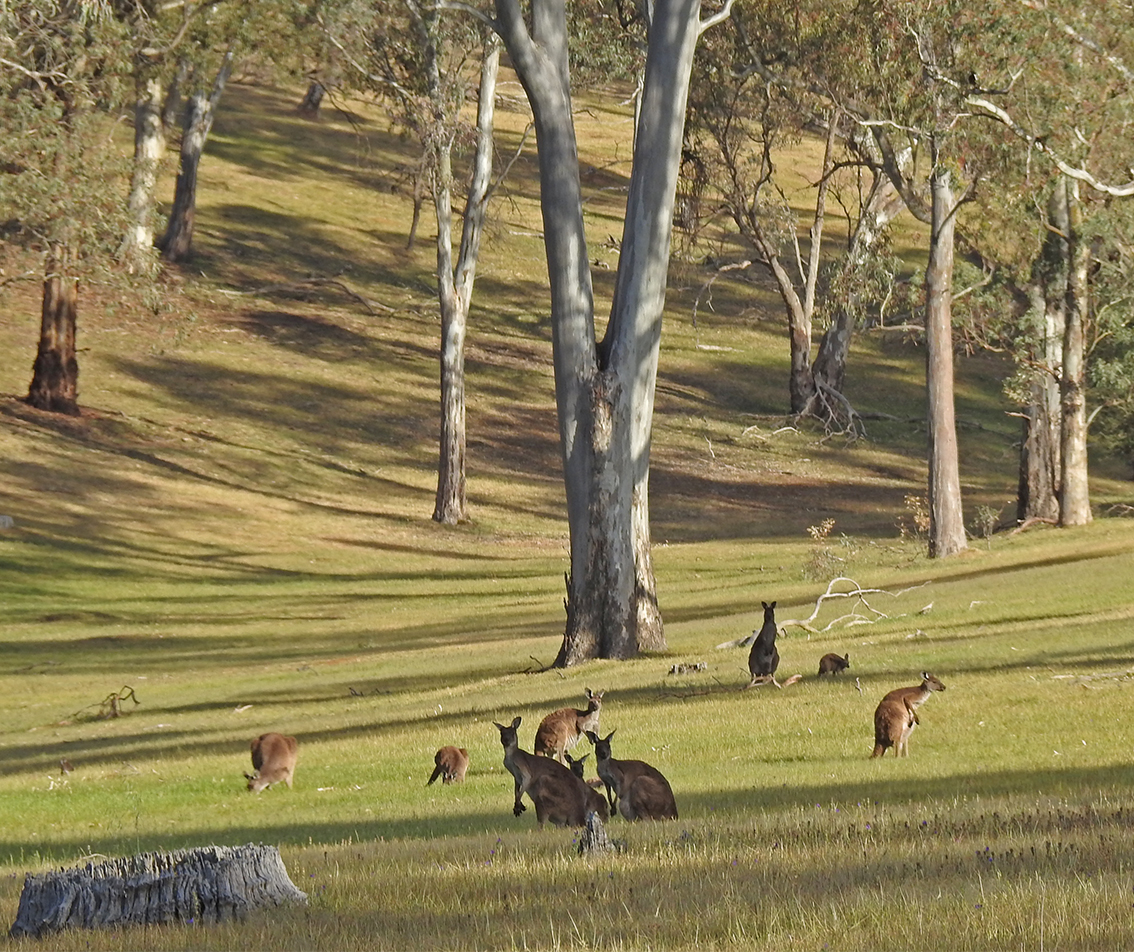
I reach the Norm Garnet Park, pack up my gear and head back to the city. I have been surprised by the lack of Western grey Kangaroos, as I know they are prolific in this area. However, the gods of wildlife photography decide to rectify the problem and I come across a dozen or so ‘roos’ grazing in a fenced paddock, just a few kilometres shy of Normanville.  

Western Grey Kangaroos grazing on farmland

Cheers

Baz

Additional notes

Other animals see, heard but not photographed

The camera used for this post is a

This is an easy walk/drive which is quite suitable for families and seniors with public toilets, barbecues, parking and other facilities nearby. It is dog friendly.

Please pass on this blog title and or contact information (URL) to any person or organisation with an interest in taking walks and enjoying wildlife in SA.

Click on these links and see more South Australian stories and pictures in my Weekend Notes articles as well as locating similar blogs on Feedspot’s top 20 Australian wildlife blogs

https://www.weekendnotes.com/adelaide/writer/452/
https://blog.feedspot.com/australian_wildlife_blogs/

Normanville’s Big Gorge Walk…….part 1

17 Jun

Dear Reader:

Tiny birds are feeding in the canopy of a massive Red River Gum on the edge of the river bed. Scanning the area with the telephoto of my Nikon P900, I spot a diminutive Thornbill.

Thornbill species

Garnet Kelly Park on the southern side of Normanville is the start of the Great Gorge Walk. This charming track of around 3Kms return follows a path walked by explorers and traversed by later settlers.

Park entrance near the old bridge
Alongside the river

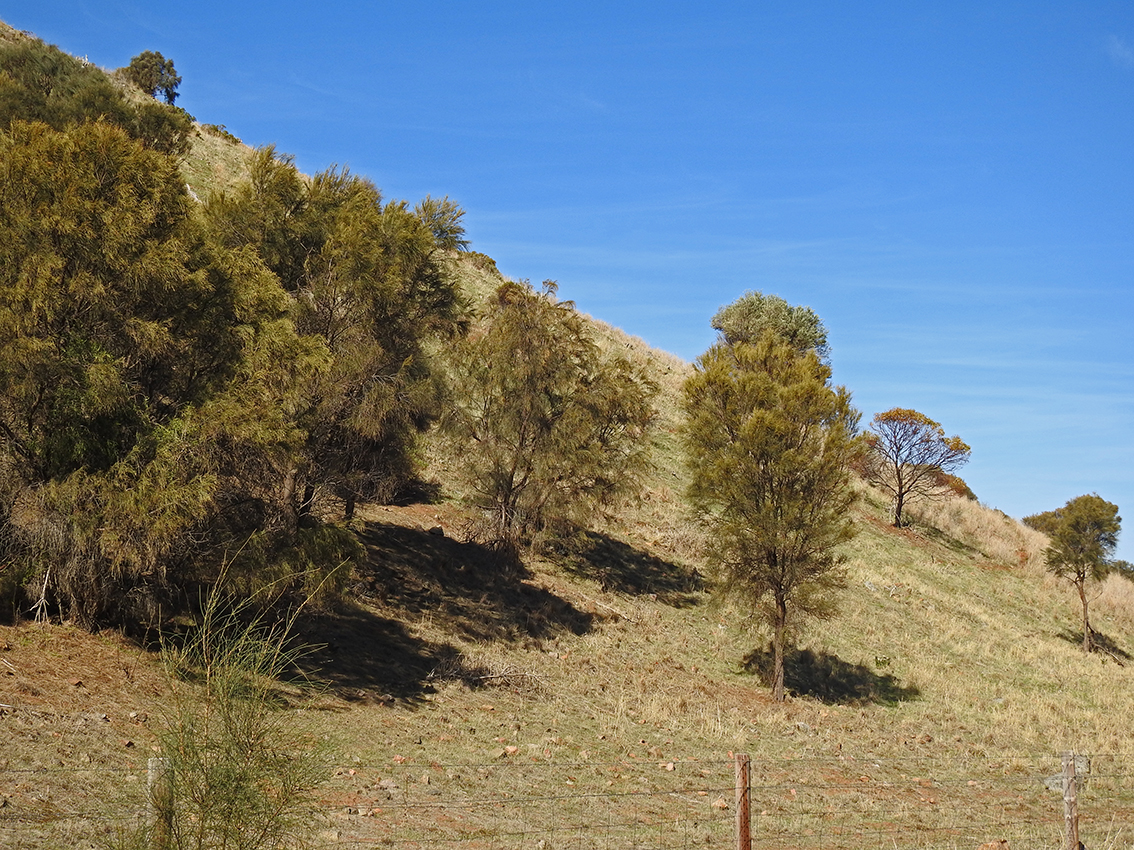
River Red Gums, Sheoaks and Acacia bushes are part of a complex and varied flora.

Sheoaks on hillside, private property bordering the walk

Information placards at the start of the walk and along its route tell the story of the bridge, pathway and the local soldier which the park is named after.

One of numerous informative signs on the walk and in the park

Small birds seem to be prolific in the first kilometre of the walk and I manage to photograph Fairy Wrens, Silvereyes and White-browed Finches. Most of the shots are taken at distance and emphasise the need for a good telephoto lens in this area.

Silvereye feeding on reed-like grasses near a pool in the river bed

I notice small groups of Sulphur-crested and Rose-breasted (Galahs) Cockatoos flying overhead. A few land to feed on the ground while others perch in nearby trees. They advertise their presence with a screeching, almost prehistoric, call.

Sulphur Crested Cockatoo

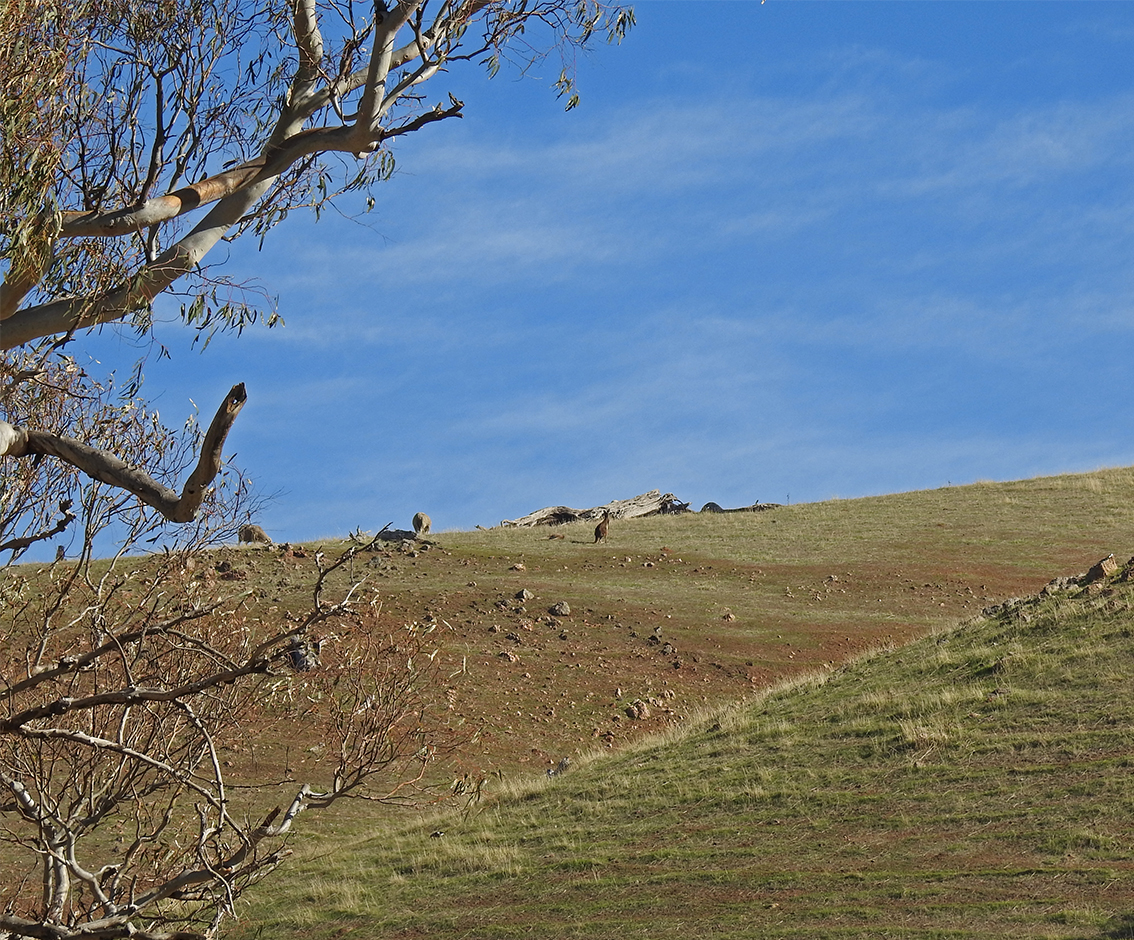
The weather is too cold for reptiles and I see only a few rather tattered looking butterflies. However, there are sheep with lambs in tow, on the hillsides. A closer look on one ridge reveals a lone Western Grey Kangaroo grazing alongside a couple of sheep.

Hilltop grazers

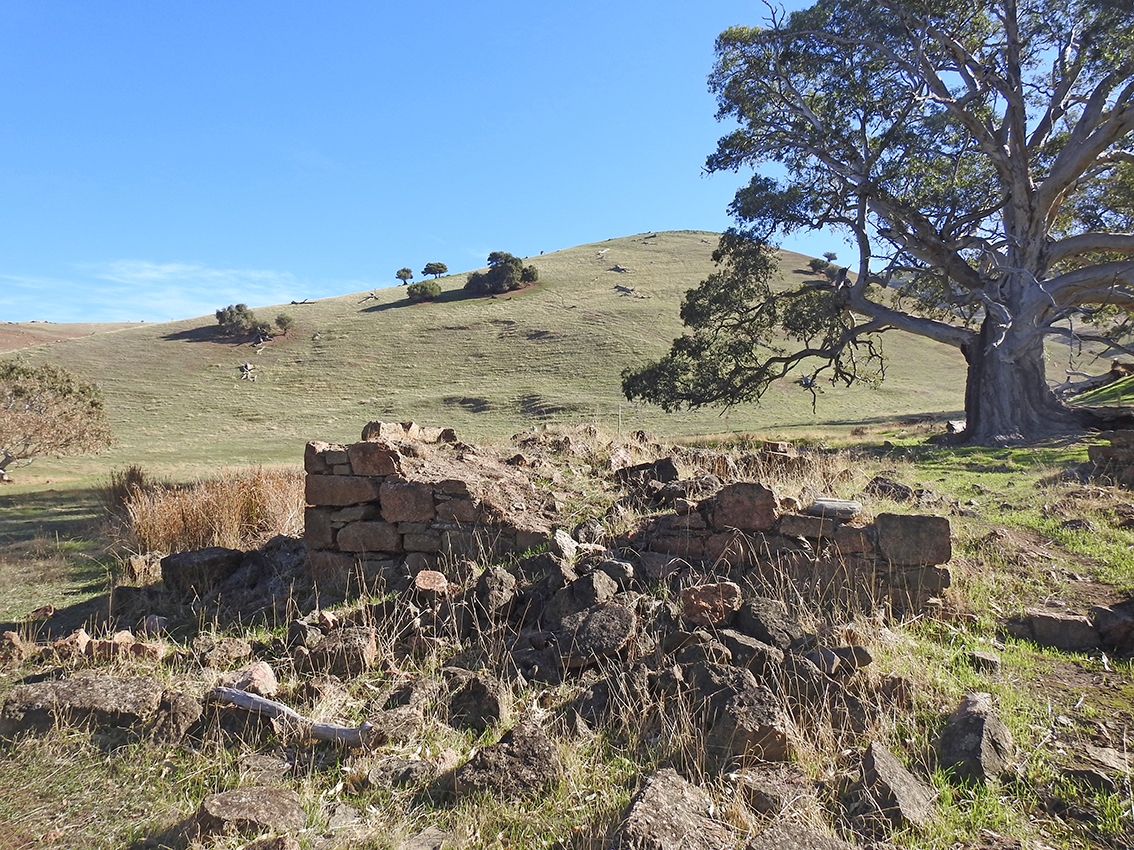
Glancing at the distance reading on my Apple watch, I realise I am almost at the half way (1.5 Km) point of this walk. Though the wildlife and scenery have been both interesting and varied, my writer’s mind wants a little more variation for an article. It comes in the form of an old ruin.

Remains of a once substantial building
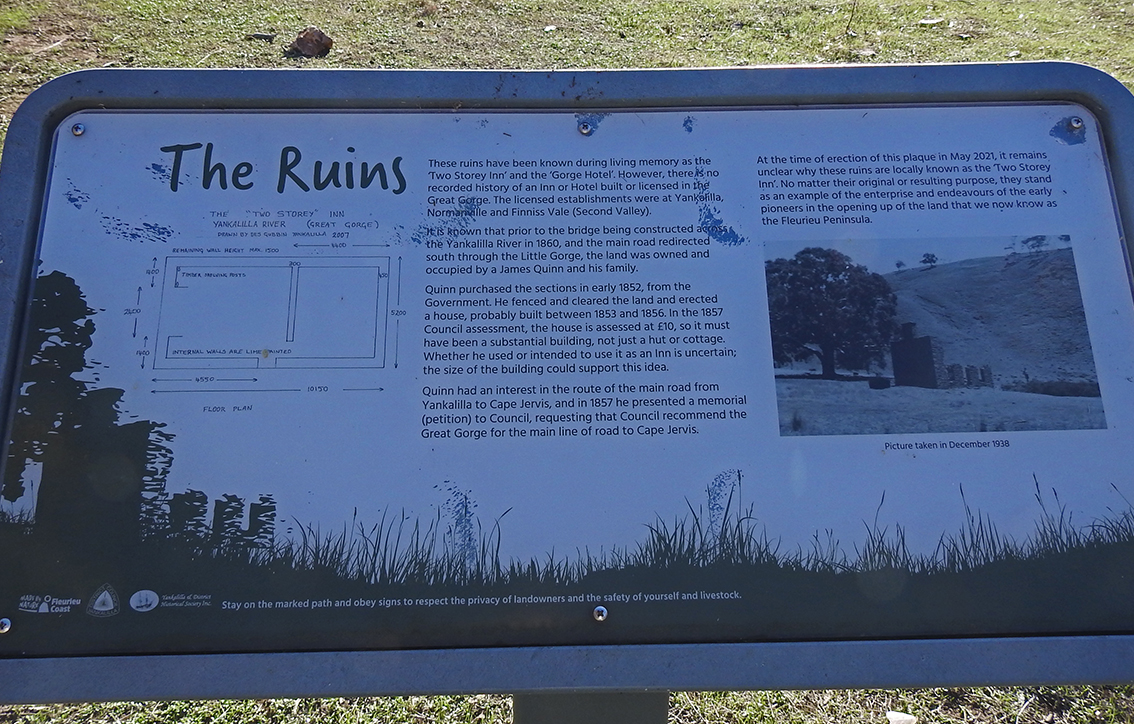
Historical placard near the ruins

The exact nature of the ruin is a little unclear and an information plaque provides some different alternatives. Nevertheless, this old structure and its history provides yet another reason to take this truly beautiful walk on the Fleurieu Peninsular………….to be continued.

Cheers

Baz

Additional notes

The camera used for this post is a Nikon P900

This is an easy walk which is quite suitable for families and seniors, Dogs must be kept on a lead.

Please pass on this blog title and or contact information (URL) to any person or organisation with an interest in taking walks and enjoying wildlife in SA.

Click on these links and see more South Australian stories and pictures in my Weekend Notes articles as well as locating similar blogs on Feedspot’s top 20 Australian wildlife blogs

https://www.weekendnotes.com/adelaide/writer/452/
https://blog.feedspot.com/australian_wildlife_blogs/

Wirrina Foreshore Reserve

25 Mar

Dear Reader:

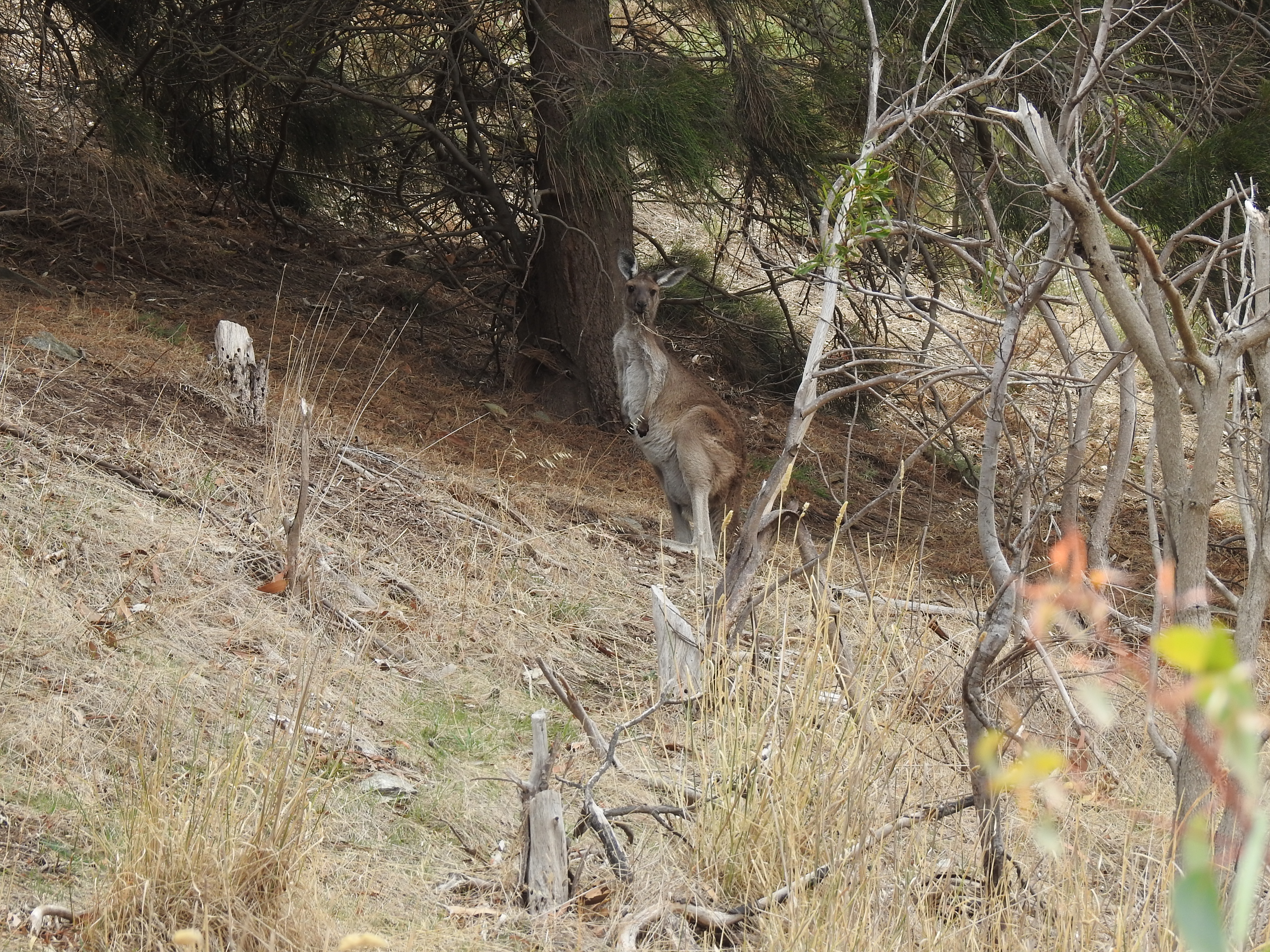
The Western Grey Kangaroo stops feeding and looks at me, twitches its ears then hops deeper into the bushes where it is joined by a second roo.

Western Grey Kangaroo
Then there were two

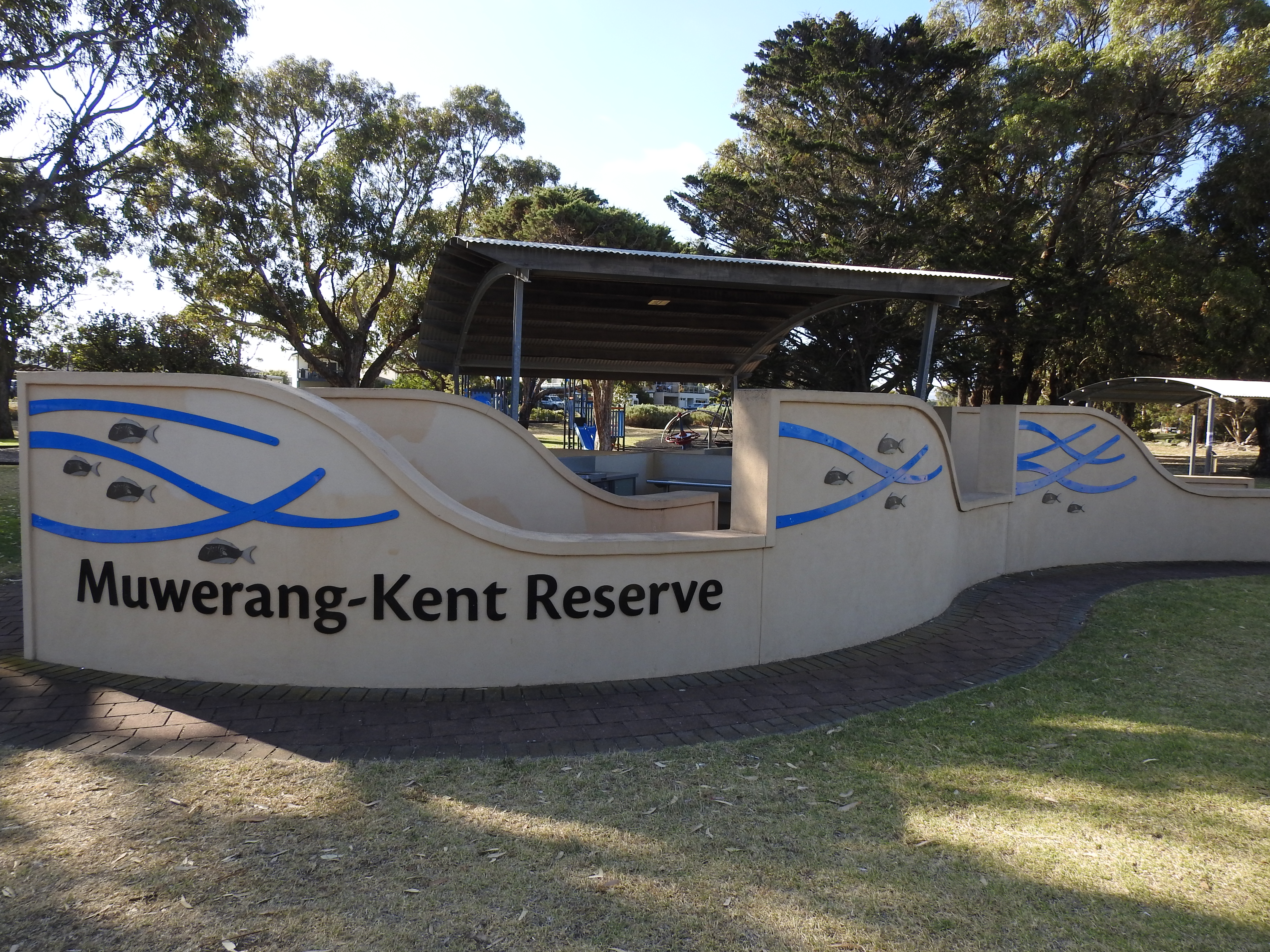
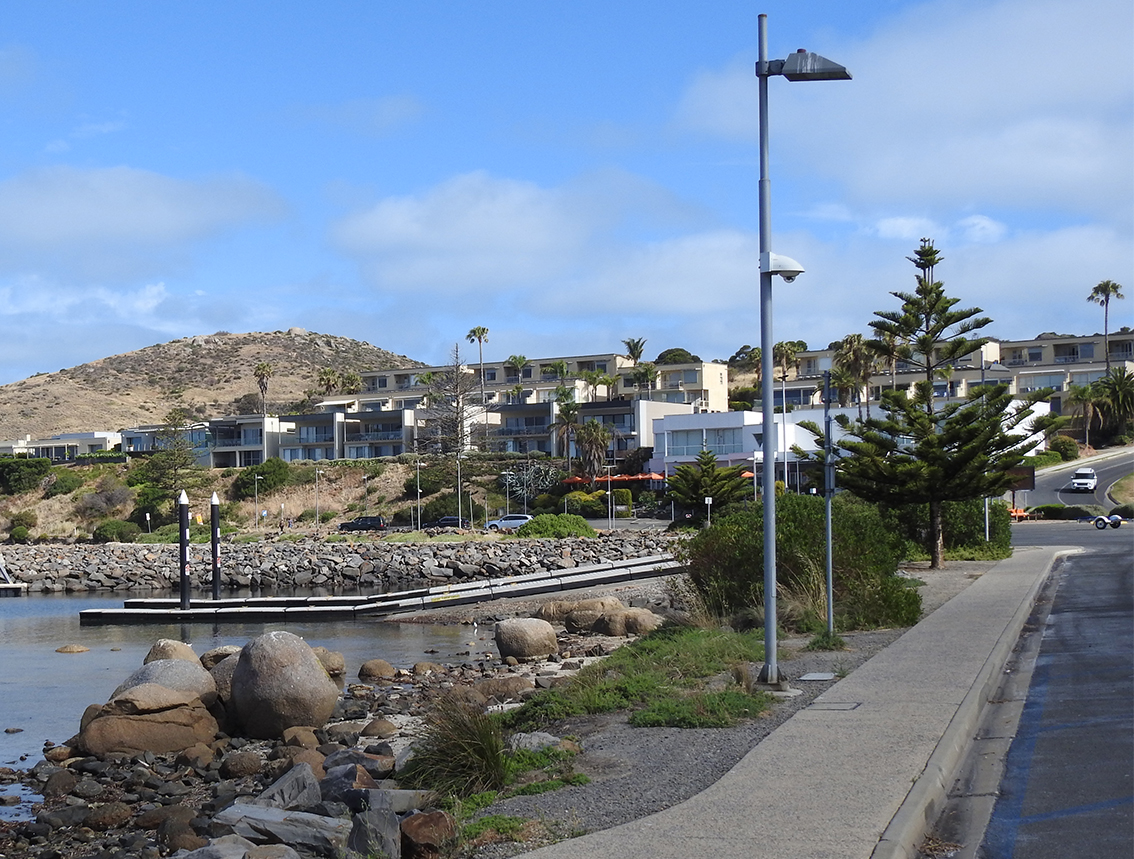
I am driving along the access road to Wirrina Cove marina, where I will walk along the Wirrina Foreshore Reserve. It is a rather overcast day which adds a few extra photographic challenges.

Beginning of the walk

Like other parts of the Fleurieu the story told by the rock formations is fascinating. The areas geoheritage includes: deep sedimentary basins, massive plate tectonic collisions, glaciation and mountain formation.

Rock formations along the shoreline

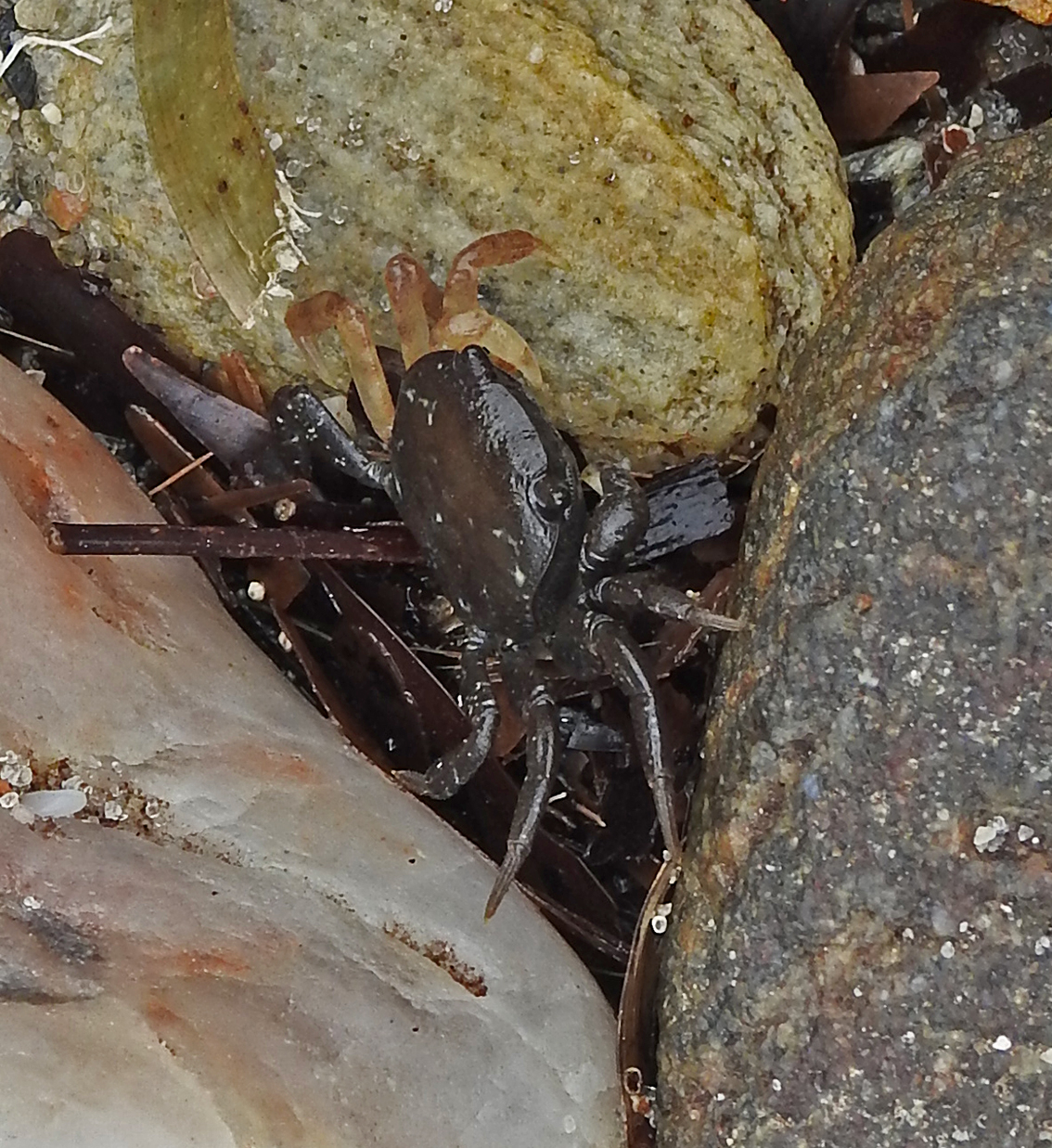
At low tide the rocky foreshore is a maze of rockpools. Within each of these ecological niches lives a wonderful variety of marine organisms such as anemones, sponges, seasnails and crustaceans; to mention just a few.

Shore crab species on the edge of a rockpool
Turban Shell

Banks of seaweed cover some parts of the shoreline and I am amazed to see an Australian Magpie probing the weed. Closer observation suggests it might be gathering nesting material.

Australian Magpie in seaweed pile

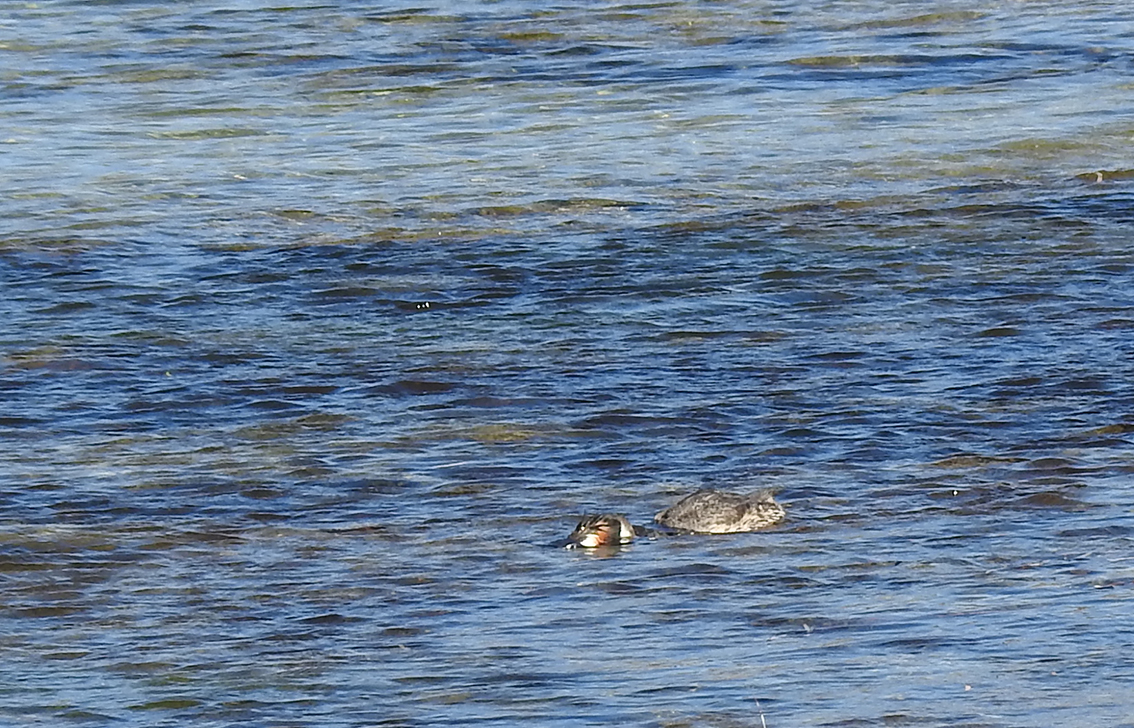
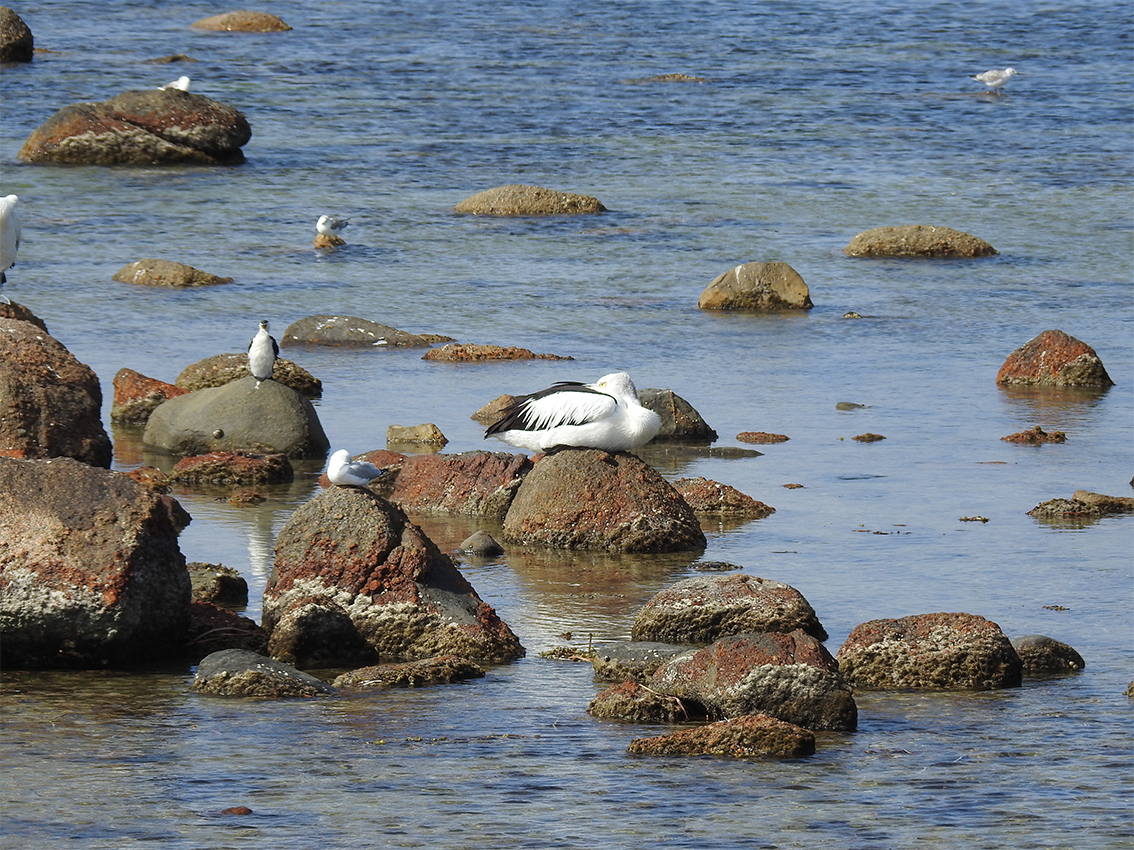
After spending some time exploring the edges of the pools, I move back to the trail to capture a few images of the typical birdlife. There are White-faced herons stalking the shallows, Pied Cormorants and Masked Lapwings resting on the rocks and a pair of grebes further out to sea.

White-faced Heron

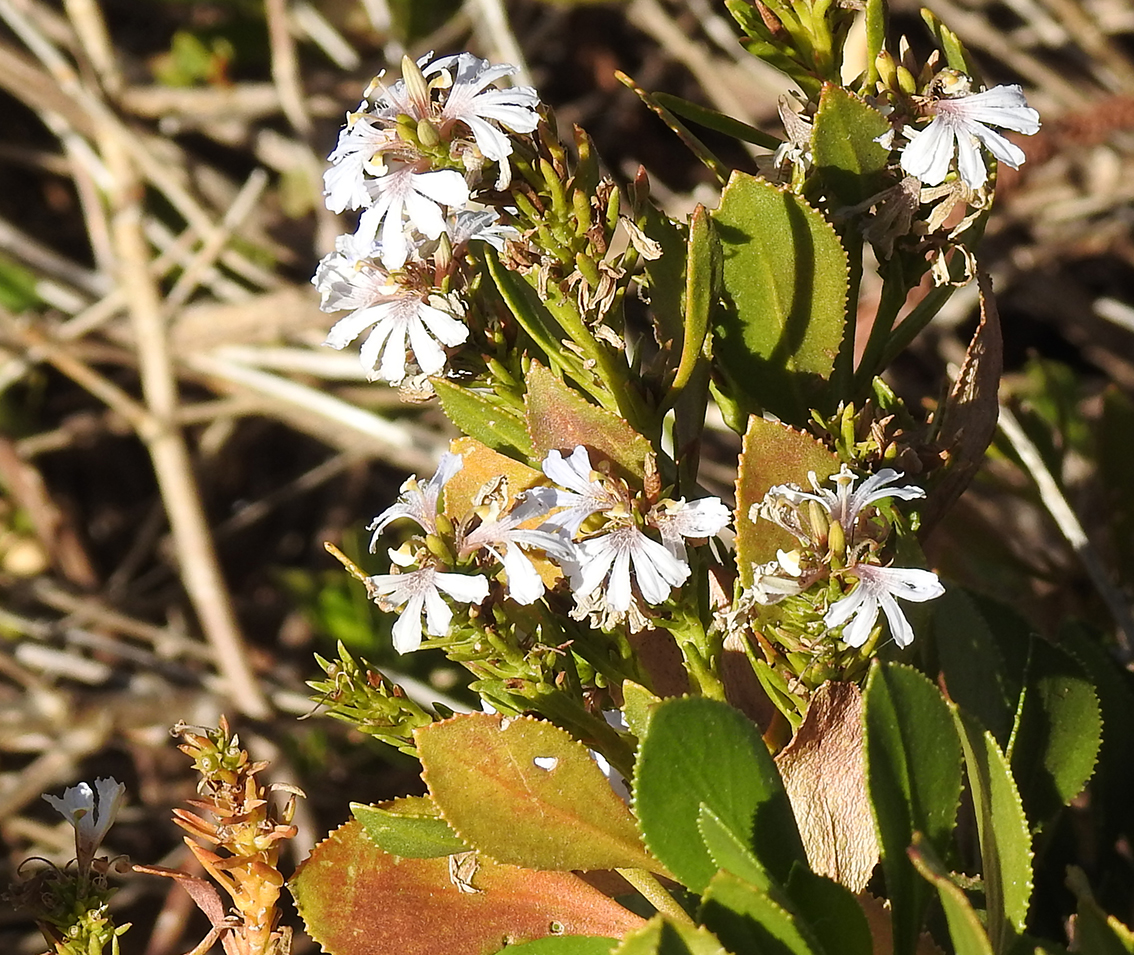
Having captured images of molluscs, birds, crustaceans and marsupials, I turn my attention to plants, insects and other life forms. Butterflies and native bees are feeding on flowering Scabia blooms, lichens coat the rock formations and Cushion Bushes colonise niches in the rock formations.  

The weather closes in and it is time to leave the walking trail. However, I am determined to return on a warmer, sunnier day with some snorkeling gear to further explore this fascinating area.

Cheers

Baz

Additional notes

The camera used for this post is a Nikon Coolpix P900

This is an easy walk and drive which is quite suitable for families and seniors. It is dog friendly.

Please pass on this blog title and or contact information (URL) to any person or organisation with an interest in taking walks and enjoying wildlife in SA.

Click on these links and see more South Australian stories and pictures in my Weekend Notes articles as well as locating similar blogs on Feedspot’s top 20 Australian wildlife blogs

https://www.weekendnotes.com/adelaide/writer/452/
https://blog.feedspot.com/australian_wildlife_blogs/

, , , , , , , , ,

Driving the James Track to the Myponga Conservation Park

11 Mar

Dear Reader:

A Short-billed Corella perches in the fork of a gum tree. Its raucous call resonating through the still morning air.

Short-billed Corella

I am driving the largely unsealed road between Myponga and the conservation park of the same name. For a summer’s day, it is refreshingly cool but the dryness of the surrounding countryside tells a different story.

James Track

A few minutes after seeing the corella, I catch a glimpse of a group of Straw-necked Ibises strutting through the pale, yellow grass. They turn to watch me then fly off towards the coast.

Straw-necked Ibises

Further down the road there are dozens of Rose-breasted Cockatoos (Galahs) in a stand of trees. All but one takes to the air as I leave the car to take a shot of them. The plucky little bird drops out of the gum tree and hops onto an old, circular concrete well and starts to drink.

Just taking a little drink

The road takes a sweeping bend and starts to climb. I find a good vantage point and scan the broad expanse of dry pasture with my telephoto lens. What I missed from the vehicle soon becomes apparent. There are Western Grey Kangaroos scattered across the landscape in small groups of two to six animals.

Roos in the landscape
Western Grey Kangaroo (through the telephoto lens)

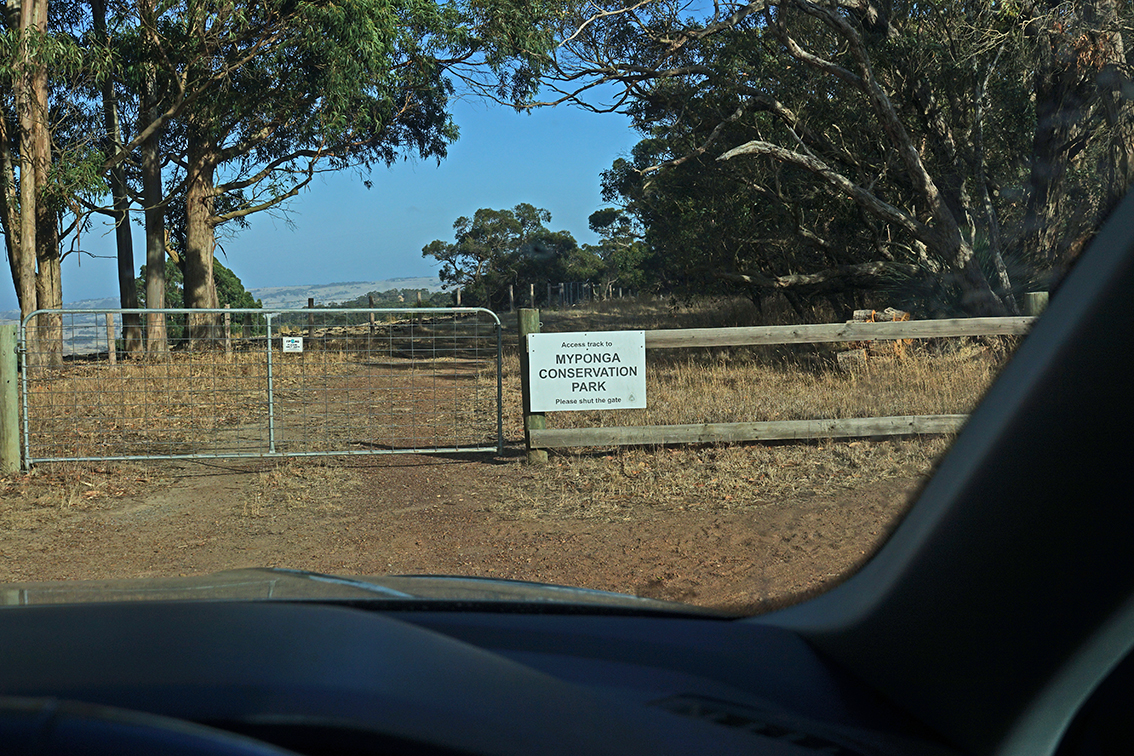
The terrain changes from lightly wooded pasture to scrub with an overstory of smaller eucalypts. Several kilometres on, I reach a gated entrance to the Myponga Conservation Park alongside a local property.  

Change if terrain near the park

Taking care to close the gate behind me I drive through a combination of rolling hills, farmland, and dense scrub. The track is about two kilometres long and ends in an open space wide enough to turn around.

Inside the park

Two trails; The Echidna and Wren, branch off from the end of the road into the park and alongside some farmland. As a bonus, there is a spectacular view across the hills towards the ocean.

Trails at the end of the park

My goal for today achieved, I drive back along the trail. At the gate I meet a local property owners and chat to him about the area. He tells me that the park is best explored in spring when the plants are in flower providing food for a range of animals.

Myponga Conservation Park gate

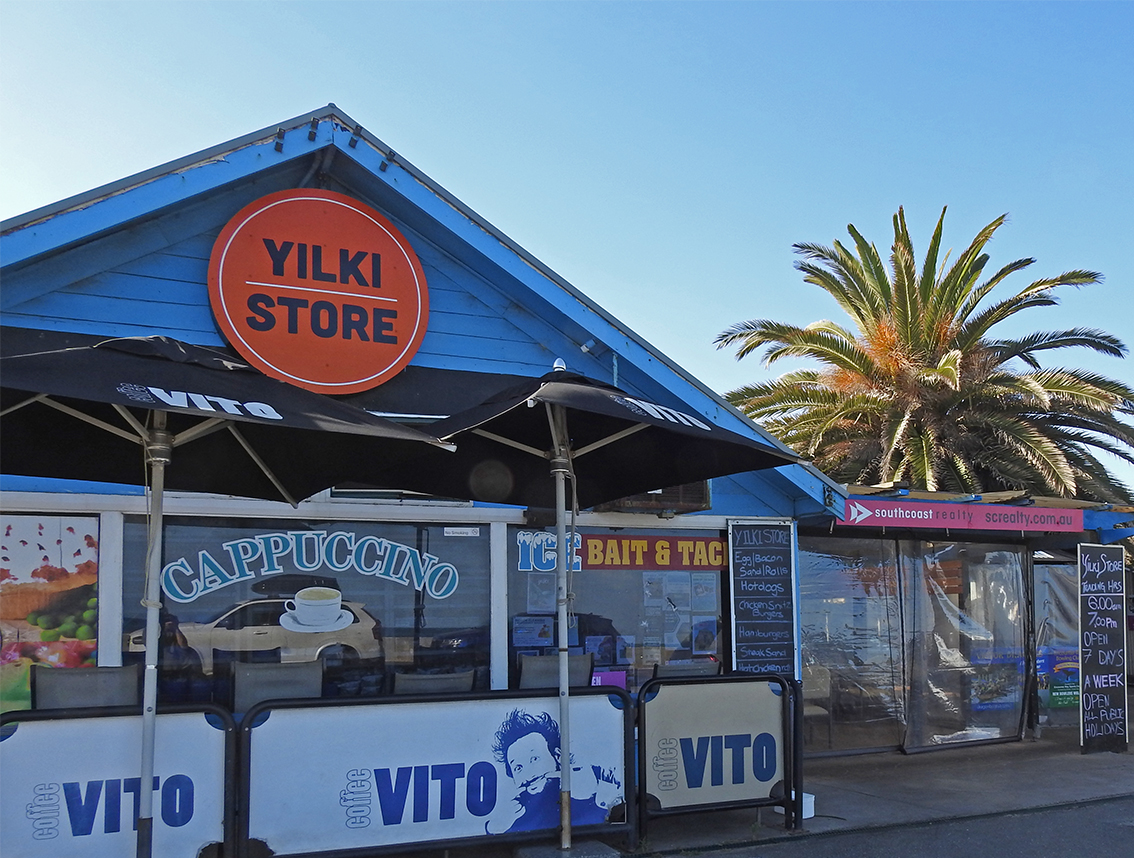
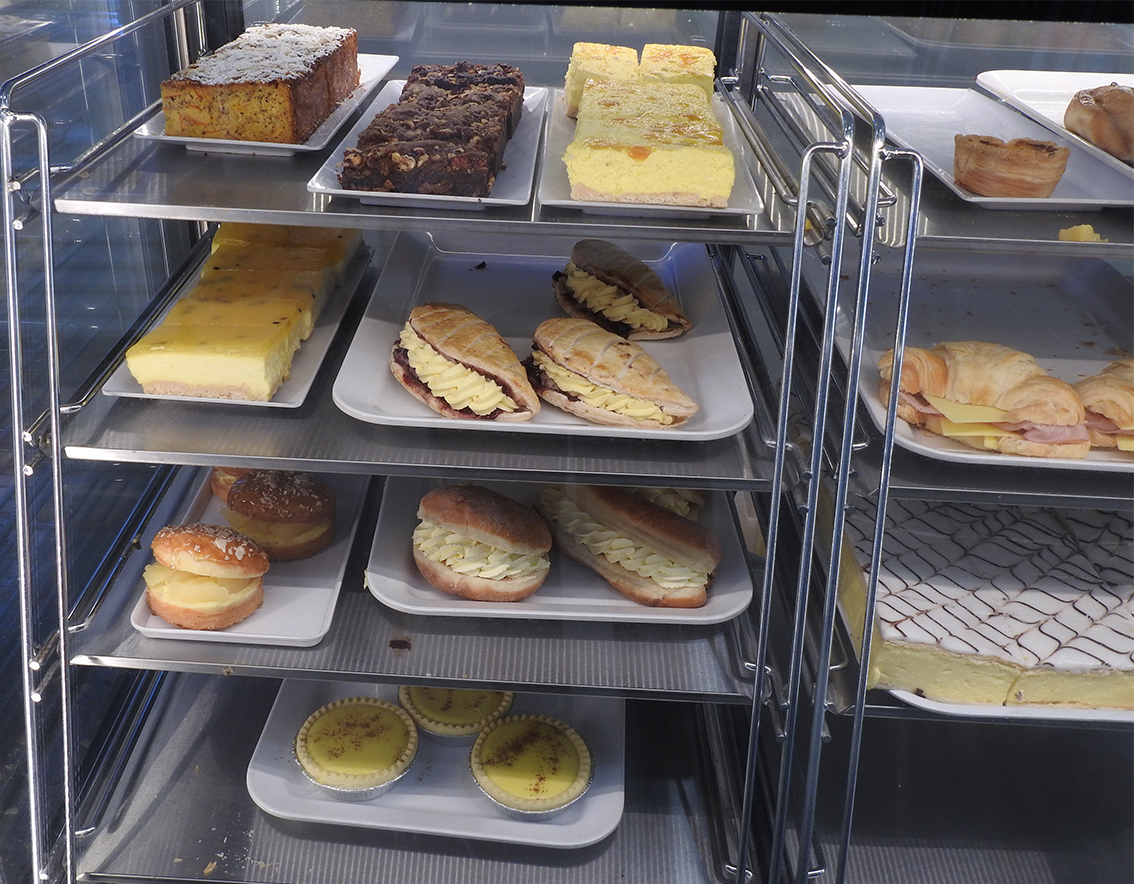
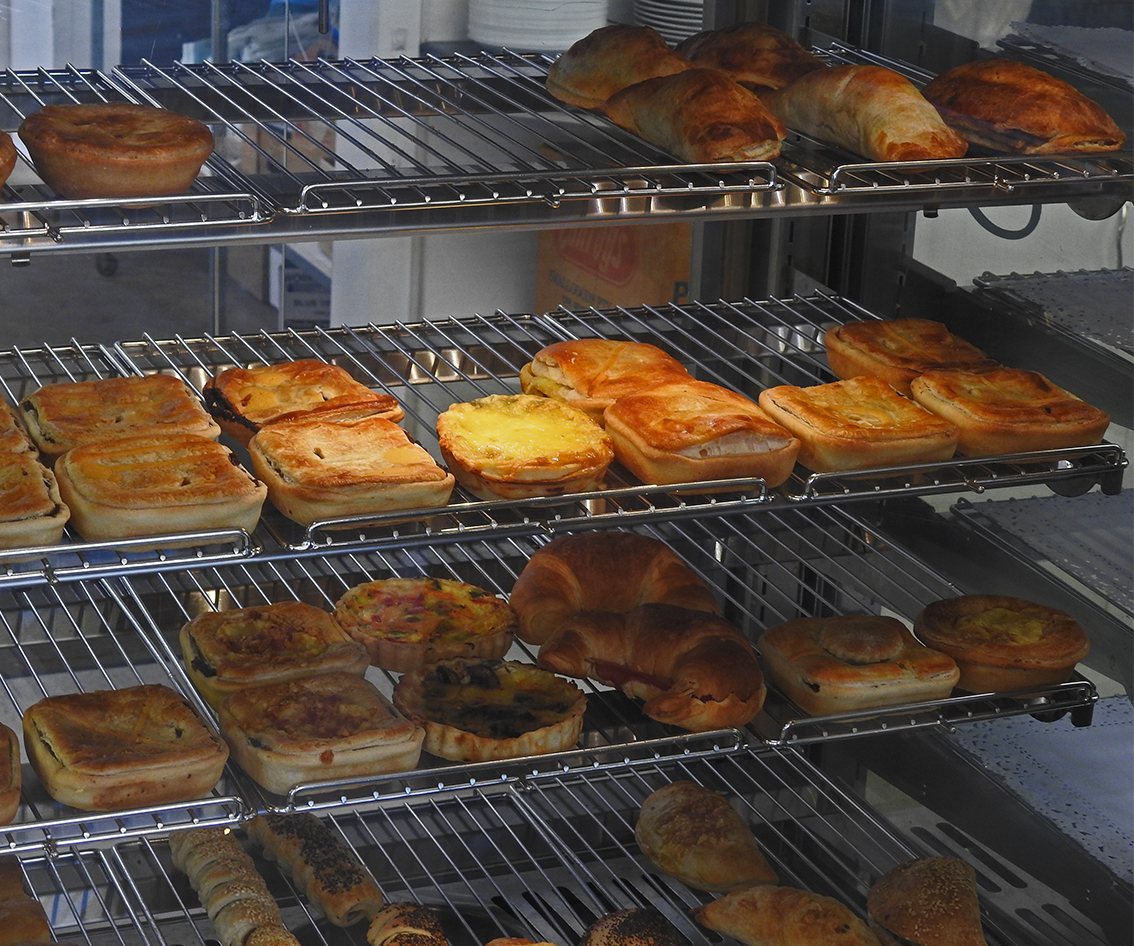
I return to Myponga back along The James Track where I enjoy the delights of the local bakery before heading home to review my images and make a note in the diary to return in the spring. 

Bakery delights

Cheers

Baz

Additional notes

The camera used for this post is a SONY RX10 Mark 3

This is an easy drive which is quite suitable for families and seniors.

Please pass on this blog title and or contact information (URL) to any person or organisation with an interest in taking walks and enjoying wildlife in SA.

Click on these links and see more South Australian stories and pictures in my Weekend Notes articles as well as locating similar blogs on Feedspot’s top 20 Australian wildlife blogs

, , ,
, , ,

Mylor: Parrots, Food, Shopping and History

15 Jun

Dear Reader:

There is an avenue of trees shading the footpath. A small group of Sulphur-crested Cockatoos are using both beaks and feet to feed on something growing or living on the branches and leaves.

Sulphur-crested Cockatoos enjoying a winter feast

I am in the small town of Mylor in the Adelaide Hills. It has a village atmosphere with a general store, small restaurant and craft shop and a football oval. Some lovely heritage homes adorn the main street and a small creek runs along the back of the oval.

One of many heritage buildings in the area

A quality range of goods on display at Verte Kitchen

As I walk along the tree lined street I notice a plaque commemorating soldiers from the town who gave their lives during the First World War. I pass a few emotional moments reading about the trees planted to mark their sacrifice.

The smaller populations of some early hills communities made these losses particularly poignant.

One of so many who gave their lives for their country

Apart from the Sulphur Crests, the trees harbour two other parrot species; Rainbow Lorikeets and Adelaide Rosellas. Once again it is hard to determine exactly what they are eating.

Adelaide Rosella

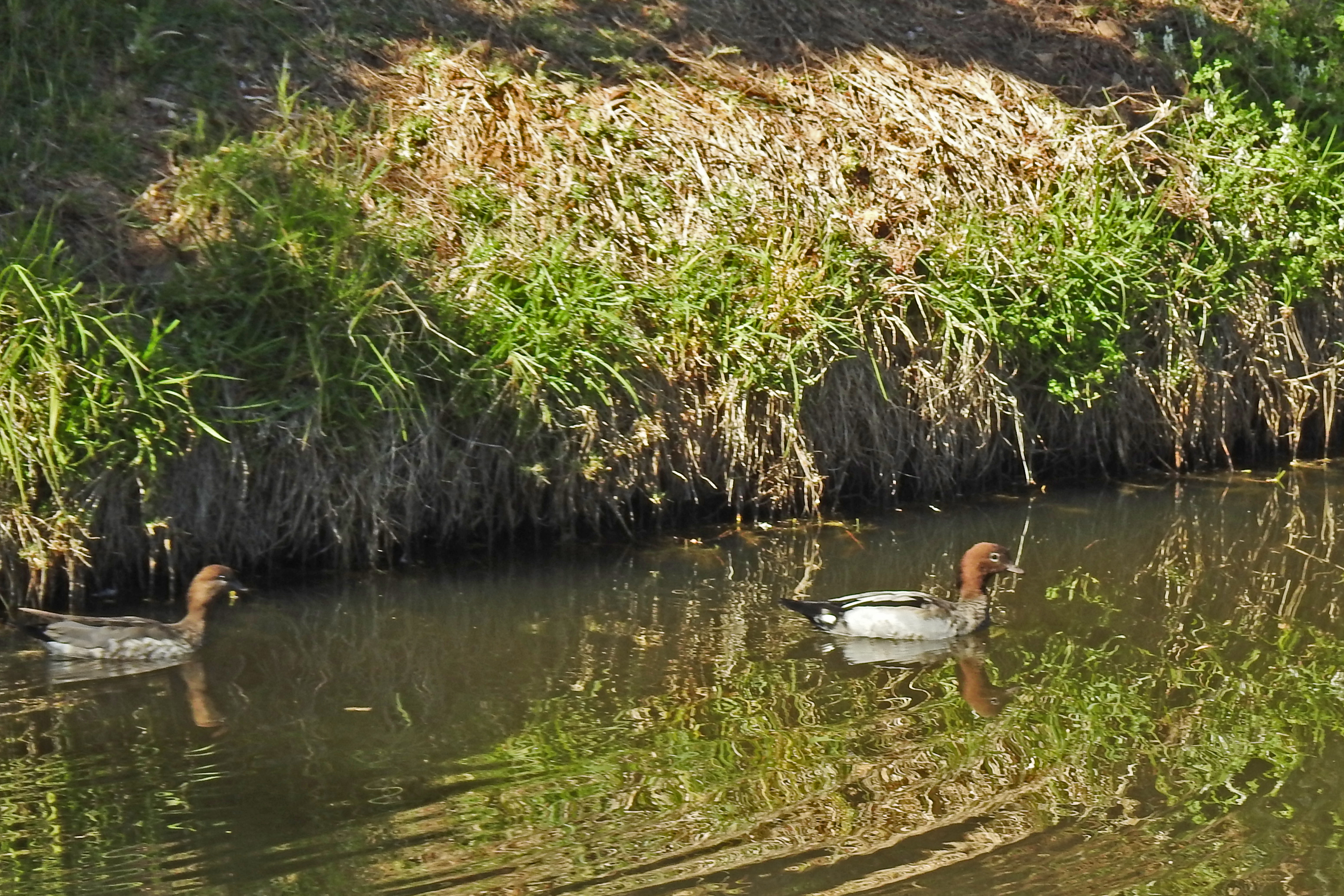
I cross the road only to stop and let a group of Maned Ducks toddle across the footpath next to me. Their presence certainly indicates there must be some water in the nearby creek.

Maned Ducks

I hear the calls of Galahs as a flock circles overhead before landing on the oval where they start foraging for bulbs, tubers and whatever else they can dig up with their powerful beaks.  Although the Galahs are some distance away, I take several shots. From experience, I suspect getting closer will result in the flock taking off.

Galahs or Rose-breasted Cockatoos

My final stop has little to do with the wildlife of the area. There is a wonderful little café and gallery in the middle of the village. Fresh baked goods, local arts and crafts all with a slightly French flavour make Verte’ Kitchen, a must visit, Hills destination.

So much to choose from

Cheers

Baz

Additional notes

This is an easy walk and drive which is quite suitable for families and seniors with public toilets, barbecues, parking and other facilities nearby. It is dog friendly.

Please pass on this blog title and or contact information (URL) to any person or organisation with an interest in taking walks and enjoying wildlife in SA.

Click on these links and see more South Australian stories and pictures in my Weekend Notes articles as well as locating similar blogs on Feedspot’s top 20 Australian wildlife blogs

https://www.weekendnotes.com/adelaide/writer/452/
https://blog.feedspot.com/australian_wildlife_blogs

Barossa’s Whispering Wall

1 Nov

. Barossa’s Whispering Wall

 Dear Reader:

At the end of the long curved concrete wall there is a little patch of broken reeds and other water plants that form a kind of mat on the surface; an ideal place for a variety of aquatic animals. Public access to this area is prohibited so I have to scan the mish-mash of vegetation with my long lens. To my surprise, there are both male and female Blue Wrens feeding on the numerous insects living around the plant material.


Male Blue Wren


Female Blue Wren


I am at the Whispering Wall which is the main dam containing the Barossa Valley reservoir. Built in 1903 it was considered quite an engineering feat at the time. The wall of the dam is named for its acoustic properties and you can stand at one end and be heard at the other even when speaking quietly. Most of the property around the dam is fenced-off but by simply waking around the grassed areas and across the dam it is possible to encounter quite a wide range of wildlife.


Curve of the dam wall


“I’m whispering.”


“Yep, I heard you.”


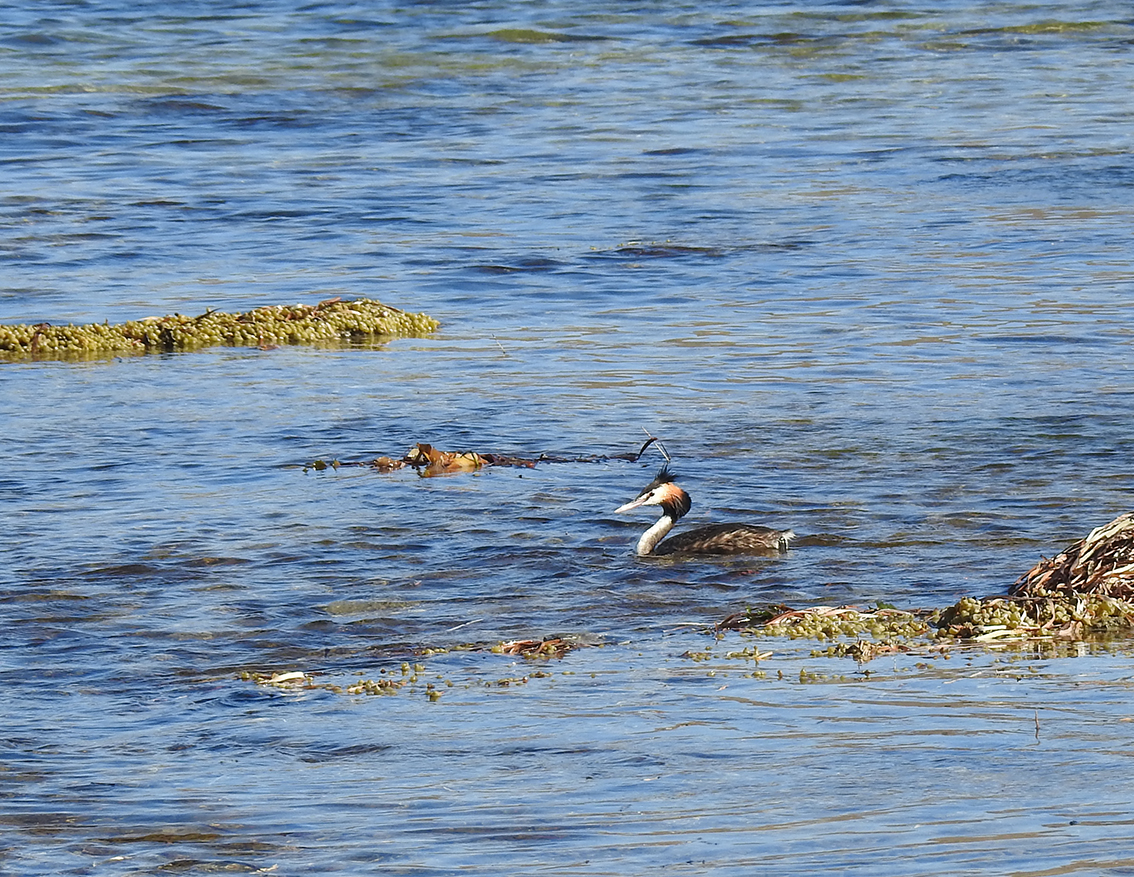
In another patch of reeds I catch sight of freshwater turtle peering through the broken stems and there are numerous small fish or tadpoles in the more open patches of water. Walking back across the dam I see a small group of Eurasian Coots feeding. And in the distance a lone Greater Crested Grebe is making its way across the reservoir; a bird that I have never seen in the wild. I take a long shot with the camera but the result is hardly award-winning.


Freshwater turtle probably a Macquarie Sort Neck

Eurasian Coot

Long distance shot of a Great Crested Grebe


Back at the car park I take a stroll around the grassy lawns which are dominated by massive red gums. Both Galahs and Sulphur Crested Cockatoos are perched high in the branches while smaller Lorikeet species are feeding on blossoms and gum nuts. Along the edge of this area several cormorants are resting in the trees; silhouetted by the dazzling blue of the sky.


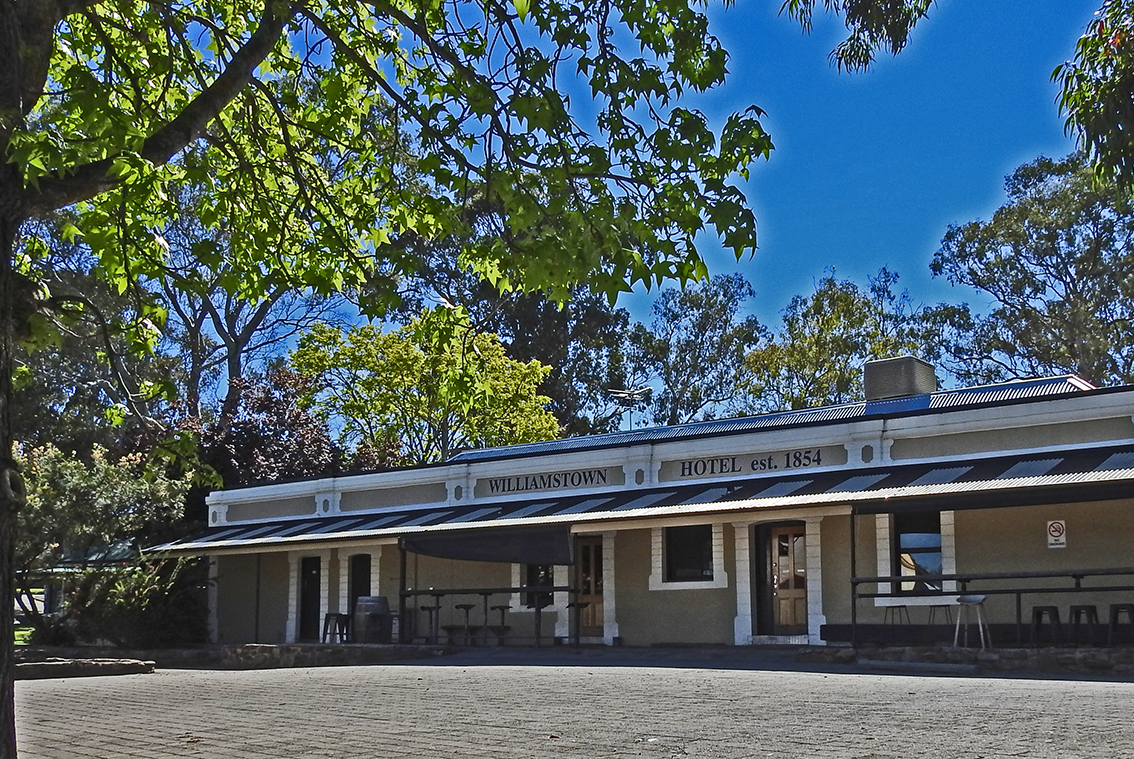
My walk has been short but rewarding and a stop at the Williamstown Bakery on the way back will almost certainly make this a memorable day out.  

 Cheers

Baz

Additional notes

This is an easy walk and drive which is quite suitable for families and seniors with public toilets, picnic area and parking on site. It is dog friendly

See more South Australian stories on Weekend Notes

https://www.weekendnotes.com/profile/651267/

 I have recently spent time in Africa and the link below will allow you to enjoy images and text describing some of my encounters with the wonderful wildlife of Botswana and Zambia. I will attach a new image and notes to accompany each post.

https://wildlifemomentssa.blogspot.com

Wilpena Wildlife

4 Oct

Wilpena Wildlife

Dear Reader:

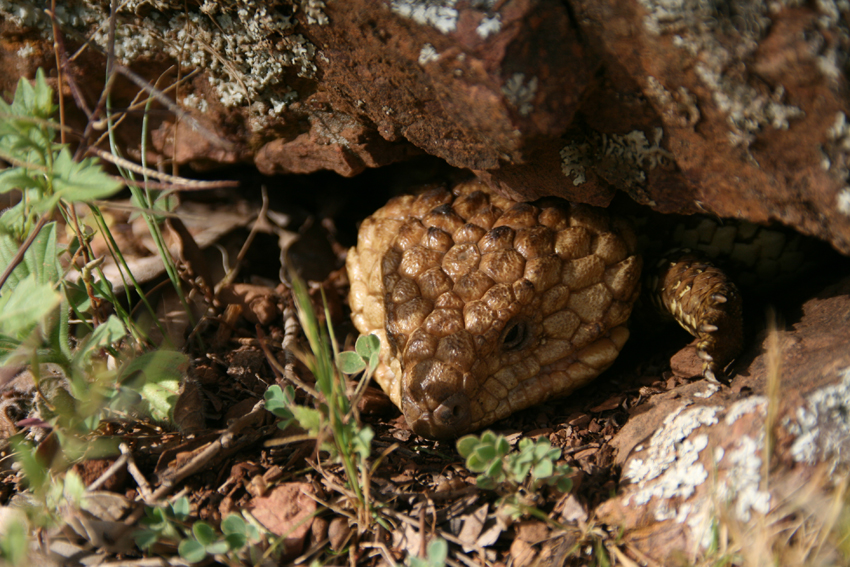
There is a sleepy lizard, or shingleback, staring back at me from the rocky ledge where it is sheltering. These harmless lizards eat a wide variety of foods from vegetation and berries to insects and snails. They are one of the most common reptiles in the Flinders Ranges; an ancient mountain range, about a five hour drive from Adelaide.


Sleepy lizard


I am staying at Wilpena Pound in the heart of the ranges. The hills that encircle this outback resort and campground are just a two minute walk away from my chalet and contain a plethora of wildlife, geological and botanical treasures.


Typical scenery


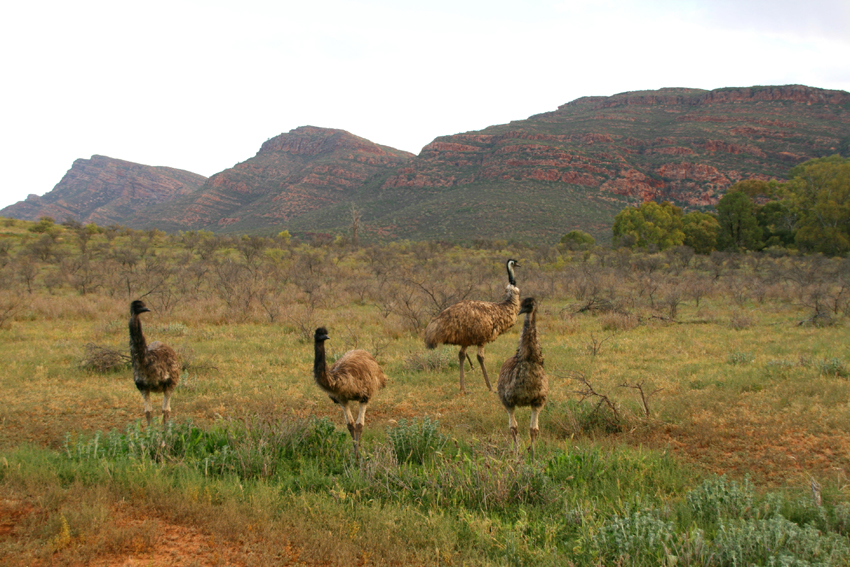
The lizard is just one of the animals that I encounter as I walk from my chalet towards the park’s entrance. The sun is dropping low in the sky and in the soft light I can see a group of emus feeding on a grassy plain that extends from the distant hills.


Arvo emus


As the emus move off I startle a female grey kangaroo with a joey at heel. The two marsupials look at me for a split second before bounding away into the scrub; grey blurs against a subtle canvass of brown and green.


Roos in flight


My day ends with a meal in the Wilpena Pound Restaurant watching a couple of roos feeding on the lawns and listening to the call of kookaburras.


Come and see the Flinders; you will not be disappointed!


Cheers

Baz


Additional notes

There are easy walks and drives which are quite suitable for families and seniors with public toilets, barbecues, parking and other facilities nearby. Dogs are not permitted in the National Park.


See more South Australian of my stories and photographs in Weekend Notes

https://www.weekendnotes.com/profile/651267/

 I have recently spent time in Africa and the link below will allow you to enjoy images and text describing some of my encounters with the wonderful wildlife of Botswana and Zambia. I will try to attach a new image and notes to accompany each post.

https://wildlifemomentssa.blogspot.com

Botanic Bats

28 Sep

Botanic Bats

Dear Reader:

I am walking along a small trail goes from the front of the Zoo on Frome Road, over a small bridge then around to the main entrance. Known as the ‘First Creek Botanic Garden’ walk it is planted out with a range of native shrubs which in turn attract both birds and insects. But today it is the Fruit Bats or Flying Foxes roosting in the nearby pines that I have come to observe and photograph.


Good EEEEvening


 During the day these Grey Headed Flying-Foxes roost among the pine trees that overhang the creek. At night they leave to forage far and wide on blossoms and fruits from a variety of sources including farmers’ orchards.


Getting comfy


Fruit bats are not endemic to our region but have migrated from the eastern seaboard where they are far more numerous. Despite being a nuisance to some fruit growers they are fascinating animals and well worth spending some time observing as they manoeuvre for position in the trees.


Eremophila species in garden


Come take a look and enjoy.

Cheers

Baz


Additional notes

This is an easy walk/drive which is quite suitable for families and seniors with public toilets, a cafe, parking and other facilities nearby. It is dog friendly.


See more South Australian stories on Weekend Notes

https://www.weekendnotes.com/profile/651267/

 I have recently spent time in Africa and the link below will allow you to enjoy images and text describing some of my encounters with the wonderful wildlife of Botswana and Zambia. I will attach a new image and notes to accompany each post.

https://wildlifemomentssa.blogspot.com

Just Cruising 1

1 Jun

Just Cruising 1

Dear Reader:

There is a white faced heron picking its way precariously along the bow rail of the boat; probably heading for the shrimp bucket. In the meantime, two welcome swallows are resting on the mooring rope while they take a rest from their aerial, acrobatic insect hunts. These are two of the animals that make our houseboat a temporary home as we journey along the river.


Curious Heron


To date my blogs have always been about South Australia but the next few posts will stray just a little from my own state and take you just over the border to Mildura in Victoria. From this thriving community I will share some observation taken on a week-long houseboat trip along the Murray. The wildlife and scenery are much the same as in SA as we are cruising along a section of the river which runs close to all three states SA, Victoria and NSW.


Typical riverside scenery


Houseboats are a wonderful way to explore the river. They come in all shapes and sizes from luxury models with saunas, ensuite bathrooms and satellite television through to old fashioned paddle sided boats with two rooms and a basic kitchen. We travelled in rather luxurious style which I can fully recommend; and travelling in a group certainly made it a reasonably inexpensive holiday option.


A classic


Wildlife along the river is seasonal and dependent on a variety of conditions such as drought and ambient river levels. The long dry that we have experienced this year meant that the wildlife was sporadic and took a little effort to locate. However, as we varied our moorings between townships and bush there was always something to see when I took a walk and looked carefully.

What the????


At a bush mooring near the confluence of the Darling and Murray I spent a couple of hours walking through the scrub bordering the river. Whilst sitting on a log near a clump of acacia bushes some small bugs with ‘eye-lash- like’ antennae caught my attention. I spent a good half hour trying to get a reasonable shot. Sometimes the little things can be the most interesting and challenging to photograph.


Nesting Apostle bird


The rewards of exploring a new and unfamiliar region are many including the chance to encounter species that are rarely observed or at the best seen fleetingly at home. An apostle bird nesting in the eucalypts that shaded our mooring at Coomeala was a prime example. Locals told me that they are quite common but it was the first time I had seen one and to capture and image of it nesting was quite a thrill.

Sandra gets the double


There were many more encounters on this trip and they certainly warrant further posts under the heading ‘Just Cruising’ which seems to capture the mood of my week exploring the mighty Murray while relaxing with friends.


Cheers

Baz


Additional notes

This is an easy excursion which is quite suitable for families and seniors with toilets, barbecues and numerous facilities aboard.


 I have recently spent time in Africa and the link below will allow you to enjoy images and text describing some of my encounters with the wonderful wildlife of Botswana and Zambia. I will try to attach a new image and notes to accompany each post.

https://wildlifemomentssa.blogspot.com

Bridle Track Wildlife

6 Nov

Dear Reader:

A grey kangaroo pricks up its ears and turns to face us. Half hidden in the grass and further camouflaged by its subtle colouring, the wary marsupial stares for a few more seconds before bounding away towards the shelter of a nearby stand of stunted gum trees.


I put the camera back on the passenger seat, raise the window and continue up the rugged track towards the top of the ridge. The vehicle ahead of me has already reached a farm gate and my companions have opened it in readiness. There are a few sheep in the area grazing on the steep hillsides and we have to be careful to maintain good relationships with the farmers who kindly allow the public to traverse their land.


I am driving along the Bridle 4WD track in the foothills of the Southern Flinders Ranges between Port Pirie and Melrose. This is red earth country with deep ravines, open expanses of pasture and small patches of scrub clinging to the windswept hills. Sporadic rocky outcrops dot the landscape and it is here that one can search for different species such as reptiles and a range of invertebrates.


We stop alongside one such outcrop near the top of the ridge and enjoy a wonderful view across hills and bushland to the Spencer Gulf in the hazy distance. I bend down and dislodge a couple of flat rocks and a small skink darts out and freezes in the long grass. Carefully replacing its rocky home I leave the little reptile to its own devices after snapping a quick shot.


The descent towards the coast is quite steep and we need to put the vehicles in low range. We stop occasionally to take a closer look at some of the eucalypts that grow in isolated patches providing nesting sites for some of the many parrot species that populate this part of the state. Ring neck parrots, galahs and rosellas are just a few of the species we encounter.


Back on the plains we leave the main trail and take a well graded dirt road back to the highway. A beautifully marked black shouldered kite watches us from a skeletal branch where it is perched to surveying the landscape for prey.


Our final farewell to this bleak but beautiful part of South Australia is the forlorn whistle of a freight train as it clatters over a crossing on the endless tracks that cover the thousands of kilometres between the west and east coasts of Australia.    


Cheers

Baz