Archive | Uncategorized RSS feed for this section

One Tree Hill Road Roundabout to Kersbrook Part 1

20 Sep

Dear Reader

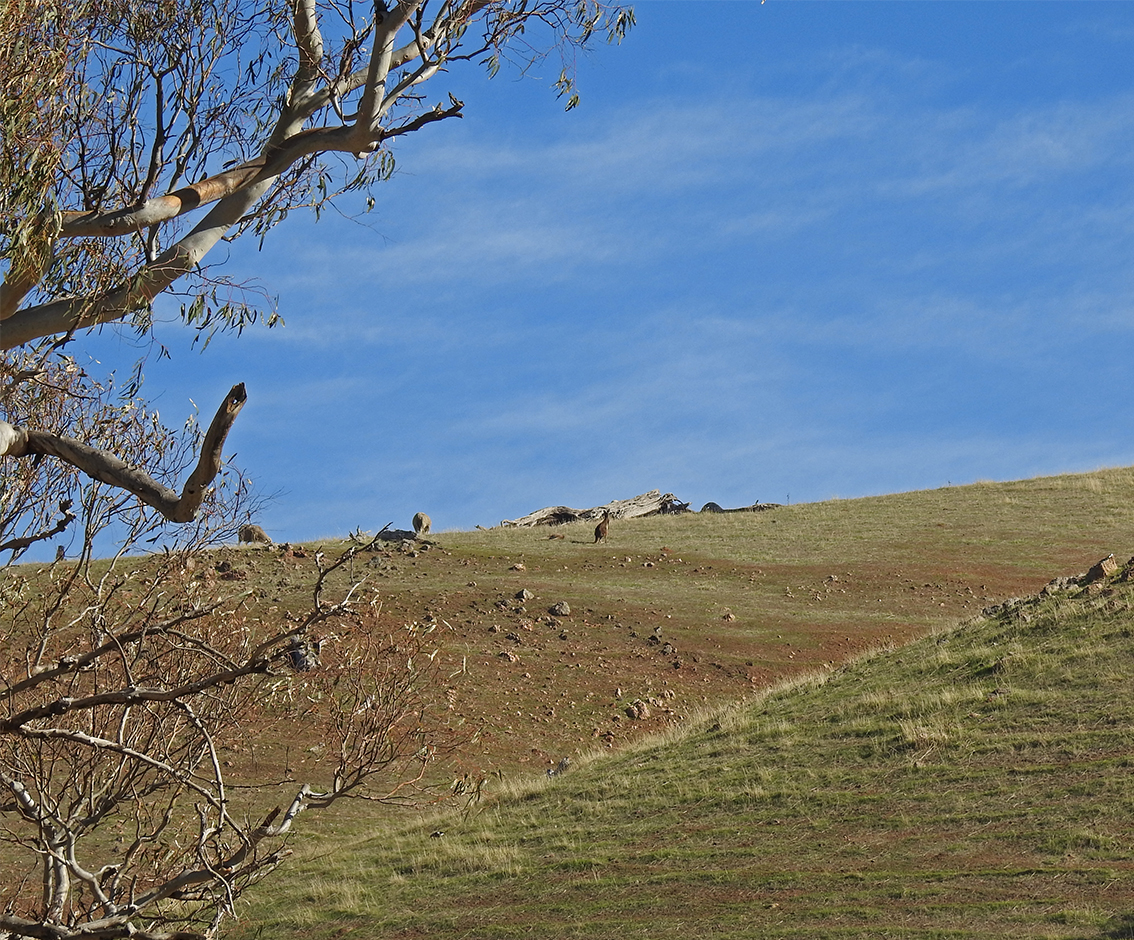
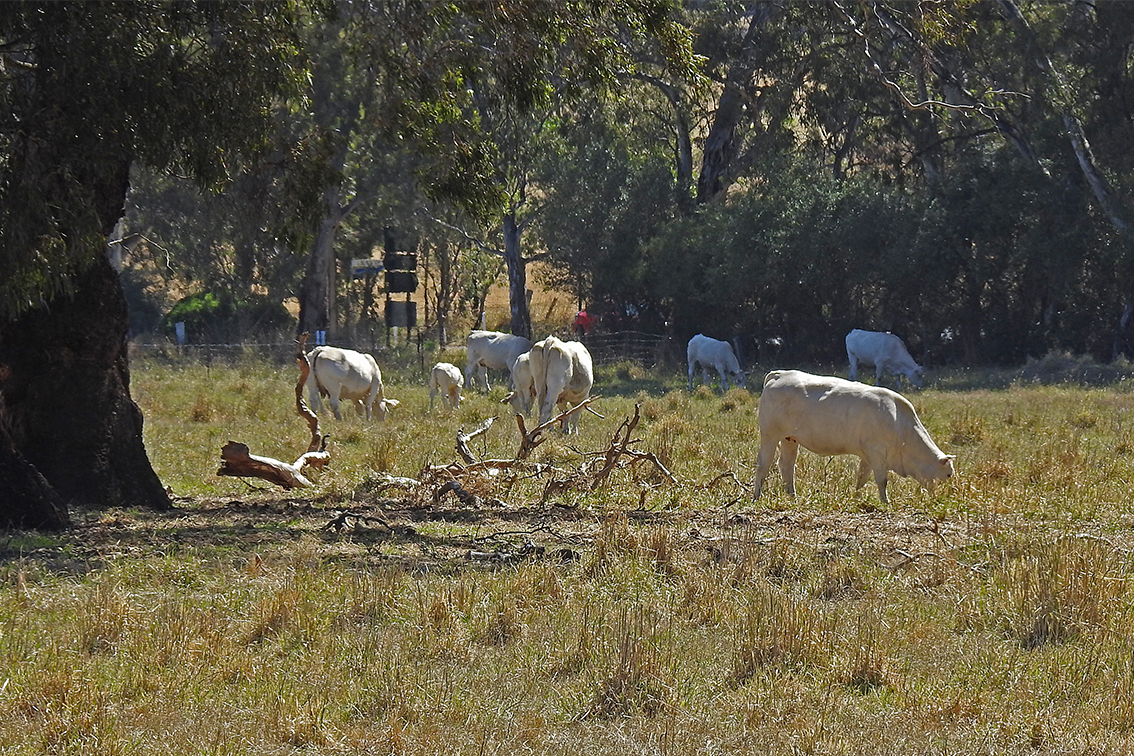
After leaving the One Tree Hill Road roundabout for Kersbrook Road, I expect to drive a few kilometres before making my first roadside stop. Two Western Grey Kangaroos and a small herd of cattle put pay to that plan as they appear a mere hundred metres from my starting point.
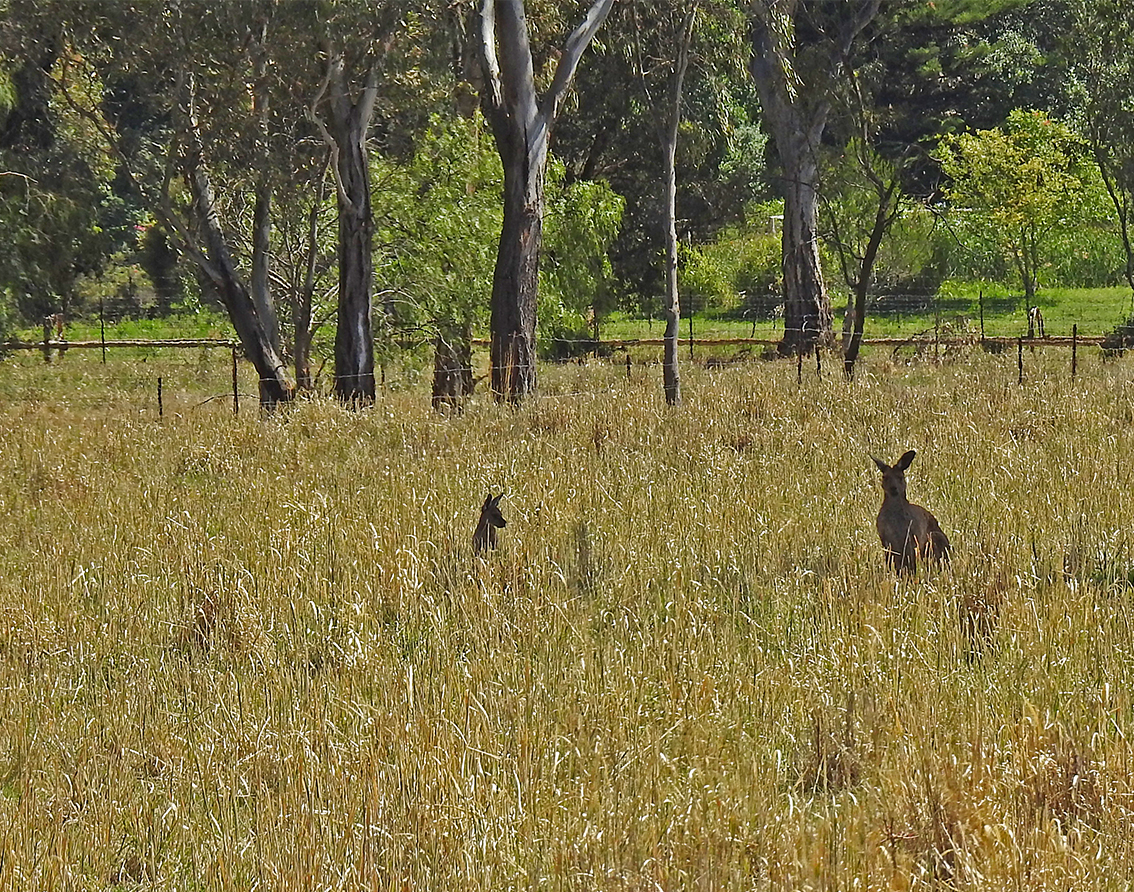
Western Grey kangaroo and joey amongst the tall grasses
Murray Grey Cattle

Leaving the roos and cattle behind I start to climb the winding road towards Kersbrook stopping at a convenient roadside layby after 2.3Kms.

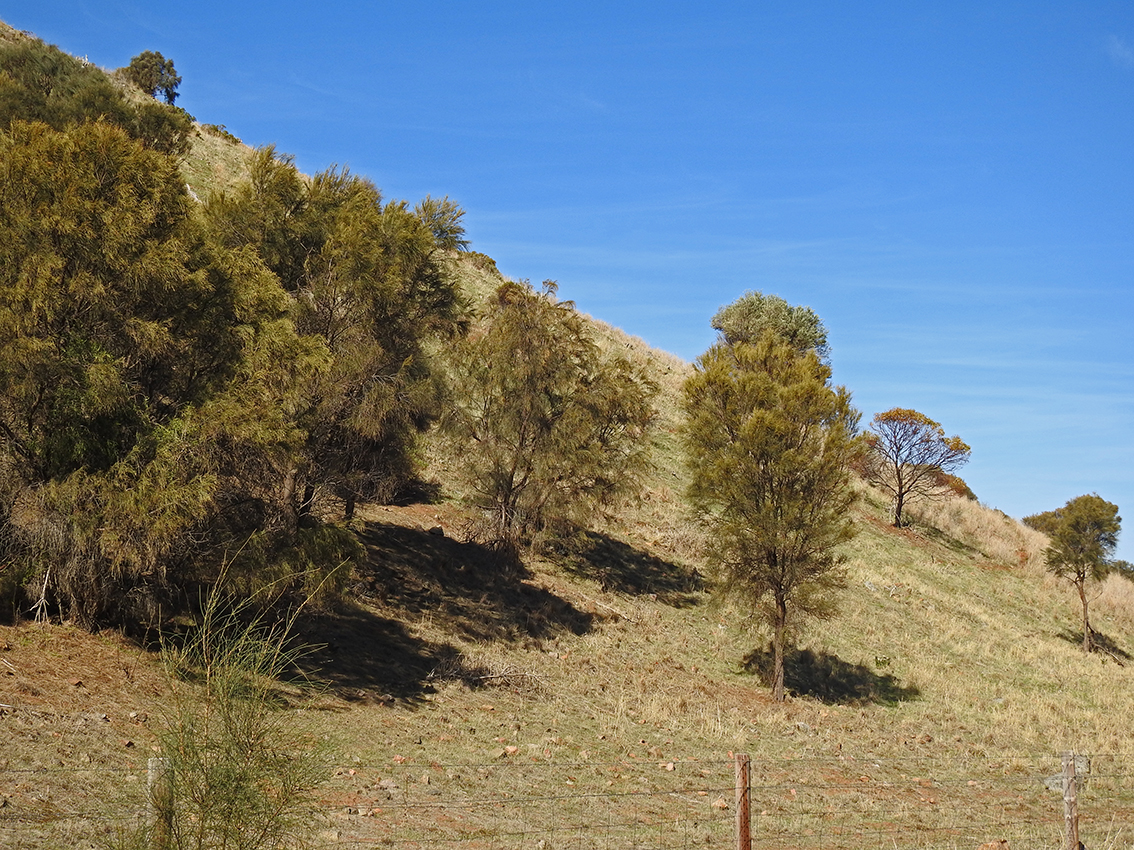
Roadside scrub

After clambering over an old fence, I catch a brief glimpse of a Grey Fantail and some small parrots in the thick scrub which makes them impossible to photograph. Luckily, a decorative, Common Brown Butterfly settles on a fallen branch providing a nice image.
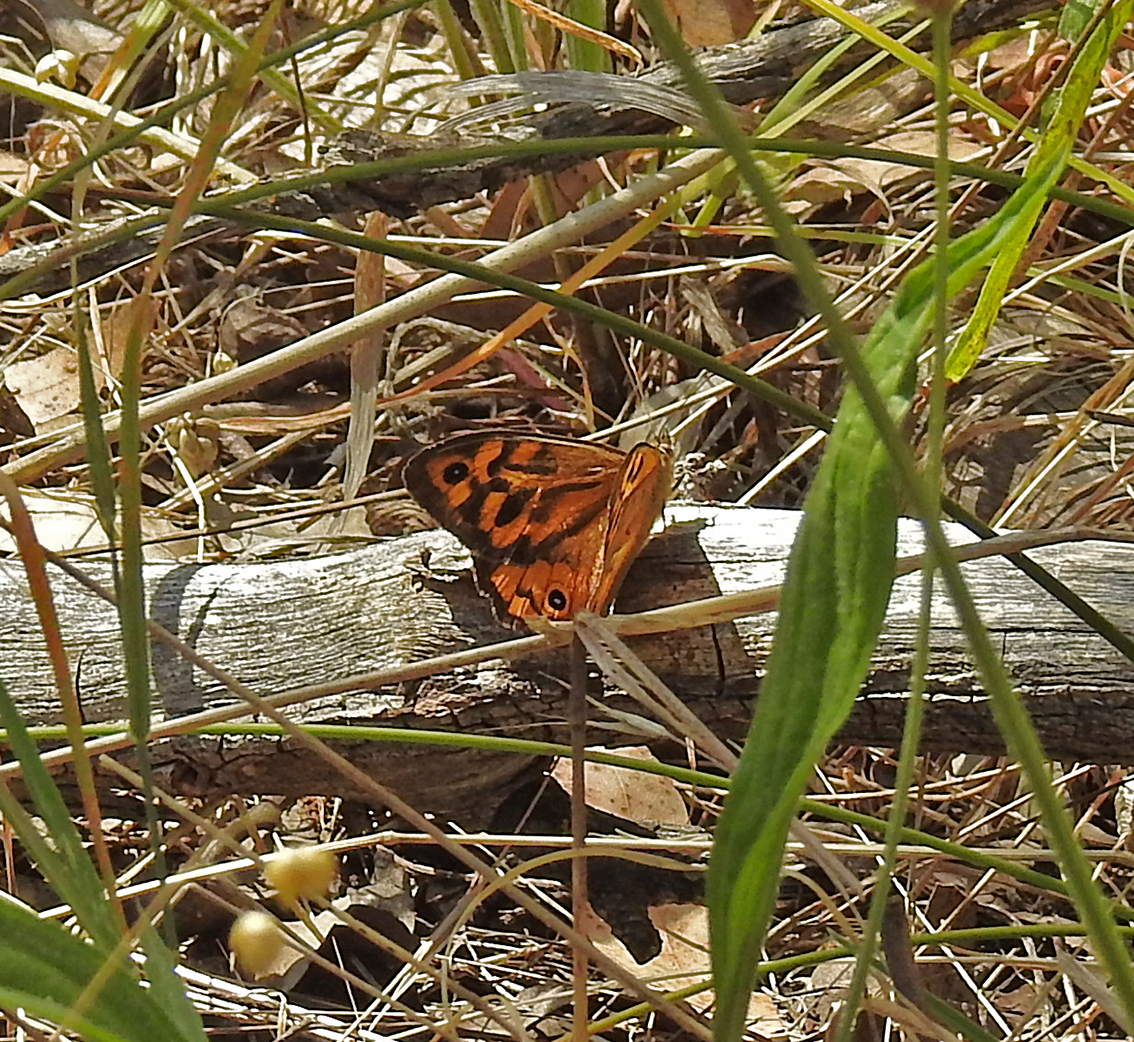
Common Brown Butterfly

I fossick around in the undergrowth moving fallen branches and bark and unearth a Piedish Beetle and a large Garden Centipede. It seems that invertebrates might be the flavour of the day.

Piedish Beetle
Garden Centipede species

At the 3.7 Km mark Karwin Road leads off to the left with a sign for Minya Sanctuary. I park on the corner where there’s a small patch of scrub and a panoramic view of open farmland as well as an earthen dam for sheep and cattle.

Local dam for stock

Following a small path through Sheoak sapplings, I am lucky enough to encounter Honeybees feeding on Scabia flowers as well as a native Blue-banded Bee and a Mud-dauber Wasp.

Blue-banded Bee
Common Honey Bee

Although I have only covered around 4kms of the 11Km drive to Kersbrook it has been a revealing and fascinating look at this part of the foothills and I am sure that the next 7kms will be equally enthralling.

Mud-dauber Wasp

Cheers

Baz

Additional notes

Other animals seen, heard but not photographed: Mistletoe Bird

The camera used for this post is a Nikon Coolpix P900

This is an easy drive which is quite suitable for families and seniors.

Please pass on this blog title and or contact information (URL) to any person or organisation with an interest in taking walks and enjoying wildlife in SA.

Click on these links and see more South Australian stories and pictures in my Weekend Notes articles as well as locating similar blogs on Feedspot’s top 20 Australian wildlife blogs

https://www.weekendnotes.com/adelaide/writer/452/

https://blog.feedspot.com/australian_wildlife_blogs/

Just Cruising 2 King’s Billabong to Mildura

6 Jul

Dear Reader:

As we back the houseboat into the current and point it downstream a Snakebird or Anhinga perches gracefully on an overhanging branch, the perfect farewell to King’s Billabong.

Snake-bird or Anhinga

In the next hour, I photograph numerous scenes and animals from my vantage point on the upper deck. None of the images are quite as clear as the initial shot as the boat is moving, the engines vibrating, and the riverbanks are a between 50-100 metres away.

Classic red earth riverbank scenery

Because birds fly, it is a challenging task to capture images of them in flight. Dainty swallows hunt insects in the boat’s wake and Whistling Kites circle high in the air using their extraordinary vision to locate prey.

Welcome Swallows resting on the river bank
Welcome Swallows hunting in the houseboat wake
Whistling Kite hunting above the river

Because of their size, shape and slow flight pattern, Australian Pelicans are one of my favourite waterbirds to photograph. Whether hunting, flying, landing or taking off, they are both endearing and elegant.

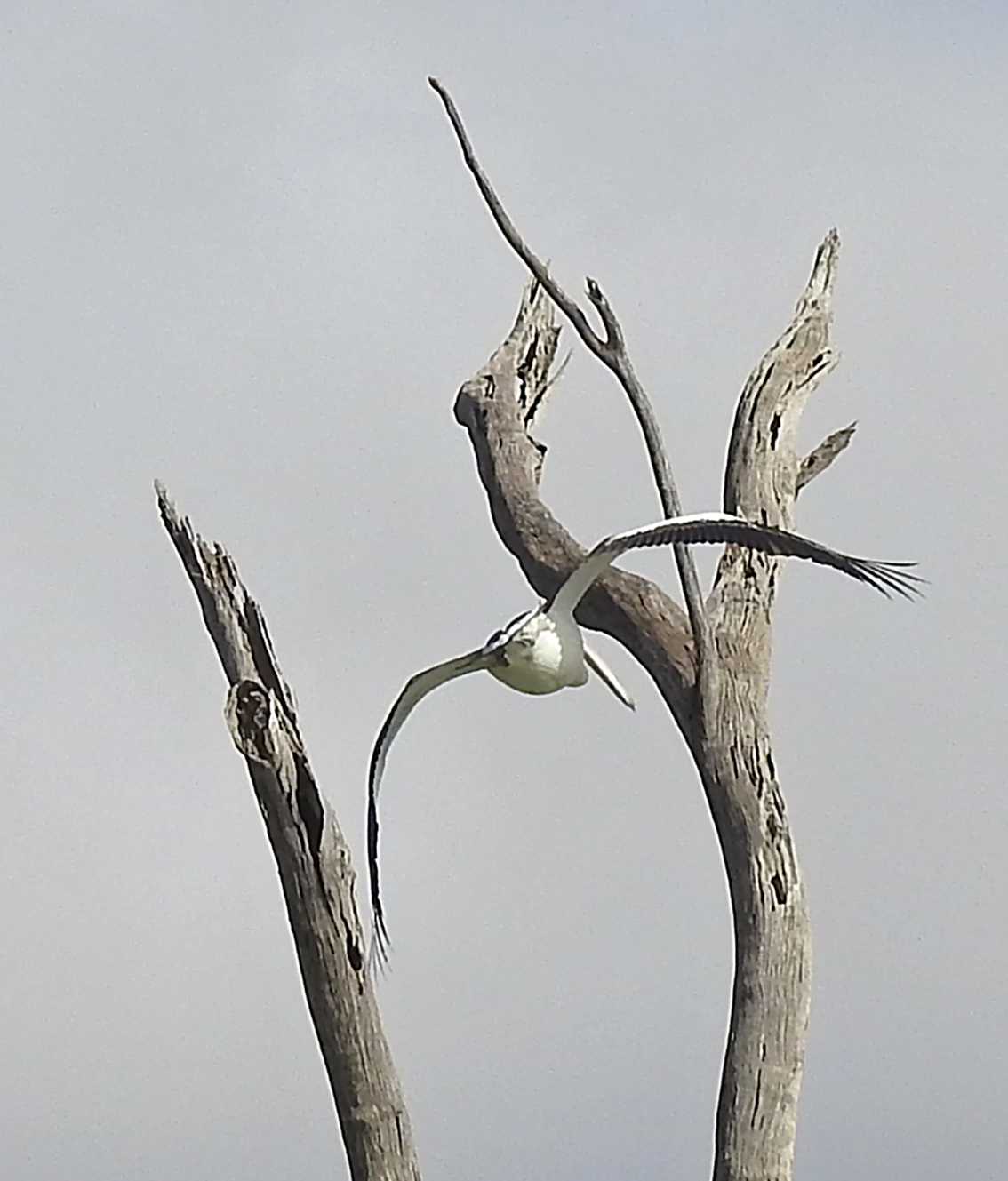
Australian Pelican in flight
Ancient tree and Pelican composition

The river is used by numerous types of craft which tell a variety of stories. There are old barges from the time when the river was a major transport route. Paddle-teamers, both new and old, rekindle the more romantic days of river travel. Tour boats, houseboats , ski and fishing boats are the most common vessels of the modern era.  

Classic paddle-steamer still in use
Derelict barge

It is a relatively short trip back. As we bring the houseboat into the wharf at Mildura, I notice a Great Cormorant watching us from the bank as a flotilla of Maned Ducks slide past on the port side. Settled snuggly into our mooring I watch a Rakali or Australian Water Rat foraging amongst lily pads: a nice way to finish the week.

Rakali foraging amongst lily pads

Cheers

Baz

Additional notes

The camera used for this post is a Nikon P900

This is an easy excursion which is quite suitable for families and seniors with public toilets, barbecues, parking and other facilities nearby. River bank areas that are not part of national park are dog friendly.

Please pass on this blog title and or contact information (URL) to any person or organisation with an interest in taking walks and enjoying wildlife in SA.

Click on these links and see more South Australian stories and pictures in my Weekend Notes articles as well as locating similar blogs on Feedspot’s top 20 Australian wildlife blogs

https://www.weekendnotes.com/adelaide/writer/452/

https://blog.feedspot.com/australian_wildlife_blogs/

Normanville’s Big Gorge Walk…….part 1

17 Jun

Dear Reader:

Tiny birds are feeding in the canopy of a massive Red River Gum on the edge of the river bed. Scanning the area with the telephoto of my Nikon P900, I spot a diminutive Thornbill.

Thornbill species

Garnet Kelly Park on the southern side of Normanville is the start of the Great Gorge Walk. This charming track of around 3Kms return follows a path walked by explorers and traversed by later settlers.

Park entrance near the old bridge
Alongside the river

River Red Gums, Sheoaks and Acacia bushes are part of a complex and varied flora.

Sheoaks on hillside, private property bordering the walk

Information placards at the start of the walk and along its route tell the story of the bridge, pathway and the local soldier which the park is named after.

One of numerous informative signs on the walk and in the park

Small birds seem to be prolific in the first kilometre of the walk and I manage to photograph Fairy Wrens, Silvereyes and White-browed Finches. Most of the shots are taken at distance and emphasise the need for a good telephoto lens in this area.

Silvereye feeding on reed-like grasses near a pool in the river bed

I notice small groups of Sulphur-crested and Rose-breasted (Galahs) Cockatoos flying overhead. A few land to feed on the ground while others perch in nearby trees. They advertise their presence with a screeching, almost prehistoric, call.

Sulphur Crested Cockatoo

The weather is too cold for reptiles and I see only a few rather tattered looking butterflies. However, there are sheep with lambs in tow, on the hillsides. A closer look on one ridge reveals a lone Western Grey Kangaroo grazing alongside a couple of sheep.

Hilltop grazers

Glancing at the distance reading on my Apple watch, I realise I am almost at the half way (1.5 Km) point of this walk. Though the wildlife and scenery have been both interesting and varied, my writer’s mind wants a little more variation for an article. It comes in the form of an old ruin.

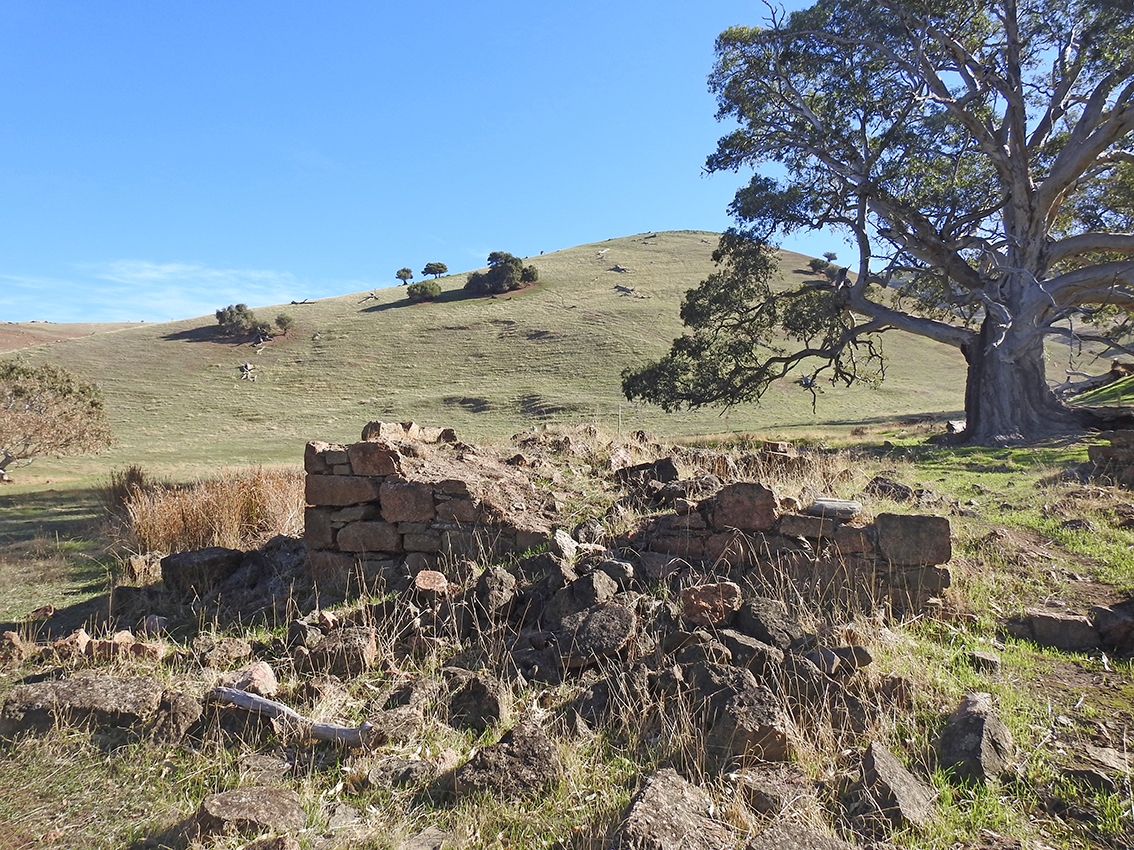
Remains of a once substantial building
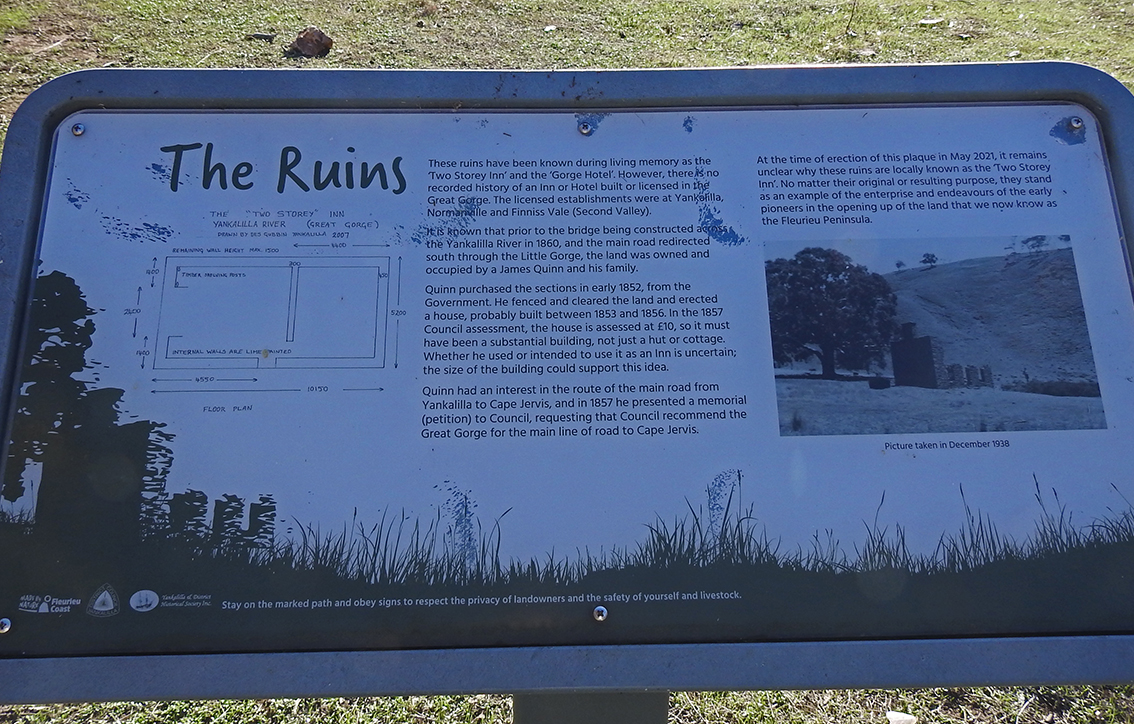
Historical placard near the ruins

The exact nature of the ruin is a little unclear and an information plaque provides some different alternatives. Nevertheless, this old structure and its history provides yet another reason to take this truly beautiful walk on the Fleurieu Peninsular………….to be continued.

Cheers

Baz

Additional notes

The camera used for this post is a Nikon P900

This is an easy walk which is quite suitable for families and seniors, Dogs must be kept on a lead.

Please pass on this blog title and or contact information (URL) to any person or organisation with an interest in taking walks and enjoying wildlife in SA.

Click on these links and see more South Australian stories and pictures in my Weekend Notes articles as well as locating similar blogs on Feedspot’s top 20 Australian wildlife blogs

https://www.weekendnotes.com/adelaide/writer/452/

https://blog.feedspot.com/australian_wildlife_blogs/

Range Road West to Victor *Harbor… 1

25 Dec

Dear Reader:

There are Marbled Xenica, Common Brown and Painted Lady butterflies on the Egyptian Rose blossoms along the roadside. Superb Fairy wrens flit amongst the bracken and Grass Trees.

Marbled Xenica

Painted Lady

I am driving the length of Range Road West between the Cape Jervis turn off and the sealed road to Victor Harbor. This gravel and dirt road passes through dense bushland, lightly wooded farmland and commercial pine forest.

Scrub near the Range Road West and South Road junction

A weathered cattle and sheep corral catches my eye and I find a safe place to pull over and explore the classic old structure. As I approach, a Western Grey Kangaroo emerges from a nearby patch of scrub and bounds towards a group of sealed hay bales where it stops and looks back at me.

Stock pens and corral

Still watching you!

My next stop is a dried-out farm dam where a small group of sheep are sheltering. One has been shorn and the rest have full fleeces. I have to scramble through the scrub between the road and a property fence-line to photograph them.

Getting a bit of shade

Further along the road, A small herd of cattle are sharing the lush pasture with both Little Ravens and Maned Ducks.

Maned Ducks

At the junction of Range Road West and the paved Delamere to Victor Harbor Road, I make my final stop alongside a ramshackle storage area for fencing posts. Several cows are resting in the shade and a small flock of Sulphur Crested Cockatoos are foraging alongside them. As I approach, the birds fly into an ageing eucalypt while the cows ‘typically’ take little notice.   

A mixed bag of rural life

Sulphur-crested Cockatoos

……….to be continued

Cheers

Baz

Additional notes

*Correct spelling for town’s name

The camera used for this post is a Sony RX10 Mark 3

This is an easy drive which is quite suitable for families and seniors with

Please pass on this blog title and or contact information (URL) to any person or organisation with an interest in taking walks and enjoying wildlife in SA.

Click on these links and see more South Australian stories and pictures in my Weekend Notes articles as well as locating similar blogs on Feedspot’s top 20 Australian wildlife blogs

Pangarinda Botanic Garden, Wellington SA….part 1

18 Nov

Dear Reader:

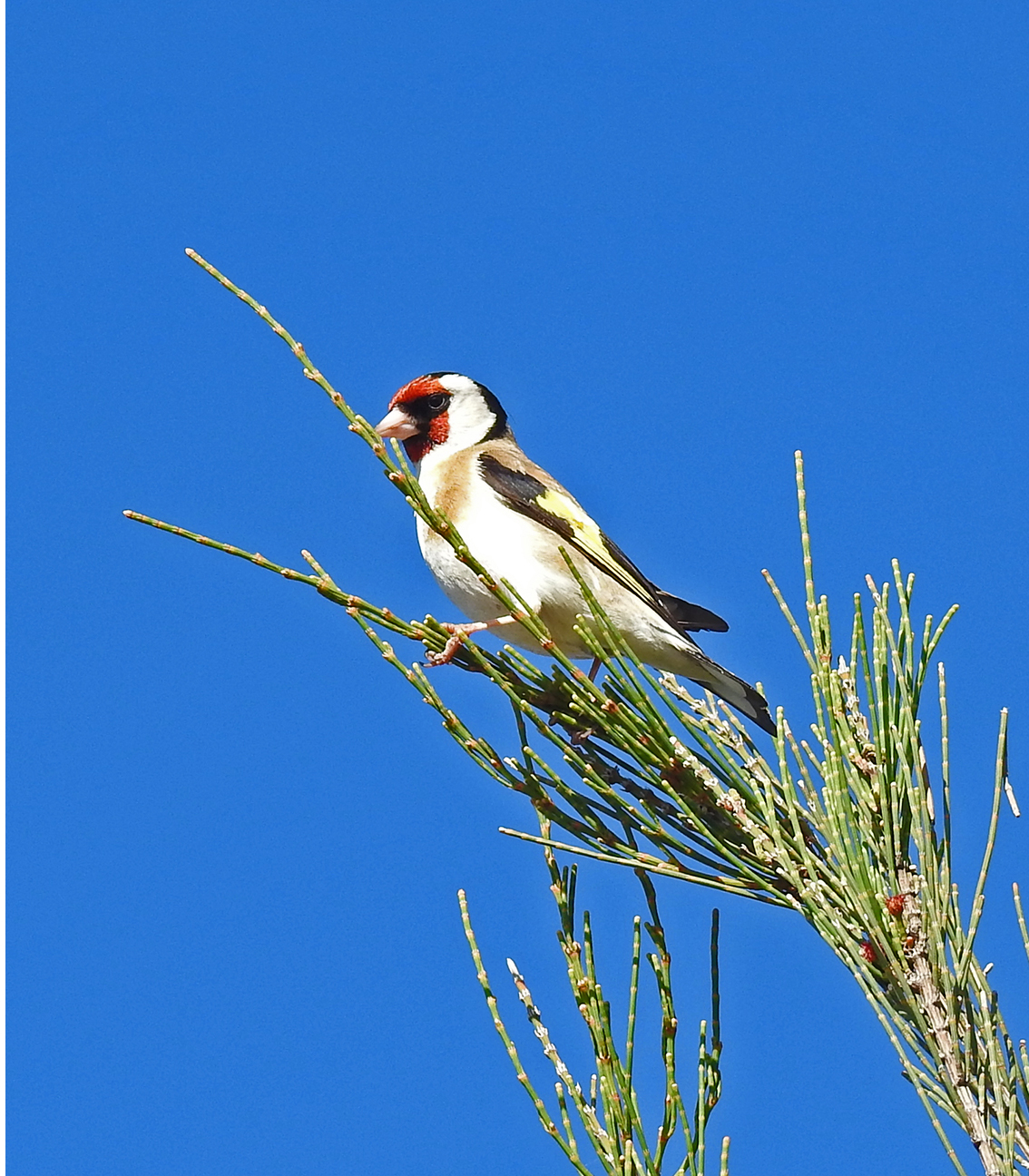
There is a beautiful European Goldfinch perched in the top of a Casuarina. Though I came to look at native plants and fauna, this introduced bird is far to pretty to ignore.

European Goldfinch

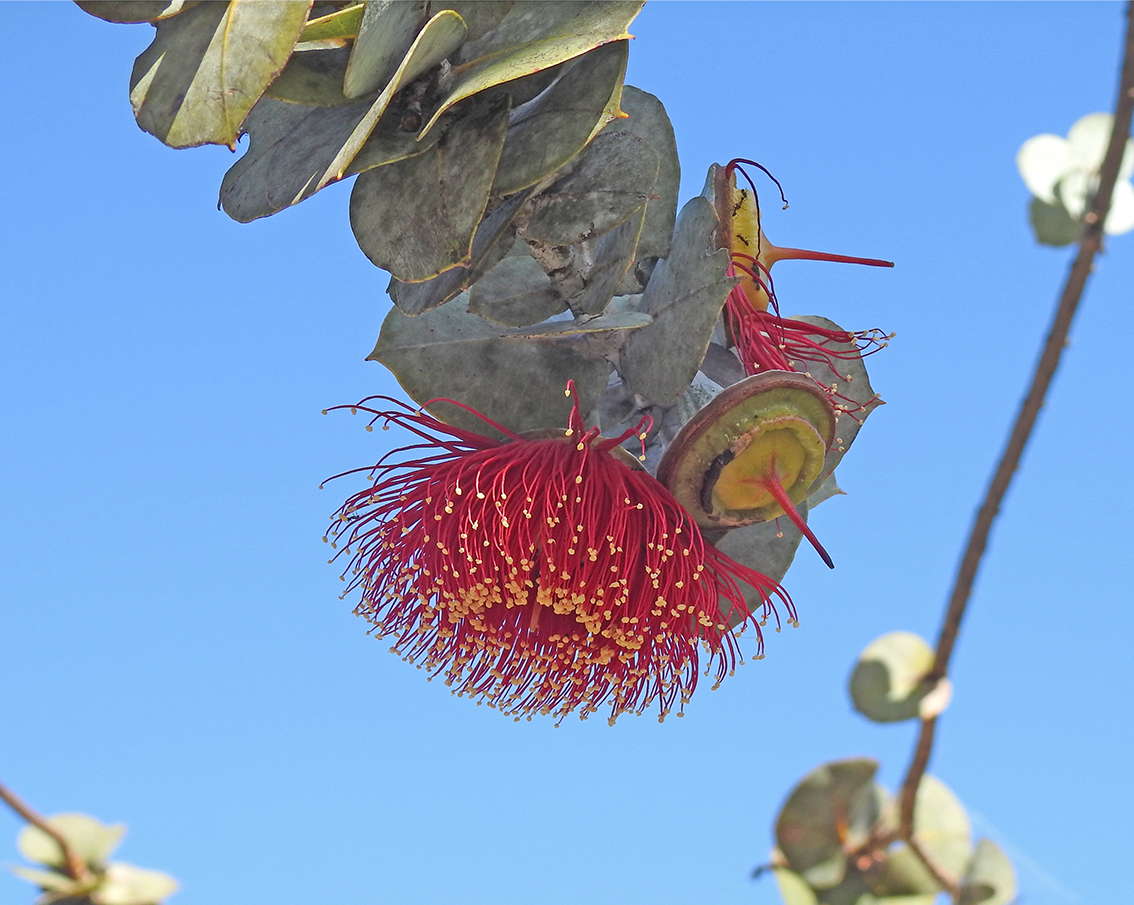
A little further along the pathway, I notice a low spreading gum with pale roundish leaves and brilliant red flowers. The tag beneath the tree shows it is a Eucalyptus rhodantha or the Rose Mallee.

Eucalyptus Rhodantha

Eucalyptus Rhodantha cap coming off to reveal blossom

Eucalyptus Rhodantha blossom

I am wandering around the Pangarinda Botanic Garden in Wellington East near Murray River. This wonderful community project, started in 1993, transformed 25 HA of weedy, eroded land into a brilliant dryland botanic garden primarily featuring plants of Western and South Australia.

Garden entrance

My first native bird sighting  is a Red Wattlebird picking insect larvae off the branches and leaves of a gum tree. They might be Lerps but it is difficult to tell at this range.

Red Wattlebird with larvae

Further along the trail, I notice a brilliant, yellow flowering bush (Calothamnus quadrifimus) sometimes called the One-side Bottlebrush. It appears to be a feeding station for a hoard of New Holland Honeyeaters. I set my camera to high speed mode and fire a few quick shots at the feeding birds.

New Holland Honeyeater feeding on Calothamnus sp blossoms

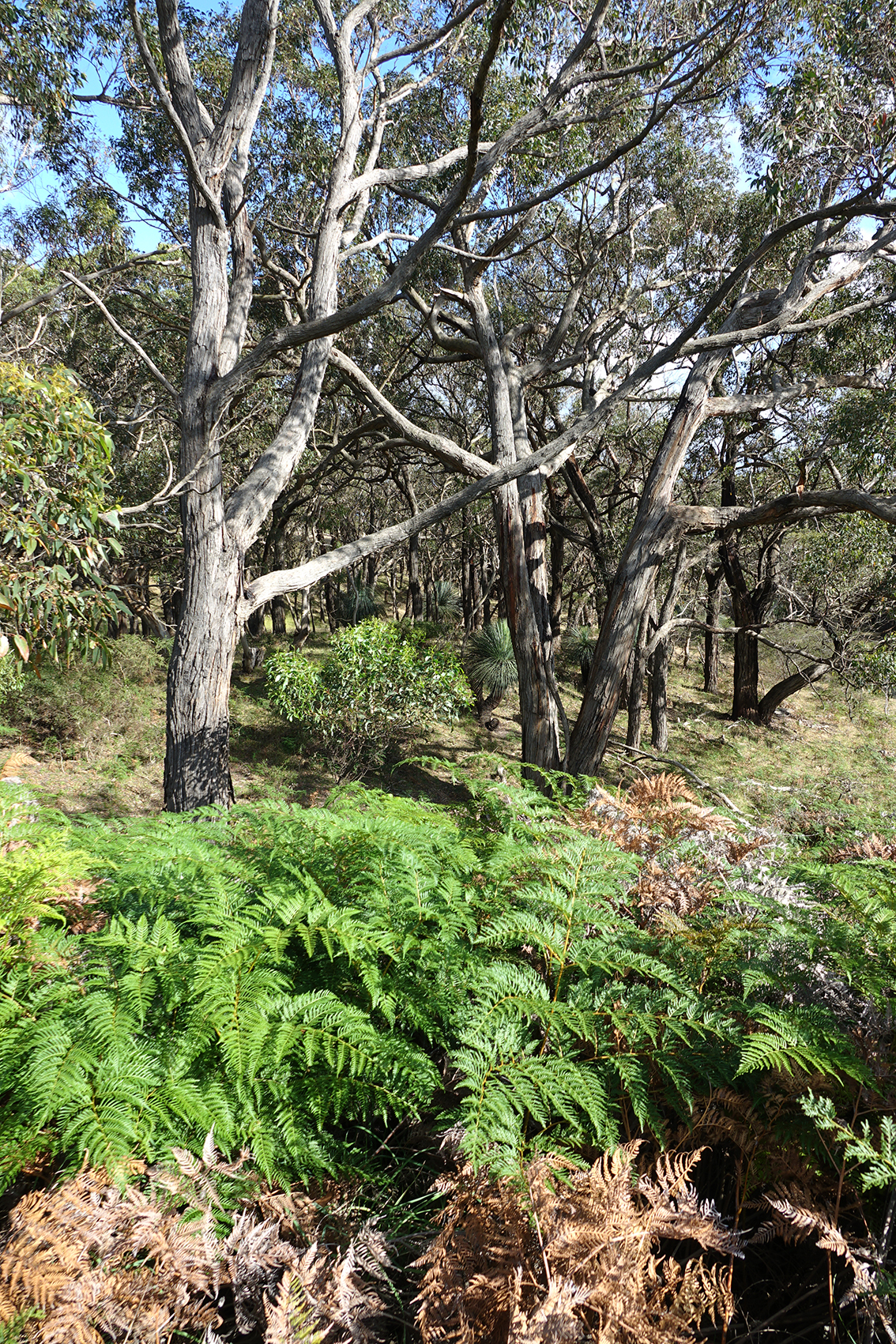
The nature of the trail changes throughout the park and I find myself looking across a small grove of Native or Cyprus Pine (Callitris sp). In the distance, I can just make out some blackbird sized birds hopping around a small pile of branches. Steadying myself on a the back of a conveniently placed bench, I use the full extent of my zoom. On review, I think they are Grey Shrike Thrushes.

Grove of Native Pine

Grey Shrike Thrush

The next section of the walk takes me along the eastern flank of the garden where there is a variety of eucalypts, native pine and other trees. The bird calls are both overwhelming and distinct along this part of the trail.  They indicate significant numbers of Superb Fairy Wrens, White-browed Babblers, various honeyeater species as well as tiny canopy living birds such as pardalotes and Silvereyes.

Male Superb Fairy Wren

White-browed Babbler foraging

White-browed Babbler close up shot from nearby Monarto CP

Where this taller stretch of trees peters out there is a bench by a waterhole surrounded by Grass Trees and Kangaroo Paws. An excellent place to stop and rest before tackling the rest of the circuit………..to be continued

Cheers

Baz

Additional notes

The camera used for this post is a Nikon P900

This is an easy walk and drive which is quite suitable for families and seniors with public toilets,  with parking and other facilities nearby. It is dog friendly but they must be on a lead.

Please pass on this blog title and or contact information (URL) to any person or organisation with an interest in taking walks and enjoying wildlife in SA.

Click on these links and see more South Australian stories and pictures in my Weekend Notes articles as well as locating similar blogs on Feedspot’s top 20 Australian wildlife blogs

https://www.weekendnotes.com/adelaide/writer/452/

https://blog.feedspot.com/australian_wildlife_blogs/

Exploring the Southern Flinders Ranges…..Kanyaka Ruins

4 May

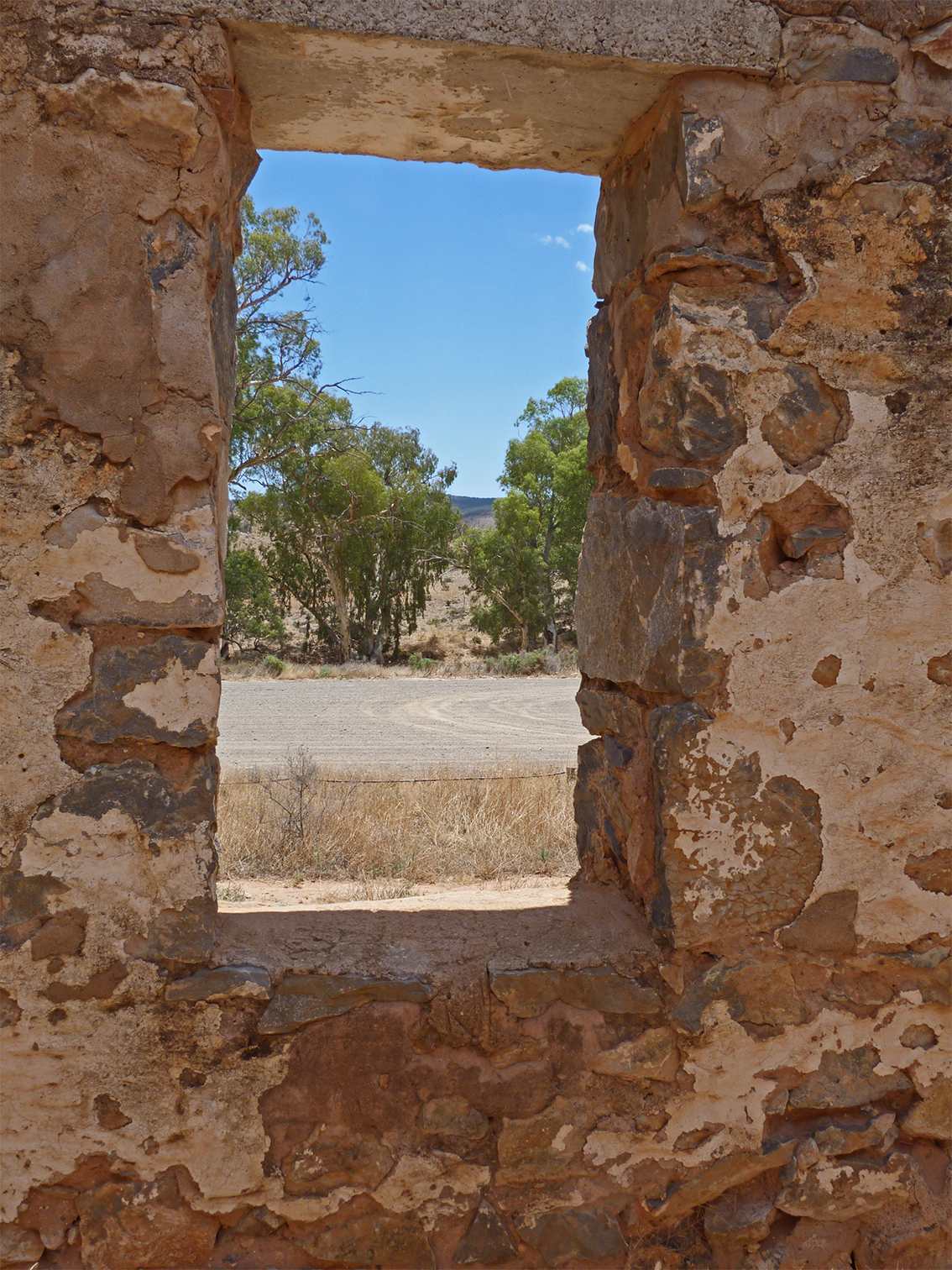
A window view of the area around Kanyaka Ruins

Dear Reader:

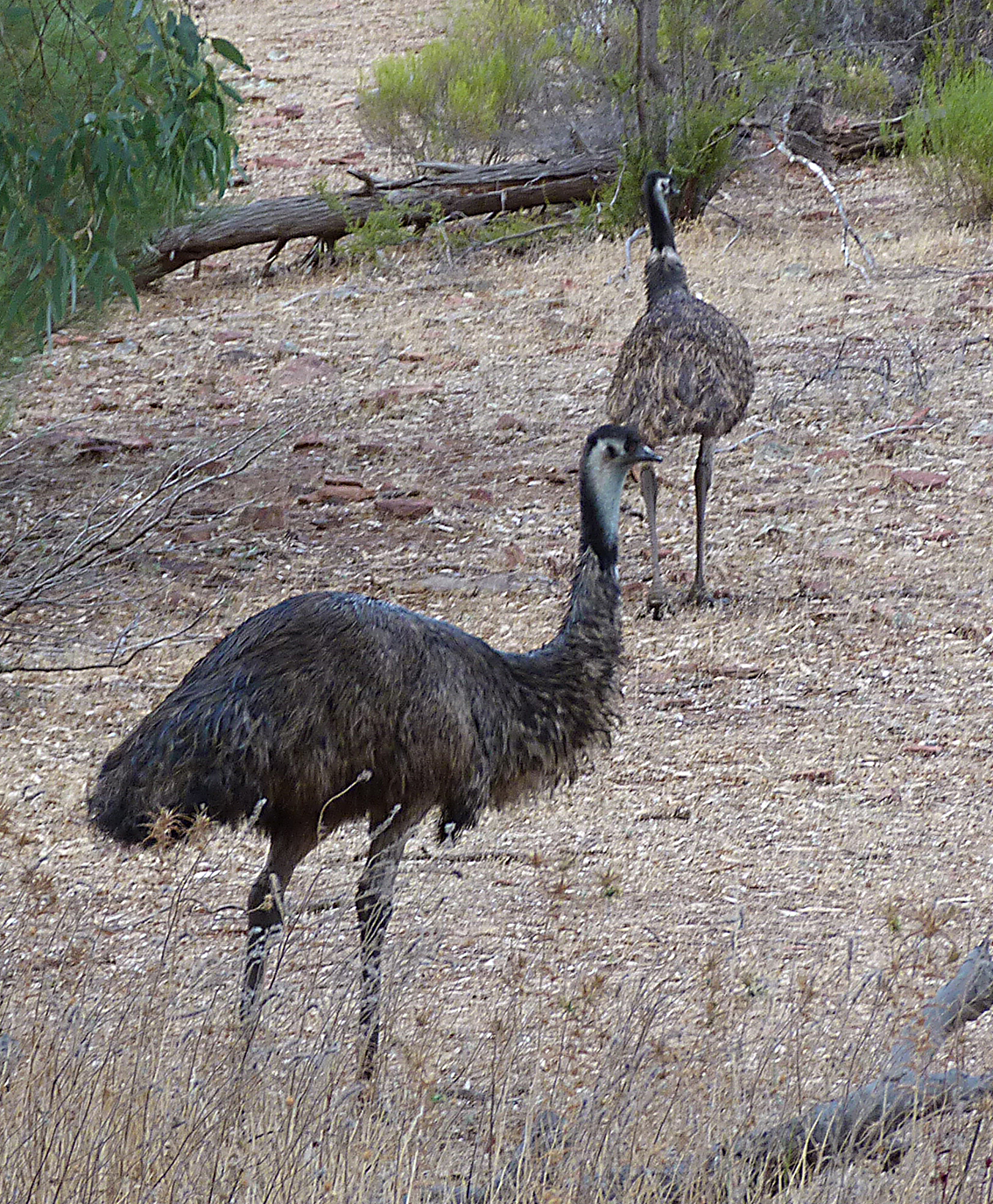
There are patches of low scrub and gravelly, ochre shaded soil on either side of the dirt road leading to the ruins. We are not expecting to see much wildlife on this exposed track. A pair of adult Emus surprise us as they dash across the road and I have just enough time to grab the camera from the console and fire off a few frames.

Driving into Kanyaka Ruins

Pair of Emus

We are driving along the entrance track to Kanyaka Ruins between Quorn and Hawker in South Australia’s Southern Flinders Ranges. This area is the ancestral home to the Barngarrla people. Kanyaka (most likely meaning ‘place of stone’) was originally established as a cattle station in 1852 by Hugh Proby who tragically died in the flash flooding of the nearby Willochra Creek. At its height, under later ownership, Kanyaka housed up to 70 families and ran sheep rather than cattle.

Ringneck Parrots

We have timed our arrival for mid-afternoon in order to have lunch at the ruins, explore the area then search for wildlife in the cooler hours before sunset. Our planning is rewarded as a small flock of Ring-neck Parrots settle a few hundred metres away amongst some wild grasses. With the parrots intent on their feeding, I am able to get close enough for an acceptable shot.

Apostle Birds

Nearby in the shade of a eucalyptus grove, I spot a pair of medium sized grey and brown birds fossicking amongst the leaf litter. On closer examination, I recognise them as Apostle Birds; a species I have never encountered around the Adelaide area where I live.

Small mob of Western Grey Kangaroos near the highway

With the sun getting lower in the sky it is time to leave in order to reach Hawker before dusk. Driving at night or in low light conditions is a recipe for disaster around the Flinders. With so many kangaroos in the area it is easy to have a collision, which can be devastating for both wildlife and driver alike. As if to emphasise the point, we pass a small mob of Western Grey Kangaroos, some with joeys in the pouch, feeding ­close to the highway.

Yellow-footed Rock Wallaby on steep hillside

After resting overnight in Hawker we will head into the heart of the Ranges and search for Yellow-footed Rock Wallabies in the steep gorges. However, that is a story for another time.

Cheers

Baz

Additional notes

This is a long drive from Adelaide but easy walking and quite suitable for families and seniors 

Please pass on this blog title and or contact information (URL) to any person or organisation with an interest in taking walks and enjoying wildlife in SA.

Click on the links below to see more South Australian stories and pictures in my Weekend Notes articles as well as locating similar blogs on Feedspot’s top 20 Australian wildlife blogs.

https://www.weekendnotes.com/profile/651267/

https://blog.feedspot.com/australian_wildlife_blogs/

Houseboat Adventures Morgan Day 1

2 Jan

Dear Reader:

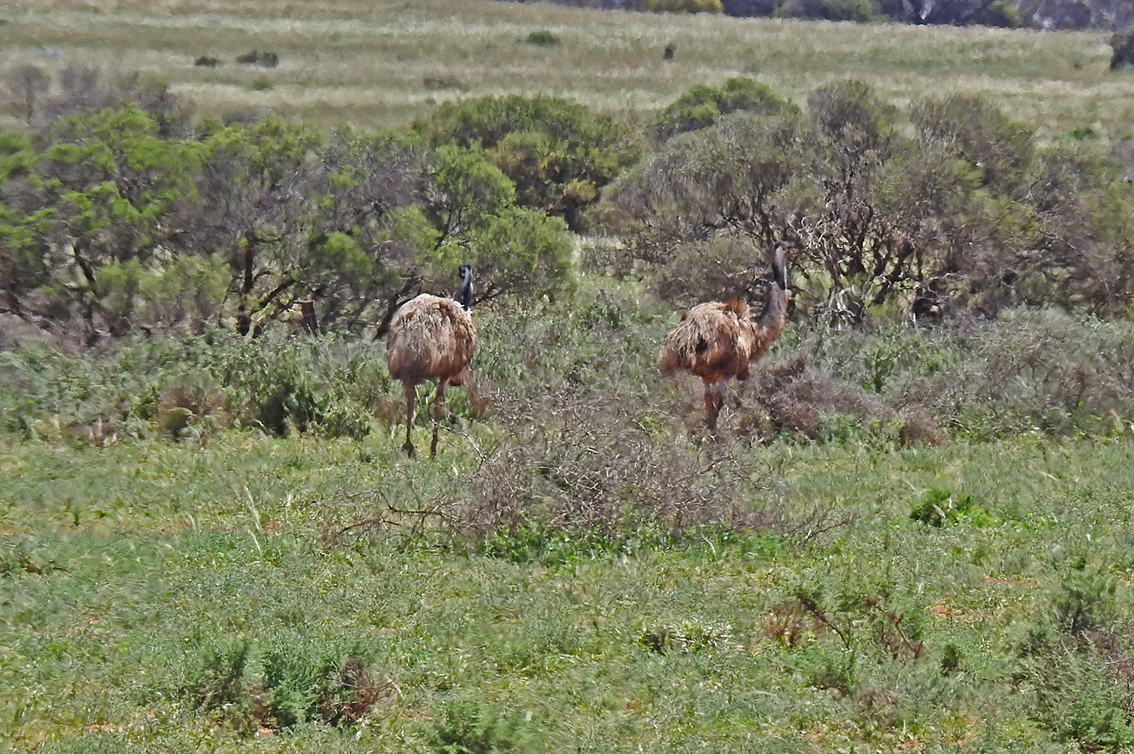
The road is ‘dead set’ straight for kilometre after kilometre. Expanses of saltbush and mallee scrub border the highway. While driving I scan the bush for wildlife. Crows perch on branches, an occasional parrot flies in front of the vehicle and there is the inevitable road-kill. I ease my foot onto the brake and pull over. Hundreds of meters across the saltbush, on the woodland fringe, I can see a pair of emus. My Nikon P900 is an excellent tool for locating an image at this range but even the 83X zoom is challenged when it comes to getting a good clear shot.


Emus at distance

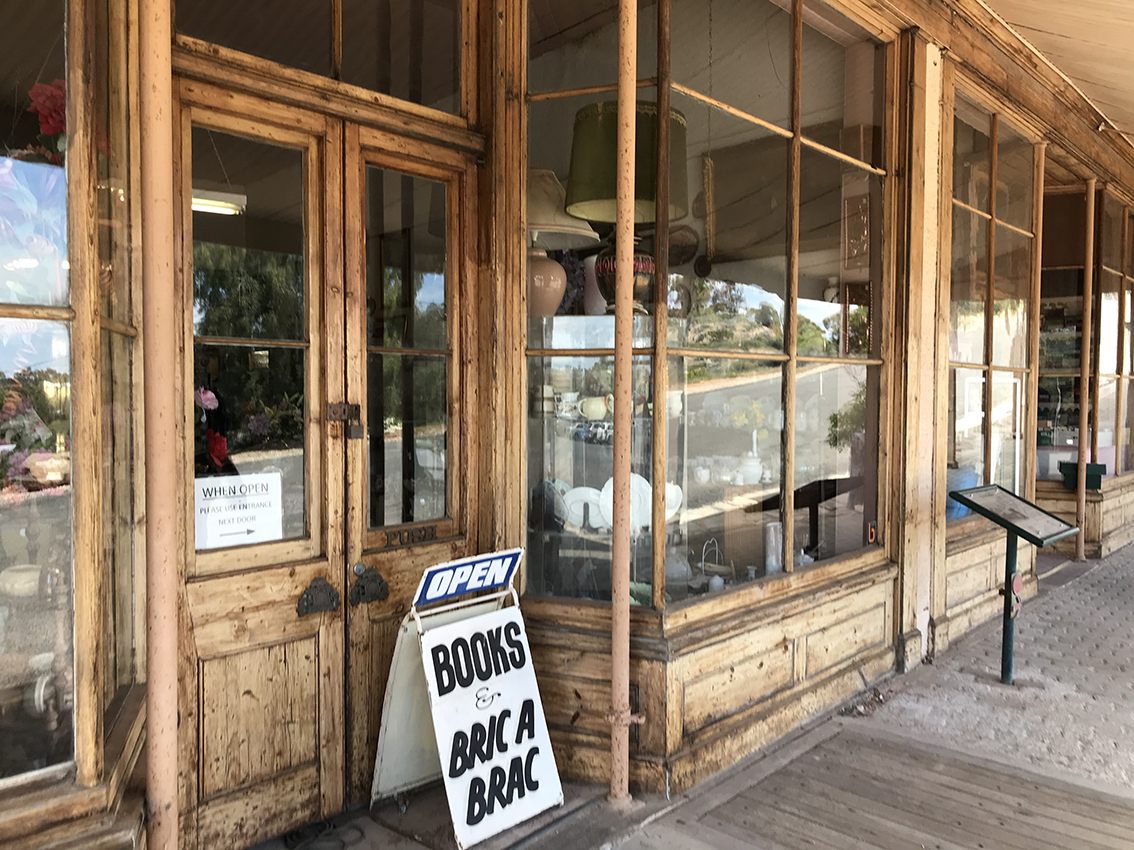
I am driving to Morgan, an historic town on the River Murray about 160 kms from Adelaide. Morgan was a busy river port during the 1800s with hundreds of paddle steamers delivering goods prior to the advent of railways and more recently motor vehicle transport. However, this colourful history has given rise to Morgan’s current attractions; heritage docks, museum, renovated paddle steamer, historic trails and two wonderful, old pubs.


Books and bric a brac

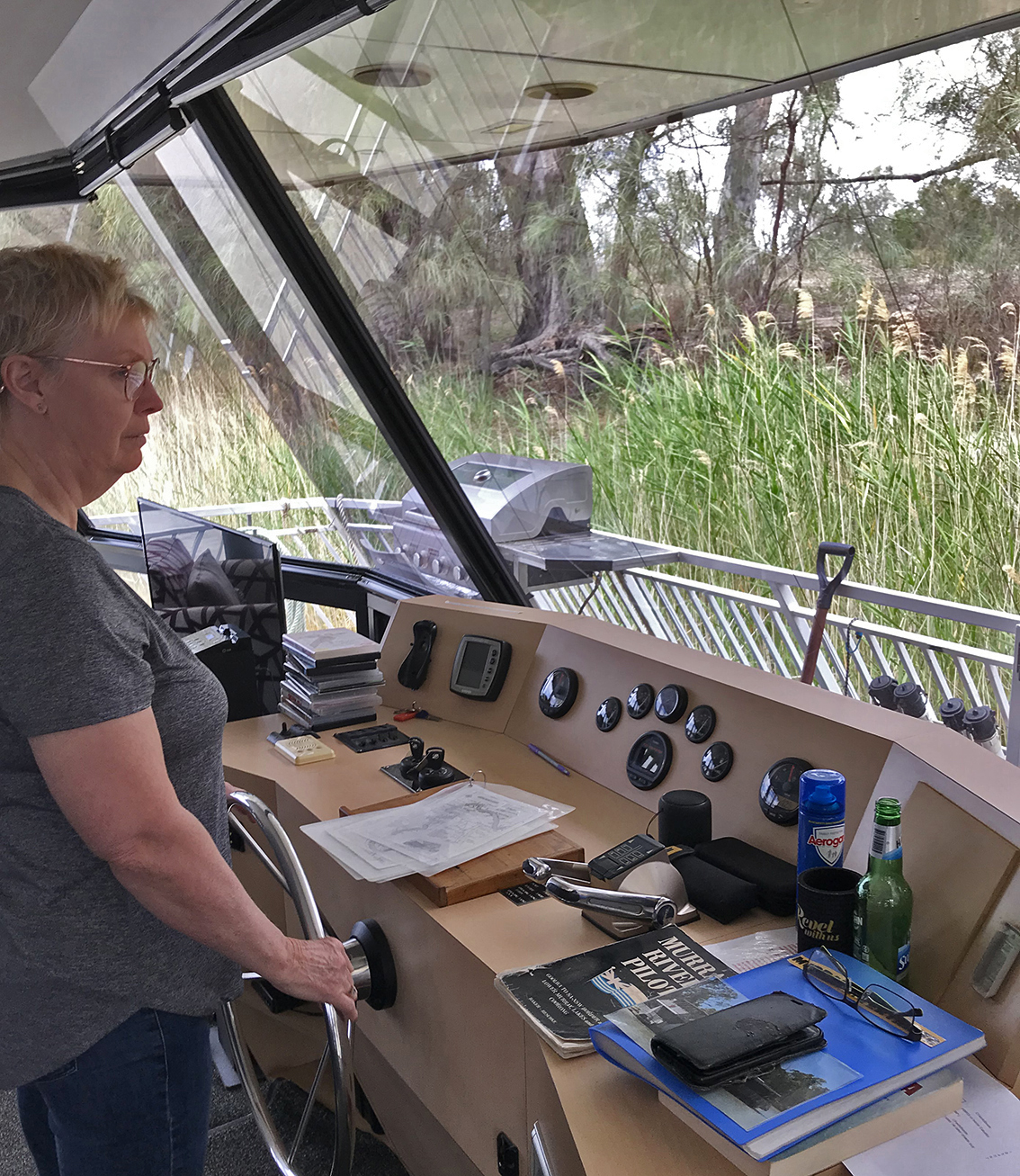
Sandra at the helm


I am meeting friends for a week-long houseboat trip exploring this stretch of the river. Each afternoon we will pull into the bank at a different location, stay there overnight then head off again in the morning. For my companions it is an ideal way to spend some down time away from their busy lives. For me, it means long walks to explore and photograph each location, editing images and writing up notes as well as capturing images from the boat as it cruises along.


Whale vertebrate fossils


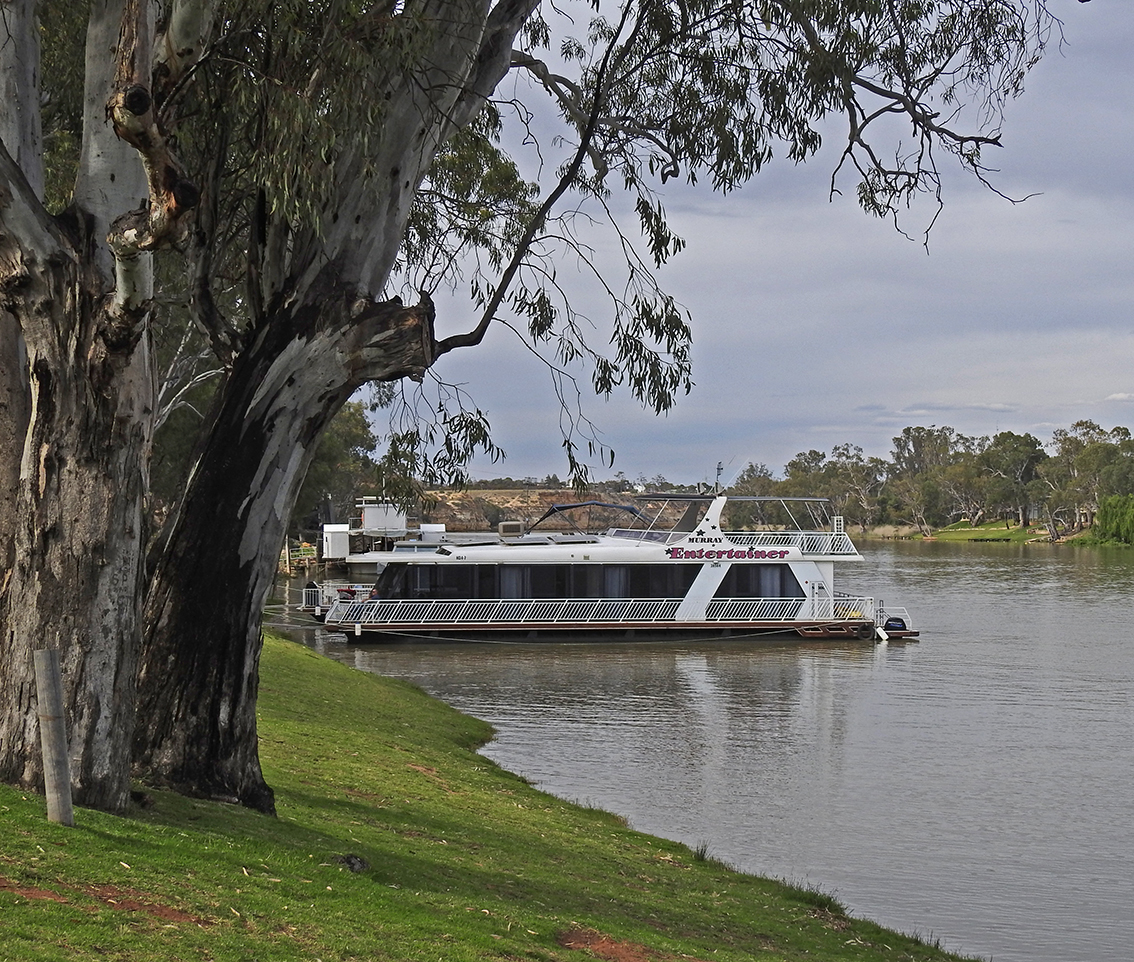
Our boat docked

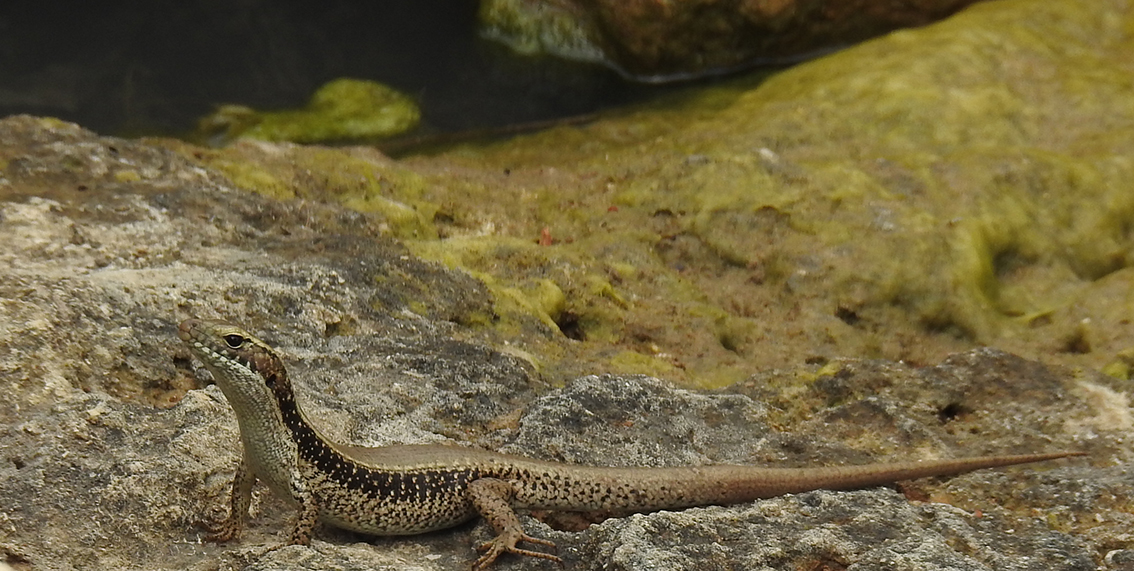
Before we leave Morgan I take a stroll along the river bank towards the old wharf. It seems like a good place to look for animals that thrive close to human habitation. I can see swallows hawking across the water and picking off insects in the air but they rarely settle and photographing them in flight takes a better photographer than me. However, I do manage to spot a beautiful Eastern Water Skink catching the late afternoon sun.


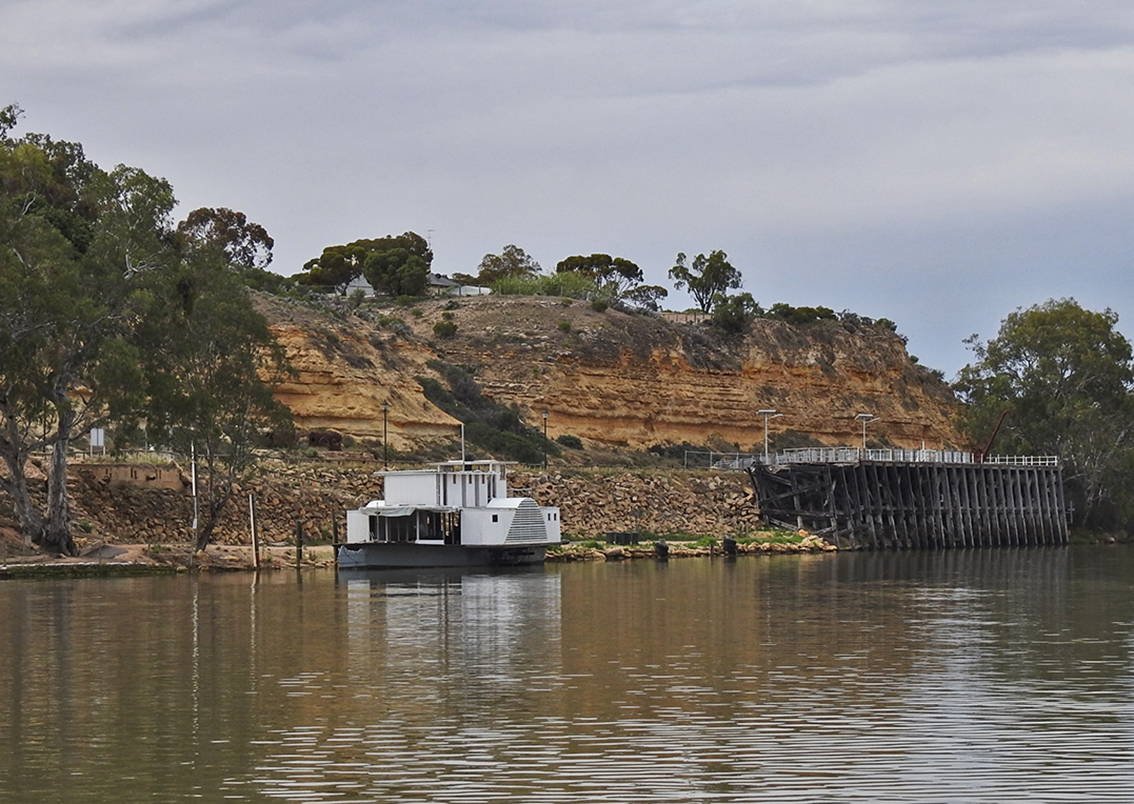
Wharf, cliffs and old paddle-steamer being restored


Eastern Water Skink

Pleased with my final image, I head back to the boat for dinner and a pleasant evening socialising with friends before we set off up-stream in the morning to another location and a fresh adventure.

Cheers

Baz

Additional notes

Only a driving license is required to operate a houseboat. We used Foxtail Houseboats and were more than pleased with their level of service.

Please pass on this blog title/contact information (URL) to any person or organisation with an interest in taking walks and enjoying wildlife in SA.

Click on this link and see more South Australian stories and pictures in my Weekend Notes articles

https://www.weekendnotes.com/profile/651267/

Spotted Doves or Pics from my final days in isolation

18 May

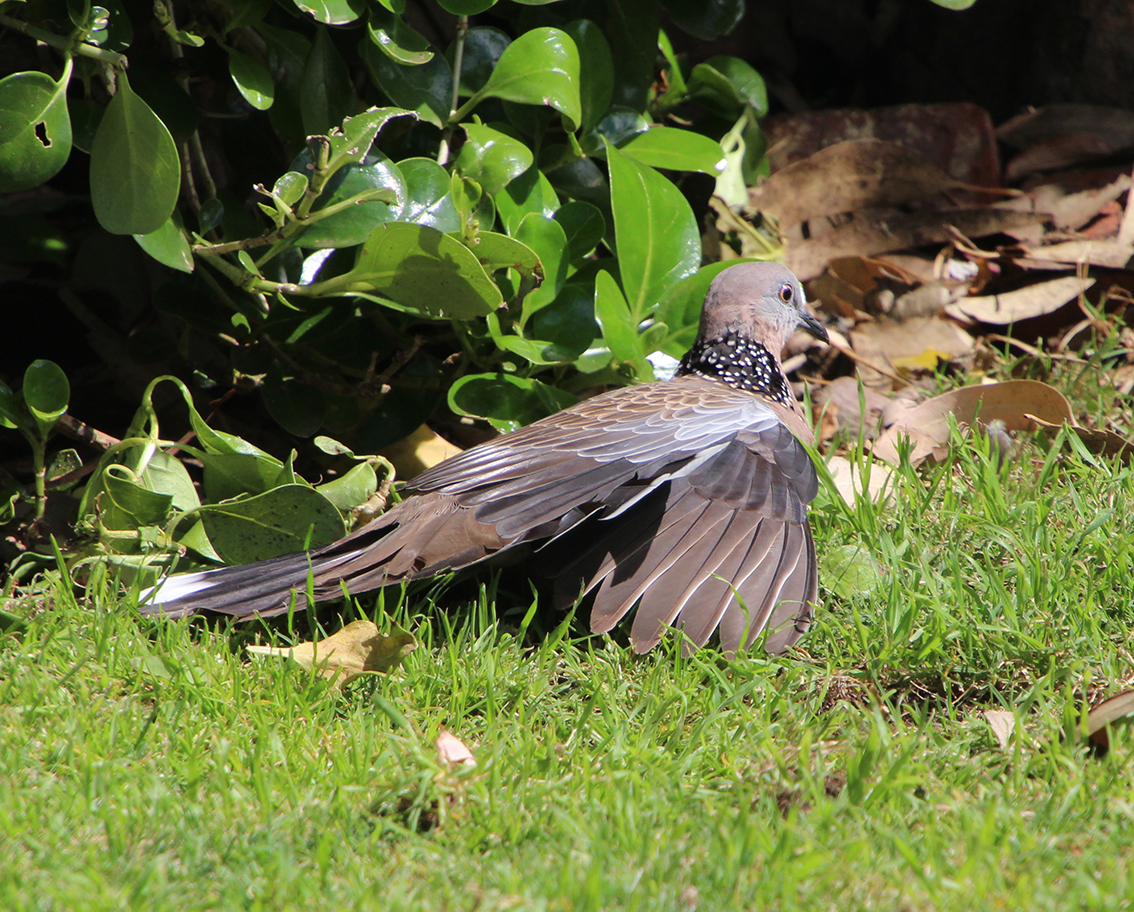
Spotted Doves

Dear Reader:

There are many ways to experience the natural and urban environments that we South Australians are lucky enough to have at our disposal. One technique that I have employed, in these days of isolation, is to focus on one animal for a period of time and try to explore some of its behaviours. For obvious reasons, it is best to choose a species that is common to your area. By watching it closely you might discover some interesting traits that you have never noticed before and probably come up with some questions regarding these behaviours.


Lovely markings


Each morning I scatter out seeds for the Spotted Doves that frequent the trees surrounding my garden. Over the years I have watched them nest, raise their chicks, avoid predators and engage in a variety of mating and chasing behaviours across my back lawn.


Live and Let Live


On the subject of predators; the back yard is the domain of my very old Abyssinian cat who, in years gone by, made sure that few birds settled on the lawn during his watch. Although curtailed by a harness and length of nylon cord he was still able to generate enough speed and leaping power to scare any bird that transgressed into his territory. Today, not so fast, and the doves know it and feed close to him. The occasional sortie in their direction is met with a flap of wings to gain some height then a quick return to the ground and feeding.


My Turf


Off you go

Just one more piece of seed

Sometimes, when feeding one dove will dominate the area charging at the others and seeing them off. However, the victims of this avian bullying quickly return and the perpetrator seems to expend more energy and get less seed than they do. I suspect the perps are males, enough said.   


Necessary maintenance


Another interesting Dove behaviour is resting in a sunny patch with one wing extended and feathers spread. Apparently, this helps the fine preening oil spread over the plumage and drives out parasites.


One of each kind


Spotted Doves are attractive birds that belong to the Columbidae family which includes pigeons. They are an introduced species. Several other kinds of birds belonging to this group are also quite common in the Adelaide area. They include: Feral pigeons or Rock Doves, Barbary or Turtle Doves and Crested Pigeons. These birds all have melodious calls and add to the diverse birdsong of our city.


Explore and enjoy your own environment and stay well and safe in these unusual times.


Cheers

Baz

 Please pass on this blog title and or contact information (URL) to any person or organisation with an interest in taking walks and enjoying wildlife in SA.

See more South Australian stories and pictures in Weekend Notes

https://www.weekendnotes.com/profile/651267/

 I have recently spent time in Africa and the link below will allow you to enjoy images and field notes describing some of my encounters with the wonderful wildlife of Botswana and Zambia. I will try to attach a new image and notes each month.

https://wildlifemomentssa.blogspot.com

Weeroonas Wildlife

12 Aug

Dear Reader:

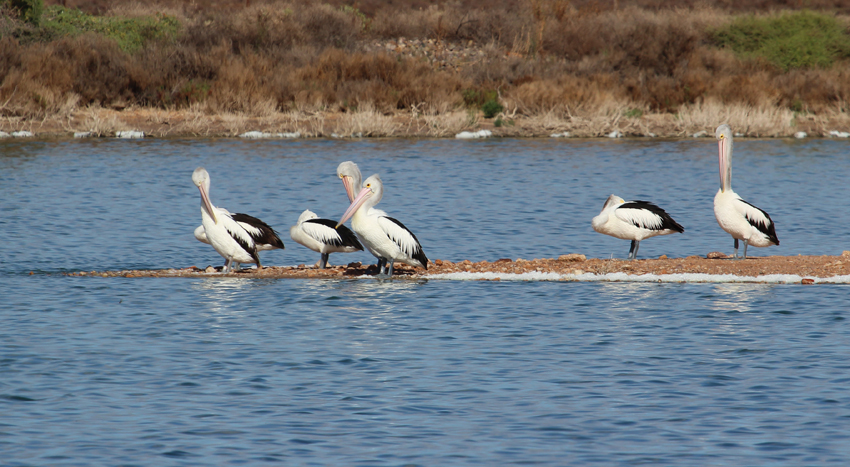
The roadside view makes the pair of ibis look like some multi headed ying-yang version of a bird as one looks up while the other dips its beak into a puddle. They are part of a larger group that has been feeding in the samphire wetlands that border the road to the island.


Strictly speaking Weeroona island is more like a raised peninsula; cut off from the mainland by swampy ground that only floods in severe weather conditions coupled with high tides. Situated between Port Pirie and Port Germein (about two hours drive from Adelaide) the island is a weekend destination for many locals. There are a wide variety of dwellings from beachside shacks to luxury homes scattered around the island. Surrounded by stands of mangrove and with stretches of beach mudflat and cliffs the periphery of this tiny island is a Mecca for coastal wildlife.


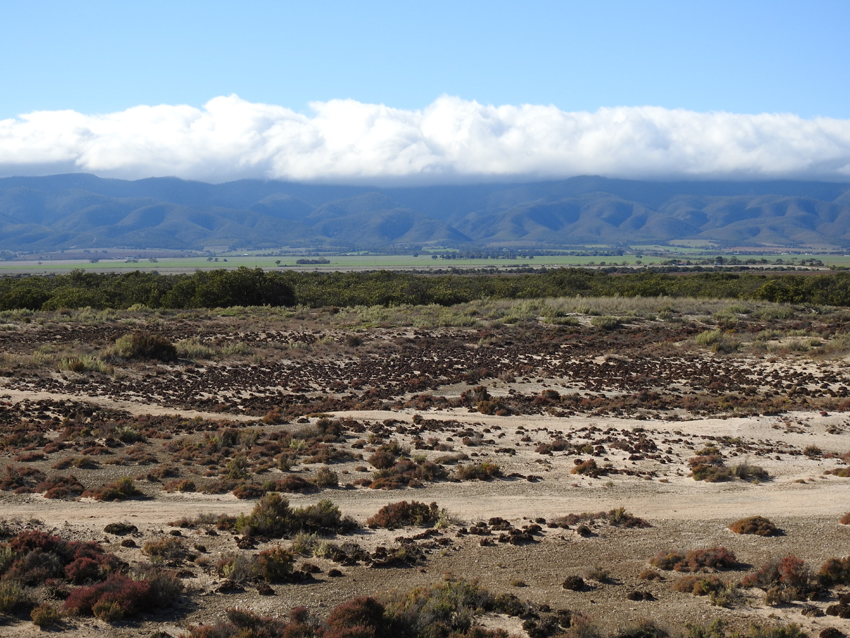
As I reach the island I notice a small park with children’s play equipment, shelter and barbecues. Nearby there is a boat ramp and a walking trail that skirts the mangroves. A school of mullet are feeding in the shallows and I can hear the calls of mangrove warblers and herons in the tangles of trunks and leaves that crowd the water’s edge. The view from the park back across the mainland to the lower Flinders is spectacular with low clouds enveloping the crest of the hills.


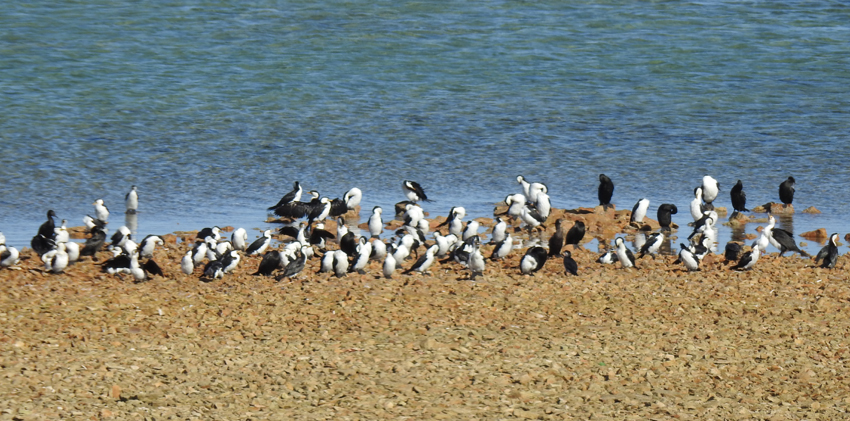
Driving around the island only takes a few minutes but there are several minor roads and tracks leading down to the sea that are well worth exploring. Along one small trail I have an uninterrupted view of the skeletal remains of an old fishing boat and a mixed accumulation of pied and black cormorants on a small exposed beach.

Cormorants and gulls


It has been a brief but exhilarating drive around the little island and I will make sure to set more time aside on my next foray into the area. But Weroona leaves me with one final avian gift. Just as I am about to drive back to the main highway a pair of masked lapwings decide to walk along the path near the walkway. Today the light is good and I manage to get a nice detailed shot of one of these wary coastal birds purposefully strutting along the gravel track.

 Cheers

Baz

Additional notes

This is an easy walk/drive which is quite suitable for families and seniors with public toilets, barbecues, parking and other facilities nearby.


 I have recently spent time in Africa and the link below will allow you to enjoy images and text describing some of my encounters with the wonderful wildlife of Botswana and Zambia. I will attach a new image and notes to accompany each post.

https://wildlifemomentssa.blogspot.com

Whyalla’s Coastal Fringe

25 Jun

Whyalla’s Coastal Fringe

Dear Reader:

The grey kangaroo is bounding along the small levy that cuts across a shallow clay pan near the edge of a tidal flat. It stops monetarily and twitches its mobile ears, looks around, then continues on its way into the scrub alongside the raised earthen mound. I get a few seconds to make a shot and the wary marsupial is gone.

Grey kangaroo

 I am exploring the coastal fringe of Whyalla South Australia’s third most populous city. The steel and regional centre is situated near the head of Spencer Gulf on the Eyre Peninsula about 450 kms from Adelaide. The area is a mixture of mangrove, tidal flats, sandy beach and some small industrial areas that enclose substantial freshwater pools. Several roads lead down towards the coast from the Lincoln Highway and some of the terrain requires 4WD.

Garden centipede

Egyptian beetle 

I take the vehicle across one of the mud flats and have to fight to keep from getting bogged. Slipping the SUV into low range and slowly sliding across the surface I wrestle with the steering until the wheels grip sand on the edge of the levy. Relieved, I get out and survey the quagmire of clay-like debris stuck to the wheel arches. But my close call has led me to a cosy little depression amongst the scrub and I decide to move a few fallen branches and search for invertebrates. After a few minutes I unearth a rather large garden centipede and a few Egyptian or ‘cellar beetles’ as well as some different ant species. After a little macro photography I carefully replace their homes.

Australian pelicans 

Another dirt road takes me past the rifle club and some large freshwater ponds that have attracted a small group of pelicans. The birds appear to be simply congregating and socialising between short forays into the water to feed. Along the edge of the water there are several different species of small waders including dotterels and plovers but they are wary and take flight when I approach.

Crested pigeons 

The scrub alongside the mangrove patches is also home to a variety of birds including singing honeyeaters and fantails. One scrubby eucalypt that has managed to endure decades of salty onshore winds provides shelter for a trio of crested pigeons a species that I often see found foraging in the coastal bush.

View from Hummock Hill 

I head back onto the highway drive back into the city and up to a local lookout. Hummock Hill is a fitting place to end my exploration of Whyalla’s coastal fringe. The site of the first settlement in 1901 it provides panoramic views of the city, coast and surrounding bushland. Hummock Hill also served as a gun emplacement during the Second World War and has lately been developed as an historic site; lovely place to simply take in the rugged beauty that this area has to offer.

Cheers

Baz 

 I have recently spent time in Africa and the link below will allow you to enjoy images and text describing some of my encounters with the wonderful wildlife of Botswana and Zambia. I will attach a new image and notes to accompany each post.

https://wildlifemomentssa.blogspot.com